For decades, Dan Penn’s mid 60s Muscle Shoals demos were the Holy Grail among southern soul fans, feted by the likes of Rick Hall and Jerry Wexler as being better than the hit versions. When they finally became accessible to all, 40-plus years after they were recorded, they turned out to be just as good as had been stated.
Further acclaim awaits the recent discovery by Soul-4-Real of two more demo masterpieces, written and performed by Dan and Spooner Oldham while working in Memphis at American Studio in 1967-68. The tape box shows who they were intended for, and it’s a real shame that James Carr never recorded either as both would have been perfect for him. At least we got to hear fine versions of “Cheaters Never Win” from Tony Borders and Bobby Boseman in due course. The lovely “I’m Believing In You” seems to exist only in the version you hear here.
New ‘old’ music from Dan is always worth hearing and having. These wonderful performances are no exception…
For decades, Dan Penn’s mid 60s Muscle Shoals demos were the Holy Grail among southern soul fans, feted by the likes of Rick Hall and Jerry Wexler as being better than the hit versions. When they finally became accessible to all, 40-plus years after they were recorded, they turned out to be just as good as had been stated.
Further acclaim awaits the recent discovery by Soul-4-Real of two more demo masterpieces, written and performed by Dan and Spooner Oldham while working in Memphis at American Studio in 1967-68. The tape box shows who they were intended for, and it’s a real shame that James Carr never recorded either as both would have been perfect for him. At least we got to hear fine versions of “Cheaters Never Win” from Tony Borders and Bobby Boseman in due course. The lovely “I’m Believing In You” seems to exist only in the version you hear here.
New ‘old’ music from Dan is always worth hearing and having. These wonderful performances are no exception…
At last, Tokyo’s RAW DISTRACTIONS release their debut LP after a couple of demos and four singles on Hardcore Survives and Pogo 77. RAW DISTRACTIONS have been raised onthe catalogue of Beat the System, Clay Records and Riot City. They play lean and hard hitting UK82 punk with some raging guitar work and a gutteral vocalist who spits and snarls but never forgetting the hook. It’s instant, raw and unhinged and would sit perfectly next to Charged GBH, One Way System and The Exploited but with that Japanese magic dust. This is raw punk but hard and melodic rather than overblown.
Les Rallizes Dénudés returns with Disque 4 -’76 Studio et Live-, the latest in the ongoing series of official archival releases from the celebrated Japanese underground band.
In 1991, Les Rallizes Dénudés released what would become the only official albums issued during the band’s lifetime: ’67-’69 STUDIO et LIVE, MIZUTANI / Les Rallizes Dénudés, and ’77 LIVE. What no one knew at the time was that Takashi Mizutani was already deep into preparing another record.
Disque 4 reconstructs the track list Mizutani had put together for that fourth album. This includes the single “White Awakening," recorded in 1976 at the studio in Takadanobaba BIG BOX as part of the sessions that would become known among collectors as the “Virgin Demos.” Production and mastering of this archival release were handled once again by Makoto Kubota, assembling the album from the masters left behind by Mizutani, utilizing newly discovered tapes as additional sources.
Prepared by Mizutani using a variety of formats, including U-Matic, open reel, and DAT, the tracks were originally labeled with working titles such as “Disque 4” and “Record No. 4,” indicating that Mizutani intended them for inclusion on a possible fourth album. The recordings were taken primarily from studio sessions that all seemed to have taken place around 1976, which aligns with the claim that Mizutani himself once made that “there exists an album of studio recordings made with the same members as ‘77 LIVE.” His notes also suggest an attempt to sequence the tracks as a vinyl LP, splitting them into A and B sides. It's not hard to imagine that in the era of CDs in the early 1990s, an album on analog LP would have been an extremely difficult sell. Thus, the “Fourth Album” had become another lost piece of the intricate Rallizes myth.
Les Rallizes Dénudés may be notorious for the colossal volume and extended song lengths in their live settings. But this work, centered around studio recordings and condensed onto a single LP record, transcends the common impression of the band’s aggressive flood of noise. Instead, the “lyricism” at its core emerges with striking clarity. And needless to say, this is precisely the charm of the Rallizes that continues to captivate fans worldwide today.
out of Stock
Last delivered 4 months ago available to reorder, subject to availability
Immolation was founded after the demise of Rigor Mortis (NY), a band formed in May 1986 by Andrew Sakowicz (bass guitar, vocals) Dave Wilkinson (drums), and Robert Vigna (guitar) After recording the Decomposed and Warriors of Doom demos, Sakowicz left the band in early 1988 and was replaced by Ross Dolan, and the band's name was changed to "Immolation". The new lineup put out two studio demos, in 1988 and 1989, and gained a worldwide following in the underground death metal scene. Immolation signed a record deal with Roadrunner Records and released their debut album 'Dawn of Possession' in 1991. After leaving Roadrunner, the band released "Stepping on Angels," a compilation of demo releases and live tracks. In 1995 the band was signed by Metal Blade Records and released three albums: 'Here in After' ,'Failures for Gods', and 'Close to a World Below'. After their second album, drummer Craig Smilowski left the band and was replaced by Alex Hernandez. Their next three albums, 'Unholy Cult', 'Harnessing Ruin', and 'Shadows in the Light' were released by Listenable Records.
After recording the Decomposed and Warriors of Doom demos, Sakowicz left the band in early 1988 and was replaced by Ross Dolan, and the band's name was changed to "Immolation >>. The new lineup put out two studio demos, in 1988 and 1989, and gained a worldwide following in the underground death metal scene. Immolation signed a record deal with Roadrunner Records and released their debut album 'Dawn of Possession' in 1991. After leaving Roadrunner, the band released "Stepping on Angels," a compilation of demo releases and live tracks.
'Lookaftering' von Vashti Bunyan wird 20 Jahre alt. Aus diesem Anlass und zum 80. Geburtstag der Künstlerin erscheint eine erweiterte Ausgabe. Neben dem Original-Studioalbum auf Disc 1 enthält die Expanded Edition auf Disc 2 Demoversionen, alternative Takes und Live-Aufnahmen aller Original-Tracks des Albums. Außerdem begleitende Kommentare von Vashti Bunyan höchstpersönlich, Produzent Max Richter und Devendra Banhart sowie ein 16-seitiges Textheft mit einer Sammlung von Gemälden von Vashtis Tochter Whyn Lewis - Gemälde, die zufällig die Texte des Albums widerspiegeln.
Die Demos stammen aus den Jahren 2001 bis 2005 und wurden von Vashti zu Hause aufgenommen, wobei sie sich selbst auf akustischer und elektrischer Gitarre begleitete und mit Synthesizern experimentierte. Der Sound ist im Vergleich zum fertigen Album natürlich etwas zurückgenommen, doch die Live-Version von Lately, aufgenommen bei einem frühen 'Comeback'-Konzert in Los Angeles im Jahr 2006, mit der gleichen Instrumentierung wie auf dem Album, ist absolut perfekt.
Es ist eine wunderbare Erfahrung, die Demos und die endgültigen Versionen nebeneinander zu hören, während man die Sleeve Notes liest. Man erfährt und hört, wie sich die Songs und das Album entwickelt haben, und Vashti und Max Richter (der das Album produziert und auch darauf gespielt hat) erklären, wie alle beteiligten Künstler (Devendra Banhart, Johanna Newson, Adem Ilhan, Robert Kirby und Mitglieder der Band Vetiver), die von Vashtis Originalalbum 'Just Another Diamond Day' von 1970 berührt waren, die Gelegenheit ergriffen, dabei zu sein.
out of Stock
Last delivered 5 months ago available to reorder, subject to availability
Mit "Yours, Truly" veröffentlichen 16 Horsepower eine Sammlung, die tiefer in das Herz der Band führt als jedes reguläre Album. Die Doppel-Compilation vereint auf LP1 eine von Fans weltweit kuratierte Best-Of-Auswahl - ein Querschnitt durch die intensivsten Stücke der Bandgeschichte. LP2 ergänzt das Bild um 13 rare Aufnahmen, die bis dahin auf keinem offiziellen Album erschienen waren: B-Seiten, Demos und Radiomitschnitte, die die rohe, unmittelbare Kraft der frühen Phase festhalten. Inmitten der Oxblood-Vinyl-Reissues und begleitet von der Reunion-Tour 2026 in Originalbesetzung wird Yours, Truly zu einem zentralen Dokument der Band: authentisch, emotional und ein unverzichtbares Archiv für neue wie langjährige Fans des "Denver Sound".
NEW IDEA SOCIETY signs to Relapse and offers their new album, Fire on the Hill. The band has taken on differing shapes and forms over the years, but at its heart is the duo of Mike Law (Wild Arrows) and Stephen Brodsky (Cave In, Mutoid Man), a pair enraptured and united by the alchemical power of songwriting. With a connection that can be traced back to their high school years, between them exists an intuitive understanding that informs exactly what NEW IDEA SOCIETY is at any given point. Although the pair have come a long way since their earliest explorations in audio in the late 90s, the roots of their alliance were forged in those makeshift basement studios. For Fire On The Hill, Law and Brodsky took a more collaborative approach to songwriting than on previous releases. With Brodsky describing their process as “microscopic” and Law marveling at the particulars of the minutiae they pored over, the attention to detail and their meticulous approach to making adjustments in service of the work shines through in the cohesiveness of this collection of songs. With demos passed back and forth over months - Brodsky sending them in the early morning, and Law taking the evening shift - the songs evolved naturally; refining a chord progression, adapting a lyrical perspective, or in the case of the track Lantern, rewriting the words entirely. Thematically the album is about love, in its many forms. With each track detailing some element of navigating emotional relationships - the beauty, the pain, the loss and the hope - the duo have captured the immediacy and urgency of such feelings, tempered by a sliver of yearning that stops short of tipping into nostalgia. Now with years of experience to their names, alongside a developed vocabulary and extended sonic palette to draw from, they have created something specifically and idiosyncratically NEW IDEA SOCIETY. Fire On The Hill is them in full flight, at the height of their powers. Short: NEW IDEA SOCIETY signs to Relapse and offers their new album, Fire on the Hill. The band has taken on differing shapes and forms over the years, but at its heart is the duo of Mike Law (Wild Arrows) and Stephen Brodsky (Cave In, Mutoid Man), a pair enraptured and united by the alchemical power of songwriting. FFO: CAVE IN, MUTOID MAN, EMMA RUTH RUNDLE, HARVESTMAN, BIG BRAVE, CRIPPLED BLACK PHOENIX, JESU
When The Style Council’s debut album Café Bleu was released in 1984, Weller and wing-man Mick Talbot unveiled a cosmopolitan blend of jazz, soul, and pop that felt effortlessly sophisticated and daringly fresh. Café Bleu was more than a debut—it was a statement of intent, redefining what British pop could sound like in a new decade.
Since then, fans have been waiting for a deep dive into the Style Council vaults eager to hear any unreleased material. And now the wait is over.
The Café Bleu Special Edition is a treasure trove for Style Council devotees and music lovers alike - an immersive journey into one of the most inventive eras of Paul Weller’s career. This lavish release unveils a wealth of previously unheard material, including early demos, alternate takes, and unreleased songs that showcase the band’s restless drive for experimentation and evolution.
out of Stock
Last delivered 4 months ago available to reorder, subject to availability
On Dreams ’24 / ’25, Scottish composer Bill Wells turns his nocturnal imagination into a sequence of delicate musical miniatures. The album brings together 24 short pieces, most of them under two minutes, unfolding in just under half an hour like a quietly drifting dream diary.
The album is split into two parts. On the Dreams 2024 side, Norman Blake lends his voice to Wells’ dream-born melodies. Blake, best known as a founding member of Teenage Fanclub, recorded the songs with Wells in a single afternoon at his home, capturing their fragile immediacy in direct and unadorned performances.
For Dreams 2025, Aby Vulliamy — one of Yorkshire’s best kept musical secrets — takes over vocal duties. In mid 2025, Wells sent her a batch of demos; Vulliamy recorded them at home and sent them back to him. The result is a second chapter that feels more introspective, intimate and gently surreal.
The songs themselves are born directly from dreams. Wells wakes from the dream, records it on his mobile and later shapes it into a brief, lyrical composition. One piece, Mackenzie’s Return, was inspired by a dream in which Elvis Costello marched through the streets of a suburban town complaining that he had run out of song ideas, a detail that perfectly captures the album’s blend of humour, strangeness and quiet melancholy.
Dreams ’24 / ’25 is not a collection of fully formed pop songs, but rather a series of fleeting emotional snapshots: soft voices, simple motifs, and melodies that appear and vanish before they can fully settle. It is an album that rewards close listening, inviting the listener into a private, half-lit space somewhere between memory and imagination.
The album is accompanied by a striking cover artwork by Annabel Wright.
Boogiemonsters were an American hip hop group composed of Bronx‑born rapper Mondo McCann, Alaskan native Vex Da Vortex (Sean Pollard), and Jamaican‑born brothers Myntric (Sean Myers) and Yodared (Ivor “Al” Myers). The members met while attending Virginia State University, quickly connected, and began recording demos and performing at campus events. Their early momentum led them to win first place at Howard University’s Hip‑Hop Convention.
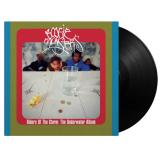
Pendulum/EMI record label signed the four MCs and released their debut album Riders Of The Storm: The Underwater Album in 1994. The first single, “Recognized Thresholds of Negative Stress,” introduced their thoughtful, alternative approach to hip hop. It was followed by “Honeydips in Gotham,” a smooth tribute to the fly sistas of the city, and “Strange,” built around a slick Cameo sample. Another standout track, “Salt Water Taffy (Slo Jam),” is noted as one of the earliest non‑Roots session appearances by future producer Scott Storch.
Riders Of the Storm: The Underwater Album delivers a focused blend of rugged beats, sharp lyricism, and atmospheric production that stands apart in the 90s hip hop landscape. Its mix of conscious themes and deep grooves makes it essential for fans of underground hip hop. The album’s mellow, funky, alternative sound sits comfortably alongside groups like A Tribe Called Quest and De La Soul, giving it a timeless place in the era’s most creative and forward‑thinking releases.
Demon Records are proud to present Osmium Deluxe - the first recordings credited to the funk-rock ensemble Parliament-Funkadelic.
Since its re-release in 1990, Osmium has been distributed numerous times by various labels in America, Europe and Japan under alternate titles – including Rhenium and First Thangs. A number of these reissues have featured material that was not included on the original album, such as unreleased tracks and singles that were taken from the same time.
This in-demand, black-vinyl version of the Record Store Day 2024 sell-out compiles together everything from that period 2 LPs and includes; the full Osmium album, the single sides that never made the album, unreleased tracks, demos and jams – all of which made their debut vinyl appearance as one package in 2024.
Many of these recordings are still as far-out as they sounded when first released. However, the tracks here represent the genesis of what would become P-Funk and the entity that would give the world ground-breaking albums Maggot Brain (1971), Mothership Connection (1975), and One Nation Under a Groove (1978). An essential addition to anyone’s collection.
Just when you thought you had heard it all.... Evil Grave were an exceptionally unique underground rock band from Malta that shook the islands with uncompromising attitude and dark imagery. In the early 1970s they ruled the Maltese scene and were voted best band in national polls. Heavily influenced by Black Sabbath and early progressive rock with a traditional Maltese flavour, Evil Grave never released any material during their existence. Several low budget demos were recorded at the time but, over the following years, the name Evil Grave simply vanished into obscurity. Until now! During a recent vacation to the islands, label owner Lee Dorrian became aware of the band and has spent the past three years tracking down as much information about them as he possibly could. With the blessing of original guitarist/songwriter John E Zammit Pace, we are excited to release this ungodly artefact upon the work for the very first time. Death From Malta, gathers together all known existing material from the band, the sound quality of which is decidedly lo-fi but, if anything, this only adds to the mysterious vibe of this simply enigmatic band.
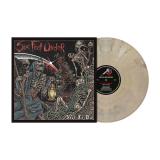
Colored Der kreative, kollaborative Ansatz führt dazu, dass Next To Die im Wesentlichen in zwei unterschiedliche Seiten unterteilt ist - Death und Groove - was in einem klanglichen Meisterwerk resultiert, das SIX FEET UNDER als Künstler erfüllt und gleichzeitig jedem Fan etwas bietet. Das Album wurde von Owen und Barnes produziert sowie von Mark Lewis in den MRL Studios in Nashville, Tennessee gemischt und gemastert. Es folgt auf Killing For Revenge von 2024. Es ist das dritte Album, das Barnes und Owen seit ihrer Wiedervereinigung im Jahr 2017 gemeinsam geschaffen haben. "Wir sprechen nicht über lyrische Themen, wir schreiben jeweils das, was wir fühlen", erklärt Barnes. "Wir schreiben einfach das, was wir interessant finden." SIX FEET UNDER wurde ursprünglich als Nebenprojekt für Barnes während seiner letzten Jahre bei der Band gegründet, die er mitbegründet hatte: Cannibal Corpse. 1995 wurde es mit der Veröffentlichung des Debüts Haunted zu seinem alleinigen Fokus. Die aktuelle Besetzung - Barnes, Owen, Lead-Gitarrist Ray Suhy, Bassist Jeff Hughell und Schlagzeuger Marco Pitruzzella - bildet eine verheerende Einheit. Diese klangliche Zerstörung zeigt sich auf der Single "Unmistakable Smell Of Death", auf der Owen seine Blast- und Fast-Riffs mit dynamischen Pull-offs und Stopp-Passagen voll ausspielt. "Dieser Song entstand musikalisch, bevor ich überhaupt eine Idee für den Text hatte", sagt Owen. "Ich habe mein Riff-Archiv nach Blast- und Fast-Riffs durchsucht und sie mit einigen Pull-offs und Stopps auf den neuesten Stand gebracht. Auch die Riffs im Mittelteil stammen aus meinem Archiv. Bei meinen Demos mache ich grobe Lead-Spuren, aber Ray macht die Leads immer viel besser." "Lyrisch schreibe ich hier aus der Perspektive eines Killers, der mit seinem Opfer spielt und es fesselt und wieder losbindet, um ihm die Möglichkeit zu geben zu kämpfen. Er unterschätzt die Fähigkeit des Opfers, sich zu wehren - und das Opfer gewinnt die Oberhand, spießt den Killer schließl
180g Black Der kreative, kollaborative Ansatz führt dazu, dass Next To Die im Wesentlichen in zwei unterschiedliche Seiten unterteilt ist - Death und Groove - was in einem klanglichen Meisterwerk resultiert, das SIX FEET UNDER als Künstler erfüllt und gleichzeitig jedem Fan etwas bietet. Das Album wurde von Owen und Barnes produziert sowie von Mark Lewis in den MRL Studios in Nashville, Tennessee gemischt und gemastert. Es folgt auf Killing For Revenge von 2024. Es ist das dritte Album, das Barnes und Owen seit ihrer Wiedervereinigung im Jahr 2017 gemeinsam geschaffen haben. "Wir sprechen nicht über lyrische Themen, wir schreiben jeweils das, was wir fühlen", erklärt Barnes. "Wir schreiben einfach das, was wir interessant finden." SIX FEET UNDER wurde ursprünglich als Nebenprojekt für Barnes während seiner letzten Jahre bei der Band gegründet, die er mitbegründet hatte: Cannibal Corpse. 1995 wurde es mit der Veröffentlichung des Debüts Haunted zu seinem alleinigen Fokus. Die aktuelle Besetzung - Barnes, Owen, Lead-Gitarrist Ray Suhy, Bassist Jeff Hughell und Schlagzeuger Marco Pitruzzella - bildet eine verheerende Einheit. Diese klangliche Zerstörung zeigt sich auf der Single "Unmistakable Smell Of Death", auf der Owen seine Blast- und Fast-Riffs mit dynamischen Pull-offs und Stopp-Passagen voll ausspielt. "Dieser Song entstand musikalisch, bevor ich überhaupt eine Idee für den Text hatte", sagt Owen. "Ich habe mein Riff-Archiv nach Blast- und Fast-Riffs durchsucht und sie mit einigen Pull-offs und Stopps auf den neuesten Stand gebracht. Auch die Riffs im Mittelteil stammen aus meinem Archiv. Bei meinen Demos mache ich grobe Lead-Spuren, aber Ray macht die Leads immer viel besser." "Lyrisch schreibe ich hier aus der Perspektive eines Killers, der mit seinem Opfer spielt und es fesselt und wieder losbindet, um ihm die Möglichkeit zu geben zu kämpfen. Er unterschätzt die Fähigkeit des Opfers, sich zu wehren - und das Opfer gewinnt die Oberhand, spießt den Killer schließl
“100 M.P.H.”, Vardis' debut album, recorded live at London's Electric Ballroom and released in 1980 by Logo Records, is now considered one of the milestones of the immortal NWOBHM. However, Vardis' roots go back to 1977, when they formed in Wakefield under their original name, Quo Vadis. The trio quickly began recording demos, followed by their first 7“ EP ”100 M.P.H.," which was released in 1979 on Redball Records and is now considered a valuable collector's item. In addition to the raw, almost punk-like original versions of “100 M.P.H.,” “Blue Rock,” “Destiny,” and “The World's Insane,” “100 M.P.H. '79 Revisited” compiles five other early recordings by Vardis. The audio data for “100 M.P.H. '79 Revisited” was restored and mastered by Patrick W. Engel at his Temple Of Disharmony in September 2025. The CD version of “100 M.P.H. '79 Revisited” includes exclusive versions of “Blue Rock,” “Dirty Money,” and “The World's Insane,” recorded at Ohm Studios in July 1978.
In 2005, Andrew Bird was a previously unimaginable combination of virtuoso violinist, singer-songwriter, guitarist, and whistler. With that year’s album The Mysterious Production of Eggs, Bird minted a new sound that continues to be imitated today.
To celebrate the 20th anniversary of The Mysterious Production of Eggs, Andrew Bird is releasing a very special boxset featuring a 54 page book including photographs, special surprises, and two essays: one written by Andrew himself, and another by Anders Lindall examining the circuitous and fascinating process Andrew and collaborators took to record the album.
The boxset also includes the original release of the album, alongside two LPs of never before released material, on black vinyl. On one LP, a one-to-one playthrough of the album but of demos, live cuts, and alternate versions. The third LP includes more never released rarities on Side A, and a selection of songs from the original album performed by Andrew with the Nu Deco Ensemble. The original cover artist has created all-new artwork for the anniversary piece.
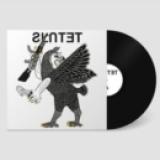
Crypt of the Wizard is proud to make available two legendary underground albums by Slutet on vinyl and digital formats. Here we present the debut self titled LP Slutet - Slutet
Slutet originated in Uppsala well over a decade ago, first emerging as a loose idea around 2010. The original cluster of strangely like minded individuals - Dingir, Ryttersson, J.P., Sviatopolk, were equally set on starting a cult as they were a band, the former emerging as a loose collective known as The End Commune, while the latter eventually began rehearsing together as Slutet on September 1, 2013.
From this constellation three notorious demo tapes sprung which were self-released in very limited numbers, and only available by trading bodily fluids, blood, and/or hair for the cassettes. “A very loose guess but we made probably around 20-30 hand-drawn/custom demo tapes of the first three releases. We got blood and hair from many places, actually the very first offering was from INDONESIA. Slovakia, Germany, USA, Argentina, Norway, Canada, Finland followed.... if my memory serves..... hazy years indeed”
J.P. left early 2015. Later that year, after trying the band as a bass-drum-vocals outfit for a while, Fjalar joined on guitar. This is the classic constellation. Dingir, Ryttersson, Fjalar, Sviatopolk. The same troupe playing to this very day.
While the difficulty of obtaining the demos certainly added to the band’s bottomless mystique, the subsequent release of the self-titled compilation / LP secured their reputation as one of the most interesting and unorthodox bands recording under the somewhat ill-fitting moniker of ‘underground black metal’.
First released as a cassette by Berlin label Teratology Sound & Vision, and later on vinyl in an edition of 100 by Goatowarex, the self-titled LP is the definitive document of the very early and very wild years of the band as they begin to take form, fulminating against whatever was on offer.
“Between September 2013 and September 2014 we rehearsed and recorded 3 very crude demo cassettes; although sub-par in many musical and performance-wise aspects, the passion seeping through those recordings were evidently very real.”
Writings on the topic that go off in all directions, mind-numbing lectures given by academics, and testimonies, most of them heavily doctored, from those who “lived through that era”: so many people today fantasize about the early days of punk in our country… This blessed moment when no one had yet thought of flaunting a ridiculous green mohawk, taking Sid Vicious as a hero, or – even worse – making the so-called alternative scene both festive and boorish. There was no such thing in 1976 or 1977, when it wasn’t easy to get hold of the first 45s by the Pistols or the Clash. Few people were aware of what was happening on the fringes of the fringes at the time. Malcolm McLaren was virtually unknown, and having short hair made you seem strange. Who knew then that rock music, which had taken a very bad turn since the early 1970s, would once again become an essential element of liberation? That, thanks to short and fast songs, it would once again rediscover that primitive, social side that was so hated by older generations? Who knew that, besides a few loners who read the music press (it was even better if they read it in English) and frequented the right record stores? Many of these formed bands, because it was impossible to do otherwise. We quickly went from listening to the Velvet Underground to trying to play the Stooges’ intros. It’s a somewhat collective story, even though there weren’t many people to start it.
The Guilty Razors were among those who took part in this initial upheaval in Paris. They were far from being the worst. They had something special and even released a single that was well above the national average. They also had enough songs to fill an album, the one you’re holding. In everyone’s opinion, they were definitely not among the punk impostors that followed in their wake. They were, at least, genuine and credible.
Guilty Razors, Parisian punk band (1975-1978). To understand something about their somewhat linear but very energetic sound, we might need to talk about the context in which it was born and, more broadly, recall the boredom (a theme that would become capital in punk songs) coupled with the desire to blow everything off, which were the basis for the formation of bands playing a rejuvenated rock music ; about the passion for a few records by the Kinks or the early Who, by the Stooges, by the Velvet mostly, which set you apart from the crowd.
And of course, we should remember this new wave, which was promoted by a few articles in the specialized press and some cutting-edge record stores, coming from New York or London, whose small but powerful influence could be felt in Paris and in a handful of isolated places in the provinces, lulled to sleep by so many appalling things, from Tangerine Dream to President Giscard d’Estaing...
In 1975-76, French music was, as almost always, in a sorry state ; it was still dominated by Johnny Hallyday and Sylvie Vartan. Local rock music was also rather bleak, apart from Bijou and Little Bob who tried to revive this small scene with poorly sound-engineered gigs played to almost no one.
In the working class suburbs at the time, it was mainly hard rock music played to 11 that helped people forget about their gruelling shifts at the factory. Here and there, on the outskirts of major cities, you still could find a few rockers with sideburns wearing black armbands since the death of Gene Vincent, but it wasn’t a proper mass movement, just a source of real danger to anyone they came across who wasn't like them. In August 1976, a festival unlike any other took place in Mont-de-Marsan – the First European Punk Festival as the poster said – with almost as many people on stage as in the audience. Yet, on that day, a quasi historical event happened, when, under the blazing afternoon sun, a band of unknowns called The Damned made an unprecedented noise in the arena, reminiscent of the chaotic Stooges in their early adolescence. They were the first genuine punk band to perform in our country: from then on, anything was possible, almost anything seemed permissible.
It makes sense that the four+1 members of Guilty Razors, who initially amplified acoustic guitars with crappy tape recorder microphones, would adopt punk music (pronounced paink in French) naturally and instinctively, since it combines liberating noise with speed of execution and – crucially – a very healthy sense of rebellion (the protesters of May 1968 proclaimed, and it was even a slogan, that they weren’t against old people, but against what had made them grow old. In the mid-1970s, it seemed normal and obvious that old people should now ALSO be targeted!!!).
At the time, the desire to fight back, and break down authority and apathy, was either red or black, often taking the form of leafleting, tumultuous general assemblies in the schoolyard, and massive or shabby demonstrations, most of the time overflowing with an exciting vitality that sometimes turned into fights with the riot police. Indeed, soon after the end of the Vietnam War and following Pinochet’s coup in Chile, all over France, Trotskyist and anarcho-libertarian fervour was firmly entrenched among parts of the educated youth population, who were equally rebellious and troublemakers whenever they had the chance. It should also be noted that when the single "Anarchy in the UK" was first heard, even though not many of us had access to it, both the title and its explosive sound immediately resonated with some of those troublemakers crying out for ANARCHY!!! Meanwhile, the left-wing majority still equated punks with reckless young neo-Nazis. Of course, the widely circulated photos in the mainstream press of Siouxsie Sioux with her swastikas didn’t necessarily help to win over the theorists of the Great Revolution. It took Joe Strummer to introduce The Clash as an anti-racist, anti-fascist and anti-ignorance band for the rejection of old-school revolutionaries to fade a little.
The Lycée Jean-Baptiste Say at Porte d’Auteuil, despite being located in the very posh and very exclusive 16th arrondissement of Paris, didn’t escape these "committed" upheavals, which doubled as the perfect outlet for the less timid members of this generation.
“Back then, politics were fun,” says Tristam Nada, who studied there and went on to become Guilty Razors’ frontman. “Jean-Baptiste was the leftist high-school in the neighbourhood. When the far right guys from the GUD came down there, the Communist League guys from elsewhere helped us fight them off.”
Anything that could challenge authority was fair game and of course, strikes for just about any reason would lead to increasingly frequent truancy (with a definitive farewell to education that would soon follow). Tristam Nada spent his 10th and 11th unfinished grades with José Perez, who had come from Spain, where his father, a janitor, had been sentenced to death by Franco. “José steered my tastes towards solid acts such as The Who. Like most teenagers, I had previously absorbed just about everything that came my way, from Yes to Led Zeppelin to Genesis. I was exploring… And then one day, he told me that he and his brother Carlos wanted to start a rock band.” The Perez brothers already played guitar. “Of course, they were Spanish!”, jokes their singer. “Then, somewhat reluctantly, José took up the bass and we were soon joined by Jano – who called himself Jano Homicid – who took up the rhythm guitar.” Several drummers would later join this core of not easily intimidated young guys who didn’t let adversity get the better of them.
The first rehearsals of the newly named Guilty Razors took place in the bedroom of a Perez aunt. There, the three rookies tried to cover a few standards, songs that often were an integral part of their lives. During a first, short gig, in front of a bewildered audience of tough old-school rockers, they launched into a clunky version of the Velvet Underground's “Heroin”. Challenge or recklessness? A bit of both, probably… And then, step by step, their limited repertoire expanded as they decided to write their own songs, sung in a not always very accurate or academic English, but who cared about proper grammar or the right vocabulary, since what truly mattered was to make the words sound as good as possible while playing very, very fast music? And spitting out those words in a language that left no doubt as to what it conveyed mattered as well.
Trying their hand a the kind of rock music disliked by most of the neighbourhood, making noise, being fiercely provocative: they still belonged to a tiny clique who, at this very moment, had chosen to impose this difference. And there were very few places in France or elsewhere, where one could witness the first stirrings of something that wasn’t a trend yet, let alone a movement.
In the provinces, in late 1976 or early 1977, there couldn’t be more than thirty record stores that were a bit more discerning than average, where you could hear this new kind of short-haired rock music called “punk”. The old clientele, who previously had no problem coming in to buy the latest McCartney or Aerosmith LP, now felt a little less comfortable there…
In Paris, these enlightened places were quite rare and often located nex to what would become the Forum des Halles, a big shopping mall. Between three aging sex workers, a couple of second-hand clothes shops, sellers of hippie paraphernalia and small fashion designers, the good word was loudly spread in two pioneering places – propagators of what was still only a new underground movement. Historically, the first one was the Open Market, a kind of poorly, but tastefully stocked cave. Speakers blasted out the sound of sixties garage bands from the Nuggets compilation (a crucial reference for José Perez) or the badly dressed English kids of Eddie and the Hot Rods. This black-painted den was opened a few years earlier by Marc Zermati, a character who wasn’t always in a sunny disposition, but always quite radical in his (good) choices and his opinions. He founded the independent label Skydog and was one of the promoters of the Mont-de-Marsan punk festivals. Not far from there was Harry Cover, another store more in tune with the new New York scene, which was amply covered in the house fanzine, Rock News (even though it was in it that the photos of the Sex Pistols were first published in France).
It was a favorite hang-out of the Perez brothers and Tristam Nada, as the latter explained. “It’s at Harry Cover’s that we first heard the Pistols and Clash’s 45s, and after that, we decided to start writing our first songs. If they could do it, so could we!”
The sonic shocks that were “Anarchy in the UK”, “White Riot” or the Buzzcocks’s EP, “Spiral Scratch” – which Guilty Razors' sound is reminiscent of – were soon to be amplified by an unparalleled visual shock. In April 1977, right after the release of their first LP, The Clash performed at the Palais des Glaces in Paris, during a punk night organised by Marc Zermati. For many who were there, it was the gig of a lifetime…
Of course, Guilty Razors and Tristam were in the audience: “That concert was fabulous… We Parisian punks were almost all dressed in black and white, with white shirts, skinny leather ties, bikers jackets or light jackets, etc. The Clash, on the other hand, wore colourful clothes. Well, the next day, at the Gibus, you’d spot everyone who had been at this concert, but they weren’t wearing anything black, they were all wearing colours.”
It makes sense to mention the Gibus club, as Guilty Razors often played there (sometimes in front of a hostile audience). It was also the only place in Paris that regularly scheduled new Parisian or Anglo-Saxon acts, such as Generation X, Siouxsie and the Banshees, the Slits, and Johnny Thunders who would become a kind of messed-up mascot for the venue. A little later, in 1978, the Rose Bonbon – formerly the Nashville – also attracted nightly owls in search of electric thrills… In 1977, the iconic but not necessarily excellent Asphalt Jungle often played at the Gibus, sometimes sharing the bill with Metal Urbain, the only band whose aura would later transcend the French borders (“I saw them as the French Sex Pistols,” said Geoff Travis, head of their British label Rough Trade). Already established in this small scene, Metal Urbain helped the young and restless Guilty Razors who had just arrived. Guitarist for Metal Urbain Hermann Schwartz remembers it: “They were younger than us, we were a bit like their mentors even if it’s too strong a word… At least they were credible. We thought they were good, and they had good songs which reminded of the Buzzcocks that I liked a lot. But at some point, they started hanging out with the Hells Angels. That’s when we stopped following them.”
The break-up was mutual, since, Guilty Razors, for their part, were shocked when they saw a fringe element of the audience at Metal Urbain concerts who repeatedly shouted “Sieg Heil” and gave Nazi salutes. These provocations, even still minor (the bulk of the skinhead crowd would later make their presence felt during concerts), weren’t really to the liking of the Perez brothers, whose anti-fascist convictions were firmly rooted. Some things are non-negotiable.
A few months earlier (in July 1978), Guilty Razors had nevertheless opened very successfully for Metal Urbain at the Bus Palladium, a more traditonally old-school rock night-club. But, as was sometimes the case back then, the night turned into a mass brawl when suburban rockers came to “beat up punks”.
Back then, Parisian nights weren’t always sweet and serene.
So, after opening as best as they could for The Jam (their sound having been ruined by the PA system), our local heroes were – once again – met outside by a horde of greasers out to get them. “Thankfully,” says Tristam, “we were with our roadies, motorless bikers who acted as a protective barrier. We were chased in the neighbouring streets and the whole thing ended in front of a bar, with the owner coming out with a rifle…”
Although Tristam and the Perez brothers narrowly escaped various, potentially bloody, incidents, they weren’t completely innocent of wrongdoing either. They still find amusing their mugging of two strangers in the street for example (“We were broke and we simply wanted to buy tickets for the Heartbreakers concert that night,” says Tristam). It so happened that their victims were two key figures in the rock business at the time: radio presenter Alain Manneval and music publisher Philippe Constantin. They filed a complaint and sought monetary compensation, but somehow the band’s manager, the skilful but very controversial Alexis, managed to get the complaint withdrawn and Guilty Razors ended up signing with Constantin with a substantial advance.
They also signed with Polydor and the label released in 1978 their only three-track 45, featuring “I Don't Wanna be A Rich”, “Hurts and Noises” and “Provocate” (songs that exuded perpetual rebellion and an unquenchable desire for “class” confrontation). It was a very good record, but due to a lack of promotion (radio stations didn’t play French artists singing in English), it didn’t sell very well. Only 800 copies were allegedly sold and the rest of the stock was pulped… Initially, the three tracks were to be included on a LP that never came to be, since they were dropped by Polydor (“Let’s say we sometimes caused a ruckus in their offices!” laughs Tristam.) In order to perfect the long-awaited LP, the band recorded demos of other tracks. There was a cover of Pink Floyd's “Lucifer Sam” from the Syd Barrett era – proof of an enduring love for the sixties’ greats –, “Wake Up” a hangover tale and “Bad Heart” about the Baader-Meinhof gang, whose actions had a profound impact on the era and on a generation seeking extreme dissent... On the album you’re now discovering, you can also hear five previously unreleased tracks recorded a bit later during an extended and freezing stay in Madrid, in a makeshift studio with the invaluable help of a drummer also acting as sound engineer. He was both an enthusiastic old hippie and a proper whizz at sound engineering. Here too, certain influences from the fifties and sixties (Link Wray, the Troggs) are more than obvious in the band’s music.
Shortly after a final stormy and rather barbaric (on the audience’s side) “Punk night” at the Olympia in June 1978, Tristam left the band ; his bandmates continued without him for a short while.
But like most pioneering punk bands of the era, Guilty Razors eventually split up for good after three years (besides once in Spain, they’d only played in Paris). The reason for ceasing business activities were more or less the same for everyone: there were no venues outside one’s small circuit to play this kind of rock music, which was still frightening, unknown, or of little interest to most people. The chances of recording an LP were virtually null, since major labels were only signing unoriginal but reassuring sub-Téléphone clones, and the smaller ones were only interested in progressive rock or French chanson for youth clubs. And what about self-production? No one in our small safety-pinned world had thought about it yet. There wasn’t enough money to embark on that sort of venture anyway.
So yes, the early days of punk in France were truly No Future!
out of Stock
Last delivered 6 months ago available to reorder, subject to availability
VOLUMES: ONE startet eine neue Archivreihe mit Live-Shows, Demos, unveröffentlichten Aufnahmen und anderem bisher unbekannten Material, das die vielen Epochen und Facetten von Bon Iver zeigt. VOLUMES: ONE "SELECTIONS FROM MUSIC CONCERTS 2019-2023 BON IVER 6 PIECE BAND" ist die erste Folge und vereint 10 Auftritte, die Bon Iver von ihrer wildesten, wärmsten und kraftvollsten Seite zeigen. "Diese 10 Songs sind so etwas wie ,Hier, wenn du Bon Iver noch nie gehört hast oder wenn du es gehört hast und es dir nicht gefallen hat, könnte das hier was für dich sein.' Das ist das, was wir geworden sind. Das ist wirklich unser Bestes. Das ist es", sagt Justin Vernon, der 2020 mit der Arbeit an VOLUMES: ONE begann und Dutzende von Stunden Live-Aufnahmen durchforstete, um die ultimative Trackliste zusammenzustellen. VOLUMES: ONE "SELECTIONS FROM MUSIC CONCERTS 2019-2023 BON IVER 6 PIECE BAND" ist das erste Nicht-Studioalbum von Bon Iver, aber es ist mehr als nur eine Compilation oder ein Live-Album. Die Bandmitglieder Andrew Fitzpatrick, Jenn Wasner, Justin Vernon, Matthew McCaughan, Michael Lewis und Sean Carey sind eine eigene Einheit. Gemeinsam liefern sie sowohl für Neulinge als auch für eingefleischte Fans die definitiven Versionen dieser Songs und lassen die Tracks durch die essentielle Live-Technik von Xandy Whitesel in ihrer reichhaltigsten Form explodieren. Aufgenommen zwischen 2019 und 2023, als Bon Iver ihr bisher letztes Live-Konzert gaben, hebt VOLUMES: ONE die Musik von "22, A Million" aus dem Jahr 2016 und "i,i" aus dem Jahr 2019 hervor, ergänzt durch drei wichtige Stücke. Der COVID-Hymnus "P.D.L.I.F." steht für eine neue Phase von Bon Iver; ein Cover von Mahalia Jacksons "A SATISFIED MIND" erinnert an die frühen Tage von DeYarmond Edison, als Vernon während privater Bandproben sein Falsett entdeckte; und nun endlich kehrt mit "HEAVENLY FATHER" ein beliebter Fan-Favorit zurück. Die berauschende, introvertierte und innovative Seite von Bon Iver, die die Studioalben ausmacht, kann ohne die Live-Band nicht existieren, und VOLUMES: ONE ist wie eine Zeitkapsel - ein prismatischer Blick auf einen alten Freund, der zeigt, wer sie waren und wer sie sind, all das Gute, zu dem sie fähig sind, aber manchmal vielleicht zu schüchtern sind, um es zu zeigen.
out of Stock
Last delivered 6 months ago available to reorder, subject to availability
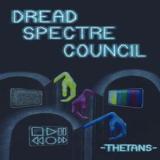
Dread Spectre Council is Kenneth Amundsen"s solo-moniker compiling years of archival demos reimagined and re-recorded. First presented through the debut EP "Dystopia/Eons" (2024) feat. Dale Crover (Melvins/Nirvana/Redd Kross) on drums. Connected to bands like Mindy Misty, Le Corbeau and Izakaya Heartbeat, - He has sneaked around the Norwegian indie scene for the past two decades. On Thetans Kenneth plays all instruments, records and mixes himself in a solitary catharsis. Bringing emotive confessionals, barn-burners and sect nodding psychedelics together in a melancholy-stroked indie rock epos, "unshakably human" as described by Last Day Deaf . A gang of co-conspirators is lurking to join for future releases and tours.
Dread Spectre Council is Kenneth Amundsen"s solo-moniker compiling years of archival demos reimagined and re-recorded. First presented through the debut EP "Dystopia/Eons" (2024) feat. Dale Crover (Melvins/Nirvana/Redd Kross) on drums. Connected to bands like Mindy Misty, Le Corbeau and Izakaya Heartbeat, - He has sneaked around the Norwegian indie scene for the past two decades. On Thetans Kenneth plays all instruments, records and mixes himself in a solitary catharsis. Bringing emotive confessionals, barn-burners and sect nodding psychedelics together in a melancholy-stroked indie rock epos, "unshakably human" as described by Last Day Deaf . A gang of co-conspirators is lurking to join for future releases and tours.
Mercury Studios freut sich, die Veröffentlichung einer aufwendigen Neuauflage zum 20-jährigen Jubiläum
von Therapy?s beliebtem elften Studioalbum „One Cure Fits All“ bekannt zu geben, das am 27. März
erscheint. Das Album wurde unter der Aufsicht der Band neu gemastert und wird als Deluxe-Doppel-CDEdition erhältlich sein, die eine exklusive zweite CD mit seltenen B-Seiten und Demos zu jedem Song des
Albums enthält.
Darüber hinaus wird „One Cure Fits All“ zum ersten Mal auf Vinyl veröffentlicht, gepresst auf schwarzem
Vinyl und einer roten Variante.
Lange Zeit nicht auf Streaming-Plattformen verfügbar, wird diese neu gemasterte Ausgabe das Album
endlich weltweit auf Streaming-Diensten verfügbar machen.
Artist, painter, curator Leo Vincent, is fired up off the back of supporting Soulwax, on their recent Paris and Netherlands shows. Proudly presenting two debut songs “Hello it’s me again” and “Loving isn’t easy”, co-produced with the brothers, David & Stephen Dewaele, of Soulwax/2manydjs.
Seven years ago, Leo Vincent bluffed his way into a video editing job at DEEWEE. Despite being told to not touch or ruin their gear, he later resurfaced with demos that sounded like he had anyway.
"Don’t know much about history”
"Don’t know much about biographies"
But we do know that by the time Leo Vincent arrives in your town, he will probably have destroyed two more Tascam 8-tracks.
Brussels-based, failed goalkeeper-turned-painter-turned-cameraman-turned-musician Leo, doesn’t seem to be afraid to leave his faders in the red zone for an unorthodox period of time while repairing the pitch knob. Some say it’s disco for night janitors. Some say it’s glam-rock for ravers. Others haven’t found the time to listen yet because they have real jobs.
But to fully grasp Leo Vincent's essence, imagine yourself sitting in the home cinema of the late Marc Bolan while watching a documentary on Scatman John, directed by Jacques Tati and scored by Ween, using only the instruments of Cabaret Voltaire.
out of Stock
Last delivered 6 months ago available to reorder, subject to availability
Mizery aus San Diego sind ein rebellisches Kraftpaket, das mit seinem Crossover-Hardcore-Sound für Aufsehen sorgen will. Mizery wurden 2014 mit ihrer EP ,Survive The Vibe" bekannt, gefolgt von ihrem 2016 erschienenen Album ,Absolute Light" (Flatspot Records). Mit ihren groovigen Rhythmen und dynamischen Live-Auftritten erregten sie schnell Aufmerksamkeit. Die Idee zu Mizery hatten die Kindheitsfreunde Jose Luna (Gesang) und Taylor Parker (Leadgitarre). Als die beiden den Schlagzeuger Cayle Sain trafen, wurde aus der Idee echt was. Bald darauf holten sie Miguel ,Mikey" Salazar am Bass dazu und begannen als Vierergruppe zu komponieren. Nach der Veröffentlichung des Albums tourten Mizery mit Genre-Größen wie Power Trip, Terror und Backtrack und nahmen Ahmad Ali am Bass auf, wodurch Mikey zur Rhythmusgitarre wechselte. Wie der Rest der Welt kam auch die Band während der Pandemie zum Stillstand, schrieb aber weiter Songs und war bereit, mit voller Kraft zurückzukommen. Im Dezember 2023 erschütterte der unerwartete Tod des Schlagzeugers Cayle Sain, der auch mit Twitching Tongues, God's Hate und GhosteMane auftrat, die Musikszene und brachte Mizery verständlicherweise zum Stillstand. Während sie ihre Trauer verarbeiteten und nachdachten, wussten die Mitglieder von Mizery, dass sie weitermachen mussten, und eine gefundene Aufnahme gab ihnen ein neues Ziel. Jose und Taylor entdeckten, dass Cayle die Vorproduktions-Demos, die sie ihm geschickt hatten, genommen und in einem professionellen Studio Schlagzeugspuren dafür aufgenommen hatte. Mit der Hilfe des Produzenten Taylor Young (The Pit) konnte die Band diese Schlagzeugspuren bekommen und sie für ihre selbstbetitelte EP verwenden. Die Mizery-EP, die am 20. März 2026 bei Flatspot Records erscheinen soll, ist ein offen politisches Album, das sich um Erneuerung und Reflexion dreht. In den sechs Tracks werden die Texte als Waffe eingesetzt, wie Jose erklärt: ,Es ist eine Reflexion einer Welt, die einige von uns sehen und andere ignorieren. Die Gewalttaten, die Angst vor Gewalt und die Auswirkungen von Gewalt." Die Songs weichen von einem geradlinigen Kurs ab und mischen mitreißende Rap-Gesangspassagen mit metallischen Riffs, einfallsreichen Grooves und einigen Überraschungen. Die Einflüsse stammen von Leeways ,Adult Crash", Merauders ,5 Deadly Venoms" und Only Living Witness' ,Innocents", kombiniert mit den Werken von Rage Against The Machine und P.O.D., die die Bandmitglieder in ihrer Jugend geprägt haben. Schon beim Opener ,Renegade Rhythm" wird klar, dass Mizery es ernst meint, wenn sie sich mit dem Zustand der Welt auseinandersetzen und dabei Musik machen, die im Kopf bleibt. ,The Weapon PT.II" ist der lauteste Track auf der EP und setzt auf Worte, um Veränderungen zu bewirken, statt auf physische Gewalt. Den Abschluss der EP bildet der selbstgerechte Song ,Eulogy" mit Gastgesang von Sammy Ciaramitaro von DRAIN. Der Song entstand als frühe Demo und war der einzige Track, für den Cayle programmierte Drums anstelle von Studioaufnahmen verwendet hatte. Um die Single zu vervollständigen, sprang Schlagzeuger David Stalsworth (Militarie Gun, Torena) bei den Aufnahmen ein und ist nun Mitglied von Mizery. Während manche die Veröffentlichung der EP als Triumph betrachten mögen, ist sie für Mizery ein Beweis für ihre Beharrlichkeit und zeigt, dass die Band bereit ist, in eine neue Ära einzutreten.
Mizery aus San Diego sind ein rebellisches Kraftpaket, das mit seinem Crossover-Hardcore-Sound für Aufsehen sorgen will. Mizery wurden 2014 mit ihrer EP ,Survive The Vibe" bekannt, gefolgt von ihrem 2016 erschienenen Album ,Absolute Light" (Flatspot Records). Mit ihren groovigen Rhythmen und dynamischen Live-Auftritten erregten sie schnell Aufmerksamkeit. Die Idee zu Mizery hatten die Kindheitsfreunde Jose Luna (Gesang) und Taylor Parker (Leadgitarre). Als die beiden den Schlagzeuger Cayle Sain trafen, wurde aus der Idee echt was. Bald darauf holten sie Miguel ,Mikey" Salazar am Bass dazu und begannen als Vierergruppe zu komponieren. Nach der Veröffentlichung des Albums tourten Mizery mit Genre-Größen wie Power Trip, Terror und Backtrack und nahmen Ahmad Ali am Bass auf, wodurch Mikey zur Rhythmusgitarre wechselte. Wie der Rest der Welt kam auch die Band während der Pandemie zum Stillstand, schrieb aber weiter Songs und war bereit, mit voller Kraft zurückzukommen. Im Dezember 2023 erschütterte der unerwartete Tod des Schlagzeugers Cayle Sain, der auch mit Twitching Tongues, God's Hate und GhosteMane auftrat, die Musikszene und brachte Mizery verständlicherweise zum Stillstand. Während sie ihre Trauer verarbeiteten und nachdachten, wussten die Mitglieder von Mizery, dass sie weitermachen mussten, und eine gefundene Aufnahme gab ihnen ein neues Ziel. Jose und Taylor entdeckten, dass Cayle die Vorproduktions-Demos, die sie ihm geschickt hatten, genommen und in einem professionellen Studio Schlagzeugspuren dafür aufgenommen hatte. Mit der Hilfe des Produzenten Taylor Young (The Pit) konnte die Band diese Schlagzeugspuren bekommen und sie für ihre selbstbetitelte EP verwenden. Die Mizery-EP, die am 20. März 2026 bei Flatspot Records erscheinen soll, ist ein offen politisches Album, das sich um Erneuerung und Reflexion dreht. In den sechs Tracks werden die Texte als Waffe eingesetzt, wie Jose erklärt: ,Es ist eine Reflexion einer Welt, die einige von uns sehen und andere ignorieren. Die Gewalttaten, die Angst vor Gewalt und die Auswirkungen von Gewalt." Die Songs weichen von einem geradlinigen Kurs ab und mischen mitreißende Rap-Gesangspassagen mit metallischen Riffs, einfallsreichen Grooves und einigen Überraschungen. Die Einflüsse stammen von Leeways ,Adult Crash", Merauders ,5 Deadly Venoms" und Only Living Witness' ,Innocents", kombiniert mit den Werken von Rage Against The Machine und P.O.D., die die Bandmitglieder in ihrer Jugend geprägt haben. Schon beim Opener ,Renegade Rhythm" wird klar, dass Mizery es ernst meint, wenn sie sich mit dem Zustand der Welt auseinandersetzen und dabei Musik machen, die im Kopf bleibt. ,The Weapon PT.II" ist der lauteste Track auf der EP und setzt auf Worte, um Veränderungen zu bewirken, statt auf physische Gewalt. Den Abschluss der EP bildet der selbstgerechte Song ,Eulogy" mit Gastgesang von Sammy Ciaramitaro von DRAIN. Der Song entstand als frühe Demo und war der einzige Track, für den Cayle programmierte Drums anstelle von Studioaufnahmen verwendet hatte. Um die Single zu vervollständigen, sprang Schlagzeuger David Stalsworth (Militarie Gun, Torena) bei den Aufnahmen ein und ist nun Mitglied von Mizery. Während manche die Veröffentlichung der EP als Triumph betrachten mögen, ist sie für Mizery ein Beweis für ihre Beharrlichkeit und zeigt, dass die Band bereit ist, in eine neue Ära einzutreten.
Sweet Pill ist eine Emo-Band aus Philadelphia, deren Songs sich zwischen Pop und Hardcore bewegen. Sie veröffentlichten ihr Debütalbum Where The Heart Is (2022) im selben Jahr, in dem sie bei Topshelf Records unter Vertrag genommen wurden, und seitdem befinden sie sich auf Erfolgskurs. Unter anderem wurde sie von Hayley Williams von Paramore wärmstens empfohlen, der ihr Song "High Hopes" so gut gefiel, dass sie ihn in ihrem Podcast "Everything Is Emo" erwähnte. Das zweite starke Album von Sweet Pill, Still There's a Glow, ist eine widerstandsfähige Antwort auf den zunehmenden Druck nach ihrem erfolgreichen Debüt Where The Heart Is. Angesichts der Erschöpfung verwarf die Band frühe Demos, um ihrer psychischen Gesundheit Vorrang zu geben, und schuf schließlich ein rohes Dokument der Selbstreflexion, das Sängerin Zayna Youssef als "das Schwierigste, was ich je tun musste" bezeichnet. Das neue Album markiert eine bedeutende Entwicklung in ihrer kreativen Dynamik und ist das erste, das vollständig als Gemeinschaftswerk von Youssef, den Gitarristen Jayce Williams und Sean McCall, dem Bassisten Ryan Cullen und dem Schlagzeuger Chris Kearney geschrieben wurde. Aufgenommen im Gradwell House mit den langjährigen Produzenten Matt Weber und Dave Downham, zielt das Album darauf ab, die kinetische Energie ihrer Live-Shows einzufangen - Auftritte, die ihnen die Unterstützung von Stars wie Hayley Williams und Doja Cat eingebracht haben. Das Ergebnis ist eine gehobene Mischung aus komplexem Math-Rock, drängendem Punk und herzlichem Emo. Als woman of color in der Alternative-Szene hofft Youssef, dass das Album und die Tournee eine vorurteilsfreie Community für die Fans fördern werden. Still, There's a Glow ist ein Beweis für das Überleben und Wachstum der Band und lädt die Zuhörer dazu ein, ihr eigenes Licht am Ende des Tunnels zu finden. CD & farbige LP erhältlich
Abdou El Omari was born in 1945 in Tafraout, south of Agadir -- a village suspended between the pink granite peaks of the Anti-Atlas and the waves of the Atlantic. A landscape already musical in itself. He grew up in the dry mountain light, surrounded by the rhythms of nature and Berber's culture. Very little is known about the man -- a veil of mystery still surrounds his life, only deepening the fascination. In the 1970s, as Morocco was transforming, Abdou El Omari shaped a sound of his own -- a visionary blend of spiritual jazz, psychedelic funk, Moroccan traditions, and early electronic experimentation. Today, his work is resurfacing, rediscovered by a new generation of listeners in search of lost horizons. This record stands among its rarest and most precious fragments. At twenty-two, he founded his first group, Les Fugitifs, which gained him local fame. Soon after, he released records and cassettes on labels such as Cléopâtre, Hassania, Boussiphone, Hilali, and his own, Al Awtar, while performing on RTM (national radio and television). He also composed for artists like Naima Samih, Laila Ghofran, and Aicha El Waad. In 1976, through the label Gam, he released his only vinyl album, Nuits d'été -- a record that would become cult decades later, reissued in 2017 by Radio Martiko. In the 1980s, his music grew quieter, more secret. He tried to recover his old tapes from the studios he had recorded in, but gradually withdrew from the scene and returned to hairdressing. A pioneer of musical fusion, he opened paths that would remain unexplored for years. He passed away in 2010, never witnessing the rediscovery of his music by diggers, bloggers, and collectors online. One day, his close friend and poet Aziz Essamadi, rescued a cardboard box from the trash -- a box containing Abdou El Omari's personal archives. It was later entrusted to Casablanca based collector Ahmed Khalil, founder of the label Dikraphone. Inside were treasures preserved by chance: demos, rehearsals, private recordings, unseen photographs -- and a stunning, almost forgotten cassette. Here, El Omari sounds bolder than ever, exploring territories where pop, cosmic disco, electric blues, and Moroccan tradition merge without boundaries. Armed with his ARP Odyssey synthesizer, hypnotic grooves, and the celestial layers of his Farfisa, he expanded the dialogue between deep roots and electronic exploration. This album is the continuation of a vision -- a music of the Moroccan future: rooted, but reaching for the unknown. Colorful, magnetic and timeless, here is music for dancing as much as for dreaming.
A mix of metallic doomgaze, epic gothic soundscapes and post punk attitude. Loud and crushing, yet sharp enough to stick in your head for days. There are two kinds of heavy bands: the ones that make a lot of noise and the ones that drag you somewhere you didn't know you needed to go. Cwfen (pronounced 'Coven') are the latter, and Sorrows is a record that doesn't just crush - it haunts long after the final note. The allure of Cwfen's sound lies in contrasts: the glacial ferocity of Amenra, with the velvet-and-razor vocals of King Woman, and the rotting grandeur of Type O Negative. It's as hypnotic as it is harrowing, but somehow even better than the sum of those parts. Since emerging from Glasgow's underground just 18 months ago, Cwfen's reputation is growing, selling out shows and pulling growing audiences into their doom-laden fever dream. Released in October, the band's debut single 'Reliks' was a hit with fans and critics, landing a spot on Kerrang!'s release of the week playlist. And rightly so. Their sound devours and delights in equal measure. "Cwfen have emerged from the darkest depths of the Caledonian underground with a beguiling blend of doom metal and gothic post-punk for those who like to live deliciously." Kerrang! Sorrows lives in the space around doom where the weight of the riffs is matched by the weight in your chest, where the lyrics and the songwriting are as important as the music itself. Loud and crushing, yet sharp enough to stick in your head for days. It builds, burns, collapses, resurrects. Big on riffs, bigger on feeling. The kind of songs you carry with you. Singer and rhythm guitarist Agnes Alder bears her claws one minute, then whispers the next, as the band follows like a storm front, rising, breaking, drowning you in the weight of it. From the guttural Penance to the lush Whispers, to the feral Wolfsbane and the insurrectionist Rite. It includes a long reworking of Embers and Bodies, the two self-recorded demos that launched them into the scene with a bang and their growing legion of fans already adore. Intricate vocal arrangements, heavy and harsh guitars, a mix of atmosphere and heft, it undoubtedly punches above its weight for a debut. As Agnes says: "When we stopped trying to fit into any one space, what came out was this beautiful mix of dark and light. Something visceral and cathartic." This is a band that sits right in the boundaries between the heavy genres, pulling in everyone from the young goths and to the die-hard metalheads alike and 'Sorrows' truly does deliver in spades. Make no mistake, Cwfen are set to be one of the names to watch in 2025. FFO: Chelsea Wolfe, Zetra, King Woman, Type O Negative, Alcest, Faetooth, Liturgy. Limited vinyl pressing, 500 copies in transparent red vinyl. Full colour Gatefold outer sleeve, with a full colour printed inner sleeve, Full download included as well.
Die Ende der 90er Jahre gegründete Band Unwed Sailor aus Tulsa macht einen einzigartigen Bass-lastigen Instrumental-Pop mit Post-Rock-Elementen, der zwischen knallharter Härte und luftiger Melodik schwankt. Seit sie 2019 nach einer zehnjährigen Pause zurück sind, haben sie mit ihrer kreativen Energie und dem Mischen von Genres ihre bisher besten Werke rausgebracht, darunter "Mute The Charm" (2023), "Underwater Over There" (2024) und "Cruel Entertainment" (2025). Für ihr elftes Album, "High Remembrance", brachte Gründungsmitglied Johnathon Ford eine Reihe von zu Hause aufgenommenen Entwürfen, Demos und Hooks ins Studio, wo sie unter der Leitung der langjährigen Mitstreiter Matt Putman (Schlagzeug) und David Swatzell (Gitarre) unter dem Motto Nostalgie und dem bittersüßen Trost der Erinnerung zum Leben erweckt wurden. Auf den acht Tracks des Albums gibt's Anklänge an den alternativen Rock der Blütezeit, die AM-Radio-Attitüde der späten 70er Jahre und die ekstatische Unbekümmertheit der New Wave, neben anderen Einflüssen, die sich einer einfachen Kategorisierung entziehen. Die Lead-Single ,West Coast Prism" verbindet einen unvergesslichen melodischen Hook mit optimistischen Drums und einem klirrenden Arrangement, das sich in einen treibenden, farbenfrohen Refrain verwandelt. Getreu seinem Titel erinnert der Song an weißes Licht, das sich in ein Spektrum aufspaltet, während weitläufige Synthesizer und sanfte Backing Vocals eine Aura melancholischer Glückseligkeit schaffen. Ford nennt treffend ,eine tiefe Vorliebe für das Meer, das Surfen, die Redwoods und die felsige Küste von Oregon" als spirituellen Hintergrund für seine Umgebung. Inspiriert von der Art und Weise, wie Erinnerungen die persönliche Identität prägen, könnte ,Don't Let Go" mit seinem straffen Tempo, seinem knackigen Ton und seinen schwindelerregenden Gitarren ein verlorener Alternative-Radio-Ohrwurm sein, während die täuschend einfache Rhythmusgruppe und seine glitchige Elektronik ,The Longest Day" fest in der Gegenwart verankern. ,Cinnamon" stellt wunderschön arrangierte Akustikgitarren-Gegenmelodien in den Vordergrund, zusammen mit Schichten subtiler Details, Chorstimmen und entspannten, hohen Bassgitarrenklängen. Laut Ford ist der Song ,eine Hommage an die Country-Musik der 70er und 80er Jahre, die die Familienausflüge in die Wüste begleitete, als ich ein Kind war", wobei Townes Van Zandts ,Pancho and Lefty" ein besonders bedeutender Ankerpunkt ist. An diesem Punkt in der bewegten Karriere von Unwed Sailor findet Ford einige seiner stärksten Inspirationen darin, darüber nachzudenken, wo das Projekt begonnen hat, während er es ständig mit neuen Ideen, Arrangements und Genre-Einflüssen vorantreibt. ,Es geht darum, an den Dingen festzuhalten, die man am meisten liebt", sagt er, ,einschließlich sich selbst." Sein akkordbetontes Bassspiel zieht sich wie ein roter Faden durch die Alben der Band und verleiht jeder neuen Sammlung eine vertraute Ernsthaftigkeit und Wärme.
Toobris has been quietly blowing our minds with his recent demos. Choosing just four tracks took some time, but this selection felt right. Focused, restrained, and built to work on the floor. Very NIX.
out of Stock
Last delivered 24 days ago available to reorder, subject to availability
Die Standard-Doppel-LP-Version enthält das Remaster zum 20-jährigen Jubiläum und die A Fever You Can't Sweat Out (Demos).
Nach ihrem aufsehenerregenden Auftritt beim When We Were Young Festival in Las Vegas feiern Panic! At The Disco weiterhin die zwei Jahrzehnte seit der Veröffentlichung ihres bahnbrechenden, mit Mehrfach-Platin ausgezeichneten Debütalbums mit der Ankündigung der A Fever You Can't Sweat Out (20th Anniversary Deluxe) Edition.
Das wegweisende Album, hervorgehoben durch den neu mit Diamant-Status ausgezeichneten Hit „I Write Sins Not Tragedies“, katapultierte die Band aus Las Vegas zum Rock-Star-Ruhm und etablierte sie als eine der prägendsten Acts ihrer Generation.
Entdeckt von Pete Wentz von Fall Out Boy, als die Bandmitglieder noch Teenager waren, explodierten Panic! At The Disco mit der Veröffentlichung von A Fever You Can't Sweat Out im Herbst 2005 in die Musiklandschaft. Das Album erreichte die oberen Ränge der Billboard 200 und feierte Mehrfach-Platin-Erfolge.
Die Breakout-Single der Veröffentlichung, „I Write Sins Not Tragedies“, wurde zu einem der bekanntesten Songs dieser Ära, erreichte die Top 10 der Billboard Hot 100 und wurde ein Radiohit in verschiedenen Formaten. Die ikonische Hymne findet weiterhin großen Anklang bei Musikfans und erhielt kürzlich eine RIAA Diamant-Zertifizierung für über 10 Millionen Streams/Verkäufe.
Angetrieben von Hymnen wie „Build God, Then We’ll Talk“, „The Only Difference Between Martyrdom And Suicide Is Press Coverage“ und „Lying Is The Most Fun A Girl Can Have Without Taking Her Clothes Off“, hat das Album bis heute Verkäufe von über 5 Millionen Alben und fast 4 Milliarden globale Streams generiert.
Im Jahr 2005 war Andrew Bird eine bis dahin unvorstellbare Kombination aus virtuosem Violinisten, Singer-Songwriter, Gitarristen und Pfeifer. Mit seinem Album ,The Mysterious Production of Eggs" aus diesem Jahr schuf Bird einen neuen Sound, der bis heute nachgeahmt wird. Anlässlich des 20-jährigen Jubiläums von ,The Mysterious Production of Eggs" veröffentlicht Andrew Bird ein ganz besonderes Boxset mit einem 54-seitigen Buch mit Fotos, besonderen Überraschungen und zwei Essays: einen von Andrew selbst und einen von Anders Lindall, der den verschlungenen und faszinierenden Prozess untersucht, den Andrew und seine Mitstreiter bei der Aufnahme des Albums durchlaufen haben. Das Boxset enthält außerdem die Originalveröffentlichung des Albums sowie zwei LPs mit bisher unveröffentlichtem Material auf schwarzem Vinyl. Auf einer LP befindet sich eine vollständige Wiedergabe des Albums, jedoch mit Demos, Live-Aufnahmen und alternativen Versionen. Die dritte LP enthält weitere unveröffentlichte Raritäten auf Seite A und eine Auswahl von Songs aus dem Originalalbum, die von Andrew mit dem Nu Deco Ensemble gespielt werden. Der ursprüngliche Cover-Künstler hat ein völlig neues Artwork für das Jubiläumswerk geschaffen.
Jubiläumsedition inklusive dem Original Sonderlust Album und einer zweiten Disc mit zwei brandneuen, unveröffentlichten B-Seiten und einer ,Demo-arigato"-Version von Sonderlust mit frühen Demos jedes Songs. Die Doppel-LP erscheint auf farbigem Vinyl: "Bone Vinyl" (LP1) und "Gold Vinyl" (LP2). Vor zehn Jahren war Kishi Bashi nach jahrelangen Tourneen zu seinen gefeierten Alben ,151a" und ,Lighght" kreativ und emotional ziemlich ausgelaugt. Die orchestrale Ausgelassenheit, die seinen Sound früher geprägt hatte, begann zu verblassen, was ihn dazu brachte, seinen künstlerischen Zweck zu hinterfragen. Aus dieser Erschöpfung entstand ,Sonderlust" (2016), eine sehr persönliche Neuerfindung, die von Verletzlichkeit, analoger Wärme und spiritueller Ehrlichkeit geprägt ist. Ishibashi verzichtete auf kunstvolle Violinen-Loops und setzte stattdessen auf Vintage-Synthesizer und reduzierte Texturen, wodurch ein Album entstand, das vor souliger, menschlicher Energie nur so sprühte. Songs wie ,Say Yeah", ,Honeybody" und ,Ode to My Next Life" fingen sowohl den Schmerz als auch die Freude der Selbstfindung ein und verankerten seine üppige Fantasie in gelebter Erfahrung. Jetzt, mit seiner Neuauflage zum 10-jährigen Jubiläum, steht Sonderlust als ein entscheidendes Werk da - in dem Kishi Bashis schillernde Verspieltheit der Selbstbeobachtung und Verbundenheit Platz machte. Die Neuauflage zeigt ein überarbeitetes Artwork des ursprünglichen Cover-Künstlers Ssin Kim, das Wachstum und eine neue Perspektive symbolisiert. ,Wenn man jünger ist, kann die Welt überwältigend wirken", reflektiert Ishibashi. ,Mit zunehmendem Alter beginnt man, seinen Platz darin zu sehen." Was als Album über Liebeskummer begann, ist zu einer zeitlosen Meditation über Empathie, Kreativität und die bleibende Schönheit des Menschseins geworden.
I started writing the songs for V at the beginning of 2023, and the demos were finished by the end of that year. While creating this material, I kept returning to one thought: everything we take for granted - everything that feels stable and permanent - is, in reality, incredibly fragile. Nothing lasts forever, and the sense of things slipping away can hit much sooner than we expect. I tried to translate those feelings into sound. At that time, a lot of difficult things were happening in my life, things I didn't know how to cope with. Music became a form of therapy - a way to process emotions I couldn't express in any other way. In early 2024, we began working through the songs together as a full band. After finalizing the arrangements, we spent the rest of the year recording them. The process stretched over many months, split into several sessions across different studios. I didn't want to rush anything. I wanted, as always, to refine every detail the best we possibly could. Soon you'll be able to hear the result for yourselves. For me, this album is something deeply personal. It's an act of opening up to anyone who chooses to listen - a glimpse into things I can't fully describe with words, into what I felt and who I became during that period. I'm incredibly happy that together with my friends from the band, we've created another record. What comes next_ time will tell.
Magenta Vinyl, limited to 450 copies. I started writing the songs for V at the beginning of 2023, and the demos were finished by the end of that year. While creating this material, I kept returning to one thought: everything we take for granted - everything that feels stable and permanent - is, in reality, incredibly fragile. Nothing lasts forever, and the sense of things slipping away can hit much sooner than we expect. I tried to translate those feelings into sound. At that time, a lot of difficult things were happening in my life, things I didn't know how to cope with. Music became a form of therapy - a way to process emotions I couldn't express in any other way. In early 2024, we began working through the songs together as a full band. After finalizing the arrangements, we spent the rest of the year recording them. The process stretched over many months, split into several sessions across different studios. I didn't want to rush anything. I wanted, as always, to refine every detail the best we possibly could. Soon you'll be able to hear the result for yourselves. For me, this album is something deeply personal. It's an act of opening up to anyone who chooses to listen - a glimpse into things I can't fully describe with words, into what I felt and who I became during that period. I'm incredibly happy that together with my friends from the band, we've created another record. What comes next_ time will tell.
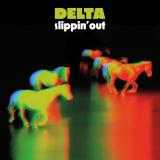
“From Birmingham and centred around the extraordinary songwriting talent of James and Patrick Roberts – initially as The Sea Urchins and since 1993 as Delta – they’ve only just got round to releasing their debut album, Slippin’ Out. It is a work of some beauty”. 9/10 NME ALBUM OF THE MONTH, 2000
“It’s classicist for sure, shot through with the influence of The Beatles, Byrds and Buffalo Springfield. In James’ downright beautiful closing ballad ‘I Want You’ one can also discern the school of ambitious English balladry that peaked in about 1968: The Casuals, Love Affair, Barry Ryan. The impression of accomplished old-schoolery is only furthered by the dizzying string arrangements penned by Louis Clark Jnr, son and namesake of the one-time orchestral chief of Electric Light Orchestra” – Mojo lead review, 2000
Having ended the 90s with the spirited ‘Laughing Mostly’ compilation of singles and demos (Guardian Album Of The Week) Delta finally released their debut studio album of twelve songs in the summer of 2000 on the Dishy Recordings label. Accepting that this might be their sole studio album the band threw everything at these recordings allowing it to exist in its own sphere, unbothered by their contemporary generation and disregarding the idea of even releasing a single.
Recorded at DEP International there was a notable difference to the scruffier, looser charm of their 1990s recordings, a tighter focus developed by having the experienced Lenny Franchi mixing the LP with them. Lenny had been working with a number of Island artists including My Bloody Valentine and Tricky so knew his way around a desk. There was also the question of budget (a few months passed between recording and mixing whilst funds were raised) so every day counted. Ultimately though you can hear the joy in the recordings, even amongst the melancholy and angst. As James recently recalled in an interview in Shindig! Magazine: “It was such a big deal for us. It’s one of my fondest memories doing that record. Everyone was happy. If there’s anything that I’d stand by, I think it would be that”
Louis Clark Jr joined the band towards the end of the ‘90s and brought a classically-trained element to the recordings particularly with his string arrangements. For ‘Cuckoo’, ‘I Want You’ and the prophetic ‘We Come Back’ Louis brought in eight players from the Birmingham Conservatoire; the baroque style is partly why the record often receives comparisons to Love’s ‘Forever Changes’.
On release ‘Slippin’ Out’ was a big favourite with writers at the NME, Mojo and The Guardian again and before long the band were signed to Mercury/Universal for their second studio album ‘Hard Light’, a far more expensive and expansive love affair. It was a temporary palatial home where things quietly fell apart again, but that’s another chapter.
“If long-term memory is nothing more than selective editing and only pop’s most weighty visceral works are built to last then it’s quite possible that in 50 years the Britpop era will be best recollected for the two bands it ostracised. Earlier this year we met Shack and thought their story of mercurial brilliance indicated the biggest music biz oversight of the 90s. We were wrong because we hadn’t met Delta yet. This is richer and more engrossing than anything by Shack”
MAN ON THE RUN stammt aus dem Amazon-MGM-Studios-Dokumentarfilm Man on the Run – The
Story of Paul McCartney and Wings, inszeniert vom Oscar-Gewinner Morgan Neville. Die Musik spiegelt
McCartneys Jahre nach den Beatles wider, in denen er sich zahlreichen Herausforderungen stellte und
einen weiteren jahrzehnteprägenden Soundtrack schuf. Dieses Set enthält sowohl weniger bekannte als
auch zeitlose Favoriten aus McCartneys Solokarriere – von seltenen Demos und unveröffentlichten Stücken
bis hin zu obskuren Live-Aufnahmen. Dieses Album fasst viele der operativen Aufnahmen des Spielfilms
erstmals auf Vinyl zusammen – darunter bisher unveröffentlichte Titel wie ’Live and Let Die (Rockshow)’,
’Gotta Sing Gotta Dance’ und ’Arrow Through Me (Rough Mix)’.
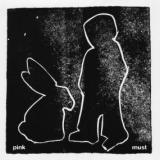
Pink Must is the duo project by Brooklyn based sound artists and musicians Mari 'More Eaze' Rubio and Lynn Avery. This self titled album is the debut release under the Pink Must umbrella.
Based on a long-standing artistic chemistry and shared love of genre-defying sounds, Pink Must started off as a remote grunge collaboration, with demos shared long-distance between New York and Texas. Over time, and especially since uniting in Brooklyn in 2023, the project evolved into its own animated soundspace, connecting raw imperfect textures with classic songwriting and a playful approach to both track instrumentation and lyrics.
The duo's production blends richness, glitches, and dissonant layers with drum and string arrangements in ways that subtly hint at influences like Stina Nordenstam and PJ Harvey. The record is tangled yet direct: fictional sketches of various situations, songs about love, change, decay, and even Mari's dog, Keith—all wrapped in signature guitar dreams and deadpan vocal lines.