Tin Fingers takes on a darker, melancholic direction on their second full album. Felix Machtelinckx' weeping vocals, preaching, searching, and trying to understand God, form the leitmotif. With rich melodies, haunting piano sounds, improvisations, first takes and no overdubs, Tin Fingers is searching for pureness and keeping things human and simple. The band is playing together intuitively, without a computer, without ego, just for the sake of music
The creation of the album was very fluent and spontaneous. Singer Felix wrote the backbones of the songs and the lyrics on acoustic guitar and piano. He wanted to have songs ready in order to be able to record and write arrangements fast. With an eye for details but without overthinking, keeping the ideas fresh. 'I wanted to stay in love with the music.' he explains. 'It needed to go fast, very fast, in just two weeks the entire album was recorded and ready to be mixed.'
In the studio, the band especially focused on picking the right mood rather than playing the right notes.
They were fed up with working on a computer for many hours, overthinking production choices, and adding instruments on top of each other as if they were Lego blocks. This time they decided to work in a more traditional way, going for first takes, jams, and essentially working with analog gear. No computers, no screens, no distractions. Only four humans in a studio trying to make a sound together by keeping things spontaneous and raw. They said goodbye to perfection and worked towards an unfinished product, a snapshot.
Tin Fingers also didn't want to sound like any other artist on this record. They decided not to listen to music during the sessions, and to never express ideas by referencing other bands. Just before the studio session, however, bass player Simen Wouters broke the rules and shared Bonnie 'Prince' Billy's, I See Darkness. Its dark and searching sound ended up inspiring the band unmistakably.
Once the recording was finished, the band decided to keep the volatile rhythm going and asked reputable NYC-based mixer and producer D. James Goodwin to finish the job. Goodwin, known for his analog folk productions with a real American punchy sound but a tender touch, proved the right man for the job. He opened up the songs and kept things poetic, minimal but impressive.
quête:det
Mit sperrig und kontrapunktisch kann man "Wider" untertiteln, ebenso mit eigenständig und -sinnig. Ja, Leto waren und sind deutschsprachiger Post-Punk mit Emo-, Hardcore-und Indie-Einflüssen. Obendrein passiert in wechselnden Melodien und eingängigen Rephrains viel Überraschendes und Abwechslungsreiches in den zehn Songs; so finden sich neuerdings auch rockige Momente, posenfrei und ohne Peinlichkeit, in Songs wie "Keine Reaktion", "Katzenwäsche" und "Blau". Leto treiben sich und die Hörer*innen in vielen Passagen regelrecht durch "Wider", häufige 200 BPM sprechen fürs Tempo und insbesondere Phills Gitarrenspiel unterstreicht die genre-untypischen Instrumentalteile. Die Hardcore-und Emo-Vergangenheit einzelner Bandmitglieder scheint in harten, schreienden Passagen immer wieder durch, bestes Beispiel ist mit "Kammerflimmern" der Song, den Jörkk Mechenbier (Love A, Schreng Schreng & La La, Trixsi) gemeinsam mit Jannes und Paul eingesungen beziehungsweise -geschrien hat. Der Entstehungsprozess lief bei "Wider" schneller und zielstrebiger als bei "Vor die Hunde", schrieb die Band die Songs diesmal am Stück, und das Album klingt entsprechend mehr aus einem Guss als das Debüt, dessen Titel in einem Zeitraum von zwei Jahren entstanden waren. Produzent Kristian Kühl, der Bands wie Leoniden und Schrottgrenze aufgenommen hat und selbst Gitarre bei Trixsiund Shatten spielt, hat "Wider" mit seinem dynamischen Mix maßgebliche Impulse gegeben. Eines scheint gleichzubleiben: Leto nehmen ihre Alben in Krisenzeiten auf: Entstand die Produktion von "Vor die Hunde" während des G20 Gipfels, ist "Wider" ein Kind der Pandemie. Gemastert wurde die Platte von Helge Hasselberg, das Artwork stammt wie bereits beim Debüt von Julius Dettmer.
Bastards gained international attention and were the first Finnish hardcore band to tour Europe, yet they still ended up quitting the band in December 1983 after just a few active years. Svart Records have now put together all the recorded material by Bastards. Arctic Hardcore – Complete Studio Recordings & Rare Rehearsal Tapes -box set was done as a tight co-operation between the record company and members of the band. The nearly four-hour long compilation contains 136 songs, of which fifty are never released versions or completely unheard material, until now. The box set also contains a thick booklet with the band’s history, lyrics, complete song details and a lot of photos from the band’s active years. Bastards was one of the first hardcore punk bands coming from Finland in the early 80’s. The band released three albums between 1982-1983: Harhaa (1982, originally only on cassette tape), Järjetön maailma (1983) and Siberian Hardcore (1983). Propaganda Records, the oracle of its time, released the Maailma palaa ja kuolee EP when the band was still active, and some single tracks also appeared on Finnish and international compilations.
Chicago born & Detroit bred ALTON MILLER is a vessel of musical vibrations. Since his first release as a remixer on KEVIN SAUNDERSON'S 1987 "KEYNOTES," ALTON'S creative journey has remained consistent. The four tracks on this EP all feature low slung basslines, dirty synths & deep rhythms.
Artefacts is the second part of the diptych of 2 albums by Hihats In Trees, pseudonym for Belgian drummer, producer Lander Gyselinck
HHIT’s unprecedented experiments with rhythm and acoustic textures on its debut album ‘Disleksikon’, released in 2019, was well received. On Artefacts HHIT takes it a step further. A truly sensational sonic realm is explored.
Hihats In Trees’ obsession with singular physical objects, materials of wood, stone, metal evokes a dark dystopian sentiment and a recurring melancholy. A poetic expression of the solid object. In Artefacts, through this language with materials, the physical objects come to life sonically. The 10 compositions revolve around this peculiar vocabulary of texture and rhythm, balancing between the dance floor and a solitary ritual, reminiscing on HHIT’s major influences of gqom, detroit techno, hiphop and experimental ambient.
Fashion designer Dries Van Noten was fascinated by HHIT’s musical experiments, This resulted in a collaboration with photographer Viviane Sassen for his Spring Summer collection in 2021 with music by HHIT, partly from Disleksikon, partly tracks later to be released on Artefacts. Artefacts is released on the Brussels based label Maloca Records, run by dj, producer Le Motel.
Since the early days of electronic music, white label records have been inextricably linked to DJ culture and the ways in which underground music has been disseminated.
unknown - untitled draws on the white label concept, initially withholding details about the producers behind the tracks and leaving listeners to draw their own conclusions about what they’re hearing. The innovative concept record label is back with its eighth release, delivering an expansive six-track vinyl that pushes the limits of techno as we know it, offering a glimpse into the ever-evolving world of sound design and sonic landscapes. With online personas often eclipsing the focus on music itself, here lies a return to form.
One of Ireland’s finest exports, Deeper Grooves look to Cork for their next release, as Southbound Sounds join the family with a four tracker of sumptuous deep house featuring a remix by John Daly.
Comprised of Alan Keane and Greg O’Connell, Southbound Sounds have a penchant for the grooves emanating from the hallowed grounds of Chicago, New York City and Detroit, yet laced with a distinctive Cork character. Deep house done right, the A side holds ‘Educator’ and ‘Keep It Movin’, the former a punchy, lights down low groover, with the latter channeling a basement body vibe.
On the flip John Daly digs deeper, serving up a hypnotizing remix of the title track, before ‘Upstairs’ rounds out the package bringing that sun-kissed, hazy house feeling – perfect for a warmup or warm down.
An EP based on nostalgic feelings of bygone days. Deep electronic grooves and melodies are mixed with intense emotional musicality that transports you to the past… Resulting in a 'hands up in the air' feeling, where the rush of music bathes you in warmth and remembrance, showcasing Wink’s diverse range of production and artistry on each cut.
"12 months of Longing" begins with a pounding 909 kick that soon gets flooded with funky percussion building up to the 1st break of lush keys and swirling beats. The production continues leading into bouncing bass and a serious groove, that evolves into a rhythmic pause where soaring strings, and melodies build and build leading to an intense crescendo that will blow the roof off.
"Sexy Bot” is a title which suits this sexy tune. It’s journey begins with latin rhythms and is quickly joined with repetitive stabs and ascending pads, that spirals around you, directing the path of music that unfolds into a Detroit inspired musical progression. Symphonic string plucks leads you into a break of serious sexy melodies that explodes into a rolling bassline that will elevate any listener into another sexy feel good echelon.
“Used to Be” quickly guides you to a signature wink acid bassline, that writhes its way to an infectious groove that is soon complimented by a hauntingly smooth analog synth, advancing into a sensual musical progression. Wink then adds his voice to the song, with simple and effective contemplative words “The way I used to be”, endorsing the overall nostalgic feeling of this unique and diverse EP.
Underground house and disco maestro Mark E makes a welcome return to Delusions following hot on the heels of last years Leaning Into The Light EP. The revered producer has been steadily doing his thing for almost two
decades now, racking up releases on Running Back, Golf Channel and Spectral Sound to name just a few. His sound is a unique, sublime vision of US deep house which transcends the dance floor and he proves his salt once again on the four new tracks that make up this stunning EP.
Title track Enchantment Under The Sea sets the mood with a minimal, low slung drum machine groove laying the foundation for layers of Rhodes and synth chords conjuring up images of a sub-aquatic vision of depth and beauty. Up next we have Zone Tonight, the epitome of a late night city scape driving track utilising heavily saturated drums, subtle acid line, distant piano melody and moody Detroit pads to draw you into its deep confines.
Flipping over we have Vertigo which treads a similar sonic path as Mark effortlessly fuses rich harmonies and entrancing melodies, inviting listeners to lose themselves in its depths. Closing out this blissful journey we have Bodymap which drops the BPM a little more with simple understated drums, melancholic string line and pulsating bassline.
The Zone Tonight EP is a testament to Mark E's unparalleled prowess in crafting immersive, uncompromising and emotive soundscapes for your aural pleasure. He also created the original artwork for this release.
- A1: The Smell (4 16)
- A2: Panties In A Jumble (3 00)
- A3: Diamonds (3 42)
- A4: The Aura (3 38)
- A5: Dalai Lama Slang (Feat Willie The Kid) (3 10)
- A6: Tiger Bone (2 50)
- A7: Duffles (3 36)
- A8: Avant Garde (3 10)
- B1: Deep In The Casket (3 16)
- B2: Fire (Feat Tristate) (3 39)
- B3: Speak Volumes (2 57)
- B4: Pain (3 21)
- B5: Get Back (3 20)
- B6: Nine Steamin' (Feat Guilty Simpson) (3 34)
- B7: You Love Me (3 35)
- B8: Golden Chakras (Bonus Track) (1 25)
- B9: Broke Encomposs (Bonus Track) (1 25)
Classic Hip-hop meets minimalism and dusty vinyl on Anchovies Cali Agents alum Planet Asia is as sharp as ever with his lyrical smithing. Apollo Brown's style is evident behind the dust and grime of these smoky samples. The Detroit producer approached this album like a director would a movie. Apollo painstakingly laid out every detail of the project and knew what he wanted from the finished product. He knew that only one rapper could execute his vision. Enter Planet Asia. The West Coast legend was able to fit directly into the plan and bring his talents to the album, creating a perfect match.
Planet Asia. The West Coast legend was able to fit directly into the plan and bring
his talents to the album, creating a perfect match.
Matt Tolfrey’s Leftroom imprint makes a triumphant return here with a remix package featuring Mathew Jonson, Silverlining, Maher Daniel and Sakro, all reworking cuts from his 2020 ‘All Shapes And Different Sizes’ LP. Across the past two decades the UK’s Matt Tolfrey has been at the forefront of the underground House and Techno scene, releasing material on many seminal labels in the industry such as REKIDS, Cocoon, Music For Freaks, Crosstown Rebels, mix compilations for fabric and Classic, and of course his very own Leftroom which returns here following its last vinyl release back in 2020 from Detroit’s Norm Talley and Ataxia.
Up first on remix duties is Canadian machine maestro Mathew Jonson who remixes ‘How It’s Gonna Be’ featuring Tim Fuller, offering up his signature twitchy synth work, robust analogue drums and cinematic leads running alongside the original’s hooky vocal lines. Maher Daniel steps up next to remix ‘Feel The Same’, opting for an intricate electro tinged drum workout, wavey subs and hypnotic vocal chants.
London’s Silverlining then reworks ‘Fantasy’ featuring Shaun J. Wright next, diving deeper via a skippy, swinging drum groove, airy dubbed out chords, snaking bass groove and soulful, intricately processed vocal licks. Lastly to round things out, Sakro remixes ‘Under The Skin' featuring Lil Mark, the Mexican artist reshapes the original with his unique drum-led, groove driven style, fusing crisp snares and shuffled percussion, alongside an amalgamation of choppy bass hits, bleepy synths and sweeping atmospherics.
Repress!
Since his first Submorphics release on The North Quarter, the Detroit native has tenaciously developed his unique brand of lo-fi, deep drum & bass. With his new six-track EP ‘Verona Highway’, the Den Haag-based producer has created what he calls “a late night Detroit to Chicago road trip aesthetic”. Rooted in the underground, this project is an assemblage of techno, footwork and soulful house influences fused with his own signature earworm melodies, deep minor chords and the modern North Quarter drum & bass sound. The result is an EP that feels emotive and nostalgic while maintaining a modern atmosphere.
'Verona Highway’ marks the return of Submorphics to The North Quarter, just over a year after his critically acclaimed Newport Magnetic EP. Reminiscent of night time drives and peaceful after hours, the EP is a collection of warm, dreamy and sentimental music and is the ultimate soundtrack for serene summer nights.
Repress!
Following his versatile Alone With Everybody EP, FD returns to The North Quarter with a stunning 16 track debut album: Better Days.
Largely written in a three month window, FDs (real name Freddie Dixon) new long player on The NQ undoubtedly brings the best of the Zurich-based/London-born producer. Better Days is an album that delivers a rare synergy of drive, harmony between subtle & raw and just sheer fun. A versatile yet coherent project drawn from a large pool of sketches, finalised in intricate detail with focused studio dedication.
Drawing influences from Dub, Jazz, Hip Hop, Soul and the Mid 90's Drum & Bass “GoldenAge”, Better Days bridges the gap between genres, as FD enlists carefully considered vocal collaborations. Manchester donny Fox shines on the dubbed out Better Man and Washington DC soul diva Cecily shows shades of Minnie Riperton on Sycamore. Meanwhile Ribs is lifted to one of the album's stand out tracks with Maverick Soul on the keys and the enigmatic Issac Rosie on the boards.
For some the better days in life are in their childhood memories: nostalgia-infused wonderings of the mind to a care-free time without today's online distractions. Although FD’s debut album 'Better Days' is inspired and informed by a period earlier in life, his best days musically are definitely in the present. To put it into the man's own words:
"I’ve been wanting to do an album for quite a while now, but the circumstance never felt right. Once I started working with The North Quarter that all changed – it feels like being part of a team all pushing in the same direction, all supporting one another, all wanting to do the best for each other. Once we’d done the first EP together, for me, it was only a question of when."
With a voice of pure gold and a startling sensitivity for heartfelt pop songwriting, on No Reino Dos Afetos (In the Realm of Affections), Berle firmly embraces earnestness, through starry-eyed Brazilian love songs, ambient vignettes, warm, home-cooked beats and gentle strokes of MPB genius.
Maceió, the capital of Brazil’s Alagoas state on its sprawling east-coast, is home to pastel coloured colonial houses, white sand beaches and a brilliant young composer, poet and multi-instrumentalist named Bruno Berle.
With a voice of pure gold and a startling sensitivity for heartfelt pop songwriting, on No Reino Dos Afetos (In the Realm of Affections), Berle firmly embraces earnestness, through starry-eyed Brazilian love songs, ambient vignettes, warm, home-cooked beats and gentle strokes of MPB genius.
“It’s an album that was built from my desire to find beauty”, Berle explains - his simple, graceful words mirroring the graceful simplicity in his music. But amongst the simplicity, the compositions, arrangements and productions on No Reino Dos Afetos tingle with nuance and detail.
On the contemporary R&B inspired lead single “Quero Dizer” - produced by Berle and longtime friend and collaborator Batata Boy - the swirling, lo-fi, kalimba and guitar-fronted beat is turned into a feel-good hit by the ingenuity of Berle’s honey-soaked vocal melody.
Powerfully intimate, “O Nome Do Meu Amor” (My Love’s Name) is a guaranteed tearjerker, with Berle’s stunning voice soaring over gently plucked acoustic guitar and the textural flutter of soft movement, as if we hear him writing the song in the moment.
Drawing upon a close-knit, collaborative scene of Maceió artists and musicians, (of which Berle and Batata Boy are vital members), Berle also recorded some of his friends songs on the album, including João Menezes’ “Até Meu Violao”, the album’s beautifully laid back sunshine soul opener, which has all the charm of early-70s João Donato.
Having cut his teeth in soft-rock group Troco em Bala, and more recently finding himself embedded in both Rio and Sao Paulo’s contemporary music scenes - collaborating with the likes of Ana Frango Eletrico, who took the photo for the album cover - No Reino Dos Afetos is as musically diverse as Bruno himself. It’s hazy indie rock (“É Preciso Ter Amor”), calming ambient and field recording (“Virginia Talk”) as well as Berle’s own take on West African High Life (“Som Nyame”).
Instantly recognisable as a truly special artist, Berle’s character fills every corner of the sound, which is unsurprising considering he played most of the instruments.
Brontez Purnell has been making music since the ‘90s. The Southern-raised, Oakland-based American musician and writer has centered his queerness and Blackness in projects Gravy Train!!! and Younger Lovers as well as in his award-winning books ‘100 Boyfriends’ and ‘Since I Laid My Burden Down’. He is also a dancer, film maker and choreographer.
CRYSTAL CLEAR VINYL.
Hot on the heels of recent 7” singles for Sub Pop, PPM and his first solo electronic record ‘No Jack Swing’ (Dark Entries / Papi Juice), Brontez returns in DIY-punk band formation for a new album entitled ‘Confirmed Bachelor’, out Sept 15th on Upset The Rhythm. These twelve songs presented are of the no-time-wasted variety. Fuzzed-out pop songs, hotly delivered from the heart, often sassy, sometimes sappy, always snappy! Brontez’s band includes the multifaceted talents of Vice Cooler (who also produced and mixed the album), Sean Teves (of Younger Lovers) on drums, Kevin Preston (Prima Donna, Green Day) on guitar, Aaron Minton (Prima Donna) on piano and saxophone, and Laena Myers-Ionita on violin. The album was recorded in Los Angeles at The VCR earlier this year.
‘Bachelors Theme’ opens ‘Confirmed Bachelor’ and sets the scene perfectly with the heady, rush along swoon “That's when I heard the doctor singing to me, "Son; you got all those boys in love, I wish I knew what you were saying to them. Their storming castles are coming for you!” It’s a tour de force of bop and bravado. This is what the album does so well, it sweeps you off your feet first, making its lyrical disclosures all the more affecting.
‘Rude Life’ begins in lilting, measured contemplation. “You're the rudest boy I know, and I've a real rude life” confesses Brontez as the violin laces through his vocal. This is all shook up at the halfway mark though when the adrenaline kicks in and the drums pummel. ‘Sky Opens Up’ similarly dials up the tumbling, careening clamour and energy buzz. ‘Hellish Banger’ is more of slow dance meets grunge reverie. The album also boasts an amazing spiraling auto-tuned cover of The Amps ‘Bragging Party’. ‘No Cigarettes / Stay Monkey’ is pulse-grabbing rally of unadorned declarations split into two fleeting sketches.
‘Hey Boy’ and ‘Boy With Butterfly Wings’ are more reflective in intent, both yearning and unapologetically poetic. In fact the little details observed in the lyrics across the whole album are quietly elegiac; winter nights, electric bills, ticking clocks and many allusions to hauntings only lending pathos to the love-drunk / lovelorn axis of the record. ‘Confirmed Bachelor’ is a hot wonder, upbeat, witty and ever-lively only with a forlorn core, a resolute focus and defiant honesty. It’s a rare triumph, a record you can dance your Friday night away to, whilst the songs’ subtly work on your emotions from the inside out.
of it all. Jagged riffs, bubblegum bounce and Brontez’s vocal effortlessly racing to dizzying effect.
- A1: Grand Union - Morning Brings The Light
- A2: Tasha Lee Mcclunney - Undone
- A3: Len Udow - Beauty Raise The Tree
- A4: Len Udow - Wild Canada
- B1: Mike Glick - The Ballad Of Ho Chi Minh
- B2: Chris Rawlings - Song Of Creation
- B3: Gary Lapow - Bamboo In The Wind
- B4: Summer Rain - Turn On Your Lovelight
- C1: Jennie Rylatt - Rainfall
- C2: Lucy Kitchen - Olivia
- C3: Henry Parker - Prospect Of Wealth
- C4: Findlay Brown - Teardrops Lost In The Rain (Stallions Remix)
- C5: Harris & Crane Band - Change Is Me, Change Is You
- D1: Frank Pyne & Loon Saloon - Waco
- D2: The Bb Jackson Band - Theme Iv A Detective
- D3: Cascada - Weepin
- D4: Peter Campbell - Let Me Ride
Paul Hillery, Plattensammler, Archivar und DJ, präsentiert mit 'Folk Funk & Trippy Troubadours Volume Two' 17 brillant psychedelische und funky Juwelen, die er auf seiner unermüdlichen Suche nach musikalischen, Generationen und Genres umfassenden Schätzen entdeckt. Liebevoll handverlesene, verlorene Nuggets auf privat gepressten Obskuritäten, vergessenen Studiotapes oder tief in digitalen Ordnern versteckt, warten darauf, wieder gehört zu werden.
"Stop Violence Against Women" has been the life-long credo from Rico Puestel and "Make A Way (For Women)" is a stomping protest of 11 minutes and 11 seconds that proclaims the fortitude of women! Playing this one out there is more of an solidary act than just "a track being played"...
What Rico himself has to say about it: "With my 2022 Friebe-projects 'Jenni' and 'Jenni II', I started to make a public appearance on this topic of violence against women musically. Back in childhood days, I already felt an intensely unjust manner and imbalance regarding women in society and an almost predetermined non-equality. The violence always seemed so ever-present, even in the smallest details of behaviour and the associated self-understanding of men within their deeper planted attitude towards. I always felt an honourable glory and profound importance in women that seems impeccable and unreachable for men. It's clear that men would just be memories and ghosts without women... Musically speaking, while grewing up with Gabba and Trance i. a. in the 1990s, I simply feel no charm to nowadays reflection on these times with productions and releases that somehow just sound insincere and scheming. I'm missing the real attitude, feel and groove that doesn't even care if it's Techno, House or whatever and I'm also missing some of the stylistic approaches as well as the spirit from the "Minimal"-era. Based on all those thoughts, "Make A Way (For Women)" became this clenched fist - raised for good!"
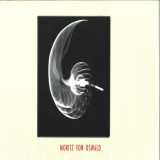
What are the differences and similarities between human and artificial sound, between oscillations generated by vocal cords and synthesizer voices, voltage amplified by speakers? On Silencio, his latest album for Tresor Records, Moritz von Oswald works with a 16-voice choir to explore this concept.
Drawing from the ensemble works of long-standing inspirations Edgard Varèse, György Ligeti and Iannis Xenakis, von Oswald and Vocalconsort Berlin delve into the space between sounds, creating a deeply textured collection that shifts between light & ethereal and
dark & dissonant.
As masterfully demonstrated in the early work of von Oswald and Mark Ernestus’ influential Basic Channel project, repetition and reduction are key elements here, much in the tradition of techno and minimalism. The vast dynamism of the human voice adds to the
profound weight of electronics while offering up a rhythmic source and sonic noise palette unexplored in von Oswald’s repertoire. In Silencio, von Oswald dredges a dank murk, pulling clouds over a distant pulse. It hangs, ready to take on new forms.
The compositions were written in von Oswald’s Berlin studio on classic synthesizers, such as the EMS VCS3 & AKS, Prophet V, Oberheim 4-Voice and the Moog Model 15. These abstract recordings were transcribed to sheet music for choir by Berlin-based Finnish composer and pianist, Jarkko Riihimäki and performed by Vocalconsort Berlin in Ölberg church in the city’s Kreuzberg district, only few metres down the road from where Dubplates & Mastering and Hard Wax opened their doors for music enthusiasts for many years so long. The recordings of the choral versions were then incorporated into the synthesized parts of the album and brought into anew electronic context; in Silencio, the focus is not on using one means to imitate the other, but to sonically discuss the tensions and harmonies between the two worlds and create a dialogue between them.
The relationship between von Oswald and Tresor Records goes back thirty years, all the way to Blake Baxter’s Dream Sequence in 1991 - which von Oswald engineered alongside Thomas Fehlmann. The collaboration with Fehlmann lived on, seeing the duo team up as 3MB with Eddie Fowlkes or Juan Atkins. More recently, the Detroit-Berlin connection continued as Juan Atkins & Moritz von Oswald present Borderland.
For von Oswald, Tresor Records and also the participating guest musicians of the choir, this release brings together audiences from other musical areas, cross-pollinating; Silencio is an album that stands for itself beyond the musical genre boundaries.
For that new release, we will take you on a trip from the South to the North of Europe.
On the A-Side, Sardinia-based producer ProOne79, known for bomb tracks he released on labels such as Circus Recordings and Kneaded Pains, delivers two catchy acid tunes, influenced by the Chicago and Detroit classic sounds.
On the B-side, Glasgow-based producer Fear-E, head of the label Posh End Music and responsible of some killer EPs on Dark Entries, Zone or Super Rythm Trax, gives us three techno cuts for the floor, with a totally disturbed 303 synth.
Five sick tracks for you, acid junkies !
Black Truffle is thrilled to present a previously unheard performance by rudra veena master Ustad Zia Mohiuddin Dagar, recorded in the North Indian city of Vrindavan at the Druhpad Samaroh festival in 1982. Z.M. Dagar was a nineteenth-generation descendant of the Dagar family of musicians, famed for their profoundly meditative approach to the tradition of Hindustani court music. Perhaps the most revered members of the family were the brothers Mohinuddin and Aminuddin Dagar, who played a key role in reawakening interest in dhrupad in the mid-20th century. The great exponents of the tradition from whom Z.M. Dagar descended were all singers, and dhrupad is essentially vocal music. However, as Z.M. Dagar explained, the veena family of instruments plays an important role in the education and practice of dhrupad singers, especially as an aid to mastering the fine microtonal nuances of pitch essential to the genre. Introduced as a child by his father to the rudra veena, a large and low-pitched veena amplified by two enormous gourds, Z.M. Dagar became the first modern dhrupad musician to perform with it as an instrumental soloist, giving his first recital at the age of 16. Devoted to the instrument throughout his life, he made innovations to its design and materials, as well as introducing novel techniques (such as playing without the use of the traditional wire plectrum, resulting in the remarkable warmth of his tone). In the great Dagar family tradition, his approach to the various ragas that make up the dhrupad repertoire was stately, slow, and considered, with a great emphasis on the alap, the heavily improvised exposition section. True to form, in this recording of Dagar performing the night raga Yaman Kalyan, the alap section stretches out to more than forty minutes of slow-motion bliss, a frozen tanpura drone hovering above Dagar’s gracefully bent notes and elegantly twisting phrases. In the alap’s first half, Dagar’s figures are so intently focused on the lower reaches of the rudra veena’s range that they register more as shudders and moans than melodic patterns. As the performance continues, he slowly climbs in pitch, though continuing with the same intent focus on the articulation of single notes and subtle microtonal variations. This leads to the jod section of the performance, which, though still accompanied only by the tanpura, gradually takes on a more rhythmic character. Developing almost imperceptibly over the course of nearly thirty minutes, the jod moves from the stillness of the opening alap to a rapid pulse that announces the closing section of the piece, where Dagar is joined by Shrikant Mishra on the pakhawaj (a double headed hand drum). Where many performers use the final section of the raga as an exercise in unrestrained virtuosity, Dagar and Mishra subtly weave a web of finely shifting accents and hypnotic melodic variations, bringing the recording to a fitting conclusion while remaining within the meditative space occupied by the performance as a whole. Adorned with beautiful archival photographs of Dagar taken by Swedish percussion legend Bengt Berger and accompanied by detailed notes from Bradford Bailey, Vrindavan 1982 is a stunning document of music unmatched in its patient focus and mysterious emotional depth. .