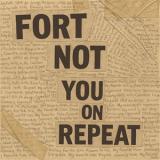
You On Repeat is a bittersweet indie pop album shaped by warmth, immediacy, and unfiltered charm, recorded over a summer weekend on Sweden's west coast. Jangly and distorted guitars meet lo-fi textures and disarming melodies, rooted in a DIY '90s indie spirit. Moving fluidly between noise and tenderness, the record balances raw emotion with finely crafted hooks. Fort Not, the Swedish songwriting duo of Robert Carlsson and Fredrik Söderström, return with their new album You On Repeat on Meritorio Records. Joined by bandmates Philip Gates, David Hansson, and Joakim Björnberg, the group recorded the album over a hot summer weekend in a barn near Sweden's west coast - an environment that left its mark on the record's warmth, immediacy, and unfiltered charm. You On Repeat is a bittersweet indie pop record where jangly and distorted guitars, lo-fi textures, and disarming melodies meet. Rooted in a DIY spirit inspired by '90s indie rock and classic pop songwriting, the album moves fluidly between noise and tenderness, urgency and ease, capturing a band equally attuned to raw emotion and crafted hooks. Long regarded as one of Sweden's best-kept indie secrets - as praised by Swedish music magazine GAFFA - Fort Not are ready to step fully into the light. With You On Repeat, that secret is finally revealed. FFO - Guided by Voices, Beat Happening, The Clean, Pavement, Television Personalities, Daniel Johnston.
The Wings of War (2019) finds Overkill at the peak of their thrash metal power. The album blends aggressive riffs, driving drums, and Bobby “Blitz” Ellsworth’s unmistakable vocals with melodic hooks. Each track delivers energy, precision, and raw intensity, from rapid-fire assaults to grooving mid-tempo songs. A relentless, powerful release honoring the band’s legacy while sounding fresh and modern. Now reissued as Ltd. Edition Vinyl. Pressed on clear Vinyl with crushed black and green splatter, housed in a gatefold sleeve.
Sublunar is proud to present the new EP from Georgian talent Pierce.
Already affiliated with labels such as Token Records and WSNWG, and following his contribution to Veil Of Echoes II, Pierce returns with a release that further defines his voice, establishing him as one of the most eclectic and distinctive emerging artists in the scene.
The EP opens with Luminous, driven by a solid groove and a uniquely recognisable vocal, before moving into Sentimento, a direct and powerful cut built around raw, gritty synth work. Cassiopeia follows, darker in tone, carrying a sense of melancholic tension that sets it apart. On the flip side, Gunslinger delivers high-impact energy with a driving groove, while Twisted Fantasy explores a more chaotic and textural approach, shaped by distorted elements and unpredictable arrangements. Delira continues the journey with hypnotic vocals and an intense, immersive groove.
With this release, Pierce firmly positions himself as one of the most compelling emerging voices in the current techno landscape.
Sem is the first album by Victor Negri under his own name, after a decade making music as Arubu Avua. Released via Stray Signals (Berlin) in partnership with Mutum (Portugal/Brazil), the album was composed between late 2023 and early 2025 during a prolonged period of compounded grief and relocation, and is built upon layers of guitar in irregular loops, alongside samples, experimental electronics, and field recordings.
Begun in Lisbon and finished in Campinas, Brazil, Sem (meaning “without”) deals with loss by juxtaposing new material with unfinished recordings from previous years. As the process unfolded, catharsis emerged as much through editing as through raw expression. The album became a symbolic attempt to glue together fragments and memories from a world that ceased to exist, in order to move forward.
Across its eight tracks, some pieces gradually unfold while others crumble or explode into distortion and feedback, while some seem almost suspended, as if unsure of the next steps. There is a loose trajectory from disorientation and collapse (“Voçoroca”) through astonished frustration (“Não”) and numb acceptance (“Obrigado”), toward a fragile optimism on the closing tracks “Os cacos” and “Boa continuação.” Negri’s first fully instrumental album, Sem contains no vocals at all. That absence emerged gradually after fruitless attempts at songwriting during the period; overwhelm and speechlessness ultimately prevailed. The result leaves room for ambiguity, wandering, and the unfamiliar.
Victor Negri is a Brazilian musician and songwriter. Previously known as Arubu Avua, he makes music framed by noise, feedback, irregular loops, and field recordings.
out of Stock
Last delivered 5 months ago available to reorder, subject to availability
Genre Is Death is an uncompromising noise duo made up of Ty V (guitar, vox) and Tayler Lee (bass, vox). Their sound is abrasive yet melodic, using heavy distortion, dissonant riffs, and reverberating vocals to create a wave of boldly hypnotic noise. The duo have been compared to the likes of Sonic Youth and Teenage Jesus and the Jerks, yet have managed to create a sound that is distinctly their own, avoiding mimicking the zeitgeist of decades before. Beyond the integrity of their music, Tayler’s intimidating glare, or Ty’s staggering gait, the duo share something truly inimitable— the overwhelming feeling that their music is a byproduct of the high esteem they hold of each other. The duo moved to NYC in August of 2023 looking for something more than their mundane suburban lifestyle of day drinking and playing doom metal in friends' basements…their move to NYC coupled with their desire to express something, anything, led to the inception of Genre is Death. The pair hit the ground running, playing anywhere and everywhere they could… however, it was only after a chance encounter with 80s noise forerunners Live Skull that the pair was introduced to the strange underbelly of NYC noise and began playing regular gigs with The Art Gray Noizz Quintet and Lydia Lunch. In 2025 the pair played New Colossus Festival, toured with Gogol Bordello, embarked on their first East Coast tour, and played gigs with Cherubs, Bush Tetras, and Jon Spencer. Their upcoming record was recorded with legendary sound engineer Martin Bisi (Sonic Youth, Swans).
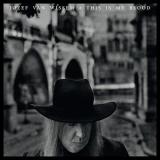
**RED VINYL**Bookending “This Is My Blood “ are two cinematic hypnotist slide lute pieces that evoke contemporary deserted landscapes. They were improvised and made for “ Maquina”, a film shot in the Colorado desert during a psychedelic trip by film maker Joaquim Pujol. The works on here, like the ecstatic second piece invite a return to long form listening. They explore contemporary darkness and contemplate personal loss. There is solely one vocal piece, “ Remission”. A worldwide concert tour of this material is slated for 2026/2027. Since studying the lute in New York with Patrick O'Brien in the 1990s, Van Wissem has gone on to create works equally as rooted in classical Renaissance and Baroque forms of lute music, as contemporary sounds spanning drones, electronics and field recordings. Throw in some of his formative influences from the no wave and industrial scenes, alongside a dedicated approach to minimalism and this has resulted in Van Wissem producing distinct and singular work whose sound is often a marriage of opposites; meditative and intense, forward thinking but with a sense of the arcane. The Quietus has called him "probably the most famous lutenist in the world”. Jozef Van Wissem is an avant-garde composer and lutenist who plays a unique all-black baroque lute. His timeless music is often described as hypnotic, minimal, and hauntingly atmospheric, merging beauty with a dark, meditative edge. His lyrics have a mythical Christian appeal, incorporating themes of love, faith, and the afterlife, often with a repetitive, mantra-like quality. Bridging classical traditions with modern sounds like drones, electronics, field recordings and voice. He collaborates with filmmaker and musician Jim Jarmusch, including the award-winning soundtrack for Only Lovers Left Alive, for which Van Wissem won the Cannes Soundtrack Award in 2013. He also scored the Sims Medieval Video game ( 2011), Uncle Howard ( 2016) Land (2018), Irma Vep (2022), Queens (2023) and Un Prince (2024). He did a world tour in duo with Jarmusch in 2025 and their 5th record “ The Day The Angels Cried” was released. Van Wissem tours extensively, performing in diverse venues from rock festivals to churches, and has worked with artists like Tilda Swinton and Zola Jesus. In 2019 he was commissioned by Cinematheque Francaise to score the silent horror film Nosferatu (1922). He released the soundtrack in 2022 on his own Incunabulum label. The New York Times wrote: Beginning with a solo played on the lute, his performance will incorporate electric guitar and distorted recordings of extinct birds, graduating from subtlety to gothic horror. “My soundtrack goes from silence to noise over the course of 90 minutes,” he said, culminating in “dense, slow death metal.” In 2024 Van Wissem did a sold out nationwide American tour with the film. A worldwide tour is slated for 2026/2027
Just as you were getting your head straight coming off the 21st Trip … Brown Acid dose # 22 drops, continuing to fry your mind in a revolving trap-door Twilight Zone alternate world of early hard rock… populated by real life characters so far out they can look like a cheesy wedding band but sound like Blue Cheer! Uncanny! This music comes at you from many angles. Teens in a garage colliding with booze, drugs and girls for the first time, lounge lizard hustlers with snazzy stage clothes and fuzz boxes… gnarly backwoods troublemakers meet blow dried glam rock wannabes here, seamlessly clobbering your head with sound rather than each other! An electric post-psychedelic bar brawl for your mind awaits, unfasten your seat belt, crank it up and fly! Sounds Synonymous "Babylon" out of Flint, Michigan 1969 rip the devastating Blue Cheer classic a new one, immediately swarming you with organ swells and distortion before collapsing into a tuff funk groove, a psychedelic James Brown vibe shot through with dirty howling fuzz guitar, vocals nailing the messed up but confident relaxed sneering attitude of the original Cheer eruption. The Bumps "Shining" from Seattle 1969 resides right at the transition of ‘60s psych into early prog, well constructed, no diluting things artsy fartsy style, a compelling heavy riff, spacious vocal harmony hook floating above a turbulent take on getting your shit together and shining like a star. Fat chance, but you can dream, the band did and their dreams kick ass across time to right now or you wouldn’t be here.
Coulda been a hit back then, definitely a hit now. Riverside "Farmer" explodes out of Austin, Texas 1974, economical but brilliantly structured riffs and power chords, intense dynamic tension/release, fantastic screaming leads over shifting angles of attack during the middle break… it’s all here with a detached confidence in the vocal that swaggers back in time to the late ‘60s in its proto-heavy psych adjacent assault. Cincinnati Joe & Mad Lydia "Get It Together" for real in Cincinnati, Ohio 1970. The song says everything you need to know: “You may think that you’re the very best, miles and miles ahead of the rest, but be sure when you’re put to the test you get it together!” These words are deployed in a manner similar to Peter Green’s “Oh Well”, intermittently stated between killer gnarly guitar and gushy organ attacks. Bar band heaven and hell rolled up into one big ball, the vocals get all the way out there! Straight Up "Fire" takes the monster 1968 Crazy World Of Arthur Brown hit into faithfully executed but surreally minimalist territory, Minneapolis, Minnesota 1974. Genius version of a key song that presciently cuts to the chase regarding Brown Acid’s incinerations of psychedelic idealism, you’re gonna burn, burn, burn… as that moment climaxes you can gawk at their preposterous flashy lounge band stage outfits and realize side one must end because everything is totally scorched into eternity. Scrap Iron "Poopsie" is a primitive two chord stomper with spiraling fuzz and organ riffs, singer marking his territory caveman style. “Poopsie, you’re my woman” he commands, but gets weirdly insecure she’ll blow him off at the altar by the end of each verse. Snarly wah-wah ices this toxic cake out of Carteret, New Jersey 1973. Focused delivery so single-mindedly crude it creates an inescapable instant brain-worm. Lady "Live Show Tigers" is amongst the most potently life affirming trash rockers you’ll ever hear, one outrageously triumphant but fiercely sloppy anthem about living it up like a star, strutting the stage glammed up New York Dolls drag style but with a Dictators sense of humor. Tasty slightly off kilter guitar leads all through, going serendipitously berserk on the fade. Picture disc single out of L.A. 1980. Fantastic fun rock star rock at a very raw local street level where any time is party time.
Killer Frog "Hard Times" on Masochist Records from Chicago, Illinois 1972 takes less than two minutes, an action packed James Gang style bar band rocker with a bit of punky sneer in the face of misfortune. These guys never even heard of flower power. They are killer frogs. Good Humore "Killer" does kill in stripped down hard rock trio style, Warren, Michigan 1976. No frills guitar, bass and drums groove tight, snaky primordial riff, snarly licks. “She’s a killer of a woman, knows just what she’s doing…” The singer knows she’s a femme-fatale roadhouse predator but she’s so hot the inevitable wreckage seems a bargain. Ride it out like the extended jam on the fade knowing she’ll be back for more! Sarawest "Space Rider" winds up the 22nd Trip lost in a twisted two chord space adventure from the point of view of an alien visiting our planet seeking knowledge but finding out we are stupidly destroying ourselves, so he gotta split sneering back at us like we wasted his time “I got no time for loving… I wanna be a space rider, space rider”. Toronto, Canada 1974, a vibe lurking in some strange but funny void between late ‘60s outsider garage psychedelic rock complete with reverb-y acid guitar leads and late ‘70s retro-futuristic D.I.Y wisecracking from inner space… taking the piss out of outer space!
Just as you were getting your head straight coming off the 21st Trip … Brown Acid dose # 22 drops, continuing to fry your mind in a revolving trap-door Twilight Zone alternate world of early hard rock… populated by real life characters so far out they can look like a cheesy wedding band but sound like Blue Cheer! Uncanny! This music comes at you from many angles. Teens in a garage colliding with booze, drugs and girls for the first time, lounge lizard hustlers with snazzy stage clothes and fuzz boxes… gnarly backwoods troublemakers meet blow dried glam rock wannabes here, seamlessly clobbering your head with sound rather than each other! An electric post-psychedelic bar brawl for your mind awaits, unfasten your seat belt, crank it up and fly! Sounds Synonymous "Babylon" out of Flint, Michigan 1969 rip the devastating Blue Cheer classic a new one, immediately swarming you with organ swells and distortion before collapsing into a tuff funk groove, a psychedelic James Brown vibe shot through with dirty howling fuzz guitar, vocals nailing the messed up but confident relaxed sneering attitude of the original Cheer eruption. The Bumps "Shining" from Seattle 1969 resides right at the transition of ‘60s psych into early prog, well constructed, no diluting things artsy fartsy style, a compelling heavy riff, spacious vocal harmony hook floating above a turbulent take on getting your shit together and shining like a star. Fat chance, but you can dream, the band did and their dreams kick ass across time to right now or you wouldn’t be here.
Coulda been a hit back then, definitely a hit now. Riverside "Farmer" explodes out of Austin, Texas 1974, economical but brilliantly structured riffs and power chords, intense dynamic tension/release, fantastic screaming leads over shifting angles of attack during the middle break… it’s all here with a detached confidence in the vocal that swaggers back in time to the late ‘60s in its proto-heavy psych adjacent assault. Cincinnati Joe & Mad Lydia "Get It Together" for real in Cincinnati, Ohio 1970. The song says everything you need to know: “You may think that you’re the very best, miles and miles ahead of the rest, but be sure when you’re put to the test you get it together!” These words are deployed in a manner similar to Peter Green’s “Oh Well”, intermittently stated between killer gnarly guitar and gushy organ attacks. Bar band heaven and hell rolled up into one big ball, the vocals get all the way out there! Straight Up "Fire" takes the monster 1968 Crazy World Of Arthur Brown hit into faithfully executed but surreally minimalist territory, Minneapolis, Minnesota 1974. Genius version of a key song that presciently cuts to the chase regarding Brown Acid’s incinerations of psychedelic idealism, you’re gonna burn, burn, burn… as that moment climaxes you can gawk at their preposterous flashy lounge band stage outfits and realize side one must end because everything is totally scorched into eternity. Scrap Iron "Poopsie" is a primitive two chord stomper with spiraling fuzz and organ riffs, singer marking his territory caveman style. “Poopsie, you’re my woman” he commands, but gets weirdly insecure she’ll blow him off at the altar by the end of each verse. Snarly wah-wah ices this toxic cake out of Carteret, New Jersey 1973. Focused delivery so single-mindedly crude it creates an inescapable instant brain-worm. Lady "Live Show Tigers" is amongst the most potently life affirming trash rockers you’ll ever hear, one outrageously triumphant but fiercely sloppy anthem about living it up like a star, strutting the stage glammed up New York Dolls drag style but with a Dictators sense of humor. Tasty slightly off kilter guitar leads all through, going serendipitously berserk on the fade. Picture disc single out of L.A. 1980. Fantastic fun rock star rock at a very raw local street level where any time is party time.
Killer Frog "Hard Times" on Masochist Records from Chicago, Illinois 1972 takes less than two minutes, an action packed James Gang style bar band rocker with a bit of punky sneer in the face of misfortune. These guys never even heard of flower power. They are killer frogs. Good Humore "Killer" does kill in stripped down hard rock trio style, Warren, Michigan 1976. No frills guitar, bass and drums groove tight, snaky primordial riff, snarly licks. “She’s a killer of a woman, knows just what she’s doing…” The singer knows she’s a femme-fatale roadhouse predator but she’s so hot the inevitable wreckage seems a bargain. Ride it out like the extended jam on the fade knowing she’ll be back for more! Sarawest "Space Rider" winds up the 22nd Trip lost in a twisted two chord space adventure from the point of view of an alien visiting our planet seeking knowledge but finding out we are stupidly destroying ourselves, so he gotta split sneering back at us like we wasted his time “I got no time for loving… I wanna be a space rider, space rider”. Toronto, Canada 1974, a vibe lurking in some strange but funny void between late ‘60s outsider garage psychedelic rock complete with reverb-y acid guitar leads and late ‘70s retro-futuristic D.I.Y wisecracking from inner space… taking the piss out of outer space!
Un-American Activities is the 11th Studio album by Molly Nilsson. Written and recorded entirely on location in California at the former home of writer, poet and early opponent of the National Socialist regime in 1930s Germany, Lion Feuchtwanger and his wife Marta. An album of experimentation, genre-mashing and, above it all, Nilsson’s instantly recognisable melodic skill and empathy, it continues the songwriter’s explorations of power, freedom, oppression and its opposing force, a love unbound.
After accepting an artist residency as part of the Villa Aurora program, Nilsson began work crafting a new album from scratch in a new environment, afforded the freedom, space and time to challenge her practice and take her music into new territory. The resulting work, Un American Activities, is a love note not only to the artist who was among the very first to be declared an “enemy of the state” by the Nazi regime but also to both the eternal struggle he fought and the human spirit that pervades all of Nilsson’s best work. It is also a double-pointed poison pen letter: a critique of the new forms of oppression wielded by her temporary adopted country of the USA but also an acknowledgement of the promise it always offers but never fulfils.
Along with the novel use of colour and photography in the artwork for Un-American Activities, there are swathes of new techniques, genres and timbres new to Molly Nilsson’s music in evidence, 16 years into her music career. On Jackboots Return is an icicle-cold New Beat track that deals directly with the current situation in Germany and the resurgent Nazi-affiliated AfD. The question the song asks is, what’s the timeframe we’re talking about? Is this the 30s, or somewhere a lot closer to home? The beat is picked up on The Communist Party, Nilsson’s deepest bow to House music, evoking the early 90s Rave pioneers, Belgian 80s music and Vogue-era Madonna. Here the lyrics are direct quotes from the McCarthy-era, anti-Communist pamphlet 100 Things You Should Know About Communism in the U.S.A. The Beauty Of The Duty does to pounding Electro what Nilsson’s last album Extreme did to Metal: subsume it into the Molly Nilsson aesthetic. It goes hard.
While Un-American Activities finds Nilsson experimenting, creating instinctive music on a first-thought-bestthought basis there are still “classic” Molly moments liberally spread throughout. Excalibur feels like the Molly of old, an absolute star of a chorus refrain smudged with the vaseline of fuzz and hope, Red Telephone is wide-eyed, slathered in reverb and chorus effects, distorted with soaring melody, a heart-tugger that tugs the body upwards to the heavens with each evolving wave. Glistening digital tones wash through the album, providing a Y2K etherealness to Nilsson’s audacious Stars and Stripes reference to Wetcheeks. Perhaps the album’s standout, however, is Palestine (Somewhere Over The Rainbow), which is suffuse with empathy, solidarity and, in referencing the classic socialist-penned canon song from The Wizard Of Oz, speaks directly to the tradition of fighting oppression with full hearts of hope.
out of Stock
Last delivered 2 years ago available to reorder, subject to availability
Much like the duo’s music, the story of Rural France is both mundane and magical. Tom Brown (also of transatlantic janglepunks Teenage Tom Petties) and Rob Fawkes moved to London in their mid-twenties. Despite living under the same roof, they never picked up a guitar – except for one drunken, failed attempt at writing a Spoon song (“Big Chops” …don’t ask). It was only after both separately relocating to Wiltshire and starting families that they began assembling songs as a way of meeting up. Tom had amassed a pile of sprightly slacker jams that were calling out for Fawkes’ messily melodic guitar lines. Rural France was born.
After a debut album on their hero, ex-Lemonhead Nic Dalton’s Half-a-Cow Records, they retreated to a garage to record their next two albums: RF (2021) and Exacamondo! (2024), both released on much-respected jangle label Meritorio Records. Despite being lo-fi in the truest GbV sense, both records were warmly received by the DIY indie blogosphere, with their short, scrappy, but supremely melodic songs landing on numerous AOTY lists. RF even won Album of the Year at Janglepop Hub.
Raven Sings The Blues probably summed up the sound best: “With drunken visions of Beach Boys harmonies playing in the back of their heads and hooks that consume Teenage Fanclub cheeriness with the same beautiful brevity that drives Tony Molina, the pair have knocked out eleven rumpled classics.” Album four, SLOTHS, arrives via Meritorio Records and Safe Suburban Home Records on 08/05, and is a slightly different beast. For one, it’s been mixed by a professional – Rob Slater (Westside Cowboy, Yard Act, Thank) – giving the guitars and drums room to breathe. It’s easily their most high-fidelity record to date. It’s also their jangliest, most baroque and thoughtful album yet. But alongside added organ, horns and mellotron – and drums from Tom’s Teenage Tom Petties bandmate Jeff Hamm – it still retains the buzzes, hums and little freak-outs that stick to the duo’s original “Pavement playing Teenage Fanclub” mission statement. “Rob and I both wanted to do something a little slower and a little more melancholy,” says Tom. “We resisted our usual urge to hit the distortion pedal and made something that fitted where we are now and celebrates how we still listen to Meatloaf when we get drunk.”
SLOTHS is also the most thematically consistent Rural France record to date. While it wouldn’t be right to call it grown-up, it definitely has homeowners’ insurance. From the Silver Jews-esque Americana of “Slab” and mid-life rallying cry of “Thirty Seven Forever”, to the horn-embossed loser anthem “Lonely Heart Pyramid Scheme,” the songs celebrate (and rail against) the absurdities of getting older, forming a band in your thirties, and the strange phenomenon of time passing. Because no matter how slow you move, everything else goes fast. SLOTHS.
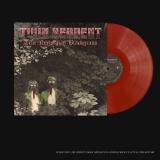
“Weird, rowdy and just a little bit black metal” – TWIN SERPENT’s sophomore album out in May via Svart Records Facilitating country influences and the energy of punk, Twin Serpent is a noisy but cute outsider band that manages to blur genre boundaries. Inspired by the likes of The Taxpayers and 16 Horsepower, this crust-country band applies lo-fi black metal aesthetics without having to bathe in blood. Songs about love, betrayal and defiance are delivered with acoustic to amp-wall dynamics, duelling vocal harmonies, shrieking solos and distorted banjos. The debut album Feels Like Heaven, North Of Hell (2022, Loyal Blood Records) was described by the press as genre-defying and compared to bands like GY!BE and Tom Waits. The sophomore TRUE NORWEGIAN BLACKGRASS turns the volume to twelve and the trainbeat races down the tracks at a derailing speed. Covering topics on windmill resistance, porn industry and post-Trump America accompanied by playful country punk with a twinkle in the eye, laced with cosmic and occult undertones. “We’re super happy to finally unbox our sophomore weirdo rocker! And we’re specially stoked to do so on the amazing Svart Records! This particularly hits home with Timo who was born in Finland.
There’s even a song in Finnish on the album, which came out great! The artwork is amazing and everything is there for a reason. We recorded it during the year of the serpent at Piir studio, just a 5-minute walk from our home in Svartlamon, Trondheim, NO. Vebjørn Svanberg Numme aka the wizard technician did an amazing job capturing the essence of the Twins during a hot summer week. 12 songs about love, betrayal and black holes with country licks, rock’n’roll kicks and heaps of punk attitude is the result and we’re super proud to present the first tease from it! We’ve kept things close to home as our resident artist Hanna and designer Tony did the cover art! It’s weird, rowdy and just a little bit black metal", comments the band on the new album. With a slew of sold out shows in their hometown of Trondheim, the band is delighted to spread their cosmic gospel to the people! Twin Serpent goes hard with in-your-face attitude and fits in barn dances as well as punk festivals!
“Weird, rowdy and just a little bit black metal” – TWIN SERPENT’s sophomore album out in May via Svart Records Facilitating country influences and the energy of punk, Twin Serpent is a noisy but cute outsider band that manages to blur genre boundaries. Inspired by the likes of The Taxpayers and 16 Horsepower, this crust-country band applies lo-fi black metal aesthetics without having to bathe in blood. Songs about love, betrayal and defiance are delivered with acoustic to amp-wall dynamics, duelling vocal harmonies, shrieking solos and distorted banjos. The debut album Feels Like Heaven, North Of Hell (2022, Loyal Blood Records) was described by the press as genre-defying and compared to bands like GY!BE and Tom Waits. The sophomore TRUE NORWEGIAN BLACKGRASS turns the volume to twelve and the trainbeat races down the tracks at a derailing speed. Covering topics on windmill resistance, porn industry and post-Trump America accompanied by playful country punk with a twinkle in the eye, laced with cosmic and occult undertones. “We’re super happy to finally unbox our sophomore weirdo rocker! And we’re specially stoked to do so on the amazing Svart Records! This particularly hits home with Timo who was born in Finland.
There’s even a song in Finnish on the album, which came out great! The artwork is amazing and everything is there for a reason. We recorded it during the year of the serpent at Piir studio, just a 5-minute walk from our home in Svartlamon, Trondheim, NO. Vebjørn Svanberg Numme aka the wizard technician did an amazing job capturing the essence of the Twins during a hot summer week. 12 songs about love, betrayal and black holes with country licks, rock’n’roll kicks and heaps of punk attitude is the result and we’re super proud to present the first tease from it! We’ve kept things close to home as our resident artist Hanna and designer Tony did the cover art! It’s weird, rowdy and just a little bit black metal", comments the band on the new album. With a slew of sold out shows in their hometown of Trondheim, the band is delighted to spread their cosmic gospel to the people! Twin Serpent goes hard with in-your-face attitude and fits in barn dances as well as punk festivals!
Killer Groove Records proudly presents the self-titled debut album by Italian cinematic funk trio Atabasca. A sonic journey where funk, psychedelia and desert groove merge into a timeless narrative suspended between rhythm and vision.
"Atabasca" marks the debut release from the cinematic funk trio, dropping March 27th on limited edition LP, CD digipack and digital formats, the latter featuring an exclusive bonus track. This is a project built on evocative imagery: each song unfolds as an open scene, an emotional landscape where listeners can step inside and write their own ending.
Lap steel, kalimba, percussion and guitars interweave with bass and drums, striking an original balance between tradition and experimentation that evokes unwritten soundtracks for worlds at once distant and familiar. The record navigates between melancholy and irony, tension and release, with a sharp focus on dynamics and sonic narrative.
Deserts, seas, imaginary villages, getaways, pursuits and collective rituals: "Atabasca" emerges as a collection of musical landscapes that unfolds through vivid, evocative imagery.
Jazz-funk, world music, afrobeat, psychedelia and the Italian Golden Age of movie soundtracks merge into a singular emotional geography: warm, analog and deeply human.
The musical journey opens with "Dune", a melancholic statement that leaves room for imagination, before igniting with "Kundela Mawedi" and its cascading lap steel over haunting vocal chants. "Paco" tips its hat to classic westerns, tracing a bandit's trajectory, while "Cameo" drifts back to childhood through minimal rumba and shimmering kalimba. The cinematic imagery continues in "Cacopoulos", a nod to Spaghetti westerns and Eli Wallach, built on raw drum patterns and distorted guitars. Intensity builds in "Khettara", where afrobeat rhythms and Middle Eastern textures intertwine, before "Hell Dorado" tears off in pursuit of the American dream's funk-fueled mirage. "Papambra" weaves hypnotic polyrhythms between kalimba and lap steel, while "Porpora" delivers a sensual, visceral tango of passion and tension. The digital edition closes with "Reprise", a sequel that stretches the album's central theme into an expansive, meditative interpretation.
The tracks were recorded in single takes, capturing the raw energy and natural atmosphere of the performance. Artistic production was handled by the trio alongside Andrea Fabrizii (digger, musician, producer and catalogue curator for CAM Sugar), while Riccardo Ricci mastered the album at Velvet Room Mastering Studio in Brighton.
Like a desert blooming within the evergreen forests of the planet's far north, a unique, alien, disruptive environment. This is the vision behind Atabasca, the project of Luca Mongia (guitars, lap steel, keyboards, vocals), Paolo Mazziotti (bass, keyboards, vocals) and Valerio Pompei (drums, percussion, vocals).
Individually active for over twenty years on both the national and international scenes, the three Italian musicians came together in 2023 to create a project that merges experience, experimentation and creative freedom. Their music is imaginative and at times dreamlike, blending the classic concept of the instrumental trio with the worlds of film scoring and sound design.
Atabasca's sound moves through jazz-funk, world and cinematic territories, weaving together afrobeat, desert and psychedelic influences into a personal and timeless language. Each piece is a scene; each sound, a fragment of a world, a journey between reality and imagination where groove, texture and organic timbre merge into a singular sonic ecosystem: a perpetually shifting balance that generates new inner landscapes.
For fans of Khruangbin, Surprise Chef and instrumental psych-funk!
out of Stock
Last delivered 5 months ago available to reorder, subject to availability
“Future Ruins achieves everything an admirer could ask of the reunited band’s new album…Swervedriver now posses a melancholic, autumnal undertow that suits them like a little distinguished grey in the whiskers…a career-best peak…Future Ruins pulls off a canny trick, perfectly channeling their past, while making sense in the present” – 4 stars, MOJO
“The spacious, Neil Young-ian rumbling of the title track and the bulked-up power-pop of ‘Spiked Flower’ both see co-founders Adam Franklin and Jimmy Hartridge venture beyond the template of Raise and Mezcal Head without making the faithful worry they’ve ditched their distortion pedals” – 7/10, Uncut
“That first song, ‘Mary Winter,’ is a heavy wave of swirling guitar fuzz offset by the soothing balm of Franklin’s voice.” – Stereogum
Deaf Florists, the alias of Conor Wheeler, returns with a powerful new EP on trUst Recordings, the imprint founded by Saoirse. A key figure in the pre-social media UK techno and bass underground, Wheeler first made his mark in the early 2010s with his label Nineteen89, operating alongside the era that birthed influential collectives such as Night Slugs, Swamp81 and Hessle Audio.
After years spent navigating the industry—managing artists, overseeing A&R for major labels, and curating club nights at some of the UK’s most respected venues—Wheeler channels 17 years of deep listening and lived experience into Deaf Florists. The project moves fluidly between peak-time intensity and introspective depth, unbound by strict genre lines.
Lead track “Squelch, already a highly ID’d fixture in Saoirse’s DJ sets, is built around a corrosive acid line from a Roland TB-03, reinforced by a Behringer Crave counter bass and a pitched-down vocal command to “get down.” “Melt” detonates with industrial force, inspired by the chaos of a reactor in meltdown—earning Saoirse’s succinct verdict: “It’s a bomb.” Closing cut “Gunk” nods to the hypnotic repetition of Mr G, transforming a stripped-back DJ tool into a distorted techno workout primed for dark rooms.
out of Stock
Last delivered 3 months ago available to reorder, subject to availability
Foxbam Inc is building up a fine head of early steam and after featuring the likes of LFO's Gez Varley and Mark Archer, that looks set to continue into 2026 with this latest various artists EP. It's a white knuckle ride through panel beating techno fervour, starting with Foxtrot's 'Tartam Tripper', which could be called paint stripper, it's that caustic. Collision lays down flat, hard, distorted drums on 'Plop Projekt', Egebamyasi offers up a stuttering, bass-driven club take on an unmistakable 80s electronic classic and Minimum Syndicat's 'Tunnel Chase' is a slower, darker, more foreboding closer that carries serious weight and a soot-black atmosphere from which there is no escape.
out of Stock
Last delivered 5 months ago available to reorder, subject to availability
Oceanine, Jolanda Moletta’s third album and her first for Beacon Sound, is a powerful and ethereal statement of artistic community. Expanding on her previous work, each track represents a collaboration with a different female vocalist, with the foundational elements being generated entirely by her own voice. By turns haunting, enchanting, and inspiring, you won’t want to come up for air once you’ve been pulled under. Representing a musical practice that is distinctly feminist, this is an album with a longer view in mind, to an age when the altars were to goddesses and women were centered as powerful beings representing the earth’s cycles of regeneration and renewal. Oceanine then, in all its beauty, can be viewed as an album of survival. It is deeply transportive, accessing something that lies within all of us. As the late, great Lithuanian folklorist and archaeologist Marija Gimbutas noted, “We must refocus our collective memory. The necessity for this has never been greater as we discover that the path of 'progress' is extinguishing the very conditions for life on earth.”
Jolanda Moletta is a multimedia artist and one-woman electronic choir. She creates wordless compositions through extended vocal techniques, integrating wearable-controlled live processing, alongside symbolic visuals. Moletta considers her performances to be a collective ritual and creates her Sonic & Visual Spells following the cycles of nature and the moon. Jolanda's 2022 critically acclaimed album Nine Spells was released on the Ambientologist label, followed by Night Caves on Whitelabrecs in 2025. Moletta’s artistic practice is a radical and spiritual journey through sound art, ritual, and the symbolic archaeology of the feminine.
Oceanine is inspired by sirens, water nymphs, and the timeless call of the sea. At its core lies Jolanda’s deep, lifelong connection to the Mediterranean Sea and to the ancient and modern myths and folklore that have emerged from its waters. Growing up by the Mar Ligure, Jolanda was surrounded by stories carried by salt, wind, and waves: legends of sirens, echoes of ancient voices, and the sea as both origin and oracle. This intimate relationship with the Mediterranean is not merely a backdrop, but a living source that shapes Oceanine’s emotional, symbolic, and sonic world.
Each track features a different female vocalist, creating a rich tapestry of voices, styles, and perspectives. This artistic choice not only broadens the album’s sonic palette, but also deepens its narrative core: celebrating the power, beauty, and mystique of feminine energy through myth, history, and sound.
The entire album is built exclusively from the human voice, processed and layered, yet always remaining voice, and nothing else. For each piece, Jolanda invited every vocalist involved to contribute a raw stem: a short, unedited melodic fragment of just a few seconds, inspired by the album’s themes. These intimate vocal seeds became the foundation of each track: the guest artists’ voices appear as brief, melodic stems, while the entire surrounding “orchestral” fabric is created solely from Jolanda’s own layered and processed voice. In this way, Jolanda’s voice becomes the Ocean itself, embracing, absorbing, and carrying the sirens’ calls within a vast, immersive soundscape. Every song is a unique expression of the feminine experience, revealing its depth, complexity, and emotional range, echoing the call of the sea and the many faces of the siren archetype.
The figure of the siren has transformed across centuries. In myths of Ancient Greece and Rome, sirens were hybrid beings, part woman, part bird, whose irresistible songs lured sailors to their doom. During the Middle Ages, the image shifted toward the half-woman, half-fish figure, often associated with temptation and danger. Historically, the voice of women has often been feared. Sirens were considered harbingers of misfortune not simply because they seduced or destroyed, but because they were powerful liminal beings.
In Ancient Greek, sirens functioned as psychopomps: figures who existed between worlds and guided souls, especially between life and death. Their songs were believed to carry forbidden knowledge, including prophetic insight and the ability to reveal truths about fate and the future. The danger of the sirens lay in what they revealed: knowledge that humans were not meant, or ready, to hear.
Oceanine confronts this legacy head-on. The voices heard throughout the album are not merely beautiful: they are dark and luminous, wild and enchanting, magical, soothing, dreamy, and at times fractured or distorted. They whisper, lament, beckon, and enchant. Like sirens, they skim the surface of the water and sink into its depths, hovering on the edge between tenderness and danger, vulnerability and power. They rise toward the sky, dissolve into mist, and return as echoes charged with raw, elemental emotion: voices that seduce, warn, mourn, and remember. They refuse to be reduced to decoration.
Alongside the album’s release in May, Oceanine will also unfold as a visual and performative work through a short art film. The film includes a live session recorded inside a sea cave facing the Mar Ligure, the very coastline where Jolanda spent her childhood, dreaming of sirens and listening to the sea as if it were speaking directly to her. This site-specific performance reconnects the music to its place of origin, allowing the voice to resonate within stone, water, and air, and transforming the cave into both a sanctuary and a threshold between myth and reality.
What if the sirens’ songs were considered dangerous because they carried another truth, an ancient truth long forgotten?
Oceanine embraces the idea that we are still deeply woven into myth. Though we may see ourselves as rational and modern beings, our world is saturated with ancient symbols and archetypes, often distorted, simplified, or stripped of their original meaning. And if those symbols are allowed to shift, if the mirror once held by the siren becomes an invitation to look beyond appearances and into what has been obscured, then we may finally uncover a deeper truth and reclaim the voice that was always ours.
Oceanine is not just an album. It is a reclamation, a spell, and a call from the depths.
Iconic Atlanta quintet SEVENDUST is back with its 15th studio album, ONE, set for release on May 1, 2026 via Napalm Records. The upcoming full-length LP forges ten simultaneously lean and gut-punching tracks out of gargantuan riffs, seismic grooves, and signature soul-stirring hooks, once again produced by Michael “Elvis” Baskette (Alter Bridge, Falling In Reverse, Mammoth). The group, comprised of Lajon Witherspoon (vocals), Clint Lowery (lead guitar, backing vocals), John Connolly (lead guitar, backing vocals), Vince Hornsby (bass), and Morgan Rose (drums), busts down the door with the first single “Is This The Real You”. Its swaggering fretwork alternately wallops and gallops in lockstep with a pummeling rhythm anchored by thunderous drums. The riff rolls and seethes, and the vocals swing from guttural growls into the embrace of a jazz-y chantable chorus.
A hummable lead ties the bridge together. Echoes of a tensely picked single-note set the tone for “Threshold.” Lajon’s delicate delivery gives way to a contentious distortion-boosted refrain. Then, there’s “Unbreakable,” which has all the makings of a clarion call for the collective and a future live staple. Strains of soft piano slip into the undertow of a towering hook punctuated by a promise, “We were meant to be unbreakable… even when we’re at our lowest lows. And if it gets too cold, I’ll never let you go.” The title track succinctly sums up the record as a whole. Bellowing out of a maelstrom of roaring distortion, Lajon’s voice reaches heavenly heights. For over three decades, SEVENDUST have made countless fans feel a part of something special. The group’s community isn’t passive. Members of the “7D Army” make a very active commitment to being part of this family – as evinced by sold-out shows worldwide and innumerable tattoos of the band’s logo and lyrics. Since 1994, the band has quietly built a legacy without parallel, encompassing sales of nearly eight million albums, a GRAMMY® Award nomination for “Best Metal Performance,” three Top 15 entries on the Billboard 200, hundreds of millions of streams, and the fierce loyalty of millions of listeners in every corner of the globe.
Brooklyn-based techno experimentalist and filmmaker Michelle Roginsky (aka mother) joins Delusional Records with her first-ever musical offering, a cinematic concept EP that weaves medical anxieties into a thematic tapestry of arresting club sonics.
In A Simple Procedure, Roginsky evokes the bleak and euphoric duality of femme embodiment; the soundtrack to an unreleased body horror film narrated by ethereal ambience and driving dancefloor grooves. The title track begins with sweeping, densely-textured synths disintegrating into a foreboding bassline, humming steadily alongside tidal waves of ominous arpeggios and plodding drums reminiscent of 90s trip-hop. In Sublingual, body-shaking club drums become a vessel for distorted vocals and granulated textures as they pass through thick membranes of saliva-drenched bass. Metamorpher follows with a hypnotic 4x4 trip that metabolizes deep anxious grooves into a rave-ready wiggler, while Angel Gossip keeps the blood flowing with a pounding peak-time techno roller guaranteed to keep the floor locked. Finally, There Are Two Rooms sends us off with a pensive meditation of wailing synths and dark, Lynchian atmosphere... the final scene of a dream half-remembered upon waking from anaesthesia.
NYC's Laenz delivers the epilogue with a shaking, subterranean remix of A Simple Procedure, injecting the opening track's textures into the fissures of deep and trembling grooves.
With its darkly seductive moods and high-concept execution, A Simple Procedure is a perfect addition to Delusional's genre-ambiguous catalog of queer and femme-forward sonic offerings.
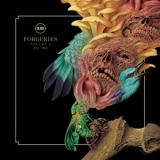
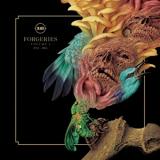
There comes a point in every bands life when originality stops being a virtue and honesty takes the wheel. On their 11th long-playing record: Forgeries (72-84)-(16)- return to the impulse that first dragged them into loud rooms and bad ideas: the urge to steal what we love and make it semi-unrecognizable through devotion. We have partnered with Heavy Psych Sounds Records to release a collection of covers that function less as homage and more as a possession to be given away. The artworkrendered by the ever-amazing Maraldcompletes the ritualiconicunsettlingand unafraid. Weve always believed that a great cover is not mimicry but revelation. Its finding a song that's already lived inside you since youth and letting it crawl outbruised and changed. From the early 90s onward-(16)- have treated covers as translations rather than as replicasacts of tribute and emulationfiltered through distortionfatigueand lived experience. These are songs that taught us how to standhow to falland how to keep going. In our collective headthis album exists because these songs demanded it. Because they screamed copy meand we listened. In the endForgeries (72-84) stands as both a thank you note and a thefta reminder that all music worth a damn is borrowedbrokenand passed on between friends. The selections on Forgeries 72-84 span eras and attitudesunified not by genre but by necessity. Each track is a document of obsessionof influence absorbed and re-expressed without permission.
There comes a point in every bands life when originality stops being a virtue and honesty takes the wheel. On their 11th long-playing record: Forgeries (72-84)-(16)- return to the impulse that first dragged them into loud rooms and bad ideas: the urge to steal what we love and make it semi-unrecognizable through devotion. We have partnered with Heavy Psych Sounds Records to release a collection of covers that function less as homage and more as a possession to be given away. The artworkrendered by the ever-amazing Maraldcompletes the ritualiconicunsettlingand unafraid. Weve always believed that a great cover is not mimicry but revelation. Its finding a song that's already lived inside you since youth and letting it crawl outbruised and changed. From the early 90s onward-(16)- have treated covers as translations rather than as replicasacts of tribute and emulationfiltered through distortionfatigueand lived experience. These are songs that taught us how to standhow to falland how to keep going. In our collective headthis album exists because these songs demanded it. Because they screamed copy meand we listened. In the endForgeries (72-84) stands as both a thank you note and a thefta reminder that all music worth a damn is borrowedbrokenand passed on between friends. The selections on Forgeries 72-84 span eras and attitudesunified not by genre but by necessity. Each track is a document of obsessionof influence absorbed and re-expressed without permission.
On Layaway Plot, Pretty Baby weaves elements from turn of the century Dischord bands, the emotive Richmond punk scene, the cerebral experimental rock of Olympia, and angular post-punk revival. Piercing guitars, frenetic bass and chaotic drums pulse under layered unsettling synth pads and desperate, throaty vocals. At their apex, distorted walls of sound finally crash and from the dust emerge plaintive and melancholy instrumental sections.The resulting sound pays homage to the progenitors of post-hardcore while resisting the traps of nostalgia. Layaway Plot finds the band vulnerable, angry, sardonic, and at times defeated. But never without hope. Now fully realized, Pretty Baby is a band equally at home in art galleries, basements, and punk clubs alike.
On the day of Eid al-Fitr (Sugar Feast), Sonhouse Records released Grond, a brand new record, produced by Faisal Chatar and 'Yong' Yello Staelens.
Grond (soil) tells the tragicomic story of a Moroccan brother and sister who take over their father's funeral business and want to modernise it. Instead of repatriating Belgian Muslims to their country of origin and burying them there according to Muslim traditions, they decide to import the holy soil.
Western and Arabic sounds, combined with hip-hop beats are mixed in a refined way. Faisal and Yello produced twenty songs that immediately make you long for summer. In Brussels, Tangier or simply elsewhere.
Faisal Chatar and Yello Staelens:
"Grond is about the clash between traditional Moroccan values and Brussels city culture. We tried to translate that by combining Moroccan instruments like Krakebs and Qanuns with thick hip-hop beats. It sounds as if Timbaland is eating a merguez sandwich in a Molenbeek snack bar while Aznavour sounds through a distorted FM radio."
RIPIT is back with a new LP after 3 years spent mostly on the mesmerizing collaboration between THE ÅNGSTRÖMERS- his duo with FRÉDÉRIC ALSTADT -and the Haitian voodoo ensemble CHOUK BWA.
While Ripit is better known for his radical noisy breakbeat work, "A Church or a Factory" explores a more industrial, power electronic and noise ambient side of his synthesizer lust. The instruments abused on this record are: Serge modular, Knifonium and various eurorack modular. The A-side comes with 5 powerful synthetic industrial songs which feature each one a different guest vocalist. The B-side is a long ambient noise piece that will plunge the listener in an anxious meditation.
Ripit is the project of the French NICOLAS ESTERLE for almost 25 years. He explores electronic instruments thru distortion , ranging from industrial hardcore to breakcore, from doom hiphop to dusty dub. Beside his solo project, he's involved in various bands like SOLAR SKELETONS (with TZII), FUJAKO (with HHY) and more recently The Ångströmers.
On the guest side, there's a wild bunch of Nicolas' friends:
- PAUL-TERGEIST is the galactic moniker of PAUL BEAUCHAMP in his band SPACE ALIENS FROM OUTER SPACE;
- ANDREA EV is the lead member of 1997EV;
- ROBERT IMHUMAN and DIVTECH are members of the REALICIDE COLLECTIVE;
- TZII is a long-time road comrade of Nicolas and a touring freak spreading his music all over the world;
- ANDRÉ COELHO is known as METADEVICE and is the founder of the now-defunct SEKTOR 304.
The title "A Church or A Factory" refers to the Belgian countryside, wherever you are, you are at least surrounded by a church or a factory. As he just left the urban life of Brussels to escape to the French countryside, he is now lost enough not to have neither a factory nor a church in sight.
Schatterau’s third album, »Wir gingen durch leere Stunden« (We went through empty hours), sees the German duo blossoms with beauty and sophistication through a broad creative language.
This opus, presented in the form of vivid auditory tableaux vivants, explores the topography of memory as a landscape in constant motion – full of loops, feedbacks, and mirage-like distortions. Sounds climbing like vines over old walls, concealing details only to reveal new ones. Some pieces feel like fragments of a dream whose origin has vanished, others like displaced echoes of a day long gone.
Memories create paths that only become visible in retrospect – detours that somehow always lead back to oneself. Each track draws the listener into a different recollection, as if opening an old door. Inside, time behaves strangely: it jumps, stretches, and repeats.
»Wir gingen durch leere Stunden« ultimately presents Schatterau at their most experimental, complex and measured extremes, channelling ambiguous human emotional resonance ranging from melancholy to pure ecstasy.
out of Stock
Last delivered 5 months ago available to reorder, subject to availability
Piano-driven post-rock band We Stood Like Kings from Belgium celebrate 15 years of existence with the release of their sixth album, Pinocchio, coming out via Kapitän Platte. The 9-track, 49-minute concept album revisits the world-famous initiatory tale of Pinocchio through a dark and violent lens of betrayal and power struggles."This really feels like We Stood Like Kings 2.0, while remaining unequivocally us. It might very well be the record we've always wanted to make," says pianist Judith Hoorens. With its extended use of distorted synths and heavy post-metal riffs, Pinocchio clearly marks a turning point in the band's history.
A century-old grand piano, a secluded house surrounded by the greenery of Brittany, no internet connection, and a reel-to-reel recorder.L'Écho de Bretagne, the new EP by Niklas Paschburg, set for release from fall 2025 via Nettwerk Music Group, is a solo piano record as essential as it is intense. An album made of silences, space, slowness. A music that doesn't chase impact, but truth.
the album release is march 26th - 2026.
If his previous work, Mexican Alps (2025), marked the first time the German composer and producer created an ambient-electronic album without his instrument of choice, the piano, L'Écho de Bretagne emerges as a direct response to that absence. "It was exactly the lack of piano that brought about the need for this new record, which instead puts that instrument, so vital to me, at the very center, stripping everything else away," Niklas explains.
Born in 1994, Paschburg has shaped over the years a musical path deeply connected to travel, nature, and introspection. From his debutTuur Mang Welten(2016) toOceanic(2018),Svalbard(2020),Panta Rhei(2023), and the aforementionedMexican Alps— alongside soundtracks, remixes, and collaborations with artists like RY X, Hania Rani, Ásgeir, and Bryan Senti — his sound bridges neoclassical, electronic, ambient, and pop-driven composition.
WithL'Écho de Bretagne, the Hamburg-born, Berlin-based musician continues his exploration by seeking solitude in nature, much like he did onSvalbard, but this time with an even more radical choice: disconnecting completely from the internet, and switching off both computer and smartphone for a while, in order to fully immerse himself in his new music. "I rented an old cottage in Paimpol, Brittany, where I knew there was a grand piano," he recounts. "When I got there, I discovered that not only was the piano more than a hundred years old, but it was also of an unknown brand, never restored, and quite difficult to play. But that gave it a unique character, and I didn't give up. Sure, it was an instrument left to its own fate, I couldn't play anything too fast. But how fascinating was that? I'm convinced that setting limits, instead of giving yourself total freedom when composing, can become an extraordinary source of inspiration."
As for the decision to temporarily detach from a life that demands we stay constantly connected, Niklas describes it as both a creative and human experiment. "I had my laptop and phone with me, just in case, but I kept them turned off. That choice made me wantL'Écho de Bretagneto be a fully analog work, even in how it was recorded." A way of clearing the mind. "I don't think I've ever been as calm as I was during those days in Paimpol. Even though I was working on a very specific project and didn't have much time, that period was more relaxing than any vacation."
Not that it was free of hiccups. "I'd borrowed a reel-to-reel recorder small enough to travel with me, but after recording a session on the piano, I realized it wasn't working properly, the sound was distorted, full of crackles. I got worried, because I wasn't near any big city where I could find a technician. Luckily, I figured out the problem was the old tape reels I had brought along. That was the only time I had to go online, to order new ones. But it was just for a moment. I shut everything off again right after." At that point, Niklas was waiting for the new tapes to arrive. He found out, completely by chance, from a local UPS courier that they had been delivered to a nearby village. "Since my phone was off, I couldn't track the shipment. So one day I asked this delivery guy, who didn't know anything about it. But from that point on, we'd see each other daily and talk… That's what being disconnected also means: reconnecting with people around you, even strangers. It was thanks to that courier that I found out where the tapes had ended up. And he even helped me get them back, writing directions for me on a scrap of paper."
But there's another element that makes this new EP unique.L'Écho de Bretagnewas recorded entirely live; its tracks are all improvised, complete with their imperfections. This approach leads to a sound that is pure, profoundly organic, and deeply authentic, intentionally preserved to give the listener the feeling of a live performance happening in their own living room. The touch of fingers on the keys, the breath of the wood, the tension of the vibrating string, all become part of the music. There is no construction, only expression. "Even now, when I listen back to it, I feel that moment I gave myself to step away from everything: from reality, from words, from noise." The result is a collection of suspended melodies and atmospheres, reflecting a state of the soul. A refuge from the rush of time. A pause from the world.
Nicaraguan-American artist Dagmar Zuniga makes music that feels both intimate and expansive: songs drift like disrupted signals, carried by harmony, tape hiss, and a strong sense of touch. Her debut solo album in filth your mystery is kingdom / far smile peasant in yellow music — written and recorded in New York, Norway, and Athens, Georgia over a period of five years on her longtime companion, the Tascam 424 — was uploaded to Bandcamp and YouTube in January 2025, quickly garnering over two hundred thousand views and the attention of artists such as Mount Eerie, who invited her to tour with them that summer. This year, what was once a jewel of tapped-in algorithms and message boards will meet the world at large, with in filth arriving digitally on March 4, and physically on April 10, via AD 93.
in filth is an atmospheric, devotional collage where one voice multiplies into a chorus of selves, sometimes delicate, sometimes severe; an effect created by Zuniga’s masterful layering of texture and complex harmonies. Synths glitter out like spears of sunlight from beneath clouds of moody, time-distorted guitars, and songs spin about themselves like tightly-wound music boxes, making use of a kind of hypnotic repetition, before melting apart into their components or slipping into the following track.
Zuniga began recording to tape as a teenager, drawn to the physicality of the medium — how a tape recording is fragile, mutable, and alive. Though her ethereal sound may draw easy comparisons to other female pioneers of psychedelic folk, she is influenced just as much by the darker sounds of Syd Barrett and The Fall. Like Barrett, Zuniga is a painter, and she is interested not only in recording music but in creating a full, self-contained artistic universe: she creates her own artwork, merchandise, music videos, and bootleg tapes of new and unfinished music that she exclusively sells at live shows (“If something is not material, it does not exist,” she insists). Her world has not gone unvisited, garnering her a monthly show on NTS Radio ‘World of Pain’, as well as a forthcoming appearance at Rewire Festival in April 2026.
Though Zuniga’s work explores themes of solitude and suffering, the suffering in her songs is not borrowed or displayed; it is held, then opened outward through empathy — an exacting practice of attention that insists on shared ground. Solitude, in her work, is not withdrawal but a starting point for connection. Likewise, over time, her recording process has become increasingly communal, with in filth featuring musicians Hayes Hoey, Austyn Wohlers (Tomato Flower), and Zach Phillips (Fievel Is Glauque). Newer recordings widen the circle even more. For Zuniga, collaboration is a way to “find a place between worlds,” echoing Badiou’s idea of love as a vision refracted through the prism of difference. Meaning emerges there — in the space between voices, between artist and listener. “I hope my music helps people work through difficult experiences,” she says. “The same way it helps me.”
10 songs from what is possibly the best anarchopunk band currently in existence. The dynamics of the tracks are refreshingly simple, a powerful yet neutral- sounding recording, with very little embellishment or stylized production to hide behind, approaching filth with distorted guitars, haunting bass lines, and steady drum beats, all elevated by the combination of the three voices perfectly balanced between melody and hatred. In a quantized world, one can perceive an endearing dose of human spirit through their tense and disturbingly melodic expressions. A modern Anarcho Punk classic that is surprising to find 40 years after the wonderful bands that spawned the genre, especially England. Includes poster and insert with lyrics.
Since reviewing Pomegranate Seeds: An International Benefit for Mutual Aid in Gaza, the compilation put out by the DISSIDENTS, I've been hunting for more VAMPIRE material, so when I saw I was assigned this LP I became very excited. VAMPIRE is an Australian band that plays apocalyptic anarcho- punk. A sense of extreme urgency pervades VAMPIRE's sound, and What Seems Forever Can Be Broken is ten songs that combine the demanding hardcore of CONFLICT, with a foundation of CRASS, and the rough-hewn delivery of raw punk. The resulting album is dark, hauntingly mesmeric, but also aggressive with a sense of communal voice. In other words, this is anarchopunk that is of the moment, and articulates exactly what contemporary punk is about without being preachy or elitist. This is that eye-to-eye, in-the-trenches vocalization of criticism that comes off as eye-opening and perspective-altering. What Seems Forever Can Be Broken is by far my favorite release thus far in 2025, but also might be the best album I've heard in a really long time. Like, this is benchmark-level material, so definitely give this a listen.
Remix contributions by Nastia Reigel and Norbak make it a 5 track Techno heavyweight.
An intriguing combination of positive, joyful atmosphere and gritty, pushy sound aesthetic spans all over the record. "The Show" and its euphorigenic rising stabs appears like what could be transformed into an Euro Dance anthem easily.
Yet the aware and well curated production holds it firmly in the zone of Techno and House underground. Speaking House, here's "In Mein Glas" - a sportive track with an irresistible bounce foiled by a lackadaisical vocal line, which gives it a comic twist.
As "Fieber" keeps the bounce we're getting a little more aggressive again: a delicate distortion, a dominant bass and a groovy drive. In all these 3 original tracks it's the melange of melodic motives, vocal highlights, crispy production as well as versatile creative details, which creates this specific sound that gets you hooked. It is lightness however wrapped in an Industrial musical language.
That said, the remixes proof how a new energy can be revealed by more minimal re-interpretations. Nastia Reigel, getting hands on "The Show", pushes drums and a fresh rhythmic play of vocal chops into the foreground. A sparse break followed by a powerful drop adds a strong climax. Norbak's approach on "In Mein Glas" takes the melodic motive and embeds it into a dubby space, not giving up on the hard-hitting kick.
"Hologramm" will be released on 140 g colored vinyl and digitally, April 10th, on n-PLEX.
out of Stock
Last delivered 62 days ago available to reorder, subject to availability
Berlin Based DJ & Producer Johannes Klingebiel returns to Claptrap with “Dolce” a four-track EP served sweet, rich, and ready for peak-time indulgence.
Three original cuts and a heavyweight remix combine for a release that’s equal parts playful and potent. Consider this your sugar rush warning.
The title track, “Dolce,” is a warm and irresistible disco-house groover. Creamy acoustic drums lay the foundation while spicy xylophones and syrupy flute lines weave through the mix, striking a perfect balance between sophistication and pure dancefloor pleasure. It’s smooth, infectious, and built to move bodies.
Next up, “Follow The Line” blends shuffled house rhythms with 303 basslines and grainy vocal stabs. On paper, it’s an unlikely combination, on the floor, it locks tight. The result is hypnotic, driving, and effortlessly smooth.
On the flip, “Pink Forest” ventures into more mysterious territory. Built around an elusive, shifting time signature (one that even jazz-trained drummer Johannes struggles to explain), the track somehow feels both unpredictable and deeply groovy. It bends perception without losing momentum, a heady but danceable excursion into the unknown.
Closing the EP, Sun Damage delivers a remix of “Follow The Line” that both sharpens and distorts the original’s trajectory. Chunkier, weightier, and slightly off-kilter, this rework injects a tougher edge while maintaining the track’s hypnotic core, primed for late-night floors and heavy systems.
“Dolce” is indulgent yet refined, a release that balances musicality with movement, sweetness with punch.
Consume responsibly.
out of Stock
Last delivered 4 months ago available to reorder, subject to availability
The album opens with the ominous guitar-driven Hollow Sky, accompanied by its haunting music video's verdant vistas. The song, with Iceglass ghostly vocals, shimmers with that sounds like an Omnichord flittering like sonic firefly lights and brooding bass. This perfectly scores the less traveled wanderings through the dark wooden path of Dante's perdition, leading to the titular well that graces the album cover. The Crater opens with an unsettling riff and bass, with low, repetitive frequencies on the synth create a sense of unease. Here, Iceglass recounts a fatalistic requiem for the king of romance that is cataclysmic and leaves a scar upon the earth. With Fall Industrial Wall, once again, Iceglass channels a silky and Nico-like emotive deadpan; against a dirgelike melody backed by minimal synth, bass, and drum. Almost medieval and plaintive, with its folk droning horns, deep and shallow in their resonance. This song is anachronistic, setting the scene of ruins centuries-old with crumbling edifices strewn about like memories lost in time. With the poetic lyrics of The Chamber do we find the eponymous abyss. Here, dualities are laid bare; besides love, there is heartbreak, and without this sorrow, what meaning would there be to love if one knows not what it is to lose? This song encapsulates the idea that love is heartbreak, and love lost is reaching the deepest chamber of the heart. This is carried through a sombre horn, minimalist drum machine, and deliberate bassline overlaid with Iceglass german and english lyrics. The Well is led in with a softly distorted bassline overlaid with eerie banshee howls give way to Iceglass otherworld vocal refrain, echoing through time as if emanating from a hole in the ground, and encircling that hole is a garden of woe and despair. The sinfully seductive song The Moor features a captivating SAX SOLO courtesy of Perseas; a welcome shift in tone, juxtaposed well with the intensity of Iceglass tenebrous vocal purr. This hitherto unexplored foray into dark sensuality takes the song into sordid mid 80s territory, bringing to mind a dusky drive along a serpentine road, with equally haunting instrumentations straddling time with icy fire. Broken Characters is an acoustic folk interlude featuring Selofan's Dimitris Pavlidis on guitar. Here we find a more gentle approach with its earnest and romantic lyrics. The song's melodic hook is a soft caress along with the forlorn horn elements highlighting Iceglass at her most Nico-sounding vocal yet, singing the sorrowful truth that most artists are indeed broken characters. Chimerical opens with dirgelike synth organs. The chill of winter has befallen the lamentations sung by Iceglass carried by haunting chord progressions and minimal percussion, plaintively beseeching the song's subject to remain elusive, idealistic, and a dreamer. After an album highlighting more Jill than Jack, our male protagonist finally makes his ascent in the sonorous and breathtaking Dark Hill, a masterful march of sweeping synth horns, and trepidatious drum machine with William Maybelline's bellowing voice cracking like thunder, rattling the atmosphere like his heart against his ribs. Spirals swirls in a cautionary knell of cathedral-esque droning synth dirge, with Icarian lyrics shining like a sombre ray of hope; like the sun's rays creeping into the darkest of places. The song, minimalist in its tight percussion, echoes with the solace of Larissa Iceglass vocal litany; invoking elements of the supernatural, almost like a Casio preset sequenced to the beating of an angel's wings.
Renowned producer Elliot Garvey, also recognised as Quartz, has unveiled a 4-track EP for us at System Music. This exceptional collection of unconventional yet functional 140 tracks solidifies Quartz's position as a boundary-pushing artist, showcasing his versatility beyond his renowned Drum & Bass repertoire.
Entitled "Apparitions," this EP showcases Quartz's ability to craft mesmerising compositions while staying true to his signature sound, which is both acoustically dense and hyper-futuristic, typically defying traditional structures.
Elliot's mission to fashion music with absolute integrity and sincerity yields an authentic and credible experience yet again. The rugged and gritty essence of this 4-tracker serves a purpose, with its distorted and offbeat character making Quartz one of the most inventive mavericks of recent years.
out of Stock
Last delivered 5 months ago available to reorder, subject to availability
DOODSESKADER clearly haven’t had enough of redefining boundaries – they’ve only just gotten started. Tim De Gieter and Sigfried Burroughs return on April 3rd, 2026 with their third full-length album, The Change Is Me, a rollercoaster that can only be described as the unstable lovechild between witch house, hip-hop, industrial dream pop, and stadium rock that can’t decide if it wants to watch the world burn or shout from the rooftops that we need to save it. Their combination of grungy 90s melodies with distorted synths, sludgy bass, hard tuned vocals, rapping, singing, and explosions of undiluted rage at the current state of the world leave you wondering just exactly what it was you smoked last night, and if it was too much or not enough. The Change Is Me is an album that grabs you by the arm and asks if you’re ready to go on a grand adventure, then pulls you into its chaos before you can say “yes” or “no.”
Tim and Sigfried aren’t just breaking the boundaries between genres; they’re breaking out of their own Year cycle, a path they had laid out for themselves at the band’s inception in 2020. Up until now, the duo had set out to document their “journey to getting better” through writing one album each year: Year Zero (2020), Year One (2022), and most recently Year Two (2024). After spending eight months throughout 2024 and 2025 writing, recording, producing and mixing Year Three, the band scrapped the finished record entirely. Playing shows while simultaneously navigating the process of mixing Year Three created a sort of disconnect – the people that they were when they wrote that record and the people that playing shows made them become were no longer one and the same. “We’re people with faults and strengths, and we realized we needed to accept it. That’s equal parts bleak and liberating. If you’re so focused on self-improvement, you can’t even applaud yourself for how far you’ve come,” the band explains. “This project is meant to be a document of us and of the human condition, not a self-improvement handbook designed to keep us all stuck on what may or may not have happened to us or because of us in the past.”
DOODSESKADER chose instead to embark anew on a week-long creative journey in Tim’s own Much Luv Studio with one goal in mind: to make an album that captures who they are right now. Finally writing everything together in the same room for the first time in years, the process of bringing "The Change Is Me" to life was captured by Diana Lungu in their latest documentary, "Now I Know You See Me", out December 2nd, 2025.
"The Change Is Me" marks the beginning of DOODSESKADER’s shift into a more positive era, both musically and conceptually. Over the course of the 40-minute record we hear the two friends unite in a fight against a world that grows more and more disappointing, a concept made crystal clear in tracks like “Celebrity Culture Simp Farm,” “It Keeps On Stinging,” and of course the album’s epic closer “Suffering In Technicolor.” While their previous albums saw them trying to outrun their pasts and arrive at a better version of themselves, here the search for some external or internal revelation that will “make them better” is no more. It’s been replaced by the realization that change isn’t something we force: it’s gradual, and more importantly, it’s something that’s already there – we just need to reach out and accept it.
The band’s live appearances over the last several years have been instrumental in shaping their ideology. On stage is where the duo find connection; not only with the audience, but also with each other. Their sold-out release shows at Ancienne Belgique (2022) and VierNulVier (2024) have proven that they are one of Belgium’s must-see acts. Abroad, their energy has translated into a month-long EU/UK tour with French band Alcest in 2024, as well as appearances at festivals such as Roadburn Festival (NL), Eurosonic (NL), Hellfest (FR), Mystic Fest (PL), Jera On Air (NL), ArcTanGent (UK), Fluff Fest (CZ) and more.
"The Change Is Me" is out April 3rd, 2026 on DOODSESKADER’s own label, 45 Records.
The earliest musical memories of young Prince Istari are of his mother beautifying the home with her piano playing. She would repeatedly play the tranquil pieces of Erik Satie. Skipping school and sitting in the sun, young Prince would listen to these catchy, calm compositions.
In the first week of 2024, the older Prince Istari rediscovered himself and found a box containing his mother's old sheet music. He transferred them to his computer and began spinning dub versions from them. It became a tapestry. As his mother used to say: "To weave a net, one must first spin." The form of the pieces dictated the direction each would take. The heavy dub transforms here into a light weightiness until it dissolves into a pure piano piece accompanied by a synthesizer. However, the last piece is much older, from the time when Prince was still known as Istari Lasterfahrer. The ending includes a distorted recording of Huberta, Prince's mother, playing a Gnossienne by Satie. At the end, she turns the sheet music, and the record can be turned back to the beginning.
In the essence of its material, this record rejects the Loudness War. The originality of the compositions guided the dub within their tracks, thereby imparting to each a form descriptive of its essence.
out of Stock
Last delivered 2 years ago available to reorder, subject to availability
PLONC's second offering. Thronvio — the sons of Thron, mighty Vodun, great benefactor and protector of the faithful — transplant the acoustic into the electronic, the ceremonial into the club. Cutting across genres, from peak-time to the small hours: Club jackin' grooves, ritual ambience, hand drums, 909, acid lines, chanting voices, distorted bass. Far out.
out of Stock
Last delivered 6 months ago available to reorder, subject to availability