Coming in hot on Berlin's Toy Tonics label: a new EP by the talented duo ALMA NEGRA!
Founded in 2013, Alma Negra is a Swiss collective centered around the brother duo Dersu and Diego Figueira, whose diverse roots in Switzerland and Cape Verde inform their sound. The project was launched with the ambitious vision to explore the world's diverse rhythms and drive musical innovation by mixing different styles. Their work is anchored in a process of digging and sampling, skillfully blending traditional sounds-from Fela Kuti-influenced Nigerian afrobeat and Angolan Lamento to Caribbean Zouk and the Maloya sound of Réunion-into a contemporary dance music context.
The Figueira brothers' eclectic DJ sets embody this ethos, peppering disco and house with salsa, samba, jazz, and Afro-Caribbean carnival rhythms, all under their guiding motto: "As long as it's Funky."
Since 2014, Alma Negra has made an important contribution to intercultural exchange in their hometown of Basel. Their international presence began in 2015 with their first shows abroad in countries like France, the Netherlands, and Portugal. From 2016 to 2019, their reach expanded significantly, with performances in major hubs like London, Paris, and Berlin, as well as Istanbul, Tel Aviv, and Tunisia. Highlights from this period include sets at the Montreux Jazz Festival, Dimensions Croatia, and Fuse Club in Brussels. Their standing is further cemented by releases on respected labels like Heist Recordings, Sofrito, and Basic Fingers, alongside remixes from an elite group of peers, including Soulphiction, Kuniyuki, and Yuksek.
Parallel to their studio and DJ work, the project expanded into the Alma Negra Live Band, formed with jazz musicians from Basel. While the band is currently on hiatus, this collaboration made live instrumentation increasingly central to their productions, creating a dynamic they feel is essential for any dancefloor. The live band has performed in cities like London and Hamburg and has led to collaborations with artists such as French singer Pat Kalla and jazz trumpeter Bodo Maier.
Suche:dj angola
- 1
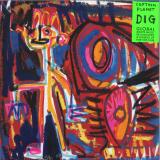
Global Sounds for Modern Dancefloors. Das sechste Album des DJ/Produzenten Captain Planet aus L.A. fängt den globalen Spirit seiner berühmten DJ-Sets ein. Clubs & Festivals rund um den Planeten feiern Captain Plant für seine Fähigkeit, afrikanische, lateinamerikanische und karibische Traditionen mit Hip-Hop, Dancehall und Electro-Funk zu fusionieren. Mit jahrzehntelanger Erfahrung liefert er einen vielseitigen und verbindenden Sound, der die Dancefloors weltweit zum Beben bringt. DIG vereint Sänger aus Brasilien, Kolumbien, Haiti, Nigeria, Ghana und Angola und verwebt ihre Traditionen zu bass- und drumslastigen Tracks mit mitreißender Energie. Die Top-Single "Tony's House" ist eine Neubearbeitung von Tony Allens "Afrodisco Beat", das gefühlvolle Outro "Mi Calor" featuret den langjährigen Koop-Partner Chico Mann.
‘Absurd Matter’ is a labyrinthine sonic conundrum that spirals around the two poles of extreme noise and hiphop. It's Berlin-based Italian producer Shapednoise's first album in four years and confidently advances his narrative into the next chapter, building on the groundwork of his prior abstractions to emerge with a coherent genre-warped fusion of urgent rap, crushing bass weight and idiosyncratic sound design. After spending years scrupulously deconstructing club music, Nino Pedone has rebuilt it brick by brick in his image.
The album is the first release on Pedone's brand new imprint WEIGHT LOOMING, a multidisciplinary label platform that's set to explore the depths of bass music, textured noise and abrasive transcendence. It follows a slew of acclaimed releases for Numbers,
Opal Tapes, Type and his own Cosmo Rhythmatic label, and forward thinking collaborations with Kenyan beat alchemist Slikback and Hyperdub-signed Angolan producer Nazar. Pedone's most ambitious project to date, ‘Absurd Matter’ taps into kinetic energy from a hand-picked selection of collaborators, including New York rap duo Armand
Hammer, French DJ/producer Brodinski, Bruiser Brigade's ZelooperZ and vanguard Philly poet, musician, and activist Moor Mother.
On ‘Family’, Billy Woods and Elucid weave a dismal, apocalyptic landscape with their razor-sharp anecdotes. The duo’s macabre imagery is given artificial life by Pedone's industrial scrapes and rattles that curl around their worlds like thick smoke. It's still rap, just about, but lodges itself in the back room of a factory, machines running themselves to an early death. Pairing with techno-rap trailblazer Brodinski, Pedone edges further towards the sound system, spatializing rhythms in four dimensions around Detroit rapper
ZelooperZ's playful expressions. This is the Italian producer's sci-fi tinged liquefaction of radio echoes, a way to fire familiarity into the void and sublime the human voice into weightless mist. When Moor Mother arrives shouting "me me me" on the aptly-titled 'Poetry', it sounds as if all of Pedone's loose threads are being tightened into a knot. His misshapen neo-grime beats sound like a broken jet engine, but smartly cede power to Moor Mother's resonant rhymes. "You can't cancel me" she assures. ‘Absurd Matter’ is a defining personal development for Pedone that not only appraises his career so far, but diverts its logic into frighteningly new sonic territory. From great loss, the producer has determined his work's cardinal themes, and sounds more strident and far heavier than ever before.
The label Remedy Music VLC has selected the song What We’ve Lost from the LP Groove Chronicles to release it in the king format of soul disco music: 7" vinyl.
This standout track features Angolan artist Mabreezee, whose powerful vocals are complemented by sweeping strings reminiscent of Morricone’s cinematic scores. It’s a stirring and soulful piece that captures the depth and emotion Freedust brings to their music.
Freedust, the duo of Italian composer Daniele Carmosino and Swedish singer Lisa Widmark, have spent two decades crafting their unique blend of jazz, funk, and hip-hop. Groove Chronicles marks a new level of sophistication in their work, delivering a vibrant, timeless sound filled with soul, sunshine, and unmistakable passion.
Reissue of one of the Ultimate Soukous banger !
Originally recorded in 1992 in Paris , « Eki Bis « is a party classic. The chorus « 100 % 100% » became a common expression all over the world helped by the hypnotic guitars of the maestros Diblo Dibala and Rigo Star and a smashing uptempo electro acoustic drum beat.
Le Cobra de Sundama is a famous singer from Kinshasa (Democratic Republic of Congo ) who composed more than 12 albums backed by great band such as Empire Bakuba , and was considered as The voice like Kofi Olomide or Papa Wemba mixing lingala and French street expressions.
After many concerts and tours allover the continent , he finally settled in Angola . The B side features a Dj / radio edit with the addition of few electro synths . Produced in Paris by the great producer Jacky Toto and now officially licensed.
Remastered by The Carvery and pressed on limited 500 Deluxe vinyl copies
- A1: Ransum Records - Soca Panda Riddim
- A2: Viral Riddims - Smash Or Pass Riddim
- A3: Shazdown Mmw - Bouyon Beam Riddim
- A4: Dj Demafidem - On Di Road Riddim
- A5: G6 Productions - 2 Stroke Riddim
- A6: Bad Sound, Dj Marfox - Both Twanche Riddim Refix
- A7: Veaygel Productions - Dirty Lows Riddim
- B1: Krome Productions - Tic Tac Toe Riddim
- B2: Lmt Mafia - Daf Riddim
- B3: Viral Riddims - Heat Wave Riddim
- B4: Veaygel Productions - Fire Ball Riddim
- B5: Slaughter Arts Media - Bad Weather Riddim (Part 2)
- B6: Ransum Records - Walk It Riddim
- B7: Scarnx - Midnight Fever Riddim
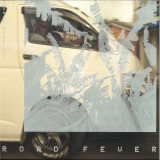
New Generation Carnival Riddims from St. Lucia and Dominica A hurricane of turbo-charged, body-buzzing tracks collide on Road Fever, a compilation of razor-produced, road-tested instrumental riddims from St. Lucia, Dominica & Guadeloupe that showcases the producers forging the future of Caribbean music in 2025. Road Fever draws together instrumental Dennery Segment and Bouyon riddims originally made for vocalists, presented for the first time as stand alone pieces of music. Distilling carnival riddims down to the bare bones, producers push minimal 150+bpms, FL-percussion packs, DJ/vox samples & synth riffs, bridging trap, drill, dancehall, sped-up Haitian konpa & Angolan kuduro. Ricocheting at the intersection of TikTok culture, best heard blasted through walls of speakers travelled by stage-sized carnival trucks or via bluetooth car speakers, St.Lucia"s "Dennery Segment" sound, (as iconic producer, G6 described in an interview), "sparks your inside; a sound you can"t hear and not move". Amsterdam-based, Curaçao-raised compiler Rozaly echoes G6: "Once you hear it, you can"t unhear or unfeel it. This is a musical movement with an entire history with so many relevant reasons why it still exists, and why it exists the way it exists right now". Rozaly concludes, "there is nothing more simple, let the artists speak."
The first in a four-volume retrospective of Kuduro and tarraxinha pioneer DJ ZNOBIA. Incoming unto the world for a very long time from the musseke of Rangel, home of Casa da Mé&e Ju, in the Angolan capital o Ldanda, one if not the pivotal visionary of his country’s music electronic and digital modernism DJ Znobia, o/fum/an inventor. Usually considered the first purveyor of the fluency regarding tarraxinha (drinking in its foundational slow shuffle from the city of Benguela), as well as a main player in free thinking, spontaneous, funny, depressive, silly, melancholic, hilarious all encompassing beats within kuduro, batida, techno and beyond, his influence as a producer, DJ, MC and public fiuce has had a great imprint in Angolan culture for the better part of the last three ecades. This venture went through over 700 tracks of his archive (more than double are lost in the meantime between his and the NNT library) in order to collaboratively select a fiercely representative albeit balanced affair from his production, between instrumentals for sung kuduro, instrumental kuduro/batida, sung and instrumental tarraxinha, and other creative styling from the late 90’s to the mid 2000’s. Forms now heard around the world which started here, with Znobia a decisively influential contributor, along with several of his peers and collaborators, which will be also in evidence in this four volume retrospective. His story is way too far flung for this endeavor to try and make a simple narrative out of it. You have to be him, you have to be within this territory, and we ask of the people who will approach to ask him what has happened with the history of this music and what is the current reality at ground zero Luanda, as he is a mirror and visionary of its streets, in a country with such complicated dynamics and brutal treatment of its citizens. To try to put in a clean slate for this conversation, let’s talk to a genius of street music. Your question. First, here's the opening collection of what we have to share with you.
- Obsession
- The Duke Ellington Bridge
- Conduit
- Fascist Discotheque
- Restructuring
- Apocalyptic Boom Boom
- Angola
- Elvis And Nixon
- Miles Davis Headwound Blues
- Backwards Man
- Arthur Lee Bomb Squad
- Psychic Bloc
- Des Demonas Against Fascism
Washington, DC’s DES DEMONAS have been hailed as a favorite of Henry Rollins (KCRW FM/Black Flag), Marc Riley (BBC6 Music/The Fall), and Iggy Pop (BBC6 Music/The Stooges) since the release of their debut LP on In The Red Records and their subsequent singles and EP. DES DEMONAS’ much anticipated follow-up LP “APOCALYPTIC BOOM! BOOM!” is out this fall on In The Red Records. The group is made up of some familiar names from the DC punk, garage, and indie scenes. A Kenyan punk-poet-politique Jacky “Cougar” Abok (Foul Swoops, Thee Lolitas) is on vocals & percussion, Mark Cisneros (Hammered Hulls, Kid Congo and the Pink Monkey Birds, The Make-Up) is on guitar, Paul Vivari (Benjy Ferree, DJ Soul Call Paul) is on Farfisa organ and bass machine, and Matt Gatwood (Two Inch Astronaut) is on drums. Des Demonas’ music is a melding of disparate sounds and influences, hitting with a driving pulse and fiery intent. “The sonic fuel of the band is a blend of post punk, punk, funk, blues, psych rock, Afro beat, even bubble gum but the noise you hear is pure Des Demonas.” - Kim Salmon / The Scientists “Dig the Des Demonas. Play it loud. Twist your wig.” - Kid Congo Powers
"7"" single for the djs of the initial digital 45 of Peixeira Amolada e Quebra Queixo b/w Mariposa Tigre.
Peixeira Amolada e Quebra Queixo It represents two popular stereotypes common in the third world: the sharp cutting knife and the quebra-queixo, the coconut candy brought from Angola by enslaved blacks. But, playfully, it is also the expression of direct speech and a sharp blow, also as a duo of anti-heroes in search of justice, equality and fraternity. This song also features an element never used before in the band: the guitar. One of the most popular instruments in the world, it provides the basis for the song, which goes through a groove full of counter-melodies that bring that feeling of a cut (hence the name of the song), in non-obvious conventions, and a surprising ending in another time signature. As well as the musical reference for the name, this track represents the struggle that many Brazilians go through every day to have a decent life. You have to have a ""sharpened knife"" to open the way.
Quebra Queixo Represents the playful and magical beings of the forest. How can a moth be a tiger? This song carries a lot of the sound Nomade has built up over the course of their career. Strong funk influences, ethno groove, with unconventional brass themes and a very jazzy accent. Halfway through the song, another of the band's very strong references comes to the fore: reggae, more precisely ragga, which makes the song even more danceable. Finally, a convention from the whole band brings the song to a grand end, making you want to listen to it again."
Matter-of-factly, Lycox exclaims "Yaaahh" right at the beginning. That's an affirmation but in times of distress it can also mean resignation, something like "Yeah, whatever". Lycox says he was only freestyling though. Then the bassline appears. Elastic, expressive, full-bodied. And it's not even present the whole time. He was "trying to develop a new formula for the Kuduro beat."
Songs for the club? Most certainly. Different sensibilities, one same focused mind. Lycox evolves within tradition, he has mastered the groove, the ambience, the right tones. Simply called "Energia", the last track circles above wistfully, menacing but maybe just promising some sort of action. With a few drops one could almost switch over to a parallel universe of old school Trance, a reference that feels as alien here as maybe this track feels to someone for whom the standard Afro House sound represents modern African music.
These songs pile up in a threshold balanced between styles, sensations, maybe in the middle of life itself. Such a concentration of energy is bound to need release and that comes figuratively through details in the music reaching out to receptive ears. "To Bem Loko" explicitly tries to "literally drive everyone crazy on the dancefloor." Once again Lycox provides vocals, as in "Edson no Uige", about a friend who embarked on a trip to the Angolan province of Uige and came back speaking only the local dialect known as lingala. A nod to tradition, very emotional, without compromising complex arrangements. Consequently, we the listeners are kept believing there is still enough space for a bright future. To ears accustomed to Lycox productions the title "Contemporaneo" (opening of side B) reads like a redundancy, then.
Maybe this music can never be quite as massive as other Afro styles. Without sounding pretentious, it avoids simplistic patterns, it demands a bit more mental processing while it certainly aims to loosen the limbs. Universal in vocation, underground at the core, Lycox definitely calls it Batida but for some it is still Ghetto Music. Like DJ Veiga said when describing a previous release for Príncipe, Ghetto is home, though. Lycox adds it is a foundation of personality. "Few in our community will recognize your work when you come from the same environment, but once you establish your reputation outside of the neighbourhood and even outside of the country, people will look at you differently, as if you were a star."
The first in a four-volume retrospective of Kuduro and tarraxinha pioneer DJ ZNOBIA. Incoming unto the world for a very long time from the musseke of Rangel, home of Casa da Mé&e Ju, in the Angolan capital o Ldanda, one if not the pivotal visionary of his country’s music electronic and digital modernism DJ Znobia, o/fum/an inventor. Usually considered the first purveyor of the fluency regarding tarraxinha (drinking in its foundational slow shuffle from the city of Benguela), as well as a main player in free thinking, spontaneous, funny, depressive, silly, melancholic, hilarious all encompassing beats within kuduro, batida, techno and beyond, his influence as a producer, DJ, MC and public fiuce has had a great imprint in Angolan culture for the better part of the last three ecades. This venture went through over 700 tracks of his archive (more than double are lost in the meantime between his and the NNT library) in order to collaboratively select a fiercely representative albeit balanced affair from his production, between instrumentals for sung kuduro, instrumental kuduro/batida, sung and instrumental tarraxinha, and other creative styling from the late 90’s to the mid 2000’s. Forms now heard around the world which started here, with Znobia a decisively influential contributor, along with several of his peers and collaborators, which will be also in evidence in this four volume retrospective. His story is way too far flung for this endeavor to try and make a simple narrative out of it. You have to be him, you have to be within this territory, and we ask of the people who will approach to ask him what has happened with the history of this music and what is the current reality at ground zero Luanda, as he is a mirror and visionary of its streets, in a country with such complicated dynamics and brutal treatment of its citizens. To try to put in a clean slate for this conversation, let’s talk to a genius of street music. Your question. First, here's the opening collection of what we have to share with you.
A wild and funky collection of Afro grooves that was ahead of its time in 1977 and has become a collector’s item in recent years, especially due to the growing international interest in Colombian picó sound system culture. Fruko and his studio bands Wganda Kenya and Kammpala Grupo treat us to a diverse set of African and Caribbean styles, laced with crazy synths, psychedelic guitar and infectious pan-African polyrhythms. By the time Discos Fuentes released the album “Wganda Kenya Kammpala Grupo” in 1977, Wganda Kenya’s discography was expanding with many 45 singles and appearances in various artists collections. The group’s 1975 debut record “África 5.000” was a full length LP in the U.S. and a various artists compilation in Colombia, which was followed by the self-titled long player the following year. However, Kammpala Grupo, which shared the album’s title and was credited to three songs on the record, had never appeared before, yet was basically the same studio group as Wganda Kenya. Most likely the creation of this short-lived studio band was just a ploy by the label to make it seem like there were more groups playing the type of exotic afro tracks favored by the picotero DJs of Colombia’s Caribbean coast (especially in Barranquilla and Cartagena). 1974 Discos Fuentes’ management had sent musician, band leader and producer Julio Ernesto “Fruko” Estrada to the coast on an A&R mission to discover what people were dancing to in the verbenas (communal open air neighborhood parties) run by the owners of picó sound systems (decorated mobile DJ rigs). Always game for an adventure, Fruko was tasked with bringing some popular examples of these esoteric, hard-to-find African, French and Dutch Antillean records back to Medellín to serve as inspiration (or to outright copy) so that the label could enter into the growing regional market and spread its popularity to the interior of Colombia and other Latin American countries via its own studio creation, Wganda Kenya. Fuentes was always returning to exploit the rich African-rooted culture of the coast as it had with the cumbia and other regional genres before, so in a way it was not surprising that they were attuned to this particular niche phenomenon from a marginalized sector of the population. The most popular genres with the champeta dancers in the 70’s and 80’s were styles like Congolese rumba, highlife, afrobeat, juju, mbaqanga and soukous as well as the music of Haiti, Guadeloupe, Martinique, Curaçao and Dominica, all of which were fiercely guarded by the DJs who had managed to acquire them often through extreme means of travel, barter and intense digging. The record kicks off with the joyful ‘El Gallo Africano’ which features exquisite interplay between Sepúlveda’s highlife style guitar and an authentic-sounding African style saxophone, perhaps played by Carlos Piña. In reality it was ‘Go Call Police Chief’ by prolific Nigerian highlife guitarist Chief Oliver Sunday Akanite, aka Oliver De Coque. Next up is Kammpala Grupo’s ‘La Yuca Rayá’ (‘Grated Yuca’), written by Isaac Villanueva in a style he termed son haitiano which sounds much more like Zimbabwe Shona mbira music. Wganda Kenya’s ‘Caimito’ (star apple, a type of tropical fruit), on the other hand, is actually a cover of a relatively well-known Haitian merengue song. Kammpala Grupo then takes us from the French Antilles to the multi-cultural discotheques of Paris, where a cover version of Black Soul’s Afro-boogie anthem ‘Black Soul Music’ is retooled and renamed ‘King Kong’, perhaps in a nod to the 1976 remake of the monster flick of the same name. Side two introduces us to the infectious merengue rebita of Angola via ‘La riphyta’ with “Paparí”, aka Mariano Sepúlveda, doing the vocals and faithfully replicating the Angolan guitar style. ‘La Trompeta Loca’ (‘The Crazy Trumpet’), probably the nuttiest track on the album, is an ingenious cover of ‘Ye Gbawa Oo Baba (Tribute To Nigeria)’ by Joe Mensah of Ghana. As with all their covers of African tunes, this rendition tightens up the original with some pop sheen, more consistent drumming and higher production values, remaking it into a powerful slow-burning dance floor filler. This is followed by one of the most powerfully original songs to come out of the entire Wganda Kenya project, Mike Char’s reggae anthem ‘El Nativo’ with Joe Arroyo on vocals. The record ends on a more authentically Caribbean sounding note with the instrumental ‘El testamento’, a cheerful islands banger with bright brass, syncopated calypso beats and chunky cuatro guitar (or ukulele). The original was in the mento genre and titled ‘Sweet meat’, written and recorded by Jamaican trumpeter Bobby Ellis. First time reissue. 180g vinyl.
- 1: Bem Vindo Feat. Dj Satelite
- 2: Hmmm Feat. Bonga
- 3: Bom Bom Feat. Mayra Andrade
- 4: Ah! Feat. Poté
- 5: Farramenta Feat. Nastio Mosquito
- 6: Sr Mandao Feat. Ikonoklasta, Octa Push & Dj Dolores
- 7: Tem Dor (Africa De Itamaraca) Feat. Lia De Itamaraca &
- 8: Sou Eu! Feat. Joao Morgado
- 9: Batida Botto Feat. Botto Trindade & Pedro Da Linha
- 10: Eléctrico Feat. Branko
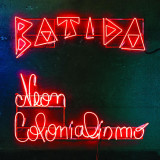
'Neon Colonialismo' is the new album -the first under his name since 2014- by musical agitator Batida, aka Pedro Coquenao, one of the main catalysts of the Afro-electronic scene. Carried by a subtle and refined electronic production, the eleven tracks (equally divided between songs and instrumentals), travel through the Portuguese-speaking world, from Portugal to Angola through Cape Verde and Brazil. They feature the presence of many distinguished guests: Mayra Andrade, Branko, DJ Satelite, Poté, Botto Trindade, Bonga, Ikonoklasta, Octa Push, Lia de Itamaracá, DJ Dolores, Joao Morgado, Pedro da Linha & Nástio Mosquito.
The future and history of bleeding edge dance music collide on DJ Nigga Fox's new Crânio EP, where the relentless young artist crafts an even deeper level of musicality into his innovative, riotous creations.
Following his appearance on the seminal CARGAA compilation series, this collection feels deeply fitting for a Warp project, as it manages to un-self-consciously straddle the bass and bleep alchemy of the label's early club classics while sitting firmly in the artful post-genre nexus of the current roster of artists.
Ever pushing forward, DJ Nigga Fox (néRogério Brandão) has enlisted a veteran percussionist from his home country of Angola to expand the manic palette of his sound. The outcome is a constantly shapeshifting form of psychedelia made for dancefloors, that still manages to spark synapses as a complete listening experience. Yet another beguiling leap forward for the sound of contemporary Lisbon.
Limited to 1000 copies worldwide
Lisbon's purveyor of dance incantations Paraiso are back with an EP that packs a meeting of 3 legends of the local and global underground - a trio of fearless pioneers and cultural agitators from different eras. Yen Sung and Photonz have partnered up in 2020 to collaborate on new music and start a record label. Fast forward to today and this Paraiso EP is their third release, further exploring their mutual penchant for ethereal house music drenched in subtle but fiery grooves and acid basslines. Opener 'A Temperanca' taps into moody yet bouncy motifs, punctuated by crisp claps and an infectious 303 line in the vein of DJ Pierre's record 'What is House Music', their confessed influence for this track. Things get slower on the A2 where the title track gets reworked with alternative elements - aptly named Gravity Mix. The B side continues the metallic acid exploration via 'Akasha', twisting and turning like only expertly crafted basslines do before things blossom into a sunny house groover with enticing percussion and variegated hats. Legendary Angolan-Portuguese producer DJ Satelite steps in for remix duties, adding his iconic deep afro house edge to a wonderful effect, all blissful motifs and broken percussive sonics.
Fast-rising Lisbon-based DJ/producer PEDRO has shared details of his long-awaited debut album, ‘Da Linha’, which releases on March 20 via Enchufada. First teased with the release of bubbling lead single ‘Calores’ in January, ‘Da Linha’ crowns a defining breakthrough three years for PEDRO that has seen him establish himself as one of Portugal’s most vibrant and exciting new-school producers. His debut EP, ‘EP ‘Damaia’ (2017) – named after the suburb of Lisbon he was born in – immediately signposted a bright, borderless club sound rooted in experimentation, which has since been best emphasised by 2019 releases including the Buraka Som Sistema-sampling ‘Rapazes’ and a breathless collaboration with Nigerian MC, Magugu (‘Too Much’), both of which feature on the LP tracklist.
First inspired by his older brother, who would introduce PEDRO to the latest electronic music coming out of Portugal, he still references DJ Rolando’s ‘Knights Of Jaguar’ as a memorable early touch point – a record he still credits with influencing the melodies he writes to this day. Living and growing up in Damaia, PEDRO also went to school with friends of Angolan, Cape Verdean, Brazilian and Mozambican descent, exposing him to a whole patchwork of new sounds and genres like kuduro and kizomba from a very young age. With such a rich and diverse musical upbringing, it is perhaps no wonder that ‘Da Linha’ is bursting with energy and colour across all 10 tracks, melding together the hyper-specific sounds, instruments and voices that have sound-tracked PEDRO’s life so far. From the marching, militant rhythm of ‘Stuck On You’ ft. standout Ghanaian MC, Bryte, to the silky, bubblegum vocals and gloopy, earworm melodies of closing track ‘Para Ti’ featuring Xcelencia, you’d be hard pushed to find a debut record that captures a city so viscerally.
Limited edition (200 copies of orange transparent and 100 of yellow vinyl records with postcards-photos from Ms. Gia's family album)
Lua Preta is an Angolan/Polish duo consisting of vocalist/MC Ms. Gia of Angolan descent and experienced Polish DJ and producer Mentalcut. Together they bring the frenetic mixture of modern electronic music and African genres characteristic not only to Ms. Gia's native Angola but also to the whole continent - including kuduro, afrohouse, gqom and more.
'Polaquinha Preta' is a brand new EP by Lua Preta. With the music produced by Polish producer Mentalcut and vocals from Angolan Ms. Gia the release tells the story about Gia's childhood in Poland of the 80s and 90s and how she was seen as a foreign both here and back in Angola.
There are interesting guests on the record:
B4mba – Paris-based artist with roots in Senegal and Spain who raps both in French and Spanish. He's an author of the 'Baile Punk' EP in which he blends Latin American music with avant-garde electronic sound.
Isilda Viegas – Ms. Gia's mother hailing from Sao Tome e Principe. On the 'Polaquinha Preta' EP she's featured on 'Noemia' where she sings in forro language – a creole language native to her homeland. During colonial times Portuguese banned people from using forro. Currently only around 70 000 people use it.
Rafael Aragon – French DJ, producer and musician who has become one of the key players on the European global bass scene throughout the past ten years. In his music he relates to all the continents but especially to South America and Africa where his ancestors come from.
d B2 Noemia (Rafael Aragon Remix) feat. Isilda Viegas
- A1: Matthew Dear - Wrong With Us (Dj-Kicks)
- A2: Kreon - Silo Sol
- A3: Caserta - Ricky (Thatmanmonkz Remix)
- B1: Gwilym Gold X Doc Daneeka - Lust For Sale (Mgf Mix)
- B2: Smoke - Nuutri
- C1: Italojohnson - Itj10B1
- C2: Groovesh - Glowing
- D1: Dudley Strangeways - Hallam
- D2: Gary Sloan & Clone - Harmonitalk (Alex & Digby Edit)
- D3: Dj Khalab & Baba Sissoko - Kumu
- E1: Nils Frahm - Ode (Cd)
- E2: Matthew Dear - Wrong With Us (Dj-Kicks)
- E3: Mahal - Ongaku (Hvl Remix)
- E4: Monsieur Georget - Double Lune (Third Child Boomer Mix)
- E5: Kreon - Silo Sol
- E6: Caserta - Ricky (Thatmanmonkz Remix)
- E7: Gwilym Gold X Doc Daneeka - Lust For Sale (Mgf Mix)
- E8: Smoke - Nuutri
- E9: Decius - Bread & Buttere11Vin Sol - Instinct (Matrixxman Remix)
- E12: Groovesh - Glowing
- E13: Duff Disco - Feed The Horse
- E14: Dudley Strangeways - Hallam
- E15: Alex & Digby - Angolan Rumble
- E16: Gary Sloan & Clone - Harmonitalk (Alex & Digby Edit)
- E17: Randomer - Rendell Pips
- E18: Markus Enochson - Hot Juice Box
- E19: Simian Mobile Disco - Staring At All This Handle
- E20: Pearson Sound - Xlb
- E21: Soulphiction - Sky So High
- E22: Audion - Live Breakdown
- E23: Audion - Starfucker
- E24: Audion - Brines
- E25: Dj Khalab & Baba Sissoko - Kumu
The long established and critically acclaimed DJ-Kicks series kicks off 2017 with suitably accomplished DJ, producer, vocalist and instrumentalist Matthew Dear at the helm.A man of many musical hats, Texas born, Detroit raised Dear has a wide reaching discography that takes in face melting techno as Jabberjaw, dark avant-pop under his own name and intricate minimal as Audion.Often with a gothic slant and full of curiousness, his pensive but playful music is an intoxicating distillation of many different influences, often withhis own stylised vocals at the centre.
- 1