
In Stock
On Stock and ready to ship
Last In: 11 months ago
12,40 €
On Stock and ready to ship

Put your hands together and please welcome Linda Lo to Shall Not Fade's Time is Now imprint. The LA producer/DJ's new 12" EP "Masa" drops 23rd Oct 2026 and f**k is it sick.
Linda Lo fuses* mambo, samba, and salsa with UK garage, dubstep, and club rhythms to make guaranteed rewind material that is gonna light up the dance…
* imma talk about this fuses sh*t in a minute.. First we need to get a bit philosophical. Cos rewinds and fusions aside, this EP is alive. It's part of something bigger and cyclical, without a start or an end. It is music. It was part of someone else's music before and it will be part of other people's music in the future. Right now though, it's Linda Lo's music.
Too esoteric? Let me elaborate and, let's talk about fusion. There is the fusion that is – steal a bit of genre X and culture Y, chuck it on the grid and strut about professing fusion – and then there's actual fusion: Music that is something "new" and real and genuine. Music that you end up describing excitedly as a "fusion of" things (even if it inevitably ends up doing it a disservice). Music that is simultaneously one thing and not that thing, and also something else and not that something else too. Music that is just "music" to the creator but is also part of the progression and evolution of music for others. Mala wasn't making "dubstep". Skream & Benga ended up not making Garage. Like many before and after they were making their music and Linda Lo is making her music so let's hear from her about it. Big up Linda. This is real.
Notes from Linda:
-----------------
“Like Croydon by way of Havana”
“Masa, or corn-based dough used to make tortillas and tamales, is a traditional staple food for many in Mexico and throughout LatAm. In the Maya worldview, people's flesh is made out of masa. In order to make masa, corn must be dried, nixtamalized, ground, and mixed (often by hand) to create the right textured dough. I find much of my music work is a collision and a mixing of many elements, all worked into one product. In this way, I've worked these songs, transforming raw rhythms and sub bass into hand-mixed tunes. ‘Masa - EP' presents four delicious heaters. The title track explodes with a fiery double-time dubstep groove. Mambo horn stabs bite through a bass inferno. ‘Cenote' looks down upon a subterranean pool of sound—still on the surface but impossibly deep. ‘Minifalda', pure flirt and gyration, calls in cuica and other voices from a samba bateria. Finally, claves stitch across ‘Mestiza', a fusion of blooming lush orchestration and jagged 2step rhythm.
Around 1960, my grandparents were regular dancers at the Palladium in Los Angeles: young, Mexican, and falling in love to dance music, specifically big band mambo. My mom, consequently, is a fantastic dancer, and her mambo collection along with my dad's exotica records formed the base of my own vinyl collection. When I first discovered garage and dubstep, there was something indescribably familiar to me, something mambo-like about the syncopated offbeat hits and drama. Later, as I began stitching together mambo claves and 2step drums, I assumed I was trying out something totally new. The farther I go, the more I see that I was wrong.
Dubstep, garage and jungle share a parental lineage back to dub reggae, originating from Jamaica. Mambo hails from Cuba, and sister genres of salsa to NYC & PR, and bachata and meringue to the Dominican Republic. Yet, these musical genres of the Caribbean have not developed in isolation. Reggae, mambo, dancehall, salsa, even son jarocho from Veracrúz, Mexico (where my family is from), all developed together, influencing each other fundamentally. Ultimately, all musics of the Caribbean have come from West African polyrhythmic musical heritages. Garage, mambo, dubstep, and salsa are points in time along one musical continuum.
I feel very honored to be a selector working in Los Angeles (and elsewhere!). I hope I can share some music for the next generation of young people to fall in love to. "
-----------------
I'm moved by what Linda writes here. #1 Doing what you love, and finding you are part of something bigger. Creating for yourself freely and hoping to inspire others with healthy amounts of care, humility, freedom, self awareness and enjoyment. (It is inspiring and I'm honoured we are now a part of sharing Linda's music). #2 There's something wonderful about finding connection and a sense of place. A place physical, spiritual and in time. Music can help us all find connection and be part of a place. Wheel it up wherever you are.
expected to be published on 23.10.2026

Chris Scott, the latest addition to the Endell Street family, returns to his back catalogue with another highly sought after treasure this time under The Dominican, alongside Lee Melrose.
Originally released in 1999, this deep and hypnotic house cut has a deep, shuffling groove and an understated charm. It captures a style of house that would only become popular in the years that followed.
Now, Endell Street bring this cult secret weapon back with a fully remastered reissue, breathing new life into a timeless production. Nearly 28 years on, the production still sounds as fresh and captivating as ever, a deep house cut that feels right at home today. A timeless deep house classic and an essential reissue.
This item has not yet been released. You can pre-order the product now.

Frankfurt electronica via Santo Domingo, Dominican Republic. Equally inspired by early Internet and the promise of technology, Boundary's "Terrain Scanner" narrates a device that allows the indigenous people of the isle to localise and protect their rare earths and minerals. It's ancient, hence deeply integrated with the surrounding flora. Pay close attention and you will get to hear the shimmering stream nearby.
On Stock and ready to ship

MUSTA presents an elaborate six track EP project, titled 'Tamburi
Parlanti' which translates to 'Talking Drums' in English. The body of
work marks a turning point in his career to make more than electronic
music, and delves into a plethora of live music and field recordings
recorded for the EP, ranging from polyrhythmic tribal drum-patterns to
Afro-funk bass chords, congas and jazz-keyboard, played by local
musicians as well as himself.
Musta's love for music began during his 11 years spent living in the
Dominican Republic. This encounter of Latin rhythms started the musical
genre contamination that to this day distinguishes his productions. In
this EP, like the rest of his releases, the music is diverse, tribal and
hypnotic. Respectful of the past yet constantly innovative. This love of
the past and future has led him to release edits and originals on staple
labels such as Nervous Records, Samosa Records.
Music aside the EP artwork has significant meaning, the mask shown is
that of the ancient Mamuthone icon of Sardinian folklore which goes back
further than 2000 years, defined as a representation of the collective
soul of Sardinia, the ancient ritual of the Mamuthone creatures is that
of a rhythmic dance where 12 of the creatures dance together,
representing the 12 months of the year. With this theme, Musta aims to
connect the dots of this pastime tradition into the EP, reflecting it
visually as well as through the music itself.
"Tamburi Parlanti EP is a collection of songs that I've made myself
around the world, recording and collaborating with various musicians of
many different nationalities. The music reflects my musical path in
recent years which draws strong inspiration from afro-funk and latin
disco from the 70s and 80s. My intent is to create music that presents a
journey between the hottest Latin sounds, over to more African disco
rhythms.
On Stock and ready to ship

French label Latency presents ‘Estradas (Versions)’ - a dynamic reimagining of the acclaimed collaboration between drummer-composer Valentina Magaletti and Afro-Portuguese producer Nídia. Following Estradas’ recognition as one of 2024’s Best Albums by Pitchfork, The Wire, Resident Advisor, Artforum, Bandcamp, and more, ‘Estradas (Versions)’ invites a diverse lineup of producers and DJs to deconstruct and reimagine the raw percussive language initially crafted by Magaletti and Nídia. Where the original Estradas channeled their distinct rhythmic sensibili- ties into a bold sonic statement, this collection pushes those ideas further - opening the material to radical transformation across tempo, genre, and mood.
One of the leading baile funk innovators from Belo Horizonte, Dj Anderson do Paraíso opens the release by transforming “Andiamo” into a slow-burning, hallucinatory drift. Mexico-based Rosa Pistola and Freebot follow with “Rapido,” infusing it with syncopated, raw heat drawn from the pulse of underground Latin dancefloors. Lebanese-Australian producer Dj Plead pares “Sicilia” down to its core, distilling its essence into stripped-back, polyrhythmic ten- sion. On “Mata,” Brazilian DJ and producer BADSISTA delivers a fierce, bass-heavy version driven by slicing synths and unrelenting club pressure. Multidisciplinary artist FAUZIA sharpens the rhythmic intricacy of “Nasty” with her signature blend of speed and emotion.
London-born DJ, producer, and label founder Sherelle - known for her high-octane 160bpm mix of footwork and jungle - injects “Estradas” with blistering breakbeat energy, reframing its urgency through a razor-sharp UK lens. Chinese musician and sound artist Yu Su offers a fluid, atmospheric reinterpretation of the same track, softening its edges while preserving its momentum. Scottish composer and producer Fergus Jones pulls “No Promises” into hypnotic new rhythmic terrain. Dominican producer and multidisciplinary artist Kelman Duran stretches “Ta A Bater Ya” into a shadowy, reverberant space, while Lebanese composer and multi-instrumentalist Charif Megarbane and its Cosmic Analog Ensemble reimagines it with layered, cinematic textures echoing vintage library music and psych-jazz soundtracks.
These artists treat Estradas as raw material - reframing its structures and reactivating its rhythmic possibilities through entirely new prisms. What emerges is not a conventional remix album, but a vibrant constellation of versions : a response to Estradas’ percussive provoca- tions, and an extension of its spirit of exploration - all while keeping its pulse alive.
expected to be published on 12.06.2026
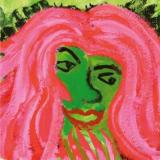
"Disco Chimi" by Dominican-raised Cuban artist Charles is the second release on Coco Maria's newly found Club Coco label. Comes with 4 paged insert with liner notes and art.
Charlie Chimi — the alter ego of Charles Garmendia — is a globe-trotting, kaleidoscopic creator best known for La China de la Gasolina. A percussionist for legendary Zamrock band WITCH, L’Eclair, and other international acts, Charlie moves fluidly between roles as a live performer, studio musician, and visual artist.
Like the iconic Dominican street burger it’s named after, the Charlie Chimi project is a spicy mélange of Afro-Cuban rhythms, funk-driven basslines, and playful, inventive wordplay — touching on everyday rituals like making lunch, as well as the trickier themes of illusion, hustle, and deception in the animal (and human) world.
Charlie has assembled an international crew of “Chimis” to help him run the numbers, delivering a dizzying, theatrical live show that feels like peeking into the hazy back room of a bodega: old men slamming dominoes, bachata blasting, and a cosmic sandwich opening a wormhole to somewhere far stranger.
Order now and we will order the item for you at our supplier.

Born to Dominican and Brazilian parents, xavi grew up bouncing from place to place, picking up inspiration wherever he landed. His first love was baile funk, but he was raised on classic hip-hop, eventually notching up production and songwriting credits for Vince Staples, Demi Lovato and Ariana Grande. But the major label life wasn’t giving; sick of the industry, he headed back to São Paulo to soak up the atmosphere and connect with artists on the ground. Before long, he started uploading quickfire bangers to SoundCloud – at this point there are over 350 of them on his feed – an »evolutionary playlist« in his own words, bursting with ideas.
»balança e paixão« is his debut release, proper, a 12-cut snapshot of chaotic, trailblazing, turbulent genius – bending thrashed rhythms into relentless vocal chops from a laundry list of young brazillian MCs. Built on ear-zizzing »tuin« hits and razor’s edge cuts, he creates hypnotic ripples that wedge themselves between São Paulo’s weirdo fringe (artists like JLZ and Iguana) and the percussive, MC-heavy sound of funk ritmado, one of the contemporary scene’s most vital and recognisable strains. Crucially, you can hear a Photek-like approach to space in his productions too, filling the gaps with metallic clangs to lend his rhythms their own unique dimension. The flipside takes it slower, deeper. On »sei q tu gosta« (I know you like it), DJ Leal Original and MC Vuk Vuk’s voices are transformed into ghosted sibilances next to xavi’s sonar pings and woodblock hits with an almost avant-dancehall slant, like some choice Equiknoxx dub, while on »cuidado bandida« (be careful bandit), he deploys bone-rattling trills that bite down on atmospherics that wouldn’t be out of place on Akira Yamaoka’s »Silent Hill« OST.
Order now and we will order the item for you at our supplier.

Berlin-based composer and vocalist FRANKIE, also known as Franziska Aigner, and Dominican-American producer Kelman Duran meet at the Twelve Apostles Church, in the Berlin district of Schöneberg, sometime in 2022, at the beginning of the spring season. They were each asked to engage the space’s solemnity, and its reverence, through distinct performances. Their chance encounter, abounding with mutual curiosity towards each other’s practices, smoothened the path for a years-long collaboration, culminating in McArthur, their first joint album. Following a period of exchanging musical fragments and prompts at a distance, Aigner and Duran come together in Athens, and later in Los Angeles, to prepare the stuff and material for the album, slowly developing a body of work informed by shared hauntings, and a commitment towards the disjointed and the residual. Aigner describes her process as writing “into the negative space” of Duran’s beats—filling in, if not invigorating, their thudding and inflections, but without rearranging the integrity of the whole. The result is an album where time and geography are made elastic, and where sonic improvisations become a site for quiet, and cryptic, articulations of intimacy.
expected to be published on 30.01.2026

Zombie Club presents a re-edition (new sleeve art) of "Mambo Calypso" another volume of sonic Caribbean Cruise. Following the approach of the first volume and understanding the Caribbean as a region is not limited to a strictly geographical demarcation but rather a demographic and cultural space where countries, islands and coastal areas may fall into a common Mare Nostrum even arrives in New Orleans. The influence of African drum and the "Cuban clave" makes different music beyond its specific components be they Latinos, Anglos or Frenchie's - look at themselves and recognize a certain family. This is not a coincidence, since the slave trade brought African music from the port of Havana to Cartagena de Indias, Nassau, Port-au-Prince, Salvador de Bahía and the southern United States. The same Blackness, the same rhythm, the same festive mood, spirit of resistance and struggle. And so, Arsenio Rodriguez can be heard without jumps next to a Calypso of Blind Blake, or a tasty Pacho Galán's coastal Cumbia crossover with Dave Bartholomew's Mambo or a Latin Swing of Lalo Guerrero, where the Dominican Merengue sounds Joseíto Mateo in line with that of its Haitian neighbor Nemour Jean Baptiste. A very spicy musical "melting pot," a gumbo of percussion and languages, to enjoy and dance. Re-board the Zombie Club Cruise, mixing different genres of Caribbean music with a high dance and rhythmic component. This selection designed for collectors, Dj's & calypsofied zombie dancers.
expected to be published on 23.01.2026

In Guadeloupe, many people think that jazz and ka music are like a ring and a finger. To some extent, the same could be said about so called Latin music and the music played in the French West Indies.
Both aesthetics were born in the Caribbean and bear so many connections that they can easily be considered cousins. In constant dialogue, there are lots of examples of their fruitful alliance and have been for a while. The English country dance that used to be practiced in European lounges came to be called kadrille in Martinique and contradanza in Cuba. They both featured additional percussion instruments inherited from the transatlantic deportation. Drawing from shared feelings about the same traumatized identity – later to be creolized – it would be hard not to assume that they were meant to inspire each other. The golden age of the orchestras that graced the Pigalle nights during the interwar period further proves the point. As soon as the 1930s, Havana-born Don Barreto naturally mixed danzón and biguine music in a combo based at Melody's Bar. In the following decade, Félix Valvert, a conductor who was born and raised in Basse-Terre in Guadelupe, also worked wonders in Montparnasse with La Coupole, which was an orchestra made up of eclectic musicians. Afro- Caribbean performers of various origins were often hired on rhythm and brass sections in jazz bands, which used to enliven the typical French balls of the capital. In the 1930s and onwards, Rico’s Creole Band was one of them.
Martinican violinist-clarinettist Ernest Léardée, who would become the king of biguine music as well as the main figure of French Uncle Ben's TV commercials (a dark stigma of post-colonial stereotypes), had musicians from the whole Caribbean sphere play at his Bal Blomet – and they all enchanted "ces Zazous-là" (according the words of Léardée's biguine-calypso piece). In les Antilles (French for French West Indies), music history started to speed up in the 1950s, when trade expanded and radio stations grew bigger. The Guadelupean and Martiniquais youth tuned in their old galena radio sets to South American and Caribbean music. As for the women traders, les pacotilleuses, they bought and sold goods across different islands (the "passing of items through various hands" was thought to be most pleasurable) and brought back countless sounds in their luggage. Such was the case of Madame Balthazar, who once returned from Puerto Rico with the first 45rpm and 33rpm to ever enter Martinique.
Out of this adventure was created the famous Martinican label La Maison des Merengues, a music business she opened and undertook with her husband and which proved to be a major landmark. At the end of the 1950s, in Puerto Rico, Marius Cultier competed in the Piano International Contest playing a version of Monk's Round 'Midnight. He won the first prize and this distinction foreshadowed everything that was to come. Cultier, the heretic Monk of jazz, was quickly praised for writing superb melodies, always tinged with a twist that conferred a unique sound to his music. It didn't take long for the gifted self-taught musician to get to play with Los Cubanos, making a name for himself thanks to his impressive maestria on merengues.
The rest is history. Besides, in the late 1950s, Frantz Charles-Denis, born into the upper middle class in Saint-Pierre and better known by his first name Francisco, went back home after working at La Cabane Cubaine – a club located rue Fontaine where he had caught the Latin fever. Francisco's music was therefore heavily marked by his Cuban cousins' influence, which gave the combos he led a specific style and also led to renewal. Things were swinging hard in La Savane, located in the main square in Fort-de-France. He set up the Shango club close by and tested out the biguine lélé there, a new music formula spiced up with Latin rhythms. Soon afterwards, fate had him fly to Puerto Rico and Venezuela.
As for percussionist Henri Guédon (percussions were only a part of his many talents), he was born in Fort-de-France in May 22nd 1944, the day marking the celebration of the abolition of slavery. As an old man, he could remember that in " his father's Teppaz, a lot of hectic 6/8 music was constantly playing...". In the opening lines of his Lettre à Dizzy, a small illustrated collection of writings published by Del Arco, he highlighted the huge impact that cubop had on him as a teenage boy, around 1960. He eventually turned out to be the lider maximo in La Contesta, a big band steeped in Latin jazz. He was also the one who originated the word zouk to describe music which brought the sound of the New York barrio to Paris. It was the culmination of a journey that started in Sainte-Marie: "a mythical place for bélé, the equivalent of Cuban guaguancó". In the early 1960s, the tertiary economy developed to the detriment of agriculture. Yet rural life was where roots music emerged in Martinique and in Guadeloupe.
Record companies played a major part in the process of Latin versions sweeping across the islands – before reaching everywhere else. Producer Célini, boss of the great Aux Ondes label, and Marcel Mavounzy, both the head of Émeraude records - a firm which was founded in 1953 - as well as the brother of famous saxophonist Robert Mavounzy, were big names to bear in mind. Although there were many of them - all of whom are featured on this record - Henri Debs was definitely the major figure in the recording adventure. He proved to be so influential that he even got compared to Berry Gordy. In the mid 1950s, when he acquired his first Teppaz, he worked on his first compositions: a bolero and a chachacha. Then, he became the one man who made people discover Caribbean music, from calypso to merengue. He was among the first ones to rush out to San Juan, Puerto Rico, to buy records and distribute them through a store run by one of his brothers in Fort-de-France. He had members of the Fania All Star come and perform there, which he was madly proud about. He was also the first one to pay attention to Haitian music, such as compas direct and various other rhythms which would soon flood the market. As a result, many of the combos hitting his legendary studio would end up boosted by widespread "Afro-Latin" rhythms. However, he never denied his identity: gwo ka drums were given a major role, although they were instruments which had long been banned from the "official" music spheres. The present selection bears witness to such a creative swarming. Here are fourteen tracks of untimely yet unprecedented cross-fertilization: all types of music rooted in the Creole archipelago have found their way, whatsoever, to the tracklisting. Whether originating from the city or being more rural, they all go back to what Edouard Glissant, in an interview about the place of West Indian music in the Afro-American scope, called "the trace of singing, the one which got erased by slavery." "It is so in jazz, but also in reggae, calypso, biguine, salsa... This trace also manifests through the drums, whether Guadelupean, Dominican, Jamaican or Cuban... None of them being quite the same. They all point to the idea of a trace, seeking it out and connecting to each other through it. This is the hallmark of the African diaspora: its ability to create something new, in relation to itself, out of a trace. It may be the memory of a rhythm, the crafting of a drum, a means of expression which doesn't resort to an old language but to the modalities of it." The opening track features one of the emblematic orchestras of this aesthetic identity, criscrossing many music types from the archipelago. The 1974 Ray Barretto guajira – Ray Barretto was a major New York drummer influenced by Charlie Parker and Chano Pozzo – is magnificently performed by Malavoi, a legendary Fayolais group (i.e from Fort-de-France). Additionally, the compilation ends on a piece by Los Martiniqueños de Francisco. It symbolically closes the circle as it is a genuine potomitan of Martinique culture which also functions as a tireless campaigner for Afro-Caribbean music. Practicing the danmyé rounds (a kind of capoeiria) to the rhythm of the bèlè drum, it delivers a terrific Caterete, a kind of champeta of Afro- Colombian obedience which was originally composed by Colombian Fabián Ramón Veloz Fernández for the group Wgenda Kenya. The icing on the cake is Brazilian Marku Ribas, who found refuge in Martinique in the early 1970s, bringing his singing to the last trance-inducing track. These two "versions" convey the whole tone of a selection composed of rarities and classics of the tropicalized genre, swarming with tonic accents and convoluted rhythms. It is the sort of cocktail that the West Indians never failed to spice up with their own ingredients. For instance, the Los Caraïbes cover of Dónde, a famous Cuban theme composed by producer Ernesto Duarte Brito, has a typical violin and features renowned Martinique singer Joby Valente and his piquant voice.
The track used to be – or so we think – their only existing 45rpm. The meaningful Amor en chachachá by L'Ensemble Tropicana, a band which included Haitian musicians among whom was composer and leader Michel Desgrotte, also recalls how Latin music was pervasive in the tropics in the mid-1960s. They were the ones keeping people dancing at Le Cocoteraie in Guadelupe and La Bananeraie in Martinique. Around the same time, another "foreign" band, Congolese Freddy Mars N'Kounkou's Ryco Jazz, achieved some success on both islands by covering Latin jazz classics – such as their adaptation of Wachi Wara, a "soul sauce" by Dizzy Gillespie and Chano Pozo whose interweaving of strings and percussions can have anyone hit the dancefloor. How can you resist Dap Pinian indeed, a powerful guaguancó by Eugene Balthazar, performed by the Tropicana Orchestra and published by the Martinique-founded La Maison des Merengues? It also acts as a symbol of the maelstrom at work. Going by the name Paco et L'orchestre Cachunga, Roger Jaffory used to play guaguancó too: his Fania-inspired Oye mi consejo is one example of his style. Baila!!!!! Dancing was also one of the Kings' focus points. Oriza is a Puerto Rican bomba and a "classic" originally composed by Nuevayorquino trumpeter Ernie Agosto, which reserves major space for brasses, giving it a special sheen.
Emerging from the New York barrios crucible was also La Perfecta, a Martinique group originating from Trinidad, whose name directly references the totemic Eddie Palmieri figure as well as his own band, also called La Perfecta. Here they borrow Toumbadora from Colombian producer and composer Efraín Lancheros and interpret it by emphasizing percussions, which set fire to the track even more than the wind instruments. The same goes for Martinique's Super Jaguars, who use Tatalibaba – a composition by Cuban guitarist Florencio "Picolo" Santana which was made famous by Celia Cruz & La Sonora Matencera – as a pretext for sending their cadences into a frenzy. In a more typically salsa vein, the Super Combo, a famous Guadelupean orchestra from Pointe-Noire that was formed around the Desplan family and had Roger Plonquitte and Elie Bianay on board, adapt Serana, a theme by Roberto Angleró Pepín, a Puerto Rican composer, singer and musician also known for his song Soy Boricua. Here again, their vision comes close to surpassing the original. In the 1970s, L'Ensemble Abricot provided a handful of tracks of different syles, hence reaching the pinnacle of the art of achieving variety and giving pleasure. They played boleros, biguines, compas direct, guaguancó and even a good old boogaloo - the type they wanted to keep close to their hearts for ever, "pour toujours", as they sang along together in one of their songs. Léon Bertide's Martinican ensemble excelled at the boogaloo which had been composed by Puerto Rican saxophonist Hector Santos for the legendary El Gran Combo.
Three years later, in 1972, Henri Guédon, with the help of Paul Rosine on the vibraphone, tackled the Bilongo made famous by Eddie Palmieri. Such a classic!!!!! And so were the Aiglons, the band from Guadelupe: choosing to execute Pensando en tí, a composition by Dominican Aniceto Batista, on a cooler tempo than the original, they noticeably used a wonderfully (un)tuned keyboard in place of the accordion. On the high-value collectible single – the first one released by Les Aiglons under the Duli Disc label – there is a sticker classifying the track under the generic name "Afro". Now that is what we call a symbol. Jacques Denis
Order now and we will order the item for you at our supplier.

2025 Repress
Bite the Day is a new Idjut Boys label imprint. We do an occasional London Party of the same name.....the concept is that there isn't one, musical anythingness and more often than not intending to involve collaborative collision with a hitlist of audio gymnasts whose talents can mask our lack of
said talent.
From the vaults of Idjut time past, Dominican Dolla Man delivered a lyric we thought boots some cold reality into today. The mighty Emperor Machine man was called upon to deliver his ministry of musical justice take. If you can figure out the words they are better than your average Christmas
rap song.
Order now and we will order the item for you at our supplier.
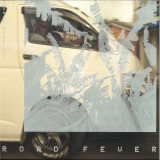
New Generation Carnival Riddims from St. Lucia and Dominica A hurricane of turbo-charged, body-buzzing tracks collide on Road Fever, a compilation of razor-produced, road-tested instrumental riddims from St. Lucia, Dominica & Guadeloupe that showcases the producers forging the future of Caribbean music in 2025. Road Fever draws together instrumental Dennery Segment and Bouyon riddims originally made for vocalists, presented for the first time as stand alone pieces of music. Distilling carnival riddims down to the bare bones, producers push minimal 150+bpms, FL-percussion packs, DJ/vox samples & synth riffs, bridging trap, drill, dancehall, sped-up Haitian konpa & Angolan kuduro. Ricocheting at the intersection of TikTok culture, best heard blasted through walls of speakers travelled by stage-sized carnival trucks or via bluetooth car speakers, St.Lucia"s "Dennery Segment" sound, (as iconic producer, G6 described in an interview), "sparks your inside; a sound you can"t hear and not move". Amsterdam-based, Curaçao-raised compiler Rozaly echoes G6: "Once you hear it, you can"t unhear or unfeel it. This is a musical movement with an entire history with so many relevant reasons why it still exists, and why it exists the way it exists right now". Rozaly concludes, "there is nothing more simple, let the artists speak."
Order now and we will order the item for you at our supplier.

Aventura is an American bachata group that broke into the mainstream with their 2002 hit "Obsesión (featuring Judy Santos)". With a line-up comprising Romeo Santos, Lenny Santos, Henry Santos and Max Agende Santos, they are regarded as one of the most influential Latin groups of all time. They have sold out many arenas including the world-famous Madison Square Garden. Aventura has been nominated for awards such as American Music Awards, the Latin Grammy Awards, Billboard Latin Music Awards, and Premio Lo Nuestro.
Order now and we will order the item for you at our supplier.

For our 8th EP we bring you fresh works from the Dominican producer Log_In. He’s released on underground staples such Dance Floor Rituals, Art of Dark, and Partout, always delivering his own take on modern italo-disco infused techno music.
Gamine’s own Christian ties the EP together with a slick remix of the B1 track. Slightly more minimalistic than the original, this track is suited for any point of the night.
Order now and we will order the item for you at our supplier.

Comes with insert and download coupon.
Imagine a Latin remake of Back to the Future. The mad scientist is Arsenio Rodriguez (the godfather of salsa) and the young student who travels through time with him is Eblis Alvarez (Meridian Brothers). This album can only be described as the perfect soundtrack for that movie that never was.
After the massive buzz generated by his first solo album, Mentallogenic, Alex Figueira got back in the studio to work in a more collective fashion this time, carefully assembling the second album of his largest project to date, Conjunto Papa Upa; a team of 6 musicians, spanning 3 generations of some of the best talent in the Latin and avant-garde scenes.
In an era where tropical music is dominated by purely electronic and rhythmically uniform sounds, the ten songs encompassed in “Fruta Madura” (“Ripe Fruit”) wander through the most diverse tempos, rhythms, and motifs effortlessly. A real breath of fresh air that gracefully incorporates soul, funk, jazz, psychedelia, and electronics into a solid tropical, irresistibly polyrhythmic foundation, without ever succumbing to the many genre clichés.
The distinctive production and catchy songwriting of Figueira shine in a very distinctive light on this second full-length. Living up to his reputation (Miles Cleret, founder of Soundway Records, called him “one of the scene's truly authentic and eccentric producers”), he takes the opportunity to show he’s not afraid to keep walking his own path.
Taking the band for a wild ride through the traditions of Africa, America, and the Caribbean; contrasting them with a ridiculously wide plethora of vintage, contemporary, and futuristic sounds, and pivoting on the exuberant musicality displayed by his musicians; the result leaves no doubt: this album is destined to be considered a future classic of the exciting tropical psychedelic music of the 21st century.
Addressing the most diverse themes in this new collection of songs, things take on a much more mature tone, as the title clearly suggests.
The opening track “El segundo es más sabroso” (“The second one is tastier”) sets the tone in the most assertive way imaginable, with the band boldly declaring, through multiple metaphorical references (laid upon a crazy mix of Dominican merengue, Detroit techno, classic and free jazz, dub, and electro), that the bar will be set higher with this second album.
The remaining compositions touch upon the most diverse subjects, with a fair dose of humor, sarcasm, and postmodern “magic realism”. “El Algoritmo” (The Algorithm) is a parranda-cumbia hybrid (for lack of a specific term) about the omnipresence of technology in our lives. The sophisticated Latin soul of the titling track “Fruta Madura” makes a case for the beauty of the maturity process. Some key philosophical teachings of Marcus Aurelius (the role of causality, the impositions of “the logos” and the importance of self-control) get a twisted cumbia treatment on “Reos del Deseo” (Prisoners of Desire). “No le pongas Coca-Cola” (“Don’t put Coca Cola in it”) shows us the most satirical side of the band, accusing those who mix Coca Cola with Rum of committing "sacrilege", on a powerful base of Dem Bow (the grandfather of Reggaeton), intertwined with touches of soul, salsa, and Cuban comparsa.
"Háblame Claro" (“Talk to me clearly”) is a story of heartbreak that evokes in its first part the spirit of the erotic salsa of the 80s (a subgenre deeply despised by purists), and after an unexpected samba interlude, leads to the hardest salsa of the 70s (a subgenre adored by purists), to end up in the surprising form of pure Afro-Cuban ceremonial music.
“Tu mamá tenía razón” ("Your Mom Was Right") is an attempt to exalt the spirit of the Latin American soap opera in the key of “acid bachata”, to recount a real-life case, witnessed by the band on countless occasions: the partying woman who arrives at the show accompanied by her bitter husband, who obviously does not like to dance. A very cheeky song to talk about the very serious and pertinent topic of female empowerment.
“La misma vaina” (“The same thing”) with its indescribable blend of bantú, candomblé, and Mozambique rhythms with abstract synthesizers, is an ode to adventure in favor of the aversion to taking risks and seeking predictability.
“Amigas picadas” (“Salty friends”) is another humorous song recounting another real-life case witnessed by the band on countless occasions: a love encounter sabotaged by the girlfriend's friends, who all happen to fancy the same guy. A jazzy take on the ancient Dominican rhythm of pambiche (grandfather of merengue), with generous psychedelic touches, resembling the classy late 60s releases of Guadeloupe's legendary producer / label owner Henri Debs.
“Vinimos a hablar” (“We came to talk”) takes sarcasm to the highest level, to ridicule the absurdity (also experienced by the band firsthand) seen in live music venues where people pay a ticket to go and have conversations that could be carried out much better on any bar, where no band is playing. The music alternates between a delicate melody with loose, sparse percussion and a full-on, pumping Angolan semba, with a techno kick drum included; bringing things to an apotheotic grooving finale, where the peculiar swing of Venezuelan calypso from the Callao region is thrown on top of all the precedent elements; closing the album in the most uplifting, “end of the carnival parade” feel.
The artwork is a delicate and impactful oil painting by Colombian artist Kevin Simón Mancera, who has collaborated many times with the label before (“Maracas, tambourines and other hellish things” tape and the Lola’s Dice LP).
What the experts are saying:
“Alex (Figueira) dove into this work with a brutal cohesion between lyrics and synths. Timbre poetry, sound poetry (you name it). And that, superimposed on his always impeccable percussive base, confirms the title of “avant-garde visionary of our beautiful Latin music”".
EBLIS ALVAREZ (MERIDIAN BROTHERS)
“Papa Upa's infectious quirkiness is a balm against boredom. A mature album, but without an expiration date”.
GLADYS PALMERA
“Here there is a lot of strength, drum, cadence and psychedelia, lost dance rhythms, united in an intercontinental Latin/African/and Caribbean journey, a unique winning combination that we could consider the new “Ritmo Figueira”.
DISCODELIC
Conjunto Papa Upa are:
Alex Figueira - Timbales, percussion, vocals.
Gerardo Rosales - Congas, percussion, vocals.
Ramón Mendeville - Bongos, percussion, vocals.
Randy Winterdal - Bass.
Andrew Moreno - Guitar.
Nico Chientarolli - Organ, piano, synths.
All songs written by Alex Figueira.
Arranged and performed by Conjunto Papa Upa.
Recorded, produced, mixed and mastered by Alex Figueira at Heat Too Hot, Amsterdam.
expected to be published on 01.08.2024

Les Disques Bongo Joe are proud to be home of the new volume of DJ soFa's well known curation work Elsewhere series with Elsewhere CC! This ninth exploration of our beloved Bruxelles based cratedigger and producer (Mameen 3, Nyati Mayi & The astral Synth Transmitters, ...) is an ode to summer and groove!
The ninth edition in the Elsewhere series is a real digger’s paradise of tropical gems, from Trinidad to Brazil, Poland, Dominica, and beyond. The compilation is an eclecticmix of outernational, tropical-wave, Calypso, multi-rhythmic percussive beats, lo-fi disco jams, and other such styles that lie somewhere in that magical in-between zone. Compiled by Brussels-based DJ, tastemaker and producer soFa, Elsewhere Vol.9 CC is a perfect collection of Balearic, good-vibe, sunshine rarities, to soundtrack a cocktail session on a reclusive, tropical beach, featuring rare tunes and some of the artist’s own unique productions and collaborations.
Modern day selector, 7” detective, international cratedigger, and self-styled musical activist DJ soFa, aka. soFa Elsewhere, is renowned for his borderless approach to curation. Adapting his unconventional and radical approach to DJing to his acclaimed compilation series, soFa’s goal has always been to expand horizons, highlight scenes, and tell stories. And herein lies the beauty behind the latest edition in the Elsewhere series. Behind every great record, is an even bigger story, and Elsewhere CC, has plenty of them...
Order now and we will order the item for you at our supplier.

Aventura is an American bachata group that broke into the mainstream with their 2002 hit "Obsesión (featuring Judy Santos)". With a line-up comprising Romeo Santos, Lenny Santos, Henry Santos and Max Agende Santos, they are regarded as one of the most influential Latin groups of all time. They have sold out many arenas including the world famous Madison Square Garden. Aventura has been nominated for awards such as American Music Awards, the Latin Grammy Awards, Billboard Latin Music Awards, and Premio Lo Nuestro.
expected to be published on 24.05.2024

French singer/songwriter Cyrille Aimée, a matchless interpreter of song, is back with a new album and a new story to tell "A Fleur de Peau" presents Cyrille in her own words, with her own original compositions presented in her own arrangements, developed in close collaboration with New York multi-instrumentalist and producer Jake Sherman. The music on "A Fleur de Peau" is the most original and personal of Cyrille"s career. Drawing on her Dominican heritage with its cargo of African dance rhythms and Spanish folksongs, embracing the directness and simplicity of contemporary pop forms, singing tales straight from her own life, this is Cyrille as you have never heard her before. The album"s genesis originates far from New York or her adopted New Orleans home, deep within the forests of Costa Rica and an astonishing tale of a creative rebirth.
expected to be published on 08.03.2024

Merengue Típico: Nueva Generación! delves into the heart of Dominican merengue, a genre whose significance often eludes the spotlight. Bongo Joe"s venture into unexplored terrain takes us to the Caribbean, specifically the Dominican Republic, shedding light on its musical tapestry Curated by Xavier Daive, aka Funky Bompa, the compilation unveils rare "60s and "70s gems, providing a glimpse into a transformative period following the fall of the Trujillo regime.
expected to be published on 02.02.2024

For the second instalment in our Cuban Classics series, we proudly present this sought-after slice of sublime Afro-Cuban jazz from 1976. It comes courtesy of one of Cuba’s most influential acts, Grupo Irakere. Founded in 1973 by Chucho Valdés (son of the Cuban pianist and bandleader Bebo Valdés) the group was home to many of Cuba’s finest musicians over the years. With an electrifying style and sound, they mixed traditional Cuban music with jazz, funk, and rock.
This self-titled album includes the much-loved, dancefloor heavy-hitter 'Chequeré-Son’, a Latin-jazz funk masterpiece with Cubanized bebop-flavoured horn lines, lush keys, and ‘70s hip swagger. Though 'Chequeré-Son’ is the keystone of the record, the album is laced with brilliance at every turn, from the Carlos Santana-esque channelling ‘Iya’ with its percussive Latin power, to the sultry, slick and passionate '38 1/2’. Elsewhere, the absorbing, ever-building energy of 'Juana 1600’ and steamy vocal dancer ‘Xiomara’ are also highlights of this incredible album.
Pressed on Cuba’s state led Areito Records, the album was well received internationally, garnering distribution in Finland on Love Records, in Italy on Phase 6 Super Stereo, and also in the Dominican Republic, Mexico and Venezuela.
A cherished Afro-Cuban triumph, this album has been crying out for a reissue and we’re delighted to make that happen.
Order now and we will order the item for you at our supplier.

Boundary caught our ears when he was just a 19-year-old, a true genius, he's been making music since he was 13 with a maturity and depth well beyond his years. We're absolutely gassed to get him onto the label with a transcendent LP that hits you right in the feels. Hailing from the Dominican Republic, Boundary leans heavily on all the good stuff from early Detroit techno, UK & Japanese ambient, and leftfield techno, stitching things together with immaculate drum programming, wandering basslines, and ethereal pads.
Sometimes brilliantly raw and gritty, at other times delicate and refined, this is an LP that ranges from deep, glassy ambient through to 140 bpm (and beyond!) pumpers. It's classy techno from start to finish, think Aphex Twin meets PLO Man with an early Detroit twist. Limited cassette run and digi, don't miss out!
expected to be published on 31.01.2024

Renowned Berlin-based music discovery platform COLORSxSTUDIOS will release their new vinyl compilation album, ‘MOVE:FEEL1’, just in time for the holidays.
The limited-edition double disc gatefold vinyl will feature 16 beloved A COLORS SHOW tracks, both recent and from the archive, including London-based rapper Kwengface’s ‘Freedom’ that was released earlier this year, critically-acclaimed Malian artist Fatoumata Diawara’s ‘Nterini’ from 2019, and Dominican-Italian star YEИDRY’s breakout 2020 hit ‘Nena’.
The album is truly international—it will feature songs sung in six different languages (including English, Swedish, German, Bambara, French, Vietnamese, and Spanish) and represent artists from 15 different countries across the world.
‘MOVE:FEEL1’ reflects and celebrates the launch of COLORS’ new ‘MOVE’ and ‘FEEL’ playlists that are now available across all DSPs. Updated monthly, these playlists will curate COLORS’ genre fluid output into cohesive listening experiences that cater for varying emotional states.
The songs on the ‘MOVE’ playlist—and hence on the ‘MOVE’ sides of the vinyl—are uptempo, bold, sexy and energetic, and aim to set the tone for daring and unapologetic enjoyment. In contrast, the tracks on the ‘FEEL’ playlist and discs are downtempo and emotive. They are for relaxation, and to help listeners contemplate their internal and external environments
Designed by COLORS’ in-house creative team, the vinyl cover is mirrored, meaning its appearance adapts depending on the light and colors it reflects. This was an important decision to ensure the cover represents all of the featured artists, who all performed their A COLORS SHOWS against different colored backdrops. The mirrored material also enables the audience to literally (and hopefully metaphorically) see themselves in the album.
Each side of the mirrored cover is adorned differently: while the “MOVE” side features embossed lines, stripes and slashes indicative of motion, the more introverted “FEEL” side is debossed with goosebump-like grooves. Even with their eyes closed, people will be able to feel which side of the album is which, adding an extra sensory layer to the listening experience.
MOVE:FEEL1’s design also prioritizes sustainability, using no single-use plastics for its packaging.
expected to be published on 08.12.2023

Error Subcutaneo was born under the sweltering sun of Santo Domingo, Dominican Republic, but their project portrays the colder, more urban side of life in the Caribbean, where cacophonous violence and Cold War monoliths collide with dreams of a better tomorrow The duo take elements of hip- hop, modular electronics, island syncretism, and bebop to twist and distort contemporary narratives on music composition, representing the greater movement of Latin American resistance directly from its epicentre Temporada Ciclonica is a recollection of alibis from a quenched island imaginarium. Palm trees dance in sync with the gales, an omen of the upcoming hurricane season. Pictographic technologies seek refuge in time's embrace, as eerie scents of petrichor and blood fill the corridors beneath the temple steps.
The cyclone's ravaging beauty and destruction bring rain, fertility and life to the land, an allusion to the cyclical nature of creation. Masters of musical past ride the storm's eye, a semiotic double- entendre on the spinning nature of the vinyl medium. A pupil glimmers from the dark, a kid rubs its belly in the womb. Press: Truth and Lies - review "a challenging but exhilarating journey through the minds of two young artists who's deep knowledge of local and international music places no harness on their creativity. Raw and instant, these boys look at the world as it is and let its contradictions flow into their creations. 9/10" Received airplay on BBC Radio 6 Music (Gilles Peterson), BBC Radio 3 (The Late Junction - Wolf Eyes' Mixtape) + The Lot Radio NYC - Marco Wibel - Darker Than Wax
expected to be published on 21.11.2023

expected to be published on 10.11.2023

The Spanish-Dominican label led by the Spanish Sergio Parrado and the Dominican Jee Bear presents its Lmtd series, where art, design and music go hand in hand. A collectible series where each reference is a piece of a mural by the Argentine designer Lucien Le Grub, this being the first of four.
This first reference is the work of Chilean Alejandro Vivanco (Cadenza, Melisma) who joins forces with fellow Chilean Dorian Chavez (8bit, Viva Music) to bring us this incredible “Dabtrack”.
The original cut (A1) is to go back in time, return to the essence of the mid-2000s where artists like Luciano or Ricardo Villalobos put the Andean country in the eyes of the world with their organic micro house. “Dabtrack” is about this, but with a renewed sound, where the organic and the digital embrace to create an intense track, with fat basses that will make the sound system rumble. Special synths that catch you to create a magnificent sound collage.
The A2 is for the master master and lord of the deep sound. We are talking about the Romanian Mihai Popoviciu, who brilliantly reinterprets the track and takes it to his own terrain, but without neglecting the essence of the original and giving it his particular groove that works so well late at night. The groove, together with the set of synths, which elaborates it magnificently, makes his remix of Dabtrack” an indispensable work in the DJ's suitcases.
Now it's time to close this incredible album. For this we have reserved the entire B-side for one of the Chilean artists who has left the most mark in the last two decades on the international electronic scene: Pier Bucci. He takes us on a 12-minute journey through his signature style where anything can happen. Little more to say, we invite you to discover it for yourself. Because it is a work of art.
Order now and we will order the item for you at our supplier.

If the name of this collection of traxxx offends you, move on — there’s no hope for you here. If, on the other hand, Toribio’s salacious fun-pun cracked your cool exterior, here’s an introduction to a set of bangers that helps exemplify New York’s increasingly exuberant dancefloor, and what producer/DJ Cesar Toribio brings to it. His is a ribald, rhythmic take on dance music, neither for the weak of musical character (purists need not apply) nor for the weak of ass (-shaking). In fact, the proof is right there, in Toribio’s label’s and monthly party’s name: Bring Dat Ass. This command is not optional, but *the* key ingredient for a good time.
The five songs Toribio has created for “Tongue In Cheeks,” BDA’s first release, comprise a horny melting pot of tribal house and Linn-drum plug-ins, minimalist synth textures and basslines, hi-hats reminiscent of electro and freestyle classics, some of which are infused with New York’s Latin club history and futures. The lead-off track, “No Pare,” is based on the producer’s 808-driven reinvention of the call-and-response hook from Proyecto Uno’s 1993 merengue-house smash “El Tiburón,” marking the first time the group has ever cleared a sample of this Nuyodominican classic. We predict that “No Pare” will be a Fall 2023 monster.
Guest vocal appearances by The Illustrious Blacks and Maluca, cornerstones of different dance-floor scenes in a city currently hitting peak-energy levels, show the breadth of Toribio’s regard for community: There is a lot of crossover to how the punky Dominicana MC from Washington Heights chooses to slang-tastically “Werk It Out,” and how the Neo-Afro-Futuristic-Psychedelic-Surrealistic-Hippys Monstah Black and Manchildblack infuse a dollop of booty into “Work Dat Shit.” And the two different metallic beats point at seemingly separate parts of Toribio’s musical heritage uniting. There’s no formula, but if there was, it would be: Make it sexy. Make it (consensually) grindy. Make it funny to the point of ridiculous but so funky that the laughter becomes more fuel to the joyous momentum propelling the movement. Then make it home — or try to.
Cesar Toribio’s home is, originally Tampa — and the DR, where he’d spend summers with family. He was a drum-corps prodigy who went to Berklee to become a jazz drummer and be like Gil Evans. He idolized Miles’ orchestral arranger’s work as much as Dilla’s beats, but then discovered house music, so it was a wrap. The 2021 band album Toribio made under the name Conclave — which included his sister Sharin and musicians from such great projects as Standing On the Corner, No Regular Play and Irreversible Entanglements — unearthed the work of a singer-songwriter-arranger-producer of immeasurably nuanced, soulful jazz-house music. But when Toribio started DJing more and more, he decided to listen to the devil on his shoulder who told him to Bring Dat Ass. As Cesar damn-well knows, it’s the devil who has the better jokes and holds the better parties, so his ears perked up. “Tongue in Cheeks” is the music Toribio says he made to play at these parties, because he can’t find it anywhere else. It’s hard to disagree.
Order now and we will order the item for you at our supplier.

A wild and funky collection of Afro grooves that was ahead of its time in 1977 and has become a collector’s item in recent years, especially due to the growing international interest in Colombian picó sound system culture. Fruko and his studio bands Wganda Kenya and Kammpala Grupo treat us to a diverse set of African and Caribbean styles, laced with crazy synths, psychedelic guitar and infectious pan-African polyrhythms. By the time Discos Fuentes released the album “Wganda Kenya Kammpala Grupo” in 1977, Wganda Kenya’s discography was expanding with many 45 singles and appearances in various artists collections. The group’s 1975 debut record “África 5.000” was a full length LP in the U.S. and a various artists compilation in Colombia, which was followed by the self-titled long player the following year. However, Kammpala Grupo, which shared the album’s title and was credited to three songs on the record, had never appeared before, yet was basically the same studio group as Wganda Kenya. Most likely the creation of this short-lived studio band was just a ploy by the label to make it seem like there were more groups playing the type of exotic afro tracks favored by the picotero DJs of Colombia’s Caribbean coast (especially in Barranquilla and Cartagena). 1974 Discos Fuentes’ management had sent musician, band leader and producer Julio Ernesto “Fruko” Estrada to the coast on an A&R mission to discover what people were dancing to in the verbenas (communal open air neighborhood parties) run by the owners of picó sound systems (decorated mobile DJ rigs). Always game for an adventure, Fruko was tasked with bringing some popular examples of these esoteric, hard-to-find African, French and Dutch Antillean records back to Medellín to serve as inspiration (or to outright copy) so that the label could enter into the growing regional market and spread its popularity to the interior of Colombia and other Latin American countries via its own studio creation, Wganda Kenya. Fuentes was always returning to exploit the rich African-rooted culture of the coast as it had with the cumbia and other regional genres before, so in a way it was not surprising that they were attuned to this particular niche phenomenon from a marginalized sector of the population. The most popular genres with the champeta dancers in the 70’s and 80’s were styles like Congolese rumba, highlife, afrobeat, juju, mbaqanga and soukous as well as the music of Haiti, Guadeloupe, Martinique, Curaçao and Dominica, all of which were fiercely guarded by the DJs who had managed to acquire them often through extreme means of travel, barter and intense digging. The record kicks off with the joyful ‘El Gallo Africano’ which features exquisite interplay between Sepúlveda’s highlife style guitar and an authentic-sounding African style saxophone, perhaps played by Carlos Piña. In reality it was ‘Go Call Police Chief’ by prolific Nigerian highlife guitarist Chief Oliver Sunday Akanite, aka Oliver De Coque. Next up is Kammpala Grupo’s ‘La Yuca Rayá’ (‘Grated Yuca’), written by Isaac Villanueva in a style he termed son haitiano which sounds much more like Zimbabwe Shona mbira music. Wganda Kenya’s ‘Caimito’ (star apple, a type of tropical fruit), on the other hand, is actually a cover of a relatively well-known Haitian merengue song. Kammpala Grupo then takes us from the French Antilles to the multi-cultural discotheques of Paris, where a cover version of Black Soul’s Afro-boogie anthem ‘Black Soul Music’ is retooled and renamed ‘King Kong’, perhaps in a nod to the 1976 remake of the monster flick of the same name. Side two introduces us to the infectious merengue rebita of Angola via ‘La riphyta’ with “Paparí”, aka Mariano Sepúlveda, doing the vocals and faithfully replicating the Angolan guitar style. ‘La Trompeta Loca’ (‘The Crazy Trumpet’), probably the nuttiest track on the album, is an ingenious cover of ‘Ye Gbawa Oo Baba (Tribute To Nigeria)’ by Joe Mensah of Ghana. As with all their covers of African tunes, this rendition tightens up the original with some pop sheen, more consistent drumming and higher production values, remaking it into a powerful slow-burning dance floor filler. This is followed by one of the most powerfully original songs to come out of the entire Wganda Kenya project, Mike Char’s reggae anthem ‘El Nativo’ with Joe Arroyo on vocals. The record ends on a more authentically Caribbean sounding note with the instrumental ‘El testamento’, a cheerful islands banger with bright brass, syncopated calypso beats and chunky cuatro guitar (or ukulele). The original was in the mento genre and titled ‘Sweet meat’, written and recorded by Jamaican trumpeter Bobby Ellis. First time reissue. 180g vinyl.
expected to be published on 30.06.2023

Thaniil Alexandros can’t imagine a life without producing. Under the name of RBCHMBRS, Thaniil has been tinkering with sample based productions for 17 years. In one form or another, RBCHMBRS has mashed inspirations of hip hop instrumentals with the funky, snappy bounce of UKG.
Being half Greek and half Dominican means that Thaniil’s first memories of music were of classic Greek music and his mother’s love of dance and disco. Growing up on the Bronx meant that he was exposed to a mix of genres his entire life. From boomboxes on the street or from the windows of his neighbors home, gave Alexandros exposure to sounds he hadn't heard.
Toe the Line EP was intended to return to stripped down elements of older releases, but something “a little less outer space, a return to earth.” Armed with an SP-404, RBCHMBRS wants to be playful without being reminiscent, always trying to move forward. He believes that nostalgic pain can propel an artist to make their best work.
While noting history teachers as salient inspirations that opened his eyes to cultures unknown to him, as well as a father who is a history buff of his own, Thaniil has inherited some of their reverence for the classics and the importance of learning from the past. Alexandros’ fundamentals are influenced by Madlib, Timbaland (“the early stuff,” he interjects), Q Tip, Havoc, Alchemist, UKG, as well as the culture that surrounded the NBA in the 90s, during his most formative years.
Keeping it in the family, RBCHMBRS works closely with critically acclaimed emcee/producer THERAVADA, who co-produced Sick by Earl Sweatshirt with him, and who is his cousin. Currently, RBCHMBRS is working on a self-proclaimed “sprawling dance album” with Tesh Curry. His audience has a lot to look forward to.
With his Estrella EP, his intention was expressed through the imagined feeling of a time warp, a portal, and maybe coming out the other end of it. He wanted Toe The Line EP to feel more grounded, a down to earth project that he leaned towards as he searched for his life to settle. This EP reminds him that many things in his life have changed for the better, and a lot of that has to do with the structure hes begun to install.
Order now and we will order the item for you at our supplier.

One of pianist Ray Pérez's rarest releases and his first on his own label Pyraphon, "They Do It" (1971) was also his final collaboration with Perucho Torcat, a talented sonero who died tragically young in NYC the following year. The record sports an impressively diverse array of rhythms and genres, including the popular Cuban, Puerto Rican and New York sounds that the young Venezuelan salsa groups excelled in at the time (guaguancó, bolero son, son montuno and Latin soul / boogaloo). Other Caribbean modes like calypso (the coast of Venezuela is very near Trinidad and Tobago), pambiche (a slow form of Dominican merengue developed for tourists), and even traditional Venezuelan merengue (a completely different rhythm from the Dominican genre of the same name) appear on the album. Full of classic dance floor burners, the album has been lovingly restored, mastered from the original tapes, fully licensed, with its original artwork intact, preserving the legacy of this great Venezuelan music for today's generation of salsa dura lovers everywhere. The LP is highly collectible and is now being reissued by Vampisoul for the first time.
Order now and we will order the item for you at our supplier.

Fifth album by Leipzig based drummer, composer and band leader Eva
Klesse, with featured guest musician Wolfgang Muthspiel, Klesse has
assembled a strong quartet of talented German musicians, who all
contribute to her striking compositions
Eva is working as a drummer and a composer in various musical projects, among
others with Julia Hülsmann Octet, Sarah Chaksad Large Ensemble, Trillmann,
Jorinde Jelen Band and her own quartet (with Evgeny Ring, Philip Frischkorn and
Marc Muellbauer), furthermore she plays with - among others - musicians like
Ethan Iverson, Marilyn Mazur, Wolfgang Muthspiel and Nils Landgren.Several
concert tours led her to China, Chile, Malaysia, Mexico, Honduras, El Salvador,
Guatemala, Nicaragua, Switzerland, Turkey, Spain, Belgium, Serbia, the Dominican
Republic, the United States, Argentina, Egypt and France.
The debut album of the "Eva Klesse Quartett" ("Xenon") was released in 2014 on
Enja Records and won the Jazz Echo 2015 (German Music Award) in the category
"Newcomer of the year". The second album "Obenland" was released in 2016, the
third one called "miniatures" in 2018, the fourth one called "creatures & states" in
2020.
"A rising star on the German jazz scene." - London Jazz News
expected to be published on 11.11.2022

After a sold out 20 Anniversary 3XLP, Turntables on the Hudson returns with a diverse 3 X vinyl set that carries the Inside the Dance series (previously on WONDERWHEEL Recordings) to all new releases made between the international friends & family between 2020 - 2022. It was a call to action for inspiration, creation, motivation & moving your body in response to the depressing times of initial lockdown & continued music gathering closures during the pandemic. What we did instead was invested in music, art, collaborations, videos, remixes hoping to keep the spirits alive & inspiration high for each other. It’s now Spring of 2022 & we’re happy we did it all. Here’s the fruits of those seeds planted. Songs from artists across the sound spectrum from Morocco, Italy, USA, Spain, Argentina, Peru, UK, Montenegro, France, Belgium, Turkey, Dominican Republic, Niger & more. Almost all songs slightly edited to make sure we got enough output on each side of the record to mix the music in the clubs & on sound systems everywhere. Combining the singles artwork of Marcus (Tupi Lab) & the album LP vinyl art of Bodo (Marcial Arts), we have a very special limited edition 400 until pressing of this soon to be collectible. We hope you enjoy the collective effort that makes this look & sound so special. Ever since the party & label began in 1998, its mission was to shine the light on the underground international community making dance music & after 15 compilations, this is another proud example. Thanks for your continued support.
Order now and we will order the item for you at our supplier.

First ever repress of the sought after psychedelic tinged funk rock private press album 'Eclipse of the City' from 1980 New York. Originally recorded between 1975 and 1977 in Manhattan's garment district. Eclipse of the City lay dormant on a reel to reel player whilst frontman Carlos Fire Aguasvivas muddled through life working as a data entry clerk away from his fellow band members. It wasn't till he rediscovered the tapes that a sudden life affirming moment drove him to get the music pressed. Putting pen to paper Carlos created the artwork as a homage to his love of comic art and brought the band to life on the reverse with his spindly characters engrossed in the jam. Only 300 copies were pressed at the time leading to eye-watering prices for a copy. with a recent digital re-release from Indian Summer's Anthology Records, Sticky Buttons stepped up to repress the record with a limited run of 500, lovingly manufactured in the UK in all its vinyl glory.
Arriving in the Bronx from the civil unrest of Santo Domingo in the early 60's Aguasvivas was surrounded by the raucous sounds of rock, jazz and prog. Absorbing the humdrum atmosphere of life in New York, Eclipse of the City came from the minds of close friends Carlos Aguasvivas, Steve Garcia and Eddy Garcia. Meeting at Monroe High School the three of them quickly formed a strong bond over their shared interest in music. It wasn't long after that they began rehearsing in a basement under a neighbourhood cleaners and in the attic of Steve and Eddy's family home piecing together their extended sessions of tripped out cinematic psychedelia.
Recording got off to a rocky start as a car accident left the three band members in A&E after taking an early morning cab ride through Manhattan to watch the sunrise on their way into the studio (a theatrical artistic statement of intent conceived by Steve Garcia) - as Eddy mentioned "Eclipse was forged from a lot of pain". Their recording sessions were postponed but a few weeks later they were back and with the added energy of John Ortega on Bass and Vincent Anderson on electric piano and organ - with just a few microphones and a reel to reel recorder, Eclipse of the City was laid down as the stark bold homage to New York's downtown.
Influences ranged from the cinematic behemoth Jaws to the UK prog rock bands of Genesis, Yes and Emerson Lake & Palmer but only could Eclipse of the City take its unique form in the attics and basements of New York with the full band adding their Puerto Rican and Dominican slanted New York energy. Side one includes 3 fully formed tracks breaking out into eerie moments of calm before diving into well timed jolts of reprise as each element weaves over the top of one another whilst side two presents a 30 minute narrative work following the night adventures of a young group of friends exploring the vibrant nightlife of downtown New York. A rumbling half hour of wobbling guitar, tight drumming and synth organ licks jutting out from the glistening lights of the night before the sun rises down Manhattan's East-West axis as the lilt changes and the organ lulls the friends back home. A truly idiosyncratic take on the heady world of New York in the 70's and one that still resonates with our urban landscapes and love for the nights they bring today.
a 01: Think Positive (Live) feat. Steve Garcia, Edward Garcia & John Ortega
b 02: Jennifer (Live) feat. Steve Garcia, Edward Garcia, Vincent Anderson & John Ortega
c 03: Try It All Again (Live) [feat. Vincent Anderson, John Ortega, Edward Garcia & Steve Garcia]
[d] 04: Eclipse A (Beginnings) [Live] [feat. Vincent Anderson, John Ortega, Edward Garcia & Steve Garcia]
[e] 05: Eclipse B (First Movement) [Live] [feat. John Ortega, Steve Garcia & Edward Garcia]
[f] 06: Eclipse C (Hustle Bustle) [Live] [feat. Vincent Anderson, John Ortega, Steve Garcia & Edward Garcia]
[g] 07: Eclipse D (Funky Side of Town) [Live] [feat. Vincent Anderson, John Ortega, Steve Garcia & Edward Garcia]
[h] 08: Eclipse E (Midnight) [Live] [feat. John Ortega, Steve Garcia & Edward Garcia]
[i] 09: Eclipse F (First Movement Continued) [Live] [feat. Vincent Anderson, John Ortega, Steve Garcia & Edward Garcia]
[j] 10: Eclipse G (Home) [Live] [feat. Vincent Anderson, John Ortega, Steve Garcia & Edward Garcia]
Order now and we will order the item for you at our supplier.

"Secretsundaze continue their quest to uncover amazing new music with the signing of exciting young Dominican artist Boundary. At just 19 years old Boundary aka Josue Suero makes music that is brimming full of ideas and influences that belie his young age. The 'Interlazados' EP is his debut release for a UK label.
Taking cues from his fascination with video game music, his first real gateway to electronic music, the four track EP showcases Boundary's melodic sensibilities and ear for a killer rhythm.ALead track 'Opticamente Avanzando' unwinds over 12 minutes of deep, mesmeric melodic, contemplative electronica with hints of 90's UK rave influences.ACheck the grins when the killer bassline drops half way through!A
The glossy melodies, jazzy motifs and hip-tugging bass of 'OP.AV' and the breakbeat house of 'Interlazados' channel more lo-fi, ambient house influences but all sent through that unique Boundary filter. Finally, the brain-warming, hypnagogic, tempo-changing rhythms of 'Planos de Ausencia Casualidad' could be the EP highlight and recalls the work of Lone and Actress.
You could listen to these tracks and be mistaken for thinking this is an artist who has maybe been lost in the throws of extended Villalobos DJ set or the deep pads of old Sun Electric records, but as an artist who is an outsider to the European dance scene, his inspiration comes from closer to home, as Boundary explains:
"For this EP I was interested to see if i could hit close to the feelings i have when I listen to certain video game music, how I could convey the amazing and deep storytelling in these songs. I really wanted them to feel like a ride/adventure. 'Opticamente Avanzando' ('Optically Advancing' in English) for me is like a venture into a machine that analyses a bunch of electronic music genres and it outputs as many different variations of these genres it can, each with their own little quirk/details, creating something unique in the process."
With previous releases on LA based label, Point Records, and Paris' Third Try label (Axel Boman, SFV Acid) Boundary's emergence represents a promising prospect for the electronic music world and 'Interlazados' another essential release on Secretsundaze."
Order now and we will order the item for you at our supplier.

Tropical psych outfit, Lola’s Dice, return with an exhilarating double AA side 45 on “Cacri 'e Playa” b/w “Señor Cartujo” . Venezuelan strains of Caribbean rhythms blend with South American grit and humour; aided and abetted by studio maverick and renown bandleader Alex Figueira ( Fumaça Preta, Conjunto Papa Upa).
Lola’s Dice, an ensemble born and battle-tested by years of punk and hard rock before fusing into its current form, a consolidated tropical-psych quartet. The band’s evolution has resulted in music that is a pure body-moving delight — a fuzzy blend of guitars, synths and musical sabor that is very much rooted in the percussive sounds of Latin America, where all band members hail from, yet still comfortable in its punk-ethos.
One such fusion of sounds took place at the Barracão Sound studio in Amsterdam where they first asked rhythm sensei Alex Figueira (who currently joins them on stage whenever his agenda allows him) to help them twist their sound and bring it into the incendiary tropical realm his production work was known for.
Together they vandalized all sorts of rhythmic traditions. The resulting 4-track EP, “Viaje al Centro de Ritmo”, was a perfect match of genre-defying psychedelic madness and Caribbean cool and was duly signed and released by on-the-pulse NY based Names You Can Trust label.
After two years and a plethora of stages Lola’s Dice returned to Figueira's Barracão Sound for another dose of experimentation, diving deeper into their Caribbean roots and twisting them even further. The first fruits are now offered for release jointly by Names You Can Trust (later this year) and Figueira’s own Music With Soul.
The African Caribbean vibrations of “Cacri 'e Playa” tell a story of a stray dog whose sole habitat consists of the beach. A common phenomenon all across the Caribbean coastline shared by Venezuela and Colombia. Wonky synths and surf guitars interplay over a stomping extra syncopated drum beat. All things collide towards the end into a 1970’s style Salsa street party, the relentless cowbell driving everyone forward.
On the flip, “Señor Cartujo” contains a humorous tale about the most popular brand of anise liquor in Venezuela ("Cartujo") and a shameless ode to the glory days of "Techno Merengue", when Latino rappers in the US started making Dominican Merengue with hip hop influenced vocals and house production techniques and equipment. Lola’s Dice, however, take a more psychedelic approach to this merengue, oozing with funky guitars and percussion.
Order now and we will order the item for you at our supplier.

The Jazz Diaries is proud to announce NYC’s favorite underground papi Toribio will be releasing his sophomore EP June 14th 2019. Hot of-the-heels of his Gator Boots 12” for Soul Clap, which received hands in the air support from Seth Troxler, Adam Port, and Soul Clap, Toribio makes you feel at home in the club with his expressive new EP - Capicua!
Growing up playing Dominican percussion instruments from an early age, and being a staple DJ in the NYC circuit for the last 7+ years playing with a who’s who of DJs (Danny Krivit, Rick Wilhite, Louie Vega etc), Toribio expands the palette of what dance music is, fusing his Dominican roots, afro-cuban latin riddims and 90s hip-hop to create a cultural melting pot that signals a change in the guard for NYC House Music.
As Toribio rightly puts…
“Capicua!” is an expression Dominicans yell as they slam the last domino of a certain hand with belligerent righteousness. It means you win on both sides of the table no matter which way you look at it. Top to bottom. This my musical way of saying in a Dominican style... I won on both sides with this record.
This is certainly true of EP opener ‘Get Up’, which hits you on the upside with a nasty dose of p-funk over a bed of live and programmed house riddims. The record showcases Toribio’s penchant for the funky, yet rhythmically inquisitive. It is this trademark sound that permeates the record and continues its way through the acid tinged ‘Make Your Mark’, where long time friend and collaborator Byron the Aquarius steps in on remix duties - providing a lush reprise from the frenetic afro-cuban percussion found in the original mix.
Last but not least, Toribio rounds of the EP with a sensual, take your girl home cover of ‘Household’ by Totally Enormous Extinct Dinosaurs. The tune showcases the broad depth of Toribio’s musical portrait, prominently featuring his voice and guitar, further giving credence to the musicality and diasporic nature of the new Nu York, and further cementing Toribio’s place in it for years to come.
Order now and we will order the item for you at our supplier.

Life is all about rhythms. We don't know what we're dancing to until we're in so deep we can no longer control ourselves. The rhythm controls us.
Right now both Guti and the Martinez Brothers are dancing to the conga rhythm. Guti's third album, they've been dancing to it since the summer, teasing us with a whole slew of percussive new... And they'll continue throughout 2019. Chance are you will, too. Eventually the rhythm will control all of us. It's too infectious not to.
Here's the 411: 'The Year Of The Conga' is Guti's third and most rooted album to date. It came about through a personal request from brothers Chris & Steve Martinez. Both unapologetic Guti fans they wanted the very first album on their Cuttin' Headz label to be his. The result is a total reconnection back to his Argentinian foundations, his club roots and everything that first lured him to the dancefloor...
'I'm back to my roots and found my Latino groove again,' says Guti who wrote the album throughout 2018, starting it whilst bulleting through Japan by train, the majority crafted in the jungle of Dominican Republic, having collected and sampled native percussion instruments, and then finally mixing down on his return to Europe. 'Every song is full of rhythm and created to make you dance...'
He's not messing around; from the writhing snakelike percussion and rousing calls and cries of opener 'Aee' right through to the final mesmerising waves and farewell struts of finale 'Voladora' this an album is born both for and from the dancefloor. No overthinking, no purism, no exclusion; just unabashed physical hypnosis, fuelled for the floor, guided with gut instinct and years of groovecraft. It's the sound of an artist who's disconnected, explored and reconnected. He's older, he's wider and more in tune with his own pace and palette. One of the most diverse and explorative artists to come from Loco Dice's Desolat stable, this is Guti simplifying his passions down to an essence of everything that's magic about his roots and our shared dancefloor culture.
The highlights are in abundance; those hazy-but-persistent New Jersey organs on 'Telling The Truth', that wobbly sub on 'Red Eye', that shimmering sinewy acid line on 'Se Baila', the spicy pianos and wet horns of 'La Orchestra Fantasma', the list goes on. Each cut designed for deep mix pleasure, each cut rolling with a strong organic flavour and alluring percussive dynamics, each cut showing Guti at his most inspired, warmest, playful and ready to wrap you up so deep in a conga you'll soon lose yourself.
Cuttin Headz, cuttin straight to the chase but never cutting it fine... Let us be the first to wish you happy new year with the first ever album on the currently unstoppable label. We'll wish you a happy new conga, too. 2019's going to be a vintage and Guti and the Martinez Brothers are leading the charge.
Order now and we will order the item for you at our supplier.

One year into his music production career, WHB' is the startling debut release from Brooklyn's Kellen303. A unique hybrid, the tracks are inspired by goth rock/industrial, footwork and vogue music. It's perhaps a happy but unlikely accident that they also fit into Keysound Recording's dark, rolling UK sound. Across five tracks, four cut to vinyl, Kellen303 maps out his unique but bleak vision. The title track, a relentless volley of thunderous kicks, samples a phone interview Kellen303 held with a grime MC close to Keysound's hearts. 'What's Happening Brotha' is titled such because these songs were made at a very dark time in my life,' he explains. I decided to turn my anger and frustrations into music.' There is also a visual/thematic component to my music. Specifically, within the world of 'Planet X.' Where 'Planet X' is a song about going war, the Interstellar mix is song about traveling to that war in suspended animation. The song take place in a dream state where thoughts, emotions and images from the day are passing in and out of the subconscious.' As his thoughts suggest, Kellen303 is also an intensely visual person: outside DJing, he's a filmmaker and screenwriter. He also co-founded Transit FM, a vibrant American web radio station. The EP also features a vocal from Bronx based Afro-Dominicano MC, Rainey.
Order now and we will order the item for you at our supplier.

Soul Jazz Records’ new album 90 Degrees of Shade features the music of the Caribbean – Mambo, Calypso, Mento, Merengue, Latin Jazz and much more. The music of Cuba, Jamaica, Haiti, Puerto Rico, Dominican Republic and more all feature in this lightning journey through the many island sounds.
This is the sound of independence, righteous and hot jump-up sounds from the 1950s and 60s, an exciting period of endless new musical styles that would travel across the world – Mento, the Jamaican precursor to reggae; mambos and descargas from Cuba, Dominican merengue, Haitian compas – and more.
This album coincides with the release of Soul Jazz Records’ massive new deluxe large format hardback book 90 Degrees of Shade: 100 Years of Photography In The Caribbean (with foreward by Paul Gilroy) featuring hundreds of fascinating and unique photographs spanning one hundred years of Caribbean history.
The new album comes as a deluxe two-CD pack complete with large outsize booklet, packed full of info and original artwork. There are also two limited edition separate heavyweight double LP vinyl editions, each one housed in gatefold sleeves complete with insert, full text and free download code. Also comes as a worldwide digital release.
expected to be published on 30.11.2015

Soul Jazz Records’ new album 90 Degrees of Shade features the music of the Caribbean – Mambo, Calypso, Mento, Merengue, Latin Jazz and much more. The music of Cuba, Jamaica, Haiti, Puerto Rico, Dominican Republic and more all feature in this lightning journey through the many island sounds.
This is the sound of independence, righteous and hot jump-up sounds from the 1950s and 60s, an exciting period of endless new musical styles that would travel across the world – Mento, the Jamaican precursor to reggae; mambos and descargas from Cuba, Dominican merengue, Haitian compas – and more.
This album coincides with the release of Soul Jazz Records’ massive new deluxe large format hardback book 90 Degrees of Shade: 100 Years of Photography In The Caribbean (with foreward by Paul Gilroy) featuring hundreds of fascinating and unique photographs spanning one hundred years of Caribbean history.
The new album comes as a deluxe two-CD pack complete with large outsize booklet, packed full of info and original artwork. There are also two limited edition separate heavyweight double LP vinyl editions, each one housed in gatefold sleeves complete w
expected to be published on 30.11.2015