Red Axes return with LOUD—their most explosive record to date. Blending post-punk grit, indie-rock swagger, and their signature electronic pulse, the duo deliver 13 tracks packed with raw energy, twisted hooks, and fearless experimentation. LOUD is restless, fearless, and wildly diverse - showcasing a band that never stands still.
Following over a decade of groundbreaking releases and genre-defying sets at Coachella, Glastonbury, Sónar, and Berghain, LOUD showcases Red Axes’ ever-evolving sound and genre-defying legacy. Drawing inspiration from acts like Amyl and the Sniffers, Viagra Boys, and The Brian Jonestown Massacre, Red Axes channel their roots in psychedelic rock into something gritty, loud, and deeply addictive.
Lead single Home "La La La” captures the hazy feeling of a night spiralling out—equal parts bliss and breakdown. From distorted riffs to hypnotic grooves, each track pushes Red Axes into thrilling new territory. From the surf-rock energy of “Church Avenue” to the pounding chaos of “Lava Lava,” LOUD spans moods, genres, and states of mind—but always hits hard.
out of Stock
Last delivered 6 months ago available to reorder, subject to availability
40 Years COSMIC PSYCHOS, 40 years dirty, mean, simple, garagey punk rock & roll! EU pressing of the guys seminal 1991 album, the first for Amphetamine Reptile Records back then Noisy alternative punk rock from Down Under for fans of Stiff Richards, The Chats, Nashville Pussy, Supersuckers, Hard -Ons, AmpRep, early Sub Pop "As 1990 set in, Jones vacated the guitar spot. Knight and Walsh asked their friend Robbie Watts, a self-taught guitarist, to join the fold. Watts said yes and Cosmic Psychos ventured to Wisconsin to record their third full-length release at producer Butch Vig's Smart Studios. Released in 1991, Blokes You Can Trust was the band's first record for the American noise rock label Amphetamine Reptile, after the bandmembers became drinking buddies with label head Tom Hazelmeyer. ... The Psychos conducted a European tour during which they developed an unusual trademark. After seeing many other rock bands take bows after performances, at the end of a show in Potsdam, Germany, Cosmic Psychos decided to alter the tradition by pulling down their pants and mooning the unsuspecting audience." - Do we have to say more? Classic.
A1: Ashley McBryde - Your Cheatin’ Heart (Live on the Grand Ole Opry, September 7th, 2024)
A2: Marty Robbins & Marty Stuart - El Paso (Full Circle Mix)
A3: Patsy Cline - Crazy (Live on the Grand Ole Opry, February 7th, 1962)
A4: Johnny Cash - Ring of Fire (Live on the Grand Ole Opry, August 30th, 1968)
A5: Loretta Lynn - Coal Miner's Daughter (Live on the Grand Ole Opry, October 19th, 1985)
A6: Darius Rucker - Kiss an Angel Good Mornin' (Live on the Grand Ole Opry, February 14th, 2021)
B1: Dolly Parton feat. Patty Loveless, Marty Stuart - I Will Always Love You (Live on the Grand Ole Opry, May 19th, 2007)
B2: Don Schlitz feat. Vince Gill - The Gambler (Live on the Grand Ole Opry, March 29th, 2025)
B3: The Charlie Daniels Band - The Devil Went Down to Georgia (Live on the Grand Ole Opry, March 21st, 2014)
B4: The Oak Ridge Boys - Elvira (Live on the Grand Ole Opry, February 20th, 1981)
B5: Luke Combs - Tennessee Whiskey (Live on the Grand Ole Opry, October 29th, 2016)
C1: George Jones & Alan Jackson - He Stopped Loving Her Today (Full Circle Mix)
C2: Kelsea Ballerini - I Was Country When Country Wasn’t Cool (Live on the Grand Ole Opry, March 19th, 2025)
C3: Randy Travis - Forever and Ever, Amen (Live on the Grand Ole Opry, October 4th, 2011)
C4: Keith Whitley - Don't Close Your Eyes (Live on the Grand Ole Opry, March 19th, 1988)
C5: Reba McEntire - Fancy (Live on the Grand Ole Opry, September 22nd, 2017)
D1: Alan Jackson - Chattahoochee (Live at the Grand Ole Opry's Carnegie Hall performance, November 14th, 2005)
D2: Vince Gill & Patty Loveless - Go Rest High on That Mountain (Live on the Grand Ole Opry, March 14th, 2015)
D3: Carrie Underwood - Jesus, Take the Wheel (Live on the Grand Ole Opry, August 10th, 2018)
D4: Old Crow Medicine Show, Dom Flemons, Billy Strings, Molly Tuttle - Mama Don’t Allow It / Will The Circle Be Unbroken? (Live on the Grand Ole Opry, August 8th, 2020)
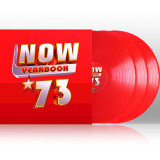
NOW Music proudly presents the next release in our “NOW That’s What I Call An Era” series – NOW That's What I Call An Era - Disco: 1973-1980 – a dazzling celebration of the golden age of disco.
This stunning 3LP set, pressed on blue, violet and pink vinyl, showcases 48 essential tracks that lit up the dancefloors, charts, and airwaves at the height of disco fever — an era when glittering anthems, euphoric grooves, and iconic vocal performances defined nightlife around the world.
LP1 opens in iconic style with Chic’s monumental ‘Le Freak’ followed by Sister Sledge’s equally legendary ‘We Are Family’, and Gloria Gaynor’s empowering #1 ‘I Will Survive’. Anthems follow from Sylvester with ‘You Make Me Feel (Mighty Real)’ and Chaka Khan with ‘I’m Every Woman’, ahead of the timeless ‘Young Hearts Run Free’ by Candi Staton and the first side finishes with production by Chic’s Nile Rodgers and Bernard Edwards on massive hits for Diana Ross with ‘Upside Down’, and Sheila & B. Devotion with ‘Spacer’. Flip the LP over for Amii Stewart’s version of ‘Knock On Wood’ followed by The Three Degrees, Eruption and the first smash from Boney M., ‘Daddy Cool’. The Village People topped the chart with ‘YMCA’ which has become an enduring party favourite, which leads to the infectious ‘Let’s All Chant’ from the Michael Zager Band, Lipps Inc. with ‘Funkytown’ and to close the first LP, sci-fi disco from Dee D. Jackson with ‘Automatic Lover’.
LP2 begins with Donna Summer’s epic version of ‘MacArthur Park’, before Earth, Wind & Fire with The Emotions bring pure euphoria on ‘Boogie Wonderland’, and McFadden & Whitehead with the floor-filling ‘Ain’t No Stoppin’ Us Now’. Great vocals from Marvin Gaye and Harold Melvin & The Blue Notes come ahead of George McCrae’s ‘Rock Your Baby’, one of the collections’ earliest and inspirational moments. UK artist Tina Charles hit the top with ‘I Love To Love’, and Andrea True Connection complete the side with the ear-worm ‘More More More’ whilst over on the other side legends Frankie Valli & The Four Seasons hit dancefloor gold and the #1 spot with ‘December, 1963 (Oh, What A Night)’, ahead of The Trammps with their era-defining ‘Disco Inferno’. A Taste Of Honey, Grace Jones and a second appearance from Diana Ross are up next – before the LP closes with an enduring classic, ‘Follow Me’ from Amanda Lear, Patrick Juvet’s ‘I Love America’, and Frantique with ‘Strut Your Funky Stuff’.
LP3 bursts to life with the international smash and UK #1, ‘Yes Sir, I Can Boogie’ from Baccara, before a huge hit cover from Belle Epoque with ‘Black Is Black’. Next; Alicia Bridges, Rose Royce and UK chart toppers The Real Thing, ahead of funk-infused disco brilliance from Kool & The Gang and Barry White – whilst the side closer is Yvonne Elliman’s ‘If I Can’t Have You’, from the Saturday Night Fever soundtrack and over on the final side there’s a stellar run of Disco nuggets: kicking off with Elton John’s irresistible ‘Are You Ready For Love’, originally released in 1979 and a #1 in 2003 along with ‘Boogie Nights’ from Heatwave, The Emotions with ‘Best Of My Love’, and LaBelle’s influential ‘Lady Marmalade’. The anthemic ‘Got To Be Real’ from Cheryl Lynn is next ahead of the trio of closing tracks: Odyssey with the sublime ‘Native New Yorker’, Thelma Houston’s Grammy-winning ‘Don’t Leave Me This Way’, and fittingly, Donna Summer’s iconic ‘Last Dance’, ending the collection in perfect style.
An unforgettable journey through the songs that defined the dancefloor: NOW That’s What I Call An Era – Disco: 1973-1980 — the definitive celebration of disco’s golden age.
out of Stock
Last delivered 10 months ago available to reorder, subject to availability
NYC electronic music collective P.E. return with their third and final album Oh!, due October 3 on Wharf Cat Records. Oh! Is the sound of a startled exclamation punctuating an exit, and the embodiment of the music within: fun and fluorescent, fluid and flirty, dirty and a little dangerous. From their conception in 2017 through the NOPE Tape series, P.E. existed as an experiment in co-conspirited collaboration. Oh! continues to cast a wide net, featuring an expanded lineup from their original formation, including Eleanor Friedberger of The Fiery Furnaces on the lead single "Color Coordinator". The resulting music ranges wide as ever, from the jubilant grooves of the title track and "Color Coordinator" to "The Fiction Writer" - a tender duet between Veronica Torres and Jonny Campolo - through the city pop sounds of "(Do You Like) So So?" and "Purple On Time", and into the abstracted beyond. This isn't a goodbye, but a "see you around". A tear falls down the cheek of a stranger, dancing as they catch your smile in the reflection of a glass building. Ceremoniously, serendipitously, they sidewalk surf away, stepping on something sharp - "Oh!" - leaving a teardrop on the city pavement. Following the last P.E. show, Jonny Campolo fully embraced his persona of The Grayscale Clown. You can hear him crooning in pets (along with Nick Campolo and Chase Ceglie) and droning in Microfibers (featuring Keegan & Eugene of Decor). His brother Nick Campolo successfully uploaded his consciousness to the cloud. He & his simulacrum perform in the aforementioned pets and solo as Nick Nun Ca. Ben Jaffe was in a freak nuclear waste accident when his DNA merged with a puma - he is now known as The Puma Man. You can catch him prowling around NYC with Sleaze Generator and as a sax beast for hire. Bob Jones went on a silent meditation and forgot how to speak. He now quietly releases music under the name R.A. Jones (as on his recently released Whispered to A Child), and as Scythe with David West (on A Colourful Storm). Jonathan Schenke disappeared for six months without a trace; when he returned he had developed a nervous tic anytime he heard a 909 rimshot or a saxophone. His recent solo album Passages (on No Gold) features neither of the above, nor does his project Gift Horse with Matthew Hord. Veronica Torres headed west to pursue her studies, developing a ceramic polymer whose beauty has caused madness in certain individuals. Her band Cha Cha 9 is a darling of the Minneapolis scene. P.E. would like to say thank you from the bottom of our hearts to everyone who listened to our records and danced at our shows - your love is felt. Thank you so much to Wharf Cat Records for all of the support over the years. Thank you to the fans. Thank you Pill and Eaters. Mitwirkende
Unfassbar! Cosmic Psychos kehren mit erstaunlichem Geständnis zurück: "I Really Like Beer"! Über 40 Jahre albern-schlauer Punkrock werden mit einem brandneuen "Konzeptalbum" über Bier fortgeführt, obwohl jedes frühere Album der Jungs auch irgendwie ein Konzeptalbum darüber war. Die Bierväter des australischen Punks klingen wie die Ramones mit Crocodile Hunter als Frontmann und schreiben Songs in einem unverkennbaren Down-Under-Stil über's Saufen, Raufen, Roadkill und die beste Zeit des Lebens. Die knallharte Herangehensweise der Jungs an den Punk hat sich als nachhaltig erwiesen und viele andere beeinflusst, von L7 und The Meanies bis hin zu The Chats und Amyl & The Sniffers. Das lärmende Punk-Trio wurde ursprünglich um 1985 von Bill Walsh, Peter Jones und Ross Knight in Melbourne gegründet. Robbie Watts ersetzte Jones 1990/91 an der Gitarre, und nach einer zwischenzeitlichen Pause gingen die Psychos 2005 zurück ins Studio, um ein neues Album aufzunehmen, wobei der neue Schlagzeuger Dean Muller (ex-Voodoo Lust) Bill Walsh ersetzte. Nach dem Schock über den tragischen Verlust von Robbie Watts im Jahr 2006 stand die Option im Raum, "Cosmic Psychos" zu begraben. Aber Knight war überwältigt von der Trauer und der Unterstützung der Fans, sodass er mit voller Unterstützung von Robbies Kindern beschloss, dass doch noch mehr Bier getrunken werden muss. John McKeering (von The Onyas) war bereits seit geraumer Zeit mit der Band befreundet und wurde Ende 2006 ausgewählt, von diesem Zeitpunkt an mit Knight & Muller Gitarre zu spielen. Mit einer legendären Debüt-EP, fast einem Dutzend Studioalben, einer Handvoll Live-Alben und einer von Fans finanzierten Dokumentation mit einer ziemlich prominenten Besetzung aus der Alternativ-Szene, liefern the blokes you can trust, wieder 12 neue Tracks mit geradlinigem, bierdurchnässtem Punkrock für Fans von Celibate Rifles, Radio Birdman, den frühen Saints, den Ramones aus ihrer mittleren Schaffensphase, Hard-Ons, C.O.F.F.I.N. und Stiff Richards. Das neue Album ist Classic Psychos, australischer Punkrock, so roh, laut und herrlich dumm wie eh und je - mit gelegentlichen Lebensweisheiten, die unter einem Haufen Riffs versteckt sind. Als CD (mit Bierschutzhülle aka Jewelcase) oder auf klassisch schwarzem Vinyl oder in farbigen LP-Versionen.
Unfassbar! Cosmic Psychos kehren mit erstaunlichem Geständnis zurück: "I Really Like Beer"! Über 40 Jahre albern-schlauer Punkrock werden mit einem brandneuen "Konzeptalbum" über Bier fortgeführt, obwohl jedes frühere Album der Jungs auch irgendwie ein Konzeptalbum darüber war. Die Bierväter des australischen Punks klingen wie die Ramones mit Crocodile Hunter als Frontmann und schreiben Songs in einem unverkennbaren Down-Under-Stil über's Saufen, Raufen, Roadkill und die beste Zeit des Lebens. Die knallharte Herangehensweise der Jungs an den Punk hat sich als nachhaltig erwiesen und viele andere beeinflusst, von L7 und The Meanies bis hin zu The Chats und Amyl & The Sniffers. Das lärmende Punk-Trio wurde ursprünglich um 1985 von Bill Walsh, Peter Jones und Ross Knight in Melbourne gegründet. Robbie Watts ersetzte Jones 1990/91 an der Gitarre, und nach einer zwischenzeitlichen Pause gingen die Psychos 2005 zurück ins Studio, um ein neues Album aufzunehmen, wobei der neue Schlagzeuger Dean Muller (ex-Voodoo Lust) Bill Walsh ersetzte. Nach dem Schock über den tragischen Verlust von Robbie Watts im Jahr 2006 stand die Option im Raum, "Cosmic Psychos" zu begraben. Aber Knight war überwältigt von der Trauer und der Unterstützung der Fans, sodass er mit voller Unterstützung von Robbies Kindern beschloss, dass doch noch mehr Bier getrunken werden muss. John McKeering (von The Onyas) war bereits seit geraumer Zeit mit der Band befreundet und wurde Ende 2006 ausgewählt, von diesem Zeitpunkt an mit Knight & Muller Gitarre zu spielen. Mit einer legendären Debüt-EP, fast einem Dutzend Studioalben, einer Handvoll Live-Alben und einer von Fans finanzierten Dokumentation mit einer ziemlich prominenten Besetzung aus der Alternativ-Szene, liefern the blokes you can trust, wieder 12 neue Tracks mit geradlinigem, bierdurchnässtem Punkrock für Fans von Celibate Rifles, Radio Birdman, den frühen Saints, den Ramones aus ihrer mittleren Schaffensphase, Hard-Ons, C.O.F.F.I.N. und Stiff Richards. Das neue Album ist Classic Psychos, australischer Punkrock, so roh, laut und herrlich dumm wie eh und je - mit gelegentlichen Lebensweisheiten, die unter einem Haufen Riffs versteckt sind. Als CD (mit Bierschutzhülle aka Jewelcase) oder auf klassisch schwarzem Vinyl oder in farbigen LP-Versionen.
Unfassbar! Cosmic Psychos kehren mit erstaunlichem Geständnis zurück: "I Really Like Beer"! Über 40 Jahre albern-schlauer Punkrock werden mit einem brandneuen "Konzeptalbum" über Bier fortgeführt, obwohl jedes frühere Album der Jungs auch irgendwie ein Konzeptalbum darüber war. Die Bierväter des australischen Punks klingen wie die Ramones mit Crocodile Hunter als Frontmann und schreiben Songs in einem unverkennbaren Down-Under-Stil über's Saufen, Raufen, Roadkill und die beste Zeit des Lebens. Die knallharte Herangehensweise der Jungs an den Punk hat sich als nachhaltig erwiesen und viele andere beeinflusst, von L7 und The Meanies bis hin zu The Chats und Amyl & The Sniffers. Das lärmende Punk-Trio wurde ursprünglich um 1985 von Bill Walsh, Peter Jones und Ross Knight in Melbourne gegründet. Robbie Watts ersetzte Jones 1990/91 an der Gitarre, und nach einer zwischenzeitlichen Pause gingen die Psychos 2005 zurück ins Studio, um ein neues Album aufzunehmen, wobei der neue Schlagzeuger Dean Muller (ex-Voodoo Lust) Bill Walsh ersetzte. Nach dem Schock über den tragischen Verlust von Robbie Watts im Jahr 2006 stand die Option im Raum, "Cosmic Psychos" zu begraben. Aber Knight war überwältigt von der Trauer und der Unterstützung der Fans, sodass er mit voller Unterstützung von Robbies Kindern beschloss, dass doch noch mehr Bier getrunken werden muss. John McKeering (von The Onyas) war bereits seit geraumer Zeit mit der Band befreundet und wurde Ende 2006 ausgewählt, von diesem Zeitpunkt an mit Knight & Muller Gitarre zu spielen. Mit einer legendären Debüt-EP, fast einem Dutzend Studioalben, einer Handvoll Live-Alben und einer von Fans finanzierten Dokumentation mit einer ziemlich prominenten Besetzung aus der Alternativ-Szene, liefern the blokes you can trust, wieder 12 neue Tracks mit geradlinigem, bierdurchnässtem Punkrock für Fans von Celibate Rifles, Radio Birdman, den frühen Saints, den Ramones aus ihrer mittleren Schaffensphase, Hard-Ons, C.O.F.F.I.N. und Stiff Richards. Das neue Album ist Classic Psychos, australischer Punkrock, so roh, laut und herrlich dumm wie eh und je - mit gelegentlichen Lebensweisheiten, die unter einem Haufen Riffs versteckt sind. Als CD (mit Bierschutzhülle aka Jewelcase) oder auf klassisch schwarzem Vinyl oder in farbigen LP-Versionen.
Unfassbar! Cosmic Psychos kehren mit erstaunlichem Geständnis zurück: "I Really Like Beer"! Über 40 Jahre albern-schlauer Punkrock werden mit einem brandneuen "Konzeptalbum" über Bier fortgeführt, obwohl jedes frühere Album der Jungs auch irgendwie ein Konzeptalbum darüber war. Die Bierväter des australischen Punks klingen wie die Ramones mit Crocodile Hunter als Frontmann und schreiben Songs in einem unverkennbaren Down-Under-Stil über's Saufen, Raufen, Roadkill und die beste Zeit des Lebens. Die knallharte Herangehensweise der Jungs an den Punk hat sich als nachhaltig erwiesen und viele andere beeinflusst, von L7 und The Meanies bis hin zu The Chats und Amyl & The Sniffers. Das lärmende Punk-Trio wurde ursprünglich um 1985 von Bill Walsh, Peter Jones und Ross Knight in Melbourne gegründet. Robbie Watts ersetzte Jones 1990/91 an der Gitarre, und nach einer zwischenzeitlichen Pause gingen die Psychos 2005 zurück ins Studio, um ein neues Album aufzunehmen, wobei der neue Schlagzeuger Dean Muller (ex-Voodoo Lust) Bill Walsh ersetzte. Nach dem Schock über den tragischen Verlust von Robbie Watts im Jahr 2006 stand die Option im Raum, "Cosmic Psychos" zu begraben. Aber Knight war überwältigt von der Trauer und der Unterstützung der Fans, sodass er mit voller Unterstützung von Robbies Kindern beschloss, dass doch noch mehr Bier getrunken werden muss. John McKeering (von The Onyas) war bereits seit geraumer Zeit mit der Band befreundet und wurde Ende 2006 ausgewählt, von diesem Zeitpunkt an mit Knight & Muller Gitarre zu spielen. Mit einer legendären Debüt-EP, fast einem Dutzend Studioalben, einer Handvoll Live-Alben und einer von Fans finanzierten Dokumentation mit einer ziemlich prominenten Besetzung aus der Alternativ-Szene, liefern the blokes you can trust, wieder 12 neue Tracks mit geradlinigem, bierdurchnässtem Punkrock für Fans von Celibate Rifles, Radio Birdman, den frühen Saints, den Ramones aus ihrer mittleren Schaffensphase, Hard-Ons, C.O.F.F.I.N. und Stiff Richards. Das neue Album ist Classic Psychos, australischer Punkrock, so roh, laut und herrlich dumm wie eh und je - mit gelegentlichen Lebensweisheiten, die unter einem Haufen Riffs versteckt sind. Als CD (mit Bierschutzhülle aka Jewelcase) oder auf klassisch schwarzem Vinyl oder in farbigen LP-Versionen.
Finding Ways is a new project from Sebastian Rochford (Polar Bear).
Sebastian Rochford is a singular force in British music, an extraordinary drummer, composer, and producer. His work with theiconic group Polar Bear helped redefine the boundaries of jazz and earned multiple Mercury Prize nominations. With a careerspanning collaborations with Patti Smith, Damon Albarn, Brian Eno, Adele and Grace Jones, and his 2023 ECM duo album A ShortDiary with Kit Downes, an album written for his father described as a “ quiet masterpiece” , Rochford has carved out a uniquespace in contemporary music.Finding Ways, his new major project, marks a bold new chapter for Seb Rochford. The first album focuses on the guitar, featuringamong others, the dynamic lineup of Tara Cunningham, David Preston, Adrian Utley (Portishead), and Simon Tong(The Verve,Gorillaz), exploring various combinations and layering up to three guitars at once. The result is a striking blend of jaggedexperimental grooves and raw emotional depth, with an unaffected, pedal-less sound that evokes a timeless, exploratory edge.Rochford’s music, as ever, defies categorisation—a sound that feels alive, fractured, and profoundly human, and all mixed by thesingular talent and master of sound, Tchad Blake.The title Finding Ways refers to a frame of mind he chose to adopt after multiple significant life events happening in a smallamount of time. "It’s about finding ways to keep ourselves moving forward and buoyant, transforming life’s challenges intosomething meaningful, also in a practical, everyday type of way.In Finding Ways, it’s direct, energetic music that refuses to be boxed in, a reflection of Seb Rochford's trailblazing spirit. For fansof his previous work and newcomers alike, this album is a testament to his ongoing quest to find emotional truth in sound.
Dolette Mcdonald's single has long been a sought-after keeper amongst DJs and collectors. Recorded in 1982 at Blank Tape Studios, New York, as a cover version of Atmosfear’s ‘Xtra Special’, Dolette was assigned to work with producer and label owner, Began Cekic. "He played me a tape of the original version. I hadn't heard it before and we went over it a few times until I had it down. Buster Jones played the bass. I remember it being a lot of fun," recalls Dolette. She'd first met Jones whilst singing with The Bombers. At the time, the Talking Heads were looking to expand their band and after Buster recommended Dolette's vocal talents to them, she joined as backing singer, both touring and recording. Amongst DJ's and boogie fans alike, the single has become a flagship release from Began Cekic's productions and his various Brooklyn-based labels.
out of Stock
Last delivered 8 months ago available to reorder, subject to availability
Wally Badarou is a synth pioneer and musical polymath. But rarely does he sing over his sumptuous tracks. The 6 songs that comprise new record Simple Things finally realise Wally's vision for select backing tracks from his beloved Colors Of Silence.
The tracks were originally developed back in 2001 for the release of the original CD; here, Wally has “simply" added overdubs and vocals to their mastered mixes with some discerning edits. Simply put, Simple Things is another slice of simply stunning Wally Badarou genius.
Simple Things has been decades in the making. Indeed, Wally struggled not only with the idea of singing these wonderful songs himself but singing them in English and writing his own lyrics, while wrestling with the sensational backing tracks, which themselves seemed to have taken on a life of their own.
As Wally explained to us: "In addition to the instrumental artist I have been known as, so far, there has always been a singer who simply was not sure he was, up until now. Even though “Back To Scales Tonight”, my very first album, was, indeed, a song album."
Opener "It Couldn't Be You" embellishes the uptempo groove of soca-funk gem "The Lights Of Kinshasa". As Wally explained to us, it's about “a simple love story somewhere, one rainy night, under the lights of Kinshasa. A woman, a man, online dating, quite usual in our times. Then they meet, almost missing each other." The guide vocal Wally had laid for Colors Of Silence - with an organ sound - seemed striving for words in Linguala, a Congolese language he could not speak. Therefore the decision to do it himself was not an easy one, for it had to be in English to fit his singing. We think it turned out pretty good!
"You Can't Hide Always" vocalises Wally's deep concerns set to the propulsive "Smiles By The Millions": "Populism, ostracism, radicalism, ethics and values all turned upside down worldwide, are they all inevitably exacerbated by our social networks? It could all melt down one day, like a house of cards in the ocean of fake news and false prophecies”. Wally wanted to keep the track as bare as possible but, inevitably, the backing vocals and the synth-brass arrive ultimately to present a welcome 70s flavour, with no snare-drum added.
The bright and breezy "We'll Make It Again" adds vocals to "Where Were We", a tropical, reggae-tinged bounce through the islands. Here's Waly: "Where were we when we last said: "I love you"? Simple words to express something quite common, but never quite simple to deal with. A simple song about the resilience of the broken hearts.” The reggae came from it being conceived when Wally was scoring for “Third World Cop”, a 1999 Jamaican action movie.
"Walk Straight Ahead" provides Wally's gorgeous, contemplative and idiosyncratic vocals to the deep serenity of Colors Of Silence highlight, "Amber Whispers". It's a gliding, divine, mini melodic masterpiece. It'll make you swoon in its extreme beauty. As Wally describes, "it started as just whispers, sweet amber whispers. Then the colour turned darker, as darker skies seemed to fall upon us while the whole world keeps on walking ahead, straight ahead, regardless of the blatant warnings, feeling much too comfortable in conformity. Initially, the verses were to be spoken only. I realised they could be sung all the while, without overshadowing the ethereal atmosphere." Amen.
The serene, celestial "Painting My Life Blue" presents the vocal version of "Days To Wonder". Says Wally, "how does it feel when your second half is gone after decades of riding life together? Past the temporary loss of your bearings, you come to realise you've been blind to the essential, and suddenly you can see...For this most intimate song of mine, I had tried to come up with a melody on top of the existing backing track, long before realising the melody was in the keyboard part already. It just needed to be properly mixed with it."
The profoundly emotional "Just Two Lovers" works up the formerly-too-brief and glorious "Crystal Falls" into a much fuller masterpiece and features acoustic guitar sparkle before fully glistening with some gentle head-nod percussion. Waly explains further: "Dear little green men, please tell me, what is it about us that makes you want to come and visit us so often (contrary to Fermi's assertion)? And here is the reply I believe I heard them sing: "You've got the key you've been searching for: Love”. I reverted to the initial backing track I had made around 1985, which already bore the melody, and which I added acoustic guitars to, before singing it." An astounding closer.
A synth specialist, there can be few artists more under-appreciated given their vast influence than Wally Badarou. His solo work practically defined the sound of the Balearic DJs of the 1980s, and thus the more sophisticated sound of dance culture thereafter. He was one of the Compass Point All Stars (with Sly and Robbie, Barry Reynolds, Mikey Chung and Uziah "Sticky" Thompson), the in-house recording team of Compass Point Studios responsible for a series of albums in the 1980s recorded by Grace Jones, Tom Tom Club, Mick Jagger, Black Uhuru, Gwen Guthrie, Jimmy Cliff and Gregory Isaacs. Badarou's keyboard playing could also be heard on albums by Robert Palmer, Marianne Faithfull, Herbie Hancock, M (Pop Muzik), Talking Heads, Manu Dibango and Miriam Makeba. He also produced Fela Kuti. Phew!
When we asked Wally about the significance of this collection's title, he explained: "These are "Simple things” that everyday’s life seems to build upon. The simplest are the harder to describe, but when satisfactorily described i.e. with simple words, they are the more genuine and authentic to express and share. I’ve immersed myself in other classic song lyrics, something I hardly did before, just to appreciate the genius behind the simple words they were made of, and had a great time studying how powerful they were in expressing complex ideas such as love."
Recording was twofold: first, most of the backing tracks were recorded in 2001, in Wally's studio in Normandy, mostly using hardware synths and Yamaha digital consoles. Then, he fine-tuned the melodies and wrote the lyrics in late 2023, then added some overdubs and sang them all during summer 2024. States Wally, "Digital Performer was and remains the DAW I’ve been using throughout, ever since the 80s."
Wally's sophisticated synth textures and expressive keyboard runs are so full of character, so full of life, that this work of art transcends any easy genre categorisation. Meticulously remastered and cut by both Simon Francis and Cicely Balston respectively, it has been pressed to the highest possibly quality at Record Industry in Holland. Sometimes, the simple things are the most extraordinary.
out of Stock
Last delivered 10 months ago available to reorder, subject to availability
Originally released in 1992 via Tesco, »Cancer« was recorded one year earlier by Thymme Jones, Dan Burke, Mark Klein, Mitch Enderle, Chris Block, and Jim O'Rourke.
This one was mostly a group effort focused on a dark ambient atmospheric environment and experimental minimalism that crawls under your skin. Mark & Thymme’s heavy synth is omnipresent, Mitch & Chris scraping every piece of scrap metal they could find, Jim’s extended piano & tabletop guitar is apparent, the abstract sampling techniques of founding member Daniel Burke appear throughout, & the beautiful solo minimalist piano composition of Thymme’s closes the LP. Soundtrack like in its scope the album is another in the ongoing concept of music without a film providing a dark soundtrack to the nightmares or realities we wish we could forget. The 2025 edit & remaster removes the excess and hones the meat down to 7 essential tracks that show the projects oeuvre at that point in their lengthy history sounding clear & fresh with the newly mastered version by Andrew Weathers.
*Long overdue reissue of the first album by The Hanging Stars to coincide with their tour support slot with Edwyn Collins – initial 300 copies come with 12 x 12 print*
“In late-Sixties California, the Byrds and Flying Burrito Brothers combined traditional country music with hippy rock to great success. The influence lingered and whatever cultural relevance it has this is a delightful, transporting listen” – The Times 4/5
London-based psych-folk outfit The Hanging Stars re-release their much-loved debut album Over the Silvery Lake on Crimson Crow. Blending folk pastoralism with swampy 60s Americana, they sound like the missing link between the California desert sun and the grey skies of London Town. The album was recorded between LA, Nashville and Walthamstow, with each of these vastly different places leaving an indelible mark on the songs.
Now signed to the Loose Records label and fronted by London-based songwriter, singer and guitarist Richard Olson (The See See, Eighteenth Day of May), The Hanging Stars are essentially a loose collective of people who weave together a blissed-out psychedelic tapestry. The rest of the core band is made up of Sam Ferman on bass and Paulie Cobra on drums, Horse on pedal steel and Patrick Ralla on banjo, guitar. They jam rather than write and hang out rather than rehearse, harnessing a kind of tipsy euphoria resplendent with luscious arrangements and glorious vocal harmonies.
During 2015, prior to this album’s original release the band released two critically acclaimed singles via The Great Pop Supplement (both of which also appear on the album). “Golden Vanity” was premiered by The Line of Best Fit who said; “you'd be forgiven for thinking you'd just unearthed a rare deep cut from the late 60s/early 70s boom of psychedelia infused Americana” and “The House on The Hill” was described by The Guardian as; "a hazy, desert-dream of a song, nicely sharpened with steely-eyed guitars, Mersey-laced harmonies and just a whiff of the Gun Club”.
There are a number of allusions to nature and the weather on the album, borne in part out of the contrasting surroundings in which it was produced. The band’s fascination with Americana led them to record some of the material Stateside, laying down some of the parts at Battle Tapes Studios in Nashville (Lambchop, Paperhead), as well as at Vision Quest Studios in Los Angeles with Rob Campanella. His work with The Quarter After, The Brian Jonestown Massacre, Beachwood Sparks The Tyde, and GospelbeacH was a perfect match to capture their sound and they even had San Franciscan legend Chrystof Certik step in on lead guitar for a couple of tracks.
Following the LA recordings, a trip to the Californian desert provided the core notion of what they wanted to produce - a shard of light that they clung on to whilst recording the rest of the album in the significantly more rain-soaked atmosphere of Walthamstow, London, under the watchful eye of Brian O'Shaughnessy at Bark Studios (The Clientele, Comet Gain). As the band explained at the time: “Ultimately we hope you can hear both the sand and the rain in this record.”
The Hanging Stars place themselves firmly as part of a long folk tradition encompassing European and North American influences – as a continuation rather than a pastiche of these styles. This is the sound of a band really coming in to their own, fully formed and in no doubt of their vision. With Over the Silvery Lake they succeeded in producing a record, which has the country, blues and folk traditions at its heart.
Nu-hardcore quintet, Bodyweb, are the sound of someone’s nervous system on the verge of breakdown—hyperactive, tormented and unflinchingly vulnerable. Born out of the Leeds hardcore scene, they’re a shape-shifting alloy of jagged emotion and precision chaos. What began as late-night jams between Louis Hardy (Higher Power, Big Cheese, Fate) and Ben Jones (Pest Control) eventually mutated into train_wreck_simulation, a debut EP filled with frantic breakdowns and nu-metal swag that felt like the soundtrack to a digital exorcism. The final piece of the puzzle came from Hardy’s estranged childhood friend, pq. His twisted samples and synthetic textures are haunted and disturbed, injecting cyberpunk soul into hardcore flesh. Contorting through several iterations in the following years, the band absorbed Luke Thompson (Stiff Meds) on drums, filmmaker Tom Hobson on guitar and Naomi Macleod (Empire State Bastard) on bass, and laid down their first collective offering. deadwired is due out on Flatspot Records later this year. Bodyweb's second EP is a violent thesis on connection and pain that sends Hardy’s unfiltered vocals through heaven and hell. Four overstimulating tracks run a gamut of styles and influences from Slipknot to Björk, constantly lane-switching between dizzying heaviness, ambient soundscapes and brain-burrowing hooks. Entirely self-produced, deadwired upgrades the sonic formula laid down on the last record and raises the question: what else could exist in Bodyweb’s twisted roadmap? Nothing seems impossible. What seems important, however, is retaining the rawness in a style that can often turn sterile. “We still wanted it to sound very human. It had to be well produced but not cold and lifeless.” shares Hardy. “We didn’t use a click track. All guitars were real amps with microphones. We tried to make everything as real and raw as possible, we recorded using all the same gear we use when playing live too to really capture the energy of how it feels when we jam together." ‘Deadwired’ is a snapshot of violent implosion. Four ADHD-fuelled transmissions from the edge of spiritual collapse. It drags metallic hardcore through glitched-out ambience to confront ego death, generational trauma, and the violence of being alive. On stage, Bodyweb don’t just perform, they purge. Raucous live electronics meld with digitally contorted guitars. Breakbeats meet breakdowns—no backing track in sight. Bodyweb enable a collective catharsis. Mosh, dance, dive, scream, heal. A physical therapy session screamed into the void.
Miles Davis' Final Collaboration with Arranger Gil Evans Yields Watershed Innovations: Flamenco-Themed Sketches of Spain Spins Graceful Webs of Sound and Emotion Mobile Fidelity's UltraDisc One-Step 180g 33RPM LP Set Brings Out the Record's Full Spectrum of Color: 65th Anniversary Edition Pressed at Fidelity Record Pressing and Strictly Limited to 5,000 Numbered Copies 1/4" / 15 IPS analogue master to DSD 64 to analogue console to lathe Miles Davis and Gil Evans bridged styles and collaborated on high-concept projects three different times during their celebrated careers. For their final act, they created Sketches of Spain, a peak moment in each luminary's legacy.
The transformative album weds Spanish themes, lush orchestrations, romantic timbres, and Davis' lyrical methods in a tender ceremony that resonates more than six decades after its original release. Part of Mobile Fidelity's Miles Davis restoration series, this 1960 landmark has been afforded the ultimate white-gloves treatment for its 65th anniversary. Sourced from the original master tapes, strictly limited to 5,000 numbered copies, and pressed at Fidelity Record Pressing, this UltraDisc One-Step 33RPM 180g LP set dramatically expands the soundstages and eradicates a dryness that many critics found inhibitive to the record's enjoyment. You can now hear the full-range responsiveness of the woodwinds, strings, and percussion, all of which come alive with superior definition and detail.
The beautiful presentation of this UD1S set befits the record's historical importance. Housed in a deluxe slipcase, it features a special foil-stamped jacket and faithful-to-the-original graphics that illuminate the splendor of the 1960 LP. This reissue is made for discerning listeners who desire to fully immerse themselves with the album. And who wouldn't want to go deep with Sketches of Spain? Whether it is the somber mood piece "Concierto de Aranjuez," renowned for Davis' flugelhorn performance, or the folktale-based "Solea," Sketches of Spain transfixes with playing, ideas, and innovations exclusive to this incomparable effort. It's one reason why Mobile Fidelity's engineers took all available measures to insert listeners into the space originally occupied by Davis, bassist Paul Chambers, drummer Jimmy Cobb, percussionist Elvin Jones, and an 18-piece orchestra. The results are as breathtaking as the music.
Multi-note motifs, brief improvisational solos, fanfare sweeps, and contrapuntal exchanges inform flamenco-spiced pieces. Davis' famous Harmon-muted trumpet is complemented by an assortment of bassoons and French horns. Heard together, they create pleasing contrasts and sounds (pp, mf, ppp) that get to what resides at the heart of Sketches of Spain: color. Seldom, if ever, did Davis ever so expressively and liberally paint with color. And in Evans, he has a likewise-minded partner to help draw out tones, shades, layers, and textures. What they achieved continues to draw praise from the global music community in the 21st century. Ranked #358 on Rolling Stone's 500 Greatest Albums of All Time, deemed "a work of unparalleled grace and lyricism" by noted scribe J.D. Considine, bestowed a five-star review from DownBeat, and noted by Q to have taken "jazz in a new direction," the Grammy Award-winning effort has never been better.Miles Davis' Final Collaboration with Arranger Gil Evans Yields Watershed Innovations: Flamenco-Themed Sketches of Spain Spins Graceful Webs of Sound and Emotion Mobile Fidelity's UltraDisc One-Step 180g 33RPM LP Set Brings Out the Record's Full Spectrum of Color: 65th Anniversary Edition Pressed at Fidelity Record Pressing and Strictly Limited to 5,000 Numbered Copies 1/4" / 15 IPS analogue master to DSD 64 to analogue console to lathe Miles Davis and Gil Evans bridged styles and collaborated on high-concept projects three different times during their celebrated careers.
For their final act, they created Sketches of Spain, a peak moment in each luminary's legacy. The transformative album weds Spanish themes, lush orchestrations, romantic timbres, and Davis' lyrical methods in a tender ceremony that resonates more than six decades after its original release. Part of Mobile Fidelity's Miles Davis restoration series, this 1960 landmark has been afforded the ultimate white-gloves treatment for its 65th anniversary. Sourced from the original master tapes, strictly limited to 5,000 numbered copies, and pressed at Fidelity Record Pressing, this UltraDisc One-Step 33RPM 180g LP set dramatically expands the soundstages and eradicates a dryness that many critics found inhibitive to the record's enjoyment. You can now hear the full-range responsiveness of the woodwinds, strings, and percussion, all of which come alive with superior definition and detail. The beautiful presentation of this UD1S set befits the record's historical importance. Housed in a deluxe slipcase, it features a special foil-stamped jacket and faithful-to-the-original graphics that illuminate the splendor of the 1960 LP.
This reissue is made for discerning listeners who desire to fully immerse themselves with the album. And who wouldn't want to go deep with Sketches of Spain? Whether it is the somber mood piece "Concierto de Aranjuez," renowned for Davis' flugelhorn performance, or the folktale-based "Solea," Sketches of Spain transfixes with playing, ideas, and innovations exclusive to this incomparable effort. It's one reason why Mobile Fidelity's engineers took all available measures to insert listeners into the space originally occupied by Davis, bassist Paul Chambers, drummer Jimmy Cobb, percussionist Elvin Jones, and an 18-piece orchestra. The results are as breathtaking as the music. Multi-note motifs, brief improvisational solos, fanfare sweeps, and contrapuntal exchanges inform flamenco-spiced pieces. Davis' famous Harmon-muted trumpet is complemented by an assortment of bassoons and French horns. Heard together, they create pleasing contrasts and sounds (pp, mf, ppp) that get to what resides at the heart of Sketches of Spain: color. Seldom, if ever, did Davis ever so expressively and liberally paint with color. And in Evans, he has a likewise-minded partner to help draw out tones, shades, layers, and textures. What they achieved continues to draw praise from the global music community in the 21st century. Ranked #358 on Rolling Stone's 500 Greatest Albums of All Time, deemed "a work of unparalleled grace and lyricism" by noted scribe J.D. Considine, bestowed a five-star review from DownBeat, and noted by Q to have taken "jazz in a new direction," the Grammy Award-winning effort has never been better.
Released in 1989 by the noted audiophile label Chesky Records, Portraits is a testament to the prodigious talent of the legendary trumpeter, flugelhornist, and jazz educator Clark Terry.
The first of four albums for the Chesky label, Portraits was recorded when the St. Louis-born hornblower, then 68 years old, was a much-venerated jazz elder. By then, he had 35 albums under his belt and boasted a resume that included stellar collaborations with Duke Ellington, Charles Mingus, Quincy Jones, and Dizzy Gillespie.
For Portraits, produced by David Chesky, Terry assembled a quartet comprising pianist Don Friedman, bassist Victor Gaskin, and drummer Lewis Nash. With Terry alternating between flugelhorn and muted trumpet while also showing off his chops as an occasional vocalist, the quartet breezes through a blend of familiar jazz standards, like 'Pennies From Heaven,' and Terry's hard-driving original tune, 'Finger Filibuster,' where he shows off his athletic scat singing.
Other highlights include the Louis Armstrong favorite 'When It's Sleepy Time Down South' and 'Sugar Blues,' a nostalgic nod to New Orleans jazz. The album is reissued on 180g One Step Pressing Vinyl LP and SACD Hybrid Stereo.
"Chasing the funky symphonies that filled my head and my dreams..."
December 25th, 2023 - an Instagram post. Stimulator Jones shared half a dozen FIRE tracks from his beat tape archive. We were immediately drawn to the rough hewn boom bap.
"I'd release that", Rob commented.
Hours of material was shared and the result is this: Cool Green Trees (1999-2005). A collection of beats and loops Stimulator Jones created between the ages of 14-20 at home in his basement, bedroom and computer room in Roanoke, Virginia.
You will not believe the profound soulful genius contained within these naive schoolboy melodies.
December 25th, 1998 - 25 years ago to the day and his much-coveted Yamaha SU10 sampler was finally bestowed upon young Stimmy AKA Sam Lunsford: "I immediately hooked up a CD Walkman to the input jack and looped the beginning two bars of Grover Washington Jr.'s "Mercy Mercy Me". I don't know what exactly was so thrilling about hearing two measures of music repeating over and over but it was so infectious and hypnotizing and enthralling to me. I'll never forget that ecstatic rush of making my first loop - an uncontrollable, gleeful smile plastered all over my face." When you hear the pocket breakbeat symphonies featured here on Cool Green Trees, you'll feel the same sense of frisson.
In the wake of his Stones Throw breakthrough - Exotic Worlds & Master Treasures - Stimulator Jones was pegged by many as a 90s throwback artist. However, he literally IS a 90s artist. He's been recording music most of his life and he's now 40. He created the bulk of Cool Green Trees as a teenager. Everything before 2004 was recorded when Sam was still in school. He was in 8th grade when he made the 1999 tracks - he didn't even have his learner's permit. This album is a snapshot of a young man in a simpler time. Things were still mysterious back then and he was flying blind, relying on his ears and having to figure things out for himself: "I had no road map for becoming a beatmaker. I have been collecting music since I was a kid, I am a lifelong digger and seeker of cool and interesting sounds. I was there in the golden age of Hip Hop, and while I may have been a suburban white kid in Roanoke, Virginia, I was tuned in and I bought so many classic albums when they came out. I was attracted to Hip Hop because of the musical and poetic quality. I was hypnotized by the rhythms, partially because I was a drummer. I didn't brag about collecting my breakbeat records or making beats - it was something I did in isolation. It wasn't something I generally wanted to bring attention to and it didn't really score me any cool points. I certainly wasn't flexing on social media about it."
Hell, he can do that now!
Opener "Pharoah Jones" was inspired by Yesterday's New Quintet and Madlib's ability to capture that classic 70s sound whilst playing all the instruments. Sam created this one stoned afternoon by laying down a 2 bar loop and a shaker loop on his Yamaha SU700 sampler. He hung a microphone from the ceiling and played his Yamaha Stage Custom drum kit over the top before adding ender Rhodes and playing his dad's Selmer tenor sax through an Electro Harmonix Memory Man echo pedal. Yes! Up next, "Ghost Gospel" utilises a dope loop from a gospel record and adds some soul-funk drums overtop, whilst working that filter knob. Says Sam: "The loop reminded me of something Ghostface would rap over. The sample was in 3/4 waltz time but I flipped it for a 4/4 groove, a technique I picked up from RZA. "Ill Feeling" uses sped-up pieces from a dusty old funk record and putting them over a classic NOLA drum loop; gain chopping up a slow, bluesy 3/4 time signature and bending it to a 4/4 groove. Classy shit. "Capital Punishment" features drums tapped in live, inspired by MF Doom's Special Herbs series. "Do Not Adjust" consists loops found on a compilation of 70s French music at Happy's Flea Market, a classic Roanoke digging spot.
The sublime, evocative title track, "Cool Green Trees" was created when Sam was still living at home. He dumped samples off his SU10 into the family desktop and arranged them in a demo version of Pro Tools: "This track was sort of my ode to the DJ Shadow style of sample based production. Super spacey, slow, and moody. The heavily filtered drums were inspired by Alec Empire's 'Low on Ice' album. I later added some scratches and sounds from a Spider Man storybook record." "Chill Scratch" snags the final bit of a bossanova record and pairs it with a drum loop before adding experimental scratching run through an Electro Harmonix Memory Man echo pedal. "Poisonous Fumes" was made using a sampler, mixer and a turntable; a kind of mixtape beat collage with added scratches and sounds from various records. Using dialogue from superhero records was a nod to Madlib. "Welcome Aboard The Starship" is dark, downtempo trip-hop with a spooky bent. Sam paired a slow, hard drum loop with a guitar sample grabbed off a psychedelic rock record. To finish, he added various backwards sounds and weird atmospheric effects and a little scratching. Swoon.
Side B opens with "Keep On Runnin", made on a borrowed Roland SP202 sampler. Having always loved the sound of the Lo-Fi filter on those machines, reminiscent of the Emu SP1200, Sam always imagined Del or another of the Hieroglyphics crew rapping over this beat. You can certainly hear why. "Sounds Impossible" sees Sam experimenting with layering multiple kick samples at different volumes to create patterns similar to those heard by Showbiz and Lord Finesse during their God-level 1995 period. "Painted Faces" was made by chopping up a REDACTED record which he had gotten from Happy's Flea Market and paired it with a REDACTED drum loop. By the time Sam recorded "The Knew Style", he had acquired a shitty old 1960s portable turntable off eBay. It didn't function properly when he bought it but his brother opened it up, cleaned it out and got it working: "I remember he told me that there was a bunch of sand inside of it when he opened it up, as if its previous owner had taken it to the beach. I would take that turntable on my Happy's Flea Market digs so I could preview records...that's how I found this loop."
"Chicken Wing Blues Sauce" loops up a classic blues joint and pairs it with some REDACTED drums. A bit of filtering and arranging et voilà! "Kool Breeze", from 1999, is one of Sam's oldest surviving beats, as is "Sexx Bullets". The Roots sampled the same record, leaving Sam frustrated yet vindicated. "Soul Child" was an early SU10 creation, looping a dusty old Soul Children 45 and pairing it with 70s rock drum loops to great effect. "Take Off Runnin" was another loop found digging with a portable turntable. Paired with some boom bap drums it makes for a hypnotic head-nod groove. "Centurian" was intended to be a little beat interlude a la Pete Rock. The sample is from a sun-dappled soft-psych record and it's paired with a Robin Trower drum loop that just happens to fit perfectly. Sometimes you slap things together kind of haphazardly and magic happens. "Bozack" was the first beat Sam made using Pro Tools, his first foray into using chopped sounds instead of loops, an exciting new world. "Church" is beat interlude using a Phil Upchurch loop with the "Long Red" drums - a favourite break of Dilla et al. Sam was really on a tear in late 2004, probably because he was unemployed and phoneless and able to just make beats all day. He made "Splash One" on a borrowed Yamaha SU700 and again was experimenting with tapping the drums in live with his fingers, instead of using a loop or sequenced pattern. Channeling 9th Wonder, Sam used a water splash sound effect from a Batman record as a percussive element, hence the title (also a 13th Floor Elevators reference). The main loop is a backwards portion of one of his favourite Roy Ayers songs.
"Hank" is another fun little beat interlude thing, created on a borrowed Roland SP202 sampler with the fantastic Lo-Fi effect that resembled the Emu SP1200 at a fraction of the price. "73 goatee", from 99, is another of his oldest surviving beats, created in his bedroom with his Yamaha SU10 and his brother's Vestax MR-300 4-track recorder: "This one will always feel special. I can remember having a feeling all the way back then on the night that I created it that this was a solid beat with a catchy loop. There was something in the Fender Rhodes melody that resonated with me emotionally, and I had never heard a producer sample that portion before. I felt like I had found my own unique sound, my own unique loop. It came from an Ahmad Jamal '73. I actually even recorded myself rapping and scratching over this beat way back then, I still have that version in all its imperfect sloppy glory."
Sam explains just how much these tracks mean to him: "They all have immense historical and sentimental value and I'm proud of them. These beats come from an innocent, simple time when I was just figuring out how to craft these sounds. They're something very personal to me. They are the initial part of a journey that I really was taking *alone*. There was no YouTube. I couldn't Google shit. I didn't even know any other beatmakers, producers or DJs in my town that could teach me anything. It was always just me, alone, in a room with some equipment - chasing the funky symphonies that filled my head and my dreams. What I was doing wasn't cool. Most of my peers thought I was a weirdo and couldn't care less. Creating these sounds was an anti-social endeavour. In a sense, I felt like it was me against the world, and all I had to instruct and assist me were the recordings produced by my heroes - RZA, DJ Premier, Erick Sermon, Beatminerz, Showbiz, Diamond D, Beatnuts, Prince Paul, The Bomb Squad, Pete Rock, Q-Tip, E-Swift, Mista Lawnge, DJ Shadow, Cut Chemist, Peanut Butter Wolf, El-P and so many more...I dedicate this collection to them, and to my older brother Joe who has always been a musical and technical guiding light for me.
This was a time before every kid was a self-described producer and beatmaker, before everyone had a DAW, before Kanye and "chipmunk soul", before Red Bull beat battles, before there was any social media beyond chat rooms and AOL Instant Messenger, before Soundcloud, before SP-404 mania, before lo-fi beats to study to, before Splice, before targeted ads for MIDI chord packs, etc. In 99 when I told people that I had a sampler and made beats I was mostly met with bewildered confusion and indifference. Kids and adults alike would wonder why I got this weird machine for Christmas instead of something worthwhile like a Playstation or a mountain bike or even a guitar for that matter because at least that could be used to make "real music". Back then, sampling was still not widely respected as an art form - it was seen as lazy, talentless and unoriginal at best and outright criminal theft at worst. I had gotten respect for playing drums and guitar and things of that nature but this was a step in the wrong direction in the eyes of many."
The cover photo is a picture of Sam standing on his back porch in the latter part of 1998, just before he got his first sampler. He was 13 years old, in 8th grade. His dad took the picture with his 35mm film camera: "I actually wanted to be pointing my dad's .22 pistol at the camera lens but he wouldn't let me. He gave me an old walking cane to use instead. The Tommy Hilfiger puffer jacket came from the lost and found at William Fleming High School where my mom worked as a secretary. I was thrilled when she brought it home because we never spent money on expensive name brand clothing like that - we were for the most part strictly a sale rack, bargain bin, thrift store, yard sale, flea market kind of family when it came to clothes. My watch is some cheap off-brand fake gold department store watch." Mastering for this vinyl edition was overseen by Be With regular Simon Francis and it was cut by the esteemed Cicely Balston at Abbey Road Studios to be pressed in the Netherlands by Record Industry.
out of Stock
Last delivered 15 months ago available to reorder, subject to availability
Civilistjävel! x Mayssa Jallad’s ‘Marjaa: The Battle of the Hotels (Versions)’ is a radical response to Mayssa Jallad’s 2023 original LP, a lyrical account of epochal events in Beirut at the dawn of Lebanon's civil war. ‘…(Versions)’ sees Civilistjävel! (aka Swedish producer Tomas Bodén) apply a stripped, dub methodology to Mayssa's rich stems, refracting the Arabic source through the hazy prism of Northern European electronica. Retaining ‘Marjaa…’s deep spatial framing and vaporous, shifting nature, traces are lifted and set down in a new landscape: a ghost of a ghost. Informed by Tomas' singular strand of ambient, minimalist, dub techno, ‘… (Versions)’ recalls the reductive, shimmering pulse of pioneering Berlin-based practitioners Basic Channel/Chain Reaction, but with the parameters stretched into the ether. Where versions typically focus on a rhythm, here the anchor is the tone and texture of Mayssa’s voice, around which a new world has been constructed. Disembodied and liminal, it conjures an eerie panorama that feels like a postscript to the original, further emphasizing the geopolitical events that have had such devastating effect in Mayssa’s homeland of Lebanon since that record’s release. ‘Marjaa…’ (tr. ‘reference’) combined Mayssa Jallad’s two main vocations: music and urban research/architectural history. The album was co-written with Fadi Tabbal and based on Mayssa's Historic Preservation master's thesis (‘Beirut’s Civil War Hotel District: Preserving the World’s First High-Rise Urban Battlefield’). The thesis examined a 5-month conflict that took place within Beirut's skyscraper-laden luxury hotel district of Minet El Husn near the start of the Lebanese Civil War. Addressing a post-war generation who have never been taught this difficult history, ‘Marjaa…’ was an attempt to process trauma, and “a call to protest for the renewal, rather than the recycling of the political class that once destroyed the country and holds us, to this day, hostage of its violence.” Often perceived as a mysterious, shadowy presence, Civilistjävel! has come increasingly to the fore in recent years through a consistently dazzling stream of records, released both anonymously and via Fergus Jones’ FELT imprint, often appearing with scant information and tracks for the most part untitled. Having featured tracks from ‘Marjaa…’ on mixes, and included the album in his picks of 2023, in early 2024 Tomas asked Mayssa to provide vocals for a track on his album ‘Brödföda’. Mayssa remembers, “Tomas asked me to choose one of the tracks he was working on. I was in Boston at the time, so I took a walk and chose a track. I wrote the lyrics at the public park, wondering if I was the only one around that was losing sleep over the genocide in Palestine and the war in South Lebanon. I went back to the apartment and recorded the vocals on my phone, while listening to the track on headphones. Tomas reworked it with the voice and sent it back. I liked it immediately.” Despite the geographical distance from Beirut to Uppsala, Sweden, where Tomas resides, Mayssa’s contribution sounds very much at home in Civilistjävel!’s atmospheric, contemplative sound-world. Tomas’ request was reciprocated by Mayssa soon after, resulting in the spectral, glassy ambience of ‘Etel, Kharita (Version)’. This was followed by an invitation to work on more tracks, which Tomas immediately embraced, intensively jamming out versions live to two-track tape in downtime between travelling. If not entirely dissimilar to his regular working practice, the immediacy of it was unusual. Much was improvised live with just a keyboard (not tethered to a grid), and a restricted set-up that largely forbade later edits - only the rhythm tracks are programmed. A sharp conceptual thinker and composer, Tomas takes creative liberties with Mayssa’s songs in a way that is deeply felt and sympathetically aligned, whilst unashamedly outside of the original context of the record. The voice is leaned into as an instrument, without the clear, specific details of language, and this axis provides an uncertain, amorphous footing - structure is often suggested or hinted at, before disappearing or collapsing into fog, and folding back into the message within the song. A somewhat unprecedented source for an album of versions, even those familiar with ‘Marjaa: The Battle of the Hotels’ may at points struggle to hear the songs these versions are rebuilt from, despite the vocal narratives remaining virtually intact. The light has shifted; eroded buildings are foregrounded; fragments of memories appear in chiaroscuro. Signs and signifiers have been replaced. Shorn of the original's warm guitar, ‘Baynana (Version)’ feels like an ominous visitation, the sun no longer visible. ‘Holiday Inn (March 21 to 29) (Version)’ is a molten, clattering invocation. The beat-less tracks nod towards the cold, otherworldly sound-scaping of late '90s isolationism. More propulsive and embodied, ‘Holiday Inn (January to March) (Version)’ and ‘Kharita (Dub)’ are strobing, iridescent techno - lithe, shifting and mutating with almost implausible finesse. A stunning addition to Civilistjävel!’s growing catalogue, ‘…(Versions)’ is a luminous counterpoint to ‘Marjaa…’, and a welcome reminder of how incredible that record remains.
out of Stock
Last delivered 15 months ago available to reorder, subject to availability
It takes grindin' to be a king and Houston's Mike Jones' work ethic of "You Don't Work, You Don't Eat, You Don't Grind, You Don't Shine" had his phone blowing up in 2005 with the release of his major label debut Who is Mike Jones? on Asylum/Swisha House/Warner Records. Mike Jones started rapping in the early 2000s and he released a couple of independent albums on his own label Ice Age Entertainment before linking up with Michael "5000" Watts of Swisha House. He recorded the underground single "Still Tippin" with Texas contemporaries Paul Wall and Slim Thug, which appeared on the Swisha House compilation The Day Hell Broke Loose 2. The song, full of southern hip-hop slang and braggadocio, was an ode to the classic car culture in Houston, Texas, and could be heard bumpin' out the trunks of cars nationwide with its heavy bass and classical string loops. Before the release of Who Is Mike Jones? girls would ignore him, but after the release of "Still Tippin" they were all up on him, which led to the release of the single "Back Then" where he shouted out his real cell phone number that played a major part in the marketing and promotion of the album.You could call 281-330-8004 and get his voicemail and leave a message, but sometimes he would answer, which led to spreading the word of Mike Jones' debut album. "Back Then" was also a top-selling ringtone because (back then) you had to buy and download ringtones, unlike today. Mike truly went viral before going viral was even a thing. After dropping the two hit singles, Who Is Mike Jones? was released on April 19th, 2005, and would sell over a million copies that year, leading to certified platinum status. Twenty years later, this Texas Rap classic still holds up with features from other H-Town legends including S.U.C.'s Big Moe (RIP),Bun B, Paul Wall and Lil Keke. Juicy J & DJ Paul of Three 6 Mafia added their Memphis touch to the "Got It Sewed Up Remix" and the album ends with a heartfelt dedication to Mike Jones' late Grandmother on "Grandma". Get On Down is proud to present the first vinyl reissue of Who Is Mike Jones? in a limited edition silver and red color-in-color pressing packaged with a full color printed insert tocommemorate the 20th anniversary of this H-Town classic
The buzz about the Crystal Teardrop that has been growing for the past two years looks set to reach fever pitch with the release of their debut album _IS FORMING. Featuring a dozen memorable compositions by the bands Alexandra Rose and Leon Jones, the album more than lives up to the promise of their 2024 single releases and their ecstatic live performances on stages across the UK and Europe. The band formed in Stoke-on-Trent in early 2023, "inspired," explains Alexandra Rose, "by a mutual passion for the sights, sounds and creative experimentation of the late 1960s." In addition to Alexandra on lead vocals on guitar, the band comprises Leon Jones (guitar, sitar), Stuart Gray (keyboards, Mellotron), Ed Quigley (bass, vocals), and Huw Woodward (drums, percussion). Intuitively blending elements of garage rock, folk-rock, power pop and psychedelia, the band have created an appealing concoction infused with their own perspectives and personalities. To best capture their sound, they recorded at an all-analogue facility, Tilehouse studio in North London, working closely with White Stripes producer Liam Watson of Toe Rag Studios fame.
Get In Where You Fit In, was originally released in October of 1993 andwould be his fourth album in a row to be certified platinum. Productionwas handled by Ant Banks and The Dangerous Crew, which featuredlive instrumentation, incorporated P Funk samples, and G Funk synths.The lead single "I'm a Player" sampled Bootsy Collins' funky bass of"Hollywood Squares" and Quincy Jones' son QDIII produced the epicBay Area G Funk laden classic track "Just Another Day". And itwouldn't be a Too $hort record without some pimp and sex tales like"Blow Job Betty", "All My Bitches Are Gone" and the upbeat "Gotta GetSome Lovin". Bay Area legends Spice 1, Ant Banks, and Mhisani akaGoldy join in on the posse cut "The Dangerous Crew" followed by atrack with more Bay Area legends Rappin' Ron and Ant Diddley Dogdissin' ex Dangerous Crew member MC Pooh on the title track. Get OnDown has repressed this Too $hort 90's fan favorite album on PurpleIn-Clear Colored Vinyl.
Born from a desire to explore her background in film composing to create a music film, Hannah Holland’s upcoming album 'Last Exit On Bethnal’ is set for release via PRAH Recordings on 18th July. Together with director Lydia Garnett, the multi-faceted London producer shaped ideas born out of images the pair weren’t finding in film, inspired by queer icon filmmakers like Kenneth Anger and Derek Jarman. “We wanted to craft something unapologetically for dykes: a poetic, surreal exploration of dyke power and sexuality set in a fantasy underworld,” explains Holland. Once the film was shot, she channelled its stunning imagery and the energy of the cast into making the record. Seductive and bass-driven, its nine tracks merge sleazy guitars with 707 machine drums, beautiful evolving arps, and surreal moments of Lynchian dreaminess and Aphex Twin-inspired atmospherics. "It was a really amazing collaborative experience and coming together of a community to make something totally unique….and hot!” she continues. The first single ‘Biker’ features a filthy synth hook atop Hannah’s signature bass-guitar, perfectly capturing the raw and sexy energy of the album and its visual centrepiece. You can listen to it here. The film will be screened at a one-off club night at London’s ICA on 11th April in association with Culture Divided, Somesuch and Bala Project.
Hannah Holland has played a pivotal role in London’s alternative and queer London club scene since the mid-noughties. Rooted deeply in London’s fertile musical community, musical exploration and the transcendent potential of dancefloor have always been her biggest inspiration. Her recent delve into experimental theatre, film and TV scores has proved a future further artistic voyage to explore her creative vision. Holland first arrived on dancefloors sharing electro-tinged techno, with equal inspiration taken from the sounds of DnB and jungle heard at legendary parties such as Metalheadz, which she had frequented in her early teens. Having already been “borrowing” (and perhaps never since returning) Kraftwerk, Grace Jones and Talking Heads records from her parents, the influence of this metropolitan musical soup ensured that Holland emerged on the decks with a unique musical character and diverse taste, hallmarks of her sound that she has not lost since. This has been reinforced with trusted residencies at iconic parties such as Trailer Trash, Adonis, Glastonbury’s NYC Downlow, or undertaking far-reaching marathon sets at Berlin’s Panorama Bar. In 2006 Hannah started Batty Bass with vocalist Mama. Immediately a roadblock party and then a record label with releases from Josh Caffe and The Carry Nation sitting in its discography, Batty Bass explores the disparate strains of electro, acid, techno and house. Hannah also released her own music on the label including the ever-anthemic Paris’ Acid Ball.
A steady stream of releases have followed on Shall Not Fade, Super Rhythm Trax, Crosstown Rebels, Classic, Nervous, as well as remixes for Blessed Madonna ft. Kylie Minogue, Planningtorock, The Knife and Goldfrapp among others. Hannah also finds the time to play bass in several bands including Black Gold Buffalo whose debut album she also co-wrote. Her much-anticipated debut album, Tectonic, came out on PRAH Recordings in 2021, with a second on the way. Hannah’s latest venture into the world of film scores have included queer icon Bruce LaBruce’s ‘The Visitor,’ Channel 4 series Adult Material and award-winning indie feature Electrician.
Hannah Holland continues to push the boundaries of electronic and live music, telling stories and carving her own path in the deeper frequencies.
2005's Naturally was a pivotal moment in the history of soul music. It was the first Daptone album tracked at the renowned "House of Soul", a recording studio handbuilt by Sharon and the rest of the Daptone family in a two story rental in Bushwick, Brooklyn. The album has gone on to sell over 200,000 records, with hit singles "How Long Do I Have To Wait?" and "This Land is Your Land" streaming in the hundreds of millions- staggering figures for a wholly independent release.
Up to this point Sharon Jones & the Dap-Kings had yet to reach an audience outside of dingy, hole-in-the-wall clubs, dive bars, and underground DJ parties, attended by only the most in-the-know. This was the scene where the band began to flourish, developing the sound that would forever alter the musical landscape and set a lofty new bar for what could be considered real-deal soul music. It made Daptone a household name and opened doors for countless musicians and record labels to come. Naturally sparked a renaissance that is still vibrating today- a testament to Sharon Jones' legacy as the undisputed, reigning Queen of Heavyweight Soul.
Originally released in 1969, the concept for Dusty In Memphis was to take England's reigning female soul queen to the home of the music which had inspired her. Produced by Atlantic's Jerry Wexler and Arif Mardin and engineered by Tom Dowd, the record's highlights include "Son Of A Preacher Man," "So Much Love," "Breakfast In Bed," "Just One Smile," "I Don't Want To Hear It Anymore" and "Just A Little Lovin'".
Springfield is backed by a crack band that had previously worked with Aretha Franklin, Wilson Pickett, King Curtis and Elvis Presley among others. The musicians — collectively known as the Memphis Cats — include guitarist Reggie Young, bassist Tommy Cogbill, drummer Gene Chrismann, pianist Bobby Wood and Bobby Emmons on organ and electric piano. Songwriting contributions came from, among others, Randy Newman, Carole King, Gerry Goffin, Barry Mann and Cynthia Weil. Dusty Springfield is one of the finest white soul singers of her era, and this is the undisputed proof.
Analogue Production's reissue here is perfection. Mastered by Kevin Gray from the original analog master tape. Double LP cut at 45 RPM, pressed on 180-gram vinyl at Quality Record Pressings, and housed in a Stoughton Printing tip-on old style gatefold jacket.
2005's Naturally was a pivotal moment in the history of soul music. It was the first Daptone album tracked at the renowned "House of Soul", a recording studio handbuilt by Sharon and the rest of the Daptone family in a two story rental in Bushwick, Brooklyn. The album has gone on to sell over 200,000 records, with hit singles "How Long Do I Have To Wait?" and "This Land is Your Land" streaming in the hundreds of millions- staggering figures for a wholly independent release.
Up to this point Sharon Jones & the Dap-Kings had yet to reach an audience outside of dingy, hole-in-the-wall clubs, dive bars, and underground DJ parties, attended by only the most in-the-know. This was the scene where the band began to flourish, developing the sound that would forever alter the musical landscape and set a lofty new bar for what could be considered real-deal soul music. It made Daptone a household name and opened doors for countless musicians and record labels to come. Naturally sparked a renaissance that is still vibrating today- a testament to Sharon Jones' legacy as the undisputed, reigning Queen of Heavyweight Soul.
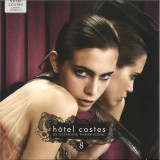
The iconic Hôtel Costes music collection, a veritable benchmark of Parisian luxury and refinement, continues to captivate lovers of sophisticated sounds. Famous for its unique blends of warm vocals, funk, jazzy and pop grooves, fusing electronic sounds and acoustic instruments, this series is a must for connoisseurs of refined music.
This eighth volume, orchestrated by the talented Stéphane Pompougnac, offers light electro soul and racy house, perfect for livening up the most elegant evenings and keeping the most reluctant dancing until the wee hours. The Hôtel Costes series has revealed exceptional talents such as Pink Martini, Flight Facilities, General Elektriks, Angus & Julia Stone and Brigitte, while mixing hidden nuggets with masters such as Gotan Project, Femi Kuti, Trentemøller, Thievery Corporation, Shirley Bassey and Grace Jones.
With over 5 million copies sold worldwide, following the resounding success of the reissue of the first six volumes, this eighth opus is finally available for the first time on vinyl. A true gem that will delight long-time fans and appeal to a new generation of listeners worldwide.
out of Stock
Last delivered 3 months ago available to reorder, subject to availability
Blurring the lines between the mundane and the mystical, ESKA’s latest album, ‘The Ordinary Life of a Magic Woman’, is a profound exploration of motherhood, artistry, and the delicate dance between daily rhythms and creative transcendence. For ESKA, these aren’t opposing forces—they’re inseparable threads in a richly woven life.
“It’s the sound of a first-generation, middle-aged African British woman living in post-everything Southeast London,” ESKA reflects.
After two decades of trailblazing collaborations with world-renowned artists – Moses Sumney, Grace Jones, Radiohead and Baxter Dury, to name a few - along with various accolades - including a Mercury Prize Nomination, ESKA’s new album stands as her most personal and compelling work yet. A self-directed journey, it sees her embracing her ultimate creative partner: herself.
Rooted in her eclectic musical upbringing, ESKA pulls inspiration from the sounds and influences that have defined her journey, breaking free of conventional boundaries. The result is a body of work that defies easy categorisation—bold, dynamic, and unmistakably hers.
Blurring the lines between the mundane and the mystical, ESKA’s latest album, ‘The Ordinary Life of a Magic Woman’, is a profound exploration of motherhood, artistry, and the delicate dance between daily rhythms and creative transcendence. For ESKA, these aren’t opposing forces—they’re inseparable threads in a richly woven life.
“It’s the sound of a first-generation, middle-aged African British woman living in post-everything Southeast London,” ESKA reflects.
After two decades of trailblazing collaborations with world-renowned artists – Moses Sumney, Grace Jones, Radiohead and Baxter Dury, to name a few - along with various accolades - including a Mercury Prize Nomination, ESKA’s new album stands as her most personal and compelling work yet. A self-directed journey, it sees her embracing her ultimate creative partner: herself.
Rooted in her eclectic musical upbringing, ESKA pulls inspiration from the sounds and influences that have defined her journey, breaking free of conventional boundaries. The result is a body of work that defies easy categorisation—bold, dynamic, and unmistakably hers.
Following the success of last year’s Walks - their first album of completely original compositions - Group Listening release a new 12” vinyl of Tell Everyone Everything via PRAH Recordings.
The title track and artwork are informed by decay, expiration and musical renewal.
“The title comes from a music festival that happened a few years back in Bristol. A really small DIY festival, called Tell Everyone Everything. I really liked the title - so I stole it. The name stuck in my mind as something very open and positive - a radical action. It could be taken as a proposal for progressive change, or a revolutionary art manifesto,” explains Paul Jones.
“The cover art is a photo that I took a long time ago somewhere on a beach in Sir Benfro (Pembrokeshire). The colours are all weird because it was taken on a very expired roll of Kodachrome. It’s sort of eerie. The bucket and spade had just been left there. It was one of the last ever rolls of Kodachrome to be processed, I snuck it into the developers on the last month they were still open, just before the very last processing plant was shut down forever.”
The release features remixes by both Ancient Plastix (who the duo toured with in 2024) and Loggsplitter. The band were delighted with the results: “I loved watching Ancient Plastix every night and was thrilled when he agreed to remix our song. It turned out great too”, says Stephen. Of the Loggsplitter remix Paul says: “It’s like a hot blast of compressed air travelling across the downs from a ravers airhorn. Lush”
Berlin-based Frenchman Alexkid lands on Rawax with ‘Wake Up’, a fantastic new album that explores acid from many different angles.
As an early protagonist in the 90s Parisian electronic music culture, Alexkid has been paving his own path for over two decades. Obsessed with drum-machines since his teens, he is a skilled producer and sound engineer who imbues his productions with real soul and warmth, even releasing his own lauded Ableton Live Plugins. He is a Rex club resident, released albums on Laurent Garnier's legendary F Communications and has also appeared on labels like FUSE London, Rekids, Ovum, Freerange, and
Underground Quality. With this new album he proves once again why he is so well respected by presenting eight acid laced beauties on the infamous Rawax, following appearances from iO (Mulen), Shonky, Enzo Siragusa, Julian Perez, and Diego Krause. 'Kick It' is a bristling, in your face and pricking acid banger with restless 303 lines spraying about above
punchy kicks, the mood switches up for the headier and dubbed out, but still acid laced, 'Le Manteau d'Argent', and 'Tribute' then takes you down a deeper, more shadowy and sparse late night path with a warm, bubbly acid bassline leading the way. Sublime atmospherics characterise the spacious, deeply cosmic 'Revolutions' which has contorted drums and bass making you move, followed by the physical force of acid head wrecker 'No Hiss'. The
excellent 'Idle' strips things back to a propulsive drum groove and a molten sub pattern, 'Yussuf Is In Control' is led by the sort of prying, freaky lead synth that is perfect for the afters, 'Your Love Is Fading' is a masterful track of suspensory synths and soulful vocal sounds all fused to a brightly airy house groove making this another fantastically accomplished album from one of the best in the game.
Support by:
Delano Smith, Seth Troxler, Radio Slave, Dan Curtin, Butane, Ian Pooley, Spacetravel, Satoshie Tomiie, Posthuman, Diego Krause, Samuel Deep, Sonja Moonear, Traumer, Akufen, Sakro, Italojohnson, Enzo Siragusa, Laurent Garnier, Dirian Paic, Ryan Crosson, Reiss, Roger Gerresen, Sebo K, Vinyl Speed Adjust, Franck Roger, Mihai Popoviciu, Fabe, Jamie Jones, Raresh
out of Stock
Last delivered 12 days ago available to reorder, subject to availability
Invitation to the Dance is the second album by nu metal band 40 Below Summer. The album was released on October 16, 2001. The album combines the downtuned riffs of nu metal/alternative metal with elements of New Jersey hardcore, hip hop, jazz and hard rock. Invitation to the Dance was made with the help of with well-known rock and metal producer GGGarth (Rage Against the Machine, Mudvayne) Allmusic wrote about the album "Invitation to the Dance at first glance may seem to be just another hard rock album, but along with further observation it is apparent that 40 Below Summer is striving to spice up what modern hard rock became in the 21st century." Invitation to the Dance is now available for the first time ever on vinyl, it's a numbered limited edition of 750 copies on translucent green coloured vinyl and includes an insert.
Soul music has always been in Paul Weller’s blood from early Jam covers of Martha & the Vandellas 1963 classic ‘Heatwave’. Along with other forms of music, soul found its way into Paul’s record collection, nourishing his ears and informing his own songwriting
We don’t need to recap a questing musical career from the Jam to the Style Council and then blossoming into one of the most productive and revered careers of any UK solo artist. Paul has written anthems, standards and a songbook that have always developed from his own feelings.
Whilst Paul has talked about his love of soul music he has, before now, simply been too busy to sit down and curate a collection of his favourite tracks and get it into the record racks.
Ace Records are honoured and delighted to finally release that Paul Weller curated collection which he has aptly titled, “That Sweet Sweet Music”.
This 2-LP set and CD open the curtains on 26 tracks that are some of Paul’s favourite soul records most of which nestle on vinyl in his own collection. He can still recall paying £70 for his copy of Jon Lucien’s 1971 ‘Search For The Inner Self’ 7” at a record shop in Leicester in the 90s. Some of these tracks are soul classics like James Carr’s 1966 ‘Pouring Water On A Drowning Man’ and Brother to Brother’s brilliant take on Gil Scott Heron and Brian Jackson’s ‘In The Bottle’ from 1974. Others are deliciously obscure wonderous gems like the A-side of Blackrock’s sole 1971 single ‘Blackrock “Yeah, Yeah”’, ‘Life Walked Out’ from the same year by the Mist or Syl Johnson’s ‘Black Balloons’ taken from his 1970 album “Is It Because I’m Black?”.
There are plenty of big vocal hitters such as Darrell Banks, Spinners, Joe Simon, O.C. Smith, the Dells and Betty Davis. Whilst the core is vocal soul the music does branch out with Paul selecting a wicked instrumental from the flipside of the Isley Brothers’ ‘Twist & Shout’ from 1962 and the funky jazz of the Headhunters ‘God Made Me Funky’, the A-side of their first 1975 seven-inch.
Way back in 1962 all roads led to Dartford in Kent when a coming together of influences would result in the formation of the world’s greatest rock and roll band,The Rolling Stones...
Mick Jagger the singer and Keith Richards lead guitarist were both fans of early rockers Chuck Berry and Bo Diddley, whilst rhythm guitarist and harmonica player Brian Jones and pianist Ian Stewart would be immersed in the Blues that were coming from Chicago,the same influences would bring the original bassist Dick Taylor and drummer Tony Chapman to the party.
This anthology follows Now-Again's Loving On The Flipside, issued more than a decade ago. And that anthology itself got its start in a different time, a decade even earlier - the era in which Now-Again's Egon and his friends chased down funk 45s and the odd LP for their testosterone riddled, aggressive sound. Often times the funk song on one of their chosen is would be the throw-away b-side, the hasty afterthought the band cobbled together the night before hitting - or while in - the studio because they'd put all of their energies into writing the amazing ballad that would ensure their entry in soul's history books. Every once in a while, that funk song they coveted could have been - in an alternate universe - a ballad. The Third Guitar's "Baby Don't Cry," El Pooks* "I Could Do The Impossible" and Spider Harrison's "Beautiful Day" all fit into this category. That realization notwithstanding, more often than not they shined over the ballads to get to the tough stuff. Then they started flipping those funk records over to find some loving on the flip side. Some marvellous tunes were there to be found. This is the long awaited follow up. Contained within this anthology are some of the greatest soul ballads that go sweet with a beat - or, to follow our tagline, epitomize "sweet funk." Most of these songs have never been compiled. Some have never been issued in any form. Some, like the Ledgends entry here, were sampled to great success (in that case for Freddie Gibbs and Madlib's "Deeper"). Some haven't been sampled, but, like Herb Johnson's entry, are patiently awaiting their day. It should go without saying that we're proud to present this music in good conscience; with the full participation of everyone but the most obscure names contained within. And, for those who we've not yet been able to contact, this is our message: We've found your brethren, we've placed them beside you on an album that we hope you feel is befitting of your collective contributions to soul music and now we're just waiting for you. Though the music you recorded is from the years past, vour time is now.
out of Stock
Last delivered 19 months ago available to reorder, subject to availability
Joni Void, the artistic persona of Montréal-based French-British producer Jean Néant (he/them) returns to songcraft on their warmest and most welcoming record yet, where the acclaimed sampledelic sound collagist chills out with an emotionally resonant song cycle tinged by downtempo, lo-fi, avant-pop, and trip-hop. Guests include Haco, Ytamo, Sook-Yin Lee, Pink Navel and N NAO. Every Life Is A Light expands on Void's recent stylistic turn towards more languorous and mellow lo-fi production, foreshadowed by the drifting looseness and ambient bricolage of their preceding experimental sound-art record. This transitional sensibility now shapes more defined song structures and styles, with loops are given time and space to unspool, and rhythms shot through the softer-focus lens of trip-hop and dub. Every Life Is A Light swaps the twitchy insistence of Void's acclaimed early albums for a newfound lightness and suppleness, still imbued with all the restlessness, sonic detailing, and emotional resonance that made their name. The neurotic brokenmachine kinetics of earlier Void, summarized by Sasha Geffen as "drawing despair and wonder from within the vast unfeeling of digital communication" in an 8.0 Pitchfork review, may be chilling out, but Void is becoming an ever better conjurer of hauntological feeling. Every Life Is A Light summons this in a comparatively buoyant, benevolent, head-nodding journey more open to tenderness and modest joys. Perhaps it's the sound of Void at greater peace with themselves and the world, despite the bittersweet cost: even as it channels grief, memorializing comrades and companions recently deceased, this album wants light. Void's raw materials continue to draw heavily from samples (their own Walkman cassette fieldrecordings and songs by others) and from a wide community of musical guests. Vocalists Haco on "Time Zone" and Ytamo on "Cloud Level" help levitate what could be lost tracks from a mid-90s Too Pure Records compilation of skewed-lounge electronica. Canadian musician Sook-Yin Lee sings on lead single "Vertigo," a sinewy 80bpm tape-loop and bassline groove propelled by psychedelically-layered lyrics that eventually turn the song in on itself entirely, like Grace Jones' "Nightclubbing" covered by Animal Collective. One of Void's greatest hip-hop loves is the Ruby Yacht collective; charter member Pink Navel drops some brilliant verses on "Story Board." The album's two minimal tracks, an extended piano loop set to a slow beat and shimmering electronics on "Muffin-A Song For My Cat" and the languid sampled bass riff and breakbeat of "Event Flow," are perhaps most overtly `lofi chill.' Indeed the whole album could be said to sit adjacent to those viral (if not already AI-generated) genre trends, which maybe begs the question on a lot of our minds: can specificity and authenticity of musical materials still be heard, still meaningfully signify substance and difference, still matter? Perhaps a question that fades in comparison to the career break Void could catch by landing on generic streaming playlists. More likely, these tracks remain too off-kilter, too genuinely lo-fi and ineffable, and too disqualified by the status of its peasant rights-holders, to catch the algos. Context remains the poor cousin of content. Meanwhile Void marches on, as a tireless organizer of local music events, bouncing around and often living in DIY venue, depending on the latest apartment eviction. With an ubiquitous polaroid camera in tow, they also document each communal happening with a single shot (and often a blinding flash bulb): a memory and metaphor for lives illuminated preciously, singularly, `imperfectly' in the moment. Dozens of these polaroids adorn the album's back cover and inner sleeve art in grid-like montages, as a fitting analog for the careful construction, grainy intimate materiality, and ephemeral feeling of these songs. Every Life Is A Light is Joni Void's most coherent and congenial record while relinquishing none of their experimentalist acumen as a producer or emotional attunement as a composer. Instead these qualities flourish, on an album that lights a humble flame for the fragile promise of homespun creative collaboration as unalienated labour and therapeutic communion, making an enchantingly idiosyncratic contribution to downtempo sample music along the way. Thanks for listening.
Blasé is a French-American pop artist, composer, arranger, producer, singer and author. Since his childhood and adolescence in New York, he experimented, mixed together 70s rock, electronic music, disco and hiphop, to create a sound that will take him directly to Paris with his first band Haute, with Anna Majidson. A first hit will be born, «Shut Me Down», whose session Colors accumulates more than 30 million views on YouTube.
After this first success, and following numerous collaborations with various artists such as Agoria, DJ Pone, Lala&ce, Niro or Jwles, he found his musical signature and started solo. The UFO Blasé released his first EP «Why Blasé? » in 2023 on Record Makers label, a unique fusion of Chic, The Strokes and Manu Chao.
Blasé releases his first album «BLABLABLA» in 2025, an album that stands as a personal manifesto of his sound obsessions that open almost as many tracks: 15 original titles in search of the groove.
With his educated ears to the radio and charts across the Atlantic, he honors this generous vision of pop that encompasses old-school hip-hop, R&B, jazz, funk, disco and new-wave, and navigates between different styles in the manner of American artists. Some songs are in French while others are in English, featuring singer Anna Majidson, rapper Jwles, and the late American artist Cola Boyy. So we go on «BLABLABLA» from a studio haunted by Quincy Jones to a cellar where he rehearses The Cure of «Boys Don’t Cry».
out of Stock
Last delivered 18 months ago available to reorder, subject to availability