Erweiterte Deluxe-Jubiläumsausgabe von "The Fallen By Watch Bird", das neben dem Originalalbum auch das Kompendium "The Watchbird Alluminate" enthält, alternative Versionen und Neuinterpretationen von u.a. Demdike Stare, The Focus Group, Anworth Kirk und Emma Tricca. Seit der ursprünglichen Veröffentlichung vor 15 Jahren hat sich Jane Weaver zu einer der markantesten und experimentierfreudigsten Stimmen aus UK entwickelt und eine Reihe von gefeierten Alben veröffentlicht, darunter "The Silver Globe", "Modern Kosmology", "Flock" und "Love In Constant Spectacle". Es ist ein psychedelischer Femme-Folk-Rock-Teppich, der Einflüsse aus dem osteuropäischen Kinderkino, deutschen Kunstmärchen, der TV-Musik der 70er Jahre und elektronischen Soundtracks der 80er Jahre aufgreift. Dieses konzeptionelle Album, das von Synths und Mystik durchdrungen ist, verwebt Bilder von abwesenden Seeleuten, Telekinese, Tierbotschaften und weißer Magie mit heidnischen Themen wie Tod und Wiedergeburt. Ein prägendes Meisterwerk aus ihrer ständig wachsenden Diskografie, das ihre Reise von ihren folkloristischen und poporientierten Anfängen bis hin zu den psychedelischen Synth-Pop-Experimenten von heute dokumentiert. Das Album umfasst sieben Kapitel und enthält Beiträge von Septième Soeur Wendy Flower vom Folk-Pop-Duo Wendy & Bonnie, das 1969 das Album Genesis veröffentlichte, Lisa Jen, der walisischen Sängerin auf Gruff Rhys' Candylion, der verstorbenen amerikanischen Folk-Pop-Sängerin Susan Christie und dem bosnischen Folk-Musiker und Violinisten Behar. Als Extra setzt "The Watchbird Alluminate" die Reise fort, indem es in Drone, Psychedelia, Folk und weitere Klanglandschaften eintaucht. Einzel-CD oder limitierte 2LP-Edition in Marineblau und Cremefarbenem Vinyl, Gatefold-Sleeve + Obi-Streifen & DL-Karte.
"Prior to the vinyl release of the debut work “Vapor Curve”, which suffered a one-year delay due to manufacturing errors, the release of the mini-album “grainy film” has been confirmed."
Following the artist's previous release, this album completely eschews the use of computer-based DAW (Digital Audio Workstation) software. By relying exclusively on a strictly limited setup of hardware—synthesizers, samplers, and delay units—the artist pursues a meticulously woven, highly original take on minimal harmony.
At the core of this record lie exquisite ambient textures and beautifully shimmering synthesizer arpeggios. These are layered with the organic warmth of the sampler, vividly sketching out the contemporary "sound of Tokyo." As the album title suggests, the gritty, Lo-Fi texture of the sampler evokes the imagery of a vintage, low-fidelity film reel in the listener's mind. Pushing further than the predecessor, this approach embraces a more abstract, dubby, and deep soundscape aesthetic, elevating the album's artistry to new depths.
Describing this stoically refined electronic music, Maruyama reveals that it is "music for a cigar." It is not an assertive sound that demands to be the center of attention in the room. Instead, the moment the needle drops, it possesses an overwhelming power to transform the very particles of the room's air. The nostalgic and melancholic melodies, much like the shifting and fading trails of cigar smoke, embody the aesthetic of shogyo mujo (the impermanence of all things). Amidst a constantly changing world, it offers a desire to simply drift away in the slumber of sound—a supreme deep-listening experience guaranteed to transport you.
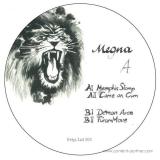
A1:Memphis Stomp
Super rusty sounding House touched Breakbeat Track!
The Bassline-Drop and Live mixing is hot!
A2:Come on Cum
Oldschool House Track without Bassline to be able to concentrate you on the "Dobble Match of two Drums Machines"!
The sequenced VOX Sample comes from a classic CS2X Synthesizer and is added to the Space Echo to bring a special Magic inside. DJ TOOL!
B1:Demon Area
Welcome to the TECHNO HELL!
Pure Darkness and a bright expressive Flow come together.
A Fat Bassdrum is hammering your head and the ultra effected Synthesizer Line will destroy your Brain.
B2:Furore Move
More an experimental Splitt Track...
The beginning of this track is a presentation of the CS15 Synthesizer with a Bassdrum.
The Break is coming... A synth-vox-line is coming... A 4 to the floor run is coming..
all things are going well.. Than a little chaos breaks out... and in the end, all is good again.
Garefowl is a project connected to the archipelago of St Kilda, Scotland. Ewan Macdonald and his father Murdo, relatives of one of the men who killed the last Great Auk (Garefowl), conceived the project to reflect on and mark this family history. Garefowl is an international collective of musicians combining strings and electronics: Nathan Bontrager (viola da gamba/harmonium/banjo), Stuart Graham (bouzouki/harmonica/harmonium), Chris Jones (concertina/mandolin), Ewan Macdonald (fiddle/smallpipe drone), Richard O’Flynn (island sounds/percussion/XRD drones), Jess Whelligan (cello).
Things That Vanish was recorded on Hirta, the main island of St Kilda, at night. The soundscapes of Hirta breathe across the record: a quiet rolling swell of winds, waves, birds, and the otherworldly thrum of the snipe. Taking influence from the traditional folk music of St Kilda, the tunes on the record are inspired by the threatened seabirds of the islands. The band were intrigued by the folk stories around these birds, and how they often are depicted to imbue a primal, dark and haunting nature. In such tales, the birds retain a quality akin to a sea monster: preying upon calves and sheep, and believed to be the pelagic souls of drowned sailors or the cursed spirits of cruel captains.
No synthesizers were used on the recording. Instead, the production draws entirely on sampled and processed field and hydrophone recordings collected on St Kilda. Additionally, drones were created through a process pioneered by Richard O’Flynn and Joe Gardner. Rock or bone samples are analysed using X-ray diffraction (XRD), which creates a spectrum with peaks corresponding to the sample’s chemical composition; this spectrum can then be mapped to sine waves, forming a drone.
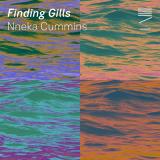
Nonclassical are proud to release Nneka Cummins’ Ivor Classical Award-winning finding gills (when they try to drown you), pairing the original orchestral work with its remix, finding gills realms and possibilities.
Originally commissioned and composed during Nneka’s time on nonclassical’s Artist in Residence programme and premiered by Sinfonia Smith Square in 2025, the work marks their first large-scale exploration of fixed electronics alongside chamber orchestra. Built entirely from its source material, the remix dissolves the perceived sacredness and permanence of orchestral music, stretching, warping and reassembling its fragments into a fluid electronic form.
Drawing on fragments of earlier compositions, Finding Gills embodies both destruction and creation, embracing the spirit of metamorphosis. Inviting the listener to sit in moments of dissonant discomfort and distress, an emerging sense of hope gradually reveals itself through radiant strings and spiralling melodies. Hinting at a sense of tiredness that is continually renewed, sparks of new life blossom within a shifting orchestral landscape where memory, experimentation and survival coexist.
The title alludes to the Afrofuturist mythology of Drexciya, imagined by Detroit duo James Stinson and Gerald Donald, in which the descendants of pregnant African women who were thrown overboard during the transatlantic slave trade adapted to breathe underwater, creating a new civilisation beneath the sea. Nneka draws on this subtle reference as they are inspired by the deep creative alchemy of transforming horror into vibrant and powerful myth.
Das Unwound-Album, das allen Unwound-Alben ein Ende setzte. Aufgenommen im Keller eines verfallenen Bauernhauses zu Beginn des neuen Jahrhunderts, ist ,Leaves Turn Inside You" die No-Wave-Antwort auf Spectors Aufruf zur ,Wall of Sound". Unendliche Schichten aus abgehackten Gitarrenstichen und Kratzgeräuschen, kehliger Bass-Dröhn, Secondhand-Synthesizer und monotones Singen überlagern erstickende Rhythmen und liefern so die weltweit einzige Chor-Grunge-LP. Diese Ausgabe zum 25-jährigen Jubiläum wurde anhand der originalen Analogbänder neu gemastert und präsentiert sich in einer prächtigen Hülle mit Silberfolie, Prägung, Vertiefungen, Spotlackierung sowie einer Nachbildung des 12x24-Zoll-Posters. Neu aufgelegt - nur für dich.
Surprises are nice. Unexpected, delightful - Vision Fortune last released music in 2015, and so odds were off that we’d hear from them again.
But against all odds, Vision Fortune III is coming out on Gringo Records, following the release of their last album ‘Country Music’ on ATP Records.
The trio first agreed to record a new album as somewhat of a dare over a marathon pasta and wine heavy luncheon in Palermo, Sicily. Waking up with sore heads, they realised in mild panic that flight tickets had been purchased, a cottage in rural Wales was booked, and it was too late to pull out.
And so it was - the Fortunes arrived in Machynlleth Wales in Spring of the following year. The rules were simple - takes were live, songs minimal and the fireplace kept roaring.
Drummer Andres Ayerbe’s strict roast lamb dinner cooking schedule resulted in an album less frenetic and agitated than previous work - instead, III explores a softer, more subdued and subtle side of Vision Fortune. Additional overdubs were recorded in New York City and Birmingham, by AC Williams and Alex Townend. III was completed - a new, leaner Vision Fortune. Like a good lamb dinner - more meat, less fat.
Press Quotes for Country Music:
"An impressively brutal record" NME 8/10
"Immersive and introspective musique concréte rippling rippling with dub rhythms, orchestral strings, tolling bells and discordant drones coming close to the alien beauty of Mica Levi's sonically extreme soundtrack work." Uncut 7/10
"Unsettling, strangely cathartic and hook-free (in a good way)." Dazed ("Twenty albums to look out for in 2015")
"Assembling whole scrapyards of sound and turning them into something better than what went before" The Guardian
"Swaddling the senses in soundwaves, Minimal ambient sketches and harsh electronics abound on this fascinating 12-song affair" The FADER
"Basically just one long, connected droney throb. But it's an awesome long droney throb." Brooklyn Vegan
Allison de Groot ist eine Clawhammer-Banjo-Spielerin aus Winnipeg, Kanada, deren Schaffen die Old-Time-, Bluegrass- und Folk-Traditionen umfasst. Als Preisträgerin des Steve-Martin-Preises für herausragende Leistungen im Bereich Banjo und als Nominierte für die Auszeichnung ,Instrumentalistin des Jahres" der Americana Music Association ist sie wohl vor allem für ihr Duo mit der Geigerin Tatiana Hargreaves bekannt, dessen Alben ,Hurricane Clarice" und ihr selbstbetiteltes Debütalbum Anerkennung seitens der IBMA, der Canadian Folk Music Awards und der JUNOs fanden. Rich Ruth ist ein in Nashville ansässiger Multi-Instrumentalist (geb. Michael Ruth), der bei Third Man Records aufnimmt. Seine Soloalben schöpfen aus Ambient, Spiritual Jazz, Minimalismus und synthgetriebenem Post-Rock - Kompositionen, die mit sich wiederholenden Drones und Synthesizern beginnen und sich durch Zusammenarbeit weiter entfalten. Er ist zudem ein Drittel von ,Shrunken Elvis", einem Trio aus Nashville, das aus langen Autofahrten durch Europa und winterlichen Jam-Sessions hervorgegangen ist und Ruth mit dem Pedal-Steel-Gitarristen Spencer Cullum sowie dem Gitarristen Sean Thompson in einem gemeinsamen kreativen Raum vereint, in dem Intuition Vorrang vor Ehrgeiz hat. Ihr vielbeachtetes, selbstbetiteltes Debüt erschien im Jahr 2025. Die beiden kamen zusammen, als Ruth im Begriff war, ein Soloalbum für de Groot zu produzieren. Im Laufe von etwa einem Jahr in Ruths Studio in Nashville veränderte sich das Projekt still und leise: Die beiden begannen gemeinsam zu komponieren, und das Ergebnis ist ebenso sehr von Raum und Prozess geprägt wie von der Melodie. De Groots Clawhammer-Banjo durchläuft Loops und Delays und wird dabei mit Ruths Synthesizer- Arrangements so kombiniert, dass die haptische Unmittelbarkeit akustischer Instrumente mit den umhüllenden Eigenschaften der Elektronik in Einklang gebracht wird. Patrick M'Gonigle steuerte durchgehend Violinen- und Streicharrangements bei, während Shrunken-Elvis-Bandkollege Spencer Cullum bei mehreren Titeln seine Pedal-Steel-Gitarre einbringt und der Klangpalette des Albums eine weitere Ebene atmosphärischer Tiefe verleiht. Kurz nach Fertigstellung des Albums präsentierte die Gruppe das Material erstmals live beim Big Ears Festival als einen der Überraschungsauftritte der Veranstaltung - ein reduziertes, minimalistisches Set, das den Geist der Aufnahmen widerspiegelte. Das Album fängt zwei unterschiedliche musikalische Stimmen ein, die weniger einen gemeinsamen Nenner als vielmehr eine neue, gemeinsame Sprache finden.
»Baby Ghost« is the debut album by double bassist and vocalist Jordan Sand. Released through Hallow Ground, it blurs the lines between different genres and modes of expressions, improvisation and composition and showcases the unique playing style the composer has developed. Sand blends her voice with the bowed harmonics and subharmonics of her double bass. At once conceptually rigorous and musically open-ended, Sand’s wordless meditations on death and what comes after are both visceral and explorative.
Sand is a boundary-crossing instrumentalist, performer, and session musician who has worked in folk, free jazz, pop, classical and new as well as experimental music. In 2020, she took a hiatus. When she picked up the bass again, she began stripping down the relationship to her instrument to its core elements, searching for a way to melt the sounds of bow and voice together. This resulted in the appearance of ghost notes, tones emerging from the addition or subtraction of two frequencies, and harmonics that she adds with her falsetto.
On »Baby Ghost,« Sand utilises this acoustic sound and the spontaneous precision of her improvisational practice for pieces that deal with the subject of dying. They move from more polyphonic improvisations toward abstraction, touching upon harsh noise and minimalistic bow-chants before returning briefly to a melodic soliloquy, and finally landing on an extended subharmonic drone. This progression reflects the journey of the spirit after death; the experience of visions, memories, ecstasies and terrors before the dissolution of the self.
Sand performs this process physically, blending her voice with her instrument to explore how the senses might dissolve and merge when they enter a state between life and beyond-or-between-life. Born out of the moment and dedicated to a lost friend, »Baby Ghost« is quite literally an otherworldly achievement.
The third in a series of releases from the Digi Dub archives, Like it Here is a tribute to the poet laureate of Special Brew, the late Iffor Clarkson-Denbigh, who sadly departed us in 2021 to drink in the great park in the stars.
The infectious and futuristic late 90s vocal space dub of the A side finds Iffor waxing lyrically about both the nature of impermanence and the sentient ocean of Solaris over an irresistible bassline and low winding groove. The flip side features a suitably chugging version of the rail riding classic Loveborough Junction and a percussive early 90s acid dub of Heart like a Lion, the original of which dropped on the South East of the Thames collection. None of the tracks are traditional style dubs, but happily exist in the gaps between genres.
Iffor was a well-known multi-instrumentalist and vocalist on the South East London underground scene who lived life to the max without an off switch. He and label owner Lee Berwick truly had a laugh in the studio, producing Purple Boy (the classic ode to drinking in the park), the suitably named Clevor but Stupid album and many other uncategorisable musical wanderings.
“The hope is that Iffor, the dark son of Clenby, is cackling as he cracks another can while looking down on us from the great park in the stars.” Lee Digidub Berwick
XKatedral ist stolz darauf, ein neues Album in voller Länge von Label-Mitbegründerin Maria W. Horn zu präsentieren. ,Melting Pillars of Snow" ist eine Sammlung neuer Kompositionen der renommierten schwedischen Komponistin, geschrieben für Kontrabassblockflöte, Sho, Percussion, E-Gitarre, Gesang und Elektronik, gespielt von Horn zusammen mit einem Kammerensemble bestehend aus Anna Petrini, Mattias Hallsten, Magdalena Meitzner und Mats Erlandsson. Das Album enthält außerdem eine Erzählung von Horn sowie einen Gastauftritt von Michael Gira auf der ersten Single ,Scythe of Saturn". Für ,Melting Pillars of Snow" ließ sich Maria von W. G. Sebalds Roman ,Die Ringe des Saturn" inspirieren, einer poetischen Reflexion, die einem namenlosen Erzähler folgt, der an der Küste von Suffolk in England umherwandert. Während sich die Landschaft allmählich verändert, thematisiert der Text auf vielfältige Weise den Lauf der Zeit und die Distanz zwischen Vergangenheit, Gegenwart und Zukunft und spiegelt dabei sowohl weitreichende zeitliche Maßstäbe wie die Zyklen der Jahreszeiten und die tiefe historische Zeit als auch mikroskopisch kleine Momente und Fragmente wider. Mit den Kompositionen auf dieser Veröffentlichung beschwört Maria ein ähnliches Gefühl der Stille herauf - eine Umgebung, in der die Bewegung der Zeit selbst beleuchtet und beobachtet werden kann. Das Instrumentarium auf diesem Album ist Horns bislang ambitioniertestes: Sie ergänzt ihre gewohnte Palette aus maßgeschneiderter algorithmischer Synthese und elektronischer Bearbeitung um eine komplexe Auswahl an Perkussionsinstrumenten, Blasinstrumente, die an beiden Enden des musikalischen Spektrums spielen, sowie E-Gitarre, um so einen spiralförmigen, spektralen Klangteppich durch den gesamten Frequenzbereich zu weben. Die Perkussionistin Magdalena Meizner spielt spezielle Techniken auf dem Obertondreieck, dem Dubachi, den Pauken und dem Tam-Tam sowie auf gestimmten Weingläsern und gestrichenen Crotales. Die von Anna Petrini gespielte tieftönige Kontrabassblockflöte und das von Mattias Hallsten gespielte hochfrequente Sho fügen kontrastierende Akkordarrangements hinzu, die in strengen metrischen Strukturen eingebettet sind. Das Ensemble wird durch Mats Erlandsson vervollständigt, der auf E- und Akustikgitarren spielt und dabei von sanften Arpeggio-Figuren zu düsteren Drones und Feedback-Heulern wechselt.
From the First note of "Roam the Room", Youth's massive, towering rock songs bleed emotion through until the tape runs out on album closer "Drawn Out". Ohio natives CITIZEN have captured the ghost of BRAND NEW's "The Devil and God Are Raging Inside of Me" and reinvented brooding, chrosu-driven alternative rock for a new generation. Beautifully harmonized half-shouted vocals along with fuzzy, reverbed-out leads lend weight to the album's mood while also making it impossibly catchy. Following their recent stint as support on MAN OVERBOARD's tour, CITIZEN will play all of the 2013 Van's Warped Tour, poising them to become one of the biggest alternative bands on the road today. For fans of BRAND NEW, TITLE FIGHT, BALANCE & COMPOSURE.
Originally released by Umor Rex on cassette in 2015, NK012 documents the first-ever musical meeting of Berlin-based musicians Aidan Baker (Nadja, Canada), Andrea Belfi (Italy), and Erik Skodvin (Svarte Greiner / Deaf Center, Norway). Now, more than a decade later, the album is available on vinyl for the first time, newly remastered for the format by Rafael Anton Irisarri. This marks the third release in a series of four special, limited reissues to be released in 2026 to mark the 20th anniversary of Umor Rex.
Recorded with nothing more than a stereo microphone placed in the middle of the room, NK012 captures the trio in their first session together, with the simple intention of improvising. Instrumentation builds in gradual crescendos, shifting textures between passages as looped incarnations of earlier motifs accumulate into all-consuming drones. The five pieces that make up NK012 already set the foundations for the trio’s subsequent work. Across the album, guitars, an array of effects pedals, percussion, and synthesizers merge into a raw and highly intuitive sound world. Vibrant and intense, the pieces move freely between forms and genres, driven by the immediacy of live performance and spontaneous composition.
Phill Niblock completed BLK+LND in late November 2023. It is one of Phill Niblock's final compositions and was commissioned by bassist Robert Black (who passed away in the summer of 2023). The piece is based on recordings of acoustic bass and bass clarinet performed by Neil Leonard and Robert Black under Niblock's direction in 2021.
Phill Niblock (1933-2024) as an artist whose fifty-year career spanned minimalist and experimental music, film and photography. He has been a maverick presence on the fringes of the avant-garde. In the history books he is the forgotten Minimalist. Since 1985, he served as director of Experimental Intermedia, a foundation for avant-garde music based in New York with a branch in Ghent, and curator of the foundation's record label XI. Known for his thick, loud drones of music, his signature sound is filled with microtones of instrumental timbres that generate many other tones in the performance space. He said: 'What I am doing with my music is to produce something without rhythm or melody, by using many microtones that cause movements very, very slowly.' In 2013, his diverse artistic career was the subject of a retrospective realized in partnership between Circuit (Centre d'art contemporain Lausanne) and Musée de l'Elysée (Paris). The following year he was honored with the prestigious Foundation for Contemporary Arts John Cage Award. Since 1968 he also put on over 1000 concerts in his loft space in New York.
"On January 6, 2024, two days before his passing, Phill called me to discuss the premiere and tour of BLK+LND. To distract him from his rapid decline, I engaged in his touring plan, only for him to reveal that all the details were still in his head and none of the events had been confirmed. He was entrusting the project to me. Phill would have been thrilled and honored by this concert at the Donaueschinger Musiktage. The thought of one more performance with Robert Black, whom he greatly admired, presenting his new work for low-pitched instruments that he was particularly fond of, andreconnecting with old and new friends in Donaueschingen would have meant the world to him." - Neil Leonard, Berklee College of Music, Boston
Bobbie Dazzle, the catsuit-sporting queen of UK Glam Rock, releases her second album, 'Star Power', via Rise Above Records. The flamboyant singer, songwriter, flautist and producer arrived without warning in late 2024 with 'Fandabidozi', one of that year's most irresistible introductory statements. Reviewers drooled and fans reacted with disbelieving joy when Bobbie and her band proceeded to take the songs from 'Fandabidozi' out on the road. 'Star Power' is an unashamed, glorious slab of new millennial glam rock, and given the perilous state of the world right now, doesn't everyone need a bit of escapism in their lives? An album of super-hummable tunes presented with infinite amounts of swagger and proficiency, 'Star Power' is set to take Bobbie Dazzle to the next level.
,Memoria", das neueste Album von Carmen Villain auf Smalltown Supersound, beginnt wie ein geöffnetes Ventil; ausatmende Flötenakkorde füllen langsam eine weite Klanglandschaft und laden den Zuhörer dazu ein, das Tempo zu drosseln und in einen Zustand des tiefen Zuhörens einzutreten. Es ist eine Einleitung, die gekonnt in ein Album aus verlangsamten, spektralen Dub-Klängen führt, die schimmern, knurren und über die narrativ geordneten sieben Titel hinweg ausklingen. In dieser Hinsicht knüpft ,Memoria" dort an, wo Villain mit ihrem 2022 erschienenen Album ,Only Love from Now On" aufgehört hatte, auch wenn der Schwerpunkt des aktuellen Albums auf Klang als Erinnerung liegt - und auf Erinnerungen als sich wandelnde, nicht statische Unvollkommenheiten. Wiederholung fungiert als neu erzählte Erinnerung; die Bearbeitung zersetzt und formt den Klang neu, und Abstraktion ermöglicht eine Art Freiheit von Linearität. Inspiriert von Pauline Oliveros' Schriften über innerlich abrufbare Klänge, die für andere unhörbar sind, sowie von Apichatpong Weerasethakuls Film ,Memoria" aus dem Jahr 2021, betrachtet Villain die Erinnerung sowohl als kognitive Fähigkeit als auch als Form der Komposition und formt Samples aus ihrem eigenen Archiv zu einer kosmischen Selbstbeobachtung - wenn auch zu einer, die das Gegenteil von Solipsismus ist. Der nach innen gerichtete Blick des Albums lässt sich vom tiefen Zuhören als Form der Empathie inspirieren, das uns gleichzeitig mit uns selbst und unserer Umgebung verbindet. Die Arbeit der letzten Jahre an Kompositionen für zeitgenössischen Tanz und Installationen - darunter Kooperationen mit der Choreografin Eszter Salamon und ein Aufenthalt am IRCAM, bei dem sie erstmals ambisonische Räumlichmachung erforschte - prägt ebenfalls die verstärkte Aufmerksamkeit, die ,Memoria" dem Klang als physischem Raum und immersiver Umgebung widmet. Ein Großteil von ,Memoria" basiert auf einer Kombination aus neuen Aufnahmen und älterem Archivmaterial: Aufnahmesessions mit der häufigen Mitwirkenden Johanna Orellana (Flöten) sowie Eivind Lonning (Trompete) werden neben Villains eigenen Klarinettenaufnahmen zerlegt und zu einer dichten, aber luftigen Sample-Bank neu zusammengesetzt. Die viszerale menschliche Präsenz (Atem, Wind, die Körperlichkeit der Luft, die durch Instrumente strömt) und harmonische Stränge des Free Jazz treten durch mehrere Bearbeitungsschichten hindurch zutage, als hörte man sie aus der Ferne - oder durch die Zeit hindurch. Rhythmen und Texturen lösen sich auf. Der Klang erodiert. Erinnerungen werden neu gestaltet. Und Melodien sind, anders als auf Villains früheren Veröffentlichungen, weniger deutlich und weichen anderen musikalischen Leitmotiven. Es lässt sich eine Tradition zurückverfolgen, die zu Rhythm & Sound, Clicks-and-Cuts, Pharoah Sanders, Jon Hassell, Actress und Ricardo Villalobos führt - wenn auch oft in abstrakten Formen: Kleine Klänge werden groß, während große in einen feinkörnigen Rhythmus zurücktreten. Minimalismus ist der Schlüssel, um die Details wahrzunehmen: knisternde Elektronik, Einatmen und Seufzer hallen in weiten Räumen nach und ruhen auf einem Fundament aus Rhythmus. Diese Zurückhaltung unterstreicht Villains Neigung, Klänge und ihre geisterhaften Klanggedächtnis-Doppelgänger nach Frequenzen chirurgisch voneinander zu trennen. Paradoxerweise lässt sich jedes Artefakt als Annäherung an eine Erinnerung mit äußerster Präzision hören. Für Villain scheint die Erinnerung im Klang bequem hinter dem Mischpult eines Dub-Labors Platz zu nehmen und dort gekonnt und unvorhersehbar Lautstärken, Texturen, Filter und alle anderen Parameter - bekannte wie unbekannte - in einer sich ständig wandelnden Erinnerung zu steuern.
out of Stock
Last delivered 15 days ago available to reorder, subject to availability
Flug brings his singular vision to Backspin Records with 'From My Soul', a 7-track EP that marks a powerful new chapter for both artist and label, rounded out by a remix from Kashpitzky. Moving between deep emotional techno, raw percussive functionality and high intensity, the release showcases Flug's signature precision and narrative depth while keeping things classy and never falling for overused tropes. Kashpitzky completes the package with a remix that reinterprets the source material from a darker, more straight-forward angle. ??
Opening with the title track 'From My Soul', Flug sets off on an epic 8-minute journey built on reverberating melodic layers, shimmering chord pads and a strong low endthat unfolds slowly and deliberately, balancing emotional weight with a hypnotic drive. 'Make It Loud' follows with a more stripped, functional direction, where warm low-end energy, minimal percussion and reverb-drenched sine wave synth hits create a tight, circular groove anchored by a subtle but sinister vocal presence. ??
On the flip side, 'Human Instinct' turns the energy more direct and physical, driven by a saturated kick drum, looping synth motifs and sparse vocal cuts that heighten tension without disrupting the flow. 'The Awakening' expands the emotional scope with a deep kick and tom-driven bassline, expansive droning pads and dragging percussion that build a rich, cinematic atmosphere. Kashpitzky's remix reimagines the original at a faster BPM with distorted chord stabs, off-grid hi-hats and layered synth work creating a tense, industrial atmosphere that breaks into a spacious breakdown before dropping back into a stripped,high-impact groove. ??
With the 'From My Soul' EP, Flug marks a strong first statement on Regal's Backspin Records, delivering a cohesive body of work that balances depth, emotion and dancefloor utility, reinforcing the label's dedication to innovative techno.
New full-length album from Posthuman, veering deeper into electro and leftfield territory than usual. The A side opens with the Drexciyan ‘What U Need’ then straight into the Rother-style machine funk of Test 14 and Reps, through to the downtempo dubby closer of Torus Dreams. The flipside starts more heavy duty with industrial rave in Break Bones before dropping back to chilled ambient house with Chronophobe. Facts Not Opinions and Detramental close off the album with more classic electronica sounds reminiscent of Posthuman’s early 2000s releases on Seed and Skam. Released on unique starburst/splatter/glitter coloured 12” vinyl. It may be computer music, but no humans were harmed in the making of this album; 100% guaranteed AI free material.
out of Stock
Last delivered 3 months ago available to reorder, subject to availability
Mark Funk and Danny Cruz's Cruise Music label continues to offer-up the best of its digital-first EPs via the popular Vinyl Jams sampler series. There's a real sun-splashed, dancing-on-the-terrace feel to much of the music contained on this 14th volume in the series. Mark Funk steps up first with the loopy, filter-rich disco-house release of 'Never Never', which rises and falls in all the right places in search of hands-aloft action, before Makito drops the vibraphone solo-laden deep house-meets-garage-house flex of 'Heavy Vibes' (think Masters at Work collaborating with Roy Ayers and you're close), Over on side B, Danny Cruz serves up 'Sugar', a tooled-up, house-style re-edit of a joyous disco gem, while Filth & Smell's 'Panama Sweet Spot' is an electric piano and sax-loop-fired slab of thickset house funkiness.
out of Stock
Last delivered 18 days ago available to reorder, subject to availability
Uncompromising Italian DJ/producer The Southern makes his vinyl debut on Mutual Rytm's sub-label, Spectra, with remixes from Alarico, Temudo and Sciahri. An EP marking an impressive label debut, Carmine Portarulo, aka The Southern, lands on Mutual Rytm’s sub- label Spectra with a powerful showcase of his much-loved sound. With the lead track featuring as one of label head SHDW's most requested IDs of the year so far, and packaged alongside outstanding remixes by close label associates Alarico, Temudo and Sciahri, the EP comes having established himself with a sound rooted in old school value and pure techno, favouring energy and authenticity over hype. The track’s backstory comes from the moment Carmine and his partner found out they were expecting a child and went for their first ultrasound appointment. Overwhelmed by the emotion of the moment and the beauty of what nature is capable of, he returned home and poured those feelings into the music. The result, ‘Ultrasound’, is an anthemic, punchy techno cut with euphoric energy rising up through the synths and its catchy lead melody. Joyful melodies sparkle amid vocal groans, adding a raw emotional pull as the warm, driving drums march on. Berlin-based artist Alarico is the first to remix on his return to the label, and his ‘Sad Mix’ has a more melancholic mood, with dark chords and tightly programmed drums that bring lo-key funk. Hayes Collective founder Temudo also returns and flips the vibe on his ‘Neuro Interpretation’ with a more psyched-out, twisted tune featuring trippy synths and booming drums for peak-time impact. Italo-Iranian Sublunar Records head Sciahri then drops his trance- inducing, hypotonic ‘Tunnel Vision Mix’, followed by two digital bonuses: ‘The Stripped Mix’, a bouncy workout with futuristic melodies, and Temudo’s ‘Neuro Interpretation 2’, which is raw, textured, and dark.
out of Stock
Last delivered 18 days ago available to reorder, subject to availability
The Montréal psych-ambient synth-droners return with Sequence Three, their first album in five years and the final instalment in the group's opening trilogy of records that began with Sequence One in 2019. The spectral supergroup co-founded by Stephen Ramsay (Young Galaxy) and Jace Lasek (The Besnard Lakes), usually joined in some capacity by Lasek's Besnard bandmate Olga Goreas, deliver another dose of its trademark longform slowburn jams, forged from restored vintage synths and analogue electronic gear. Lasek and Ramsay don their seasoned producer hats to apply rockist sound design to minimalist tracks, saturated with tube compression, drenched in pink and brown noise, all queasy modulation, sparse beats, and languorous melodic lines. Evoking a humid dawn on a gas giant, these alien drone anthems meld the numinous transcendentalism of Spiritualized and Cluster with the eroded grit of William Basinski and GAS. Light Conductor has been tagged "heavyweight analogue synth nirvana" by Uncut Magazine and praised for its "fabulous, epic, shimmeringly radiant kosmische" by Electronic Sound, among other accolades. Sequence Three consolidates these strengths, while leaning into the darker disquietude that has always been an undercurrent of Light Conductor's aesthetic. Opener "She Glitters The Dust" fades up slow with intertwining detuned synth loops, a languorous lullaby beat dropping at the 3-minute mark, accompanied by insectoid shimmers and a tease of melody that's eventually given free reign over the song's second half. Aptly titled, it's as if a transmission captured within a cosmic dust cloud has provided the raw material for the band to jam on, tease out, and terrestrialize. An echo of that beat sets the tranced pulse for "Omenize", the centerpiece of Side One and the fulfilment of Light Conductor's one-vocal-track-per-album directive. With layered harmonies by Goreas and Lasek, this is the group at its ethereally anthemic best, the devotional floating-in-space bliss attenuated by another gently warped denouement. "Ghost City Radio" closes out Side One with the band's most overtly anxious tune to date, deceptively stolid in its simple bass guitar riff and filter-swept hi-hat: groove stripped to its minimum as the foundation for an extended spokenword sample of a doomsaying prepper/preacher, a sort of homage to that early hallmark of their Godspeed compatriots, done up through the lens of Light Conductor's inimitably destabilized celestial ambience. (Lasek mixed the most recent two GY!BE albums.) Side Two offers up "High In The Orange Air", a beatless, squelching, bubbling ostinato drone and the album's most orthodox ambient kosmische track. This provides the set and setting for 15-minute closer "Supercontinent", which starts off in similar territory but gradually yields to a submerged and reversed techno pulse pumping through coruscated chordal drone, gaining in woozy mesmeric psych intensity over its inexorable hypnagogic trajectory. Sequence Three rounds out a satisfying trio of full-lengths that Light Conductor has released on Constellation, featuring vibrantly minimal geometric cover art designed by label co-founder Ian Ilavsky that integrates the trilogy as a visual series as well. In keeping with the previous two albums in the set, the Deluxe 180gLP includes a 12"x24" art poster. Thanks for listening.
Als Dublins Gurriers 2024 ihr Debütalbum Come And See veröffentlichten, bewiesen sie eindrucksvoll, dass sie eine der drängendsten und unüberhörbaren neuen Stimmen der boomenden irischen Punk-Szene sind. Seitdem haben sie sich mit knochenerschütternden, moshpit-tauglichen Live-Shows einen stetig wachsenden Ruf erarbeitet. Come And See stellte dabei auch ihre lyrische Stärke und ihren neugierigen, gesellschaftskritischen Blick in den Vordergrund – mit Songs über digitale Verlorenheit und die ganz realen Schrecken der modernen Welt.
Das grandiose zweite Album des Quintetts heißt Nobody's Coming To Save You – könnte aber ebenso gut den Untertitel „härter, besser, schneller, stärker" tragen. Es wird am 25. September auf Play It Again Sam veröffentlicht.
Aufgenommen in Donegals Attica Studios und den Holy Mountain Studios in London, produziert von Mark Bowen (Idles) und Loren Humphrey (Geese, Cameron Winter), engineered von Chris Fullard (Idles, Sunn O)))) und gemixt vom weltbekannten John Congleton (St. Vincent, Modest Mouse, Swans) – allein das Team, das sich für LP2 zusammengefunden hat, spricht Bände. Gurriers nehmen alles, was sie von Anfang an großartig gemacht hat – die musikalische Chemie, den klugen, analytischen Blick auf die Welt – und schrauben es konsequent auf das nächste Level.
Von der vibrierenden Spannung der ersten Takte des Titeltracks, die sich in einem kakophonischen, kathartischen Finale entlädt, bis zum Ende: Nobody's Coming To Save You überführt den Geist des schwitzenden Kellerclubs in Stadiondimensionen. Das Album ist nicht nur laut – es ist dynamisch. „Shades" schickt industrielle, kantige Gitarrensplitter in einen brachial-rohen Hardcore-Chorus; „Drones" ist ein druckvolles, langsames Aufbäumen mit einem Drop, der jeden Moshpit zum Kollabieren bringt. „Pins" zeigt eine lässigere, melodischere Seite – irgendwo zwischen Grunge und Trip-Hop –, während „Party Lines" pure, unersättliche Dance-Punk-Ekstase ist. Wer sich fragt, ob die Band ihr Ziel erreicht hat, das Album „wie eine Ohrfeige" wirken zu lassen: Ja, die sitzt.
Mit Nobody's Coming To Save You haben Gurriers ihre Ambitionen in neue Höhen getrieben – und liefern dabei auf ganzer Linie.
Als Dublins Gurriers 2024 ihr Debütalbum Come And See veröffentlichten, bewiesen sie eindrucksvoll, dass sie eine der drängendsten und unüberhörbaren neuen Stimmen der boomenden irischen Punk-Szene sind. Seitdem haben sie sich mit knochenerschütternden, moshpit-tauglichen Live-Shows einen stetig wachsenden Ruf erarbeitet. Come And See stellte dabei auch ihre lyrische Stärke und ihren neugierigen, gesellschaftskritischen Blick in den Vordergrund – mit Songs über digitale Verlorenheit und die ganz realen Schrecken der modernen Welt.
Das grandiose zweite Album des Quintetts heißt Nobody's Coming To Save You – könnte aber ebenso gut den Untertitel „härter, besser, schneller, stärker" tragen. Es wird am 25. September auf Play It Again Sam veröffentlicht.
Aufgenommen in Donegals Attica Studios und den Holy Mountain Studios in London, produziert von Mark Bowen (Idles) und Loren Humphrey (Geese, Cameron Winter), engineered von Chris Fullard (Idles, Sunn O)))) und gemixt vom weltbekannten John Congleton (St. Vincent, Modest Mouse, Swans) – allein das Team, das sich für LP2 zusammengefunden hat, spricht Bände. Gurriers nehmen alles, was sie von Anfang an großartig gemacht hat – die musikalische Chemie, den klugen, analytischen Blick auf die Welt – und schrauben es konsequent auf das nächste Level.
Von der vibrierenden Spannung der ersten Takte des Titeltracks, die sich in einem kakophonischen, kathartischen Finale entlädt, bis zum Ende: Nobody's Coming To Save You überführt den Geist des schwitzenden Kellerclubs in Stadiondimensionen. Das Album ist nicht nur laut – es ist dynamisch. „Shades" schickt industrielle, kantige Gitarrensplitter in einen brachial-rohen Hardcore-Chorus; „Drones" ist ein druckvolles, langsames Aufbäumen mit einem Drop, der jeden Moshpit zum Kollabieren bringt. „Pins" zeigt eine lässigere, melodischere Seite – irgendwo zwischen Grunge und Trip-Hop –, während „Party Lines" pure, unersättliche Dance-Punk-Ekstase ist. Wer sich fragt, ob die Band ihr Ziel erreicht hat, das Album „wie eine Ohrfeige" wirken zu lassen: Ja, die sitzt.
Mit Nobody's Coming To Save You haben Gurriers ihre Ambitionen in neue Höhen getrieben – und liefern dabei auf ganzer Linie.
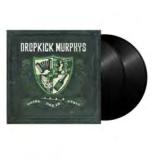
Das siebte Studioalbum der Dropkick Murphys, ursprünglich 2011 veröffentlicht. Es war das bis dahin
erfolgreichste Album der Band und stieg auf Platz 6 der Billboard-200-Charts ein.
Zudem enthält das Album Gastbeiträge von Bruce Springsteen, Fat Mike (von NOFX), Chris Cheney (von
The Living End) sowie dem Schauspieler und Komiker Lenny Clarke.
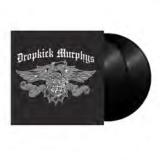
Das sechste Studioalbum der amerikanischen Celtic-Punk-Band Dropkick Murphys, ursprünglich 2007 veröffentlicht.
Das Album stieg auf Platz 20 der US-Billboard-200-Charts ein und wurde in die Liste der besten Alben des
Jahres 2007 des *Rolling Stone* aufgenommen.
Simplicity floods itself in textured imperfection and anointed noise on the debut oracular folk guitar album released under the UK’s 5 Gate Temple.
A roughly recorded stack of improvisations on a classical-style guitar, God Spill embodies the broken, all while un-doing the expectations around traditional guitar folk. Mingot's fingerpicked tones meld with unsteady pedal loops and hissed drones rotating through flawed circuitry. A slow to becoming repair that is translucent, cryptic and oblique.
Mingot's misty glitched landscape paints the polarity of both presence and disappearance, all cyclically mirroring the unseen. Honesty, discordance, impatience, and certainty all find home alongside blurred vocal drones.
Since 2022, the EU-based, Queens NY native has released music elusively as hardcore high priestess St Agnis and now swims waters of the acoustic - with soft rage and pursuit.
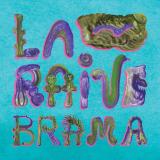
"Polyrhythms, fiddle drones, and acid melodies are once again on display under a kaleidoscopic sun, where high voltage is never far away, celebrating an incantatory Occitan prose.
La Raive is a path between dream and reality, memory and imagination, where dance becomes a space of vivid memory. In this workshop, Brama seizes the pulse to build an architecture where each motif is a door, each variation a secret passage."
The Yummy Fur’s first album of new material in over 25 years is seductive and ambiguous; a fast-paced flip through scenes from art, myth, life and fantasy; a witty whole made from glittering scraps. The band’s original incarnation – fronted by singer, songwriter and guitarist John McKeown from 1992 to 1999 – morphed from making quick-hit cartoon-art songs to Eno and Cale-influenced creepers, populated by characters from McKeown’s life in Glasgow and the films, books and poetry that he lived a parallel life through. Everybody Talks About The Weather delights in using every past iteration of the band as potent collage material: a melee of sounds and ideas existing at once, revealing themselves then dipping back into hiding.
Recorded by the original core trio of McKeown, Brian MacDougall (guitar) and Paul Thomson (drums), Everybody Talks About The Weather comes 17 years after the band reformed for sporadic live shows, and seven years after the release of their sorta-greatest hits compilation Piggy Wings (Rock Action). Ten tracks long with nothing to spare, it is as condensed and vital as their best songs, with a new clarity of sound that allows their ambiguities to come into the light.
The album begins with “Cogs”, a taunting inquisition from within. As McKeown stages a fight between his id and ego, the tension heats up between conversational guitar lines and minimalist repetition; threatening sing-song melody and real, palpable menace. The band members are forced in tandem only to break apart, sustaining a genuine sense of just-hidden danger throughout the whole record – except, arguably, “Headphones”, a looser moment which sees McKeown make an existential something out of nothing while waiting for someone in the car (“I should have brought a book.../My ears are bleeding from the compression on your album”)
The songs are riots of reference: “Unity Over Europe” is a slyly complex two act play about the Mitford sisters – Diana, Unity, and Nancy, in a wink to the YF canon – smashing tragic biographical detail together with allusions to Thomas Pynchon and Francis Bacon. Pynchon is also lifted to serve “Blue Sunshine”, a collision of school shooters, serial killers and fictional fuck-ups (“Fast forward to Compton/Fast forward to Pynchon/Fast forward to Columbine'”) whose buzzy guitar lines are taunting and confrontational like a smarmy teenager. The innocuous title of “My Lasagne” belies a song that exists in several time periods at once: a visit to see Guernica, 50 people with their backs to the portrait of Dora Maar; the time that Picasso painted from; the Reina Sofia and the dirty streets of the Malasaña; myth-making musicians and the myths they’re riffing off overlapping and leering at each other.
All this could be laboured in lesser hands, but cultural verbosity is second nature to The Yummy Fur, who transform all this source material into songs that are weird, sexy, funny and absurd. Meaning is not happily understood or flattened. Susan Sontag's essay Against Interpretation accompanied McKeown as he wrote this album, and she’s paraphrased in “Semolina Ballerina”, the album’s justification of artistic ambiguity. Thomson’s motorik beat leads a gathering of back-and-forth instrumental phrases – including a wiry contribution on saxophone – embodying the futility of trying to parse something definitive from repeated action. “Listen to the very first thing that’s in your head,” Sontag-via-McKeown commands directly, then slinks sideways: “Interpretation is a conversation in an unmade bed”
The album features two more focused portraits, or at least The Yummy Fur’s version of such a thing. “Wanda” merges the life of filmmaker Barbara Loden and the title character of her semi-autobiographical 1970 feature film, with Loden’s then-husband Elia Kazan joining the fray of no-good men in her film. It’s a mix of adaptation and avant-criticism, with McKeown’s wordplay and mannered pronunciation mirroring the way that non-fiction and fiction twist around each other in the song. The title track is a series of vignettes and impressions from the lives of the band’s ‘90s inner circle, positing painter Mac McNaughton as a kind of Falstaffian ringleader. As with Piggy Wings and the recent single “New T-Shirt”, McNaughton painted the cover of Everybody Talks About The Weather – like the album’s music, the image of a coy girl in a white dress is an uncanny amalgamation of styles, suggestions and references just out of reach, as though seen in an art museum in a dream.
The album ends with two reads of the same frustration. “King of Nothing” is the closest The Yummy Fur will ever get to sludge-rock: the band melts together into a dusty, dreary haze as McKeown drowns in a drudgery of personal struggle (“Two jumpers on in Babylon/And only cats to talk to”) and the rhythmic toppling of heroes (Rowlands, Duvall, Munro). The majority of visible dirt is cleaned off for “Say Hello”, an uncharacteristic depiction of throwing the windows open after a dark night of the soul. Here, the situation is still cold and hard (“When the sun burns gold, but the heat never reaches your fingertips”) but it feels surmountable. Everybody Talks About The Weather is an unpredictable album from an unpredictable group, but ending on a moment of almost uncomplicated light is maybe its biggest surprise. - Claire Biddles (2026)
The Yummy Fur’s first album of new material in over 25 years is seductive and ambiguous; a fast-paced flip through scenes from art, myth, life and fantasy; a witty whole made from glittering scraps. The band’s original incarnation – fronted by singer, songwriter and guitarist John McKeown from 1992 to 1999 – morphed from making quick-hit cartoon-art songs to Eno and Cale-influenced creepers, populated by characters from McKeown’s life in Glasgow and the films, books and poetry that he lived a parallel life through. Everybody Talks About The Weather delights in using every past iteration of the band as potent collage material: a melee of sounds and ideas existing at once, revealing themselves then dipping back into hiding.
Recorded by the original core trio of McKeown, Brian MacDougall (guitar) and Paul Thomson (drums), Everybody Talks About The Weather comes 17 years after the band reformed for sporadic live shows, and seven years after the release of their sorta-greatest hits compilation Piggy Wings (Rock Action). Ten tracks long with nothing to spare, it is as condensed and vital as their best songs, with a new clarity of sound that allows their ambiguities to come into the light.
The album begins with “Cogs”, a taunting inquisition from within. As McKeown stages a fight between his id and ego, the tension heats up between conversational guitar lines and minimalist repetition; threatening sing-song melody and real, palpable menace. The band members are forced in tandem only to break apart, sustaining a genuine sense of just-hidden danger throughout the whole record – except, arguably, “Headphones”, a looser moment which sees McKeown make an existential something out of nothing while waiting for someone in the car (“I should have brought a book.../My ears are bleeding from the compression on your album”)
The songs are riots of reference: “Unity Over Europe” is a slyly complex two act play about the Mitford sisters – Diana, Unity, and Nancy, in a wink to the YF canon – smashing tragic biographical detail together with allusions to Thomas Pynchon and Francis Bacon. Pynchon is also lifted to serve “Blue Sunshine”, a collision of school shooters, serial killers and fictional fuck-ups (“Fast forward to Compton/Fast forward to Pynchon/Fast forward to Columbine'”) whose buzzy guitar lines are taunting and confrontational like a smarmy teenager. The innocuous title of “My Lasagne” belies a song that exists in several time periods at once: a visit to see Guernica, 50 people with their backs to the portrait of Dora Maar; the time that Picasso painted from; the Reina Sofia and the dirty streets of the Malasaña; myth-making musicians and the myths they’re riffing off overlapping and leering at each other.
All this could be laboured in lesser hands, but cultural verbosity is second nature to The Yummy Fur, who transform all this source material into songs that are weird, sexy, funny and absurd. Meaning is not happily understood or flattened. Susan Sontag's essay Against Interpretation accompanied McKeown as he wrote this album, and she’s paraphrased in “Semolina Ballerina”, the album’s justification of artistic ambiguity. Thomson’s motorik beat leads a gathering of back-and-forth instrumental phrases – including a wiry contribution on saxophone – embodying the futility of trying to parse something definitive from repeated action. “Listen to the very first thing that’s in your head,” Sontag-via-McKeown commands directly, then slinks sideways: “Interpretation is a conversation in an unmade bed”
The album features two more focused portraits, or at least The Yummy Fur’s version of such a thing. “Wanda” merges the life of filmmaker Barbara Loden and the title character of her semi-autobiographical 1970 feature film, with Loden’s then-husband Elia Kazan joining the fray of no-good men in her film. It’s a mix of adaptation and avant-criticism, with McKeown’s wordplay and mannered pronunciation mirroring the way that non-fiction and fiction twist around each other in the song. The title track is a series of vignettes and impressions from the lives of the band’s ‘90s inner circle, positing painter Mac McNaughton as a kind of Falstaffian ringleader. As with Piggy Wings and the recent single “New T-Shirt”, McNaughton painted the cover of Everybody Talks About The Weather – like the album’s music, the image of a coy girl in a white dress is an uncanny amalgamation of styles, suggestions and references just out of reach, as though seen in an art museum in a dream.
The album ends with two reads of the same frustration. “King of Nothing” is the closest The Yummy Fur will ever get to sludge-rock: the band melts together into a dusty, dreary haze as McKeown drowns in a drudgery of personal struggle (“Two jumpers on in Babylon/And only cats to talk to”) and the rhythmic toppling of heroes (Rowlands, Duvall, Munro). The majority of visible dirt is cleaned off for “Say Hello”, an uncharacteristic depiction of throwing the windows open after a dark night of the soul. Here, the situation is still cold and hard (“When the sun burns gold, but the heat never reaches your fingertips”) but it feels surmountable. Everybody Talks About The Weather is an unpredictable album from an unpredictable group, but ending on a moment of almost uncomplicated light is maybe its biggest surprise. - Claire Biddles (2026)
Trá Pháidín are a mutable collective of musicians who are geographically, culturally and mentally torn between Conamara Theas, Cathair Chorcaí, Ciarraí, Uíbh Fhailí, Sligeach and Port Láirge, active in one form or another since 2019. The music they make, which to date has mostly been self-released, is of an ambitious breadth, embracing traditional Irish absurdity, jazz, folk and krautrock influences, whilst remaining tantalisingly beyond any one specific understanding of either the world around them or even themselves. More defined however, is their overall conceptual approach, focusing upon original Gaelic music and what lies beyond simply “conas atá tú?”.
Cloch ‘s Claí (trans. Stone & Wall), their first record to be released by World of Echo, develops their established interests into more adventurous waters (and walls!) than ever. Based on the historical significance embedded into dry-stone walls, the album presents a satirical view of Éire’s relationship with her native tongue and the Gaeltacht (regions where Gaeilge - Irish Gaelic - remains the primary language). Constructed of ten tracks, each representative of a stone in a metaphorical stone-wall, Cloch ‘s Claí draws from styles of improvisation in Irish traditional music, exploring avenues of ornamentation and accompaniment in the tradition. As such, the arrangement changes in every performance, a new stone-wall articulated each time - the recording on this album represents just one such arrangement in one such performance. Inspired by Myles na gCopaleen’s An Béal Bocht, the wall comes to embody a variety of themes scattered across the landscape and psyche of na Gaeltachtaí - tokenism, housing, gentry politics, ribbon developments and so on. The result is a music expressive of regional styles in traditional music, krautrock, free jazz, post-rock, minimalism and drone presented in a way that feels instinctively fluid and reflective of a hushed existentialism from the west of Ireland.
On Cloch ‘s Claí, Trá Pháidín are: Conal Ó hAinmhuighe, Ultan Ó Labhradha, Peadar-Tom Mercier, Micheál Fitzgerald, Pól Ó Lionáird, Ruairí De Búrca. Cloch ‘s Claí will be released digitally and as a limited edition LP on 25th September via World of Echo. This record was created through the support of the DEIS Recording Grant & Ealaín na Gaeltachta.
Starcleaner Reunion ist eine schnell aufstrebende neue Band aus alten Freunden, die in NYC leben. Sängerin Jo Roman, die Gitarristen Pat Drummond und Neil Torman sowie Bassist Adam Kenter machen schon seit ihrer gemeinsamen Highschool-Zeit in New Jersey in verschiedenen Besetzungen gemeinsam Musik. Im Jahr 2022 fand die Band in NYC zusammen und hat seitdem eine Reihe von ausverkauften Konzerten in NY gespielt, die begeistert aufgenommen wurden, sowie landesweite Tourneen mit TOPS, This is Lorelei und anderen absolviert. Ihre erste Vinyl-Veröffentlichung, eine 10"-EP bei Take Care Records, erschien im Jahr 2025 und war sofort ausverkauft. Die Vorfreude auf ihr Debütalbum ,Umbrella" ist groß, da sie für 2026 noch bedeutendere Auftritte und Tourneen planen, darunter das Psychfest in Austin, das Total Bummer Fest in Brooklyn und Termine an der Westküste mit Blondshell.
Starcleaner Reunion ist eine schnell aufstrebende neue Band aus alten Freunden, die in NYC leben. Sängerin Jo Roman, die Gitarristen Pat Drummond und Neil Torman sowie Bassist Adam Kenter machen schon seit ihrer gemeinsamen Highschool-Zeit in New Jersey in verschiedenen Besetzungen gemeinsam Musik. Im Jahr 2022 fand die Band in NYC zusammen und hat seitdem eine Reihe von ausverkauften Konzerten in NY gespielt, die begeistert aufgenommen wurden, sowie landesweite Tourneen mit TOPS, This is Lorelei und anderen absolviert. Ihre erste Vinyl-Veröffentlichung, eine 10"-EP bei Take Care Records, erschien im Jahr 2025 und war sofort ausverkauft. Die Vorfreude auf ihr Debütalbum ,Umbrella" ist groß, da sie für 2026 noch bedeutendere Auftritte und Tourneen planen, darunter das Psychfest in Austin, das Total Bummer Fest in Brooklyn und Termine an der Westküste mit Blondshell.
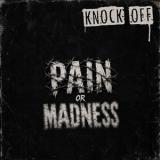
Knock Off präsentieren ihr siebtes Album "Pain Or Madness" _ ein Album, das nicht nur für die Band selbst in diesen Zeiten wichtig ist. Die Welt ist völlig verrückt und es scheint, als habe die Menschheit vergessen, wie man Konflikte löst, miteinander spricht und den Kreislauf der Selbstzerstörung stoppt. Und wenn die Schläge im persönlichen Umfeld näherkommen und das Schicksal zuschlägt, kann man schnell den Boden unter den Füßen verlieren. Wut, Hass, Aggression zusammen mit Depression, Lustlosigkeit, oder halt "Pain or Madness". Auf dieser Grundlage entstand Knock Offs siebtes Album. Punkrock war schon immer am stärksten, wenn die Zeiten düster sind, und dieses Album ist einfach eine musikalische Therapie und Offensive gegen alles was Dich zerstört. Knock Off spielen immer noch klassischen UK Oi! und Punkrock und haben ihren eigenen Stil über die Jahre perfektioniert, sorgen dabei aber stets aufs Neue für Überraschungen. Mit jeder verdammten Note spürt man, dass die Songs direkt aus dem Herzen kommen! Ein Schlag ins Gesicht, ohne Rücksicht auf Empfindlichkeiten, in Songs wie "Go Fuck yourself". Dieses Gefühl, wenn Hilflosigkeit in "Violence" umzuschlagen droht. Kein Diskutieren oder Erklären über Punk, denn "My Punk!" (is whatever I choose). Wenn die Jungs auf die '70s football youth' oder 'Good Times' zurückblicken, sind keine weiteren Erklärungen nötig, das ist und war deren Leben, hier gibt es nicht zu romantisieren. Selbst heutzutage kann man noch seinen Ärger rauslassen, und Knock Off tun das perfekt mit Songs wie "Anger is an energy" oder der dreckigen kleinen Selbstironie-Hymne "Middle age rage". "Pain or Madness" enthält ein Dutzend neuer Songs: Energiegeladene Punkrock-Hymnen mit großartigen sing-along Refrains und aggressiven Shoutings. Solch ein Album nach sieben Platten rauszubringen, ist ein auf keinen Fall zu verpassendes Statement! Zwei unterschiedlich mehrfarbige Vinyl-LP-Versionen erhältlich
Knock Off präsentieren ihr siebtes Album "Pain Or Madness" _ ein Album, das nicht nur für die Band selbst in diesen Zeiten wichtig ist. Die Welt ist völlig verrückt und es scheint, als habe die Menschheit vergessen, wie man Konflikte löst, miteinander spricht und den Kreislauf der Selbstzerstörung stoppt. Und wenn die Schläge im persönlichen Umfeld näherkommen und das Schicksal zuschlägt, kann man schnell den Boden unter den Füßen verlieren. Wut, Hass, Aggression zusammen mit Depression, Lustlosigkeit, oder halt "Pain or Madness". Auf dieser Grundlage entstand Knock Offs siebtes Album. Punkrock war schon immer am stärksten, wenn die Zeiten düster sind, und dieses Album ist einfach eine musikalische Therapie und Offensive gegen alles was Dich zerstört. Knock Off spielen immer noch klassischen UK Oi! und Punkrock und haben ihren eigenen Stil über die Jahre perfektioniert, sorgen dabei aber stets aufs Neue für Überraschungen. Mit jeder verdammten Note spürt man, dass die Songs direkt aus dem Herzen kommen! Ein Schlag ins Gesicht, ohne Rücksicht auf Empfindlichkeiten, in Songs wie "Go Fuck yourself". Dieses Gefühl, wenn Hilflosigkeit in "Violence" umzuschlagen droht. Kein Diskutieren oder Erklären über Punk, denn "My Punk!" (is whatever I choose). Wenn die Jungs auf die '70s football youth' oder 'Good Times' zurückblicken, sind keine weiteren Erklärungen nötig, das ist und war deren Leben, hier gibt es nicht zu romantisieren. Selbst heutzutage kann man noch seinen Ärger rauslassen, und Knock Off tun das perfekt mit Songs wie "Anger is an energy" oder der dreckigen kleinen Selbstironie-Hymne "Middle age rage". "Pain or Madness" enthält ein Dutzend neuer Songs: Energiegeladene Punkrock-Hymnen mit großartigen sing-along Refrains und aggressiven Shoutings. Solch ein Album nach sieben Platten rauszubringen, ist ein auf keinen Fall zu verpassendes Statement! Zwei unterschiedlich mehrfarbige Vinyl-LP-Versionen erhältlich
Following the much-loved Library Music: Volume One (2022), and hot on the heels of this year’s critically acclaimed ‘After The Rain, Strange Seeds’ (9/10 - Uncut) , London group The Leaf Library return with a second journey through the margins of their catalogue. Gathering together rare recordings, compilation tracks, limited edition releases, collaborations and hidden gems from their ever-expanding musical world, Library Music: Volume Two is another vibrant and varied collection of electronic indie pop, in all its guises.
Far from a conventional odds and ends collection, the double LP compilation reveals another side of a band who have always treated the spaces between albums as places to explore. These are the moments where ideas stretch out; there are hypnotic drones, motorik rhythms, glowing analogue textures, pastoral electronics and the warm, melodic melancholy that has become unmistakably The Leaf Library. There is the electro-pop of Flowers At The Border, the psych rock-adjacent Building Better Worlds, and the gentle chamber shuffle of Kendrick Road. Tracks range from the 22 minute folk kosmiche epic Versatile Clouds to the 59 seconds, record skip punctuation mark of Harmonic Runout, with a whole array of trips, ideas and experiments in between.
Since forming in a pre-Ghost Box, Castles in Space and Clay Pipe world, The Leaf Library have carved out a unique place somewhere between dream pop, kosmische repetition and experimental songcraft — drawing comparisons to Stereolab, Broadcast, Yo La Tengo and the outer edges of library music, while creating a sound entirely their own.
“We’ve always loved making things outside the pressure of a ‘proper’ album,” says singer/guitarist Matt Ashton. “Singles, collaborations and compilation tracks give you permission to follow an idea wherever it wants to go. Looking back, those pieces tell their own story.”
Where their studio albums have shown the group carefully building immersive worlds, the Library Music series maps the pathways between them — the sketches, diversions and unexpected discoveries that often reveal the most about a band.
Across a lucky thirteen tracks, Library Music: volume two is a reminder that some of the best discoveries are found on the shelves you forgot to check.
[a] Flowers At The Border [4.21]
[b] The Long Dead King [7.16]
[c] Bowed Clusters [4.00]
[d] I Learned To Swim Under Water [4.32]
[e] Building Better Worlds [11.59]
[f] Harmonic Runout [0.59]
[g] Kendrick Road [3.36]
[h] Sailing Day (Wintergreen Remix) [3.59]
[i] Versatile Clouds [22.00]
[j] Bells and Thread [2.54]
[k] No Memories, No Plans [4.33]
[l] Everyone I Met Today [1.00]
[m] Tired Ghost In Orbit [9.19]
The Montréal psych-ambient synth-droners return with Sequence Three, their first album in five years and the final instalment in the group’s opening trilogy of records that began with Sequence One in 2019. The spectral supergroup co-founded by Stephen Ramsay (Young Galaxy) and Jace Lasek (The Besnard Lakes), usually joined in some capacity by Lasek’s Besnard bandmate Olga Goreas, deliver another dose of its trademark longform slowburn jams, forged from restored vintage synths and analogue electronic gear. Lasek and Ramsay don their seasoned producer hats to apply rockist sound design to minimalist tracks, saturated with tube compression, drenched in pink and brown noise, all queasy modulation, sparse beats, and languorous melodic lines. Evoking a humid dawn on a gas giant, these alien drone anthems meld the numinous transcendentalism of Spiritualized and Cluster with the eroded grit of William Basinski and GAS. Light Conductor has been tagged “heavyweight analogue synth nirvana” by Uncut Magazine and praised for its “fabulous, epic, shimmeringly radiant kosmische” by Electronic Sound, among other accolades. Sequence Three consolidates these strengths, while leaning into the darker disquietude that has always been an undercurrent of Light Conductor’s aesthetic.
Sequence Three rounds out a satisfying trio of full-lengths that Light Conductor has released on Constellation, featuring vibrantly minimal geometric cover art designed by label co-founder Ian Ilavsky that integrates the trilogy as a visual series as well. In keeping with the previous two albums in the set, the Deluxe 180gLP includes a 12”x24” art poster. Thanks for listening.
Montréal-based sound artist Steve Bates expands his strategies and stylistic influences on An Infinite Antenna, his second solo album for Constellation, giving freer reign to melodic components and textural dynamics: leftfield synth work, deconstructed drum machine, pointillist electric guitar, and radiostatic blur are all part of the new brew swirling around his bruitist signal-bending and field-recording sensibility. Arguably a more ambient album than his acclaimed 2022 Constellation debut, An Infinite Antenna is at the same time more densely packed with ideas, dynamics, evocations and earworms. Coming out of the anarcho-punk scene of the Canadian Prairies in the 1990s, Bates founded Winnipeg’s experimental sound festival Send + Receive in 1998 before moving to Montréal to become Sound Coordinator at Hexagram (Concordia University), delving further into sonic research and theory, tape-based composition, and installation work. Alongside the curatorial arc of his own sound art label The Dim Coast, Bates released several solo and collaborative albums on ORAL_records leading up to All The Things That Happen, the 2022 Constellation debut praised by Boomkat for its “grittily iridescent ambient billow rendering maximalist panoramas” and by Backseat Mafia as “extraordinary soundscapes of unstable, destructive cacophony and tender calm, echoes of the threat of power.” Where that album was noisier and single-minded, made with the self-imposed limit of a Casio SK-1, Bates plays more widely with instrumentation and atmospheres on An Infinite Antenna, also drawing on his post-hardcore roots in seeking a sort of track-by-track concision nonetheless driven by the album’s coherence as a seamless work. “I was trying to set durations I associate with punk rather than the longer, sprawling music coming from more ambient styles (that I very much love), and while I wasn’t able to quite pare it down to Minutemen durations, I had that reduction to essential elements as a sort of whisper over my shoulder.” Incorporating source recordings made throughout 2023-2025, including at artist residencies and site-specific sound installation visits in Bosnia and Herzegovina (the album’s cover photo was taken in Sarajevo), Austria, Greece, and Saskatchewan, An Infinite Antenna combines Bates’ “idea of slowly scanning a radio dial” with a soundworld of recurring timbral and textural touchstones that forge an integrated whole.
The album’s 12 tracks work effectively as stand-alone pieces, replete with shifting undercurrents, buried melody, and stuttering kinetics, and as a sequential flow where the brief interstitial silences between them are like short pauses to flip the next page in a sketchbook of perspectival studies of a wide but singular tableau. The glistening atonal synth expressionism of opener “Pink pink pink pink…pink pink” drifts gently toward submerged ambience, darkened by the noised rumble and static interference of “Green as a ghost”, which introduces broken beats and piano chords in its denouement. Tracks like “Battles and sieges and street trees” and “Easier sad than done” work the foundations of low-end field-recording resonance, but dappled with lovely melodic droplets of treated guitar and synth. “Waste, songs of the world” and “Disaster loans” are among the album’s most explicit stylistic references to posthardcore, with distorted ambient bass and gently abrasive drum sampling. Closing track “Swamps and factories”, the album’s longest piece, is perhaps most reminiscent of Bates’ previous record with its sustained dissonant glimmer-drone, but the journey An Infinite Antenna traces to get there is Bates at his most dynamic, diverse, distinctive, and engaging. Thanks for listening.
Montréal-based sound artist Steve Bates expands his strategies and stylistic influences on An Infinite Antenna, his second solo album for Constellation, giving freer reign to melodic components and textural dynamics: leftfield synth work, deconstructed drum machine, pointillist electric guitar, and radiostatic blur are all part of the new brew swirling around his bruitist signal-bending and field-recording sensibility. Arguably a more ambient album than his acclaimed 2022 Constellation debut, An Infinite Antenna is at the same time more densely packed with ideas, dynamics, evocations and earworms. Coming out of the anarcho-punk scene of the Canadian Prairies in the 1990s, Bates founded Winnipeg's experimental sound festival Send + Receive in 1998 before moving to Montréal to become Sound Coordinator at Hexagram (Concordia University), delving further into sonic research and theory, tape-based composition, and installation work. Alongside the curatorial arc of his own sound art label The Dim Coast, Bates released several solo and collaborative albums on ORAL_records leading up to All The Things That Happen, the 2022 Constellation debut praised by Boomkat for its "grittily iridescent ambient billow rendering maximalist panoramas" and by Backseat Mafia as "extraordinary soundscapes of unstable, destructive cacophony and tender calm, echoes of the threat of power." Where that album was noisier and single-minded, made with the self-imposed limit of a Casio SK-1, Bates plays more widely with instrumentation and atmospheres on An Infinite Antenna, also drawing on his post-hardcore roots in seeking a sort of track-by-track concision nonetheless driven by the album's coherence as a seamless work. "I was trying to set durations I associate with punk rather than the longer, sprawling music coming from more ambient styles (that I very much love), and while I wasn't able to quite pare it down to Minutemen durations, I had that reduction to essential elements as a sort of whisper over my shoulder." Incorporating source recordings made throughout 2023-2025, including at artist residencies and site-specific sound installation visits in Bosnia and Herzegovina (the album's cover photo was taken in Sarajevo), Austria, Greece, and Saskatchewan, An Infinite Antenna combines Bates' "idea of slowly scanning a radio dial" with a soundworld of recurring timbral and textural touchstones that forge an integrated whole. The album's 12 tracks work effectively as stand-alone pieces, replete with shifting undercurrents, buried melody, and stuttering kinetics, and as a sequential flow where the brief interstitial silences between them are like short pauses to flip the next page in a sketchbook of perspectival studies of a wide but singular tableau. The glistening atonal synth expressionism of opener 'Pink pink pink pink_pink pink' drifts gently toward submerged ambience, darkened by the noised rumble and static interference of 'Green as a ghost', which introduces broken beats and piano chords in its denouement. Tracks like 'Battles and sieges and street trees' and 'Easier sad than done' work the foundations of low-end field-recording resonance, but dappled with lovely melodic droplets of treated guitar and synth. 'Waste, songs of the world' and 'Disaster loans' are among the album's most explicit stylistic references to posthardcore, with distorted ambient bass and gently abrasive drum sampling. Closing track 'Swamps and factories,' the album's longest piece, is perhaps most reminiscent of Bates' previous record with its sustained dissonant glimmer-drone, but the journey An Infinite Antenna traces to get there is Bates at his most dynamic, diverse, distinctive, and engaging. Thanks for listening
Courant Zéro is the new moniker of Montréal multi-media installation artist and Kohlenstoff label co-founder Maxime Corbeil-Perron, signalling his return to purely recording-based electronic music production following several years focused on award-winning experimental film and audio-visual works. Solari channels his cinematic sensibility and decade-long exploration of sound art and electroacoustic counterpoint into deep cuts of maximalist ambient electronica. Drawing on his early background as a pianist and jazz drummer, Corbeil-Perron weaves a fabric of melodic and rhythmic vectors with his unique timbral palette, intersecting modern composition, IDM, ambient, glitch, and noise on a debut album brimming with sonic detail and emotive resonance. A fixture of Montréal's sound art community as both creator and curator since the early 2010s, Corbeil-Perron's work has ranged from "hypnotic A/V onslaught" (FACT Magazine) to the "richly nuanced acousmatic journey" of his 2018 EP Polychrome (Bandcamp Best Contemporary Classical Of The Month), with earlier electronic and techno-adjacent projects like Political Ritual, Dresden, and Le poisson d'argent garnering accolades from avant-music outlets A Closer Listen, Silence and Sound, and Musicworks, among others. Courant Zéro mobilizes this cumulative wealth of explorative sonic experience in the service of distinctive compositional architectures and electronic music pathways that fans of Floating Points, Jan Jelinek, Squarepusher, Tim Hecker, and Oneohtrix Point Never should find compelling. Title track "Solari" opens the album with a cavernous ambient glitch-drone soundscape that envelops ever-shifting timbres of modular arpeggiation, serving as introduction to the clarion call of "En deçà du réel", an homage to video artist Manon Labrecque, where layers of interweaving melodic counterpoint played on Buchla and other synths slowly build to widescreen immersive intensities; "I have this vision of Labreque vibrating eternally between two frames of magnetic VHS tape_ the slow pace of the piece also inspired by Tarkovsky's approach to scenography" says Corbeil-Perron. "Strange Aorta" is ectoplasmic ambient with wistful melody lines transmuting along a central filament, awash in shifting waves of low-end and ricocheting tonal glitch, the title a reference to "the thumping rhythm beating around the main melody_and the heavy remnants of grief related to my father's passing and a brutal confrontation with my own mortality a few years back." Tracks like "La peau des dents" and "Eroding Us" are more firmly rooted in electroacoustic and aleatory systems music, where colliding loops are shaped into unstable flows of deconstructed slippage and reconvergence. Those two pieces bookend the album's pivotal center: the gorgeous piano digitalia of "Horizon n'arrête" and the skittering electronica of 9-minute opus "Unyeldd", its loping broken beat and cascading melodic glitter like a cluster of wind-up music boxes in a dappled forest _ and for Corbeil- Perron also partly inspired by now fellow Constellation labelmates Do Make Say Think: "I spent a lot of time rediscovering their records after seeing them last September 2024 which definitely influenced this piece." Courant Zéro's debut is a vibrant sonic rebus at the junction of electronic, electroacoustic, noise and ambient music that resists easy categorisation. Solari strikes a compelling balance of unsettled disorientation and hospitable warmth, teeming with real feeling throughout. The album's cover art painting Cryptography I by Yen-Chao Lin represents this prevailing sensibility, its mazelike circuitry distinctly carved and crisply rendered, while filigreed with handmade detail and artisanal patina. Thanks for listening.