The Nonesuch debut of Hurray for the Riff Raff (aka Alynda Segarra), LIFE ON EARTH, is a departure for the Bronx-born, New Orleans-based singer/songwriter. Its eleven new “nature punk” tracks on the theme of survival are music for a world in flux – songs about thriving, not just surviving, while disaster is happening. Hurray for the Riff Raff tours North America this spring, beginning March 19 in Atlanta and continuing through April 20 in Nashville, with stops in Austin, Chicago, Los Angeles, and New York, among others. International tour dates will be announced shortly.
For her eighth full-length album, Segarra (they/she) drew inspiration from The Clash, Beverly Glenn-Copeland, Bad Bunny, and the author of Emergent Strategy, adrienne maree brown. Recorded during the pandemic, Life on Earth was produced by Brad Cook (Waxahatchee, Bon Iver, Kevin Morby).
Life on Earth’s first single, ‘RHODODENDRON’, is about “finding rebellion in plant life. Being called by the natural world and seeing the life that surrounds you in a way you never have. A mind expansion. A psychedelic trip. A spiritual breakthrough. Learning to adapt, and being open to the wisdom of your landscape. Being called to fix things in your own backyard, your own community,” says Segarra.
Of the ‘Rhododendron’ video, which was directed by New Orleans-based artist Lucia Honey, Segarra says: “It is really far out and fun. I got this bodysuit that just looks like the inside of the human body. It looks like you’re skinless. It’s in a scene where I’m playing to an audience of plants. Just really absurd, but I put that suit on and I was like man, this feels really good. It feels like, ‘This is who I am. Let’s just take the skin off.’
“It reminds me a little bit of Kids in the Hall,” they continue. “With this ‘Rhododendron’ shoot, something clicked in me where I was like, ‘All I have to do is be myself.’ I had been thinking that I had to be something bigger than myself. I felt like I was just never quite making the mark and then something clicked where I was like, ‘I just gotta be me. I could do that. I could show up and be me. And if people don’t like it, then I don’t know what to fucking tell them.’ It was like a brain shift of, ‘Oh, this can be fun. It doesn’t have to be suffering.’ With so many videos and photo shoots before, it really felt like suffering. I felt so uncomfortable being perceived. I didn’t know who I was.”
Honey adds: “We wanted to create something surreal, playful, and saturated that indulged heavily in the aesthetic of the early ‘90s. Alynda and I had many overlapping visual and philosophical references which sparked the initial collaboration. We wanted to make this video an homage to Gregg Araki’s Teenage Apocalypse trilogy but as a nature documentary crossover. I came across Araki’s work as a queer teenager, and he’s always been a big inspiration. Sex, blood, punk rock, camp, etc.
“We live in a moment where the future is bleaker and more unknown than ever, so there becomes a deep comfort in nostalgia and reliving the past. Through our talks, I realised Alynda’s new album touches on many of these same subjects, but perhaps in reverse; running from a past that is always haunting you. Shifting into a more refined self/identity through confronting one’s trauma and baggage. It was easy to reach collaborative synergy for this video project because we’re both interested in tackling similar issues.”
Alynda Segarra was born and raised in the Bronx, which they left at the age of seventeen, running away from everything and everyone they knew, hopping freight trains or hitchhiking across the country in the company of a band of street urchins. Segarra moved to New Orleans in 2007 and formed two bands: Dead Man’s Street Orchestra and Hurray for the Riff Raff. In 2015, Segarra decamped to Nashville, then to New York, to make her most recent album, 2016’s critically praised The Navigator, an ambitious and fully realized concept album that was her quest to reclaim her Puerto Rican identity. Segarra’s previous records as Hurray for the Riff Raff are Crossing the Rubicon (EP, 2007), It Don’t Mean I Don’t Love You (2008), Young Blood Blues (2010), Hurray for the Riff Raff (2011), Look Out Mama (2012), My Dearest Darkest Neighbor (2013), and Small Town Heroes (2014).
Suche:ear 2 brain
"The core of confusion and upheaval that drove some of the band's most fiery earlier work, however, is replaced by a more stabilized undercurrent, a mentality that's reflected in songs not afraid to try new things and honestly explore uncomfortable feelings. When combined with exciting production and songwriting choices, that mindset helps make Feels So Good // Feels So Bad one of the Shivas' best albums.” - AllMusic "Portland, Oregon-hailing psych-surf band The Shivas accomplish another time-traveling, reverb-ridden sound that refuses to get boring. Jared Molyneux’s guitar work knows when to be bright or bashful at the right times, breaking into guitar solos that possess a late-’60s groove… The Shivas seem to blissfully flourish” - Paste "a consistent treat for the ears” - The Vinyl District "Though the psych-tinged guitar riff that drives 'Feels So Bad' was written while The Shivas were still on the road, its lyrics didn’t fall into place until the band was well into lockdown, unsure of when they’d be able to return to their most imperative true love: Live shows... Accordingly, 'Feels So Bad' permeates with a sense of urgent desperation, building off a chugging prog-rock instrumental.” - Consequence (on “Feels So Bad”) "They hooked the audience with their throwback rock sounds. The guitar strums and rhythmic drum beats were layered atop smooth and hallucinogenic vocals. The eyes can tell the take at times and there was a sparkle there that said that the band members just love doing live performances." - California Rocker "This single layers on the fuzz but keeps it dreamy, with an especially sticky guitar riff sure to lodge itself in your brain with minimal effort." - Portland Monthly (on “If I Could Choose”) “'My Baby Don’t' translates the genuine vibrant joy
of the live experience into the studio, bringing the band’s ‘60s garage rock roots, sharp pop vocal harmonies, and fervent performances along for the ride." - Under The Radar "Perfectly straddling the line between a solid-head bopping track and an introspective deep cut, The Shivas’ 'Undone' is a rock & roll gem. The track sounds straight out of the late 60s and fits seamlessly in the Portland band’s electrifying catalog." - The Luna Collective "The first time I clicked play on this track, I knew it was a yes for me." - Ear To The Ground Music (on “If I Could Choose”) "The harmonies would make the “Happy Together” Turtles blush, but the unsettling guitar doesn’t shy away from the woollier implications of the ’60s." - Willamette Week (on “If I Could Choose”) "'Undone' is just the perfect song for the good days and the bad ones." - GlamGlare "another hit" - Austin Town Hall (on “Undone”) "one of the best forthcoming albums of the year" - Austin Town Hall RADIO: #3 Most Added @ NACC - 50 official adds BIO Every working musician has had their life turned upside down by Covid-19. For The Shivas, who had recently released a new LP and normally keep a rigorous touring schedule, it was a particularly screeching halt. “We were about to go to SXSW, the following weekend was Treefort in Boise, and then we were going to open for our friends’ band on tour in the US before going to Europe,” Jared Molyneux remembers. Then everything just stopped. They were faced with a dilemma. “It forced us to adapt or just quit,” Molyneux says. “The reality is that shows are our job.” In truth, live shows aren’t just The Shivas job: they are the band’s greatest love. Shivas shows are bombastic, explosive and thoroughly communal live rock and roll experiences where barriers between the performers and their audience seem to dissolve into the sweat and sound. The stage—or the basement, or the living room—that’s The Shivas’ true element. It’s their raison d’etre. It’s their religion. The band’s live urgency may have been born in 2006, when the band’s young members—who began booking West Coast tours while still in high school—waited without fanfare on sidewalks or in parking lots, before being rushed onstage for their sets at 21-and-up clubs. Maybe it developed a little later, as The Shivas blasted their way through Portland’s storied and unsanctioned mid-aughts house show scene. Whatever the origin of their famously kinetic live experience, it’s the show that keeps them coming back after over 1,000 performances spread over 25 countries in 15 years. In those 15 years, The Shivas have grown tight-knit as a group. Guitarist/singer Jared Molyneux, bassist Eric Shanafelt and drummer/singer Kristin Leonard have all been with the band since its earliest days; guitarist Jeff City, another high school friend, joined in 2017. Together they’ve learned to thread a seemingly impossible needle: They’ve honed and tightened their performances without sacrificing the element of surprise that makes each show special. And despite touring and recording for most of their lives, they speak about their project with humility, in the DIY vernacular of their Pacific Northwest upbringing. They talk up their own favorite bands, play all-ages shows as much as possible, and bring a sort of blue-collar humanism to the live performances they relish so much. “We just want to make people feel good,” Molyneux says. “We want them to forget they have to work tomorrow.” Kristin Leonard elaborates, “The live show is all about that feeling of catharsis—in ourselves and in everyone who comes out. We’re creating this safe space where we can all let go. Where we can exhale. And it feels really good when we are able to facilitate that.” So when Covid hit, the band knew it was time for transformation. After a settling realization that live music would be grounded for the foreseeable future, The Shivas booked significant studio time with Cameron Spies, who also produced the 2019 Dark Thoughts LP. They also transformed their lives: three of the band’s four members found work with a local nonprofit serving unhoused Portland residents. They became engaged in protests and fundraisers for social justice. They spent a whole summer actually living in Portland, settling into the city they had always called home, but that sometimes felt like a temporary stop between tours. “We got into a more community-minded headspace,” Leonard says. “And that did give us some purpose. It felt cool to see everybody come together to stick up for what they believe in. It feels like an incredibly formative last twelve months.” The album that emerged from this new moment finds The Shivas reborn as a band that seems seasoned and perfectly at home with itself. There is a calm, even a hopefulness, to Feels So Good // Feels So Bad that sounds new. The Shivas didn’t write or record the album with a particular theme in mind, but one seems to have emerged: where Dark Thoughts was about confronting your demons with fearless self-examination, much of Feels So Good // Feels So Bad is about what happens once you find that peace: how being honest with yourself changes your relationships and your priorities. “I do think it’s about acceptance,” Leonard says. “There’s a weird relaxation that comes with being at peace with things you can’t control or have regrets about.” Maybe that’s why the squealing, riff-laden break-up song opener, “Feels So Bad,” is such a shock to the system. But it’s more of an exorcism than a melodrama: more a song about not being able to do the thing you love (in
this case, playing live shows) than splitting with a partner. “It’s like part of you goes to sleep,” Leonard says. As bandmates who are also in a long-term relationship, Molyneux and Leonard know that their songs might be seen as glimpses into their personal lives, but their songwriting is rarely autobiography. Leonard compares their process to something more akin to screenwriting. “There’s bound to be some autobiographical material in there,” she says. “But the common denominator is the exploration of universal feelings: ones that everyone experiences or can relate to.” The goal is to use the music to drill down into something genuine and sincere, beyond genre or stylistic affectation. That’s where The Shivas have arrived. Whatever growth led the band to Feels So Good // Feels So Bad, plenty of their fascinations remain. They’re still turning love songs into psychedelic, transcendent epics. “Tell Me That You Love Me” subverts doo-wop extravagance and dabbles in Flamenco rhythms. “Rock Me Baby” is a bubblegum anthem soaked in so much reverb that we might just be hearing it from the stadium nosebleeds. “Sometimes” is almost impossibly huge, like a witchy outtake from the Brill Building era. Those songs feel like logical expansions from a band that has always excelled at a timeless sort of rock and roll that tinkers with and explodes elements from every era. But on the towering and mournful “You Wanna Be My Man,” a slow-burning six-minute shoegaze prayer for a higher sort of love, there is a level of emotional nuance that feels like something altogether revolutionary. It’s there again in the stripped-down vulnerability of the album-closing elegy “Please Don’t Go.” Yes, Feels So Good // Feels So Bad is an album about acceptance. Sometimes that acceptance feels enlightened and sometimes it feels like the end result of a lot of kicking and screaming. The Shivas have adapted in both of those ways. With new tours scheduled and a new album on the way, they’re still hoping--like all of us--for a new era of vibrant, cathartic live music. The lessons they learned from having their normal upended, though, have only helped them grow
Even if Ancient Greek isn’t part of general knowledge anymore, the word mega is. Hence, you might admire our modesty to say that Roman Flügel’s first outing on Running Back in 2022 is perfectly headed. Greta, large, mighty and somewhat the love- or brainchild of his earlier Garden Party and the previous D.I.S.C.O., Mega pulls out all the stops: hi-nrg melodies, circus bells, cowboy funk and honey hooks at 140 beats per minute. While it is nearly impossible not to take this bait or decorate it with the Bobby-O medal of honor, Roman proves one more that you can be catchy and classy at the same time.
Rules on the other hand, puts some of these stylistic devices in reverse or down-tempo mode and feels like brushing your teeth after an extended feast or the perfect hors d’oeuvre.
Completing the picture with Film 1, Film 2 and Film 3, Flügel flexes his freethinking muscles and lands in-between art school new wave bands and soundscape science. Music that is masterly made, magical in its impact and perfectly described with a misquoted line from Get The Balance Right: it’s never predictable.
- A1: My Mother Was A Big Fat Pig
- A2: Hide The Lobsters
- A3: Fast City!
- A4: The Reality Of (Air) Fried Borsk (Air)
- A5: We've Come To Take The Earth Away
- A6: Green Things Have Entered My Skin, Gladys
- A7: I'm Gonna Bash Your Brains In
- A8: Water My Doing Here?
- B1: Girl's Got A Turtle
- B2: How Do You Tell A Stranger?
- B3: Happytime Springface & Flowers
- B4: Greensleeves
- B5: I'm Gonna Bash Your Brains In (Version 2)
- B6: The Reality Of (Air) Fried Borsk (Air)
- B7: Horror Asparagus Stories
- A1: Tyrell (2021 Remaster) 03 42
- A2: Take The Bus (2021 Remaster) 05 14
- A3: Rollen Rink (2021 Remaster) 06 09
- A4: Close, But Not Quien (2021 Remaster) 06 01
- A5: The Official Gm Ski-Wm Theme (2021 Remaster) 01 07
- B1: Temko (2021 Remaster) 05 20
- B2: Boom (2021 Remaster) 06 33
- B3: Madshoes (2021 Remaster) 05 38
- B4: Obvious (2021 Remaster) 03 36
- C1: No Ketting (2021 Remaster) 05 30
- C2: Blob Return (2021 Remaster) 02 12
- C3: Bonden (2021 Remaster) 04 54
- C4: Mimi (2021 Remaster) 01 41
- C5: 11 25 (2021 Remaster) 04:40
- D1: Die Mondlandung (2021 Remaster) 11 00
First time vinyl issue of this 1997 Mego classic. General Magic, the duo of Ramon Bauer and Andi Pieper, who, alongside Pita, first pioneered the classic Mego sound on the Fridge Trax 12” in 1995. The following year proved to be formulative when Mego released Frantz alongside a slew of game changing releases from Farmers Manuel, Pita and Fennesz.
Originally released as MEGO 010 Frantz presented a thrilling digression from what was in vogue in music at the time. This was the advent of portable computing and the Vienna based label was at the forefront of harnessing the potential of audio within this new technology.
At once smart and playful these releases reconfigured once disparate genres such as industrial, techno, glitch and the avant garde, folding them into a bright, audacious and euphoric new system of sound. The music on Frantz (named after the Austrian skier, Franz Klammer) still pushes the boundaries of acceptable audio constructions with it’s startling fried electricity and twisted sensibility. The sense of joy in the audio discovery is palatable as techno laced explorations unfold a variety of unexpected and unprecedented sonic manoeuvres.
Tyrell launches proceedings as schizophrenic stuttering handclaps simultaneously slice into pieces as it propels forward. The bending of the brain is on display with the likes of ‘Obvious’ and ‘Close, But Not Quien’. Temko skewers digital debris in which a ghost melody comes to the fore. Brazen rhythms mobilize the tracks ‘No Ketting’ and ‘Bonden’ whilst the Official GM Ski-WM Theme is a short stab of priceless pop wizardry skittering about a strange exhilarating melody in homage to the finest of winter activities.
This reissue also includes ‘Die Mondlandung’ which was released as a 12” in 1995 (MEGO 002), and has never been released anywhere, physical or digital, since. This track is based on the live German TV coverage of the moon landing. An apt theme for the abundance of exploration contained within this classic release.
--
About Frantz ... and Peter (by Ramon Bauer & Andi Pieper, November 2021):
Listening to the test pressings of the remastered Frantz album for the first time on vinyl, 25 years after the original release on the then still young Mego label in 1997, felt like uncovering an ancient artefact. In those exciting days during the mid-1990s, together with the late Peter Rehberg, we founded a label called Mego to further explore the wonders of electronic music. And that is what we did for the next 10 years until everything became too much with the label in somewhat rough waters. So we dropped out of music business and pursued different things. It was Peter who continued producing and releasing music with the restarted label, now called Editions Mego. Until his unexpected death in July 2021, he developed Editions Mego into the grown-up and much acclaimed outfit for which it is known today. We will forever miss Peter’s inspiring personality and his uncompromising creativity. His legacy will live on in his music and in the vast and rich Mego and eMego catalogues. We are humbled and proud to have played a role in those formative years of the label.
Peter approached us in October 2020 with the idea to do a vinyl reissue of Frantz, just in time for the 25 year anniversary of its release. That came as a complete surprise for us, General Magic had not released any music or performed live for over 15 years. Anyway, we were delighted with the prospect of having that General Magic "classic" remastered (by the exceptional Russell Haswell) and released for the first time on vinyl on Editions Mego.
Frantz is a collection of tracks that we produced in 1995 and 1996 right after recording “Fridge Trax” (with Peter) and “Die Mondlandung” (which comes as a bonus track on this reissue). At that time, we started to migrate our analogue gear to 64 MB RAM computers and used almost every other digital thing that yielded a sound by any means. We even deliberately crashed our then so-called "Powerbooks" and scratched self-produced CD-Rs until they produced previously unheard sounds. Real time audio processing with computers was barely a thing back then (before SuperCollider was released), but cheerful massaging of sound files yielded interesting results and the future looked bright. Listening to Frantz today, with decades of distance, there are some parts that might appear dated by modern standards, but the energy and the general magic of that period is well captured.
All Frantz tracks were produced in Andi's studio in Berlin and at Mego Vienna. The Mego studio/office was a vivid place located in an old factory on the outskirts of Vienna. We shared the place with Tina Frank, who created most of the early Mego covers and videos. Other artists, musicians and friends were hanging out there almost every day. Many ideas on Frantz are a product of that particular environment. “Mimi”, for example, is based on a field recording in the backyard of the factory, where we also shot the video for “Tyrell”. “11.25” contains sounds from the Prague train station we regularly passed through on the night train travelling between Vienna and Berlin. Other sounds were sourced from the early internet and mangled on the computer, carefully preserving those early audio codec artefacts. While working on the Frantz tracks at the Mego Vienna studio, Peter was usually around, as he was literally working and living there. And so, of course, he also made an impact on that album: It might not be widely known but Peter even appeared on Frantz contributing his voice to the choir on “The Official Ski WM Theme”.
Let there be Frantz!
Ellise is a singer, songwriter, and producer based in Los Angeles. Born and raised in the Bay Area, Ellise grew up on her dad’s classic rock and her Iranian mom’s traditional Arabic music while her own taste skewed poppier, influenced by the sounds and sights of the Y2K era. After graduating high school early to pursue music full time, she moved to Los Angeles, where she spent several years honing her craft in the studio before beginning to work in earnest on her debut album, Chaotic, alongside regular collaborator Micah Gordon.
Written almost entirely by Ellise herself, the record has a distinctive point of view wrapped in some of pop’s sleekest and most thrilling sounds, inspired by the music she’s surrounded herself with over the past two years (think Ariana Grande, Lorde, Dominic Fike, Lana Del Ray, Amy Winehouse, and Fat Joe). Standout songs like “Bubblegum Brain,” “Princess,” and “Zipper Lips!” present Ellise’s blueprint as both expertly produced pop and highly intelligent ruminations on love, loss, and what it’s like to feel flawed in a world that often demands perfection. Chaotic is certainly a product of a confident young artist steeped in pop’s richest stock, but also a singer and songwriter whose clear-cut vision is imprinted on each of the album’s songs.
South London genre-blending story tellers Alabama 3 are set to further add to their rich musical heritage with a new single ‘Whacked’, available April 30th via Submarine Cat Records, with an album to follow later inAugust.
‘Whacked’ is the first taste of fresh Alabama 3 material since the tragic passing of their beloved and unconventional frontman and songwriter Jake Black, aka The Very Reverend D. Wayne Love, in May of 2019. Jake had Addison’s disease and passed away several days after falling ill during a show at the HighestPoint Festival in Lancashire at only 59 years old.
Then, with the Covid-19 pandemic and lockdown upon the world, the band got creative and submerged themselves in their music, teaming up with producer Cam Blackwood(George Ezra, Jack Savoretti, Tom Walker, Frank Carter and the Rattlesnakes…) to focus their minds on something vital, new and fresh. This can clearly be heard in ‘Whacked’, a song which pays respect to the late co-writer of the song, Pete Dunne.
"A product of old skool Brixton, the legendary Seven Kevin’s Pete Dunne threatened us with this song prior to his untimely death,” explains founding member Larry Love. “Despite the heavy manners we are proud to declare we rose to the challenge."
“Whacked was made in the early weeks of the first UK lockdown in March 2020,” remembers producer Cam Blackwood. “I think the hedonistic spirit of the song was amplified a million times by the fact we were making the record remotely - with the musicians in the band recording their parts at home, sending them all to me to collate and arrange - then I would send the instrumental track to Larry to record vocals on. The energy was pretty insane - we were like caged animals desperate to get out.
“We managed to find time three months later (when the first lockdown ended in July 2020) to get together and put the finishing touches to the song,” continues Cam. “Being in the studio with a few beers seemed like a fitting way to finalise the tune and put the last 1% of energy into the recording. This song feels like classic Alabama 3 to me. It’s a banger!”
Indeed it is. A low-slung groove propelled by frontman Larry Love’s infamous throat rattle, with the addictive chorus refrain ‘everybody’s getting whacked on something, something that makes them feel good,’ ‘Whacked’ will loop around your brain like a recurring dream you can’t wake from. These are hedonistic conscious unconscious times.
“You can praise the Lord, you can pass the ammunition, you can be woke you can be wicked you can have the wisdom of Solomon but unless you are ready to get whacked with Alabama 3 there’s no point in dreaming,” states Larry. “Rearrange the rubble, paint your bomb shelters and make sure everybody in the neighbourhood feels good cos we feel like getting stooped and you need to get whacked.”
Alabama 3 are very much back. Time to get whacked.
- A1: Gary Moore - Sea Lapping (Harbour & Estuary)
- D5: Gary Moore - Swifts & Swallows
- D6: Ame - Doldrums
- A2: Natural Calamity - Have You Seen The Sun Today
- A3: Gary Moore - Ships Horn
- A4: Paqua - Escondidio (Instrumental)
- A5: Gary Moore - Avocets
- A6: Coyote - The Fade
- A7: Gary Moore - Cormorants
- A8: Greymatter & Goldslang - Black Turns To Blue
- B1: Gary Moore - Nightjar (Heathland & Moorland)
- B2: Crack'd Man - Between The Midst & The Sun
- B3: Gary Moore - Wood Ants
- B4: Kirk Degiorgio Presents As One - Orwell Rising
- B5: Gary Moore - Stonechat
- B6: Turtle - Heathland Haze
- B7: Gary Moore - Natterjack Toads
- B8: Brainchild - Beyond Because
- C1: Gary Moore - Woodland Canopy (Woodland & Forest)
- C2: Richard Norris - Warm Hunger
- C3: Gary Moore - Great Spotted Woodpecker
- C4: Fug - From Little Seeds We Grow
- C5: Gary Moore - Tawny Owls
- C6: Bobby Lee & Mia Doi Todd - Walking With Trees
- D1: Gary Moore - Cliff Top (Beach & Cliffs)
- D2: World Of Apples - Bluemill Sound
- D3: Gary Moore - Puffins
- D4: Pablo Color & Hove - Licht
Warm presents a brand new compilation called 'Home'; a soundtrack for when we pause, take a breath, and use our senses to explore the magic of the world on our doorsteps. Morning to evening, dawn to dusk, our lives continue moving but sometimes the need to step back and reset is essential to create a balance in our lives. As we open our eyes and ears to our surroundings, our senses become stimulated by small details. Whether it be the sound of the sea lapping on the sand, the wind blowing through the canopy of trees or a robin heralding a new day; nothing is the same but all are unique.
'Home' has been pieced together over the last year by Warm’s Ali Tillett. With the majority of Warm - booking agents for Colleen ‘Cosmo’ Murphy, Gerd Janson, Horse Meat Disco, Hot Chip DJs, Lou Hayter, Luke Una - on pause, Ali took the chance to immerse himself in bringing together his passion for music, nature and art.
The 14 tracks, the majority exclusive and specially made for the compilation, includes contributions by Âme, Bobby Lee & Mia Doi Todd, Coyote, Crack’d Man (aka Crooked Man who produced Roisin Murphy's last album), Fug (with their first material for over ten years), Kirk Degiorgio presents As One, Turtle, and Ewan Pearson's World of Apples project (with their first material for nearly 20 years!). The tracks align with specific habitats in the local Dorset area, where Ali is situated, such as Harbour/Estuary, Heathland/Moorland, Woodland/Forest, and Beach/Cliffs.
To immerse the listener even further into the soundscape, critically acclaimed sound and field recording artist Gary Moore, of Springwatch/Autumnwatch fame, has been involved to help bring nature even further to the ears. Intertwined between the music are field recordings specific to area and habitat; whether it be the sound of a ship's horn in Poole harbour, avocets on the scrape, the tawny owl in the woodland or Puffins on the ledges of cliffs.
Gareth Fuller, a fabulous artist who previously lived in Dorset, has kindly allowed one of his artworks to become the centrepiece for the compilation. Titled 'Purbeck', it's a truly wonderful piece of art that encapsulates everything about the area and enables an added dimension to the immersive experience for the listener.
The third release on U-TRAX in 1993 was also a third debut, this time by Natasja Hagemeier and Jeroen Brandjes. Early in their career, they used several artist names, but became most commonly known as The Connection Machine. With their debut mini-album The Dream Tec Album they more or less described their style: dreamy techno. It became an instant Dutch techno classic and U-TRAX is proud and delighted to offer a fully remastered re-release, including three never before released bonus tracks (one of which is digital-only).
Natasja and Jeroen resided in Utrecht back in the 90s. In 1991 they assembled all their ideas and recorded the track "24 Hours" with DJ Paradize. Soon after this experience, they started to buy their own gear, all strictly MIDI (which wasn't too obvious in those days). In their early recording years, they had three producer-names (Syndrome, The Connection Machine and Bitch&Bites), that were all collected under the The Utroid Machine Missions umbrella, which was used for their debut on U-TRAX.
All tracks on The Dream Tec Album are The Connection Machine's earliest works, from the 1991/1992 years.
"An Overflow of the Mind" is a beautiful, dreamy track with almost divine sounds and strange voice-samples that serves perfectly as an introduction to their entire repertoire.
Their first production was "24 Hours", and what a brilliant one it is! A well-known jazz-musician talks about a "24 hour party going on", on top of a sinister and trancey rug, woven of sampled sounds from pioneers in electronic music and nailed down to the floor with a deep pounding bassdrum. At the time they made this track, 141 bpm was unbelievably fast...
"Evilish Cosmos" is all about a very sad and personal emotion, so everything we say about it will be absolutely wrong. Just listen to the meandering piano line, distorted voice samples - and feel it.
The first bonus track on this release is "Recognized Pain", which was intended to be part of the original The Dream Tec Album. It had appeared on the Phuture Classical Section C cassette in 1993, on the famous Drome Tapes label that formed the roots of U-TRAX. It truly is an amazing track: pure sonic terror with haunting rhythms, psychedelic synth lines and shards of voice samples that make the listener feel slightly uncomfortable.
"X_Manray" is many electronic music lover's favorite track. It is sooo deep that it is hard not to get hypnotized by it. Warm strings are coupled with deep beats that show up and disappear every now and then. Could serve perfectly to start off any DJ's set, as long as she or he has the guts.
Though "Braindrain" is probably the most danceable track on this album, it is carefully designed to tease the listener. Everything in this track drops in too late and every tone, melody or loop last exactly a few bars too long. Designed as a DJ-teaser and so it is.
The second bonus track, "Cafe d'Anvers", is another previously unreleased work, of which unfortunately no master recording was saved. All that is left, as far as we know, was an old VHS Hifi tape from the U-TRAX Archives. And that is where this bonus track was taken from. Mastering engineer Thee J Johanz managed to restore the quality of the recording somewhat, while at the same time maintaining its dark, clubby sound, a tribute to the famous club of the track's name in Antwerp, Belgium.
"Dream Affected Dream" is one of the most recent productions on this album. It was recorded with CNN playing live on top of it. At this exact moment, CNN was having an interview with David Koresh, the leader of the infamous Branch Davidians sect from Waco, Texas, while they were under siege by an armed police force. Natasja and Jeroen were just ready to record Dream Affected Dream, and spontaneously decided to mix in the audio from CNN. Not very long after that, the cult members set fire to themselves. A very strange and oddly funky track, that also serves as a time-document.
The final track is another bonus track. Like Cafe d'Anvers, "Voight-Kampff" is taken from on old U-TRAX VHS Hifi tape and masterfully mastered into a lovely relaxed dreamtech piece. Very suitable to start the Sunday after a long night of clubbing. This track is available for free to buyers of the complete digital album only.
Original release date: July 1993.
The third release on U-TRAX in 1993 was also a third debut, this time by Natasja Hagemeier and Jeroen Brandjes. Early in their career, they used several artist names, but became most commonly known as The Connection Machine. With their debut mini-album The Dream Tec Album they more or less described their style: dreamy techno. It became an instant Dutch techno classic and U-TRAX is proud and delighted to offer a fully remastered re-release, including three never before released bonus tracks (one of which is digital-only).
Natasja and Jeroen resided in Utrecht back in the 90s. In 1991 they assembled all their ideas and recorded the track "24 Hours" with DJ Paradize. Soon after this experience, they started to buy their own gear, all strictly MIDI (which wasn't too obvious in those days). In their early recording years, they had three producer-names (Syndrome, The Connection Machine and Bitch&Bites), that were all collected under the The Utroid Machine Missions umbrella, which was used for their debut on U-TRAX.
All tracks on The Dream Tec Album are The Connection Machine's earliest works, from the 1991/1992 years.
"An Overflow of the Mind" is a beautiful, dreamy track with almost divine sounds and strange voice-samples that serves perfectly as an introduction to their entire repertoire.
Their first production was "24 Hours", and what a brilliant one it is! A well-known jazz-musician talks about a "24 hour party going on", on top of a sinister and trancey rug, woven of sampled sounds from pioneers in electronic music and nailed down to the floor with a deep pounding bassdrum. At the time they made this track, 141 bpm was unbelievably fast...
"Evilish Cosmos" is all about a very sad and personal emotion, so everything we say about it will be absolutely wrong. Just listen to the meandering piano line, distorted voice samples - and feel it.
The first bonus track on this release is "Recognized Pain", which was intended to be part of the original The Dream Tec Album. It had appeared on the Phuture Classical Section C cassette in 1993, on the famous Drome Tapes label that formed the roots of U-TRAX. It truly is an amazing track: pure sonic terror with haunting rhythms, psychedelic synth lines and shards of voice samples that make the listener feel slightly uncomfortable.
"X_Manray" is many electronic music lover's favorite track. It is sooo deep that it is hard not to get hypnotized by it. Warm strings are coupled with deep beats that show up and disappear every now and then. Could serve perfectly to start off any DJ's set, as long as she or he has the guts.
Though "Braindrain" is probably the most danceable track on this album, it is carefully designed to tease the listener. Everything in this track drops in too late and every tone, melody or loop last exactly a few bars too long. Designed as a DJ-teaser and so it is.
The second bonus track, "Cafe d'Anvers", is another previously unreleased work, of which unfortunately no master recording was saved. All that is left, as far as we know, was an old VHS Hifi tape from the U-TRAX Archives. And that is where this bonus track was taken from. Mastering engineer Thee J Johanz managed to restore the quality of the recording somewhat, while at the same time maintaining its dark, clubby sound, a tribute to the famous club of the track's name in Antwerp, Belgium.
"Dream Affected Dream" is one of the most recent productions on this album. It was recorded with CNN playing live on top of it. At this exact moment, CNN was having an interview with David Koresh, the leader of the infamous Branch Davidians sect from Waco, Texas, while they were under siege by an armed police force. Natasja and Jeroen were just ready to record Dream Affected Dream, and spontaneously decided to mix in the audio from CNN. Not very long after that, the cult members set fire to themselves. A very strange and oddly funky track, that also serves as a time-document.
The final track is another bonus track. Like Cafe d'Anvers, "Voight-Kampff" is taken from on old U-TRAX VHS Hifi tape and masterfully mastered into a lovely relaxed dreamtech piece. Very suitable to start the Sunday after a long night of clubbing. This track is available for free to buyers of the complete digital album only.
Original release date: July 1993.
- A1: My Mother Was A Big Fat Pig
- A2: Hide The Lobsters
- A3: Fast City!
- A4: The Reality Of (Air) Fried Borsk
- A5: We've Come To Take The Earth Away
- A6: Green Things Have Entered My Skin, Gladys
- A7: I'm Gonna Bash Your Brains In
- A8: Water My Doing Here?
- B1: Girl's Got A Turtle
- B2: How Do You Tell A Stranger?
- B3: Happytime Springface And Flowers
- B4: Greensleeves (The Twa Corbies)
- B5: I'm Gonna Bash Your Brains In (Version 2)
- B6: The Reality Of (Air) Fried Borsk (Version 2)
- B7: Horror Asparagus Stories
Late 1980’s to early 90’s guitar pop/rock n roll band from Dunedin, New Zealand. Stephen featured David Kilgour, Alf Danielson, Geoff Hoani, and Stephen Kilroy.
Formed by David Kilgour after The Clean first split. They released an EP on Flying Nun records in 1988 as a three piece, later added another guitarist and recorded for a record that didn’t happen. Remastered, rescued and compiled for this release. New art and liner notes, insert with prev. unseen photos and fliers. Tracks from the Dumb EP, Radar of Small Dogs, as well as studio tracks from sessions towards the never-completed LP.
Interview with David Kilgour about the band coming up in the next Maggot Brain issue.
"Stephen Kilroy recently reminded me that my idea for the band was to have no aspirations, apart from making new music, and that it was a casual experiment. I’d forgotten that. I remember having a long break after the Clean first split. I wanted to keep making music in a low-key way, and with other musicians I could write and share the spotlight with. I’ve always wanted to be in someone else’s band." - David Kilgour, from the Maggot Brain interview.
Deepfunk / soul super rarity flipped with one of the best deep soul sides ever recorded, the family had some great images so we opted for a picture sleeve on this one, 400 copies only. forget about finding an O.G. Researched by our man, Brian Sears
Papa Bear And His Cubs were the brainchild of Eddie Disnute Sr., aka Papa Bear. A native resident of Hampton, Arkansas. Eddie started his music career in gospel then transitioned into secular music after moving to Milwaukee, Wisconsin in 1963. While living in Milwaukee with his wife and children, Eddie played with a group called the Fenders but eventually decided to start a group of his own with his kids aptly named Papa Bear And His Cubs.
Eddie Sr., a naturally gifted musician, taught his children how to play music. Creativity is a part of the Disnute DNA and before long Eddie's cubs were perfecting chops of their own. Papa Bear And His Cubs started performing together around the late 1960s. Although a few memorable gigs came their way, Wisconsin proved to be too cold for the Disnutes so they made their way back to Hampton, Arkansas.
The family continued to perform in Arkansas then made another move to Houston, Texas where they hoped to break into the music scene down south. They lived there for nearly three years and even recorded at SugarHill Studios, yet nothing materialized and the recordings remain a mystery to this day. For their final move, the Disnutes returned home to Hampton after Eddie's wife Christine (aka Mother Goose) received word that her father was ill.
In 1975 the group recorded their only vinyl record at Sam Griffith's home recording studio in Camden, Arkansas. Disnute Sr. recalls it only taking "one night, and one take" for both "Sweetest Thing On This Side Of Heaven" and "You're So Fine" to be born. Both songs have an entrancing quality that is inescapable and will surely resonate with listeners for years to come.
The group continued to perform until the early 1980s, at which point the cubs were bears themselves, who decided to go their own separate ways. When thinking back to their prime days, one thing will always remain clear in Eddie Sr.'s memory, "we could play, all it took was a countdown of 1, 2 ,3, 4 and we're gone".
Far View’ is a compilation of tracks from Joel Vandroogenbroeck’s series of library
music releases for the Coloursound label, a uniquely trippy catalogue of music
vignettes long overdue for their day in the library music sun, remastered from the
original analogue reels.
The late Joel Vandroogenbroeck was among the rare breed of musicians who defy
all categorization, using music conventions to explore the far reaches of human and
cosmic consciousness. After passing through the jazz and rock worlds from the
1950s through the ‘70s, Joel found new outlets for his expansive vision in the ‘80s
with the Swiss library music label Coloursound. ‘Far View’ draws tracks from these
releases, which form a unique entry in the genre of library music. For the uninitiated,
this is just one way to begin a brilliant musical trip through Vandroogenbroeck’s
undersung career.
A musical prodigy from youth, Joel arrived at Brussels’ classical Music Conservatory
in the early ‘50s, but his studies were curtailed by the revelation of jazz. Soon, Joel
was touring in groups around Europe and beyond with luminaries like Eje Thelin,
Stan Getz, Bob Brookmeyer and Zoot Sims. As time passed, his musical
consciousness continued to expand: time spent in Africa sparked a deep exploration
of the music of the Middle East. The new rock sounds from England, like The Beatles
and Jimi Hendrix, were mind-blowing. And from Germany came the krautrockers,
with something completely else again.
Vibing on the eclectic energies of the day, Vandroogenbroeck formed Brainticket,
whose approach to composition fused jazz, rock and a mélange of global musical
traditions, combining a Western rhythm section and analogue synthesizers with an
astonishing array of acoustic instruments; ethnic flutes, sitar, harp, kalimba and all
manner of percussion. Steeped in diverse approaches of playing and listening,
Brainticket drew from prog rock and psych, traditional sounds and minimalist music,
all of which passed through their hands like the tributaries that formed the basis of
what would soon be known as New Age music.
In the late 1970s, Vandroogenbroeck began composing for sound libraries, with
recordings to be used as underlay music in films, radio and television. Gunter
Greffenius’ Coloursound Library was formed in 1979 with an inclusive vision of
music, including experimental, progressive rock, and some of the earliest examples
of ambient music - styles not well represented in other libraries. Coloursound gave
Joel the freedom to create music in any style or genre, and over the next decadeplus, he embarked on a musical journey that is unmatched anywhere in the world of
library music. Working under the pseudonyms VDB, his output on Coloursound is
some of his most sublime and otherworldly - ranging from dark electronics to
imagined music of the ancient past to ethereal ambient sounds of the future, which
makes sense, as Joel’s records were always ahead and in and out of their time.
Joel VandroogenbroeckJ passed away in in December 2019, while work was being
done assembling this collection. Curated by David Hollander, whose ‘Unusual
Sounds’ album and book of the same name delightfully explore the library music
world, ‘Far View’ draws from ten of Joel’s Coloursound albums with lovely cohesion.
Featuring brilliantly remastered sound, liner notes from David Hollander, album art
designed by Robert Beatty and reproductions of the Coloursound album jackets, ‘Far
View’ is an entry point to Joel Vandroogenbroek’s mind-bending body of work - sonic
soma to expand your consciousness and vibrate with the cosmos.
Mike Pride was not a fan of legendary punk band MDC – a straight-edge hardcore devotee, you could even say he had a chip on his shoulder about this more mainstream, less disciplined form of punk – when he suddenly found himself on a tour of Europe as their drummer sometime in the early ‘00s. Twenty years later, now a longtime fan and friend of the band, Pride unexpectedly turns to the band’s raucous catalogue as a source for jazz standards on his warped new album, I Hate Work. I Hate Work draws its material exclusively from MDC’s iconic 1982 debut album, Millions of Dead Cops. Despite his long established passion for bringing the extremes of hardcore and heavy rock into the jazz and improvised music realm (and vice versa), Pride instead does the unexpected, transforming MDC’s pummeling punk into swinging acoustic jazz. For the occasion he enlisted pianist Jamie Saft and bassist Bradley Christopher Jones, both master re-interpreters of a wide swath of pop and rock music, as well as special guests Mick Barr (Ocrilim, Krallice), JG Thirlwell (Foetus), Sam Mickens (The Dead Science) and MDC frontman Dave Dictor.
Ignition, Something Records lifts off 'Lost in Musik' by STL aka Stephan Laubner. An album to blow your minds, shake your bodies and touch your souls. On 17 tracks and an extended playing-time, this double vinyl comes in complete album feel, multifarious variations, and in STL's full tonal trademark fit. It will rumble dance-floors the same as moody home listening places. Here we go. STL attends the brains & ears in his magic discrete way with an unstoppable bucket-raining flow of fresh sounds, catching rhythms and aspirating music, like no one else usually does. Soon after joining these vinyl reliefs, you will be under the spellbound and enhexed beauty of these otherworldly beats and tones, which makes you feel all of the sudden, being relocated in other dimensions shrouded in new-born principles of fascinating un-shattered realities. Feel from beyond. Something Vinyl Series 31 works great with special and exceptional. From the sound creations up to the artwork. Everything follows the distinct d-i-y philosophy to what a something-records release is well known for. The Vinyls are coming in limited quantity. So you better be fast catching a copy. Now let the music do the further talking. Enjoy this seldom gem. Take the action and get lost in musik!
“Is the juice worth the squeeze? Is the honey worth the bees? Is the trip
worth the risk? Is the rub worth the fleas?”
These are some of the big questions CHILDCARE find themselves pondering
at the top of their second album ‘Busy Busy People’. It’s a mantra that returns
later in the record but remains in the back of your brain throughout, a playful
enquiry into the purpose of our everyday activities that highlights the South
London-based group’s knack of marrying the surreal with the ordinary; soberly
tripping out during the big shop.
It’s something the group have been refining as part of their identity since their
genesis, when singer Ian Cares spent the time between school runs at his nannying job writing songs. He started adding other musicians to the project gradually until two EPs (2017’s ‘Made Simple’ and 2018’s ‘Luckyucker’) and one
album (2019’s ‘Wabi-Sabi’) later, Ian, male guitarist Rich Le Gate, bassist Emma
Topolski, and male drummer David Dyson have shaped CHILDCARE into one of
the most unique emerging groups in the UK.
They’ve earned themselves a loyal following of fans, sold out their biggest
show (so far) at London’s Scala and gained support from BBC Radio 1 (Annie
Mac, Jack Saunders), Spotify (several New Music Friday slots) and five SXSW
2020 showcases, which of course, never happened.
Busy Busy People was recorded at Somerset’s Distiller Studios with producer
Dom Monks (Laura Marling, Big Thief, White Denim)
Former BBC Radio 1 Track of the Week with key supporters incl. Jack Saunders,
Annie Mac plus BBC 6 Music’s Steve Lamacq & Radio X’s John Kennedy
Performed on the BBC Radio 1 stage at Reading/Leeds 2019 and were slated
for SXSW ‘20 before the pandemic hit.
They also sold out London’s Scala in Christmas ‘19.
UK tour kicks off September ‘21 Bassist Emma Topolski also performs as touring
member with Bombay Bicycle Club, Dua Lipa & Laura Marling
Mixed Colored Vinyl
The London label continues to innovate with their biggest release to date.
10 tracks – 10 incredible artists adding to their string of solid releases by new and established art-ists.
Setting fire to the rage of acceptance.
–
Sublime Creatures, defiant of society’s cages, its definitions of power, beauty and status. A higher stance above bitter re-sentment. A pro-active community of thin- kers. A patch-work of empowered souls, ideas and experiences.
Directly related to one of the sentences in our manifesto, Sublime Creatures is a call to our most powerful selves.
–
The name of the label itself is about us working on bettering ourselves and being united in all our differences. “Reptile” is about our relationship with the reptilian brain and our efforts to understand what truly means to be human (tools to perfect your instinct), becoming aware of our-selves and the others around us. “House of” is a direct allusion to the “house and ball culture” movements in NYC in the early 80s.
The sense of a real family of strangers coming together around a shared sense of purpose.
South African born, London based producer Kai van Dongen follows up two killer releases on 1Ø PILLS MATE and Ei8ht Records with a massive four tracker on CYBERDOME spanning lo-fi electro, gabber-influenced techno and Detroit acid.
‘Command’ gets started with the typical Cyber-aesthetic; a bruising, otherworldly electro cut that sounds like it was sampled from an intergalactic star-ship battle on a galaxy not so distant. Spooky, raw and uncompromising - classic horror synth lines creating a haunting atmosphere before its pulsating rhythm brings the listener back down to earth. ‘Losing Power’ again makes use of Kai’s knack for crafting emotionally captivating synth patterns, but this time under a lo-fi identity with hefty influence from the synthwave golden era; neon shapes and patterns blooming in the night as we continue our journey into darkness.
What sounds like an angry swarm of bees approaches on ‘Body Moving’ - a track title fit for purpose. Face-melting, brain-spinning techno creates a dark, psychedelic environment where sweat drips from the ceiling and faces react with a blend of euphoria and disgust, before we head to the Motor City on ‘Breathe’ - a cut of acid techno-electro that borrows from the icons of the past for a typically punchy and raw experience.
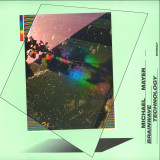
Michael Mayer’s latest EP, Brainwave Technology, comes at you purposeful, stealthy and sly. It’s a glorious left turn for the redoubtable producer, one that sees his typically lean and lithe productions buffed to a metallic, futurist sheen. There’s a gleam in the eyes of tracks like “Brainwave Technology” and “Alpha” that speaks of serious fun, of the intersection of the pleasure zone and the frontal lobe.
“Brainwave Technology” itself is informed by Mayer’s deep dive into the thorny terrain of artificial intelligence, transhumanism and posthumanism. Inspired by reading German philosopher Richard David Precht, Mayer found himself heading down the “proverbial rabbit hole,” as he describes it, “watching hours of YouTube material by self-proclaimed prophets of these ‘inevitable’ changes to come.” Never one to be taken in by the egotist’s dance, Mayer’s cynicism about the whole endeavour is tempered, a little, by the deeper questions that these figures gesture towards: “Is it really an evolutionary step that man and machine become one? Or is it rather a marketing plot by Silicon Valley billionaires?”
On “Brainwave Technology”, Mayer plays the charlatans at their own game, turning their logic against them by exposing the fruitiness of their ‘visions’. “I chose irony as my sword with which I chopped off some quotes from some of those batshit crazy prophets and self-promoters,” he explains of the drooling psychobabble he drops in the track’s lacuna. There’s a sense of humour here – how could you not laugh at these hungover egotists? – but there’s levity too, a sense that Mayer’s using sound to expose the contradictions and double-speak at the heart of these half-formed ideas. It’s a Burroughsian tactic, to slice into the heart of the voice to see what hidden truths surface.
It was Burroughs, too, who once said that “when you cut into the past, the future leaks out”; Brainwave Technology cuts into the logic of the futurologist to leak out the messiness of modern reality. On “Alpha” and “Gamma”, Mayer seems to conjure up the stark, ominous music that’d soundtrack a science fiction reinterpretation – or preinterpretation – of our modern malaise, all funereal wreaths of electronic noise and clatterboxing beats. As the EP resolves with “Device For The Young At Heart”, Mayer’s questions are piling up: “Do we want to become immortal and live on as a download? Do we really give up on Earth and put all our effort into colonising Mars?” There are no answers, of course, but plenty of imaginings-to-be. Brainwave Technology soundtracks both dystopian and utopian possibilities of what could come next.