Als Gitarrist Herb Ellis 1958 aus dem Oscar Peterson Trio ausstieg, ersetzte der Pianist ihn nicht durch einen
anderen Gitarristen, sondern holte stattdessen den Schlagzeuger Ed Thigpen an Bord. Diese Entscheidung
erwies sich als wahrer Glücksgriff, denn die Chemie zwischen den drei Musikern stimmte auf Anhieb . Dies
zeigt sich vor allem auf Alben wie ”Affnity”, auf dem das Trio die gängigen Standards links liegen ließ
und eine raffniertere Songauswahl präsentierte. Das Album ist ein für Musterbeispiel für den Swing, die
Subtilität und die Ensemble-Balance des brillanten Trios.
Cerca:el tri
Pioen is the second album by Elisabeth Klinck & Nils Vermeulen, released on blickwinkel. It was recorded in a small chapel of a monastery in the city center of Ghent. A chapel by nature is a place of contemplation and meditation, which automatically had influence on the music. Movements slow down, attention is sharpened and the overwhelming silence of the space becomes part of the music. Sound and silence are meticulously woven into each other. Even when the music grows at times dense and heavy, there is an ever-present sense of closeness and intimacy. This is reinforced by the use of the voice, which naturally appears throughout the album, not as a separate layer but as an extension of the instruments.
The pieces – this time more curated than on their previous album Pair, Paire – arose from hours-long improvisations where sound became space and space became sound. Bringing together violin, double bass and voice, Pioen unfolds as a serene and honest journey, inviting the listener into a state of contemplation.
Elisabeth Klinck is a contemporary violinist, composer and performer based in Brussels, known or her timeless, deep-listening sound worlds. Her album Picture a Frame (2023) and Chronotopia - selected by The Quietus as one of the best albums of 2025 - were released on the Swiss label Hallow Ground. A big part of her work revolves around tactility, fragility, and a very physical approaches to sound.
Nils Vermeulen is a Belgian double bass player active in all varieties of adventurous music. He has played with Paul Lytton, Martin Küchen, Seppe Gebruers, William Parker, John Dikeman, Luis Vicente, among others. He works across many scenes, from free improv to jazz to contemporary classical music, and in many distinct constellations, such as his own groups Kabas and Jukwaa, a Norwegian free jazz trio with Tollef Østvang and Heidi Kvelvane, a string duo with Elisabeth Klinck, and as the double bassplayer of Nemo ensemble. In 2023, he released his debut solo album on Aspen Edities.
- A1: Another Thought (02:16)
- A2: A Little Lost (03:18)
- A3: Home Away From Home (05:12)
- A4: Lucky Cloud (02:16)
- B1: This Is How We Walk On The Moon (04:42)
- B2: Hollow Tree (02:30)
- B3: See Through Love (04:46)
- C1: Keeping Up (06:20)
- C2: In The Light Of The Miracle (06:05)
- C3: Lucky Cloud (Return) (03:00)
- C4: Just A Blip (03:42)
- D1: Me For Real (04:55)
- D2: Losing My Taste For The Night Life (04:34)
- D3: My Tiger, My Timing (05:41)
- D4: A Sudden Chill (02:45)
2026 Repress
Another Thought was the first collection of Arthur Russell’s music to be released after his death in 1992. Released in 1993 on Point Music it marked the beginning of nearly 30 years of work to let the world hear the enormous archive of unreleased recordings Arthur left behind. Be With revisits this first compilation for a new gatefold double vinyl version and a triple-fold digipak CD reissue.
Both versions of Be With’s 2021 reissue of Another Thought have been mastered by Simon Francis and the vinyl cut by Pete Norman. The original artwork has been restored and tweaked at Be With HQ for the gatefold sleeve and the triple-fold digipak, with the essential help of Janette Beckman. Each version comes with an insert reproducing the liner notes and lyrics from the original CD release.
Together with Calling Out Of Context, Soul Jazz’s World of Arthur Russell, and much of the ongoing work of Audika, Another Thought is absolutely essential for even the most casual Arthur Russell collection. In fact we’d argue it’s essential for any fan of non-obvious pop music. This is the only place where you can hear some of Arthur’s most recognisable tunes and it’s an album that absolutely deserves to be kept in press.
We’ll assume that by now you’re all at least a little familiar with the story of Arthur Russell, the farm boy from Iowa who moved to 1970s New York. Arthur Russell the genuine musical genius who died just 40 years old, leaving behind a wealth of music that dwarfed the few 12"s and LPs that were released during his short life.
Although Arthur had been working on an album for Rough Trade during his last years, with the label no-longer operating it was Point Music (Philip Glass and Michael Riesman’s label set up together with Philips) who stepped in to help Arthur’s partner Tom Lee start working out exactly what Arthur had left behind.
Tom suggested that Arthur’s friend Mikel Rouse was the right person to make the first catalogue. Working in Tom and Arthur’s apartment he had only two weeks to go through what turned out to be around 800 tapes.
As Tom explained “at the end of each day he would generally wait for me to come home and I would, to the best of my knowledge, name and identify pieces in question from that day’s work. As he worked Mikel compiled about a dozen cassettes that he thought would present the most finished sounding songs for Don/Point to use. As Don listened he would then suggest and ask me and thus we collaborated on the choices.”
Don is Don Christensen, Another Thought’s producer. With a final selection of songs from recordings made between 1982 and 1990, including sessions with some of Arthur’s regular collaborators Peter Zummo, Steven Hall, Mustafa Ahmed, Elodie Lauten, Julius Eastman, Jennifer Warnes and Joyce Bowden, it was then Don’s job to turn these into a finished album.
Another Thought is a little different from the compilations of Arthur’s music that came out since. In our conversations with Steve Knutson (who founded Audika Records and who manages Arthur’s estate together with Tom), he explained that “more than any project released by Arthur during his lifetime or posthumously by Audika, ‘Another Thought’ is the most worked over. The material was significantly edited and rearranged from the original source tapes”.
If the aim was to release a comprehensive exploration of every facet of Arthur’s music, from the most avant-garde of his avant-garde compositions through to the most disco-not-disco of his disco-not-disco tunes then the project was a spectacular failure. But as a coherent album of non-obvious pop music Another Thought is wonderful.
Starting with the sparse voice-and-cello of the title track, A Little Lost adds some guitar along with the sneaking suspicion that we’re listening to something nowhere near as simple as it first sounds. By the time we get to This Is How We Walk On The Moon - it could be the moment you notice the congas, or the percussion that’s been building behind them, or maybe it’s that blast of trumpet and trombone - we realise we’ve gone from splashing around to being completely submerged in the musical world of Arthur Russell.
From here the album heads off on its journey around the sounds of the left-field contemporary classical music of the time, re-directed towards pop ears, with minor detours through the swirling woozy disco of the half-remembered night before on In The Light Of The Miracle and My Tiger, My Timing. Whether it’s just Arthur, his cello and some bleeps on Just A Blip, or whether he has some vocal help as he does on the bounding Keeping Up, this is difficult music made so, so easy. And through it all is Arthur’s voice and cello. Sometimes drowned in distortion and sometimes clear as a bell, but always there somewhere.
A Sudden Chill finally returns us to the calmer waters we started in and this last track closes the album with a melancholy that’s not surprising given how soon after Arthur’s death the album was put together.
Whilst Another Thought holds together with the consistency of a proper album, there’s still no getting away from the fact that this was put together from audio recorded in different ways, in different places, with different people at different times. Those with keen ears will hear traces of tape hiss, the occasional blown-out note and some digital fuzz, all fingerprints of those original recordings as well as of the 1990s digital equipment that was used to piece Another Thought together.
Add to this Arthur’s obvious pleasure in making music from the sort of sounds that can make microphones, speakers and ears uncomfortable, it’s no surprise that Another Thought isn’t glossy and pristine. Don Christensen’s productions have been careful to not scrub up those original recordings so much that they lose their original vibe, understandable given that Arthur wasn’t around as a guide. We’ve applied a similarly light touch with the mastering for these Be With versions, just working to make sure they sound like they should on both the vinyl and the CD.
Despite the Discogs rumours, Another Thought was never originally released as an LP. So when it came to the sleeve for this Be With vinyl version we took the original CD artwork as a starting point to come up with something that looks like it could have been in the record racks back in 1993.
We have to thank Janette Beckman for helping us reproduce her iconic photograph of Arthur in his newspaper boat hat. One of many photographs she took of Arthur, Janette shot this in her New York studio back in 1986 for a short article in the January ’87 issue of The Face Magazine. Those with eagle-eyes will notice we’ve used an ever-so-slightly different shot from the one that appeared in The Face and then again on the original cover of Another Thought. The original has long since been lost so we’ve worked with what is left in Janette’s archives. And we also have to thank Tom Lee for giving us permission to reproduce his liner notes from the original CD booklet, together with Arthur’s lyrics.
DJ Support: Eprom, Visages, Gaslamp Killer, Drone and more
Following his last extended body of work ‘Entanglements’, Alix Perez taps into slower tempos for his new mini LP ‘Sabotage’. This record focuses on the 130-140 bpm realm, featuring collaborations with SP:MC, Trim, Cesco & Hijinx. From light to dark, Alix further explores his penchant for that world of music.
Inspiriert von den schattigen Cabarets und verrauchten Jazzclubs des Weimarer Berlins der späten 1920erJahre, präsentiert Bryan Ferry mit seinem Orchester auf „Bitter-Sweet“ sein Solo- und Roxy-MusicRepertoire in neuem Gewand – mit einer raffnierten Jazz-Sensibilität. Das Album besticht durch elegante
Bläserarrangements, gedämpfte Trompete, Klarinettenklänge und eine Atmosphäre urbaner Melancholie,
die Klassiker wie „Alphaville“, „Reason or Rhyme“ und „While My Heart Is Still Beating“ neu interpretiert.
Ferry selbst steuert auf acht Titeln den Gesang bei, während die übrigen Stücke als instrumentale Neuinterpretationen präsentiert werden, arrangiert mit dem Können von Colin Good und gespielt von einem
Ensemble erfahrener Jazzmusiker. Das Konzept des Albums entstand aus Ferrys Tätigkeit als Musikberater
für die gefeierte deutsche Fernsehserie „Babylon Berlin“, in der einige Titel ursprünglich verwendet wurden
und die filmisches Drama mit authentischem Jazz verbindet. Perfekt für langjährige Fans, Jazzliebhaber
und Sammler: „Bitter-Sweet“ bietet eine neue Perspektive auf Ferrys Songwriting und ist damit ein herausragendes Album zum Ausstellen, Entdecken und Verschenken.
Das Album erscheint erstmals seit 2012 wieder als limitierte rote LP und CD.
Tauchen Sie ein in eine Welt, in der klassischer Art-Pop auf die wilden 20er Jahre trifft. „The Jazz Age“
interpretiert Bryan Ferrys Roxy Music- und Solo-Katalog als elegante Jazz-Instrumentals neu, präsentiert
vom Bryan Ferry Orchestra. Von „Virginia Plain“ und „Do the Strand“ bis hin zu „Love Is the Drug“ und
„Avalon“ – jeder Titel erstrahlt in authentischen Arrangements im Stil der 20er Jahre mit Banjo, Klarinette,
gedämpfter Trompete, Baritonsaxophon und Kontrabass, komponiert vom renommierten Arrangeur Colin Good. Britische Jazz-Größen wie der Trompeter Enrico Tomasso und der Saxophonist Alan Barnes erwecken
diese zeitlosen Melodien zum Leben, während die Mono-Produktion den Charme alter 78er-Schallplatten
heraufbeschwört. Ferry selbst verzichtet auf den Gesang und fungiert als Dirigent und Produzent. Dieses
innovative Projekt entstand aus seiner Liebe zum Jazz und seiner Neugier, wie seine Songs ohne Gesang
klingen würden. Perfekt für langjährige Fans, Jazzliebhaber und designorientierte Sammler: „The Jazz
Age“ bietet eine neue Perspektive auf Ferrys Werk und ist damit ein herausragendes Sammlerstück zum
Entdecken, Ausstellen und Verschenken.
Das Album erscheint erstmals seit 2012 wieder als limitierte Edition auf waldgrünem Vinyl (1LP) und
als CD.
Inspiriert von den schattigen Cabarets und verrauchten Jazzclubs des Weimarer Berlins der späten 1920erJahre, präsentiert Bryan Ferry mit seinem Orchester auf „Bitter-Sweet“ sein Solo- und Roxy-MusicRepertoire in neuem Gewand – mit einer raffnierten Jazz-Sensibilität. Das Album besticht durch elegante
Bläserarrangements, gedämpfte Trompete, Klarinettenklänge und eine Atmosphäre urbaner Melancholie,
die Klassiker wie „Alphaville“, „Reason or Rhyme“ und „While My Heart Is Still Beating“ neu interpretiert.
Ferry selbst steuert auf acht Titeln den Gesang bei, während die übrigen Stücke als instrumentale Neuinterpretationen präsentiert werden, arrangiert mit dem Können von Colin Good und gespielt von einem
Ensemble erfahrener Jazzmusiker. Das Konzept des Albums entstand aus Ferrys Tätigkeit als Musikberater
für die gefeierte deutsche Fernsehserie „Babylon Berlin“, in der einige Titel ursprünglich verwendet wurden
und die filmisches Drama mit authentischem Jazz verbindet. Perfekt für langjährige Fans, Jazzliebhaber
und Sammler: „Bitter-Sweet“ bietet eine neue Perspektive auf Ferrys Songwriting und ist damit ein herausragendes Album zum Ausstellen, Entdecken und Verschenken.
Das Album erscheint erstmals seit 2012 wieder als limitierte rote LP und CD.
Tauchen Sie ein in eine Welt, in der klassischer Art-Pop auf die wilden 20er Jahre trifft. „The Jazz Age“
interpretiert Bryan Ferrys Roxy Music- und Solo-Katalog als elegante Jazz-Instrumentals neu, präsentiert
vom Bryan Ferry Orchestra. Von „Virginia Plain“ und „Do the Strand“ bis hin zu „Love Is the Drug“ und
„Avalon“ – jeder Titel erstrahlt in authentischen Arrangements im Stil der 20er Jahre mit Banjo, Klarinette,
gedämpfter Trompete, Baritonsaxophon und Kontrabass, komponiert vom renommierten Arrangeur Colin Good. Britische Jazz-Größen wie der Trompeter Enrico Tomasso und der Saxophonist Alan Barnes erwecken
diese zeitlosen Melodien zum Leben, während die Mono-Produktion den Charme alter 78er-Schallplatten
heraufbeschwört. Ferry selbst verzichtet auf den Gesang und fungiert als Dirigent und Produzent. Dieses
innovative Projekt entstand aus seiner Liebe zum Jazz und seiner Neugier, wie seine Songs ohne Gesang
klingen würden. Perfekt für langjährige Fans, Jazzliebhaber und designorientierte Sammler: „The Jazz
Age“ bietet eine neue Perspektive auf Ferrys Werk und ist damit ein herausragendes Sammlerstück zum
Entdecken, Ausstellen und Verschenken.
Das Album erscheint erstmals seit 2012 wieder als limitierte Edition auf waldgrünem Vinyl (1LP) und
als CD.
- 1: The Star Of Beshaan
- 2: Pandora’s Box
- 3: Hold High The Flame
- 4: Children Of Tomorrow
- 5: Trial By Fire
- 6: Starflight
- 7: Dead Man’s Gold
- 8: Treachery
- 9: The Son Of Odin
- 10: The Star Of Beshaan
- 11: Pandora’s Box
- 12: Hold High The Flame
- 13: The Son Of Odin
- 14: Winds Of Time
- 15: Treachery
- 16: Playing With Fire
- 17: Dead Man’s Gold
- 18: Born Loser
- 19: Deal With The Devil
- 20: Chariot Of The Gods
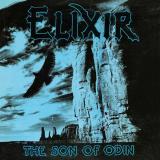
Auch wenn die NWOBHM zum Zeitpunkt der Veröffentlichung von Elixirs »The Son Of Odin«, im Juli 1986, bereits Geschichte war, zählt das Album zu den besten Alben der Bewegung. Mit einer neuen Fassung ihrer hoch gelobten Single ‘Treachery (Ride Like The Wind)’, viele Jahre nach der ursprünglichen 7“, wurde »The Son Of Odin« vom englischen Terrorizer-Magazin als eines der Top 20 Power-Metal-Alben gekürt, während es das Sweden Rock im April 2010 als „Album-Klassiker des Monats“ auswählte. Elixir starteten 1983 in London. Die fünf Musiker nannten seinerzeit das erste Album von MSG sowie »British Steel« von Judas Priest sowie neuere Bands wie Mercyful Fate und Queensryche als ihre Haupteinflüsse. 1985 erschien die Debüt-Single ‘Treachery (Ride Like The Wind)’, die im Kerrang! von keinem Geringeren als Ronnie James Dio in einem Gastbeitrag abgesegnet wurde, was die Band anspornte, ihr erstes Album in Angriff zu nehmen. Das Resultat war »The Son Of Odin«, aufgenommen im Januar 1986 im The Lodge Studio von The Enid und sechs Monate später abgemischt. Nahezu überall folgten überschwängliche Kritiken, nicht zuletzt im Metal Forces, wo Dave Constable zu Protokoll gab: „Eine selbstfinanzierte LP, die so manche Veröffentlichung eines Major-Labels in den Schatten stellt.“ Constable resümierte: „Ich höre mir lieber »The Son Of Odin« an, als die hundertste Version von »Turbo« oder »Somewhere In Time«.“ Die 40th Anniversary Edition dieses unsterblichen NWOBHM-Klassikers beinhalt zusätzlich zum regulären Album die vollständige Session, von der die ‘Treachery (Ride Like The Wind)’-Single stammt, genauso wie das vorangegangene Demo und die BBC Friday Rock Show Session. Zudem erzählen aktuelle Interviews mit Gitarrist Phil Denton und Manager Seymour Mincer erzählen die Geschichte des Albums.
Carpenter Brut draws its influences from 80s TV shows and B-movies loaded with synthesizers.
The mysterious and discreet man evokes an encounter between Justice beats and the universe of John Carpenter.
Across ten tracks, Leather Temple, the third and final chapter of the Leather trilogychannels a raw and nervous energy, somewhere between saturated electro, industrialfever, and 90s synthetic pulse. Yet behind this intensityalso lies a cinematic andorchestral dimension, with arrangements that expand the horizon and add dramaticscope. A tight format, a constant intensity: Leather Temple goes all in on impact,balancing raw immediacy with the feel of a post-apocalyptic moviesoundtrack.
- Phase I Organ
- Phase Ii Organ
Brandneues Album von Stephen O'Malley, dem Mitbegründer von SUNN O))), mit neuen, bisher unveröffentlichten Stücken für Pfeifenorgel. Diese Platte hat zwei lange Stücke für Orgel von Stephen O'Malley, die er auf diesen Aufnahmen zusammen mit der bekannten Organistin Kali Malone und Frederikke Hoffmeier (Puce Mary) spielt. Das Album wurde an Weihnachten 2021 in der Église Saint-François in Lausanne, Schweiz, auf Les Grandes Orgues (Scherrer (1777), Walker (1867), Kuhn (1995)) in der Église Saint-François in Lausanne, Schweiz, aufgenommen und ursprünglich von Stephen im Rahmen einer Suite mit dem Titel Les Sphères (effondrez-les), Phasen I-V, für eine Zusammenarbeit mit der bekannten belgisch-schweizerischen Choreografin Cindy Van Acker komponiert. Neben den beiden Orgelwerken auf dieser Platte umfasste die Suite auch die Phasen III und V für E-Gitarre, Verstärker und Elektronik (gespielt von Stephen O'Malley und Kali Malone) sowie die Phase IV für Percussion-Ensemble (gespielt von Eklekto). Abgemischt von Stephen O'Malley im EMS, Stockholm, und von François-Xavier Delaby und Tristan Mazire, Paris, im Februar 2022. Gemastert und geschnitten von Rashad Becker, Berlin, Juni 2025. Perfekte Pressung bei Optimal, Deutschland. Dieses Album ist eine Koproduktion mit La Becque Editions. Stephen O'Malley ist auch auf der kommenden Compilation ,XKatedral Anthology Series III" vertreten. Stephen O'Malley ist Gründungsmitglied von Sunn O))), die 2026 ausgiebig auf Tournee sind.
Carpenter Brut draws its influences from 80s TV shows and B-movies loaded with synthesizers.
The mysterious and discreet man evokes an encounter between Justice beats and the universe of John Carpenter.
Across ten tracks, Leather Temple, the third and final chapter of the Leather trilogychannels a raw and nervous energy, somewhere between saturated electro, industrialfever, and 90s synthetic pulse. Yet behind this intensityalso lies a cinematic andorchestral dimension, with arrangements that expand the horizon and add dramaticscope. A tight format, a constant intensity: Leather Temple goes all in on impact,balancing raw immediacy with the feel of a post-apocalyptic moviesoundtrack.
- Out Of Desperation (Luxury Chicken Song)
- Fare Dodging With The Mekon's Rider (3 Beers & A Lemon)
MEKONS - OUT OF DESPERATION (LUXURY CHICKEN SONG): ,Ein Luxus-Huhn ist was ganz Besonderes und Einzigartiges und hat einen hohen Wert. Es gibt auch ein handbemaltes Mekons-T-Shirt mit einem Huhn drauf, das eine Zigarette raucht. Hagar the Womb sind auch ganz besonders und einzigartig und haben einen hohen Wert, und ich bin froh, dass sie sich an dem Abend im Hawley Arms nicht wirklich getrennt haben, obwohl sie unseren Rider geklaut haben." - JON LANGFORD (Gründungsmitglied von Mekons, Three Johns und Waco Brothers), 2025 // HAGAR THE WOMB - FARE DODGING WITH THE MEKON'S RIDER (3 BEERS & A LEMON): Geschrieben von Ruth Elias & Chris Knowles. Aufgenommen bei Church Road Recording Company, Hove, von Paul Pascoe 2025. Hags: Ruth, Karen, Paul, Lorna, Mitch, Chris. Coverdesign & Illustration von Lorna Tiefholz. Text von Ruth. Der Labelaufdruck zeigt Chris, wie er eines der drei Biere im Zug trinkt. Dieser Song entstand kurz nachdem das dritte Bier getrunken war. ,Fare Dodging with the Mekon's Rider" entstand, nachdem wir vor ein paar Jahren in Brighton unsere Lieblingsband The Mekons supportet hatten. Im Gegensatz zu den Hags hatten sie einen reichhaltigen Rider, darunter eine Obstschale mit einer prächtigen Zitrone. Als wir uns auf den Weg zum Zug zurück nach London machten, steckte Ruth heimlich drei Bier aus dem Rider der Mekons in ihre Tasche und konnte sich dann nicht von der Zitrone trennen! Von Gesetzlosigkeit erfüllt, sind wir aus dem Zug ausgestiegen, nachdem uns gesagt wurde, dass wir nicht einsteigen könnten, weil wir die falschen Fahrkarten hatten. Wir haben die Biere getrunken, bevor der Zug den Bahnhof verließ, aber, liebe Leser, die Zitrone wurde nie verzehrt. Ein trauriges Ende für die Zitrusfrucht, aber in diesem Song, der unsere Errungenschaften des Abends feiert, wird sie nie vergessen werden.
Mit "In The Low Light" präsentiert die britische Singer-Songwriterin Lucy Kitchen ein zutiefst persönliches und atmosphärisches Album, das sich mit Themen wie Verlust, Erinnerung und innerer Wandlung auseinandersetzt. Entstanden in einer Zeit intensiver Trauer, verarbeitet Kitchen den Tod ihres Partners und verwandelt Schmerz in musikalische Schönheit. Die Songs bewegen sich zwischen traditionellem Folk, feinen Americana-Elementen und dem Geist der Singer-Songwriter der 1970er Jahre. Ihre eindringliche Stimme, kombiniert mit melancholischen Melodien und subtilen Arrangements, schafft ein klangliches Geflecht aus Intimität und Stärke. Vogelgesang, Hammond-Orgel und Bandbesetzung verleihen einzelnen Stücken eine warme, organische Tiefe. Lucy Kitchen ist bekannt für ihre poetische Ausdruckskraft und wurde bereits von BBC Introducing, Radio X und Amazing Radio USA unterstützt. Ihre Vielseitigkeit zeigt sich auch in Kollaborationen mit elektronischen Musikprojekten und Features bei BBC Radio 1. Mit Beiträgen zu Compilations wie "Folk Funk & Trippy Troubadours Vol. 2" und "Sounds of Southampton Vol. 3" hat sie sich als feste Größe in der britischen Indie-Folk-Szene etabliert.
Vic Bang's "Oda" arrives quietly - it was waiting for the right moment. The eight tracks are shaped by listening, by circling around sound instead of chasing it... you can definitely hear patience in the pacing, a willingness to let ideas linger, to let all the small motifs breathe.
The album moves with a softer and more deliberate rhythm than much of Vic's earlier work, as the sound world here feels concentrated and cohesive, built from a limited set of elements that gradually reveal themselves. Melodies unfold without too much fuss, textures repeat and mutate very subtly and the whole record holds together like a single extended thought.
The title Oda - or "ode" in English - hints at devotion, but not in any grand or ceremonial way. These pieces seem devoted to sound itself: to tone, to gesture, to fragile and simple musical forms. There's a gentle melancholy running through the album, but also clarity, even tenderness. Each track is dedicated to something - a timbre, a rhythm, a resonance - living up to the title's etymology.
All Music composed by Victoria Barca in Buenos Aires, Argentina, between 2024 and 2025.
Saxophone (3) by Camila Nebbia
Vocal samples by Catu Hardoy and Nicolás Said
Cello samples by Gabriela Areal
Mastered by Adam Badi Donoval
Front cover relief "Endulzando el oído" by Victoria Barca
Back cover photo by Indira Seoane
Design and layout by Paulina Ufnal and Janek Ufnal
- Scarecrow- Condemned To Be Doomed (Part 1)
- Scarecrow - In The Beginning
- Scarecrow - I Owe You
- Scarecrow - Nuclear Radiation
- Scarecrow - Condemned To Be Doomed (Part 1)
- Scarecrow - In The Beginning
- Scarecrow - I Owe You
- Scarecrow - Nuclear Radiation
- Raging Violence - Born In The Streets
- Raging Violence - Demons Evil Forces
- Raging Violence - Call Of The Gods
- Raging Violence - Fear The War Within
- Possuido Pelo Cao - A Marcha Do Cao (The March Of The D.o.g.)
- Possuido Pelo Cao - Ugly On The Inside Too
- Possuido Pelo Cao - Air Mail Surgery
- Possuido Pelo Cao - Catholic Beast
- Excess - Grinding Raid
- Excess - Evil Child
- Excess - Homicide
- Excess - Death Creation
- Excess - Baby Blood
Nach dem Hoch Ende der Achtziger wurde es still um das Genre THRASH METAL, welches einst von Bands wie Metallica, Exodus oder Legacy (Testament) in den USA, dann auch von Sodom, Kreator oder Destruction
in Deutschland gestartet wurde. Erst in den Zweitausendern zeigten sich wieder Bands, die sich diesem Stil, der grob ausgedrückt zwischen Speed Metal und Death Metal liegt, wieder annahmen. Heute dürfte Thrash aufgrund vieler noch aktiver Acts aus den Achtzigern und jungem Nachwuchs so groß sein wie nie zuvor.
Diese Vinylbox enthält vier Alben, die zwar unterschiedlich sind, aber alle zum Genre gehören. Allen voran RAGING VIOLENCE aus den USA. Dabei handelt es sich um die Originalbesetzung von HIRAX, allerdings mit Sänger
Rob Perkins. Neue Songs und Neueinspielungen (unter Anderem der rare Demotrack „Born In The Streets“) konnten Fans und Kritiker begeistern. EXCESS aus Deutschland war eine Death-Thrash-Band, die es nie zu einem Alben gebracht hat. Nach drei Demos schwärmte man aber auch in erfolgreiche Richtungen aus: Crematory, Mystic Circle und Blood. Für
EXCESS war keine Zeit mehr… Die Demoaufnahmen wurden restauriert und remastert und erschienen bei Golden Core/ZYX erstmals als LP und CD. Auf dem Tape „Crucifixion“ hört man Drummer Neudi (Manilla Road,
Trance, Savage Grace, etc.).
SCARECROW haben mit „Condemned To Be Doomed“ 1988 eine heute rare Eigenpressung veröffentlicht, die zu den wohl ungewöhnlichsten deutschen Thrash Alben gehört. Hier trifft Punkattitüde auf progressive Elemente,
während die Basis lupenreiner Thrash ist. Kein anderes Album klingt wie dieses außergewöhnliche Werk der deutschen Band. Aus Brasilien kommen oder kamen (mal sind sie aktiv, dann wieder nicht…) POSSUIDO PELO
CAO, die von D.R.I. und Suicidal Tendencies beeinflussten CrossoverThrash bieten. Bei den schnellen, kurzen Tracks bleibt kein Auge trocken…
und kein Genick verschont. Das deftige Werk von 2008 erschien damals nur als CD
- Joao Gilberto - Bim Bom
- Elizete Cardoso - Outra Vez
- Luiz Bonfa - Copacabana
- Antônio Carlos Jobim & Roberto Paiva - Eu E O Meu Amor
- Joao Donato - Tim-Dom-Dom
- Carlos Lyra - Você E Eu (You And Me)
- Baden Powell - Improviso Em Bossa Nova
- Salinas - Tenha Fé, Pois Amanha Um Lindo Dia Vai Nascer
- Stan Getz & Charlie Byrd - Desafinado
- Sérgio Mendes - Oba-La-La
- Pery Ribeiro - Garota De Ipanema
- Orlandivo - Onde Anda O Meu Amor
- Shorty Rogers & His Giants - Chega De Saudade (No More
- Sylvia Telles - Corcovado
- Grant Green - Brazil
- Maysa - Agua De Beber
- Quincy Jones & His Orchestra - Soul Bossa Nova
- Trio Mocoto - Nao Adianta
- David K (Feat. Rolando Faria) - Mas Que Nada (David K R
- Tom & Joy - Para Bailar
- Seu Jorge - Carolina
- Salome De Bahia - Outro Lugar (Edit)
- Carlinhos Brown - Brasil Brasil (Ole Ole)
- Caetano Veloso - Hino Da Bahia
- Suba (Feat. Cibelle) - Felicidade
- Marcelinho Da Lua (Feat. Seu Jorge) - Cotidiano (Buzzin
- Bebel Gilberto - August Day Song
- Negrocan - Cada Vez (Grant Nelson Vocal Mix Edit)
Mit Brazil Greatest Hits veröffentlicht Wagram eine musikalische Reise durch die farbenfrohe Welt Brasiliens - von zeitlosen Bossa-Nova-Klassikern bis zu modernen Latin-Grooves. Auf zwei sorgfältig zusammengestellten Vinyl-LPs versammeln sich legendäre Aufnahmen und internationale Club-Favorites, die den Spirit von Rio, die Leichtigkeit des Samba und den warmen Sound des Tropenlands einfangen. Die erste LP präsentiert ikonische Stimmen und Instrumentalstücke der goldenen Bossa-Nova-Ära - voller Eleganz, Rhythmus und Melodie. Auf LP 2 geht es moderner und tanzbarer weiter: brasilianische Funk-Einflüsse, Remix-Perlen und energiegeladene Tracks zeigen, wie lebendig und vielfältig die Musikszene Brasiliens bis heute ist.
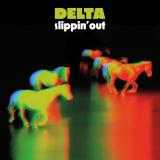
“From Birmingham and centred around the extraordinary songwriting talent of James and Patrick Roberts – initially as The Sea Urchins and since 1993 as Delta – they’ve only just got round to releasing their debut album, Slippin’ Out. It is a work of some beauty”. 9/10 NME ALBUM OF THE MONTH, 2000
“It’s classicist for sure, shot through with the influence of The Beatles, Byrds and Buffalo Springfield. In James’ downright beautiful closing ballad ‘I Want You’ one can also discern the school of ambitious English balladry that peaked in about 1968: The Casuals, Love Affair, Barry Ryan. The impression of accomplished old-schoolery is only furthered by the dizzying string arrangements penned by Louis Clark Jnr, son and namesake of the one-time orchestral chief of Electric Light Orchestra” – Mojo lead review, 2000
Having ended the 90s with the spirited ‘Laughing Mostly’ compilation of singles and demos (Guardian Album Of The Week) Delta finally released their debut studio album of twelve songs in the summer of 2000 on the Dishy Recordings label. Accepting that this might be their sole studio album the band threw everything at these recordings allowing it to exist in its own sphere, unbothered by their contemporary generation and disregarding the idea of even releasing a single.
Recorded at DEP International there was a notable difference to the scruffier, looser charm of their 1990s recordings, a tighter focus developed by having the experienced Lenny Franchi mixing the LP with them. Lenny had been working with a number of Island artists including My Bloody Valentine and Tricky so knew his way around a desk. There was also the question of budget (a few months passed between recording and mixing whilst funds were raised) so every day counted. Ultimately though you can hear the joy in the recordings, even amongst the melancholy and angst. As James recently recalled in an interview in Shindig! Magazine: “It was such a big deal for us. It’s one of my fondest memories doing that record. Everyone was happy. If there’s anything that I’d stand by, I think it would be that”
Louis Clark Jr joined the band towards the end of the ‘90s and brought a classically-trained element to the recordings particularly with his string arrangements. For ‘Cuckoo’, ‘I Want You’ and the prophetic ‘We Come Back’ Louis brought in eight players from the Birmingham Conservatoire; the baroque style is partly why the record often receives comparisons to Love’s ‘Forever Changes’.
On release ‘Slippin’ Out’ was a big favourite with writers at the NME, Mojo and The Guardian again and before long the band were signed to Mercury/Universal for their second studio album ‘Hard Light’, a far more expensive and expansive love affair. It was a temporary palatial home where things quietly fell apart again, but that’s another chapter.
“If long-term memory is nothing more than selective editing and only pop’s most weighty visceral works are built to last then it’s quite possible that in 50 years the Britpop era will be best recollected for the two bands it ostracised. Earlier this year we met Shack and thought their story of mercurial brilliance indicated the biggest music biz oversight of the 90s. We were wrong because we hadn’t met Delta yet. This is richer and more engrossing than anything by Shack”
"And what about you? What are you looking for?" - René Daumal
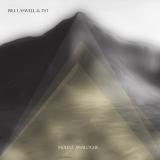
This musical journey pays tribute to René Daumal and his enchanting world of mysteries and magic. The album shares its title with Daumal's novel, Mount Analogue: A Novel of Symbolically Authentic Non-Euclidean Adventures in Mountain Climbing, published posthumously in 1952, eight years after the author's untimely death.
Mount Analogue is a classic allegorical adventure novel. The novel describes an expedition undertaken by a group of mountaineers to travel to and climb the titular Mount Analogue an enormous mountain on a surreal continent, that is invisible and inaccessible to the outside world and can be perceived only by the application of obscure knowledge. The central theme of mountaineering is extensively explored through literary and philosophical lenses. Daumal died before the novel was completed, providing an uncanny one-way quality to the story, which ends abruptly in the middle of a sentence.
The first disc features a fifty-minute composition divided into six chapters: Introduction, Meeting, Supposition, Crossing, Arrival, and Conclusion. This album weavestogether a rich tapestry of diverse instruments, sounds, and voices that collectively tell the story of this conceptual work, loaded with a synesthetic multitude of colors, aromas, meanings, textures, and moods.
Contributors to this musical poem include Bill Laswell (bass), Henry Kaiser (guitar), Anna Clementi (vocals), Percy Howard (voice), Hideo Yamaki (percussion), Graham Haynes (cornet), Dorian Cheah (violin), Nils Petter Molvaer (trumpet), Peter Apfelbaum (keyboard), and P.ST (concept, electronics), who all lend their talents to a series of excerpts from Daumal's text.
A truly global project, the recordings took place across various locations in Europe, North America, and South America, culminating at Orange Music Studio in New York, thanks to the collaborative efforts of Bill Laswell, James Dellatacoma, and Michael Fossenkemper.
The second disc presents five improvisations for solo electric guitar by Henry Kaiser. The first solo, Jodorowsky's Peradam, draws its inspiration from Alejandro Jodorowsky's 1973 film The Holy Mountain, which was inspired by the Daumal novel. Kaiser's initial forty-eight-minute guitar solo serves as a foundational guide for his four subsequent, Rashomon-esque, solo musical interpretations of Mount Analogue, as seen through the psychedelic labyrinth of Jorodrowsky's cinematic masterpiece.
"And what about you? What are you looking for?" - René Daumal
This musical journey pays tribute to René Daumal and his enchanting world of mysteries and magic. The album shares its title with Daumal's novel, Mount Analogue: A Novel of Symbolically Authentic Non-Euclidean Adventures in Mountain Climbing, published posthumously in 1952, eight years after the author's untimely death.
Mount Analogue is a classic allegorical adventure novel. The novel describes an expedition undertaken by a group of mountaineers to travel to and climb the titular Mount Analogue an enormous mountain on a surreal continent, that is invisible and inaccessible to the outside world and can be perceived only by the application of obscure knowledge. The central theme of mountaineering is extensively explored through literary and philosophical lenses. Daumal died before the novel was completed, providing an uncanny one-way quality to the story, which ends abruptly in the middle of a sentence.
The first disc features a fifty-minute composition divided into six chapters: Introduction, Meeting, Supposition, Crossing, Arrival, and Conclusion. This album weavestogether a rich tapestry of diverse instruments, sounds, and voices that collectively tell the story of this conceptual work, loaded with a synesthetic multitude of colors, aromas, meanings, textures, and moods.
Contributors to this musical poem include Bill Laswell (bass), Henry Kaiser (guitar), Anna Clementi (vocals), Percy Howard (voice), Hideo Yamaki (percussion), Graham Haynes (cornet), Dorian Cheah (violin), Nils Petter Molvaer (trumpet), Peter Apfelbaum (keyboard), and P.ST (concept, electronics), who all lend their talents to a series of excerpts from Daumal's text.
A truly global project, the recordings took place across various locations in Europe, North America, and South America, culminating at Orange Music Studio in New York, thanks to the collaborative efforts of Bill Laswell, James Dellatacoma, and Michael Fossenkemper.
The second disc presents five improvisations for solo electric guitar by Henry Kaiser. The first solo, Jodorowsky's Peradam, draws its inspiration from Alejandro Jodorowsky's 1973 film The Holy Mountain, which was inspired by the Daumal novel. Kaiser's initial forty-eight-minute guitar solo serves as a foundational guide for his four subsequent, Rashomon-esque, solo musical interpretations of Mount Analogue, as seen through the psychedelic labyrinth of Jorodrowsky's cinematic masterpiece.
- The Silver Key
- The Crosshair
- Rooftop
- The Child In You
- Return Of The Reapers
- The Trickster
- I Lit A Light
- The Rifleman's Wedding
- As I Dive
- Beginning Of The End
- Shared Fate
With `The devil's door' And Also The Trees, one true original Post-Punk/New Wave band, presents a quiet storm of an album. At times filmic, poetic and intense with an undercurrent of dark psychedelia. It completes a trilogy of works `The Bone Carver', `Mother-of-pearl Moon' and now `The devil's door' created by the current line-up. Here there are signature `And also the trees' poetic lyrics, orchestral guitar and soundtrack influenced songs inspired by newsreel, oil paintings and folklore. But with this work we have the addition of some surprising instruments that skew the album towards a world where John Barry meets Bela Bartok. And also the trees (AATT) formed during the original post-punk era in rural Worcestershire, an environment that has provided a constant inspiration to a group whose music has often explored the dark underbelly as well as the beauty of the British countryside. They are renowned for their captivating live performances, a unique style of mandolin-like electric guitar, evocative lyrics and dark jazz rhythms - not to mention a creative independence fiercely preserved for over four decades. Back then AATT immediately caught the attention of Robert Smith of The Cure, who invited them to tour with his group on several occasions. Smith was also involved with their early recordings alongside his bandmate Lol Tolhurst, who produced their first records. This longterm friendship and mutual respect was further solidified when AATT were invited to perform at the Robert Smith curated 2018 Meltdown festival in London. This July AATT appear as The Cure's special guests at the Nimes festival. Founded by singer Simon Jones and his guitarist brother Justin, AATT have maintained a continuous presence on the post-punk, and alternative rock scenes worldwide, with a solid fanbase e.g. in Germany.
- Car Anymore
- Even Mountains Erode
- Arrow
- Tricks
- Scammer
- Heaven2
- Anywave
- Does This Go Faster?
- This City
- Wyoming Dirt
Das vierte Album und Sub Pop-Debüt von Lala Lala, alias Lillie West, ist ein kraftvoller, warmer und mit Ohrwürmern gespickter Indie-Pop-Kracher für Fans von Jay Som, Porches, Dehd, Angel Olsen und Alex G. Lillie West hat ihre Musik immer aus dem Bedürfnis heraus gemacht, ständig in Bewegung zu sein. Als sie aber kürzlich den Wunsch verspürte, sich niederzulassen, hat sie gemerkt, dass Beständigkeit Kreativität fördern kann. Diese Entwicklung ist der Antrieb für einen Großteil ihres neuen Albums "Heaven 2". Viele Jahre lang lebte West in Chicago, wo sie Lala Lala als Teil der Indie-Szene der Stadt etablierte und mehrere Alben auf Hardly Art veröffentlichte. Diese Alben, "The Lamb" und "I Want the Door to Open", waren kraftvolle Statements einer neugierigen Künstlerin: eingängige Gitarren-Pop-Songs über das Feststecken in den Höhen und Tiefen des Lebens, den Kampf, nüchtern zu bleiben, die Stadt zu verlassen, sein Leben in die Luft zu jagen. West verließ Chicago, um nach mehr zu suchen, und schrieb dabei ihr neues Album "Heaven 2". Auf ihrer Reise landete sie in New Mexico, wo sie in Taos fernab der Zivilisation lebte. "Es war sehr herausfordernd, eiskalt und voller giftiger Tiere. Aber es ist immer noch der schönste und magischste Ort, an dem ich je gewesen bin, und ich träume ständig davon", sagt West. Anschließend zog sie nach Island, wo sie zwei Jahre lang mit Unterbrechungen lebte, wobei sie die Unterbrechungen in London verbrachte, wo sie aufgewachsen war. Schließlich kam sie nach Reykjavik, wo sie sich in der Musikszene einlebte und ein Instrumentalalbum ("If I Were A Real Man I Would Be Able To Break The Neck Of A Suffering Bird") veröffentlichte, bevor sie nach Los Angeles ging, wo sie sich verliebte und sich niederließ. L.A. ist ein guter Ort zum Leben, schon allein deshalb, weil, wie West sagt: "Wo auch immer du hingehst, dort bist du. Ich wünschte, es gäbe eine coolere Art, das auszudrücken." Zum Glück gibt es die: Dieses Thema, überall Schönheit und Erfüllung zu finden, zieht sich durch "Heaven 2". In ,Even Mountains Erode" singt West: , "There are symbols and signs, you're missing your life". West ermutigt sich selbst und uns, langsamer zu werden. Innezuhalten und den Duft der Blumen zu genießen. West hat das Album zusammen mit Melina Duterte von Jay Som produziert, die mit ihrer kraftvollen Stimme einen starken Kontrast zu Wests warmem, rundem Gesang bildet. Die Beziehung zwischen den beiden war telepathisch, und das Ergebnis ist ein mutiges und selbstbewusstes Album. Duterte und West spielten fast alle Instrumente des Albums selbst, mit ein paar wichtigen Gästen wie Sen Morimoto am Saxophon im Eröffnungstrack "Car Anymore" und einer Bridge, die Aaron Maine von Porches für den Titeltrack ,Heaven 2" geschrieben hat. Bei "Catharsis" geht es nicht nur um den Schmerz, sondern auch um die Befreiung, die man erlebt, wenn man sich davon befreit. Und so gibt es auch Momente kühner Freude auf dem Album. "Arrow", das Samples der französischen Electro-Pop-Band La Femme enthält, ist schnell, und seine Schnelligkeit und Freude fühlen sich an, als würde man auf etwas zulaufen und nicht davonlaufen. "None of this was supposed to happen", singt West. Aber es ist passiert. "Es ist so eine grundlegende spirituelle Sache", sagt West, ,Widerstand ist die Wurzel allen Leidens, und ich dachte, ich könnte den Verlauf meines Lebens bestimmen." Natürlich konnte sie das, wie alle anderen auch, nicht. Wohin man auch geht, man ist immer da.