27 years later Me First and The Gimme Gimmes are still a drag, now a neon green (vinyl) one, and the sleeve is foiled! CD still available too. Though it doesn't sound like a brilliant idea, Me First & the Gimme Gimmes, an all-star cover band dedicated to regurgitating punk rock-style the most frothy music in their parents' record collections, are actually extraordinarily entertaining and can make the likes of John Denver and Barry Manilow sound not so bad. The lineup here includes Fat Mike of NOFX, the guitarist from the Foo Fighters, a couple of the guys from Lagwagon, and Spike Slawson, the Gimmes' sweet-voiced singer, who also plays bass for the Swingin' Utters. On their second record, Are a Drag, the Gimmes tackle all of their parents' favorite showtunes, claiming homage rather than satire. Most of their choices are songs that anybody even remotely into musicals knows by heart. Their cover of "Don't Cry for Me Argentina" has more choruses than the original, rocks pretty damn hard, and is certainly worthy of a swirling slam pit. Though it's not as wild as John Coltrane's version, the Gimmes' "My Favorite Things" is raging enough to send Julie Andrews swan diving off the stage into a sea of sweaty punkers. They mess with the jazz standard "Summertime" by Gershwin, adding some fine surfy leads to a song that's been played a million times over. Also, there's their furious rendition of Andrew Lloyd Webber's "Phantom of the Opera." On Are a Drag, the Gimmes succeed at playing showtunes that punk kids can dig, no small feat.
'Devotional music and its devotees all do a bit of "buying in"; that while one's on the ground reality may appear anything but celestial, through this music, one can reach ecstatic space, ecstatic peace. However, devotional music is not solely concerned with a skyward glance - what does it look like to raise up the rust, look upon fractured branches, gaze at the density of a low fog across a field? Instead of us looking up at the land, what if the land was looking back at us? Old Saw brings together a brigade of New England silt sifters to raise up the land not as excavators, but as preparators. Tending and caring for the simple mess that our world discards. Throughout Country Tropics four pieces, the crew stretches and bends chords to their resting place before setting forth towards a new one. Fiddle drone, wistful tape loops of pedal steel, pipe organ hums, and clattering bells call us to scenes of observation, a water tower, a mechanical bull rental agency, a back porch, a taxidermy shop, a local church choir, a garden with singing vines, voltage hum of the electric fence on Pulp mill bridge road.
'The funny thing about devotion is the absence of sight, of source. We place trust in the guide or guides to bring us to a place of seeing, feeling, and hearing. The music on Country Tropics calls out to those in search of such places, but also doesn't demand we conjure some fantastical, celestial vision of understanding. Rather, Old Saw points our gaze downward towards the terrafirma unconsidered, and guides our hands into the dirt.'
out of Stock
Last delivered 66 days ago available to reorder, subject to availability
Fij makes a vibrant return with his new single "Don't Bring Me Sunshine," a bittersweet, high-speed ode to independence and renewal. Described by Fij as an "anti-love song," "Don't Bring Me Sunshine" flips the script on romance. Its sardonic, bah-humbug lyrics are set against a rush of euphoric energy - inspired by the simple thrill of driving fast with the windows down, music blaring, and summer stretching endlessly ahead. As Fij puts it: "Who needs love when you've got a full tank of petrol... and the whole of Summer lying ahead on the heat-hazed open road?" The track is the latest preview of his long- awaited debut solo album, due this September via Tip Top Records. It signals a clear shift in tone and tempo. After years marked by introspection - shaped by personal upheaval, frontline work during the pandemic, and his role as a funeral celebrant - Fij has hit reset.
Re- embracing the electric guitar, raising the BPMs, and rediscovering joy, his new material blends the fuzzed edges of dream-pop with elements of pop and electronica, all delivered with his signature wit and melodic finesse. Fij first emerged in the early 90s with Adorable, whose debut album Against Perfection (Creation Records) became a cult favourite, earning multiple NME accolades and topping the Indie charts. The band's legacy continues to resonate, with artists citing their influence and figures like Noel Gallagher famously calling their label's decision to drop them a major mistake. Following Adorable, Fij explored new sonic territory with Polak and later collaborated with Terry Bickers of The House of Love, producing critically acclaimed releases that reaffirmed his reputation as one of Britain's most distinctive voices. His baritone - often compared to Lee Hazlewood, Lou Reed, and Richard Hawley - remains as rich and compelling as ever, now carrying a renewed urgency.
In a world currently defined by unrest, uncertainty, and cultural fracture, acclaimed saxophonist, composer, and bandleader Isaiah Collier returns with Joy, a 5-track EP that reframes one of humanity’s most nuanced emotions both as a devotional grounding and political act.
Collier’s deeply personal compositions present joy as an act that isn’t rooted in escapism or abstraction, but rather, as something hard-won rooted in lived experience, shaped by transformation, and sustained through connection. Throughout the album’s five compositions, Collier positions joy as a guiding light during challenging times, an expression of challenging yourself to utilize your gifts, an affirmation of love and discovery, and as an affirmative source of reassurance.
“We are in a paradoxical time, where so much is being revealed to us,” Collier shares. “Everything feels political from every scope… our collective hearts feel the heaviness in the air. Yet I say to you all—don’t despair. For right now, the most political thing we can do is share joy.”
That ethos is made clear in the opening title track and lead single “Joy.” A pulsing rhythmic motif anchors the melody with a sense of both searching and certainty. Collier conceived the piece around 3 years ago reflecting on a time where many people in his life were experiencing loss of family and friends and experiencing profound life transitions. “Everything just felt like it was falling apart with no aim in sight,” he reflects. “Yet, there is a light at the end of it all.”
As he played the chords with a sense of urgency, he could feel the vibration of yellow in the piece. That initial triplet motif serves as the guiding light on the piano and the only word Collier could hear was Joy. In addition to Collier at the helm singing and playing piano and tenor sax on the track, it features an expansive 11-piece ensemble with a full horn and string section allowing Collier’s propensity for composition and arrangement to shine with an eclectic sonic palette.
“Landscape of Dreams” finds Collier serendipitously leaning into utilizing his gifts as a multi-instrumentalist. While he had a sketch of the piece going into the studio, a traffic delay caused musicians to be late arriving at the studio. Never one to waste time in the studio environment, Collier stepped into new creative territory and took up the challenge of executing playing all instruments himself as an act of trust and experimentation. “I’ve never done this before, and so it was a leap of faith for me,” he asserts. “I always dream of doing stuff like this, and being part of the small percentage of people who can do it like Prince, Steve Lacy, Frank Zappa, and Stevie Wonder. The end result finds Collier immersed in a hypnotic soundscape playing layered flutes, drums, Metatron, Wurlitzer, and auxiliary percussion.
Another layer of joy is revealed in “Where I’m Loved” that serves as a love letter and leaning into the process of stepping into the willingness to explore life and love with a partner. On the intimate meditation of vulnerability and connection, Collier's vocal prowess is on full display, exerting effortless falsetto reminiscent of D’Angelo over soulful Wurlitzer and guitar as he crosses over into more R&B-inspired realms. “I believe everyone deserves this feeling or to honor the memories of it. Furthermore, I believe you should also go where you’re celebrated and not tolerated.”
“When the Dust Settles” captures the electricity of live collaboration and Collier further steps out of being confined to any specific genre. He had just gotten a microKORG keyboard from co-producer Sonny Daze and was exploring the vast array of sounds on the instrument. Collier plays synth bass on the microKORG joined by the electrifying improvisation of Cole Runge on guitar and the combustible rhythm of his brother Jeremiah Collier on drums with additional post-production work from Sonny Daze.
The album’s final track “God’s By Your Side” reflects on perseverance and artistic legacy, directly inspired from the passing of D’Angelo, whose life’s work was a huge part of Collier’s childhood growing up in the late 90s and early 00s. With gospel flavor and direct influence both from D’Angelo’s vocal and instrumental arrangements, the track speaks to resilience and persistence in the face of obstacles—an affirmation of source and reassurance. “And what’s better than having God by your side, right?” asserts Collier.
Joy is a through-and-through expression of the arc of joy in its truest form. Joy transcends fleeting happiness and is conscious gratitude shaped by taking chances, leaning into your gifts, fostering community, and lived experiences.
“Joy is partially happiness,” Collier explains. “But to me it means happily being grateful for family, friends, lovers, teachers, and good times. These are the things that anchor us.”
The release of Joy comes off the heels of significant momentum for Collier, whose work continues to garner accolades and resonate across cultural spheres. He was featured on the cover of DownBeat’s April 2025 issue, where he was named “The Next Sax Giant,” and profiled on NPR’s Jazz Night in America for his ambitious 13-movement interdisciplinary suite The Story of 400 Years, that traces 400 years of Black American History. He released two full-length albums in 2024 with The World Is on Fire highlighted in The New York Times’ Fall Arts Preview and The Almighty named among the publication’s Best Jazz Albums of the year.
Beyond performance and recoding, Collier’s influence is recognized in broader cultural and intellectual spaces as he was the recipient of the Jazz Journalists Association’s 2025 Up and Coming Artist of the Year Award, the 2024 Chicagoan of the Year in Jazz, and was named a Steve Jobs Archive Fellow joining an elite cohort of the next generation of artistic visionaries through a yearlong program.
In addition to the release of Joy, Collier is touring his “Collier Plays Coltrane” program throughout 2026 in honor of John Coltrane’s centennial. Rather than presenting Coltrane’s expansive catalog as repertory, Collier approaches this music as something living, reshaping it in real-time with a sense of space and improvisational dialog reflecting both reverence to the past and present times.
out of Stock
Last delivered 69 days ago available to reorder, subject to availability
The recordings on Volume II were captured in Copenhagen, Denmark on January 18, 2020. Guided as much by human instinct as by musical intention, the ensemble moved through the evening with a shared sensitivity…listening, responding, and trusting the moment as it unfolded. Though Morten McCoy admits to having felt quite ill that evening, nothing in the music suggests restraint. Instead, what remains is a vivid, playful exchange, where McCoy and Johannes Wamberg carry both Part I and Part II as a flowing conversation, speaking through sound rather than words.
Part I begins abruptly, almost throwing the listener back in time to the exact moment the improvisation was born. Jonathan Bremer steps to the forefront, providing a solid, melodic bassline as Kristoffer and Eliel, perfectly in sync, lay down a steady foundation for whichever voice chooses to rise above the rhythm.
This is also one of the few I Am An Instrument recordings to feature two guitarists. Johannes Wamberg leads the way, shaping the harmonic direction, while Steven Jess Borth II adds subtle rhythmic textures through muted palm work, deepening the groove without ever stepping into the foreground.
Part II unfolds with Morten McCoy on his Moog One, delivering a beautiful, expansive solo. Using a carefully chosen patch, the sound pulses through the rhythm, moving with the groove rather than above it, riding the beat like a wave through the ocean.
Shaped by trust, presence, and collective improvisation, Volume II captures a group deeply attuned to one another, allowing intuition and momentum to guide the unfolding form.
——
Volume III was recorded in Copenhagen on March 5, 2020. Little did anyone know that only days later, the world would be placed on pause for years. Captured just before that moment of global stillness, this session carries a heightened sense of presence, a final gathering before silence reshaped everything. Recorded in a space more commonly associated with a club atmosphere, the music draws on a different kind of energy and immediacy. With Eliel Lazo unable to attend, the group invited Victor Dybbroe of Girls In Airports to join on percussion, subtly reshaping the ensemble while preserving its core spirit. Part I opens with Steven Jess Borth II calling out on tenor saxophone, answered by Morten McCoy on Wurlitzer electric piano. The piece gradually unfolds into a meditative groove, patient and expansive, carrying the listener through an eight-minute journey of layered rhythm and restraint.
Part II begins with Jonathan Bremer on stand up bass, slowly joined by the rest of the ensemble as each voice enters with intention. Midway through, an unexpected vocal melody from Borth emerges, drenched in reverb and delay, later reappearing as a melodic line on the tenor saxophone.
Part III is led by Morten McCoy on Wurlitzer electric piano. His signature melodic language sets the direction, guiding the ensemble while leaving ample space for the music to breathe and evolve through collective improvisation. Reprise returns to the closing moments of Part II, its title reflecting its origin. The familiar groove reappears, transformed into a distinctly Jamaican-influenced rhythm, over which Borth delivers a final tenor saxophone solo, bringing the conversation to rest.
Any questions about any of these products feel free to get in touch and we'll help you out!
a a1. Part I [Vol.2]
[b] a2. Part II [Vol.2]
[c] a3. Part I [Vol.3]
[d] b1. Part II [Vol.3]
[e] b2. Part III [Vol.3]
[f] b3. Reprise [Vol.3]
out of Stock
Last delivered 79 days ago available to reorder, subject to availability
When ELEH's debut "Floating Frequencies/Intuitive Synthesis I" was originally released it was praised as a powerful piece of new electronic minimalism. Twenty years later the artist's legacy has grown while ELEH continues to hypnotize new listeners with time stopping music. Critics, fans and neurologists have praised the music of ELEH as aiding attention and focus while seeming to slow time. Eleh's slow change drones are a state of flow hypnotizing listeners into meditative focus.
From the original packaging, "Pure Sound. Pure Volume. Pure Analog. Dedicated To La Monte Young"
ELEH began in 1999 as an exploration of analog synthesis, emphasizing low frequency difference tones and other resonant acoustic phenomena. ELEH highlights the physical presence of sound as it has been inspired by the physical world. There is also something ‘cathedral-like’ and cosmos-inducing in the sound constructed by ELEH.
This audiophile quality presentation of ELEH's debut album was mastered by Tom Eaton at Sounds And Substance and manufactured at Optimal in Germany for the lowest possible noise floor and the highest analog resolution. Packaged using a 5th color metallic shimmer ink on solid black board stock.
"Nuances of sound turn symphonic." New York Times
“ELEH’s sounds move by stealth and are sculpted from the world rather than from ego. Eleh is not a personality; Eleh is an idea about sound. ELEH forces you to contemplate the cosmos and your place in it. “ Gramophone
"ELEH demonstrates how a single amplified gesture delivered just so can reveal the inner workings of an entire cosmos." Tony Herrington/Wire
“Floating Frequencies/Intuitive Synthesis more than lives up to the mythic status that ELEH has ascended to. “ Brainwashed
"ELEH's music electrifies whatever space it engages. With the flip of a switch, it exposes the ways in which all space is, potentially, electric." ~ Frieze
"Time's Up"! Die australischen Streetpunker von "The Clinch" kommen endlich über den großen Teich mit ihrem brandneuem, dritten Album und ihrer ersten Europa-Tournee! 2018 erschien ihr Debut "Our Path is gone" und die 5 köpfige Band aus Melbourne avancierte schnell zum Geheimtipp: Schnörkelloser rough'n'tough Aussie-Streetpunk mit dirty RnR-Kante a la Rose Tattoo und einer Prise Brickwall-American Oi! Dazu Texte fernab der üblichen ausgetretenen Pfade und dezent eingesetzte aber stets mitreißende Gang-Vocals. Schnell machten Vergleiche mit Bonecrusher oder Bishops Green die Runde. Mit dem 2 Jahre später erschienenen Nachfolger "Basecamp" zementierte The Clinch ihren Ruf und die weltweiten Kritiken von Maximum RocknRoll bis Ox-Fanzine waren sich einig: Diese Band hat das gewisse Etwas und startet durch! Die erste Tour in Europa wurde geplant um aus dem Schatten des Outbacks heraus zu treten_dann kam die Pandemie und eine Krise folgte der Nächsten_aber aufgeschoben ist nicht aufgehoben: Im Fühjahr 2026 veröffentlichen "The Clinch" mit "Melbourne" und "Journeyman" digital die ersten Single-Auskoppelungen und kündigen mit "Time's up" ihr neues Album auf Sunny Bastards an! Musikstil und Sound als bewährtes Rezept sind gleich geblieben auch wenn The Clinch thematisch noch persönlicher den Finger in die Wunde der Gesellschaft legen_ Streetpunk, authentisch, ergreifend, ehrlich und ungeschönt ohne Pathos: 10 harte Volltreffer, die Spuren hinterlassen! "Man's not fed on good intention. No Safe Spaces left to mention" Songs wie "Stray Dogs" oder "FED" sind unter die Haut gehende Underdog-Anthems über Kampf, Verzweiflung, Zuversicht und sich nicht unterkriegen zu lassen. "Another day, another try"! Das Leben ist halt eine Reise und endet für Alle gleich! Mit Deinen Freunden im Rücken, einem Kämpferherz und "Seelenfutter" wie diese Platte ist es jeden verdammten Tag ertragbar. Also genieß es bevor "Time's Up!"! Oder um es mit "The Clinch zu sagen" It's my chosen way of life"!
"Time's Up"! Die australischen Streetpunker von "The Clinch" kommen endlich über den großen Teich mit ihrem brandneuem, dritten Album und ihrer ersten Europa-Tournee! 2018 erschien ihr Debut "Our Path is gone" und die 5 köpfige Band aus Melbourne avancierte schnell zum Geheimtipp: Schnörkelloser rough'n'tough Aussie-Streetpunk mit dirty RnR-Kante a la Rose Tattoo und einer Prise Brickwall-American Oi! Dazu Texte fernab der üblichen ausgetretenen Pfade und dezent eingesetzte aber stets mitreißende Gang-Vocals. Schnell machten Vergleiche mit Bonecrusher oder Bishops Green die Runde. Mit dem 2 Jahre später erschienenen Nachfolger "Basecamp" zementierte The Clinch ihren Ruf und die weltweiten Kritiken von Maximum RocknRoll bis Ox-Fanzine waren sich einig: Diese Band hat das gewisse Etwas und startet durch! Die erste Tour in Europa wurde geplant um aus dem Schatten des Outbacks heraus zu treten_dann kam die Pandemie und eine Krise folgte der Nächsten_aber aufgeschoben ist nicht aufgehoben: Im Fühjahr 2026 veröffentlichen "The Clinch" mit "Melbourne" und "Journeyman" digital die ersten Single-Auskoppelungen und kündigen mit "Time's up" ihr neues Album auf Sunny Bastards an! Musikstil und Sound als bewährtes Rezept sind gleich geblieben auch wenn The Clinch thematisch noch persönlicher den Finger in die Wunde der Gesellschaft legen_ Streetpunk, authentisch, ergreifend, ehrlich und ungeschönt ohne Pathos: 10 harte Volltreffer, die Spuren hinterlassen! "Man's not fed on good intention. No Safe Spaces left to mention" Songs wie "Stray Dogs" oder "FED" sind unter die Haut gehende Underdog-Anthems über Kampf, Verzweiflung, Zuversicht und sich nicht unterkriegen zu lassen. "Another day, another try"! Das Leben ist halt eine Reise und endet für Alle gleich! Mit Deinen Freunden im Rücken, einem Kämpferherz und "Seelenfutter" wie diese Platte ist es jeden verdammten Tag ertragbar. Also genieß es bevor "Time's Up!"! Oder um es mit "The Clinch zu sagen" It's my chosen way of life"!
Somewhere in the Wind is the third record that Loren Connors and I have made together. Of the three, it’s the first that consists exclusively of electric guitar duos and it’s the first that was recorded live. To me it feels very much like a live record; this music happened in crowded rooms in Brooklyn on two dates in 2025 and there’s an urgency to connect with others and a pleasure in doing so that can be heard on both of these tracks. On the first of our duo records (Arborvitae, 2003) I primarily play piano, and on the second (Evening Air, 2024) we switch off on piano and guitar. Both of those albums bespeak the privacy of the recording studio, where time is suspended and one can explore the quietest of sounds. By contrast, Somewhere in the Wind is the noisiest, most raucous and most free of our duo records. It’s the sound of us taking it to the stage.
I became a fan of Loren’s playing from the moment that I first heard it, after happening upon a beat-up copy of In Pittsburgh circa 1992 in a used bin in the Dr. Wax record store in Chicago where my then-bandmate Bundy K. Brown worked. Everyone has taken a chance on a record because it looked interesting and wouldn’t set you back too much. In that regard In Pittsburgh was the find of a lifetime. I had just switched from playing in a postpunk power trio (Bastro) to making mostly drummerless respect-your-neighbors music (Gastr del Sol), and Loren’s pacing and touch and his lovely, unaffected compositions had me from the first listen. Not long after that, Jim O’Rourke and I reissued In Pittsburgh on our Dexter’s Cigar label, and I fondly remember first meeting Loren in New York’s Grand Central Station—so glamorous for this country mouse—and taking the train upstate with him where he shared a bill with Gastr del Sol. During soundcheck, Jim, Loren, and I played together for a bit and Loren’s approach to the instrument was something that one could instantly sink into, the kind of situation where there are no mistakes. I still feel that when we play together.
K' Alexi Shelby is a prominent figure in electronic music with a career spanning decades. The cultivation of his massive music catalogue has overflowed into albums and the three labels he heads. It's also led to legendary collaborations with artists like The Pet Shop Boys, Robert Owens, Kenny Dixon, Roy Davis Jr., Joe Smooth, Steve Silke Hurley, Tyree Cooper, Ron Trent, Glenn Underground, Larry Heard, DJ Pierre, Carl Craig, Felix da Housecat, Marshall Jefferson and more. He makes a welcome return to COD3 QR with the jazzy house of opening track, "House Music de Chicago".
Voltaire has built his career through passion and a perfectionist approach to music, creating a richly emotional eclecticism, with inspiration from the pioneers of Detroit to the glorious electro decades of the 2000s and 2010s. Today he's a COD3 QR regular and released his debut album, "Echoes" on the label last year. He leans into the realms of house with a deep techy edge, for new track "Some House".
Finder is the alias of Radial (Jeroen Liebregts), originally from The Netherlands but today residing in Spain. He started mixing records around '98 and in 2002 teamed up with Bas Mooy to started the now legendary label, Audio Assault. He's also released on Token, Perc Trax, Mote-Evolver, Numb, Drumcode, Planet Rhythm, Mord, Will & Ink and MDR, alongside his label, Radial Records. As Finder he goes in a new direction with "Team Dream".
Benny Rodrigues a.k.a. ROD's other moniker, The Lost Souldancer has already seen him drop "No More Voices" and "Life and Death" for the label. In his own words, Benny says: "The Lost Souldancer is about coping with the loss of what once was. Finding comfort in the invisible rather than what can be seen. Disconnect to connect in order to be loved rather than liked." He returns with another emotional journey on "Magnolia".
Producer and manager of Slates Records, Squal G is a French artist who has been passionate about electronic music since the '90s. Initially a DJ, he soon turned to machines and computers. This enabled him to progress with his production and remixes. He never tries to stick to a single style, which, depending on his inspiration, can lead him to be more or less hard, while remaining in the spirit of techno. A popular COD3 QR regular, he's back with the intense techno of "Crackle".
French producer, DJ and live artist, Electric Rescue is world renowned. His productions have been signed on labels like Cocoon, Virgo, Arts, F Communications, COD3 QR, Soma, Sci + Tec, Boys Noize and his own Skrypto¨m. Ahead of his forthcoming artist album (to be released on COD3 QR in October) he closes the vinyl with the electro-tech and wonderfully wonky machine funk of "Internet Was an Illusion".
out of Stock
Last delivered 25 days ago available to reorder, subject to availability
Im Jahr 2025 feiert Chess Records sein 75-jähriges Jubiläum. Anlässlich dieses historischen Meilensteins
wird Chess im Oktober dieses Jahres eine umfassende Jubiläumsreihe mit einer kuratierten Auswahl audiophiler Vinyl-Neuauflagen starten.
Die fortlaufende monatliche Serie wird Veröffentlichungen von legendären Künstlern aus dem renommierten
Chess-Kader präsentieren.
Das Album „Howlin’ Wolf“ von Howlin’ Wolf, das wegen der Abbildung eines Schaukelstuhls auf dem
Cover liebevoll als „The Rockin’ Chair Album“ bezeichnet wird, rockt in mehr als einer Hinsicht. Diese
Platte fängt den wahren Sound des Electric Blues ein und versammelt Singles, die ursprünglich zwischen
1957 und 1961 veröffentlicht wurden. Mit den Talenten der Chess-Stammbesetzung, darunter Willie Dixon,
Hubert Sumlin, Sam Lay und Jimmy Rogers, liefert das Album einen kraftvollen Sound. Zu den herausragenden Titeln zählen unter anderem „Little Red Rooster“, „Spoonful“ und „Back Door Man“.
„Muddy, Brass & The Blues“ markiert einen Wendepunkt in Muddy Waters’ Karriere. Obwohl das Cover
Waters mit einer Gitarre zeigt, sind es seine Talente als R&B-Sänger, die auf dieser Platte zur Geltung kommen. Er erkundet einen neuen Sound, der klassische Blues-Elemente mit Bläsern verbindet. Das Ergebnis
ist eine beeindruckende Interpretation des Blues, die frisch und gewagt wirkt. Zu den wichtigsten Titeln
gehören „Corine, Corina“, „Black Night“ und „Sweet Little Angel“
Im Jahr 2025 feiert Chess Records sein 75-jähriges Jubiläum. Anlässlich dieses historischen Meilensteins
wird Chess im Oktober dieses Jahres eine umfassende Jubiläumsreihe mit einer kuratierten Auswahl audiophiler Vinyl-Neuauflagen starten.
Die fortlaufende monatliche Serie wird Veröffentlichungen von legendären Künstlern aus dem renommierten
Chess-Kader präsentieren.
Das Album „Howlin’ Wolf“ von Howlin’ Wolf, das wegen der Abbildung eines Schaukelstuhls auf dem
Cover liebevoll als „The Rockin’ Chair Album“ bezeichnet wird, rockt in mehr als einer Hinsicht. Diese
Platte fängt den wahren Sound des Electric Blues ein und versammelt Singles, die ursprünglich zwischen
1957 und 1961 veröffentlicht wurden. Mit den Talenten der Chess-Stammbesetzung, darunter Willie Dixon,
Hubert Sumlin, Sam Lay und Jimmy Rogers, liefert das Album einen kraftvollen Sound. Zu den herausragenden Titeln zählen unter anderem „Little Red Rooster“, „Spoonful“ und „Back Door Man“.
„Muddy, Brass & The Blues“ markiert einen Wendepunkt in Muddy Waters’ Karriere. Obwohl das Cover
Waters mit einer Gitarre zeigt, sind es seine Talente als R&B-Sänger, die auf dieser Platte zur Geltung kommen. Er erkundet einen neuen Sound, der klassische Blues-Elemente mit Bläsern verbindet. Das Ergebnis
ist eine beeindruckende Interpretation des Blues, die frisch und gewagt wirkt. Zu den wichtigsten Titeln
gehören „Corine, Corina“, „Black Night“ und „Sweet Little Angel“
In The Eye Of The Storm was recorded live in New York on September 6th & 7th, 2025 as the soundtrack to a film celebrating Foreigner’s 50th anniversary. The album features an electric performance of the hits executed on Ellis Island, and a stunning acoustic presentation from the rooftop of Dumbo House overlooking Brooklyn Bridge which includes a very special rendition of Simon & Garfunkel’s ‘Bridge Over Troubled Water.'
CD: 4-Panel Wallet
LP: Black Vinyl in Single Jacket with Printed Inner Sleeve
Channeling his trademark style of driving techno and robotic rhythms, Phase Fatale makes his Dekmantel UFO series debut, upping the ante with his forward cutting production methods. His first solo release in 2 years, the Berlin-based DJ, Producer and Label owner hotwires his signature wall of sound with precise, hypnotic magnetism and dystopian textures.
A key protagonist in Techno’s lexicon as a regular in the booth at ∄ in Kyiv and with residencies at queer collective Merge in New York, alongside institutions Berghain and Khidi. The New York native’s unflinching mutualism of past and present comes forward in his introspective production style of textural waves and melancholic narrative, welded together by true techno formation. A deep referential lens cutting through layers of whirling cybernetics form his sonic coil, surrendering the listener into dissociative euphoria.
Underpinned by a focus on bass heavy techno, the 4-track EP circulates an ebb and flow of surrealist, atmospherics and whirring futuristic frequencies. Hypnosis inducing polyrhythmic analog sequences, flesh-out the EP’s core whilst the track progression traverses over a terrain of experimental cuts, driving beats, and oscillating sonic shrapnel. A culmination of influences spanning techno born out of Birmingham and Detroit alike form an architecture of stripped back electronics alongside soulful melodies, as well as references to acid house, post-punk and shoegaze. The title track ‘Off Desire’ a nod to longtime friend and collaborator the late Silent Servant, evokes a dream like crescendo between David Lynch and the sci-fi body tech of David Cronenberg, electric stabbing beats are offset by wistful guitar riffs and the digital rain of ethereal distorted vocals as if echoes from the void.
out of Stock
Last delivered 79 days ago available to reorder, subject to availability
Relapse presents a remastered reissue from the undisputed king of Japanese noise-MERZBOW. "Pulse Demon" is one of the most celebrated releases of Masami Akita's storied 4 decade long career. Composed entirely by live noise concrete and the use of a fuzz box, "Pulse Demon" eschews all overdubs and studio trickery, laying MERZBOW bare. What follows in these recordings is the pure essence of unfettered noise. The rawness in "Pulse Demon" is palpable; praised as "genuinely extreme, downright torturous sounds that are strangely compelling in their shredding intensity." (A.V. Club) upon its original release in 1996. Remastered by James Plotkin (ISIS, ELECTRIC WIZARD, FULL OF HELL, and more,) the "Pulse Demon" reissues features "Extract 1", a never-before released track that was recorded as part of the original "Pulse Demon" sessions.
out of Stock
Last delivered 87 days ago available to reorder, subject to availability
A groovy vibrant jazz / soul / funk soundtrack for an imaginary hard-boiled movie from the 70s!
The varied selection of instruments (organ, flute, moog, bongos, cello, violin, drums, bass, acoustic and electric guitars etc.) blend flawlessly into each other and make this album an intense and inspired trip... in fact it may turn into a movie in front of your very eyes! Featuring the legendary Edda Dell'Orso on vocals and her husband Giacomo on string arrangements!!!
"Beyond HEAVY METAL": the deluxe edition is a special 2LP zoetrope vinyl featuring live recordings from arena shows in the UK, US, and Japan, along with “from me to u (feat. Poppy)” Major Lazer Remix and “from me to u (feat. Poppy)” Jordan Fish Remix
Having celebrated its 15th anniversary last year, BABYMETAL presents a new style of heavy metal album created in collaboration with a new generation of friends encountered across the globe. A powerful statement of who the band is today, this album pushes toward what lies "beyond HEAVY METAL" and aims to change the course of history.
Available to own on special edition zoetrope vinyl. Limited quantities, available while stocks last!
In 2016, with the blessing of David Lynch and Angelo Badalamenti, Xiu Xiu released and toured the surprisingly successful album and concert, Plays the Music of Twin Peaks. Out of respect and deference to the beloved series, the band decided to put the concert to rest in 2018. After the recent and untimely passing of David Lynch, Xiu Xiu began to receive several high-profile requests to revive their interpretation of this iconic music. However, in wanting to always try to follow, honor, and continue to be inspired by the incredibly high bar of artistic challenge set by Lynch, Xiu Xiu is instead going deeper. Eraserhead Xiu Xiu is a new live concert with an accompanying film and full-length album that uses field recordings, concert-specific homemade instruments, organ, modular synths, vocals, flashlights, electrical interference, and elements of musique concrète to express the bizarre emotionality, conflicted sexuality, relentless darkness, and singularly unsettled moonscape of this most incredible of midnight masterpieces. The album itself is a masterpiece in sound collage and experimentation, with tracks like “Tetra” and “Sleep Synth” shifting from minimal auditory sensations to a clobbering, grotesque cacophony. The album’s closing track, “In Heaven,” is a beautiful rendition of Peter Ivers’ original composition, with Stewart’s delicate and soft vocals showcasing the elegance and wonder found in Lynch’s directorial debut, Eraserhead. Eraserhead’s original sound design and score by Alan Splet and Lynch guide Xiu Xiu’s expanded interpretation, reflecting their influence as fans and musicians. The original film gives birth to Xiu Xiu’s visual lens, through which audiences are baffled and pummeled by the band’s imaginary unused auxiliary footage.
Is it a short-term art installation, an exploded tribute to a cinematic triumph, an epitaph to an idol via an entirely new work? Yes. Is it intense, odd, curious, and shrouded in the gloomiest of nights? Of course. After all, it is Eraserhead.
King Tubby and Producer Bunny ‘Striker’ Lee are intertwined in the birth of Dub Music. After discovering a mistake that made a ‘serious joke’ (more of which later...) they went on to release the first pressings of this new musical genre namely ‘Dub Music’. Tubby’s vast knowledge of electronics and Bunny’s vast catalogue of rhythms would lay the foundations of what today is taken as a standard... the Remix / Version cuts to an existing vocal tune.
Osbourne ‘King Tubby’ Ruddock was born in Kingston, Jamaica on 28th January 1941 and grew up in the High Holborn Street area of downtown Kingston. He studied electronics at Kingston’s National Technical College and also on two correspondence courses from the U.S.A... When he had qualified Tubby began repairing radios and other electrical appliances in a shack in the back yard of his mother’s home. His work in the early days included winding transformers and building amplifiers for Kingston’s Sound Systems. Tubby built his first Sound System in 1957 playing jazz and Rhythm & Blues at local weddings and birthday parties. His reputation as a man who knew and understood both electronics and music grew steadily and as the sixties drew to a close. Tubby purchased his own basic two track equipment. He installed this alongside his dub cutting machine, a homemade mixing console and his impressive collection of Jazz albums in the back bedroom of his home at 18 Dromilly Avenue which he christened his music room.
Tubby and Striker were at Treasure Isle Studio’s one day while Ruddy from Spanish Town was working with the engineer Byron Smith....
“Tubby and myself was talking when Ruddy was cutting some dub but Smithy (engineer) made a mistake through we were talking and forgot to put in the voice. It was two track recording in those days. Ruddy said ‘No Man! Make it stay! and so they cut the rhythm. When I went over to Ruddy’s that Saturday night a dance was in progress and when they played the vocal to the tune... then he said we’re going to play ‘Part Two’. They never called it ‘Version’..and then he played the rhythm track. The song was a catchy song and everybody started to sing along and the deejay started to toast so everything went down well. On Monday morning I went up and I said ‘Tubbs the mistake we made was a serious joke. It mash up Spanish Town! The people went wild. So you have to start to do that now ‘cause when the man put on the ‘Part Two’ everyone start singing this song. It played about twenty times. I said you try Tubbs!’...Well the next Saturday night now when Tubby strung up down the farm U Roy said he’s going to play ‘Part Two’ but Tubby did it different now. He started with the voice then dropped it out and let the rhythm run and then he brought in the voice in the middle and from there Tubby started to get really popular.’’
Bunny ‘Striker’ Lee
Dynamic Sounds upgraded to sixteen track recording in 1972 and Tubby purchased, again with the help of a deal brokered by Bunny Lee. The old four track equipment and the MCI console from their Studio B. The four tracks now gave him far wider scope to work with and he began to create a new musical form where the bass and drum parts were brought up while the faders allowed Tubby to ease the vocal and rhythm in and out of the mix. It was only a matter of time before Tubby’s dub plate experiments began to make it on to vinyl and the first ever long-playing King Tubby releases would feature a collection of his mixes to a selection of Strikers rhythms. So please sit back and enjoy this historic set of sounds, mixed by King Tubby and Mr Prince Phillip Smart and another set of scorcher Bunny Lee rhythms.
Originally released in 2003, With A Heartbeat brings together Pharoah Sanders, Bill Laswell and Graham Haynes in a collaboration that remains as elusive as it is forward-thinking. Now reissued by Glossy Mistakes, the album receives its first official vinyl edition, remastered and available both in standard black and a limited burgundy pressing.
At the core of the record lies an unusual but striking element: the steady pulse of a human heartbeat. Rather than a conceptual gesture, it becomes the foundation of the music itself-treated as a deep, bass-like rhythm that anchors the entire album. Around it, Laswell builds his unmistakable sonic world, drawing from dub techniques where basslines expand, dissolve, and re-emerge, and where space becomes as important as sound.
Across its extended compositions, the album unfolds slowly and deliberately. Layers of electric sitar, guitar, keyboards and subtle percussion drift in and out, creating a fluid, almost tidal movement. The heartbeat remains present throughout, grounding even the most abstract passages in something physical and immediate.
At the center stands Sanders' saxophone-searching, expansive, and deeply spiritual. His playing moves freely across the structures, at times echoing the lineage of John Coltrane, while also reaching beyond it. Alongside him, Haynes adds a complementary voice, weaving through the shifting textures.
The result is a work that resists easy definition: part spiritual jazz, part future-facing experiment, shaped by dub's sense of space and transformation. Meditative, immersive, and deeply rhythmic, With A Heartbeat unfolds like a living organism-guided not by fixed tempo, but by the pulse of life itself.
With this release, Glossy Mistakes continues its work of bringing essential and forward-thinking recordings into new formats, preserving their depth while opening them to new listeners.
out of Stock
Last delivered 3 months ago available to reorder, subject to availability
Nach der Veröffentlichung von „idea 1“, kündigt Kelela ihr neues, drittes Album an, das am 10. Juli bei Warp Records erscheint – und veröffentlicht die zweite Single „linknb“, produziert von Oscar Scheller.
Der Track entstand in einer Phase der Schreibblockade und begann als Mantra, das Kelela schrieb, um sich wieder an die Arbeit zu bringen. Angeführt von einem labyrinthischen Gitarrenriff über treibenden Metal-Drums ist „linknb“ ein Song über Selbstvertrauen, das man sich durch Schwierigkeiten erarbeitet hat, darüber, sich nicht klein machen zu lassen. „Es ist nicht schwer, mutig zu sein / Es ist leichter, zu viel preiszugeben / Ich weiß nur, dass ich den Weg geebnet habe, unterbezahlt.“
Das von Mischa Notcutt inszenierte Video versetzt Kelela in die Mitte einer urbanen Traumlandschaft. Als enger Freund und Kelelas ehemaliger Kreativdirektor war Notcutt die naheliegende Wahl. Das Video lässt Realismus und Abstraktion ineinanderfließen und verwandelt eine einsame Reise in eine Meditation über Selbstfindung und Erneuerung.
Mit „new avatar“ rückt alles, worauf Kelela hingearbeitet hat, in den Fokus. Sie begann ihre ersten Songs in der Indie-Szene von Washington, D.C. zu schreiben, bevor die Clubmusik und die elektronische Produktion, die ihre frühe Karriere prägten, die Oberhand gewannen. Mit „new avatar“ schließt sie den Kreis: R&B, unterlegt mit verzerrten Gitarrenklängen, trifft auf neue Schnittstellen in der Tanzmusik und gipfelt in einem Sound, der aus all den musikalischen Einflüssen schöpft, die sie je geprägt haben. Das Album enthält zudem Kollaborationen mit PinkPantheress, A. K. Paul und Fousheé.
„Dieses Album findet Trost in der Konfrontation“, sagt Kelela. „Ich möchte nicht, dass die Musik von dem ablenkt, was wirklich in der Welt vor sich geht; ich möchte, dass sie in dieser verrückten Zeit Sinn ergibt und den Menschen gleichzeitig hilft, mit der Schönheit und Freude in Kontakt zu kommen, die sie ebenfalls erleben.“
Das Album setzt sich mit einer Welt auseinander, die aus allen Nähten auseinanderfällt, und mit der Klarheit, die das Überleben erfordert.
„Die Leute sollten auch wissen, dass meine Freunde und ich ständig lachen und dass Humor kein Abwehrmechanismus ist; er ist Ausdruck dafür, wie scharfsinnig wir die Dinge einschätzen und wie klar wir die Welt sehen.“
Im Kern schildert „new avatar“ eine vielschichtige Erfahrung, und obwohl die Außenwelt präsent ist, schwächt sie Kelelas Entschlossenheit zu keinem Zeitpunkt.
About Kelela: Throughout her globally revered, boundary-pushing career, Kelela has established a lane of her own in R&B and electronic music. On her long-awaited third album, new avatar, the singer/songwriter (through the versatility of the guitar) challenges perceptions of these genres, while weaving together fragments of lived experiences to shape a world of connection and resilience during times of unrest.
The songs journey through Black femme rage, joy as resistance, Gotham City-esque dystopia, misogynoir, romantic tension, and more. It’s anchored by production that demands a broader rethink about alternative, rock and indie music.
Kelela’s defiant nature has propelled her so far already — from her hometown of Washington, D.C to world stages. In 2013, she released her debut mixtape, Cut 4 Me. She continued solidifying her revolutionary R&B sound with 2015’s Hallucinogen EP, with The New York Times naming its single, “Rewind,” one of the “25 Songs That Tell Us Where Music Is Going”. By 2017, she released her electric debut album Take Me Apart (which was followed by 2018’s TAKE ME A_PART, THE REMIXES), building upon her intimate storytelling.
After a nearly five-year hiatus, she returned in 2023 with her groundbreaking second album, Raven, and its critically-acclaimed counterpart, RAVE:N, The Remixes in 2024. Raven has been hailed as one of the ‘Best Albums of 2023’ by Pitchfork, Billboard, Vulture, Variety, and more, while the remixes solidified her as a leader in the dance music space.
In 2025, Kelela showcased yet another innovative side of her artistry with her live album In The Blue Light, which hit #5 on the Contemporary Jazz chart and #20 on the Jazz Albums chart. Now, with new avatar, Kelela displays the masterful intention she puts into forming new sonic cityscapes. But don’t confuse it with escapism: “I don't want the music to be a distraction from what's really going on in the world; I want it to help you get into it.”
out of Stock
Last delivered 58 days ago available to reorder, subject to availability
Nach der Veröffentlichung von „idea 1“, kündigt Kelela ihr neues, drittes Album an, das am 10. Juli bei Warp Records erscheint – und veröffentlicht die zweite Single „linknb“, produziert von Oscar Scheller.
Der Track entstand in einer Phase der Schreibblockade und begann als Mantra, das Kelela schrieb, um sich wieder an die Arbeit zu bringen. Angeführt von einem labyrinthischen Gitarrenriff über treibenden Metal-Drums ist „linknb“ ein Song über Selbstvertrauen, das man sich durch Schwierigkeiten erarbeitet hat, darüber, sich nicht klein machen zu lassen. „Es ist nicht schwer, mutig zu sein / Es ist leichter, zu viel preiszugeben / Ich weiß nur, dass ich den Weg geebnet habe, unterbezahlt.“
Das von Mischa Notcutt inszenierte Video versetzt Kelela in die Mitte einer urbanen Traumlandschaft. Als enger Freund und Kelelas ehemaliger Kreativdirektor war Notcutt die naheliegende Wahl. Das Video lässt Realismus und Abstraktion ineinanderfließen und verwandelt eine einsame Reise in eine Meditation über Selbstfindung und Erneuerung.
Mit „new avatar“ rückt alles, worauf Kelela hingearbeitet hat, in den Fokus. Sie begann ihre ersten Songs in der Indie-Szene von Washington, D.C. zu schreiben, bevor die Clubmusik und die elektronische Produktion, die ihre frühe Karriere prägten, die Oberhand gewannen. Mit „new avatar“ schließt sie den Kreis: R&B, unterlegt mit verzerrten Gitarrenklängen, trifft auf neue Schnittstellen in der Tanzmusik und gipfelt in einem Sound, der aus all den musikalischen Einflüssen schöpft, die sie je geprägt haben. Das Album enthält zudem Kollaborationen mit PinkPantheress, A. K. Paul und Fousheé.
„Dieses Album findet Trost in der Konfrontation“, sagt Kelela. „Ich möchte nicht, dass die Musik von dem ablenkt, was wirklich in der Welt vor sich geht; ich möchte, dass sie in dieser verrückten Zeit Sinn ergibt und den Menschen gleichzeitig hilft, mit der Schönheit und Freude in Kontakt zu kommen, die sie ebenfalls erleben.“
Das Album setzt sich mit einer Welt auseinander, die aus allen Nähten auseinanderfällt, und mit der Klarheit, die das Überleben erfordert.
„Die Leute sollten auch wissen, dass meine Freunde und ich ständig lachen und dass Humor kein Abwehrmechanismus ist; er ist Ausdruck dafür, wie scharfsinnig wir die Dinge einschätzen und wie klar wir die Welt sehen.“
Im Kern schildert „new avatar“ eine vielschichtige Erfahrung, und obwohl die Außenwelt präsent ist, schwächt sie Kelelas Entschlossenheit zu keinem Zeitpunkt.
About Kelela: Throughout her globally revered, boundary-pushing career, Kelela has established a lane of her own in R&B and electronic music. On her long-awaited third album, new avatar, the singer/songwriter (through the versatility of the guitar) challenges perceptions of these genres, while weaving together fragments of lived experiences to shape a world of connection and resilience during times of unrest.
The songs journey through Black femme rage, joy as resistance, Gotham City-esque dystopia, misogynoir, romantic tension, and more. It’s anchored by production that demands a broader rethink about alternative, rock and indie music.
Kelela’s defiant nature has propelled her so far already — from her hometown of Washington, D.C to world stages. In 2013, she released her debut mixtape, Cut 4 Me. She continued solidifying her revolutionary R&B sound with 2015’s Hallucinogen EP, with The New York Times naming its single, “Rewind,” one of the “25 Songs That Tell Us Where Music Is Going”. By 2017, she released her electric debut album Take Me Apart (which was followed by 2018’s TAKE ME A_PART, THE REMIXES), building upon her intimate storytelling.
After a nearly five-year hiatus, she returned in 2023 with her groundbreaking second album, Raven, and its critically-acclaimed counterpart, RAVE:N, The Remixes in 2024. Raven has been hailed as one of the ‘Best Albums of 2023’ by Pitchfork, Billboard, Vulture, Variety, and more, while the remixes solidified her as a leader in the dance music space.
In 2025, Kelela showcased yet another innovative side of her artistry with her live album In The Blue Light, which hit #5 on the Contemporary Jazz chart and #20 on the Jazz Albums chart. Now, with new avatar, Kelela displays the masterful intention she puts into forming new sonic cityscapes. But don’t confuse it with escapism: “I don't want the music to be a distraction from what's really going on in the world; I want it to help you get into it.”
out of Stock
Last delivered 48 days ago available to reorder, subject to availability
For their third release, Sarturan Records immerses you in the electrifying and captivating world of Wave Catchers (aka Baldov & Lazer Man).
The duo delivers a truly immersive sonic experience with their debut vinyl. Electric Pressure captures the essence of electronic music, where saturated bass meets retro sounds with tracks like Aerosmith and 80’ Spirit. Then comes a plunge into introspection, all tinged with haunting melodies and hypnotic rhythms, with Secret Emotion and The Russian Nightmare. A bold EP, at the crossroads of eras and emotions.
out of Stock
Last delivered 17 days ago available to reorder, subject to availability
A 1972 German jazz-rock quintet incredibly tight, fully instrumental, rendered with phenomenal sound engineering. Hammond, Electric piano, tenor sax, bass, drums and percussion locked in propulsive, telepathic dialogue. The spirit of Miles Davis' In A Silent Way meets early Nucleus and Soft Machine.
Maria is the debut album from renowned Brazilian electric bassist and composer Moyses Dos Santos. A homecoming for the London-based artist, Moyses’ debut reconnects him with his North-Eastern roots while assembling an international cast of collaborators including legendary Brazilian arranger Arthur Verocai, US trumpet sensation Theo Croker and London-based vocal star Lynda Dawn.
After relocating from Brazil to London in the early 2000s, Moyses dos Santos quickly became one of the capitals’ most in-demand players, sharing stages, studios, and writing credits with best-selling artists including Nile Rodgers, Janelle Monáe, Emile Sandé, Gregory Porter and Omar.
In 2022, Moyses toured with Brazilian jazz-funk legends Azymuth, completing the rhythm section alongside Brazilian drumming master Ivan "Mamão" Conti. "It felt like he was my wise Brazilian grandfather figure." Moyses recalls. "When you spend so many years working internationally, you unconsciously start to leave certain parts of yourself behind. Mamão encouraged me to reconnect with Brazilian music, and that's where this record really began."
Brazil’s North-east, where African, indigenous and European traditions collided and fused most intensely, produced a musical heritage unlike anything else on earth, Moyses dos Santos is a product of this syncretism. On Maria, named after his mother, Moyses brings the musical vocabularies of his youth to the fore. From the soul of the church band where he began to learn his trade as a musician, to the rolling batucadas – maractus, baiaos, sambas and frevos – which he played throughout his teenage years.
Drawing on the lineage of North American electric bass giants like George Duke, Jaco Pastorius, and Stanley Clarke, Moyses runs Brazilian musical traditions through jazz, funk, soul and disco: his sound charged with the cosmopolitan energy of London's contemporary jazz scene.
Lead single and album opener “Boa Viagem’ is joyous, carnivalesque dancefloor jazz: a timeless groove for the nightclub and street party alike. Calling directly to a higher power “Brazilian Spirit” is an astral-jazz phenomenon, featuring the transcendent trumpet playing of Grammy nominated Theo Croker. On “Saudade” Moyses calls upon iconic Brazilian maestro Arthur Verocai, whose signature string arrangements cascade around the divine vocals of ascendant London artist Lynda Dawn.
With impeccable style, charisma, warmth and virtuosity, Moyses steps forward with his stunning debut Maria: out on vinyl, LP, CD and digitally on the 12th June 2026.
out of Stock
Last delivered 40 days ago available to reorder, subject to availability
Im Februar 2026 erscheint zum zwanzigjährigen Jubiläum Hard to Love a Man" von Magnolia Electric Co. als erweiterte Edition und zum ersten Mal auf Vinyl. Diese Jubiläumsausgabe der ersten EP der Band enthält drei zusätzliche Tracks: remasterte Demos von 31 Seasons in the Minor Leagues" (zuvor unter dem Titel Tonight I'm So Down" bekannt) und Lonesome Valley", aufgenommen in den Echo Park Studios in Indiana während der Hard to Love a Man"-Sessions, sowie One Thin Dime", aufgenommen während der Black Ram"-Sessions in den Sound of Music Recording Studios in Richmond, Virginia. Working-Class-Rock" ist ein Begriff, der häufig zur Beschreibung von The Magnolia Electric Co. verwendet wurde. Kategorisch hatte sich die Band ihren Platz unter gleichgesinnten Ikonen wie Bob Seger, CCR, Tom Petty und Bruce Springsteen gesichert, doch es handelte sich nicht nur um eine ästhetische Beschreibung, sie untermauerten dies mit ihrer Arbeitsmoral. Im Jahr 2005 waren The Magnolia Electric Co. erstaunlicherweise acht Monate unterwegs. Diese Tatsache wurde den Bandmitgliedern selbst am deutlichsten bewusst, da sie so lange von ihrem Zuhause und ihren Liebsten getrennt waren. Daher die Bedeutung des Titeltracks. Wenn Jason Molina die Perspektive der Person einnimmt, die er zurückgelassen hat, und in Hard To Love A Man" singt: "It was hard to love a man like you / Goodbye was half the words you knew / While you were waiting for me not to call / I sent my love", dann wird die Einsamkeit und Schuld der Trennung schmerzlich deutlich. Jennie Benfords verletzliche Stimme, gepaart mit Jason Groths fließender Gitarre und Mike Kapinus' klagender Orgel, unterstreicht dieses Gefühl eindrucksvoll, unterlegt vom charakteristischen, präzisen und geschmackvollen Rhythmusfundament von Mark Rice und Pete Schreiner, während Nicole Evans eine neue, dynamische Stimme hinzufügt. Hard To Love A Man" und der Live-Favorit Werewolves Of London" wurden mit Steve Albini in seinen Electrical Audio Studios aufgenommen, die übrigen Tracks entstanden während eines kurzen fünftägigen Heimaufenthalts in Indiana bei Echo Park Studios mit Paul Mahern, dessen Engineering-Resume schon damals Projekte wie The Blake Babies, Lisa Germano und John Mellencamp umfasst. Während die Magnolien weiter wuchsen und erblühten, ließ Jason Molina die Insassen das Irrenhaus regieren.
For the second chapter of JESUS LOVES SKYLAX, we return to the source: raw emotion, machine soul, and the sacred pulse of the underground. A continuation of the Todd Edwards spirit — not imitation, but devotion. On the A-side, Byron The Aquarius opens with “House Music Was Good While It Lasted (Goodtimes)” — a bittersweet sermon in sound. Dusty, looping, hypnotic — somewhere between lost tapes and eternal truth, echoing the soul of Detroit at its most intimate. UK craftsman Tom Carruthers follows with “Crank Up” — raw, skeletal, almost industrial in its tension. A direct lineage from early machine music, channeling the stark energy of Cabaret Voltaire through a house framework. No compromise. Just rhythm and intent.
Flip the record.
Blue Mondays deliver “Warm Up For Ron Hardy (Disco Mix)” — a fever dream built for the booth. Loose, emotional, and dangerously effective. A tribute not in name, but in spirit — the kind of record that lives between two worlds, where disco dissolves into house under strobe lights and sweat. Closing the EP, CNVX – “L’Amour (Floorfillers Remix)” hits with pure peak-time electricity. Acid lines twisting through the mix, driven and ecstatic — a modern weapon forged in the language of the underground. A direct nod to the timeless pressure of Floorfillers energy, built for dancers who still believe.
✝ JESUS LOVES SKYLAX ✝
He still does.
out of Stock
Last delivered 23 days ago available to reorder, subject to availability
Random vinyl, ReVINYL Edition. The Tallest Man on Earth released The Wild Hunt this past April, and the album found its way into the hearts of fans everywhere. The connection that the Tallest Man on Earth (aka songwriter Kristian Matsson) has with his fans is a sight to behold - he has performed around the world, at clubs and festivals, and the bond between Matsson and his audience is breathtaking. Matsson is the rarest of performers, charismatic and captivating, and his passion for performance bleeds through every single time he takes the stage.At many of the Tallest Man on Earth shows this year, Matsson closed his set with a new song titled "Like the Wheel." It quickly became a fan favorite, with YouTube videos spreading virally, and the sets closing on a high note night after night."Like the Wheel," along with four other new songs, make up Sometimes The Blues Is Just a Passing Bird, an EP written entirely after The Wild Hunt. Recorded during a quick break from touring in the summer of 2010, "Like the Wheel" is joined by "The Dreamer," a soon-to-be-classic that Matsson performs on electric guitar. Sometimes The Blues Is Just a Passing Bird is an open and shut chapter in the Tallest Man on Earth's songbook - five new additions to those magical performances.
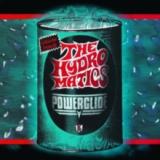
Bang! Records now brings Powerglide by The Hydromatics back to vinyl, giving this powerful and long-overdue album the format it deserves. A necessary reissue of a genuine cult favorite: wild, electric, and made by people who truly knew what this music was all about. In the early 2000s, The Hydromatics brought together three scenes, three cities, and one shared devotion to rock'n'roll: the fiery tradition of Detroit, the raw punch of Amsterdam, and the high-energy attitude of Scandinavia. Fronted by none other than Scott Morgan (Sonic's Rendezvous Band), one of the great voices of Detroit rock, and backed by Tony Slug (LOVESLUG) and a band built out of genuine love for the legacy of Sonic's Rendezvous Band, the result was Powerglide-a record that is tough, streetwise, soulful, elegant, and raw all at once. Originally released in 2001, Powerglide captures The Hydromatics in full flight. Original songs sit alongside explosive takes on material connected to the Sonic's Rendezvous universe, all delivered with nerve, conviction, and the kind of authority that simply cannot be faked. The guitars bite, the rhythm section drives relentlessly, and above all there is Scott Morgan's voice-capable of sounding fierce, wounded, and defiant within the very same line. Far from being a mere exercise in homage, Powerglide stands tall as a living, breathing record with a personality all its own: high-octane rock'n'roll fueled by rhythm & blues soul and steeped in the unmistakable spirit of Detroit. This is an album for those who understand that proto-punk, garage soul, and real rock'n'roll were never separated by any meaningful border in the first place.
Somewhere between krautrock, noise rock, decaying psychedelia, and pagan proto-punk, Dééfait makes music like one performs a ritual: in trance, on repeat, and without a safety net. From the chaotic arteries of Mexico City to the basement venues of the Paris suburbs, Dééfait sculpts noise rock in apnea. Their self-titled debut EP is a noise rite: a wall of guitars, incantatory percussion, and possessed voices. With Dééfait, sound twists, repeats, stretches, until exhaustion and ecstasy. Formed in 2023, Dééfait brings together the Valero brothers (Lucas on guitar / Pablo, ex-Pays P, on drums), Enir Da (bass - Temir Alcy, Dali Muru & the Polyphonic Swarm), Grégoire Couvert (guitar), and Riki Lara, a Mexican-born vocalist and performer whose lyrics _ chanted, whispered, shouted _ alternate in three languages: English, Spanish, and French. Active on the Paris underground scene since 2024 (La Mécanique Ondulatoire, Le Cirque Électrique, Nouveaux Sauvages_), Dééfait imposes a ritual tension, physical, almost hallucinatory. No choruses to hum along to, no comforting melodies _ just a dense sonic flow that seeps and vibrates. This debut EP, set for release in December 2025 on Ici, d'ailleurs (Zëro, Matt Elliott, Bruit Noir_), lines up six long tracks resembling pagan litanies. Six extended pieces forming a possessed monologue, as if a camera had been slipped inside a burning body. Everything pants. Everything overflows. From We Love Each Other So Much That We Won't Belong To Any Species Anymore, love exceeds expected forms and becomes an organic pact, a ritual of species departure: "Cut me like you want, in bloom your fire," "We scratch consanguinity / We don't belong to any species anymore." It quickly suggests a call to ecstasy, to trance. The EP as a whole navigates unstable zones where desire, sacrifice, and alienation entwine like serpents on acid. Molokh 8 chants an offering to a carnivorous deity, between severed tongue and chemical body. In Bondbondbond, voices entangle, seek each other in a delirious, sensual chiaroscuro where pleasure derails into compulsion. It's a dogma-free ceremony, a game of inverted masks. Alether _ a live-explosive track and perhaps the most powerful of this first project _ shatters frameworks: convulsive dancing, possessed rhythms drowned by waves of guitar. Finally, Ferreri, cook for us closes the EP as a dark farce: a deviant homage to Italian filmmaker Marco Ferreri, the track chews and regurgitates words as if digesting an overfed world. Recorded in the chaos of DIY and mixed as a raw work, the record captures Dééfait's electric discharge in its purest state. The sound is dirty, visceral, possessed. Think Terminal Cheesecake, Boredoms, Nick Cave-era Birthday Party on acid, but also CAN impaled on an autopsy table, or a Giallo under a strobe light_ Yet it emerges as a singular work.
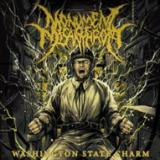
Originally founded as a solo project by singer Georg Wilfinger (ex-Miasma) in 2010 in Austria, In 2012, the project evolved into a studio band with drummer Romain Goulon (ex-Necrophagist) and guitarist Jean-Pierre Battesti, releasing the demo "Bandroom Misanthropy" MONUMENT OF MISANTHROPY have released three studio albums, and an EP Previous full-length album "Vile Postmortem Irrumatio" was released in August 2024 and drew roaring reviews worldwide. The new opus is a wholesome little concept album chronicling the coming- of- age story of a serial killer: the awkward upbringing, the early extracurricular activities, and the grand finale on the electric chair, America's probably most prolific serial killer , Ted Bundy.
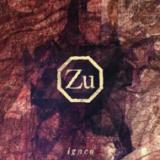
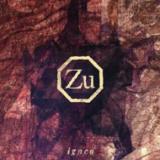
Recorded and mixed by Steve Albini at Electrical Audio in Chicago, the album captures Zu at their most raw and explosive -- where avant-jazz energy collides with the weight of experimental rock. Igneo (2002) by Zu is the band's debut studio album and marks the starting point of their distinctive sonic identity. Even at this early stage, many of the elements that would define their later work are already clearly present. The album emerges from a context deeply rooted in experimentation and exploration. Compared to their subsequent releases, the sound here feels more open and less tightly structured, with a stronger emphasis on improvisation and real- time interaction between the musicians. The trio--baritone sax, electric bass, and drums--develops a language that blends free jazz, noise, post- hardcore, and touches of contemporary composition.
Listening to Igneo, you can sense a balance between raw energy and expressive freedom. The baritone sax shifts between abrasive bursts and more spacious, stretched- out passages, while the bass moves from repetitive grooves into fragmented lines. The drums, in turn, alternate between tight rhythmic frameworks and looser, more fluid playing. There's a constant negotiation between control and release. Unlike the band's later, more disciplined records, the structures here feel more fluid and unpredictable. The tracks don't follow conventional forms; instead, they evolve like living organisms, marked by sudden changes, contrasting sections, and a persistent sense of instability. This gives the album a dynamic, almost volatile character. The title Igneo-- suggesting something fiery and primal-- captures the essence of the record quite well. The music feels warm, raw, and in continuous motion, as if it were constantly on the verge of erupting.
Recorded and mixed by Steve Albini at Electrical Audio in Chicago, the album captures Zu at their most raw and explosive -- where avant-jazz energy collides with the weight of experimental rock. Igneo (2002) by Zu is the band's debut studio album and marks the starting point of their distinctive sonic identity. Even at this early stage, many of the elements that would define their later work are already clearly present. The album emerges from a context deeply rooted in experimentation and exploration. Compared to their subsequent releases, the sound here feels more open and less tightly structured, with a stronger emphasis on improvisation and real- time interaction between the musicians. The trio--baritone sax, electric bass, and drums--develops a language that blends free jazz, noise, post- hardcore, and touches of contemporary composition.
Listening to Igneo, you can sense a balance between raw energy and expressive freedom. The baritone sax shifts between abrasive bursts and more spacious, stretched- out passages, while the bass moves from repetitive grooves into fragmented lines. The drums, in turn, alternate between tight rhythmic frameworks and looser, more fluid playing. There's a constant negotiation between control and release. Unlike the band's later, more disciplined records, the structures here feel more fluid and unpredictable. The tracks don't follow conventional forms; instead, they evolve like living organisms, marked by sudden changes, contrasting sections, and a persistent sense of instability. This gives the album a dynamic, almost volatile character. The title Igneo-- suggesting something fiery and primal-- captures the essence of the record quite well. The music feels warm, raw, and in continuous motion, as if it were constantly on the verge of erupting.
A collaborative classic from the Italian Avant-Jazz pioneers Zu and Chicago's Jazz mavericks Spaceways Inc Originally released in 2004, RADIALE is back, bringing together explosive energy, avant-jazz improvisation, and experimental rock in a landmark collaboration. Radiale (2004) by Zu is the band's second studio album and stands as one of the most defining releases in the European avant-garde scene of the early 2000s. With this record, Zu moved decisively away from the slightly more exploratory feel of their debut Bromio and developed a tighter, more aggressive sonic identity. The trio-- built around baritone sax, electric bass, and drums-- strips away almost all conventional melody, focusing instead on repetition, tension, and raw physical impact. Listening to Radiale feels less like following a sequence of songs and more like being drawn into a continuous sonic current. The music is driven by hypnotic, circular rhythms and abrupt dynamic shifts, moving from sparse, almost suspended moments to sudden, explosive bursts. The baritone sax often functions more as a percussive force than a melodic instrument, while the bass locks into distorted, looping figures and the drums maintain a relentless, tightly controlled intensity.
A collaborative classic from the Italian Avant-Jazz pioneers Zu and Chicago's Jazz mavericks Spaceways Inc Originally released in 2004, RADIALE is back, bringing together explosive energy, avant-jazz improvisation, and experimental rock in a landmark collaboration. Radiale (2004) by Zu is the band's second studio album and stands as one of the most defining releases in the European avant-garde scene of the early 2000s. With this record, Zu moved decisively away from the slightly more exploratory feel of their debut Bromio and developed a tighter, more aggressive sonic identity. The trio-- built around baritone sax, electric bass, and drums-- strips away almost all conventional melody, focusing instead on repetition, tension, and raw physical impact. Listening to Radiale feels less like following a sequence of songs and more like being drawn into a continuous sonic current. The music is driven by hypnotic, circular rhythms and abrupt dynamic shifts, moving from sparse, almost suspended moments to sudden, explosive bursts. The baritone sax often functions more as a percussive force than a melodic instrument, while the bass locks into distorted, looping figures and the drums maintain a relentless, tightly controlled intensity.
For several decades Norway has had a healthy tradition for prog, psych and jazz fusion – yet, there's something very different about the ensemble that is Fra Det Onde (”From Evil”). The group is comprised of one of Europe's finest jazz drummers Olaf Olsen (Needlepoint, Motorpsycho, Bigbang and others), bassist Rune Neergaard (Bushman's Revenge, Exoterm) and trumpeter Erik Kimestad – one of the brightest young stars in current Scandinavian jazz. And they have a secret weapon in the form of sonic wizard Emil Nikolaisen, known for his pioneering noise rock in Serena Maneesh, as well as a collaborative album with Todd Rundgren. He's currently a member of The Brian Jonestown Massacre. Emil not only contributes Farfisa and weird electronics to the group's free flowing streams of sound, he's also responsible for the innovative album mix that expands the ensemble's vision into new and astonishing territory.
Smilet Er En Flyktig Tilstand is one of those rare records that manage to absorb the spirit of the past and transform it into something new and exciting. Listening to the suite that makes up most of the album, one can sense the cosmic energy of 1970s Don Cherry, or the sonic adventurism of Can in their prime – but Fra Det Onde pushes these aesthetics into the extreme. Labels such as ”fusion” or ”psychedelic jazz” don't really come close to describing the rush of energy and kaleidoscopic sonics that's taking place on this record.
Vinyl-only, limited to 500 copies, no digital release.
File next to: electric Miles Davis, Can, Don Cherry.
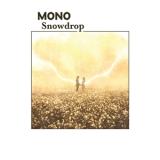
Als MONO ihr vorheriges Album OATH 2023 gemeinsam mit ihrem langjährigen Produktionspartner und Freund Steve Albini aufgenommen hatten, konnten sie sich nicht vorstellen, dass es das letzte Studioalbum sein würde, das sie zusammen machten. Albini starb im darauffolgenden Jahr tragisch, und dieser Verlust hinterließ eine unermessliche Leerstelle - nicht nur im Leben all jener, die Steve persönlich kannten, sondern bei jedem, der eine emotionale Verbindung zu einem der Tausenden von Alben hat, an deren Entstehung er in den vergangenen vier Jahrzehnten beteiligt war. Er brachte Klarheit in das Chaos und eine selbstlose Hingabe an die Kunst und die Künstler, die ihresgleichen suchte. Auf persönlicher wie auf praktischer Ebene stellte sein Tod MONO vor tiefe Trauer und große Unsicherheit. Albini war zu einem grundlegenden Bestandteil des unverwechselbaren MONO-Sounds geworden, und allein der Gedanke daran, ihn ersetzen zu müssen, war mehr als entmutigend.Und dann kam: Brad Wood (Touché Amoré, The Smashing Pumpkins).Ausgewählt aufgrund seiner Vertrautheit mit MONOs kreativen und technischen Arbeitsprozessen - ebenso wie seiner jahrzehntelangen Freundschaft mit Steve Albini - betrat Brad Wood im September 2025 das legendäre Electrical Audio Studio, um aufzunehmen, was schließlich zu Snowdrop werden sollte. Gemeinsam mit dem in Chicago ansässigen Dirigenten und Orchesterleiter Chad McCullough verpflichteten MONO ein zehnköpfiges Orchester und einen achtköpfigen Chor für die acht monumentalen Stücke, aus denen Snowdrop besteht. Die Band spielte, und Wood nahm in demselben heiligen Raum auf, in dem die meisten MONO-Alben ihrer 25-jährigen Geschichte entstanden waren - die Songs auf Snowdrop tragen daher ein besonderes Gewicht. Abgemischt wurde das Album von Wood in seinem Seagrass-Home-Studio in Los Angeles; es klingt zugleich intim und umhüllend.Wo leicht ein Schatten über Snowdrop hätte liegen können, findet sich stattdessen eine außergewöhnliche Atmosphäre der Dankbarkeit. Statt in Herzschmerz zu verweilen, entsteht eine eindringliche Wertschätzung für das gut gelebte Leben mit einem geliebten Freund - und eine Sehnsucht danach, was noch kommen mag. Snowdrop ist der Klang einer Band, die Schock und Trauer in Hoffnung und Staunen verwandelt - und neue Klarheit im befreienden Gefühl des Nichtwissens findet.
out of Stock
Last delivered 3 months ago available to reorder, subject to availability
ALERT: BIG 90s ITALIAN RAVE COMP - a lot of very in demand tunes on here.
Navigators
Franco Falsini and the Interactive Test Universe
There are musicians who follow their time.
And then there are those who seem to move along a different trajectory—like navigators crossing sonic eras without ever truly belonging to any one of them. The story of Franco Falsini belongs to the latter. It is a story that begins long before raves, before techno, before the word “electronic” had even become a recognizable musical genre. A story that moves across continents, technologies, and sonic visions, eventually arriving at a small creative laboratory born in Italy in the early 1990s: Interactive Test. This compilation is a fragment of that universe. But as often happens with the hidden histories of music, understanding it requires going back. Far back.
The Beginning: Machines, Tape and Space
In the late 1960s Franco Falsini leaves Italy and moves to the United States. It is not merely a geographical journey—it is also a journey into a new idea of music. At the time, synthesizers are only just emerging from research laboratories. Multitrack tape recorders allow musicians to build entire sonic worlds on their own. Technology is still far from standardized: every studio is almost an experimental workshop. In Virginia, Falsini builds one of his own. Among cables, oscillators, electric guitars and reels of magnetic tape, a kind of music begins to take shape that resembles nothing else being made at the time. It is not simply rock, and it is not yet truly electronic. It moves somewhere in the space between the two. Out of these explorations emerges Sensations' Fix, the project through which Falsini releases a series of albums during the 1970s. Records that seem to come from a parallel dimension: cosmic landscapes, electronically treated guitars, synthesizers drifting like satellites. Many years later those albums would be rediscovered as visionary works. But at the time they were simply the result of relentless curiosity. A curiosity that would never fade.
The City That Never Sleeps
In the 1980s Falsini’s trajectory leads him to New York. The city is a sonic organism in constant transformation. In its clubs and recording studios something entirely new is beginning to take shape: music built from drum machines, sequencers, and samplers, created for the body before the living room. It is the dawn of modern dance culture. Falsini works as a sound engineer, producer and experimenter. From close range he observes electronic music transforming into a global language. Machines become more accessible, computers begin entering studios, and rhythm takes on an increasingly central role. Yet even in this phase Falsini does not simply follow what is happening. He absorbs. Observes. Reimagines. When he eventually returns to Italy, he brings back not only technical experience but also a clear vision: the conviction that electronic music is an open space, a territory still waiting to be explored.
Tuscany, Early 1990s
At the beginning of the 1990s something is happening in Italy as well. In clubs, abandoned industrial warehouses and clandestine parties, a new scene is beginning to form. It is rave culture: a spontaneous movement bringing together DJs, producers and listeners in a collective experience driven by rhythm, technology, and creative freedom. It is within this context that Franco Falsini, together with his brother Riccardo, creates Interactive Test.
The name almost sounds like a scientific experiment. In many ways, it is. Interactive Test does not emerge as a traditional record label. It begins as a laboratory—a place where ideas, sounds and musical identities can be tested and explored. Around the Falsini studio in Tuscany a small constellation of artists and DJs begins to gather, helping to shape the sound of Italy’s emerging electronic scene. Among them are Andrea Giuditta, Francesco Farfa, Gabry Fasano, Roby Mastelloni, Roby J and many others. Each brings a different musical sensibility. But they all share the same intuition: electronic music is not a genre. It is a language.
The Laboratory of Identities
One of the most fascinating aspects of the Interactive Test universe is its constant play with identity. Franco Falsini releases music under several different names: Open Space, Youth Wave, Agent Fylfoyt, Man Myth Magic. These are not simply pseudonyms.
They are different sonic perspectives, as if each project were a window opening onto a parallel musical universe. Open Space, for example, explores more atmospheric and visionary territories. Youth Wave moves between electronic groove and club-oriented rhythms. Other projects experiment with digital psychedelia or hypnotic techno textures. Interactive Test becomes something more than a label. it becomes an ecosystem.
Domestic Machines, Infinite Worlds
Looking back today at the technology used in those productions, one might almost smile. Many tracks were created on Amiga computers, MIDI sequencers and analog synthesizers wired together in home studios—tools that appear modest when compared to today’s digital possibilities.
Yet precisely these limitations became a creative force. Every sound had to be built, shaped and reinvented. Sequences developed slowly, almost like living organisms. The tracks did not always follow traditional dance music structures; often they felt like genuine sonic journeys. Music built from space.
A Hidden Constellation
Many of the records released by Interactive Test in the 1990s remained for years almost invisible objects, circulating quietly among DJs, collectors, and devoted listeners. Yet it is precisely this underground existence that helped preserve them. Listening again today, one perceives something rare: the feeling of music that does not fully belong to its own time. Music suspended between different eras. Perhaps because it comes from a vision that both precedes and transcends trends.
Continuing the Journey
Looking at Franco Falsini’s entire path—from the electronic psychedelia of Sensations’ Fix to the rave culture of the 1990s—a surprisingly coherent line emerges.
A line defined by exploration.
Each project, each pseudonym, each record appears as a new route within the same great sonic voyage.
Interactive Test was one of its stations.
A laboratory.
A community.
A creative platform.
This compilation gathers some of its traces.
Not as a simple archive of the past, but as a map of a musical territory that continues to expand even today.
Like all true sonic explorations.
out of Stock
Last delivered 6 days ago available to reorder, subject to availability
Strut presents the second studio album from Brian Auger’s Oblivion Express and a firm favourite with Auger aficionados, the “little known masterpiece” A Better Land from 1971. Marking a clear evolution from their more jazz-rock leaning debut, the band shifts into a mellower direction on these tracks, echoing the feel of Befour released in the Trinity's later years. A Better Land embraces warmer, more melodic and understated compositions, primarily written by guitarist Jim Mullen. With its languid and spacious approach, the album brings an grounded message to make the most of the simple pleasures in life with a hopeful, but wary, eye to the future. Musically, Auger brings acoustic guitars, country rock melodies and three-part vocal harmonies into his musical palette. Key tracks include the groove-driven title track ‘A Better Land’, the sparse ‘Dawn of Another Day,’ (sampled by Air and Black Milk among others) while ‘Fill Your Head With Laughter’ returns to Auger's trademark driving Hammond-led sound, akin to early Traffic.
The record features the Brian Auger’s unique sound on organ and electric piano, joined by Jim Mullen on guitar, Barry Dean on bass and Robbie McIntosh on drums and percussion, with Auger, Mullen and Dean all contributing vocals. Mullen co-wrote seven of the album’s nine tracks, with additional contributions from Alan Gorrie (later of Average White Band). These songwriters should take immense pride in their work as Auger’s favourite singer of all time, Sarah Vaughan, recognised the quality of these compositions by covering three of them; ‘Trouble’, ‘On “Thinking It Over’, and ‘Tomorrow City’ for her 1972 album A Time in My Life. This new official Strut reissue is curated by Greg Boraman of Impressive Collective in collaboration with Brian and Karma Auger. Fully remastered by Cosmic Audio, it is presented as a high-quality single LP replica edition.
‘MASH DOWN BIRMINGHAM: THE EARLY RECORDINGS OF MUSICAL YOUTH’ NEWLY UNEARTHED EARLY RECORDINGS BY THE FIRST LINE-UP OF MUSICAL YOUTH Mastered from the original tapes by Guy Davie at Electric Needle Mythology, the label founded by music writer, author and broadcaster Pete Paphides, is thrilled to announce ‘MASH DOWN BIRMINGHAM: THE EARLY RECORDINGS OF MUSICAL YOUTH’ – an album of rare and unheard early recordings by Musical Youth, the Birmingham reggae group propelled to worldwide fame with the release of their chart-topping single PASS THE DUTCHIE. ‘MASH DOWN BIRMINGHAM: THE EARLY RECORDINGS OF MUSICAL YOUTH’ combines songs from Musical Youth’s first John Peel session, recorded in 1981 with newly unearthed recordings taken from quarter-inch reels stored for over 40 years by the group’s mentor and producer Toney Owens. The project was seeded as early as 2020, when Paphides sent a speculative message to Owens, after he saw his producer credit on the group’s independently released 1981 single Generals/Political. Paphides wanted to know if Owens had made more recordings of the group in a similar heavier roots reggae vein to those on their debut single. Happening upon the message by chance three years later, Owens allowed Needle Mythology access to his archive of quarter-inch tapes, dating back as far as 1978. The recordings gathered together on ‘MASH DOWN BIRMINGHAM: THE EARLY RECORDINGS OF MUSICAL YOUTH’ shine a light on the exceptional musicianship inculcated into the group by their first frontman Frederick Waite, formerly singer with revered Jamaican rocksteady group The Techniques. Backing Frederick Waite in the early lineup of Musical Youth (originally billed by Toney as Cultural Musical Workshop Youths, were two pairs of brothers) Patrick and Junior Waite, and Kelvin and Michael Grant.


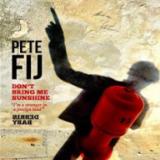


![Various - [QR]V.205.DTON.26](https://www.deejay.de/images/l/7/1/1248271.jpg)





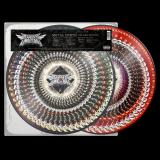







![THE TALLEST MAN ON EARTH - SOMETIMES THE BLUES IS (...) [REVINYL]](https://www.deejay.de/images/l/0/7/1243807.jpg)