Buscar:end

Estilos
Todo
Various - All Stars Vol.3

Various

All Stars Vol.3

12inchDAYZ015
End Of Dayz
12.01.2024

The infamous "All Stars" series on End Of Dayz are back this 2024 with a selection of 4 of the most hard workers producers and djs the last times. Linear System deliveries "Dubbing" a hard and deep squizo party shaker, Not A Headliner comes with a funky percussive game as "Mystery Box", Anika Kunst arrives into the last sinapsis of your brain in her "Introspective Trip" and Decka will make the delights of the hard UK Techno lovers with "Vented. Lethal weapons as we like it in the End Of Dayz heardquarters.

Disponible

En el almacen y preparando para el envío

11,35
Various - The Beginning of the End

Various

The Beginning of the End

12inchTELOMERE020.1RED
Telomere Plastic
17.10.2023

As we get ready to say goodbye to the Telomere Plastic series, we are excited to present Telomere 020.1, aka the first part out of 5.
Each release will have four different artists, making it a compilation of twenty different artists who will deliver unique, juicy and eclectic frequencies that will keep your telomeres bopping for the rest of time!

This first VA, features producers, ESB, Synaptic Voyager, Vinaya and Vonsuck.

A1, Fancy Organ from Vinaya, is a sexy deep and house cut that is guaranteed to bring smiles all around the dance floor. Arpeggios and groovy bass lines galore. Prepare your piano hands because you will find yourself playing that sweet air organ on this one!

A2, Self Destruct Sequence from Synaptic Voyager (aka Telomere 014’s Illuminators), is a very emotional cut. Originally released digitally on Frame Of Mind, we were overjoyed to be given the green light to put this beauty on wax. Deep pads, tommy drums, hints of IDM and techno, and soul striking arpeggios pave the way for a special sonic journey. Close your eyes and melt away with this one!

B1, Keio Acid from ESB. We are always delighted to share more ESB with you. Elan’s love for analog and tape give off a raw and authentic energy that is hard to come by. This deep, jazzy and loopy cut will keep you on your toes from start to finish. We can only dream of being on the dance floor as this one plays out!

B2, Unemati from Vonsuck, is a deep and dubby cut that beautifully blends the three genres dub techno, house and techno. Dark rooms and dark skies are recommend for this one here, even though we could see these frequencies accompanied by a pink and red sunrise bringing waves of energy and nostalgia to your soul. Its a real treat to have Vonsuck aka Galaktlan on the Telomere series!

Very limited black copies as always with a few colored copies available via the Wex bandcamp, be quick!

Disponible

En el almacen y preparando para el envío

18,70
COLD END - Metropolitan Jungle

Cold End

Metropolitan Jungle

12inchPROXIMA005
Proxima
23.09.2022

Originally released in 1987, « Metropolitan Jungle » by German synth-pop band Cold End is reissued by Swiss label Proxima. Cold End is the second musical project of Katrin A. Kunze, Jürgen Grah and Markus Kammann. Musically, the sound of Cold End was something special back in the time, as a successful fusion of electronic and soul. Dynamic percussions, synth textures and enchanting vocals. Includes an aerial rework by Audrey Danza. All four tracks are freshly remastered!

Disponible

En el almacen y preparando para el envío

11,72
Brizman - At The End

Brizman

At The End

12inchSBTL024
Subtil
29.07.2022

The Tel Aviv-born and now Berlin-based Dj & producer Roy Brizman is next on the ever respectable Subtil Records. He delivers two remarkable original cuts, accompanied by a lush remix from the talented Christopher Ledger.

First up is "At The End" wich reflects perfectly Brizman´s moody gentle side, a journey of sounds and beats - super unique.

On A2 "The Swing", a rolling little groove monster that will surely do the magic on any dancefloor.

Christopher Ledger keeps the original low slung minimal house vibes of "At The End" and goes deeper into broken beats with a brilliant remix.

Disponible

En el almacen y preparando para el envío

11,98
HDSN - Low End Therapy

HDSN is one of the most diverse young artists in recent times, and every new production that hits the shelves is proof of his endless exploration of the electronic music universe. “Low End Therapy” is the follow up to his first release on NBAST ́s sister label “ We Must Protect This House” , which kicked off a new era of sound on his second home label earlier this year. Now that the dust has settled WMPTH002 is here: straight to the point, pounding and euphoric, its a modern reimagined dream of an illegal 1992 warehouse rave anthem full of energy but also incredibly catchy and instantly recognisable.

Recogiendo

Ordena ahora - una vez que hayan recibido suficientes pedidos, el artículo se reimprimirá.

10,04

Ültimo hace: 4 Años
AiNA THE END - MY COLLECTION OF ANIME SONGS

a 1.1 KAKUMEI DOUCHUU - ON THE WAY FROM "DANDADAN"
b 1.2 DAIJOUBU FROM "MOONRISE"
c 1.3 HANA MUSOU - PEERLESS FLOWERS FROM "MONONOKE THE MOVIE: THE ASHES OF RAGE"
[d] 1.4 KATSUBOU [FROM "MONONOKE THE MOVIE: THE ASHES OF RAGE"]
[e] 1.5 LOVE SICK [FROM "MONONOKE THE MOVIE: THE ASHES OF RAGE"]
[f] 1.6 AIKOTOBA - THE SPELL [FROM "THE APOTHECARY DIARIES"]
[g] 1.7 RED:BIRTHMARK [FROM "MOBILE SUIT GUNDAM: THE WITCH FROM MERCURY"]
[h] 1.8 HOUSEKI NO HIBI [FROM "MOBILE SUIT GUNDAM: THE WITCH FROM MERCURY"]

[a] 1.1 KAKUMEI DOUCHUU - ON THE WAY [FROM "DANDADAN"]
[b] 1.2 DAIJOUBU [FROM "MOONRISE"]
[c] 1.3 HANA MUSOU - PEERLESS FLOWERS [FROM "MONONOKE THE MOVIE: THE ASHES OF RAGE"]
[d] 1.4 KATSUBOU [FROM "MONONOKE THE MOVIE: THE ASHES OF RAGE"]
[e] 1.5 LOVE SICK [FROM "MONONOKE THE MOVIE: THE ASHES OF RAGE"]
[f] 1.6 AIKOTOBA - THE SPELL [FROM "THE APOTHECARY DIARIES"]
[g] 1.7 RED:BIRTHMARK [FROM "MOBILE SUIT GUNDAM: THE WITCH FROM MERCURY"]
[h] 1.8 HOUSEKI NO HIBI [FROM "MOBILE SUIT GUNDAM: THE WITCH FROM MERCURY"]

[a] a1 KAKUMEI DOUCHUU - ON THE WAY [FROM "DANDADAN"]
[b] a2 DAIJOUBU [FROM "MOONRISE"]
[c] a3 HANA MUSOU - PEERLESS FLOWERS [FROM "MONONOKE THE MOVIE: THE ASHES OF RAGE"]
[d] a4 KATSUBOU [FROM "MONONOKE THE MOVIE: THE ASHES OF RAGE"]
[e] b1 LOVE SICK [FROM "MONONOKE THE MOVIE: THE ASHES OF RAGE"]
[f] b2 AIKOTOBA - THE SPELL [FROM "THE APOTHECARY DIARIES"]
[g] b3 RED:BIRTHMARK [FROM "MOBILE SUIT GUNDAM: THE WITCH FROM MERCURY"]
[h] b4 HOUSEKI NO HIBI [FROM "MOBILE SUIT GUNDAM: THE WITCH FROM MERCURY"]

[a] a1 | KAKUMEI DOUCHUU - ON THE WAY [FROM "DANDADAN"]
[b] a2 | DAIJOUBU [FROM "MOONRISE"]
[c] a3 | HANA MUSOU - PEERLESS FLOWERS [FROM "MONONOKE THE MOVIE THE ASHES OF RAGE"]
[d] a4 | KATSUBOU [FROM "MONONOKE THE MOVIE THE ASHES OF RAGE"]
[e] b1 | LOVE SICK [FROM "MONONOKE THE MOVIE THE ASHES OF RAGE"]
[f] b2 | AIKOTOBA - THE SPELL [FROM "THE APOTHECARY DIARIES"]
[g] b3 | RED BIRTHMARK [FROM "MOBILE SUIT GUNDAM: THE WITCH FROM MERCURY"]
[FROM "MOBILE SUIT GUNDAM THE WITCH FROM MERCURY"]

Reservar01.05.2026

debe ser publicado en 01.05.2026

33,57
Atreyu - The End Is Not the End LP
  • 1: The End Is Not The End
  • 2: Dead
  • 3: Break Me
  • 4: All For You
  • 5: Ghost In Me
  • 6: Glass Eater
  • 7: Wait My Love, I'll Be Home
  • 8: Ego Death
  • 9: Death Rattle
  • 10: Children Of Light
  • 11: In The Dark
  • 12: Afterglow
  • 13: Break The Glass
También disponible

Black/Orange Vinyl[27,94 €]


Reservar24.04.2026

debe ser publicado en 24.04.2026

24,79
Bill LaBounty - Love at the End of the World LP
  • 1: Love At The End Of The World
  • 2: I'll Work It Out
  • 3: Rainbow Road
  • 4: She Played Me
  • 5: When Blue Was A Color
  • 6: People Are Human
  • 7: Anything I Can Do
  • 8: The Week-End
  • 9: Keep The Planet Spinning
  • 10: I'm Still Here
Reservar24.04.2026

debe ser publicado en 24.04.2026

22,56
PORTRAYAL OF GUILT - ...BEGINNING OF THE END
  • 1: Backstabber
  • 2: Human Terror
  • 3: Heaven's Gate
  • 4: Under Siege
  • 5: Ecstasy
  • 6: Death From Above
  • 7: God Will Never Hear Me
  • 8: Chamber Of Misery Pt. Iv (Feat. Slim Guerilla)
  • 9: Total Black
  • 10: Object Of Pain
  • 11: The Last Judgement
También disponible

TOXIC WASTE VINYL[24,79 €]

Tape[14,50 €]


In den letzten zehn Jahren haben sich Portrayal of Guilt als feste Größe in der extremen Underground-Musikszene etabliert. Mit unerbittlich konsequenten Veröffentlichungen wie dem orchestralen Albtraum ,Devil Music" aus dem Jahr 2023 und ganzjährigen Welttourneen mit Bands wie Deafheaven, Uniform und Pg. 99 haben POG zweifellos ihren eigenen Weg eingeschlagen. Seit ihrer Gründung lassen sie sich nicht in eine bestimmte Kategorie stecken. Das Trio mischt Elemente aus Black, Death und Nu Metal mit Crust, Screamo, Powerviolence und Hardcore, wobei ,The Beginning of The End" die Genregrenzen weiter verwischt. Die Band hebt die verstörende Disharmonie in den Album-Highlights ,Ecstasy" und ,Human Terror" auf die nächste Stufe, mit KoRn-ähnlichen Gitarrendissonanzen, gnadenlosen Death-Metal-Tiefen und eindringlichen gesprochenen Passagen, die selbstbewusst die Grenze zwischen ,Life is Peachy" und ,Scum" überschreiten.

Reservar24.04.2026

debe ser publicado en 24.04.2026

22,27
PORTRAYAL OF GUILT - ...BEGINNING OF THE END

In den letzten zehn Jahren haben sich Portrayal of Guilt als feste Größe in der extremen Underground-Musikszene etabliert. Mit unerbittlich konsequenten Veröffentlichungen wie dem orchestralen Albtraum ,Devil Music" aus dem Jahr 2023 und ganzjährigen Welttourneen mit Bands wie Deafheaven, Uniform und Pg. 99 haben POG zweifellos ihren eigenen Weg eingeschlagen. Seit ihrer Gründung lassen sie sich nicht in eine bestimmte Kategorie stecken. Das Trio mischt Elemente aus Black, Death und Nu Metal mit Crust, Screamo, Powerviolence und Hardcore, wobei ,The Beginning of The End" die Genregrenzen weiter verwischt. Die Band hebt die verstörende Disharmonie in den Album-Highlights ,Ecstasy" und ,Human Terror" auf die nächste Stufe, mit KoRn-ähnlichen Gitarrendissonanzen, gnadenlosen Death-Metal-Tiefen und eindringlichen gesprochenen Passagen, die selbstbewusst die Grenze zwischen ,Life is Peachy" und ,Scum" überschreiten.

Reservar24.04.2026

debe ser publicado en 24.04.2026

24,79
PORTRAYAL OF GUILT - ...BEGINNING OF THE END (Tape)

Over the last decade, Portrayal of Guilt have solidified themselves as a pillar in the extreme underground music scene. With relentlessly consistent releases like 2023’s orchestral nightmare Devil Music, and year-round world touring with the likes of Deafheaven, Uniform and Pg. 99, POG have unquestionably carved their own path.
Defying accurate categorization since formation, the three piece blends elements of black, death and nu metal with crust, screamo, powerviolence and hardcore, with the bands forthcoming LP …The Beginning of The End” continuing to further obscure genre lines. The band takes the unhinged discordance to the next level on album standouts “Ecstasy” and “Human Terror”, with KoRn-like guitar dissonance, punishing death metal lows, and haunting spoken passages confidently riding the line between Life is Peachy and Scum.

Reservar24.04.2026

debe ser publicado en 24.04.2026

14,50
Aziz Balouch - Spanish Cante Jondo And It's Origin In Sindhi Music (BOOK)

66 pages, 175 x 129mm paperback w/ litho printed cover & french flaps.

The second outing for our short run book publishing imprint, The End books, takes the form of a reprint of Spanish Cante Jondo and Its Origin in Sindhi Music, originally published in Spanish in 1955 under the name Cante Jondo: Su Origen y Evolución and later in this English translation.

Aziz Balouch here presents his theory on the roots of flamenco's 'deep song' in modern-day Pakistan, a cultural journey that mimics the routes of his own life, having been brought up among the Islamic mysticism and devotional songs of Sindh before travelling to Gibraltar in the early 1930s and becoming transfixed with the cante jondo across the border in southern Spain. Positing this concept through personal accounts rather than solid theoretical backing, this text provides a valuable account of an extraordinary existence that crossed remarkable geographical, musical, and spiritual boundaries. Issued here with a new introduction from anthropologist of sound, the senses and Islam, Stefan Williamson Fa.

"It would be easy to place Balouch on the fringes, as an eccentric footnote in flamenco history. But that misses the shape of his life and work. He was a figure who moved intuitively across boundaries that our present categories of nation, genre, discipline tend to fix in place. His work predates the founding of the academic discipline of ethnomusicology, the global circuits of world music, and the marketplace logic of fusion projects by decades. He was not an ethnographer or a proto–world musician, but someone for whom the deep song of Andalusia and the devotional song of the subcontinent resonated along the same fault lines of feeling, and who spent his life trying to trace them.

This book is one of the few surviving traces of that attempt. To read it now is to encounter a perspective that resists tidy narratives of influence or origin, despite its title and what he claims to do. It stands instead as evidence of an idiosyncratic musical imagination, one that relied less on proof than on listening, and on the belief that certain echoes carry farther than history can easily explain."

— Stefan Williamson Fa

Reservar10.04.2026

debe ser publicado en 10.04.2026

19,12
RADWAN GHAZI MOUMNEH/ FRÉDÉRIC D.  OBERLAND - ETERNAL LIFE NO END
  • Squeal Of Swine
  • Dagger Eyes
  • A Silence With No Ceiling
  • A Shadow With No Silhouette
  • The Serpent
  • A Dream That Never Arrived
  • Walked And Walked

Moumneh (Jerusalem In My Heart) und Oberland (Oiseaux-Tempête) festigen mit diesem Debüt-Studioalbum als Duo ihre langjährige Zusammenarbeit: eine überzeugende Synthese ihrer jeweiligen und gemeinsamen Sensibilität. Durch die Verschmelzung von elektronischen Klängen mit akustischen Instrumenten wie Bouzouki, Rababa, Clarineau und Saxophon, ergänzt durch Moumnehs arabischen Gesang, entsteht ein Album, das von Empörung und Klage über unsere suprematistische und rassistische Gesellschaft geprägt ist. Das Album verbindet vibrierende Elektronik mit akustischen Instrumenten wie Bouzouki, Rababa, Clarineau und Saxophon, gewürzt mit Moumnehs arabischem Gesang, und ist geprägt von Empörung und Klage über unsere supremacistische und genozidale politische Gegenwart. Radwan Ghazi Moumneh und Frédéric D. Oberland wechseln zwischen Sinnlichem und Unterdrücktem und schaffen mit ihrem Debütalbum eine poetische musikalische Verkündigung der verwandelten Realität und sozialen Amnesie. Diese sieben Titel entstanden in zweijähriger Zusammenarbeit und begannen als eine Reihe von Duetten, die Moumneh im Sommer 2023 im Studio Hotel2Tango in Montréal initiierte. Der arabische Titel von Eternal Life No End lässt sich wörtlich mit ,Eine dunkle, verfluchte Nacht, wie die Suchenden selbst" übersetzen. Das Album ist ein Aufschrei inmitten der Ozeane der Ungerechtigkeit, die die SWANA-Region überschwemmen und das Leben und die Visionen der Suchenden selbst heimsuchen. Der arabische Titel von Eternal Life No End lässt sich wörtlich übersetzen mit ,Eine dunkle, verfluchte Nacht, wie die Suchenden selbst" und das Album ist ein Aufschrei inmitten der Ozeane der Ungerechtigkeit, die die SWANA-Region überschwemmen und das Leben und die Visionen großer Bevölkerungsgruppen verfolgen. Wie Dante und Vergil in Dantes ,Inferno" zeichnen die Kompositionen von Oberland und Moumneh einen emotionalen Strudel nach, während Traumzeit in tranceartige Percussion und hypnotische Melodien einfließt und kollektive Dringlichkeiten kanalisiert, die sich durch Radwans Stimme und arabische Texte ziehen. Oberlands Passagen auf dem Saxophon und der Klarinette beschwören schamanische Beschwörungen des Bösen herauf, während Moumnehs Buzuk oft durch elektronische Bearbeitung und Schwärme mit stürmischer Trauer über sich entfaltende Tragödien untermalt wird. Eine Reihe von Instrumenten vervollständigt die Klanglandschaften: Daf (eine Rahmentrommel aus dem Nahen Osten) und Bongos, eine modifizierte elektrische Rababa, bebender Bass und andere synthetische Filigranarbeiten von Oberland. Eine Reihe von Instrumenten vervollständigt die breiteren Klanglandschaften: Daf (eine nahöstliche Rahmentrommel) und Bongos, eine modifizierte elektrische Rababa, bebender Bass und andere synthetische Filigranarbeiten von Oberlands Buchla- und Deckard's Dream-Synthesizern. ,Es ist in gewisser Weise ein Heilungsprozess", sagt Oberland über das Werk. ,Seit Beginn des Völkermords hatte ich eine komplette künstlerische Blockade und war unfähig, das auszudrücken, was die Menschen durchleben", erklärt Moumneh, der schließlich ,die Worte der Opfer" in seine Texte einfließen ließ. ,Es ist in gewisser Weise ein Heilungsprozess", sagt Oberland über das Werk. ,Seit Beginn des Völkermords hatte ich eine völlige künstlerische Blockade und war unfähig, das auszudrücken, was die Menschen durchleben", erklärt Moumneh, der schließlich seine Instrumente und seine Ausrüstung zusammenpackte und im Sommer 2024 nach Paris flog , um mit seinem langjährigen Freund ernsthaft an dem Album zu arbeiten. Die beiden hatten bereits mehrfach zusammengearbeitet, mit Oberlands Hauptband Oiseaux-Tempête und durch Moumnehs Arbeit als Jerusalem In My Heart und als Produzent/Toningenieur bei verschiedenen anderen Projekten. Eternal Life No End baut auf ihrer langjährigen Freundschaft auf, während Oberland und Moumneh auf neue Weise mit Energien und emotionalen Veränderungen umgehen, ihre Sensibilitäten verschmelzen und tiefere Resonanzen entdecken. , Wir haben Tag und Nacht zusammengearbeitet und gemeinsam klare Entscheidungen getroffen", erklärt Oberland. Dennoch übernahm er auch die Führung, um Moumnehs Stimme in diesen Kompositionen zur Geltung zu bringen - vier der sieben Titel des Albums enthalten Gesang. Das Duo tauschte gewissermaßen die Rollen und wagte sich an neue kreative Prozesse, wobei Moumneh offen Anweisungen von Oberland annahm und seine übliche Rolle als Hauptproduzent von Jerusalem In My Heart beiseite ließ. ,Squeal of Swine" und ,Dagger Eyes" eröffnen das Album mit einem doppelten Schlag in die Magengrube, während Handpercussion, tiefe Synth-Klänge und abprallende Buzuq- und Rababa-Klänge die Bühne für Moumnehs klagenden arabischen Gesang bereiten, der ein Meer von Krankheit widerspiegelt, das derzeit den Zustand der Menschheit überschwemmt. Auf dem Instrumentalstück ,A Dream That Never Arrived" verankert ein Lo-Fi-Beat mit Dancehall-Einflüssen überirdische Melodielinien vor dem Hintergrund eines elektroakustischen Sounddesigns in räumlich-zeitlicher Verschiebung. Eternal Life No End wird von einem audiovisuellen Essay zum elektronischen (und vokalen) Song ,The Serpent" begleitet, der von Oberland zusammengestellt und mit einer Super-8-Kamera in Montréal, Paris und Beirut gedreht wurde, einschließlich Aufnahmen von Gaza-Protesten in Paris und von Oberlands Auftritt beim 25-jährigen Jubiläum des Irtijal Festivals in Beirut. Die libanesische Grafikdesignerin, Druckgrafikerin und Kalligraphin Farah Fayyad steuert ein talismanartiges Kunstwerk mit ineinander verschlungenen Schlangen bei, das ebenfalls von diesem zentralen Albumtrack inspiriert ist.

Reservar03.04.2026

debe ser publicado en 03.04.2026

21,43
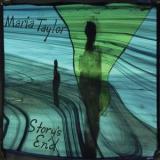
Maria Taylor - Story's End LP
  • Story’s End
  • Shades Of Blue
  • Sorry I Was Yours (Feat. Conor Oberst)
  • Tricky
  • Never Thought I’d Feel
  • New Powerlines
  • Nathaniel
  • Be Careful What You Want
  • Everything Is Fine (My Loves)
  • Change Is Coming Soon (Green Butterfly Sequel)

Acclaimed songwriter Maria Taylor, best known for her work with Azure Ray, returns with her forthcoming album ‘Story’s End’, a hushed,
cinematic collection that unfolds like an intimate narrative of loss, healing and quiet transformation.
Featuring contributions from Mike Mogis, Conor Oberst, Nate Walcott and Ben Brodin, the album pairs Taylor’s intimate vocals with widescreen strings, bell-like piano and atmospheric arrangements

Reservar03.04.2026

debe ser publicado en 03.04.2026

23,95
Iivana Mišukka & Arja Kastinen - Iivana Mišukka (Tape)
  • 01: Maanitus &Amp; Tšiižik
  • 02: Markka
  • 03: Melkutus
  • 04: Letška
  • 05: Kuuen Parin Hoirola
  • 06: Brišatka
  • 07: Tšiižik
  • 08: Kirkonkellot
  • 09: Kirkonkellot Korkea
  • 10: Hoirola, 3 Parin
  • 11: Lippa
  • 12: Kyngäkiža
  • 13: Ristakondra
  • 14: Vanha Polkka
  • 15: Viistoista
  • 16: Vanha Valssi
  • 17: Kiberä
  • 18: Maanitus Kuokan Kanteleella
  • 19: Tuuti Lasta Nukkumahe
También disponible

Vinyl[22,65 €]


Death Is Not The End present a further volume of Arja Kastinen's eerie amalgamations of 110 year old wax cylinders with her own meticulously transcribed takes, this time focussing in on Armas Otto Väisänen's field recordings of kantele player Iivana Mišukka (b. 1861 d.1919).

"Ivana Mišukka (1861–1919) was one of the Karelian kantele players recorded by the folk music researcher Armas Otto Väisänen on wax cylinders in 1916 and 1917. In the early 20th century, the remote areas of Border Karelia were undergoing the final phase of a transformation in musical culture, with the ancient runo song tradition giving way to newer forms of music. This transition is reflected in Mišukka's repertoire and choice of instrument. The ancient small kantele, hollowed out of a single piece of wood, was already rare at the turn of the century. Mišukka's kantele was a new type of instrument with 26 strings, constructed of several parts, but he played it using the traditional plucking technique. Like other Border Karelian kantele players, his repertoire consisted of music rooted in runosong culture, as well as newer dances and songs from the east and west. Most of the recorded material falls into the latter category.

Ivan Bogdanov Mišukka was born out of wedlock in Suursara village, Suistamo, on 1 May 1861. He began playing the kantele at the age of five or six, quickly mastering the instrument. In adulthood, he was considered one of the area's best master players. Mišukka was landless for most of his life and lived in different parts of the Suistamo parish. His first wife, Tekla Markintytär, died in 1897 at the age of 40, and his second wife, Jevdokia Filipintytär Jeminen, died in 1907 at the age of 50. Seven children were born from the first marriage, two of whom died young. The third wife, Maria Ignatintytär Gurnan (Kuurnanen), was a well-known master of lamentations. Together with Maria, Iivana Mišukka worked as a tenant farmer in the village of Suursara. Mišukka suffered from rheumatism, which prevented him from participating in physical work like Maria. This was apparently partly the reason why Iivana Mišukka went to earn extra money by playing the kantele on gig trips. He often had other traditional artists from Suistamo as his travelling companions, such as the runosingers Konstantin Kuokka and Iivana Onoila. Iivana Mišukka died in Leppäsyrjä village, Suistamo, on 18 May 1919 at the age of 58, and his kantele was donated to Teppana Jänis.

Mišukka only used 14 of the 26 strings on his kantele, playing the same tunes either a fourth higher or lower. He tuned his kantele to the major scale using fifths, except for a low seventh scale degree on the upper strings, but not below the fundamental. Since he did not use the seventh note of the scale on the upper strings at all, he could use the major scale both lower and a fourth higher with this tuning. According to Mišukka, the sound of higher, or 'finer', strings is 'more beautiful', while that of lower ones is 'greater'. Among runosingers, the size of the thirds varied, ranging from major to minor to neutral. A similar phenomenon can be observed in kantele tunings, where the third, sixth and seventh scale degrees vary in a comparable way.

During a meeting, Väisänen suggested that Mišukka play the smaller kantele belonging to Konstantin Kuokka. The idea was to bring it closer to the horn to improve the recording quality. However, the kantele was completely out of tune, and now Mišukka tuned it to the Lydian scale (track 18).

Using the old plucking technique, Mišukka placed his right middle finger on the fundamental tone, his right index finger on the second scale degree, his left middle finger on the third scale degree and his left index finger on the fourth scale degree, and his right thumb on the fifth. The thumb also played the notes above the fifth note of the scale. As Mišukka remarked to Väisänen: 'Peigaloll' tuloo enemb ruadoa' (the thumb has to do more work). However, he did not use the seventh note of the scale on the upper strings at all. Below the fundamental note, he played the seventh and sixth notes of the scale with his right middle finger of and the fifth note of the scale with his right ring finger. This fifth scale degree below the fundamental is almost always used as a drone. Sometimes, when the melody required it, Mišukka, like other players, also varied the fingering. He would also occasionally strike the same string with the side of his fingernail after plucking it.

The wax cylinder recordings of Karelian kantele players are kept in the archives of the Finnish Literature Society in Helsinki, Finland. Copies were made of them onto reel-to-reel tapes in both the 1960s and 1980s. The 1960s copies are mono and the 1980s copies are stereo. However, not all kantele recordings from these decades have survived.

The sound of the kantele is difficult to hear in wax cylinder recordings due to its low volume, and it occasionally becomes completely obscured by noise. During the copying process, the cylinder sometimes rotates unevenly, resulting in breaks or jumps in the music. Additionally, the rotation speed of the cylinder in the copies does not correspond to the performance speed of the original music, which alters the pitch. However, since Väisänen's precise notes are available in the archive, it is possible to deduce the melodies, their speed, and the tuning level of the kantele in the recordings. Of the copies of the original recordings from the 1960s and 1980s, I have selected the one that best met the requirements of this publication and adjusted the speed of the recording to align with Väisänen's notes. To enhance the listening experience, I have replayed the songs, which now partly overlap the old recordings on this release."

— Arja Kastinen

Reservar27.03.2026

debe ser publicado en 27.03.2026

16,39
Iivana Mišukka & Arja Kastinen - Iivana Mišukka LP

Death Is Not The End present a further volume of Arja Kastinen's eerie amalgamations of 110 year old wax cylinders with her own meticulously transcribed takes, this time focussing in on Armas Otto Väisänen's field recordings of kantele player Iivana Mišukka (b. 1861 d.1919).

"Ivana Mišukka (1861–1919) was one of the Karelian kantele players recorded by the folk music researcher Armas Otto Väisänen on wax cylinders in 1916 and 1917. In the early 20th century, the remote areas of Border Karelia were undergoing the final phase of a transformation in musical culture, with the ancient runo song tradition giving way to newer forms of music. This transition is reflected in Mišukka's repertoire and choice of instrument. The ancient small kantele, hollowed out of a single piece of wood, was already rare at the turn of the century. Mišukka's kantele was a new type of instrument with 26 strings, constructed of several parts, but he played it using the traditional plucking technique. Like other Border Karelian kantele players, his repertoire consisted of music rooted in runosong culture, as well as newer dances and songs from the east and west. Most of the recorded material falls into the latter category.

Ivan Bogdanov Mišukka was born out of wedlock in Suursara village, Suistamo, on 1 May 1861. He began playing the kantele at the age of five or six, quickly mastering the instrument. In adulthood, he was considered one of the area's best master players. Mišukka was landless for most of his life and lived in different parts of the Suistamo parish. His first wife, Tekla Markintytär, died in 1897 at the age of 40, and his second wife, Jevdokia Filipintytär Jeminen, died in 1907 at the age of 50. Seven children were born from the first marriage, two of whom died young. The third wife, Maria Ignatintytär Gurnan (Kuurnanen), was a well-known master of lamentations. Together with Maria, Iivana Mišukka worked as a tenant farmer in the village of Suursara. Mišukka suffered from rheumatism, which prevented him from participating in physical work like Maria. This was apparently partly the reason why Iivana Mišukka went to earn extra money by playing the kantele on gig trips. He often had other traditional artists from Suistamo as his travelling companions, such as the runosingers Konstantin Kuokka and Iivana Onoila. Iivana Mišukka died in Leppäsyrjä village, Suistamo, on 18 May 1919 at the age of 58, and his kantele was donated to Teppana Jänis.

Mišukka only used 14 of the 26 strings on his kantele, playing the same tunes either a fourth higher or lower. He tuned his kantele to the major scale using fifths, except for a low seventh scale degree on the upper strings, but not below the fundamental. Since he did not use the seventh note of the scale on the upper strings at all, he could use the major scale both lower and a fourth higher with this tuning. According to Mišukka, the sound of higher, or 'finer', strings is 'more beautiful', while that of lower ones is 'greater'. Among runosingers, the size of the thirds varied, ranging from major to minor to neutral. A similar phenomenon can be observed in kantele tunings, where the third, sixth and seventh scale degrees vary in a comparable way.

During a meeting, Väisänen suggested that Mišukka play the smaller kantele belonging to Konstantin Kuokka. The idea was to bring it closer to the horn to improve the recording quality. However, the kantele was completely out of tune, and now Mišukka tuned it to the Lydian scale (track 18).

Using the old plucking technique, Mišukka placed his right middle finger on the fundamental tone, his right index finger on the second scale degree, his left middle finger on the third scale degree and his left index finger on the fourth scale degree, and his right thumb on the fifth. The thumb also played the notes above the fifth note of the scale. As Mišukka remarked to Väisänen: 'Peigaloll' tuloo enemb ruadoa' (the thumb has to do more work). However, he did not use the seventh note of the scale on the upper strings at all. Below the fundamental note, he played the seventh and sixth notes of the scale with his right middle finger of and the fifth note of the scale with his right ring finger. This fifth scale degree below the fundamental is almost always used as a drone. Sometimes, when the melody required it, Mišukka, like other players, also varied the fingering. He would also occasionally strike the same string with the side of his fingernail after plucking it.

The wax cylinder recordings of Karelian kantele players are kept in the archives of the Finnish Literature Society in Helsinki, Finland. Copies were made of them onto reel-to-reel tapes in both the 1960s and 1980s. The 1960s copies are mono and the 1980s copies are stereo. However, not all kantele recordings from these decades have survived.

The sound of the kantele is difficult to hear in wax cylinder recordings due to its low volume, and it occasionally becomes completely obscured by noise. During the copying process, the cylinder sometimes rotates unevenly, resulting in breaks or jumps in the music. Additionally, the rotation speed of the cylinder in the copies does not correspond to the performance speed of the original music, which alters the pitch. However, since Väisänen's precise notes are available in the archive, it is possible to deduce the melodies, their speed, and the tuning level of the kantele in the recordings. Of the copies of the original recordings from the 1960s and 1980s, I have selected the one that best met the requirements of this publication and adjusted the speed of the recording to align with Väisänen's notes. To enhance the listening experience, I have replayed the songs, which now partly overlap the old recordings on this release."

— Arja Kastinen

Reservar27.03.2026

debe ser publicado en 27.03.2026

22,65
Artículos por página
N/ABPM
Vinyl