Search:ene

Styles
All
Baka G - G Stands For Groove EP

Baka G follows a string of releases on the likes of Happiness Therapy with a fresh new cut on Plastik People. It's another breezy blend of house styles with authentic soul. 'G Stands For Groove' rolls on a knotted bassline that Louie Vega would love, while 'Jack's Jam' is livelier without losing the buttery smooth bass and vibey chord work. 'Mama Lava' then ups the energy with some heftier kicks and timeless piano chords, which dance next to sultry Spanish vocals. 'Maracaipe' then shuts down with some wispier cosmic energy and lush instrumentation to bring summer warmth to winter dancefloors.

out of Stock

Order now and we will order the item for you at our supplier.

13,87

Last In: 30 days ago
NEVES E SILVA - LADEIRAS DE SANTA TERESA

Far Out Recordings proudly presents Ladeiras De Santa Teresa, the debut collaboration between Rio-jazz maverick Antonio Neves and carioca percussion master Thiaguinho Silva. In what could well be the first ever Brazilian jazz album centered around two drummers, Ladeiras De Santa Teresa is an uncompromisingly groove-rich recording, steeped in trad-samba roots and brass power.

Since his acclaimed 2021 album A Pegada Agora E Esssa Antonio Neves has remained a mainstay of the international facing Brazilian scene, performing both as a trombonist and drummer. His instrumental contributions to contemporary classics like Ana Frango Eletrico’s Little Electric Chicken Heart, Bruno Berle’s No Reino Dos Afetos 2, and Bala Desejo’s Sim Sim Sim will be marveled upon by future generations. His partner in crime Thiaguinho Silva happens to be the son of percussion icon Robertinho Silva, who has played on more or less every canonical Brazilian record, Arthur Verocai (1972), Clube Da Esquina (Milton Nascimento and Lo Borges, 1972), and India (Gal Costa, 1973) to name barely a few. Thiaguinho himself has worked with Marcelo D2, Gal Costa, Liniker and Alice Caymmi, and upon listening to Ladeiras De Santa Teresa, it’s clear that Thiaguinho is more than a worthy successor to carry the Silva family torch.

Some listeners may already be familiar with “Das Neves,” which appeared on Mr Bongo’s Rio De Janeiro-focused Hidden Waters compilation in 2023. The track showcases the profoundly skilled Neves brothers brass section (Antonio alongside brother Edu, who has performed with Hermeto Pascoal), the fiery elegance of pianist Luiz Otávio (Dora Morelenbaum), and Thiaguinho’s pulsating samba breaks. This synergised combo continues across the album, notably on “Fendas Vocais” with Neves doubling up on drums, exhibiting his inventive and fearless skill as an arranger. The album also features street-artist, musician and rapper Joca, adding vocalised dynamism and swagger to an otherwise entirely instrumental record on “Viagem de Trem”.

The album’s title Ladeiras De Santa Teresa (The hills of Santa Teresa) is named in tribute to Rio De Janeiro’s famed Santa Teresa neighborhood, a bohemian enclave with scenic views of the iconic cityscape. The spirit of Santa Teresa with its expansive city views and bustling energy is embodied in the album which encapsulates the jazz and samba histories felt within the neighborhood’s windy alleyways and cobbled streets.

Ladeiras De Santa Teresa by Neves E Silva is out on vinyl, CD and digital on Friday 20th March 2026.

pre-order now30.03.2026

expected to be published on 30.03.2026

22,65
YASUHITO OHNO - MUSIC IN DNA

YASUHITO OHNO

MUSIC IN DNA

12inchEMC-029LP
Em Records
30.03.2026

Specs: Wrapped in shrink, DL code, insert with liner notes

"Music in DNA" is an album recorded in the early 1980s in New York City by Yasuhito Ohno, a young Japanese man breaking free from the constraints of his homeland. The album is a naive burst of outsider DIY enthusiasm, inspired by the multiple avant-garde movements of the era, in music, painting and performance, as well as the native energy of 80s NYC. Ohno channeled his youthful “edge” and zeal into open-minded lo-fi musical explorations using a mere two machines: the then-new technological glories of a four-track cassette recorder and that polyphonic synthesizer masterpiece, the Roland Juno-60; on several pieces he vocalizes. These seven tracks have a zestful, innocent, anything-goes charm, free from preciousness and self-consciousness: a raw and youthful human spirit at play in a new world. Ohno was also inspired by the humanistic promise of the general technological developments of the day, including DNA research, personal computing, and early computer graphics, an example of which can be found on the cover. Ohno later returned to Japan, becoming a renowned composer/producer. In an era of jaded cynicism, "Music in DNA" is a welcome taste of big-hearted innocence, a revival of a raw self. Available on CD/LP/Digital, with E/J liner notes.

pre-order now30.03.2026

expected to be published on 30.03.2026

22,48
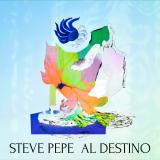
STEVE PEPE - AL DESTINO

STEVE PEPE

AL DESTINO

12inchIVR041
Ivreatornic
30.03.2026

“Al destino”, the new album by Steve Pepe, began to take shape in 2023 after roughly a year of highly abstract sound research. The original intention was to create a dancefloor-oriented record, moving away from down-tempo structures, built around minimal, percussive compositions and high BPMs, with sound conceived primarily as a functional element.
In 2024, however, the process shifted. Less time was spent producing and more time reflecting. Emotions hovered between the urgencies of the present and unresolved past traumas, and almost without conscious intention, singing returned to the center of the project. It was not a calculated choice, but an inevitable one.
The resulting album does not draw its energy from distant places, nor does it focus on sonic experimentation as an end in itself. Instead, Al destino offers an intimate perspective on how memories and emotions shape the inner self, on the sensation of being simultaneously alone and deeply connected to everything, and on the struggle to reconcile feelings, sensations, love, and desire.

pre-order now30.03.2026

expected to be published on 30.03.2026

23,49
Chez Damier / Ralph Lawson - Moments in Time

Chez Damier and Ralph Lawson had a fruitful transatlantic hook-up decades ago in a famous farmhouse studio in West Yorkshire. The fruits of that session gave rise to some timeless jams - most notably on 2015's full length collaborative album Lost In Time - including the ones appearing here, though two have come in all-new forms. 'A Dedication to Jos', named in honour of Lawson's friend and late Back to Basics resident, is a mid-tempo sound with phased vocals pacing about the mix and a classic bassline that gets a slight Wulf Lost Tape edit. 'Thank You' then comes as a Ralph Lawson dub and has a darker energy rising from the moody bassline. Closer 'The Moment' then brings some soul with warm chord injections, supple spoken words and a cool as you like groove. An evergreen EP for sure.

out of Stock

Order now and we will order the item for you at our supplier.

21,43

Last In: 52 days ago
MASAYOSHI TAKANAKA - Can I Sing LP
  • A1: Tokyo...singin' In The City
  • A2: Warera Hoshi No Ko
  • A3: Sail On Fire
  • A4: Straight From Your Heart
  • A5: Jumping Take Off
  • B1: Santiago Bay Rendez-Vous
  • B2: Funk'n'roll Train
  • B3: Cry Baby Cry
  • B4: Noon
  • B5: Can I Sing...for You

"CAN I SING?" (originally released October 5, 1983): 180g clear blue vinyl Remastered and cut by Alex Wharton (Abbey Road Studios, London)

Takanaka’s 10th original studio album, showcasing his signature “singing guitar.”
With guest appearances by Takao Kisugi (vocals), Yuji Toriyama (rhythm guitar), Yoshihiro Naruse (Casiopea; bass), and Daiji Okai (Yonin Bayashi; drums).
Blending techno-based sequencing with Takanaka’s warm, expressive guitar sound, the album radiates energy and melodic joy.

pre-order now27.03.2026

expected to be published on 27.03.2026

40,13
SEIICHI NAKAMURA - WOLF'S THEME LP
  • A1: Wolf's Theme
  • A2: Harappā
  • A3: Body And Soul
  • B1: Doxie
  • B2: Chattanooga Choo-Choo
  • B3: I Can't Get Started
  • B4: Viva Giappone

During his time with the Yosuke Yamashita Trio, Nakamura poured his entire being into every note, weaving flashes of inspiration and raw impulses into powerful blows in the early 1970s. With this work, he undergoes yet another transformation. As Nakamura himself described: “Sharing space with everyone, feeling as if we’re flying freely like birds that’s the ideal.” Here, layers of sound and moments of silence expand the sonic space, and within it, Nakamura’s saxophone runs vibrantly and unrestrained.

Highlights include the exhilarating “Wolf’s Theme”, inspired by Kazumasa Hirai’s Wolf Guy series; the nostalgic melodies and relaxed groove of “Harappa”; elegant, richly textured interpretations of standards like “Body & Soul” and “I Can’t Get Started”; and the dynamic, liberating energy of “Viva Giappone”. In every track, Nakamura’s ideal is vividly realized. Featuring contributions from Toshiyuki Daitoku, Aki Takase, and Ryojiro Furusawa.

pre-order now27.03.2026

expected to be published on 27.03.2026

47,69
Yasuhito Ohno - Music in DNA

Yasuhito Ohno

Music in DNA

12inchEMC029LP
EM Records
27.03.2026

When you notice the cheerful mystery playing with the synths, the edges of this small world start to look slightly distorted. In any era, someone is always creating mysterious music on their own. (7FO)

----------------------------

Music in DNA is an album recorded in the early 1980s in New York City by Yasuhito Ohno, a young Japanese man breaking free from the constraints of his homeland. The album is a naive burst of outsider DIY enthusiasm, inspired by the multiple avant-garde movements of the era, in music, painting and performance, as well as the native energy of 80s NYC. Ohno channeled his youthful "edge" and zeal into open-minded lo-fi musical explorations using a mere two machines: the then-new technological glories of a four-track cassette recorder and that polyphonic synthesizer masterpiece, the Roland Juno-60; on several pieces he vocalizes. These seven tracks have a zestful, innocent, anything-goes charm, free from preciousness and self-consciousness: a raw and youthful human spirit at play in a new world. Ohno was also inspired by the humanistic promise of the general technological developments of the day, including DNA research, personal computing, and early computer graphics, an example of which can be found on the cover. Ohno later returned to Japan, becoming a renowned composer/producer. In an era of jaded cynicism, Music in DNA is a welcome taste of big-hearted innocence, a revival of a raw self. Available on CD/LP/Digital, with E/J liner notes.

pre-order now27.03.2026

expected to be published on 27.03.2026

21,81
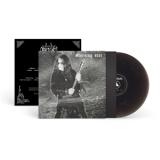
KEKHT ARÄKH - MORNING STAR
  • Wänderer
  • Castle
  • Lament
  • Genom Sorgen (Ft. Vs
  • Angest
  • Mörker Över Mörker
  • Three Winters Away
  • Drömsång
  • Raven King
  • Vigil
  • Eternal Martyr (Ft. Bladee)
  • Trollsång (Ft. Spöke)
  • Land Av Evig Natt L
  • Land Av Evig Natt Ll
  • Gates
  • Morning Star
  • Outro (Ft. Varg2)
also available

BLACK ICE VINYL[21,43 €]

Cassette[14,08 €]


"Morning Star" zeigt Kekht Aräkh auf dem Weg zu einer authentischeren, verfeinerten Version seiner selbst. Das Album wurde in Berlin und Stockholm aufgenommen und entstand in einer Phase intensiven persönlichen und künstlerischen Wachstums. Es verbindet aggressive Black-Metal-Passagen mit immersiven, strukturierten Klanglandschaften, die sowohl intim als auch weitläufig wirken. Seit seinen Anfängen in Mykolajiw, Ukraine, hat Dmitry (alias Crying Orc), der alleinige Kopf hinter dem Projekt, einen unverwechselbaren Weg innerhalb des Black Metal gesucht. Diese Vision entfaltete sich durch sein Debütalbum "Through the Branches to Eternity EP" (2018) und die Alben "Night & Love" (2018) und "Pale Swordsman" (2021), die eine charakteristische Spannung zwischen wildem, viszeralem Black Metal und zarten, introspektiven Balladen etablierten. Auf "Morning Star" erreicht diese Dynamik eine neue Tiefe. Das Album entstand in einer Phase künstlerischer Klarheit und erkundet eine rauere, persönlichere Gefühlspalette, geprägt von Stress, Angst und langen Phasen der Schreibblockade, was ihm eine seltene Unmittelbarkeit und Verletzlichkeit verleiht. Dmitry nahm fast alle Instrumente selbst auf, das Schlagzeug stammt von Jonathan (Spira Me, Vanskapth, Olycka). Bladee steuerte den Gesang bei und war Co-Autor der Texte zu "Eternal Martyr", eine unerwartete Zusammenarbeit, die eine intuitive Chemie offenbart. VS--55 und Varg2Ö fügen abstrakte Samples und subtile Texturdesigns hinzu, die "Morning Star" seine unverwechselbare Körnigkeit und analoge Wärme verleihen, während James Ginzburg (Emptyset, Osmium) sich um das finale Mastering kümmerte und die dynamische Tiefe und atmosphärische Fülle verstärkte. Mehrere Tracks greifen früheres Material mit neuen Perspektiven wieder auf. ,Wänderer" und ,Drömsang" wurden teilweise neu aufgenommen oder komplett neu interpretiert. Intensive, treibende Passagen kollidieren mit spärlichen, kontemplativen Zwischenspielen und erzeugen eine Landschaft, die sowohl viszeral als auch eindringlich ist. Themen wie Isolation und Wanderschaft tauchen in "Wänderer" auf, traumhafte Melancholie in ,Drömsang", existenzielle Kämpfe in "Angest" und Reflexionen über Zeit und Transformation in "Three winters away". Mit "Morning Star" verbindet Kekht Aräkh vergangene Erkundungen mit neuer kollaborativer Energie und produziert ein Album, das die Black-Metal-Tradition der 90er Jahre würdigt und gleichzeitig Lo-Fi-Wärme, melancholische Melodien, klangliche Experimente und emotionale Offenheit umfasst. Das Ergebnis ist ein zutiefst persönliches Statement - ein Album, das sowohl eine Ankunft als auch eine Fortsetzung seiner künstlerischen Reise darstellt.

pre-order now27.03.2026

expected to be published on 27.03.2026

21,43
KEKHT ARÄKH - MORNING STAR

"Morning Star" zeigt Kekht Aräkh auf dem Weg zu einer authentischeren, verfeinerten Version seiner selbst. Das Album wurde in Berlin und Stockholm aufgenommen und entstand in einer Phase intensiven persönlichen und künstlerischen Wachstums. Es verbindet aggressive Black-Metal-Passagen mit immersiven, strukturierten Klanglandschaften, die sowohl intim als auch weitläufig wirken. Seit seinen Anfängen in Mykolajiw, Ukraine, hat Dmitry (alias Crying Orc), der alleinige Kopf hinter dem Projekt, einen unverwechselbaren Weg innerhalb des Black Metal gesucht. Diese Vision entfaltete sich durch sein Debütalbum "Through the Branches to Eternity EP" (2018) und die Alben "Night & Love" (2018) und "Pale Swordsman" (2021), die eine charakteristische Spannung zwischen wildem, viszeralem Black Metal und zarten, introspektiven Balladen etablierten. Auf "Morning Star" erreicht diese Dynamik eine neue Tiefe. Das Album entstand in einer Phase künstlerischer Klarheit und erkundet eine rauere, persönlichere Gefühlspalette, geprägt von Stress, Angst und langen Phasen der Schreibblockade, was ihm eine seltene Unmittelbarkeit und Verletzlichkeit verleiht. Dmitry nahm fast alle Instrumente selbst auf, das Schlagzeug stammt von Jonathan (Spira Me, Vanskapth, Olycka). Bladee steuerte den Gesang bei und war Co-Autor der Texte zu "Eternal Martyr", eine unerwartete Zusammenarbeit, die eine intuitive Chemie offenbart. VS--55 und Varg2Ö fügen abstrakte Samples und subtile Texturdesigns hinzu, die "Morning Star" seine unverwechselbare Körnigkeit und analoge Wärme verleihen, während James Ginzburg (Emptyset, Osmium) sich um das finale Mastering kümmerte und die dynamische Tiefe und atmosphärische Fülle verstärkte. Mehrere Tracks greifen früheres Material mit neuen Perspektiven wieder auf. ,Wänderer" und ,Drömsang" wurden teilweise neu aufgenommen oder komplett neu interpretiert. Intensive, treibende Passagen kollidieren mit spärlichen, kontemplativen Zwischenspielen und erzeugen eine Landschaft, die sowohl viszeral als auch eindringlich ist. Themen wie Isolation und Wanderschaft tauchen in "Wänderer" auf, traumhafte Melancholie in ,Drömsang", existenzielle Kämpfe in "Angest" und Reflexionen über Zeit und Transformation in "Three winters away". Mit "Morning Star" verbindet Kekht Aräkh vergangene Erkundungen mit neuer kollaborativer Energie und produziert ein Album, das die Black-Metal-Tradition der 90er Jahre würdigt und gleichzeitig Lo-Fi-Wärme, melancholische Melodien, klangliche Experimente und emotionale Offenheit umfasst. Das Ergebnis ist ein zutiefst persönliches Statement - ein Album, das sowohl eine Ankunft als auch eine Fortsetzung seiner künstlerischen Reise darstellt.

pre-order now27.03.2026

expected to be published on 27.03.2026

21,43
TIN FINGERS - BALCONIES

TIN FINGERS

BALCONIES

12inchUNDAY176LP
UNDAY RECORDS
27.03.2026

'Balconies' is an urgent, physical record shaped by momentum and heat. The album takes its title from a recurring metaphor: a balcony as a place of exposure and distance. Elevated, visible, yet removed from the action below. Throughout the record, Tin Fingers explore feelings of observation, displacement and restlessness, moving through places without fully belonging.

Musically, 'Balconies' marks a clear shift for the Antwerp band. Where earlier releases leaned into intimacy and melancholy, this album is louder, more direct and built for movement. Sharp, energetic songs are balanced by the band's continued attention to atmosphere and imagery.

The album was written instinctively over three months by frontman Felix Machtelinckx before being brought to the band, with arrangements coming together quickly thanks to years of shared experience. Recording took place over four hot summer days at The Old Carpet Factory on Hydra, Greece. The warmth, the sea and the island's isolation shaped both sound and mood, while limited time encouraged live recordings that capture the album's raw energy and immediacy. 'Balconies' was mixed by D. James Goodwin (The National, Kevin Morby, Whitney).

Following the release, Tin Fingers will present 'Balconies' live, with shows at De Roma (Antwerp), Mezz (Breda) and Supersonic (Paris).

pre-order now27.03.2026

expected to be published on 27.03.2026

23,95
GRAND THEFT - GRAND THEFT
  • Scream (It's Eating Me Alive)
  • Closer To Herfy's
  • Log Rhythms / Meat Midgets
  • Depression City Rfd
  • Ohms / Closer To Hery's Reprise

Grand Theft war eine einmalige Explosion von Heavy-Rock-Wahnsinn aus Seattle im Jahr 1972. Was als augenzwinkernder Seitenhieb auf die Bombastik von Bands wie Grand Funk Railroad begann, entwickelte sich schnell zu etwas Rohes, Echtem und ganz Eigenem. Dave Barohs knurrende Gitarrenriffs, Kevin Marins donnernder Bass und Phil Klitgaards ursprüngliches, aber präzises Schlagzeugspiel schnitten wie eine knallende Peitsche in einer stürmischen Nacht durch die Luft. Ihre einzige LP, die in einer einzigen chaotischen Session aufgenommen wurde, fängt einen Moment ungefilterter Energie ein. Tracks wie ,Scream (It's Eating Me Alive)" und ,Closer to Herfy's" entstanden aus koffeinreichen langen Nächten, Insiderwitzen, scharfem Verstand und einer neuen Hingabe an die Aggressivität. Mit Radio-DJ/Manager Burl Barer, der das Chaos lenkte, erlangte das Album regionale Bekanntheit, einen ,Dream Date"-Promo-Wettbewerb und sogar Lob von Lester Bangs. Live-Auftritte waren selten - spontane, ohrenbetäubende Blitzauftritte -, aber die Legende von Grand Theft wuchs noch lange nach der Auflösung der Band weiter. Was als flüchtiger Scherz begann, wurde zu einer Proto-Metal-Kuriosität, einer Wildcard im Deck des frühen 70er-Jahre-Rock. Grand Theft bleibt ein Zeugnis des ungezähmten Geistes des Rock und ein Urschrei angesichts der Konvention.

pre-order now27.03.2026

expected to be published on 27.03.2026

31,05
THE TOO BAD JIMS - OVER THE HILL
  • Miss Maybelle
  • Going Down South
  • Long Haired Doney
  • Peaches
  • Black Mattie
  • Out On The Line
  • Jumper On The Road
  • Over The Hill
  • Alice Mae
  • Skinny Woman
  • 44: Pistol (Bonus Track)

TOO BAD JIMS - Over The Hill ist eine leidenschaftliche Hommage an den legendären North-Mississippi-Bluesman R.L. Burnside. Das britische Trio aus Brighton - bestehend aus Little Victor, Son Jack Jr. und Nick Simonon (Bruder von Paul Simonon, The Clash) - verbindet rohe Energie, hypnotische Grooves und den unverkennbaren Hill-Country-Sound zu einem zwingenden, rauen und erdigen Blues-Erlebnis. Was einst als spontane Zusammenarbeit zweier vielfach ausgezeichneter US-Musiker begann, entwickelte sich zu einer Band, die den Spirit der Juke Joints aus Nord-Mississippi in die Gegenwart transportiert. Minimalistische E-Gitarren, treibende Bottleneck-Soli und ungeschliffener Gesang formen einen Sound, der "absolutely scorching" (Living Blues Magazine) und "relentlessly upbeat" (Blues Blast Magazine) genannt wurde. Over The Hill erscheint streng limitiert und liefert einen kompromisslosen, unmittelbaren Blues, der gleichermaßen Tradition ehrt und vor roher Spielfreude strotzt. Für alle, die echten, unverfälschten Hill-Country-Blues lieben.

pre-order now27.03.2026

expected to be published on 27.03.2026

23,11
Iivana Mišukka & Arja Kastinen - Iivana Mišukka (Tape)
  • 01: Maanitus &Amp; Tšiižik
  • 02: Markka
  • 03: Melkutus
  • 04: Letška
  • 05: Kuuen Parin Hoirola
  • 06: Brišatka
  • 07: Tšiižik
  • 08: Kirkonkellot
  • 09: Kirkonkellot Korkea
  • 10: Hoirola, 3 Parin
  • 11: Lippa
  • 12: Kyngäkiža
  • 13: Ristakondra
  • 14: Vanha Polkka
  • 15: Viistoista
  • 16: Vanha Valssi
  • 17: Kiberä
  • 18: Maanitus Kuokan Kanteleella
  • 19: Tuuti Lasta Nukkumahe
also available

Vinyl[22,65 €]


Death Is Not The End present a further volume of Arja Kastinen's eerie amalgamations of 110 year old wax cylinders with her own meticulously transcribed takes, this time focussing in on Armas Otto Väisänen's field recordings of kantele player Iivana Mišukka (b. 1861 d.1919).

"Ivana Mišukka (1861–1919) was one of the Karelian kantele players recorded by the folk music researcher Armas Otto Väisänen on wax cylinders in 1916 and 1917. In the early 20th century, the remote areas of Border Karelia were undergoing the final phase of a transformation in musical culture, with the ancient runo song tradition giving way to newer forms of music. This transition is reflected in Mišukka's repertoire and choice of instrument. The ancient small kantele, hollowed out of a single piece of wood, was already rare at the turn of the century. Mišukka's kantele was a new type of instrument with 26 strings, constructed of several parts, but he played it using the traditional plucking technique. Like other Border Karelian kantele players, his repertoire consisted of music rooted in runosong culture, as well as newer dances and songs from the east and west. Most of the recorded material falls into the latter category.

Ivan Bogdanov Mišukka was born out of wedlock in Suursara village, Suistamo, on 1 May 1861. He began playing the kantele at the age of five or six, quickly mastering the instrument. In adulthood, he was considered one of the area's best master players. Mišukka was landless for most of his life and lived in different parts of the Suistamo parish. His first wife, Tekla Markintytär, died in 1897 at the age of 40, and his second wife, Jevdokia Filipintytär Jeminen, died in 1907 at the age of 50. Seven children were born from the first marriage, two of whom died young. The third wife, Maria Ignatintytär Gurnan (Kuurnanen), was a well-known master of lamentations. Together with Maria, Iivana Mišukka worked as a tenant farmer in the village of Suursara. Mišukka suffered from rheumatism, which prevented him from participating in physical work like Maria. This was apparently partly the reason why Iivana Mišukka went to earn extra money by playing the kantele on gig trips. He often had other traditional artists from Suistamo as his travelling companions, such as the runosingers Konstantin Kuokka and Iivana Onoila. Iivana Mišukka died in Leppäsyrjä village, Suistamo, on 18 May 1919 at the age of 58, and his kantele was donated to Teppana Jänis.

Mišukka only used 14 of the 26 strings on his kantele, playing the same tunes either a fourth higher or lower. He tuned his kantele to the major scale using fifths, except for a low seventh scale degree on the upper strings, but not below the fundamental. Since he did not use the seventh note of the scale on the upper strings at all, he could use the major scale both lower and a fourth higher with this tuning. According to Mišukka, the sound of higher, or 'finer', strings is 'more beautiful', while that of lower ones is 'greater'. Among runosingers, the size of the thirds varied, ranging from major to minor to neutral. A similar phenomenon can be observed in kantele tunings, where the third, sixth and seventh scale degrees vary in a comparable way.

During a meeting, Väisänen suggested that Mišukka play the smaller kantele belonging to Konstantin Kuokka. The idea was to bring it closer to the horn to improve the recording quality. However, the kantele was completely out of tune, and now Mišukka tuned it to the Lydian scale (track 18).

Using the old plucking technique, Mišukka placed his right middle finger on the fundamental tone, his right index finger on the second scale degree, his left middle finger on the third scale degree and his left index finger on the fourth scale degree, and his right thumb on the fifth. The thumb also played the notes above the fifth note of the scale. As Mišukka remarked to Väisänen: 'Peigaloll' tuloo enemb ruadoa' (the thumb has to do more work). However, he did not use the seventh note of the scale on the upper strings at all. Below the fundamental note, he played the seventh and sixth notes of the scale with his right middle finger of and the fifth note of the scale with his right ring finger. This fifth scale degree below the fundamental is almost always used as a drone. Sometimes, when the melody required it, Mišukka, like other players, also varied the fingering. He would also occasionally strike the same string with the side of his fingernail after plucking it.

The wax cylinder recordings of Karelian kantele players are kept in the archives of the Finnish Literature Society in Helsinki, Finland. Copies were made of them onto reel-to-reel tapes in both the 1960s and 1980s. The 1960s copies are mono and the 1980s copies are stereo. However, not all kantele recordings from these decades have survived.

The sound of the kantele is difficult to hear in wax cylinder recordings due to its low volume, and it occasionally becomes completely obscured by noise. During the copying process, the cylinder sometimes rotates unevenly, resulting in breaks or jumps in the music. Additionally, the rotation speed of the cylinder in the copies does not correspond to the performance speed of the original music, which alters the pitch. However, since Väisänen's precise notes are available in the archive, it is possible to deduce the melodies, their speed, and the tuning level of the kantele in the recordings. Of the copies of the original recordings from the 1960s and 1980s, I have selected the one that best met the requirements of this publication and adjusted the speed of the recording to align with Väisänen's notes. To enhance the listening experience, I have replayed the songs, which now partly overlap the old recordings on this release."

— Arja Kastinen

pre-order now27.03.2026

expected to be published on 27.03.2026

16,39
Iivana Mišukka & Arja Kastinen - Iivana Mišukka LP

Death Is Not The End present a further volume of Arja Kastinen's eerie amalgamations of 110 year old wax cylinders with her own meticulously transcribed takes, this time focussing in on Armas Otto Väisänen's field recordings of kantele player Iivana Mišukka (b. 1861 d.1919).

"Ivana Mišukka (1861–1919) was one of the Karelian kantele players recorded by the folk music researcher Armas Otto Väisänen on wax cylinders in 1916 and 1917. In the early 20th century, the remote areas of Border Karelia were undergoing the final phase of a transformation in musical culture, with the ancient runo song tradition giving way to newer forms of music. This transition is reflected in Mišukka's repertoire and choice of instrument. The ancient small kantele, hollowed out of a single piece of wood, was already rare at the turn of the century. Mišukka's kantele was a new type of instrument with 26 strings, constructed of several parts, but he played it using the traditional plucking technique. Like other Border Karelian kantele players, his repertoire consisted of music rooted in runosong culture, as well as newer dances and songs from the east and west. Most of the recorded material falls into the latter category.

Ivan Bogdanov Mišukka was born out of wedlock in Suursara village, Suistamo, on 1 May 1861. He began playing the kantele at the age of five or six, quickly mastering the instrument. In adulthood, he was considered one of the area's best master players. Mišukka was landless for most of his life and lived in different parts of the Suistamo parish. His first wife, Tekla Markintytär, died in 1897 at the age of 40, and his second wife, Jevdokia Filipintytär Jeminen, died in 1907 at the age of 50. Seven children were born from the first marriage, two of whom died young. The third wife, Maria Ignatintytär Gurnan (Kuurnanen), was a well-known master of lamentations. Together with Maria, Iivana Mišukka worked as a tenant farmer in the village of Suursara. Mišukka suffered from rheumatism, which prevented him from participating in physical work like Maria. This was apparently partly the reason why Iivana Mišukka went to earn extra money by playing the kantele on gig trips. He often had other traditional artists from Suistamo as his travelling companions, such as the runosingers Konstantin Kuokka and Iivana Onoila. Iivana Mišukka died in Leppäsyrjä village, Suistamo, on 18 May 1919 at the age of 58, and his kantele was donated to Teppana Jänis.

Mišukka only used 14 of the 26 strings on his kantele, playing the same tunes either a fourth higher or lower. He tuned his kantele to the major scale using fifths, except for a low seventh scale degree on the upper strings, but not below the fundamental. Since he did not use the seventh note of the scale on the upper strings at all, he could use the major scale both lower and a fourth higher with this tuning. According to Mišukka, the sound of higher, or 'finer', strings is 'more beautiful', while that of lower ones is 'greater'. Among runosingers, the size of the thirds varied, ranging from major to minor to neutral. A similar phenomenon can be observed in kantele tunings, where the third, sixth and seventh scale degrees vary in a comparable way.

During a meeting, Väisänen suggested that Mišukka play the smaller kantele belonging to Konstantin Kuokka. The idea was to bring it closer to the horn to improve the recording quality. However, the kantele was completely out of tune, and now Mišukka tuned it to the Lydian scale (track 18).

Using the old plucking technique, Mišukka placed his right middle finger on the fundamental tone, his right index finger on the second scale degree, his left middle finger on the third scale degree and his left index finger on the fourth scale degree, and his right thumb on the fifth. The thumb also played the notes above the fifth note of the scale. As Mišukka remarked to Väisänen: 'Peigaloll' tuloo enemb ruadoa' (the thumb has to do more work). However, he did not use the seventh note of the scale on the upper strings at all. Below the fundamental note, he played the seventh and sixth notes of the scale with his right middle finger of and the fifth note of the scale with his right ring finger. This fifth scale degree below the fundamental is almost always used as a drone. Sometimes, when the melody required it, Mišukka, like other players, also varied the fingering. He would also occasionally strike the same string with the side of his fingernail after plucking it.

The wax cylinder recordings of Karelian kantele players are kept in the archives of the Finnish Literature Society in Helsinki, Finland. Copies were made of them onto reel-to-reel tapes in both the 1960s and 1980s. The 1960s copies are mono and the 1980s copies are stereo. However, not all kantele recordings from these decades have survived.

The sound of the kantele is difficult to hear in wax cylinder recordings due to its low volume, and it occasionally becomes completely obscured by noise. During the copying process, the cylinder sometimes rotates unevenly, resulting in breaks or jumps in the music. Additionally, the rotation speed of the cylinder in the copies does not correspond to the performance speed of the original music, which alters the pitch. However, since Väisänen's precise notes are available in the archive, it is possible to deduce the melodies, their speed, and the tuning level of the kantele in the recordings. Of the copies of the original recordings from the 1960s and 1980s, I have selected the one that best met the requirements of this publication and adjusted the speed of the recording to align with Väisänen's notes. To enhance the listening experience, I have replayed the songs, which now partly overlap the old recordings on this release."

— Arja Kastinen

pre-order now27.03.2026

expected to be published on 27.03.2026

22,65
Saša Delimar & Mirror Lake - SEQMENTS: PULSE (TAPE)

High-quality FERRO cassette tapes, printed on 160g premium paper.

Release info
New release with a remix coming from Mirror Lake (Mexico). His version of the track could easily fit into a drum & bass set, but would work just as well in a classic 4/4 set as a refreshing change of pace. Compared to my original, his version features a shorter bass, making the groove more dance-driven and energetic. Superb control over detail throughout the entire track.

pre-order now27.03.2026

expected to be published on 27.03.2026

9,03
VREID - THE SKIES TURN BLACK LP 2x12"
  • 1: From These Woods
  • 2: The Skies Turn Black
  • 3: A Second Death
  • 4: Kraken
  • 5: Loving The Dead
  • 1: Build & Destroy
  • 2: Chaos
  • 3: Flammen
  • 4: Smile Of Hate
  • 5: Echoes Of Life
  • 6: The Earth Rumbles

In 2026, Vreid will release The Skies Turn Black, their first studio album in five years and a powerful statement from one of Norway's most enduring metal bands. The album marks a renewed creative chapter, shaped through a challenging but ultimately transformative process in which the band reconnected with the essence of their Sognametal roots while exploring new dimensions of their sound. Throughout the album's eleven tracks, Vreid merges fragments of their past with a revitalized artistic drive. The early breakthrough came with From These Woods, written during a late-night session in a remote mountain cabin. The song captured the emotional core of the album and helped steer the band back toward the heart of their identity. The title track The Skies Turn Black also holds a central place on the album. Written by bassist and songwriter Jarle Kvåle as a tribute to Ozzy Osbourne and the music that has shaped his life, the song carries a deeply personal foundation. Kvåle's experience attending Black Sabbath's farewell concert in Birmingham, after previously helping to organize the band's final Norwegian shows along with Ozzy's, left a profound mark and sparked the creative energy that shaped the song's weight and atmosphere.

pre-order now27.03.2026

expected to be published on 27.03.2026

52,06
Blue Lake - The Animal LP

Blue Lake

The Animal LP

12inchTU014LE
Tonal Union
27.03.2026

Yellow Vinyl

Blue Lake reveals his most ambitious album yet, which finds its visionary creator Jason Dungan harnessing the collective alchemy of his band, with ten spirited tracks that resonate with a powerful directness, evoking an ecological connection to the wider world.

The solo project (Blue Lake), now on its fifth album, found its name and inspiration via Don Cherry's 1974 live album, sparking a creative epiphany in Dungan, who set off on a path into his own untapped sonic world, guided by what he cited as the emotional potential found within non-lyrical composition. With a newly inspired ethos aimed toward creating direct and simple instrumental music imbued with a deep sense of feeling, Jason began combining an array of musical elements that gave rise to his highly revered album 'Sun Arcs' (2023), with its "ornate, zither-led lattices" (Pitchfork, Best New Music). Conceived in the blissful isolation of a Swedish cabin set in the woods, this was music that soundtracked spring in full bloom. Then, in contrast to the solitary approach of 'Sun Arcs', the highly lauded mini-album 'Weft' (2025) began to set the tone for a more band-oriented approach to delivering the Blue Lake sound. Jason had by this time experienced a special collective energy with his band during a swathe of live performances, which he then sought to harness and distill on 'The Animal', leading him to take the project into a traditional recording studio (The Village) and its limitless potential along with his gifted cohorts.

'The Animal' at its core vividly celebrates human collaboration and is deeply rooted in a sense of community and non-hierarchical connectivity. The group's creative alchemy transcends outwards and beyond the musicians performing together, to summon an inclusive, existential and ecological connection to the wider world and its inhabited spaces. The album contemplates the idea of the human as an animal as Dungan explains: "I'm quite fascinated in thinking about humans more as part of the animal environment and not as something that's so separated into a "human" realm, or sitting on top of a hierarchical pyramid. So the Animal is also me, or us - that we are just living, existing, in the same way as a piece of moss or a sparrow or a cow.

'The Animal' is a form of musical metamorphosis, still acoustic, yet more amplified, elevating it to new dimensions. The Blue Lake project takes on a new lease of life to encompass collaboration with Jason Dungan bound in a universal connectivity, resulting in his most ambitious album to date. A harmonious rejoicing that cements his reputation as a transformative presence in contemporary music.

pre-order now27.03.2026

expected to be published on 27.03.2026

24,58
PAPER CROWN - LETTERS

PAPER CROWN

LETTERS

12inchAPLP253
Apollon Records
27.03.2026
  • 1: Letters
  • 2: Four Leaf Clover
  • 3: Thorns
  • 4: Daisy Trains
  • 5: Knees Deep
  • 6: Oh, The Irony
  • 7: Parachute
  • 8: The Sign
  • 9: Ride Or Die
  • 10: Cocoon
  • 11: Another Life

Paper Crown release their third album Letters - an ambitious and playful record that marks a clear new chapter for the duo, brimming with confidence, nostalgia and new horizons. Letters is the result of a long and meticulous creative process, with guitarist, producer and songwriter Ornulv Snortheim and vocalist and lyricist Johanne Kippersund (MEER) working closely, patiently and with great attention to detail. The album was recorded and produced at Snortheim's own Dakkota Studio in Hamar, Norway. Drummer Borre Flyen contributes throughout the record, and violinist Aud Ingebjorg Barstad adds beautiful string textures on selected tracks. Musically, Letters draws inspiration from the organic warmth of 1970s recordings - featuring spacious arrangements and live, breathing instrumentation - while also clearly nodding to alternative 1990s pop- rock, with strong melodies, distinctive guitar lines, raw energy and a spirit of exploration. The result is a sound that feels both nostalgic and contemporary, making Letters the duo's most complete release to date.

pre-order now27.03.2026

expected to be published on 27.03.2026

44,75
JOHN CARPENTER - LOST THEMES
  • 1: Vortex
  • 2: Obsidian
  • 3: Fallen
  • 4: Domain
  • 5: Mystery
  • 6: Abyss
  • 7: Wraith
  • 8: Purgatory
  • 9: Night

Das erste Soloalbum fernab vom Soundtrack des legendären Regisseurs/Komponisten von ,Halloween", ,Assault - Anschlag bei Nacht", ,Die Klapperschlange" und vielen mehr! JOHN CARPENTER hat mit den 15 Filmen, bei denen er Regie geführt und den Soundtrack komponiert hat, den Soundtrack des Horrorgenres eigenhändig definiert. Allein die Filmmusik schafft es, im musikalischen Gedächtnis des geneigten Fans, sofort die bedrohliche Figur, die dem Babysitter auflauert, den mit Gespenstern angefüllten Nebel, die Kung Fu Kämpfer mit den blitzschnellen Fäusten oder den Spiegel, der als Tor zur Hölle dient, heraufzubeschwören. Die komplett neue Musik auf ,Lost Themes" verlangt es von CARPENTERs Anhängern, ihre eigenen Albträume zu visualisieren. CARPENTER bleibt seinem Stil treu: Wiederholung ist der Schlüssel zur zündenden Kraft dieser Tracks mit Energiewirbeln aus Shred-Akkorden, Orgeln, die sich bis zum Himmel auftürmen, beunruhigenden Klavierklängen und fesselnder Percussion. Horrorfans werden sich sowohl an vergangene Arbeit CARPENTERs erinnert fühlen als auch ,Tubular Bells" von MIKE OLDFIELD und ,Suspiria" von GOBLIN als Referenzen erkennen. ,Es sind kleine Filmmusiken zu Filmen in unserem Kopf", erklärt CARPENTER. ,Jetzt hoffe ich, dass mein Album Menschen dazu inspiriert, die Filme zu machen, zu denen diese Musik passt."

pre-order now27.03.2026

expected to be published on 27.03.2026

23,49
Items per Page:
N/ABPM
Vinyl