Mechatronica presents “Residual Future” by Koloah. Across six tracks, Koloah delivers a striking fusion of futuristic electro, bass-heavy rhythms, and expressive vocal experimentation. Combining powerful machine grooves, processed voices, and detailed synth programming, the EP explores the connection between human emotion and technology. From the driving energy of “Graduate” and the vocoder-driven character of “Vocodex” to the deeper moods of “System” and the sharp rhythm of “Edge”, the release moves through a wide spectrum of electronic forms — balancing dancefloor impact with atmosphere, melody, and a strong sense of storytelling. The journey expands further with “Elevator”, a slower, immersive descent built around hypnotic movement, spacious textures, and a more introspective emotional pull. On the other side, “Jump” pushes the pressure higher — a peak-time electro weapon driven by explosive rhythms, heavy low-end force, and Koloah’s unmistakable futuristic energy. Throughout “Residual Future”, vocals become a central element: fragmented, transformed, and woven into the machinery of the tracks. Human traces merge with precise rhythms and futuristic textures, creating a sound world that is both soulful and synthetic. A distinctive statement from Koloah, delivering forward-thinking electro with depth, emotion, and a unique voice-driven identity.
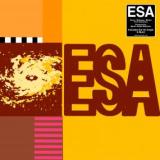
Isle of Jura is proud to present the first official reissue of Esa’s self titled LP originally released in 1987. Following the 2024 reissue of iconic single 'A Muto', this full album release marks a bittersweet milestone for the label. Developed in close collaboration with the estate of the legendary producer Martin Socko Moukoko following his passing last year, this reissue stands as both a definitive archival release and a respectful tribute to his legacy in Cameroonian music.
Originally released on Atesa in 1987, Esa is a pristine encapsulation of the "Paris Makossa" phenomenon. In the mid 1980s, Cameroon’s finest musical minds migrated to Parisian studios, cross pollinating traditional rhythms with cutting edge European studio electronics and Antillean Zouk sensibilities. At the absolute center of this movement was visionary producer Martin Socko Moukoko. The album is driven by the dancefloor anthem 'A Muto', which showcases a brilliant fusion of horn heavy Makossa and slick Antillean Zouk. Across the five other expansive, spiritual tracks, the sonic template expands significantly. Striking a perfect balance between the urban, brass led grooves of Douala Makossa and the fast, driving, syncopated polyrhythms of Cameroonian Bikutsi, the LP delivers a unique rhythmic energy. These traditional backbones are seamlessly laced with Martin Socko Moukoko’s advanced studio programming, bubbling digital synthesisers, slinky slap bass, and rich, layered harmony vocals.
By bringing the full LP back into print alongside Martin Socko Moukoko’s family, Isle of Jura ensures that his musical legacy is preserved, allowing this timeless intersection of Cameroonian tradition and electronic innovation to be heard exactly as it was intended.
A 180 gram pressing in a 3mm full sleeve designed by Bradley Pinkerton.
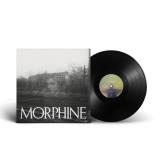
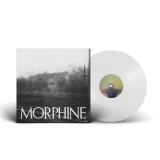
At the height of grunge, Morphine sounded like nobody else. The Boston trio built their own strange, seductive musical language (coined "low rock" by frontman Mark Sandman), built around Sandman's two-string slide bass and unmistakable voice, Dana Colley’s baritone & tenor saxophone, and stripped-back drums (Jerome Deupree, Billy Conway). Morphine became one of the defining cult bands of the ’90s, but their story came to an abrupt end in 1999, when Sandman suffered a fatal heart attack on stage during a concert in Italy.
More than 25 years later, Cocoon offers an extraordinary final chapter. Its eight songs were recorded during Morphine’s late-’90s sessions before Sandman ultimately shelved the material on the path toward what would become their final album. Rediscovered in the band’s archives decades later, Sandman’s life partner and Morphine estate manager Sabine Hrechdakian and producer Paul Q. Kolderie (Radiohead, Pixies) transferred the original tapes and carefully assembled this unified collection of Morphine songs. Dana Colley returned to add new saxophone parts, and Kolderie then brought new mixes to the table. Rather than a collection of demos or outtakes, Cocoon is a fully realized Morphine album revealing a band still pushing forward that somehow waited nearly three decades to find its way into the world
Album Background
The background on the album is that the majority of the songs existed in demo form on a CD release called "Sandbox" a semi-legit release of Mark Sandman music on 2004. These versions are the completed tracks that include contributions from Morphine saxphonist
Dana Colley and produced and mastered by Morphine's long time producer Paul Kolderie.
At the height of grunge, Morphine sounded like nobody else. The Boston trio built their own strange, seductive musical language (coined "low rock" by frontman Mark Sandman), built around Sandman's two-string slide bass and unmistakable voice, Dana Colley’s baritone & tenor saxophone, and stripped-back drums (Jerome Deupree, Billy Conway). Morphine became one of the defining cult bands of the ’90s, but their story came to an abrupt end in 1999, when Sandman suffered a fatal heart attack on stage during a concert in Italy.
More than 25 years later, Cocoon offers an extraordinary final chapter. Its eight songs were recorded during Morphine’s late-’90s sessions before Sandman ultimately shelved the material on the path toward what would become their final album. Rediscovered in the band’s archives decades later, Sandman’s life partner and Morphine estate manager Sabine Hrechdakian and producer Paul Q. Kolderie (Radiohead, Pixies) transferred the original tapes and carefully assembled this unified collection of Morphine songs. Dana Colley returned to add new saxophone parts, and Kolderie then brought new mixes to the table. Rather than a collection of demos or outtakes, Cocoon is a fully realized Morphine album revealing a band still pushing forward that somehow waited nearly three decades to find its way into the world
Album Background
The background on the album is that the majority of the songs existed in demo form on a CD release called "Sandbox" a semi-legit release of Mark Sandman music on 2004. These versions are the completed tracks that include contributions from Morphine saxphonist
Dana Colley and produced and mastered by Morphine's long time producer Paul Kolderie.
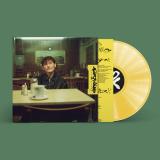
Soak’s fourth album, decembers, was born in literal silence. Contending with an autoimmune disease that prevented them from singing, it was the absence of sound that birthed the Derry artist’s most sonically and lyrically remarkable album to date.
The space that expanded from that enforced quiet, and the life lived within it - transitionary, liminal, escaping in search of connection - cracked something open. What floods in, is an album of stunning tenderness, honesty, and astonishing storytelling from an artist discovering the revelations at the end of the line.
In decembers, we travel on the road through America, walk the frost-glistened paths of Dublin at night, search for a meteor in Portugal, and return home to Derry. Everywhere, here is an artist evolving, exploring, releasing themselves, coming undone, and eventually, becoming.
At the core of the album is this lyrical statement: “Getting lost is getting free.” How brave it is to face the unknown. Because when you really go there, that’s where discovery lies. That discovery in decembers is a creative one, but it’s also about connection to people and place, to forgiveness, and ultimately to prioritising honesty. “A consistent theme is struggling for direction, battling the urge to run,” Soak says, “and instead, planting my feet.”
Soak’s fourth album, decembers, was born in literal silence. Contending with an autoimmune disease that prevented them from singing, it was the absence of sound that birthed the Derry artist’s most sonically and lyrically remarkable album to date.
The space that expanded from that enforced quiet, and the life lived within it - transitionary, liminal, escaping in search of connection - cracked something open. What floods in, is an album of stunning tenderness, honesty, and astonishing storytelling from an artist discovering the revelations at the end of the line.
In decembers, we travel on the road through America, walk the frost-glistened paths of Dublin at night, search for a meteor in Portugal, and return home to Derry. Everywhere, here is an artist evolving, exploring, releasing themselves, coming undone, and eventually, becoming.
At the core of the album is this lyrical statement: “Getting lost is getting free.” How brave it is to face the unknown. Because when you really go there, that’s where discovery lies. That discovery in decembers is a creative one, but it’s also about connection to people and place, to forgiveness, and ultimately to prioritising honesty. “A consistent theme is struggling for direction, battling the urge to run,” Soak says, “and instead, planting my feet.”
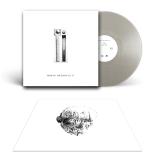
Mario Batkovic’s music occupies a singular space between composition, performance and sonic experimentation.
Based in Bern, Switzerland, the composer, accordionist and multi-instrumentalist has developed an intensely personal musical language rooted in a radical interrogation of the accordion — its timbre, mechanics, physicality and rhythmic potential. In Batkovic’s hands, the instrument becomes something far beyond its conventional role: a source of intricate, evolving sound in which performer and machine appear to become one.
Batkovic received International critical acclaim when his eponymous debut album was released on Invada Records in 2017, with Rolling Stone listing it in the top 10 avant-garde albums of the year. ‘INTROSPECTIO’ followed, a self-questioning, self-examination of society which featured collaborations with Colin Stetson, James Holden and Clive Deamer (Radiohead / Portishead).
II sees Batkovic venture further into radical, uncompromising and experimental territory, both in the reduction and the expansion of sound. Voices overlap, rhythmic structures develop an almost mechanical force, and layers of sound evoke analogue synthesizers. Then everything falls away: near-total silence, the breath of the bellows, a single frequency. Sounds emerge that can barely be traced back to any particular instrument.
The album is built entirely around the physical relationship between one musician and one instrument. No loops, no electronic layers. Everything you hear comes from an uncompromising exploration of the instrument itself. A primal force of creation and destruction.
With credits that include music for the global hit game 'Red Dead Redemption II’, commissions for AMI Paris, Cartier Fondation, Hugo Boss, Chanel and film scores ‘Mad Heidi’ and ’Shame and Money’ his compositional work has extended into some of the most distinctive fields of contemporary culture.
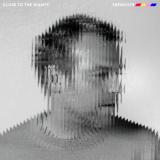
Heir to French Touch, French 79 opens a radical new chapter with his fourth album, Close to the Giants. For this project, French 79 relocated his studio deep into the wilderness, standing alone against the elements from high alpine peaks to the open sea. Armed with a portable modular synthesizer, he composed the entire album in the very heart of nature.
Fueled by the raw adrenaline of the elements, French 79 translates the intensity of his emotional journeys into a raw, moving electronic language—navigating from electronica to dance and tech-house, by way of electropop and French Touch.
Far more than an album, it is an intuitive, intense, and compelling logbook of a quest for solitude and human experience, honoring the legacy of French electro pioneers through signature analog arpeggios, hazy synths, and spellbinding melodies.
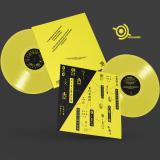
The project first appeared as an anonymous transmission: a folder sent through the network, containing music, instructions and a name - Transpac. No photograph. No biography. Just the request to use the name and let the music speak.
There have been several transmissions since. Still no interviews, no confirmed identity, no explanation of who - or what - is behind the name.
Some say Transpac is a person. Others insist it is a machine. A few believe it is simply a data packet that escaped the network and somehow learned how to make music.
The name itself offers a possible clue. TRANSPAC was once the name of a French public data network, launched in 1978 and built around X.25 packet switching - breaking information into packets and moving them across a network long before the Internet became what it is today.
Perhaps Transpac has been travelling ever since.
Packet Switching EP is the latest intercepted transmission: six packets of pure machine music, assembled somewhere between circuitry, communication protocols and whatever exists on the other side of the network.
Whilst the packets have been received, the sender remains unknown.
Synaptic Cliffs is particularly pleased to have brought Transpac into its network - a feat made possible, not least, by its principal operative, pdqb. Through communication channels inaccessible to ordinary Earthlings, pdqb was able to locate Transpac with remarkable ease and secure its transmission for the label.
The artwork, rendered in yellow and black and largely composed of binary code, echoes the visual language of the early machine age - a world of geometric systems, electronic signals and human beings beginning to communicate with machines. Created by the legendary Infamous Image Division.
Vinyl-Only Release, limited to 300 copies.
Art-work by renowned Mexican artist: Manuel Cetina aka el_stitch's.
Finland-born Kiki returns to the Mexican label Tenampa with his unmistakable hypnotic sound. A well-established and highly respected name in electronic music, Kiki has built a career defined by quality and consistency, with releases on some of the scene's most influential labels, including Crosstown Rebels, BPitch Control, Watergate Records and Get Physical, among many others.
For the remix, legendary producer and DJ D'Julz steps in with his signature approach, adding extra groove and movement to the original while preserving its hypnotic character. A carefully crafted rework that completes the package and is sure to earn a permanent place in any serious vinyl crate.
Strictly limited to 300 copies worldwide and available exclusively on vinyl, this release continues Tenampa's commitment to limited-edition, vinyl-focused electronic music and is destined to become a sought-after collector's piece.
The artwork once again comes courtesy of the ever-outstanding Manuel Cetina, aka El_Stitch, whose distinctive visual language adds another layer of identity to the release, making it a fitting addition to any serious record collection.
Following 2024’s Echoes of the Night EP, Michael Hodgson returns with Apply the Dub: four stunning new Adrian Sherwood remixes, this time of his long-running solo project, Misled Convoy.
The EP’s title is a nod to Sherwood’s renowned process in which tracks are not simply remixed, but dismantled, fed into his dub machinery and reimagined. The results are spacious and compelling, epic in scope, rich in detail and loaded with bass.
The prophetic voice of Kat Five (Feral Five) looms large on the opening track, as does Miho Wada’s flute on the last. David “Ital Horns” Fullwood returns to the project, providing trumpet to two of the tunes, while Doug Wimbish (Tack>>Head / Living Colour) adds bass, and Mark Bandola (The Lucy Show) guitar and keys, to a different pair of remixes.
The sessions began in 2025, with the original tracks drawn from the more experimental and industrial side of Misled Convoy, giving Sherwood plenty of room to work with sonically. In his Ramsgate studio, frequencies were pulled apart, bass lines elevated and melodies stretched while sounds disappeared into layers of delay, echo and dub processing before emerging dazed & confused and somewhere else entirely.
Since dub is the compositional glue that fuels Hodgson’s creative dynamic, this collaboration meant reverse engineering his process and stripping his compositions back to the bare bones: “Before we hit the studio, I had to remove a whole lot of my effects to make space for Adrian, which made the track sound empty and super weird, but this is how the magic happens. When you do a remix, you are inviting an artist you respect into your creative process and watch it get reimagined. This is a big part of dub and remix culture.”
Very much a meeting of two complementary approaches to sound, Apply the Dub has Hodgson’s dark and atmospheric electronica enhanced and deeply embellished by Sherwood’s long-established sonic manipulation and dub-mixing.
For Hodgson, the connection with Sherwood and On-U Sound has been life-long, from being a fan in his youth in Aotearoa New Zealand to supporting Patrick Docktor’s archiving of the label’s video and audio collection in London. In 2019 Sherwood invited Hodgson to collaborate with artist Peter Harris to create a visual backdrop to accompany his Time Boom X The Upsetter Dub Sessions tour. Hodgson went on to create videos for On-U’s 40th anniversary celebration at The Forum in London, helped with the immersive 3D Live Dub Experience at Earth Theatre and travelled to Japan for the Collapse of Everything tour where he worked on live video triggering for Sherwood’s shows.
Analog Africa's latest essential compilation began with a ruined needle. Samy Ben Redjeb, who was newly back from a 2002 digging trip, dropped a stylus into a groove that censors at the SABC had gouged with a blade. The record had been marked "not suitable," and the story behind it runs through the whole compilation. The 22 tracks pull American soul, funk and disco toward jazz, reggae and local rhythm until the result sounds utterly Jo-burg. 'How Long?' and 'Take It' are the early standouts, though the Beat Set two-parter and Dudu And The Big Time Boys hold their own. The 16-page booklet fills in the context nicely on this well assembled deep dive.
Existing between Moscow and Milan, Interchain is a group that has been a cornerstone in the Moscow scene through the years, appearing and disappearing as they see fit.
The duo now debuts on L.I.E.S. with their "In My Apartment" lp. This records steps into a world of total disjointed angular electronic no-wave madness, somewhere between Devo and Liasions Dangerous...sharp sequences, thumping dx basslines, freaked out, on the verge of snapping vocals and bugged out textures. This music pushes and pulls the listener around until something just goes off inside of you. These nine tracks are on the boiling point, absolute frantic no-wave energy that will rock the floor.
Cardinal & Nun is back on L.I.E.S. with a new 12 track double lp "SCARS"
Here we get the French artist in top form going full on heads down darkwave on this record with his song writing taking a new twist. These are catchy gothic almost synth-pop arranged tracks reminiscent of some of Sheffield's and Manchester's finest, and driving enough to move the floor peaktime at the Batcave as well. Head right to the b-side for "It Doesn't Change The World" featuring Andrew Clinco, of Drab Majesty, which is a perfect slice of down trodden bass driven shoegaze with Clinco's signature vocals stamped all over it. The title track "Scars" follows, going right into new wave pop territory as well, extremely catchy and moody vocals scattered throughout. A stunning album that works for the desolate days alone whether the moon is up or the sun is going down...beautiful and powerful.
On June 9, 2025, Rolling Stone Magazine - Australia captured the significance of PARKWAY DRIVE's landmark performance at the Sydney Opera House with the headline: "The AC/DC of Their Generation': Parkway Drive deliver career-defining performance at Sydney Opera House." The one-night-only event brought the Byron Bay metalcore legends into the Concert Hall for an unprecedented black-tie affair, pairing their explosive live show with the grandeur of a full symphonic orchestra. Bringing PARKWAY DRIVE's music to one of the world's most recognizable venues was an ambitious move for a band already celebrated for pushing the boundaries of live performance. Yet seeing the group's signature intensity framed by a symphony orchestra revealed a new emotional dimension to songs built for arenas and festivals. The result was both intimate and monumental-a rare collision of metal, orchestration, and occasion that transformed the Concert Hall into something entirely its own. The context of the performance only heightened its impact. Marketed as a historic black-tie celebration that would never be repeated, the event became one of the most coveted PARKWAY DRIVE shows in the band's history, selling out instantly and leaving countless fans outside the room. For those unable to witness it in person, Home - Live at the Sydney Opera House finally brings this extraordinary night to a wider audience, alongside a feature film and live album documenting this career-spanning performance. At its heart, Home is also a reflection on what "home" has meant to PARKWAY DRIVE over two decades. As their reach has expanded from Byron Bay to stages around the world, their connection to the landscapes, people, and community that shaped them has remained central. Now, that journey comes full circle at one of Australia's most iconic landmarks.
On June 9, 2025, Rolling Stone Magazine - Australia captured the significance of PARKWAY DRIVE's landmark performance at the Sydney Opera House with the headline: "The AC/DC of Their Generation': Parkway Drive deliver career-defining performance at Sydney Opera House." The one-night-only event brought the Byron Bay metalcore legends into the Concert Hall for an unprecedented black-tie affair, pairing their explosive live show with the grandeur of a full symphonic orchestra. Bringing PARKWAY DRIVE's music to one of the world's most recognizable venues was an ambitious move for a band already celebrated for pushing the boundaries of live performance. Yet seeing the group's signature intensity framed by a symphony orchestra revealed a new emotional dimension to songs built for arenas and festivals. The result was both intimate and monumental-a rare collision of metal, orchestration, and occasion that transformed the Concert Hall into something entirely its own. The context of the performance only heightened its impact. Marketed as a historic black-tie celebration that would never be repeated, the event became one of the most coveted PARKWAY DRIVE shows in the band's history, selling out instantly and leaving countless fans outside the room. For those unable to witness it in person, Home - Live at the Sydney Opera House finally brings this extraordinary night to a wider audience, alongside a feature film and live album documenting this career-spanning performance. At its heart, Home is also a reflection on what "home" has meant to PARKWAY DRIVE over two decades. As their reach has expanded from Byron Bay to stages around the world, their connection to the landscapes, people, and community that shaped them has remained central. Now, that journey comes full circle at one of Australia's most iconic landmarks.
Astral Projection were pioneers on the Goatrance scene and have been storming the dancefloors for more than 20 years with their uplifting melodic and hypnotic music signature! Now we are delighted to announce; their EP "Let There Be Light" with 2 new tracks of the masters and remixes by Filteria and Morphic Resonance; repressed on vinyl.
First you can hear Astral's rework of the sublime "Filtertraces" track by Filteria. Giving it their so special spiraling recipe, Avi and Lior gave it a trippy and panoramic touch!
Second Filteria returns the favor with his own version of the fantastic "Let There Be Light" track by Astral Projection. The production upgrade and filteria-esque melodies do wonders to the goatrance anthem and on the dancefloors where it's played!
Then, Morphic Resonance, shows the full extent of his skills as he embarks you on a sci-fi rollercoaster ride with his remake of Astral Projection's "Enlightened Evolution". Expect massive melodies and the usual explosion of energy from the Catalan artist!
Last but not least, Astral Projection have remixed their own "Another World" track from the 1999 eponymous album. Yet no doubt the Israeli duo is stunningly sharp as it managed to give it exhilarating new twists as well as a splendid production!
This incredible collaboration shows once again goatrance music is a blessing and we hope it will enlighten your path!
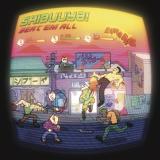
BEAT'EM ALL is french hip-hop/jazz instrumental trio SHIBUUYA!'s latest LP release. A blend of nu-jazz, fusion, hip-hop and future beats, all in original compisitions from the band's keyboardist and drummer, the album goes against the polished image we usually have of jazz music to deliver a raspy, energic and groovy sound that shakes the listener instead of nurturing him. With prestigious featurings such as CHiLi GiRL aka Shinobu Kawasihma, a Tokyo-raised Shamisen (a traditional japanese guitar) player, Melbourne rapper Nelson Dialect, french virtuoso saxophonist Hugo Afettouche, or the "french problem kid of jazz" trumpetist Daoud, SHIBUUYA! pushes forward its identity with references to japanese pop-culture through anime samples, powerful hip-hop beats, progressive broken-beat grooves and crazy deliveries on all three instruments (keys, drums and bass), all of it served by an original manga-inspired cover art by the band's keyboardist and leader. A reference to the japan-popular videogame genre (Shibuya being a neighborhood of tokyo centered around fashion and pop culture), BEAT'EM ALL tries to beat the odds on what we expect from a jazz album and to make it sound more like a garage-produced LP rather than a million-dollar studio album, to make as authentic and as generational as possible, a true product of today's young jazz scene.
Die neueste 45er vom Co-Sänger und Schlagzeuger von Indications liegt voll in seinem Element, bietet aber eine schöne neue Palette an Klängen. Die Gitarre im Intro erinnert ein wenig an Filmmusik im Morricone-Stil, ähnlich wie etwas, das man auf dem Soundtrack zu ,Postales" hätte hören können - was Sinn macht, da auf beiden Alben der legendäre Gitarrist Tommy Brenneck zu hören ist. Uptempo, eingängig, rau _ frisch und doch klassisch. Genau das, was du auf einer frischen 7er für die Plattenteller willst. Die B-Seite trifft genau das, wofür Mr. Frazer bekannt ist _ die langsame und tiefe Süße. ,Let Your Love Grow" besticht durch eindringliches Cembalo, kraftvolles Schlagzeug, ein Klavier, das Rza gutheißen würde, und einen Refrain, der einfach nicht aufhört. Schnapp dir gleich zwei Exemplare.
Die neueste 45er vom Co-Sänger und Schlagzeuger von Indications liegt voll in seinem Element, bietet aber eine schöne neue Palette an Klängen. Die Gitarre im Intro erinnert ein wenig an Filmmusik im Morricone-Stil, ähnlich wie etwas, das man auf dem Soundtrack zu ,Postales" hätte hören können - was Sinn macht, da auf beiden Alben der legendäre Gitarrist Tommy Brenneck zu hören ist. Uptempo, eingängig, rau _ frisch und doch klassisch. Genau das, was du auf einer frischen 7er für die Plattenteller willst. Die B-Seite trifft genau das, wofür Mr. Frazer bekannt ist _ die langsame und tiefe Süße. ,Let Your Love Grow" besticht durch eindringliches Cembalo, kraftvolles Schlagzeug, ein Klavier, das Rza gutheißen würde, und einen Refrain, der einfach nicht aufhört. Schnapp dir gleich zwei Exemplare.
SHORT INFOS
Because Music celebrates the 50th Anniversary of Cerrone's debut album "Love In C Minor (Cerrone I)" .
A record which is one of the mots important of its time. It brought French Disco to the World and established Cerrone as the French King of Disco.
- Pressed in exclusive 2026 Apple Green Crystal Clear vinyl
- Original 1976 artwork - Digitally remastered from original tapes.
BIOG
Cerrone I
Love in C Minor (1976)
The story behind Cerrone's first album could be summarised in the libertarian atmosphere and the creative energy of the 70s, inherited from the 60s revolutions, spiritual, aesthetic or sexual. Looking back now, this record is one of the most important of its time. It helped creating the sound of an era and brought French disco to the world. It is also, and this is fundamental to understand its success, the result of a man's vision: Marc Cerrone, a free spirit inhabited by music, who ended up with a major work of art. With this album, Cerrone accumulated the main elements that make a record timeless, even bigger than its creator: the pure originality, the madness of a vision without compromise, a sense of the market and a great dose of luck too. To some extent, this is the perfect record to start a career, even though Cerrone's one already existed in an implicit way. He actually began in a rather popular band, Kongas, signed by Barclay. Between 1972 and 1974, the band was famous and made it abroad, particularly in Japan, where people loved its sound. Despite this success, probably fed up with the music and not ready to follow the orders of a label that wanted the band to sound more pop, Cerrone disbanded Kongas. He had the sound of his instrument in mind and mostly its central element: the bass drum. The idea of this first solo album came to him after a detour via selling records. Wishing to forget about the studios, he took the head of a small chain of stores, selling records imported from the States. That's when he discovered a daring new sound coming from New York: disco music. This energy inspired him to record again. He then remembered the crazy reaction of the audience when, during the Kongas' concerts, he used to hit his bass drum hard. Cerrone felt like going back into the studio but to make something different. He decided to record a sixteen minutes long track, driven by its beat, that would fit on its own on one side of a LP (during these vinyl days, musicians used to think in terms of sides…), with girls' voices simulating sex. This concept of musical and physical orgasm was recorded at Trident Studios in London (where pop stars used to record at the time… ) with Don Ray, of Kongas, man in the shadows and brilliant arranger who'd follow Cerrone during his whole career. Obviously, like always in pop music (it happened to the Beatles), record companies started by turning this weird track down, convinced that radios would never play sixteen minutes of beats and moaning. Cerrone, a born fighter, decided to trust his instinct (a mix of ego and business sense) and chose to believe that if the radios wouldn't play the track, people would dance to it in the clubs. He released the record himself, with a sexy cover a bit provocative where he wore a black bathrobe, a young short-haired girl leaning on him. Being played here and there, thanks to Cerrone's own network, the record started to work a bit in France. But luckily, things really happened in the States. Due to a mistake, a box of "Love In C Minor" albums were sent to the States via Cerrone's record shop instead of some unsold American LPs. Once in New York, the box was opened and the record with its intriguing cover was instantly loved and passed through the hands of radio and club DJs. All of a sudden, and unknown to its creator, the track that was turned down by every French label, became a hit on the New York disco scene. Casablanca, the US disco label, released a cover recorded by an ad hoc band because nobody knew Cerrone of how to find him. Once he discovered what was happening in the States, Cerrone flew to New York. He realised he had a hit, one of the biggest then, that opened the doors to every record company and especially Atlantic. He was welcome by Ahmet Ertegun, one of the main visionaries of the American music who, among other artists, signed Aretha Franklin and John Coltrane. It's believed that Ertegun understood that the French young musician, like some Atlantic artists, was about to define the sound of his time and that his work would live long after its birth date. "Love In C Minor" was the first step, adamant and successful.
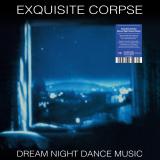
Transcendental dreamstates and techno synthscapes projecting from 1992 into the future.
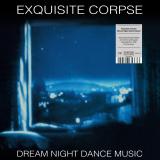
Written and recorded shortly before his departure from Psychick Warriors Ov Gaia, Dream Night Dance Music is the visionary first album from Robbert Heijnen under his celebrated alias, Exquisite Corpse. Exploring ritualistic rhythms and organic synth sculpting with a delicacy far beyond most techno released in 1992, the seductive atmospheres and rolling sequences of Dream Night Dance Music reach well beyond pure dancefloor functionality to become an immersive experience for introspection and extroversion alike.
Belgian label KK Records originally released Dream Night Dance Music as a single LP and CD, long-since out of print and highly sought after by the notoriously enthusiastic PWOG / Heijnen fanbase. This expanded reissue on Forever Records spreads the release across two 12"s, adding the track 'What A Life' originally released on the Reassembling Reality single, recorded during the same sessions as Dream Night Dance Music. In addition, the limited vinyl edition comes with a bonus 10" featuring previously unreleased tracks 'Calling' and 'Sure'.
Praise for Dream Night Dance Music:
"The Dream Night Dance Music CD is… electronic opium… The soft, analogue synth sounds and arrangements strongly recall minimal music (Glass/Reich). Music that never ends, constantly winding new loops and coils around the listener's vulnerable inner self." Fritz, Trust Zine, 1992.
"The sound is very trance-like and hypnotic, yet remains highly danceable and never gets boring… It is sure to appeal to night owls, cyberpunx, and neon-light junkies alike." Spex, 1992.
"Heynen strikes a compelling balance between a multitude of rhythms, melodies, and timbres. Permeated by an almost swaying groove, the music reflects influences ranging from the early "minimal music" of composer Steve Reich and the electronic architecture of pioneers Kraftwerk to various non-Western, mystical traditions without ever resorting to mere imitation." Corné Evers, Oor, 1992.
Transcendental dreamstates and techno synthscapes projecting from 1992 into the future.
Written and recorded shortly before his departure from Psychick Warriors Ov Gaia, Dream Night Dance Music is the visionary first album from Robbert Heijnen under his celebrated alias, Exquisite Corpse. Exploring ritualistic rhythms and organic synth sculpting with a delicacy far beyond most techno released in 1992, the seductive atmospheres and rolling sequences of Dream Night Dance Music reach well beyond pure dancefloor functionality to become an immersive experience for introspection and extroversion alike.
Belgian label KK Records originally released Dream Night Dance Music as a single LP and CD, long-since out of print and highly sought after by the notoriously enthusiastic PWOG / Heijnen fanbase. This expanded reissue on Forever Records spreads the release across two 12"s, adding the track 'What A Life' originally released on the Reassembling Reality single, recorded during the same sessions as Dream Night Dance Music. In addition, the limited vinyl edition comes with a bonus 10" featuring previously unreleased tracks 'Calling' and 'Sure'.
Praise for Dream Night Dance Music:
"The Dream Night Dance Music CD is… electronic opium… The soft, analogue synth sounds and arrangements strongly recall minimal music (Glass/Reich). Music that never ends, constantly winding new loops and coils around the listener's vulnerable inner self." Fritz, Trust Zine, 1992.
"The sound is very trance-like and hypnotic, yet remains highly danceable and never gets boring… It is sure to appeal to night owls, cyberpunx, and neon-light junkies alike." Spex, 1992.
"Heynen strikes a compelling balance between a multitude of rhythms, melodies, and timbres. Permeated by an almost swaying groove, the music reflects influences ranging from the early "minimal music" of composer Steve Reich and the electronic architecture of pioneers Kraftwerk to various non-Western, mystical traditions without ever resorting to mere imitation." Corné Evers, Oor, 1992.
I SPLIT MY ORGAN IN TWOS - a sonic world where animals could speak and parents would never grow old. Music is playing beneath the trees. Creeks are flowing towards the treehouse. Bears are singing and Owls are sailing through the wind like miniature spaceships. Solitude is a chosen path of clarity. And when this world collapses, all memories will vanish. Left behind is the Sting that keeps us separated from the insane.
The debut album I SPLIT MY ORGAN IN TWOS by Munich indie project plainhead is a freak folk inspired rockrecord fusing key aspects of 00s experimental indie with 90s indie rock.
The organic soundscapes remind of yetto-be-refined the Microphones from the album It Was Hot, We Stayed in the Water (2000). Acoustic Guitars fuse with the sound of fuzz and distortion. Clarinets and pianos can be found somewhere buried beneath the noise,
while the vocals remain dry and tired in the front. The 18-track double LP features easy-listenable songs such as the single Ghost / Smoke, short playful instrumentals named after animals and long ever-evolving operas such as River and Sunsick. The album was released on Munich local DIY recording label new basement.
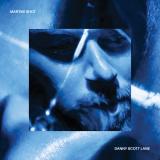
Martini Shot is the new album from Danny Scott Lane-a catchy, nostalgic and slightly manic collection that feels a little like one drink too many. Moving between lounge, soul, indie pop and exotica, the record plays more like a mixtape than a single idea, with a distinctly '90s streak running through it.
Lane sings on seven of the album's ten songs, a departure from his largely instrumental past work, and plays drums and percussion for the first time alongside his usual synths, keyboards, guitar and bass. Longtime collaborator David Lackner contributes flute, joined by new collaborators Logan Hone on flute and Katie Jacoby on violin.
Martini Shot marks Lane's second release with Records We Release, following the well-received House of Alice. The result is loose, romantic, restless and a little unpredictable.
Martini Shot is the new album from Danny Scott Lane-a catchy, nostalgic and slightly manic collection that feels a little like one drink too many. Moving between lounge, soul, indie pop and exotica, the record plays more like a mixtape than a single idea, with a distinctly '90s streak running through it.
Lane sings on seven of the album's ten songs, a departure from his largely instrumental past work, and plays drums and percussion for the first time alongside his usual synths, keyboards, guitar and bass. Longtime collaborator David Lackner contributes flute, joined by new collaborators Logan Hone on flute and Katie Jacoby on violin.
Martini Shot marks Lane's second release with Records We Release, following the well-received House of Alice. The result is loose, romantic, restless and a little unpredictable.
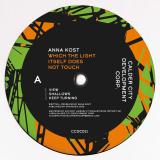
Anna Kost on Calder City Development Corp, catalogue CCDC011. Six cuts, techno chassis, electro swing, experimental dust on top. View and Shallows ease you in, Keep Turning is the one that holds a room. Jeanette and Mode 19 go harder, more machine, less song. Trace pulls back at the end, leaves some air. No filler, no obvious single, built to be played as a set. Solid.
A defining classic of the melodic house and techno scenes, Oxia's Domino has remained a dancefloor staple for two decades, driven by its hypnotic groove and instantly recognisable synth hook. Celebrating 20 years, this special vinyl edition pairs an anniversary remaster on the A-side, with Space 92's powerful peak-time remix on the B-side, bridging the track's iconic past with the new generation.
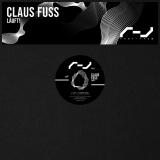
London-based Frankfurt export Claus Fuss brings his vibrant creativity to Rant & Rave with the Läuft! EP. Claus’ output includes a whole bunch of solo productions and collaborative projects with OneOneOne and LANDER, as well as co-productions with UK legends such as Zed Bias, Emerald a.o. His analogue-produced cuts have been signed to labels such as Khemia, Crème Organization, Neighbourhood, Heras and Kaizen. With his arrival on Rant & Rave, Claus drops four scintillating examples of rough and ready techno, including a collab with label head MAEDON. The EP kicks off with the title track ‘Läuft!’ (Running! in English), a mesmerising cut with a repetitive vocal snippet that forms part of the main riff. The beats are exquisitely programmed, and Claus keeps that track progressing, shifting and evolving masterfully.
Subtle layers add depth, while the main thrust of ‘Läuft!’ remains potent and captivating throughout. Next up is ‘Schwarze Löcher’ (Black Holes). As the title suggests, this one is dark and deep, sucking you into the sonic void. Elastic kick drums propel this one forward, as a rhythmically peppered, resonance shifting riff rises and falls. Claus gradually ramps up the intensity until we reach a breakdown, where that riff really works its magic. When the drums are reintroduced, it’s a powerful moment. Then we have ‘TopUp’, a lively, upbeat cut with contagious energy. Claus hooks the listener with an irresistible rhythmic structure, the bassline is especially addictive. Fast paced, dynamic drum programming keeps this one moving at a frenetic pace. On the surface it’s deceptively simple, but attentive listeners will pick up on all the details that make this one a compelling listening (and dancing) experience. Finally, we have ‘Zwanzig’ (Twenty), a heady collaboration with Rant & Rave boss MAEDON. This one brings together MAEDON’s earworm melodies and Claus’ penchant for hypnotic grooves. An insistent groove gives this cut a feel of urgency, while a relentless riff and punchy beats aim squarely at mind and body. A masterclass in dance floor engagement and connection.
By Most Bands' Fifth Album, The Sound Is Pretty Set. Parameters
Established. Refinement Dissipated In Favour Of Formulaic Execution Of
What's Worked In The Past. Fair Enough. All Them Witches Take A
Harder Route. In 2017, The Nashville Four-piece Offered What Might've
Otherwise Become Their Own Template In Their Fourth Album, 'sleeping
Through The War'. Their Second For New West Records Following
2015's Mellow-vibing 'dying Surfer Meets His Maker', 'sleeping
Through The War' Brought Larger Production Values To Dug-in Heavy
Psych Blues Jamming With Oversight From Producer Dave Cobb (jason
Isbell, Sturgill Simpson). After Exploring New Ground On 2013's
'lightning At The Door' And 2012's 'our Mother Electricity' As Well As
'dying Surfer Meets His Maker', With 'sleeping Through The War' The
Band Had Arrived At Something New, Something Sprawling, And
Grander-feeling Than Anything Before It.
So Naturally, In A Year's Time They've Thrown That All To The
Appalachian Wind, Turned The Process Completely On Its Head And
Reversed Paths - Recording In A Cabin In Kingston Springs, About 20
Miles Outside Of Nashville On I-40, With Guitarist Ben Mcleod At The
Helm. The Result, Mixed By Rob Schnapf (beck, Elliott Smith, Kurt
Vile), Is The Most Intimate, Human-sounding Album All Them Witches
Have Ever Recorded And Another Redefinition Of The Band. Introducing
Keyboardist / Percussionist Jonathan Draper To The Fold With Mcleod,
Bassist / Vocalist Charles Michael Parks, Jr., And Drummer / Graphic
Artist Robby Staebler, The New Eponymous Record Isn't Self-titled By
Mistake. It's The Band Confirming And Continuing To Develop Their
Approach, In The Shuffle Of 'fishbelly 86 Onions', The Organ-laced
Groove Of 'half-tongue', The Tense Build Of 'hjtc' And The Fluid Jam In
Closer 'rob's Dream'.
From The Sustained Consonants In Parks' Vocals To Mcleod's
Commanding Slide In 'workhorse' And Drifting Melancholy At The
Outset Of 'harvest Feast', All Them Witches Are Laying Claim To The
Essential Facets Of Their Identity.
Lp Format Pressed On Red Transparent 140g Double Vinyl In A Gatefold
Sleeve.
For Fans Of The Oh Sees, Baroness, Mastadon.
Often credited as the father of multi-media theatre, Alwin Nikolais (1910-1993) took complete creative control over his productions - including cutting-edge approaches to lighting and costume that transformed human bodies into shifting sculptural shapes, while also composing wildly innovative electro-acoustic and synth-based audio as accompaniment.
After initially experimenting with musique concrète and tape manipulation (as demonstrated on the 1959 LP Choreosonic Music of the New Dance Theatre of Alwin Nikolais) Nikolais became the first owner of Robert Moog's synthesizer at the Audio Engineering Society convention in New York in late 1964. Relying heavily on the Moog and later the Synclavier synth/sampler, these 21 tracks document Nikolais' highly-prescient compositions across the mid 1960s through to the late 1980s - existing not only as extensions of his other-worldly choreographic productions, but standalone pieces of foundational mid-century American electronic and experimental music.
"Born in Southington, Connecticut in 1910, Nikolais’s early years and early career were in acting, music and puppetry. It was not until the late 1930s that he began his work as dancer/choreographer in Hartford, Connecticut, where he was commissioned by the Avery Memorial Theatre, a part of the Wadsworth Atheneum, to create an evening-length work to the music of Ernst Krenek. Previously his work and study as a pianist-organist found him accompanying silent films. This sort of accompaniment required from the musician not only a playing skill but also a versatility in improvisation, matching movement to sound, and evoking mood to situation.
Nik was drawn initially to dance by his involvement with the percussion scores used by the illustrious early twentieth century German dancer Mary Wigman. In trying to learn more about percussion, he was lured into dance class and thus his career began. His development of music and dance occurred simultaneously. His introduction to the twelve-tone technique opened his mind to the expanding areas of atonal music, and his dealing with music as sound per se. In 1948, after being appointed director of the Henry Street Playhouse in New York, Nikolais formed the Playhouse Dance Company, later known as the Nikolais Dance Theater, and began his aesthetic orientation toward dance as a study of motion. By the 1950s, he had ceased creating literal dances and began his explorations and eventual milieu as an abstractionist.
Sound became an important part of his abstract theatre. For his first dances, which involved his new thinking of dance as both a visual and kinetic art, he used live percussion scores in which he directed his dancers to play instruments of all nature. There was a combination of children’s toy instruments as well as harsh and resonant automobile brake drums, and other pitched auto parts which he also used to accompany classes. Once he installed his own tape recording machines, he quickly used the limited range these instruments provided in a new way, slowing and increasing speed and reversing sound. He also made the sounds adhere to the choreographic structure (not the other way around), thereby giving the dance its independence from the musical phrasing. But the real need remained: the search for new sound. Nik made a sound library, recording noises and percussion and vocal sounds, which the French aptly called musique concrète. Needless to say, he became a master at splicing bits and pieces.
From 1956 to 1962 Nikolais composed eleven major scores for his theatre pieces using such techniques. In 1963, James Seawright, who at the time was assisting Nik in his productions and also working at the Columbia-Princeton Center for Electronic Music, recorded a sound bank for the production Imago (1963). With this material, Nikolais created his first synthesizer score. Imago won the Paris Grand Prix in 1968 and launched the Nikolais Dance Theatre towards its national and primarily international acclaim.
During the same period, Seawright came to Nik and told him of a young man who had invented and constructed a simplified synthesizer and insisted that Nik visit the electronic fair currently being held in New York. Nik did so and met Robert Moog. He was completely taken by the new machine and after making some suggestions to Moog, (which Moog made), Nik bought the inventor’s first machine with the aid of a Guggenheim Fellowship. Moog himself was astonished by what his machine could produce for Nik. This machine was later acquired by the Museum of Musical Instruments at the University of Michigan at Ann Arbor as the first Moog synthesizer. The Synclavier was Nik’s next source of sound and since the mid-1970s remained the major instrument in the Nikolais soundroom.
Alwin Nikolais has been honored and awarded throughout the world. He has received the French Legion of Honor, the Kennedy Center Honors, National Medal of the Arts, two Guggenheim Fellowships, as well as Mellon, Ford, and Rockefeller grants. He has been a recipient of NEA grants since 1966, been awarded five honorary doctorates, all for his remarkable achievements in Dance Theater. His genius has influenced several generations of artists."
—Murray Louis
The robots on late-night television kept saying the future was already here. We believed it. We promised the stars that we will visit. It felt impossible. But Dimi parked a rocket in front of our house, we got in. The stars were twice as bright as we launched the opposite way, towards the underground. A1 - Dimi Angelis - Mastodon A2 - Dimi Angelis - Hollow Earth B1 - Dimi Angelis - Tertiary B2 - Dimi Angelis - Habitable Zone C1 - Dimi Angelis - Subterranean River C2 - Dimi Angelis - Megatherium D1 - Dimi Angelis - Cataclysm D2 - Dimi Angelis - Cenozoic Digital 1 - Dimi Angelis - The Icy Web Digital 2 - Dimi Angelis - Volcanic Tubes Digital 3 - Dimi Angelis - Quaternary This is the main version of TAR-LP3, 2x12inch with a download code including 3 extra tracks. All tracks will be available digitally. including: free digital download code with 3 extra tunes, stickered outersleeve, printed innersleeves, printed labels.
DJ Support: MK, Mike Williams, Nicky Romero, Armin Van Buuren, Claptone, Tita Lay, MK, A-Trak, Danny Howard, Arielle Free, Nicky Romero, Fedde Le Grand, Crusy, DJ Dove, Idris Elba, Martin Garrix, DJ SKT, Freejak & more.
Toolroom Trax’s next Sampler showcases 4 big releases from Kryder, Dario Nunez, DGRACE, Smokin Jo, James Hurr, Camila Jun & Danny Rhys.
DJ Support: Sam Don, Severino Panzetta (Horse Meat Disco), Chris Howler, Sean Johnston, Bill Brewster, For Mankind, Craig Thompson, Andy Taylor, Massimiliano Pagliara, Dean Dixon, Nathan Detroit and many more
Underground Institution Stompa Phunk Re-Launches Vinyl Label with Raw, Chi-House-Inspired Energy. After three decades of defining the UK’s underground club landscape, legendary Brighton party collective Stompa Phunk is officially moving from the dancefloor to the wax with the relaunch of Stompa Phunk Records Inc.
The Heritage: From The Warehouse: The releases will directly honour the roots of house music, a genre born in 1977 at Chicago’s legendary nightclub, The Warehouse. As that scene matured, a grittier, faster, and more experimental counterpart emerged. Defined by an uninhibited, bass-heavy style, it was a movement driven by local innovators who pushed drum machines and synthesisers to their breaking point... It wasn't just a genre; it was a collision between pure imagination and raw machines. A true "sound klash" transformed the local underground subculture into something global...
Release 1: You Had It (Edit) / Music Got (Dub): Capturing the exact spirit of rough, tape-spliced dubbed cuts. The 12-inch from SP resident Sound Klash pairs a vintage production ethos with old hardware pushed to its limits...
The Philosophy: This EP perfectly mirrors the exact philosophy that has fueled Stompa Phunk’s dancefloors since 1996: uncompromising electronic music rooted in heavy sample-delia, jackin' bodies, Acid energy, disco-dub mentality and second-hand technology. Jackinacidiscotech!
Hamburg's GOME joins the roster of Cinthie's 803 Crystal Grooves Collective Cuts sub-label here with a new fourtrack EP entitled 'Free Refill', featuring a collaboration with James Juke. GOME is shaking up dance floors worldwide with a raw, 90s-inspired House sound infused with Funk, Soul and Disco.
Having built a strong reputation through releases on Heist Recordings and his own Snackwax imprint, GOME has earned support from leading DJs and performed at renowned venues including Robert Johnson (DE), Berghain (DE), Golden Pudel (DE), Shelter (NL), Lofi (NL) or Blitz, to name but a few. Alongside celebrated live hardware performances and the community-focused "GOME + The Gang" events, GOME has become known for an authentic DIY approach, making this new 'Free Refill' project a fitting addition to the Collective Cuts catalogue. Leading the EP is the collaborative 'Keep The Party Going' with James Juke, an apt title for a frenzied five-anda- half-minute House jam featuring swinging, snappy drums, siren-like synth swells, gritty chord stabs and an amalgamation of vocal hooks throughout. 'Extraordinary' follows, employing a gritty electro-leaning bassline, a crunchy off-kilter rhythm section, twitchy arpeggio lines and a loopy, infectious vocal refrain. On the flip-side, 'CONGRATULATIONS' sees GOME lean heavily into House roots, perfectly aligned with the Crystal Grooves sonic aesthetic. Harkening back to 90s rave culture, it combines shimmering piano hooks, squelchy 303 licks, robust 909 drums and murky low-pitched vocals. 'You Make' then closes the EP, a loop-led cut fuelled by circling synth lines, bright strings, a bouncy low end and a fluttering vocal hook.
For nearly 30 years, SUNN O))) – Stephen O’Malley and Greg Anderson – have pushed the boundaries of heavy music, straddling the worlds of the avant-garde and rock to forge a style instantly recognisable as their own. Now, SUNN O))) return with their first album of new material since 2019’s acclaimed Pyroclasts. Their tenth album – their debut for Sub Pop – demonstrates the duo’s mastery of time and space, light and dark, and their willingness to evolve their unmistakable sound into bold new forms.
The eponymously titled SUNN O))) was tracked at Bear Creek Studios, Woodinville, Washington with Brad Wood (HuM, Tar, Sunny Day Real Estate, Liz Phair). This location proved crucial to the recording process. “The vast tracking room had big windows looking out on trees,” says O’Malley. “We could go hiking and be out in the woods, spend time outdoors. That became a big part of it.”
SUNN O))) have long welcomed collaborators into their self-contained world: past work has featured, Attila Csihar (Mayhem), composer Hildur Guðnadóttir, multi-instrumentalist Steve Moore, polymath Mark Deutrom, Silkworm’s Tim Midyett and legendary singer-songwriter Scott Walker. But on this album O’Malley and Anderson found fresh possibilities in the primal territory of the duo format, performing all the instrumentation themselves. “What’s been happening with our performances over the last couple years with the two of us and no other collaborators has been really fresh and exciting,” says Anderson.
The compositions on SUNN O))) are expansive and panoramic yet finely detailed, reflecting the arboreal setting in which they were recorded. Amidst howling feedback and glacial crunch, one finds surprisingly delicate moments: a field recording of water trickles beneath, piano interludes lend a hushed, solemn feel. All while the duo attains fresh heights of telepathic intensity as they shape music that breathes the bracing, earthy air of the Pacific Northwest.
Framing the album visually are two paintings by the late American artist Mark Rothko. Liner notes are by award-winning British writer Robert Macfarlane, famed for his works concerning landscape and the relationship between humanity and nature. Through the work of the band, Macfarlane, and Rothko, sound, word and visual combine into a fully immersive experience that is undeniably, completely SUNN O))).
*TIP* Previously released on Low Company in 2023, now back... a weirdo lo fi gem
Naturestrip, Naarm, Australia write:
"purely physical teeny tapes perform an invaluable public service in exhuming static cleaner lost reward’s ‘breathing under honey from the heady year o’ 2023’, a slack-jawed riddle within the all-consuming enigma that is thee world of tarquin manek™.
few records command a reissue so soon after their release, the soil heaped atop the (sainted) low company corpse still remaining more than a little damp, but this one’s discreet-to-the-point-of-fury initial release justifies the flogging of the proverbial carked horse, boiled back down into glue for a fresh round of rollicking mucky. arriving as the last release on that fine imprint, ‘breathing under honey’ represents (obliquely, natch) something of a convenient summary of that aforementioned elegantly sloshed world™, condensing as it does the artist’s proclivities exercised among the sweetest of contemporary depth-dwellers, articulated alongside/within y.l. hooi, bum creek, carla dal forno, f ingers, kallista kult, under endless solo monikers…the fun never ends.
let loose here in a suitably gonzo/spellunked mood, the second full-length under the static cleaner moniker (see debut $mile$ from 2013 thru altered states) is compiled of delirious half-thoughts & riddimic gestures accumulated between 2013 & 2020, everything wet & awash with a fine sprouting of lysergic mush between its digits. the implication thereof might suggest something schlonky or amateurish, but fear not, prospective listener, for your ears are in the sticky hands of one of the finest shit-savant prodigies these times have known, crud-caked technoid shapes & blissed pop-glob nous submerged in sublime dubbed-out grog, the resulting sonar-pong shards positively chemical in their ability to simultaneously slant + seduce.
think: martin denny face-deep in a paper bag at the black ark, graciously fucked tropicalia, liquid dub techno housed in vat of spiked quaff, the skaters infiltrating urban tribe, lopsided + caked to the nines in glitter for the gutter.
utterly tranced, sumptuous/sweet & patently ill. a classique of this modern horror epoch if there ever was one."
The debut release by Confusion on Incompetence Records documents an exercise in disciplined spontaneity, a jam session where organic interaction is rigorously shaped into form. Recorded live in Belgrade by Dmitrii Steinberg, Aleksei Siubaev, Viktor Volkovich, Evgenii Piankov, and Leonid Lipelis, the material was subsequently dissected and reassembled with a scalpel like precision reminiscent of Teo Macero’s landmark edits for Miles Davis. What emerges is not a loose improvisational document but a suite of cohesive constructed pieces: weightless structures suspended over a hypnotic pulse, steeped in cosmic vibes and soft psychedelia. There is a slo mo insistence to the grooves, a kosmiche drift that folds jazz funk rituals into something both intimate and expansive. For musicians previously orbiting rare groove, house, indie rock, and modern composition, Confusion expands their explorations into a terrain where genre dissolves into texture and intention. The record’s mesmerizing beauty lies in its restraint, motifs surface, dissolve, and return as if refracted through magnetic tape memory, each fragment locked into place yet breathing with human elasticity. Rather than presenting virtuosity, the quintet channels it into atmosphere, into a patient, glowing continuum that feels less like a jam and more like a carefully mapped inner cosmos, calibrated for deep listening and slow revelation.
On the occasion of the 40th anniversary of the release of Remek Depo, the very first electronic record from the former Yugoslavia, the group Beograd has decided to unveil eight previously unreleased tracks in the context originally intended. The band initially planned to title their first album as Mrak ( eng. Dark). Recorded with Du Du A and other collaborators, this album serves as a manifesto of resistance—not only in Belgrade and Yugoslavia but everywhere else.
The A-side opens with the track 1984, named after George Orwell’s seminal novel. This piece was recorded in a single night in the same year, featuring Zoran Zagorcic (Du Du A) and one of the first Yamaha DX7 synthesizers. It encapsulates the dark and tense atmosphere of Belgrade during a period marked by economic crisis, characterized by shortages of essential products like coffee and oil, as well as electricity restrictions. This oppressive environment also impacted personal relationships, leading to unconventional expressions of passion and desire, as exemplified by the subsequent track from 1985, Mracni Predjet Zelja (eng: That Obscure Object of Desire). However, the primary source of frustration was political, stemming from the abuse of nationalism and the incitement of inter-ethnic conflicts within the complex Yugoslav society. This sentiment is vividly illustrated in the songs Hare Krishna and Belgrade Beat, recorded just before the country’s collapse in 1991. Remarkably, despite their protest, these songs convey messages of strong optimism and hope. In “Belgrade Beat Dejan Kostic (Du Du A) raps and Dejan Stanisavljevic sings. ”Od Studija B do Amerike, Beograd širi svoje talase, mi nismo sami u nama je svet, dolazi veliki preokret” (eng. “From Studio B to the USA, Belgrade spreads its waves, we are not alone, the whole world is with us, a great change comes!”). It is no surprise that this song was frequently broadcast on student Radio Index during the student and anti-war protests in 1992.
The B-side features contemporary songs produced by Beograd, which reflect protests against the current societal conditions in post-war Belgrade. Crafted with musical clarity and irony, these tracks satirize figures of repression, hitting their mark with an almost childlike purity, reminiscent of Hans Christian Andersen’s fairy tale, “The Emperor’s New Clothes.” The collaboration between Dejan Stanisavljevic, the leader of the Beograd and the Du Du A group not only influenced his musical expression but also laid the groundwork for the group’s socially engaged music in their later career.
As we remember the two late leaders of the Du Du A group, Dejan Kostic and Zoran Zagorcic, alongside the recently departed member of the Beograd, Milan Bubalo, this gramophone record stands as an important testament to the contributions of previous generations of artists in the fight for a fairer society. We hope it will inspire the younger generation in their current struggles, especially at a time when such inspiration is needed more than ever.
We’ve got a special AA-side vinyl release for all Toolroom and Cutting Recs fans with the original UK Edit of the seminal ‘This Brutal House’ from Nitro Deluxe followed, by the 2023 rework from Toolroom’s founder Mark Knight! A release you do not want to miss!
Sat in-between Electro and House genres, Nitro Deluxe’s pivotal record ‘Let’s Get Brutal’ on legendary imprint Cutting Records helped paved the way for the early beginnings of House music as we know it today. A record that has influenced so many of House music’s iconic artists, from being sampled by Kevin Saunderson (aka Good Life) in their huge hit ‘Big Fun’ and most recently, Mark Knight.
An unmistakable record and one that struck a chord in the early career days of label boss Mark Knight, who simultaneously sought to beef up his current sets in 2023 with the magic of those early House records, when the opportunity arose to update this classic Mark straight in. Keeping this new version sentimental to the original, with all those original synth elements included but laid over the top of an up-to-date Tech House groove with a renewed energy, so that today’s floors will appreciate that seminal riff, all over again.



![PARKWAY DRIVE - HOME [LIVE AT THE SYDNEY OPERA HOUSE] LP 3x12"](https://www.deejay.de/images/l/4/8/1270248.jpg)
![PARKWAY DRIVE - HOME [LIVE AT THE SYDNEY OPERA HOUSE] LP 3x12"](https://www.deejay.de/images/l/4/9/1270249.jpg)