
нет на складе
Закажите сейчас, и мы закажем товар для вас у нашего поставщика.
8,61 €
Последний логин: 7 мес. назад
Закажите сейчас, и мы закажем товар для вас у нашего поставщика.

Закажите сейчас, и мы закажем товар для вас у нашего поставщика.

Natalie Imbruglia ist Millionen von Menschen mit ihrem weltweiten Hit "Torn" bekannt, einer der bis heute prägendsten Songs der Neunziger. Damit begann eine außergewöhnliche Erfolgsserie, die u.a. 2 BRIT Awards, 3 Grammy-Nominierungen, 8 ARIA Awards und 7 Mio. verkaufte Exemplare ihres Debütalbums "Left Of The Middle" umfasst. In jüngerer Zeit stand sie durch Auftritte an der Seite von Olivia Rodrigo erneut im Rampenlicht. Jetzt ist der perfekte Moment für ein neues Kapitel: ihr neues Album Algorithm mit der Lead-Single "Upside Down".
Algorithm zeigt Natalie Imbruglia in einer neuen Ära – geprägt von Selbstermächtigung, Freiheit und kreativer Erfüllung. Das erste Album der australisch-britischen Pop-Ikone seit fünf Jahren ist eine echte Tour de Force: ein zutiefst persönliches Werk, das eindrucksvoll daran erinnert, warum wir uns ursprünglich in ihre Musik verliebt haben. Es erscheint in einer Zeit, in der sich der kulturelle Zeitgeist wandelt und Popmusik wieder stärker zur Tanzfläche tendiert – mit einer Ausrichtung, die sich an den eleganten Pop-, Disco- und House-Elementen von Robyn orientiert.
Nach dem UK-Top-10-Comeback mit Firebird (2021) meldet sich Natalie Imbruglia auf Algorithm voller Energie und Tatendrang zurück. Sie ist Co-Produzentin und -Autorin jedes Songs, neben namhaften Kollaborateur:innen wie MyRiot (London Grammar), David Sneddon (Lana Del Rey), Fraser T Smith (Adele, Stormzy, Sam Smith), Gary Lightbody von Snow Patrol, Anu Pillai (Lewis Capaldi), Tobie Tripp (George Ezra), Mark Crew (Bastille, James Arthur) und Dan Priddy (Rag’n’Bone Man, Bastille). Im Anschluss an die Veröffentlichung des Albums wird Natalie Imbruglia ausgewählte Festivaltermine spielen und auf Tour gehen.
он должен быть опубликован на 04.09.2026

Ltd. Orange Vinyl[32,35 €]
Natalie Imbruglia ist Millionen von Menschen mit ihrem weltweiten Hit "Torn" bekannt, einer der bis heute prägendsten Songs der Neunziger. Damit begann eine außergewöhnliche Erfolgsserie, die u.a. 2 BRIT Awards, 3 Grammy-Nominierungen, 8 ARIA Awards und 7 Mio. verkaufte Exemplare ihres Debütalbums "Left Of The Middle" umfasst. In jüngerer Zeit stand sie durch Auftritte an der Seite von Olivia Rodrigo erneut im Rampenlicht. Jetzt ist der perfekte Moment für ein neues Kapitel: ihr neues Album Algorithm mit der Lead-Single "Upside Down".
Algorithm zeigt Natalie Imbruglia in einer neuen Ära – geprägt von Selbstermächtigung, Freiheit und kreativer Erfüllung. Das erste Album der australisch-britischen Pop-Ikone seit fünf Jahren ist eine echte Tour de Force: ein zutiefst persönliches Werk, das eindrucksvoll daran erinnert, warum wir uns ursprünglich in ihre Musik verliebt haben. Es erscheint in einer Zeit, in der sich der kulturelle Zeitgeist wandelt und Popmusik wieder stärker zur Tanzfläche tendiert – mit einer Ausrichtung, die sich an den eleganten Pop-, Disco- und House-Elementen von Robyn orientiert.
Nach dem UK-Top-10-Comeback mit Firebird (2021) meldet sich Natalie Imbruglia auf Algorithm voller Energie und Tatendrang zurück. Sie ist Co-Produzentin und -Autorin jedes Songs, neben namhaften Kollaborateur:innen wie MyRiot (London Grammar), David Sneddon (Lana Del Rey), Fraser T Smith (Adele, Stormzy, Sam Smith), Gary Lightbody von Snow Patrol, Anu Pillai (Lewis Capaldi), Tobie Tripp (George Ezra), Mark Crew (Bastille, James Arthur) und Dan Priddy (Rag’n’Bone Man, Bastille). Im Anschluss an die Veröffentlichung des Albums wird Natalie Imbruglia ausgewählte Festivaltermine spielen und auf Tour gehen.
он должен быть опубликован на 04.09.2026
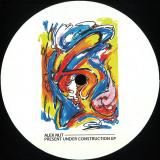
After years of shaping the UK underground from behind the scenes, Alex Nut steps out with his first official solo EP, serving up an intoxicating blend of Spiritual Jazz, Deep House, Dub, Hip Hop and analog electronics. The Present Under Construction EP is rooted in a deep musical language and future-facing energy, it captures a moment of creative transformation and exploration.
Built up over a few years from rough sketches made on an old MPC2000XL, the tracks were revisited, reshaped and eventually brought to life in the studio with longtime friend and collaborator Sam Crowe (Cleo Sol, Lianne La Havas). Together, they added a range of analogue sounds using the Dave Smith Prophet Rev 2, a Fender Rhodes, and a Moog Sub 37. Those recordings were then chopped, resampled, and restructured into the versions you hear on the record today. The records lead track 'andthenitstarted' features saxophonist James Mollison (Ezra Collective, Nala Sinephro) and includes remixes from Detroit House legend Patrice Scott and fellow Eglo Records alumni Last Nubian.
Best known as a DJ, broadcaster, curator and co-founder of Eglo Records, Alex has spent over a decade championing soulful underground music, through fabled Radio shows to legendary club nights, his fingerprints are all over a scene that continues to evolve. Initially making noise alongside the likes of Floating Points, Steven Julien, and Fatima, Alex Nut has long been a cornerstone of the UK's soulful underground. His work continues to champion the evolution of Jazz, Soul, House, and Broken Beat — nurturing a generation of artists now reshaping the global soundscape.
Есть у нас в наличии и готов к отправке

Jeff Parker’s 2016 album The New Breed was a turning point for both Parker and for International Anthem, changing the trajectory of his solo career as well as drawing an abundance of attention to our fresh imprint despite our then very limited catalog. Most importantly though, the album is the first to give voice to Parker’s wholly unique take on sample-based beat construction augmented by a crack squad of improv-savvy LA breezers—the high-level crew of Paul Bryan (bass), Josh Johnson (alto sax), and Jamire Williams (drums), augmented by Jay Bellerose (drums) and Ruby Parker (vocals).
What began as Jeff’s interest in understanding his own idea of hip-hop processes (and how they related to his work in jazz) expanded into a blueprint for much of his work since then. (see also: The New Breed’s rock-solid followup Suite For Max Brown, the gentle deconstructionist solo guitar of Forfolks, and the long-form slow bloom dub improvisation of The Way Out of Easy—all released via International Anthem)
The IA11 Edition LP features our IARC 2025 obi strip, plus a new 16-page 11x11" insert booklet with unpublished session photos, new liner notes by New Breed bassist / co-producer Paul Bryan, and an in-depth conversation between JP and IARC co-founder Scott McNiece.
“...equally rooted in jazz and funk, and built upon beat-making experiments…”
- Jason P Woodbury, Aquarium Drunkard
Есть у нас в наличии и готов к отправке

Back in stock soon !
First Word Records is very proud to present a brand new EP from Yazmin Lacey - 'When The Sun Dips 90 Degrees'.
This EP follows on from her two recent singles, '90 Degrees' and 'Something My Heart Trusts', both of which are included here, along with three previously unreleased tracks, 'Heaven', 'Body Needs Healing' and 'Burn & Rise'. This set illustrates again Yazmin's candid songwriting delivered in her uniquely laidback soulful style, whilst a glorious fusion of neo-soul and jazz performed by Pete Beardsworth and her trusty band rides throughout.
In recent times, Yazmin has made live appearances on Jazz FM, BBC Radio 4, 1Xtra and NTS, & received widespread acclaim across the airwaves, including BBC Radio 2, BBC 6 Music, Worldwide FM and Mi-Soul, plus Spotify love from the likes of The Independent and heavy support from DJs such as Gilles Peterson, Jamz Supernova, Tom Ravenscroft, Huey Morgan and Jamie Cullum. Yazmin appeared heavily in The Guardian / The Observer's recent extensive feature on the UK's new Jazz movement too.
Initially a Brownswood 'Future Bubbler' graduate, Yazmin self-released her debut EP, 'Black Moon', last year. This lead to a Maida Vale session late 2017 with Jordan Rakei, Moses Boyd, Oscar Jerome and now label-mates, Children of Zeus. She kicked off the year with a performance at the Worldwide Awards with Skinny Pelembe, and has recently done shows with artists such as Ezra Collective, Tall Black Guy and Fatima. Yazmin has a UK tour scheduled for later in the year, as well as several festival appearances across Europe locked in. There's a lot more to come from this Notts-based Londoner yet.
In Yazmin's words: "'90 Degrees' is about that time of the day / night when there's a shift in pace and energy. When you decide to lock off from the 'outside' world and create your own atmosphere, take some time to give thanks for what's breathing love into your life and smoke off the fuckeries. Everyone needs a little routine for self preservation."
Есть у нас в наличии и готов к отправке

Mantra is the first single from The Bluebeaters' upcoming album, due for release in 2026. It is an unusual track in the band's discography, reminiscent more of The Clash's Rock The Casbah than Jamaica. It is a track with a 4/4 beat without the classic Jamaican syncopation typical of The Bluebeaters.
"It's a challenge to the background that has always driven the band. The album will not be entirely in this direction, but we decided to release this single to broaden our range of expression."
Produced by singer Patrick Benifei, aka Pat Cosmo, together with the solid rhythm section of The Bluebeaters, Count Ferdi on drums, Cato Senatore on guitar, Danilo Scuccimarra on piano and organ, and Paolo Parpaglione on saxophone.
It is the first in a series of singles that will form the backbone of the album.
Sung in Italian, Mantra is an original song written by Pat Cosmo.
The B-side is a dub, an instrumental version mixed by Ezra, producer, artist and our co-producer for all the tracks that will be released on the new album.
He has collaborated on many productions that are part of the Caribb Roots world, including Casino Royale and The Uppertones, as well as his own Dub Pigeons.
His studio is the NoMad Studio, located in the San Salvario area of Turin.
он должен быть опубликован на 01.05.2026
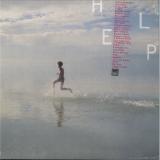
HELP(2) ist die Neuauflage einer der beeindruckendsten Charity-Aktionen der jüngeren Musikgeschichte. Bereits 1995 schlossen sich die Größen der britischen Musikszene zusammen, um mit den Erlösen der gemeinsamen HELP-Compilation Kindern in Kriegsgebieten zu helfen. Auch 2026 ist die globale Lage verheerend. Inspiriert vom legendären Charity-Sampler HELP aus dem Jahr 1995 hat sich in Großbritannien erneut ein Community-Projekt formiert, getragen von einigen der wichtigsten Musikerinnen und Musiker unserer Zeit. Ziel ist es, in bewegten Zeiten einen würdigen Nachfolger aufzunehmen: HELP(2). Wie schon beim Original, an dem unter anderem Radiohead, Oasis, Portishead, The Chemical Brothers, Massive Attack und Blur beteiligt waren, bringt auch HELP(2) Menschen zusammen, um die lebenswichtige Arbeit von War Child zu unterstützen: schnelle Nothilfe, Bildungsangebote, spezialisierte psychosoziale Betreuung sowie Schutz für Kinder, die weltweit von Krieg und Konflikten betroffen sind. Das Album macht auf den dramatischen Umstand aufmerksam, dass heute jedes fünfte Kind auf der Welt in einem Kriegsgebiet lebt. Entstanden ist das neue Album während einer außergewöhnlichen Aufnahmewoche im November 2025 in enger Zusammenarbeit mit den Abbey Road Studios. Als Executive Producer fungierte der vielfach ausgezeichnete Produzent James Ford. HELP(2) vereint eine beeindruckende Liste internationaler Künstlerinnen und Künstler, darunter Anna Calvi, Arctic Monkeys, Arlo Parks, Arooj Aftab, Bat For Lashes, Beabadoobee, Beck, Beth Gibbons, Big Thief, Black Country, New Road, Damon Albarn, Depeche Mode, Foals, Fontaines D.C., Graham Coxon, Greentea Peng, Kae Tempest, King Krule, Nilüfer Yanya, Olivia Rodrigo, Pulp, Sampha, The Last Dinner Party, Wet Leg, Young Fathers - sowie viele weitere helfende Hände. Die kreative Leitung des Projekts liegt in den Händen des renommierten Filmemachers und Oscar-Preisträgers Jonathan Glazer und seines Teams von Academy Films, die sowohl die visuelle Umsetzung als auch die künstlerische Gestaltung von HELP(2) maßgeblich prägten. Sämtliche Erlöse des Albums kommen War Child UK zugute und unterstützen den Einsatz für Schutz, Bildung und die Rechte von Kindern in Konfliktgebieten weltweit. HELP(2) steht für Hoffnung - für Kinder, deren Leben durch Krieg zerstört wurde - und für die Kraft gemeinschaftlichen Handelns. Es ist ein eindrucksvolles Zeichen der Solidarität von Künstlerinnen und Künstlern für eine sicherere und gerechtere Zukunft. Denn kein Kind sollte jemals Teil eines Krieges sein.
Закажите сейчас, и мы закажем товар для вас у нашего поставщика.

Natacha Atlas ist eine international gefeierte Künstlerin mit einer der markantesten Stimmen der Welt. Die anglo-ägyptische Sängerin verbindet seit mehr als zwei Jahrzehnten elektronische Beats mit nordafrikanischer und arabischer Musik, entdeckt Verbindungen zwischen scheinbar gegensätzlichen Musikgenres, erforscht neue klangliche Welten und arbeitet dabei mit zahlreichen gleichgesinnten Künstler:innen aus aller Welt zusammen. The Best Of Natacha Atlas wurde ursprünglich im Mai 2005 veröffentlicht und ist jetzt erstmals als Vinyl erhältlich. Als dieses Best-of damals erschien, wollte Natacha nicht einfach nur eine Sammlung von Albumtiteln herausbringen. Mehrere Stücke wurden neu gemischt oder überarbeitet, was Natacha selbst in die Hand nahm. Damals sagte sie: "Ich habe beschlossen, ein paar Titel neu aufzunehmen, von denen ich fand, dass sie eine Überarbeitung oder Aktualisierung brauchten." Ebenfalls enthalten sind ihre atemberaubenden Versionen des Françoise-Hardy- Klassikers , des James-Bond-Themes , und James Browns.
он должен быть опубликован на 14.11.2025

"The Bad Seeds and Zakary Thaks were mid ‘60s Texas garage rock bands formed in the wake of the British Invasion, influenced by The Rolling Stones, Kinks, Yardbirds and others, becoming top local live attractions at a time when the 13th Floor Elevators and Moving Sidewalks were leading the way into psychedelia. In late 1966 Rod Prince on guitar and Roy Cox on bass from Bad Seeds joined up with David Fore from Zakary Thaks on drums to create a new band out of San Antonio featuring two lead guitarists. Todd Potter filled out the quartet on second guitar and they chose the name Bubble Puppy, taken from Aldous Huxley’s 1932 dystopian novel Brave New World. Huxley was an early advocate of LSD, appropriately. In 1969 Bubble Puppy scored a top 20 hit single with “Hot Smoke & Sasafrass” which led to their LP “A Gathering Of Promises”. International Artists, the legendary Texas label that previously had unleashed mind expanding classics by the Elevators, Red Crayola, Golden Dawn and others was a perfect fit. After the LP and additional 45s didn’t repeat the success of “Hot Smoke & Sasafrass” the band hooked up with Nick St. Nicholas of Steppenwolf as their new manager and moved to Los Angeles. A new band name was in order, Nick St. Nicholas chose Demian, title of the 1919 novel by Herman Hesse. His books were popular with the counterculture at the time and had provided Steppenwolf with their new name after they changed it from the Sparrow and hit it big. Demian recorded the LP live in the studio at the Record Plant in one midnight to six session. They had their arrangements fully realized, allowing them to combine live show energy and economy with to-the-point delivery suitable for repeated listening. No doubt they were aiming for pop hit success, using proto hard rock skills in a radio friendly way without compromising the heavy guitar moves. The vocals have echoes of the earlier Bubble Puppy style in spots but are more melodic with vibrant harmonies reminiscent of Moby Grape, Buffalo Springfield, James Gang… at times flashing on Steve Stills/Richie Furay westcoast without being too sweet about it. It works terrifically when the radio friendly voices top off killer hard guitar ensemble action. Early hard rock that is too bluesy flashy can get tiresome with repeat listening, especially if overdosing on guitar solos with the band relegated to the background… Demian keep it interesting with inventive song structures allowing all four players to integrate constantly into an ever changing but focused whole. This LP is a grower, despite the basic two guitars, bass and drums lineup and no frills production you reach a lot of different places during the ride. Demian is deadly hard rock, a perfectly organized vibe straddling live energy and crafted itinerary, amongst the first obscure major label killers that commanded premium $$ with collectors even way back in the late ‘70s. It gets you there every time, even half a century later!"
он должен быть опубликован на 31.10.2025

Yazmin Lacey returns with Teal Dreams - her soulful, fearless second album, rich with real-life storytelling and sonic flair.
Following the breakout success of her debut album Voice Notes, praised by Billboard, Fader and Pitchfork (who likened her to Erykah Badu and Lauryn Hill), Yazmin’s star continues to rise. Last year saw her headline London’s Village Underground and KOKO, as well as perform with Ezra Collective on Strictly Come Dancing and Radio 1’s Live Lounge, the unforgettable voice behind firm festival favourite “God Gave Me Feet for Dancing.”
With Teal Dreams, she builds on her signature sound blending soul, ska, lover’s rock and indie into a vivid, emotionally sharp record shaped by real life, late-night reflections, and a last-minute trip to Thailand.
Collaborating with some of the best in class Miles James (Lotus), Barney Lister, Matt Maltese and more, Yazmin has expanded and elevated her sound on this album. Teal Dreams is a bold, honest evolution, and proof that Yazmin Lacey is only just getting started.
Classic and timeless, the Teal Dreams 12” black vinyl LP comes housed in a beautifully designed sleeve with a foldout lyric booklet. Artwork shot by Wukda brings the album’s mood to life with bold, striking design from Lauren Harewood.
Teal Dreams eco-friendly digipack CD, featuring an 8-page lyric booklet. Elegant photography by Wukda and striking design by Lauren Harewood complete this elevated package.
он должен быть опубликован на 24.10.2025

Transparentes Vinyl in Teal Ripple[22,65 €]
Yazmin Lacey returns with Teal Dreams - her soulful, fearless second album, rich with real-life storytelling and sonic flair.
Following the breakout success of her debut album Voice Notes, praised by Billboard, Fader and Pitchfork (who likened her to Erykah Badu and Lauryn Hill), Yazmin’s star continues to rise. Last year saw her headline London’s Village Underground and KOKO, as well as perform with Ezra Collective on Strictly Come Dancing and Radio 1’s Live Lounge, the unforgettable voice behind firm festival favourite “God Gave Me Feet for Dancing.”
With Teal Dreams, she builds on her signature sound blending soul, ska, lover’s rock and indie into a vivid, emotionally sharp record shaped by real life, late-night reflections, and a last-minute trip to Thailand.
Collaborating with some of the best in class Miles James (Lotus), Barney Lister, Matt Maltese and more, Yazmin has expanded and elevated her sound on this album. Teal Dreams is a bold, honest evolution, and proof that Yazmin Lacey is only just getting started.
Classic and timeless, the Teal Dreams 12” black vinyl LP comes housed in a beautifully designed sleeve with a foldout lyric booklet. Artwork shot by Wukda brings the album’s mood to life with bold, striking design from Lauren Harewood.
Teal Dreams eco-friendly digipack CD, featuring an 8-page lyric booklet. Elegant photography by Wukda and striking design by Lauren Harewood complete this elevated package.
он должен быть опубликован на 24.10.2025

The Ibex Band, with Giovanni Rico and Selam Woldemariam at the creative helm, provided the musical backbone for legends like Aster Aweke, Girma Beyene, Tilahun Gessesse, Mulatu Astatke, and Mahmoud Ahmed, including the iconic album Ere Mela Mela, shaping modern Ethiopian music as we know it today. This 1976 album (Ge’ez Year 1968) played a pivotal role in that legacy and has now resurfaced to set the record straight.
There’s a tendency to talk about the seventies as a golden age of Ethiopian music. There are good reasons for that, and just as good reasons against it. However, the notion of a golden past privileges the role of Western explorers and suggests that the pinnacle of Ethiopia’s musical culture is something only a foreigner can appreciate and unearth. It downplays the complexities of Ethiopia’s culture and history, creating an artificial divide between then and now. And it underestimates the constantly evolving sound that has followed.
The legendary musical outfit The Ibex Band, later metamorphosed into The Roha Band, has played a central role in defining the sound of many of the greatest stars on the music scene of Ethiopia from the mid-seventies onwards–but their golden output has never really waned. The story of the origins of the band that provided the musical backbone for greats such as Aster Aweke, Girma Beyene, Tilahun Gessesse, backing the solo career of group member Mahmoud Ahmed as well as backing Mulatu Astatke and many others has yet to be properly told.
Two misconceptions plague the image of Ethiopian music, one is that the music is pure because it is, by some notion, unexploited, the other is that it is all traditional. To begin with, a combination of political changes between the late sixties and the mid-nineties created an environment where only the most dedicated and skilled musicians struggled on and pursued a musical career against fierce odds. The whole Ibex Band, with Giovanni Rico and Selam “Selamino” Seyoum Woldermarian at the creative helm, are arguably the origo of the vibrant scene in the mid-seventies, and the said pair are foremost responsible for not only navigating the band through troubled times, but also modernizing the 6/8 chickchicka rhythm to a contemporary form. Giovanni laid the rhythmic foundation with heavy looped basslines that reinvented traditional melodies as dance music, and with Selamino’s innovative guitar work they influenced scores of musicians from Abegaz Kibrework Shiota to Henock Temesgen. Even Giovanni’s Fender bass and Selamino’s Gibson guitar inspired younger musicians in their choice of instruments. Not only in choice of instruments but also in sound–even as the digital revolution hit Ethiopian music, a lot of popular music still took its cue from the masters from Ibex and Roha.
Ibex emerged out of the ashes of the sixties group the Soul Echos band, adding Giovanni and Selamino to their ranks and taking their cues from a slew of influences, such as Motown and The Beatles, fused with traditional music. A tighter-knit unit than most bands at the time – Ibex has remained six to seven members throughout their whole career, compared to many bands that were as large as fifteen or sixteen men strong when Ibex set out. Their playing has been viciously focused, economical yet heavy. Just a year before the recording sessions of the album in your hands, Giovanni and Selamino made a contribution to the popular musical lexicon of Ethiopia that was simply defining the popular sound: their arrangement and recording of bandmate Mahmoud Ahmed’s solo effort and real commercial breakthrough tune and eponymous album, Ere Mela Mela, from 1975.
Selamino has never limited himself to being an adroit lead guitarist, but has always been a scholar of history, and as such he has probably contributed as much to modern Ethiopian music with his guitar playing and compositions as with a deepened understanding of modern or contemporary – Zemenawi – Ethiopian music. Selamino’s contributions serve as a metaphor for those of the whole band, at one and the same time creating and defining a new, danceable and updated sound anchored in Giovanni’s bass, whilst also elevating the broader scene through their support for others on the scene and on top of that, increasing the understanding of the music.
There is an understandable desire to romanticize the musical heyday Ibex and Roha were at the forefront of, because so much of the output is sorrowfully hard to come by. Ibex creativity was nothing short of ridiculously fierce compared to many of their Western contemporaries. Based on their sheer recorded output alone they could have usurped the title “hardest working in show business” from James Brown, recording more than 250 albums or 2500 songs in the seventies and eighties. Some only surface as cassettes today, others were never given full LP release, and some are simply impossible to find today. In the light of that, it’s nothing short of a miracle that the recording Stereo Instrumental Music from 1976 (Ge’ez Year 1968) has resurfaced. Unearthed in perfect condition on a chrome cassette, this is musical history comes alive–to set the future straight. Stereo Instrumental Music was recorded in collaboration with Karl-Gustav Lundgren, a Swedish national working for the Radio Voice of the Gospel. It took two sessions at the Ras Hotel ballroom in Addis Ababa. The Ibex Band was the first band in Ethiopia to employ a four-track recorder for their recording (the first available in the country, lent by Karl-Gustav). Later the same week, Giovanni and Selamino realized that, lengthwise, the recorded material fell short of what they wished for, so they recorded four more tracks in one more session on a single-track recorder. The Ras Hotel and Ghion Hotel, where the Ibex Band held musical residencies were to Ethiopia in general and Addis Ababa in particular what Motown was to the USA and Detroit a few years earlier – a hotbed of musical creativity and showmanship.
The most astonishing thing about Ethiopian music of the last half century is how tradition and modernity are intertwined. Because of this feature, it’s kind of hard to tell when there ever was or when we are in a “golden age”. So much of music from the past has been criminally neglected, but because of the hardships in the past, it would be an oversimplification to say that said past was a golden age. Probably, the golden age is what we are approaching, because for the first time both the past and future are accessible, and the monumental contributions from before can lay a firm foundation for a thriving music scene today. The Ibex Band stands firmly in the past, present and the future. That, if anything, is golden.
The detailed history of Stereo Instrumental Music is in many ways unique. To begin with, it couldn’t have been recorded earlier (there were no four-track recorders available) and it really couldn’t have been recorded afterwards either, at least not in the years directly following, because of the toll the musical scene took from the unfavorable political climate that followed when the nascent Derg regime and rival groups tried to assert themselves, the musical equipment lent from The Voice of Gospel Radio simply disappeared from Ethiopia when the radio station folded in 1977. Karl-Gustav Lundgren,
the Swedish foreign national who assisted during the recording, worked with the Ethiopian Evangelical Church Mekane Yesus at the time, recalls how they only had about fifteen minutes to get the microphones in place for the recording as to not alert neither the management at Ras Hotel nor the authorities and most importantly, to complete the recording before the curfew came into effect at midnight. In leaping to the opportunity to use previously unavailable equipment to push their sound forward and improvising to meet the logistical challenges, the Ibex Band displayed the very avant-gardism and adaptability that explains their longevity as a band through the years. The recording of Stereo Instrumental Music is from a given time in history, but it sounds as beyond time.
Much of the energy that burst out of the scene that Stereo Instrumental Music came out of dissipated or got sidetracked during the societal changes Ethiopia went through in the 1970s and 80s. Whilst leaders might have professed to be revolutionary, the work ethic of the Ibex Band can truly be described as that. They never called it quits, but adapted, toured extensively abroad in Africa, Europe, and the Middle East, and found ways to work even in the face of the curfew that curtailed a lot of musical life. They even played major arenas in the nineteen eighties, despite said curfew and restrictions. The whole extent of their legacy has never been told, but their music speaks louder than words, so therefore… tune in to the Ibex Band’s Stereo Instrumental Music.
Закажите сейчас, и мы закажем товар для вас у нашего поставщика.

Very little is known about Joe Prichard or his sidekicks, except that the band, which hailed from Missouri, drew its inspiration from influences far and wide, resulting in each of the five tracks being very different in character, ranging from the power chords and staccato guitar breaks of the Jimmy Page variety, to the throaty sax of 12-bar blues specialists Climax as well as the dual guitars of ZZ Top. There’s even a nine-minute jam a la Jethro Tull or Traffic with flute and sax giving a decidedly jazzy feel to proceedings. Originally released in 1974, this is another extremely rare record now reissued by Riding Easy Records. "Pro-sounding 1970s rarity with a ballsy rock sound and songs ranging from ambitious prog over bluesy bar-rock into macho FM rock postures. It’s solid across the board with excellent guitar leads, soulful vocals, and a versatile band. Keyboards, woodwinds and elaborate arrangements provide a prog-AOR vibe that may turn some off, although there’s enough groove to keep one’s attention throughout the four long tracks." – (Acid Archives)
он должен быть опубликован на 14.03.2025

MAMMOTH is a grabber right out of the gate, every step they take is unleashed with deadly economical precision. They may flash on Lynyrd Skynyrd and other vintage southern rock traditions but the brilliant way the vocals are recorded and the to-the-point interlocking guitar moves will fire up anybody into any sort of hard rock. They can rip it up with hot leads, probably jammed out on these songs at live shows but lucky us, they laid them down for all times here with the sort of thought out unified force and construction that screams hit radio. Loads of personality, accessible, produced and mixed with the clarity of classic rock that never loses it's perfectly deployed impact. The uncluttered arrangements leave plenty of space, crafted with the kind of balanced mojo in the mix where every detail adds to the whole. Down and dirty but also achieving a universal pop-friendly appeal! The Mammoth LP was recorded in 1981 at Relayer Studios in DeLand, Florida with the two guitars, bass and drums quartet line-up sounding like it could have been a decade earlier. Buzz Fetters on lead guitar, Bill Abell on rhythm guitar, Joey Costa on bass and Ron Herman on drums… with everybody contributing to the vocals. Rather than having a strong up front emotive singer the lead vocals here are multi-tracked and integrated into the songs with plenty of attitude but also a genre-transcending presence… you can imagine the vocal ambience working in punk, glam, even psychedelic contexts. Mammoth have a sound informed by roots music but it is really in the rear-view mirror the way they roll. The songwriting here is terrific, they have a way of saying things that comes off as sincere but not too serious. You get plenty of in-your-face hard rock action but also several melodic tracks that have a more reflective charm to round out the trip. AND… when you hear their brilliant ode to southern rock titled "Southern Sounds" I challenge you to find any song about the subject more delightful. These guys keep it real, whether they're being bad ass or vulnerable they express themselves with 100% genuine feeling as contagious and life affirming as it gets!
он должен быть опубликован на 17.01.2025

Die 10 Tracks auf CHAOS, dem ersten LUCKYME® Release der Londoner R&B-Künstlerin TYSON (Tochter von Neneh Cherry und Cameron McVie) wurden von ihrem Jugendfreund Oscar Scheller (Lady Gaga, PinkPantheress, Shygirl) mitgeschrieben und produziert. Das symbiotische Songwriting der beiden am selben Tag Geborenen erweitert den düsteren R&B und modernen Soul ihrer Vorgänger, dringt tiefer in die UK Basskultur (Breakbeats, Street Soul, Trip-Hop) vor und inkludiert eisigen 80er Synthpop und weitläufigen 00er R&B. Der Leadtrack "Grunge" featuret Wu-Lu (Warp Records), das Vinylformat enthält 3 exklusive Instrumentals.
TYSON ist seit Jahren in der Londoner Musikszene unterwegs und die Tochter der legendären Künstlerin Neneh Cherry und des Produzenten Cameron McVey (Massive Attack, Portishead, All Saints, Sugababes), die Schwester der Sängerin Mabel und Grossnichte der Jazzlegende Don Cherry. Ihr verschwommener, melancholischer Gesangsstil brachte ihr Kollaborationen mit Undergroundgrössen wie Dean Blunt, Leon Vynehall, Ezra Collective, Coby Sey und rRoxymore ein, auch ist sie auf Joy Orbisons Album "Still Slipping Vol. 1" (2021) zu hören. TYSON wurde von The Guardian als "One To Watch" gefeiert und erhielt starken Radiosupport von Annie Mac, Benji B, Lauren Laverne, Mary Anne Hobbs, Jamz Supernova, u.v.a.
он должен быть опубликован на 17.01.2025

"This is the time that we, who have benefitted from the Last Poets shouldbe able to say, 'it's the Last Poets. It's them we should be honouring, because we did not honour them for so many years_"
KRS One wasn't just addressing the hip hop fraternity when he uttered
those words by way of introducing the video for Invocation - a poem
written thirty years ago, around the time of the Last Poets' last significant comeback. He was speaking to everyone who's been affected by the word, sound and power issuing from the most revolutionary poetry ever witnessed, and that the Last Poets had introduced to the world outside of Harlem at the dawn of the seventies.
In 2018 the two remaining Last Poets, Abiodun Oyewole and Umar Bin
Hassan, embarked on another memorable return with an album -
Understand What Black Is - that earned favourable comparison with theirseminal works of the past, whilst showcasing their undimmed passion andlyrical brilliance in an entirely new setting - that of reggae music. Trackslike Rain Of Terror ("America is a terrorist") and How Many Bullets demonstrated that they'd lost none of their fire or anger, and their essential raison d'etre remained the same.
"The Last Poets' mission was to pull the people out of the rubble o f their lives," wrote their biographer Kim Green. "They knew, deep down that poetry could save the people - that if black people could see and hear themselves and their struggles through the spoken word, they would be moved to change."
Several years later and the follow-up is now with us. The project started when Tony Allen, the Nigerian master drummer whose unique polyrhythms had driven much of Fela Kuti's best work, dropped by Prince Fatty's Brighton studio and laid down a selection of drum patterns to die for. That was back in 2019, but then the pandemic struck. Once it had passed, the label booked a studio in Brooklyn, where the two Poets voiced four tracks apiece and breathed fresh energy, fire and outrage into some of the most enduring landmarks of their career. Abiodun, who was one of the original Last Poets who'd gathered in East Harlem's Mount Morris Park to celebrate Malcolm X's birthday in May 1968, chose four poems that first appeared on the group's 1970 debut album, called simply The Last Poets. He'd written When The Revolution Comes aged twenty, whilst living in Jamaica, Queens. "We were getting ready for a revolution," he told Green. "There wasn't any question about whether there was going to be one or not. The truth was many of us still saw ourselves as "niggers" and slaves. This was a mindset that had to change if there was ever to be Black Power." He and writer Amiri Baraka were deep in conversation one day when Baraka became distracted by a pretty girl walking by. "You're a gash man," Abiodun told him. The poem inspired by that incident, Gash Man, is revisited on the new album, and exposes the heartless nature of sexual acts shorn of intimacy or affection. "Instead of the vagina being the entrance to heaven," he says, "it too often becomes a gash, an injury, a wound_" Two Little Boys meanwhile, was inspired after seeing two young boys aged around 11 or 12 "stuffing chicken and cornbread down their tasteless mouths, trying to revive shrinking lungs and a wasted mind." They'd walked into Sylvia's soul food restaurant in Harlem, ordered big meals, then bolted them down and run out the door. No one chased after them, knowing that they probably hadn't eaten in days. Fifty years later and children are still going hungry in major cities across America and elsewhere. Abiodun's poem hasn't lost any relevance at all, and neither has New York, New York, The Big Apple. "Although this was written in 1968, New York hasn't changed a bit," he admits, except "today, people just mistake her sickness for fashion." Umar is originally from Akron, Ohio, but had arrived in Harlem in early 1969 after seeing Abiodun and the other Last Poets at a Black Arts Festival in Cleveland. That's where he first witnessed what Amiri Baraka once called "the rhythmic animation of word, poem, image as word- music" - a creative force that redefined the concept of performance poetry and stripped it bare until it became a howl of rage, hurt and anger, saved from destruction by mockery and love for humanity. When Umar's father, who was a musician, was jailed for armed robbery he took to the streets from an early age where he shined shoes and raised whatever money he could to help feed his eight brothers and sisters. By the time he saw the Last Poets he'd joined the Black United Front and was ready to join the struggle. Once in Harlem, Abiodun asked him what he'd learnt in the few weeks since he'd got there. "Niggers are scared of revolution," Umar replied. "Write it down" urged Abiodun. That poem still gives off searing heat more than fifty years later. In Umar's own words, "it became a prayer, a call to arms, a spiritual pond to bathe and cleanse in because niggers are not just vile and disgusting and shiftless. Niggers are human beings lost in someone else's system of values and morals." And there you have it. It's not just race or religion that hold us back, but an economic system that keeps millions in poverty and living in fear - a system born from political choice and that's now become so entrenched, so bloated on its own success that it's put mankind in mortal danger. It was many black people's acceptance of the status quo that inspired Just Because, which like Niggers Are Scared Of Revolution, was included on that seminal first album. Along with their revolutionary rhetoric, it was the Last Poets' use of the "n word" that proved so shocking, but it would be wrong to suggest that they reclaimed it, since it never belonged to black people in the first place. There's never any hiding place when it comes to the Last Poets. They use words like weapons, and that force all who listen to decide who they are and where they stand. Umar's two remaining tracks find him revisiting poems first unleashed on the Poets' second album This Is Madness! Abiodun had left for North Carolina by then where he became more deeply enmeshed in revolutionary activities and spent almost four years in jail for armed robbery after attempting to seize funds related to the Klu Klux Klan. Meanwhile, the 21 year old Umar was squatting in Brooklyn and had developed close ties with the Dar-ul Islam Movement. A longing for purity and time-honoured spiritual values underpins Related to What, whilst This Is Madness is a call for freedom "by any means necessary," and that paints a feverish landscape peopled by prominent black leaders but that quickly descends into chaos. "All my dreams have been turned into psychedelic nightmares," he wails, over a groove now powered by Tony Allen's ferocious drumming. Those sessions lasted just two days, and we can only imagine the atmosphere in that room as the hip hop godfathers exchanged the conga drums of Harlem for the explosive sounds of authentic Afrobeat. Once they'd finished, the recordings and momentum returned to Prince Fatty's studio, since relocated from Brighton to SE London. This was stage three of the project, and who better to fill out the rhythm tracks than two key musicians from Seun Anikulapo Kuti's band Egypt 80? Enter guitarist Akinola Adio Oyebola and bassist Kunle Justice, who upon hearing Allen's trademark grooves exclaimed, "oh, the Father_ we are home!" Such joy and enthusiasm resulted in the perfect fusion of Nigerian Afrobeat and revolutionary poetry, but the vision for the album wasn't yet complete. He wanted to create a new kind of soundscape - one that reunited the Poets with the progressive jazz movement they'd once shared with musicians like Sun Ra and Pharoah Sanders. It was at that point they recruited exciting jazz talents based in the UK like Joe Armon Jones from Mercury Prize winners Ezra Collective, also widely acclaimed producer/remixer and keyboard player Kaidi Tatham, who's been likened to Herbie Hancock, and British jazz legend Courtney Pine, whose genius on the saxophone and influence on the UK's now vibrant jazz scene is beyond question. The instrumental tracks on Africanism are in many ways as revelatory and exciting as the Last Poets' own. It's important to remember that the kaleidoscope of styles and influences we're presented with here aren't the result of sampling but were played "live" by musicians responding to sounds made by other musicians. That's where the magic comes from, aided by Prince Fatty's peerless mixing which allows us to hear everything with such clarity. Music fans today have grown accustomed to listening to all kinds of different genres. Their tastes have never been so broad or all- encompassing, and so the music on this new Last Poets' album is as groundbreaking as their lyrics, and perfectly suited to the era that we're now living in. John Masouri
он должен быть опубликован на 06.12.2024

Frenchie King is a veteran artist and producer from the world of Reggae music. He was born in Jamaica and moved to the UK at the age of 12, where he began singing in a church choir. In the late 1960s he formed a church band with two friends called "The Ressurectors". Their music caught the attention of Reggae star Alton Ellis. After meeting Alton a new band formed called "Black Stallion" and their first song on Venture Records was released entitled - "Love Power". Alton was mentor and guiding light for Frenchie and crew; enabling them to jam with a host of Studio One artists.
Frenchie went on to work with noteworthy Reggae arists like: Alton Ellis, Dennis Brown, Dennis Alcapone, Ken Parker, Tito Simon, Dave Barker, Bobby Davis (The Sensations), Ruff Cutt, Owen Gray and Akabu.We didn't tour with Dennis or John Holt but Alton would always call them to the stage to jam, but we did a few shows with Alton sister Hortense Ellis and few other too much to mention...
Moving into the 1980s, Frenchie started a solo career and switched to the label "M1" where he released projects like "Your Entitled" and "Poor Me Natty Dread". During this time he also worked with renowned producer Sid Buckner (Studio One), before taking a brief hiatus; returning to help produce artist Owen Gray. He also wrote the song "Blackbird" for the band Akabu which was released in 1995 on U-Sound. M1 recording produce yours truly under name countryman linkup with the man Ezekiel in Luton hence M1
Moving forward into the 2000s, along with other musical adventures the iconic album "People Had Enough" was released in 2017, along with singles, "Let Us Do Something" and "Dance Cork". On let us do something and dance (kark) is produce by Michael McNeil aka the original jah son , a good musical sou-jah.
Which brings us up to date. In 2023 Frenchie hooked up with The Blackstones. Through this came the opportunity to work with Iron Sound Records and producer Alien Dread. This is the first single on ISR, with a solid Roots vocal track backed by studio band: Alvin Davis, Asha B and Steven Wright. More to follow!
Закажите сейчас, и мы закажем товар для вас у нашего поставщика.

"Ceasefire" ist nach "Wrong Side Of Town" der zweite Release der Dub-Serie auf Joe Armon-Jones' Aquarii-Label. Diesmal tut sich Joe mit Reggae-DJ-Legende Ranking Joe und Saxophonist und Ezra Collective-Bandkollege James Mollison zusammen. "Ceasefire" ist ein kompromissloser Aufruf zum Frieden in einer Zeit verschärfter globaler Konflikte. Weitere Gäste sind Morgan Simpson (Black Midi, drums), Luke Wynter (Nubiyan Twist, bass) und Mark Mollison (Loyle Carner, Celeste, git). Produziert von Joe Armon-Jones mit zusätzlichem Vocal-Mixing von Prince Fatty, gemastert von Noah Priddle.
Закажите сейчас, и мы закажем товар для вас у нашего поставщика.
