Already championed by Gilles Peterson on Worldwide FM and DJ Koco from Japan is the newest collaboration between Wah Wah 45s & the vinyl only ,singles only label imprint Mukatsuku Records .Dele Sosimi is a modern Afrobeat torchbearer who worked with the genre's greatest, Fela Kuti. He has a varied and vital discography that includes the 2023 album The Confluence from which this new 45 rpm on Mukatsuku is taken. It is a sweet soul sound, laced with gentle jazz and warm, buttery vocals that slow your heart and mind equally. On the flip is an exclusive, never-released instrumental that allows the sax-laden sounds and virtuoso musicianship to shine. Both sides are perfectly cosy and gentle accompaniments to a lazy afternoon in by the fire as winter begins to bite.
b 02: Mo Se B'ola Tan (Unreleased Instrumental) feat. Get Cape. Wear Cape. Fly
quête:fela soul
- Fly Higher
- Love Is Still The Answer
- Don't Be Silent
- Roots
- Love Will Find A Way
- Ashim
- A Piece Of Gold
- To Be Free
- Bjp (Big John Price)
- Nothing We Could Do
Die britischen Afro-Dub-Meister Soothsayers liefern mit "Fly Higher" ihr wohl bestes Werk ihrer drei Jahrzehnte langen Geschichte ab. Ihr mittlerweile 12. Studioalbum spiegelt die Essenz der Band aus Afrobeat, Soul, Jazz und Dub-Grooves wider. Die mitreißenden, eingängigen Melodien kommen durch dreistimmige Harmonien, Bläser-Hooks und hypnotisierende Basslines voll zum Ausdruck. Der Sound ist organisch und warm im originellen Soothsayers Songwriting-Stil, der eine Vielzahl von Einflüssen kombiniert, aber Klischees und Vorhersehbarkeit vermeidet. Featuring u.a. Youthsayers, die jamaikanische Jazzikone Tommy McCook, die britisch-nigerianische Sängerin Lizzy Donsumu, den ehemaligen Fela Kuti-Keyboarder Dele Sosimi und die britische Jazzmusikerin Julia Biel.
[i] BJP (Big John Price) [feat. Youthsayers]
Fabio Nobile is a drummer and multi-instrumentalist who has been active on the music scene for over 25 years. Today, his musical
exploration draws from the deep roots of Afro traditions and the expressive freedom of jazz—two musical cultures that are an integral
part of his identity.
Sankofa Soul is a musical project born from the encounter between jazz, African traditions, and the search for a profound connection
between past and present. The term “Sankofa” comes from the Akan language (spoken in Ghana) and means “to go back and fetch what
is good” —an invitation to look to the past to better understand the future.
In an era where music is evolving at a rapid pace, Sankofa Soul looks to a rich and multifaceted cultural heritage, while also embracing a
modern voice—a universal call to reconnect with our European origins through the lens of African legacy.
Each track on Sankofa Soul reflects Fabio Nobile’s experiences, studies, and roots, forming a dialogue between past and present, the
sacred and the profane, individuality and community.
Sankofa Soul is a heartfelt tribute to West Africa, with a special focus on Nigeria.
Zuma Rock leads us into the rich and ever-changing soundscape of West Africa—a space where tradition meets innovation, and rhythm
tells stories older than words. Here, the legacy of Fela Kuti’s Afrobeat pulses through every beat, anchoring the music in political fire and
deep ancestral roots. At the same time, the unmistakable horn section weaves a vibrant fusion of Afro-Funk and Jazz. In Zuma Rock, we
enter a dialogue between past and present—a musical return to the source.
And then appears Kalakuta Republic, a heartfelt homage to the self-declared commune that was home to the legendary Fela Kuti—a
reminder not to forget the rebellious spirit of the Kalakuta Republic. This track gives voice to the very essence of Afro-jazz, wrapped in a
hypnotic 12/8 rhythm that echoes ancient African traditions. Its immersive pulse blends seamlessly with jazz’s boundless expressive
freedom, creating a vibrant, compelling dialogue suspended between ancestral roots and modernity.
Landed in Lagos and I Read the Stars naturally embrace the distinctive sound of Manu Dibango, while Say Your Prayer Now reminds us
how the evolution of Jamaican reggae—and its cultural and musical foundations—remains deeply linked to Mother Africa.
This is Sankofa: the soul’s journey back to the past to move forward.
Coflo is a dancer, producer and Capoeira expert born and raised in the East Bay Area of California with a lifelong love of house music. For this one on Jambala, he hooks up with Adeniji Heavywind for a tune named after the label. It's the sort of cultured, organic sound that brings musical charm as well as infectious groove with Afro, soul and jazz all worked in through the bold brass notes, jangling rhythms and funky guitars, which get topped with a charming vocal a la Fela Kuti. The Backside mix is more deep and dubby to make for a tidy two tracker.
- A1: Fela Soul - Stillego Trippin
- A2: B B. & The Ugkz - I Ain't Heard Of That Feat.slim Thug
- A3: Yasiin Gaye - Ms Fat Booty Pt. Ii Feat.ghostface Killah
- A4: The Illmatics - Hip-Hop Is Dead
- B1: A Common Wonder - Reminding Me Of Those Days Feat C.l. Smooth
- B2: The Notorious J B.'s - Think B.i.g
- B3: Nina Simone & Lauryn Hill - Fu-Gee-La (Refugee Camp Remix)
- B4: Fela Soul - A Rollerskating Jam Named Saturdays
- C1: A Common Wonder - The Sixth Wonder
- C2: The O'jayz - Ain't No Jigga
- C3: Nina Simone & Lauryn Hill - Ex-Factor
- C4: Otis & The Outkasts - Shutterbugg Feat Cutty
- D1: B B. & The Ugkz - Get It
- D2: Yasiin Gaye - Got To Give It Up On Saturdays
- D3: Fela Soul - More Than U Know
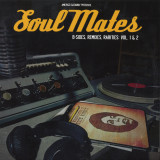
Mash-up master AMERIGO GAZAWAY has compiled a collection of the most popular and sought after tracks in the SOULMATES catalog. Featuring choice cuts from very hard to find/out of print vinyl, fan favorites, and even a few former digital exclusives pressed to wax for the very first time.
Songs about the unity of Sudan, peace between Muslims and Christians and the fate of war orphans, backed by grooves equally taking influence from Arabic sounds, American funk as well as neighboring Ethiopia.
Kamal Keila was among the first artist we met in Sudan during our two trips to Khartoum and Omdurman last year. He is one of the key figures of the Sudanese jazz scene that was a vital part of the musical culture in Sudan from the mid 1960s until the islamist revolution in the late 1980s. When we meet Kamal he luckily presented us with two mold covered studio reels.
Each tape included five tracks. One with English lyrics and another with Arabic ones. Musically you can hear the influence of neighboring Ethiopia much more than on other Sudanese recordings of the time, as well as references to Fela and American funk and soul. His lyrics, at least when he sings in English which gave him more freedom from censorship, are very political. A brave statement in the political climate of Sudan of the last decades, preaching for the unity of Sudan, peace between Muslims and Christians and singing the blues about the fate of war orphans called "Shmasha".
A note inside one of the boxes specified the track titles, durations and the fact that the sessions were recorded on the 12th of august 1992. Both sessions stand as a hearable testament how Kamal Keila stuck to a sound aesthetic from decades ago, while incorporating current events into his lyrics.
Kamal Keila's album is the first in a series of releases covering the Sudanese jazz scene on Habibi Funk. Be on the lookout for albums by The Scorpions and Sharhabeel coming soon.
2LP + Download Code + 8 Page Booklet
- A1: Orlando Julius & The Afro Sounders - Alo Mi Alo (Parts 1 & 2)
- A2: Segun Bucknor & His Revolution - La La La
- A3: Lijadu Sisters - Orere Elejigbo
- B1: Peter King - Shango
- B2: Sahara All Stars Band Jos - Enjoy Yourse Lf
- C1: Fela Ransome Kuti & The Africa 70 - Jeun Ko Ku (Chop %U2018N%U2019 Quench)
- C2: Tunji Oyelana & The Benders - Ifa
- C3: Ofo The Black Company - Allah Wakbarr
- D1: He Funkees - Dancing Time
- D2: Monomono - Tire Loma Da Nigbehin
- D3: Bala Miller & The Great Music Pirameeds Of Afrika - Ikon Allah
- E1: Sir Victor Uwaifo & His Melody Maestroes - Akuyan Ekassa
- E2: Shina Williams & His African Percussionists - Agboju Logun
- F1: Gasper Lawal - Kita Kita
- F2: Sunny Ade & His African Beats - Ja Fun Mi (Instrumental)
The Definitive Lp Edition[33,57 €]
Special edition repress of the groundbreaking ‘Nigeria 70’ compilation, now available on translucent green vinyl 3LP to celebrate the label’s 25th Anniversary.
Originally released in 2001, the collection set the benchmark for a new generation of archive labels and releases mining the vaults for rare Afro funk and Afro jazz fusions and helped to paint the wider picture of the 1970s Lagos scene beyond Fela Kuti's catalogue for a legion of soul, funk and dance music enthusiasts. Check!
A Funky Cali Deep Groove Classic. For Fans Of... Kind Gizzard and Lizard Wizard, Altin Gün, WITCH, Khruangbin, Fela Kuti, Bombino, Say She She, Goat, Monophonics. Exclusive first pressing of Orgone's 2008 release, Bacano. RSD Black Friday release for 2024. Orgone has sold over 15,000 units through retail and Bacano has streamed over 10 million times. Orgone is the backing band for Say She She. Colemine Records is proud to present Orgone's 2008 classic Bacano, on vinyl for the first time exclusively for Black Friday RSD 2024! Now and always, Orgone delivers dirty, organic, California soul with heart; music that grabs you by the collar, pulls you to your feel and shoves you wantingly onto the dance floor. It all started with two kids from the San Fernando Valley, whose shared affinity for gritty soul records of the 60s and 70s collided with the colorful music cultures brewing in Los Angeles during the late 90s. That friendship sparked a movement, and Orgone has been delivering nothing but gold to the funk faithful ever since. Orgone has sold over 15,000 physical units through retail and Bacano has been streamed 10m times. This band is the backing tour band for Say She She and played on their most recent album. This LP will follow their successful LP, Chimera, which was released in February of this year.
"This is the time that we, who have benefitted from the Last Poets shouldbe able to say, 'it's the Last Poets. It's them we should be honouring, because we did not honour them for so many years_"
KRS One wasn't just addressing the hip hop fraternity when he uttered
those words by way of introducing the video for Invocation - a poem
written thirty years ago, around the time of the Last Poets' last significant comeback. He was speaking to everyone who's been affected by the word, sound and power issuing from the most revolutionary poetry ever witnessed, and that the Last Poets had introduced to the world outside of Harlem at the dawn of the seventies.
In 2018 the two remaining Last Poets, Abiodun Oyewole and Umar Bin
Hassan, embarked on another memorable return with an album -
Understand What Black Is - that earned favourable comparison with theirseminal works of the past, whilst showcasing their undimmed passion andlyrical brilliance in an entirely new setting - that of reggae music. Trackslike Rain Of Terror ("America is a terrorist") and How Many Bullets demonstrated that they'd lost none of their fire or anger, and their essential raison d'etre remained the same.
"The Last Poets' mission was to pull the people out of the rubble o f their lives," wrote their biographer Kim Green. "They knew, deep down that poetry could save the people - that if black people could see and hear themselves and their struggles through the spoken word, they would be moved to change."
Several years later and the follow-up is now with us. The project started when Tony Allen, the Nigerian master drummer whose unique polyrhythms had driven much of Fela Kuti's best work, dropped by Prince Fatty's Brighton studio and laid down a selection of drum patterns to die for. That was back in 2019, but then the pandemic struck. Once it had passed, the label booked a studio in Brooklyn, where the two Poets voiced four tracks apiece and breathed fresh energy, fire and outrage into some of the most enduring landmarks of their career. Abiodun, who was one of the original Last Poets who'd gathered in East Harlem's Mount Morris Park to celebrate Malcolm X's birthday in May 1968, chose four poems that first appeared on the group's 1970 debut album, called simply The Last Poets. He'd written When The Revolution Comes aged twenty, whilst living in Jamaica, Queens. "We were getting ready for a revolution," he told Green. "There wasn't any question about whether there was going to be one or not. The truth was many of us still saw ourselves as "niggers" and slaves. This was a mindset that had to change if there was ever to be Black Power." He and writer Amiri Baraka were deep in conversation one day when Baraka became distracted by a pretty girl walking by. "You're a gash man," Abiodun told him. The poem inspired by that incident, Gash Man, is revisited on the new album, and exposes the heartless nature of sexual acts shorn of intimacy or affection. "Instead of the vagina being the entrance to heaven," he says, "it too often becomes a gash, an injury, a wound_" Two Little Boys meanwhile, was inspired after seeing two young boys aged around 11 or 12 "stuffing chicken and cornbread down their tasteless mouths, trying to revive shrinking lungs and a wasted mind." They'd walked into Sylvia's soul food restaurant in Harlem, ordered big meals, then bolted them down and run out the door. No one chased after them, knowing that they probably hadn't eaten in days. Fifty years later and children are still going hungry in major cities across America and elsewhere. Abiodun's poem hasn't lost any relevance at all, and neither has New York, New York, The Big Apple. "Although this was written in 1968, New York hasn't changed a bit," he admits, except "today, people just mistake her sickness for fashion." Umar is originally from Akron, Ohio, but had arrived in Harlem in early 1969 after seeing Abiodun and the other Last Poets at a Black Arts Festival in Cleveland. That's where he first witnessed what Amiri Baraka once called "the rhythmic animation of word, poem, image as word- music" - a creative force that redefined the concept of performance poetry and stripped it bare until it became a howl of rage, hurt and anger, saved from destruction by mockery and love for humanity. When Umar's father, who was a musician, was jailed for armed robbery he took to the streets from an early age where he shined shoes and raised whatever money he could to help feed his eight brothers and sisters. By the time he saw the Last Poets he'd joined the Black United Front and was ready to join the struggle. Once in Harlem, Abiodun asked him what he'd learnt in the few weeks since he'd got there. "Niggers are scared of revolution," Umar replied. "Write it down" urged Abiodun. That poem still gives off searing heat more than fifty years later. In Umar's own words, "it became a prayer, a call to arms, a spiritual pond to bathe and cleanse in because niggers are not just vile and disgusting and shiftless. Niggers are human beings lost in someone else's system of values and morals." And there you have it. It's not just race or religion that hold us back, but an economic system that keeps millions in poverty and living in fear - a system born from political choice and that's now become so entrenched, so bloated on its own success that it's put mankind in mortal danger. It was many black people's acceptance of the status quo that inspired Just Because, which like Niggers Are Scared Of Revolution, was included on that seminal first album. Along with their revolutionary rhetoric, it was the Last Poets' use of the "n word" that proved so shocking, but it would be wrong to suggest that they reclaimed it, since it never belonged to black people in the first place. There's never any hiding place when it comes to the Last Poets. They use words like weapons, and that force all who listen to decide who they are and where they stand. Umar's two remaining tracks find him revisiting poems first unleashed on the Poets' second album This Is Madness! Abiodun had left for North Carolina by then where he became more deeply enmeshed in revolutionary activities and spent almost four years in jail for armed robbery after attempting to seize funds related to the Klu Klux Klan. Meanwhile, the 21 year old Umar was squatting in Brooklyn and had developed close ties with the Dar-ul Islam Movement. A longing for purity and time-honoured spiritual values underpins Related to What, whilst This Is Madness is a call for freedom "by any means necessary," and that paints a feverish landscape peopled by prominent black leaders but that quickly descends into chaos. "All my dreams have been turned into psychedelic nightmares," he wails, over a groove now powered by Tony Allen's ferocious drumming. Those sessions lasted just two days, and we can only imagine the atmosphere in that room as the hip hop godfathers exchanged the conga drums of Harlem for the explosive sounds of authentic Afrobeat. Once they'd finished, the recordings and momentum returned to Prince Fatty's studio, since relocated from Brighton to SE London. This was stage three of the project, and who better to fill out the rhythm tracks than two key musicians from Seun Anikulapo Kuti's band Egypt 80? Enter guitarist Akinola Adio Oyebola and bassist Kunle Justice, who upon hearing Allen's trademark grooves exclaimed, "oh, the Father_ we are home!" Such joy and enthusiasm resulted in the perfect fusion of Nigerian Afrobeat and revolutionary poetry, but the vision for the album wasn't yet complete. He wanted to create a new kind of soundscape - one that reunited the Poets with the progressive jazz movement they'd once shared with musicians like Sun Ra and Pharoah Sanders. It was at that point they recruited exciting jazz talents based in the UK like Joe Armon Jones from Mercury Prize winners Ezra Collective, also widely acclaimed producer/remixer and keyboard player Kaidi Tatham, who's been likened to Herbie Hancock, and British jazz legend Courtney Pine, whose genius on the saxophone and influence on the UK's now vibrant jazz scene is beyond question. The instrumental tracks on Africanism are in many ways as revelatory and exciting as the Last Poets' own. It's important to remember that the kaleidoscope of styles and influences we're presented with here aren't the result of sampling but were played "live" by musicians responding to sounds made by other musicians. That's where the magic comes from, aided by Prince Fatty's peerless mixing which allows us to hear everything with such clarity. Music fans today have grown accustomed to listening to all kinds of different genres. Their tastes have never been so broad or all- encompassing, and so the music on this new Last Poets' album is as groundbreaking as their lyrics, and perfectly suited to the era that we're now living in. John Masouri
This one is highly recommended for fans of Khruangbin, Lord Echo, Leon Bridges or Fat Freddy's Drop.
Open is the sixth studio album from acclaimed composer, producer, filmmaker and multi-instrumentalist, Kutiman. It is an addictive & irresistible twelve-track trip taking in elements of classic soul, Middle Eastern psychedelia, Afrobeat, Thai funk, jazz fusion, cosmic library soundscapes and more.
The uptempo “Vanishing Point” opens proceedings, recalling both Abstract Orchestra’s 2017 Dilla tribute and the lounge OST/library music flips of Tosca and DJ Vadim fame.
My Everything introduces prominent guest & frequent Kutiman collaborator, Dekel, whose soul-pop vocals coupled with jangly acoustic guitar riffs tip to contemporary indie artists such as Michael Kiwanuka and SAULT. “A Day Off passes through” Anatolian psych and Khruangbin-esque Thai funk whilst the afrobeat/jazz fusion “Confetti” pays tribute to Kutiman’s other namesake, Fela Kuti.
Dekel rejoins for the beatdown, lilting dub-soul “Believe In You” with hints of Lord Echo and the sun-inflected New Zealand dub-soul sound. The Tuareg-leaning guitar lines on “Canoe” travel across the Saharan desert easterly towards Sudan and Ethiopia by the end, whilst meditative and Coltrane-adjacent album closer “Ripples” provides a final moment of reflection from a truly global excursion of soundscapes.
Founded in the stillness of 2020 when a group of tight tight-knit up and coming musicians were robbed of their livelihood and greatest joy - live performance - the group came together in a graffiti smudged artist s space in an old industrial facility in Copenhagen s outskirts and created a space for themselves to improvise in a funky, groove based setting. A followup to their 2023 debut Moko Jumbie which explored the rich culture of West African music popularised by Mulatu Asastke and Fela Kuti, as the name suggests, Soul Piece leans further into the tropes, grooves and idioms of Western 60" s Soul and Funk. Recorded live over two days at the Royal Danish Academy of Music, the albums raw, warm production captures the energy, intimacy and excitement of a live performance, transporting the listener right in the centre of a pulsating dancefloor. Each song is rooted in groove and exemplary band musicianship, and made up of every stylistic feature one might crave from the genre: crunchy rhodes tones, percussive clavinets, thick organ textures, grooving tambourines, searing guitar solos, deep pocket drum grooves, infectious basslines, punchy horn backings and James Brown Brown-esque stabs. Self described as the young lions " of the Danish jazz scene, each member of the six piece is an active contributor to the country s diverse musical output; Norregaard, Langebæk & Besiakov can be heard performing regularly in the Fela Kuti saluting Black Money Orchestra and Bæst, Eskildsen with the Addis Ababa Band, and Thofte & Toftemark each leading their own projects in contemporary hard hard-hop to name but a few of their many ventures.
Das neue Album der erfahrenen Soul-Funker The Brooks, welche seit Anfang der 2010er Jahre zusammen grooven, ist eine deepe Funk-Soul-Party. Von ihren Anfängen bei Dièse Onze bis hin zu den großen internationalen Bühnen verbinden sie Spielfreude, künstlerische Freiheit und kreative Synergie. Ihre elektrisierende Musik, eine Kreuzung aus Funk, Soul, R'n'B, Afrobeat und Jazz, wird von federnden Rhythmen, extravaganten Bläsern, einfallsreichen Keyboards und betörenden Gitarren angetrieben. Ihr kommendes Album ,Soon As I Can" verspricht, ihre Grooves in neue Höhen zu treiben. Inspiriert von Legenden wie James Brown, Fela Kuti und Herbie Hancock, navigieren The Brooks nahtlos durch Funk, Soul, R'n'B, Afrobeat und Jazz und haben sich einen weltweiten Ruf als unbestreitbare Groove-Maschine erspielt. Die Gruppe ist viel mehr als die Summe ihrer Teile und zelebriert mehr als 50 Jahre afroamerikanische Musikgeschichte und -entwicklung, wobei sie ihre Wurzeln nicht aus den Augen verliert und gleichzeitig in der Gegenwart verankert bleibt.
It is with great pleasure that we announce Mitchum Yacoub's debut album Living High in the Brass Empire_ a showcase in unique stylings of tropical funk, afrobeat, cumbia, and soul; a musical patchwork threaded by a heavy, hypnotic rhythm section and powerfully vibrant horn lines. What sounds like a 12-piece ensemble was actually mostly recorded and performed by Yacoub at his home in San Diego, featuring a few close friends from local groups Sure Fire Soul Ensemble and Boostive. The horn section is comprised of Travis Klein, Bradley Nash, and Wesley Etienne (featuring Todd Simon on "Los Muñequitos"), each with distinguished performances that send the music to higher heights. Nuanced vocalist Divina Jasso lends humanity and introspection throughout the head-nodding soul sounds of "Never Knew", latin dance anthem "Cumbia Divina", and the syncopated funk of "Empire". You'll hear rhythms from Colombia, folkloric percussion of Cuba, interlocking grooves à la Fela Kuti, 70's r&b influence, and something in between it all. Drawing many inspirations into a refreshing and unified record, we think you'll enjoy Living High in the Brass Empire.
- A1: Wanna
- A2: Treat Each Other Right
- A3: Waited All Night (Ft Romy, Oliver Sim)
- A4: Baddy On The Floor (Ft Honey Dijon)
- A5: Dafodil (Ft Kelsey Lu, John Glacier, Panda Bear)
- A6: Still Summer
- A7: Life (Ft Robyn)
- B1: The Feeling I Get From You
- B2: Breather
- B3: All You Children (Ft The Avalanches)
- B4: Every Single Weekend (Interlude)
- B5: Falling Together (Ft Oona Doherty)
Black Vinyl[22,27 €]
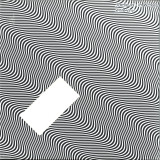
Fast ein Jahrzehnt hat sich Jamie xx seit Veröffentlichung seines Solodebüts Zeit gelassen. „In Waves“, das zweite Album des Londoners, der mit seiner Band The xx zu den prägendsten Figuren der jüngeren Musikgeschichte gehört. Erneut lässt er seiner Liebe zur elektronischen Musik freien Lauf und entwirft die Geschichte einer Nacht, in der man in den himmlischen Puls von Schatten, Licht und Dancefloor-Rhythmen hinabtaucht.
“In Waves” hat seinen Ursprung in einem Mix, den Jamie 2020 für BBC Radio 1 machte. Hier tauchten neben Tracks der aktuellen Generation an UK-Dancemusic auch diverse musikalische Helden auf, etwa Roy Ayers, Fela Kuti, Tom Zé oder Philip Glass. Auch erste Versionen von Songs, die nun auf dem Album erscheinen werden, waren zu hören. “Es erinnerte mich daran, warum ich diese Musik liebe“, so Jamie, der zuvor lange mit der Frage gehadert hatte, wie es für ihn weitergehen würde. “Ich fand einfach Spaß am kreativen Prozess, ohne dabei an ein Ergebnis zu denken.“
Jamie xx pflügt auf „In Waves“ durch die Subgenres und Dekaden und fügt Northern Soul, Disco, Garage, Acid House, Techno, Tropicalia. Hip-Hop, Funk und den Sound der UK Underground Pirate Radios zusammen. Die kleinen Momente sind dabei so eindrucksvoll wie das übergreifende Ganze. Etwa jener Part bei “Treat Each Other Right“, der parallel zum Album-Announcement erscheinenden neuen Single: Zunächst wird man herausgerissen aus dem breiten Breakbeat-meets-Future-Soul-Vehikel, um sich mit den gepitchten Motown-Vocals plötzlich im Mittelwellenradio der 60er wiederzufinden. Die Worte “I’ll never let you down“ werden in die Ewigkeit gezogen, bevor ein biepender Puls über atmosphärischen Synths einsetzt und man direkt zurückgeführt wird in die schweißnasse Katharsis des Dancefloors.
Im Zeitalter der Algorithmen ist “In Waves” Zeugnis für pure menschliche Empfindung, ein lebensbejahendes Gegengift, das über den Kopfhörer in eine andere Dimension führt und zugleich gemeinsam auf der Tanzfläche erlebt werden will. Mit dabei sind u. a. Romy und Oliver, The Avalanches, Robyn und John Glacier.
Kaito Cuts: Revert / Sequoia b/w Trek / Wait Up/ Sloan by Kaito | Galaxy Sound Co. — GSC45-042, Test Pressing | With their 42nd donut in the always-on-point 45 edit series, @galaxy_sound_company drops a new batch of lo-fi hip-hop beats instrumentals. This time out GSC is showcasing a newcomer to the head-nodding beat maker scene — @kaitoian.
Kaito, an out cold skater as well, has a couple of self-releases you can find on his Bandcamp page, which are solid & sound at home alongside his pop’s ( Todd Osborn) Ghostly International releases. This 7” EP outing spins at 33 1/3 to pack in as much as GSC can squeeze in & is straight up beatloverz heaven. What is impressive, for this old timer, is how clearly deep Kaito’s musical knowledge goes. He clearly has learned well from his father & all the good music he certainly has had at his fingertips. From Madlib to Os Mutantes to Fela Kuti to J Dilla & other artists who were not afraid to dig deep & unearth beats & melodies to tickle your fancy, Kaito’s tastes are as refined as anyone in the game. I know a number of the original source materials that comprise each track, but that I leave to you to dig out for yourself. Here I encourage you to open your eardrums & listen deep with your fav pair of headphones & let each track wash over you. From straight forward head-nodding hip-hop thumpers to beautiful Brazilian femme fatale vocals that lure you into the loop, to a Afrobeat driver that’ll break ya neck, to a mellow, soulful MPC hopper that will lovingly recall a Arlo Parks joint, to then closes out with a synth-laden spaced-out dreamy loop to end credits.
Studio One was founded by Clement "Coxsone" Dodd1 in 1954, and the first recordings were cut in 1963 on Brentford Road in Kingston.1[2] Amongst its earliest records were "Easy Snappin" by Theophilus Beckford, backed by Clue J & His Blues Blasters, and "This Man is Back" by trombonist Don Drummond. Dodd had previously issued music on a series of other labels, including World Disc, and had run Sir Coxsone the Downbeat, one of the largest and most reputable sound systems in the Kingston ghettos.
In the early 1960s, the house band providing backing for the vocalists were the Skatalites[3] (1964–65), whose members (including Roland Alphonso, Don Drummond, Tommy McCook, Jackie Mittoo, Lester Sterling and Lloyd Brevett) were recruited from the Kingston jazz scene by Dodd. The Skatalites split up in 1965 after Drummond was jailed for murder, and Dodd formed new house band the Soul Brothers (1965–66), later named the Soul Vendors (1967) and Sound Dimension (1967-). From 1965 to 1968 they played 9 a.m. to 5 p.m., 5 days a week, 12 rhythms a day (about 60 rhythms a week) with Jackie Mittoo as music director, Brian Atkinson (1965–1968) on bass, Hux Brown on guitar, Harry Haughton (guitar), Joe Isaacs on drums (1966–1968), Denzel Laing on percussion, and on horns (some initially and some throughout): Roland Alphonso, Dennis 'Ska' Campbell, Bobby Ellis, Lester Sterling, among others on horns during the era of Rock Steady. Headley Bennett, Ernest Ranglin, Vin Gordon and Leroy Sibbles were included among a fluid line-up, to record tracks directed by Jackie Mittoo at Studio One from 1966-1968.
During the night hours at Studio One from 1965-1968, singers like Bob Marley, Burning Spear, The Heptones, The Ethiopians, Ken Boothe, Rita Marley, Marcia Griffiths, Judy Mowatt, Alton Ellis, Delroy Wilson, Bunny Wailer[4] and Johnny Nash, among others, would put on headphones to sing lyrics to original tracks recorded by the Soul Brothers earlier each day. These seminal recordings included "Real Rock" (by Sound Dimension), "Heavy Rock", "Jamaica Underground", "Wakie Wakie", "Lemon Tree", "Hot Shot", "I'm Still In Love With You", "Dancing Mood", and "Creation Rebel".
Jackie Mittoo, Joe Isaacs, and Brian Atkinson left Studio One in 1968, recorded drums and bass for Desmond Dekker's and Toots' biggest hits at other Kingston studios, then moved to Canada. Hux Brown stayed in Jamaica to record on the soundtrack The Harder They Come, The Harder They Fall, and toured in Nigeria with Toots and the Maytals and Fela Kuti. The Soul Brothers (a.k.a. Sound Dimension) formed the basis of reggae music in the late 1960s, being versioned and re-versioned time after time over decades by musicians like Shaggy, Sean Paul, Snoop Lion, The Clash, String Cheese Incident, UB40, Sublime, and countless other Billboard originals and remakes trying to emulate their original Rock Steady sound at Coxsone's Studio One.
The label and studio were closed when Dodd relocated to New York City in the 1980s.
Studio One was founded by Clement "Coxsone" Dodd1 in 1954, and the first recordings were cut in 1963 on Brentford Road in Kingston.1[2] Amongst its earliest records were "Easy Snappin" by Theophilus Beckford, backed by Clue J & His Blues Blasters, and "This Man is Back" by trombonist Don Drummond. Dodd had previously issued music on a series of other labels, including World Disc, and had run Sir Coxsone the Downbeat, one of the largest and most reputable sound systems in the Kingston ghettos.
In the early 1960s, the house band providing backing for the vocalists were the Skatalites[3] (1964–65), whose members (including Roland Alphonso, Don Drummond, Tommy McCook, Jackie Mittoo, Lester Sterling and Lloyd Brevett) were recruited from the Kingston jazz scene by Dodd. The Skatalites split up in 1965 after Drummond was jailed for murder, and Dodd formed new house band the Soul Brothers (1965–66), later named the Soul Vendors (1967) and Sound Dimension (1967-). From 1965 to 1968 they played 9 a.m. to 5 p.m., 5 days a week, 12 rhythms a day (about 60 rhythms a week) with Jackie Mittoo as music director, Brian Atkinson (1965–1968) on bass, Hux Brown on guitar, Harry Haughton (guitar), Joe Isaacs on drums (1966–1968), Denzel Laing on percussion, and on horns (some initially and some throughout): Roland Alphonso, Dennis 'Ska' Campbell, Bobby Ellis, Lester Sterling, among others on horns during the era of Rock Steady. Headley Bennett, Ernest Ranglin, Vin Gordon and Leroy Sibbles were included among a fluid line-up, to record tracks directed by Jackie Mittoo at Studio One from 1966-1968.
During the night hours at Studio One from 1965-1968, singers like Bob Marley, Burning Spear, The Heptones, The Ethiopians, Ken Boothe, Rita Marley, Marcia Griffiths, Judy Mowatt, Alton Ellis, Delroy Wilson, Bunny Wailer[4] and Johnny Nash, among others, would put on headphones to sing lyrics to original tracks recorded by the Soul Brothers earlier each day. These seminal recordings included "Real Rock" (by Sound Dimension), "Heavy Rock", "Jamaica Underground", "Wakie Wakie", "Lemon Tree", "Hot Shot", "I'm Still In Love With You", "Dancing Mood", and "Creation Rebel".
Jackie Mittoo, Joe Isaacs, and Brian Atkinson left Studio One in 1968, recorded drums and bass for Desmond Dekker's and Toots' biggest hits at other Kingston studios, then moved to Canada. Hux Brown stayed in Jamaica to record on the soundtrack The Harder They Come, The Harder They Fall, and toured in Nigeria with Toots and the Maytals and Fela Kuti. The Soul Brothers (a.k.a. Sound Dimension) formed the basis of reggae music in the late 1960s, being versioned and re-versioned time after time over decades by musicians like Shaggy, Sean Paul, Snoop Lion, The Clash, String Cheese Incident, UB40, Sublime, and countless other Billboard originals and remakes trying to emulate their original Rock Steady sound at Coxsone's Studio One.
The label and studio were closed when Dodd relocated to New York City in the 1980s.
- A1: Intro Theme (The Departure) 0:55
- A2: Inner City Travelin' Man 6:07
- A3: Definition Of Infinity Featuring – Talib Kweli 4:43
- A4: I Want You 'Til The Summertime 6:28
- B1: Ms. Fat Booty 6:01
- B2: The Panties Featuring – Teddy Pendergrass 7:11
- B3: Workin' It Out 2:53
- C1: Peculiar Mathematics 6:24
- C2: T" Plays A Cool Loop (Interlude) 2:40
- C3: Time (To Get It Together) 4:36
- D1: Inner City Breathin' Featuring – Tammi Terrell 5:37
- D2: Two Worlds Featuring – Kanye West 2:49
- D3: Soul Mates Radio (Intermission)
Part 2[41,98 €]
Repress!
The latest mash up from Amerigo Gazaway is a scorcher! You loved 'Fela Soul' and 'Bizarre Tribe', now 'Yasiin Gaye': 13 tracks that perfectly blend Mos Def and Marvin Gaye. feat. Teddy Pendergrass, Talib Kweli, Kanye West, Tami Tarrell and Black Astronauts. Full picture sleeve, double vinyl. Coming next week!
- A1: Intro Theme (The Return) 1:07
- A2: Travellin' Man Pt. Ii (Distant Lovers Mix) 5:38
- A3: Undeniable Featuring – The Temptations 3:42
- A4: Ghetto Rock Featuring – Chuck Berry 5:48
- A5: Sex, Love & Money 4:43
- B1: Re: Introduction 1:22
- B2: This Means You Featuring – Talib Kweli 3:35
- B3: Anna's Love Song 5:13
- B4: Living For The Funk Featuring – Toshi* 3:09
- C1: Modern Marvel Pt. I 4:47
- C2: High Drama Featuring – Mike Zoot 5:42
- C3: B Stands For Beef 3:46
- C4: A Message To The People 3:07
- C5: There Is A Way 6:29
- D1: Climb (Interlude) 1:40
- D2: Modern Marvel Pt. Ii 5:02
- D3: Umi Says 6:06
- D4: End Credits Featuring – Andy Flory 5:13
- D5: Ms Fat Booty Feat Ghostface Killah (Part 2)
Part 1[41,98 €]
Repress!
The latest mash up from Amerigo Gazaway is a scorcher! You loved 'Fela Soul' and 'Bizarre Tribe', now 'Yasiin Gaye': 13 tracks that perfectly blend Mos Def and Marvin Gaye. feat. Teddy Pendergrass, Talib Kweli, Kanye West, Tami Tarrell and Black Astronauts. Full picture sleeve, double vinyl. Coming next week!
Robert Hood's techno and Femi Kuti's Afrobeat intertwine in a new form where jazz-grooves reign supreme. For the fourth season of La Compagnie des Indes & Sourdoreille "Variations" live series of creations for France TV, the duo were united around the singer and producer James Brown, performing a tribute to the legendary Godfather of Soul who passed away in 2006. This "Variations" album is the live recording of this unique collaboration and performance, capturing a very special moment in time.
The evening witnessed a meeting of two icons in their own genres: one with synths and drum machines, the other on saxophone: Robert Hood and Femi Kuti embody excellence in their respective fields and the pair combined to make something truly unique, soulful, funky and spontaneous. Recorded in one 30+ minute take, "Variations" is embellished by Femi's exquisitely free-flowing yet restrained saxophone, whilst Hood anchors the groove with layers of pads and kicks with the long-time mastery of a true DJ.
Alongside Jeff Mills and Mad Mike, Hood is one of the original members of Detroit techno group Underground Resistance. His style is characterised by minimalist and experimental tones with an assertive groove. Throughout the '90s, he helped pave the way for techno to flourish - giving birth to minimal techno with his seminal album "Minimal Nation". Since then, he has been consistently forwarding electronic music culture with ground-breaking productions, sensational performances and his M-Plant label.
Alongside him, Femi Kuti takes on every musical style with his saxophone, which he plays with a virtuoso touch: pop, soul, electronic music and Afrobeat, of which he is one of the leading exponents. The son of Afrobeat singer and political activist Fela Kuti, he has inherited his father's zeal for both music and activism, where he continues to highlight the plight of most Nigerians living conditions in the oil rich state.
With "Variations" the duo capture an explosive combination on a special night in Paris 4 years ago, November 2019, filmed at the ADP Group headquarters (Paris Aéroport - Charles de Gaulle (CDG) - Roissy).
"It is so amazing when a vision comes to fruition. I enjoyed collaborating with the legendary Femi Kuti for this special project." Robert Hood