Search:fiction life

Styles
All
Kiran Leonard - Real Home LP
  • 1: Pass Between Houses
  • 2: Theatre For Change
  • 3: Real Home
  • 4: Treat Me A Stranger
  • 5: Utopia Of Bog
  • 6: Void Attentive
  • 7: My Love, Let's Take The Stage Tonight
  • 8: The Kiss
  • 9: He Had Always Led

Cathartic avant-rock, literate DIY folk & experimental composition exploring displacement, love, climate change, belonging & the places we call home - RIYL Jim O’Rourke, Richard Youngs, This Heat, Richard Dawson, Flying Nun. ‘Real Home’ is the new album by the Manchester-born, London-based artist Kiran Leonard. His sixth album proper (not including innumerable tour-only CD-Rs and short-run cassettes), since his precocious debut in 2013, ‘Real Home’ finds Leonard invigorated by inspiration and experience, making passionate, literate, and mercurial music that explores displacement, love, memory, climate change, connections to home and more. Encompassing songs recorded after moving to South London, ‘Real Home’ reflects on ideas of belonging and domesticity through folkloric, stream-of-consciousness songwriting. Across nine tracks, Leonard traces lived impressions of the household and the city, expressing sentiments of dislocation, alienation and stasis, but contentment too. Infusing the avant-rock effervescence, terraced dynamics and visionary lyricism of his music with what he defines as a greater sense of openness, Leonard is as versatile, fervent and imaginative as ever on ‘Real Home’, yet his music is somehow more intimate, affecting, and acutely expressive. Shaped by dual considerations of simplicity and formalism, ‘Real Home’ is by turns beautiful, allusive, and ruminative, an album on which Leonard considers what his songs have resembled in the past and what they mean now. In recent years, Leonard has crafted eloquent chamber music inspired by the likes of James Joyce and Clarice Lispector (‘Derevaun Seraun’), responded to contemporary politics and communication breakdown in the digital age (‘Western Culture’), and compiled solo works and ensemble recordings for a longform ode to Jonas Mekas and to one of Leonard’s enduring themes; home (‘Trespass On Foot’). On ‘Real Home’, Leonard reiterates this abiding thematic focus yet ascends to new, different heights, in music of cathartic delicacy and dissonance where all the myriad dimensions of his work to date seem to crystallize. There are sinuous songs about struggle and defying the pace of city life through drift and diversion (‘Pass Between Houses’), stirring songs of intense feeling and crescendo, described as a form of speculative detective fiction (‘Theatre for Change’). There are touching solo piano ballads (the title track), symbolic contentions with carbon capture and climate change (‘Utopia of Bog’), modes of experimental minimalism (‘Void Attentive’), and other profuse feats of compositional range, embroidered with wild tendrils of narrative and lyrical depth. A record to pore over, and get lost in. Exemplifying the vast aesthetic scope of Leonard’s music, lead single ‘My Love, Let’s Take The Stage Tonight’ is inspired by country lodestar Hank Williams, Russian poetry and a late period love poem by William Carlos Williams. Yet for Leonard, the song signals a sense of accessible materiality, and is the product of a more linear approach to writing songs: “My imitation of the great Hank Williams, in spirit if not in substance…This is one of the best efforts on Real Home at a song-as-object. Looking at it now I realise I was trying to write a song that made itself known as a song to the listener, and I wonder whether that’s crucial if you want a song to transcend its context. And that this is either accomplished through a total openness – by being inviting, by laying the tricks of the song out plain to see, as Williams and his many ghostwriters did so well – or by adopting a knowing aloofness, positioning oneself against the listener but letting it be known that that’s what it’s doing. In this song I try both, but mostly the former: as in, I wanted to write a song where every line follows on from the next.” Imbuing the endlessly elaborate and inventive qualities of his music with a newfound streak of candid, clear-cut melodicism, Leonard has reached a special place in his artistry, on a record that feels familial, and expresses closeness. Assembled with affiliates including Lauren Auder, Otto Willberg, Jasper Llewellyn (caroline), Tom Hardwick-Allan (Shovel Dance Collective), Magda McLean (caroline, The Umlauts), Alex Mckenzie (caroline, Shovel Dance Collective), Isabelle Thorn (Dear Laika) & more, the recording process had a significant influence on the subject matter of ‘Real Home’, in sessions defined by close-knit camaraderie and artistic eccentricity: “The theme of the home obviously recurs throughout the record; the album was mostly recorded in domestic spaces with friends, and the name of the album is Real Home. I like the qualifier ‘real’, like you’re getting past the cloak of the word and towards the thing-itself…also nearly all the percussion in this record was recorded on items from my dad’s shed (jam jars, sandpaper, blocks of wood, etc). Real home record!” ‘Real Home’, like anything by Kiran Leonard, is a record of dazzling multiplicity. Yet it’s a companionable prospect with a central premise; a collection of songs where listeners old and new can find a home. An album led by a scene; of Leonard standing at the threshold, ready to welcome you inside. “Exceptional songs that linger” - The Guardian // “An autodidact of amazing talent & energy” – Pitchfork // “A ridiculous amount of talent…confrontational, celebratory, provocative or perverse – he manages all of these emotions & more” - The Quietus /

pre-order now24.04.2026

expected to be published on 24.04.2026

21,81
The Last Ten Seconds of Life - The Dead Ones
  • 1: The Dead Ones
  • 2: Make It To Heaven
  • 3: Rat Trap
  • 4: Freak Reflection
  • 5: 1-800-Do You Want To Die?
  • 6: Stiletto
  • 7: Stereo
  • 8: Dollar To A Dime
  • 9: Corruption Concerto
  • 10: Xxxxxxxxxx

Intense and intensely personal, The Dead Ones marks The Last Ten Seconds of Life’s Metal Blade label debut. 10 original tracks of pulverizing deathcore produced by Carson Slovak and Grant McFarland of Pennsylvania’s Atrium Audio. In creating The Dead Ones, “everyone took what we learned from the past two releases and assembled what we thought would bring out the best of us from song structure, tonality of instruments, the mix/master, and the lyrical themes,” furthers McLaughlin.

The end result reflects a more personal and human experience rather than the philosophical and fictional approach used on earlier releases. The Dead Ones follows 2024’s acclaimed No Name Graves in the theme of death and rebirth, but in contrast, is directly focused on the human experience and the band members’ own struggles.

pre-order now17.04.2026

expected to be published on 17.04.2026

25,17
Various - Tchic Tchic: French Bossa Nova 1963-1974  Colored Edition LP 2x12"
  • A1: Les Masques - Il Faut Tenir (1969)
  • A2: Isabelle Aubret - Casa Forte (1971)
  • A3: Christianne Legrand - Hlm Et Ciné Roman (1972)
  • A4: Jean Constantin - Pas Tant D'chichi Ponpon (1972)
  • A5: Billy Nencioli & Baden Powell - Si Rien Ne Va (1969)
  • B1-: Marpessa Dawn - Le Petit Cuica (1963)
  • B2: Jean-Pierre Sabar - Vai Vai (1974)
  • B3: Sophia Loren - De Jour En Jour (1963)
  • B4: Isabelle - Jusqu’à La Tombée Du Jour (1969)
  • B5: Sylvia Fels - Corto Maltesse (1974)
  • C1: Frank Gérard - Comme Une Samba (1972)
  • C2: Ann Sorel - La Poupée Des Favellas (1971)
  • C3: Charles Level - Un Enfant Café Au Lait (1971)
  • C4: Andrea Parisy - Les Mains Qui Font Du Bien (1970)
  • C5: Audrey Arno - Quand Jean-Paul Rentrera (1969)
  • C6: Aldo Frank - T’as Vu Ce Printemps (1970)
  • D1: Christianne Legrand - Cent Mille Poissons Dans Ton Filet (1972)
  • D2: Clarinha - Lemenja (1970)
  • D3: Hit Parade Des Enfants - Aquarela (1976)
  • D4: Jean-Pierre Lang - Tendresse (1965)
  • D5: Magalie Noël - Une Énorme Samba (1970)
  • D6: Françoise Legrand - La Lune

Ever since the late 1950s bossa-nova revolution, Brazil’s influence on French music has been undeniable. Pierre Barouh, Georges Moustaki and a vast array of lesser known artists, all made the Musica Popular Brasileira (MPB) an axis of promotion at the service of a cool and metaphysical, modern and mixed Brazilian lifestyle. Some were seduced by the poetic languors of the bossa, some were looking for fun, and others just loved the American hybridization of jazz-bossa, jazz-samba.


What is bossa nova? One of its creators, Joao Gilberto said: "Its style, cadence, everything is samba. At the very start, we didn't call it bossa nova, we sang a little samba made up of a single note - Samba de uma nota so .... The discussion around the origins of bossa nova is therefore useless”. It is nevertheless useful to remember that these magnificent Brazilian songs, which the guitarist describes as samba, were shifted and balanced around improbable chords. "I like things that lean, the in-betweens that limp with grace," said Pierre Barrouh, quoting Jean Cocteau.


With emotion, arrangements for violin and supple guitar licks, bossa nova rapidly changed. A transformation that can be heard in the Tchic, tchic, French Bossa Nova 1963-1974 compilation, the result of a cultural reappropriation, which traveled through the United States and supplemented itself in France.

A musical revolution that has remained significant, bossa nova was born in Rio. From 1956 to 1961, Brazil lived through its golden years. In five years, the country had invented its modernist style. Elected president in 1956, Juscelino Kubitschek de Oliveira, an elegant man with a broad forehead, brandished a promising slogan: "Fifty years of progress in five years". He quickly got to work. Not worried about increasing debt, he launched the project for a new federal capital, Brasilia, designed by the communist architect Oscar Niemeyer. Volkswagen opened state-of-the-art factories and created the “fusquinha”, the Beetle. In Rio, the Vespa made its first appearance. The Arpoador Surf Club crew run into the “girl” from Ipanema, Helô Pinheiro - the tanned garota ("chick"), between a flower and mermaid, who at 17 walked by the Veloso bar, where the fiery author and composer, Tom Jobim and Vinicius de Moraes, were getting drunk on whiskey. From then on, bossa symbolized cool.

In 1958, Joao Gilberto recorded Chega de Saudade, which the directors of Philips denied, calling it "music for fagots". The marketing director, who believed in it, secretly pressed 3000 78-inch vinyls and distributed them at schools around Rio, creating a tidal wave.

American jazzmen then took over. In particular, trumpeter Dizzy Gillespie and guitarist Charlie Byrd. In November 1962, the Brazilian Ministry of Foreign Affairs funded a "Bossa-Nova" concert at Carnegie Hall in New York, inviting the genre’s pioneers. Unprepared, the show soon turned to disaster. But the troupe was invited to the White House by Jackie Kennedy. The first lady loved "the new beat" and in particular Maria Ninguem, a song by Carlos Lyra, later covered by Brigitte Bardot.

In Brazil, the 1964 military coup quickly ended this euphoria. The destructive atmosphere that ensued pushed many Brazilian musicians to leave, if not to exile. Thus, Tom Jobim, Sergio Mendes and Joao Gilberto arrived to the United States. In New York, Joao Gilberto met saxophonist Stan Getz. At the time, he was married to the Bahianese Astrud Weinert Gilberto, who had a German father. She had never sung before, but she knew how to speak English. Getz therefore asked her to replace her husband on The Girl From Ipanema. The Getz/Gilberto record with Tom Jobim on piano, was released in March 1964. Phil Ramone, the "pope of pop" was in charge of sound.

Bossa nova arrived in Paris through the classic “guitar-voice” channel (Pierre Barouh, Baden Powell, Moustaki…) But France loved jazz and Paris had already welcomed its American contributors. All these good people were to pass through Saint-Germain-des-Prés. The cabaret l'Escale became the Mecca of Latin American sound where one could find Pierre Barrouh and his friends, such as the Camara Trio, samba-jazz aces, whose only record was published by the Saravah label. With a band strangely called Les Masques (a band that included Nicole Croisille and Pierre Vassiliu, among others), the Camara Trio recorded an interesting Brazilian Sound, including the track Il faut tenir which is present on this tasty compilation of rarities.

Other enlightened musicians can also be found on the compilation, such as Jean-Pierre Sabar (songwriter for Hardy, Auffray, Leforestier ...) and the French pop rock organist Balthazar. In 1975, Sabar recorded Aurinkoinen Musiikkimatka on a Finnish label, which featured the crazy Vai, Vai, included on this record. We are now following the footsteps of Brazilian electronic musicians such as Sergio Mendes, Eumir Deodato or Marcos Valle who created funk and disco sounds on their keyboards and synthesizers. A style that influenced Véronique Sanson when she wrote Jusqu’à la Tombée de la nuit in 1969 for Isabelle de Funès, the niece of Louis and a great friend of Michel Berger - Sanson did end up singing this track on her 1992 Sans Regret record.


The pinnacle of exoticism and travel, Sylvia Fels’ Corto Maltese includes bongos, sea mist and ocean sounds. The title was taken from Jacky Chalard’s concept album written in 1974, Je suis vivant, mais j’ai peur (I am alive, but I am scared), based on Gilbert Deflez’s science fiction novel.


However, bossa nova extended the scope of popularity. "In the 1970s, I was a fan of Sergio Mendes, Getz / Gilberto. I fell in love with this music that I knew because I had been an orchestral singer, " explained Isabelle Aubret, who in 1971 delivered a composite record of covers by the very funky Jorge Ben, Orfeu Negro, Tom Jobim, Vinicius de Morais and Jean Ferrat. "I recorded this album for Meys Records in Paris, far from Brazil, with wonderful musicians, François Raubert, Roland Vincent, Alain Goraguer...". The latter wrote the arrangements for Casa Forte, a very percussive title borrowed from Edu Lobo, one of the initiators of the bossa who spent time in California. "Jazz and bossa came together and produced very rhythmic music. I love singing, it allows me to dream, to have fun, to feel a high on stage, and these songs brought me joy, made me swing, my singing felt like a dance.”


The world tours of French singers and their desire for the tropics, often brought them to Rio with its hills, forests, caipirinhas and tanned bodies. There are surprises though, like this Iemenja (Iemenja is the goddess of the sea in the Afro-Brazilian candomblé religion). Not unlike the composer and musician Jean-Pierre Lang, based in Sao Paulo, Claire Chevalier taught Brazil to Brazil. In 1970, the singer and painter published a 45-inch vinyl, Mon mari et mes amants (My husband and my lovers), under the improbable pseudonym of Clarinha (little Claire). She was then living in Rio, with her husband, Joël Leibovitz, who founded a band called Azimuth, and who owned a record label specialized in "sambas enredos" songs for samba school parades.


For its B side, she asked Pierre Perret to come up with lyrics for a song composed by Carlos Imperial: "Oh goddess of the sea, o goddess Iemenja, I bring a white rose to adorn your long hair ..." . "Perret came to see us, and we had fun, remembers Joël Leibovitz. We wrote Lemenja for fun, we recorded it at the Havaí studio, behind the Central do Brasil the central station. Erlon Chaves, the arranger who worked with Elis Regina, joined us" adding his share of Afro-Brazilian percussions and funky brass to the mix.

There is a common misunderstanding in Franco-Brazilian history: that bossa, admittedly hedonistic, is perceived as funny, even though the poets who wrote the texts are often philosophizing on the human condition. Its French interpreters pull it towards a carnival inspired universe, far removed from its fundamental essence. Thus, Jean Constantin covered the famous Samba da minha terra, an ode to the art of samba written by the classic Bahian composer Dorival Caymmi, renaming it with the enticing title of Pas tant de tchi tchi pompon: "On your pier there is no tchi tchi / when you arch your back, you know everything is alright ”(lyrics by Gérard Calvi). This expedited bossa aims for the absurd, but retains a certain elegance.

Indeed, Jean Constantin was not an idiot, the rather large man had a huge mustache and liked fantasy, (Les pantoufles à papa, Le pacha, inspired by cha-cha-cha-cha, salsa and jazz) but he was also the lyricist of Mon manège à moi interpreted by Edith Piaf, the composer of Mon Truc en plume by Zizi Jeanmaire and the soundtrack of François Truffaut’s 400 Blows. Le Poulpe, published in 1970, from which this bossa is extract, was arranged by Jean-Claude Vannier, an accomplice of Serge Gainsbourg’s Melody Nelson. In short: "There is enough of samba / By looking at the parasol / Because my poor cabeza / Is going to die in the sun".

Even the American actress Marpessa Down, who was at the heart of the bossa nova revolution with her role as Euridyce in Marcel Camus’ film Orfeu Negro, winner of the 1959 Cannes Palme d'or, fed the clichée with Je voudrais parler au petit cuica - "Tell me how you manage to always make people want to dance / It's true, I must admit that I cannot resist your magic" - in consequence, once can hear the cuica, a little drum inherited from the Bantu.


But bossa nova had many angles. Societal, of course, pushing actresses who were symbols of women's liberation like Brigitte Bardot, Jeanne Moreau, or Sophia Loren to engage in the exercise of accelerated bossa. In February of 1963, Sophia Loren made a record in French in Rome, Je ne t'aime plus, featuring the song De jour en jour, a bossa written by two Italians, Armando Trovajoli and Tino Fornai, which was released a little later by Barclay. Bossa accompanied the 1960s, a decade of moral liberation. Ann Sorel, who interpreted La Poupée des favellas, caused a sensation with L’amour à plusieurs, a provocative song written by Frédéric Bottom and Jean-Claude Vannier. As for the actress Andrea Parisy, she displayed her bourgeois cheekiness in Marcel Carné's Les Tricheurs before interpreting Les mains qui font du bien. And Magalie Noël, the friend of Boris Vian, who sung Johnny fais-moi mal, was hired to sing Une énorme Samba, composed by Alain Goraguer (arranger to Gainsbourg, Bobby Lapointe and Jean Ferrat) with lyrics by Frédéric Botton.

But in the end, of what wood is bossa nova made of? The answer is given by Christianne Legrand, daughter of Raymond the conductor, and sister to Michel the composer: "With me, with jà" - jà means "immediately" in Portuguese. In 1972, the singer, an expert in vocal jazz and a member of the Double Six, published Le Brésil de Christianne Legrand. Two songs included on the Tchic Tchic compilation that demonstrate how bossa, jazz, funk, rock, etc. work like a swiss army knife: the music is used to denounce broken systems, or miracles, HLM et ciné roman, Cent mille poissons dans ton filet, two songs from the O Cafona soundtrack, a successful telenovela broadcast, at the time in black and white, on TV Globo. The first was adapted in French by the fighter and friend of the Legrand tribe, Agnès Varda. The second is content with a play on words, jostling them into a summer fun.


Véronique Mortaigne

pre-order now17.04.2026

expected to be published on 17.04.2026

27,31
Loula Yorke - Salix ft. Charlotte Jolly (TAPE)

Salix is a bold new departure for modular synthesist Loula Yorke, seen here using an antique reed organ to explore the ancient roots of willow trees in magic, myth and medicine, as well as inviting another musician into her recording studio for the first time, clarinettist Charlotte Jolly.

The EP forms a sonic archive of a singular instrument: an antique free reed organ left behind by a previous encumbent of Asylum Studios, (the artists' co-operative in Suffolk where Yorke's Truxalis labelmate and life collaborator, Seiche, has a studio space). The organ is in poor condition and fascinatingly, painfully detuned. Yorke's recordings bring out its host of unusual quirks exacerbated by age and neglect: the powerful rhythmic creaking of the wooden treadles; the bone-shaking resonance emanating from its body at specific pitches; unexpected exclamations of harmonic collision from within the carcass redolent of a human voice; the piercing, shrieking whistles of broken reeds, and the powerful timbres unlocked via Yorke's experiments with various combinations of stops.

The three tracks that form Salix are inspired by a local weeping willow tree, a constant companion photographed over the course of a year. Boughs caught in a gyre. A maiden in mourning. Branches that gesture in the wrong direction. A tree turned upside down. A hand-woven willow basket, an old technology to gather and store. The journey of a lovelorn bard through the underworld, a bundle of willow under one arm for protection.

For the opening track, The Carrier Bag Theory of Fiction, Yorke recorded herself playing a simple unaccompanied improvisation on the organ, the only ornamentation being the processed sounds of the keys being struck and returning to their positions.

For Bundle of Styx, a spell of protection is cast and then broken. Yorke invited virtuoso clarinettist Charlotte Jolly into the studio to test combining the breathy textures of both brass and natural reeds, the instruments uniting and obsuring each other in turn during this one-take improvisation. The organ's unpredictable sharpened tunings take centre stage here, with Jolly using them as a point of departure to conjure a set of peerless harmonic improvisations live in the moment. Throughout the improvisation, Yorke, a self-taught musician, unpracticed on the organ, supports and challenges, freely admitting that she's not always sure what effect her decisions to move up and down the keyboard or pull out certain stops will have. Jolly's genius lies in her ability to meet and build on every uncertain pitch thrown her way, saying of the experience, "I love that Loula isn't classically trained, I can't predict at all what she's about to do."

For the final track, With the Red Dawn, Yorke has come up with another unique combination of textures, this time bringing her own specialism in modular synthesis to the fore. A ten-minute reed organ drone characterised with ever-shifting bass swells and overtones is layered with tuned sines, often shudderingly wave-folded, that ebb and flow both in intensity and harmonic colour according to the duty cycles of eight interrelated LFOs. These recordings are collaged with Yorke's singing voice and a langorous, ascending sequence across two octaves on Jolly's clarinet, all arranged to form a cohesive whole far greater than the sum of its parts. Smatterings of untuned percussion and a fragment of a conversation between the duo left in the final mix cements Yorke's unprecious DIY aesthetic into the release.

At its heart, Salix is like watching the wind in the willows; hundreds of thousands of identical tiny leaves moving in confluence on its branches; at once one thing and many things; moment-to-moment our perception makes out different individuals parts within this expanse of texture, before sinking back into the whole.

pre-order now03.04.2026

expected to be published on 03.04.2026

13,87
Foote/Dickow - High Cube LP

High Cube is the beat-focused brainchild of Brian Foote (Peak Oil, Leech) and Paul Dickow (Strategy, Community Library), two low-key legends of the American experimental underground. After some 30-odd years of making music separately and together, Foote and Dickow are collaborating in earnest for the first time as a duo. For this debut, the pair enforced a simple, stringent set of rules: five instruments, a one-hour timer, and a total ban on overthinking.

The result is a record that is the sound of two old friends unplugging the usual levers and letting the "accident" of their chemistry take the wheel. It is drier, sparser, and decidedly "chunky"—a fictional band stepping into a suit to drive around for a while. It is neither dance nor chill-out, but a moody, complex trajectory defined not by the gear used to make it, but by the narrative mood it compels.

"Volcano Snail” starts things off in a disheveled shuffle, locking into gear with blurred and bubbling effluence. The shimmering dimness is lit low, with a woozy gait that recalls the headiest highs and luminescent lows of Jan Jelinek. “Underwater Welder” is a foggy, neon-lit cruise of skittering low-ends suspended in a permanent fall of color, while “A Dragon’s Treasure is its Soul” offers blown-apart, low-end city pop fragmented into an array of rhythmic detritus. Chordal textures hover in the air as a percussive loop takes its beguiling and frolicking shape.

B-side opener “Yonaguni” shapeshifts in real time, drifting with the grace of a glacier before bobbing in a frigid pool of vibrating clatter, static, and synth stabs. “Ofid+wor” offers a tried and true blitz of braindance, nodding to an endless list of 20th and 21st-century electronic body music. Buoyant closer “Mother of Thousands” holds a gravity-defying tenderness, pirouetting on a breeze with the elegance of effervescent longing. Woven together, the six extended tracks of High Cube are tethered to nothing but the ether—a giant sonic leap of peripheral absurdity from two artists with a lifetime of shared rhythm.

stock from15.05.2026

25,17

Last In: 41 days ago
Pirogue - Idesia

Pirogue

Idesia

12inchPIROGUE001LP
Native Cat
27.03.2026
  • A1: Escalier
  • A2: L'ile Perdue
  • A3: Le Bal
  • A4: Sur Le Chemin De L'école
  • A5: L'ile La Nuit
  • A6: Holidays(S)
  • B1: Robot Rêveur
  • B2: Dernier Vol
  • B3: Pas De Côté
  • B4: Cavalière De L'aube
  • B5: Idésia
  • B6: Balayeur De L'espace

The duo’s debut album sets off on an airy, groovy odyssey.

Recorded at the legendary La Frette studio (Parcels, Fontaines D.C.), the album follows an extensive period of demo development.

Immersed alongside outstanding musicians, the team worked in a relaxed, old-school spirit: a handful of takes, tape recording, and analog gear. Plenty of space was left for ideas to emerge organically in the studio. The arrangements—synthesizers, flute, backing vocals, percussion—were then carefully refined over many months.


"Idésia" stands out for its delicate production, brought to life by Maxime Kosinetz on recording (Oracle Sisters, Bon Voyage Organisation), Stan Neff on mixing (Andrea Laszlo de Simone, Polo & Pan), and Chab on mastering (Daft Punk, La Femme).


The record unfolds across changing sonic landscapes, with Will’s voice gliding over melodies rooted in a bright, warm groove. A subtle blend of pop and Californian warmth runs throughout the album.

The album explores themes of childhood (Sur le Chemin de l’École, L’Île Perdue), ecstatic escapes (Holiday(s), Pas de Côté, Escalier), and simple pleasures (Le Bal, Cavalière de l’Aube). It also casts a poetic eye on the evolution of the world (Dernier Vol, Robot Rêveur, Balayeur de l’Espace). Will & Paul play with contrasts, shifting perspectives along the way.


"Idésia" is the imaginary world in which Will & Paul gracefully lose themselves - a suspended place between nostalgia and science fiction, as if their silhouettes were drifting from a bright, carefree past toward a place suspended in time.

pre-order now27.03.2026

expected to be published on 27.03.2026

22,48
THE ROOTS - Undun LP

THE ROOTS

Undun LP

12inch6788928
Def Jam
24.03.2026
  • A1: Dun
  • A2: Sleep
  • A3: Make My Feat Big Krit & Dice Raw
  • A4: One Time Feat Phonte & Dice Raw
  • A5: Kool On Feat Greg Porn & Truck North
  • A6: The Otherside Feat Bilal Olivier & Greg Porn
  • B1: Stomp Feat Greg Porn
  • B2: Lighthouse Feat Dice Raw
  • B3: I Remember
  • B4: Tip The Scale Feat Dice Raw
  • B5: Redford (For Yia-Yia & Pappou) (Redford Suite)
  • B6: Possibility (2Nd Movement)
  • B7: Will To Power (3Rd Movement)
  • B8: Finality (4Th Movement)

Undun is the story of a man, Redford Stevens, dying in reverse, rewinding from the moment he became a statistic and hitting the points in his life where he's at his most self-aware. That he's a criminal who got caught up in the familiar street-hustle trappings that the modern media's documented countless times is a pivotal detail-- it's hit at an angle that seems to emphasize the futile inevitability of it all. His life could be any number of misdirected narratives that ends with a toe tag, and what details listeners learn about him are hazy, buried under archetypal turns of fate and decisive struggles. That this protagonist is a fictionalized composite of a handful of real people, filtered through a matter-of-fact narrative that splits character ambivalence with journalistic impartiality, only makes his lack of direction and the failure of any real closure stand out even more. "Lotta niggas go to prison," Dice Raw states on "Tip the Scale", "how many come out Malcolm X?"

So the Roots' latest album isn't a sprawling, rise-and-fall crime story, not a condemnation or a veneration of a man living outside the law, not a bullet-riddled grand guignol heavy on explicit details of soldiers getting cut down. It's a character study of a man whose existential crisis ends only with his death-- a death gone largely unspecified, the glamor and tragedy washed over with a doomed resignation. That's a hard thing to pull off, even for a band as given to deep-thinking concepts as the Roots are. And when your main lyrical catalyst is Black Thought-- a man more given to allusions than direct statements-- it's likely that it'll take a while for the full scope of Undun to really sink in.

If and when it does, it might strike listeners as a bit skeletal: omit the mood-setting instrumental bookends, including a brief, four-part orchestral suite that builds off Sufjan Stevens' "Redford (For Yia-Yia and Pappou)", and you've got maybe a half hour's worth of material. By ?uestlove's accounts, writing Redford's story introduced the headaches and challenges that come with scriptwriting into their songwriting, and what's left on Undun is the end result of frequent revisions and rewrites that attempt to reconcile character, theme, and continuity. If it comes at the expense of nuance, it's not always obvious: There's an easy-to-trace narrative line from Redford's acceptance of his fate ("Sleep") to his acknowledgement of how close it's approaching ("Make My"), back through declarations of aggravated toughness ("One Time"), and celebratory fatalism ("Kool On"), along ups and downs that juxtapose motivation ("Stomp") and helplessness ("Lighthouse"). When the vocal portion of the album ends with two of the bleakest sets of verses in the Roots discography, peaking with the estrangement of "I Remember" and the desperation of "Tip the Scale", Undun reveals itself as a story where a man's actual death isn't quite as tragic as the circumstances that pushed him to it.

out of Stock

Order now and we will order the item for you at our supplier.

31,05

Last In: 48 days ago
Hotel Fiction - Staring at the Sun LP
  • A1: Ghost Of Me
  • A2: Staring At The Sun
  • A3: Sunrise
  • A4: Still Frozen
  • A5: Girl In My Head
  • A6: Watching My Life Go By
  • A7: Hollywood
  • B1: Margot
  • B2: Next Life
  • B3: Why Do Good Things Have To End
  • B4: Still Frozen (Acoustic) (Feat. Hey, Nothing)
  • B5: Emmaline
  • B6: Sunrise (Acoustic)
  • B7: Warning Song

Hotel Fiction is an indie rock band from Athens, Georgia comprised of Jade Long (vocals, keys, guitar), Jessica Thompson (vocals, lead guitar), Aaron Daugherty (lead guitar, synth), Aidan Hill (bass), and Gideon Johnston (drums). Their sound has often been described as genre-fluid, with indie, pop, folk, and rock influences. They have become known for their honest lyricism, haunting harmonies, and electric live shows.

Deluxe edition of Hotel Fiction's 2023 release Staring At The Sun. Features two new songs as well as alternate versions of album tracks, including a guest appearance from Hey, Nothing. LP pressed on limited edition coke bottle clear vinyl.

Single Coke Bottle Clear Color LP w/ printed inner sleeve + insert and updated artwork

pre-order now27.02.2026

expected to be published on 27.02.2026

25,63
Knut Avenstroup Haugen - Dune: Awakening (2x12")
  • A1: Awakening
  • A2: Welcome To Arrakis
  • A3: Breath Of Shai-Hulud
  • A4: Prescience
  • A5: Sayyadina’s Lament
  • A6: Into Arrakeen
  • A7: Transcendence
  • B1: When The Sun Is Low
  • B2: Mirages At Dawn
  • B3: The Prophecy
  • B4: Remnants Of Green
  • B5: Legacy Of The Fremen
  • B6: Spice Dreams
  • C1: Crucible Of Sand
  • C2: Whispers In The Wind
  • C3: Beneath Two Moons
  • C4: Echoes Of The Lost
  • C5: The Mind Killer
  • D1: Dance Of The Blade
  • D2: The Narrow Path
  • D3: Descent
  • D4: Children Of The Tube
  • D5: Shadows’ Womb
  • D6: Memories Of Caladan

Bless the Maker: the Great Houses of Laced Records and Funcom have forged a temporary trade agreement to bring you the expansive soundtrack for ‘Dune: Awakening’ on vinyl.  The hit survival game has garnered critical praise for its incredibly faithful and detailed realisation of the Dune universe - from its sprawling vistas to deep lore and political intrigue. The music is integral in recreating the atmosphere of Arrakis, conjuring not only its striking landscapes but the human experience of life on the planet.  Recorded live at Air Studios in London with The Chamber Orchestra of London, Knut Avenstroup Haugen’s soundtrack conjures a planetary sense of scale.

Arcing strings shimmer and twist weightless in the air like heat rising from the desert floor, while resonant brass evokes dawn stretching out across the sands.  The luscious acoustic instrumentation is enhanced and elevated by rippling electronics, capturing Dune's singular blend of science fiction and spiritual tradition.  Soaring vocal performances from Clara Sorace, Eurielle and Emília Rovira Alegre centre this sense of the sacred, pushing the soundtrack to ecstatic emotional peaks.  Black heavyweight double vinyl.  24 tracks from the acclaimed 2025 survival game.  Widespined outer sleeve  Printed, spined inner sleeves.  Bespoke sleeve artwork by Funcom.

out of Stock

Order now and we will order the item for you at our supplier.

36,93

Last In: 3 months ago
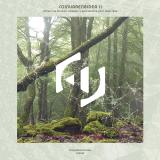
Soinuarenbidea II - Sintesis de Paisaje sonororos y Electrónica post industrial

Una interpretación de Soinuarenbidea II debería partir de esta premisa: todo es posible, nada es aleatorio, y en sí mismo es un imposible de aleatoriedades. El escenario planteado explora la idea de realidad aumentada desde una percepción sonora, ambiental y colectiva. La obra transita hacia adelante y hacia atrás recreando experiencias extintas de porvenir incierto, tratando de facilitar un fin pacificador. Cada pieza sonora se crea, se despliega, se repliega y se destruye, en una torsión permanente de toda la realidad que hace posible cada fragmento musical, cada identidad acústica, cada espacio sonoro. Lo onírico, la ficción, y el viaje están continuamente presentes, y es en el transitar de cada fragmento donde se produce el diálogo de la exposición musical. Los elementos de esta ficción se recrean continuamente, en un continuum donde se entrelazan y se van contorsionando a medida que crecen o decrecen con cada fragmento de síntesis concreta. Los temas explícitamente musicales son el magma que conduce a dar voluptuosidad al disco, siendo la piel un contexto o límite que en sí mismo fluctúa indefinidamente en texturas y configuraciones posibles. Y la urdimbre del silencio es la síntesis que está continuamente presente y que trata de cohesionar los fragmentos en continua colisión expresiva. Las grabaciones de campo proporcionan el material sonoro concreto, y como un fractal sonoro cada una de ellas ofrece diferentes grados de interpretación que a su vez conduce a nuevos fragmentos y nuevas creaciones. Así que se puede pensar que esta es una síntesis de una posible realidad, pero interpretable en infinidad de maneras. Un movimiento y una estaticidad implícitas que generan estructuras y dinámicas acústicas. Lo que se escucha no es real, pero en sí mismo forma parte de la realidad, creando un escenario expectante. Lo cinematográfico, plástico y teatral, danzante y dinámico cobra importancia en este juego, porque se trata de contar una historia, una experiencia recreada desde los puntos de vista del arte visual. Es a su vez hilo conductor y entretenimiento, discurso político y puro divertimento. Es desde este espacio de convivencia artística que tiene sentido la totalidad y justifica el formato sonoro planteado. La contradicción de la obra es patente en el formato, y es a su vez el planteamiento de una accidentalidad en el devenir vital. Contenedor de Ruido recoge todas estas contradicciones y las manifiesta en la obra Soinuarenbidea II. Es una historia sonora, es un cuento acústico. Es un fragmento de vitalidad en imágenes audibles. Es una invitación a la reflexión, a la crítica, al disfrute, a la meditación, a la celebración. Y sobre todo es esperanzadora apreciación de la realidad como algo maleable que confeccionamos colectivamente, que requiere de una paciente observación y la participación colectiva global, en un mundo finito pleno de diversidades y del que ignoramos prácticamente todo, al que deberíamos volver con respeto y devoción.

Soinuarenbidea II-ren interpretazio batek premisa honetatik abiatu beharko luke: dena da posible, ezer ez da ausazkoa, eta, berez, ausazkotasun ezinezko bat da. Planteatutako agertokiak errealitate areagotuaren ideia aztertzen du, soinu-, ingurumen- eta talde-pertzepzio batetik abiatuta. Lanak aurrera eta atzera egiten du, etorkizun zalantzagarriko esperientzia desagertuak birsortuz eta helburu baketsua lortzen saiatuz. Soinu-pieza bakoitza sortu, hedatu, tolestu eta suntsitu egiten da, musika-zati bakoitza, identitate akustiko bakoitza eta soinu-espazio bakoitza ahalbidetzen dituen errealitate osoaren etengabeko bihurdura batean. Onirikoa, fikzioa eta bidaia etengabe daude presente, eta pasarte bakoitzaren joan-etorrian gertatzen da musika-erakusketaren elkarrizketa. Fikzio honen elementuak etengabe birsortzen dira, continuum batean, non sintesi zati zehatz bakoitzarekin hazi edo txikitu ahala elkar lotzen eta bihurritzen diren. Esplizituki musikalak diren gaiak diskoari atsegintasuna ematera eramaten duen magma dira, azala testuingurua edo muga izanik, testura eta konfigurazio posibleetan mugarik gabe aldatzen dena. Eta isiltasunaren irazkia etengabe presente dagoen sintesia da, zatiak etengabeko adierazpen-talkan kohesionatzen saiatzen dena. Landa-grabazioek soinu-material zehatza ematen dute, eta soinu-fraktal batek bezala, horietako bakoitzak interpretazio-maila desberdinak eskaintzen ditu, eta horrek, aldi berean, zati eta sorkuntza berrietara eramaten du. Beraz, pentsa daiteke errealitate posible baten sintesia dela, baina hamaika modutan interpreta daitekeena. Egitura eta dinamika akustikoak sortzen dituzten mugimendu eta estatikotasun inplizitu bat. Entzuten dena ez da erreala, baina, berez, errealitatearen parte da, eta agertoki espektakularra sortzen du. Zinematografikoak, plastikoak eta antzerkikoak, dantzariak eta dinamikoak garrantzia hartzen dute joko honetan, ikusizko artearen ikuspegitik birsortutako istorio bat, esperientzia bat, kontatzea baita helburua. Aldi berean, hari gidaria eta entretenimendua da, diskurtso politikoa eta dibertimendu hutsa. Elkarbizitzarako espazio artistiko honetatik osotasunak zentzua du eta planteatutako soinu-formatua justifikatzen du. Obraren kontraesana nabarmena da formatuan, eta, aldi berean, bizi-bilakaeran istripu-tasa bat planteatzea da. Zarata-edukiontziak kontraesan horiek guztiak jasotzen ditu eta Soinuarenbidea II obran adierazten ditu. Soinu istorio bat da, ipuin akustiko bat. Bizitasun zati bat da, irudi entzungarrietan. Hausnarketarako, kritikarako, gozamenerako, meditaziorako eta ospakizunerako gonbidapena da. Eta, batez ere, itxaropentsua da errealitatea modu kolektiboan egiten dugun gauza xaflakor gisa hautematea, behaketa pazientea eta partaidetza kolektibo globala eskatzen dituena, dibertsitatez betetako mundu mugatu batean, ia guztia kontuan hartzen ez duguna, eta errespetuz eta debozioz itzuli beharko genukeena.

An interpretation of Soinuarenbidea II should start from this premise: everything is possible, nothing is random, and in itself is an impossible randomness. The proposed scenario explores the idea of ​​augmented reality from a sonic, environmental, and collective perception. The work moves back and forth, recreating extinct experiences of an uncertain future, seeking to facilitate a peaceful end. Each sound piece is created, unfolds, retreats, and is destroyed, in a permanent twisting of all reality that makes each musical fragment, each acoustic identity, each sonic space possible. The dreamlike, the fictional, and the journey are continually present, and it is in the transit of each fragment that the dialogue of the musical exposition takes place. The elements of this fiction are continually recreated, in a continuum where they intertwine and contort as they grow or diminish with each fragment of concrete synthesis. The explicitly musical themes are the magma that leads to the work's voluptuousness, the skin being a context or boundary that in itself fluctuates indefinitely in possible textures and configurations. And the warp of silence is the synthesis that is continually present and seeks to unite the fragments in a continuous expressive collision. The field recordings provide the concrete sound material, and like a sonic fractal, each one offers different degrees of interpretation that in turn lead to new fragments and new creations. So one can think of this as a synthesis of a possible reality, but interpretable in an infinite number of ways. An implicit movement and staticity that generate acoustic structures and dynamics. What is heard is not real, but in itself is part of reality, creating an expectant scenario. The cinematic, plastic and theatrical, dance and dynamic aspects take on importance in this game, because it is about telling a story, an experience recreated from the perspective of visual art. It is at once a common thread and entertainment, political discourse and pure entertainment. It is from this space of artistic coexistence that the whole makes sense and justifies the proposed sound format. The contradiction of the work is evident in its format, and it is, in turn, the presentation of an accidentality in the course of life. Noise Container gathers all these contradictions and manifests them in the work Soinuarenbidea II. It is a sound story, an acoustic tale. It is a fragment of vitality in audible images. It is an invitation to reflection, to critique, to enjoyment, to meditation, to celebration. And above all, it is a hopeful appreciation of reality as something malleable that we collectively craft, requiring patient observation and global collective participation, in a finite world full of diversity and of which we know practically nothing, to which we should return with respect and devotion.

Paisajes sonoros, diseño sonoro, drones y música grabada, realizada y arreglada para Contenedor de Ruido por David Aranaz. Coro: Basandere Ahotsak. Producido y mezclado por David Aranaz. Mástering: Estanis Elorza. Fotografía: David Aranaz. Texto: David Aranaz. Traducción: Saioa Aranaz Oreja. Trabajo y Diseño artístico: Cristina Martinez. Edición: Contenedor de Ruido Producciones y Sarbide Music. Distribución: Contenedor de Ruido.

Contenedor de Ruido agradece el apoyo en la realización de Soinuarenbidea II al coro Basandere Ahotsak y en especial a Eva Orbara Goicoa.

Soinuarenbidea II está dedicado al pueblo palestino.

Paisajes y objetos Sonoros, samplers y otras músicas transformadas para Soinuarenbidea II
Burlada: Paseos sonoros matinales por Merindad de Sangüesa, Calle Mayor, Capuchinas, Parque Uranga y varias iglesias y plazas. Pasajes del cotidiano: basura de papel, cristal y plástico.
Pamplona: Cementerio de San José. CEIP Sanduzelai /// Quinto Real: Fábrica de Armas, Puerto de Urkiaga y alrededores. Suite del silencio, bosques en movimiento /// Fábrica de armas de Orbaiceta: regatas, biosques, paseo sonoro hasta regata /// Belate: Puerto de Belate y alrededores. Vacas en pradera junto a las turberas /// Bardenas Reales: Suite de guitarra y Suite del silencio, estepa desértica /// Austria: Tranvías de Graz y Viena. Muchedumbre del metro de Viena.
Voces cinematográficas de: Matanza en Texas, Robocop, Espíritu Sagrado, Solo los Amantes Sobreviven, Voces de Gaza, Yojimbo, Terciopelo Azul, Los 7 Magníficos.
La pista A2 está dedicada a la memoria de David Lynch.
La pista B4 está dedicada a Eva Orbara Goicoa.
Pista A4: Contiene interpretaciones de piano de Three Piano Pieces Op.11 de Arnold Schoenberg.
Pista A5: Es una interpretación expandida con síntesis FM del Concerto Op. 24 - Etwas lebhaft - de Anton Webern.
Pista A7: Contiene la canción Besarkatu ninduzun (Letra de Josune López y música de Josu Elberdin) en interpretación de Basandere Ahotsak en la iglesia de Burutain bajo la tormenta.
Pista B2: Contiene la canción Recuerdos de la Alhambra (Fernando Tárrega) en interpretación torsionada de David Aranaz Sarasa.
Pista B14: Contiene la canción Agur María (Letra y Música de Estíbaliz Robles “Estitxu” y arreglo exclusivo de Alfonso Ortiz para Basandere Ahotsak) en interpretación de Basandere Ahotsak.

Equipamiento para Soinuarenbidea II.
Micros de condensador SE7, configuración XY y ORTF; Micros de cinta ORTIZ LUTHIER configuración XY y Blumlein; Grabadoras MARANTZ y ZOOM; Sintetizadores y samplers Elektron MONOMACHINE SPS-1, MACHINEDRUM SFX6 y MODEL:SAMPLES. Dave Smith MOPHO. Torso Electronics S-4. Sintetizador Modular 333 DIY; Guitarra clásica ALHAMBRA 6P; Esculturas Sonoras tipo Baschet, cristal y metales; Mesa Soundcraft FX16ii; Interface de Audio RME Babyface Pro FS; DAW Logic Pro; Procesamiento de modelado analógico con Acústica Audio, Waves, Softube, Brainworx, Sonible, Analog Obsesion, Tokio Dawn. Metering de Logic y RME DigiCheck . Amplificación Hafler PRO2400. Monitorización BW DM602 S3. Mezcla digital; Mastering híbrido.

pre-order now30.01.2026

expected to be published on 30.01.2026

26,47
GEZAN with Million Wish Collective - i ai e.p.

One of the leading Japanese alternative rock band, GEZAN’s leader, MahitoThePeople’s director debut film, i ai was released in March 2024, and it is an atypical coming-of-age film decorated with tinge of red.

 The film takes place in Akashi and Kobe, Hyogo prefecture. This film’s main characters are Ko (Kentaro Tomita), a rookie member of a band and a brother-like figure of his, Hee (Mirai Moriyama) who Ko idolizes and the story of this movie is based on their struggles with life and death. The story is also based on Mahito's real-life experiences and while reality and fiction are duplicated, the boundary between them slowly melts away. The film co-stars Honami Satoh, Kazuki Horike, Mitsuru Fukikoshi, Eita Nagayama, Kyoko Koizumi, K-BOMB, Ichi Omiya and many other unique personalities. It should also be noted that the transparent images filmed by photographer, Masafumi Sanai gives the film, a special emotional quality.

 The film is not bound by any film theory but it poses a theme common to GEZAN's recent works and Mahito's writing activities: How can we live in a crumbling society while interacting with others? We can never live alone but living with others is also never easy. How can we overcome this time of extreme division of the world?

What left quite a strong impression in this film that not only Mahito personally directed but also wrote the script and composed the soundtrack as well was the main theme song, entitled “i ai”. This new piece of GEZAN is an extension of the work that this band has continued doing over the last few years. This 12" single, contains the song, “i ai” and it will be the first time released on vinyl.

Led by soft guitar arpeggios, the song gradually builds to a fever pitch, condensing the mood of the film which encompasses both tranquillity and intensity. The chorus of ineffable, multiple voices united together sounds like a lament that has spilled out of society or a cry of joy. GEZAN's collaboration with the 15-member chorus group, Million Wish Collective has been in development of late and the cultivated sensibilities through their activities are put to use in this song.

The song can also be considered a slow, relaxed dance track that lasts 9 minutes and 8 seconds. It has something in common with organic dance tracks from South America and other regions, and it is significant that GLOCAL RECORDS which represents glocal music from around the world in Japan are releasing it as a DJ-friendly 12-inch single.

The B-side features a remix by COMPUMA who is also closely associated with GEZAN. The song starts with an African styled percussion, with a thumb piano in the middle of the song and then returns to that memorable chorus. This song feels like a 18 minutes and 18 seconds long short movie like suite, with some dizzying changes from the beginning to the end. It is remix filled with enormous drama!

The cutting and mastering of this 12” was done by TOREI who is also active as a DJ and the artwork was created by jvnpey, a visual artist and graphic designer based in Tokyo. Their loving work also makes this 12" very special.

When I asked AI to find a synonym for the word, “division,” it displayed in succession, a series of words: “integration,” “consolidation,” “unification,” “unity”, and “reconciliation". All of these phrases are somewhat whitewashed and embarrassing but the mirage-like chorus echoing in the song, “i ai” seems to be trying to find a new word, that is a synonym for the word, "division. In this film, “i ai”, the message, “Let's live together after the end roll” was thrown out but included in this 12-inch, the message, “Let's live together after the music stops”, emerges.

pre-order now23.01.2026

expected to be published on 23.01.2026

23,32
Dead Dads Club - Dead Dads Club LP
  • A1: It's Only Just Begun
  • A2: Volatile Child
  • A3: Humming Wires
  • A4: Goosebumps
  • A5: Junkyard Radiator
  • A6: Running Out Of Gas
  • B1: That's Life
  • B2: Don't Blame The Son For The Sins Of The Father
  • B3: Need This Around
  • B4: Hospital Pillow
  • B5: Need You So Bad
out of Stock

Order now and we will order the item for you at our supplier.

22,65

Last In: 3 months ago
Miniseries - Pilot LP

Miniseries

Pilot LP

12inchRIPS010LP
Rips
16.01.2026

‘Pilot’ is the debut album from London quintet Miniseries. Channelling the epic sweep of TV themes and movie soundtracks into resplendent space rock they explore themes of youth and ageing, heartbreak and paranoia, euphoria and existential dread.

Songwriter Doug Morch (Longview) had been working on largely acoustic folk songs when he met Angela Gannon (The Magic Numbers) at Glastonbury 2017. Romance and musical collaboration ensued. The band coalesced in the hallowed environs of Farringdon's The Betsey Trotwood pub – a musical nexus where burgeoning indie and Americana scenes collide – where they met fellow songwriter and guitarist Dermot Watson (from Brighton's The Dials) and drummer Danny Abbasi and were joined by Doug's former bandmate Aidan Banks on bass. When they came together, their indie folk mutated into motorik art rock, with their first single being an eight-minute jam called "Road".

When it came to capturing their sound, the band reached for maverick musician and producer Sean Read. They recorded tracks at Read's Famous Times studio in Clapton, London, as well as at Edwyn Collins' Clashnarrow in Helmsdale, Scotland – one of the world's most breathtaking and idiosyncratic studio locations, adding unquantifiable magic to the proceedings.

For the closing track "May You Always", they headed to another studio imbued with tangible inspiration: Blueprint Studio in Salford with producer Craig Potter (Elbow) at the helm. For the song, Dermot drew cinematic inspiration from the Withnail & I line "I'll never play The Dane", the song is about realising that the things you aspired to in youth will never come to pass and being at peace with that realisation.

The recurring themes of youth and ageing are apparent in the resplendent lead track ‘You're Gold’ – a heartfelt call for young people to reject materialism and exploitative influencer culture in search of life's deeper meaning, with stylistic nods to The Pixies and early Stereolab.

On the opposite end of the spectrum, "Sepia" explores old age and fading memories through dementia, where the ending descends into chaos like a fragmenting mind. Elements of "Sepia" are foreshadowed in the album's opening track, the instrumental "Pilot Theme", which pays homage to TV theme music, invoking spy thrillers or perhaps something otherworldly from science fiction.

“Offcumdens” is a Calder Valley, Yorkshire term for people who live in the area but come from somewhere else. Hailing from Bury, Lancashire, Morch wrote the song while living in Hebden Bridge (and watching too much Happy Valley) and found himself being an offcumden. It’s a pop at the kind of local nativism which breeds intolerance and an illustration of the sinister rise of wider political populism.

Miniseries' Pilot is just the beginning of the story. Enthralling and atmospheric, the London quintet have created something familiar yet timeless. As singer Doug Morch says, "It's the Miniseries Pilot episode. Like the TV episode a studio makes to test whether it's viable.” In the age of streaming and box-sets, this is an album to truly binge on. We can’t wait to hear what happens next.

pre-order now16.01.2026

expected to be published on 16.01.2026

19,96
HOUSE BY THE CEMETARY - DISTURBING THE CENOTAPH
  • New York Ripper
  • Coffin Colony
  • Island Of The Dead
  • Depraved Unspeakable Acts
  • Massive Cadaver Resurrection
  • Undead Apocalypse
  • Phantom Intrusions
  • Burial Disturbance
  • Lunatic Butcher

HOUSE BY THE CEMETARY, the 'supergroup' led by former MONSTROSITY and VILE frontman and current artwork artist Mike Hrubovcak and Rogga Johansson from PAGANIZER and RIBSPREADER are releasing their third full-length, "Disturbing The Cenotaph". Since the duo, completed by former THE PROJECT HATE drummer Thomas Ohlsson, originally picked up their moniker as an homage to the 1981 cult horror flick of the same name, it shouldn't come as a surprise they've once again paying tribute to director Lucio Fulci (1927-1996) in one of this album most lethal salvo, 'New York Ripper'. Elsewhere on this third album, other tracks like 'Undead Apocalypse' or 'Burial Disturbance' were inspired by other famous horror classics like "Night Of The Living Dead" and "The Texas Chainsaw Massacre", Hrubovcak has come up in his lyrics with his own tales of terror. Some are totally fictional like, 'Coffin Colony' about a "diseased homeless living in underground coffins who gets infected with rabies after eating sewer rats". Others, like 'Lunatic Butcher' are inspired by real-life events or, in that case, by the antics and vicious killings of Paul John Knowles, dubbed 'the Casanova killer'. Musically speaking, Johansson jokes about "every band saying that their new album is their best but that's actually true here eh eh! This album is HOUSE BY THE CEMETARY on steroids. The sound is broad and impious, the vocals are awesome and the heavy riffing interlaced with occasional melody makes an overall varied, fun and GORY listen!" Completed, like on 2024's "The Mortuary Hauntings", by a gruesome artwork courtesy Felipe Mora (whose nightmarish visions can already be seen on albums by CONSUMPTION, ACHERON or WOMBBATH) and mixed by Håkan Stuvemark from WOMBBATH, Disturbing The Cenotaph is one raw, in-your-face and eight songs packed death-metal-to-the-core album ready to chill you to the bone!

pre-order now09.01.2026

expected to be published on 09.01.2026

27,94
BUZZCOCKS - TOTAL POP 1977-80: RARE, LIVE AND GREAT (TAPE)
  • Walking Distance
  • E.s.p
  • Strange Thing
  • Harmony In My Head
  • Why She's A Girl From The Chainstore
  • I Believe
  • Fiction Romance
  • Breakdown (Live)
  • Love Battery (Live)
  • Real World
  • I Don't Know What To Do With My Life
  • Airwaves Dream
  • Ever Fallen In Love (With Someone You Shouldn't've?)
  • Orgasm Addict
  • Running Free
  • Are Everything
  • What Do You Know

Buzzcocks - Total Pop 1977-80: Rare, Live And Great Diese Compilation vereint rare Studioaufnahmen und energiegeladene Live-Versionen aus der Hochphase der Buzzcocks und zeigt, warum die Band als Pioniere des britischen Punk gilt. Mit kompromisslosem Sound und scharfem Songwriting ist das Album ein authentisches Zeitdokument der späten 70er.

pre-order now19.12.2025

expected to be published on 19.12.2025

8,61
Nick Cave & Warren Ellis - Mars

Nick Cave&Warren Ellis

Mars

12inchMOVATC399
Music On Vinyl
07.11.2025
  • 1: Mars Theme
  • 2: Mars
  • 3: Daedalus
  • 4: Earth
  • 5: Science
  • 6: Space X
  • 7: Space Station
  • 8: Symphony Of The Dead
  • 9: Planetarium
  • 10: Towards Daedalus
  • 11: Life On Mars

Nick Cave & Warren Ellis present a suitably epic, wondrous soundtrack suite for Mars, the National Geographic Channel's 6-part series. The fictional TV series tells the story of the first astronaut crew on a mission to Mars in 2033. Directed by Everardo Gout and produced by Ron Howard & Brian Grazer, the series aired in November 2016. Composers Nick Cave and Warren Ellis deliver a pitch-perfect score to complement the thrilling yet daunting mission to a desolate alien planet in which the human species struggle to survive, thrive and forge an existence in this new world. Cave and Ellis provided thirteen tracks including the show’s theme song, which occupies a similarly cosmic electronic atmosphere as the band’s album Skeleton Tree. Mars is available as a limited edition of 750 numbered copies on crystal clear vinyl and includes an insert.

pre-order now07.11.2025

expected to be published on 07.11.2025

33,19
DEAD OTTER - The Sentinel LP

DEAD OTTER

The Sentinel LP

12inchREPOSELP151
Riot Season
07.11.2025
  • 1: Space Shadows (:4)
  • 2: Ezquerra (6:09)
  • 3: Ibises (4:28)
  • 4: Fact Or Fiction (12:5)
  • 5: The Sentinel (9:1)

300 ONLY LIMITED TRANSPARENT BLUE VINYL LP, HOUSED IN GLOSS FINISHED SLEEVE WITH POLYLINED INNER BAG. NON-RETURNABLE.
Guitar wielding heavy psych explorers Dead Otter return with their inter-dimensional new album 'The Sentinel', released on Riot Season in the UK and Echodelick in the US, this full length marks the band's first release since 2018's 'Bridge of Weird'.

The otternaut, having traversed through the wormhole laden 'Bridge of Weird' finds themself isolated on a desert planet, the only visible life towers above in the form of a malevolent, sky dwelling planetoid known as "The Sentinel".

The Sentinel was recorded in Glasgow's Dystopia Studio, mixed by Omar Aborida (The Cosmic Dead) and mastered by John McBain (Monster Magnet, Desert Sessions, Wellwater Conspiracy).

pre-order now07.11.2025

expected to be published on 07.11.2025

21,43
Jennifer Walton - Daughters LP

Local Action is proud to present Daughters, the debut album by Jennifer Walton.

Walton is a beloved figure across various sectors of the alternative music underground. Outside of her own music and soundtrack work, she has been a live drummer for Kero Kero Bonito, collaborates with Sarah Midori Perry on the pair’s Cryalot project, has remixed Metronomy and worked with Iceboy Violet, BABii and more. She also makes music and DJs with close friends aya and 96 Back under the name Microplastics, and recently contributed to London collective caroline’s acclaimed caroline 2 album.

The first seeds of Walton’s debut album were sowed during touring North America in 2018, where whilst ticking off life-long music goals, Walton’s father was dying of cancer. Grief is a constant presence throughout Daughters, and specifically the surreal nature of having to process it amongst a blur of airports, flight connections, hotel rooms and battles for stolen medication with the American healthcare system. Strip malls, drug deals, panic attacks; the artificiality of downtown American city districts dovetailing with reality in its most brutal form. Miss America for a day while life is changed forever.

Weaving between real life diary entries, travelogue-style storytelling, imagery that ranges from mechanical to religious and a scattering of fiction (though we are obliged to mention that ‘Shelly’ is based on a true story), Daughters climaxes with the staggering run of ‘Saints’, ‘Miss America’ and its title track. Sampling unattended machines harmonising bleeps into the void in a London hospital ward, ‘Saints’ narrates Walton taking her father to and from cancer research trials, “sat, hunched and sick in the concourse as minutes became hours”. And to be very real for a moment, Jen is a friend, and first hearing the ‘Miss America’ demo is up there with the most emotional moments we’ve had in 15 years of running this record label.

Finished in London across the second half of 2024, Daughters features musical contributions from some of the closest friends and collaborators that Walton has made in her time as a musician: aya (who also mixed the album), Daniel S. Evans, Joshua Barfood and Nick Granata (all of Shovel Dance), Alex McKenzie (of caroline and Shovel Dance), Aga Ujma and Bob Lockwood.

pre-order now24.10.2025

expected to be published on 24.10.2025

18,07
NOAH CRESHEVSKY - HYPERREALIST MUSIC, 2011-2015

Comes with DL card, wrapped in shrink + a sticker. EN/JP liner notes. ** High grade experimental computer music that deserves a check - tip! **

The first LP release to commemorate the 10th anniversary of the release and to honor the late composer.

This collection, featuring seven pieces from 2011 to 2015, celebrates Noah Creshevsky's 70th year with a fittingly life-affirming and masterful verve. An award-winning composer who has studied with Nadia Boulanger and Luciano Berio, he began composing electronic music in 1971, using the power of circuitry, tape and then digital technology to create a "hyperreal" musical world in which recordings of human performers, both vocalists and instrumentalists, are juxtaposed and recombined in compositions which span eras, cultures and genres. His use of expanded musical palettes arises from an aesthetic of inclusion, guided by an open spirit and an expansive musical sense. The combination of the emotional power of human performances with the precision of computers create real-beyond-real super-performances of surprising control and virtuosity, resulting in a hypothetical and yet very real music, full of drama, humor, and tenderness. This album, Creshevsky's second release on EM, following the 2004 "Tape Music" compilation, gives ample evidence of both his mastery of digital technology and his profound, empathetic musical instincts. His ability to use the computer to highlight the gifts of human performers is displayed on every track, including a piece which focuses on Japanese vocalist Tomomi Adachi.

out of Stock

Order now and we will order the item for you at our supplier.

22,65

Last In: 6 months ago
John Williams - Star Wars: Episode III – Revenge of the Sith – Original Motion Picture Soundtrack LP 2x12"
  • Star Wars And The Revenge Of The Sith (7:29)
  • Anakin's Dream (4:44)
  • Battle Of The Heroes (3:42)
  • Anakin's Betrayal (4:05)
  • General Grievous (4:05)
  • Palpatine's Teachings (5:25)
  • Grievous And The Droids (3:27)
  • Padmé's Ruminations (3:18)
  • Anakin Vs. Obi-Wan (3:56)
  • Anakin's Dark Deeds (4:04)
  • Enter Lord Vader (4:13)
  • The Immolation Scene (2:39)
  • Grievous Speaks To Lord Sidious (2:48)
  • The Birth Of The Twins And Padmé's Destiny (3:39)
  • A New Hope And End Credits (13:05)

Mutant, in association with Walt Disney Music and LucasFilm, are proud to present a 20th anniversary celebratory pressing of John William's original score to the iconic final chapter of the Star Wars prequel trilogy - Star Wars: Episode III - Revenge of the Sith.


Following a powerful return to cinemas this spring, George Lucas' 2005 science fiction epic has continued to capture the hearts generation after generation. Returning for his sixth Star Wars film, John Williams brings the tragedy of Anakin Skywalker to life with a masterful flair. From the opening fanfare's hard pivot to the action packed dogfight, Williams weaves between kinetic adventure, and haunting heartbreak with grace and precision. In a series full of the absolute pinnacle of music ever committed to film, Revenge of the Sith sits proudly side by side, while feeling wholly unique.


Long out of print on physical media, and only being pressed on Vinyl for the second time ever, this limited edition release features incredible original artwork by Matt Ferguson and is pressed on 2x 140gm black vinyl.

pre-order now03.10.2025

expected to be published on 03.10.2025

35,84
Items per Page:
N/ABPM
Vinyl