Mieko Shimizu is a London based Japanese singer, songwriter, composer and producer. Mieko first erupted onto the UK electronic scene as Apache 61; her searing alter ego, fusing layers of cross-woven breaks and battling shards of sub-bass within stateless melodies drawn from the fringes of the avant-garde. Garnering plays by John Peel she quickly build herself a name across the underground scene. Originally trained in Jazz, she cites the multidisciplinary performance artist Meredith Monk and composer Terry Riley as early influences, but also draws inspiration from many genres.
Phenomena of the mind is a re-mastered EP of selected tracks from the album of the same title released in 2006, the year after the London Terror attacks. Something dispirited and unexplainable lay heavy in the air of this immense city that we lived and breathed. In the title song “ Phenomena of the mind” Mieko’s intense Japanese rap echoed the din of the chaotic streets we walk.‘Visualise’, she says, try to imagine a way to fight our way our way out of this ominous struggle.
In the track “Signal Found”, the theme continues to shattered Dance Hall beats that reverberate to the “Twisted Sound” of “Broken down” “London Town”. “Have you lost a plot? Are you ok?” she asks?
In the track ‘Black Salt” a dark melancholic theme floats over fragmented, glitchy beats compounded by the repetition of the word “black” which hammers the constant bombardment of racism prescient of the call for freedom that “Black Lives Matter.”
Wonderland Magazine has described Mieko’s music as “beautiful poetic verses and stunning musical arrangements and Mark Taylor describes Mieko in Record Collector as “An avant-garden artist pushing boundaries”
• Re-mastered EP of selected tracks from the album of the same title released in 2006
• Premiering the re-release at Twenty One in Southend on 21st April
• Mark Taylor describes Mieko in Record Collector as “An avant-garden artist pushing boundaries”
quête:fight from within
Famed free jazz concert registration of an early New Direction for the Art performance. Recorded in 1971. Old-style Gatefold LP, with rare photographs & extensive liner notes by Alan Cummings.
The performance by Takayanagi Masayuki New Direction for the Art at the Gen’yasai festival on August 14, 1971 was an intense, bruising collision between the radical, anti-establishment politics of the period in Japan and the febrile avant-garde music that had begun to emerge a few years before. The ferocious performance that you can hear here was received with outright hostility by the audience, who responded first with catcalls and later with showers of debris that were hurled at the performers. Takayanagi though described the group’s performance to jazz magazine Swing Journal as a success, “an authentic and realistic depiction of the situation”.
In 1962, Takayanagi, bassist Kanai Hideto and painter Kageyama Isamu went on to form an AACM-style musicians’ collective called the New Century Music Research Institute. Every Friday, members gathered at Gin-Paris, a chanson bar in the fashionable Ginza district of Tokyo, to push the outer limits of jazz creativity.
But the pivotal moment for his music was the creation a new trio version of his New Directions group in August 1969, with the free bassist Yoshizawa Motoharu and a young drummer Toyozumi (Sabu) Yoshisaburō. Experiments eventually led to the creation of two basic frameworks for improvisation that Takayagi referred to as Mass Projection and Gradually Projection.
“La Grima” (tears), the piece that was played at the Gen’yasai festival, is a mass projection and listening to it, you can get a clear sense of what Takayanagi was aiming at. Mass projection involves a dense, speedy and chaotic colouring in of space that destroys the listener’s perception of time, and thus of musical development.
The ferocity of the performance of “La Grima” at the Gen’yasai Festival in Sanrizuka on August 14, 1971 was consciously grounded by Takayanagi in a particular historical moment, ripe with conflict and violence. A month after the festival, on September 16, three policemen would die during struggles at the site. This was the context that the three-day Gen’yasai Festival existed within. The line-up reflected the radical politics of the movement, with leading free jazz musicians like Takayanagi, Abe Kaoru, and Takagi Mototeru appearing alongside radical ur-punkers Zuno Keisatsu, heavy electric blues bands like Blues Creation, and Haino Keiji’s scream-jazz unit Lost Aaraaff.
New Direction for the Arts trio topped the bill on the opening day, playing an aggressive, uncompromising “mass projection” set of polyphonic improvisation. Alongside drummer Hiroshi Yamazaki and saxophonist Kenji Mori, Takayanagi soloed hard and continuously for forty minutes. This was performance as precisely calibrated metaphor: three musicians responding to the demands of the moment with instinctive force and fury, untethered by rules, leaderless yet not rudderless (the direction part of the group’s name was no accident). The piece was entitled La Grima – tears - and the fusion between the palpable anger of the performance and hopeless sadness of its title were also perfectly apt for the situation. This was a fight that the state was always going to win. Yet, by all accounts, the band’s set went down like a fart at a funeral. The band were showered with catcalls and debris throughout, and by chants of “go home” when the music finally came to an end.
However, looking back at the event in the year-end issue of Japan’s leading jazz magazine, Swing Journal, Takayanagi was surprisingly upbeat: New Directions brought a solid political consciousness to our performance and succeeded in an authentic and realistic depiction of the situation. But journalism revealed its superficiality in its inability to penetrate the core of the music. I don’t know much about anyone else, but we at least left behind a competent record.
It’s a fascinating statement in many ways. Perhaps on one-hand it can be read as stubborn, solipsistic and self-justifying, yet in conjunction with his statement in 1971 there are points that guide us towards an understanding of just what Takayanagi intended with his performance at the festival. As Kitazato Yoshiyuki has argued, it becomes an almost religious act, directed at the earth deities of the land. A union of anger, sorrow and malevolence that can be placed nowhere effective, all it can do is find expression and channeling. The forcible land seizures at Narita, the eviction of farmers from land that had been in families for generations, the destruction of communities: none of this can be prevented, not least by an artistic action. All that can be done is an attempt to mark the land itself, to soak it with the combined force of emotions and the volume of the performances, to bury something there that cannot be drowned out, even by the coming roar of jet engines.
Two years and one pandemic after his previous release, the Italian, London-based solo project M!R!M is back with a new full- length album.
Inspired by the synth pop classics, as well as from cold and dark waves, multi-instrumentalist Jack Milwaukee has been releasing material on labels such as Fabrika and Manic Depression until his first record on Avant! ”The Visionary” back in 2020.
On April 22 his fourth LP ”Time Traitor” will be released and we’re excited to say this is Milwaukee’s most personal job to date.
If you are familiar with his work, you know the DIY/lo-fi approach of his first recordings was already gone with his previous LP but these new ten recordings dig even deeper, drawing the outlines of a fantasy world lost within the foggy memories of a collective childhood.
Possibly locked in his bedroom for the necessary time, Milwaukee has been able to recreate an imaginative realm of 80’s FM suggestions, scattering a number of acoustic clues from different parts of this parallel, yet so familiar dimension. It’s almost like M!R!M is sending us a message in a bottle with each of these new tracks and each message tells a different story.
Post Fight has a punchy pop-punk riff drove by solid synthwave beats, Faultless Pitch hosts a mellow, funky bass line over a solemn drum gate, Desert Love screams italo like nothing else and it was indeed composed four-handed with fellow artists Nuovo Testamento, Say Nothing features SDH singer Andrea Pérez’s backing vocals to invoke a dream-like scenario.
There is even a Turquoise Days’ Grey Skies cover that is just one more perfect example of Milwaukee’s ability to take a single item from the suitcase of the past and make it extremely current in a handful of minutes.
All this is adorned by semi-instrumental postcards with suggestive names such as Moody Moon, Peninsula and Goodnight Galaxie that will guide you through this journey across M!R!M sound-&-memory experience.
American thrash metal band Flotsam & Jetsam originally released their second studio album No Place For Disgrace in 1988. It was their first album release on a major label, Elektra Records. The band was led by frontman and vocalist Eric “A.K.” Knutson and have been active since the beginning of the Eighties. The band has been known with their current name since 1984, but started off under the names Paradox, Dredlox and Dogz.
No Place For Disgrace is produced by Bill Metoyer, who also worked for Slayer, Hirax and Morbid Angel amongst others. The album includes the popular titletrack, “Dreams of Death” and “Saturday Night’s Alright”. Three of the included tracks (“No Place For Disgrace”, “N.E. Terror” and “I Live You Die”) were co-written by Jason Newsted (Metallica).
No Place For Disgrace is available as a limited edition of 1500 individually numbered copies on translucent red coloured vinyl
Repress
To emerge from a global pandemic with a renewed sense of situational awareness, hard won insight, and a new album is the kind of move we've come to expect from THRICE over the last twenty years. With Horizons/East, Dustin Kensrue and his bandmates address, with candor and courage, the fragile and awkward arrangements that pass for civilization, while inviting us to dwell more knowingly within our own lives. Without surrendering any of the energy and hard edge of their previous albums, they've given us a profoundly meditative work which serves as a musical summons to everyday attentiveness. Since forming THRICE with guitarist Teppei Teranishi, bassist Eddie Breckenridge, and drummer Riley Breckenridge in 1998, Kensrue has never been one to back down from a mental fight. This mood is set by the opening synth-driven number "Color of the Sky," which sounds well-suited to accompany the closing credits of the Stranger Things season finale. Think Flying Lotus giving way to Elbow and setting the listener down in a new dimension. A self-recorded effort, Horizons/East conveys a palpable sense of danger, determination, and possibility.
To emerge from a global pandemic with a renewed sense of situational awareness, hard won insight, and a new album is the kind of move we've come to expect from THRICE over the last twenty years
With Horizons/East, Dustin Kensrue and his bandmates address, with candor and courage, the fragile and awkward arrangements that pass for civilization, while inviting us to dwell more knowingly within our own lives. Without surrendering any of the energy and hard edge of their previous albums, they've given us a profoundly meditative work which serves as a musical summons to everyday attentiveness.Since forming THRICE with guitarist Teppei Teranishi, bassist Eddie Breckenridge, and drummer Riley Breckenridge in 1998, Kensrue has never been one to back down from a mental fight. This mood is set by the opening synthdriven number "Color of the Sky," which sounds well- suited to accompany the closing credits of the Stranger Things season finale. Think Flying Lotus giving way to Elbow and setting the listener down in a new dimension. A self-recorded effort, Horizons/ East conveys a palpable sense of danger, determination, and possibility.
As the tides change and the majesty of the moon once more begins to illuminate our forgotten domain, the hotly-tipped Incus has made the jump to hyperspace and determined that now is the time to unleash his neoteric creation into the macrocosm of music. At the behest of the sonic social masters, "INC.AUDIO" will be deemed a passion project, but in reality it will rip the very fabric of what it means to have a personal creative outlet, curtailing boundaries and expectations alike. Based on the creed of freedom of experimentation, the label will allow Incus and close friends within the industry to share their creative expressions within a familial and contemporary framework free from third-party limitation.
For now we start at the first chapter of the INC.AUDIO narrative, and the inaugural release which comes from the architect himself. His first solo EP contains 4 tracks conceived at home during lockdown, combining new sound design techniques developed through the mediums of trusty Korg Hardware and Ableton live. The end product is a consummate representation of the benefits of free time, reckless abandon and zero red tape.
Kicking off with "Design Your Mind", Incus draws on his longstanding influences collected via years of crate-digging and supporting underground idols in the UK and Ibiza. Shuffling percussion, jittering stabs and percolatin' chords wax and wane, submitting us to the will of its deep, minimal groove with a sultry sensibility. Next is "New Dog Old Tricks", the one with "that" bassline. No holding back from the get-go, the punching percussion is waylaid sporadically by erratic tones and steadied by placid, ambient chords. The charming breakdowns are peculiarized by a haunting saxophone sample, firmly establishing the clear-cut level of advancement and attention to detail achieved by the creator.
"Calm in the Chaos" steps back from straight-up grooving, inviting an equatorial temperature to come and play. Tantalising acid-inclined bass notes perforate the horizon, aiding the insistent percussion and creating a sunny, party-ready disposition infectious as they come. Feel like you're on a beach or in a rainforest? Snap. After the party we finish in the "Morning Haze". Alien-like frequencies and UFO bleepology steer the good ship Incus on this extra-terrestrial journey through the tech-house heavens to its final resting point. The seductive vocal cut adds a beautiful edge to the track, creating a minimal yet also expansive soundscape perfect for disembarkment. So, now you see what INC.AUDIO is all about, why wouldn't you stick around? Fight the bureaucracy and become who you need to be today, not tomorrow.
"The Tragically Hip announce they will be releasing a special version of their sophomore album, Road Apples 30th Anniversary Deluxe, on Friday, October 15. The album is available in comprehensive physical deluxe CD and Vinyl and Pure Audio blu-ray audio box set editions.
Created to mark the 30th anniversary of the band’s second studio album which became their first record to hit #1, the Road Apples 30th Anniversary Deluxe editions were carefully crafted with input from each living member of the band. The outcome is a deep dive behind the scenes of what made this album one of the most beloved in The Tragically Hip’s vast catalogue. With all tracks completely remastered in 2021 by Ted Jensen at Sterling Sound in Nashville, for the first time, fans will hear music from the band with all the grit, vibrancy, and passion of their original recordings, second only to being in the recording studio with them. The physical box set editions, (CD and Vinyl), of the release will contain special Dolby Atmos, 7.1, 5.1 and binaural mixes by Richard Chycki of Road Apples and 5 cuts from Saskadelphia, ensuring fans have a one-of-a-kind listening experience. Fans and collectors will also appreciate the brand-new artwork for each of the packages within the physical box sets.
The expansive deluxe editions of the release are jam packed with rare and more previously unreleased and never heard before pieces of music chronicling The Tragically Hip’s Road Apples era, including:
• Road Apples, the original album re-mastered in 2021 by Ted Jensen at Sterling Sound in Nashville.
• Saskadelphia, as released earlier this year.
• Live At The Roxy Los Angeles, May 3rd 1991, originally recorded for a Westwood One radio show, often bootlegged and sought after by fans for many years. It has been re-mastered and expanded and includes the rare “Killer Whale Tank” version of New Orleans Is Sinking. This legendary Roxy show is now a double vinyl album. This album is available exclusively in physical product.
• Hoof-Hearted, an album of previously unreleased demos, outtakes, and alternate versions."
- A1: Shenmue Theme - Piano
- A2: Shenhua - Sedge Flower (Original Version)
- A3: Hide & Seek
- A4: Village Legend
- A5: With The Earth
- A6: Shenhua's Song
- A7: Conversation
- A8: Look To The Sky
- B1: The Place Where The Sun Sets - Version 2
- B2: Lights
- B3: Kaleidoscope
- B4: Secret Of A Warehouse
- B5: A Lovely Maiden
- B6: The Bell Tower
- C1: Father's Letter
- C2: Chasing Memories
- C3: Training
- C4: Secret Room
- C5: Seeking Truth
- C6: Hermit's Nest
- C7: Pastoral Village
- C8: Serene Nights
- D1: Mother's Cooking
- D2: Max Bet
- D5: Clash!
- D6: Crucial Fight
- D7: Bailu Chan
- E1: For Tomorrow
- E2: Temple
- E3: Ox In Tow
- E4: Over Fields, Over Mountains
- E5: Indian Summer
- E6: Ominous
- E7: When Young
- F1: Hilly Path
- F2: Grand Macau
- F3: Paying A Call To A Stonemason
- F4: Sunrise Hills
- F5: It Begins
- F6: Old Man & Old Temple
- F7: Fever 1
- F8: Fever 2
- G1: Song For An Auspicious Journey
- G2: Not Even A Moment
- G3: Rush Time
- G4: The Villager Blues
- G5: An Unknown Past
- G6: Village Variety Store
- G7: Late Dinner
- G8: Plum Season
- D3: Revenge
- G9: Sentiment Within
- G10: Main Theme - Kokyu Solo
- H1: Traces Of Father
- H2: A Mother's Wish
- H3: One Battle To The Next
- H4: Hidden Path
- H5: Looming Phantom
- H6: Blindsided
- H7: Secret Mission
- H8: Long For Home
- H9: The Village Fortune Teller
- H10: The Stonemason's House
- H11: Elder Of The Old Temple
- I1: Provocation
- I2: Ransacked House
- I3: Old House
- I4: Village Outskirts
- I5: Angler
- I6: Hostage's Whereabouts
- I7: Carrots
- I8: The Place Where The Sun Sets - Piano Version
- J1: Bedtime 2
- J2: Rise And Shine
- J3: A Bad Dream
- J4: Gallant
- J5: Battle Rally Opening
- D4: Path Of The Strong
- J6: Battle Rally
- J7: Wacky Shot 1
- J8: Wacky Shot 2
- J9: Wacky Shot 3
The 20th milestone release in the Generation Series lineup, this 5-LP abridged set features 82 tracks that play in the first half of Shenmue III, which takes place in Bailu Village. Comes in a top lid box (similar to recent Generation Series releases from Brave Wave) with liner notes, archival artwork and a digital download code for all 196 tracks.
- 1: Too Many Creeps
- 2: Snakes Crawl
- 3: You Taste Like The Tropics
- 4: Punch Drunk
- 5: Cold Turkey
- 6: Things That Go Boom In The Night
- 7: Das Ah Riot
- 8: Cowboys In Africa
- 9: Rituals
- 10: You Can’t Be Funky
- 11: Moonlite
- 12: Dum Dum
- 13: Stand Up And Fight
- 14: Page 18
- 15: Color Green
- 16: Mr. Lovesong
- 17: World
- 18: Motörhead
- 19: Pretty Thing
- 20: You Don’t Know Me
- 21: Heart Attack
- 22: Ocean
- 23: Nails
- 24: True Blue
- 25: Red Heavy
- 26: Out Again
- 27: There Is A Hum
- 28: Seven Years
- 29: Sucker Is Born
- 30: Run Run Run
- 31: Cutting Floo
Flashes of light rarely burn for long. Bush Tetras exploded into
New York in 1979 and flamed out just a few years later. Yet
somehow this lightning-quick band have risen from their own
ashes again and again for four decades. The spark that ignited
Bush Tetras tapped into a deep grid of power, fuelled by
guitarist Pat Place, singer Cynthia Sley and drummer Dee Pop.
That chemistry is palpable on ‘Rhythm and Paranoia: The Best
of Bush Tetras’, which features 30 tracks across 2CDs in a 4-
panel digipack / 29 songs across 3LPs pressed onto 180gram
vinyl in a rigid lift-off box with lift ribbon, remastered by Carl
Saff, plus a 40-page (2CD) / 46-page (3LP) book with neverbefore-seen photos, an original essay on the band by Marc
Masters and micro essays by Sonic Youth’s Thurston Moore,
R&B legend Nona Hendryx, The Clash’s Topper Headon and
more.
From the band’s earliest recordings to their current, vital-asever incarnation, ‘Rhythm and Paranoia’ - for the first time ever
- showcases their unique, influential and body-shaking meld of
rock, punk, funk, reggae and more in one cohesive, immersive
and meticulously constructed box set.
“Coupled with ‘Too Many Creeps’’ dancey arrangement, Sley’s
monotonous tone signaled that within the Tetras’ newly staked
safe space, misogyny wasn’t a threat: it was just a boring,
predictable damper on the party. Like the rest of their peers, this
band was over it.” - Pitchfork (The History of Feminist Punk in
33 Songs)
“The Bush Tetras are a national treasure” - VICE
“Renowned at the dawn of the eighties for pairing the disjoined
guitar skronk of the inaccessible No Wave scene with
irrepressible, funk-infused rhythms, the Bush Tetras were
remarkably influential without ever really receiving their due” -
The New Yorker
“Bush Tetras bridge the gap between the Ramones and Sonic
Youth.” - NY Post
[e] 5 Cold Turkey [Live in London]
[p] 16 Mr. Lovesong [Alternate Version]
[xd] 30 Run Run Run [Live in San Francisco]
"The Tragically Hip announce they will be releasing a special version of their sophomore album, Road Apples 30th Anniversary Deluxe, on Friday, October 15. The album is available in comprehensive physical deluxe CD and Vinyl and Pure Audio blu-ray audio box set editions.
Created to mark the 30th anniversary of the band’s second studio album which became their first record to hit #1, the Road Apples 30th Anniversary Deluxe editions were carefully crafted with input from each living member of the band. The outcome is a deep dive behind the scenes of what made this album one of the most beloved in The Tragically Hip’s vast catalogue. With all tracks completely remastered in 2021 by Ted Jensen at Sterling Sound in Nashville, for the first time, fans will hear music from the band with all the grit, vibrancy, and passion of their original recordings, second only to being in the recording studio with them. The physical box set editions, (CD and Vinyl), of the release will contain special Dolby Atmos, 7.1, 5.1 and binaural mixes by Richard Chycki of Road Apples and 5 cuts from Saskadelphia, ensuring fans have a one-of-a-kind listening experience. Fans and collectors will also appreciate the brand-new artwork for each of the packages within the physical box sets.
The expansive deluxe editions of the release are jam packed with rare and more previously unreleased and never heard before pieces of music chronicling The Tragically Hip’s Road Apples era, including:
• Road Apples, the original album re-mastered in 2021 by Ted Jensen at Sterling Sound in Nashville.
• Saskadelphia, as released earlier this year.
• Live At The Roxy Los Angeles, May 3rd 1991, originally recorded for a Westwood One radio show, often bootlegged and sought after by fans for many years. It has been re-mastered and expanded and includes the rare “Killer Whale Tank” version of New Orleans Is Sinking. This legendary Roxy show is now a double vinyl album. This album is available exclusively in physical product.
• Hoof-Hearted, an album of previously unreleased demos, outtakes, and alternate versions."
To emerge from a global pandemic with a renewed sense of situational awareness, hard won insight, and a new album is the kind of move we've come to expect from THRICE over the last twenty years. With Horizons/East, Dustin Kensrue and his bandmates address, with candor and courage, the fragile and awkward arrangements that pass for civilization, while inviting us to dwell more knowingly within our own lives. Without surrendering any of the energy and hard edge of their previous albums, they've given us a profoundly meditative work which serves as a musical summons to everyday attentiveness. Since forming THRICE with guitarist Teppei Teranishi, bassist Eddie Breckenridge, and drummer Riley Breckenridge in 1998, Kensrue has never been one to back down from a mental fight. This mood is set by the opening synth-driven number "Color of the Sky," which sounds well-suited to accompany the closing credits of the Stranger Things season finale. Think Flying Lotus giving way to Elbow and setting the listener down in a new dimension. A self-recorded effort, Horizons/East conveys a palpable sense of danger, determination, and possibility.
- 1: Novocaine/Astronaut Mile Thunder
- 2: Novocaine
- 3: The Needle And The Damage Done
- 4: The Little Drummer Boy
- 5: Astronaut
- 6: Treasure Chest
- 7: Furnace
- 1: Bear Catching Fish . Bear Catching Fish
- 2: Rockford Files
- 3: Treasure Chest
- 4: Cabin Fever
- 5: 1/4 Mile Thunder
- 6: Bullfight
- 7: Mountain High
- 8: Winter Time
- 1: Angel Wings . Holes To Fight In
- 2: Windsheildn
- 3: Nailgun
- 4: Fanbelt
- 5: Anchor
- 6: Herbie Hancock
- 7: Expressionists
- 8: Jumper Cables
- 9: Stitches
- 10: A Quinn Martin Production
- 11: Angel Dust
- 12: Lies Like Knives
- 13: Olé
- 1: Split With Iceburn & Everything Left . Trailhead At Lake 22
- 2: Hiking The Circumference Of The Mountaintop Lake
- 3: The Shining Path
- 4: Insulate
- 5: Thigh With A Desolate Thorn
- 6: Breakdown
- 7: The Heater Sweats Nails
- 8: Husk
VERY LIMITED COPIES OF THIS PREVIOUSLY RSD U.S. ONLY RELEASE
Engine Kid, the post hardcore collective featuring Greg Anderson (Southern Lord label owner, also in Sunn O))), Goatsnake & Thorr's Hammer) announce a special Record Store Day 6 x LP box set release Everything Left Inside, featuring the Novocaine/Astronaut 12 inch, Bear Catching Fish 2xLP, Angel Wings 2xLP and Split w/ Iceburn / Everything Left Inside 12 inch.
Almost 30 years since the inception of Engine Kid and the trio find themselves comprehending the enormity of their creation, honouring and celebrating the mountains they formed and the canyons they created.
Engine Kid was born in Seattle, WA 1991. The band's original lineup consisted of guitarist/vocalist Greg Anderson (Southern Lord, Sunn O))), Thorr's Hammer, Goatsnake), drummer Chris Vandebrooke & bassist Art Behrman. The three had all been in hardcore/punk bands around town and all had a burning desire to create a sound that was unlike anything they had done in the past. After just a few months of existence they quickly recorded and self-released the Novocaine 7”. Circa 92’ a close friend and bassist Brian Kraft (Krafty) replaced Behrman, and at that moment the entire aesthetic and execution of sound became heavier, darker and extremely dynamic. The power trio was picked up by local label C/Z records and set out upon recording the new music they were quickly creating. In 1993 the band had two releases on C/Z; their first offering was the Astronaut five song EP recorded by John Goodmanson. The songs were primitive and exemplified the bands worship of Slint and their loud/quiet song dynamic In the summer of 93’ the band drove all the way to Chicago to record with their hero Steve Albini in the basement of his house. They emerged with the eight song album they called: Bear Catching Fish. Albini intuitively captured the band exactly as they were at that moment: raw, vulnerable and mammoth.
Shortly after the albums’ release Jade Devitt replaced Vandebrooke on drums. This transition was extremely crucial in the “second phase” of the group. Devitt was an absolute beast and his power helped launch the band miles beyond where they had ever been before. The sound of “The Kid” started to transform into a sound much more of their own. The three dudes were hellbent on pushing the bounds of sonic exploration to its absolute fullest. Suddenly there was an abundance of depth within the sounds they were creating. Eclectic influences of punk/hardcore (Black Flag, Die Kreuzen), Metal (Entombed, Carcass) and even jazz (Mahavishnu Orchestra, Miles Davis electric era) were in a full collision course with the already dynamically heavy foundation of the band. The levee had broken and the resulting flood of sound completely saturated everything in its path.
Engine Kid toured relentlessly. They were constantly on the road playing every nook and cranny they possibly could. Any moment not spent on the road was instead spent focused on making their new material as potent as possible. Early in 94' the band decided to pay homage to their mutual love of jazz/fusion and recorded three instrumental pieces that would become a split album with like minded powerhouse Iceburn. The Engine Kid/Iceburn album showcased each group's love of jazz loosely framed by the intense enthusiasm of underground music. The album was released by Revelation records in 1994.
During the summer of 94’ the band reconvened with producer John Goodmanson at Bad Animals & AVAST! studios to record the new material that was literally bleeding out of the reinvigorated trio. These recorded songs were much more progressive, heavier, harder and more focused than past works. They even tackled John Coltranes’ “OLE” adding saxophone and trumpet from their brothers in Silkworm. In March of 1995, Revelation Records released these recordings as the Angel Wings album. Unfortunately "the Kid" flew too close to the sun and broke up very shortly after the album's release.
Everything Left Inside 6xLP box set (RSD release) includes:
LORD 288.1 Engine Kid-“Novocaine/Astronaut” 12”
LORD 289 Engine Kid-Bear Catching Fish 2xLP
LORD 290 Engine Kid-Angel Wings 2xLP
LORD 288.2 Engine Kid-Split w/ Iceburn /Everything Left Inside 12”
16-page color photo/liner note booklet.
Ancient Africa represents Nat Birchall’s official follow-up to last year’s universally acclaimed Mysticism of Sound.
Nat once again plays all the instruments here, tenor and soprano saxophone, bass clarinet, bass, drums and percussion. But this time around the Korg synth is replaced by piano as
Nat wanted to utilise a more “classic” Jazz sound to express his musical visions. He has also arranged the songs for multiple horns, with melodies and harmonies played by up to five different instruments to achieve a fuller and often glorious sound.
An exception to this is Mirror Mind, a ‘duet’ featuring tenor saxophone and piano, hence the title.
With most of his compositions Nat tends to come up with titles depending on the thoughts or images the music manifests within him as he listens back to the recording.
The title track conjures up images of an African sunrise, the horns perhaps invoking the sun as it begins to illuminate the land which was the origin of the human story on Earth.
“Africa is the root of everything, and is the source of civilization, art, music, you name it.”
Paladins is so titled for the African heroes of the past and the present, in all walks of life, social, political, the arts etc.
“Anyone who fights against oppression, whether it be through activism or art, not only in Africa but throughout the whole diaspora, is a Paladin in my book.”
Song for John Blanke is named for the African trumpeter who played in the court of Henry VIII. The horn line sounding
a little like a fanfare, but in a lower register than the Tudor trumpets might have played for the court of the king!
Malidoma is named in honour of the African writer Malidoma Patrice Some. His excellent book ‘Of Water and The Spirit’ is a deeply
moving and illuminating narrative of his life’s journey. From his abduction by Jesuit priests at an early age from his village in Burkina Faso to
his being reunited with his people and subsequent assignment to spread his people’s ancient knowledge to the Western world.
The final song, Ancestral Dance, is a musical reminder to both celebrate life as and when the occasion demands, but also to not forget where we came from, as individuals and as a species.
- A1: The Nips - Gabrielle
- A2: Dolly Mixture - New Look Baby
- A3: The Blades- Revelations Of Heartbreak
- A4: The Crooks - Modern Boys
- A5: Inspiral Carpets - Saturn 5
- A6: The Users - Kicks In Style
- A7: Untamed Youth - Untamed Youth
- B1: Les Elite - Get A Job
- B2: The Gents - The Faker
- B3: The Name - Fuck Art Let’s Dance
- B4: The Scene - Something That You Said
- B5: The Killermeters - Why Should It Happen To Me
- B6: The Accidents - Blood Spattered With Guitars
- C1: The Fixations - No Way Out
- C2: The Leepers - Paint A Day
- C3: The Variations - Fight Back
- C4: The Same - Movements
- C5: The Kick - Stuck On The Edge Of A Blade
- C6: Daggermen - Ivor The Engine Driver
- C7: New Hearts - Only A Fool
- D1: The Long Ryders - Looking For Lewis And Clark
- D2: Ocean Colour Scene - The Day We Caught The Train
- D3: Nine Below Zero - Pack Fair & Square
- D4: The Jolt - I Can’t Wait
- D7: The Moment - Sticks & Stones
- D5: The Inmates - Dirty Water
- D6: Scarlet Party - 101 Dam-Nations
In 1979 as a 15-year-old Eddie Piller was perfectly placed to be at the epicentre of the Mod revival. An inquisitive passion
for music, a family connection to Mod royalty The Small Faces, and an attitude that saw him travelling his home city, then
the country and then the world to take in the sounds that were emerging. In the years since, Piller has been a legendary
figure within the music industry setting up and continuing to own the ground-breaking Acid Jazz label, signing multiplatinum artists such as Jamiroquai and The Brand New Heavies collaborating on compilations with Martin Freeman and as
an award winning broadcaster even setting up his own Totally Wired Radio station. In The Mod Revival he looks back at the
movement that set him on his way.
• Mod is a sixties youth movement original built on sharp clothes, American soul music and nights on the town, that has never
really died. The originals added young British groups to their likes and then moved on, but their influence echoed on
through the 1970s in Northern Soul clubs, and in the sixties influenced bands of the pub rock era. When punk arrived, it was
supposed to sweep away the past, but instead the Sex Pistols were covering the Small Faces. The Clash brought in Mod DJ
Guy Stevens to produce London’s Calling, The Buzzcocks sounded closer to the Hollies than The Ramones and in The Jam’s
Paul Weller there was a musical and sartorial nod to the past of The Who, The Beatles and pop art arrows.
• Weller had spent the 1970s becoming obsessed by mod and saw punk as having a similar youthful energy to the era he had
missed by being born a decade too late. For others Weller’s style proved an inspiration, and as the Jam broke through in late
1978, they saw a wave of bands follow in their wake, and they themselves influenced others to form their own groups. But
there were other things. In bleak late 70s Britain the glorious optimism of the 1960s looked bright and shiny, and as it was
only a decade or so in the past, it was easy to pick up original records, clothes and books for pennies, and as you bought
these you met other like-minded souls who did the same. For those a little too young for punk, it was a community of gigs,
scooters, clothes, bands and records, and for many it developed on through.
• Eddie never stopped being a mod and has a unique perspective having now lived through four decades of being intimately
involved in the music that has emerged from the mod scene. In this part two double vinyl edition (Part 1 and its CD
equivalent reached #14 in the UK compilations charts) Ed guides us through some of his favourite music from the scene. He
guides us through a plethora of bands whose influences include The Who, The Kinks and the Jam, to sixties soul and R&B,
those with an eye on psychedelia. The records have a vitality and a certain stylish swagger to them, that marks them out as
mod. In the deluxe booklet, Piller has written a 5000 word note describing what it meant to him and has granted access to
his own scrapbooksfrom his many years of gig-going from which pages and memorabilia are reproduced.
• Eddie Piller’s Mod Revival is a personal appraisal from the founder of The Modcast, on what the mod explosion of the late
70s and 80s means to him…
Over the past decade, Egyptian-born, Barcelona-based DJ and techno producer Raxon, known to friends and family as Ahmed Raxon, has popped out a steady stream of twelve-inch singles, precision-tooled, for labels like Cocoon, Drumcode, Diynamic, Truesoul, and Ellum Audio. An alumni of Kompakt’s Speicher series – check the insistent, vibrating pulses of “The Ancient” and “Dark Light” on 2019’s Speicher 107 – with Sound Of Mind, Raxon has produced a long-awaited debut album that’s ready and aching both for the dancefloor and the boudoir, traversing the heat of the club and the warmth of the home.
“The idea of an album has always floated around in my head for the past few years,” Raxon confirms, “but it was never the right moment in my mind.” Instead, he’s been insistently pursuing his vision of deep, elegant techno, taking him from early DJ gigs in Dubai, including the legendary audio tonic night, then relocating to Europe on the recommendation of Herman Cattaneo, all the while allowing his experiences to inform and transmute his producer’s thumbprint. He’s an architect by training (though he gave architecture up for electronic music), which might explain why Raxon productions are so sturdy and well-designed; but remember also that architecture is a field filled with brave experimentation, something Raxon definitely draws on throughout Sound Of Mind.
Like many albums from the past twelve months, Raxon’s debut developed partly thanks to the unique social situation the planet has found itself caught within. “In the beginning of 2020 I started working on a few tracks with the album in mind,” he recalls, “with no idea of what’s to come in the next few months. As catastrophic as the situation was/is, I found myself in the studio; in a way the lockdown gave me that creative freedom in the studio, to try to tell my story through sound.” And indeed, there is something in the way of ‘life writing’ about Sound Of Mind, particularly in the way Raxon’s productions pay subtle homage, perhaps, to his formative listening experiences in the late nineties.
It’s no retro trip, but there’s plenty of variety here, and a few moments that’ll tickle the collective memory – see the prowling pulsations of the opening “Majestic”, the alien breakbeat action of “Vice” and “Journey Mode”, where the interstellar tones feel like Foul Play or Steve Gurley, the leaking gas and woozy keys that make “Droid Solo” so subtly destabilising, or the strobelight drones that sputter and flare throughout “El Multiverse”, where dappled organ tones fight it out with interdimensional transmissions, all sucked into the vortex of a late-night techno mantra. Beautifully sculpted, Sound Of Mind feels consummate, an elegant set that pulls Raxon’s vision into its sharpest focus. Alive with possibilities, it’s a fever dream of creativity.
In den letzten zehn Jahren hat der in Ägypten geborene und in Barcelona lebende DJ und Techno-Produzent Raxon, der Freunden und Familie auch als Ahmed Raxon bekannt ist, eine ganze Reihe von 12inch-Singles auf Labels wie Cocoon, Drumcode, Diynamic, Truesoul und Ellum Audio veröffentlicht. Wir kennen Raxon außerdem durch seinen Beitrag zur Kompakt Extra/Speicher-Reihe – man höre sich nur mal "The Ancient" und "Dark Light" auf dem 2019 erschienenen Speicher 107 an. Nun hat Raxon mit “Sound Of Mind“ sein lang erwartetes Debütalbum produziert, das sowohl für den Dancefloor als auch für die eigenen vier Wände geeignet ist und dabei sowohl die Hitze des Clubs als auch die Wärme des eigenen Zuhauses durchmisst.
"Die Idee eines Albums schwebte in den letzten Jahren immer in meinem Kopf herum", bestätigt Raxon, "aber es gab nie den richtige Moment." Stattdessen verfolgte er leidenschaftlich seine Vision von tiefem, elegantem Techno, die ihn von frühen DJ-Gigs in Dubai, einschließlich der legendären Audio-Tonic-Nacht, dann auf Empfehlung von Hernan Cattaneo nach Europa führte. Im Laufe dieser Zeit sammelte er unzählige Erfahrungen, die es ihm erlaubten, seinen Stil als Produzent mehr und mehr zu transformieren. Raxon ist gelernter Architekt (obwohl er die Architektur für die elektronische Musik aufgegeben hat), was vielleicht erklärt, warum seine Produktionen so robust und gut durchdacht sind; aber man sollte auch nicht vergessen, dass Architektur bestenfalls immer ein Feld mutiger Experimente ist, etwas, worauf Raxon in “Sound Of Mind“ definitiv zurückgreift.
Wie viele andere Alben der letzten zwölf Monate auch wurde Raxon’s Debüt von der einzigartigen gesellschaftlichen Situation, in der sich der Planet momentan befindet, beeinflusst. "Anfang 2020 habe ich angefangen, an ein paar Tracks für das Album zu arbeiten", erinnert er sich, "ohne zu wissen, was in den nächsten Monaten auf uns zukommen würde. So katastrophal die Situation auch war/ist, ich fand mich im Studio wieder; in gewisser Weise gab mir der Lockdown auch eine kreative Freiheit im Studio, um zu versuchen, eine Geschichte durch meinen Sound zu erzählen." Und in der Tat gibt es auf “Sound Of Mind“ so etwas wie eine "Lebensgeschichte", besonders in der Art und Weise, wie Raxon’s Produktionen eine subtile Hommage an seine prägenden musikalischen Erfahrungen in den späten Neunzigern darstellen.
Es ist fürwahr kein Retro-Trip, aber es gibt hier viel Abwechslung und ein paar Momente, die das kollektive Gedächtnis kitzeln werden - zum Beispiel der sich langsam heran pirschende Pulsschlag im Eröffnungstrack "Majestic", oder die außerirdischen Breakbeats von "Vice" und "Journey Mode", in denen sich die interstellaren Sounds ein wenig wie Foul Play oder Steve Gurley anfühlen. Dann das ausströmende Gas und die wummernden Tasten, die "Droid Solo" subtil destabilisieren, oder die Strobo-Drones, die in "El Multiverse" herum sprudeln und flackern, wo einzelne Töne einer Orgel mit interdimensionalen Transmittern um die Wette strahlen und schließlich in den Strudel eines nächtlichen Techno-Mantras gesogen werden. “Sound Of Mind“ fühlt sich formvollendet an, wie ein elegantes Set, das Raxon’s Vision verstärkt in den Fokus rückt. Ein Fiebertraum voller Kreativität und Möglichkeiten.
Soundclash or romance? Androo versus Bony Fly have composed six tracks finely balanced between the care given to sound experimentation and the explosive ardor of the dancefloor. Love Affair EP was born from this particular research, the fruit of a common passion for dub music, dancehall and its infinite variations. Radical and popular, the EP carries within it this generous and spontaneous quest for dance, naturally provoking body movements. It is also combined with a particular attention to sound textures, subtle and harmonious, whose multiple references (to jazz in particular) testify to an overflowing curiosity.
Montreal-based producer & DJ Slick Shoota brings us Function, his debut LP and first solo release on the Teklife imprint. A native of Norway known for his renowned Oslo club night Ball Em Up, he's been a member of the elite crew since 2015, contributing tracks to the label's compilations such as On Life Vol. 2 and VIP Trax. Using a unique palate that combines both traditional footwork drums and eclectic otherworld sonics, this album expands on the signature sound he's been brewing during the course of his career, celebrating his longtime love of the Chicago soundscape, with a healthy helping of UK rave, jungle, and vibes from other fast paced club realms. Slick starts the record off with Hovercraft, a big burly mutant rap beat riding a glowing titanic wave of jungle subbass, with vicious hi-hats stabbing through the mix. Desire Path follows with hysterical horns cruising along a stampede of erratic Chicago percussion. A glitchy, malfunctioning computer meets drumline stomps on See Me Flex, resulting in a psychotic, yet psychedelic sci-fi soundscape. Ultra-distorted hardcore kicks open up Jellyneck, dropping straight into a dungeon of ghostly vocals and headlong toms. Warehouse 2K opens up the B-side with R&B chops and lasers floating on a charming cloud of pulsating pads. Mad doppler sirens loop around your head on Delahaze, as distant clangs and crashes fight an impatient, throbbing bassline. Classic rave atmospheres are met with Slick's elegant sound design on MTL Hardcore, his ode to his adoptive city. The album closes off with Special Tek, channeling the signature quirky drum sounds of the late DJ Rashad over a pounding, fast paced house beat, a wonderful nod to the Windy City and its influential sonic culture. Carving out his own sound from the legacies of Chicago, the UK, and other underground club hotspots, Slick Shoota has found his own recognizable voice within these realms of dance music, and this LP serves as documentation of that solidified voice. Years of studying the masters and immersing himself with their work has clearly paid off, and he's respectfully taking these sounds he loves in exciting new directions. Bridging gaps both historical and geographical, Function marks a pivotal point in his career, and is clear evidence that Slick Shoota is vital member of the legendary Teklife family.
Ethno-alternative lo-fi absurdism from the mind of London based multi-instrumentalist & Primordial Soup member, Samuel Huxley. Expect everything from Hindu ceremonial music to dark lounge, post-punk & avant-garde, to Kabuki theatre score & world electronica, any number of which can be found within a single track.
The Romance of Baba Loco is the union of wisdom & madness, eastern mysticism & western folly, absurdism to catch you with yer pantaloons down… Bang bang smash to perennial illumination. Cling clang for funk monkeys. The bejewelled vistas beyond, nihilism be gone… The donkey was not ill-tempered after many blows, on the ass, from the stick. He smiled like a gentleman, and kept on clip cloppin’ towards the promised land…
The Romance of Baba Loco is the latest iteration of a recording project by Samuel Huxley that originally made ambient soundscapes for psychotropics (Paradise Dose). In 2017 Samuel was curating infamous venue and scene of a multitude of glories & horrors, The Five Bells in New Cross, SE London. One of his first acts to play was Primordial Soup, at that time a 3 piece absurdist art rock band. They quickly became friends & began performing semi-improv shows as a 5 piece, and later went on to form Primordial Soup Collective who’s main focus was esoteric experimental theatre & film, and rare multidisciplinary exhibitions.
This changing focus of Soup away from sound provoked Samuel to channel his musical compulsions in to his solo project which had by then ventured far away from ambient soundscapes to shrieking Indian and Moroccan oboes over African & Indian tribal rhythms, with the desire to create the raw lo-fi atmospheres of street music. Gradually guitar styles of South East Asia & Latin America were introduced, leading to backing track solo performances & outrageous live improv freakouts with Craig Deporto (ex-Flamingods) & Luke Bell (Ex-Wild Birds of Britain).
Finally two days before the glorious pandemic lock down, Samuel signed to Faith & Industry, which birthed new moniker “The Romance of Baba Loco” and 3 months worth of ceaseless creation. From the Hindu Ceremonial music of the Shehnai & Nadaswaram to post-punk, absurdism & experimental art, The Romance of Baba Loco finally united two seemingly dissonant sides of his personality in a manner he had not previously achieved. The old material was cast off, and these peculiar fruits of imprisonment, can be found on his first release, “Cling Clang For Funk Monkeys”.
Composed, produced, and arranged by Eartheater alone, Phoenix: Flames Are Dew Upon My Skin draws a path back to the primordial lava lake from which she first emerged, as it also testifies to the reincarnating resurrections the project has undergone over its first full decade of existence. While the album renews her focus on guitar performance and legible structure, Eartheater balances the unabashed prettiness of acoustic harmonic songs with the dissonant gestural embroidery of oblique instrumentals. Having fallen back in love with the idioms that first captivated her, she worked to crack open the techniques that had fossilized inside of her, while still seeking to apply the electro-alchemical knowledge she picked up along her journey. The result of a laborious revival in fire, Phoenix recontextualizes Eartheater’s combinatorial approach to production within her most confident abstractions, adjacent to some of her most direct songs to date.
Eartheater composed and workshopped most of Phoenix over a ten-week artist residency (FUGA) in Zaragoza, Spain, housed in a sprawling, cubic glass facility that looked out over wildflower-flecked mountains. Following an intensive period of recording and touring, the residency provided her with an unprecedented period of solitude in the small Spanish town. Her newfound sense of isolation ultimately became liberating, leading her to sidestep the crutches and steady grids inherent to electronic music, and to conceive pieces rooted in her guitar and her desire to perform with other players live.
Eartheater’s voice glows brighter than ever at the center of Phoenix’s arrangements — her familiar operatic highs are grounded by newly expanded velvety lows, leaping lucidly up and down octaves. Her intricate guitar work flits across baroque fingerpicked passages and latches into cyclical figures that meet her voice in lush harmonic progressions. From her own guitar parts, to the orchestral string arrangements she wrote for the Spanish conservatory group Ensemble de Camara, to the harp and violin lines performed by her close friends and collaborators Marilu Donovan and Adam Markiewicz of LEYA, Eartheater’s applications of acoustic instruments bring an extraordinary emotional emphasis to her compositions. Phoenix prepares for a future where electronic sound — or even electricity itself — isn’t guaranteed, but where her music could still come to life with a group of hands dexterously winding across instruments against the light of the fire. Eartheater drew inspiration for Phoenix from geological imagery, whose turbulence and potential for genesis mirror the trajectory of her own life and relationships. The album’s instrumental pieces directly reference these moments of upheaval, colliding audio of volcano and lightning storms with resplendent string and vocal arrangements. “Volcano” looks out over the album from its peak at the center, its tectonic plates colliding in towering melodies and layers of vocal harmonies, as piano accents crest and cascade down the mountainside. When Eartheater sings, “I’m still building mountains underground,” she is trying to reconcile the pinnacles of her ambition with the comforts of a simple existence buried beneath the surface. “Diamond in the Bedrock” finds her admiring the gemstone forming under intense pressure inside her, but rejecting the romantic promise that the diamond signifies, choosing instead to escape a relationship that has come to stifle her.
With the album’s subtitle, Flames Are Dew Upon My Skin, Eartheater imagines being tempered to a state of perfect equilibrium, suspended between melting and freezing, where fire could streak across her body and appear as a crystalline blush. This image captures the tension at the heart of the Eartheater project, as she decides how best to distill her passion and render it cool to the touch; to find beauty in simple pleasure, while keeping one eye fixed on the peaks that loom in the horizon. The album is mixed by Kiri Stensby and mastered by Heba Kadry, featuring photography by Daniel Sannwald.
2025 Repress
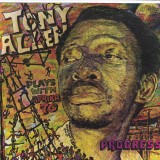
Comet Records presents the Tony Allen & Afrika 70 reissue series with the classic late seventies first four solo albums of Tony Allen remastered and restored: Jealousy, Progress, No Accomodation for Lagos & No Discrimination, all coming in an heavy Deluxe Tip-On Jacket. Recorded with Afrika 70 at the height of their power as Fela Kuti’s band, these are seminal recordings in the pantheon of Afrobeat history. Once again, Comet Records has the opportunity to shine a light on the sheer musicality and originality of the humble drumming giant. Tony Allen’s passing in April 2020 sent a shockwave across the world, as fans and collaborators from Lagos to Brooklyn and everywhere in between mourned the loss of a generous and powerful being, the kind of being we thought would live forever. Thankfully, we have the gift of Tony’s timeless music, starting with these four special solo albums, through which his musical voice guides our dancing feet and full hearts forever. Progress showcases Afrika 70 doing what they do best: digging deep and bringing the force, but always with
remarkable restraint and swagger, propelled by Tony’s steady hands and feet. The title track, “Progress” starts with a bang and never loses steam - a performance so fierce that it stands alongside Fela’s most
powerful anthems. The second track, “Afro Disco Beat” shows Tony Allen at one of his creative peaks. He tells: “What I was saying on Progress was that instead of fighting Fela for money, I was trying to progress and create on my own. Progress is what a hard worker is looking for I had to look it for myself” (Taken from Tony’s autobiography by Michael Veal). Tony Allen possessed magic within him, which he spent his entire life sharing with us through his drumming hands, tapping feet and generous heart. That magic is ever-present and strong on these formative solo albums - they are must-haves for Afrobeat fans across the globe.
A1 - Bitch - Late Nite 'DUB' Addict (Original Mix)
Is a Deep / Jackin House track with driving drum parts, deep old skool organ stabs, with lots of MPC style swing. The track is an energetic groover that could well be another hit for the (Late Nite 'DUB' Addict) who owns / runs (Digital Label) (DEEP 'N' DOPE RECORDS (UK).
If you like artists / DJ's such as (DJ Sneak / Phil Weeks / Black Loops / Dub Striker / Dumuir / Demuja / Kerri Chandler /Todd Terry / Kenny 'Dope' Gonzalez / Justin Martin / Scott Diaz / Sebb Junior + Filta Freqz) This track might be for you.
A2 - Fight For Your Rights - Late Nite 'DUB' Addict (Original Mix)
Fight for you right is most definately got the potential to become a future house anthem.
The track has allready recieved support and airplay from (London's Own) FANTASY FM
+ Groove City Radio (Scotland / Glasgow). This can only be described as deep / classic (U.S) style Garage / House / Banger, This Deep Underground but classic house track carries an abundance of energy, the track contains spoken vocals from a influential but controversial leader which gives the track an edge which just help build atmosphere and builds tension in the track - But definately in a good way. This track is a stand out groover that screams Anthem.
If you like DJ's like (Kerri Chandler / Mr V, Karrizma / Phil Weeks / Black Loops, Art Of Tones / Sebb Junior / Louis Vega, Mood II Swing / Dub Striker / DJ Pierre / Andres /Dan Shake then this energetic / warm (90's) style classic house number will be right up your street
B1 - Confessions Of A 'DUB' Addict - Late Nite 'DUB' Addict (Original Mix)
This track is a minimal style (Deep House) track that has been influenced by the early (Rave) era and early (Chicago + Detroit) House + Techno scenes. The track has a slightly darker edge but still remains jumpy and is definately made for the danecfloor in the early hours of the morning, and has a certain wharehouse 'Feel' to it. The track contains bleeps, stabs, and 808 + 909 compressed drums. The track contains poly rythums and drums which evolve and give alot of movement within the track. This is another "Big Track" from the (Late Nite 'DUB' Addict) that has also recieved support from the (legendary) FANTASY FM.
B2 - Heroes In Our Own Home - Late Nite 'DUB' Addict (Original Mix)
The (Late Nite 'DUB' Addict) states it is no secret that his productions are heavily influenced by the (U.S) Garage / House scene of (New York) in the early (90's).
An era that he said was huge in the way the house scene defined the (Deep House + Classic House) scene that is still massively current today. The DJ / Artis's that has influenced him the most from this era is (Todd Terry / Kenny Dope / Dennis Ferrer /
DJ Sneak / Mood II Swing + MK + Kevin Saunderson. This Hip / House track is the
(Late Nite 'DUB' Addicts) take on the Garage House scene / Hip House scene of
this special era!!!
Todd Osborn. For Many, The Name Conjures Up Myths, Tall Tales Told Within The World Of Electronic Music. Todd: Makes Hovercrafts, Repairs Motorcycles Out Of His Garage, Fixes Vintage Jukeboxes, Creates Handmade Components For Espresso Machines, Flies Fighter Jets, Is A Lego Expert, Owns A Record Label With His Son That Releases Music By Aphex Twin, Madlib And Underground Resistance, Has A Stunning Collection Of Rare Whiskeys. True All Of It, Of Course. Reviewing A Cv Of The Varied Styles And Sounds Of Todd Osborn Is Like A Museum-grade Survey Of Records From Electronic Music's Ultimate Outsider Artist. Yet, Todd Osborn Has Never Been Outside. From Releasing Jungle On Rephlex With Tadd Mullinix As Soundmurderer & Sk-1 To House And Jacking Club Music As Osborne On Ghostly International, To Bright, Chiptuned Boogie As Superstructure, Todd Osborn Has Done It All. From There We Haven't Yet Scratched The Surface. For Over 20 Years, Todd Osborn Has Been A Permanent Fixture In Music, Touring Internationally At Music Festivals, Warehouse Raves, Gabber Parties In Fields To Giving Lectures At Red Bull Music Academy And In Turn Hosting The Most Diverse Programme On Red Bull Radio. To Boot Todd Osborn Opened The Best Record Store In The Usa, In Ypsilanti, Mi. Portage Garage Sounds Is Thrilled, Humbled, To Present This Three Song Ep, Superdisc.
On Arise , Zara McFarlane returns to a buoyant UK jazz scene with a head-turning third album. Exploring the musical possibilities of British-Jamaican identity, it's a cultural exchange that's born of London's current musical climate. Released on Gilles Peterson's Brownswood Recordings, it sees her working with much-feted drummer and producer Moses Boyd. Both rose through London's Tomorrow's Warriors programme, a finishing school for many young vanguards of the live, ascendant jazz scene springing up across the UK capital. Sharing Caribbean family heritages, it's a product of their joint exploration of the meeting points between jazz and the rhythms of Jamaica, reggae, Kumina, calypso and nyabinghi, shaded with hints of the psychedelic.
Zara's breakthrough 2012 track, a jazz cover of Junior Murvin's 'Police and Thieves', provided a jumping off point to further explore the blurred, colourful territory in between jazz and roots-reggae. Covering Nora Dean's 'Peace Begins Within', she breathes a syncopated groove into a soulful, reggae classic. A beautifully poised version of the Congos' Fisherman teases out the poignant lyrical content of the 1977 classic. Meanwhile new, original compositions from Zara, like 'Fussin' and Fightin'' and 'Freedom Chain', combine a deep, reverberating bass with a steady-stepping roots rhythm. Album opener 'Ode To Kumina' touches on the kumina tradition brought to Jamaica by indentured labourers from The Congo in the later part of the 19th Century. Part of Zara's deeper research into her Caribbean heritage, it alludes to a deep-rooted culture encompassing music, dance and religion.
Similarly, 'Silhouette' arose from that same research, in this case, however, it was about how records and documents often get lost in Jamaica. It kind of came out of the idea of black history and blackness and feeling like you're trying to find yourself,' she explains. Trying to be proud of your history and who you are. And never forgetting the things that brought you to where you are.' Alongside drummer Moses Boyd on production, the album features a stellar line up of some of the key players on the London scene Binker Golding on tenor sax, Peter Edwards on piano, Shirley Tetteh on guitar, Nathaniel Cross on Trombone and an unusually restrained turn on Clarinet from Shabaka Hutchings.
Shared between all of them is a tendency to find the common points between different musical ilks: from US hard bop jazz, to dub and London-rooted hybrids and permutations, the band on Arise reflect the musical diversity of their home. Boosted by new platforms, like East London showcase Church of Sound and a newly-refreshed Jazz Café, the record surfs the momentum currently propelling jazz-influenced music in the UK.
For Zara, Jamaica's musical legacy is deeply intertwined with her sense of the place itself. Spending whole summers in the hills of Jamaica, it's the sounds and smells which she most vividly associates with her stays there. In particular the local sound systems which were an everyday feature of the local area, be it in shops or bars, each of the small local shacks would have a sound system where they'd play music through the day and evening.
From where my nan used to live, in Cauldwell there's a sound system almost opposite her house,' she says. So you feel this boom of the bass, and then all the smells of the hills and the greenery of Hanover. When you land in Jamaica and you go to walk off of the plane, the heat and the smells hit you and it feels like home away from home for me. When I hear Jamaican music, these are the senses that come.'
This EP was made during a period where my whole outlook on everything was transforming. The Voidloss project started as an investigation, I was conducting a lot of research and study on the mind, the occult, on different thought modes, and the Voidloss project represented this. The idea was about a leap in to the void. A leap of abandonment into the dark, with total acceptance, total commitment. The idea was to lose myself to the void. This was mainly a spiritual journey for me, and could be best explained by 3 things, the void of Miyamoto Musashi from Go Rin No Sho, The concept of the Tao from the writings of Lao Tzu, and the concept of the abyss from the works of Aleister Crowley. Part of this journey deep inside the self was frightening and horrific, the total loss of self, of all identity and ego, and part of it was beautiful and enlightening. I wanted the music to reflect this, and I wanted the music to change as I changed, as I went to and through all these interesting places. In essence this was about freedom. So fast forward some years and I felt I had sharpened my mind quite effectively, the music had twisted and changed and flowed with me. At the point I began making the music for this EP, I had grown quite angry with the amount of conformity I was perceiving in life. Politically, socially, musically, there was this drive of conformity in the world. I think part of it, and only a part, comes from the prevalence of social media, the need to belong and to be liked, the idea of judging yourself and your works through the perception of others. Musically I felt that within techno there was a tendency for the music to fit within a set of confines dictated by fashion and hype, and this was reducing the diversity of the music, it seemed also that the practices of commercial music were seeping in to techno as the music became more popular. Hype and business driven decisions, brand building and so on. I always felt techno was more about art, and I began to get frustrated. Equally I felt that politically there was less and less choice, as all decisions seemed to lead to the same outcomes. I became more interested in the concept of anarchism, of the idea that government was no longer needed. I have always in my life had a drive to question everything. I've always been 'naughty' and rebellious and done things my way, to my advantage or my disadvantage, I could never accept being anything other than myself all the way. If everyone walks in one direction, I will walk the other way, even if it takes me over the edge of a precipice, just to see what is there. All this stuff influences my music, and during the period of making this EP I was angry, kicking against the things I no longer liked or wanted, screaming dissent. There is a lot of anger and rage, and of course rebellion. I wanted the music to capture that unbridled fury you have when you are in your late teens, when you just start learning about yourself and you start rebelling and questioning things around the time the world is really pushing you to conform. I was soundtracking my own philosophical riot. Previous to this my Voidloss stuff had been more introverted, more pensive and melancholy, more self destructive, more cerebral. For this new music I wanted something more immediate but without being too obvious. In terms of the choices I made I still leaned more towards broken rhythms for beat structure. I find it very difficult to do anything interesting with 4x4 kicks any more, it's too rigid for me, it limits my freedom. I like the looseness you get from more 'drummer' like beats, I guess probably because I have been playing drums all my life. The challenge is to get the same rolling power from broken rhythms as you get from 4 to the floor. It's not easy, there is a ridiculous amount of trial and error and the rejection percentage is high. I also was trying to use less 'synthy' sounds. I wanted to try to take a more acousmatic approach to sound design. With the current modular synth revival in techno I was hearing a lot of 'old' synth sounds re-emerging, and this didn't seem like a progression to me. I wanted to make sounds that were hard to source for the listener, where they weren't sure if it was synth or real world sample, digital or analogue. This involved a lot of experimentation. My process involved a lot of field recording, especially with contact microphones, which open up a whole new world of interesting sounds. You are effectively recording sounds through objects in the environment, 'hearing' the world as these objects hear them, I was using guitars, feedback loops, handmade instruments as well. So I was combining this with different synthesis, granular synthesis, sample synthesis, physical modelling, FM synthesis and of course analogue. Everything was reprocessed and re-synthesised, I tried hard to obscure the source and make something new as much as possible. The stuff on this EP was part of my live PA for some time, so as I learned how the music worked live I could go back and make changes, sometimes the environment I was playing in transformed the sound as well, and so I would try to go back an incorporate this in to the music. For remixes I wanted to choose artists that I respected for their vision as well as for their output, so my list of people I wanted was extremely short. Inigo Kennedy has always been an artist I have respected greatly. His music has always been unique to himself, he remains outside of fashions and trends even though his name has become very big recently. He takes risks with his work, experimenting and exploring, yet remaining relevant to the club, and just tirelessly forging ahead, seemingly for the sake of art above all else. And he's just a really nice guy to deal with. His remix is everything I expected it to be in that it is the unexpected. Regis is another artist who forges his own path in music, you cant really even begin to discuss the avantgarde in techno without including his name, he is one of the foundation stones for artistry and the outsider mentality in techno. His music is always unique to his own vision, and along with it comes an interesting artistic philosophy taking in situationism, post punk and industrial ideology and a good dose of tricksterism ala PT Barnum, all of which comes out in his music and the way it is presented. The man is a truly singular force and it is an honour to have him on this record. Overall the concept here is that of rebellion and dissent. Of asking questions, following your own path, of maintaining some place in yourself that burns like a forest fire.
Whether or not I have succeeded I guess is down to the listener, I'm never happy with my music, I keep wanting to move forwards, or somewhere else, and am constantly trying and failing to capture some essence of perfection. But like Bukowski said
'It's the only good fight there is'