
Reservar
El artículo no se ha publicado. Tú puedes reservar ahora el artículo y después de ser pagado se te será enviado.
20,13 €
El artículo no se ha publicado. Tú puedes reservar ahora el artículo y después de ser pagado se te será enviado.
New label RUKI launches with a warm and immersive debut from Finn Logue, shaped by a year of experiments with texture, field recordings, and acoustic elements. The four-track EP blends electronic production with live sounds to create something both personal and playful.
The EP opens with the dreamy, layered percussion of “Delinquence”, followed by the earthy and uplifting “Ocean Forest” with saxophone from Dom the Hopeful. Flip the record and the refreshing downtempo of “Dim Light” lays the path for “Confused Apathetic,” an ethereal, ambient closer steeped in nostalgia.
A bright opening statement from a label rooted in nature and built from the ground up.
En el almacen y preparando para el envío

En el almacen y preparando para el envío
Lummer is the Swedish name for the now protected family of vascular plants (Clubmoss/Lycopodiaceae). Lummer grows slowly and the spores with which it reproduces can take 12—20 years to develop. These spores, known as Nikt in Swedish, were once ground into an extremely flammable light yellow “old woman’s gunpowder” that was used for early theatrical pyrotechnics. Volatile and explosive, Lummernikt requires careful handling.
There is something of the small scale dangerous in Finn Loxbo’s Lummernikt, too. A not-at-all-risk-free traversal at the limits of technique: building, blowing up and working through a band’s worth of harmonic scaffolding. Eight songs on a stage. Dramatic, breath-taking. At the same time the wild, flickering rush of tones spins up a centrifugal force that suspends a certain calm or sitting still at the music’s core.
On Lummernikt, Loxbo’s guitar often sounds more like a concert harp or the West African kora as he shifts a set of melodic fragments and extended lines through rapid-fire arpeggiated permutations with a spontaneous energy that is countered only by his extraordinary touch on the instrument and an undeniable sensitivity to his material’s dynamic potential.
It’s a glorious extension of the chiming chords and experimental preparations heard in his contributions to Magnus Granberg's Skogen (Another Timbre) or via his own ensemble Kommun (Fönstret, Thanatosis) and in striking contrast to the distorted wail he contributes to Anna Högberg Attack’s Ensamseglaren (Fönstret) or his all-in-the-red trio Kyosaku (Corbett vs Dempsey).
It’s now several years ago that Finn sent me the first recording of his new band Kommun and asked if I had suggestions for a label that might want to release it. I played that recording on repeat until I couldn’t shake the idea that I needed to start a label to put it out myself. Lummernikt is the spark that keeps that fire alive.
debe ser publicado en 18.09.2026

"Finn Wolfhard's forthcoming album, Fire From The Hip, represents a definitive "hi-fi" evolution, moving from the raw, 16mm-aesthetic of his debut record, Happy Birthday, to a broader, 35mm-fidelity sound. Inspired by pivotal rock albums like Exile on Main Street and Beggars Banquet, Finn leans into a more expansive, collaborative sound on this record. The music is upbeat, guitar-driven, and captures the lightning-in-a-bottle energy of his live band, positioning Finn not just as a familiar face in the zeitgeist, but as a definitive and respected leader in the modern music landscape."
debe ser publicado en 10.07.2026
debe ser publicado en 10.07.2026

‘What It’s Like to Be a Bat’ is the first album of producer and composer Finn Streuper. The record takes its title from a well-known philosophy paper on consciousness, exploring its ideas through sound. The fragmentary music opens up a delicate, weightless world of sound, combining jazz, electronic and library music.
El artículo no se ha publicado. Tú puedes reservar ahora el artículo y después de ser pagado se te será enviado.
debe ser publicado en 08.01.2026

"Hare Brained Schemes" is the long-awaired follow-up to Daniel Son and Finn's critically acclaimed 2020 collaboration, "Dirty Dishes". The Canadian duo returns with a vengeance, delivering an album that’s as gritty, unpredictable and vicious as its title suggests. In "Hare Brained Schemes", Daniel Son's sharp, incisive lyrics cut through Finn's raw, hard-hitting production, creating a sonic landscape that's both chaotic and captivating.
The title, captures the wild, unpredictable nature of this offering, bold ideas and daring experimentation, where every track is a testament to the duo's commitment to pushing the boundaries of their craft.
Guest appearances by heavy hitters such as Pro Dillinger, Mooch, Lord Juco, and Family Gang Black add further depth and intensity to the project, each bringing their own unique flavor to the mix. The album cover, designed by Alejandro Torrecilla, perfectly encapsulates the anarchic energy and raw aesthetic that defines "Hare Brained Schemes".
Prepare for a journey through dark, uncompromising soundscapes and razor-sharp lyricism that leaves no stone unturned. Daniel Son and Finn have crafted an album that’s not just heard, but felt—a relentless exploration of the underbelly of hip-hop.
debe ser publicado en 28.11.2025
debe ser publicado en 26.06.2025

Haga su pedido ahora y le encargaremos el artículo en nuestro proveedor.

debe ser publicado en 16.06.2025

debe ser publicado en 10.06.2025

debe ser publicado en 04.04.2025

This incredible triple album is the result of decades of history, and many years of work, between the legendary Micky Finn and Vital Elements. It is a musical journey and a definitive document of the scene from the early rave years to modern jungle, in all its many aspects and styles, produced in a way that only a pioneers such as Micky Finn & Vital Elements could do.
Perfectly planned and beautifully executed, this album will never be repressed, and once stock is gone, it is gone.
Haga su pedido ahora y le encargaremos el artículo en nuestro proveedor.

Repress!
Two classic remixes from back in the early days of jungle and d'n'b, both sides feature heavyweight versions of one of the most well known anthems, Bad Ass. This EP is original stock supplied my Micky Finn, and is therefore extremely limited. We will not be able to restock it, once it has sold, there will be no more!
Haga su pedido ahora y le encargaremos el artículo en nuestro proveedor.

UK/NL reeds player, composer and producer Finn Peters presents his new 10", Red, Green and Blue; The three track EP of Nu Jazz/Broken Beats is being released on the artist's own Mantella Records imprint and sees a return to solo recording (after a decade hiatus) for the award winning Jazz maverick, beloved of Gilles Peterson and fans of cosmic jazz.
Influences include Compass Point Records, Africa Bambaata, Yusef Lateef and Walter Gibbons. It is heavy sounding with MPC3000 and SP 12 drum breaks, heavy African and Brazilian percussion, ethereal flute choirs and analogue synths a plenty.
debe ser publicado en 21.06.2024
debe ser publicado en 01.12.2023

Haga su pedido ahora y le encargaremos el artículo en nuestro proveedor.
debe ser publicado en 08.11.2022

Needle Mythology reissue a special expanded album edition of Finn, the album released by New Zealand’s most celebrated musical siblings Tim and Neil Finn to acclaim both from critics and long-time fans who had followed the pair’s work since their time in together in Split Enz. This is the first time Finn has received a vinyl release. Released in close collaboration with Tim and Neil, the newly-expanded Finn comes with an entire album The Finn Demos, which gathers together ten songs from 1989’s legendary Murchison St sessions, remastered by Miles Showell at Abbey Road Studios. Convening at Neil’s new Melbourne apartment with a view to making an album together, Tim and Neil embarked on an intensely productive period, writing several songs that would briefly result in Tim joining Crowded House for the resulting Woodface album. Assisted by the late Paul Hester on drums, the demos capture a host of songs that would go on to be played in arenas around the world in their newborn state: ‘It’s Only Natural’, ‘Catherine Wheels’, ‘Weather With You’, featuring a whole extra verse and the previously unreleased ‘Four Stepping in 3/4 Time’. For this release, long-time fan and collaborator on Neil’s 7 Worlds Collide project, Ed O’Brien (Radiohead) contributed liner notes, hymning the album’s “heavy” beauty and its “elemental energy.” Featuring brand new artwork designed by Needle Mythology’s James Gosling, the expanded Finn features newly-unearthed images of Tim and Neil taken by Darryl Ward during the sessions for the album. For this release, Tim and Neil have also shared the “listening notes” submitted by the brothers’ parents – something they would do for every song their sons wrote. For Finn, Tim and Neil enlisted the services of Tchad Blake, whose “feel”-based approach brought out the best in the brothers, who played every instrument on the record. Writing about the record for Mojo at the time, David Hepworth characterised Finn as a “warm and loose record” that hardcore fans would undoubtedly “adore”. Originally released on Parlophone Records, Finn spawned an unlikely top 30 hit, the mesmerising semi-improvised psych-rock fan favourite ‘Suffer Never’. The expanded double album edition of Finn has been cut at Abbey Road by Miles Showell and pressed on 180g vinyl at The Vinyl Factory.
debe ser publicado en 29.07.2022

Rising Manchester star FINN takes the helm for the next release on Ruf Kutz with two hyper-real contemporary raw bangers crafted for maximum emotional impact backed with remixes from RK big guns RUF DUG & GLOWING PALMS.
Even though he's a comparative youngun, this is by no means Finn's first time at the rodeo - he's a label boss, an NTS pioneer, a Boiler Room veteran, a Defected Records Old Boy and also holds down the coldest twitter account on the information superhighway. It's a big deal to us that we managed to snare him for a release on his ascent to whatever accelerated dimension he is headed for.
Purposely conceived as raw club tracks after a heavy Paul Johnson listening session, TRICK TRICK and BELLE THEME contain many of his beloved hallmarks while also showcasing new creative pathways - the title of the EP surely alluding to what Finn is about to pull from up his sleeve...
Opener TRICK TRICK is many things all at once - a raw turbo-jacker, a hugely emotive bassline roller, a super-fresh club banger that has few elements, yet uses them with such efficiency it's impossible not to be drawn up into its vapour trail.
BELLE THEME winds the pace & harmonic tension up with manic abandon as we find ourselves in Finn's familiar 130-plus territory but while the tempo is slamming he somehow manages to drape everything in a lacy coating, as if we were playing a bonus level from a lost Studio Ghibli PS1 beat-em-up.
Back in the real world we flip the record for 2 textbook Ruf Kutz remixes. First up label boss RUF DUG guts Trick Trick and serves up the fillet on an unashamedly tech-house bed, purpose-built for DC10 circa 2009 - meanwhile Ruffy's partner in crime GLOWING PALMS dips into his secret stash of double doves and takes Belle Theme for an unforgettable night out in a Burnley warehouse.
Of the release Ruf Dug says "It's been a big thrill to follow Finn"s development over the years since we first met. I've been hoping to collaborate with him for quite a while so for it to be finally happening especially at this stage in his career is a genuine mega buzz!"
Finn says: "Been a keen Ruf Kutz fan since Rachel's Team in 2016! So happy to contribute to the label with two rough (ruf) and ready club tracks - late night/early morning hymns"
Haga su pedido ahora y le encargaremos el artículo en nuestro proveedor.

Haga su pedido ahora y le encargaremos el artículo en nuestro proveedor.

En el almacen y preparando para el envío

Haga su pedido ahora y le encargaremos el artículo en nuestro proveedor.

Originally released digitally on Luke Solomon & Derrick Carter's Classic Music Company last summer; Girls of the Internet's deep-house-dub-techno-afro ballad 'When U Go' is now being pressed up to vinyl on RAMP Recordings. Since it's release, 'When U Go' has been burning up some of the more discerning dancefloors worldwide, with club support from DJ's as diverse as Mark Farina, Stacey Pullen, Eli Escobar, Oliver $, François K, Soul Clap, Roger Sanchez, Carl Craig, Booker T, Serverino, Riva Star, Doc Martin, Karizma, Marco Carola, Tensnake & Mousse T. Peckham's finest pervayers of Deep House, Bradley Zero approved duo FYI Chris, turn in an exclusive dubby West Coast-vibed remix of the track available only on this vinyl.
The B side is a brand new track from Girls of the Internet - 'Running' featuring Nattlie Maddix, of the House Gospel Choir. Mixing live instruments with synths and drum machines, 'Running' is a soulful yet driving disco tinged deep house track. To finish off this massive package, Local Action's Finn delivers a genre-straddling remix of 'Running'.
Haga su pedido ahora y le encargaremos el artículo en nuestro proveedor.
stray dogs is the second full-length album from the Finnish electronic duo Shepherd’s Call. Released on the BELOW0 label, the project blends moody, emotional ambient textures with experimental club beats and live cello arrangements. This physical edition is pressed on heavy 180g black vinyl and features exclusive vocal dub tracks on Side B with guest spots from 3NDLES5, Merely, and Glayden.
debe ser publicado en 30.09.2026

Possibilities Vol. 1 is a transatlantic collaboration between legendary Brooklyn MC Finsta (of the iconic 90s duo Finsta Bundy) and Finnish boom bap production collective Recluse Crew. This powerful joint effort blends gritty New York lyricism with soulful, sample-heavy beats rooted in classic hip hop tradition. Finsta, known for his sharp delivery and timeless voice, brings raw energy and wisdom earned through decades in the game. Recluse Crew complements his bars with expertly crafted instrumentals that honor the golden era while keeping things fresh for today’s underground heads. Released by the new Finnish record label Mood Monarch, Possibilities Vol. 1 is a must-listen for fans of true school hip hop, offering head-nodding beats, reflective rhymes and a rare synergy between two scenes, New York and Finland, connected through a deep love for the culture.
debe ser publicado en 02.10.2026

Finnish-born, New York raised, and now Melbourne based Jani Ho has crafted a distinctive sound that can only be described as machine music with undeniable soul! Jani's hardware-driven live performances and studio productions are legendary and has earned him global recognition with multiple quality releases on the highly acclaimed soiree records. His contribution for the dolly TS series draws those direct lines with Detroit's soulful machinery techno and echo's the perfect union of rhythm and emotional depth, touching the deepest territories of techno.
debe ser publicado en 02.10.2026
debe ser publicado en 02.10.2026
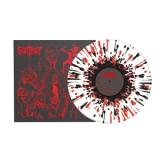
Splatter Vinyl. Das finnische Grindcore-Duo GOATBURNER hat sich mit der brasilianischen Experimental-Grindcore-Band TEST zusammengeschlossen, um GOATEST ins Leben zu rufen - ein neues gemeinsames Projekt, das mit einem selbstbetitelten Debütalbum an den Start geht. Das Projekt vereint Musiker, die tief in der internationalen Extreme-Music-Underground-Szene verwurzelt sind. GOATEST besteht aus Keijo ,Kaos" Niinimaa, der auch als Sänger der finnischen Grindcore-Veteranen ROTTEN SOUND bekannt ist, sowie Jaakko ,Spider" Forsman von RATFACE. Ergänzt wird das Line-up durch Thiago ,Barata" und Joao Kombi von der brasilianischen Grindcore-Formation TEST. Die Zusammenarbeit verbindet unterschiedliche Hintergründe und Herangehensweisen an extreme Musik zu einer kompakten Explosion aus Grindcore- und Sludge-Intensität, roher Energie und kompromissloser Haltung. Dabei schlägt GOATEST eine Brücke zwischen der finnischen und der brasilianischen Underground-Szene - vereint durch den gemeinsamen Drang nach Unruhe, Aggression und klanglicher Extremität.
debe ser publicado en 02.10.2026
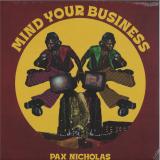
Pax Nicholas is one of the last living veterans of Fela Kuti’s Africa 70. Born in Accra, Ghana, he joined Africa 70 as conga player and backing vocalist in 1971, appearing on landmark recordings including Lady Shakara.
In 1978, he left Africa 70 at the Berlin Jazz Festival alongside drummer Tony Allen, and settled in Germany, where he built a remarkable second chapter — leading the twelve-piece Afrobeat ensemble Ridimtaksi, collaborating with Finnish jazz maverick Jimi Tenor, and reuniting with the African diaspora in Berlin for Ebo Taylor’s celebrated 2012 album Appia Kwa Bridge released on Strut Records.
In 2009, Daptone Records reissued his 1973 cult classic Na Teef Know De Road of Teef, earning him long-overdue global recognition.
Now signed to Paris-based Afrobeat imprint Comet Records, Pax Nicholas returns with his new single “Mind Your Business” — a heavyweight dancefloor Afrobeat cut built on thundering brass, interlocking percussion and a razor-sharp guitar riff. The release features an exclusive remix by Gabriel Belabbas, producer, DJ and co-founder of Parisian label Positive Future, who recasts Mind Your Business in deep, minimal territory — a sparse, tension-laced groove that channels the hypnotic darkness of Moodyman and Ricardo Villalobos. Stripping the arrangement back to its percussive skeleton, he lets the Afrobeat elements — brass, rhythm, heat — surface and recede like smoke, leaving just enough space for the tension to build and the dancefloor to fall. Slow-burning and devastating on a proper soundsystem.
En el almacen y preparando para el envío
We welcome back one of Ireland’s most important electronic music pioneers, Roger Doyle for his third solo release on our Allchival label. For those who don’t know, Doyle is a composer, producer, founding member of the influential music-theatre company Operating Theatre, and friend to the label. Doyle has been exploring the possibilities of electronic sound since the 1970s which we have been mining.
Idir brings together new fixed electronic works, software piano improvisations and voice, alongside a new recording of music from Operating Theatre’s 1986 production of Sebastian Barry’s The Pentagonal Dream, performed by Olwen Fouéré. Also included is a response to the dreamlike language of James Joyce’s Finnegans Wake.
Meaning “between” in Irish, Idir feels like a fitting title for an album that moves between eras, technologies, theatre and electronic composition: connecting Doyle’s pioneering past with his continuing practice. Returning back to an electronic foundation, the majority of tracks were composed between 2023 and 2025.
debe ser publicado en 08.10.2026

Type-303 is the project of Tampere-based Finnish producer, DJ and vinyl collector Dan Greijer. His releases for labels including Super Rhythm Trax, I Love Acid, Verrazzano, Zeitnot and 45 Live Records explore the connections between acid house, rave, early-'90s house and Balearic-influenced electronic music.
Enigmatic Dreams is Type-303’s first release on Cold Blow, a six-track 12" focused on the melodic and atmospheric side of classic electronic sounds. The release features Dr. Rhythm aka Mark Woollard, connecting Type-303’s production with the Cold Blow catalogue following the label’s previous compilation of Dr. Rhythm’s original 12"s, Hits The Vibes 91-92. Across the EP, Greijer draws from late-'80s acid, Italian dream house and early-'90s Balearic influences, using classic sounds including the Roland TB-303, 808 rhythms and M1-style piano tones.
debe ser publicado en 09.10.2026
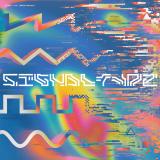
Cultivated Electronics celebrates two decades at the forefront of electro with its landmark 50th release on the main label, returning to the very beginning with a new release from Signal Type - the collaborative project of label head Sync 24 and Matt Whitehead. The anniversary EP pays homage to the sound that launched Cultivated Electronics back on CE001 A1, with Signal Type delivering "Break Through", a snappy, driving and psychedelic electro workout built firmly for the dancefloor. Funky, spacey and packed with the restless energy that has defined the label since its inception, the track feels both like a nod to CE's roots and a statement of where the label stands today. The celebrations continue with three remixes from long-standing Cultivated Electronics collaborators and influential figures within the electro scene. Keith Tenniswood, aka Radioactive Man, brings an old-school, Mad Mike-esque Underground Resistance flavour to his rework, injecting the original with raw Detroit-inspired energy and machine-driven propulsion. Carl A. Finlow, operating under his Silicon Scally moniker, takes things deeper, delivering a heady after-hours interpretation built around immersive, late-night club sonics. Rounding out the EP, Finnish electro pioneers Morphology deliver a hypnotic, 90s-inspired roller, bringing their distinctive analogue sensibility and futuristic groove to the original. The vinyl edition arrives on blue marbled translucent coloured vinyl, housed in a full-sleeve package featuring artwork from Geometric Love. From its first release to its 50th, Cultivated Electronics has remained dedicated to forward-thinking electro, connecting classic machine funk with contemporary club sounds. CE050 marks both a celebration of the label's history and a salute to the artists and sounds that continue to shape its future. Here's to another 50 releases.
debe ser publicado en 12.10.2026
Multi-Platinum-certified singer-songwriter Ashe will release her highly anticipated fourth studio album, The Girl Of Your Dreams, October 16, 2026, marking her Atlantic Records debut. The album features the hit single “Stop The Wedding!” and follows her acclaimed trilogy of albums — Ashlyn, Rae, and Willson — as well as her recent collaboration with FINNEAS on “The Favors.
debe ser publicado en 16.10.2026
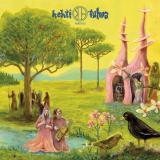
It’s rare for a hardcore punk band to make four full-length albums, and rarer still for the fourth album to be the band’s masterpiece. Yet Paratiisi, the fourth album from Helsinki punks Kohti Tuhoa, stands as the undeniable coup de grâce of a catalog overflowing with classic hardcore punk. If you’re already a fan, it’ll comfort you to know Paratiisi leans heavily on the strengths Kohti Tuhoa has possessed since their earliest releases: a timeless sound that combines UK82 drive and hooks with dramatic metal flourishes; a captivating vocalist with the perfect balance of grit and clarity, who can both howl like a banshee and carry a tune; and a particularly Finnish way with a driving, medium-fast tempo. But for all the continuities with Kohti Tuhoa’s excellent previous records, Paratiisi almost feels like the work of a new band. The riffs and choruses that anchor the album are impossibly catchy; Paratiisi bulges with huge moments that practically force you to air guitar and sing along (even if you don’t speak a word of Finnish), the band’s peerless chops and the rich and clear recording driving these climaxes to dizzying highs. But while the hooks are memorable, there isn’t a moment on Paratiisi that feels dumbed-down or overly familiar.
In fact, the album feels notably ambitious, pulling influences from across punk’s historical and aesthetic breadth and digesting them seamlessly into Kohti Tuhoa’s distinctive sound. The lyrics (don’t worry: English translations are included!) meet the same high bar as the music. They’re direct, assertive, and punk, but they’re also subtle and insightful, whether they’re tackling huge issues like microplastics or sharing a very personal account of a sexual assault and its aftermath. And then there’s Paratiisi’s most unexpected moment, “Eliitin Psykopatia,” a free punk freakout in the tradition of “Why (Reprise)” and “L.A. Blues.” If Kohti Tuhoa’s brief foray into free jazz tries your patience, though, don’t worry, because after three minutes of building tension, they reward you with what is bound to be the best riff of 2026, a clash of chords potent enough to blow holes through walls the world over. Paratiisi is the sound of one hardcore punk’s most exciting bands at the height of their powers.
debe ser publicado en 23.10.2026
SENSE004 sees Helsinki’s Kaspiann deliver a four-track journey of deep, psychedelic exploration. Blending heavy forest-psy influences with alienating, primitive sound design, the EP creates an immersive atmosphere that pulls listeners straight into the untamed depths of the Finnish woods.
debe ser publicado en 23.10.2026
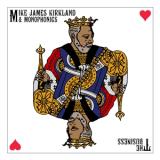
Nach der Veröffentlichung der Lead-Single ,Glowin'" im Jahr 2025 kehrt Mike James Kirkland mit seinem lang erwarteten Album ,The Business" zurück. Begleitet von den Monophonics präsentiert Kirkland eine facettenreiche, von Bläsern geprägte Sammlung, die beschwingten Soul nahtlos mit gefühlvollen Balladen verbindet und damit seinen Platz als eine der beständigen Stimmen des Genres bekräftigt. Das Album beginnt mit dem energiegeladenen ,Ready Or Not", in dem Kirkland selbstbewusst verkündet: ,Baby, I am ready", und damit den Ton für ein triumphales Comeback angibt. Produzent Kelly Finnigan lässt in ,Where Did We Go Wrong" die üppige Raffinesse des Philly-Soul einfließen und unterlegt Kirklands Reflexion über eine Liebe in Aufruhr mit Bläsern, Flöte, Waldhorn und Sitar. Finnigan arrangiert zudem das romantische ,Leading Lady" und begleitet Kirkland beim zarten ,Remembering Our Love" im Hintergrundgesang. Der Midtempo-Titelsong ,The Business" widmet sich sozialen Themen und verbindet fließende Streicherklänge mit Texten, die systemische Ungerechtigkeit und polizeiliche Unterdrückung thematisieren. Im Gegensatz dazu fängt ,Joyriding" die Unbeschwertheit des Sommers mit einem mitreißenden Groove ein, der zu den Höhepunkten des Albums zählt. Die vielbeachtete Single ,Glowin'" bildet den Abschluss des Albums. Inspiriert von der Version der Rationals aus dem Jahr 1969 des von Dr. John komponierten Stücks spiegelt der Song Kirklands beständige Botschaft wider, spirituelles Gleichgewicht und Glück dem materiellen Erfolg vorzuziehen. ,The Business" wurde zwischen Ende 2021 und Mitte 2022 geschrieben und aufgenommen, unter Mitwirkung von Jimmy James (Parlor Greens) und Lou King (Ironsides). Das Album verbindet Kirklands zeitlosen Gesang mit der üppigen Musikalität der Monophonics und markiert damit eine willkommene Rückkehr des legendären Soulsängers.
debe ser publicado en 30.10.2026

Finnish-American guitarist Raoul Björkenheim and Norwegian drummer Paal Nilssen-Love join forces on their new album PING, released by We Jazz Records on 30th October on LP, CD and digital formats. Recorded in Helsinki, the album finds the seasoned duo firing on all cylinders and delivering a remarkable set of contemporary free music.
PING brings together nine excursions beyond “guitar + drums” and way beyond “free jazz”. That being said, those are still good touching points for the music that is wild, imaginative, raw, yet also at times delicate and introspective. Friends and collaborators for decades in groups such as the lauded Scorch Trio, Raoul and Paal have the history and the trust to create memorable and original improvised music that stuns and moves the curious listener.
Raoul Björkenheim (b. 1956) is a Finnish-American guitarist and composer who has been creating original music for the past four decades living in New York City and Helsinki, where he is presently based. Describing his on-going work as investigative guitarism, he is best known for an expressionistic and lyrical guitar style. Björkenheim’s eclectic discography numbers 50+ albums, ranging from ambient soundscapes to visceral free jazz, from duo to big band. His large-scale works for symphony orchestra have yet to be recorded, and he has also composed scores for over ten films and dance productions. Björkenheim has collaborated musically with Bill Laswell, Toshinori Kondo, William Parker, Mats Gustafsson, Hamid Drake, Ingebrigt Håker Flaten, Gerald Cleaver, Henry Kaiser, Lukas Ligeti, Morgan Ågren, Paul Schütze, Edward Vesala and Juhani Aaltonen, for the labels ECM, Rune Grammofon, Cuneiform, Tum Records and Long Song records. Björkenheim has been awarded various prizes including the Emma prize for best jazz recording of the year, and been nominated three times for the Nordic Music Award.
Paal Nilssen-Love (b. 1974) is a Norwegian drummer, composer, bandleader, and producer known for his central role in Scandinavian free jazz and improvised music. Since the mid- 1990s, he has appeared on more than 280 albums, including 70 released through his label, PNL Records. He has performed with influential groups including Atomic, The Thing, Peter Brötzmann’s Chicago Tentet, Scorch Trio, and Frode Gjerstad Trio, and collaborates regularly with artists such as, Ken Vandermark, Akira Sakata, Otomo Yoshihide, David Murray, Arto Lindsay and more. Paal Nilssen-Love’s fascination with traditional and experimental music has taken him around the world. Since his first visit to Ethiopia in 2009, he has built strong connections with musicians and artists in Addis Ababa, leading to collaborations, performances, teaching, and artist exchanges with Norway. Since his first trip to Brazil in 2013, he has returned regularly, developing collaborations with artists and musicians across the country. His musical explorations have also brought him to Tsugaru and Aomori in northern Japan, where he has developed an interest in the region’s traditional music. Nilssen-Love is also an active organizer and educator. He started both Oslo’s all-Ears festival, the Blow Out festival and FRAM Kunstfest, and has led workshops internationally and in Norway.
debe ser publicado en 30.10.2026
