
Disponible
En el almacen y preparando para el envío
Ültimo hace: 10 Meses
11,98 €
En el almacen y preparando para el envío

On April 7th electronic luminary Nathan Fake presents the new longplayer ‘Crystal Vision’ on his own Cambria Instruments imprint, which features collaborations with Clark and Wizard Apprentice.
This is music for music’s sake – recorded without angles, agendas and themes – so Fake was free to simply continue honing his craft and express himself non-literally. Aptly titled, there’s a clarity of execution and ambition, and a peak effectiveness to the record that just sounds right.
Continuing to set a personal bar higher and topping his own best, the mark of master craftsperson is everywhere, but that doesn’t mean it’s polished; There’s plenty of rawness evident, with spiky sonics keeping ears on high alert – full of endorphin-flooded rave energy.
Following a short, scene-setting ‘Arrival’ – a simple major chord arpeggio played on a Jupiter 6 which sounds like curtains opening at dawn, things begin apace with ‘The Grass’, which hurtles like a precision-tuned bullet train through Arctic tundra. The undulating effect of compression is emphasised by the classic techno trope where 2 rhythms jar yet interlock, creating an exquisitely disorientating strobe-like flutter. On the track’s guest, Fake comments, “I fell in love with Wizard Apprentice's ‘I Am Invisible’ and felt our musical styles were similar. Their vocals are smooth and clear and sharp at the same time. They’re like a calm within the storm.”
Inspired by Italo disco but sounding wholly alien and futuristic, ‘Vimana’’s fizzing buzzsaw arpeggiated bassline, popping snares and bright whirling melody are equally an electro trance melange, with an effervescent major chord Arp that kicks in midway.
Reminiscent of what used to be called ‘funky techno’ but with sparklier sounds, ‘Boss Core’ blinds like sunshine bouncing off ice. Using his trusty Boss DR550 drum machine, and inspired by Autechre's ‘Vose In’, the track peaks by reaching that melancholic/euphoric axis for which he is loved.
With chugging slow breakbeats not a million miles from Board Of Canada or trip hop, ‘Crystal Vision’ rolls along, with the melody opening up, revealing more hidden notes as it progresses, building into a fractal, kaleidoscopic mosaic.
An emotional outpouring with serotonin surging through the circuitry, classic breakbeats and layers of lazers, ‘Bibled’ has all the hallmarks of a classic. This is a bonafide festival-set closing, hugging-your-mates, moment – or, with its guitar solo, “a power ballad” – as Nathan calls it.
A minimalistic moment of calm midway through the album, ‘CMD’’s gently comforting dreamscape is conjured with FM stacked and detuned sine waves which are left to breathe, whilst the chunky Chicagoan house jack of ‘Hawk’ brings to mind classic Relief records, but even more detuned and wibbly, and laden with synths.
As the title suggests, ‘Amen 96’ is in Fake’s own words, “me having a go at jungle. I grew up listening to it, and I remember as a teenager it sounded like the most intense and otherworldly music ever. It still does. This track is an experiment to see how my melodic style works against amen breaks”. Closer to the braindance end of the spectrum than ‘proper’ jungle (and all the more interesting for it), Fake channels the spirit of Squarepusher but makes it his own, brimming with melodious twinkle.
A collaboration with Nathan’s close friend and genuine musical hero Clark. ‘Outsider’ finds this dream team alchemising pure gold that’s bigger than the sum of their parts. Skittering, intense, far-reaching end epic, the pair close proceedings on a grandly dramatic note. In 2020 Nathan released the album ‘Blizzards’, which was described by The Quietus as “his best work”, and “his best LP yet” yet by Resident Advisor. The equally well received ‘Blizzards Remixes’ EP which featured Afrodeutsche and Irene Dresel followed in 2021, as did a nationwide UK tour.
An in-demand remixer, Fake has added his magic to tracks by Radiohead, Clark, Perc, Jon Hopkins, GoGo Penguin, Dominik Eulberg, Christian Löffler and Damian Lazarus, working for labels including Ninja Tune, Domino, Warp, Blue Note and Kompakt.
En el almacen y preparando para el envío

The next transmission from planet BRUK comes courtesy of Lårry, an enigmatic artist ploughing an individualist furrow through various fields of electronic expression, one hand tweaking the tiller and the other casually dismissing the rules of rave. You might have caught their sharply-pointed sound on Super Hexagon or Awkwardly Social, or perhaps stumbled across their fabled 2021 live performance from Fitzroy in Berlin, or even unconsciously swayed to something spun in a set any time over the past five years. Lårry's discography is modest but mighty, and How Was That For You builds into that idea with four
precise tools for forward-leaning soundsystem communion. From the fractalised barbs of electronica stepper 'In Water' to patiently dread-eyed wobbler 'Angela's Knife', 'Uniform Uninform's icy incisions to the snaking spiral staircase of 'Yargachin', this is brain fodder first and foremost, with bassweight impact threaded through as an added bonus. Keeping fine company amongst the other oddities inhabiting the Bruk mandate, Lårry continues to keep us on our toes, literally and figuratively.
En el almacen y preparando para el envío

En el almacen y preparando para el envío

Los ingenieros oníricos se sirven de los artefactos para poder manipular su conciencia y diseñar mundos oníricos por los que viajar. De origen incierto, los artefactos se encuentran dispersos entre planos y han intentado ser rediseñados en nuestro mundo mediante el uso de frecuencias, convirtiéndose en elementos de estudio plenamente funcionales para el ingeniero onírico del plano físico. La correcta correlación de uso entre artefactos permite al onironauta saltar entre los diferentes estados de la experiencia para la formación de universos.
El artefacto Onirógeno es capaz de inducir al sueño. Sirve de puerta de enlace al mundo onírico y está presente en un estado de semi-consciencia. Dicho artefacto esférico, de naturaleza cromada, reproduce de manera cíclica el proceso de encendido de la máquina de sueños por un operador en un espacio ilusorio. El ingeniero sucumbe a un estado aletargado que permite el vínculo con otros artefactos al ser testigo de una de estas reproducciones.
El artefacto Hipnagogia es capaz de provocar alucinaciones visuales de intensidad creciente. Permite formar protomundos inconexos. Es un artefacto propio del plano semi-consciente. Debido a lo efímero de los protomundos formados, el ingeniero es incapaz de controlarlos y dotarlos de sentido.
El artefacto Efialtes es uno de los más inestables y volátiles. Este ente del plano semiconsciente provoca la incapacidad transitoria para realizar movimientos voluntarios durante la transición entre el sueño y la vigilia. Permite al ingeniero crear un canal al plano transitorio. Su presencia o interacción puede darse en los primeros o últimos estadíos. Está muy presente en el mundo semi-consciente y puede ser atraído por el uso de otros artefactos. Emite un zumbido muy característico cuando interacciona.
El artefacto Proyector, toroide derivado de Efialtes, solo presente en el plano transitorio. Crea un canal y permite al ingeniero ingresar, precediendo a la separación física, y materializar la consciencia en el nuevo plano.
Extracorpóreo es un derivado del artefacto Proyector, presente en el plano transitorio y con influencia en el plano físico. Permite a la conciencia materializada del ingeniero comunicarse con los impulsos básicos motrices y órdenes cerebrales del plano físico, traduciendo los diferentes protocolos implicados.
El artefacto Vacío es un espacio unidimensional que interconecta el plano transitorio con el plano onírico.
El artefacto Arquitecto, presente en el plano onírico, forma y diseña espacios acorde con las órdenes del ingeniero onírico en el caso de que el canal de comunicación sea lo suficientemente consciente. Es una pequeña recreación esférica del universo elevado a infinito en forma de fractal.
El artefacto Escultor, de hormigón y presente en el plano onírico, crea las diferentes imágenes e inteligencias que habitan el mundo onírico en construcción. Aunque puede ser controlado, a menudo actúa con un mayor libre albedrío, creando imágenes recurrentes.
El artefacto Programador, de código en cascada y presente en el plano onírico, es la inteligencia encargada de dotar a los mundos oníricos de acontecimientos.
El artefacto Devoramundos es el artefacto más inestable conocido y con mayor rango de influencia entre planos. Destruye el mundo creado como un agujero negro engulle todo a su paso.
El artefacto Cordón, de plata y presente en todos los planos, sirve como nexo entre el cuerpo físico y la consciencia materializada. A menudo, debido al influjo de otro artefacto, o a la inestabilidad en el canal creado por correlación, es capaz de obligar a la regresión, clausurando el canal de comunicación. Existe un artefacto Cordón que une cada una de las conciencias proyectadas con sus correspondientes cuerpos así como del cuerpo físico. Se desconoce que ocurre en caso de fisión.
El artefacto Regreso, presente en el plano transitorio-semiconsciente permite al ingeniero recuperar la consciencia y restablecer sus signos vitales.
En el almacen y preparando para el envío

Ordena ahora - una vez que hayan recibido suficientes pedidos, el artículo se reimprimirá.

Every piece of paper has its own role in the big picture of a complex collage. Every fractal structure finds the same pattern as we continue to zoom into it. Apply these facts to the echoes and reverbs wrapped around the atmosphere that resides into distant dub references and you can catch a fair glimpse from the newest Motif release.
A master in applying the laws of reductionism within his signature sound, Adrian Niculae signs yet another powerful statement under the Motif vision: Consensual EP
En el almacen y preparando para el envío
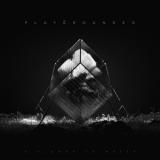
GREY VINYL SNOW ED[27,52 €]
A Flower to Water, the staggering new album from Greek Progressive-Post Metal outfit Playgrounded, finds the five-piece pushing their boundaries even further; welcoming the unquantifiable depths of loss, grief and finitude into their meticulous, fractal process as friends in defiance of neglect. Hailing from Athens, Greece but predominantly based in Rotterdam, Netherlands, Playgrounded have never ceased to push the envelope of Post Metal with genre-defying contemporary electronic and cinematic neo-classical elements since the band's inception almost two decades ago. A Flower to Water is Playgrounded's third full-length offering and sees the band thriving in their creative relationship with Pelagic Records. Recorded and produced by the band across multiple studios back home in Athens and Rotterdam, Playgrounded enlisted the help of longtime collaborators C. Cederberg (Leprous, Anathema) who mixed the album at Cederberg Studios in Kristiansand, Norway and George Tandero (Madrugada, Satyricon, Jaga Jazzist) who mastered it in Oslo. A profound sense of patience is keenly felt throughout the album. The deliberate spaces between each hammerblow guitar riff, pulsing bass line or hypnotic drum groove; each heavy, breathless pause and fizzing glitchy whisper all tell of unspoken loss and absence as an indelible part of A Flower to Water and indeed of Playgrounded forever more. In marking this absence however, in embracing loss head on, Playgrounded reify memory in defiance of neglect. By extracting such a colossal, breathtaking piece of work from a seemingly unassuming collection of sounds, clips and sonics; the quintet slow time to a standstill to present grief in bloom; a beautiful, perpetual flower with its roots in loved ones lost. FOR FANS OF Karnivool, Katatonia, Nine Inch Nails, Deftones, Moderat, The Ocean, Vola, Leprous, Skyharbor, Anathema
debe ser publicado en 25.09.2026
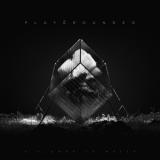
BLACK VINYL[23,74 €]
A Flower to Water, the staggering new album from Greek Progressive-Post Metal outfit Playgrounded, finds the five-piece pushing their boundaries even further; welcoming the unquantifiable depths of loss, grief and finitude into their meticulous, fractal process as friends in defiance of neglect. Hailing from Athens, Greece but predominantly based in Rotterdam, Netherlands, Playgrounded have never ceased to push the envelope of Post Metal with genre-defying contemporary electronic and cinematic neo-classical elements since the band's inception almost two decades ago. A Flower to Water is Playgrounded's third full-length offering and sees the band thriving in their creative relationship with Pelagic Records. Recorded and produced by the band across multiple studios back home in Athens and Rotterdam, Playgrounded enlisted the help of longtime collaborators C. Cederberg (Leprous, Anathema) who mixed the album at Cederberg Studios in Kristiansand, Norway and George Tandero (Madrugada, Satyricon, Jaga Jazzist) who mastered it in Oslo. A profound sense of patience is keenly felt throughout the album. The deliberate spaces between each hammerblow guitar riff, pulsing bass line or hypnotic drum groove; each heavy, breathless pause and fizzing glitchy whisper all tell of unspoken loss and absence as an indelible part of A Flower to Water and indeed of Playgrounded forever more. In marking this absence however, in embracing loss head on, Playgrounded reify memory in defiance of neglect. By extracting such a colossal, breathtaking piece of work from a seemingly unassuming collection of sounds, clips and sonics; the quintet slow time to a standstill to present grief in bloom; a beautiful, perpetual flower with its roots in loved ones lost. FOR FANS OF Karnivool, Katatonia, Nine Inch Nails, Deftones, Moderat, The Ocean, Vola, Leprous, Skyharbor, Anathema
debe ser publicado en 25.09.2026
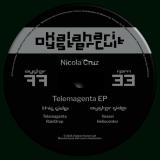
2026 Repress
Traversing wormholes and flexing versatility, Nicola Cruz gets back on his club-ready biz.
No proper introductions needed here. Sometimes you just have to sit back and appreciate someone at the top of their game. The third portal thing, done masterfully. Hats off.
Time-honoured templates that provide the foundations for his hybrid mutations. Three mescaline-strength techno incursions backed up with a vivid projection of fractal electro.
Big on murk. Properly steeped in introspection, expanding consciousness and horizons. The vision quest endures for the duration.
New levels of insectoid detail and lysergic flourish revealed with every close listen, but he’s always keeping it robust. Giving it chest with some serious dancefloor dramatics until the final unfurling.
Haga su pedido ahora y le encargaremos el artículo en nuestro proveedor.

METLASR is an album for microtonal idiophones and modular synthesizer by composer/producer Tyler Friedman for Radicant_Editions.
Drawing on the legacies of downtown minimalism, METLASR connects avant-garde composition, aspects of global traditional musics and advanced synthesizer technique into an ambitious and singular hybrid. Animated by generative modular sequencing and grounded by undulating bass, the album focuses on an endless cascade of pirouetting geometric melodics, which are spread across a spectrally fused ensemble of crystalline FM and sampled pitched percussion – specifically gamelan orchestra, marimba, mbira, vibraphone and tingklik. The assemblage of voices interlace in fractal mirrors, aggregating into pointillist harmonizations heightened by multiple layers of dub processing. The use of alternative tunings — primarily 24-note per octave just intonation — infuses the poly-modal progressions with lush radiance, staging tension between the strange and the beautiful through neon inflections of subtle dissonance.
Entirely improvised, a fact belied by the contrapuntal complexity of it all, METLASR’s seven tracks were each recorded in a single pass and subject to minimal edits. Although the sound palette and...
debe ser publicado en 26.06.2026

Get The Hose is the fabled, long awaited debut release from Montreal duo Plumbing, featuring Martyn Bootyspoon aka Jason Voltaire (Fractal Fantasy/LuckyMe/Fool’s Gold Records) and Stephen Ramsay of Young Galaxy (Paper Bag Records/Smalltown Supersound).
Born in 2018 as a live, analog hardware-based studio project, the duo worked quietly on the periphery of the left-field electro scene, only venturing out to do occasional, legendary winter warehouse DJ sets and a still-vaunted live set at MUTEK in 2021, which was so visceral that it knocked every person present into their seats simultaneously.
As cheeky and playful as it is gritty, relentless and overdriven, Plumbing’s new EP showcases their love of the raw and grimy, bare-bulbed basement aesthetic of underground dance music, where Paranoid London, Drexciya, MMM and Blawan meet to steal your drink and ignite the dancefloor.
It’s getting hot in here, it’s time to Get The Hose…
Haga su pedido ahora y le encargaremos el artículo en nuestro proveedor.
Geoglyph is the new duo project by Alohn and Khey Mysterio, a convergence of two deeply singular practices into a single subterranean signal. Their debut album arrives as the eighth reference on Organic Signs, not as a collection of tracks but as a carved artifact: six inscriptions pressed into vinyl, mapping a sonic territory where time, rhythm and texture are no longer linear, but layered like geological memory.
Through Geoglyph, Alohn and Khey Mysterio convey a message from below, or beyond. A pulse engraved from forgotten times in the basement of reality, reactivated by abyssal basses, vibrating layers and fractured textures. Exhumed from the subterranean strata where psychedelic dub, mineral techno and fractal dubstep fuse into raw energy, their music becomes a point of contact: every beat, every silence, every oscillation acting as a coordinate toward another perception. What unfolds is not simply sound design, but an invocation, rhythms as sigils, timbre as gnosis, signals that seem to arrive already charged with intention.
Across the album, Alohn’s guitar notes fall like cascades through the mix, dissolving at times into controlled feedback and crystallizing into melodic fragments that hover between tension and release. These organic gestures are interwoven with Khey Mysterio’s dense low-end architectures and rhythmic frameworks, creating a constantly shifting terrain: from weightless transmissions and ritualistic voices to moments of overwhelming propulsion where the music suddenly breaks open with tectonic force. The record moves fluidly between meditative suspension and explosive motion, never settling into a single state for long.
A strong undercurrent of what has come to be known as “druidstep” runs through the album, a term coined within the 95 Open Tabs universe to describe a form of dubstep untethered from genre convention, rooted instead in bass as ritual, in groove as invocation. Here it meets dub-techno pulse, psychedelic echoes and high-velocity 4×4 pressure, drawing subtle influence from underground bass cultures without ever becoming referential. The result is a body of work that feels both ancient and forward-leaning, cyclical rather than linear: a living geoglyph that reveals different meanings depending on how (and where) it is read.
As the final movement accelerates into its closing phase, the album releases its energy outward, with frequencies stretched toward their limits, leaving behind the trace of a completed ceremony. In this sense, Geoglyph’s debut stands as a defining moment within the Organic Signs continuum: a record that unfolds rather than explains, offering an experience to be entered, absorbed, and carried. With this release, the label continues to explore new sonic spaces, evolving and expanding while giving deeper meaning to its own essence. A message from beneath the surface, waiting for those willing to tune in.
Más de este género
Haga su pedido ahora y le encargaremos el artículo en nuestro proveedor.

B. Chamber (Stratum A), by B. Close, is the first full length solo release by Los Angeles-based multi-disciplinary artist Brian Close. The first of two volumes assembled from some thirteen hours of music produced by Close while residing in Connecticut from 2021-2025, B. Chamber (Stratum A) offers a vivid, fractal afterimage of a prolific, specific time and space in the artist’s oeuvre.
After leaving New York City early in the pandemic to a farmhouse in the countryside with dedicated spaces for multiple sound stations, Close developed an intensive daily practice of melding with the machines. The vast, pastoral backdrop of rural CT provided inspiration and contrast for his ongoing investigations into dynamic, poly-rhythmic electronic music. The sounds on B. Chamber (Stratum A) range from the machine-modeling of acoustic instruments and natural environments to the utterly unhuman, spinning on the axis between crystalline, pointillist precision and shifty blown-cone distortion. Close’s atypical interpretations of rhythm, noise and other undefined musics land in a hybrid zone of their own.
Throughout B. Chamber (Stratum A), Close’s productions are in perpetual motion. Foxtrot’s shifting hi-hats and disembodied voices rise like cicadas propelled by glitching machines and tangled rhythms, Many Drive draws momentum from dubby stabs and twinkling atmospherics. Character Community’s nimble, drifting snares and erratic static are uplifted by swelling synths, and Mpan’s modular mining forgoes drums but is no less propulsive for it. Acre Voices’ seasick pads and deft drum patterns tap an energizing nerve, and closer 5D Bow’s ambush of pummeling machine gun fire spirals into the tryptamine palace and emerges completely rinsed and refreshed.
Equally powerful in the club as in the outdoors, in the headphones eyes closed or on the move, B. Chamber (Stratum A) grants an immersive temporary trip on B. Close’s unique wavelength, with Stratum B to complete the picture in the summer of 2026.
RIYL - Mark Fell, muay thai, Vladislav Delay, gaming, Errorsmith, modular synthesizer.
+++++
Brian Close (b. 1979, NYC) uses the cold logic of mathematics to trigger states of total sensory displacement. Close co-founded multiple AV studios to explore the "hypnotic"—a ritualistic practice of motional-graphism and improvisational sound. His work is a study in synesthesia and the architecture of trance, using geometric precision to dissolve the sense of time. It is a digital-visceral experience built on heavy logic, designed for large-scale immersion and timelessness.
Close is one half of Georgia who have released records on Palto Flats, Firecracker Recordings, Meakusma, Youth, OOH-Sounds and EM Records, and have a long-running residency on NTS.
B. Chamber was written, produced and mixed by Brian Close.
Mastered by Rashad Becker.
Artwork by Brian Close.
debe ser publicado en 12.03.2026
Little is known about the origins of this project, grasping the curiosity of many 90's trance diggers, this mysterious EP was originally released in 1994 on the now defunct London based label ITP Recordings. Presenting 3 tracks that dive deep into the trancy electronics of the time, going well into the 8 minutes marker on each track the producer takes the time to allow a pallet of atmospheric qualities to gently grow and layer themselves throughout. A very unique aural signature, almost as if fractals had a sound, organised in a highly effective manner for the psychedelic electronic music inclined dancefloor.
The British electronic and sibling duo, Disclosure celebrate 5 years since the release of their third studio album ENERGY.
For this album Disclosure shifted towards a more rhythmic and percussion focused sound, taking influence from UK house, garage, hip hop and world music.
It showcases a diverse range of vocal collaborations including Kelis, Channel Tres, Mick Jenkins, Fatoumata Diawara, Blick Bassy, Kehlani, Syd, and Common.
ENERGY was nominated for Best Dance/Electronic Album at the 63rd Annual Grammy Awards and the single "My High" was nominated for the Grammy Award for Best Dance Recording at the 2021 Grammy Awards. It is BPI certified Silver in the UK.
This 5th anniversary 1LP will now be available for the first time on limited edition Zoetrope, housed in a single die cut sleeve. Designed by Drew Tetz, each side of the zoetrope is inspired by the original album artwork, using the water and the clouds imagery to create lifelike movement with these earth elements.
debe ser publicado en 20.02.2026
Una interpretación de Soinuarenbidea II debería partir de esta premisa: todo es posible, nada es aleatorio, y en sí mismo es un imposible de aleatoriedades. El escenario planteado explora la idea de realidad aumentada desde una percepción sonora, ambiental y colectiva. La obra transita hacia adelante y hacia atrás recreando experiencias extintas de porvenir incierto, tratando de facilitar un fin pacificador. Cada pieza sonora se crea, se despliega, se repliega y se destruye, en una torsión permanente de toda la realidad que hace posible cada fragmento musical, cada identidad acústica, cada espacio sonoro. Lo onírico, la ficción, y el viaje están continuamente presentes, y es en el transitar de cada fragmento donde se produce el diálogo de la exposición musical. Los elementos de esta ficción se recrean continuamente, en un continuum donde se entrelazan y se van contorsionando a medida que crecen o decrecen con cada fragmento de síntesis concreta. Los temas explícitamente musicales son el magma que conduce a dar voluptuosidad al disco, siendo la piel un contexto o límite que en sí mismo fluctúa indefinidamente en texturas y configuraciones posibles. Y la urdimbre del silencio es la síntesis que está continuamente presente y que trata de cohesionar los fragmentos en continua colisión expresiva. Las grabaciones de campo proporcionan el material sonoro concreto, y como un fractal sonoro cada una de ellas ofrece diferentes grados de interpretación que a su vez conduce a nuevos fragmentos y nuevas creaciones. Así que se puede pensar que esta es una síntesis de una posible realidad, pero interpretable en infinidad de maneras. Un movimiento y una estaticidad implícitas que generan estructuras y dinámicas acústicas. Lo que se escucha no es real, pero en sí mismo forma parte de la realidad, creando un escenario expectante. Lo cinematográfico, plástico y teatral, danzante y dinámico cobra importancia en este juego, porque se trata de contar una historia, una experiencia recreada desde los puntos de vista del arte visual. Es a su vez hilo conductor y entretenimiento, discurso político y puro divertimento. Es desde este espacio de convivencia artística que tiene sentido la totalidad y justifica el formato sonoro planteado. La contradicción de la obra es patente en el formato, y es a su vez el planteamiento de una accidentalidad en el devenir vital. Contenedor de Ruido recoge todas estas contradicciones y las manifiesta en la obra Soinuarenbidea II. Es una historia sonora, es un cuento acústico. Es un fragmento de vitalidad en imágenes audibles. Es una invitación a la reflexión, a la crítica, al disfrute, a la meditación, a la celebración. Y sobre todo es esperanzadora apreciación de la realidad como algo maleable que confeccionamos colectivamente, que requiere de una paciente observación y la participación colectiva global, en un mundo finito pleno de diversidades y del que ignoramos prácticamente todo, al que deberíamos volver con respeto y devoción.
Soinuarenbidea II-ren interpretazio batek premisa honetatik abiatu beharko luke: dena da posible, ezer ez da ausazkoa, eta, berez, ausazkotasun ezinezko bat da. Planteatutako agertokiak errealitate areagotuaren ideia aztertzen du, soinu-, ingurumen- eta talde-pertzepzio batetik abiatuta. Lanak aurrera eta atzera egiten du, etorkizun zalantzagarriko esperientzia desagertuak birsortuz eta helburu baketsua lortzen saiatuz. Soinu-pieza bakoitza sortu, hedatu, tolestu eta suntsitu egiten da, musika-zati bakoitza, identitate akustiko bakoitza eta soinu-espazio bakoitza ahalbidetzen dituen errealitate osoaren etengabeko bihurdura batean. Onirikoa, fikzioa eta bidaia etengabe daude presente, eta pasarte bakoitzaren joan-etorrian gertatzen da musika-erakusketaren elkarrizketa. Fikzio honen elementuak etengabe birsortzen dira, continuum batean, non sintesi zati zehatz bakoitzarekin hazi edo txikitu ahala elkar lotzen eta bihurritzen diren. Esplizituki musikalak diren gaiak diskoari atsegintasuna ematera eramaten duen magma dira, azala testuingurua edo muga izanik, testura eta konfigurazio posibleetan mugarik gabe aldatzen dena. Eta isiltasunaren irazkia etengabe presente dagoen sintesia da, zatiak etengabeko adierazpen-talkan kohesionatzen saiatzen dena. Landa-grabazioek soinu-material zehatza ematen dute, eta soinu-fraktal batek bezala, horietako bakoitzak interpretazio-maila desberdinak eskaintzen ditu, eta horrek, aldi berean, zati eta sorkuntza berrietara eramaten du. Beraz, pentsa daiteke errealitate posible baten sintesia dela, baina hamaika modutan interpreta daitekeena. Egitura eta dinamika akustikoak sortzen dituzten mugimendu eta estatikotasun inplizitu bat. Entzuten dena ez da erreala, baina, berez, errealitatearen parte da, eta agertoki espektakularra sortzen du. Zinematografikoak, plastikoak eta antzerkikoak, dantzariak eta dinamikoak garrantzia hartzen dute joko honetan, ikusizko artearen ikuspegitik birsortutako istorio bat, esperientzia bat, kontatzea baita helburua. Aldi berean, hari gidaria eta entretenimendua da, diskurtso politikoa eta dibertimendu hutsa. Elkarbizitzarako espazio artistiko honetatik osotasunak zentzua du eta planteatutako soinu-formatua justifikatzen du. Obraren kontraesana nabarmena da formatuan, eta, aldi berean, bizi-bilakaeran istripu-tasa bat planteatzea da. Zarata-edukiontziak kontraesan horiek guztiak jasotzen ditu eta Soinuarenbidea II obran adierazten ditu. Soinu istorio bat da, ipuin akustiko bat. Bizitasun zati bat da, irudi entzungarrietan. Hausnarketarako, kritikarako, gozamenerako, meditaziorako eta ospakizunerako gonbidapena da. Eta, batez ere, itxaropentsua da errealitatea modu kolektiboan egiten dugun gauza xaflakor gisa hautematea, behaketa pazientea eta partaidetza kolektibo globala eskatzen dituena, dibertsitatez betetako mundu mugatu batean, ia guztia kontuan hartzen ez duguna, eta errespetuz eta debozioz itzuli beharko genukeena.
An interpretation of Soinuarenbidea II should start from this premise: everything is possible, nothing is random, and in itself is an impossible randomness. The proposed scenario explores the idea of augmented reality from a sonic, environmental, and collective perception. The work moves back and forth, recreating extinct experiences of an uncertain future, seeking to facilitate a peaceful end. Each sound piece is created, unfolds, retreats, and is destroyed, in a permanent twisting of all reality that makes each musical fragment, each acoustic identity, each sonic space possible. The dreamlike, the fictional, and the journey are continually present, and it is in the transit of each fragment that the dialogue of the musical exposition takes place. The elements of this fiction are continually recreated, in a continuum where they intertwine and contort as they grow or diminish with each fragment of concrete synthesis. The explicitly musical themes are the magma that leads to the work's voluptuousness, the skin being a context or boundary that in itself fluctuates indefinitely in possible textures and configurations. And the warp of silence is the synthesis that is continually present and seeks to unite the fragments in a continuous expressive collision. The field recordings provide the concrete sound material, and like a sonic fractal, each one offers different degrees of interpretation that in turn lead to new fragments and new creations. So one can think of this as a synthesis of a possible reality, but interpretable in an infinite number of ways. An implicit movement and staticity that generate acoustic structures and dynamics. What is heard is not real, but in itself is part of reality, creating an expectant scenario. The cinematic, plastic and theatrical, dance and dynamic aspects take on importance in this game, because it is about telling a story, an experience recreated from the perspective of visual art. It is at once a common thread and entertainment, political discourse and pure entertainment. It is from this space of artistic coexistence that the whole makes sense and justifies the proposed sound format. The contradiction of the work is evident in its format, and it is, in turn, the presentation of an accidentality in the course of life. Noise Container gathers all these contradictions and manifests them in the work Soinuarenbidea II. It is a sound story, an acoustic tale. It is a fragment of vitality in audible images. It is an invitation to reflection, to critique, to enjoyment, to meditation, to celebration. And above all, it is a hopeful appreciation of reality as something malleable that we collectively craft, requiring patient observation and global collective participation, in a finite world full of diversity and of which we know practically nothing, to which we should return with respect and devotion.
Paisajes sonoros, diseño sonoro, drones y música grabada, realizada y arreglada para Contenedor de Ruido por David Aranaz. Coro: Basandere Ahotsak. Producido y mezclado por David Aranaz. Mástering: Estanis Elorza. Fotografía: David Aranaz. Texto: David Aranaz. Traducción: Saioa Aranaz Oreja. Trabajo y Diseño artístico: Cristina Martinez. Edición: Contenedor de Ruido Producciones y Sarbide Music. Distribución: Contenedor de Ruido.
Contenedor de Ruido agradece el apoyo en la realización de Soinuarenbidea II al coro Basandere Ahotsak y en especial a Eva Orbara Goicoa.
Soinuarenbidea II está dedicado al pueblo palestino.
Paisajes y objetos Sonoros, samplers y otras músicas transformadas para Soinuarenbidea II
Burlada: Paseos sonoros matinales por Merindad de Sangüesa, Calle Mayor, Capuchinas, Parque Uranga y varias iglesias y plazas. Pasajes del cotidiano: basura de papel, cristal y plástico.
Pamplona: Cementerio de San José. CEIP Sanduzelai /// Quinto Real: Fábrica de Armas, Puerto de Urkiaga y alrededores. Suite del silencio, bosques en movimiento /// Fábrica de armas de Orbaiceta: regatas, biosques, paseo sonoro hasta regata /// Belate: Puerto de Belate y alrededores. Vacas en pradera junto a las turberas /// Bardenas Reales: Suite de guitarra y Suite del silencio, estepa desértica /// Austria: Tranvías de Graz y Viena. Muchedumbre del metro de Viena.
Voces cinematográficas de: Matanza en Texas, Robocop, Espíritu Sagrado, Solo los Amantes Sobreviven, Voces de Gaza, Yojimbo, Terciopelo Azul, Los 7 Magníficos.
La pista A2 está dedicada a la memoria de David Lynch.
La pista B4 está dedicada a Eva Orbara Goicoa.
Pista A4: Contiene interpretaciones de piano de Three Piano Pieces Op.11 de Arnold Schoenberg.
Pista A5: Es una interpretación expandida con síntesis FM del Concerto Op. 24 - Etwas lebhaft - de Anton Webern.
Pista A7: Contiene la canción Besarkatu ninduzun (Letra de Josune López y música de Josu Elberdin) en interpretación de Basandere Ahotsak en la iglesia de Burutain bajo la tormenta.
Pista B2: Contiene la canción Recuerdos de la Alhambra (Fernando Tárrega) en interpretación torsionada de David Aranaz Sarasa.
Pista B14: Contiene la canción Agur María (Letra y Música de Estíbaliz Robles “Estitxu” y arreglo exclusivo de Alfonso Ortiz para Basandere Ahotsak) en interpretación de Basandere Ahotsak.
Equipamiento para Soinuarenbidea II.
Micros de condensador SE7, configuración XY y ORTF; Micros de cinta ORTIZ LUTHIER configuración XY y Blumlein; Grabadoras MARANTZ y ZOOM; Sintetizadores y samplers Elektron MONOMACHINE SPS-1, MACHINEDRUM SFX6 y MODEL:SAMPLES. Dave Smith MOPHO. Torso Electronics S-4. Sintetizador Modular 333 DIY; Guitarra clásica ALHAMBRA 6P; Esculturas Sonoras tipo Baschet, cristal y metales; Mesa Soundcraft FX16ii; Interface de Audio RME Babyface Pro FS; DAW Logic Pro; Procesamiento de modelado analógico con Acústica Audio, Waves, Softube, Brainworx, Sonible, Analog Obsesion, Tokio Dawn. Metering de Logic y RME DigiCheck . Amplificación Hafler PRO2400. Monitorización BW DM602 S3. Mezcla digital; Mastering híbrido.
debe ser publicado en 30.01.2026

‘Workaround’ is the lucidly playful and ambitious solo debut album by rhythm-obsessive musician and DJ, Beatrice Dillon for PAN. It combines her love of UK club music’s syncopated suss and Afro-Caribbean influences with a gamely experimental approach to modern composition and stylistic fusion, using inventive sampling and luminous mixing techniques adapted from modern pop to express fresh ideas about groove-driven music and perpetuate its form with timeless, future-proofed clarity. Recorded over 2017-19 between studios in London, Berlin and New York, ‘Workaround’ renders a hypnotic series of polymetric permutations at a fixed 150bpm tempo.
Mixing meticulous FM synthesis and harmonics with crisply edited acoustic samples from a wide range of guests including UK Bhangra pioneer Kuljit Bhamra (tabla); Pharoah Sanders Band’s Jonny Lam (pedal steel guitar); techno innovators Laurel Halo (synth/vocal) and Batu (samples); Senegalese Griot Kadialy Kouyaté (Kora), Hemlock’s Untold and new music specialist Lucy Railton (cello); amongst others, Dillon deftly absorbs their distinct instrumental colours and melody into 14 bright and spacious computerised frameworks that suggest immersive, nuanced options for dancers, DJs and domestic play. ‘Workaround’ evolves Dillon’s notions in a coolly unfolding manner that speaks directly to the album’s literary and visual inspirations, ranging from James P. Carse’s book ‘Finite And Infinite Games’ to the abstract drawings of Tomma Abts or Jorinde Voigt as well as painter Bridget Riley’s essays on grids and colour. Operating inside this rooted but mutable theoretical wireframe, Dillon’s ideas come to life as interrelated, efficient patterns in a self-sufficient system.
With a naturally fractal-not-fractional logic, Dillon’s rhythms unfold between unresolved 5/4 tresillo patterns, complex tabla strokes and spark-jumping tics in a fluid, tactile dance of dynamic contrasts between strong/light, sudden/restrained, and bound/free made in reference to the notational instructions of choreographer Rudolf Laban. Working in and around the beat and philosophy, the album’s freehand physics contract and expand between the lissom rolls of Bhamra’s tabla in the first, to a harmonious balance of hard drum angles and swooping FM synth cadence featuring additional synth and vocal from Laurel Halo in ‘Workaround Two’, while the extruded strings of Lucy Railton create a sublime tension at the album’s palatecleansing denouement, triggering a scintillating run of technoid pieces that riff on the kind of swung physics found in Artwork’s seminal ‘Basic G’, or Rian Treanor’s disruptive flux with a singularly tight yet loose motion and infectious joy. Crucially, the album sees Dillon focus on dub music’s pliable emptiness, rather than the moody dematerialisation of reverb and echo. The substance of her music is rematerialised in supple, concise emotional curves
and soberly freed to enact its ideas in balletic plies, rugged parries and sweeping, capoeira-like floor action. Applying deeply canny insight drawn from her years of practice as sound designer, musician and hugely knowledgable/intuitive DJ, ‘Workaround’ can be heard as Dillon’s ingenious solution or key to unlocking to perceptions of stiffness, darkness or grid-locked rigidity in electronic music. And as such it speaks to an ideal of rhythm-based and experimental music ranging from the hypnotic senegalese mbalax of Mark Ernestus’ Ndagga Rhythm Force, through SND and, more currently, the hard drum torque of DJ Plead; to adroitly exert the sensation of weightlessness and freedom in the dance and personal headspace.
debe ser publicado en 05.12.2025

Impressions marks Budapest based independent label Blue Sun’s 6th release. Hungarian multi-instrumentalist, Fingerfisher guitarist Adam Gollob's debut solo LP carries forward the musical direction set by the label’s founders (Hanussen & Kozmo D) by presenting tracks that are built around concentrated, listening-based music consumption, deliberately crossing, possibly defying genres.
Impressions is a profound reflection of transformation, embracing imperfection along the way. As a former student of jazz guitar at Bartók Conservatory, Gollob evokes the wandering spirit of John Coltrane with the title, at the same time inviting the listener into a brief but intensive creative period of the artist’s own life. Music listened to, festivals visited, thoughts and conversations - all echoing through-and-throughout the composition, questioning, dismantling, and rearranging them into a piece.
The record is a rich and evocative work that blends elements of new wave, indie rock, alternative electronic, and neo-psychedelic styles. The introspective lyrics and unrefined vocals explore different aspects of existence, placing the perpetual tension between uncertainty and confidence at the center. The hypnotic synthesizers, raw drum textures, and the structurally interwoven songs provide a complex listening experience. The material reforms with each replay into an ever-changing musical landscape, with a strikingly unique, fuzzy yet soothing atmosphere.
debe ser publicado en 30.10.2025

Aque Blue vinyl[24,58 €]
Red Blue Splatter Vinyl[32,98 €]
Orange / Red Vinyl[32,98 €]
With X-ÆON, Giöbia push their signature blend of mesmerizing neo-psychedelia and space rock into uncharted territory. Echoes of the '70s meet a bold, forward-looking vision, shaping an album that feels timeless. Each track offers a glimpse into a parallel reality, a plunge into a new era brimming with tension and mystery. As the band puts it: "This album is everything we've lived and learned, captured in the moment we're in now."
debe ser publicado en 17.10.2025

Aque Blue vinyl, limited to 350 copies. With X-ÆON, Giöbia push their signature blend of mesmerizing neo-psychedelia and space rock into uncharted territory. Echoes of the '70s meet a bold, forward-looking vision, shaping an album that feels timeless. Each track offers a glimpse into a parallel reality, a plunge into a new era brimming with tension and mystery. As the band puts it: "This album is everything we've lived and learned, captured in the moment we're in now."
debe ser publicado en 17.10.2025

Love International launch new vinyl-focused imprint with a 12" from Adam Curtain including a remix from Mr. Ho.
Revered party crew Love International expand their enterprise, channeling the buzz from another stellar year into a freshly minted sub-label: the 'Love International Floor Series'.
As the name suggestions, the series zeroes in on the dance floor, giving some form and shape to misty memories forged across protracted sessions at Barbarellas, The Olive Grove and The Beach in Tisno.
In to inaugurate the project is London based Adam Curtain - an artist focused on flexing the boundaries of UK club music who has been gathering steam as a nifty selector and a talented producer. A familiar face on both sides of the booth at Lion & Lamb, Fabric, Gottwood and of course - Love International - Adam nails the brief in delivering a record that is sharp, direct and eminently playable.
Musically - the tunes bridge old and new, nestling in that sweet spot between Breaks, Electro, UKG, Acid and Minimal. Stepped grooves, crisp snares, angular synths and oozey bass lines all unify to render a sound that's simultaneously psychotropic and crystal clear.
The cherry on the cake comes as a remix from the venerated Mr. Ho of Klasse Wrecks fame. Often paired with Luca Lozano, Mr. Ho is a master of organising chaos and here he does exactly that - rousing his machines and churning the original into a sludgy, fractal brain scrambler.
Haga su pedido ahora y le encargaremos el artículo en nuestro proveedor.

First released on August 18, 2023, "Outline of Nature" started as an experiment in building a modular synthesizer system and ended up as a voltage controlled outpouring of love for the natural world. Sylvan-born and pastoral-powered, sap-blooded and lightning-charged, this album grew out of the damp florescent corners of the woods, each note and sound, a fractal extension of their seedling sounds. It was nurtured into being at The Twilight Research Centre, a studio facility situated on the border of Somerset and Dorset. During Covid lockdown 1.0, I spent the outdoor hours we were permitted, wandering through the centre's surroundings, in the green lanes, woodlands and corridors of the wilds with their wary and flickering inhabitants, beneath the distant eyes of the soaring buzzards and the hulking red kites. I didn't expect it, but it was in the quiet, ferociously vibrant dens of nature, that I found a deeply profound connection with the natural world. It once again made sense to feel as much a part of the woods as the trees were; I felt like a natural entity in its habitat again, not something I'd properly felt since running wild through the gullies, dells and fells of the Midlands as a child. And I became afflicted with a powerful urge to build strange electronic sound systems that were organic, chaotic, fractal and in some way reflective of the awesome natural systems that surround us and surround the centre. I plugged in the modular, and went searching for signs of life. Adding to this, just before the lockdowns, I stumbled across a three volume nature encyclopedia in a local charity shop, called "Outline of Nature in the British Isles" by Sir John Hammerton. The sub-heading reads "A Comprehensive Photo-Survey of the Varied Life of Field and Hedgerow, Moor and Mountain, River, Pond and Sea", and it's a stunning collection of grainy photographs, beautiful illustrations and wondrously poetic writing, some of which inspired track titles and of course, the album title. I also rekindled my love of Ladybird nature books such as the "What to Look for in Spring/Summer/Autumn/Winter" series, "Birds and How They Live" and "Butterflies, Moths and Other Insects", rebuilding a small collection I had as a child and discovering numerous volumes new to me. Between the two literary sources, I had a rich well of imagery, writing and pastoral nostalgia to draw from; and coupled with the extended sessions of blissing out in my own heavily ecstatic awe descended on me in the sheer grandness of the wilderness, I set about enticing out of the woods an album of phosphorescent electrical music, abundant with comparatively microscopic, but persistent and wild life-forces.
debe ser publicado en 19.09.2025

Haga su pedido ahora y le encargaremos el artículo en nuestro proveedor.

Originally released following his acclaimed sophomore album, HYBRIDISM finds Ecuadorian producer Nicola Cruz at the height of his exploratory powers. Now reissued on limited editon green vinyl, this expansive EP re-emerges with renewed relevance—blending North African rhythms, ethereal Persian motifs, and vocal fragments that evoke both ancient traditions and imagined worlds. A contemporary take on global exotica, HYBRIDISM is a vital entry in Cruz’s ever-evolving sonic journey.
'Aima’, named after the refrain sung by Igbo girls from Nigeria, creates the illusion that you’ve dusted off a lost LP. The aesthetic details recall expertly produced French exotica from the 70s, an overall feeling of warmth and character rarely pulled off with such panache.
‘Naeku,' in Cruz’s words, is "a sorrowful song in minor tonalities, but with a warrior energy, strength and forward vision: a soul departs, but a new one arrives in the name of Naeku, a maasai child. Not all grief needs to be a suffering; a feeling which I can relate to the place I come from with a Quechua word: Llaquilla - triste, pero feliz (sad, but happy). As always, the 303 adds that heart touching feeling.” If there’s a template for Multi Culti’s ethos, Cruz has synthesized the formula: Masai lamentation filtered through Quechua wisdom with a touch of 303 for the soul.
'Drom Tradisie' is a nostalgic vignette that captures the fantasy of a scenic horizon on a lost beach, a portrait done with the FM domain of synths that somehow associates with tropical imagery.
'Third Eye Dub’ takes things deeper, exploring the fractal realm of concentration, a point where the Oud (played by Nasiri) acts on the pineal gland. This inward journey through the cavernous depths of the subconscious sails on a smooth modular groove that transports the listener across this psychic expanse, a filigree of Persian harmonies (in Shur, to be exact) tracing outlines in the dark.
Finally, 'Kawe’s Dream’ ventures even further into the imaginary spaces of the mind. It is an aural reconstruction of the Tibetan Bardo Thodol, or ‘Book of the Dead’, a sacred text that guides the spirit through the passage out of the body. In Nicola’s words "To paint that depth, I had these Tibetan chants in mind, that I ended up crafting with Ableton's vocoder over a piece of Ayan’s vocals (sung in a made-up language). A few notes, and it gave the gravity I was looking for in the song.” Stuff that only a producer as capable as Cruz could pull off.
Hybridism’s five tracks are sonically diverse, yet all possess an ephemeral quality, a pastoral, transitory feeling that travels through the music - we listen to the sounds pass us by, we might even catch a hook or two, but the feeling is of sand running through our hands, deep, elusive, beautiful.
Haga su pedido ahora y le encargaremos el artículo en nuestro proveedor.

Haga su pedido ahora y le encargaremos el artículo en nuestro proveedor.

The hypnagogic haze of purling, refractive dub is strong on Sleepdial’s debut for West Mineral, introducing a crafty new name to the scene after a teasing preview on that Peak Oil x NWAQ radio show, delivering a heavy-lidded dose of tattered ambient dub inversions.
Sleepdial chases a frayed thread of thought thru the fractal echo chambers of ‘RV Lights’, only their 2nd full-length under this alias, and first on vinyl. The 9-part album is optimised for getting smudged on sunny daze with its pursuit of elusive dub sprites that connote subaquatic or vaporous etheric themes in their elemental diffusions and world-building ecologies.
In equilibrium of ambient and dub-as-method, they tenderly tease the senses with a fine grasp of deferred gratification, oscillating abstract spatial navigations and ephemeral moments of heart-in-mouth euphoria. Where sometimes this stuff can err to a pleasant mess, the dub ballast here anchors proceedings in a rugged groove that really pushes the right buttons and elevates the whole thing in its own air.
Blessed with a compelling sensuality, tracks follow a course from the compressed contrails of ‘Purview’ to the helical shapes of ‘Dovetailing’ and thru beautifully pill-bellied sensations on ‘Icarus Rising’, into ruggeder, insectoid dub in ‘Blue August’ to short circuit agitated and soothing feels. That fractured sort of duality manifests at its most anxious yet enchanted in the unpicked strings and astral scree of ‘Lightplay’, and in the title and feel of ‘Lean Angst’, gently keeping heads on toes into the swirling pressure system of album sign-off ‘Airtank’.
Haga su pedido ahora y le encargaremos el artículo en nuestro proveedor.

Introspekt’s hotly anticipated debut album Moving The Center comes nearly a year after the release of her latest EP Tectónica. Set to be released on June 20th, Moving the Center sees Introspekt play homage to dubstep’s point of genesis in South London in order to then shift the center of focus from a singular point of origin, to a more global narrative of bass and vibration. The album blends UK bass with contrasting genres like garage and ballroom, creating the perfect feminine blend of these historically masculine genres. The album merges the Black diaspora from across the Atlantic, crafting a sonic world where past, present and future are parallel and immersed in an early millennium type dubstep soundscape.
Speaking about the album, Introspekt says, “‘Moving The Center’ embodies an alternate perspective to that which has been dominant in dance music, particularly so-called ‘bass music’. The narrative it presents is one which throws a wrench in the seemingly common perception of Dubstep as a masculinist sensibility. ‘Moving The Center’ pushes a feminine physicality to the front of the bassbins. Femmes to the front!”
Haga su pedido ahora y le encargaremos el artículo en nuestro proveedor.

Early support from Luke Slater, Ben Sims, Sverca, Staffan Linzatti,
Voyager Recordings returns, this time with well known artist - Ecilo, and his album entitled "Interstellar Shaman". An 8 track vinyl and 10 track digital release, with additional bonus digital tracks. This one being a lot more dancefloor focused, while retaining that sci-fi, future sound.
An eclectic and innovative artist from Indonesia, he started his journey into the world of electronic music in 2008. Making his mark on the South East Asian scene. His music found influence in the rhythms of jazz, soul, and blues, as well as the atmospheric resonances of Sci-Fi soundtracks.
With releases on noteworthy labels such as AXIS, ARTS, Planet Rhythm, Olympian, and more, Ecilo has strengthened his reputation as a producer and DJ with his percussive beats resonating around the world
Haga su pedido ahora y le encargaremos el artículo en nuestro proveedor.

Haga su pedido ahora y le encargaremos el artículo en nuestro proveedor.

15 Years Of Dame-Music Vol.1 is an ode to the unmistakable sound of the TB-303, a core element of Bloody Mary’s widely respected sound and label. Above all, it celebrates fifteen years of quality dance music, set to continue across its three excellently curated volumes in 2025.
The first volume, releasing 28th March 2025, features a track from Bloody Mary and welcomes back Thomas P. Heckmann, E-Bony, and Hardfloor to the imprint.
15 Years Of Dame-Music Vol. 1 with label regular Thomas P. Heckmann’s ‘Days Of Buzz’ electrifying the dancefloor with waves of mind-melting acid over a resolute beat.
Label head Bloody Mary then drops ‘Fractal Waves’, playful, 303-licked, and comfortably switching between straight 4/4 and raw, crunched-up breaks; this is a raveready cut showing Mary at her best.
On the flip, artist E-Bony returns to Dame-Music after closing the label’s 2024 schedule with the ‘Machine Code’ EP. His ‘303 Elements’ builds from a low-slung groove to an intense climax as acid drips, oozes and rains over crisp drums while hoover sounds create an otherworldly atmosphere at its peak. Closing out the first volume is 90s Acid Techno duo Hardfloor with ‘I’ll Never Own A Helicopter’, providing a hands-in-the-air club track to work the dancefloor into a frenzy.
Mastered by Thomas P. Heckmann
Artwork by Philip Mercieca
(c) Dame-Music 2025, all right reserved
Haga su pedido ahora y le encargaremos el artículo en nuestro proveedor.

A quintessential, timeless piece of death metal
In 1997, long-running Polish death metal act VADER - currently celebrating their 40th anniversary - made an important step towards international recognition by releasing “Black To The Blind”, their third studio album, which includes live staples like ‘Carnal’ or the savage title track. Honed from playing way over 250 concerts in the mid 90’s and sharing stage with Cannibal Corpse, Immolation, Morbid Angel, the quartet became true road dogs with a dedicated following up until today and perfected their intense and catchy, Slayer-meets-Morbid-Angel on steroids brand of death metal. “Black To The Blind” has been remastered and features an updated layout as well as the original cover art. A quintessential, timeless piece of death metal!
debe ser publicado en 14.03.2025

There is no one universe for Ben LaMar Gay, he just sonic booms from one sound to another." - NPR Music
Ben LaMar Gay’s de facto debut album, Downtown Castles Can Never Block The Sun, was our attempt to introduce the legendary Chicago composer / improvisor / renaissance man to the rest of the world with a compilation of tracks from “7 albums he made over 7 years but never made the effort to actually release. ” The material showcases Gay’s penchant for genre-hopping—from Reich-ian soundscape voyages to Don Cherry-esque polyrhythm treks to Jorge Ben-style vocal-and-string earworms—while keeping his singular musical voice in focus.
In the years since its release, this long OOP collection has become a touchstone, foreshadowing the breadth and scope of Ben LaMar Gay’s output since. The songs-between-the-songs warped Soul Americana madness and beauty of Open Arms To Open Us, the unhinged long form freedom of Certain Reveries—each fresh mode would defy expectation if without the context established by Downtown Castles. To quote the OG press release, “to call it ‘eclectic’ would only scratch the surface. This music is everything.
Haga su pedido ahora y le encargaremos el artículo en nuestro proveedor.

Another Goa Trance hero joins the Metallic States project. Following amazing re-issues of his side project Prism, O.V.N.I. is back 26 years after his last release on vinyl under this moniker. A new approach for new times could define the proposition here, with 4 tracks infused with the psychedelic touch that defines him so well.
Close your eyes… do you see the Fractals?
Haga su pedido ahora y le encargaremos el artículo en nuestro proveedor.
TRANS RED VINYL[28,15 €]
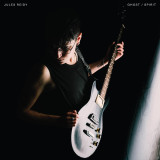
Jules Reidy"s sublime music maps the human experience in glittering constellations of sound. The guitarist is a driver of Berlin"s fertile contemporary music scene. A wide-eyed imagination combined with technical mastery guide each work in Reidy"s extensive catalog, from solo guitar albums and collaborations with innovative peers, including recent works with claire rousay, Oren Ambarchi, Andrea Belfi and Sam Dunscombe to major commissions from JACK Quartet and Zinc & Copper. The songs of Ghost/Spirit collectively convey an astral sense of yearning and wonder, pushing towards transcendence. The album charts a deeply personal journey with love, spirituality and transformation expressed in fractal guitar figures, ethereal vocal vapors and rippling microtones. Reidy"s guitar approach unlocks the tonal and textural possibilities of the instrument from their use of alternate tunings and astute processing. The maximalist melodics of album opener "Every Day There"s a Sunset" are bolstered by rumbling bass samples from Andreas Dzialocha, Reidy"s collaborator in the duo Sun Kit. On "Satellite," cello samples from Judith Hamann stretch out through the cosmos, orbited by spiraling finger-picked guitars, while stacked trombone chords echo out into the ether. Thundering drum samples from Berlin metal mainstay Sara Neidorf push the album to ecstatic peaks on "Every Day There"s a Sunrise," fragmented rhythms breaking apart in the atmosphere. Field recordings of the Berlin S-Bahn recur throughout the album, another endless cycle of leaving and returning that shuttles beneath the album"s whirling tones. Ghost/Spirit captures the inherent power and agency in choosing to offer yourself up to the universe and let go, ego death and prayer rendered in incandescent sonics. Reidy"s inimitable skill as a guitarist, producer and composer is on full display, and when combined with the intensity of experience, the resulting album is a remarkable work of art.
debe ser publicado en 21.02.2025

Jules Reidy"s sublime music maps the human experience in glittering constellations of sound. The guitarist is a driver of Berlin"s fertile contemporary music scene. A wide-eyed imagination combined with technical mastery guide each work in Reidy"s extensive catalog, from solo guitar albums and collaborations with innovative peers, including recent works with claire rousay, Oren Ambarchi, Andrea Belfi and Sam Dunscombe to major commissions from JACK Quartet and Zinc & Copper. The songs of Ghost/Spirit collectively convey an astral sense of yearning and wonder, pushing towards transcendence. The album charts a deeply personal journey with love, spirituality and transformation expressed in fractal guitar figures, ethereal vocal vapors and rippling microtones. Reidy"s guitar approach unlocks the tonal and textural possibilities of the instrument from their use of alternate tunings and astute processing. The maximalist melodics of album opener "Every Day There"s a Sunset" are bolstered by rumbling bass samples from Andreas Dzialocha, Reidy"s collaborator in the duo Sun Kit. On "Satellite," cello samples from Judith Hamann stretch out through the cosmos, orbited by spiraling finger-picked guitars, while stacked trombone chords echo out into the ether. Thundering drum samples from Berlin metal mainstay Sara Neidorf push the album to ecstatic peaks on "Every Day There"s a Sunrise," fragmented rhythms breaking apart in the atmosphere. Field recordings of the Berlin S-Bahn recur throughout the album, another endless cycle of leaving and returning that shuttles beneath the album"s whirling tones. Ghost/Spirit captures the inherent power and agency in choosing to offer yourself up to the universe and let go, ego death and prayer rendered in incandescent sonics. Reidy"s inimitable skill as a guitarist, producer and composer is on full display, and when combined with the intensity of experience, the resulting album is a remarkable work of art.
debe ser publicado en 21.02.2025

Linking music and literature, building a bridge between the written and the sung – only the greats have managed to do this in the past. Leonard Cohen, Scott Walker, and Patti Smith were just some of the shining stars that Anna B Savage orientated herself towards as a teenager. Born on the anniversary of Bach’s death, the young musician spent her birthday every year in the Green Room of the Royal Albert Hall watching her parents perform compositions by the grand master. That shaped her. Today, thanks to albums such as her debut, “A Common Turn” (2021), and the incredibly sensual art-pop opus “in|FLUX” (2023), the singer-songwriter is one of the truly exceptional talents on the British independent scene. In her music, otherworldly vocals nestle up against chamber orchestral compositions, delicate arrangements rise up and blow away, and the musician’s highly eclectic sound grows song by song into an experience that lingers for days and weeks. Potentially life-changing.
A sense of rootedness is at the heart of Anna B Savage’s third record You and i are Earth, a record that is as much about healing as it is an unbowed sense of curiosity, and, more simply, “a love letter to a man and to Ireland.” Following on from her critically acclaimed records A Common Turn and in|FLUX, You and i are Earth manages to convey a sense of intimacy, while also being open-ended. Gentleness is as radiant a touchstone on the record as earthiness, something that Savage attributes to the place she finds herself at present, both geographically and emotionally. And quite literally the record bears witness to a particular piece of earth - Ireland, and Savage’s relationship to it as her new home. That process is brilliantly rendered on Agnes, a complicated piece of work featuring Anna Mieke that turns on tropes of duality and transformation. It mirrors an unsettling experience that Savage had through meditation, which ultimately ended in an immersive, beautiful feeling, “I felt like I was part of the earth, completely connected to the mycelium network, I felt like I was where I was meant to be.” In many ways, that experience framed the album’s artwork, a photograph taken in some woodlands in Co. Sligo, with Savage looking up at the trees, their fractals reflected in her eyes, mirroring something she had felt in her meditation, bringing us back full circle, and to that sense that we are essentially in unison, or at least striving to be, that “you and I are earth”.
debe ser publicado en 24.01.2025

Linking music and literature, building a bridge between the written and the sung – only the greats have managed to do this in the past. Leonard Cohen, Scott Walker, and Patti Smith were just some of the shining stars that Anna B Savage orientated herself towards as a teenager. Born on the anniversary of Bach’s death, the young musician spent her birthday every year in the Green Room of the Royal Albert Hall watching her parents perform compositions by the grand master. That shaped her. Today, thanks to albums such as her debut, “A Common Turn” (2021), and the incredibly sensual art-pop opus “in|FLUX” (2023), the singer-songwriter is one of the truly exceptional talents on the British independent scene. In her music, otherworldly vocals nestle up against chamber orchestral compositions, delicate arrangements rise up and blow away, and the musician’s highly eclectic sound grows song by song into an experience that lingers for days and weeks. Potentially life-changing.
A sense of rootedness is at the heart of Anna B Savage’s third record You and i are Earth, a record that is as much about healing as it is an unbowed sense of curiosity, and, more simply, “a love letter to a man and to Ireland.” Following on from her critically acclaimed records A Common Turn and in|FLUX, You and i are Earth manages to convey a sense of intimacy, while also being open-ended. Gentleness is as radiant a touchstone on the record as earthiness, something that Savage attributes to the place she finds herself at present, both geographically and emotionally. And quite literally the record bears witness to a particular piece of earth - Ireland, and Savage’s relationship to it as her new home. That process is brilliantly rendered on Agnes, a complicated piece of work featuring Anna Mieke that turns on tropes of duality and transformation. It mirrors an unsettling experience that Savage had through meditation, which ultimately ended in an immersive, beautiful feeling, “I felt like I was part of the earth, completely connected to the mycelium network, I felt like I was where I was meant to be.” In many ways, that experience framed the album’s artwork, a photograph taken in some woodlands in Co. Sligo, with Savage looking up at the trees, their fractals reflected in her eyes, mirroring something she had felt in her meditation, bringing us back full circle, and to that sense that we are essentially in unison, or at least striving to be, that “you and I are earth”.
debe ser publicado en 24.01.2025

Mischievous festa punk meets astral steppas, kalaedoscopic free ambient meets harsh noise, scattered amen breaks with IDM and free jazz trumpets meets the earthly plod of digidub. It can only be Felinto from Sao Paulo.
UTOPIA MILHÃO honors the life forces that allow us to transform the darkness where dreams reside. The album brings a new moment of intimacy for Felinto's musical expression flowing through dirty, raw, dense and brilliant dub fractals, ready to transform unexpectedly into a new shape then another, and another, and another... featuring collaborations with magical people: Sarine (Deafkids), Douglas Leal (Deafkids), Guizado (Afrobombas), Sandra X, Paula Rebellato (Rakta), Lorena Hollander, Yao Bobby, Kiko Dinucci, Paulo Papaleo, Cint Murphy, Rodrigo Lima.
Felinto is a political agitator and musician at the heart of the São Paulo underground - a movement that confronts the various effects of the capitalist system of racial, sexual, ,,,,, and 22222 lawand material oppression.
His provocations range from yoga for children and parenting studies (SACYOGA), theatre (PROJETO CRIOULOS and PROJETO JAMES BALDWIN), web series highlighting the black presence in electronic music in São Paulo (MODULAÇÃO PRETA), reflective groups on gender violence and masculinities, occupation of public spaces for political art q(Coletivo Sistema Negro), artistic curatorship (Residência SOMSOCOSMOS) and studies with sound as a tool in conflict mediation practices. Felinto composes for film, theatre and immersive installations such as MEGACITIES presented at the National Gallery of Victoria, Canada in 2023.
He is currently researching - as part of a masters project in clinical psychology - the collectivised dream realities of black people. A field of action that contemporary anthropology, psychoanalysis and psychology call ONIROPOLITICA.
His interest in affinity groups, autonomous networks of micro-political articulation and penal abolitionism led him to the questions: what do black people dream about within the permanent context of civil war and state violence (like the one in Brazil)? How does this experience create dreams and how does the dream affect the construction of identities beyond the boundaries established by the capitalist unconscious?
debe ser publicado en 06.12.2024
DJ Plead and rRoxymore with a debut collab of rhythmelodically restless productions, infusing limber, freewheeling styles with subtly psychedelic balearic melodics.
After meeting for the first time in 2019, Hermione Frank and Jarred Beeler got together at Frank's Berlin studio, slowly sculpting fractal geometries before finally adding the finishing spit and polish at Beeler's parents’ house in Sydney. Marking some of the first original material from either in a minute, the EP knits the duo’s rhythmic fascinations in three ways.
‘Celestial’ splices a rolling 4/4 with quicksilver polyrhythms and zippy melodic motifs swept into hand-clap trills, imagining something like Olof Dreijer re-shaping Joe’s angular syncopations. ‘Read Wrong’ follows to foreground a thumb piano on a more pendulous, sub-weighted flex, inflected with DJ Plead’s signature palette of drum sounds and canny orchestral flashes at the right moments, dipping like D1’s more melodic works or that forthcoming Nídia & Valentina Magaletti pearl.
The duo save their most hard-hitting for last, sliding speedy, dembow-inspired geometries through green-tinted clouds of electronics on a UKF-compatible offbeat threaded with swooping subs and flighty flutes. The momentum never lets up, but the two producers manage to evoke a mood that's as suited to a late-nite solo thing as it is to peak time wreckage. In other words; deceptively effortless gear that hits harder the louder it gets.
Haga su pedido ahora y le encargaremos el artículo en nuestro proveedor.
