Mit der 7"-Single "Fairies Wear Boots" spendieren ZAKK SABBATH einen ersten Vorgeschmack auf ihren zweiten Longplayer, dessen Erscheinen für Anfang 2024 geplant ist.
Dieser amüsante Klassiker des Heavy Metal wurde ursprünglich im Jahr 1970 als letzter Track auf BLACK SABBATHs zweitem Album "Paranoid" veröffentlicht. ZAKK SABBATH sind aus purer Leidenschaft und Liebe zur Musik entstanden. Der Gitarrist, Sänger und Kopf von BLACK LABEL SOCIETY, Zakk Wylde, der sich auch als langjähriger Lead-Gitarrist bei OZZY OSBOURNE und nun auch noch PANTERA einen Namen machte, gründete die Band als Hommage an die "Erfinder" des Heavy Metal: BLACK SABBATH.
Anfangs spielten ZAKK SABBATH zunächst nur Live-Shows in wechselnder Besetzung, bis im Jahr 2017 die 12"-EP "Live in Detroit" erschien. Vom 50. Jahrestag des selbstbetitelten Debütalbums von BLACK SABBATH inspiriert, das bezeichnenderweise am Freitag, dem 13. im Jahr 1970 veröffentlicht wurde, ging die mittlerweile stabile Besetzung mit Zakk sowie OZZY OSBOURNE und ROB ZOMBIE Bassist Blasko und Joey Castillo am Schlagzeug (DANZIG, QUEEN OF THE STONE AGE) ins Studio, um jenem Album einen angemessenen Tribut zu zollen, dessen Songs die Geschichte der Musik entscheidend beeinflusst hat. Ein Jahr später erschien das ZAKK SABBATH Debüt mit allen Songs des monumentalen BLACK SABBATH Meilensteins unter dem Titel "Vertigo" (2020), womit die Amerikaner auf das legendäre Label Vertigo Records des Vierers aus Birmingham anspielten. "Vertigo" wurde von Kritikern und Fans gleichermaßen mit Lob überschüttet. Der Erstling des Trios wurde zu einem globalen Erfolg, was durch beeindruckende Platzierungen in den Charts unterstrichen wurde: "Vertigo" kletterte auf Platz 5 in den US Hard Music Charts, wo es auch Platz 7 in den Current Rock Albums Charts und Platz 27 in den Billboard Top Albums Charts erreichte. Im Ausland kaperte die Tributscheibe sogar Platz 1 der Metal Alben Charts in Frankreich sowie Platz 3 der deutschen Album-Charts und den 9ten Rang der UK Top 40 Rock/Metal-Charts. Mit "Fairies Wear Boots" setzen ZAKK SABBATH der legendären Metal-Band aus Birmingham nun ein weiteres Denkmal. Fortsetzung folgt!
Texan rhythm and blues icon Barbara Lynn made an incredible impact in 1962 with the chart-topping debut single, ‘You’ll Lose A Good Thing,’ which has since been covered by Aretha Franklin, Freddy Fender, and countless others. A southpaw guitarist who wrote her own material, debut LP You’ll Lose A Good Thing captured our heroine at her best, the soulful smoky voice a striking contrast to the blues base of her backing musicians (including Dr John on keyboards). Containing the follow-up hits ‘Second Fiddle Girl’ and ‘Letter To Mommy And Daddy’ as well as the cherished title track, it’s a winner from start to finish.
SOURCED FROM THE ORIGINAL MASTER TAPES: 2LP SET PRESENTS 1991 ALBUM IN 45RPM SPEED FOR FIRST TIME.
PCM Digital Master to Analog Console to Lathe.
Dire Straits never made a big to-do about its final run. In classic understated British fashion, the band simply let its music speak for itself. And how. Originally released in September 1991, On Every Street became the group’s swan song – a lasting testament to the influence, musicianship, and integrity of an ensemble whose merit has never been tainted by cash-grab reunions or farewell treks. It remains an essential part of the Dire Straits catalog and a blueprint of the distinctive U.K. roots rock the collective played for its 15-year career.
Sourced from the original master tapes, housed in gatefold packaging, and pressed at RTI, Mobile Fidelity’s 180g 45RPM 2LP set of On Every Street presents the album like it has always been meant to be experienced: in reference-grade audiophile sound. Recorded at AIR Studios in London and produced by Dire Straits leader Mark Knopfler, it features all of the band’s sonic hallmarks – wide instrumental separation, visceral textures, seemingly limitless air, broad soundstages, atmospherics that you can almost reach out and feel. Each element is made more vibrant, physical, and lifelike on this collectible reissue, which marks the first time this 60-minute work has been available at 45RPM speed.
Afforded generous groove space and black backgrounds, the songs from On Every Street burst with nuanced details and vibrant colors. Dire Straits’ playing appears to float, their intricate performances organized amid hypnotic, fluid, three-dimensional arrangements. Mobile Fidelity’s definitive-sounding set also brings into transparent view Knopfler’s finely sculpted guitar lines, expressive tones, and laid-back vocals – as well as the balanced accompaniment from his band mates. Here’s a record on which you can hear the full blossom and decay of individual notes, and imagine the size and shape of the studio. It is in every regard a demonstration disc. And it happens to be filled with timeless fare.
Remarkably, On Every Street almost never came to light. Dire Straits initially dissolved in September 1988 after touring behind its blockbuster Brothers in Arms and suffering the departure of two members. At the time, Knopfler professed his desire to work on solo material; bassist John Illsley also explored side projects. But Knopfler’s decision in 1989 to form the country-leaning Notting Hillbillies reignited a spark to reconvene his primary band and craft a fresh batch of songs. Six years removed from Brothers in Arms, Knopfler, Illsley, keyboardist Alan Clark, and keyboardist Guy Fletcher teamed with A-list session pros – steel guitarist Paul Franklin, percussionist Danny Cummings, saxophonist Chris White, guitarist Phil Palmer included – to create what still stands as an unforgettable farewell.
The platinum record brings the band full circle in that it returns Dire Straits to a quartet formation; finds the group refreshingly out of step with the era’s prevailing trends; and sees Knopfler and Co. knocking out song after song with the deceptive ease of a punter tossing back a pint at a pub. That subtle cool, clever poise, and innate control – signature traits that no other band ever matched – dominate On Every Street. Knopfler’s clean, virtuosic six-string escapades unfurl with dizzying melodicism and economical efficiency. Led by his winding fills and focused solos, Dire Straits traverse a hybrid landscape of rock, jazz, country, boogie, blues, and pop strains with near-faultless prowess.
More than any other entry in the group’s oeuvre, On Every Street welcomes quick detours down back alleys and into the depths of human souls. What makes it more brilliant is its staunch refusal to cater to commercial expectations or take advantage of prior successes; every passage feels true, every measure echoed in the service of song. It’s evident in the humorous satire of “Heavy Fuel,” closeted desperation of the witty “Calling Elvis,” and shake-and-bake bounce of “The Bug.” It pours from the album’s darker corners, as on the high-and-lonesome melancholy of the title track and bruised emotionalism of “When It Comes to You.”
Hinting at the open-minded approaches and boundless curiosity he’d embrace as a solo artist, Knopfler doesn’t limit himself when it comes to style or subject matter. Look no further than “You and Your Friend,” a shuffle whose all-inclusive lyrics encourage an array of interpretative meanings. Another of the album’s deep cuts, “Iron Hand,” comes on as one of the band’s most memorable moments – the narrative addressing the abuses of power at the 1984 Battle of Orgreave during the U.K. miners’ strike. Given cinematic heft by the expert production, the true-fiction account puts into perspective the richness, poetry, and depth of On Every Street.
“Every victory has a taste that’s bittersweet,” sings Knopfler on the title track. At least that bittersweetness seldom sounded so damn good on record.
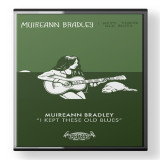
Muireann Bradley is a young blues, ragtime, roots and folk guitarist and singer based in Ballybofey in County Donegal Ireland. “This is my first album. Most of these tunes were originally recorded by the great blues men and women who were making records from the 1920s and 1930s right up in some cases to the early 1970s. I have also found inspiration for the renditions recorded here in the playing of some of the musicians who began recording this music in the 1960s and later, and who in some cases learned at the feet of the greats. Many of these guitarists played pivotal roles in the 1960s blues revival and subsequent “rediscovery” of many of the greats of country blues. I grew up steeped in these old blues in the hills overlooking the valley of the River Finn just outside the town of Ballybofey in County Donegal. My father would play this music constantly at home and wherever we went in the car and talk about it endlessly whether anyone was listening or not, telling stories about the lives of these musicians as if they were legend, mythology or the evening news. My father could of course play all this stuff on guitar, I remember watching him when I was very young and thinking “I want to be able to do that”. When I was nine he agreed to teach me and bought me my first little travel guitar. I worked hard to learn how to play but as time wore on I seemed to have less and less time to practice as I became more and more invested in the combat sports I was regularly training and competing in. Then in March 2020 the first Covid lockdowns happened and all contact sports were shut down. I was lost for a while but soon found my way back to the guitar. I was now listening, playing and practicing with a new intensity and focus. In a very serious moment, I wrote out a list of tunes I was going to learn. The first tune on that list was Blind Blake’s “Police Dog Blues”. I’m not sure now how long it took to get that arrangement together but when it was ready we videoed me performing it and posted it on YouTube. It ended up getting a lot of attention, I remember my parents being quite shocked and soon after that Josh Rosenthal got in touch… and here we are! Each individual track on this album was recorded live in the studio and represents one entire take with me singing and backing myself up on guitar simultaneously. Most are either first or second takes. Nothing has been added or taken away, no overdubs or modern recording tricks of any kind have been used at all so at least in some respects this album has been recorded in the same way as those classics of the 1920s and 1930s
Van Halen did more than announce to the world the earthshaking arrival of a revolutionary guitarist. Performed by an enterprising California quartet that took its name from two of its principal members, the 1978 debut ripped headlines away from punk, injected fresh energy into a then-moribund rock 'n' roll scene, reimagined how heavy music and throwback pop could coexist, and invited everyone to experience the top-down pleasures of a beach-front Saturday night every day of the week no matter where they lived. Painstakingly restored by Mobile Fidelity Sound Lab, and the first of a multi-album series in an exciting partnership between the famous reissue label and Van Halen, Van Halen delivers feel-good thrills and hormonally charged desires like never before.
Limited to 12,000 numbered copies, pressed on dead-quiet MoFi SuperVinyl at RTI, and mastered from the original analogue master tapes, Mobile Fidelity's ultra-hi-fi UltraDisc One-Step 180g 45RPM 2LP collector's edition pays tribute to the record's merit and allows fans to experience Van Halen's original blend of raw power, Hollywood flair, and vaudeville fun for generations to come. Playing with reference-setting sonics that elevate a 10-times-platinum landmark whose importance cannot be quantitatively measured, this definitive version provides a clear, clean, transparent, balanced, and turn-the-volume-up-to-11 view of an album that birthed entirely new styles. Since MoFi's unique SuperVinyl compound allows you to crank the decibels to your wildest desires without risking noise-floor interference, prepare to not only hear but feel Van Halen in your chest, no fifth-row concert seat necessary.
The premium packaging and gorgeous presentation of the UD1S Van Halen pressing befit its extremely select status. Housed in a deluxe box, it features special foil-stamped jackets and faithful-to-the-original graphics that illuminate the splendor of the recording. No expense has been spared. Aurally and visually, this UD1S reissue exists as a curatorial artefact meant to be preserved, touched, and examined. It is made for discerning listeners that prize sound quality and production, and who desire to fully immerse themselves in the art – and everything involved with the album, from the iconic cover art to the meticulous finishes and, yes, of course, Eddie Van Halen's pioneering fretwork and his brother Alex's double-bass percussion.
Indeed, could a piece of music that transformed how countless guitarists approached their instrument be more fittingly named than "Eruption"? Likely not, and in just 102 seconds, Eddie Van Halen rewrote, reimagined, and reconfigured a vocabulary last significantly updated a decade earlier by fellow six-string wizard Jimi Hendrix. Akin to the Washington State legend, Eddie Van Halen developed his own techniques and tones all the while making his seismic accomplishments seem effortless. Devoid of the pretence, ego, and showiness that infected many of his imitators, the Dutch native sticks to a straightforward approach that underlines the authority, prowess, and visionary scope of his playing and then-unheard-of finger-tapping skills. Throughout Van Halen, he establishes himself as an instant idol – a savant whose otherworldly combination of breadth, poise, feel, speed, force, and melody seems beamed in from another galaxy.
As does nearly every song on the record, whose cohesiveness and dynamic put into perspective the advanced chemistry and one-for-all spirit the youthful band had out of the gates. Having paid its dues for years in bars and clubs – going as far as recording a 24-track demo for Kiss bassist Gene Simmons at Village Recorders only to be spurned by management companies that felt its music wouldn't go anywhere – Van Halen finally got a deserved break when Warner Bros. executives signed the group in 1977. The subsequent recording sessions further testify on behalf of the band's synergy and alignment. Completed in just a few weeks with producer Ted Templeman, Van Halen was primarily cut live in the studio with minimal overdubs and edits. The explosiveness, energy, and electricity remain definitive, and as heard on this UD1S set, put the group on a private stage – humming amplifiers, Frankenstrat guitar, bright spotlights, sweaty headbands, and then some.
Van Halen yielded just one hit in the form of a Top 40 single (a breathless cover of the Kinks' "You Really Got Me") but practically every song on the revered LP has become a staple. Named the 202nd Greatest Album of All Time by Rolling Stone and considered by countless experts as one of the best debuts in history, the record displays what can happen with four distinct talents gel and strive for the same purposes. In Van Halen's case, the latter almost always involved partying, freedom, sex, and, in the immortal words of singer David Lee Roth, living "life like there's no tomorrow." The celebration manifests from the opening notes of the strutting "Runnin' with the Devil" – announced with the blare of droning car horns, Michael Anthony's robust bass line, and Alex Van Halen's thumping drumming – and continues through the conclusion of the white-hot "On Fire," goosed by Eddie Van Halen's race-track-ready lines, Roth's flamboyant deliveries, and the rhythm section's cat-like pounce.
Picking out individual highlights on Van Halen is akin to trying to count all the stars in a clear nighttime desert sky: There are far too many to identify, once you see one you notice another dozen you didn't spot before, and the cluster is best enjoyed as a whole. What's evident over repeat listens is the sheer diversity, a fact that's often overlooked: The high harmonies and background funk of "Jamie's Cryin'"; the insistent cane-and-a-tophat shuffle and doo-wop shoo-bop vocal break on "I'm the One"; the throwback acoustic blues that spreads into fast-paced, single-entendre wildfire on the Roth-led standout interpretation of John Brim's "Ice Cream Man." Like the man says, on Van Halen, all the flavours are guaranteed to satisfy.
More About Mobile Fidelity UltraDisc One-Step and Why It Is Superior
Instead of utilizing the industry-standard three-step lacquer process, Mobile Fidelity Sound Lab's new UltraDisc One-Step (UD1S) uses only one step, bypassing two processes of generational loss. While three-step processing is designed for optimum yield and efficiency, UD1S is created for the ultimate in sound quality. Just as Mobile Fidelity pioneered the UHQR (Ultra High-Quality Record) with JVC in the 1980s, UD1S again represents another state-of-the-art advance in the record-manufacturing process. MFSL engineers begin with the original master recordings, painstakingly transfer them to DSD 256, and meticulously cut a set of lacquers. These lacquers are used to create a very fragile, pristine UD1S stamper called a "convert." Delicate "converts" are then formed into the actual record stampers, producing a final product that literally and figuratively brings you closer to the music. By skipping the additional steps of pulling another positive and an additional negative, as done in the three-step process used in standard pressings, UD1S produces a final LP with the lowest noise floor possible today. The removal of the additional two steps of generational loss in the plating process reveals tremendous amounts of extra musical detail and dynamics, which are otherwise lost due to the standard copying process. Every conceivable aspect of vinyl production is optimized to produce the most perfect record album available today.
MoFi SuperVinyl
Developed by NEOTECH and RTI, MoFi SuperVinyl is the most exacting-to-specification vinyl compound ever devised. Analogue lovers have never seen (or heard) anything like it. Extraordinarily expensive and extremely painstaking to produce, the special proprietary compound addresses two specific areas of improvement: noise floor reduction and enhanced groove definition. The vinyl composition features a new carbonless dye (hold the disc up to the light and see) and produces the world's quietest surfaces. This high-definition formula also allows for the creation of cleaner grooves that are indistinguishable from the original lacquer. MoFi SuperVinyl provides the closest approximation of what the label's engineers hear in the mastering lab.
Emerging from the heart of Brussels, Azo is poised to set the electronic music world ablaze with her latest EP, "Astroculture," scheduled for release on SNC Recs. Featuring four vibrant original tracks and a stellar remix from Offenbach Frankfurt's very own Maruwa, this EP takes listeners on an ecstatic journey through the realms of acid, trance, and high-energy drums.
Azo has consistently captivated her audience with a rich tapestry of influences. Renowned for her rock-solid radio shows and dazzling productions, she skillfully blends a myriad of musical elements to create a sound that is uniquely her own.
Inspired by the enigmatic and pulsating vibes of Electro, Trance, and the expressive melodic flavors associated with Rave culture, Azo's "Astroculture" EP promises a sonic exploration like no other. Each track invites her audience to embark on an exhilarating adventure, guiding them through a musical landscape that defies boundaries and expectations—just as the scientific endeavor of astroculture explores new possibilities for cultivating plants beyond the boundaries of Earth.
The EP wouldn't be complete without the hypnotic remix by Maruwa, a vital contributor to the scene. Maruwa's reinterpretation adds a fresh twist to Azo's sonic canvas, enhancing the EP's already electrifying atmosphere.
Azo's "Astroculture" EP is set to ignite dancefloors and inject a surge of energy into the new club season. With its intoxicating beats and boundless creativity, it's a must-listen for electronic music enthusiasts worldwide.
Don't miss out on this sonic adventure. Join Azo on her "Astroculture" journey as she delivers an EP that's as unique and mesmerizing as the artist herself. Experience the magic of Azo's musical journey and get ready to dance like never before.
out of Stock
Last delivered 2 years ago available to reorder, subject to availability
Re-release Soul entwickelte sich gegen Ende der 1950er Jahre aus Rhythm"n"Blues, Gospel, Blues und Jazz. Im folgenden Jahrzehnt war Soul ein Synonym für schwarze Popmusik. Kennzeichnend dafür waren vor allem die Produktionen von Motown Records, zum Beispiel Diana Ross & The Supremes oder Sam Cooke. Seither sind herzergreifender Gesang und groovige Vibes die größten Stilmerkmale des Soul. Zu den weiteren Ikonen des Soul gehören Curtis Mayfield, James Brown, Aretha Franklin, Barry White, Sam Cooke, Al Green und viele mehr. Deren Erfolg ist eng mit dem Kampf der US-amerikanischen Bürgerrechtsbewegung gegen Rassentrennung und für Gleichberechtigung verbunden. 1969 benannte man die Rhythm"n"Blues- in Soul-Charts um. Der Soul-Orkan, der während der Sechziger in den Charts tobte, ebbte jedoch wieder ab, kam aber runderneuert in den 70ern als Phillysound wieder zu erneuten Hitparadenehren. 1982 änderte man die Chart-Bezeichnung von Soul in Black Music. Die vorliegende Kompilation vereint die legendären Stimmen des Soul mit ihren unvergesslichen Hits.
Sourced from the Original Master Tapes and Presented in Audiophile Sound for the First Time: Mobile Fidelity’s Numbered-Edition 180g SuperVinyl LP Plays with Riveting Detail
Three decades before he released The Philosophy of Modern Song — an insightful book devoted to 66 tunes that both impacted his career and the music world at large — Bob Dylan issued Good As I Been to You. The under-heralded 1992 album, Dylan’s first solo acoustic album in nearly 30 years and first all-covers effort in nearly 20 years, can be seen as a prophetic prelude to what has become the Nobel Laureate’s celebrated late-career arc. It’s also an absorbing continuation of the custom Dylan has embraced since he first picked up a guitar.
Sourced from the original master tapes, pressed at RTI, and housed in a Stoughton jacket, Mobile Fidelity's numbered-edition 180g SuperVinyl LP of Good As I Been to You reveals the immediacy, detail, and stripped-down nature of recording sessions that took place in Dylan’s garage studio in California. Simple, raw, and unplugged, the record presents Dylan in peak form — and showcases a diversity of vocal phrasing, soulful chording, harmonica accents, and close-up ambience that on this reissue emerge like never before. As the first-ever audiophile edition of this almost-lost classic, this LP also benefits from SuperVinyl’s extraordinary properties: a nearly inaudible noise floor, superb groove definition, and dead-quiet surfaces among them.
Recorded and mixed by Micajah Ryan, and supervised by Debbie Gold, Good As I Been to You took shape at Dylan’s home shortly after the singer-songwriter completed sessions in Chicago with a full band. Unaccompanied, he again gravitated to existing works — in this case, traditional folk music — and, with Gold serving as a trusted advisor, performed the songs in multiple keys and tempos until he arrived at what he desired. That careful, determined albeit loose, organic approach emanates from this reissue, on which each note, movement, and space come across more directly, fully, and immediately than on the original formats. It helps draw a through-line to Another Side of Bob Dylan (1964) as well as the similarly themed follow-up, World Gone Wrong (1993) and immersive old-world storytelling of Tempest (2012) and Rough and Rowdy Ways (2020).
Well before Dylan made those renowned 21st century LPs, however, he needed to find a way out of a funk that — save for his 1989 collaboration with Daniel Lanois, Oh Mercy — followed him for years. As author Clinton Heylin reported Dylan admitting in 1997: “My influences have not changed — and any time they have done, the music goes off to a wrong place. That’s why I recorded two LPs of old songs, so I could personally get back to the music that’s true for me.”
Truth: Few, if any, concepts better encapsulate Good As I Been to You. It resonates with the same originality, honesty, resolve, and age- and time-defying relevance as the seminal Anthology of American Folk Music that fired Dylan’s imagination as a kid in small-town Minnesota and, later, per Greil Marcus’ That Old Weird America book, informed Dylan and the Band’s Basement Tapes sessions. This record also contains the type of music Dylan was playing during his acoustic sets at his period Never Ending Tour shows; within a year of the record’s release, Dylan would play half the album’s songs live.
As for those songs: Rife with strange mystery, common circumstance, and epic adventure, the stories appeal to our base instincts. Their themes — jealousy, temptation, sacrifice, love, revenge, identity, opportunity — operate on a fundamentally human level immune to trends, generations, or eras. They’re ancient and modern, serious and comical, open and disguised, simple and multi-layered. They talk of vengeance and justice (“Frankie & Albert”; “Jim Jones”), romance and tenderness (“Tomorrow Night,” “Froggie Went a Courtin’”), the troubled and trouble-free (“Hard Times,” “Sittin’ on Top of the World”). They lend voice to lovers scorned and freed (“Blackjack Davey”), the used and users (“Diamond Joe”), the powerful and powerless (“Arthur McBride,” “Canadee-I-O”), the followed and followers (“Little Maggie”). And akin to much of Dylan’s finest output, things are not always what they appear to be.
Spanning country, folk, sea shanty, bluegrass, and blues motifs, Good As I Been to You re-confirms Dylan’s position as an elite interpreter and sculptor — not of just structure but emotion. Dylan delivers the tunes as if he’s known them forever. He plays with a subtle sense of mischievousness and retains a largely upbeat demeanour; his eyes seemingly twinkle as he sings and picks. His guitar serves as the guidepost for shuffles, boogies, ballads, and mess-arounds while his innate feel for each specific arrangement and melody helps inform pacing, tone, attack.
Like a great author, he understands the importance of adhering to concision, luring an audience, holding their attention, and maximizing the impact of details, actions, and unexpected turns. Though already coarse and ragged, his voice feels ideal for the subject matter and his phrasing — from the clever ways he stretches syllables to underline meanings on the surprise twists of “Canadee-I-O” to the sheer delight he gets from singing “rowdy-dow-dow” on the protest song “Arthur McBride” — outstanding.
Seven Steps to Heaven arrived at a crucial junction in Miles Davis' career. Recorded at two separate locations in spring 1963, it served as Davis' first release in more than a year – a layoff that was then unprecedented for the jazz visionary who had issued at least one LP a year since debuting in the early '50s. Equally notable, Seven Steps to Heaven marks the point at which the core of Davis' Second Great Quintet started to assemble. The twice Grammy-nominated effort is also Davis' final studio record to blend standards with originals. And it happens to be one of the expressive, well-played albums in the jazz canon.
Sourced from the original master tapes, pressed at RTI, and housed in a Stoughton gatefold jacket, Mobile Fidelity's 180g SuperVinyl LP of Seven Steps to Heaven adds yet another step (or more) towards the bliss suggested by the album title. Playing with standout clarity, detail, tone, and balance, this audiophile reissue pulls back the curtain on the instrumentalists. Afforded the tremendous advantages of SuperVinyl – including a nearly inaudible noise floor, dead-quiet surfaces, and superb groove definition – this numbered-edition version presents Davis and Co. amid a wide, deep soundstage whose dimensions and solidity help bring the record's historical importance and musical merit into focus. Warm, organic, and present, the SuperVinyl LP of Seven Steps to Heaven is what great-sounding hi-fi is all about.
And there's nary a passage on this 1963 landmark that isn't great. That Davis manages to make it feel so cohesive and seamless is a testament to the inspired performances and engaging compositions. Davis didn't draw it up the way it unfolded. No matter. He held trump cards that stayed up his sleeve for the next three decades: A drive to be nothing less than superb, a refusal to settle for mediocrity, and standards to which nearly no other composer or player could match. "The toughest critic I got, and the only one I worry about, is myself," Davis wrote in the liner notes. "The music has to get past me."
Davis' demanding approach partly explains why he switched up his band between the first and second sessions – and underscores how fast his mind was racing with new ideas. Seven Steps to Heaven acts as the stable bridge between the transitional period that followed the dissolution of his First Great Quintet and formation of the Second; without it, Davis perhaps doesn't invite then-23-year-old Herbie Hancock and a still-teenage Tony Williams into the fold. The trumpeter not only got his men – he preserved in amber for the only time (well, magnetic tape anyway) the chemistry and vibe he achieved with pianist Victor Feldman, drummer Frank Butler, tenor saxophonist George Coleman, and bassist Ron Carter.
That line-up gels for half of the six songs on Seven Steps to Heaven. Captured in Los Angeles April '63, the quintet stretches out on a luxurious reading of the late '20s New Orleans staple "Basin Street Blues"; lays on the romance for a candlelit stroll through the '40s standard "I Fall in Love Too Easily"; and explores the rounded contours and melodic crevices of the early blues "Baby Won't You Please Come Home." The performances are refined, elegant, emotional; the band lets the feelings linger and gives the listener time to absorb the colours and textures.
A month later, Davis returned to New York City with Coleman and Carter, and partnered them with Hancock and Williams. Tellingly, the quintet tried its collective hand at the title track and "Joshua" – Feldman-penned songs already recorded in Los Angeles – as well as the yearning "So Near, So Far." Those are the tunes that comprise the other piece of Seven Steps to Heaven, with the revised quintet's liquid pulse, articulate dynamics, and timing shifts a harbinger of things to come.
It's also worth mentioning that the interpretations of the bounding "Seven Steps to Heaven" – a showcase for Davis' trumpet – and interlocking "Joshua" netted considerable radio airplay and attracted the attention of other contemporaries who covered the songs. Keeping Carter and Williams as the rhythmic engine, and Hancock as the anchor between solo flights and structural motifs, Davis would soon soon welcome Wayne Shorter into the family and transform jazz. Again. The aptly – and, in hindsight, perhaps prophetically titled Seven Steps to Heaven – is how he got there.
Das Saarbrückener Rap-Duo Genetikk, bestehend aus Rapper karuzo und Produzent sikk, steht seit Ende 2011 beim Düsseldorfer Independent-Label Selfmade Records unter Vertrag, das zuvor bereits Künstler wie Casper oder Kollegah zu kommerziell erfolgreichen Szenegrößen geformt hatte und spätestens Anfang 2013 mit dem Nummer 1-Album "Jung, brutal, gutaussehend 2" von Kollegah & Farid Bang mit neu aufgestelltem Verkaufsrekord (80.000 Einheiten in der VÖ-Woche) seine Ausnahmestellung im Rap-Bereich eindrucksvoll verdeutlichen konnte.Die erste gemeinsame Veröffentlichung, Voodoozirkus im Februar 2012, fand sofort großen Anklang und schaffte es direkt in die Top10 der Download-Charts von media control. Ein Charteinstieg in die Albumcharts blieb nur deshalb aus, weil die CD damals lediglich über den Online-Shop von Selfmade Records erstanden werden konnte. Mit ihrem ersten Release und der Single "König der Lügner" (mehr als 5 Millionen Klicks auf YouTube) gelang es Genetikk auf Anhieb, sich eine große Anhängerschaft aufzubauen und ihr enormes Potential erstmals anzudeuten.Stilistisch orientieren sich Genetikk stark an den Wurzeln klassischer Rap-Musik aus Frankreich und den USA, was sich zum einen an karuzos stylischem Rapstil, aber vor allem an der organischen, bis ins letzte Detail perfekt ausproduzierten Beat-Ästhetik von Produzent sikk bemerkbar macht. Genetikk gelingt es, etablierte Genre-Charakteristika mit frischen, modernen Stil-Elementen zu kombinieren, was dem Duo ein gleichermaßen einzigartiges wie unterhaltsames Alleinstellungsmerkmal innerhalb der deutschsprachigen Rapszene verleiht. Es gibt derzeit wohl keinen Rap-Act mit höherem Wiedererkennungswert.D.N.A. - kurz für "Da Neckbreaker Aliens" - ist das erste große Album der beiden Saarländer. Sido, dessen Single "Bilder im Kopf" kürzlich mit Platin ausgezeichnet wurde, ist ebenso mit von der Partie wie Labelpartner Kollegah und die US-Hip-Hop-Legende RZA, seines Zeichens Gründer & Kopf des Wu-Tang-Clans.Das größte deutsche HipHop-Magazin Juice, dessen begehrtes Cover Genetikk jüngst schmückte, ist bereits sicher: Mit D.N.A hat Genetikk einen "modernen Hip-Hop-Klassiker" geschaffen. Ein "Deutschrap-Manifest", das die besten Elemente der nationalen Rap-Historie zusammenführt.
Led by the legendary pianist and composer Chick Corea - the venerated 27-time Grammy winner and National Endowment for the Arts Jazz Master - The Elektric Band stormed onto the jazz scene in the mid-1980s, making an immediate and lasting impact on the genre. With their electrifying performances and innovative blend of jazz fusion, the group produced a series of albums that set the bar for excellence in contemporary jazz. Featuring a core lineup of virtuosic musicians - John Patitucci on bass, Dave Weckl on drums, Eric Marienthal on saxophone and Frank Gambale on guitar - the group created a dynamic and electrifying sound that came to define the jazz fusion style. Their collective musicianship was on full display on each album, as they seamlessly blended complex compositions with captivating improvisations. With each outing, the band explored new sonic territories, incorporating elements of funk, Latin and Afro music, and pop sensibilities. Their 5-album studio discography is a masterful tapestry of multi-layered music, showcasing their creativity, innovation, and musicianship. A restlessly creative, eternally youthful and uncommonly generous spirit, Armando Anthony “Chick” Corea left behind an incredibly rich legacy of recorded music when he passed away on February 9, 2021. The music of the Elektric Band continues to inspire and influence musicians to this day, cementing their legacy as one of the most important and iconic jazz fusion bands of all time
Rediscover all the legendary hits that shaped the sound of Funk Music on a nice double vinyl. Including such great songs as "And The Beat Goes On" by The Whispers, "A Night To Remember" by Shalamar or "Midas Touch" by Midnight Star...
out of Stock
Last delivered 23 months ago available to reorder, subject to availability
Powerhouse R&B/Soul vocalist and Canadian Idol finalist. Gary Beals, is thrilled to be releasing his new album, The Melody Within. The Melody within is a musical journey that unfolds across two sides, much like a story that reveals new layers with each turn. The album is more than just a collection of songs; it's an emotional guide that beckons us to explore the depths of our own feelings and explores navigating emotions, self discovery, and nostalgia through soulful melodies. "This album serves as the aftermath to my previous album, "Bleed My Truth". It's a continuation of my musical journey, a fusion of soulful melodies and diverse influences that mirror both my personal and artistic evolution," said Gary Beals. "Each song is a chapter, a piece of my heart and soul, inviting listeners into my world of emotions, experiences and connection. It uncovers the melody that resides within. The anticipation is building as I look forward to sharing this collection of new music, and I hope it resonates deeply, offering a meaningful and memorable musical experience enriched with a multitude of emotions." With this new body of work, Gary had the opportunity to work with two talented primary producers,Beatchild (Drake, Justin Nozuka, Glen Lewis) and Myles "Losh'' Schwartz (Allan Rayman, Tobi, The Game, Pretty Lights). Additional production credits on the album include, Chris Guirguis, Frizzy Astro (Raz Fresco, Daniel Son), Jordan "Tempo" Farmer, Kobebeats (Rodwave, Kcamp, Sevyn),Sid Aakowa, Ty Danelley (Popcaan, Tory Lanez, Pressa) and Warren Williams, who all helped to shape the makings of the album while maintaining a consistent synergy. Side A of the album draws inspiration from the likes of Al Green, Aretha Franklin, Otis Redding, Marvin Gaye, and James Brown, and pays homage to artists who have played an integral part in shaping Gary's musical roots. This side includes Gary's previously released singles, "Good People, Good Vibes" and "All of Me," and the album's title track "The Melody Within," that commends the process of self-discovery and introspection. Also included is the album's 5th single, "Self Revolution," which will be released on October 27th along with the official music video. On Side B, you'll encounter a fusion of R&B and pop elements while still staying true to the album's soulful essence. Included on this side, is Gary's third single "I Like That," featuring JRDN and KAYO ,and the new single "How Do I Say (I Love You)," released September 22nd. "How Do I Say (I Love You)" dives into the inner conflict of conveying affection, showing vulnerability, and the bravery needed to expose one's heart to someone else. About Gary Beals: Two decades ago, Gary embarked on his musical journey when he, a small-town kid from Nova Scotia (now calling Toronto home), made a remarkable entrance onto the national stage as a part of Canada's inaugural season of Canadian Idol. This month marks the 20th anniversary of the finale where Gary was crowned as the "runner up" on the show. The experience ignited a transformative period of self-reflection and discovery that propelled Gary toward personal growth, shaping his life and musical career in lasting ways.
Fast forward through three albums and twenty years, Gary's work and talent have made a remarkable impact and received widespread critical acclaim. Among his accomplishments are debuting in the top 10 of the Canadian sales chart, being nominated for a JUNO Award for "Best R&B/Soul Recording," winning an East Coast Music Award and seven African Nova Scotia Music Awards, as well as scoring nominations for an Urban Music Award and a Canadian Radio Music Award. These accomplishments led to his home province's Premier officially designating November 22nd as Gary Beals Day in acknowledgment of his achievements.
With his return, Gary is poised to make a positive impact on the ever-expanding global community as he prepares to release his new album The Melody Within. The album will stand as a tribute to the strength that resides within all of us and a reminder that true fulfillment comes not just from achieving goals, but from discovering the intricate beauty that lies within our own hearts and souls.
Craig Charles is a big supporter of Gary Beals and spun his single 'All Of Me' for three weeks in a row on his Funk and Soul Show on BBC Radio Six
out of Stock
Last delivered 2 years ago available to reorder, subject to availability
KingUnderground & Delicious Vinyl present a lovingly re-issued version of this sought after & seminal hip-hop record, with all beats by J Dilla, featuring Common, Talib Kweli, Posdnuos, T-3 & Guilty Simpson, and the first time re-issued on vinyl since 2013.
Back in 2008, just two years after James Yancey aka J Dilla’s passing, Mike Ross, founder of Delicious Vinyl, presented J Dilla’s mother Maureen Yancey (aka Ma Dukes), with a vault of unreleased beats from her late son. Following Dilla’s childhood friend (and longtime collaborator) Frank Nitty (Of Frank N’ Dank) was a part of a group of confidants, who lovingly went through the treasure chest of music, formulating a tribute to their departed friend the best way they knew how. With hundreds upon hundreds of instrumentals to choose from, Nitty and Dilla’s brother Illa J narrowed the pile down to a collection of about 50 tracks, some of which would become the building blocks of their debut 2013 Yancey Boys album, ‘Sunset Blvd’. Upon its release in 2013, the LP (which featured appearances from Hip-Hop royalty including Common, Talib Kweli, Posdnuos, T-3 & Guilty Simpson) became an instant classic, gaining recognition from tastemakers across the world.
Even without J Dilla’s presence during the record’s creation, Frank & Illa J were able to harness Dilla’s omniscient creative energy during the production process of making Sunset Blvd. His contributions and spirit couldn't help but permeate the beats, the undeniable foundation for the tracks on the record. “Beyond the beats, his fingerprints were all over the record, in the guest artists we chose to ask for a feature, to the guys mixing and mastering. Most of whom he (J Dilla) worked with before he passed”, said Frank.
Through Delicious Vinyl, ‘Sunset Blvd’ and the accompanying instrumentals were both released on wax in 2013, but have not been reissued since, until now. Thankfully, UK based label King Underground (AKA KU) have once again made this seminal record (and instrumentals) available.
KingUnderground & Delicious Vinyl present a lovingly re-issued version of this sought after & seminal hip-hop record, with all beats by J Dilla, featuring Common, Talib Kweli, Posdnuos, T-3 & Guilty Simpson, and the first time re-issued on vinyl since 2013.
Back in 2008, just two years after James Yancey aka J Dilla’s passing, Mike Ross, founder of Delicious Vinyl, presented J Dilla’s mother Maureen Yancey (aka Ma Dukes), with a vault of unreleased beats from her late son. Following Dilla’s childhood friend (and longtime collaborator) Frank Nitty (Of Frank N’ Dank) was a part of a group of confidants, who lovingly went through the treasure chest of music, formulating a tribute to their departed friend the best way they knew how. With hundreds upon hundreds of instrumentals to choose from, Nitty and Dilla’s brother Illa J narrowed the pile down to a collection of about 50 tracks, some of which would become the building blocks of their debut 2013 Yancey Boys album, ‘Sunset Blvd’. Upon its release in 2013, the LP (which featured appearances from Hip-Hop royalty including Common, Talib Kweli, Posdnuos, T-3 & Guilty Simpson) became an instant classic, gaining recognition from tastemakers across the world.
Even without J Dilla’s presence during the record’s creation, Frank & Illa J were able to harness Dilla’s omniscient creative energy during the production process of making Sunset Blvd. His contributions and spirit couldn't help but permeate the beats, the undeniable foundation for the tracks on the record. “Beyond the beats, his fingerprints were all over the record, in the guest artists we chose to ask for a feature, to the guys mixing and mastering. Most of whom he (J Dilla) worked with before he passed”, said Frank.
Through Delicious Vinyl, ‘Sunset Blvd’ and the accompanying instrumentals were both released on wax in 2013, but have not been reissued since, until now. Thankfully, UK based label King Underground (AKA KU) have once again made this seminal record (and instrumentals) available.
Capitane Records freut sich, die Veröffentlichung von Moping in Style ankündigen zu können: Eine Hommage an Adam Green. Auf diesem mitreißenden Doppelalbum sind Regina Spektor, Father John Misty, Devendra Banhart, The Libertines, Jenny Lewis, Sean Ono Lennon, Frankie Cosmos, The Lemonheads und viele andere bekannte Namen zu hören, deren Beiträge Adam Greens Position als feste Größe des Indie-Rock der letzten zwei Jahrzehnte belegen. Mit einer Songauswahl aus Adams Soloalben, angefangen bei Garfield aus dem Jahr 2002 bis hin zu seinem letzten Album That Fucking Feeling, zeigt dieses Tributalbum Adams bemerkenswerte Bandbreite als Songwriter.Weithin bekannt als eine Hälfte des Songwriter-Duos The Moldy Peaches, hat Adam Green seit den frühen 2000er Jahren einen einzigartigen Einfluss auf seine Generation von Musikern und Künstlern ausgeübt. Seit den frühen Nuller, als Bands wie The Strokes, The Libertines und The White Stripes begannen, das neue Kapitel der Indie-Kultur zu schreiben, spielte Adam eine wesentliche Rolle dabei, an einem Dienstag voller gezielter Katastrophen zu verlieren? oder Bartholemew, bring me a fork? Von seinen frühen bis zu seinen jüngsten Songs haben sich die Fans von Adam Green an der kaleidoskopischen Landschaft der Sprache erfreut, die er malt. Mit seiner lyrischen Vorstellungskraft öffnet er Türen möglicher Bedeutungen und schafft es, absurd zu sein, ohne absurd zu sein, und anzüglich, ohne offenkundig provokativ zu sein. Er fädelt die sehr zarten künstlerischen Nadeln von Zärtlichkeit und Humor, Kitsch und hoher Kunst, Rock'n'Roll und Fackellied. Neben den Moldy Peaches und seinen Soloalben umfasst Adam Greens beeindruckendes Werk mehrere Serien von Gemälden, Skulpturen, zwei Filme in voller Länge und sogar epische Gedichte. Um es nicht zu sehr auf die Spitze zu treiben, aber für viele seiner Generation - zumindest für die Eingeweihten - hat Adams Statur fast Warhol-ähnliche Ausmaße erreicht. In einer Zeit, in der die im vorigen Jahrhundert Geborenen vielleicht den Verlust dessen bedauern, was wir kollektiv als "Gegenkultur" in Erinnerung haben, erinnert Adam Green uns alle an eine komplexere und reichere Ära des künstlerischen Dialogs. Für eine jüngere Generation von Songwritern, von denen einige auf Moping in Style zu hören sind, hat Adam den Weg geebnet und die Richtung gewiesen. Aus den geschickten musikalischen Händen seiner brillanten Mitwirkenden hören wir neue Sichtweisen auf Adams Songs und stellen fest, dass Adam Green vielleicht genauso sehr wie jeder andere der oben erwähnten Koryphäen des 20. Jahrhunderts dem großen George Gershwin ähnelt, einem Meister der Melodie und des Liedes. Dopple-Vinylalbum/CD Mit Devendra Banhart / Regina Spektor & Jack Dishel / Father John Misty / The Lemonheads / Sean Lennon / The Libertines / Binki Shapiro / Jenny Lewis / The Lemon Twigs / Frankie Cosmos / Ben Kweller / Kyp Malone (TV on the Radio) / Rodrigo Amarante / Joanna Sternberg / Hubert Lenoir / Jeffrey Lewis / Turner Cody / The Cribs / The Pirouettes / Vincent Delerm / Herman Dune / Cut Worms / Ben Lee / Lou Barlow / Jonathan Rado (Foxygen).
2023 REPRESS - Rare Brazilian Bossa Nova - Latin album - Comes with insert/liner notes & packaged in a gatefold jacket - 180g TANGERINE COLORED vinyl limited to 500 copies w/obi strip // Marcos Valle needs little introduction, born in Rio de Janeiro in 1943, Mr. Valle is an award-winning/chart-hitting Brazilian singer, songwriter and record producer. He was raised on a staple diet of classical, Brazilian popular music and North American jazz. Marcos Valle grew up to be one of the most influential & innovating musicians of the Bossa nova period and is regarded as one of the greatest Brazilian artists of all time. He has recorded albums for North American labels such as EMI, Warner Brothers & Verve_cementing his career with a series of tight musical workouts moving seamlessly between funk, samba, soundtracks, soul, jazz, dance and rock. Valle contributed to some of the most important recordings by artists including Sarah Vaughan, Frank Sinatra, Sergio Mendes, Leon Ware, Chicago and Airto Moreira. Mr. Valle's work has been sampled/remixed by major artists from the likes of Jay-Z, Kanye West & Madlib.One of Valle's favorite bands to frequently collaborate with was no doubt Azymuth, who took their name from a Valle song!Azymuth (Bertrami-Malheiros-Conti) started their individual careers in the 1960s in the emergent Bossa nova and jazz scene of Rio, living in the same bohemian block in Copacabana and playing in small bars as session musicians under various other names.It was the early 1970s when Azymuth really began to cause a stir and Marcos Valle invited them to record on a soundtrack LP he was doing. The unique Azymuth sound was now born: a mix of electronic music, samba, funk and jazz that they defined as MPB-jazz (MPB stands for Musica Popular Brasileira). Over the decades Azymuth released extremely successful albums (selling millions of copies) on labels such as Polydor, Som Livre and Atlantic. Hitting the charts on multiple occasions, Azymuth played at the Monterrey and Montreux jazz festivals and at venues around the globe.The band has worked with legendary musicians from Joe Henderson to Stevie Wonder and they've also been remixed/sampled by artists such as Flying Lotus, will.i.am, MF DOOM and Peanut Butter Wolf. Their unique brand of fusion-music has influenced three generations of musicians, DJs, and producers. Music journalists across the spectrum from mainstream to underground, celebrated these raw yet wildly imaginative and musically accomplished tracks that were a revelation of jazz, funk and disco, with some even stating that the roots of EDM were on display in their early recordings.On the album we are presenting you (Brazil by Music - Fly Cruzeiro) the listener is getting yet another fantastic early Valle/Azymuth collaboration. Released in 1972, this rare album was pressed and gifted to customers of the `Cruzeiro' airline company. This promotional record came as no surprise because the connection between Cruzeiro Airlines and Valle was very tight (Valle's father was the manager and his brother was a co-pilot there).Next to the Valle/Azymuth material present, other songs include some of the all-time best Brazilian standards originally written by renowned artists such as Jorge Ben & Antonio Carlos Jobim. Take a flight with us through this fantastic album and into some of the best Jazz, Funk & Bossa Nova the Brazilian musical landscape has to offer.Tidal Waves Music now proudly presents the first ever vinyl reissue of `Fly Cruzeiro' since its release in 1972 (only 500 copies were pressed upon its original release in 1972).
Er ist ein Star unter den Produzenten. Nun ist »der Mann, der die Achtziger erfand« zurück: Trevor Horn veröffentlicht Echoes – Ancient & Modern, elf legendäre Tracks in neuer, klangvoller Form. Das Album ist erhältlich mit einem Interview, das der britische Musikjournalist Paul Morley mit seinem langjährigen Freund und künstlerischen Partner führte.
Wie wählt man die besten Künstler:innen aus, um vertraute Songs in etwas Magisches und Neues zu verwandeln? Horn selbst singt den Roxy-Music-Klassiker »Avalon« und ist Produzent von Marc Almond, Tori Amos, Rick Astley, Andrea Corr, Steve Hogarth, Lady Blackbird, Jack Lukeman, Iggy Pop, Seal und Toyah Wilcox & Robert Fripp in Songs, die einst von Pat Benatar, The Cars, Depeche Mode, Frankie Goes to Hollywood, Billy Idol, Joe Jackson, Grace Jones, Kendrick Lamar, Nirvana und Yes gespielt wurden.
This new FRANKIE-45 is more raw, primitive, philosophical, fuzzy and dissonant than you'd expect! The theme of this 45 (and most of the upcoming album) is fear.. Perfect for Halloween. However, this record is a not a record about spooky skeletons and ghouls but rather a record about deep and day-to-day fears. The first song "Panick Attack" depicts the inner emotions and experience of a panic attack. The next track "Agnost" is more philosophical, wandering into the most abstract of thoughts. In this land of ambiguity you easily spook yourself and try to seek comfort in the thought that existential questions about infinity and reality are just too big for a tiny human brain and that's what that song is all about. The last track is "Time", the devourer of everything is both relative and an unstoppable force that will turn everything to nothing. Filled with paradoxes that'll bend reality itself. This song is about the fear of being late, but humorously instead of blaming oneself, the blame is put on the boss for expecting to control such an uncontrollable power of the universe. So, after FRANKIE's first release, which was more folky and upbeat, this 45 is primitive, fuzzy and straight from the raw emotion that is fear! If you like: The MUSIC MACHINE, BOHEMIAN VENDETTA, THE SEEDS, SYD BARRETT and are into TRITONES... this is the 45 for your youACHINE, BOHEMIAN VENDETTA, THE SEEDS, SYD BARRETT and are into TRITONES... this is the 45 for you
Paul Anka, born in Canada of Syrian parents in 1941, carved out a
career that’s so far spanned six decades, metamorphosing on the
way from teen heart-throb to seasoned performer. He enjoyed
success both as a singer and a songwriter, penning Put Your Head
On My Shoulder, You Are My Destiny, Diana and Puppy Love
along with the English lyrics to My Way, the signature song of
Frank Sinatra, as well as Tom Jones’ classic She’s A Lady. Enjoy
a touch of ‘Puppy Love’ and more from this master balladeer.
FROM RAY CHARLES TO SELAH SUE, FROM NINA SIMONE TO IBEYI, FROM BARRY WHITE TO ALOE BLACC, DISCOVER THE BEST OF THE GREATEST VOICES OF SOUL MUSIC OF ALL TIME IN A 5 VINYLS BOXSET
out of Stock
Last delivered 2 years ago available to reorder, subject to availability
Swingrowers (pronounced Swing Growers) released their second album REMOTE on 14th August 2014. Since then, it has been streamed over 13 million times on Spotify, while the official music videos for the two main singles have notched up over 10 million YouTube views. Now the album is being released on wax for the first time as we approach its 10th anniversary.
This is a highly desirable LIMITED EDITION pressing on WHITE VINYL with a free download card enclosed.
REMOTE itself is a revelation. It stood the test of time because it's one of very few complete and fully-realised Electro Swing albums that seamlessly blend 20's and 30's influences (violin, gypsy jazz guitar, saxophones, swing music) with polished contemporary production. Here superb musicianship meets great song-writing meets a unique modern sound. Plus jazz-inflected vocals.
It's the sound of a young band (and indeed an up-start young genre) maturing rapidly and would pave the way for the brilliant albums that followed and indeed for the on-going popularity of the genre.
It will be a sought-after release for fans who have bought the more recent two albums on vinyl, and by fans of other vintage influenced swing artists like Caravan Palace or Parov Stelar.
out of Stock
Last delivered 20 months ago available to reorder, subject to availability
While this may be the first release on Sheffield's Central Processing Unit from Global Goon, the one known to friends and family as Johnny Hawk brings a whole heap of experience to the Nanoclusters mini-LP.
Hawk started dropping Global Goon records on the legendary Rephlex Records back in the 1990s. The project's subsequent releases have taken in imprints as esteemed as WéMè and Balkan. Factor in a whole host of other aliases which have delivered missives via the likes of Planet Mu, and you know even before you press play on this witty, wily record that you're dealing with a master at work here.
The confidence with which Global Goon approaches Nanoclusters shines through in Hawk taking much of the mini-album at midtempo. Cuts like 'Khroxic Mould', 'Metallik' and 'Syntheseers' sound like Bochum Welt heading down a dark alleyway. The former in particular is a seasick lope, the tuned synths lurching around like sailors on deck in a storm as bass ebbs and flows underneath the mix.
The influence of Kraftwerk comes through prominently at times here, particularly in the way 'Calcula' and 'Digit Six' play pensive, slightly sombre synth chords off some simple but effective forward motion in the drum programming. That is not to say that Nanoclusters is not full of invention, though. None of the productions are overly flash, but this approach allows the little details to shine through more clearly, from cleverly panned hi-hats to hissing synth counter-melodies which flit in and out of the mix. Enthralling and packed full of ear candy, they're further evidence that Nanoclusters is the work of an expert craftsman.
While the pulse of Nanoclusters remains relatively steady throughout, it's still a rather lively record. Plenty of these tracks will get the dancefloor moving if deployed correctly - though whether they're heard at home or in the dance, it's the attention to detail which makes them stand out.
'Snapterisk' is as perfect an example of machine-funk as you're likely to find - the drum programming is razor-sharp but rubbery with bongos, the bass a lithe burble, and those wobbly stabs of keys that put a bit of wiggle in the beat? Delightful stuff. Elsewhere the ever-looping arpeggio of 'Metro Esc' has hints of Frankie Knuckles' house classic 'Your Love', though an array of interesting sonic nuggets - snippets of vocal, radar-like bloops, a gently insistent low-end pulse - soften the track's clubbier elements with a pillowy sheen. And Hawk throws us a curveball right at the end of Nanoclusters, tapping back into that old Rephlex sound for the fizzy, braindancing 'Metal Glass'.
Global Goon doesn't need to show off on Nanoclusters - from brilliantly slick machine-funk to Kraftwerkian reveries, the CPU debutant lets the music do the talking here. It makes for a confident and vivacious mini-LP, one which wears its expertise lightly.
Keplar releases a vinyl reissue of 2001’s »Curve,« the second album released by Frank Bretschneider on Mille Plateaux under his real name. »Curve« saw him pick up on the underlying concept of 1999’s »Rand,« but gave his explorations of the sonic and stylistic range of electronic music notably more space and time to unfold.
Merging compositional minimalism with sonic complexity, the eight tracks display an affinity for the production techniques of dub music, which had already been a major reference point for Bretschneider’s work before. Its subtle grooves, especially in the rhythmically charged pieces towards the end of the album, also nod at the dance music-inspired work of contemporaries such as SND or Vladislav Delay. Produced during a prolific time for Bretschneider, who had previously co-run the Rastermusic label and was at that time still active under his Komet moniker, he considers »Curve« to be a crucial album in his discography.
Bretschneider was an important figure in the 1980s Karl-Marx-Stadt (Chemnitz) scene and released his first solo experiments with electronic music through his own klangFarBe tape label as early as 1985. Throughout the 1990s, he was part of projects such as Produkt and Tol and also released solo albums as Komet on Rastermusic, which he had co-founded in 1995 together with Olaf Bender a.k.a. Byetone. At the turn of the millennium, he gradually started releasing more solo records under his real name. After 1999’s »Rand,« followed »Rausch« on 12k—with whose owner Taylor Deupree he would collaborate for 2002’s »Balance,« reissued in 2020 by Keplar—in the following year and, finally, »Curve.« Produced after he had moved to Berlin, Bretschneider used a Clavia Nord Modular as his primary sound source and the Logic DAW to modulate and synchronise the sounds, adding only drum loops to some tracks in the second half of the album.
»Curve« is a record that is hard to pigeonhole and thus an archetypical Bretschneider album: marked by a meticulous attention to detail, infinitely playful, and fully dedicated to pushing the envelope of electronic music. It is no wonder that it left a lasting mark on the international scene for adventurous electronic music.
All tracks composed and recorded by Frank Bretschneider.
Originally released on Mille Plateaux in 2001.
Remaster and cut by Lupo @ Loop-O.
Artwork by Frank Bretschneider & Tim Tetzner.
Text by Kristoffer Cornils.
out of Stock
Last delivered 2 years ago available to reorder, subject to availability
„ The dissonance, the discord, is the tongue in the cheek of Ralf Schauff's music. Be it that the transverse flute, always underestimated as an instrument of torture, is used or slow synthesizer automations shift the tonality in an agonizingly and unnecessarily cruel way. Without this intention to challenge the listener, the music would have been there before. There are the soundscapes of NEU!, Harmonia or Cluster, the modality of Can, Afrobeat and all kinds of electronics, but also the impression of „Weltmusik" associated with folkloric instruments like the didgeridoo or the recorder. But it's none of these things. It only reminds us of them. And it reminds us listeners that music is also produced. The meta level comes into play and gets in the way of consumption. This is much more amusing, surprising and enriching than the mere description suggests. This is a must hear. It's just insanely fun. " Frank Spilker (Die Sterne)
„ Die Dissonanz, der Missklang, ist die Zunge in der Backe der Musik von Ralf Schauff. Sei es, dass die als Folterinstrument immer wieder unterschätzte Querflöte zum Einsatz kommt oder langsame Synthesizer Automationen die Tonalität qualvoll und unnötig grausam verschieben. Ohne diese Absicht den Hörer herauszufordern wäre die Musik schon mal da gewesen. Da wären die Klanglandschaften von NEU!, Harmonia oder Cluster, die Modalität von Can, Afrobeat und aller möglichen Spielarten von Elektronik, aber auch die mit folkloristischen Instrumenten wie dem Didgeridoo oder eben der Flöte verknüpfte Anmutung von „Weltmusik.“ Das alles ist es aber nicht. Es erinnert nur daran. Außerdem erinnert es uns Hörer daran, dass Musik ja auch hergestellt wird. Die Meta Ebene kommt ins Spiel und stellt sich dem Konsum in den Weg. Das alles ist viel Amüsanter, Überraschender und Bereichernder, als die bloße Beschreibung vermuten lässt. Das muss man gehört haben. Es macht einfach wahnsinnig viel Spass. " Frank Spilker (Die Sterne)
Downloads
out of Stock
Last delivered 2 years ago available to reorder, subject to availability
After almost 25 years a new studio album of the German prog rock legend in original lineup! Agitation Free was one of the leading representatives of German experimental rock
music in the early 1970s. The Berlin band developed long, for that time unusual, free
instrumental improvisations from the end of 1967. They achieved cult status as early as
1972 with an independent mixture of improvised rock paired with electro, ethno, jazz and
trance elements.
Extensive live activities gave the band a steadily increasing level of recognition throughout
Europe. For example, the group performed in the cultural program of the Olympic Games
in Munich in the summer of 1972, toured France for two months in early 1973, performed
at the "German Rock Super Concert" in Frankfurt in May, produced the second album "2nd"
and then went on tour through France and major German cities. In 1974, the band began
to show signs of fatigue, which led to their temporary breakup at the end of the year after
a farewell concert.
Although a number of albums (with recordings from 1972 to 1974) were released after the
group's breakup and the studio album "River of Return" was released in 1999, it took
almost 35 years for the original band to reunite for concerts. In February 2007, Agitation
Free, with the original lineup from 1974, gave a series of concerts at Tokyo's "Shibuya
O'West."
In retrospect, it became clear that the experimental circle Agitation Free was one of the
important bands of the "Berlin School" and furthermore a career springboard for several
German musicians. Christopher Franke, for example, helped the band Tangerine Dream
achieve worldwide recognition. Michael Hoenig worked with Klaus Schulze and Tangerine
Dream before he became known as a film composer in Hollywood after a solo album
(among other things, the film music for the blockbuster "9 1/2 Weeks" with Kim Basinger
and Mickey Rourke). Axel Genrich moved to Guru Guru, Burghard Rausch became a
founding member of Bel Ami. Gustl Lütjens, toured with Shirley Bassey and Nena and later
found a large audience with his new age band Living Mirrors, especially in the USA. Lutz
"Lüül" Ulbrich joined Ashra, worked with ex-Velvet Underground singer Nico, produced
solo records in addition to theater music, and has enjoyed success with the 17 Hippies since
the late 1990s.
In the line-up Michael Hoenig (keyb, syn, el. perc), Burghard Rausch (dr, el. per), Lutz GrafUlbrich ((git, acc. git, bj), Gustl Lütjens (git acc. git, vocals) and Daniel Cordes (b, syn) the
new studio album "Momentum" was recorded.
After almost 25 years a new studio album of the German prog rock legend in original lineup! Agitation Free was one of the leading representatives of German experimental rock
music in the early 1970s. The Berlin band developed long, for that time unusual, free
instrumental improvisations from the end of 1967. They achieved cult status as early as
1972 with an independent mixture of improvised rock paired with electro, ethno, jazz and
trance elements.
Extensive live activities gave the band a steadily increasing level of recognition throughout
Europe. For example, the group performed in the cultural program of the Olympic Games
in Munich in the summer of 1972, toured France for two months in early 1973, performed
at the "German Rock Super Concert" in Frankfurt in May, produced the second album "2nd"
and then went on tour through France and major German cities. In 1974, the band began
to show signs of fatigue, which led to their temporary breakup at the end of the year after
a farewell concert.
Although a number of albums (with recordings from 1972 to 1974) were released after the
group's breakup and the studio album "River of Return" was released in 1999, it took
almost 35 years for the original band to reunite for concerts. In February 2007, Agitation
Free, with the original lineup from 1974, gave a series of concerts at Tokyo's "Shibuya
O'West."
In retrospect, it became clear that the experimental circle Agitation Free was one of the
important bands of the "Berlin School" and furthermore a career springboard for several
German musicians. Christopher Franke, for example, helped the band Tangerine Dream
achieve worldwide recognition. Michael Hoenig worked with Klaus Schulze and Tangerine
Dream before he became known as a film composer in Hollywood after a solo album
(among other things, the film music for the blockbuster "9 1/2 Weeks" with Kim Basinger
and Mickey Rourke). Axel Genrich moved to Guru Guru, Burghard Rausch became a
founding member of Bel Ami. Gustl Lütjens, toured with Shirley Bassey and Nena and later
found a large audience with his new age band Living Mirrors, especially in the USA. Lutz
"Lüül" Ulbrich joined Ashra, worked with ex-Velvet Underground singer Nico, produced
solo records in addition to theater music, and has enjoyed success with the 17 Hippies since
the late 1990s.
In the line-up Michael Hoenig (keyb, syn, el. perc), Burghard Rausch (dr, el. per), Lutz GrafUlbrich ((git, acc. git, bj), Gustl Lütjens (git acc. git, vocals) and Daniel Cordes (b, syn) the
new studio album "Momentum" was recorded.
Tenor saxophonist Ben Webster (born Kansas City, 1909) needs little introduction, Webster is regarded as one of the three foremost swing era tenor saxophonists - the two others being Coleman Hawkins and Lester Young. His ballad playing and sound inspired such later fellow saxophonists as Archie Shepp, Sonny Rollins and John Coltrane. Webster became famous for his unique sound, quick tempos, his solos that contained great virile rhythmic momentum, a rasping timbre and an almost brutal aggressiveness filled with growl, while his ballad playing was breathy, tender and sensual. The list of his collaborations is long, Ben Webster worked, recorded and played with legends from the likes of Art Tatum, Count Basie, Cab Calloway, Roy Eldridge and Dexter Gordon_but a dream came true when he was offered a permanent job in Duke Ellington's orchestra where his personal style matured. Webster stayed with Ellington until 1943, after which he formed his own groups and played with other small ensembles. From 1952 on he spent his time between Los Angeles and New York playing, freelancing and recording with a variety of soloists, among them high-profile singers like Billie Holiday, Ella Fitzgerald, Carmen McRae and Frank Sinatra. Despite excellent reviews of his albums, it was difficult for Webster to find steady work in the US during the early 1960's, and when in 1964 he got offered to play for a month in London he accepted and sailed to England. Webster never returned to the United States. In Europe he found plenty of work, playing residences in Scandinavia, settled in Amsterdam (1966-69) and then in Copenhagen (where he even has a street named after him). He toured frequently, playing in clubs and at big festivals with local bands or with visiting American musicians. Ben Webster suffered a stroke in Amsterdam in September 1973 following a performance in Leiden and died on September 20. Even when his health started to decline during his last years, his playing never did. To the last day Webster played with passion and intensity, delivering weight on every note. Webster is the subject of two renowned documentaries and two extensive biographies have been published about his legacy. Responsible for a plethora of excellent recordings he remains THE best-selling tenor saxophonist in jazz. Ben Webster was one of those unique jazz musicians whose presence came through on every recording (He recorded for prestigious labels including Verve, Impulse!, Prestige, Reprise, Blue Note_and countless others. On the album we are proudly presenting you today (Wayfaring Stranger recorded in 1970 by the NPS Radio network in The Netherlands) you will find mind-blowing high-quality Dutch sessions that were left dormant on a shelf and weren't commercially released for over 30 years! On 'Wayfaring Stranger' the listener is treated to no less than nine sublime tracks that document Webster's trademark relaxed-swinging but imaginative playing style that never gets boring. The album features an all-star line-up from the likes of Rob Langereis (Toots Thielemans), John Engels (Chet Baker, Dizzy Gillespie) and Cees Slinger (Dexter Gordon, Slide Hampton). Expect a 61-year-old Ben Webster in excellent form giving a warm, dusky, gritty yet funky performance where he delivers everything from up-tempo material, 12-bar blues jams to soulful expressive ballads. Webster's quartet is in constant musical dialog with each other, creating a unique back and forth between musicians at the top of their game. Tidal Waves Music now proudly presents the FIRST EVER vinyl release of this fantastic album (originally released as a limited Compact Disc edition back in 2000). This unique record comes as a deluxe 180g DOUBLE vinyl edition (strictly limited to 1000 copies) with obi strip.
Whatever condition your condition is in, Soul4Real have huddled together a team of the finest soul physicians to make you feel good.
We scoured all the shelves in the soul pharmacy and discovered some potions that were only just through the trial stage. Just one listen to the brilliant Aretha, Gladys, Walter Jackson and the Purify’s tracks convinced us not to wait for FDA approval, so we took the plunge and shared them with the world on vinyl for the very first time.
Recorded in 1968, Arthur Alexander‘s magnificent “I Need You Baby” reached legendary status during the tape-swapping epidemic of the late 70s/early 80s. The first traces of Alexanderitus were linked back to a tape dispensed by a north London mod by the name of Randy Cozens, which went viral. Even today, the mere mention of the title to any of those C60-swap-survivors can cause severe heart palpitations.
Down in Memphis, they tend to practice the holistic approach to heartaches. Southern folk understand it’s about the voice and its natural healing powers, especially when it’s being administered by the likes of the Soul Children and Shirley Brown, who instinctively inject the perfect amount of ache, warmth and emotion to hit just the right spot. May we prescribe at least two listens a day, taken with or without food.
Helping with recovery we have included tracks by our care team Maxine, Gil Scott-Heron and the Isleys, whose gentle grooves will help nurse you back onto the dance floor in record time.
And finally, my personal favourite, Dr Johnnie Taylor. Frankly, it beats me how someone who delivers the lines "she don’t break no records when it comes to good looks” and “she burns up the food when she cooks" to his girlfriend manages to avoid a trip to A&E. We decided such foolish bravery should be rewarded by having his picture on the album cover.
12 tracks, all great examples of real soul music, a mix of well known classics, overlooked gems, and 4 original unreleased songs.
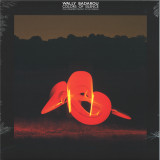
Synth pioneer and musical polymath, Wally Badarou is a genius. But you know that already. A vinyl version of his majestic Colors Of Silence has been craved by the Balearic cognoscenti ever since its low-key 2001 release. Indeed, when we first started work on Be With, we asked some pals with exquisite taste what their dream release would be. We asked Balearic legend Moonboots and, without hesitation, he said Colors Of Silence by Wally Badarou. We didn't know Wally had made this album. And most still don't. But that's about to change.
Colors Of Silence is ostensibly a new age album. As ever though, Wally's sophisticated synth textures and expressive keyboard runs are so full of character, so full of life, that this work of art transcends any easy genre categorisation. It's simply stunning, throughout. It sounds like A.r.t. Wilson or Suzanne Kraft, with traces of CFCF and Jonny Nash. But it was made a good decade earlier than the work of these modern giants. Sometimes, it doesn't seem far from some Larry Heard albums.
Island Records founder Chris Blackwell's friend Nathalie Delon asked Wally to provide music for the yoga DVD she was to release. Lack of time on both sides made them agree on using "quality demos" Wally had in his ideas bank. It's understandable why Colors Of Silence remains somewhat of a lost gem. As Wally explains: "Total lack of promotion made it an 'intimate' release, which was exactly what I was looking for: just a buzz-maker and time-buyer that would allow me to concentrate on the real thing as soon as I'd have time, which could also turn into a rare collecting item later, once the final versions made their way to success. You never know."
Over the years, Colors Of Silence has become a true cult record for the ambient/Balearic heads.
The beguiling but brief "Dance In The Dust" is the shuffling, hyper-percussive, hypnotic opener. It gives way to the deep serenity of "Amber Whispers". It's a gliding, divine, mini melodic masterpiece. It'll make you swoon in its extreme beauty. The bright and breezy "Where Were We" follows, a tropical, reggae-tinged bounce through the islands.
The uptempo groove is maintained on the keys-drizzled soca-funk of "The Lights Of Kinshasa" before Side A is rounded out with "Pictures Of You". It starts with stately, melancholic, unadorned piano and this alone would make for a beautiful song. But Wally always gives us that bit extra and he effortlessly introduces warm, dreamy pads and minimal, slo-mo percussion to augment a frankly stunning piece of work.
Ushering in Side B, Wally's mesmeric piano playing is to the fore again, in the intro to uber-chilled "Serendipity For Two". The playing becomes more mellifluous as the track progresses and adds warmth through exotic percussion, woodwind, sweeping synths and digi-drums. It has echoes of, er, Echoes. It segues seamlessly into the more propulsive, wavy "Smiles By The Millions". If you're not nodding and grinning along widely to the gently throbbing bassline underpinning this, we can't help you. The meditative "Higher Still" follows, cinematic in feel and ever so slightly sinister with the strings. It sounds particularly Badalamenti-esque, if you ask us.
That unmistakable, almost peculiar Badarou funk - so lyrical, so texturally rich and so rhythmically spacious - is all over "Oriental". Next up, "Days To Wonder" brings the serenity back, insistent yet melodic keys, as if played in a place of worship, coupled with birdsong, conjure a kind of instant nostalgia for halcyon days of youth. The contemplative "Dawn Of Europa" is a sombre, beatless, ambient journey whilst the glorious, too-brief "Crystal Falls" features soft percussion and sparkle before fully glistening with some gentle head-nod beats. Wally brings this incredible collection to a mellow, tender close with the graceful "Purple Lines".
There can be few artists more under-appreciated given their vast influence than Wally Badarou. His solo work practically defined the sound of the Balearic DJs of the 1980s, and thus the more sophisticated sound of dance culture thereafter. A synth specialist, Badarou was the long-time associate of Level 42. He was one of the Compass Point All Stars (with Sly and Robbie, Barry Reynolds, Mikey Chung and Uziah "Sticky" Thompson), the in-house recording team of Compass Point Studios responsible for a series of albums in the 1980s recorded by Grace Jones, Tom Tom Club, Mick Jagger, Black Uhuru, Gwen Guthrie, Jimmy Cliff and Gregory Isaacs. Badarou's keyboard playing could also be heard on albums by Robert Palmer, Marianne Faithfull, Herbie Hancock, M (Pop Muzik), Talking Heads, Manu Dibango and Miriam Makeba. He also produced Fela Kuti. Phew!
Meticulously remastered and cut by both Simon Francis and Cicely Balston respectively, it has been pressed to the highest possibly quality at Record Industry in Holland. Special thanks must go to Apiento from Test Pressing who first introduced us to Wally and facilitated all those early zoom meetings. It couldn't have happened without his help. Not least on pulling the art together, too, which features striking original photography by Mads Perch. Benji Roebuck of Roebuck Press did his thing brilliantly in art working the whole package to completion. All in all: essential.
out of Stock
Last delivered 22 months ago available to reorder, subject to availability
Das 35-jährige Jubiläum der Popsensation Milli Vanilli wird mit einer besonderen Veröffentlichung gefeiert, die eine Hommage an die zeitlosen Hits der Kultgruppe darstellt: "The Best of Milli Vanilli (35th Anniversary)". Diese Zusammenstellung verspricht den Fans eine Reise durch Songs, die eine Ära prägten, darunter Chartstürmer wie "Girl You Know It's True", "Blame It On the Rain", "I'm Gonna Miss You" und "Baby Don't Forget My Number". Diese Songs begeistern noch heute ein weltweites Publikum und zeigen den anhaltenden Einfluss von Milli Vanilli auf die Musiklandschaft. Milli Vanilli war eine der populärsten Musikgruppen in den späten 80er und frühen 90er Jahren, von ihrem ersten Album "All Or Nothing" wurden weltweit über 8 Millionen Exemplare verkauft. Mit ihrem Debüt-Hit "Girl, You Know It's True" wurde ein einzigartiger Hype ausgelöst, der die beiden ehemaligen Clubtänzer Rob Pilatus und Fab Morvan zu Pop-Superstars machte. Sie wurden bejubelt, verehrt und gefeiert. 1990 wurde die Gruppe mit einem Grammy als "Best New Artist" ausgezeichnet, der ihr später wieder aberkannt wurde, nachdem bekannt geworden war, dass Rob Pilatus und Fab Morvan - das Gesicht des Projekts - nie wirklich gesungen hatten. Die Songs wurden von Frank Farian produziert - der auch hinter anderen Gruppen wie Boney M., La Bouche und No Mercy steckt - und verwendete die Stimmen der Sänger Brad Howell, John Davis, Jodie Rocco, Linda Rocco und Charles Shaw. Der Skandal machte weltweit Schlagzeilen und das Duo ging getrennte Wege
Das 35-jährige Jubiläum der Popsensation Milli Vanilli wird mit einer besonderen Veröffentlichung gefeiert, die eine Hommage an die zeitlosen Hits der Kultgruppe darstellt: "The Best of Milli Vanilli (35th Anniversary)". Diese Zusammenstellung verspricht den Fans eine Reise durch Songs, die eine Ära prägten, darunter Chartstürmer wie "Girl You Know It's True", "Blame It On the Rain", "I'm Gonna Miss You" und "Baby Don't Forget My Number". Diese Songs begeistern noch heute ein weltweites Publikum und zeigen den anhaltenden Einfluss von Milli Vanilli auf die Musiklandschaft. Milli Vanilli war eine der populärsten Musikgruppen in den späten 80er und frühen 90er Jahren, von ihrem ersten Album "All Or Nothing" wurden weltweit über 8 Millionen Exemplare verkauft. Mit ihrem Debüt-Hit "Girl, You Know It's True" wurde ein einzigartiger Hype ausgelöst, der die beiden ehemaligen Clubtänzer Rob Pilatus und Fab Morvan zu Pop-Superstars machte. Sie wurden bejubelt, verehrt und gefeiert. 1990 wurde die Gruppe mit einem Grammy als "Best New Artist" ausgezeichnet, der ihr später wieder aberkannt wurde, nachdem bekannt geworden war, dass Rob Pilatus und Fab Morvan - das Gesicht des Projekts - nie wirklich gesungen hatten. Die Songs wurden von Frank Farian produziert - der auch hinter anderen Gruppen wie Boney M., La Bouche und No Mercy steckt - und verwendete die Stimmen der Sänger Brad Howell, John Davis, Jodie Rocco, Linda Rocco und Charles Shaw. Der Skandal machte weltweit Schlagzeilen und das Duo ging getrennte Wege
Das 35-jährige Jubiläum der Popsensation Milli Vanilli wird mit einer besonderen Veröffentlichung gefeiert, die eine Hommage an die zeitlosen Hits der Kultgruppe darstellt: "The Best of Milli Vanilli (35th Anniversary)". Diese Zusammenstellung verspricht den Fans eine Reise durch Songs, die eine Ära prägten, darunter Chartstürmer wie "Girl You Know It's True", "Blame It On the Rain", "I'm Gonna Miss You" und "Baby Don't Forget My Number". Diese Songs begeistern noch heute ein weltweites Publikum und zeigen den anhaltenden Einfluss von Milli Vanilli auf die Musiklandschaft. Milli Vanilli war eine der populärsten Musikgruppen in den späten 80er und frühen 90er Jahren, von ihrem ersten Album "All Or Nothing" wurden weltweit über 8 Millionen Exemplare verkauft. Mit ihrem Debüt-Hit "Girl, You Know It's True" wurde ein einzigartiger Hype ausgelöst, der die beiden ehemaligen Clubtänzer Rob Pilatus und Fab Morvan zu Pop-Superstars machte. Sie wurden bejubelt, verehrt und gefeiert. 1990 wurde die Gruppe mit einem Grammy als "Best New Artist" ausgezeichnet, der ihr später wieder aberkannt wurde, nachdem bekannt geworden war, dass Rob Pilatus und Fab Morvan - das Gesicht des Projekts - nie wirklich gesungen hatten. Die Songs wurden von Frank Farian produziert - der auch hinter anderen Gruppen wie Boney M., La Bouche und No Mercy steckt - und verwendete die Stimmen der Sänger Brad Howell, John Davis, Jodie Rocco, Linda Rocco und Charles Shaw. Der Skandal machte weltweit Schlagzeilen und das Duo ging getrennte Wege
'November Medicine' ist die Platte, die Nealo aus dem Keller holt. Sein zweites Album, hart erkämpft, in einer schwierigen Zeit seines Lebens aus ihm herausgezerrt, eine Lehrstunde, wie man sich selbst liebt und feiert. Mit einer Stimme, die eine Million Zigaretten geraucht und durch 100 Hardcore-Shows geschrien hat, spricht der Dubliner Rapper über sich selbst, das Ende seiner zehnjährigen Beziehung, seine Depression und seinen Willen zur Heilung. Seine Ehrlichkeit ist heftig, sein Ton ist warm. Zusammenarbeit (mit Morgana, Jehnova, Rebel Phoenix) steht im Mittelpunkt und scheint eine Leitphilosophie für das Nealo-Projekt zu sein. Alles hört sich nach einem Versprechen an: Nealo wird seine November-Medizin weiter nehmen.
The debut album from accomplished guitarist and songwriter Jason Isbell, formerly of Drive By Truckers (DBT), is reissued with 4 unreleased tracks from the original recording sessions. The addition of those 4 extra songs finds Sirens Of The Ditch clocking in at 15 total tracks. Sirens Of The Ditch's mystical quality can be partially attributed to the FAME recording studio (Aretha Franklin, Duane Allman, Otis Redding) in Isbell’s hometown of Muscle Shoals, AL where the album was recorded. Co-produced by Isbell and Patterson Hood (DBT), Sirens Of The Ditch features Isbell singing lead vocals and playing guitar throughout, joined by Shonna Tucker (Formerly of DBT) on Bass and Brad Morgan (DBT) on drums. Several musicians pop in for cameos including Spooner Oldham and David Hood (Patterson's father) on "Down In A Hole", John Neff (Formerly of DBT) on "Dress Blues" and Patterson himself guests on "Shotgun Wedding". "a strong debut, full of the kind of confident, charismatic songwriting that just can't be taught." - Pitckfork “Isbell could be roots rock’s Flannery O’Connor.” - Spin
Neil Hamburger presents a new work from the songwriting team of Gregg Turkington and Erik Paparozzi. Seasonal Depression Suite is an album-based musical, sung by an all-star cast whose voices embody various guests stuck in a perfectly average chain-hotel, wallowing in self-pity and paranoia, re-living personal catastrophes both real and imagined, or simply trying to use the hotel vending machine. Expert music played by an all-star band, to boot! To sing these parts, a once-in-a-lifetime all-star cast was assembled - including Neil Finn (Split Enz, Crowded House, Fleetwood Mac), Annabella Lwin (Bow Wow Wow), Alan Bishop (Sun City Girls), Bonnie Prince Billy, acclaimed singer/performance artist Puddles Pity Party, voice actress Natalie Peyser, J.P. Hasson (Pleaseeasaur), enigmatic vocalist (and Frank Sinatra"s granddaughter) A.J. Lambert, Paparozzi himself and, of course, Neil Hamburger. Among the many musicians accompanying the cast were Scarlet Rivera (Bob Dylan"s Rolling Thunder Revue), Danny Heifetz (Mr Bungle), Bär McKinnon (Mr Bungle), Prairie Prince (The Tubes), Atom Ellis (Dieselhed), Jason Schimmel (Secret Chiefs 3), and Alex Jules (The Monkees band) - an international assemblage whose talents give Seasonal Depression Suite its epic sweep. With all hands on board, Turkington and Paparozzi created their own kind of masterpiece, like Sinatra"s late-period concept album Watertown fused with the misfit comedy of Neil Hamburger - a work that looks at a cast of characters both ordinary and bizarre, as they make their way from one grievance to another, traveling from place to place, hoping to live, while waiting to die.
The #2-charting, debut album from Potter Payper, 'Real Back In Style' releases on vinyl for the first time. A 2-disc product, pressed on black vinyl. The album is a true testament of his dedication to music over the last decade, betting on himself and surpassing every expectation he once had for his life. Raising the bar for UK Rap, ‘Real Back In Style’ is a frank and deeply honest record that sees the award-winning musician bare all - his boldest and most intentional body of work yet.
Coral Red Vinyl. Frank Zappa was instrumental in getting former Mothers Of Invention member Lowell George and his new band, Little Feat, featuring Roy Estrada, RIchie Hayward and Billy Payne, a contract with Warner Bros. Records. The eponymous first album delivered to Warner Bros. was recorded mostly in August and September 1970, and was released in January 1971. Despite good reviews of their sophomore effort, lack of commercial success led to the band splitting up, with Estrada leaving to join Captain Beefheart's Magic Band. In 1972 Little Feat reformed, with bassist Kenny Gradney replacing Estrada. The band also added a second guitarist in Paul Barrere, who had known George since they attended Hollywood High School in California, and percussionist Sam Clayton (brother of session singer Merry Clayton and the brother-in-law of the jazz saxophonist Curtis Amy) and as a result the band was expanded from a quartet to a sextet. This new lineup radically altered the band's sound, leaning toward New Orleans funk. The group went on to record 'Dixie Chicken' (1973) - one of the band's most popular albums, which incorporated New Orleans musical influences and styles - as well as 'Feats Don't Fail Me Now' (1974), which was a studio-recorded attempt to capture some of the energy of their live shows. This recording was made in between the 'Dixie Chicken' and 'Feats Don't Fail Me Now' albums. Recorded live in Denver on July 20, 1973 at Ebbet's Field.
Coral Red Vinyl. Frank Zappa was instrumental in getting former Mothers Of Invention member Lowell George and his new band, Little Feat, featuring Roy Estrada, RIchie Hayward and Billy Payne, a contract with Warner Bros. Records. The eponymous first album delivered to Warner Bros. was recorded mostly in August and September 1970, and was released in January 1971. Despite good reviews of their sophomore effort, lack of commercial success led to the band splitting up, with Estrada leaving to join Captain Beefheart's Magic Band. In 1972 Little Feat reformed, with bassist Kenny Gradney replacing Estrada. The band also added a second guitarist in Paul Barrere, who had known George since they attended Hollywood High School in California, and percussionist Sam Clayton (brother of session singer Merry Clayton and the brother-in-law of the jazz saxophonist Curtis Amy) and as a result the band was expanded from a quartet to a sextet. This new lineup radically altered the band's sound, leaning toward New Orleans funk. The group went on to record 'Dixie Chicken' (1973) - one of the band's most popular albums, which incorporated New Orleans musical influences and styles - as well as 'Feats Don't Fail Me Now' (1974), which was a studio-recorded attempt to capture some of the energy of their live shows. This recording was made in between the 'Dixie Chicken' and 'Feats Don't Fail Me Now' albums. Recorded live in Denver on July 20, 1973 at Ebbet's Field.
180-gram 45 RPM double LP
Mastered by Ryan K. Smith at Sterling Sound from the original analogue master tape
Pressed at Quality Record Pressings and RTI
Gatefold old-style "tip-on" jacket by Stoughton Printing
In The Right Place is the sixth, and biggest-selling album of the late iconic music legend, six-time Grammy-winner, and Rock And Roll Hall of Fame inductee, Dr. John. Dr. John, the stage name of Malcolm John Rebennack, Jr., was one of the most original, distinctive and influential voices to ever come out of New Orleans. His career spanned six decades as a songwriter, composer, producer and performer. His unique blend of music carried his hometown of New Orleans at its heart.
His colorful musical career began in the 1950s when he wrote and played guitar on some of the greatest records to come out of the Crescent City, including recordings by Professor Longhair, Art Neville, Joe Tex, Frankie Ford and Allen Toussaint. Dr. John headed west in the 1960s, where he continued to be in demand as a session musician, playing keyboards on records by Sonny and Cher, Van Morrison, Aretha Franklin and The Rolling Stones' Exile On Main St. During that time he launched his solo career, developing the charismatic persona of Dr. John The Nite Tripper. A legend was born with his breakthrough 1968 album Gris-Gris, which introduced to the world his unique blend of voodoo mysticism, funk, rhythm & blues, psychedelic rock and Creole roots.
1973's In The Right Place contained the chart hits "Right Place Wrong Time" and "Such A Night." In addition to his six Grammy wins (1989, 1992, 1996, 2000, 2008 and 2013), he has received six other Grammy nominations over the years. In 2007 he was nominated for "Sippiana Hericane," his Hurricane Katrina benefit disc.
AllMusic says that with In The Right Place, Dr. John struck mainstream paydirt, especially with his hit single "Right Place Wrong Time" bounding up the charts and initiating listeners into New Orleans-style rock (the song hit No. 9 in 1973 on the Billboard Hot 100 songs chart).
Also including Allen Toussaint's "Life," and a funky little number entitled "Traveling Mood," which shows off the good doctor's fine piano styling, and with able help from the Meters as backup group, In the Right Place is still a fine collection to own.
With mastering by Sterling Sound's Ryan K. Smith direct from the original tape, and two sides of premium 180-gram vinyl (pressed by the best — Quality Record Pressings and RTI), our 45 RPM edition of In The Right Place emphasizes Dr. John's gravelly bayou drawl and sonically creates the hoodoo-infused stage persona he brought to his performances.
After Hurricane Katrina Dr. John immediately stepped up to the plate with generous relief fund-raising concerts and recordings. In 2007 he was inducted into the Louisiana Music Hall of Fame and Blues Hall of Fame. In 2008 he released City That Care Forgot, winning him a Grammy for Best Contemporary Blues Album.
His numerous other awards included the Louie Award from the Louis Armstrong House Museum and the Jazz Foundation of America's Hank Jones Award, presented in October 2016 at "A Great Night in Harlem" which pleged $1 million to help musicians recovering from the 2016 Louisiana flood.
We are so pleased to bring you this deluxe 180-gram 45 RPM 2LP Analogue Productions (Atlantic Series) reissue of the timeless Dr. John classic In The Right Place. Cue it up and prepare to be transported.