The music on this EP was conceived in China, between 1989 and 1993. The original tracks were mixed to DAT in real time, in a small neighbour-proof studio inside my apartment in Macau, a 19th floor with a view to the hurricanes. There's a small, unexpected or improbable story behind each track, some little magic fused with the local atmosphere, certainly guaranteeing their lasting authenticity 25 years later.
TAIPEI DISCO
Late 80s Guangzhou was an exotic city where the traditional past coexisted in harmony with the present and even already with the future.
I'd rather spend my weekends in Guangzhou than diving into Hong Kong consumerism - as most ex-pats in Macau did. I took a cab at the border and travelled 150 Km through chaotic roads with family and friends until reaching the hot, humid, mega South China metropolis.
We ate on street joints in the evenings, went on to a karaoke bar and ended up at Taipei Disco, the only proper club in town. All the others were inside hotels and played generic music or they were seedy, sleazy, smoky cabarets.
Taipei Disco used to be a cinema and played cantonese pop music and anglo-saxon pop/rock (that was new). The spacious dance floor was generously lighted, the atmosphere was airy and modern. Boys and girls were in the habit of dancing in pairs, one in front of the other, observing a respectful yet sensual distance. When the girl took a few steps back, the boy went along and vice versa. With legs and feet (more than the upper bodies) synchronized with the music, they never exceeded in extroversion. Cool.
I always carried a MicroComposer and a portable DAT recorder in my travels through China and weekends in Canton. Any spontaneous musical idea was imediately recorded and memorized. The MicroComposer allowed multitrack recording, which was very handy on the road. Based on the emphatic choreography of Taipei Disco's dancers, i started to compose a rhythm track while sitting at a table, with headphones, listening to Cantopop in the background. As if by magic - not a rare occasion in music - everything began fitting together. Odd as it may seem, the track ended up sounding more germanic (Kraftwerkian) than Cantonese pop.
The story ends in a circle: the cantonese DJ at Taipei Disco, whom i used to ask to play certain records, wanted to play my music at the disco when it was basically only just a rhythm track and little else. From a cupboard under his set up he took out a battered keyboard (unrecognizable brand) and invited me to play over the track with the available sounds on the keyboard. The circle was complete, with Cantonese clubbers happily dancing forwards and backwards, as if it were another Cantopop hit.
I didn't get payed but the house offered us free ice cream cups in which little Portuguese flags were sticked.
The track would be finished later, in studio, with vocoder strings ensemble and synth solos.
TAIPEI DISCO (LIVE)
The live version of 'Taipei Disco' was recorded during a live set at the China Pop venue, in Macau, 1993. China Pop was a rock club built in the ample space of an old fishing warehouse, located in the labyrinthic Inner Harbour area. It was decorated with large Mao Zedong and Cultural Revolution posters and memorabilia and had a unique atmosphere, fusing Pop Art with film noir. We began our performance at 1AM, pretty early for Macau's nightlife standards. We were lucky. An audience showed up. And in Macau there were always several friends among the audience, which tranformed a musical performance into a relaxed party.
The atmosphere was particularly surreal on that night. The front row was dominated by French Crazy Horse dancers, a sort of Oriental Moulin Rouge. The girls had finished their last performance of the evening at the Crazy Horse and were still energized from their show. During our performance, right in front of us and perfectly synched, we could hear the famous irreverent screams of can-can dancers. You always had to expect the unexpected in Macau.
RED MAMBO (IMPROMPTU)
I was familiar with the Portuguese-speaking African countries well before having lived in China. I found myself returning several times to one in particular, always attracted by its magic and very distinct, identitary culture and music: Cape Verde.
During the early years of DWART a lot of the inspiration for drum machine rhythms (Roland's TR series) came from African music, especially from new musical trends that gained full autonomy with Cape Verde's independence from Portugal, as was the case with funaná.
I had the privilege of having known and befriended some of the greatest Capeverdian composers, musicians and singers during the 70s and 80s, such as Bana, Luís Morais, Cesária Évora, Paulino Vieira, Chico Serra, Tito Paris, and historical bands such as Bulimundo (ambassadors of funaná) and Os Tubarões (great innovators of morna, coladera and funaná, with the sonic impact of an afro-beat big band).
When Luís Filipe de Barros began playing Os Tubarões for the first time on Portuguese radio, that was the turning point for African music in Portugal. The 'Tabanca' album was so widely heard and talked about that it quickly got a Portuguese release through one of the big labels of the time.
The mystic of this band from the Santiago Island would reach the East. Os Tubarões played to a packed room in Macau in 1992, and after the bombastic gig we arranged a dinner and party at my place.
We ate and drank generously and the moment came for a jam session at the small studio on the 19th floor. Because Os Tubarões didn't all fit in the studio, we recorded an impromptu with only three of the musicians: Tótó Silva (electric guitar), Mário Russo Bettencourt (bass) and Zeca Couto (piano). And there we were improvising without barriers, suddenly detached from cultural roots, labels and constraints, a truly unique moment. The track is now being released exactly as it was recorded, imbued with the real communion between the musicians. And it could only be titled 'Red Mambo'. I wish to dedicate it to the memory of Ildo Lobo and Jaime do Rosário, founders of Os Tubarões, sadly and too soon departed from the land of music.
Search:full bass
The long awaited answer from the notorious southern-hemispherian sound system, Subtle Sound System. This debut release from their record label aptly named Subtle Recordings is bringing some heavy weight straight out of Christchurch, New Zealand, first up with local legend Headland. Exquisitely imprinted 'no holds bar' by the masterful Optimal Media in a full art sleeve, this 180 gram, vinyl only, no-repress recording superbly ushers in a new beginning for the sound system and is another pillar of foundation to the future sound of bass music.
Headland, with his atmospheric soundscapes, sparatic drums, jarring percussion and punishing basslines, has been taking his unique sound to the world for the past few years and has sequentially been picked up by some of the most forward thinking labels in the bass music scene. From notoriety like Innamind Recordings and Zam Zam Sounds, Headland is one of the most noteworthy artists on the scene today and is a staple in sets from artists including, Samba, Mala, VIVEK, Commodo, Sleeper, just to name a few. Headland's infamy continues on Subtle Recordings debut release with the two outstanding tracks, Quiver and Deathbed.
From a spacious beginning, Quiver quickly builds pressure, manifesting into a track that by the end of, you'll have to regroup your crew as all would have been taken on their own solo journey. Navigate through high level percussion, sonic stabs, sub-temperate basslines and menacing vocals, all encompassed within a 130 bpm landscape where the richters leave you feeling vulnerable and insignificant. Quiver is a force of nature not to be taken lightly. After setting the stage, this behemoth pushes to another level, with erratic note changes and misplaced beats, before opening up to a plateau of relative safety within rolling basslines and familiar haunts. Recollecting yourself, you are once again thrust into unknown territory. A barrage of death blows commences until eventually you find yourself on the other side, disorientated, demoralised, but thankfully unharmed. With support from dons like Gantz, Boofy, J Kenzo, Mr K, Quiver has begun to leave its mark through the next frontier of bass music.
A usually silent, still and chilly affair, Deathbed is anything but, with its uplifting groove, conscious beat scape and warm bassline. But don't get too cosy, cause this assortment of frequencies is cold. Foreboding basslines. Wholesome mids. Trademark Headland accents. Deathbed builds in monumental 140 bpm splendure, in a simplistic formation, that will have you calling home to tell Mum of your triumphant return. Bask in all the glory as the track sheds back into its essential ingredients before collapsing into a well rewarded breakdown. Another confident drop will re-immerse you within the ride, reminiscent of what has been conquered and celebrated in the dystopian sound Headland has crafted in this atmospheric masterpiece. Banging dancefloors worldwide by artists like, Commodo, VIVEK. Deathbed produces the goods for an old fashioned shelling.
Deadbeat graced ZamZam with a release in our very first year of operation. Lending his name & gravitas to our young effort with ZamZam06 meant a lot to us at the time, and is something we never forgot, so we couldn't be happier to have him back for a second outing. Canadian by birth, now residing in Berlin, Scott Monteith is known the world over as one of the most adventurous and reliable producers in the areas of techno and dub-inflected electronic music. Extremely tight quality control over multiple full length albums and countless singles on seminal labels including ~scape, Echochord, and his own flawless BLKRTZ have made him a household name in dub techno and beyond.
Deadbeat's second ZamZam sets aside obvious techno constraints for a mid-tempo reggae scorcher that sounds like it was beamed straight from the humid & heady glory days of the Black Ark studio. Anchored by a tar-thick bassline recalling Lee Perry's 'Dub Organizer,' 'Wail Ball and Cry' leans hard into its rockstone drum kit, with whip-sharp turnarounds, clattering Binghi drums, melodica stabs and restrained yet ever-present flange and reverb keeping the atmosphere swampy and sparkling. A sweet falsetto intones on the loneliness and alienation we all navigate in these times of political debasement and (social) media spectacle.
'Dub Ball and Flange' mutes the vocal for a traditional version focused on nuance rather than over-the-top effects; high hats take the spotlight through expert filter & phaser work, as the heat inches up in the room with a stew of bubbling reverb & delicate echo trails adding to the already simmering & shimmering vibe.
Mastered by Sam at Precise
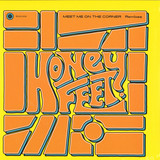
Meet Me On The Corner is taken from the band's sophomore album, Orange Whip, which itself was BBC 6Music's Album of The Day on its release. It follows previous singles Whatever You Do and Sinner, which garnered support from Craig Charles, Tom Ravenscroft and Huey Morgan. The song showcases Honeyfeet at their funkiest and chunkiest. A pounding beat beefed up by bass, guitar and brass propels forward while Rioghnach Connolly sings lyrics that could be straight out of the playground, but suggest something deeper, possibly mystical even, in its demands for a dalliance on the street.
Remixes on this more foot friendly single come courtesy of homegrown legends of funky house music, Crazy P who come through with both a vocal and dub version. Honeyfeet's latest opus is turned into a straight up soulful disco monster by the boys from Nottingham, with Rioghnach's rasping vocals playfully meandering over Hot Toddy and Ron Basejam's crisp beats and trademark live bass. Elsewhere, much hyped Russian production don, I Gemin, delivers his take - still aimed at the dance floor of course, but a slightly deeper house affair based around jazzy keys and chopped up vocals that take the song into more sonorous territories.
As a bonus, the 12" package also features the acclaimed remix of previous single, Sinner, courtesy of erstwhile Polish Innocent Sorceror, Envee - his shuffling, moody take only previously being available on vinyl via a super limited (and now impossible to find) 7-inch release late last year. For the last couple of years Honeyfeet (whose name comes from a line in the Blues Brothers film) have been a conduit for the ideas and expressions of an exotic mixture of Manchester based musicians. This genre-defying band incorporate styles including jazz, folk and hip hop into their music.
The band are fronted by Rioghnach Connolly - also known for her work with Real World artists Afro Celt Sound System and The Breath - "A remarkable singer and flutist who...can ease from Irish traditional influences to soul" (The Guardian). The line-up is completed by Rik Warren (vocals/harmonica), Gus Fairbairn (tenor sax), Biff Roxby (trombone/vocals), Ellis Davies (guitar), Lorien Edwards (bass guitar), John Ellis (keyboards) and David Schlechtriemen (drums).
Since their self-released debut album, 2013's It's a Good Job I Love You, keyboardist John Ellis jumped on board as full-time member, bringing his unique musical presence. This enabled the development of a more texturally adventurous style, as witnessed with the dual atonal solo between himself and guitarist Ellis Davies on Sinner. Similarly, for their current LP, Orange Whip, engineer, bassist and spiritual guide Lorien Edwards makes his Honeyfeet recording debut, so completing the 'kitchen' of this very special band.
- The album, Orange Whip, is out now.
For the newest L/F/D/M drop and his first for Beat Concern, Richard Smith serves up a plate full of his deepest, sizzling cuts that bring dance floor heavy workouts and run the field between acerbic Electro, off-kilter dark room EBM and woozy bass workouts.
After muscular releases on Optimo, Clandestine Traxx and Ecstatic plus regular collabs with Dom from Factory Floor as Green Gums / Bronze Teeth on Diagonal and Opal Tapes, 'Tea Ceremony' opener 'Fang' moves the L/F/D/M project forward by throwing the listener straight into the eerie fairground feels, laid over metallic acid baselines, microscopic hats and pounding kicks that seek to overwhelm as well as inform. The giddy aggression of 'Gold Foil' folds crunching distortion into 120 bpm jacking Chicago territory before closing Side A with the tight ethno-percussive jammer of 'Cylinders Vari II'.
The second side carves a path that starts at the minimal bouncing bass and hardcore of 'Ox' via heavy acid euphoria of 'Skin Slips' that needs to find itself in the golden 3-4am slot on a sticky dance floor this summer, before winding down into the Industrial machine funk of 'STR8 Thick' that clips and clangs all the way.
To coincide with the release of their eagerly awaited debut album Gate Of Grief (now due out on 20 July), US dark electronic outfit WHITE RING release a double AA side 7' single of the two lead tracks on the album 'Leprosy' and 'Nothing'. Blending heavy, distorted electronics with eerie, unsettling vocals they push the boundaries further, subverting genre ideas and mashing them all together, with industrial, metal, rave, chopped and screwed, rap, grunge, neo folk, post punk and new wave all in the mix
'Leprosy' is brooding, abrasive and ethereal all at once, the track draws from a varied and challenging palette, steeped in existential dread. It was the first song they wrote for the album and features the vocals of co-founding member Kendra Malia. As Bryan Kurkimilis explains; 'This song was the first time we really wanted to start exploring aggression in our music.'
'Nothing' is underpinned by gothic 80s beats and sinister synth bass-lines. It crackles and fizzes with arcade bleeps with wraith-like melodies floating over the top. In this song, nothing is true and everything is permitted. It features the first collaboration with newcomer Adina Viarengo, who added her vocals in 2016 to the existing instrumental track that Bryan Kurkimilis created for the first set of WHITE RING demos in 2009.
WHITE RING were originally formed by Bryan Kurkimilis and Kendra Malia, before they were joined by Adina Viarengo, with Bryan and Adina currently touring as a duo. Gate Of Grief arrives a full eight years since their benchmark EP, Black Earth That Made Me, which sold out almost instantly, making their records some of the most highly sought after on the underground scene and earning them a cult following across the globe.
Swerving from aggressively abrasive to beautifully ethereal, musically they draw from varied and challenging palette, whilst tackling themes of loss and acceptance due to struggles with drug addiction and existential dread on a broader scope.
Dwelling on the outskirts of pop music, WHITE RING grew up in the age of the internet and were exposed to a huge range of music. They have developed a unique style while pushing the boundaries of accessibility and musical genre. They have created a piece of art that is brimming with symbolism and underlying tensions, that seduces and scares in equal measure.
A long time ago, in a Norway far far away in time, keyboardist Bugge Wesseltoft introduced his New Conception of Jazz to the world. We're talking about the late 90s, when Bugge's cosmopolitan blend of jazz, hiphop and techno beats was pretty much the coolest music coming out of Norway at that moment. That was a golden time for Norwegian music, in fact, when the rest of the world began to sit up and take notice that something was stirring up north, and realised the music was more than just glacial tones hurtled from icy mountaintops and frozen lakes. This was the sound of urban Scandinavia.
A few years later came the electronic dance genre 'space disco'. Along with Todd Terje, Bjørn Torske and Lindstrøm, Prins Thomas was at the epicentre of this next big wave to surge out of Norway. Now, the two generations have come together in this exclusive collaboration between Bugge and Prins Thomas on the Smalltown Supersound label. Jazz and electronics combine for that energising vitamin D shot of Nordic sunshine.
The Rainbow Studio in Oslo is a familiar name to anyone who follows the ECM label - many of its classic 1970s jazz albums were recorded there under the eye of resident producer Jan Erik Kongshaug. Bugge and Thomas booked a couple of sessions at the legendary space with Kongshaug at the controls, and improvised some tunes in the style and spirit of some of their favourite ECM moments, like the fresh, open sounds of Codona, Egberto Gismonti, Oregon and Kenny Wheeler. Bugge had previously done a remix of Thomas's 'Bobletekno' in 2015 but this is the first time they have worked together as active musicians. The results - also partly taped at Thomas's home studio - fuse programmed rhythms, live synths and percussion, all captured in a sumptuously spacious acoustic.
For an even more authentic touch they called up one of their all time local heroes and one of Norway's most famous jazz drummers, Jon Christensen, who's been the go-to guy for Jan Garbarek, Terje Rypdal, Keith Jarrett and many more. At 75 years he's still pretty spry behind the kit, as you'll hear on several tracks here.
Make no mistake, though, this is not retro pastiche but contemporary music, coasting on gently insistent programmed grooves and bubbling basslines. The whole thing feels not so much like a consciously hip fusion of DJ and jazz musician, more like two great musicians totally enjoying themselves. Which is exactly what it is.
Key facts:
Bugge Wesseltoft is one of Norway's leading jazz figures. He set up Jazzland Recordings in 1996. His solo Christmas LP It's Snowing On My Piano remains Norway's best selling jazz album!
Prins Thomas's real name is Thomas Hermansen. His label, Full Pupp, means 'full breast'. He's released several albums under his own name, as well as collaborations with Bjørn Torske and Lindström. Check out his amazing Paradise Goulash mixtapes.
E. Myers returns just in time for the summer, with two heaters of contrasting styles. 'I Am Alive' is a celebration, cooked up from heavy drums, percussion and bass synth, coming together with pads and arpeggiated synths for full blown elation.
'Dreamland' keeps its poker face on throughout it's entire 9 minutes. Threatening to break out but staying cool with its restrained bump, it's equally at home in basements as it is on beaches.
Very LIMITED album discs available now:
This is the first album Oscar Mulero has released under his own name, after two acclaimed LPs under the moniker Trolley Route. Well known for his skills as a hard-edged, raw and floor-orientated techno dj, his productions go far beyond, digging deep into the intricate landscape of intelligent techno, floating moods, reminiscent atmospheres, harmony and detail.
Grey Fades To Green is the affirmation of his maturity as a producer, using both hardware and software in the pursuit of a highly coherent and diverse album.
The concept is split into two parts: The Grey and The Green, each one with its own character. The first part is rougher and meant for the dance floor, although pays full attention to detail and complexity. The second part is quieter, has a slower pace and is best enjoyed at home.
In The Green Oscar goes deep into the intellectual side of techno music and is heavily influenced by the post rave sound emerging from the UK in the nineties: Aphex Twin, Gescom, B12, Plaid, Autechre.. but with a contemporary approach.
This part of the album brings you melodies, harmonies, endless atmospheres, and hours of studio work. Each sound has been carefully constructed, nothing is left to chance: Every stereo panning, every change to the synth's parameters has been meticulously designed for your listening pleasure; just what you want when you listen to techno on headphones. Futuristic music made with the utmost care.
'Last Regrets' shows how melancholic harmonies can be a perfect match for abstract beats and a dub-step reminiscence. A fine piece of sci-fi techno.
'Grey Fades To Green' makes a clean break by offering us an industrial drum'n' bass piece with a techno approach that mutates as the minutes tick by. A dub-step melodic track. Futuristic breakbeat for the decades to come.
The final track of The Green, 'Silent Air', picks up the homage to the intelligent techno sound of the beginning and returns to random grooves, crunchy samples, impossible hi-hats and massive synthesizer and step sequencer routines. A perfect ending to this sound journey from the heart of the dance floor to the core of your mind.
A mature work that confirms Oscar Mulero as one of the most qualified studio animals on the techno landscape.
* "Of all the dubplates in my bag from this last few years, the ones I've selected most often have Walton's name scribbled on the sleeve. 'Black Lotus' is a unique creative statement; I'm very proud to release it on Tectonic and to support Walton, who I believe is a true talent." Pinch
* On July 6th Tectonic recordings presents the game-changing second album by 26 year old Mancunian Sam Walton, better known as simply Walton.
* 'Black Lotus' follows his inclusion on Tectonic's landmark 100th release - Riko Dan's 'Hard Food' EP, plus the 'Praying Mantis'/ 'Koto Riddim' 12' (also on Tectonic) and the 'Taiko' EP on Kaizen - the latter two of which hinted at the album's sound, but didn't fully prepare us for the brilliance to come.
* Abstract electronics, grime, dubstep and new styles that don't even have a name yet coalesce perfectly on this classic in the making. It finds Walton at peak power, reaching just as far (if not more so) than anything on the Pan, Different Circles, Boxed or Tectonic catalogues for pure futurism and new-terrain-traversing brilliance.
* Spacious and modern sounding, with just the right amount of grit, on 'Black Lotus' Walton has taken things the next level - setting an impressive new high bar. This is the best music to take inspiration from far eastern culture since Photek's seminal 'Ni - Ten - Ichi - Ryu' and 'The Water Margin'.
* Cinematic may be a term bandied about too often, but on this record it unquestionably applies, with the whole thing playing out like an epic movie, full of highs, lows, action, reflection and changing scenes.
* The album kicks off with 'Black Lotus', which makes it quickly evident that this isn't just another generic longplayer; a weightless/sino style intro segues into a mystical kalimba line, which is then is enveloped by huge waves of synthesized, pitched-down brass.
* 'Point Blank' offers locked, harsh mechanical funk, full of aggravated excitement, before sleek, spacious grime and disguised pop garage achieve twisted anthem status, on the hugely satisfying 'Koto Riddim'.
* 'No Mercy''s Yakuza crime riff is perfect for Riko Dan's threatening menace, especially at the point his voice gets distorted into a guttral and unsettling, demon-like wretch.
* 'Mad Zapper' is abstract, comprised of simple yet challenging beats, tones and stutters, whilst 'Angry Drummer''s taiko/kumi-daiko style percussion has a rousing, heavy thump.
* 'Pan' sounds equally enthralling whether soundtracking a dark movie scene of impending danger, or carying enratptured ravers on a danceflor journey, especially one suited to the synapse-prodding drama of a high production, lazer-heavy festival set.
* Choppy drums and bouncy bass tones are laced with the georgeos melody of 'Ehru', and 'Vectors' is sleek 'n' deep breakbeat-garage-meets-IDM.
* Although already known for elements of musicality, Walton raises his game even higher with the beautiful closing track 'White Lotus', which has a wow factor akin to hearing Aphex's Twin's 'Jynweythek Ylow' for the first time.
* 'The title came from the idea that I wanted it to be sweet and melodic in areas, but dark and grimey at the same time', recalls Walton. 'I never really listened to much Japanese and Chinese music before working on this, and that element originally came from listening to a lot of Sino grime stuff. It wasn't until I was deep into the process of making the album that I started listening to loads of traditional stuff on YouTube for melodic ideas, which changed how it turned out. The whole dubstep techno crossover thing was also a big influence.'
* 'I'm really happy to have Riko Dan & Wen on there', he adds. 'I've done a few remixes of Riko tunes which have had a great response, so it's been wicked to get some original material done together. The track with Wen was first started a while back, so I'm glad it was finally finished and will see a release.'
* Walton has been steadily gaining serious clout through releases since 2011 on Hyperdub, Keysound, Tectonic and Kaizen, with supporters including Mumdance, Logos, Slimzee, Laurel Halo, Wen, Hodge, Mary Anne Hobbs, Giles Peterson, Paleman, Teki Latex, Commodo, Loefah and Kode9. Key club, festival and radio shows include FWD at Plastic People, Fabric, Outlook, NTS, Rinse and BBC 1xtra.
- A1: La Tuna Club (S. Mantequilla' Font)
- A2: Azul Trompeta (S. Mantequilla' Font)
- A3: Whisky Jazz (S. Mantequilla' Font)
- A4: Jamboree (S. Mantequilla' Font)
- A5: Blue Note (S. Mantequilla' Font)
- A6: Full De Ases (S. Mantequilla' Font)
- B1: Moanin' (Timmons)
- B2: Not Problem (Marray)
- B3: Blues 3/4 (S. Mantequilla' Font)
- B4: Atmosfera (S. Mantequilla' Font)
- B5: Vat 69 (S. Mantequilla' Font)
- B6: Balada (S. Mantequilla' Font)
Salvador Font studied violin, clarinet, composition and harmony at the Conservatori Municipal de Barcelona, but very soon started to gain notoriety as a saxophonist in the rich jazz scene of 1940s Barcelona. Font would soon be playing tenor sax and clarinet in the Orquesta Gran Casino. He was in his early twenties and his hot swing technique was already praised through the citiy's scene, he would grow to be considered the best saxophonist in Spain by playing in many orchestras and combos, among them: José Puertas', Antonio Vilá's Virgina, Bonet de San Pedro's band, Pierre Michel, El Lirio Campestre, Los Marios, Luis Rovira y su orquesta, Orquesta brasileña Fon-Fon, Jaime Camino, Los Embajadores, Italo Leone's... With these and others, Font toured constantly, visiting many countries and even staying on some for long seasons: Mexico, Morocco, Switzerland, Egypt... Hungarian violinst of Turkish ancestry Kurt Dogan gave him the "Mantequilla" surname - he felt "Mantequilla" (which means "butter") fit Font's mellow yet swinging improvisation style.
Mantequilla y su conjunto
In the early sixties, "Mantequilla" had the chance to lead his own combo, Mantequilla y su conjunto, with which he was to record the three splendid EPs that are compiled on the present album. All these 7" have become elusive collector pieces in the record market, with sellers demanding from 200 to as much as 950 euros per copy.
In 1961 "Mantequilla" was at his best moment, his gigs at the Jamboree Jazz Cava had brought him back to the first line of Barcelona's jazzmen after he had been working abroad for a long time, and was approached by the Belter label to record an EP. On the sessions he was accompanied by Manolo Mercedes on trumpet, Pedro Ferré on piano, Rafael Lizandra on double bass and Rafael Verdura on Drums. The material chosen for the disc were four original compositions by Salvador Font which had a high West Coast flavour all over: "La Tuna Club", "Whisky Jazz" and "Jamboree" named after famous jazz clubs and "Azul Trompeta", dedicated to Manolo Mercedes.
In late 1962, after spending some time in Madrid working as members of the Italo Leone combo, "Mantequilla" and pianist Manuel Gas came back to Barcelona for the recording of the second "Mantequilla" EP, also on Belter. We find again Manolo Mercedes on trumpet, Pedro Ferré on piano and Rafael Lizandra on double bass, the drummer this time was José Farreras. Another news is that Manuel Gas also sat on piano and vibraphone. The songs chosen for the occasion were two tunes from the Art Blakey Jazz Messengers repertoire: Bobby Timmons' classic "Moanin'" and the Jacques Marray track "No Problem" from the soundtrack of the Les liaisons dangereuses film (mispelled "Not Problem" on the sleeve and label), plus the Salvador Font penned "Blue Note" and "Full de ases" - on "Full de ases" "Mantequilla" trades his sax for the violin, which he also mastered under high influence from Stephane Grapelli. The record was released on Belter in early 1963 and showed "Mantequilla" adding a certain aggressivity to his sound, in a soloist style which has been compared to that of tenor saxophonists Barney Wilen or Benny Golson.
1965 was the year of release of Mantequilla y su conjunto's third EP, now on the Discophon label. Mercedes and Farreras are again present in the recording sessions, joined by Ricardo Miralles on piano and Enrique Ponsa on double bass. Four original Font compositions make up the fantastic EP: "Blues 3/4", "Atmósfera", "Vat 69" and "Balada".
There would be a further EP on Belter, released in 1971 as Mantequilla Group it was a cash-in operation to take some redits of the ye-yé discothèque phenomenon, it gets quite afar in style from the jazz works of Mantequilla y su conjunto, so we just left it aside for the present edition.
"Mantequilla"'s career would continue, in 1968 he would settle in Majorca and form a swing band with Bonet de San Pedro and Manuel Bolao. He played in local orquestras and also with first class world acts like Gerry Mulligan, Tete Montoliu, Errol Gardner, a.o. He was even approached by Henry Mancini to play sax on The Pink Panther Theme in a gig Mancini did with his orchestra in Palma de Mallorca in 1975, He also joined his son Salvador Font (a demanded drummer himself who has played with Máquina!, Orquestra Mirasol, Música Urbana, Gary Burton Quartet, Georgie Fame, and many others) and his peers Carles Benavent, Emili Baleriola, Josep Mas 'Kitflus' and Jordi Bonell with whom he recorded his acclaimed "Mantequilla" album in 1987.
Now, for the first time ever, the legendary three ultra rare and imposible to find EPs by Mantequilla y su conjunto are compiled in a lavish vinyl LP with remastered sound, featuring liner notes and photos and a fantastic period inspired, three backflaped, front laminated sleeve. It is a stricly limited edition of only 500 copies and they are expected to sell out very soon, do not miss your chance of getting yours - it may be the last chance of chasing the Mantequilla sound on vinyl at a reasonable price!
l
While notorious in the Chicago streets, RP Boo's music had been unfairly confined to a few white labels and self-released mixtapes until his two archival Planet Mu LPs Legacy and Fingers, Bank Pads & Shoe Prints introduced broader audiences to his sonic history, some of it fifteen years after it was first recorded. I'll Tell You What! is the next step in his mission, and the first time he's released an album of contemporary material. The title, a favorite maxim of his, welcomes listeners to sit down and let him narrate in the unforgettable abstract fashion he's known for. He explores familiar motifs such as the cosmos, movement, and opposition, using densely interwoven vocals, unpredictable percussion, and evil humming bass as his tools of choice. RP Boo's music doesn't follow the traditional rules that most compositions do. Layering decades of samples from yesteryear to the present over his commanding vocal cut-ups, he transports the listener to their own realm of the space-time continuum. The main difference between this record and his prior work is now we hear Boo tell new stories about preaching his gospel outside of Chicago, from his experiences frantically touring the globe over the last five years. The words 'things ain't been the same / since I hopped the plane' are repeated on top of engine sounds and rumbling bass on Flight 1235, a glorious paean to his new jet-setting adventures. The spirit of competition runs through RP's veins as much as blood does, something you can't unlearn when you've been making music for Chicago's footwork circuit as long as he has. The local culture has served as a shelter from the violence that has plagued the city, pitting kids against each other with their feet rather than weapons. On At War Boo reminds us 'we are at war in the streets', a double meaning to both the mayhem in this world and the sweetness of rivalry on the dance floor. Another battle-themed track Cloudy Back Yard, one of the spacier moments on this album, is an abstract on the state of footwork's home. Chicago remains the backyard of this artform even though it's left the porch and traveled to new neighborhoods worldwide. Back at home though, competition among the DJs and dancers continues, and as the man himself says, 'with all this hate, there's smoke, and it's cloudy'. I'll Tell You What! throws more than a few curveballs into the mix. Footwork has always borrowed from hip-hop, and many vocal tracks are almost condensed raps, dating back to the street chants pioneered on Dance Mania Records in the ghetto house days. On Bounty, Boo grabs the mic and brazenly lays down a full-on verse of terror over a thick atmosphere of his signature sweltering low-end and erratic Roland R-70 patterns. While he's most famous for his confrontational battle anthems, his melancholy moments are just as powerful. You get the best of both of those worlds on U-Don't No, with soulful samples finishing his own cocky sentences, one of the most elegant tracks RP has made to date. Deep Sole closes the record out, with the words 'It's always beautiful at the end' looping over waves of hypnotic synthesis, confidently looking death straight in the eyes.
The second part of the Seltron 400 trilogy on MOST, Trans i Bas, sees the group re-embark on their singular journey in search of the essence of the rave. Since the first EP in the series - Zabawa Trwa - came out last year, they have augmented their back-to-back dj sets with a full-on live show, which again fed back into their recording process.
The record's title cut, Trans i Bas (also available in an earth-shaking drum version) is as uplifting as it is spontaneous, complete with trance-infused pads and heavy, tripping bass. Jest Nadzieja brings a little swing and a mental breakdown, while Oo is all crunched riffs and one-finger-string-solo glory. Nuff said.
Wade from Hello Records called Mr. PC "Detroit's hardest working DJ" about a year back, and the fruits of his labor shine through on this curious beatdown and jazz funk re-edit record. In his own words, "The scene doesn't need another hand-stamped and numbered vinyl-only disco edit label, so I went ahead and took the proverbial razor and tape to some jazz-fusion-disco-not-disco tracks that influenced me coming up as a bass player, now fully capable for DJ dance floor elevation." 450 hand-stamped and numbered
Recorded in Cleveland, OH October 2017 by Andrew Veres.
Artwork by Ren Schofield.
Ren Schofield has returned with a new installment in his notorious "LP" series for Spectrum Spools. "LP" has all the earmarks of the classic Container sound with it's uber-mangled, saturated tape garble and headlong tempo macabre. However, this new set of tracks feature an attention to composition unlike much of the Container we've previously heard. While the tracks unfurl across two sides of wax the contours and jagged edges of each sonic sculpture display a new refinement while maintaining the full capacity to vaporize any club floor with Container's traditional recklessness.
Miraculously, this new "LP" manages to incorporate some more traditionally 'musical' elements thus far untouched upon in the projects output while simultaneously delivering it's most damaged and blown out offering yet. Despite leaving a trail of albums that get more intense with each passing year, this "LP" is bar none the most loaded. The tracks feature a trajectory with narrative, surrounded by broken acid basslines grating against disintegrating tape loops. This is the infectious and singular hypnosis Container has become well-known for. Overloaded drum patterns, washes of feedback, and dying melodies - it's all here and somehow it's restructured to be different and better than ever before. With this latest installment, there are no longer shambles but merely dust left behind.
As Container continues to evolve in an upward motion, "LP" presents a refreshing and welcome new chapter.
- A1: Hold Your Colour (Noisia Remix)
- A2: Blood Sugar (Knife Party Remix)
- A3: 9000 Miles (Eelke Kleijn Remix)
- B1: The Island, Pt. 1 (Dawn) (Skrillex Remix)
- B2: Propane Nightmares (Grabbitz Remix)
- B3: Crush (Devin Townsend Remix)
- C1: Tarantula (Icarus Remix)
- C2: Witchcraft (Pegboard Nerds Remix)
- C3: Watercolour (Matrix & Futurebound Remix)
- C4: The Island, Pt. 1 (Dawn) (An21 Remix)
- D1: Still Grey (Dj Seinfeld Remix)
- D2: Vault (Moby Remix)
- D3: Streamline (Attlas Remix)
One of the world's most iconic drum & bass acts, Pendulum have announced their return for 2018 with a brand new album and brand new live shows. 'The Reworks' is a project unlike any
other released by the band before, and marks the end of their seven year hiatus, officially launching on 16th March.
To mark their return, the band have announced their first headline show since 2011 at London's unique new space, Printworks . The show sold out in under an hour and will be both an auditory and visual spectacle for fans.
Also announced is Pendulum's return to one of the UK's biggest events - Reading and Leeds Festival . Headlining the BBC Radio 1 stage - the same slot they graced the last time they played in 2010, the shows mark a welcome return for the band in the UK.
The news will undoubtedly be well received by Pendulum 's legions of fans, with the band having hinted at a comeback by returning to the live stage last year, headlining the UK's South
West Four and Nass Festival , and confirming for this years Snowbombing festival in Austria.
For 'The Reworks' , the internationally-renowned band have tapped some of the most innovative talents from over the past few years to deliver dynamic and refreshing interpretations of their
biggest hits and some of their personal favourites. Friends and collaborators Skrillex , Icarus ,Knife Party and Matrix & Futurebound take their turn on this who's who of electronic music
royalty, whilst Noisia 's explosive cut of the now-iconic track 'Hold Your Colour' will be available with the album preorder from the 16th March.
'The Reworks' album will be available in both CD and vinyl formats from the 29th June.
This exciting announcement marks the beginning of a new era for Pendulum , who have long been considered one of electronic music's most important and pioneering acts, famed for their
no-holds-barred live shows. With more huge festival dates TBA across the summer and new originals on the horizon, 2018 marks the an exciting chapter in Pendulum's already lengthy career.
Noisia' s remix of ' Hold your Colour' , the first single to be taken from Pendulum 's 'The Reworks' album, is set for release on 16th March alongside the preorder, with the full album set to drop on 29th June.
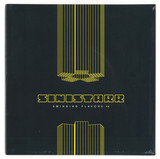
Swinging Flavors is BACK! After releasing material from names such as Simon Off aka Sun People, Moresounds, DJ Madd, Ticklish, Sully, Addison Groove, Itoa and Lynch Kingsley our 7' vinyl series devoted to Bass Culture and dancefloor vibes is back again with the the Sixth One aka BMRSF006. After having a Japan vs USA Chicago Footwork sound clash with DJ Fulltono and DJ Earl's 'Tribal Dancer', now it's time for an atlantic connection - in the name of Bass Music obviously.
On the A Side you'll find Sinistarr's '55555': the Detroit bass producer - with a 10yrs experience in sound design and recently appeared with an astonishing work on legendary dBridge label Exit Records - gives us a pure example of his sonic craziness with a minimal-but-high-impact work, with chopped vocal samples, magic flutes and heavy basses.On the B Side '55555' gets a full treatment by Philip D. Kick: Cosmic Bridge honcho Jim Coles - well known in the worldwide bass scene as Om Unit - surprisingly comes back with his iconic footwork moniker giving to the original vibes a more accentuate rave touch, with hyper speed drum patterns, amen breaks and piano notes.
Following the success of Joey Negro's 'Produced With Love' album, four of the album cuts get the remix treatment from an all-star cast of producers each with their own particular flavor.
Kicking it off Chicago legend Ron Trent takes the original funked out, Arthur Russell flavoured, 'Distorting Space Time' and turns it into a deep house groover complete with a strong walking bass alongside adding a soul & richness to the elements that only he knows how. Crackazat step up next to take on 'Lactican Boogie' crafting it into an uptempo piano driven, emotionally charged stomper sure to do some damage this summer.
Flip it over and Lay-Far delve into 'In Search of The Dream', adding squelchy synth stabs and a deep bass to give a more hard hitting edge to the track whilst retaining that disco flavor with Angela Johnson's emotive vocals.
Closing out the e.p. Fouk come full circle, bringing their hazy, jazz tinged style to 'Distorting Space Time' - building the remix around those warm Rhodes chords, shuffling rhythm and dynamic bassline.
Gold once again from the Z Records camp!
teppas Records presents 'Osaka Steppas' Vol. 3, the third in a series of releases showcasing the Japanese underground dub movement. This edition features Osaka producers Hiroshi and Roots Masashi in collaboration with Spanish producer Ojah and well-respected UK singer Rudey Lee. The Osaka Steppas' raw and unrelenting sound developed in the subterranean clubs of Osaka, a port city famous for its counterculture night life. Inspired not only by the sounds of Jamaica, but also drawing inspiration from UK and European soundsystem culture with enough bassweight to test even the toughest of soundsystems. Presented in a beautifully designed full colour sleeve inspired by the works of the legendary ukiyo-e woodblock artist, Hokusai. This release is not to be missed.
Side A features an earth rocker riddim from Ojah & Hiroshi, with conscious lyrics sung by the legendary Rudey Lee.
Side B features a much sought after dubplate from Osaka producer Roots Masashi, a deep, dark & mystical steppa.
Next up on the ever-eclectic XVI Records, a shadowy figure steps into the spotlight: enter the mysterious Captain Over, whose dark yet soulful bruk-infused tracks soundtrack the next stage of their voyage towards the sun. For his debut outing, Captain Over calls on the abstract vocal stylings of the legendary Trim (Roll Deep, 1800 Dinosaur) on opening track 'SICK'.
Showcasing why he's one of the most iconic and forward-thinking MC's to grace the mic, Trim's dulcet tones twist through a jungle of shuffled beats and subterranean sub-bass, an eerie child-like melody drifting overhead.
Clack Clack and No One Ever Really Flies inhabit a more dancefloor friendly space, their unique syncopation, fierce instrumentation and relentless energy open up the dancefloor for some real get loose moments.
On the remix, they hand the controls over to XVI homestay Books (following on from the success of his previous 'Feel It In My Bones' and 'High Praise Edits Vol 1' releases which won praise from the likes of The Black Madonna, Moodymann, Gilles Peterson and Seven Davis Jr) Books expertly crafts a cosmic footwork jam, full of his trademark soulful chords and eerie midnight saxophone licks.
As he prepares to launch his forthcoming EP 'No-One Every Really Flies' into the cosmos ; Captain Over is beginning to cement his place as one to watch in the UK underground - a sequel EP featuring grime upstart Nico Lindsay is scheduled for release later in the year, with several more collaborative works in progress.
+++