Black 180g vinyl, limited to 200 copies. A decade has passed since the debut album Finnmark left a solid northern Norwegian mark on the rock and hardcore scene, and eight years since Natur pushed both genre boundaries and the listener's limits. Now, the Kirkenes-based band Ondt Blod returns with their third full-length album, Bauta. Here, the band distills the blend of hard-hitting hardcore and strong melodies they've become known for. The opening track "AUX" kicks the door in with a desire to tear down the established order, while songs like "Kembo" and "Flamma" (featuring guest vocals from Ida Maria) reveal a more nostalgic and melodic side of the band. Throughout their career, Ondt Blod has held firmly onto their northern Norwegian identity and Sámi roots. This has taken them from Kirkenes to stages across Europe and Japan, earning them both Norwegian Grammy (Spellemann) nominations and a loyal fanbase. Bauta confirms that the band still has plenty to say.
Cerca:g mo
Saithara were a leading traditional Lanna music group in the Chiang Mai area, led by Chansom Saithara who was named a National Artist in 1996.
Chansom's son, Thepthara Panyamana, fronted the related Saithara "Combo", who explored a range of international pop styles to craft their light-hearted parody tracks in the local "kam mueang" dialect. The lead single here, from 1985, makes use of a well-known German synth-pop song which had become a surprise smash a few years earlier, while the b-side snags a similarly notable power-pop tune from the USA.
Thepthara was also a songwriter and instructor for the child musical group Nok Lae, a Chiang Mai area youth band who became mainstream crossover stars nation-wide. Thepthara passed away in 2017, and Baa Records has teamed with his brother Komsan to license this re-issue in his memory.
- A1: Ghidrah
- A2: Partes Nada
- A3: Nos Deixei
- B1: Choros (Edit)
- B2: Choros (Club)
- B3: Sigilo (Megamix)
Bruno Silva, operating here under his restless Serpente alias, returns with Visita do Fogo — a sharp, stripped-back and incendiary counterpoint to the drifting, dream-jazz abstractions of Dias da Aranha. If that record floated like smoke, this one crackles and snaps like dry wood.
Visita do Fogo finds Silva stepping back into the heat of his beat-driven origins, embracing a raw, forward-leaning approach that feels closer to his live detonation than a studio construction. The record is built on stark materials — drum fragments, percussive jolts, scorched-earth loops — all manipulated with his unmistakable “screw” instincts: micro-cuts, sudden pivots, rhythmic false floors and the sense that the track might turn itself inside-out at any moment.
Rather than smoothing edges or leaning into atmospherics, Serpente doubles down on urgency. Each piece moves through the record with a chop-and-go physicality, a kind of ritual propulsion that never settles into comfort. Silva’s rhythmic language remains entirely his own: crooked but precise, feral yet meticulous, rooted in dance structures but constantly mutating away from them.
Visita do Fogo is less a sequel to Dias da Aranha than a flare shot into the same night sky — brighter, hotter, and designed to leave afterimages. It captures an artist burning forward, shedding everything unnecessary, trusting the flame.
Anywhere, Anyway captures a selection of club tools that Makèz and their close circle have tested, refined and played across dance floors worldwide. Each track carries that familiar equilibrium the duo keeps guard over, a steady pull between raw club energy and moments meant for intimate listening.
Much like their recent album on No Art, the EP took shape while traveling, moving from session to session with artists from different musical worlds. Those encounters left their marks, subtle shifts in rhythm, harmony and texture, shaping the edges of the EP. The Amsterdam duo keeps seeking creative impulses from unexpected angles, letting ideas find them wherever they are. Anywhere, anyway.
- Halleluja
- Egoist
- Kompass
- Ganz Normal
- 2: +=5
- Asoziale Leute
- Elon Musk (Zahl Einfach Deine Steuern!)
- Der Kleine Prinz
- Richtig Gut
- Keine Angst
- Termine
- Mehr Musik
- Bessere Welt
- Geöffnete Fenster
Um Jesus geht es auf KOMPASS, dem neuen Album von Prinzen-Frontmann Sebastian Krumbiegel, mal wieder nicht. Dafür etwa um Elon Musks Steuererklärung, den kleinen Prinzen, dass 2+2= 5 ist, warum man trotz allem keine Angst haben und lieber von einer besseren Welt träumen sollte, und es geht um Musik. Um mehr Musik. Knapp 70 Auftritte spielte Sebastian Krumbiegel in den letzten 12 Monaten, knapp 70 Songs schrieb er in der gleichen Zeit. Er testete die Lieder auf Herz und Nieren, arrangierte um, verwarf, erschuf. Das Ergebnis: Sein neues Album KOMPASS. Wie man sieht, liebt es Sebastian Krumbiegel, Songs zu schreiben und live zu spielen. Und er liebt es, vor, während und nach den Auftritten sein Publikum nicht nur zu unterhalten, sondern sich auch mit seinem Publikum zu unterhalten. Und nach und nach kristallisierte sich in seinen Gesprächen heraus, dass eben jenes Publikum in unseren schweren Zeiten nach positiven Liedern verlangte. KOMPASS enthält 14 Songs, in denen das Glas grundsätzlich halbvoll, das Gras grundsätzlich grün und das Licht am Ende des Tunnels grundsätzlich nicht von einer entgegenkommenden Lokomotive ist. Krumbiegel selber hatte, wie er sagt, keinen Bock auf traurige Lieder. Wer jetzt allerdings denkt, der Künstler würde in seichte Gefilde abdriften, irrt: Krumbiegel gelingt, wie wenigen sonst, der Spagat zwischen Unterhaltung und Reflexion, zwischen Kritik und Optimismus. Sebastian Krumbiegel ist einer, der glaubt. Er glaubt an die Kraft der Kunst, an die Möglichkeit der Veränderung zum Besseren, und seine Songs handeln genau von diesem Glauben. Er erinnert daran, den Traum von einer anderen, harmonischeren Welt nicht zu vergessen. Und das gelingt ihm ohne Kitsch. Dafür mit Humor, viel Humor. Auch musikalisch ist KOMPASS ein optimistisches Album, ein optimistisches Album, aber ohne Augenwischerei.
- 01: Maanitus &Amp; Tšiižik
- 02: Markka
- 03: Melkutus
- 04: Letška
- 05: Kuuen Parin Hoirola
- 06: Brišatka
- 07: Tšiižik
- 08: Kirkonkellot
- 09: Kirkonkellot Korkea
- 10: Hoirola, 3 Parin
- 11: Lippa
- 12: Kyngäkiža
- 13: Ristakondra
- 14: Vanha Polkka
- 15: Viistoista
- 16: Vanha Valssi
- 17: Kiberä
- 18: Maanitus Kuokan Kanteleella
- 19: Tuuti Lasta Nukkumahe
Vinyl[22,65 €]
Death Is Not The End present a further volume of Arja Kastinen's eerie amalgamations of 110 year old wax cylinders with her own meticulously transcribed takes, this time focussing in on Armas Otto Väisänen's field recordings of kantele player Iivana Mišukka (b. 1861 d.1919).
"Ivana Mišukka (1861–1919) was one of the Karelian kantele players recorded by the folk music researcher Armas Otto Väisänen on wax cylinders in 1916 and 1917. In the early 20th century, the remote areas of Border Karelia were undergoing the final phase of a transformation in musical culture, with the ancient runo song tradition giving way to newer forms of music. This transition is reflected in Mišukka's repertoire and choice of instrument. The ancient small kantele, hollowed out of a single piece of wood, was already rare at the turn of the century. Mišukka's kantele was a new type of instrument with 26 strings, constructed of several parts, but he played it using the traditional plucking technique. Like other Border Karelian kantele players, his repertoire consisted of music rooted in runosong culture, as well as newer dances and songs from the east and west. Most of the recorded material falls into the latter category.
Ivan Bogdanov Mišukka was born out of wedlock in Suursara village, Suistamo, on 1 May 1861. He began playing the kantele at the age of five or six, quickly mastering the instrument. In adulthood, he was considered one of the area's best master players. Mišukka was landless for most of his life and lived in different parts of the Suistamo parish. His first wife, Tekla Markintytär, died in 1897 at the age of 40, and his second wife, Jevdokia Filipintytär Jeminen, died in 1907 at the age of 50. Seven children were born from the first marriage, two of whom died young. The third wife, Maria Ignatintytär Gurnan (Kuurnanen), was a well-known master of lamentations. Together with Maria, Iivana Mišukka worked as a tenant farmer in the village of Suursara. Mišukka suffered from rheumatism, which prevented him from participating in physical work like Maria. This was apparently partly the reason why Iivana Mišukka went to earn extra money by playing the kantele on gig trips. He often had other traditional artists from Suistamo as his travelling companions, such as the runosingers Konstantin Kuokka and Iivana Onoila. Iivana Mišukka died in Leppäsyrjä village, Suistamo, on 18 May 1919 at the age of 58, and his kantele was donated to Teppana Jänis.
Mišukka only used 14 of the 26 strings on his kantele, playing the same tunes either a fourth higher or lower. He tuned his kantele to the major scale using fifths, except for a low seventh scale degree on the upper strings, but not below the fundamental. Since he did not use the seventh note of the scale on the upper strings at all, he could use the major scale both lower and a fourth higher with this tuning. According to Mišukka, the sound of higher, or 'finer', strings is 'more beautiful', while that of lower ones is 'greater'. Among runosingers, the size of the thirds varied, ranging from major to minor to neutral. A similar phenomenon can be observed in kantele tunings, where the third, sixth and seventh scale degrees vary in a comparable way.
During a meeting, Väisänen suggested that Mišukka play the smaller kantele belonging to Konstantin Kuokka. The idea was to bring it closer to the horn to improve the recording quality. However, the kantele was completely out of tune, and now Mišukka tuned it to the Lydian scale (track 18).
Using the old plucking technique, Mišukka placed his right middle finger on the fundamental tone, his right index finger on the second scale degree, his left middle finger on the third scale degree and his left index finger on the fourth scale degree, and his right thumb on the fifth. The thumb also played the notes above the fifth note of the scale. As Mišukka remarked to Väisänen: 'Peigaloll' tuloo enemb ruadoa' (the thumb has to do more work). However, he did not use the seventh note of the scale on the upper strings at all. Below the fundamental note, he played the seventh and sixth notes of the scale with his right middle finger of and the fifth note of the scale with his right ring finger. This fifth scale degree below the fundamental is almost always used as a drone. Sometimes, when the melody required it, Mišukka, like other players, also varied the fingering. He would also occasionally strike the same string with the side of his fingernail after plucking it.
The wax cylinder recordings of Karelian kantele players are kept in the archives of the Finnish Literature Society in Helsinki, Finland. Copies were made of them onto reel-to-reel tapes in both the 1960s and 1980s. The 1960s copies are mono and the 1980s copies are stereo. However, not all kantele recordings from these decades have survived.
The sound of the kantele is difficult to hear in wax cylinder recordings due to its low volume, and it occasionally becomes completely obscured by noise. During the copying process, the cylinder sometimes rotates unevenly, resulting in breaks or jumps in the music. Additionally, the rotation speed of the cylinder in the copies does not correspond to the performance speed of the original music, which alters the pitch. However, since Väisänen's precise notes are available in the archive, it is possible to deduce the melodies, their speed, and the tuning level of the kantele in the recordings. Of the copies of the original recordings from the 1960s and 1980s, I have selected the one that best met the requirements of this publication and adjusted the speed of the recording to align with Väisänen's notes. To enhance the listening experience, I have replayed the songs, which now partly overlap the old recordings on this release."
— Arja Kastinen
- 01: Maanitus &Amp; Tšiižik
- 02: Markka
- 03: Melkutus
- 04: Letška
- 05: Kuuen Parin Hoirola
- 06: Brišatka
- 07: Tšiižik
- 08: Kirkonkellot
- 09: Kirkonkellot Korkea
- 10: Hoirola, 3 Parin
- 11: Lippa
- 12: Kyngäkiža
- 13: Ristakondra
- 14: Vanha Polkka
- 15: Viistoista
- 16: Vanha Valssi
- 17: Kiberä
- 18: Maanitus Kuokan Kanteleella
- 19: Tuuti Lasta Nukkumahe
Tape[16,39 €]
Death Is Not The End present a further volume of Arja Kastinen's eerie amalgamations of 110 year old wax cylinders with her own meticulously transcribed takes, this time focussing in on Armas Otto Väisänen's field recordings of kantele player Iivana Mišukka (b. 1861 d.1919).
"Ivana Mišukka (1861–1919) was one of the Karelian kantele players recorded by the folk music researcher Armas Otto Väisänen on wax cylinders in 1916 and 1917. In the early 20th century, the remote areas of Border Karelia were undergoing the final phase of a transformation in musical culture, with the ancient runo song tradition giving way to newer forms of music. This transition is reflected in Mišukka's repertoire and choice of instrument. The ancient small kantele, hollowed out of a single piece of wood, was already rare at the turn of the century. Mišukka's kantele was a new type of instrument with 26 strings, constructed of several parts, but he played it using the traditional plucking technique. Like other Border Karelian kantele players, his repertoire consisted of music rooted in runosong culture, as well as newer dances and songs from the east and west. Most of the recorded material falls into the latter category.
Ivan Bogdanov Mišukka was born out of wedlock in Suursara village, Suistamo, on 1 May 1861. He began playing the kantele at the age of five or six, quickly mastering the instrument. In adulthood, he was considered one of the area's best master players. Mišukka was landless for most of his life and lived in different parts of the Suistamo parish. His first wife, Tekla Markintytär, died in 1897 at the age of 40, and his second wife, Jevdokia Filipintytär Jeminen, died in 1907 at the age of 50. Seven children were born from the first marriage, two of whom died young. The third wife, Maria Ignatintytär Gurnan (Kuurnanen), was a well-known master of lamentations. Together with Maria, Iivana Mišukka worked as a tenant farmer in the village of Suursara. Mišukka suffered from rheumatism, which prevented him from participating in physical work like Maria. This was apparently partly the reason why Iivana Mišukka went to earn extra money by playing the kantele on gig trips. He often had other traditional artists from Suistamo as his travelling companions, such as the runosingers Konstantin Kuokka and Iivana Onoila. Iivana Mišukka died in Leppäsyrjä village, Suistamo, on 18 May 1919 at the age of 58, and his kantele was donated to Teppana Jänis.
Mišukka only used 14 of the 26 strings on his kantele, playing the same tunes either a fourth higher or lower. He tuned his kantele to the major scale using fifths, except for a low seventh scale degree on the upper strings, but not below the fundamental. Since he did not use the seventh note of the scale on the upper strings at all, he could use the major scale both lower and a fourth higher with this tuning. According to Mišukka, the sound of higher, or 'finer', strings is 'more beautiful', while that of lower ones is 'greater'. Among runosingers, the size of the thirds varied, ranging from major to minor to neutral. A similar phenomenon can be observed in kantele tunings, where the third, sixth and seventh scale degrees vary in a comparable way.
During a meeting, Väisänen suggested that Mišukka play the smaller kantele belonging to Konstantin Kuokka. The idea was to bring it closer to the horn to improve the recording quality. However, the kantele was completely out of tune, and now Mišukka tuned it to the Lydian scale (track 18).
Using the old plucking technique, Mišukka placed his right middle finger on the fundamental tone, his right index finger on the second scale degree, his left middle finger on the third scale degree and his left index finger on the fourth scale degree, and his right thumb on the fifth. The thumb also played the notes above the fifth note of the scale. As Mišukka remarked to Väisänen: 'Peigaloll' tuloo enemb ruadoa' (the thumb has to do more work). However, he did not use the seventh note of the scale on the upper strings at all. Below the fundamental note, he played the seventh and sixth notes of the scale with his right middle finger of and the fifth note of the scale with his right ring finger. This fifth scale degree below the fundamental is almost always used as a drone. Sometimes, when the melody required it, Mišukka, like other players, also varied the fingering. He would also occasionally strike the same string with the side of his fingernail after plucking it.
The wax cylinder recordings of Karelian kantele players are kept in the archives of the Finnish Literature Society in Helsinki, Finland. Copies were made of them onto reel-to-reel tapes in both the 1960s and 1980s. The 1960s copies are mono and the 1980s copies are stereo. However, not all kantele recordings from these decades have survived.
The sound of the kantele is difficult to hear in wax cylinder recordings due to its low volume, and it occasionally becomes completely obscured by noise. During the copying process, the cylinder sometimes rotates unevenly, resulting in breaks or jumps in the music. Additionally, the rotation speed of the cylinder in the copies does not correspond to the performance speed of the original music, which alters the pitch. However, since Väisänen's precise notes are available in the archive, it is possible to deduce the melodies, their speed, and the tuning level of the kantele in the recordings. Of the copies of the original recordings from the 1960s and 1980s, I have selected the one that best met the requirements of this publication and adjusted the speed of the recording to align with Väisänen's notes. To enhance the listening experience, I have replayed the songs, which now partly overlap the old recordings on this release."
— Arja Kastinen
- 01: Dune
- 02: Kundela Mawedi
- 03: Paco
- 04: Cameo
- 05: Cacopoulos
- 06: Khettara
- 07: Hell Dorado
- 08: Papambra
- 09: Porpora
Killer Groove Records proudly presents the self-titled debut album by Italian cinematic funk trio Atabasca. A sonic journey where funk, psychedelia and desert groove merge into a timeless narrative suspended between rhythm and vision.
"Atabasca" marks the debut release from the cinematic funk trio, dropping March 27th on limited edition LP, CD digipack and digital formats, the latter featuring an exclusive bonus track. This is a project built on evocative imagery: each song unfolds as an open scene, an emotional landscape where listeners can step inside and write their own ending.
Lap steel, kalimba, percussion and guitars interweave with bass and drums, striking an original balance between tradition and experimentation that evokes unwritten soundtracks for worlds at once distant and familiar. The record navigates between melancholy and irony, tension and release, with a sharp focus on dynamics and sonic narrative.
Deserts, seas, imaginary villages, getaways, pursuits and collective rituals: "Atabasca" emerges as a collection of musical landscapes that unfolds through vivid, evocative imagery.
Jazz-funk, world music, afrobeat, psychedelia and the Italian Golden Age of movie soundtracks merge into a singular emotional geography: warm, analog and deeply human.
The musical journey opens with "Dune", a melancholic statement that leaves room for imagination, before igniting with "Kundela Mawedi" and its cascading lap steel over haunting vocal chants. "Paco" tips its hat to classic westerns, tracing a bandit's trajectory, while "Cameo" drifts back to childhood through minimal rumba and shimmering kalimba. The cinematic imagery continues in "Cacopoulos", a nod to Spaghetti westerns and Eli Wallach, built on raw drum patterns and distorted guitars. Intensity builds in "Khettara", where afrobeat rhythms and Middle Eastern textures intertwine, before "Hell Dorado" tears off in pursuit of the American dream's funk-fueled mirage. "Papambra" weaves hypnotic polyrhythms between kalimba and lap steel, while "Porpora" delivers a sensual, visceral tango of passion and tension. The digital edition closes with "Reprise", a sequel that stretches the album's central theme into an expansive, meditative interpretation.
The tracks were recorded in single takes, capturing the raw energy and natural atmosphere of the performance. Artistic production was handled by the trio alongside Andrea Fabrizii (digger, musician, producer and catalogue curator for CAM Sugar), while Riccardo Ricci mastered the album at Velvet Room Mastering Studio in Brighton.
Like a desert blooming within the evergreen forests of the planet's far north, a unique, alien, disruptive environment. This is the vision behind Atabasca, the project of Luca Mongia (guitars, lap steel, keyboards, vocals), Paolo Mazziotti (bass, keyboards, vocals) and Valerio Pompei (drums, percussion, vocals).
Individually active for over twenty years on both the national and international scenes, the three Italian musicians came together in 2023 to create a project that merges experience, experimentation and creative freedom. Their music is imaginative and at times dreamlike, blending the classic concept of the instrumental trio with the worlds of film scoring and sound design.
Atabasca's sound moves through jazz-funk, world and cinematic territories, weaving together afrobeat, desert and psychedelic influences into a personal and timeless language. Each piece is a scene; each sound, a fragment of a world, a journey between reality and imagination where groove, texture and organic timbre merge into a singular sonic ecosystem: a perpetually shifting balance that generates new inner landscapes.
For fans of Khruangbin, Surprise Chef and instrumental psych-funk!
- Stahlwerk Ruhr + Blocco Schengen
- Planlosneu - Derpolier
- The Eschaton - Plague Pits
- Autoscooter Abfahrt - Kühle Matroasen
- She's Gone - Veinspine
- Die Feuerwehr Kommt Nicht - Age O.p.f
- Mondlandschaft - Bêtes Sauvages
- Stromschlag - Der Fotograf
- Keine Gnade - Pleasue Victim
- Immergleich, Immer Stumm - Ruhr
- El Baile De Las Goticas Feas - The Berlangas
- Plastik Fantastik - Weltklang Feat. Akkumuller
- I Wanna Shit - Nuke Kanata
Schmitz is a cool guy. He dreams of meeting the ruler of the universe. One day, his dream comes true: he meets the electro goddess Irma. The compilation is a kind of audiobook in 13 acts, danceable and cool, fast and loud, an homage to all space cats. The LP comes with a booklet introducing the bands and telling the story.
London Based Deadbeat is a techno label founded in 2000 as an outlet for the more eclectic, risk taking and aggressive elements of the genre. Dedicated to unveiling forward thinking new talent, championing cult underground producers and celebrating established global acts the label has created a loyal fan base and now after more than two decades presents its first vinyl release, a massive six track EP that covers a lot of creative ground and features three artists well known for pushing boundaries while delivering face melting, dancefloor destroying beats.
Sane ( Don't Recordings / Fun In The Murky ) is a Uk based producer and techno DJ who has featured multiple times on the 'Best electronic music on bandcamp' pages. Described there by music journalist Joe Muggs as 'Filthy, dirty, vile and brilliant. His techno will tear the top off your head and make soup with the contents. It screeches, it blurts, it whistles, and it roars. Above all, it crashes and clangs like a dancing mech warrior, crushing all before it. What more do you need to know?'
TSR ( Analog Records / Hörspielmusik ) are a highly regarded creative force of Swedish musical mentalists, a crazed, technologically berserk band of electronic wizards who relentlessly conjure up the most brilliant, silliest, toughest, most dance bootable funky techno on this train of existence. Known for high-energy, raw, and sometimes humorous tracks they have released to high acclaim on many notable labels and played all over the world.
DJ Ze MigL ( Djax-Up-Beats / Minimalistix ) is first and foremost a DJ, but also a producer & a Dude! Creating crazy, funky and sometimes brutal techno mayhem. Residentially from Portugal, he’s been the one of most prolific Portuguese techno producer/ DJ during the last 25 years. Producing and Spinning his own special brand of honkin’ techno, not changing a single cowbell. Never too serious or dark, always with proper party ON!
The record additionally features full sleeve artwork by Ed Twist ( of the influential 'Ugly Funk' label ) and is pressed on yellow vinyl.
- A1: People Move On
- A2: Planets
- A3: Winter
- A4: Not Alone
- A5: Did I Say
- B1: Last Ship On The River
- B2: Me & Magdalena
- B3: Souvenir
- B4: Does It All Add Up To Nothing
- B5: Lonely Night
Following on from Butler, Blake & Grant's eponymous 2025 debut for Bernard Butlers' 355 Recordings, the trio reassembled at Norman Blake's home studio. 'Murmurs' is in some ways going back to where it all began for Butler, Blake & Grant, with the trio reimagining songs from their individual back catalogues which was in fact the premise for the very early shows that they played together. It all begins with 3 guitars, 3 voices and blooms from there.
Limited edition initial pressing of 1000 copies on silver vinyl in individually numbered sleeve.
"Scottish fireside Supergroup' - Uncut
"A uniquely pastoral musical summit...the tone feels perfectly integrated and cohesive. Imagine a mostly-Caledonian CSN&Y and you get the idea" - Record Collector
- 1: Bluey Theme Tune (Orchestral Version)
- 2: Sleepytime
- 3: Puppets
- 4: Curry Quest
- 5: Alongside
- 6: Ice Cream (Waltz Of The Flowers)
- 7: Flat Pack
- 8: Hotel
- 9: Seesaw
- 10: Pirates
- 11: Stumpfest
- 12: Tradies
- 13: Relax
- 14: Space
- 15: Mount Mumandad
- 16: We'll See
- 17: Bluey Theme Tune (The Sign Version)
Joff Bush and the Bluey Music team proudly present the brand-new Bluey album. Featuring 17 brand-new recordings including ‘Sleepytime’, ‘Flat Pack’, ‘Seesaw’, and the new ‘Bluey Theme Tune (Orchestral Version)’.
“This was our most ambitious album to date - so we wanted something extra special - something we’ve wanted to make for a long time."..."Hearing the music from episodes like ‘Sleepytime’ and ‘The Sign’ in all its orchestral splendour meant tissues needed to be on hand throughout the mixing process.”
“Fittingly, the theme of this album is ‘growing up’. Much of this music, like the episodes they derive from, explore what it means when kids start to discover their independence and venture out on their own. Whether that’s learning to sleep in their own bed or taking a spaceship to Mars. I hope you enjoy ‘Up Here’, as the opportunity I had to make this album is thanks to YOU!"
- A1: Everybody Ready?!
- A2: Earn The Crown
- A3: A Song For The Outcast
- A4: Minus Celsius
- A5: Pigs For Swine
- A6: One Sound
- A7: Say When
- A8: Year By Year
- A9: Friends
- A10: Be Myself And I
- A11: You Tell Me You Love Me You Lie
Backyard Babies was formed in 1987 in Nässjö and can by rights be called Sweden’s most influential glam punk act. Between 1994 and 2019 they released eight studio albums of which Stockholm Syndrome is their fifth. Here we have another collection of bangers brought to you by the babies with reckless abandon. This time they invited a whole slew of guest musicians such as the Ramones, Danko Jones, The Cardigans, Turbonegro, and The Hellacopters, elevating the whole affair to another level with no signs of stopping. This is the first time the album is available again on vinyl since ten years and features the songs "Minus Celsius", "A Song for the Outcast", and "Everybody Ready?!". Stockholm Syndrome is available as a limited edition of 1000 individually numbered copies on crystal clear & black marbled vinyl and includes a 4-page booklet with lyrics.
- A1: Poor Johnny
- A2: That Ain't Love
- A3: Does It Really Matter
- A4: Fadin' Away
- A5: My Last Regret
- A6: It Doesn't Show
- A7: I'm Walkin
- A8: Twenty
- A9: I Know You Will
- A10: I Forgot To Be Your Lover
- A11: Two Steps From The End
Not long after Strong Persuader became an unexpected crossover hit in 1986 - which was hard to imagine then and seems like a near impossibility now - Cray decided that he would rather pursue the sound of Stax and Hi soul than be a full-fledged bluesman. He punctuated his songs with stinging licks not dissimilar to Albert King, but the sound was closer to O.V. Wright. But what really separated Cray from his forefathers is that instead of getting dirty and gritty, he stayed classy and tasteful. After 25 years and 14 albums, Robert Cray has been mining the same low-key, mellow Memphis soul-blues groove for well over two-thirds of his career. He's found his sound and he's sticking to it. Now for the first time ever available on vinyl Twenty, his 14th album; a thoroughly pleasant listen indeed, it pack's a punch, and has just all the right ingredients. Twenty is available as a limited numbered edition of 750 copies on crystal clear 180 gram vinyl and includes an insert.
- A1: Lonely Town Lonely Street
- A2: Let Me In Your Life
- A3: Who Is He (& What Is He To You)?
- A4: Use Me
- A5: Lean On Me
- B1: Kissing My Love
- B2: I Don't Know
- B3: Another Day To Run
- B4: I Don't Want You On My Mind
- B5: Take It All In & Check It All Out
black vinyl[34,41 €]
High-quality FERRO cassette tapes, printed on 160g premium paper.
Release info
New release with a remix coming from Mirror Lake (Mexico). His version of the track could easily fit into a drum & bass set, but would work just as well in a classic 4/4 set as a refreshing change of pace. Compared to my original, his version features a shorter bass, making the groove more dance-driven and energetic. Superb control over detail throughout the entire track.
- 1: Post-Truth Era
- 2: Fear Campaign
- 3: Betrayed By Technology
- 4: Ritual Of The Mind
- 5: Interface With The Infinite
- 6: Dab Tsog
- 7: Phantom Force
- 8: Cosmetic Surgery
- 9: Panpsychism
- 10: Merchants Of Death
- 11: Don't Do It
Colored vinyl reissue of the fifth studio album by the Denver based thrashers Havok, originally released in 2020. V is a sharp, aggressive, and refined entry in modern thrash metal, praised for its technicality and classic sound. The album features new bassist Brandon Bruce (his only release with the band) and showcases tighter songwriting, building on their previous work with elements of old-school and technical thrash.
- 1: When I Fall In Love
- 2: Money
- 3: The Easy Way Out
- 4: Nightjar
- 5: Green Light
- 6: Mr. Bennett
- 7: Long Gone Now (Alt Version)
- 8: Everybody's Leaving Town (Drum Delay Mix)
- 1: Alive
- 2: Poor John
- 3: Wave
- 4: Sacred Ground (Alt Version)
- 5: The Golden Ray
- 6: Far From Here
- 7: A Model Life / My Angel Now
- 8: Madder Rain
- 9: Laughing Gas (2004 Version)
- 10: Side Effects (May Also Include)
- 11: The Final Order
David Grays ,Nightjar" erscheint als Begleitwerk zur 20-jährigen Jubiläumsausgabe von ,Life in Slow Motion"; eine Sammlung von 19 bisher unveröffentlichten Songs. ,Nightjar" entstand aus denselben Songwriting-Sessions wie ,Life in Slow Motion" und ist ein Schatzkästchen mit klassischen David-Gray-Songs, aber auch experimentelleren Stücken und unerwarteten Wendungen.
- 1: Dancing Like Smoke
- 2: Röntgenstrahlen
- 3: Endless Night
- 4: Fata Morgana
- 5: New Direction
- 6: Wicked Games
- 7: Lush
- 8: San Junipero
- 9: Zweierlei
Aurora-Glow-Vinyl, limitiert auf 700 Exemplare. Lange war es ruhig um Sound Of Smoke aus Freiburg im Breisgau. Nachdem das Psychedelic Soulrock Quartett ihre letzte Platte PHASES im Frühjahr 2023 über Tonzonen Records veröffentlicht hatte, gab es viel Zuspruch innerhalb der deutschen und teils auch internationalen Szene. Aufgrund anschließender diverser privater Umstände, unter anderem ein Baby und der Umzug in eine andere Stadt, hatte sich die Band darauf geeinigt, sich mehr dem Songwriting zu widmen und das Touren zu reduzieren. Nun freuen sich die Freiburger*innen im März 2026 ein neues Album zu präsentieren! MIRAGE, so wird die 3. Langspielplatte der Band heißen und knüpft an das bewährte Konzept von Sound Of Smoke an: Johannes Braunsteins vorantreibende Schlagzeugbeats, Florian Kiefers donnernder Bass, welcher teilweise schon als Rhythmusgitarre interpretiert werden kann, Jens Stövers elektrische, twangy Gitarre ergänzt mit sphärischen Echo- & Fuzz-Sounds, sowie oszillierende Synthesizer. Zu guter Letzt gibt Isabelle Bapté mit ihrer souligen Stimme und Flöteneinsätzen dem Sound Of Smoke den famosen, individuellen Touch, welcher die Band so einzigartig macht.
- Immer Ärger In Der Stadt
- Jj Cale
- Wer Wirst Du Gewesen Sein
- Tuta Lubosc
- Irgendwann Zu Spät
- Zarz Me Ksuse
- Moja Wutroba
- Pytas A Namakas
- Die Welt Ist Grausam
- New Orleans
- Bevor Du Gehst
- Wer Bist Du
- Werden Wir Jemals
- Kommt Die Nacht
- Willis Traum
Die 15 Songs sind eine Reise und zaubern uns mit der klassischen Rock-Group (Gitarre, Bass, Schlagzeug) sowie mit Slideguitar, Geige, Nyckel-Harpa, Chor, Klavier- und Orgelsounds bunte Bilder in den Kopf. Eine Mischung aus erdigem Blues - Country und Folkrock mit prägnanten Lyrics auf deutscher und sorbischer Sprache.Die Musik öffnet mit ruhigen, tiefen, gospelartigen Passagen Räume und bewegt sich bis hin zum Punkrock.Textlich handelt das Album vom Weg, den du mit der Zeit gehst, von den damit verbundenen Sorgen, vom Ringen mit dem Guten und dem Bösen, von Liebe, von Freundschaft aber vor allem von Hoffnung. Der Sound von J.J.Cale, Neil Young und Ry Cooder verschmilzt mit modernem Postpunk und kreiert etwas ganz eigenes. Ein Album mit vielen Ecken, Kanten und Rundungen.Jacke selbst nennt seine Musik Lusitzana, was eine Anspielung auf den Begriff Americana ist. Hier gehts jedoch um das Leben in den langsam austrocknenden Sümpfen und Wäldern der Lausitz, rund um die Spree - Wo die Wölfe heulen und die Schafe ins Gras beißen. Aber die Hoffnung stirbt zuletzt und der Rock wird siegen! (Henne)
- 1: From These Woods
- 2: The Skies Turn Black
- 3: A Second Death
- 4: Kraken
- 5: Loving The Dead
- 1: Build & Destroy
- 2: Chaos
- 3: Flammen
- 4: Smile Of Hate
- 5: Echoes Of Life
- 6: The Earth Rumbles
In 2026, Vreid will release The Skies Turn Black, their first studio album in five years and a powerful statement from one of Norway's most enduring metal bands. The album marks a renewed creative chapter, shaped through a challenging but ultimately transformative process in which the band reconnected with the essence of their Sognametal roots while exploring new dimensions of their sound. Throughout the album's eleven tracks, Vreid merges fragments of their past with a revitalized artistic drive. The early breakthrough came with From These Woods, written during a late-night session in a remote mountain cabin. The song captured the emotional core of the album and helped steer the band back toward the heart of their identity. The title track The Skies Turn Black also holds a central place on the album. Written by bassist and songwriter Jarle Kvåle as a tribute to Ozzy Osbourne and the music that has shaped his life, the song carries a deeply personal foundation. Kvåle's experience attending Black Sabbath's farewell concert in Birmingham, after previously helping to organize the band's final Norwegian shows along with Ozzy's, left a profound mark and sparked the creative energy that shaped the song's weight and atmosphere.
- 01: De Alegria Raiou O Dia
- 02: Tudo Era Lindo
- 03: A Cruz
- 04: Hello Mr. Wonder
- 05: Bem Querer
- 06: Pra Que Vou Recordar O Que Chorei
- 07: Zé Marmita
- 08: Bichos E Crianças
- 09: O Metr?
Carlos Dafé (born October 25, 1947) is a singer and songwriter from Rio de Janeiro, recognised as one of the iconic voices of the Brazilian samba-soul era. Born into a family of musicians and trained at the conservatory, he rose to prominence in the 1970s alongside Tim Maia, Cassiano, and Hyldon, shaping the sound of Rio Noir with his warm baritone voice and soulful phrasing. His 1977 album, Pra Que Vou Recordar, became a cult classic among collectors and DJs worldwide, earning him the title of "Prince of Brazilian Soul." Still active today, Carlos Dafé remains an essential reference for artists exploring the boundaries between samba, soul, and MPB (Brazilian Popular Music). Released in 1977, Pra Que Vou Recordar reveals Carlos Dafé at the peak of his art, blending samba-soul, MPB, and the warm groove of the 1970s Rio de Janeiro scene. Surrounded by some of the city's finest musicians, Dafé showcases his baritone voice in deeply melodic arrangements and a series of songs that have become fan favourites. An album imbued with soul and elegance. The sound of BrazilianBlack music at its most sincere and timeless.
- We Can Be Together
- Good Shepherd
- The Farm
- Hey Fredrick
- Turn My Life Down
- Wooden Ships
- Eskimo Blue Day
- A Song For All Seasons
- Meadowlands
- Volunteers
black vinyl[34,41 €]
Yeun Elez opens a breach: that of a forgotten threshold, a gateway to Hell concealed beneath the peat and legends of the Breton marshes, from which Hoel Moce borrows the name for this project.
Born from Celtic tales passed down in hushed tones, it summons wandering souls, suspended spirits, and those who have already reached the end of their journey. Having escaped from Techno Thriller, Hoel founded Yeun Elez in 2022, as an autonomous and haunting sonic territory.
Surrounded by talented collaborators (Maria: NaturaMorta, Lou Savary de Reymour), he weaves a ritualistic and visceral music, traversed by dreamlike landscapes, misty battlefields, and a fantastical medieval Brittany.
Between pagan symbolism and spectral visions, the project explores the murky depths of the human condition. Thus, birth, love, decline, death: the themes emerge as archaic truths. Betrayal and revenge exist alongside devotion and the quest for an ideal that transcends us.
Mixed by Luc Bersier (Reymour) and then mastered by Tioma Tchoulanov (UVB76, Nze Nze), this album by Yeun Elez doesn't reconstruct the past: it invents it to better haunt it.
Music like a rite of passage, both rooted and timeless, like an inner journey, dark and necessary, to a place where myths refuse to die.
- 1: The Awakening - Mode For D.d. (4.47)
- 2: Doug Carn - Higher Ground (5.06)
- 3: Calvin Keys - Aunt Lovey (7.22)
- 4: Roland Haynes - Eglise (3.06)
- 5: The Awakening - Slinky (6.0)
- 6: Walter Bishop Jr. - Coral Keys (5.33)
- 7: Rudolph Johnson - Diswa (6.34)
- 8: Henry Franklin - Blue Lights (6.57)
- 9: Kellee Patterson - Maiden Voyage (5.17)
- 10: Chester Thompson - Power House (6.33)
- 11: The Awakening - March On (5.31)
- 12: Walter Bishop Jr. - Soul Village (6.16)
- 13: Rudolph Johnson - The Highest Pleasure (7.36)
This album brings together some of the finest music ever released on Black Jazz Records which in its short four-year history, between 1971 and 1975, released over 20 superlative albums which all successfully blending spiritual jazz, funk and soul jazz of the highest calibre. Similar to other independent jazz labels at the time, including Strata-East Records and Tribe Records, Black Jazz focussed on a number of key artists, most of whom first established their career during this period, and all of whom are featured here. Featuring The Awakening, Doug Carn, Walter Bishop, Chester Thompson, Kellee Patterson and more. Black Jazz Records was founded in Oakland, California, by pianist Gene Russell and percussionist Dick Schory.
The label released twenty albums between 1971 and 1975. Artists who recorded for Black Jazz Records included Cleveland Eaton (bassist for Ramsey Lewis), keyboardists Doug Carn and Chester Thompson, vocalist Kellee Patterson, saxophonist Rudolph Johnson, bassist Henry Franklin, and spiritual fusion group The Awakening. The label was distributed and financed by Ovation Records, based in Chicago. Schory founded Ovation in 1969, shortly after leaving RCA. Schory was a Grammy-nominated percussionist who was also known for his development of the stereo recording techniques including Dynagroove and RCA Victor’s Stereo Action. Schory also pioneered quadrophonic sound, and a number of Black Jazz Records were in quadrophonic and other formats such as ¼” tape and 8-track.
Black Jazz launched in 1971 with Gene Russell’s ‘New Direction’. Russell was the creative force behind the label, acting as producer, engineer and A&R and focussed on developing new solo artists. The most successful of these was Doug Carn, who released four albums featuring his wife, Jean Carn, as vocalist. She later changed her name to Jean Carne and became a successful soul singer signed to Gamble and Huff’s Philadelphia International empire.
2026 Repress / Blue Vinyl
After releasing five sell out various artists EP’s featuring 25 artists, positivesource is excited to present a new chapter for the label with a diverse and anthemic EP from Berlin based producer Regent.
No stranger to the label, Regent contributed to src005 last year with his smooth techno roller ‘Off Agenda’ alongside music from Neri J, Alpha Tracks, Vil & Cravo. His tracks have featured heavily in DJ sets by label founders Blue Hour and Philippa Pacho over the years, naturally the idea to present the first artist EP on positivesource with Regent comes as no surprise. The record starts on a hypnotic tip with ‘Occult’, grooving along with an infectious bass-line swung beats and blissed out atmospherics before stepping up the energy levels on ‘Khmera’, a relentless chord driven percussive anthem with nostalgic vocals rising to new heights. On the flip the title track ‘Aphid Riot’ is bold and vibrant leaning heavily into UK flavours using sliced up vocals, breakbeats and a classic ‘Reece’ bass-line. Completing the record is a ‘broken’ version of ‘Aphid Riot’ highlighting an ethereal tonal melody with a deeper and more introspective take on the original. It’s a new sound exploration from the producer, emonstrating his versatility and perhaps a rare moment in his discography
- A1: Prodigal Son
- A2: Bebop & Confirmation
- A3: Espresso
- A4: Morning Prayer
- A5: Mo' Betta Blues
- A6: New York
- A7: Light That Grew Amongst Us
- A8: Little Girl Power
- A9: Stardust
- A10: Road Life
- A11: I'm Not So Sure
CRIMEAPPLE keeps catching bodies and putting rappers in caskets on his brand new album "YOU'RE DEAD ALREADY”. With production duties handled byby DJ Muggs, Sebb Bash, Michaelangelo, Cynic, Billy Loman, Sadhugold and Oh No, the NJ rapper of Colombian descent brings his sound to the most obscure and extreme soundscape to date, perfectly matching the vibe of the title and the incredible artwork provided by Le Daltonien. Killer, under all points of view.
- A1: Conway The Machine, Goosebytheway, 7Xvethegenius, Sk Da King, Lucky Seven & Kndrx - Hov Numbers
- A2: Jae Skeese, 7Xvethegenius, Sk Da King & Lucky Seven - Lonely
- A3: Conway The Machine & Benny The Butcher - Lalo (Feat. 38 Spesh)
- B1: Jae Skeese, 7Xvethegenius & Goosebytheway - City Grill
- B2: Jae Skeese, 7Xvethegenius & Rory - Rory Joint
- B3: Jae Skeese, Goosebytheway & Shots Almigh - Blue Glass
- B4: Goosebytheway, Sk Da King, 7Xvethegenius & Lucky Seven - Take It Back
- C1: Conway The Machine, Goosebytheway, Sk Da King - Elephant Man (Feat. Heem B$F & Rome Streetz)
- C2: Jae Skeese, Goosebytheway, Kota Savia, Lucky Seven & Sk Da King - This Is War
- C3: 7Xvethegenius & Kota Savia - Crown For Queens
- D1: Conway The Machine, D Smoke & 7Xvethegenius - Andre 3000 (Feat. Bangladesh)
- D2: Conway The Machine, Shots Almigh & Goosebytheway - Sudan (Feat. Lo Profile)
- D3: Conway The Machine, Elcamino & Shaun 2X - Far Away
As a torchbearer of gritty lyricism and unapologetic authenticity, Conway The Machine takes the helm to introduce the world to the burgeoning talents that make up the Drumwork roster, a powerhouse assembly of artists ready to reshape the landscape of rap music.
At the forefront of the album stands Conway The Machine, delivering blistering verses and commanding attention with his trademark grit and authenticity. But "Drumwork Collective" is more than just a solo endeavor; it's a collaborative effort featuring guest appearances by Rome Streetz, Benny The Butcher, 38 Spesh, and others. Each artist brings their unique perspective to the table, adding layers of depth and complexity to the project.
Behind the boards, producers like Beat Butcha, Graymatter, Trizzy Williams, and more craft a sonic landscape that's as gritty as it is innovative. From soulful samples to hard-hitting drums, the production on this compilation sets the stage for the lyrical onslaught that follows, blending traditional boom-bap aesthetics with a modern edge. Together, these elements form a cohesive tapestry that captures the essence of hip-hop's underground renaissance, proving that the beat truly does strike back.
- A1: Natural Disaster
- A2: Nowhere To Hide
- A3: Painting By Numbers
- A4: Helium
- A5: Simple Things
- A6: No Audience
- B1: Prototype
- B2: No Furniture
- B3: Elevator
- B4: Trojan Horse
- B5: Paracosm
- B6: I Just Don’t Know You Yet
- B7: Goodbye Glitter
Singer, songwriter, and producer Absolutely will release her highly anticipated sophomore album Paracosm on February 20, 2026, via Epic Records. A kaleidoscopic mix of pop, electronica, jazz, and R&B, the album features previously released singles “Goodbye Glitter,” “I Just Don’t Know You Yet,” and “No Audience,” each offering a window into the record’s emotional and sonic scope. From the viral, piano-pounding transformative catharsis of “I Just Don’t Know You Yet” — which sparked standing ovations on tour and millions of TikTok views last summer — to the cinematic introspection of recent single “No Audience,” praised by Rolling Stone as “an invitation to create purely for yourself,” Paracosm cements Absolutely as one of the most compelling new voices of her generation and 2026’s de facto artist to watch.
Multi-platinum singer, songwriter and filmmaker Melanie Martinez returns with HADES, her long-awaited fourth studio album and first full-length release in three years. Following a career-defining run that has generated over 30 billion global streams, 5.54 billion YouTube views, and a worldwide audience of 62.2 million+, HADES arrives as the next chapter in a momentous ascent. Her previous three albums CRY BABY, K-12, and PORTALS, all debuted at #1 on the Billboard Alternative Albums chart, with PORTALS launching at #2 on the Billboard 200, cementing Martinez as one of alternative pop’s most innovative and influential forces.
Die mit mehreren Platinauszeichnungen geehrte Sängerin, Songwriterin und Filmemacherin Melanie Martinez kehrt mit HADES zurück, ihrem lang erwarteten vierten Studioalbum und ersten vollständigen Release seit drei Jahren. Nach einer Karriere, die über 30 Milliarden Streams weltweit, 5,54 Milliarden YouTube-Aufrufe und ein weltweites Publikum von über 62,2 Millionen Menschen hervorgebracht hat, erscheint HADES als nächstes Kapitel in einem bedeutenden Aufstieg. Ihre drei vorherigen Alben CRY BABY, K-12 und PORTALS debütierten alle auf Platz 1 der Billboard Alternative Albums Charts, wobei PORTALS auf Platz 2 der Billboard 200 und Platz 4 der deutschen Charts einstieg und Martinez als eine der innovativsten und einflussreichsten Kräfte des Alternative Pop etablierte.
long content, you may need to expand row to see all... Flea: Solo-Debüt „Honora“ und exklusive Club-Show in Berlin
Mit seinem ersten Solo-Album „Honora“, das am 27. März 2026 über Nonesuch Records erscheint, schlägt RHCP-Legende Flea ein neues, tief persönliches Kapitel auf. Der weltberühmte Bassist kehrt damit zu seinen musikalischen Wurzeln zurück und rückt die Trompete sowie den Jazz ins Zentrum seiner Kompositionen. Unterstützt wird er dabei von einer hochkarätigen Band aus modernen Jazz-Visionären wie Jeff Parker und Josh Johnson sowie von prominenten Gästen wie Thom Yorke und Nick Cave. Die bereits veröffentlichte Single „Traffic Lights“ gibt einen faszinierenden Vorgeschmack auf den hypnotischen, atmosphärischen Sound des Albums.
Im Rahmen der „Honora Tour“ spielt Flea im Mai ausgewählte Konzerte in intimen Locations weltweit, um die neuen Stücke in einem besonderen Rahmen zu präsentieren. Auch die deutsche Hauptstadt steht auf dem Plan: am 21. Mai 2026 wird Flea mit Band im Heimathafen, Berlin spielen. Die Show ist schon ausverkauft.
Das Album umfasst sechs Original-Songs sowie spannende Neuinterpretationen von Künstlern wie Frank Ocean und George Clinton. „Honora“ ist das Ergebnis einer zweijährigen, täglichen Übungsroutine an der Trompete, mit der sich Flea pünktlich zu seinem 60. Lebensjahr einen langgehegten Traum erfüllt hat.
CRIMEAPPLE keeps catching bodies and putting rappers in caskets on his brand new album "YOU'RE DEAD ALREADY”. With production duties handled byby DJ Muggs, Sebb Bash, Michaelangelo, Cynic, Billy Loman, Sadhugold and Oh No, the NJ rapper of Colombian descent brings his sound to the most obscure and extreme soundscape to date, perfectly matching the vibe of the title and the incredible artwork provided by Le Daltonien. Killer, under all points of view.
Following the success of the first vinyl release from the Moroccan label Sotor Records, featuring Zadig, Perc & Oscar Mulero, Sotor writes a new chapter in its discography with its second vinyl release. Meaning "lines" in Arabic, Sotor reflects its commitment to championing the diversity of the techno genre.
The label's ninth release, "Processing Range," is a musical ode to the lines of space-time. With four original tracks from the Portuguese producer, Sotor invites you on a techno journey between mental tension and physical release.
The album opens with DJ Dextro's "Controle," which delivers a massive, sharp rhythm, dystopian synths, and a true immersion into a techno black hole.
The journey continues with the second track on side A. This time, DJ Dextro unleashes an uncompromising version of "Blue Dot," achieving a precarious balance while showcasing his signature percussive style. The Portuguese artist delivers the perfect track to unleash a crowd.
On the B-side, DJ Dextro offers us the eponymous track, "Processing Range." We're quickly drawn into an allegory of this decadent modern world where humanity is rushing towards its own destruction. Expect dusty techno rhythms and that sumptuous synth that sounds like the end of times. Probably a future classic!
And you'll finish on a gentler but no less dynamic note from DJ Dextro. He concludes the EP with "31 Atlas," which will leave you weightless with its galloping bassline and abyssal synth.
House royalty unite. Ralphi Rosario’s Chicago pedigree meets Bob Sinclar’s global dancefloor finesse on this uplifting, piano-charged vocal house weapon. A driving 4/4 groove underpins soaring chords and a powerful lead vocal from Donna Blakely, while Lego’s production keeps the low-end tight and club-focused. A great Chicago-classic where Bob Sinclar transformed it into a club weapon with energy, poise, breakdown drama and hands-in-the-air moments.
Big-room soulful house with crossover appeal.
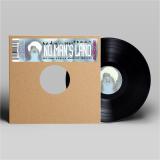
Complimenting his singular debut LP, 2025’s ‘Light Months Will Fly Over Us’, singer-songwriter and producer Addy Weitzman sees his thoughtful artrock and new wave aesthetic expanded by The Time & Space Machine for a limited three-track 12".
The long-running alias of British DJ, archivist and acid pioneer Richard Norris, this trio of remixes from The Time & Space Machine’s central processing unit finds Norris in a jubilant raving mode, his trademark psychedelia contributing to Slacker at its best and baggiest. The initial mix captures Weitzman’s songwriting in full, including his portentous vocal hook – “No man is a prophet in his own land” – a proverb first found in the gospels, blessed with the innovative Norris’s application of hypnotic groove, fat low-end and a ton of percussion.
The B-side sees Norris stripping things back in two directions: the Shango Dub draws focus on the higher vibrations found in the track’s beautifully intertwined percussive and synth elements, while the Riddim Mix reduces the frequencies further still, with a phased, slightly fried drum workout primed to spin heads as the night gets deeper and darker.
Not all music can cope with physical reality. Instruments can be pushed until they lose grip. Eventually, they will slip so far that their untethered voice is all that remains. Panoram follows up on his Pianosequenza series engaging in seventeen excursions into playing the part of the piano that doesn't exist, coaxing out inarticulate feelings in lieu of familiar characteristics. Sounds and rhythms resulting from thoughts that can't be put into quite the right words.
MYRYRS3 presents a calculated compilation of cuts pulled from a variety of styles and backgrounds for their third and largest release to date. Having been quiet on the release front since 2023, this collection sets a calibrated tone for a label in its growth stage. Comprising present, esoteric, and regional techno expressions. Remaining grounded in their cultivation of a space where dancefloors and artistic endeavours share conversation, this release opens the room to an array of talent who approach the idea from varying angles of the dancefloor.
A Pandora's box of modern and daring ideas awaits inside MYRYRS3.