Tapper Zukies 'Peace in the Ghetto' album would be the first release as part of his new deal with Virgin Records.This came about through a trip organised by the label to Jamaica in 1978 to sign up the cream of the crop of Reggae artists,for the new Virgin Front Line label.
Personnel on this trip included John Lydon (Rotten) of the Sex Pistols ,whose band had just split up.
The Peace in the Ghetto album deals with the political situation in at the time,the peace initiative between the gangs and Political Parties.
Paying tribute to some of the gang leaders Claudie Massop ,Buckie Thompson and Tony Welsh who helped make this process happen.
But whatever the subject matter Tapper Zukie chose to hang his songs on,you know he always does it in a fine style......Respect
Cerca:gang
UK funk veterans McKenzie & Gardiner are best known for their 1983 boogie classic 'From Time' and the album Songs From Time - The Lost Demos. They returned in 2021 with a fresh recording of fan favourite 'Hold On Tight' featuring original vocalist Shelley Hicks and it now lands on vinyl for the first time. First, though, the A-side delivers the sultry boogie swagger of 'Completely' with its aching male vocal and humid, throbbing bass. Flip it over for the smooth, soulful 'OG Redux' version of 'Hold On Tight' produced by Clive Gardiner who says, "we used lockdown to get the gang back together, and we've never sounded better." Hard to argue with that.
- A1: Hurts And Noises
- A2: Wake Up
- A3: I Don't Wanna Be A Rich
- A4: Terrorist Bad Heart
- A5: Provocate
- A6: Lucifer Sam (Pink Floyd)
- B1: Happy!?
- B2: So Lazy
- B3: I Feel Down
- B4: Stupido
- B5: Guilty
- B6: Caroline Says (Loo Reed)
UILTY RAZORS, BONA FIDE PUNKS.
Writings on the topic that go off in all directions, mind-numbing lectures given by academics, and testimonies, most of them heavily doctored, from those who “lived through that era”: so many people today fantasize about the early days of punk in our country… This blessed moment when no one had yet thought of flaunting a ridiculous green mohawk, taking Sid Vicious as a hero, or – even worse – making the so-called alternative scene both festive and boorish. There was no such thing in 1976 or 1977, when it wasn’t easy to get hold of the first 45s by the Pistols or the Clash. Few people were aware of what was happening on the fringes of the fringes at the time. Malcolm McLaren was virtually unknown, and having short hair made you seem strange. Who knew then that rock music, which had taken a very bad turn since the early 1970s, would once again become an essential element of liberation? That, thanks to short and fast songs, it would once again rediscover that primitive, social side that was so hated by older generations? Who knew that, besides a few loners who read the music press (it was even better if they read it in English) and frequented the right record stores? Many of these formed bands, because it was impossible to do otherwise. We quickly went from listening to the Velvet Underground to trying to play the Stooges’ intros. It’s a somewhat collective story, even though there weren’t many people to start it.
The Guilty Razors were among those who took part in this initial upheaval in Paris. They were far from being the worst. They had something special and even released a single that was well above the national average. They also had enough songs to fill an album, the one you’re holding. In everyone’s opinion, they were definitely not among the punk impostors that followed in their wake. They were, at least, genuine and credible.
Guilty Razors, Parisian punk band (1975-1978). To understand something about their somewhat linear but very energetic sound, we might need to talk about the context in which it was born and, more broadly, recall the boredom (a theme that would become capital in punk songs) coupled with the desire to blow everything off, which were the basis for the formation of bands playing a rejuvenated rock music ; about the passion for a few records by the Kinks or the early Who, by the Stooges, by the Velvet mostly, which set you apart from the crowd.
And of course, we should remember this new wave, which was promoted by a few articles in the specialized press and some cutting-edge record stores, coming from New York or London, whose small but powerful influence could be felt in Paris and in a handful of isolated places in the provinces, lulled to sleep by so many appalling things, from Tangerine Dream to President Giscard d’Estaing...
In 1975-76, French music was, as almost always, in a sorry state ; it was still dominated by Johnny Hallyday and Sylvie Vartan. Local rock music was also rather bleak, apart from Bijou and Little Bob who tried to revive this small scene with poorly sound-engineered gigs played to almost no one.
In the working class suburbs at the time, it was mainly hard rock music played to 11 that helped people forget about their gruelling shifts at the factory. Here and there, on the outskirts of major cities, you still could find a few rockers with sideburns wearing black armbands since the death of Gene Vincent, but it wasn’t a proper mass movement, just a source of real danger to anyone they came across who wasn't like them. In August 1976, a festival unlike any other took place in Mont-de-Marsan – the First European Punk Festival as the poster said – with almost as many people on stage as in the audience. Yet, on that day, a quasi historical event happened, when, under the blazing afternoon sun, a band of unknowns called The Damned made an unprecedented noise in the arena, reminiscent of the chaotic Stooges in their early adolescence. They were the first genuine punk band to perform in our country: from then on, anything was possible, almost anything seemed permissible.
It makes sense that the four+1 members of Guilty Razors, who initially amplified acoustic guitars with crappy tape recorder microphones, would adopt punk music (pronounced paink in French) naturally and instinctively, since it combines liberating noise with speed of execution and – crucially – a very healthy sense of rebellion (the protesters of May 1968 proclaimed, and it was even a slogan, that they weren’t against old people, but against what had made them grow old. In the mid-1970s, it seemed normal and obvious that old people should now ALSO be targeted!!!).
At the time, the desire to fight back, and break down authority and apathy, was either red or black, often taking the form of leafleting, tumultuous general assemblies in the schoolyard, and massive or shabby demonstrations, most of the time overflowing with an exciting vitality that sometimes turned into fights with the riot police. Indeed, soon after the end of the Vietnam War and following Pinochet’s coup in Chile, all over France, Trotskyist and anarcho-libertarian fervour was firmly entrenched among parts of the educated youth population, who were equally rebellious and troublemakers whenever they had the chance. It should also be noted that when the single "Anarchy in the UK" was first heard, even though not many of us had access to it, both the title and its explosive sound immediately resonated with some of those troublemakers crying out for ANARCHY!!! Meanwhile, the left-wing majority still equated punks with reckless young neo-Nazis. Of course, the widely circulated photos in the mainstream press of Siouxsie Sioux with her swastikas didn’t necessarily help to win over the theorists of the Great Revolution. It took Joe Strummer to introduce The Clash as an anti-racist, anti-fascist and anti-ignorance band for the rejection of old-school revolutionaries to fade a little.
The Lycée Jean-Baptiste Say at Porte d’Auteuil, despite being located in the very posh and very exclusive 16th arrondissement of Paris, didn’t escape these "committed" upheavals, which doubled as the perfect outlet for the less timid members of this generation.
“Back then, politics were fun,” says Tristam Nada, who studied there and went on to become Guilty Razors’ frontman. “Jean-Baptiste was the leftist high-school in the neighbourhood. When the far right guys from the GUD came down there, the Communist League guys from elsewhere helped us fight them off.”
Anything that could challenge authority was fair game and of course, strikes for just about any reason would lead to increasingly frequent truancy (with a definitive farewell to education that would soon follow). Tristam Nada spent his 10th and 11th unfinished grades with José Perez, who had come from Spain, where his father, a janitor, had been sentenced to death by Franco. “José steered my tastes towards solid acts such as The Who. Like most teenagers, I had previously absorbed just about everything that came my way, from Yes to Led Zeppelin to Genesis. I was exploring… And then one day, he told me that he and his brother Carlos wanted to start a rock band.” The Perez brothers already played guitar. “Of course, they were Spanish!”, jokes their singer. “Then, somewhat reluctantly, José took up the bass and we were soon joined by Jano – who called himself Jano Homicid – who took up the rhythm guitar.” Several drummers would later join this core of not easily intimidated young guys who didn’t let adversity get the better of them.
The first rehearsals of the newly named Guilty Razors took place in the bedroom of a Perez aunt. There, the three rookies tried to cover a few standards, songs that often were an integral part of their lives. During a first, short gig, in front of a bewildered audience of tough old-school rockers, they launched into a clunky version of the Velvet Underground's “Heroin”. Challenge or recklessness? A bit of both, probably… And then, step by step, their limited repertoire expanded as they decided to write their own songs, sung in a not always very accurate or academic English, but who cared about proper grammar or the right vocabulary, since what truly mattered was to make the words sound as good as possible while playing very, very fast music? And spitting out those words in a language that left no doubt as to what it conveyed mattered as well.
Trying their hand a the kind of rock music disliked by most of the neighbourhood, making noise, being fiercely provocative: they still belonged to a tiny clique who, at this very moment, had chosen to impose this difference. And there were very few places in France or elsewhere, where one could witness the first stirrings of something that wasn’t a trend yet, let alone a movement.
In the provinces, in late 1976 or early 1977, there couldn’t be more than thirty record stores that were a bit more discerning than average, where you could hear this new kind of short-haired rock music called “punk”. The old clientele, who previously had no problem coming in to buy the latest McCartney or Aerosmith LP, now felt a little less comfortable there…
In Paris, these enlightened places were quite rare and often located nex to what would become the Forum des Halles, a big shopping mall. Between three aging sex workers, a couple of second-hand clothes shops, sellers of hippie paraphernalia and small fashion designers, the good word was loudly spread in two pioneering places – propagators of what was still only a new underground movement. Historically, the first one was the Open Market, a kind of poorly, but tastefully stocked cave. Speakers blasted out the sound of sixties garage bands from the Nuggets compilation (a crucial reference for José Perez) or the badly dressed English kids of Eddie and the Hot Rods. This black-painted den was opened a few years earlier by Marc Zermati, a character who wasn’t always in a sunny disposition, but always quite radical in his (good) choices and his opinions. He founded the independent label Skydog and was one of the promoters of the Mont-de-Marsan punk festivals. Not far from there was Harry Cover, another store more in tune with the new New York scene, which was amply covered in the house fanzine, Rock News (even though it was in it that the photos of the Sex Pistols were first published in France).
It was a favorite hang-out of the Perez brothers and Tristam Nada, as the latter explained. “It’s at Harry Cover’s that we first heard the Pistols and Clash’s 45s, and after that, we decided to start writing our first songs. If they could do it, so could we!”
The sonic shocks that were “Anarchy in the UK”, “White Riot” or the Buzzcocks’s EP, “Spiral Scratch” – which Guilty Razors' sound is reminiscent of – were soon to be amplified by an unparalleled visual shock. In April 1977, right after the release of their first LP, The Clash performed at the Palais des Glaces in Paris, during a punk night organised by Marc Zermati. For many who were there, it was the gig of a lifetime…
Of course, Guilty Razors and Tristam were in the audience: “That concert was fabulous… We Parisian punks were almost all dressed in black and white, with white shirts, skinny leather ties, bikers jackets or light jackets, etc. The Clash, on the other hand, wore colourful clothes. Well, the next day, at the Gibus, you’d spot everyone who had been at this concert, but they weren’t wearing anything black, they were all wearing colours.”
It makes sense to mention the Gibus club, as Guilty Razors often played there (sometimes in front of a hostile audience). It was also the only place in Paris that regularly scheduled new Parisian or Anglo-Saxon acts, such as Generation X, Siouxsie and the Banshees, the Slits, and Johnny Thunders who would become a kind of messed-up mascot for the venue. A little later, in 1978, the Rose Bonbon – formerly the Nashville – also attracted nightly owls in search of electric thrills… In 1977, the iconic but not necessarily excellent Asphalt Jungle often played at the Gibus, sometimes sharing the bill with Metal Urbain, the only band whose aura would later transcend the French borders (“I saw them as the French Sex Pistols,” said Geoff Travis, head of their British label Rough Trade). Already established in this small scene, Metal Urbain helped the young and restless Guilty Razors who had just arrived. Guitarist for Metal Urbain Hermann Schwartz remembers it: “They were younger than us, we were a bit like their mentors even if it’s too strong a word… At least they were credible. We thought they were good, and they had good songs which reminded of the Buzzcocks that I liked a lot. But at some point, they started hanging out with the Hells Angels. That’s when we stopped following them.”
The break-up was mutual, since, Guilty Razors, for their part, were shocked when they saw a fringe element of the audience at Metal Urbain concerts who repeatedly shouted “Sieg Heil” and gave Nazi salutes. These provocations, even still minor (the bulk of the skinhead crowd would later make their presence felt during concerts), weren’t really to the liking of the Perez brothers, whose anti-fascist convictions were firmly rooted. Some things are non-negotiable.
A few months earlier (in July 1978), Guilty Razors had nevertheless opened very successfully for Metal Urbain at the Bus Palladium, a more traditonally old-school rock night-club. But, as was sometimes the case back then, the night turned into a mass brawl when suburban rockers came to “beat up punks”.
Back then, Parisian nights weren’t always sweet and serene.
So, after opening as best as they could for The Jam (their sound having been ruined by the PA system), our local heroes were – once again – met outside by a horde of greasers out to get them. “Thankfully,” says Tristam, “we were with our roadies, motorless bikers who acted as a protective barrier. We were chased in the neighbouring streets and the whole thing ended in front of a bar, with the owner coming out with a rifle…”
Although Tristam and the Perez brothers narrowly escaped various, potentially bloody, incidents, they weren’t completely innocent of wrongdoing either. They still find amusing their mugging of two strangers in the street for example (“We were broke and we simply wanted to buy tickets for the Heartbreakers concert that night,” says Tristam). It so happened that their victims were two key figures in the rock business at the time: radio presenter Alain Manneval and music publisher Philippe Constantin. They filed a complaint and sought monetary compensation, but somehow the band’s manager, the skilful but very controversial Alexis, managed to get the complaint withdrawn and Guilty Razors ended up signing with Constantin with a substantial advance.
They also signed with Polydor and the label released in 1978 their only three-track 45, featuring “I Don't Wanna be A Rich”, “Hurts and Noises” and “Provocate” (songs that exuded perpetual rebellion and an unquenchable desire for “class” confrontation). It was a very good record, but due to a lack of promotion (radio stations didn’t play French artists singing in English), it didn’t sell very well. Only 800 copies were allegedly sold and the rest of the stock was pulped… Initially, the three tracks were to be included on a LP that never came to be, since they were dropped by Polydor (“Let’s say we sometimes caused a ruckus in their offices!” laughs Tristam.) In order to perfect the long-awaited LP, the band recorded demos of other tracks. There was a cover of Pink Floyd's “Lucifer Sam” from the Syd Barrett era – proof of an enduring love for the sixties’ greats –, “Wake Up” a hangover tale and “Bad Heart” about the Baader-Meinhof gang, whose actions had a profound impact on the era and on a generation seeking extreme dissent... On the album you’re now discovering, you can also hear five previously unreleased tracks recorded a bit later during an extended and freezing stay in Madrid, in a makeshift studio with the invaluable help of a drummer also acting as sound engineer. He was both an enthusiastic old hippie and a proper whizz at sound engineering. Here too, certain influences from the fifties and sixties (Link Wray, the Troggs) are more than obvious in the band’s music.
Shortly after a final stormy and rather barbaric (on the audience’s side) “Punk night” at the Olympia in June 1978, Tristam left the band ; his bandmates continued without him for a short while.
But like most pioneering punk bands of the era, Guilty Razors eventually split up for good after three years (besides once in Spain, they’d only played in Paris). The reason for ceasing business activities were more or less the same for everyone: there were no venues outside one’s small circuit to play this kind of rock music, which was still frightening, unknown, or of little interest to most people. The chances of recording an LP were virtually null, since major labels were only signing unoriginal but reassuring sub-Téléphone clones, and the smaller ones were only interested in progressive rock or French chanson for youth clubs. And what about self-production? No one in our small safety-pinned world had thought about it yet. There wasn’t enough money to embark on that sort of venture anyway.
So yes, the early days of punk in France were truly No Future!
- A1: Makafushigi Adventure! / Hiroki Takahashi
- A2: Mezase Tenkaichi / Hiroki Takahashi
- A3: Dragon Ball Densetsu / Hiroki Takahashi
- A4: Mr. Dream Wo Sagase / Ushio Hashimoto
- A5: Aoki Tabibitotachi / Hiroki Takahashi
- B1: Fushigi Wonderland / Wonderland Gang
- B2: Mutenroushi No Oshie / Kohei Miyauchi
- B3: Son Goku Song / Masako Nozawa
- B4: Wolf Hurricane / Toru Furuya
- B5: Romantic Ageruyo / Ushio Hashimoto
A collection of hit songs released at the time of the TV anime "Dragon Ball", including rare insert songs, has been reissued on clear orange vinyl. This is a truly one-star ball (Yishinchu) disc!
A collection of hit songs that also includes the opening theme song "Makafushigi Adventure!" and ending theme song "Romantic Ageruyo" released in 1986. The "Son Goku Song" is sung by Masako Nozawa, the voice actor for Son Goku, the main character of Dragon Ball, and the "Wolf Hurricane" is sung by Toru Furuya, Yamcha's voice actor, Hyuma Hoshi from Star of the Giants, and Amuro Ray from Mobile Suit Gundam. Contains a total of 10 songs, including "Mutenroushi no Oshie" song by Kohei Miyauchi, the voice actor of Master Roshi! A must-have for Dragon Ball fans!
- A1: Intro
- A2: Dogg Pound Gangstaz
- A3: Respect
- A4: New York, New York
- A5: Smooth
- B1: Cyco-Lic-No
- B2: Ridin', Slipin' And Slidin
- B3: Big Pimpin 2
- B4: Let's Play House Ft Nate Dogg
- C1: I Don't Like To Dream About Gettin' Paid
- C2: Do What I Feel
- C3: If We All
- C4: Some Bomb Azz
- D1: A Doggz Day Afternoon
- D2: Reality
- D3: One By One
- D4: Sooo Much Style
Tha Dogg Pound (Daz Dillinger & Kurupt) sind Mitbegründer der West Coast G-Funk-/Gangsta-Rap-Szene. Ihr markanter Rap- und Produktionsstil prägten einen Teil des Death-Row-Sounds der 1990er Jahre. "Dogg Food" ist ihr 1995er Debüt-Studioalbum auf Death Row und ein wichtiger Bestandteil des Labelrosters Mitte der 90er Jahre. Tha Dogg waren stark connected zu Snoop, Nate Dogg, The Lady of Rage und der gesamten Death Row Family-Ästhetik.
Brånd is one weird/post black metal act from the Upper Austrian town of Linz.
Started off in 2015 as a solo act by Vritra (also in Kringa and Weathered Crest) with the need for a form of expression free from perfection or boundaries, over the past ten years the ever-evolving project ventured into various soundscapes, from crude black metal to lo-fi ambient and from ferocious post-punk to psych downer rock, all while splitting releases with extreme underground torchbearers like Absolute Key, Calvary and Rosa Nebel.
Joined by musicians to evolve old and new ideas, Brånd debut full-length album grew from 4-track demos gathered over the last decade to become an album of richly arranged songs from all over the fields of interest, breaking from their lo-fi tradition to new horizons.
To describe thoroughly “Tåg & Nåcht” is possibly the hardest task to do, given all the influences that are skilfully intertwined and perfectly balanced. In this witches’ brew the most schooled listeners will hear some angular post-punk à la Gang Of Four sustaining pagan declamations in the vein of Fenriz folk metal excursus Isengard. Straight forward dark anarcho punk assaults are mitigated by almost new age juxtapositions. Traces of 70’s German krautrock like La Düsseldorf are melted into a heavy metal cast, while wind instrument raids that are equally James Chance and Death In June seem to drop when least expected.
The sound is crunchy and surprisingly warm, contrary to what one might expect of a band emerging from a black metal background. But right now, Brånd is so much more than this: they can master a wide range of sounds that span from 70’s space rock, passing through 80’s post-punk and UK82, reaching 90’s black metal and 2000’s blackgaze, all in one incredibly coherent album. If this sounds too good to be true, suit yourself and press Play.
Split released with Tour De Garde in US/CA.
W.R.F. was formed in 2015 by Nina and late studio partner Andrew Weatherall to help wrangle the vast output recorded together beyond his solo releases.
Spotlighting nine tracks from the Apparently Solo series of EPs recorded between 2016- 2019 and released on Bandcamp in 2023, this lustrous time capsule marks the culmination of Walsh and Weatherall’s creative relationship born after they clicked at London’s earliest acid house clubs, becoming partners then managers of their Sabres Of Paradise/Sabrettes labels before taking different paths by the late '90s.
An accomplished musician, Nina had learned the art of studio technology by the time they reunited and started working together in 2012. Created at her Facility 4 Studio situated in the dangerous, gang-ridden no man’s land between Streatham and Mitcham, Anamchara captures the super-prolific creative stretch starting in 2015 that produced Weatherall’s Convenanza and Qualia solo sets, W.R.F.’s The Phoenix Suburb (And Other Stories) plus a whole lot more. According to Nina, Andrew envisioned the spectacular ‘Borderland’ as natural successor to ‘Smokebelch’, his most revered track. When it came to his remix, Nina enlisted renowned viola virtuoso Sarah Sarhandi and composed new harmonies with Pachelbel’s Canon in D Minor in mind.
The set also catches the breakthrough period when, through Nina’s careful coaxing, Andrew started using the computer system she’d set up to better express his musical visions by arranging the elements, grooves and melodies she sent him. Still considered the UK’s greatest DJ-producer, Andrew’s arrangements were inspired by his club-igniting sets. “This allowed me to mix the colours for his palette whilst he was painting the picture,” says Nina. Anamchara straddles the gamut of musical styles explored by W.R.F. at this time, from slower paced psychedelic “drug chug” outings ‘We Two’. ‘Heat To Meat Ratio’, ‘Hidden Watchers Part 1’ to banging acid house and techno sometimes inspired by the violence outside the studio door, including ‘SCHLAP’, ‘Crack-Ed’ and churning acid juggernaut ‘Yacidik’ (“After much dangling of the acid carrot, Andrew took a bite and, after one familiar raised eyebrow, never looked back,” says Nina).
Many tracks fly elements from the enormous sonic library Nina inherited from late partner Erick Legrand that she called The Akashic Library of Sound. Marking Andrew’s 2016 admission into the vault, ‘Rattly Old Puffin’ boasts Erick’s psychedelic guitar and tumbling drum loop Weatherall would run with, including on ‘Borderland’. “Erick was like our third member,” says Nina.
Bringing down the curtain, ‘Alma’’s exquisitely poignant melody that unfolds over thirteen time-stopping minutes was composed by Nina while navigating Erick’s birth and departure date anniversaries to accompany Andrew’s reading from Gordon Burn’s 1991 same-named novel at 2018’s Durham Literary Festival. Burn’s novel imagines early 60s popstrel Alma Cogan, who succumbed to cancer in 1966 surviving to reflect on fame. “Now it just makes me think of Erick. And every time I hear those well-placed cymbal crashes I can only think of the Captain himself.”
A beautiful grand finale for this astonishing selection of pure gold from the vaults.
Kris Needs / 2026
Ira James' Vessel Recordings keeps flying the flag for serious underground sounds with this new selection of remixes of 'Interlude.' Nonfiction goes first and keeps it deep with a chunky, heavyweight house bubbler with the most subtle synths adding colour and neat stabs lighting it up. DJ Sneak's Nitty Gritty Rub is a classic roller from the House Gangster, raw and undercooked and with serious heft in the kicks. Hector Moralez gets more upright with a warped, fleshy bassline and razor sharp hi-hats, then Andrew Macari's Kick Down The Wall mix is a final raw as you like house weapon that demands you get physical.
Mexican DJ and producer Hotmood indeed brings the heat on his new EP for the Blur Records gang. It is a fine fusion of disco and house music with rich instrumentals, nice organic sound and plenty of smart samples. Opener 'Disco Power' is a funky and upbeat cut with a powerful bassline and big vocal stabs. Things get more deep and laidback with 'Malandro' which has big sax energy and sunny chords then 'To The Beat Y'all' rounds out the EP with real disco energy. The drums hit hard, big guitar riffs brighten up the mix and subtle filters and FX also pump things to the next level.
- 1: Eureka 378-B
- 2: Brain Of The Firm
- 3: Rotation I
- 4: Playing And Reality
- 5: Rotation Ii
- 6: First Galactic Utopia
- 7: Rotation Iii
- 8: Before The Law
- 9: After The Last Sky
- 10: A City Yet To Come
- 11: Second Galactic Utopia
- 12: Demand To Be Taken To Heaven Alive!
WHITE VINYL[23,49 €]
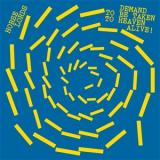
Die Musik auf Horse Lords' "Demand to Be Taken to Heaven Alive!" wirkt zugleich unglaublich detailliert und zutiefst menschlich. Die zwölf versammelten Stücke sind vielschichtig, verflochten, tonal und rhythmisch komplex - moiré-artige Muster aus Interaktion und Verzahnung, die sich sowohl körperlich als auch geistig entfalten, voller klanglicher Gänge mit einem unausweichlichen Groove. Künstler sind nicht notwendigerweise Wissenschaftler, Logiker oder spirituelle Führer, doch durch ihr persönliches Verständnis von Ordnung und Erfahrung eröffnen sie einen unmittelbaren Zugang zu gesteigerten Zuständen von Materialität und Immaterialität. Horse Lords wurden 2010 in Baltimore gegründet; sie gingen aus einer anderen Gruppe namens Teeth Mountain hervor und starteten als Trio mit Gitarrist Owen Gardner, Bassist Max Eilbacher und Schlagzeuger Sam Haberman, bevor der Altsaxofonist Andrew Bernstein zum Kernensemble hinzustieß. Obwohl das Quartett aus einer fruchtbaren Noise- und Experimental-Rock-Szene hervorgegangen ist - einem legendären Umfeld für Künstler und Außenseiter, das viele einflussreiche Bands hervorgebracht hat (Lungfish, Matmos) - war ihr Ansatz über sechs Alben, zahlreiche Kollaborationen und als gefeierte Liveband weit vielseitiger, als es die punktierten Rhythmen instrumentaler elektrischer Rockmusik vermuten lassen. Für dieses Projekt wird die Band durch Bassklarinettistin Madison Greenstone, Posaunist Weston Olencki und - erstmals bei Horse Lords - durch Gesang von Nina Guo und Evelyn Saylor ergänzt. Der Entstehungsprozess von "D2BT2HA!" brachte geografische Hürden mit sich, da die vier Mitglieder seit 2021 in unterschiedlichen Städten leben. Nach sechzehn Jahren als funktionierende Band übersteigt ihre gemeinsame Sprache jedoch jeden Ort. Die aus Deutschland stammenden Gardner, Eilbacher und Bernstein trafen sich in Berlin für die Aufnahmen, während Haberman die Schlagzeugparts in Baltimore erarbeitete. Beim Hören würde man dies nicht unbedingt erkennen, und gemeinsames, räumlich getrenntes Arbeiten ist heutzutage ohnehin keine Seltenheit mehr. Die Band merkt an, dass "es wichtiger war, den Konzepten und Visionen der jeweils anderen zu vertrauen, als Abschnitte immer wieder zu spielen, um zu überprüfen, ob die Musik funktioniert - obwohl dieses Vertrauen nur durch sehr enges gemeinsames Arbeiten möglich wurde". Obwohl "D2BT2HA!" nicht im engeren Sinne eine Suite ist, beeinflusst und durchdringt sich die Musik in komplexen Verknüpfungen selbst. Horse Lords erklären: "Uns gefällt die Vorstellung von Kunst als Werkzeug zur Perspektivveränderung - dass man Ideen rotieren kann und sie aus einem anderen Blickpunkt sehen/hören/fühlen kann." Oder, wie es der Swami Satchidananda Saraswati zugeschriebene Satz ausdrückt: "Understanding is standing under where you are already standing." Das Eröffnungsstück ,Eureka 378-B" ist ein Arrangement von sakraler Harfenmusik aus dem 19. Jahrhundert, getragen vom Gesang von Guo und Saylor; seine Melodie entfaltet sich weit und setzt einen tonalen Startpunkt für vieles, was folgt. Dazu kommen die kurzen "Rotations", die Fragmente aus anderen Stücken isolieren. Offensichtlich tragen die Titel der Stücke einiges an Bedeutung, und "D2BT2HA!" bildet da keine Ausnahme - Transzendenz und Erhebung sind der Musik inhärent, und wenn jede Kunst politisch ist, so sind die Tendenzen von Horse Lords optimistisch und gemeinschaftsorientiert. Transformation und Neubetrachtung sind nicht nur kompositorische Strategien, sondern eine philosophische Haltung, was sich in Titeln wie ,A City Yet To Come", dem Titeltrack oder utopischen Bezügen zeigt. Wie sie selbst sagen: "Wir versuchen Musik zu machen, die den Status quo herausfordert und dem Hörer einen Weg zur Befreiung eröffnet. Das Studium und die Erforschung von Klang und Musik hat eine spirituelle und ekstatische Dimension, und wir haben große Ehrfurcht vor ihrer Wirkung auf den Einzelnen und die Welt." "D2BT2HA!" enthält unzählige klangliche und konzeptuelle Schichten, doch angesichts der unverkennbaren Kraft und Menschlichkeit der Musik ist der Prozess, sie zu entschlüsseln, begeisternd und zutiefst lohnend. Selten ist eine Platte, die einen so unmittelbar packt und zugleich bei jedem Hören vollkommen neu erscheint.
- A1: Intro
- A2: Young Boy
- A3: Virginia
- A4: Grindin’
- B1: Cot Damn (Feat Ab-Liva & Roscoe P. Coldchain)
- B2: Ma
- B3: I Don’t Love Her (Feat Faith Evans)
- B4: Famlay Freestyle (Feat Famlay)
- B5: When The Last Time
- C1: Ego
- C2: Comedy Central (Feat Fabolous)
- C3: Let’s Talk About It (Feat Jermaine Dupri)
- C4: Gangsta Lean
- D1: I’m Not You (Feat Jadakiss, Styles P & Roscoe P. Coldchain)
- D2: Grindin’ (Bonus Remix Feat N.o.r.e., Baby & Lil’ Wayne)
- D3: Grindin’ (Bonus Selector Remix Feat Sean Paul, Bless & Kardinal Offishall)
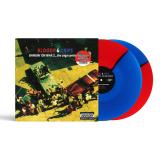
The first act signed to The Neptunes' newly formed Star Trak label was a Virginia based duo known as the Clipse. The first single “Grindin’” impacted the streets with its bare boned but infectious drum beat in the same way that “Sucker MC’s” did almost 20 years earlier. These brothers - Pusha T and Malice combined with The Neptunes groundbreaking production sent a clear message to the rap world – “we are not the same” (as rapped by Malice on his opening verse on “Cot’ Dam”). Clipse brings an authentic Virginia sound into the game and created a movement, with not only their darkly layered raps but The Neptunes as well. Pharrell Williams and Chad Hugo were able to combine their cyberpunk production with just the right group to create a street masterpiece. Following in the footsteps of such rap criminologists as Kool G Rap, Nas, Jay-Z, and Mobb Deep, the Clipse offer the Virginia hustler's viewpoint with clever, hard-hitting lyrics that is sprinkled throughout the entire album. With so many standout tracks on Lord Willin’ the album starts pulling no punches. On Track 1 simply (or maybe not) titled “Intro” you get a very personal and deep testament of crack and the drug game, a theme that is throughout this album…HEAVY. Songs like “Virginia” or “I’m Not You” (featuring Jadakiss, Styles P and Roscoe P Coldchain), have lyrics that play as a musical notes alongside The Neptunes tailored beats. “Young Boy”, “Comedy Central”… all fit perfectly alongside “When the Last Time” and “Cot Dam” as each song plays its part as chapters to the Lord Wilin’ masterpiece. “Gangsta Lean” (another one of the albums standout tracks) features a slightly lighter feel while paired with Pharrell's trademark falsetto hook. The truth of it is, it’s hard to just pick one track, or point out which is the albums star. Each song on Lord Willin’ is essential to making it the classic that it is. The Neptunes (who were busy turning out every other Pop hit on the radio) crafted an album that was deemed an instant classic, and cemented Clipse as Rap’s newest superstars.
“The swaggering love song that launched new wave” The Wall Street Journal
Named as one of the 500 Songs That Shaped Rock and Roll by the Rock & Roll Hall of Fame.
Celebrating it’s 50th anniversary in 2025 this 50th anniversary edition is the first full 12” vinyl release for this iconic Roxy Music track that originally reached #2 on the UK Singles Chart in 1975 and is one of their top 3 most streamed tracks.
This 12” features the original and two of the most sought-after remixes, Greg Wilson’s extended edit and Todd Terje’s Disco Dub, as well as the original 7” b-side Sultanesque.
Driven by a seductive, iconic bassline and Bryan Ferry’s confident croon, Love Is the Drug helped redefine the sound of rock‑pop in the mid‑70s—heralded by critics as provocative, stylish, and proto‑new‑wave gold.
The track is one of the 70’s most identifiable tracks – a global chart hit that was an influence on bands such as Gang of Four, PiL, Simple Minds and the Human League, as well as Nile Rodgers of Chic, who acknowledged that its bass riff was a major influence on Chic’s Good Times.
- A1: Military Cut
- A2: Mc Battle
- A3: Basketball Throwdown
- A4: Fantastic Freaks At The Dixie
- A5: Subway Theme
- A6: Cold Crush Bros At The Dixie
- B1: Double Trouble At The Amphitheater
- B2: South Bronx Subway Rap
- B3: Street Rap
- B4: Busy Bee At The Amphitheater
- B5: Fantastic Freaks At The Amphitheater
- B6: Gangbusters
- B7: Rammellzee & Shockdell At The Amphitheater
- B8: Down By Law
- C1: B Boy Beat
- C2: Yawning Beat
- C3: Crime Cut
- C4: Gangbusters
- C5: Cuckoo Clocking
- C6: Meetings
- C7: Military Cut
- C8: Razor Cut
- C9: Subway Theme
- C10: Busy Bees
- C13: Jungle Beat
- D1: Wildstyle Scratch Tool
- D2: Baby Beat
- D3: Jungle Beat
- E1: Fantastic Freaks Live At The Dixie
- C11: Down By Law
- C12: Baby Beat
GATEFOLD VINYL 2LP - TRANSPARENT BLUE + ORANGE, A2 Colour Poster, 5x Film Set Photos, Flexi Disc, Sticker Sheet
Blurring the lines between fiction and documentary, the seminal film Wild Style, directed by Charlie Ahearn and developed alongside Fred Braithwaite aka Fab Five Freddy, offered an iconic snapshot of the emerging New York hip hop scene in the early ‘80s. Considered one of the first hip hop films, it documents the styles, culture, attitudes, and most importantly, the music of this evolving era. The accompanying soundtrack remains one of the most influential in hip hop history, featuring a who’s who of artists who stood out during the movement’s nascent block party days.
“Making hip hop’s first and most beloved feature film, Wild Style, with Charlie Ahearn and creating the original music is one of my proudest accomplishments.” - Fab 5 Freddy
In celebration of Arrow Films restoring the original Wild Style film in 4K, Mr Bongo is proud to present this special-edition reissue package. The release comes as a double LP pressed on transparent blue and orange vinyl, offering a freshly curated tracklist that brings together the finest songs from previous editions, the full sought-after instrumental album, and Kenny Dope’s top edits. Also included are an A2 colour poster, five film set photos, a flexi disc containing Fantastic Freaks Live at the Dixie, and a Wild Style sticker sheet.
Originally released on Animal Records, founded by Chris Stein of Blondie fame, the soundtrack focuses on the hip hop scene as it evolved from the streets to the recording studio. Co-produced by Stein and Braithwaite, it features the Double Trouble pairing of Rodney Cee and KK Rockwell, The Chief Rocker himself Busy Bee, and the mighty line-ups of both The Cold Crush Brothers and The Fantastic Freaks, to name but a few. The music offers a transportive glimpse into the streets of the South Bronx, capturing the free-form, roaming nature of the film - it’s rough around the edges, but utterly absorbing.
Behind those foundational voices of hip hop’s first wave was a selection of backing beats that have underpinned and influenced the genre ever since. Easily mistaken for lifted breakbeats from old records, the songs on the Wild Style soundtrack are all unique creations. Overseen by Braithwaite and Stein, with Stein also on guitar and effects, they were intended as a homage to those early breakbeats. Drummer Lenny “Ferrari” Ferraro, who played for Aretha Franklin before emerging on the punk scene, and bassist David Harper laid down many of the iconic grooves, two somewhat forgotten participants in shaping a legendary sound.
Over time, the Wild Style soundtrack, with its Charlie Chase and Grand Wizard Theodore scratches, recurring sounds and motifs, and indelible lyrics, has become a hip hop touchstone: endlessly sampled and referenced, the bedrock of so much music to follow. It perfectly encapsulated the essence of the film, the scene, and hip hop’s emergence from the Bronx to the attention of the wider world. It was, and remains, the blueprint.
Side A takes us across the pond for a British funk-rock classic: “Give It To You” from UPP’s 1975 self-titled LP. Already sacred in sample lore, its breakbeat (written by drummer Jimmy Copley) has fueled Eric B. & Rakim, Gang Starr, Jeru, Del, DJ Shadow & more. This edit amplifies the raw pocket — drums, fills, transitions — pushing them forward w/o losing grit. Produced by Jeff Beck, UPP’s LP fused funk, fusion & rock, giving the break shimmer & weight beyond pure drum programming. For DJs, this is precision-built: roomy enough to drop hats, scratches, or vocals, yet solid enough to ride raw.
On the flip, the S.S.O. Orchestra’s 1977 gem “Faded Lady.” Lush, cinematic textures — strings, vocals, bass, pads — laced in funk/soul arrangements. Sample lineage runs deep: Diamond D (“I Went for Mine”), Busta Rhymes’ “New York Shit,” Nas’ “Something Foul.” This edit doesn’t destroy or over-chop — it finds the sweet spots, letting the horns, pads & mood breathe. Not a break tune but a vibe: atmosphere & weight for DJs to lean into.
Together, these 2 sides deliver a powerful juxtaposition:
"The machine looms—it watches you from within. The finger points, but the face is missing."
The Bristol/Amman connection just got even deeper… following DBL's impressive string of Avon-infused heaters (check the recent scorchers from Nzumbe, Content Provider and 2023's 'Weld'). And we're well informed there's even more of this cross-continental greatness to come…
But first...
Kinlaw & Franco Franco. ATC's original prodigal sons. A two-headed nephilim with an ever-growing tally of near-biblical performances – leaving shook audiences coughing dust for months after. Resurrected for 2025.
Those familiar know their hallowed-dogma – brimming with cyberpunk prophetics, surveillance state paranoia and rusted gothic futurism. Each chilling sermon accompanied by a bespoke blend of crusted sonics, taut future-concrète prangers and only the finest industrial-trappist beats.
Back with renewed precision. 11 hot-kneelers for your mental.
On 'Faith Elsewhere', they lead the congregation into uncharted waters with pop-confessional, 'Pitstop 2024'. There's a fresh revamp of the beloved feudal anthem, 'Crocs on the Plough'. Next, a long-fermented, yet still refreshing, kind of chamber-wave on the album's self-titled track. And there's even a touch of the devotional in the final ethereal reprise… Plus, there are plenty more teachings to be found elsewhere…
The writing's on the wall. Accept no false idols. Now pull up your cushion and kneel at their altar. It might just be their best yet….
"In the holiness of their temples, unsuspecting worshippers were being observed by indiscreet eyes."
After two years of silence, whispers and speculation, the enigmatic junglist known only as San emerges once more from the underground, returning to Rua Sound with a third strike of ice-cold, precision-engineered jungle.
No other junglist delivers this kind of power — ruthless breakbeats, sinister atmospherics, and sub-bass that haunts the night itself.
San was forged in the smoke and grit of the dancefloor, born of a need for jungle futurism, breakbeat terrorism, and hardcore sub-bass gangsterism. He doesn't just make tracks — he leaves warnings, coded messages in rhythm for those tuned to the right frequency.
This isn't just music. This is the return of the anti-hero, the lone gunman in the rain-soaked streets of jungle's future.
- A1: Intro
- A2: Gasoline Dreams
- A3: I'm Cool (Interlude)
- A4: So Fresh, So Clean
- A5: Ms Jackson
- A6: Snappin' & Trappin
- A7: D F. (Interlude)
- B1: Spaghetti Junction
- B2: Kim & Cookie (Interlude)
- B3: I'll Call B4 I Cum
- B4: B O.b
- B5: Xplosion
- B6: Good Hair (Interlude)
- C1: We Luv Deez Hoez
- C2: Humble Mumble
- C3: Drinkin' Again (Interlude)
- C4: ?
- C5: Red Velvet
- C6: Cruisin' In The Atl (Interlude)
- D1: Gangsta Sh*T
- D2: Toilet Tisha
- D3: Slum Beautiful
- D4: Pre-Nump (Interlude)
- D5: Stankonia (Stanklove)
- E3: So Fresh, So Clean (Stankonia Remix) (4:31)
- E4: Bob (Zack De La Rocha Remix) (4:21)
- F1: Bob (Cutmaster Swiff Remix) (6:07)
- F2: Bob (Beat Bullies Remix) (4:21)
- F3: So Fresh, So Clean (Instrumental) (4:31)
- F4: Bob (Instrumental) (5:07
- E1: Speedballin' (4:47)
- E2: Sole Sunday (Feat Goodie Mobb) (4:32)
Das mit einem Grammy ausgezeichnete Album "Stankonia" enthält den weltweiten Hit "Ms. Jackson" (über 1 Mrd. Streams) sowie "So Fresh So Clean" (250 Mio.+ Streams) und "B.O.B." (100 Mio.+ Streams) und taucht regelmäßig in den Listen der besten Alben auf, z.B. in der "Rolling Stones 500 Greatest Albums Of All Time". Erhältlich als schwarzes 2LP-Vinyl-Set.
Das Trio - Pianist/ Keyboarder/ Produzent Moses Yoofee, Bassist Roman Klobe-Baranga und Schlagzeuger Noah Fürbringer - hat sich in den letzten Jahren mit spektakulären Live-Shows in Clubs in Deutschland und darüber hinaus einen Namen gemacht. Sowohl von R&B, Hip-Hop und Soul als auch von traditionellerem Jazz geprägt, spiegeln die Songs von Ocean die Spontanität, Inspiration und instinktive Raffinesse ihrer Live-Auftritte wider. Der herrlich hektische Titeltrack und das zunehmend ekstatische Minor Issues stehen in Kontrast zu der eher zurückhaltenden Komplexität von At Ease - und während der hypnotische Rhythmus von Fragile ihre Liebe zum Hip-Hop verrät, wird das üppige Richmond von einem herrlich ruhigen Groove angetrieben, bevor es auf seinem Höhepunkt einen Gang höher schaltet. "Jeder liebt Fusion", so die Band, "auch wenn es keiner zugibt", aber das ist nur ein Element des ausgefeilten Stils des Trios, bei dem Moses" außergewöhnliche Keyboard-Fähigkeiten auf Romans fließende Basslinien und Noahs tighte Schlagzeug-Patterns treffen.
- A1: O Mi Sol Li Lon (Angie March) (Side A)
- A2: Arabesque No 1 & 2 (Sally Heath)
- A3: Midtown (Tom Waits)
- A4: On Le Joue Pour Nous (Mistinguett)
- A5: Menlimontant (Charles Trenet)
- A6: Cockroach & Barflies (The Tiger Lillies)
- A7: Soutine's Cow (The Tiger Lillies)
- A8: Bridge (The Tiger Lillies)
- A9: Goodbye (Sacha Puttnam & Steve Mclaughlin
- B1: Modi's Place (Caroline Dale) (Side B)
- B2: Cinzia (Oskar Shuster)
- B3: Disfruto (Carla Morrison)
- B4: Doves (Sacha Puttnam, Steve Mclaughlin & Tim Wheeler)
- B5: Beef Painting (Sacha Puttnam, Steve Mclaughlin & Yasmin Ogilvie)
- B6: Cathedrals (Instrumental) (Robert Stevenson & Caroline Dale)
- B7: Sunday In The Park (Sacha Puttnam, Steve Mclaughlin & Caroline Dale)
- B8: Sculpture Drums (Sacha Puttnam, Steve Mclaughlin & Tim Wheeler)
- B9: Stairway Romance (Sacha Puttnam, Steve Mclaughlin & Tim Wheeler)
- B10: The Stars (Sacha Puttnam, Steve Mclaughlin & Tim Wheeler)
- C1: Cemetery (The Tiger Lillies) (Side C)
- C2: Cemetery Nightmare (The Tiger Lillies)
- C3: Blown Up Cafe (Sacha Pullman, Steve Mclaughlin & Llan Eshkeri)
- C4: The Black Angel's Death Song (The Velvet Underground & Niko)
- C5: Tom Traubert's Blues (Tom Waits)
- D1: Gangnat Dinner (Sacha Puttnam, Steve Mclaughlin, Robert Stevenson & Sally Heath)
- D2: Modi Speech (Sacha Pullman, Steve Mclaughlin & Llan Eshkeri)
- D3: How Did It Go (Sacha Pullman, Steve Mclaughlin, Tim Wheeler & Llan Eshkeri)
- D4: Argument Pt2 (Sacha Pullman, Steve Mclaughlin & Llan Eshkeri)
- D5: Bea Returns Sculpture (Sacha Puttnam, Steve Mclaughlin & Tim Wheeler)
- D6: Cathedrals (Jump, Little Children)
- D7: Doves Ending (Sacha Puttnam, Steve Mclaughlin & Tim Wheeler)
- C6: Pour Lui (Lucienne Delyle)
- C7: Stairs (The Tiger Lillies)
Modi: Three Days on the Wing of Madness is a 2024 biographical drama based on the life of renowned Italian artist Amedeo Modigliani.
Directed by Johnny Depp, the film stars Riccardo Scamarcio in the title role, with supporting performances by Stephen Graham,
Al Pacino, and Antonia Desplat. The film’s original soundtrack plays a pivotal role, blending evocative original compositions by The Tiger Lillies
with classic tracks from artists such as Charles Trenet, Augie March, Tom Waits, and The Velvet Underground & Nico.
The soundtrack is available as a deluxe 2LP vinyl set in a gatefold sleeve with imagery from the film
And as a 2CD Box Set with lift-off lid, featuring a 24-page booklet including exclusive notes from Johnny Depp and behind-the-scenes images
Since opening the shop, we’ve become good friends with the Club Glow gang, so much so - it seemed silly not to ask for some demos to form a collective EP. This record is the result, you can thank us later!
If you’ve not checked out any of this lot’s music yet, you need your head examined...
Four tasty bangers, exploring the realms of UK Breakbeat, Dub, Jungle and beyond..bel and bought the wax, we’ve got plenty more in the works.
A favourite selector for many within the underground, UK-born, Ibiza-based Miller has built a reputation for his hypnotic, low-end-led productions and seamless ability to weave obscure rhythmic patterns into immersive DJ sets. Founder of the Real Gang collective, he honed his craft as a resident at Ibiza institutions The Zoo Project and Ibiza Underground, where his dynamic, vinyl-focused style earned him recognition as a key player in the island’s grassroots scene. This natural progression has since led to the launch of Tomodachi, his new club, an intimate space that refl ects his artistic ethos and evolving infl uence on the island.
Harley Maxwell, meanwhile, brings a raw energy to the project, blending his sharp vocal delivery and lyrical edge with Miller’s meticulous production style. Their collaborative debut at fabric, during Miller’s all-night set, showcased a shared ability to push conventional boundaries, as they provided a fi rst glimpse into the music that would in turn become ‘Caviar’.
The EP opens with the title cut, a stripped-back yet infectious roller that glides between deep basslines, textured percussion, and subtle melodic fl ourishes. ‘How It Runs’ follows with its sharp drum work, zippy synths, and a playful groove built for the dancefl oor. Rounding off the release, the vinyl-only ‘Dreaming Experience’ sees Miller step out solo as he delves into deeper territories with hazy atmospherics, creating a tripped-out late-night journey. Arriving at a pivotal moment for both artists, their ‘Caviar’ EP signals a bold debut on FUSE – a label celebrated for its commitment to forward-thinking club music.
- A1: Topo & Ruby - Under The Ice
- A2: Scotch - Pictures
- A3: Gaznevada - I C. Love Affair
- A4: Fun Fun - Baila Bolero
- B1: Laserdance - Cosmo Tron
- B2: Brand Image - Are You Loving?
- B3: Cyber People - Void Vision
- B4: Koto - Japanese War Game
- C1: Ken Laszlo - 1-2-3-4-5-6-7-8
- C2: Baby‘s Gang - Challenger
- C3: Claudio Mingardi - Star (Medley With Starman)
- C4: Grant Miller - Colder Than Ice
- D1: Savage - Only You
- D2: Valerie Dore - Lancelot
- D3: Den Harrow - To Meet Me
- D4: Marx & Spencer - Stay
- E1: Brian Ice - Talking To The Night
- E2: J D. Jaber - Don‘t Wake Me Up
- D3: P Lion - Dream
- E4: Radiorama - Aliens
- F1: Tango - Computerized Love
- F2: Lena - Run To Me
- F3: Ocean Wings - Loving In The Snow
- F4: Malcom & Leo - Living In The Dark
- H3: Quinn Martin - One More Mission
- H4: Joe Yellow - Runner
- G1: Felli - Diamond In The Night
- G2: Diego - Walk In The Night
- G3: A G.f. - Loved By You
- G4: Jaco - Spanish Run
- H1: Alba - Only Music Survives
- H2: Roy - Shooting Star (Six Times)
Die legendäre Vinyl-Serie für alle Italo Disco-Fans geht in die nächste Runde!
Mit The Italo Disco Collection Vol. 3 erwartet dich eine exklusive 4LP-Box, randvoll mit den größten Klassikern der Italo Disco-Ära der 80er Jahre – ein Muss für Sammler, Nostalgiker und Liebhaber des typischen Synthie-Sounds.
Diese Box bringt den Sound der Tanzflächen der 80er Jahre zurück – authentisch, analog und mit jeder Menge RetroFeeling. Ideal für DJs, Fans der Italo Disco-Szene oder als stilvolles Geschenk.
R.J.F. (ROSS J. FARRAR)
CLEANING OUT THE EMPTY ADMINISTRATION BUILDING
Cleaning Out The Empty Administration Building ist Ross Farrars neuestes Werk aus rohem, gesprochenem Wort und experimentellem Sounddesign, hier präsentiert unter dem Namen R.J.F.. Der Frontmann der amerikanischen Bands Ceremony und SPICE begann dieses Soloprojekt zunächst als persönliche Herausforderung: Songs von Grund auf selbst zu schreiben, sich mit Instrumenten vertraut zu machen und dabei zugleich sein Unterbewusstsein freizulegen. Dabei ging es weniger um musikalische Virtuosität als um Verletzlichkeit - darum, etwas Ehrliches aus einem ungeschützten, unbearbeiteten, unpolierten Moment zu ziehen, kompromisslos amateurhaft und rein.Diese Sammlung zeigt Farrar im offenen, poetischen Dialog: mit Drumloops und gefundenen Klängen, durchbrochen von Gitarren, Bass und Tasteninstrumenten. Nach über zwanzig Jahren in der vertrauten wie chaotischen Welt von Band-Kollaborationen, legt Farrar all das ab - als Experiment. Das Ergebnis ist unverwechselbar und bewegend.Farrars Punk-Pathos ist in Spuren vorhanden, doch seine deutlichsten Einflüsse stammen von repetitiven Musikformen: Drone, No-Wave, Avant-Jazz und darüber hinaus. Seine nüchternen Texte erinnern an Lou Reed, Rowland S. Howard und andere große Exzentriker. Farrars Texte kreisen um Liebe, Sucht, Vaterschaft und das Leben in der heutigen Welt. ,Ich wollte Bilder schaffen, die die Menschen klar vor sich sehen können", sagt er. Farrar unterrichtete früher Schreiben und Literatur - und wendet hier ein einfaches Prinzip an, das er auch seinen Schülern mitgab: Nicht zu viel nachdenken. ,Ich habe mir einfach gesagt: Diese Songs sollen Spaß machen. Sie sollen nicht stressig sein. Zwei, drei Takes aufnehmen und dann gut ist. Nicht über jedes Geräusch den Kopf zerbrechen. Mach einfach das, was natürlich aus dir herauskommt - und wenn es sich gut anfühlt, dann nimm es."Aus hunderten freier Songs, die Farrar in den letzten Jahren mit geliehenem Equipment aufgenommen hat, kristallisierte sich dieses Album langsam heraus. ,Es kam einfach immer wieder."Der Ton von Cleaning scheint die Zeit zu verbiegen, versetzt die Hörer in eine Art Gang voller Songs, bei denen jede Tür in einen neuen Raum führt - Räume, die oft auf unheimliche Weise vertraut wirken. Der gurgelnde Bass des Openers ,Advance" taucht auch in anderen Stücken wieder auf, etwa im gespenstischen ,Ovidian", benannt nach Ovids Metamorphosen, in dem Farrar über das Wunder der Veränderung sinniert - begleitet von fernen Glockenklängen. Instrumentalstücke wie ,Gravity Hill" - ein Flattern aus Synth-Brummen und statischem Rauschen - oder ,Frogs", mit Saiteninstrumenten und perkussivem Topfschlagen, wirken wie tranceartige Zwischenspiele und verstärken die Wirkung der Texte drumherum.,Exile" blickt zurück auf Verluste, die sich nicht mehr reparieren lassen: ,So much of your heart caught in my exile", singt Farrar mit sanfter Resignation - über einer einsamen Klaviermelodie und schlingernden Gitarrenakkorden. Es ist das strukturierteste Stück der Sammlung und erinnert daran, dass Farrar ein Gespür für melodische Linien besitzt.Das Album endet mit ,Traveling Light From Afar", deutlich schneller als alle vorherigen Songs. Hier, über einem stoischen Motorik-Beat, spricht Farrar das zentrale Thema des Projekts direkt an:,I've been so young in my old age / Selfish & self-pitying / But that's just narcissism - man."Genau dieser Balanceakt - zwischen schonungsloser Selbstbefragung und der Klarheit, die mit dem Älterwerden kommt - schafft Raum für Entwicklung. Farrar leert das Gebäude - Zeile für Zeile.
Reissue des legendären Debütalbums "The Silicon Dawn" des US-Produzenten und heutigen Wahlberliners Dan Curtin, das 1994 auf Peacefrog erschien. In bester Detroit-Manier schaffte es Curtin, Melodien und harmonische Ebenen über komplexe Percussion zu legen, was damals auf innovative Art und Weise die gängige Techno-Norm sprengte. Für das FACT Magazin Grund genug, das Album heute in der Rubrik "The greatest techno albums you've never heard" zu führen.
- A1: Mystic Jungle - The Memory (Feat Roxana)
- A2: Mato - Remind Me (Feat Lady Gatica)
- A3: Soul Sugar - Sun Goddess
- A4: Taggy Matcher – Pushin' Too Hard
- B1: Taggy Matcher - The Message
- B2: Soul Sugar - Midnight
- B3: Taggy Matcher - Stayin’ Alive (Feat John Milk)
- B4: Mato - Between The Sheets (Feat Sonny Tender)
Stix Records, a sub-label of Favorite Recordings, is back with "Disco Reggae Vol. 6", continuing the much-loved series that kicked off over a decade ago.
Born in Jamaica, Reggae has always shared deep roots with Soul, Funk, R&B, and Pop from the US, and the island’s musicians have long mastered the art of reimagining iconic songs through their unique lens. With the Disco Reggae series, Stix Records proudly continues that tradition, serving up fresh reggae reinterpretations of timeless classics across various genres.
This sixth edition expands the selection with tributes to legendary artists like Roy Ayers, Patrice Rushen, Cymande, The Isley Brothers, Ramsey Lewis and Earth, Wind & Fire, to name just a few.
All covers on this volume were carefully curated by Charles Maurice, ensuring a cohesive and inspired selection throughout.
At the controls, it’s the same crew of friends as usual ; Taggy Matcher, Soul Sugar aka Booker Gee, and Mato, and this time, Mystic Jungle joins the gang with a killer Roy Ayers cover.
Get ready for a feel-good ride, perfect for dancing under the stars, cruising with the windows down, or just vibing with friends.
Efficient Space charts Ghost Riders’ North American roadmap, crashing into 1973 New York to ignite the unfiltered teen dreams of Dennis Harte.
In the late ’60s, 11-year-old prodigy Dennis Harte was handed a Sears-bought Silvertone 1448, its in-case amplifier primed for street-level incantations. Recruiting two neighbourhood friends, the trio hammered out raw rhythms, drawing in Brooklyn’s wandering bohemians, keen to glimpse a prepubescent Alex Chilton in the making.
Also jamming with his older brothers, Bart and John, a family friend introduced the siblings to budding music exec Carl Edelson, who had spent the better part of two decades hustling through a string of local labels. A father figure of sorts, Edelson backed them immediately, facilitating sessions at the famed A-1 Sound Studios and Sanders Recording Studio and pressing four 7”s on his newly minted Roundtable Records. To maximise his chances of courting major labels, he strategically assigned each release a different artist name - Dennis Harte, Pure Madness, Harte Brothers and the wryly titled Harte Attack.
Dennis’ emotional maturity and sheer talent bleed into the defining ‘Summer’s Over’, penned by Edelson and once recorded by mid-'60s New Jersey garage vocal group The Wouldsmen. Morphing into an unfathomably teenage, blue-eyed soul/psych lament, it aches for a season slipping away forever. Its Harte Attack edition counterpart - the candied ballad ‘Running Thru My Mind’ - delivers unison harmonies and kinetic guitar interplay with a streetwise punch, channeling the spirit of NYC-area icons The Rascals, The Lovin’ Spoonful, and The Youngbloods.
Roaring like the Spencer Davis Group, Pure Madness’ organ-driven bruiser ‘Freedom Rides’ screams of biker gangs, yet its true subject - ’60s civil rights activists the Freedom Riders - looms as another towering theme for an adolescent perspective. Meanwhile, the loose, bluesy ruckus ‘Treat Me Like a Man’ digs back into Edelson’s catalogue, covering the Beatles-inflected Levittown group The Shandels.
Though Dennis later found success touring with Wilson Pickett and now doubles as a piano tuner to the stars, these four snapshots frame ambition on its outer edge - a heartfelt homage to an unbreakable brotherhood.
The UK's Robin Lee is one of the members of much-loved disco gang Faze Action but also he's behind Andromeda Orchestra who return here with an album that offers a cosmic fusion of jazz-funk and disco. It's been put together with Moogs, clarinets, Rhodes and rich analogue textures that make for a mix of nostalgia and sonic richness that sinks you in deep. Blending nostalgia with innovation, Lee creates deep, immersive soundscapes. There are widescreen odysseys like 'Mythical', loved-up bunkers such as 'Thinking About Your Love' and a rare Nick The Record remix of 'Get Up & Dance' that overflows with cosmic melodies and lush, life-affirming strings.
DJ Feedback
Tigerbalm (Razor n Tape):
"Loving the Nick The Record mix of Get Up Dance."
Willie Graff (Music for Dreams):
"An excellent collection of disco tunes! Will be playing for sure."
Jacques Renault (Lets Play House):
"Epic album as expected, tune after tune, will be playing these for sure. "
Ilya Santana (Astrolead Recordings):
"Andromeda is always a sure shot!"
Pete Herbet (Music For Swimming Pools):
"HUGE!! – Great album!"
Jolene Cuts delivers a stunning 5-track vinyl-only release that reinvents the spirit of 90s French Touch for today’s dancefloors. No edits here—these are 100% original productions crafted by Danny & Mike, masters of filtered house grooves. From the funk-drenched “Without,” a Kool & The Gang-inspired house monster, to “Fall,” a euphoric blast reminiscent of the best Daft Punk moments, every cut is designed for maximum floor impact. “Mon ami Julien” dives deeper with a warm and hypnotic Scott Grooves vibe, while “Ready for Love” feels like Cerrone remixed by early Bob Sinclar at his peak—pure disco magic reimagined. The record closes with “Burning,” a banging, feel-good anthem built to ignite any set. This is a true celebration of filtered house, disco energy, and feel-good music—strictly vinyl, strictly limited, and packed with five undeniable club weapons. Perfect for DJs who want to tear the club apart, vinyl purists, and anyone who knows that real French Touch doesn’t need gimmicks—just groove, soul, and timeless dancefloor power. Once it’s gone, it’s gone.
- A1: Cloud Nine
- A2: I Heard It Through The Grapevine
- B1: Run Away Child, Running Wild
- C1: Love Is A Hurtin’ Thing
- C2: Hey Girl
- C3: Why Did She Have To Leave Me (Why Did She Have To Go)
- C4: I Need Your Lovin’
- D1: Don’t Let Him Take Your Love From Me
- D2: I Gotta Find A Way (To Get You Back)
- D3: Gonna Keep On Tryin’ Till I Win Your Love
The Temptations Get High on Psychedelic Soul: Cloud Nine Soars with Ambitious Arrangements and Production, Features Standout Vocal Performances and Instrumentation by the Funk Brothers
The Temptations’ Cloud Nine announced that Motown — and “The Sound of Young America” — would never be the same. Influenced by the emergence of cutting-edge rock and pop currents, as well as increasing sociopolitical turmoil, the album broke down barriers between rock, psychedelia, and soul while heralding the arrival of visionary arrangements and production techniques. Bookended by traditional R&B numbers, the 1969 record sent the Temptations in bold new directions and signaled the advent of psychedelic soul.
Sourced from the original master tapes, strictly limited to 3,000 numbered copies, pressed at Fidelity Record Pressing, and housed in a Stoughton gatefold jacket, Mobile Fidelity’s 180g 45PM 2LP set presents Cloud Nine in audiophile sound for the first time on a domestic pressing. This collectible reissue bestows Norman Whitfield’s extraordinary production with the grand-scale dynamics, natural tonality, expansive openness, and low-end weight it deserves. The timbre of each of the five members’ voices is readily identifiable — even within the group harmonies — bestowing a realism never experienced outside the recording studio.
Making its debut on 45RPM, the album further benefits from the wide groove space by playing with greater separation and more realistic presence than prior editions. Everything from the brassiness of the horns to the dry snap of the snare comes across with reference-grade clarity and positioning. And since Motown’s renowned Funk Brothers backing band plays on many of the cuts, you’ll want to savor every note. The imaging, soundstaging, and organic bloom-and-decay of the notes make that possible.
Amid Cloud Nine, the instrumentation and architecture stand out as much as any element. Never before had a Motown album contained such ambitious patterns and complex passages. Seemingly conscientious of the departure from their past methods, the Temptations and Whitfield bunched together the tracks that mark a deep dive into psychedelic territory and counterbalance them with seven sterling soul cuts that dovetail with Motown tradition drenched with heartfelt vocals, swelling strings, and finger-snapping beats.
On the original 33RPM release, traditional Motown soul — laden with heartfelt vocals, swelling strings, and finger-snapping beats — occupies Side Two. These songs reveal an ensemble still very much on top of delivering pristine pop-soul material graced with romantic sweetness, persuasive insistent, and soaring highs. Re-energized after the departure of lead singer David Ruffin, who was fired for a variety of reasons in June 1968, the Temptations seamlessly meld with his replacement, Dennis Edwards, on one melodic gem after another.
The collective tackles five songs co-written by the legendary Motown team of Barrett Strong and Whitfield. Not the least of which are the smooth, shuffling “Why Did She Have to Leave Me (Why Did She Have to Go)” and deceptively simple, horn-spiked “Gonna Keep on Tryin’ till I Win Your Love.” On these tracks, as well as on a lush rendition of the ballad “Love Is a Hurtin’ Thing” and pleading, tender send-up of the Gerry Goffin-Carole King classic “Hey Girl,” Edwards and Paul Williams take turns on the lead with the estimable Eddie Kendricks, Melvin Franklin, and Otis Williams providing backing support.
All five vocalists trade-off leads on the simmering title track, a groundbreaking composition shot through with wah-wah-pedal effects, liquid funk, deep bass lines, Cuban percussion, saturated reverb, and gang choruses. Whitfield mines each member’s natural vocal range with spectacular results, keeps time with cymbals, and channels both the heated temperatures and escapist desires of a society embroiled in war, conflict, and experimental drugs.
Amazingly, the Temptations top themselves on the similarly revealing “Run Away Child, Running Wild.” Nearly 10 minutes in length, the song explodes R&B parameters and harbors a cinematic scope. Urgent pianos, distorted guitars, stripped-down percussion, steamy Hammond organs, minimal bass motifs, five distinct voices narrating the tale of a boy who fled home and now finds himself amid the scary, unforgiving external world: They combine to give the urgent tune a walls-closing-in atmosphere where fear and desperation reign. Bolstered by an extended instrumental section that precedes a climactic return of the singers’ voices, “Run Away Child, Running Wild” equaled the success of the record’s title track, with both reaching No. 6 on the pop charts.
Losh is a series of parties held at the magical Chapala lake in Ajijic and Guadalajara, Mexico, aimed at preserving the essence of underground sound and its culture. The event has hosted performances by artists such as Satoshi Tomiie, Shonky, Priku, Arapu, Markus Nikolai and more. Now, Losh is exploring new horizons with the launch of its own vinyl label. The music for this second release features tracks by Tomodachi Club owner and Real Gang founder Miller, Head Honcho of Vatos Locos Héctor, Perlon legend Dandy Jack and one of Losh Team member James Both.
The Second Installment of “Versions” PART TWO by NYC’s Multi-Talented GE-OLOGY.
A VERY SMALL RUN of VINYL ONLY 2x12", NO DIGITAL CONTENT
2024"s retrospective box We Have Dozens of Titles brought the revelatory 1993-"98 output of Gastr del Sol back into the world of physical objects, following a decade in which most of their music was mostly available online. The ruckus that the box generated in the so-called real world was intense enough to warrant some more fun excursions; thus, we begin our vinyl reissue series of the Gastrlog at the end of the line, with their "art-pop masterpiece" somebody"s words, not ours - but we"ll take "em): Camoufleur. Gastr del Sol released Camoufleur in February of 1998. It was a ringing down of the curtain on an extraordinary five years of music making (and unmaking) with one of the best albums of that era - or any other. Once out in the world, Camoufleur went over like gangbusters. Listening in today, it still does - time has only burnished its unique superpowers. Upon release, of course, and with the same sense of enigma in which they"d issued their music, Gastr del Sol abruptly vanished, leaving all that stuff to time. And by golly, in time we"ve found it again, and huzzah almighty, have recommitted it to ol" reliable, the singular magic of the vinyl platter, for the enjoyment and edification of a new nation.
- A1: Bear Trap
- A2: Clown Of The Class (Work Harder)
- A3: Then We Could Be Free
- A4: Watered Down
- A5: Man In The Mirror
- A6: Artist Of The Century
- B1: What U Bouta Do?/A Star Was Born (Feat. 454)
- B2: Belly 1
- B3: Da Roc
- B4: The Weight (2K20)
- B5: Lost Scribe
- B6: You're The Only One Watching
- C1: Lucky
- C2: #82
- C3: Too Hot (Interlude)
- C4: Pieces Of A Dream
- C5: Strange Feeling
- C6: Zombie Pt.2
- D1: Burning House
- D2: Showbiz! (Intro)
- D3: Spun Out
- D4: Miss U (Feat. Duendita)
- D5: When It Rains
- D6: Diamond Dancing (Broke)
Showbiz! nennt sich MIKEs zehntes Soloalbum, das auf seinem Label 10k erscheint. Pitchfork bezeichnete es als "bisher größte Leistung des jungen Künstlers" und vergab das Prädikat "Best New Music". Es setzt neue Massstäbe für ihn und die teilnehmenden Zeitgenossen (Thelonious Martin, Salami Rose Joe Louis, Jacob Rochester, Anysia Kym, Harrison SURF GANG, ShunGu, Laron, redLee, u.a.), während er das nächste Kapitel seiner Karriere als unverzichtbare Stimme des 2020er-Jahre-Hip-Hop aufschlägt. Zur Unterstützung von Showbiz! startete MIKE seine bisher grösste Tour mit unzählig vielen Gästen, die ihn Anfang 2025 nach Europa führte (mit 6 Daten in DE+AT), von wo aus er über UK & Irland ausgiebig durch Nordamerika touren wird.
Marseille's own Durite, label helmed by FaF, returns with its second Various Artists compilation, diving deep into a two-part sonic journey. One side taps into the hypnotic rhythms and rich textures influenced by Middle East sonorities, while the other ventures into Asia, blending psychedelic Japanese & Chinese samples with a heady, trippy vibe.
On the roster: a trio of French talents — Crane de Poule, Blinkduus Dischetto, and Pagenty — plus a standout contribution from Italian producer Nativo, whose infectious grooves just keep getting sharper.
"Kindred spirits and loyal soldiers on the frontlines of the dub war Detroit's 2Lanes and Los Angeles' Cromie link up to present to the world, Destiny Cloud. With a project name inspired by a mystical vacant storefront in Cromie's neighborhood of Altadena (still standing after the fires, bless), the guys formed like a storm after being intro'd by a notorious LA promoter and hotboy producer matchmaker. Funnily enough, the first session was foiled by a missing cable, so it wasn't until the sexy summer of 2023 that the cloud seeds that went on to become Sun Phase/Moon Phase were planted. From the jump, their vision was lucid and their objective collective: lock in at the stu(s) to make the most jiggy, psychedelic, tripped out club shit they could muster. Fast forward to today, Destiny Cloud is proud to bring you the latest missive on 2Lanes' Auto Shop imprint.
On the A side, Sun Phase sets it off with searing stabs from the hands of session killer Ji Hoon on a heavenly Jupiter-8 (sorry not sorry, the real thing does sound better) before a bassline straight off the Adriatic's Argonaughty comes in to funk up the flow over a bed swung hi-hats and drum circle conga lines the Wickedest west coast house heads can appreciate (no hippy shit, but we ARE on Hipp-E's dick). A keep-it-simple-stupid *muah' organ line plays nice with a gang of embellishments to take this one through its duration (Joey pressed record and said "ooh-wah" into the vocoder; no lie, I was there). With his Toxic Love remix, NYC upstart DJ John Brooklyn injects the tune with the highest grade octane to up the revs. The aforementioned organ becomes a timeless trance lead, and new pipes are inserted reminding us all that house music is forever.
Day turns to night on the B Side with Moon Phase, where booming kicks let you know off the rip that this is some real deal late night trunk funk. We're talking dualities here y'all; Cromie's deep-as-the-Pacific bassline meets Joey's frozen-lake-cold Detroit stabs as the drums speak in tongues with those on the other side of the slab. Reverb ghosts and rhythmic acid have this one veering more psychedelic without losing the jiggy factor, while diving proggy synths will have the Global Underground saying, "yea this is our shit, for real." With a run time that allows for maximum fun time, the ambient outro gives you a kiss on the forehead to put that ass to sleep. The iconic DJ Miss Parker takes the wheel on the remix, taking this one straight down the Tunnel with new-school/true-school Tenaglia-isms that wouldn't sound out of place in 2000, 2005 or 2025.
Like all the work we do, this one's a team effort. Salar Ansari put's his deft touch on the mixdowns and Jack Anderson blesses the center of both sides of the disc. Out mid-May, just in time for when things start heating up
Bladee is a founding member of the music group and cultural phenomenon Drain Gang. Following Bladee’s first-ever run of physical titles at retail last year, which was a huge success (over 8000 units sold, #24 in the 40 Vinyl Albums Chart), YEAR0001 are now presenting the following collection of essential records from his catalogue. “rip bladee” is Bladee’s first compilation EP and a cult-classic amongst fans. Collecting a string of self-released singles, the EP includes features from Yung Lean and Bladee’s Drain Gang compatriot Thaiboy Digital. This is the first time ever this release is being pressed on vinyl.
12" EP. Azmari is thrilled to announce the release of their fourth opus, 5-track EP 'In Oculis'. The EP is a reflection of the band's collective desire to reinvent themselves. With a more minimalistic approach, the four musicians have created an eclectic, intense, and vibrant body of work, recorded during various residencies in Belgium and abroad. The result is a fusion of genres that range from powerful grooves to cinematic jazz, from floating melodies to entrancing soundscapes.
For this new project, Azmari teamed up with a long-time collaborator, Guillaume Souffrice (alias Mosso Mosso), who had already been Azmari's guitarist in the band's early days. Souffrice's expertise as a music therapist and multi-instrumentalist, combined with his passion for cross-cultural rhythms and melodies, adds a new depth and dimension to the band's sound.
Souffrice's extensive travels have taken him from Iranian Kurdistan, where he studied the daf (a large frame drum used in Sufi ceremonies), to northern India, where he immersed himself in the modal subtleties of the shehnai (Indian oboe). His love for psychedelic guitar tones and the classic wha-wha pedal remains at the heart of his musical approach, creating a fusion of tradition and experimentation.
The EP opens with 'Night Plants Can Run,' a track that starts with a rhythmic loop on the Berimbau, a Brazilian percussion instrument traditionally used in Capoeira. The song offers a steady, groovy journey between Rio de Janeiro and Sarajevo, with a guitar theme doubled by the saxophone, all underpinned by a deep 4/4 groove. The middle part of the track introduces a lot of percussion (an Azmari signature move) that gives a sense of urgency and chase, inspired by the band's experience playing the track in the studio, imagining a pursuit through the depths of the Amazon.
Next, 'Disassembling the Matrix' takes listeners on a 9/4 march that feels both elusive and powerful. Born from a jam session where an arpeggiator loop wouldn't stop, the band decided to continue with it, highlighting the beauty of a spontaneous creation once again. 'Lizzard's Dream' is a guitar-driven trip that gradually intensifies in energy. The song surprises with a sudden groovy break - a moment that was initially the core of the track - before returning to its soft and introspective theme, closing out the A-side of the vinyl.
The fourth track, 'Eyelights,' was born from the shores of Vevey Lake in Switzerland. It reflects the result of a long period of mental observation and rhythmic exploration. Three different time signatures were used to create the song's intro, which comes together as they go along. The melody loops with a peaceful and nostalgic vibe, creating a dreamlike atmosphere. Under the direction of Frederik Segers, who produced the EP, 'Eyelights' takes on a cinematic feel, with classical upright piano sounds that are a first for Azmari.
The EP closes with "17th Tiger Print," which takes us to the banks of the Ganges. Souffrice's shehnai leads the track into a hypnotic, hallucinatory dimension, where the interplay between his instrument and the baritone saxophone creates a textured, mystical atmosphere. This track encapsulates the essence of Azmari, a sound that bridges cultures and emotions in a minimalist yet highly effective way.
'In Oculis' marks another milestone in Azmari's musical evolution, blending the band's signature style with new influences and experimentation. Whether you're a longtime fan or new to their sound, this EP promisesto take you on another ride around the world.
- A1: Everything Is Real
- A2: Antibodies
- A3: She's On The Radio
- A4: Life In A New Motion
- A5: Tropical Suite São Paulo
- B1: Pretty Tall Girls
- B2: Budapest
- B3: Down On Serpent Street - Alternate
- B4: The Paper Bride
- C1: The Wild
- C2: I Shall Take It Anyway
- C3: The Bird Is On Fire
- C4: Jesus Told Me Too
- D1: Country Leather
- D2: Carrie Ann
- D3: The Word
- D4: The Music Never Dies
Poni Hoax, a French band born in the early 2000s under the impulse of Laurent Bardainne, immediately emerged as the union of converging forces: on one side, the precision of a composer and instrumentalist breaking away from jazz conservatory traditions; on the other, the magnetic presence of Nicolas Ker, a terminal new wave crooner with a sepulchral voice. Surrounded by Arnaud Roulin on keyboards, Vincent Taeger on drums, and Nicolas Villebrun on guitar, they made an instant mark with Budapest—dark and haunting—followed by the unstoppable She’s on the Radio, crafting a unique identity that blended the venomous elegance of Roxy Music, the tension of New Order, and the fervor of Larry Levan. With Images of Sigrid, Poni Hoax achieved the miracle of an instant classic before continuing their journey with A State of War and Tropical Suite, sonic odysseys haunted by memory and distant horizons. On stage, it was either an apocalypse or a revelation—a Formula 1 driven by a gang of Gremlins, a blazing energy leaving only burning embers in its wake. The adventure came to a tragic end with the passing of Nicolas Ker in 2021, as the notes of Laurent Bardainne’s saxophone rose into the gray skies of Père-Lachaise, the final echo of a dazzling odyssey.In 2025, Poni Hoax celebrates its 20th anniversary with the release of Greatest Hits: Everything is Real.