Madar fängt das einzige dokumentierte Zusammenkommen dreier Meister ihrer charakteristischen Instrumente ein: Shaukat Hussain an der Tabla, Anouar Brahem an der Oud und Saxophonist Jan Garbarek.
„Es war Manfred Eicher, der vorschlug, dass wir Shaukat zu einer Session mit Anouar einladen könnten“,
erinnerte sich Jan Garbarek im Zusammenhang mit der Entstehung des Albums, während Anouar Brahem
die Spontaneität der Aufnahme in der Einstellung des Produzenten seinerzeit verbildlicht sah: „Lasst es uns
mal probieren und sehen, was passiert.“ Was passierte? Kulturelle Hintergründe verschmolzen nahtlos und
fließend miteinander – musikalisch übersetzt in eindrucksvolle, einzigartige improvisierte Klanglandschaften,
die auch heute noch frisch und von der Zeit unberührt klingen. In den Worten des Jazztimes-Magazins
aus dem Erscheinungsjahr des Albums: „Das Ergebnis ist eine wundersame, losgelöste Atmosphäre, in der
sich die unverwechselbaren ethnischen Prägungen der Musiker verweben, ohne das interkulturelle Thema
zu erzwingen oder die Eigenständigkeit der einzelnen Teile zu verwässern. Hier klingen Norwegen und der
Nahe Osten wie Nachbarn mit einem gemeinsamen Anliegen.“ Das Album, ursprünglich 1992 aufgenommen
und 1994 veröffentlicht, wurde von Manfred Eicher produziert. Es erscheint zum ersten Mal überhaupt auf
Vinyl im Rahmen der Luminessence-Serie, in einer 2-LP-Tip-on-Gatefold-Ausgabe.
Поиск:garbarek
Все
- 1
Recorded in Oslo in September 1970, Afric Pepperbird was released on New Year's Day in 1971. Half a century later, it still conveys the freshness and excitement of discoveries being made. The album signalled the arrival of four Norwegian improvisers - Jan Garbarek, Terje Rypdal, Arild Andersen and Jon Christensen - at the fledgling ECM label. It was the start of a lifelong association with each of the musicians, whose influence was soon to reach far beyond the borders of their homeland. In extended passages on Afric Pepperbird, with Christensen and Andersen stretching out, it's quite often Rypdal effectively holding the centre with taut chords. Everybody is roaring here, with Garbarek deep into his free jazz vocabulary. "Garbarek should be heard," wrote reviewer Joe Klee in DownBeat. "I would venture that not since Django Reinhardt has there been a European jazz musician so original and forward-looking as this young Norwegian."
Jan Erik Vold and Jan Garbarek, two of Norway's most prominent figures in jazz teamed up with
bassist Arild Andersen, drummer Jon Christensen, guitarist Terje Rypdal and Bobo Stenson on
keyboards and these two September days in 1970 and made a formidable jazz album. Two poems
from Violence ("Det alle vet" from the collection of poems Mor Godhjertas glade version. Ja (1968) and
"Dikt" from Kykelipi (1969)) and long tenacious instrumental parts.
Bob Mintzer, Michel Portal, Miroslav Vitous, Gary Campbell, Esperanza Spalding, Jack DeJohnette, Gerald Cleaver, [artist]CSNO Orchestra[
Mountain Call
Mountain Call, ein Höhepunkt im musikalischen Schaffen von Miroslav Vitous, präsentiert den Meisterbassisten in unterschiedlichen Ensemblekonstellationen – zu seinen musikalischen Mitstreitern auf dem
Album gehören u.a. Klarinettist Michel Portal und Schlagzeuger Jack DeJohnette. Der Mitbegründer
von Weather Report kam Ende der 1970er-Jahre erstmals zu ECM, im Trio mit Terje Rypdal und Jack
DeJohnette. Schon damals bildeten Miroslav und Jack eine kraftvolle Rhythmussektion, die später auf Universal Syncopations (2003) mit Jan Garbarek und Chick Corea erneut zusammen kam. Auch auf Mountain
Call spielt diese Kombination eine zentrale Rolle. Bassist und Schlagzeuger interagieren dynamisch auf
„Tribal Dance“ und „Epilog“, wobei ihr Spiel im letzteren Stück orchestral eingerahmt wird – Jack soliert
auf Vitous’ dreiteiligem Werk „Evolution“ mit großer Entdeckungslust. In der Suite „Rhapsody“ tritt die
Stimme Esperanza Spaldings in den Vordergrund, die Vitous’ Texte singt. Mountain Call beginnt und endet jedoch mit einer Reihe herausragender Duette mit Michel Portal, die möglicherweise Miroslavs stärkste
improvisatorische Momente seit seiner gefeierten Zusammenarbeit mit Jan Garbarek auf Atmos darstellen.
Der abschließende Titelsong mit Miroslavs dramatischem Arco-Spiel und Portals eindringlicher Bassklarinette bestätigt ihre bemerkenswerte kreative Verbindung. Mountain Call wurde von Miroslav Vitous und
Manfred Eicher produziert
Eine bemerkenswerte Zusammenkunft improvisierender Meister aus unterschiedlichen musikalischen Hintergründen: Zakir Hussains Making Music erschien 1987 wie aus dem Nichts und fesselte die Hörer mit seiner
eigenständigen Klangwelt. „Der Austausch zwischen Flöte, Tabla und Gitarre ist oft atemberaubend“, bemerkte die Philadelphia Tribune und beschrieb Jan Garbareks Spiel als „Linien, die die Töne so biegen, dass
sie zur indischen Vokalmusik und zur Sitar passen – und an anderer Stelle die norwegischen Winter heraufbeschwören.“ McLaughlins elegante Akustikgitarreneinsätze fügen sich mit improvisatorischer Leichtigkeit
ein und verbinden die eindrucksvolle Flötenkunst Hariprasad Chaurasias mit Hussains scheinbar alle Pulse
durchwanderndem Tablaspiel zu einem harmonischen Ganzen. Es ist ein Leichtes, nachzuvollziehen, warum
die FAZ zu dem Schluss kam: „Ohne auch nur einen der vier wäre ‚Making Music‘ nicht vorstellbar.“
Das Album wird im Rahmen der Luminessence-Serie erstmals seit seiner ursprünglichen Veröffentlichung
wieder auf Vinyl aufgelegt und erscheint im hochwertigen Tip-on-Gatefold-Cover
- Life Rhythm
- Balance
- Joy Of Life
- Eternity
- Desert Move Feat. Shantel & Thomas Konstantinou
- Second Nature Feat. Dominic Miller
- Open Land
- Full Circle Feat. Bill Evans
- Silence And Sound
- Supernova
- Home
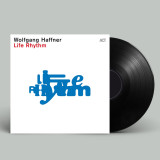
»Ich denke immer wieder aufs Neue darüber nach, wie ich mich als Schlagzeug-spielender Bandleader so positionieren kann, dass das Instrument eine tragende Funktion einnimmt, dies aber auf eine musikalische Weise geschieht und auf keinen Fall als Zurschaustellung von Virtuosität«, sagt Wolfgang Haffner. Diese Haltung zieht sich als roter Faden durch seine gesamte Karriere - und auch durch »Life Rhythm«, sein zehntes Album auf ACT.
Und obwohl Haffners Musik gängigen Vorstellungen virtuoser Schlagzeug-Leader ganz bewusst widerspricht, steht das Instrument diesmal besonders im Fokus. Ausgangspunkt dafür war Wolfgang Haffners allererstes Solokonzert im Jahr 2022 auf Schloss Elmau. Er erinnert sich: »Das war eine Wahnsinns-Herausforderung bei der ich auch vor der Entscheidung stand: Spiele ich jetzt eine Stunde Schlagzeugsolo? Natürlich nicht! Also habe ich habe eine Menge melodisch klingender Perkussionsinstrumente eingebaut, Passagen live geloopt, mit Echos und Delays gearbeitet – im Grunde wie im Studio, nur eben auf der Bühne.« All dies brachte Haffner dazu, sich noch einmal auf ganz intensive Art mit dem Thema mit dem Instrument zu beschäftigen, welches ihn sein Leben lang begleitet. Und so haben alle Stücke auf »Life Rhythm« diesmal ihren Ursprung, nicht wie sonst bei Haffner, am Piano, sondern am Schlagzeug.
Das Ergebnis dieses Prozesses kann man gleich zum Auftakt von »Life Rhythm« auf dem Titeltrack erleben: Das Stück basiert auf einem hypnotischen Groove, bei dem nicht die Becken, wie sonst im Jazz üblich, die Time angeben, sondern vor allem die Trommeln. Das dieser Groove direkt Phil Collins und besonders an dessen Stück »Take Me Home« erinnert, ist kein Zufall: Collins' Art, Drum-Parts zu elementaren Teilen des Songwritings zu machen, ist bis heute eine von Haffners größten Inspirationen. Und auch jedes weitere der elf sehr kompakten, Song-haften Stücke auf »Life Rhythm« öffnet eine eigene Welt des musikalischen Schlagzeugspiels: Mal mal trocken-reduziert mit Besen wie auf »Balance«, poppig bei »Joy of Life«, mit filigranen Becken-Grooves, dezenter Elektronik und Percussion auf »Eternity« oder minimalis-tisch bis kurz vor der Stille in »Silence and Sound«.
Das aus all diesen Stilistiken ein so stimmiges Ganzes ent-steht liegt daran, das Wolfgang Haffner diese im Laufe seiner Karriere bis in die Tiefe durchdrungen hat - an der Seite von stilbildenden Charakteren wie Al Jarreau, Chaka Khan, Pat Metheny, Jan Garbarek, Esbjörn Svensson, Nils Petter Molvaer, Albert Mangelsdorff, Ricardo Villalobos und vielen, vielen mehr. All diese Kollaborationen haben Wolfgang Haffners Voka-bular am Instrument und auch als Komponist geprägt und die da-mit verbundenen, unterschiedlichsten Stile sind gleichermaßen Teil seiner musikalischen Persönlichkeit.
Vielseitigkeit und höchste Musikalität sind auch die Eigen-schaften, die Wolfgang Haffner und seine Mitmusiker auf »Life Rhythm« verbinden. Die Basis bildet ein bestens einges-pieltes Trio zusammen mit Keyboarder Simon Oslender, selbst auch Drummer und Bandleader, und Thomas Stieger, einem der gefragtesten deutschen Bassisten in Pop wie Jazz. Dazu kommen Trompeter Sebastian Studnitzky, Mitstreiter Haffners seit seinem ACT-Debüt »Shapes« und der Finne Arto Mikälä, eine echte Entdeckung in Sachen Klangvielfalt an der Gitarre. Diese Band herausragender Allrounder erweitert Haffner um eine Reihe musikalischer Charaktere, die der Musik ihre ganz eigene Farbe verleihen: Nils Landgren, Freund und Weggefährte seit mehr als 20 Jahren, Saxofon-Ikone Bill Evans, Sting-Gitarrist Dominic Miller, Balkan-Beat-Star Shantel, Bass-Feingeist Nicolas Fiszman, Oud-Virtuose Thomas Konstantinou und Bruno Müller, einer der besten deutschen Jazzgitarristen.
»Life Rhythm«, sagt Wolfgang Haffner, »ist für mich eine Fortsetzung, keine Wiederholung«. Die Musik trägt mit ihrer Wärme, Kraft und Klarheit die charakteristische Handschrift, die Haffner mit seinen Alben und auf tausenden von Konzerten in mehr als 100 Ländern zum wohl populärsten Schlagzeug-spielenden Leader Europas gemacht hat. Und gleichzeitig ist es eine Evolution seiner Musik. Gut möglich, dass Haffners Erfolg genau darin begründet ist, dass seine Musik immer etwas Ver-trautes und etwas Neues beinhaltet und dass Haffner sein Publikum so immer »mitnimmt« im Fluss seiner Ideen - und in einem gemeinsamen »Lebensrhythmus«
- Nightclouds
- Still Life
- Chordalities
- Nightclouds (Variation)
- Morningclouds
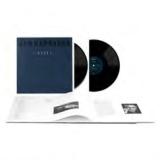
Das vierte Album von Ellen Arkbro, "Nightclouds", versammelt fünf Improvisationen für Orgel solo, die 2023-24 in Mitteleuropa aufgenommen wurden. "Nightclouds" ist unverhohlener romantisch und introspektiver als ihre früheren Werke, obwohl es fest in der Strenge und Präzision verwurzelt, die Arkbro's Konzept ausmachen. Es ist die Erweiterung ihrer Erkundungen von räumlicher Harmonie, Taktilität und Textur, Arkbro schöpft gleichermaßen aus sakraler Musik, Jazz im ECM-Stil und Minimalismus und beschwört eine kühle Intimität und einen kühlen Ton herauf. Ihre entschleunigten Akkordimprovisationen hüllen den Zuhörer in düsteres verwaschen, während ihre Mikrofonierung die raue haptische Maserung des Rohrblatts offenbart und den Zuhörer sowohl innerhalb als auch außerhalb des Klangs bringt. Sie evoziert Duette von Kjell Johnsen und Jan Garbarek oder La Monte Young und Tony Conrads Bearbeitung von Euringers und Harmer's Cowboy-Song ,Oh Bury Me Not". "Nightclouds" kanalisiert spirituelles Pathos durch eine rigoros zurückhaltende Architektur. Anknüpfend an das letztjährige Album "Sounds While Waiting" (W.25TH, 2024), einer Auswahl von Stereomischungen, die Arkbro's räumliche Orgelinstallationen dokumentieren, ändert Nightclouds die Richtung und konzentriert sich auf unmittelbare Komposition und Improvisation. Elegante, einfache akkordische Gerüste unterstützen reiche, sich ständig verändernde Texturen; genaues Hinhören erfordert die Hingabe an anhaltende Unentschlossenheit. Den Abschluss einer Sammlung von kurzen Stücken bilden zwei Variationen über die titelgebende Komposition ,Nightclouds", eine eine schelmische Anspielung auf den britischen Jazz-Gitarristen Allan Holdsworth: Die erste Aufnahme verlangsamt und dehnt eine kontinuierlich modulierte harmonische Progression, während die kurze Schlussversion einfach drei Akkorde schleift. Zwischen diesen Stücken liegen ,Still Life" und ,Chordalities", zwei kurze Werke, die im Temple de La-Tour-de-Peilz in Vevey, Schweiz, aufgenommen wurden. Die zweite Hälfte des Albums ist folgenden Stücken gewidmet ,Morningclouds", ein weitläufiges Werk, das in der rekonstruierten Gedächtniskirche (Kaiser-Wilhelm-Gedächtniskirche) in Berlin aufgenommen wurde. Arkbro's prägnantes musikalisches Vokabular und formale Architektur evozieren ein Gefühl der emotionalen Ambivalenz, gleichzeitig erhebend und schwermütig und führt den Hörer mit kühler und distanzierter Schönheit. "Nightclouds", das als tiefgründiges Statement in Arkbros sich entwickelndem Werk steht, das zugleich introspektiv und expansiv ist, bestätigt ihre einzigartige Fähigkeit, harmonische Einfachheit in tief berührende Klanglandschaften zu verwandeln, die den Hörer in einen Raum der Kontemplation und emotionalen Tiefe führen.
The 1968 debut album from Norwegian guitar legend Terje Rypdal stands as a significant entry in the late 1960s jazz landscape, exemplifying the transition from psychedelic rock to a more intricate, freeform blend of jazz elements. Collaborating with legendary musicians like Jan Garbarek, Rypdal's work on this album showcases his innovative talent.
Recorded during three sessions in Oslo in 1968, Bleak House marks Rypdal’s departure from the psychedelic group The Dream as he ventured into new musical territories. He would go on to become one of the most recognizable instrumentalists in European jazz, with releases on the ECM label filled with his searing, evocative guitar sounds that evoke a future tundra.
Though only 21 at the time, Rypdal was already creating music that was incredibly mature, smooth, and sophisticated. While it undeniably captures the essence of the 60s, it remains enjoyable today. The album, originally released on Polydor, features slight Latin and blues influences, along with big-band arrangements that are both well-crafted and enchantingly loose.
The reissue of Bleak House offers much to unpack. Historically, it represents a bridge in the European transition from jazz-rock to a unique avant-garde/free jazz hybrid. Even at this early point in his career, Rypdal's ability to incorporate post-bop, fusion, and avant-garde elements into a cohesive album was an impressive feat of imagination. Rypdal has always been a bold composer, capable of weaving intoxicatingly discordant melodies, as exemplified in tracks like "Winter Serenade", or evoking an unearthly sadness in his more reflective pieces.
Bleak House is a timeless and important recording, and it is a pleasure to hear it in this 180g virgin vinyl format.
A must-listen for anyone interested in the evolution of modern jazz.
Das 1981 erschienene Debüt des legendären Pianisten von Eberhard Webers Colours Band und später der
Jan Garbarek Group, Freigeweht, präsentierte Rainer Brüninghaus als höchst originellen und eigenwilligen Klangmaler, begleitet von den ECM-Koryphäen Kenny Wheeler am Flügelhorn und Schlagzeuger Jon
Christensen sowie dem Oboisten Brynjar Hoff. In einer Besprechung des Albums aus dem Jahr seiner
Veröffentlichung führte die Frankfurter Allgemeine Zeitung des Pianisten Einflüsse und minimalistische
Gestaltungsgabe auf Steve Reich zurück und nannte Brüninghaus ”den phantasievollsten Verwender der
Minimal Art. (...) Er nutzt die Minimal Art weder als Ideologie noch als Rhythmusgruppenersatz, sondern
spielerisch-konstruktiv als Element, das man aufgreifen kann. Als brillanter Konturenzeichner der Themen
und als genialer Improvisator ist der Trompeter Kenny Wheeler der ideale Partner.” Jon Christensen verleiht
Brüninghaus’ lyrischen Themen, die von Wheeler und Hoffs kontemplativen Tönen eindrucksvoll untermalt
werden, kompromisslosen Antrieb. (Die Luminessence-Edition von Freigeweht erscheint in einem Tip-on
Gatefold und mit neuem Begleittext)
Led by Sommer, the release signifies the first chapter of the drummers much much-anticipated Nordic trilogy on April Records, aiming to capture and document Nordic improvisation and composition across three carefully curated ensembles. Bassist Arild Andersens storied career stretches back to the 1970"s as one of ECM s first recording artists, collaborating with household names of the genre including Jan Garbarek, Don Cherry, Bill Frisell, John Taylor, Sonny Rollins, Chick Corea, and the list goes on. Welcoming the opportunity to work with and nurture younger artists, the ensemble was born when Daniel Sommer selected Andersen for a project during his studies at the Danish National Academy of Music. Later, impressed by Luft s performances in Ireland and Norway, Andersen suggested expanding the pair into a trio. A transcendent musical voyage, As Time Passes " blurs the lines of conventional trio roles, and celebrates the evolution of jazz as a fluid, versatile form of expression. By providing each musician the freedom of becoming a key contributor in the melodic discourse, the trio channels the spirit of jazz veterans such as the Bill Evans Trio and free free-jazz ensemble Air, while echoing the sounds and innovations of pan pan-European contemporary jazz. Mixing pensive rubato ambience with energetic grooves, instrumental dexterity, a modern ECM ECM-esque sound and folk undertones, the record s compositional clarity combined with the spontaneity of a live performance flows across and between genres, borders and generations alike. Luft s intricately over- dubbed layers of acoustic guitars, vast reverbs, and contrapuntal melodies expand the sound of the three piece into an immersive world of textures. Rendered in the stark beauty of Andersen"s bass lines, the nuanced strokes of Sommer"s drums, and capped with the lush, expansive timbres of Luft"s guitar, "As Time Passes" is a testament to the enduring and ever ever-evolving wonder of Jazz.
Elephant9 begründeten ihren Ruf als Live-Powerhouse schon lange vor ihrem Albumdebüt im Jahr 2008 und haben seitdem sechs weitere Studioalben sowie die beiden Doppel-Live-Alben Psychedelic Backfire I und II im Jahr 2019 veröffentlicht, letzteres mit Gastgitarrist Reine Fiske, dessen Lieblingsgitarrist zufällig Terje Rypdal ist. Da beide Alben vergriffen sind, ist Catching Fire eine höchst willkommene Ergänzung ihrer Diskografie. Aufgenommen bei einem bemerkenswerten Konzert von 2017 in Oslo - Rypdal würde in diesem Jahr 70 Jahre alt werden. Catching Fire hat Gemeinsamkeiten mit klassischen Live-Alben von Mahavishnu Orchestra, ELP und King Crimson, vor allem, was das Energieniveau und den Sinn für ungezügelte Intensität angeht. Dennoch gibt es auch ruhige Passagen, vor allem im 22-minütigen Opener, in dem sich Rypdal mit einigen typischen, gletschermelodischen Linien vorstellt. Rypdal ist die ganze Zeit über Feuer und Flamme für Lead-Action, heftige Rhythmusarbeit und abstrakte Akrobatik aus seinem Werkzeugkasten.Terje Rypdals Hauptwerk ist bei ECM erschienen, zunächst als Mitglied des Jan Garbarek Quartetts (Afric Pepperbird, 1970) und mit seinem ersten Soloalbum Terje Rypdal (1971), das bis zu Conspiracy (2020) insgesamt etwa 30 Veröffentlichungen umfasst.Ståle und Terje teilen ein gemeinsames musikalisches Verständnis, das daher rührt, dass Ståle seit fast 30 Jahren die ,rechte Hand" des Gitarristen ist, sowohl im Studio als auch auf der Bühne. Torstein und Nikolai sind die solideste aller Rhythmusgruppen, ein gut geölter Motor, der Finesse und Kraft vereint. Ståle Storlokken - Hammond, Rhodes, Mellotron Nikolai Hængsle - Electric bass Torstein Lofthus - Drums Terje Rypdal - Electric guitar.
FIRST OFFICIAL REISSUE OF ONE OF THE MOST SAMPLED TURKISH RECORDS IN 45 YEARS! SAMPLED BY RAP LEGENDS LIKE SCARFACE OF THE GETO BOYS. TURKISH PSYCHEDELIC MASTERPIECE FROM 1980
Licensed from "Warner Records Sweden" and remastered from original material in Warner Record's vaults by Shawn Joseph at Optimum Mastering Bristol. 180 gr heavyweight vinyl Manufactured in Optimal Berlin.
Recorded between Istanbul and Stockholm, it captures the era between Okay Temiz's Don Cherry Trio touring and his own band Oriental Wind's sensational debut.
Mentioned distinctive elements have elevated the record to 'cult' status among record collectors, sample enthusiasts, and diggers around the world.
By 1980, Okay Temiz had already embarked on a series of dynamic collaborations and sound experiences with Don Cherry as a member of the Don Cherry Trio. This period included a noteworthy summer in the early '70s at Dartmouth College in New Hampshire, hosted by Jon Appleton, a notable American composer and visionary in electro-acoustic music.
"During that summer, Jon asked me, 'What kind of sound do you have in mind?' I had already given this considerable thought, using a tape recorder to capture sound frequencies influenced by the moon's position. Jon Appleton's question made me think about the extension of 'Organic Music Theory,' which we were exploring with Don Cherry at the time."
In 1982, Okay Temiz recorded the most comprehensive answer to 'What is Turkish Jazz?' at the Montreux Jazz Festival (CAZLP 004) with his band Oriental Wind, featuring Bobo Stenson (of the Jan Garbarek - Bobo Stenson Quartet), Palle Danielsson (of the Peter Erskine European Trio), and Lennart Åberg (of the Scandinavia New Jazz Group).
In 1980, without fully realizing he was navigating between these two worlds, Okay Temiz entered Stockholm's renowned Metronome studios to record the 'sound in his mind' as a solo artist.
`Drummer of Two Worlds` is a star map of Okay Temiz's musical worlds. Blending elements from the grand piano to his handmade drums, and from the amplified Berimbau to his cowbell array, weaving Turkish rhythms like 9/8 and 7/8 with the universality of 4/4, it presents a unique sound narrative that resonates with the dimensions of a well-traveled mind."
Haluk Damar
A leading Norwegian bassist for over 30 years, ECM legend Arild Andersen forges promising relation-ships with two rising stars - Daniel Sommer (drums) and Rob Luft (guitar) in an expansive, playful exploration of song and collective improvisation. As Time Passes " is set to release on April 26th on April Records. Led by Sommer, the release signifies the first chapter of the drummers much much-anticipated Nordic trilogy on April Records, aiming to capture and document Nordic improvisation and composition across three carefully curated ensembles. Bassist Arild Andersens storied career stretches back to the 1970"s as one of ECM s first recording artists, collaborating with household names of the genre including Jan Garbarek, Don Cherry, Bill Frisell, John Taylor, Sonny Rollins, Chick Corea, and the list goes on. Welcoming the opportunity to work with and nurture younger artists, the ensemble was born when Daniel Sommer selected Andersen for a project during his studies at the Danish National Academy of Music. Later, impressed by Luft s performances in Ireland and Norway, Andersen suggested expanding the pair into a trio. A transcendent musical voyage, As Time Passes " blurs the lines of conventional trio roles, and celebrates the evolution of jazz as a fluid, versatile form of expression. By providing each musician the freedom of becoming a key contributor in the melodic discourse, the trio channels the spirit of jazz veterans such as the Bill Evans Trio and free free-jazz ensemble Air, while echoing the sounds and innovations of pan pan-European contemporary jazz. Mixing pensive rubato ambience with energetic grooves, instrumental dexterity, a modern ECM ECM-esque sound and folk undertones, the record s compositional clarity combined with the spontaneity of a live performance flows across and between genres, borders and generations alike. Luft s intricately over-dubbed layers of acoustic guitars, vast reverbs, and contrapuntal melodies expand the sound of the three piece into an immersive world of textures. Rendered in the stark beauty of Andersen"s bass lines, the nuanced strokes of Sommer"s drums, and capped with the lush, expansive timbres of Luft"s guitar, "As Time Passes" is a testament to enduring and ever ever-evolving wonder of Jazz.
Das im März 1979 aufgenommene Album Saudades des brasilianischen Perkussionisten Naná Vasconcelos war die Erfüllung eines Traums für einen Musiker, der sich schon lange danach gesehnt hatte, die Berimbau in einem orchestralen Kontext zu hören. Dieses ”Konzert” für einen innovativen Spieler eines traditionellen Instruments wurde durch den kreativen Beitrag von Egberto Gismonti ermöglicht, der hier das Material für Streicher arrangiert hat und auch als Mitkomponist und begleitender Solist fungiert.
Das Radio-Sinfonieorchester Stuttgart wurde von Mladen Gutesha dirigiert (der mit ECM bereits an transidiomatischen Projekten mit Keith Jarrett, Jan Garbarek und Terje Rypdal gearbeitet hatte). Produziert von Manfred Eicher, bleibt Saudades eine außergewöhnliche Reise, ein Album, das seiner Zeit voraus war
und gewissermaßen darauf wartete, von der Welt eingeholt zu werden. Diese Wiederveröffentlichung auf Vinyl in einer Klapphülle enthält neue Liner Notes mit historischem Kontext und Hintergrundinformationen.
ECMs neue audiophile Vinyl-Serie ( Luminessence Series ):
Schätze aus dem renommierten Label-Katalog, die lange vergriffen oder noch nie auf Vinyl erhältlich waren, in eleganten, hochwertigen Editionen präsentiert. Von den originalen Masterbändern geschnitten
Herstellung in Europa und analog, wo möglich.
Uusi Aika is a fresh new ensemble from Finland. Their self-titled debut album will be released by We Jazz Records on 25 November 2022. The band's music could be described as introspective and meditative, but that's only a part of the story. The instrumentation is acoustic and their sound organic to the bone, but the music's slowly unfolding character brings to mind some deep abstract electronic music or experimental dub explorations at times. That is, there's power just under the surface, just beautifully out of focus.
Otto Eskelinen says: "Lately I have been playing mostly folk music and using traditional instruments, such as ancient flutes. Now I felt that I wanted to play the saxophone again, and to do it in a small group setting, while searching for new compositional approaches and also ways of playing together with others. I wanted to create a band that would play something connected to free jazz, but with a distinctly melodic approach. I wanted the sound of the band to be gentle and peaceful, all acoustic. The main inspirations here stem from the history of Japanese sound aesthetics, new age, early 20th century art music and jazz giants such as Lester Young and Jan Garbarek."
Uusi Aika has already debuted live in Helsinki, where their performance at Odysseus Festival this summer was met with remarkable enthusiasm.
- A1: This Evening Was Like Last Year (To Sarah)
- A2: I Wish There Was A Nowhere 1
- B1: Thank You For The Smile (To Wendy And Roger)
- B2: Three Minutes From An Afternoon In July (To Nick)
- B3: View From Battery Point (To John And Pete)
- B4: Violence
- B5: Stately Dance For Miss Primm
- B6: This Evening Was Like Last Year - Short Version
The overall atmosphere and aura of You Are Here... I Am There points at the influences of American jazz musicians such as John Coltrane, Archie Shepp, and Charles Mingus. The record shows a strong tendency, however, towards a distinctive sound that was, at the time, new, embraced by musicians such as Jan Garbarek and Ian Carr. Above all, Tippett's compositional style bears traces of the artist's classical training, unveiled by his harmonic and dynamic awareness and careful balance between improvisation and composition. At the same time, in a reasonable dose, the sextet also captures the kind of spiritual aspect of American jazz, particularly powerfully displayed by Albert Ayler, John and Alice Coltrane, and Sun Ra.
Conceived as a form of sonic road movie, beginning at dusk and ending at dawn the following day, Rupert Lally’s aural accompaniment to the hours of darkness effortlessly combines electronica, industrial, contemporary classical and jazz, with the resulting mix sounding akin to a soundtrack to a Wim Wenders film if composed by Jan Garbarek, Carl Craig and Max Richter. Hailing originally from England but now based in Switzerland, guitarist, percussionist and electronic musician Rupert Lally began his career as a sound designer and composer for theatre and TV, before launching his solo career in 2005. Since then his releases have blurred the boundaries between electronic and acoustic music. Lally's consistently brilliant work is always a highlight of the electronic music calendar, including recent stellar works across many labels such as Spun Out Of Control, Third Kind, Woodford Halse, and Modern Aviation.
A long time ago, in a Norway far far away in time, keyboardist Bugge Wesseltoft introduced his New Conception of Jazz to the world. We're talking about the late 90s, when Bugge's cosmopolitan blend of jazz, hiphop and techno beats was pretty much the coolest music coming out of Norway at that moment. That was a golden time for Norwegian music, in fact, when the rest of the world began to sit up and take notice that something was stirring up north, and realised the music was more than just glacial tones hurtled from icy mountaintops and frozen lakes. This was the sound of urban Scandinavia.
A few years later came the electronic dance genre 'space disco'. Along with Todd Terje, Bjørn Torske and Lindstrøm, Prins Thomas was at the epicentre of this next big wave to surge out of Norway. Now, the two generations have come together in this exclusive collaboration between Bugge and Prins Thomas on the Smalltown Supersound label. Jazz and electronics combine for that energising vitamin D shot of Nordic sunshine.
The Rainbow Studio in Oslo is a familiar name to anyone who follows the ECM label - many of its classic 1970s jazz albums were recorded there under the eye of resident producer Jan Erik Kongshaug. Bugge and Thomas booked a couple of sessions at the legendary space with Kongshaug at the controls, and improvised some tunes in the style and spirit of some of their favourite ECM moments, like the fresh, open sounds of Codona, Egberto Gismonti, Oregon and Kenny Wheeler. Bugge had previously done a remix of Thomas's 'Bobletekno' in 2015 but this is the first time they have worked together as active musicians. The results - also partly taped at Thomas's home studio - fuse programmed rhythms, live synths and percussion, all captured in a sumptuously spacious acoustic.
For an even more authentic touch they called up one of their all time local heroes and one of Norway's most famous jazz drummers, Jon Christensen, who's been the go-to guy for Jan Garbarek, Terje Rypdal, Keith Jarrett and many more. At 75 years he's still pretty spry behind the kit, as you'll hear on several tracks here.
Make no mistake, though, this is not retro pastiche but contemporary music, coasting on gently insistent programmed grooves and bubbling basslines. The whole thing feels not so much like a consciously hip fusion of DJ and jazz musician, more like two great musicians totally enjoying themselves. Which is exactly what it is.
Key facts:
Bugge Wesseltoft is one of Norway's leading jazz figures. He set up Jazzland Recordings in 1996. His solo Christmas LP It's Snowing On My Piano remains Norway's best selling jazz album!
Prins Thomas's real name is Thomas Hermansen. His label, Full Pupp, means 'full breast'. He's released several albums under his own name, as well as collaborations with Bjørn Torske and Lindström. Check out his amazing Paradise Goulash mixtapes.
Sing a song fighter have never been more proud and happy than to finally announce and release this unissued and unheard fantastic recording South African in exile Johnny Dyani was one of the greatest bass players. Played with Don Cherry, Chris McGregor, Archie Sheep, Dollar Brand / Abdullah Ibrahim etc etc. He also made many great albums as a bandleader. And a few rare minimal albums where it was mostly him and his upright bass. He died way too early, in 1986. Karl Jonas Winqvist (Sing A Song Fighter) ranks some of Dyani's works ("African Bass", 'Witchdoctor's Son" with Okay Temiz and "Good News From Africa', with Dollar Brand) as "the most natural, creative musical force there is'. KJW investigated for years if there was more recorded Dyani material waiting to be heard. And where After e-mailing endlessly with the National Radio Museum in Switzerland he finally found what he was looking for.In 1978 graphic designer Niklaus Troxler arranged the great Willisau Jazz Festival in Switzerland. A lot of legendary artists like Max Roach, Jan Garbarek, Elvin Jones and Don Cherry were performing, and Johnny Dyani was one of them. He did this rare solo concert with some of the material that two years later would end up on his great album "African Bass". This LP contains the concert from beginning to end, showing Dyani at his very best on piano, gong, bass and vocals. Spiritual, adventurous and truly free,beautiful music.Gatefold cover, with extensive liner notes from Francis Gooding and Niklaus Troxler
- 1