Search:gl

Styles
All
Shungu - Faith in the Unknown (TAPE)

“I've always dreamed of making an album where I could bring together artists I deeply admire, curating voices, energies, and sensibilities that have inspired me,” says Brussels-born producer and multidisciplinary artist ShunGu of his new record, Faith in the Unknown. “It took time, and it grew into something very human, rooted in trust, patience, and creative risk. These songs are conversations, not just between me and the artists, but between worlds, eras, and ways of feeling.”
That spirit of dialogue and discovery is what defines Faith in the Unknown. Emerging from years of steady, meticulous work in the underground, the album is both a bold statement of identity and an invitation into Shungu’s world. Across 14 tracks, each a self-contained vignette, ShunGu guides the listener through shifting moods and perspectives- moments of intimacy, defiance, reflection and release, coalescing into a much larger story.
His distinct touch threads through the surefire cast of collaborators - Pink Siifu, Liv.e, Fly Anakin, Chester Watson, Fatima, Maxo, Navy Blue, Dreamcastmoe, Ruqqiyah, Zekeultra and Goya Gumbani — each track unfolding as a new dimension in the same universe.
ShunGu has long been a boundary-pusher, known for weaving jazz-inflected samples, skilfully constructed textures, and MPC-driven grooves into production that feels timeless yet untethered. With Faith in the Unknown he pushes further still: a project as much about collective energy as it is about personal vision. It’s a leap into uncertainty, carried by trust in the process and the people involved.
From the lo-fi beat tapes that first won him a cult following, to collaborations that span the globe, Shungu has forged a body of work rooted in exploration and community. Faith in the Unknown crystallises those qualities into his most ambitious statement yet; a record that doesn’t just blur boundaries between genres, but asks what happens when vulnerability and experimentation are treated as shared ground.
The result is a record that trades in subtlety. Each artistic contribution adds its own shade to the larger mosaic, pulling the listener deeper into an expanding narrative. If Faith in the Unknown has a message, it’s that art can thrive in uncertainty - that in the spaces where trust, risk, and vulnerability intersect, something entirely new can emerge.

In Stock

On Stock and ready to ship

16,39
Shungu - Faith in the Unknown

Shungu

Faith in the Unknown

12inchLEX198LP
LEX RECORDS
15.01.2026

“I've always dreamed of making an album where I could bring together artists I deeply admire, curating voices, energies, and sensibilities that have inspired me,” says Brussels-born producer and multidisciplinary artist ShunGu of his new record, Faith in the Unknown. “It took time, and it grew into something very human, rooted in trust, patience, and creative risk. These songs are conversations, not just between me and the artists, but between worlds, eras, and ways of feeling.”
That spirit of dialogue and discovery is what defines Faith in the Unknown. Emerging from years of steady, meticulous work in the underground, the album is both a bold statement of identity and an invitation into Shungu’s world. Across 14 tracks, each a self-contained vignette, ShunGu guides the listener through shifting moods and perspectives- moments of intimacy, defiance, reflection and release, coalescing into a much larger story.
His distinct touch threads through the surefire cast of collaborators - Pink Siifu, Liv.e, Fly Anakin, Chester Watson, Fatima, Maxo, Navy Blue, Dreamcastmoe, Ruqqiyah, Zekeultra and Goya Gumbani — each track unfolding as a new dimension in the same universe.
ShunGu has long been a boundary-pusher, known for weaving jazz-inflected samples, skilfully constructed textures, and MPC-driven grooves into production that feels timeless yet untethered. With Faith in the Unknown he pushes further still: a project as much about collective energy as it is about personal vision. It’s a leap into uncertainty, carried by trust in the process and the people involved.
From the lo-fi beat tapes that first won him a cult following, to collaborations that span the globe, Shungu has forged a body of work rooted in exploration and community. Faith in the Unknown crystallises those qualities into his most ambitious statement yet; a record that doesn’t just blur boundaries between genres, but asks what happens when vulnerability and experimentation are treated as shared ground.
The result is a record that trades in subtlety. Each artistic contribution adds its own shade to the larger mosaic, pulling the listener deeper into an expanding narrative. If Faith in the Unknown has a message, it’s that art can thrive in uncertainty - that in the spaces where trust, risk, and vulnerability intersect, something entirely new can emerge.

In Stock

On Stock and ready to ship

28,36
Jazzamor - Space Cowboy / Caminho (7")

A stunning 7" release from Jazzamor featuring a speedy bossa cover of Jamiroquai's breakthrough hit!

This 7-inch couples two carefully selected tracks from the archives of veteran German music unit Jazzamor.

Side A is a speedy bossa cover of "Space Cowboy," the 1994 breakthrough global hit by Jamiroquai, originally featured on Jazzamor's 2004 album A Piece Of My Heart. Side B includes an uptempo bossa track from their 2002 debut album Lazy Sunday Afternoon. The arrangement features the charmingly delicate vocals of Bettina Mischke, combined with Roland Grosch's acoustic guitar and percussion, layered into a Brazilian-inspired electronic sound with an elegant touch.

In Stock

On Stock and ready to ship

27,10
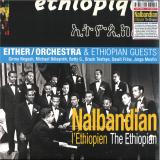
NALBANDIAN THE ETHIOPIAN & EITHER/ORCHESTRA - NALBANDIAN THE ETHIOPIAN (ETHIOPIQUES)

The Éthiopiques series returns! Essential archive recordings from an extremely fruitful period in Ethiopian music.

Before “Swinging Addis” took over the world, there was Moussié Nerses Nalbandian — the Armenian-born composer who shaped modern Ethiopian music. Mentor, arranger, and pioneer, he laid the foundations of Ethio-jazz.

This Éthiopiques volume revives his forgotten legacy, recorded live by Either/ Orchestra First issue ever with new exclusive photos and in depth liner 8-page insert.

“Ethiopian jazzmen are the best musicians that we have seen so far in Africa.
They really are promising handlers of jazz instruments.”

Wilbur De Paris
(1959, after a concert in Addis Ababa)

አዲስ፡ዘመን። *Addis zèmèn* **A new era.**
The time is the mid-1950s and early 1960s, just before "Swinging Addis" bloomed – or rather boomed – onto the scene. Brass instruments are still dominant, but the advent of the electric guitar, and the very first electronic organs, are just around the corner. Rock’n'Roll, R’n’B, Soul and the Twist have not yet barged their way in. Addis Ababa is steeped in the big band atmosphere of the post-war era, with Glenn Miller's *In the* *Mood* as its world-wide theme song, neck and neck with the Latin craze that was in vogue at the same period. Life has become enjoyable once again, with the return of peace after the terrible Italian Fascist invasion of Ethiopia (1935-1941). The redeployment of modern music is part and parcel of the postwar reconstruction. *Addis zèmèn* – a new era – is the watchword of the postwar period, just as it was all across war-torn Europe.
The generation who were the young parents of baby boomers** were the first to enjoy this musical renaissance, before the baby boomers themselves took over and forever super-charged the soundtrack of the final days of imperial reign. Music is Ethiopia's most popular art form, and very often serves as the best barometer for the upsurge of energy that is critical for reconstruction. Whether it be jazz in Saint-Germain-des-Prés or the *zazous* who revolutionised both jazz and French *chanson* after the *Libération*, be it Madrid's post-Franco Movida, or Dada, the Surrealists and *les années folles* that followed World War I, the periods just after mourning and hardship always give rise to brighter and more tuneful tomorrows. Addis Ababa, as the country's capital, and the epicentre of change, was no exception to this vital rule.

**Two generations of Nalbandian musicians**
Nersès Nalbandian belonged to a family of Armenian exiles, who had moved to Ethiopia in the mid-1920s. The uncle Kevork arrived along with the fabled "*Arba Lidjotch*", the** "*40 Kids*", young Armenian orphans and musicians that the Ras Tafari had recruited when he visited Jerusalem in 1924, intending to turn their brass band into the official imperial band. If Kevork Nalbandian was the one who first opened the way of modernism, pushing innovation so far as to invent musical theatre, it was his nephew Nersès who would go on to become, from the 1940s and until his death in 1977, a pivotal figure of modern Ethiopian music and of the heights it. Going all the way back to the 1950s. Nothing less. And it is Nersès who is largely to thank for the brassy colours that so greatly contributed to the international renown of Ethiopian groove. While the younger generations today venture timidly into the genealogy of their country's modern music, often losing their way amidst a distinctly xenophobic historiographical complacency, many survivors of the imperial period are still around to bear witness and pay tribute to the essential role that "Moussié Nersès" played in the rise of Abyssinia's musical modernity.
Given the year of his birth (15 March 1915), no one knows for sure if Nersès Nalbandian was born in Aintab, today Gaziantep (Turkiye/former Ottoman Empire) or on the other side of the border in Alep, Syria... What is certain is that his family, like the entire Armenian community, was amongst the victims of the genocide perpetrated by the Turks. Alep, the place of safety – today in ruins.
Before Nersès then, there was uncle Kevork (1887-1963). For a quarter of a century, he was a whirlwind of activity in music teaching and theatrical innovation. *Guèbrè Mariam le Gondaré* (የጎንደሬ ገብረ ማርያም አጥቶ ማግኘት, 1926 EC=1934) is his most famous creation. This play included "ten Ethiopian songs" — a totally innovative approach. According to his autobiographical notes, preserved by the Nalbandian family, Kevork indicates that he composed some 50 such pieces over the course of his career. This shows just how much he understood, very early on, the critical importance of song as Ethiopia's crowning artistic form. Indeed, for Ethiopian listeners, the most important thing is the lyrics, with all their multifarious mischief, far more than a strong melody, sophisticated arrangements or even an exceptional voice. (This is also why Ethiopians by and large, and beginning with the artists and producers themselves, believed for a long time — and wrongly — that their music could not possibly be exported, and could never win over audiences abroad, who did not speak the country's languages).

Last but not least, one of Kevork's major contributions remains composing Ethiopia's first national anthem – with lyrics by Yoftahé Negussié.
Nersès Nalbandian moved to Ethiopia at the end of the 1930s, at the behest of his ground-breaking uncle. Proficient in many instruments (pretty much everything but the drums), conductor, choir director, composer, arranger, adapter, creator, piano tuner, purveyor of rented pianos,... he was above all an energetic and influential teacher. From 1946 onwards, thanks to Kevork's connexion, Nersès was appointed musical director of the Addis Ababa Municipality Band. In just a few years, Nersès transformed it into the first truly modern ensemble, thanks to the quality of his teaching, his choice of repertoire, and the sophistication of his arrangements. It was this group that would go on to become the orchestra of the Haile Selassie Theatre shortly after its inauguration in 1955, which was a major celebration of the Emperor's jubilee, marking the 25th anniversary of his on-again-off-again reign.

At some point or other in his long career, Nersès Nalbandian had a hand in the creation of just about every institutional band (Municipality Band, Police Orchestra, Imperial Bodyguard Band, Army Band, Yared Music School…), but it was with the Haile Selassie Theatre – today the National Theatre – that his abilities were most on display, up until his death in 1977. To this must be added the development of choral singing in Ethiopia, hitherto unknown, and a sort of secret garden dedicated to the memory of Armenian sacred music, and brought together in two thick, unpublished volumes. Shortly before his death (November 13, 1977), he was appointed to lead the impressive Ethiopian delegation at Festac in Lagos, Nigeria (January-February 1977).

His status as a stateless foreigner regularly excluded him from the most senior positions, in spite of the respect he commanded (and commands to this day) from the musicians of his era. Naturally gifted and largely self-taught, Nerses was tirelessly curious about new musical developments, drawing inspiration from the very first imported records, and especially from listening intensely to the musical programmes broadcast over short-wave radio – BBC *First*. A prolific composer and arranger, he was constantly mindful of formalising and integrating Ethiopian parameters (specific “musical modes”, pentatonic scale, and the dominance of ternary rhythms) into his “modernisation” of the musical culture, rather than trying to over-westernise it. It even seems very probable that *Moussié* Nerses made a decisive contribution to the development of tighter music-teaching methods, in order to revitalise musical education during this period of prodigious cultural ferment. Flying in the face of all the historiographical and musicological evidence, it is taken as sacrosanct dogma that the four musical modes or chords officially recognised today, the *qǝñǝt* or *qiñit* (ቅኝት), are every bit as millennial as Ethiopia itself. It would appear however that some streamlining of these chords actually took place in around 1960. It was only from this time onward that music teaching was structured around these four fundamental musical modes and chords: *Ambassel*, *Bati*, *Tezeta* and *Antchi Hoyé*. A historical and musical “details” that is, apparently, difficult to swallow, especially if that should honour a *foreigner*. Modern Ethiopian music has Nersès to thank for many of its standards and, to this day, it is not unusual for the National Radio to broadcast thunderous oldies that bear unmistakable traces of his outrageously groovy touch.

In Stock

On Stock and ready to ship

22,06
TONI TORNADO - TONI TORNADO LP

TONI TORNADO

TONI TORNADO LP

12inchVAMPI339
Vampisoul
15.01.2026

Originally released in 1972, Toni Tornado's self-titled debut is a landmark in Brazilian soul and funk - a gritty, groovy record that helped define the sound of the Black Rio movement. Blending deep soul, psychedelic funk, and bold orchestration, this album channels the revolutionary energy of James Brown with the tropical swagger of Rio's streets. From the urgent rhythms of 'Torniente' to the undeniable strut of 'Mané Beleza' and 'Tornado,' Toni's music pulses with a fierce sense of pride and liberation. It's the sound of a new cultural identity taking shape - where African-American soul met Afro-Brazilian reality. Often compared to the legendary Tim Maia, Tornado brought his own explosive edge to Brazil's growing soul scene. By the 1970s, other Brazilian musicians, such as Banda Black Rio, Cassiano, Gerson King Combo, Jorge Ben and Gilberto Gil, began making soul records. DJs started throwing soul-only parties. Toni Tornado's voice carries grit and passion, his grooves hit hard, and his message is crystal clear - Black is beautiful, and the funk is real. Back on vinyl for a new generation, this reissue is more than a collector's gem - it's a time capsule from an era when music moved bodies and minds. Essential listening for fans of vintage soul, global funk, and revolutionary sounds. Reissue on 180g vinyl.

In Stock

On Stock and ready to ship

28,53
GIGI MASIN - IMPLODENDO IN UNA ACCECANTE OSCURITA' (PT.2)

Pt.2 of 2

Gigi Masin's sparkling sonic magic leads us to the light in “Implodendo in una accecante oscurità” (Imploding in a blinding darkness). The mirror reflects nothing but a faint, unfamiliar, mysteriously hostile face, but a glimmer survives, evoked by a painfully solemn romanticism that is salvific, glimmers of light bounce off broad synthetic volutes, a bewitching ambient, airy quiet, they spread, a few veins of darkness shine through, aesthetic beauty equates to clear spirituality, sax and female voices, the elegy that intertwines piano and vocal loops, that omnipresent melancholy, nostalgia, reassuring, which is openness to tomorrow. It is the moment of light, the powerful feeling that nothing is lost, that what awaits to be grasped is more than a remnant, perhaps an overcoming, light that “is not what it shows but what it reveals”, that light that becomes memory that does not need to illuminate to be perceived where it most needs to spread, where darkness has resided for too long

In Stock

On Stock and ready to ship

28,99
Louis Baker - "Keep On" Best's Friends Remixes

Renowned for his rich, soulful voice and heartfelt songwriting, Wellington, New Zealand's Louis Baker blends neo-soul, R&B, and folk into a sound that feels both timeless and fresh. His single "Keep On" is an uplifting anthem of perseverance, now reimagined by a hand-picked selection of acclaimed producers, each bringing their unique touch to the track.

Delfonic: Berlin's Delfonic is a digger's digger - a selector, DJ, and producer with an encyclopedic ear for groove. Fresh from delivering stunning Roy Ayers edits for BBE Music, he brings his soulful touch to "Keep On", crafting a warm, deep, and floor-friendly rework.

Larse: German DJ and producer Larse has released on acclaimed labels such as Defected, Glitterbox, and Noir Music, earning a global reputation for timeless, emotive house. His remix of "Keep On" channels the smooth, sultry elegance of UK soul icon Sade's '80s sound - lush, classy, and built for late-night listening.

Gush Collective: The legendary German 2-step producers Gush Collective are masters of soulful, shuffling rhythms. Their remix of "Keep On" blends classic UK garage swing with uplifting melodies, delivering a dancefloor-ready cut that radiates joy and energy.

DJ Philippa: Originally from New Zealand and now based in Berlin, DJ Philippa has built a strong following for her uplifting, groove-rich house sets and productions. With releases on Freerange Records, SlothBoogie, and Local Talk, she's known for her deep musicality and impeccable feel for the dancefloor. Her remix of "Keep On" injects warm basslines, shimmering keys, and irresistible rhythmic flow.

In Stock

On Stock and ready to ship

13,24
The Collective Move - Land of the Sun, the Moon and Cosmic Melodies LP 2x12"

"The Land of the Sun, the Moon and Cosmic Melodies" is a conceptual Opera of III movements, inspired by a cosmogony that features the planets of the sun and the moon. These two characters guides us on a journey of light and shadow, rising and setting in a cycle of unexplored musical territories.
The Collective Move presents its debut album with a broad palette of sounds, ranging from jazz to opera, from southern Italian folk music to northern Indian classical music, orchestrating a 60-minute "sonic narration" that ends with the fable "What do the birds tell?".

The Collective Move is an international group of young musicians formed in the Amsterdam Conservatory in 2022. The Collective's vision is to unite diverse artistic expressions and musical genres, inviting diverse artists and musicians from diverse cultures and countries to collaborate in flexible and interdisciplinary formations.

In Stock

On Stock and ready to ship

28,53
Antony Reale, Costantino "Mixmaster" Padovano - Back From Paradise

Groovin Recordings proudly announce the forthcoming release of "Back From Paradise", a track co-produced by the legendary Italian DJ Costantino “MixMaster” Padovano and renowned South Italian producer Antony Reale.
This record is a dedication to the enduring legacy of Costantino MixMaster Padovano. Originally produced in the late 90's but never officially released, this collaborative piece is finally seeing the light of day as a powerful celebration and tribute.
Costantino MixMaster Padovano needs no introduction to house music aficionados. He was one of the first Italian DJs to achieve deep respect in the 90s US house scene, regularly sharing the decks with titans like Frankie Knuckles, Kenny Dope Gonzalez, Louie Vega, and Todd Terry. His studio influence was massive, including official remixes for legends such as Marvin Gaye, Diana Ross, Gloria Gaynor, Chaka Khan, Mary J. Blige and many more.
Antony Reale is an established Italian DJ and producer with a large discography spanning the last two decades. He has produced and remixed a roster of top artists, including Chaka Khan, Mary J. Blige, Ultra Naté, and RuPaul.
"Back From Paradise": Originally created by Antony and Costantino during their creative prime in the late 90's, Antony has now decided to finally release the track. It serves as a beautiful and fitting monument to the memory and fantastic career of this iconic Italian DJ and producer who helped define the 90's house scene.

In Stock

On Stock and ready to ship

12,19
THEE SINSEERS - LOVE STORIES

THEE SINSEERS

LOVE STORIES

12inchCLMNLP12074
Colemine Records
18.09.2026
  • 1: Oh Love
  • 2: Did Ya Know?
  • 3: Let's Fall In Love (Again)
  • 4: There She Goes
  • 5: Let 'Em Shine
  • 6: How Lonely Is Lonely
  • 7: What Can I Do?
  • 8: Cry Baby
  • 9: Minute By Minute
  • 10: She Was In Love
  • 11: While You Were Sleeping
also available

EVERGREEN VINYL[23,49 €]

Cassette[14,08 €]


Ein Gespräch mit Thee Sinseers kurz vor der Veröffentlichung ihres neuen Albums ,Love Stories" bei Colemine Records macht eines ganz deutlich: Dies ist kein Album, das eine glatte und ordentliche Liebesgeschichte erzählt. Es geht hier nicht um das Happy End. Es geht um alles, was davor, danach und trotz allem passiert. Auf dieser LP hat sich die Band auf eine erdigere Instrumentierung konzentriert - Kontrabass, Gitarren, die durch Verstärker laufen, um einen wärmeren, an die Sechziger angelehnten Klang zu erzielen - und sich von allem inspirieren lassen, wo es sich bot, selbst an den unwahrscheinlichsten Orten. Es ist dieses genreübergreifende Denken, das Sänger Joey Quiñones als das bestimmende Merkmal der Platte ansieht. "Es fühlte sich zu keinem Zeitpunkt so an, als würden wir Soul-Musik machen", sagt er. ,Es fühlte sich an, als würden wir einfach unsere Musik machen." Die Band wollte etwas Ehrlicheres einfangen als nur die Höhepunkte - sie wollte die Höhen und Tiefen romantischer Beziehungen zeigen und gleichzeitig den Rahmen erweitern, um auch das Familiäre, das Komplizierte und das Ungelöste einzubeziehen. Die Eltern der Bandmitglieder sind auf dem Albumcover zu sehen, ihre eigenen Liebesgeschichten sind in die visuelle Identität der Platte eingewoben, manche dieser Geschichten bestehen noch, andere nicht. ,Jeder einzelne Songtitel führt dich auf einen anderen Weg der Liebe - egal, ob du gewinnst oder verlierst." Quiñones wollte, dass die Zuhörer sich auf diese Mehrdeutigkeit einlassen. ,Liebe ist unendlich", sagt er. ,Sie reicht über ein Leben hinaus. Ich möchte, dass die Leute immer noch verwirrt sind - ich möchte, dass es wie ein offenes Buch bleibt." Doch eines bleibt durchgehend konstant: das Bekenntnis von Thee Sinseers zu ihrer Herkunft. Diese East-LA-Identität stellt sich nicht zur Schau - sie existiert einfach, eingewoben in das Gewebe der Musik, ohne als Abzeichen getragen zu werden. Hier wird kein Liebeskummer vorgetäuscht, sondern es ist das Echte.

pre-order now18.09.2026

expected to be published on 18.09.2026

23,49
THEE SINSEERS - LOVE STORIES

THEE SINSEERS

LOVE STORIES

12inchCLMNLPC12074
Colemine Records
18.09.2026

Ein Gespräch mit Thee Sinseers kurz vor der Veröffentlichung ihres neuen Albums ,Love Stories" bei Colemine Records macht eines ganz deutlich: Dies ist kein Album, das eine glatte und ordentliche Liebesgeschichte erzählt. Es geht hier nicht um das Happy End. Es geht um alles, was davor, danach und trotz allem passiert. Auf dieser LP hat sich die Band auf eine erdigere Instrumentierung konzentriert - Kontrabass, Gitarren, die durch Verstärker laufen, um einen wärmeren, an die Sechziger angelehnten Klang zu erzielen - und sich von allem inspirieren lassen, wo es sich bot, selbst an den unwahrscheinlichsten Orten. Es ist dieses genreübergreifende Denken, das Sänger Joey Quiñones als das bestimmende Merkmal der Platte ansieht. "Es fühlte sich zu keinem Zeitpunkt so an, als würden wir Soul-Musik machen", sagt er. ,Es fühlte sich an, als würden wir einfach unsere Musik machen." Die Band wollte etwas Ehrlicheres einfangen als nur die Höhepunkte - sie wollte die Höhen und Tiefen romantischer Beziehungen zeigen und gleichzeitig den Rahmen erweitern, um auch das Familiäre, das Komplizierte und das Ungelöste einzubeziehen. Die Eltern der Bandmitglieder sind auf dem Albumcover zu sehen, ihre eigenen Liebesgeschichten sind in die visuelle Identität der Platte eingewoben, manche dieser Geschichten bestehen noch, andere nicht. ,Jeder einzelne Songtitel führt dich auf einen anderen Weg der Liebe - egal, ob du gewinnst oder verlierst." Quiñones wollte, dass die Zuhörer sich auf diese Mehrdeutigkeit einlassen. ,Liebe ist unendlich", sagt er. ,Sie reicht über ein Leben hinaus. Ich möchte, dass die Leute immer noch verwirrt sind - ich möchte, dass es wie ein offenes Buch bleibt." Doch eines bleibt durchgehend konstant: das Bekenntnis von Thee Sinseers zu ihrer Herkunft. Diese East-LA-Identität stellt sich nicht zur Schau - sie existiert einfach, eingewoben in das Gewebe der Musik, ohne als Abzeichen getragen zu werden. Hier wird kein Liebeskummer vorgetäuscht, sondern es ist das Echte.

pre-order now18.09.2026

expected to be published on 18.09.2026

23,49
THEE SINSEERS - LOVE STORIES (TAPE)

Ein Gespräch mit Thee Sinseers kurz vor der Veröffentlichung ihres neuen Albums ,Love Stories" bei Colemine Records macht eines ganz deutlich: Dies ist kein Album, das eine glatte und ordentliche Liebesgeschichte erzählt. Es geht hier nicht um das Happy End. Es geht um alles, was davor, danach und trotz allem passiert. Auf dieser LP hat sich die Band auf eine erdigere Instrumentierung konzentriert - Kontrabass, Gitarren, die durch Verstärker laufen, um einen wärmeren, an die Sechziger angelehnten Klang zu erzielen - und sich von allem inspirieren lassen, wo es sich bot, selbst an den unwahrscheinlichsten Orten. Es ist dieses genreübergreifende Denken, das Sänger Joey Quiñones als das bestimmende Merkmal der Platte ansieht. "Es fühlte sich zu keinem Zeitpunkt so an, als würden wir Soul-Musik machen", sagt er. ,Es fühlte sich an, als würden wir einfach unsere Musik machen." Die Band wollte etwas Ehrlicheres einfangen als nur die Höhepunkte - sie wollte die Höhen und Tiefen romantischer Beziehungen zeigen und gleichzeitig den Rahmen erweitern, um auch das Familiäre, das Komplizierte und das Ungelöste einzubeziehen. Die Eltern der Bandmitglieder sind auf dem Albumcover zu sehen, ihre eigenen Liebesgeschichten sind in die visuelle Identität der Platte eingewoben, manche dieser Geschichten bestehen noch, andere nicht. ,Jeder einzelne Songtitel führt dich auf einen anderen Weg der Liebe - egal, ob du gewinnst oder verlierst." Quiñones wollte, dass die Zuhörer sich auf diese Mehrdeutigkeit einlassen. ,Liebe ist unendlich", sagt er. ,Sie reicht über ein Leben hinaus. Ich möchte, dass die Leute immer noch verwirrt sind - ich möchte, dass es wie ein offenes Buch bleibt." Doch eines bleibt durchgehend konstant: das Bekenntnis von Thee Sinseers zu ihrer Herkunft. Diese East-LA-Identität stellt sich nicht zur Schau - sie existiert einfach, eingewoben in das Gewebe der Musik, ohne als Abzeichen getragen zu werden. Hier wird kein Liebeskummer vorgetäuscht, sondern es ist das Echte.

pre-order now18.09.2026

expected to be published on 18.09.2026

14,08
DIE HÖCHSTE EISENBAHN - WENN WIR UNS WIEDER SEHEN SCHREIEN WIR UNS WIR UNS WIEDER AN

Die Höchste Eisenbahn - Zurück mit einem neuen Album voller Retro-Charme und Gegenwartsgefühl Mit ihrem neuen Album beweist Die Höchste Eisenbahn einmal mehr, dass Popmusik nicht laut sein muss, um zu berühren - sie muss nur ehrlich sein. Und genau das gelingt Moritz Krämer und Francesco Wilking mit einer sprachlichen Finesse, die in der deutschsprachigen Musikszene ihresgleichen sucht. Die beiden Songwriter sind keine bloßen Texter - sie sind Beobachter des Zwischenmenschlichen, Chronisten des Alltags, Poeten der kleinen Momente. Ihre Lieder erzählen von Bürofluchten, verpassten Chancen, absurden Begegnungen und der Schönheit des Banalen. Dabei gelingt ihnen das Kunststück, tiefgründige Gedanken in scheinbar beiläufige Zeilen zu kleiden - mit einem Augenzwinkern, das nie zynisch, sondern immer menschlich bleibt.

Musikalisch bleibt die Band verspielt und offen: Synthesizer treffen auf akustische Wärme, Lo-Fi-Elemente auf präzise Arrangements. Doch im Zentrum stehen stets die Stimmen und Texte von Krämer und Wilking - mal im Dialog, mal im Wechselspiel, immer im Dienst der Geschichte. Die Höchste Eisenbahn liefert kein Album für den schnellen Konsum, sondern ein Werk zum Wiederhören, Mitdenken und Mitfühlen. Wer zuhört, wird belohnt - mit Zeilen, die hängen bleiben, und Melodien, die tragen.

In Stock

On Stock and ready to ship

23,49
Giorgio Robles - Bahé Lumon EP

FAFO Records proudly presents its 36th release: Bahe Lumon EP, a long-awaited work by Giorgio Robles, founder of the label and a key figure in the underground scene. Originally produced over two years ago, this EP finally sees the light-delivering a deep, hypnotic, and groove-heavy journey rooted in minimal techno. The release features two original tracks, Bahe and Lumon, reflecting Giorgio's signature approach: elegant, rhythmic, and crafted for intimate dancefloors. The EP is further enriched by two outstanding remixes: one from Herman Saiz, a seasoned producer and founder of the acclaimed label Sound of Sirius (which previously featured a joint release with Giorgio), and another from Venda, a well-known name in the global minimal scene. Based in Australia, Venda has built a solid reputation through a series of quality vinyl releases, and his remix here is no exception. As always, this is a vinyl-only release, distributed by Memoria Records, and aimed at selectors, collectors, and true lovers of underground sounds.

In Stock

On Stock and ready to ship

12,56
Q LAZZARUS - GOODBYE HORSES: THE MANY LIVES OF Q LAZZARUS

"Goodbye Horses: The Many Lives of Q Lazzarus (Music From The Motion Picture)". Purple + Black & White Splatter Vinyl. Der Einstieg in die Musik von Q Lazzarus erfolgte für fast alle über "Goodbye Horses". Der Song tauchte erstmals 1988 in Jonathan Demmes "Married to the Mob" auf, aber er sollte sich erst dann vollständig im Bewusstsein der Menschen verankern, als er 1991 in Demmes "The Silence of the Lambs" wieder auftauchte. "Goodbye Horses" fühlte sich an wie ein in sich geschlossenes Universum - traumhaft und völlig ungewöhnlich, ein sofortiger Klassiker, der die Zuhörer fesselte und neugierig auf die geheimnisvolle Stimme dahinter machte. Diese Stimme gehörte Diane Luckey, einer einzigartig talentierten Künstlerin, deren Musik ihrer Zeit voraus war und die letztlich zu Lebzeiten weitgehend unerkannt bleiben sollte. In Verbindung mit der Veröffentlichung des Dokumentarfilms "Goodbye Horses: The Many Lives of Q Lazzarus" von Aridjis Fuentes veröffentlicht Sacred Bones eine Sammlung von Songs, die die gesamte Karriere von Q abdecken und die verschiedenen Epochen ihres Schaffens und die ganze Bandbreite ihrer Persönlichkeit zeigen. "Goodbye Horses" ist die erste Musiksammlung, die den Segen von Qs verbliebener Familie erhalten hat, und hat die Besonderheit, ihre erste und einzige Albumveröffentlichung in voller Länge zu sein. Aufgenommen zwischen 1985 und 1995, spiegelt diese Fundgrube bisher unveröffentlichter Musik einige der interessantesten Facetten der Popmusik der letzten vier Jahrzehnte auf eine Weise wider, die sowohl versiert als auch wild eklektisch wirkt. Das titelgebende "Goodbye Horses" bleibt ein einzigartiges Stück gespenstischer New-Wave-Perfektion, und man könnte sich ein ganzes Q-Lazzarus-Album vorstellen, das sich um diese Ästhetik dreht, aber ähnlich den Gesangsikonen Alison Moyet, Annie Lennox oder Lisa Gerrard eignet sich Qs chamäleonhafte Stimme perfekt für eine Vielzahl von Stilen und Settings. Ihre Coverversion von Talking aHeads' "Heaven" verwandelt den Song in eine aus voller Kehle gesungene Power-Ballade mit klimpernden Klavierverzierungen, während ihre Interpretation von Gershwins "Summertime" wie eine dubbige Club-Reduktion klingt, die zu einem Grace Jones Stück der Nightclubbing-Ära hätte passen können. Tracks wie "My Mistake" und "Hellfire" flirten mit House-Musik und zeigen, wie frech und glockig Qs Stimme sein kann, wenn sie sich richtig austobt, während "Don't Let Go" wie eine bombastische Radiosingle klingt, die Cher vor einigen Jahrzehnten hätte veröffentlichen können. Andere Songs wie "Bang Bang" und "I See Your Eyes" sind von einer gitarrenbetonten Alt-Rock-Sensibilität, die in einem Paralleluniversum auch auf MTVs 120 Minutes Show hätte laufen können. "Goodbye Horses" verkörpert das Potenzial für so viele verschiedene Arten von Karrieren, die, aus welchen Gründen auch immer, nie vollständig verwirklicht wurden. Dass wir jetzt diese Songs in der Welt haben und ein klareres Bild von der Person dahinter, ist nichts weniger als ein Segen.

In Stock

On Stock and ready to ship

23,49
bvdub & East of Oceans - Replicant Memories 2x12

Replicant Memories is the seismic fallout from the clash between bvdub and East of Oceans: two of Brock Van Wey's three aliases representing different stylistic directions, while being vessels for the same unbridled oceanic creativity.

Within the four chapters of this epic, the bottomless emotion of bvdub melts into the euphoria of East of Oceans, electricity discharging and mists rising from their collision while they together reach new heights of intensity.

This music changes you. Like being exposed to forces of nature, there is no holding back and no place to hide within its wild embrace. It is music for surrendering into. And be left in gratitude for.

In Stock

On Stock and ready to ship

35,71
SAMBA CALIOCA - Sunny Place Carnival LP
  • A1: Prelude Of Batacuda ~ Here Comes Samba
  • A2: Ahill
  • A3: Berimbau
  • A4: Dream Away
  • B1: We And The Sea
  • B2: Kalimba
  • B3: A Tonga Da Mironga Do Kabulete
  • B4: Samba In The Morning ~ Sunny Place Carniva

Japanese crossover and fusion are hot again now. As either an outgrowth of, or a spin-off phenomenon from, the global reappraisal
of city pop, Japanese fusion has been rapidly rising since around last year.
This is the 1978 debut album by Carioca, one of Japan’s leading Brazilian fusion units of the 1970s and 1980s.
The group began as the backing band for Kiyoshi Hasegawa, and on this debut release they used the name "Samba Calioca." True to that
band name, they were quite unusual at the time for presenting samba and bossa nova with a resort-flavored sound, and they also
produced specialists such as drummer Antonio Ishida and guitarist Masami Sato. This highly club-popular first album also features a
diverse lineup of guest musicians including Masayoshi Takanaka, Ryuichi Sakamoto, Shuichi "Ponta" Murakami, and Shigeharu Mukai.

pre-order now25.09.2026

expected to be published on 25.09.2026

43,28
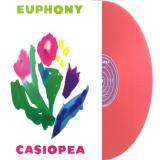
CASIOPEA - Euphony

CASIOPEA

Euphony

12inchUPJY-9570
Universal Music Japan
25.09.2026
  • A1: The Wind From The Sun
  • A2: Shadow Man
  • A3: Super Sonic Movement
  • A4: Old Times
  • A5: Bayside Express
  • B1: Sentimental Avenue
  • B2: Solid Swing
  • B3: Hacker
  • B4: Pure Green
  • B5: Red Zone
  • B6: Shallow Dreams

Japanese crossover and fusion are hot again now. As either an outgrowth of, or a spin-off phenomenon from, the global reappraisal of city pop,
Japanese fusion has been rapidly rising since around last year.
This was the second release on AURA, the band’s own label established under Polydor, and their 13th studio album overall.
Because they had continued recording overseas for some time, they chose not to bring in guest musicians for this album, instead settling into their
home base at STUDIO JIVE and creating it solely with the band members.
As a result, the album offers a fresh and lively sound that returns to the group’s roots.
Alongside the live staple "SUPER SONIC MOVEMENT," it is also packed with new attempts, including the Japanese-flavored "Old Times," the technodriven big band-style jazz track "SOLID SWING," and the high-speed Latin funk number "RED ZONE."
This also became the final CASIOPEA album for the duo of Tetsuo Sakurai and Akira Jimbo.

pre-order now25.09.2026

expected to be published on 25.09.2026

43,28
Chloé Caillet & Luke Alessi ft. Jocelyn Brown - The One

DJ Support: Peggy Gou, Chris Stussy, Jamie Jones, Solomun, TSHA, Eliza Rose, and others

Following a breakout summer, “The One” is now getting a vinyl release.

The track became a viral hit on TikTok, amassing over 5.5 million lifetime engagements, and has solidified its status as one of the year’s defining dance anthems — surpassing 14.6 million streams and continuing to grow rapidly across platforms.

Included on the vinyl release are the acclaimed remixes from HAAi, Bashkka, and Obskur that have further expanded the track’s reach.

With a Grammy nomination and club backing from global tastemakers including Peggy Gou, Chris Stussy, Jamie Jones, Solomun, TSHA, Eliza Rose, and others, “The One” continues to dominate both the underground and mainstream dance scenes.

“The One” — a summer anthem that shows no signs of slowing down.

In Stock

On Stock and ready to ship

13,66
El Sabor De Nacho - Que Se Sepa 7"

We keep the fire burning with PAN009, a scorching slice of Latin soul from Puerto Rico’s own Nacho Sanabria, better known as El Sabor De Nacho. Originally released in 1973, his version of “Que Se Sepa” takes the Roberto Roena classic and injects it with a new energy — fiery brass, driving percussion, and that unmistakable swagger that defines the golden age of salsa.

Born in Cataño, Puerto Rico in 1929, Nacho Sanabria grew up surrounded by the rhythms of bomba and plena, performing on stage as early as age nine. After relocating to New York in the late 1940s, he became a key figure in the Latin dance scene, performing with groups like Sonora Boricua, Orquesta Panamericana, and later Rafael Cortijo’s Combo. By the mid-1960s, Sanabria formed his own band, El Sabor De Nacho, combining tight horn arrangements, sharp percussion, and his signature charismatic delivery. His 1970s recordings — including Alma Primitiva and Salsa Caliente — stand as shining examples of Puerto Rican salsa at its peak.

Sanabria’s version isn’t a straight cover — it’s his own Puerto Rican interpretation, full of character and swing. The rhythm section stays tight and earthy, the horns punch with intent, and his vocal delivery brings that effortless charm only a seasoned bandleader could deliver. A proper Latin soul mover that sits somewhere between the barrio and the dancefloor, perfect for warm evenings and deeper DJ sets.

Rescued from obscurity and lovingly restored for today’s floors, PANORAMA Records continues its mission to reintroduce rare and essential music to new generations. From deep funk, jazz and global grooves to Latin dancefloor heat, the label’s 45s series shines a light on overlooked gems that still sound fresh today. Supported by tastemakers like Gilles Peterson, Patrick Forge, and the Mr Bongo DJs, this one’s destined to move both hips and feet.

In Stock

On Stock and ready to ship

13,40
Items per Page:
N/ABPM
Vinyl