Cerca:go soul

Generi
Tutto
Kyoto Jazz Massive - KJM EOANDO LP

In 2024, Kyoto Jazz Massive released their third album as a digital-only project, 30 years after their debut. It now receives the honor of a special vinyl edition, featuring brand-new exclusive mixes by Young Pulse—elevating these already great tracks to even greater heights, for both your ears and your feet.
This marks the first and exclusive collaboration between KJM and Echoes Of A New Dawn Orchestra (aka Jéroboam), the unique Parisian band that has been performing live with KJM across Europe for the past three years. On this occasion, KJM recorded four new tracks with EOANDO, including three original songs ("Power", "Love Wars", and "Impulsive Procession") and a new rendition of “Stand Up”, a previously released composition. To complete the album, you'll also find a stunning cover of KJM’s iconic track "Substream" by EOANDO, as well as their signature piece, “EOANDO's Theme”.
"Power" and "Stand Up" were recorded with Vanessa Freeman, while "Love Wars" features Bembe Segue. This London-based duo has been singing live with KJM since 2004.
"Power" is a crossover anthem, blending jazz-funk and French disco with a gospel touch. Vanessa Freeman’s uplifting lyrics call for collective awareness and energize audiences. "Love Wars" is a live-band interpretation of broken beat with a boogie spirit, enhanced by Bembe Segue’s sharp and spiritual vocals. “EOANDO’s Theme” was specially composed by Echoes Of A New Dawn Orchestra for KJM, capturing the Okino Brothers' love for boogie-funk jams with Brazilian and Balearic influences reminiscent of Azymuth.
“Impulsive Procession” fuses Afro, funk, jazz, fusion, soul, rock, house, and techno—drawing inspiration from several of KJM’s most respected musical heroes. A brand-new version of “Stand Up”, originally released in 2008, was re-recorded live in the studio with EOANDO and fresh vocals by Vanessa Freeman.
The album closes with a reimagined version of “Substream”, one of KJM’s most beloved tracks, covered by EOANDO for the official Tokyo Crossover/Jazz Festival 2023 compilation. This new version was recorded as an organic disco interpretation at Danilo Plessow’s studio in Paris.

non in magazzino

Ordina ora e ordineremo l'articolo per te presso il nostro fornitore.

18,91

Last In: 3 months ago
SHAWN LEE & KELLY FINNIGAN - SAY IT AGAIN / HARPSICHORD ROCK

SHAWN LEE & KELLY FINNIGAN

SAY IT AGAIN / HARPSICHORD ROCK

7"-VinylCLMNLP1253
Colemine Records
16.09.2025
 
2
disponibile anche

Black Vinyl[10,04 €]


The highly anticipated collaboration from Shawn Lee and Kelly Finnigan ishere. The A-side on this 45, Say It Again, features Kelly on vocals and piano. It's asmooth, soulful tune, pulling references from Bobby Caldwell and FM radio. Shawn says of the track "there has always been a mutual admiration societybetween myself & Kelly. Over the years I've had the pleasure of playing onboth the Monophonics & Kelly's solo records in the studio and live onstage. This is the first I've had Kelly on something that I've put together. Good thingscome to those who wait_and here it is!"The instrumental B, Harpsichord Rock, comes straight out of some sort oflost 1970's Italian movie. Entirely written and recorded by Lee, it's a hypnoticjam with a groove. The mood: funk.

non in magazzino

Ordina ora e ordineremo l'articolo per te presso il nostro fornitore.

10,04

Last In: 7 months ago
Larry June, 2 Chainz & The Alchemist - Life Is Beautiful LP

A coast-to-coast celebration of luxury, lessons, and longevity, Life Is Beautiful unites three generational talents at the height of their crafts: Larry June, 2 Chainz, and The Alchemist. Over a collection of Alchemist’s warm, soul-soaked loops and refined production, Larry and Chainz trade bars soaked in game, gratitude, and grown-man perspective. It’s a record that marries the smooth polish of West Coast cruising with the Southern charm and swagger of Atlanta, all anchored by the smoky jazz textures and dusty drums that only Alchemist can deliver.

Each track feels like a snapshot of abundance—not just in wealth, but in wisdom. Larry coasts with his usual calm confidence, finding beauty in health, hustle, and high-grade habits, while 2 Chainz brings his trademark charisma and wit, dropping gems with the precision of a seasoned vet. Together, they offer a version of success that’s intentional and introspective, as much about self-care and staying grounded as it is about stacking wins.

From introspective slow-burners to sunlit bangers, Life Is Beautiful is a rich, unhurried listen that reflects where these three icons are now: comfortable, focused, and fully in their bag. It's a toast to growth, guided by intention—and it sounds damn good on wax.

non in magazzino

Ordina ora e ordineremo l'articolo per te presso il nostro fornitore.

24,16

Last In: 4 months ago
Teresa Rotschopf - Currents and Orders lp

Teresa Rotschopf, a musician and composer from Vienna, presents her second solo album, »Currents and Orders« – a radical, delicate, yet grandiose sonic journey between experimental pop, new music, and improvised composition. The album will be presented live on August 27 as part of the »Pop-Kultur« festival (silent green, Berlin) and at the »ORF RadioKulturhaus« (Vienna) on 12 September.

»Currents and Orders« was recorded in an unusual location: a stalactite cave in Styria, Austria. Together with a small group of musicians (Maria Gstättner: bassoon, contraforte; Alex Kranabetter: tuba, trumpet, French horn; Patrick Dunst: saxophone, duduk; Florian Klinger: marimba, vibraphone, glockenspiel, cymbals, gong, stalactite; Patrick Pulsinger: gong, stalactite; Ulrich Schleicher: gong) and in co-production with Patrick Pulsinger, Rotschopf recorded the album in June 2023 – deep underground, far from daylight, but all the closer to archaic sounds and resonances.

The cave becomes not only an acoustic stage, but also a symbolic space of memory, retreat, and transformation. The album comprises four pieces – including two large-scale tracks:
- the opening, mantra-like title track »Currents and Orders« (over 10 minutes)
- the final, free-jazz, expressive »I Open My Gates (for You)« (over 20 minutes)

With a minimalist structure, choral voices, vibraphone, percussion, and wind instruments, fragile yet powerful soundscapes emerge, whose spatial depth is also palpable through the cave reverberation.

Rotschopf first developed the desire to record in a cave in the summer of 2022. What began as a visual and sonic image became a concrete project – supported by the Austrian Cave Association. In June 2023, Rotschopf and her musicians spent three days in a cave in the Styrian forest. Almost a kilometer of cable was laid, and equipment and instruments were carried deep underground. Rotschopf describes the recording situation as a kind of return to herself: »I descended into this cave, as if I could descend into myself, into my own womb ... What we did in the cave could just as easily be called ›recording music,‹ but it could also be called ›remembering‹ – remembering the earth, the cave, and humanity.«

»Currents and Orders« is an album like a ritual: haunting, atmospheric, bold in its form, and deeply rooted in both physical and emotional space. Music that takes its time, uses space, and pushes boundaries.

The pre-release single »O Please My Soul (Rest On My Back)« (release: July 17, 2025) is accompanied by a striking music video shot by Antoinette Zwirchmayr on 16mm film: Teresa Rotschopf holds a real owl in her hand – an image that is as magical as it is enigmatic.

Label owner Martin Hossbach read a review of Rotschopf's first solo album, »Messiah,« in 2018 and contacted the artist. Joint releases followed, including a drone album on the sub-label Martin Hossbach Score and a Pet Shop Boys cover version on Martin Hossbach Cover.

Teresa Rotschopf, Musikerin und Komponistin aus Wien, präsentiert mit »Currents and Orders« ihr zweites Soloalbum – eine radikale, zarte und zugleich groß angelegte Klangreise zwischen experimentellem Pop, Neuer Musik und improvisierter Komposition. Das Album wird am 27.8. im Rahmen des Festivals »Pop-Kultur« (silent green, Berlin) und am 12.9. im »ORF RadioKulturhaus« (Wien) live vorgestellt.

»Currents and Orders« entstand an einem ungewöhnlichen Ort: in einer Tropfsteinhöhle in der Steiermark, Österreich. Gemeinsam mit einer kleinen Gruppe von Musiker:innen (Maria Gstättner: Fagott, Kontraforte; Alex Kranabetter: Tuba, Trompete, Waldhorn; Patrick Dunst: Saxophon, Duduk; Florian Klinger: Marimbaphon, Vibraphon, Glockenspiel, Becken, Gong, Stalakmit; Patrick Pulsinger: Gong, Stalakmit; Ulrich Schleicher: Gong) und in Ko-Produktion mit Patrick Pulsinger nahm Rotschopf das Album im Juni 2023 auf – tief unter der Erde, fern von Tageslicht, dafür umso näher an archaischen Klängen und Resonanzen.

Die Höhle wird nicht nur zur akustischen Bühne, sondern auch zum symbolischen Raum der Erinnerung, des Rückzugs, der Transformation. So umfasst das Album vier Stücke – darunter zwei großformatige Tracks: - das eröffnende mantraartige Titelstück »Currents and Orders« (über 10 Minuten) - das finale, free-jazzig-expressive »I Open My Gates (For You)« (über 20 Minuten)

Mit minimalistischer Struktur, Chorstimmen, Vibraphon, Schlag- und Blasinstrumenten entstehen fragile und zugleich mächtige Klangwelten, deren räumliche Tiefe auch durch den Höhlenhall spürbar wird.

Der Wunsch, in einer Höhle aufzunehmen, kam Rotschopf im Sommer 2022. Was als visuelles und klangliches Bild begann, wurde zu einem konkreten Vorhaben – unterstützt vom Österreichischen Höhlenverein. Im Juni 2023 begab sich Rotschopf mit ihren Musiker:innen drei Tage lang in eine Höhle im steirischen Wald. Fast ein Kilometer Kabel wurde verlegt, Equipment und Instrumente tief unter die Erde getragen. Rotschopf beschreibt die Aufnahmesituation als eine Art Rückkehr in sich selbst: »Ich stieg in diese Höhle hinab, so als ob ich in mich selbst hinabsteigen könnte, in meinen eigenen Schoß [...] Was wir in der Höhle taten, könnte man ›Musik aufnehmen‹ nennen, genauso gut aber auch ›Erinnern‹ – Erinnern von Erde, Höhle und Menschsein.«

Currents and Orders ist ein Album wie ein Ritual: eindringlich, atmosphärisch, mutig in der Form und tief verwurzelt im physischen wie emotionalen Raum. Musik, die sich Zeit nimmt, Raum nutzt und Grenzen sprengt.

Die Vorab-Single »O Please My Soul (Rest On My Back)« (VÖ: 17.7.205) wird begleitet von einem eindrücklichen Musikvideo, das Antoinette Zwirchmayr auf 16mm-Film drehte: Teresa Rotschopf hält darin eine echte Eule auf ihrer Hand – ein Bild, das genauso magisch wie rätselhaft wirkt.

Labelbetreiber Martin Hossbach las im Jahr 2018 eine Rezension des ersten Rotschopf-Soloalbums »Messiah« und nahm Kontakt zu der Künstlerin auf. Es folgten gemeinsame Veröffentlichungen – etwa ein Drone-Album auf dem Sub-Label Martin Hossbach Score und eine Pet-Shop-Boys-Coverversion auf Martin Hossbach Cover.

pre-ordina ora12.09.2025

dovrebbe essere pubblicato su 12.09.2025

20,97
Travis Street - Jackie Morris Said (7")
  • A1: Travis Street - Jackie Morris Said
  • B1: Barden Juniors Remix

After recent sold-out vinyl and cassette releases garnering plays on BBC 6Music and NTS, among other Radio Play, 0282 are back with another choice double-sider.

Travis Street’s ‘Jackie Morris Said’ is an instrumental mid-tempo soul stomper, with Advance copies being very well received on contemporary Northern Soul Dancefloors throughout the UK. DJ feedback has likened it to all-time classic instrumental Mod & Soul numbers by the likes of Googie Renee and Wynder K Frog.

The flipside sees a remix by Barden Juniors, fresh from recent DJ gigs with the likes of Keb Darge, DJ Food, and Doug Shipton from Finders Keepers records. Their wonky angular deconstruction is in the vein of classic European Library Tunes from the late 60s / early 70s, and feedback on promo copies has seen it described as “a lost KPM out-take”, “the soundtrack to a lost public information film from 1973”, and “a time-travelling Kool Keith instrumental”.

It has already had radio play support from the likes of Markey Funk (Delights).

pre-ordina ora12.09.2025

dovrebbe essere pubblicato su 12.09.2025

11,98
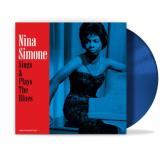
NINA SIMONE - SINGS & PLAYS THE BLUES LP
  • A1: I Want A Little Sugar In My Bowl
  • A2: House Of The Rising Sun
  • A3: Central Park Blues
  • A4: I Got It Bad
  • A5: Gin House Blues
  • A6: Come On Back, Jack
  • B1: Mood Indigo
  • B2: Nina’s Blues (Live)
  • B3: No Good Man
  • B4: Nobody Knows When You’re Down And Out
  • B5: Rags And Old Iron
  • B6: Work Song
  • B7: You’ve Been Gone Too Long

There can be no doubt that Nina Simone was one of the great Black American women who bridged the movement from Blues and R&B to Soul. She was nicknamed 'The High Priestess Of Soul' and spoken of in the same awed tones as the likes of Etta James, Aretha Franklin and Ruth Brown, but in so many ways she trumps all of them with her musicality and versatility. This release emphasizes her bluesier side

pre-ordina ora12.09.2025

dovrebbe essere pubblicato su 12.09.2025

21,43
FATBACK BAND - Night Fever (Kenny Dope Mix) / (Hey) I Feel Real Good (DJ Spinn Freak)

Continuing the sensational Spring Revisited series - Acid Jazz presents a new 12” release – Fatback Band: ‘Night Fever (Kenny Dope Mix)’ / ‘(Hey) I Feel Real Good (DJ Spinna Refreak). Spring Revisited is an exciting and unique mix project that explores the musical legacy of legendary New York label Spring Records, with a series of new mixes from top mix artists, using the original masters. Fatback Band are a disco/funk group that were at the peak of their success in the ’70s, and they were one of Spring Records’ most iconic artists. This is the second release in the series featuring the band’s classic work. ‘Night Fever’ is an electro-disco track released in 1976.

Keeping the soulful vocal and strings from the original, house legend Kenny Dope beefs up a looped section of the percussion that forms the backbone of his version. He lifts the tempo and creates a DJ friendly version, while keeping the improvised feel of the original. This rough and ready remix has the kind of bumping groove that’s infectious on a dance floor. On the flip, DJ Spinna gives a new take on the Fatback’s ‘(Hey) I Feel Real Good’. Presented in the signature Spring Revisited house-bag, looking as if it were hand delivered to you from a 1970s record pool.

Limited edition…

non in magazzino

Ordina ora e ordineremo l'articolo per te presso il nostro fornitore.

19,54

Last In: 5 months ago
Toploader - Onka's Big Moka

Toploader

Onka's Big Moka

12inch19802954841
Sony Music
12.09.2025

Issued in May 2000, Toploader’s debut album was a major success, reaching number four on the UK chart and going multi platinum within a matter of months. It was mostly written by lead singer and keyboard player Joseph Washbourn, with the exception of ‘Just Hold On’ and the huge worldwide hit ‘Dancing In the Moonlight’, which had been a success across the pond for King Harvest in 1972. A retro-sounding record upon release, with an impressive vitality and soulfulness, it remains a highly enjoyable experience; an album that evokes some of the best sounds of the 1970s and blends them all together with great skill.

non in magazzino

Ordina ora e ordineremo l'articolo per te presso il nostro fornitore.

26,01

Last In: 5 years ago
Al Karpenter - Greatest Heads LP

Released by Hegoa Records and Night School Records.
Greatest Heads is the fourth album by the radical Basque- Berlinesque group Al Karpenter. A deconstruction of structured “rock” music, here Al Karpenter re-imagine “the band” to explore the intersection between Free music, afro-beat, the avant garde and gonzo rock.
If Theodore Adorno wrote “To Write Poetry after Auschwitz is Barbaric” in 1949, Al Karpenter attempts to answer the difficult question today; what kind of music can be done in the face of a genocide? Álvaro Matilla, Marta Sainz, Enrique Zaccagnini & Mattin’s response to the planet’s slipping into a vortex of hate is to create a music ecstatic, a music of protest bursting with multiple musical languages and glossaries, full of overlapping histories and thrilling tensions.
Greatest Heads posits a plurality of musics both in opposition and intertwined: Al Karpenter play rock instruments pulled apart in the studio in post-production. Distorted rhythm chunks bit-crushed and dissipated, segments of freedom oppressed by waves of sound invading from every direction. The interplay between the chief instrumentalists and renowned, storied sound artist Mattin creates something akin to ESP freedom-seekers Cro Magnon playing in Miles Davis’ early 70s groups, The Los Angeles Free Music Society tightening up into a clenched fist of plunderphonics and runaway percussion.
We Are All Karpenters opens Greatest Heads with the most straight-forward song refrain of the record accompanied by a band that soon crash into eruption, imagining Sun City Girls in full free rock mode.
The modulating synth sound soon sucks the band into its wake to create a spine-chilling climax of distorted sound, made fully orgasmic with mastering engineer Rashad Becker’s attention to detail. On Izugarrizko Buruak (Greatest Heads), Matilla intones in Basque over a mangled distorto-beat. A Brand New Astraphobia creates a black space for a heavily processed guitar to blow up before falling to earth at night, a gentle figure serenading the coming end.
On Side B, the band begins by being masticated by a brutal phaser, squelching and stretching the music into new territories. The overt message of Stop The Genocide! is besieged by violence before Worm City aggressively samples the ghosts of soul music, mixing in noise bursts, prepared piano and swiping, abstracted sound. Epic closer Perfect Love feels like a beat poetry performance on a burnt world, still grasping for community, for home, for some sort of human love. A Mad love, then; an angry love fuelled by solidarity and collaboration.
The band’s cascading layers of references and polyglottal musics attempt to create the perfect lover, alive with rage and disorientating ecstasy: Al Karpenter.

pre-ordina ora12.09.2025

dovrebbe essere pubblicato su 12.09.2025

30,46
Selected by DJ Alfredo - PARAISO - The True Spirit of Ibiza (2x12")
 
16
disponibile anche

Bonus Sampler 1[13,87 €]

Bonus Sampler 2[13,66 €]


2025 Repress

In 2022, Daniele “Shield” Contrini of Rebirth Records proposed Paraíso to the great man himself, a compilation honouring Alfredo’s legacy. After Alfredo’s passing in December 2024, the project was final; with artists rallying to honour his vision and memory.

Before becoming a global clubbing hotspot, Ibiza embodied freedom—a place where sunrises blurred into sunsets and music became a way of life. In the 1950s and '60s, the island drew artists, hippies, and outsiders seeking escape and creative liberty.

In 1976, Alfredo Fiorito, fleeing political repression in Argentina, arrived in Ibiza and stayed. A former music journalist, he soon began DJing at Amnesia, a farmhouse-turned-club where time bent and boundaries dissolved. With eclectic, genre-defying sets, Alfredo blended reggae, flamenco, soul, rock, and early house, crafting a hypnotic energy that captivated a generation.

British DJs like Trevor Fung, Paul Oakenfold and Danny Rampling brought this “Balearic Beat” back home. But Balearic wasn’t a style it was a mindset. As DJ Leo Mas said, it was “a state of mind,” where rhythm, spirit, and psychedelia merged.

Other clubs like KU, Es Paradis, Pacha, and Lola’s amplified the movement. Visual artists such as Yves Uro gave it a striking identity, and DJs like César de Melero, DJ Pippi, and Jon Sa Trinxa carried the sound into a new era. José Padilla’s sunset sessions at Café del Mar birthed chill-out music as breath, not just beat.

But the 1990s brought change. Laws requiring roofs on clubs altered the open-air magic. Commercialisation followed; freedom became luxury, and many pioneers left.

Still, the Balearic spirit lives—raw and untamed. It pulses in hidden parties, intimate venues like Pikes and Hostal La Torre, and sacred places like Benirrás and Las Dalias.

Featuring 16 tracks of classic and true Balearic sound; alongside House & proto-House tracks that Mr Fiorito spun, the album also includes an unreleased Alfredo track and stands as a tribute to the man, the music, and the enduring spirit of true Ibiza.

non in magazzino

Ordina ora e ordineremo l'articolo per te presso il nostro fornitore.

28,53
BARRENS - CORPSE LIGHTS

Barrens

CORPSE LIGHTS

12inchPELV292
Pelagic Records
12.09.2025
  • Memory Eraser
  • The Derelict
  • Sorrowed
  • Periastron
  • Apastron
  • No Light
  • Collapsar
  • Remnants
  • A Nothing Expands
disponibile anche

LTD PERIASTRON ED[24,79 €]


Gothenburg/Malmö-based post rock power trio Barrens return with Corpse Lights, the band's second full-length release following their critically-acclaimed 2020 debut Penumbra. Five years in the making, Corpse Lights sees Barrens strike a breathtaking balance between light and dark, beauty and brutality. Corpse Lights, Barrens' sophomore album, is somehow deeper, richer and headier; imbued with an alluring compositional patience that serves as unspoken testament to the combined creativity of the trio in their element, as something so much greater than the sum of its parts. Recorded and produced by Kristofer Jönson, who also helmed Penumbra, and mixed and mastered once again by Cult of Luna's Magnus Lindberg, shimmering synthesizers and sprawling guitars lead the charge propelled by exhilarating drums and percussion but Corpse Lights also finds Barrens using space, silence and atmosphere as another instrument if not as another band member entirely. `Corpse Lights' is the name given to the folk belief that small coloured lights often appear near the home of someone about to die, leading them along the path to their eventual resting place. Often considered to be evidence of the soul leaving the body, the concept of corpse lights embodies Barrens' approach to creating music as a cathartic release; not just writing music because they want to but because they have to. Their writing process is one of joy, light and release as much as it is dark, heavy and tense. The result is Corpse Lights, a collection of nine pieces that guide us through five tumultuous years of highs and lows, of loves and losses and victories and defeats without ever needing to say a word. FOR FANS OF Mono, PG.LOST, Caspian, Mogwai, This Will Destroy You, Russian Circles, Pelican, Scraps Of Tape, God Is An Astronaut. Vinyl is a gatefold, the sleeve comes with metalic ink

pre-ordina ora12.09.2025

dovrebbe essere pubblicato su 12.09.2025

21,81
BARRENS - CORPSE LIGHTS

BARRENS

CORPSE LIGHTS

12inchPELVC292
Pelagic Records
12.09.2025

Gothenburg/Malmö-based post rock power trio Barrens return with Corpse Lights, the band's second full-length release following their critically-acclaimed 2020 debut Penumbra. Five years in the making, Corpse Lights sees Barrens strike a breathtaking balance between light and dark, beauty and brutality. Corpse Lights, Barrens' sophomore album, is somehow deeper, richer and headier; imbued with an alluring compositional patience that serves as unspoken testament to the combined creativity of the trio in their element, as something so much greater than the sum of its parts. Recorded and produced by Kristofer Jönson, who also helmed Penumbra, and mixed and mastered once again by Cult of Luna's Magnus Lindberg, shimmering synthesizers and sprawling guitars lead the charge propelled by exhilarating drums and percussion but Corpse Lights also finds Barrens using space, silence and atmosphere as another instrument if not as another band member entirely. `Corpse Lights' is the name given to the folk belief that small coloured lights often appear near the home of someone about to die, leading them along the path to their eventual resting place. Often considered to be evidence of the soul leaving the body, the concept of corpse lights embodies Barrens' approach to creating music as a cathartic release; not just writing music because they want to but because they have to. Their writing process is one of joy, light and release as much as it is dark, heavy and tense. The result is Corpse Lights, a collection of nine pieces that guide us through five tumultuous years of highs and lows, of loves and losses and victories and defeats without ever needing to say a word. FOR FANS OF Mono, PG.LOST, Caspian, Mogwai, This Will Destroy You, Russian Circles, Pelican, Scraps Of Tape, God Is An Astronaut. Vinyl is a gatefold, the sleeve comes with metalic ink, the Periastron edition is transparent "white" Vinyl

pre-ordina ora12.09.2025

dovrebbe essere pubblicato su 12.09.2025

24,79
IN THE PINES - SUNBEAM DREAM
  • Laintext
  • Never Fazed
  • Sunbeam Dream
  • Reticon
  • Time Shakes
  • Flyin' Nowhere
  • Delirium
  • Hide The Sky
  • Golden Pin
  • Oubliette
  • All This Noise

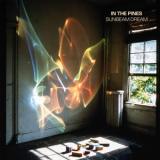
Die Psych-Rocker aus Cincinnati kehren mit ihrem vierten Album zurück und drehen die texturierten Synthesizer und spacigen Melodien voll auf, um ihr bisher shoegaze-lastigstes Album zu schaffen. Das zentrale Nervensystem von In The Pines befindet sich in The Lodge - einem alten Freimaurertempel, der als Mehrzweckraum gegenüber von Cincinnati in Dayton, Kentucky, umfunktioniert wurde. Die Band bewohnt eine Ecke des Kellers in diesem weitläufigen Labyrinth, wo sie Foleytronics betreibt - einen kleinen Laden für Vintage-Profi-Audio-Reparaturen und einer der wenigen Läden weltweit, der Vintage-Digitaleffekte reparieren kann. Ein natürliches Nebenprodukt dieses Ladens ist das Studio in Bandmitglied Peter Foleys Keller, ein Raum voller verschiedener Vintage-Effekte, Bandmaschinen und Synthesizer, in dem sie Sunbeam Dream vollständig aufgenommen und produziert haben. Alle Aufnahmegeräte, die für ,Sunbeam Dream" verwendet wurden, wurden vor dem sicheren Tod gerettet, repariert und von der Band selbst wieder funktionsfähig gemacht, die sich der Grenzen dieser Geräte bewusst war (und diese gerne ausnutzen wollte). Ähnlich wie beim Konzept von Oulipo in der Poesie und Mathematik entstehen Kreativität und Problemlösungsfähigkeiten aus einem klaren Verständnis und ständiger Überprüfung der Grenzen. Der Aufnahmeprozess ermöglichte es In the Pines zum ersten Mal, sich mit den kleinsten Details zu beschäftigen - ganze Tage wurden damit verbracht, den richtigen Akustikgitarrensound zu finden, nur um schließlich auf ein Stück Klebeband zu kommen, das über die Saiten geklebt wurde; Stunden, die in anderen Studios als Luxus gelten würden, wurden damit verbracht, verschiedene Beckenkombinationen für einen Refrain oder eine Bridge auszuprobieren. Genau wie bei ihrer Reparaturwerkstatt schuf die Band einen Aufnahmeraum, in dem Hyperfokus und Liebe zum Detail nicht nur erlaubt, sondern ausdrücklich erwünscht sind. Das Ergebnis dieser obsessiven Kontrolle ist das bislang ausgereifteste Werk von In The Pines. Sunbeam Dream hebt den Shoegaze-beeinflussten Psych-Rock der Band auf ein neues Niveau. Mit einer stärkeren Betonung der Synthesizer, die sich von einem strukturellen Element zu einem Hauptcharakter im Sound der Band entwickeln (dank eines wiederbelebten Mellotrons von 1971), reiht sich die Band in die Tradition großartiger und kraftvoller Alben wie ,A Northern Soul" von The Verve oder dem selbstbetitelten Album von The Charlatans (UK), bei denen die Produktion der beiden Bands ihrer kreativen Vision zu entsprechen schien. Mit ,Sunbeam Dream" fühlt sich alles heller und klarer an, während es gleichzeitig auf wunderbare Weise in einem Zwielichtschleier schwebt, der jedes Element umgibt.

pre-ordina ora12.09.2025

dovrebbe essere pubblicato su 12.09.2025

23,74
Michael Franks - The Reworks 2

Michael Franks

The Reworks 2

12inchTSTDREWORKS03
Too Slow To Disco
12.09.2025

lim. Colored Vinyl Edition (Oxblood)

Part 2 of our series of official reworks of The Warmer Music catalogue
For this new 12 Inch we are still in the warm Michael Franks land. A full MF compilation will be coming later.
After our first 12 Inch with DoctorSoul Reworks, we now return with more smooth, high class Edits/Reworks by 3 outstanding modern producers of soulful/jazzy dance vibes.
Michale Franks is one of the most prolific musicians of the Californian Westcoast/Jazz/AOR/Yacht scene, the one and only Michael Franks, who approved personally the new version. Over the languorous course of 33 years and 16 albums, Michael Franks has mesmerized an international legion of fans with his one-of-a-kind artistry. Seamlessly weaving lyrics of stunning sensuality, wit, reflection and literary eloquence over music that tastefully utilizes top shelf shadings of jazz, soul, pop, chamber and music from around the globe. His music was covered by countless international stars, like The Carpenters, Shirley Bassey, Rin

non in magazzino

Ordina ora e ordineremo l'articolo per te presso il nostro fornitore.

14,71

Last In: 6 months ago
BLACK LIPS - SEASON OF THE PEACH

BLACK LIPS

SEASON OF THE PEACH

12inchFIRELP806
Fire Records
12.09.2025

Die Black Lips sind mit einer 40-minütigen Rock'n'Roll-Odyssee quer durch die Genres zurück, bei der Garagenrock auf New-Wave-Pop trifft und verärgerter Country sich die Hand mit epischen Western-Soundtracks gibt. Das 14-Track-Album fängt die Energie und den Geist der frühen Black Lips ein und geht gleichzeitig neue Wege beim Songwriting. Das Album ist ein musikalisches Karussell, eine Trip mit straßengeschundenen Geschichten aus der Schattenseite eines lichtlosen Amerikas. Die Rahmung bildet "The Illusion", pt.I und II: eine Suche nach Hoffnung, Angst und Hass in einer Bar, die immer wieder von einem Gefühl der Resignation durchkreuzt wird: ,you reach for the sky / but it's an illusion". An anderer Stelle spielt sich "Wild One" wie ein Morricone-Taumel durch einen weiteren Tag in der Hölle ab. Ein Mantra für verkatertes, himmelschreiendes Klagelied zum Lob des Wilden im Herzen. "Tippy Tongue" zeigt, wie Black Lips den Soul der 60er-Jahre-Girlgroups aufgreifen, wie Shangri-Las oder Ronettes, die von Jayne/Wayne County infiltriert wurden, und ist eine Hommage an Buddha Records. "Kassandra" hat einen sonntäglichen Gitarrensound, der sich wie The Chocolate Watchband mit Zappa am Gesang durch immer wiederkehrende Salven schlängelt. "Zulu Saints" ist ein beschwingter Country-Hupf, ein Gute-Laune-Stück mit Bravour, gespickt mit Cole in einer ungläubigen Radio-Telefon-Show, der nach schwarzäugigen Erbsen sucht und an den Spielautomaten groß gewinnt. Für die Aufnahmen verschanzten sie sich in der idyllischen Umgebung von Schlagzeuger Oakleys neuem Sound At Manor Studio in den Catskills (das erste Album, das dort aufgenommen wurde, seit Oakley das Studio 2020 baute). In dieser idyllischen Umgebung entzog sich die Band dem Stadtleben und nahm ihre Musik analog auf Band auf - Teil ihres Bestrebens, Spontaneität zu leben und die Energie eines Live-Konzerts der Black Lips auf Platte einzufangen. Gelungen! "Simply masters in their field" NME" - Limitiertes, cremefarbenes Vinyl mit DLC sowie CD im Digisleeve

pre-ordina ora12.09.2025

dovrebbe essere pubblicato su 12.09.2025

26,68
RICK ASIKPO & AFRO FUSION - Got To Be Me LP

Mythical soul/boogie record recorded in Louisiana by Nigerian multi instrumentalist Rick Asikpo when he was studying in Houston. Layers of synths wash over drawn out, Earth, Wind and Fire inspired grooves, moving from the uptempo “Disco Life” and “Jam” to the languid boogie and two step soul of “Love” and Donny Hathaway-esque “Let’s Get High”. The album is shot through a Texan/Nigerian filter that stands as a missing link between the dancefloor experiments of Houston and Lagos. As featured on Soundway’s seminal “Doing It In Lagos” compilation.

non in magazzino

Ordina ora e ordineremo l'articolo per te presso il nostro fornitore.

21,22

Last In: 7 months ago
Various - Dolores: Salsa & Guaracha From 70's French West Indies

In Guadeloupe, many people think that jazz and ka music are like a ring and a finger. To some extent, the same could be said about so called Latin music and the music played in the French West Indies.

Both aesthetics were born in the Caribbean and bear so many connections that they can easily be considered cousins. In constant dialogue, there are lots of examples of their fruitful alliance and have been for a while. The English country dance that used to be practiced in European lounges came to be called kadrille in Martinique and contradanza in Cuba. They both featured additional percussion instruments inherited from the transatlantic deportation. Drawing from shared feelings about the same traumatized identity – later to be creolized – it would be hard not to assume that they were meant to inspire each other. The golden age of the orchestras that graced the Pigalle nights during the interwar period further proves the point. As soon as the 1930s, Havana-born Don Barreto naturally mixed danzón and biguine music in a combo based at Melody's Bar. In the following decade, Félix Valvert, a conductor who was born and raised in Basse-Terre in Guadelupe, also worked wonders in Montparnasse with La Coupole, which was an orchestra made up of eclectic musicians. Afro- Caribbean performers of various origins were often hired on rhythm and brass sections in jazz bands, which used to enliven the typical French balls of the capital. In the 1930s and onwards, Rico’s Creole Band was one of them.


Martinican violinist-clarinettist Ernest Léardée, who would become the king of biguine music as well as the main figure of French Uncle Ben's TV commercials (a dark stigma of post-colonial stereotypes), had musicians from the whole Caribbean sphere play at his Bal Blomet – and they all enchanted "ces Zazous-là" (according the words of Léardée's biguine-calypso piece). In les Antilles (French for French West Indies), music history started to speed up in the 1950s, when trade expanded and radio stations grew bigger. The Guadelupean and Martiniquais youth tuned in their old galena radio sets to South American and Caribbean music. As for the women traders, les pacotilleuses, they bought and sold goods across different islands (the "passing of items through various hands" was thought to be most pleasurable) and brought back countless sounds in their luggage. Such was the case of Madame Balthazar, who once returned from Puerto Rico with the first 45rpm and 33rpm to ever enter Martinique.

Out of this adventure was created the famous Martinican label La Maison des Merengues, a music business she opened and undertook with her husband and which proved to be a major landmark. At the end of the 1950s, in Puerto Rico, Marius Cultier competed in the Piano International Contest playing a version of Monk's Round 'Midnight. He won the first prize and this distinction foreshadowed everything that was to come. Cultier, the heretic Monk of jazz, was quickly praised for writing superb melodies, always tinged with a twist that conferred a unique sound to his music. It didn't take long for the gifted self-taught musician to get to play with Los Cubanos, making a name for himself thanks to his impressive maestria on merengues.

The rest is history. Besides, in the late 1950s, Frantz Charles-Denis, born into the upper middle class in Saint-Pierre and better known by his first name Francisco, went back home after working at La Cabane Cubaine – a club located rue Fontaine where he had caught the Latin fever. Francisco's music was therefore heavily marked by his Cuban cousins' influence, which gave the combos he led a specific style and also led to renewal. Things were swinging hard in La Savane, located in the main square in Fort-de-France. He set up the Shango club close by and tested out the biguine lélé there, a new music formula spiced up with Latin rhythms. Soon afterwards, fate had him fly to Puerto Rico and Venezuela.

As for percussionist Henri Guédon (percussions were only a part of his many talents), he was born in Fort-de-France in May 22nd 1944, the day marking the celebration of the abolition of slavery. As an old man, he could remember that in " his father's Teppaz, a lot of hectic 6/8 music was constantly playing...". In the opening lines of his Lettre à Dizzy, a small illustrated collection of writings published by Del Arco, he highlighted the huge impact that cubop had on him as a teenage boy, around 1960. He eventually turned out to be the lider maximo in La Contesta, a big band steeped in Latin jazz. He was also the one who originated the word zouk to describe music which brought the sound of the New York barrio to Paris. It was the culmination of a journey that started in Sainte-Marie: "a mythical place for bélé, the equivalent of Cuban guaguancó". In the early 1960s, the tertiary economy developed to the detriment of agriculture. Yet rural life was where roots music emerged in Martinique and in Guadeloupe.

Record companies played a major part in the process of Latin versions sweeping across the islands – before reaching everywhere else. Producer Célini, boss of the great Aux Ondes label, and Marcel Mavounzy, both the head of Émeraude records - a firm which was founded in 1953 - as well as the brother of famous saxophonist Robert Mavounzy, were big names to bear in mind. Although there were many of them - all of whom are featured on this record - Henri Debs was definitely the major figure in the recording adventure. He proved to be so influential that he even got compared to Berry Gordy. In the mid 1950s, when he acquired his first Teppaz, he worked on his first compositions: a bolero and a chachacha. Then, he became the one man who made people discover Caribbean music, from calypso to merengue. He was among the first ones to rush out to San Juan, Puerto Rico, to buy records and distribute them through a store run by one of his brothers in Fort-de-France. He had members of the Fania All Star come and perform there, which he was madly proud about. He was also the first one to pay attention to Haitian music, such as compas direct and various other rhythms which would soon flood the market. As a result, many of the combos hitting his legendary studio would end up boosted by widespread "Afro-Latin" rhythms. However, he never denied his identity: gwo ka drums were given a major role, although they were instruments which had long been banned from the "official" music spheres. The present selection bears witness to such a creative swarming. Here are fourteen tracks of untimely yet unprecedented cross-fertilization: all types of music rooted in the Creole archipelago have found their way, whatsoever, to the tracklisting. Whether originating from the city or being more rural, they all go back to what Edouard Glissant, in an interview about the place of West Indian music in the Afro-American scope, called "the trace of singing, the one which got erased by slavery." "It is so in jazz, but also in reggae, calypso, biguine, salsa... This trace also manifests through the drums, whether Guadelupean, Dominican, Jamaican or Cuban... None of them being quite the same. They all point to the idea of a trace, seeking it out and connecting to each other through it. This is the hallmark of the African diaspora: its ability to create something new, in relation to itself, out of a trace. It may be the memory of a rhythm, the crafting of a drum, a means of expression which doesn't resort to an old language but to the modalities of it." The opening track features one of the emblematic orchestras of this aesthetic identity, criscrossing many music types from the archipelago. The 1974 Ray Barretto guajira – Ray Barretto was a major New York drummer influenced by Charlie Parker and Chano Pozzo – is magnificently performed by Malavoi, a legendary Fayolais group (i.e from Fort-de-France). Additionally, the compilation ends on a piece by Los Martiniqueños de Francisco. It symbolically closes the circle as it is a genuine potomitan of Martinique culture which also functions as a tireless campaigner for Afro-Caribbean music. Practicing the danmyé rounds (a kind of capoeiria) to the rhythm of the bèlè drum, it delivers a terrific Caterete, a kind of champeta of Afro- Colombian obedience which was originally composed by Colombian Fabián Ramón Veloz Fernández for the group Wgenda Kenya. The icing on the cake is Brazilian Marku Ribas, who found refuge in Martinique in the early 1970s, bringing his singing to the last trance-inducing track. These two "versions" convey the whole tone of a selection composed of rarities and classics of the tropicalized genre, swarming with tonic accents and convoluted rhythms. It is the sort of cocktail that the West Indians never failed to spice up with their own ingredients. For instance, the Los Caraïbes cover of Dónde, a famous Cuban theme composed by producer Ernesto Duarte Brito, has a typical violin and features renowned Martinique singer Joby Valente and his piquant voice.


The track used to be – or so we think – their only existing 45rpm. The meaningful Amor en chachachá by L'Ensemble Tropicana, a band which included Haitian musicians among whom was composer and leader Michel Desgrotte, also recalls how Latin music was pervasive in the tropics in the mid-1960s. They were the ones keeping people dancing at Le Cocoteraie in Guadelupe and La Bananeraie in Martinique. Around the same time, another "foreign" band, Congolese Freddy Mars N'Kounkou's Ryco Jazz, achieved some success on both islands by covering Latin jazz classics – such as their adaptation of Wachi Wara, a "soul sauce" by Dizzy Gillespie and Chano Pozo whose interweaving of strings and percussions can have anyone hit the dancefloor. How can you resist Dap Pinian indeed, a powerful guaguancó by Eugene Balthazar, performed by the Tropicana Orchestra and published by the Martinique-founded La Maison des Merengues? It also acts as a symbol of the maelstrom at work. Going by the name Paco et L'orchestre Cachunga, Roger Jaffory used to play guaguancó too: his Fania-inspired Oye mi consejo is one example of his style. Baila!!!!! Dancing was also one of the Kings' focus points. Oriza is a Puerto Rican bomba and a "classic" originally composed by Nuevayorquino trumpeter Ernie Agosto, which reserves major space for brasses, giving it a special sheen.

Emerging from the New York barrios crucible was also La Perfecta, a Martinique group originating from Trinidad, whose name directly references the totemic Eddie Palmieri figure as well as his own band, also called La Perfecta. Here they borrow Toumbadora from Colombian producer and composer Efraín Lancheros and interpret it by emphasizing percussions, which set fire to the track even more than the wind instruments. The same goes for Martinique's Super Jaguars, who use Tatalibaba – a composition by Cuban guitarist Florencio "Picolo" Santana which was made famous by Celia Cruz & La Sonora Matencera – as a pretext for sending their cadences into a frenzy. In a more typically salsa vein, the Super Combo, a famous Guadelupean orchestra from Pointe-Noire that was formed around the Desplan family and had Roger Plonquitte and Elie Bianay on board, adapt Serana, a theme by Roberto Angleró Pepín, a Puerto Rican composer, singer and musician also known for his song Soy Boricua. Here again, their vision comes close to surpassing the original. In the 1970s, L'Ensemble Abricot provided a handful of tracks of different syles, hence reaching the pinnacle of the art of achieving variety and giving pleasure. They played boleros, biguines, compas direct, guaguancó and even a good old boogaloo - the type they wanted to keep close to their hearts for ever, "pour toujours", as they sang along together in one of their songs. Léon Bertide's Martinican ensemble excelled at the boogaloo which had been composed by Puerto Rican saxophonist Hector Santos for the legendary El Gran Combo.


Three years later, in 1972, Henri Guédon, with the help of Paul Rosine on the vibraphone, tackled the Bilongo made famous by Eddie Palmieri. Such a classic!!!!! And so were the Aiglons, the band from Guadelupe: choosing to execute Pensando en tí, a composition by Dominican Aniceto Batista, on a cooler tempo than the original, they noticeably used a wonderfully (un)tuned keyboard in place of the accordion. On the high-value collectible single – the first one released by Les Aiglons under the Duli Disc label – there is a sticker classifying the track under the generic name "Afro". Now that is what we call a symbol. Jacques Denis

non in magazzino

Ordina ora e ordineremo l'articolo per te presso il nostro fornitore.

21,43

Last In: 34 days ago
Tasmin - Tezeta LP

Tasmin

Tezeta LP

12inchBH005
Bauhaus Records
09.09.2025

Tasmin - Tezeta
The debut album is a journey through layers of influences connected by the band members bringing the sound of Ethio-Jazz, Afrobeat, Percussion, Dub and Tribal Music with an electronica sauce are interwoven, all mixed together in a delicate balance that creates a cinematic soulful and one-of a kind aesthetic blend from the connection of several worlds

The name "Tezeta" is taken from the well-known Ethiopian musical scale, which served as a major inspiration for the writing. This scale symbolizes nostalgia, longing & love songs and serves as a starting point that resonates a quiet pain and longing for a far away place, but still feels like home. In the case of Hadar and Tushiner, this is a tangible longing and the African sounds are woven into them like a second language
The approach to the production of the album reflects loyalty to the tradition of classic studio recordings that include tape reels, field recordings, African percussion, flutes, saxophone and old synthesizers combined with guitars and drums. Every recorded sound went through a filter of precision, listening, and searching for depth that is both technical and emotional
Their music always takes place in the present, it is a living, open moment, connected at the same time to what is heard in the distance from the winds of the Gulf of the African continent and through the streets of Tel Aviv, inviting listeners into a space where emotion and rhythm move together as one

Eran Hadar guitars, synths, percussion, sound
Eylon Tushiner saxophone, flute, keys
Dror Tshuva bass guitar
Omri Gondor drums

non in magazzino

Ordina ora e ordineremo l'articolo per te presso il nostro fornitore.

22,90

Last In: 7 months ago
Mel D - Young Bones (LP+CD)

Mel D

Young Bones (LP+CD)

12inchTWOGTL128-LP
TWO GENTLEMEN
05.09.2025

Within the nine carefully composed tracks of Young Bones, Mel D’s characteristic voice stands out in all its facets, varying from fragile to powerful, haunting to playful, but most of all soulful. With a voice that’s both extraordinarily clear and melancholic, Mel D is something surprisingly rare: a singer whose artistic expression goes beyond the mere use of her voice. On Young Bones, Mel D uses contemporary figures, rephrasing them into timeless formulas. Her unique musical language embodies references to genres like Indie or Alternative. In other moments, her sound leans baroque, then jazzy, soulful, and contemplative. Each song represents an ode to being connected: to the world, other people, and most of all to the beauty of music. Mel D draws her inspiration from struggles felt in the current world climate: “I have felt overwhelmed by the world we live in and its countless challenges,” said Mel D. “As if we’re all a bit directionless in our own lives.” Nevertheless, Mel D uses her musicality as a tool for resistance - using it to transform sadness and anger into creativity, and to give world-weariness a voice that seduces, comforts, and inspires. On Young Bones, Mel D sings us to a place where we might find hope - with songs rooted in concern, solidarity, humanness, and empowerment, inviting the listener to lean into those feelings. Bring the Witches Back, a hymn to witchcraft, is a quiet song that summons the return of witches with feminist urgency, for more love and magic to open ourselves towards each other and the world. Soft, a soulful song with a tender melody, gently lulls the listener into an in-between dimension, full of opportunities. Meanwhile, in the coming-of-age ballad, Slowly Growing, she raises questions about belonging and identity, pointing directly at our emotional core. Where Do You Look When It Hurts? speaks to the sensation of exhaustion and emptiness, offering musical warmth and a sense of community in moments of lethargy. Finally, listening to the album, one always feels in good company. Playfully working in folk and electro-pop elements, Mel D takes us on a ride toward love and a sense of belonging, particularly on the track We win. Young Bones was recorded in Zurich and Paris with two outstanding producers of our times: Renaud Letang, who has previously collaborated with Feist, Chilly Gonzales or Lianne La Havas, and Dino Brandão. The latter recognized Mel D’s artistic uniqueness during their first meeting, inviting her to a recording session in his studio and bringing her into the band of Swiss superstar, Faber. Mel D’s solo project was more a product of coincidence than planning, as she says, even though an undisputed talent and passion for music had always been apparent throughout her youth. During her studies in fine arts in Zurich, she founded the electronica-duo mischgewebe, and composed soundtracks for theater and movie productions, as well as for exhibitions. Long before forming her current artistic identity, she went by the nickname Mel D, in a humorous reference to the Spice Girls. Although her personality and musical language suggest thoughtfulness and a melancholy touch, Mel D acknowledges that an honest laugh is never out of place, making her sympathetic and approachable.

non in magazzino

Ordina ora e ordineremo l'articolo per te presso il nostro fornitore.

24,79

Last In: 7 months ago
Articoli per pagina:
N/ABPM
Vinyl