Joaquin Joe Claussell readies the ‘Raw Tones’ LP on Rekids this June.
The first LP since 2008’s ‘Corresponding Echoes’ on his Sacred Rhythm Music, Joaquin Joe Claussell arrives on Radio Slave’s Rekids for ‘Raw Tones’, a nine-track excursion through the sound of his exquisitely soulful house music.
Originally released on uber limited cassettes, the music within ‘Raw Tones’ caught the ear of Radio Slave, aka Matt Edwards, who messaged Claussell, a friend since remixing Edwards’ Machine project in 2012, and convinced the legendary producer that the music needed a wider audience and, so, ‘Raw Tones’ the LP is here.
Introspective opening cut ‘Lock Down’ draws for breathy strings and swirling pads, followed by the hypnotic and low-slung ‘The Blame Game (Table Top Idea)’, which sees jazzy keys float around carefully crafted dubbed-out ambience and subtle, whispered vocals.
‘Break Free’ ups the energy, bringing a wonky bassline under decisive, machine-like drum hits while both spoken and sung vocals interplay throughout. ‘You Mutha Fuka’ brings rock-solid drums and thick bass underneath delayed vocals before the dreamy chords and twinkling keys of ‘Way Back Then’ close out the B-side.
The gorgeous ‘Air We Breathe (Revisited Cassette Demo)’ marries rolling percussion across live bass and softly drawn-out pads, followed by an instrumental version of ‘Break Free’. The final side of vinyl sees the extended trippiness of ‘If It's All In Your Mind Let It Out’ lead into the floaty low tempo closer ‘Hallucinations Ejaculations’.
Joaquin Joe Claussell, co-founder of Body & Soul with Francois Kervorkian and Danny Krivit, continues to run his Sacred Rhythm Music record label and curate the Cosmic Arts community centre in his hometown of Brooklyn, NYC.
Buscar:gor
- 1: Scene 0 - Xyl, Tiz And Ore
- 2: Scene 0 - In The Mouth A Desert
- 3: Scene 0 - Animal Gathering
- 4: Scene 0 - Prospector Left
- 5: Scene 0 - Image Superstition
- 6: Scene 0 - Second Abandoned Highway
- 7: Scene 0 - First Abandoned Highway
- 8: Scene 0 - First Time Realising The Clock Is Absent
- 9: Scene 0 - First Encounter - The Future Is Yellow
- 10: Scene - Good Calamity
- 11: Scene - Tzama As Animal
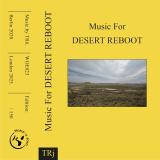
World of Echo unites with the confounding genius of TRii for a highly limited first time vinyl run of 2020's Music For Desert Reboot tape, first released as TRj on the TRjj Musik label and then again as a second cassette by Mascarpone earlier this year.
As with all the sounds produced within the TRjj/TRii /TRj/TRi universe, strange illusion is part of the process, and this is certainly music that befits such smoke and mirror nomenclature, a kind of gamelan Werkbund re-programmed via the isolationist sounds of DIY home electronics conceived for a film that might or might not actually exist. Consider this time-dilation rug-pulling that's well in touch with its own mythology, so much so that it's hard to think of any obvious contemporaries, but if you've ever enjoyed the minimalist murk of Civlistijavel, the private quarters confessionals of Thomas Bush's first LP or any one of Guy Gormley's projects, you'll not got too far wrong here. Is further clarification required? That perhaps misses the point, though there is a track that features around two-thirds in entitled 'First Time Realizing the Clock Was Absent' that might function as a form of instruction to the listener. Namely, where does the time go? Music For Desert Reboot might not provide the answer, but it certainly knows how to ask the question.
JOHN CARPENTER
HALLOWEEN: THE COMPLETE EXPANDED COLLECTION - LP 6x12"
ENDS: Orange & Red Splatter Vinyl[33,57 €]
KILLS: Orange & Green Splatter Vinyl[33,57 €]
Bone White & Orange Splatter Vinyl[33,57 €]
John Carpenters Soundtracks für die jüngste Halloween-Trilogie, die er zusammen mit seinen langjährigen Mitarbeitern Cody Carpenter und Daniel Davies komponierte, markierten die Rückkehr des legendären Regisseurs und Komponisten zur Filmmusik nach fast zwei Jahrzehnten Pause. Halloween (2018), Halloween Kills (2021) und Halloween Ends (2022) wurden alle von David Gordon Green inszeniert, der Carpenter bereits früh in die Vorproduktion einbezog und ihn schließlich als ausführenden Produzenten und Soundtrack-Komponisten für die Trilogie engagierte. Nun werden erstmals erweiterte Ausgaben aller drei Soundtracks in einer Deluxe-Box von Carpenters langjährigem Label Sacred Bones Records veröffentlicht. Beim Anhören der aktuellen Halloween-Soundtracks fällt als Erstes der Teamgeist des Komponisten-Trios auf. Der mittlerweile berühmte Part mit der gestrichenen Gitarre in ,The Shape Hunts Allyson" aus Halloween wird, wie alle Gitarrenparts in der Trilogie, von Daniel Davies gespielt. John bezeichnet Daniel als den ,Abenteurer" der Gruppe und schreibt ihm zu, Sounds eingeführt zu haben, an die er selbst nie gedacht hätte. Cody, den sein Vater als ,musikalisches Genie" bezeichnet, ist eine ebenso wichtige Präsenz. Es ist seine ruhige, methodische Hand, die den Ideen, die entstehen, wenn diese drei zusammenkommen, Gestalt verleiht. Die Filmmusik für die neuen Filme mag sich um bekannte Themen drehen, aber sie ist auch klanglich viel vielfältiger und musikalisch gewagter als alles, was John 1978, als er den Originalfilm ,Halloween" komponierte, hätte schaffen können. Zusätzlich zu den einzelnen erweiterten Veröffentlichungen wird die ,Halloween Expanded Trilogy" als Teil eines limitierten Deluxe-Boxsets im 6xLP- und 3xCD-Format erhältlich sein. Diese Editionen enthalten exklusive neue Verpackungen und Artworks von Chris Bilheimer sowie ausführliche Liner Notes des Musikkritikers Brad Sanders, darunter exklusive Interviews mit John Carpenter und Regisseur David Gordon Green. Beide Box-Sets enthalten außerdem drei Sammlerposter von Creepy Duck, ein exklusives Posterdesign von Chris Bilheimer und ein luxuriöses Lentikular-Cover, das das Artwork zum Leben erweckt. Die erweiterte Version von ,Halloween Kills" enthält 25 unveröffentlichte Musikstücke, während ,Halloween Ends" 10 neue Tracks hinzufügt und ,Halloween" ein komplett neues Artwork und eine neue Verpackung von Chris Bilheimer erhält. Für John-Carpenter-Sammler, Halloween-Komplettisten und alle Fans großartiger Filmmusik ist die ,Halloween Expanded Trilogy" ein unverzichtbares, wegweisendes Release.
Mutant, in partnership with Sony Classical, is proud to present Academy Award® Winner Ludwig Göransson's (Oppenheimer, Black Panther, Creed, The Mandalorian) original score to this spring's runaway sensation - Ryan Coogler's SINNERS
The Rhythm Makers's Soul On Your Side is flawless proto-disco funk. The Bronx-based band - that later went on to form heavyweight disco outfit GQ - originally released this treasure in 1976 and it's long been a hard to find record. It's also rare to find a record this hard. Captivating funk at its rawest, no doubt.
Storming out the gate with the rollicking Loft/Garage staple "Can You Feel It (Part 1)", the listener is immediately put on notice that this LP is just a little bit special. The title track, "Soul On Your Side", is a classic dancer and the basis of GQ's future hit "Disco Nights". But it's perhaps "Zone", a huge Baldelli track, that the record is best known for. Hypnotic psyched-out cosmic-disco / cosmic funk, it's an unrelenting groove that really thrusts the party into hyperdrive. With doses of scintillating Latin and pulsating African rhythms driving the pumping tune, atop an unstoppable bassline and imaginative, soul-slathered keyboard figures, it's basically a full-on funk assault. You might need a lie-down after this.
But there's no let-up on the B-Side, immediately grooving thanks to "Funk-N-You", a laidback glider that just rolls in the sleek style. Gorgeous harmony skills are displayed on "Street Dreamin'". Beautiful and gritty funk, by turns. "You're My Last Girl" is an airy ballad with two leads before the legendary "Monterey" enters the fray. A much-sampled instrumental and heavy disco-funk nugget, it contains an amazing B-Boy drum break making the whole LP worth the price of admission. "Can You Feel It (Part 2)" closes out this spectacular set.
The Rhythm Makers had been gigging around New York City since the late ’60s, having initially come together as Sabu and the Survivors, named after bassist Keith “Sabu” Crier. They eventually - for this album at least! - settled on The Rhythm Makers and cut one record for the small De-Lite subsidiary Vigor. The core lineup featured Crier, keyboardist Herb Lane, drummer Kenny Banks and rhythm guitarist Rahiem Leblanc.
Mastered for vinyl by Simon Francis, cut by Cicely Balston for Alchemy at AIR Studios with artwork restored at Be With HQ, this new edition should hopefully bring this album into the homes and record boxes of many more people.
- 1: Logos Kill
- 1: 2Hawkins Discovered
- 1: 3Flashback
- 1: 4Spit
- 1: 5Hey Kid
- 1: 6The Myer's House
- 1: 7Cops Explore
- 1: 8First Attack
- 1: 9Stand Off
- 1: 0Halloween Kills (Main Title)
- 1: Let It Burn
- 1: 2He Appears
- 1: 3From The Fire
- 1: 4Strodes At The Hospital
- 1: 5Cruel Intentions
- 1: 6Phone Call
- 1: 7Massacre
- 1: 8Someone's In The Car
- 1: 9Halloween Trick
- 1: 20Back At The Hospital
- 1: 2Goodbye Michael
- 1: 22Gather The Mob
- 1: 23Rampage
- 1: 24Frank
- 1: 27Evil Dies Tonight
- 1: 28The System Failed
- 1: 29Blood On The Door
- 1: 30Disturbed Man
- 1: 3Violent Return
- 1: 32Hallway Madness
- 1: 33It Needs To Die
- 1: 34Look At Me
- 1: 35Reflection
- 1: 36Hunting A Killer
- 1: 37Righteous Intention
- 1: 38Morbid Discovery
- 1: 39Unkillable
- 1: 40Payback
- 1: 4Michael's Legend
- 1: 42Back To His Sister's Room
- 1: 43Final Kill
- 1: 44Michael Answers
- 1: 45Halloween Kills (End Titles)
- 1: 25Search
- 1: 26Frank And Laurie
KILLS: Orange & Green Splatter Vinyl[33,57 €]
Bone White & Orange Splatter Vinyl[33,57 €]
COMPLETE EXPANDED COLLECTION[137,77 €]
Orange & Red Splatter Vinyl. John Carpenters Soundtracks für die jüngste Halloween-Trilogie, die er zusammen mit seinen langjährigen Mitarbeitern Cody Carpenter und Daniel Davies komponierte, markierten die Rückkehr des legendären Regisseurs und Komponisten zur Filmmusik nach fast zwei Jahrzehnten Pause. Halloween (2018), Halloween Kills (2021) und Halloween Ends (2022) wurden alle von David Gordon Green inszeniert, der Carpenter bereits früh in die Vorproduktion einbezog und ihn schließlich als ausführenden Produzenten und Soundtrack-Komponisten für die Trilogie engagierte. Nun erscheint erstmals eine Deluxe-Edition des Soundtracks zu ,Halloween Ends" als 2xLP-Erweiterung bei Carpenters langjährigem Label Sacred Bones Records. ,Halloween" aus dem Jahr 2018 war ein Erfolg, der die kühnsten Träume aller Beteiligten übertraf. Der Film startete mit den höchsten Einspielzahlen in der Geschichte von Blumhouse und war der erfolgreichste Film der ,Halloween"-Reihe. Es war unvermeidlich, dass bald zwei Fortsetzungen, Halloween Kills und Halloween Ends, grünes Licht erhielten. Green unterschrieb für die Regie beider Filme, aber er wollte nicht davon ausgehen, dass John, Cody und Daniel für die Filmmusik zurückkehren würden. ,Ich nehme nichts als selbstverständlich hin", sagt er. ,Man hofft also, dass sie eine gute Erfahrung gemacht haben. Ich weiß, dass wir Spaß an dem Projekt hatten, aber man weiß nie, wie es um die Zeit und die finanziellen Interessen der Leute steht und all diese Dinge. Die Realitäten des Geschäfts und des Filmemachens laufen nicht immer so reibungslos ab. Aber es gab keine Probleme. Wir sahen uns an und sagten: ,Wie können wir das hinbekommen? Lassen Sie es uns noch einmal versuchen.` Zweimal."Die erweiterte Version von Halloween Ends enthält 10 bisher unveröffentlichte Stücke und wird mit brandneuen Artworks von Chris Bilheimer und einem exklusiven 24 x 36"-Poster von Creepy Duck geliefert. Erweiterte Versionen der Soundtracks zu Halloween und Halloween Kills sowie eine Box mit allen drei erweiterten Editionen werden ebenfalls am selben Tag bei Sacred Bones erhältlich sein.
- 1: Logos Kill
- 1: 2Hawkins Discovered
- 1: 3Flashback
- 1: 4Spit
- 1: 5Hey Kid
- 1: 6The Myer's House
- 1: 7Cops Explore
- 1: 8First Attack
- 1: 9Stand Off
- 1: 0Halloween Kills (Main Title)
- 1: Let It Burn
- 1: 2He Appears
- 1: 3From The Fire
- 1: 4Strodes At The Hospital
- 1: 5Cruel Intentions
- 1: 6Phone Call
- 1: 7Massacre
- 1: 8Someone's In The Car
- 1: 9Halloween Trick
- 1: 20Back At The Hospital
- 1: 2Goodbye Michael
- 1: 22Gather The Mob
- 1: 23Rampage
- 1: 24Frank
- 1: 27Evil Dies Tonight
- 1: 28The System Failed
- 1: 29Blood On The Door
- 1: 30Disturbed Man
- 1: 3Violent Return
- 1: 32Hallway Madness
- 1: 33It Needs To Die
- 1: 34Look At Me
- 1: 35Reflection
- 1: 36Hunting A Killer
- 1: 37Righteous Intention
- 1: 38Morbid Discovery
- 1: 39Unkillable
- 1: 40Payback
- 1: 4Michael's Legend
- 1: 42Back To His Sister's Room
- 1: 43Final Kill
- 1: 44Michael Answers
- 1: 45Halloween Kills (End Titles)
- 1: 25Search
- 1: 26Frank And Laurie
ENDS: Orange & Red Splatter Vinyl[33,57 €]
Bone White & Orange Splatter Vinyl[33,57 €]
COMPLETE EXPANDED COLLECTION[137,77 €]
Orange & Green Splatter Vinyl! John Carpenters Soundtracks für die jüngste Halloween-Trilogie, die er zusammen mit seinen langjährigen Mitarbeitern Cody Carpenter und Daniel Davies komponierte, markierten die Rückkehr des legendären Regisseurs und Komponisten zur Filmmusik nach fast zwei Jahrzehnten Pause. Halloween (2018), Halloween Kills (2021) und Halloween Ends (2022) wurden alle von David Gordon Green inszeniert, der Carpenter bereits früh in die Vorproduktion einbezog und ihn schließlich als ausführenden Produzenten und Soundtrack-Komponisten für die Trilogie engagierte. Nun erscheint zum ersten Mal eine Deluxe-Edition des Soundtracks zu ,Halloween Kills" als 2xLP-Erweiterung bei Carpenters langjährigem Label Sacred Bones Records. ,Halloween" aus dem Jahr 2018 war ein Erfolg, der alle Erwartungen der Beteiligten übertraf. Der Film startete mit den höchsten Einspielzahlen in der Geschichte von Blumhouse und war der erfolgreichste Film der ,Halloween"-Reihe. Es war unvermeidlich, dass bald zwei Fortsetzungen, Halloween Kills und Halloween Ends, grünes Licht erhielten. Green unterschrieb für die Regie beider Filme, wollte aber nicht davon ausgehen, dass John, Cody und Daniel wieder für die Filmmusik verantwortlich sein würden. ,Ich nehme nichts als selbstverständlich hin", sagt er. ,Man hofft also, dass sie eine gute Erfahrung gemacht haben. Ich weiß, dass wir Spaß an dem Projekt hatten, aber man weiß nie, wie es um die Zeit und die finanziellen Interessen der Leute steht und all diese Dinge. Die Realitäten des Geschäftslebens und des Filmemachens laufen nicht immer reibungslos ab. Aber es gab keine Probleme. Wir sahen uns an und sagten: ,Wie können wir das hinbekommen? Lassen Sie es uns noch einmal versuchen.` Zweimal." Die erweiterte Version von ,Halloween Kills" enthält 25 bisher unveröffentlichte Stücke und wird mit brandneuen Artworks von Chris Bilheimer und einem exklusiven 24x36-Zoll-Poster von Creepy Duck geliefert. Erweiterte Versionen der Soundtracks zu ,Halloween" und ,Halloween Ends" sowie eine Box mit allen drei erweiterten Editionen werden ebenfalls am selben Tag bei Sacred Bones erhältlich sein.
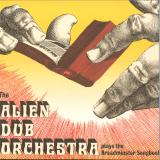
The Alien Dub Orchestra is ragtag collective of Bavarian musicians, featuring members of The Notwist and G.Rag y los hermanos Patchekos. The cohort formed around the idea of performing the standards of the fabled Breadminster Songbook, aka the back-catalogue of lone dubman Elijah Minnelli. Minnelli is known for constructing wheezy, forlorn odes to his hometown, both as highly sought-after self-released 7" singles, and a critically-acclaimed debut album, ‘Perpetual Musket’ for FatCat Records, lauded by the likes of The Guardian, The Wire, and The Quietus. ‘The Alien Dub Orchestra: Plays the Breadminster Songbook’ finds group covering Minnelli’s cumbia-infused dub reggae with full band, playing an eclectic array of instruments including: guiro, accordion, melodica, sousaphone, trumpet and assorted percussion.
The tale begins in 2022, when Minnelli was invited to lend his unique dubbing style to a pair of remixes for The Notwist, and what followed was an ever-flourishing relationship between the Breadminster native and the wider Munich scene. The seeds of the Alien Dub Orchestra were sown during a support gig for The Notwist, where assorted musicians joined Minnelli for a encore, reinterpreting one of his dub remixes across woodwind, brass and assorted percussion.
“The idea of real, competent professionals playing something you’ve muddled together on a computer in a damp basement is quite overwhelming,” reflects Minnelli on the process, “hearing them interpret and improve these melodies is a real joy and privilege.”
Despite the non-traditional origins of the source material, the inherent musicality of Minnelli’s songwriting shines through across his releases, and this creative kinship is what attracted the Orchestra to reimagining his work. The first live collaboration led to recording sessions and further gigs, with the Orchestra building a full set of Minnelli’s music.
The resulting album puts forward the strongest case yet of the shared musical throughline between the acts, where cumbia, dub and folk sensibilities coalesce to something all together unique. The tracks are wrought new, with melodies fleshed out and broader instrumentation expanding the sonic possibilities of the compositions. The tactility of the tracks is perhaps best demonstrated on the gorgeous ‘Vine and Fig Tree’, with it’s layed vocals and expressive bassline returning as a cavorting sousaphone line. Elsewhere, fan favourite ‘SLATS’ sounds as if it was simply written to be performed this way.
To further instill the cylindrical nature of these collaborations, the entire second half of the album is made up of dub versions of the Orchestra’s renditions. For these dubs, Minnelli is joined by Raimund Wong, who had caught his ear with his ambitious live sets, a daisy chain of tape machines and FX pedals. Again, despite their differing creative processes, the two bonded over a shared love of dub music. Each dub was a one-take, with Minnelli riding the faders and Wong’s filters and FX supplying a sound that doesn’t seek to imitate dub, so much as it tries to be it’s own chaotic self. The droning, psychedelic hypnosis of ‘Pundit Dub’ stretches the material to a whole new realm that feels outside of anything else Minnelli has produced before, an ode to the benefits of recycling sound if ever there was one. The whole second half is a perfect closing note to an album that is undoubtedly a love letter to folk tradition, dub ideology and, most importantly, the joy of uninhibited collaboration.
Elijah Minnelli - voc, guiro, percussion
Philip Gross - accordion, melodica
Theresa Loibl - clarinet, melodica
Cico Beck - electronics, keyboards
Sascha Schwegeler - congas, steel drum, percussion
Micha Acher - sousaphone, trumpet
Markus Acher - drums, voc
Dub mixes performed live by Elijah Minnelli & Raimund Wong at Breadminster County Council Studios
Label text:
"Conrad Pack returns to SELN Recordings with a three track EP threading the needle between London sonics and
something beyond.
The primary tracks Praise and Guidance were recorded during the height of the Scram events organised by
Leeway (Guy Gormley), and hosted by the late soundsystem luminary Julian Fairshare at Ormside Projects. The
influence of this period, and in particular of Fairshare himself, on the music is clear; both are stepper-esq, leaning
heavily on London’s musical legacy past and present, whilst still pushing a contemporary sound.
Praise is essentially a Dub track. The percussion and bass are of a familiar steppers nature, with the synths
evoking a true Big Smoke feeling. Although the melody itself wouldn’t sound out of place in a UK Drill number, the
song overall still touches on Industrial and DIY sonics, being all the stronger for doing so.
Guidance follows in solid form. Amongst the driving percussion and staunch bassline, droning pads lock in a dense
mood whilst sparse choral melodies echo throughout. Think Shaka meets Muslimgauze, but recorded in a
Woolwich Office Block.
Grotto was originally produced for the group show “The Grotto” held in January 2021 at Ridley Road Project Space.
Restructuring the track from the original stems, Pack presents a new and enchanted “stereo version” for Praise EP.
Angelic atmospheres flow amongst scattered hi-hats as sporadic Freetekno Kicks reverberate across the void.
Most accurately described as “what Curley in a K Hole might have sounded like”. "
Glass Museum Records was born out of a desire to promote music specifically created for soundtracks of both existing and imaginary films. Without being bound to any genre, the label will present its first limited edition vinyl release in September 2025. The release will be "Through metaphors, assonance but mostly by differences", a journey of seven tracks produced by the band GORO HANADA, a cinematic collective based between Italy and the Netherlands.
Music fades, but it holds the vault of endless cinematic worlds.
- Silencio
- Peter And The Wolf
- The Wandering
- Choir In The Wires
- Uh Oh
- The Lonely Lights
- Ami Imaginaire
- Postcards
- House On Fire
- Gordon In The Willows
- Ça Va
CANARY YELLOW VINYL[21,81 €]
Was ist das Leben anderes als eine endlose Reihe von ,Oh oh"-Momenten? Von unseren frühesten Kindheitsunfällen bis hin zu unseren überwältigenden Ängsten als Erwachsene - dieser kleine Ausdruck prägt unser gesamtes Dasein. Fragen Sie einfach den Indie-Pop-Maestro Patrick Watson aus Montreal, der kürzlich mit dem größten ,Oh oh"-Moment konfrontiert wurde, den ein professioneller Sänger erleben kann. Eines Morgens im Winter 2023 wachte Patrick auf und stellte fest, dass seine Stimme - das engelsgleiche Instrument, das 2006 sein kunstvolles Art-Rock-Opus ,Close to Paradise" auf das Podium des Polaris Music Prize katapultierte - komplett kaputt war. ,Natürlich singe ich gerne für Menschen, aber ich hatte auch viel Spaß mit meinem Modular Synthesizer und tauchte tief in die Instrumentalmusik ein" - eine natürliche Neigung für Patrick, der bis heute über 15 Filmmusiken komponiert hat. ,Aber dann dachte ich mir: ,Oh, es wäre cool, Songs für all diese verschiedenen Sänger zu schreiben, die ich wirklich gerne singen hören möchte - so finde ich einen Ausweg aus dieser Situation.` Denn meine Stimme sollte eigentlich nicht zurückkommen. Und als sie es doch tat, dachte ich einfach, dass es für ein Album immer noch cooler wäre, all diese anderen Sänger zu haben, als mich selbst singen zu hören." Einzelne schwarze Vinylplatte in einer Gatefold-Hülle mit bedruckter Innenhülle.
Was ist das Leben anderes als eine endlose Reihe von ,Oh oh"-Momenten? Von unseren frühesten Kindheitsunfällen bis hin zu unseren überwältigenden Ängsten als Erwachsene - dieser kleine Ausdruck prägt unser gesamtes Dasein. Fragen Sie einfach den Indie-Pop-Maestro Patrick Watson aus Montreal, der kürzlich mit dem größten ,Oh oh"-Moment konfrontiert wurde, den ein professioneller Sänger erleben kann. Eines Morgens im Winter 2023 wachte Patrick auf und stellte fest, dass seine Stimme - das engelsgleiche Instrument, das 2006 sein kunstvolles Art-Rock-Opus ,Close to Paradise" auf das Podium des Polaris Music Prize katapultierte - komplett kaputt war. ,Natürlich singe ich gerne für Menschen, aber ich hatte auch viel Spaß mit meinem Modular Synthesizer und tauchte tief in die Instrumentalmusik ein" - eine natürliche Neigung für Patrick, der bis heute über 15 Filmmusiken komponiert hat. ,Aber dann dachte ich mir: ,Oh, es wäre cool, Songs für all diese verschiedenen Sänger zu schreiben, die ich wirklich gerne singen hören möchte - so finde ich einen Ausweg aus dieser Situation.` Denn meine Stimme sollte eigentlich nicht zurückkommen. Und als sie es doch tat, dachte ich einfach, dass es für ein Album immer noch cooler wäre, all diese anderen Sänger zu haben, als mich selbst singen zu hören." Limitierte Edition auf canary-yellow Vinyl in einer Gatefold-Hülle mit bedruckter Innenhülle.
Adam Wise, you may know, is Fabulous Lover and this new record marks his first for Pete Herbert's Music for Swimming Pools. It's a mature mix of 80s-inspired Balearic electro-funk with a tropical twist straight from his Bali studio. This sun-soaked collection bridges sunset vibes and dancefloor energy with 'It's Lonely At The Top' a funky opener with a squelchy bassline and playful riffs. 'Elevate' douses you in 80s synth sounds that glow warm, and label head remixes into a more buoyant Balearic house beat. Elsewhere is the gentle swagger of 'Low Bounce' and lush synth disco buzz of 'Automatic.' Feel-good grooves, for sure.
DJ Feedback
Ed Templ�:
"Stunning release!!"
Ben Gomori:
"Another beaut from Pete, gorgeous stuff"
Dicky Trisco:
"Nice chilled Balearic vibes"
Pathaan:
"Top release! Top package!"
S/A/M:
"Chunky, squelchy delights just how we like it :)"
Mat Anthony:
"Brilliant EP of 80's infused machine funk"
Justin Deighton:
"Will be playing a selection of these"
Joey Fitzgerald:
"Nice work!"
Bill Brewster:
"It's Lonely At The Top is the best track"
Survival Of The Sickest offers no respite from the horrors of reality. Instead, BLOODBATH’s latest and greatest album gleefully confronts the slavering ghoul lurking in the shadows, and treats him to ten songs of ripping death metal frenzy. In contrast with their last album, Survival of the Sickest goes straight for the jugular in true old school fashion. With strong echoes of everything from Morbid Angel & Death through to Deicide & Obituary. Survival Of The Sickest boasts a smattering of irresistible cameos from the great, and ghoulish of the metal underground, including Barney Greenway (Napalm Death), Luc Lemay (Gorguts) & Marc Grewe (Morgoth). On Survival Of The Sickest, BLOODBATH evoke their most horrifying sonic scenarios to date.
Three tracks from the more upbeat side of Coyote's sound surface on IIB side project Mega Beat Ibiza Sound. Title track 'Escape Pattern' glides on serenely, a mixture of 80s synth sheen and 90s ambient bliss, all underpinned with a shuffling, off kilter beat with plenty of open hi-hat action. 'Karma Comedian' on the flip heads on a jauntier, open-grooved path with a gorgeously rounded and thoroughly addictive bassline, while the closing tune 'Raddish Eyes' (feat Max Essa) sets phasers to stun for an epic teaser of an intro, before a nimble beat finally takes us to the run out groove. Quality gear from the Nottingham duo, as ever.
- Sad Cornetto
- Aparty Days
- Disasternoon
- Stars Over Louth
- The Sky Over The Sea
- Dissolve
- Oblivion
- Coscoroba
Disasternoon is an album of psychedelic melancholia, a carousel of dreams, otherworldly and fantastical, each song sculpted into an allegory, elegant, rich, textured and authentic. Crayola Lectern explore memories, separation, isolation and the times that changed us, with lyrics scattered sparingly throughout. Crayola Lectern is the project from Chris Anderson, often compared to the piano led jazz of Robert Wyatt, the psychedelic folk of Gorky's Zygotic Mynci, with echoes of Mercury Rev, or Flaming Lips, and experimentalism of Fred Frith. In 'Disasternoon' Chris Anderson performs on vocals, piano, mellotron, synths, organs, sax, guitars and bass, with Alistair Strachan on trumpet, cornet, glockenspiel and Damo Waters on drums and percussion. Bic Hayes performs electric guitar solos on Disasternoon and Coscoroba, and Maria Marzaioli plays violin in Coscoroba. The live show often also featuring the likes of Jon Poole (Cardiacs, Widhearts) heading-up electronics, gadgets, sounds and keyboard parts, Bob Leith (Cardiacs) on drums, and Bic Hayes (Cardiacs, Levitation) on guitar.
- You Don't Wanna Be My Baby
- If I Got It (Your Love Brought It)
- Can't Leave It Alone
- Bad News
- Have Mercy
- Done Lyin
- Lover Girl
- Ride With Me
- Girl On The Phone
- Love Is
- Over You
- Leanin' On Your Everlasting Love
Für sein treffend betiteltes Solo-Debütalbum "Introducing..." hat Aaron Frazer mit Dan Auerbach von The Black Keys zusammengearbeitet. Soft spoken und mit dem Aussehen eines leicht unzufriedenen Matinee-Idols aus den 1950er Jahren gesegnet, besitzt Frazer eine einzigartige Stimme, die sowohl zeitgemäß als auch zeitlos klingt. Der in Baltimore aufgewachsene, zurzeit in Brooklyn lebende Songwriter wurde als Schlagzeuger und Co-Vokalist von Durand Jones & The Indications bekannt. Jetzt tritt er mit "Introducing..." als Solist hinter dem Drumkit hervor und demonstriert nicht nur seine beeindruckenden stimmlichen Qualitäten, sondern auch sein Können als hochklassiger Songschreiber. Schon die erste Single "Bad News" sorgte für Aufsehen ("a gorgeous piece of vintage R&B" - CLASH), die sich anschließende Lead-Single "Over You" ist inspiriert von elektrisierenden Northern Soul 45s der 60er Jahre. Nur zwei Belege der erfolgreichen Zusammenarbeit zwischen Frazer und Auerbach. Die zwölf Songs auf "Introducing..." verbinden gekonnt den Soul der 70er Jahre mit Dan Auerbachs besonderer Sensibilität für Vintage-Sounds im neuen Gewand. "Introducing..." enthält klassische Message-Songs im Stil von Künstlern wie Gil Scott-Heron sowie motivierende Liebeslieder, die von Disco-, Gospel- und Doo-Wop-Einflüssen durchzogen sind. Das gesamte Album wurde innerhalb nur einer Woche in Auerbachs berühmten Nashville-Studio nach einer schnellen und produktiven Songwriting-Session aufgenommen. Auerbach holte auch den legendären Songwriter und Falsettspezialisten L. Russell Brown (schrieb früher Hits für Frankie Valli von The Four Seasons) an Bord, der den wunderschönen Opener "You Don't Wanna Be My Baby" auf dem Album mitkopmponierte. Für "Introducing..." rekrutierte Frazer eine beeindruckende Schar alteingesessener Session-Musiker aus Nashville. Darunter Mitglieder der legendären Memphis Boys (die in Dusty Springfields "Son of A Preacher Man" und Aretha Franklins "You Make Me Feel Like A Natural Woman" mitspielten), den Perkussionisten Sam Bacco sowie diverse Musiker aus dem Daptone/Big Crown Records-Umfeld.
Three sanguine slices of dub techno from Glasgow-based wunder Conna Haraway. And featuring XENIA REAPER providing vibes and synths on the lush long elevation "Redirect" that sits on the record’s A side.
Shifted follows on from Spatial Fix; Conna’s first solo 12” in March ’25 that released on Theory Therapy. Where that EP was a dense and rich web of texture and atmosphere across the two long sides, this one focuses in on forms of propulsion and a patient, silvery endlessness.
A side track "Redirect" was cut from a longer Sunday night session with XENIA REAPER. Two laptops Ableton linked, chilling in the flat in Glasgow. The amazing synth line is all XENIA, everything else is Conna; looping the synth & bass for about an hour and bringing other elements in and out. The final tune is gorgeous, floating in the blissful ether before the sub and pulse kicks through. Eleven and a half minutes of enveloping pressure, refreshment and delight.
"Detach" and "Duration" both turn to a rediscovered love for 4x4 techno and an experiment in a more classic and subtle sound from the perspective of a producer who might be expected to take bigger emotive and experimental swings that follow the patterns of contemporary ambient and bass. The result is beautiful and delicate vectors of music, satisfyingly easy to slide into a set. Swung techno filled with detail and poise. Tunes that can scale and transform and sit in a sort of home listening club track zone. After hours nrg.
- A1: Malavoi - Te Traigo Guajira
- A2: Los Caraibes - Donde
- A3: Tropicana - Amor En Chachacha
- A4: Ryco Jazz - Wachi Wara
- A5: Eugene Balthazar - Dap Pignan
- A6: Roger Jaffort - Oye Mi Consejo
- A7: Les Kings - Oriza
- B1: Les Supers Jaguars - Tatalibaba
- B2: Super Combo De Pointe A Pitre - Serrana
- B3: L'ensemble Abricot - Se Quedo Boogaloo
- B4: Henri Guedon - Bilonga
- B5: Les Aiglons - Pensando En Ti
- B6: Los Martiniquenos - Caterate
In Guadeloupe, many people think that jazz and ka music are like a ring and a finger. To some extent, the same could be said about so called Latin music and the music played in the French West Indies.
Both aesthetics were born in the Caribbean and bear so many connections that they can easily be considered cousins. In constant dialogue, there are lots of examples of their fruitful alliance and have been for a while. The English country dance that used to be practiced in European lounges came to be called kadrille in Martinique and contradanza in Cuba. They both featured additional percussion instruments inherited from the transatlantic deportation. Drawing from shared feelings about the same traumatized identity – later to be creolized – it would be hard not to assume that they were meant to inspire each other. The golden age of the orchestras that graced the Pigalle nights during the interwar period further proves the point. As soon as the 1930s, Havana-born Don Barreto naturally mixed danzón and biguine music in a combo based at Melody's Bar. In the following decade, Félix Valvert, a conductor who was born and raised in Basse-Terre in Guadelupe, also worked wonders in Montparnasse with La Coupole, which was an orchestra made up of eclectic musicians. Afro- Caribbean performers of various origins were often hired on rhythm and brass sections in jazz bands, which used to enliven the typical French balls of the capital. In the 1930s and onwards, Rico’s Creole Band was one of them.
Martinican violinist-clarinettist Ernest Léardée, who would become the king of biguine music as well as the main figure of French Uncle Ben's TV commercials (a dark stigma of post-colonial stereotypes), had musicians from the whole Caribbean sphere play at his Bal Blomet – and they all enchanted "ces Zazous-là" (according the words of Léardée's biguine-calypso piece). In les Antilles (French for French West Indies), music history started to speed up in the 1950s, when trade expanded and radio stations grew bigger. The Guadelupean and Martiniquais youth tuned in their old galena radio sets to South American and Caribbean music. As for the women traders, les pacotilleuses, they bought and sold goods across different islands (the "passing of items through various hands" was thought to be most pleasurable) and brought back countless sounds in their luggage. Such was the case of Madame Balthazar, who once returned from Puerto Rico with the first 45rpm and 33rpm to ever enter Martinique.
Out of this adventure was created the famous Martinican label La Maison des Merengues, a music business she opened and undertook with her husband and which proved to be a major landmark. At the end of the 1950s, in Puerto Rico, Marius Cultier competed in the Piano International Contest playing a version of Monk's Round 'Midnight. He won the first prize and this distinction foreshadowed everything that was to come. Cultier, the heretic Monk of jazz, was quickly praised for writing superb melodies, always tinged with a twist that conferred a unique sound to his music. It didn't take long for the gifted self-taught musician to get to play with Los Cubanos, making a name for himself thanks to his impressive maestria on merengues.
The rest is history. Besides, in the late 1950s, Frantz Charles-Denis, born into the upper middle class in Saint-Pierre and better known by his first name Francisco, went back home after working at La Cabane Cubaine – a club located rue Fontaine where he had caught the Latin fever. Francisco's music was therefore heavily marked by his Cuban cousins' influence, which gave the combos he led a specific style and also led to renewal. Things were swinging hard in La Savane, located in the main square in Fort-de-France. He set up the Shango club close by and tested out the biguine lélé there, a new music formula spiced up with Latin rhythms. Soon afterwards, fate had him fly to Puerto Rico and Venezuela.
As for percussionist Henri Guédon (percussions were only a part of his many talents), he was born in Fort-de-France in May 22nd 1944, the day marking the celebration of the abolition of slavery. As an old man, he could remember that in " his father's Teppaz, a lot of hectic 6/8 music was constantly playing...". In the opening lines of his Lettre à Dizzy, a small illustrated collection of writings published by Del Arco, he highlighted the huge impact that cubop had on him as a teenage boy, around 1960. He eventually turned out to be the lider maximo in La Contesta, a big band steeped in Latin jazz. He was also the one who originated the word zouk to describe music which brought the sound of the New York barrio to Paris. It was the culmination of a journey that started in Sainte-Marie: "a mythical place for bélé, the equivalent of Cuban guaguancó". In the early 1960s, the tertiary economy developed to the detriment of agriculture. Yet rural life was where roots music emerged in Martinique and in Guadeloupe.
Record companies played a major part in the process of Latin versions sweeping across the islands – before reaching everywhere else. Producer Célini, boss of the great Aux Ondes label, and Marcel Mavounzy, both the head of Émeraude records - a firm which was founded in 1953 - as well as the brother of famous saxophonist Robert Mavounzy, were big names to bear in mind. Although there were many of them - all of whom are featured on this record - Henri Debs was definitely the major figure in the recording adventure. He proved to be so influential that he even got compared to Berry Gordy. In the mid 1950s, when he acquired his first Teppaz, he worked on his first compositions: a bolero and a chachacha. Then, he became the one man who made people discover Caribbean music, from calypso to merengue. He was among the first ones to rush out to San Juan, Puerto Rico, to buy records and distribute them through a store run by one of his brothers in Fort-de-France. He had members of the Fania All Star come and perform there, which he was madly proud about. He was also the first one to pay attention to Haitian music, such as compas direct and various other rhythms which would soon flood the market. As a result, many of the combos hitting his legendary studio would end up boosted by widespread "Afro-Latin" rhythms. However, he never denied his identity: gwo ka drums were given a major role, although they were instruments which had long been banned from the "official" music spheres. The present selection bears witness to such a creative swarming. Here are fourteen tracks of untimely yet unprecedented cross-fertilization: all types of music rooted in the Creole archipelago have found their way, whatsoever, to the tracklisting. Whether originating from the city or being more rural, they all go back to what Edouard Glissant, in an interview about the place of West Indian music in the Afro-American scope, called "the trace of singing, the one which got erased by slavery." "It is so in jazz, but also in reggae, calypso, biguine, salsa... This trace also manifests through the drums, whether Guadelupean, Dominican, Jamaican or Cuban... None of them being quite the same. They all point to the idea of a trace, seeking it out and connecting to each other through it. This is the hallmark of the African diaspora: its ability to create something new, in relation to itself, out of a trace. It may be the memory of a rhythm, the crafting of a drum, a means of expression which doesn't resort to an old language but to the modalities of it." The opening track features one of the emblematic orchestras of this aesthetic identity, criscrossing many music types from the archipelago. The 1974 Ray Barretto guajira – Ray Barretto was a major New York drummer influenced by Charlie Parker and Chano Pozzo – is magnificently performed by Malavoi, a legendary Fayolais group (i.e from Fort-de-France). Additionally, the compilation ends on a piece by Los Martiniqueños de Francisco. It symbolically closes the circle as it is a genuine potomitan of Martinique culture which also functions as a tireless campaigner for Afro-Caribbean music. Practicing the danmyé rounds (a kind of capoeiria) to the rhythm of the bèlè drum, it delivers a terrific Caterete, a kind of champeta of Afro- Colombian obedience which was originally composed by Colombian Fabián Ramón Veloz Fernández for the group Wgenda Kenya. The icing on the cake is Brazilian Marku Ribas, who found refuge in Martinique in the early 1970s, bringing his singing to the last trance-inducing track. These two "versions" convey the whole tone of a selection composed of rarities and classics of the tropicalized genre, swarming with tonic accents and convoluted rhythms. It is the sort of cocktail that the West Indians never failed to spice up with their own ingredients. For instance, the Los Caraïbes cover of Dónde, a famous Cuban theme composed by producer Ernesto Duarte Brito, has a typical violin and features renowned Martinique singer Joby Valente and his piquant voice.
The track used to be – or so we think – their only existing 45rpm. The meaningful Amor en chachachá by L'Ensemble Tropicana, a band which included Haitian musicians among whom was composer and leader Michel Desgrotte, also recalls how Latin music was pervasive in the tropics in the mid-1960s. They were the ones keeping people dancing at Le Cocoteraie in Guadelupe and La Bananeraie in Martinique. Around the same time, another "foreign" band, Congolese Freddy Mars N'Kounkou's Ryco Jazz, achieved some success on both islands by covering Latin jazz classics – such as their adaptation of Wachi Wara, a "soul sauce" by Dizzy Gillespie and Chano Pozo whose interweaving of strings and percussions can have anyone hit the dancefloor. How can you resist Dap Pinian indeed, a powerful guaguancó by Eugene Balthazar, performed by the Tropicana Orchestra and published by the Martinique-founded La Maison des Merengues? It also acts as a symbol of the maelstrom at work. Going by the name Paco et L'orchestre Cachunga, Roger Jaffory used to play guaguancó too: his Fania-inspired Oye mi consejo is one example of his style. Baila!!!!! Dancing was also one of the Kings' focus points. Oriza is a Puerto Rican bomba and a "classic" originally composed by Nuevayorquino trumpeter Ernie Agosto, which reserves major space for brasses, giving it a special sheen.
Emerging from the New York barrios crucible was also La Perfecta, a Martinique group originating from Trinidad, whose name directly references the totemic Eddie Palmieri figure as well as his own band, also called La Perfecta. Here they borrow Toumbadora from Colombian producer and composer Efraín Lancheros and interpret it by emphasizing percussions, which set fire to the track even more than the wind instruments. The same goes for Martinique's Super Jaguars, who use Tatalibaba – a composition by Cuban guitarist Florencio "Picolo" Santana which was made famous by Celia Cruz & La Sonora Matencera – as a pretext for sending their cadences into a frenzy. In a more typically salsa vein, the Super Combo, a famous Guadelupean orchestra from Pointe-Noire that was formed around the Desplan family and had Roger Plonquitte and Elie Bianay on board, adapt Serana, a theme by Roberto Angleró Pepín, a Puerto Rican composer, singer and musician also known for his song Soy Boricua. Here again, their vision comes close to surpassing the original. In the 1970s, L'Ensemble Abricot provided a handful of tracks of different syles, hence reaching the pinnacle of the art of achieving variety and giving pleasure. They played boleros, biguines, compas direct, guaguancó and even a good old boogaloo - the type they wanted to keep close to their hearts for ever, "pour toujours", as they sang along together in one of their songs. Léon Bertide's Martinican ensemble excelled at the boogaloo which had been composed by Puerto Rican saxophonist Hector Santos for the legendary El Gran Combo.
Three years later, in 1972, Henri Guédon, with the help of Paul Rosine on the vibraphone, tackled the Bilongo made famous by Eddie Palmieri. Such a classic!!!!! And so were the Aiglons, the band from Guadelupe: choosing to execute Pensando en tí, a composition by Dominican Aniceto Batista, on a cooler tempo than the original, they noticeably used a wonderfully (un)tuned keyboard in place of the accordion. On the high-value collectible single – the first one released by Les Aiglons under the Duli Disc label – there is a sticker classifying the track under the generic name "Afro". Now that is what we call a symbol. Jacques Denis