Lily Seabird is a perceptive songwriter who can channel moments when everything feels raw and overwhelming into something healing and galvanizing. With Alas, the Burlington, VT-based artist's sophomore album, she confronts grief with palpable clarity on tracks that careen from delicate folk to blistering indie rock. While it's her second LP, it serves as a proper introduction to an undeniable and idiosyncratic voice. "Alas, sounds way more like me," she says. "This is the album I wanted to make in the first place." Though Seabird is now known as a solo artist and collaborator in Burlington's vibrant music community as the bassist for Greg Freeman and other acts, her journey started in Pennsylvania when she picked up the saxophone as a kid. At 14, she learned guitar and started performing as Lily Seabird. After a brief stint in New York City playing in bands, she moved to Vermont, which has been her home since 2018. "When I came to Vermont, I was playing solo a lot but then I started a band with Greg Freeman," she says. "Since 2018, it's been me and Greg and a bunch of different casts of characters have been in the band since then it's an ever-evolving thing. It's just us playing my songs."The songs on Alas, came from a particularly unmoored period for Seabird. "I wrote this album in 2021 and 2022 on the road, trying to figure out who I am," she says. "A lot of them also deal with the time when my close friend passed away. The title Alas, meant a lot to her." Even if the songs don't always directly tackle this specific loss, there's a sense of mourning in how relationships change and dissolve. Take "Grace," a reflection on female friendship, which features the lines, "I hope she's happy now she should be 25 / She taught me something that I thought I'd always hide." Elsewhere, the knotty and unpredictable "Dirge" finds her singing, "I don't know if I believe in god / I don't know if I know how to go on." Seabird and Benny Yurco produced Alas, which was recorded at Burlington's Little Jamaica Studios with Freeman and drummer Zack James (Benny Yurco). It's a quietly expansive album full of subdued, organic textures and moods. Songs like "Cavity" are lush and inviting with silky guitar and Seabird's expressive saxophone playing. The 10 songs on Alas, stretch out and leave space for introspection and deep listening with some tracks taking nearly seven minutes to mesmerizingly unfold. It's a remarkably assured and vital statement from one of the most promising new songwriters alongside peers Merce Lemon, Squirrel Flower, and Allegra Krieger."The album is about loss, coming of age, and sadness but there are also all these moments where happiness takes over," says Seabird. "It can be two things at once: life isn't just pain and sadness, there's also joy. They can all exist at the same time. Alas, is an expression of grief but it's also for letting go."
Buscar:grace
- A1: Orgy Of Destruction
- A2: War Of Worlds
- A3: Great Old Ones
- A4: Soundchaser
- A5: Defenders Of The Ancient Life
- A6: Secrets In A Weird World
- B1: Flesh And Blood
- B2: Human Metal
- B3: See You In Heaven Or Hell
- B4: Wake The Nightmares (Falling From Grace Pt.1)
- B5: Death Is On Its Way (Falling From Grace Pt.2)
- C1: French Bouree
- C2: Fugue No. 5 In D Major
- C3: Mouth Of Greed
- C4: See You In Heaven Or Hell (Demo 2003)
- C5: Prayers Of Steel (Live)
- D1: Orgy Of Destruction (Live)
- D2: War Of Worlds (Live)
- D3: Great Old Ones (Live)
- D4: Flesh And Blood (Live)
- D5: Soundchaser (Live)
1985 war das Jahr, in dem der Grundstein für die Karriere einer Band gelegt wurde, die auch fast 35 Jahre danach noch genau so aktiv
ist, wie am ersten Tag. Die Rede ist natürlich von RAGE, die zunächst als AVENGER gestartet sind, bevor es dann zur Umbenennung
kam.
Nun werden die Alben der Herner Metal-Legende mit Bonus-Material mit etlichen Demoversionen (inkl. bisher unveröffentlichten Titeln)
auf Doppel-Vinyls neu veröffentlicht.
Ein absolutes Muss für alle RAGE-Heads!
Equal parts soft and sorrowful, Myriam Gendron’s stunning Not So Deep As A Well LP became something of a sleeper hit upon its initial release back in 2014. Her debut album shone a warm lamp-light glow upon a curious and captivating new voice in the Quebecois folk world.
Nearly ten years on from its release in her native Canada and America, Not So Deep As A Well gets a European release for the first time this autumn, with a new pressing on the Basin Rock label (Julie Byrne, Aoife Nessa Frances, Trevor Beales, Juni Habel) which features two tracks not included on the original release - ‘Bric-à-brac’ and ‘The Small Hours’ - both written and recorded in the early days of 2014.
Recorded alone in her apartment, with no knowledge of sound engineering, it could almost be a lost artefact, a dust-lined document of a forgotten time and place. Taking the poems of Dorothy Parker, whose work Gendron stumbled upon by chance in a Montreal bookstore, she imbues the words with a graceful, gentle expression, a lingering sense of sorrow always present.
A stark, spellbinding collection, Not So Deep As A Well is raw and unyielding in so many ways we no longer expect to hear. As if sitting in the room with her, Gendron’s voice is cracked and unadorned, quietly forced into a push and pull between
- Rollin' Feat. Kirby
- Camera Feat. Girl Named Golden
- Deep Sea Feat. Hether
- Now That It's Over Feat. Hether & Flikka
- Racecar Driver Feat. Kirby, Hether, And Girl Named Golden
- So Get Up! Feat. Minova & Michael Rault
- Wishing Well Feat. Girl Named Golden
- Hide It Behind The Light I'm Shining Through Feat. Girl Named Golden
- Start Select Feat. Hether
- Forever And Ever And Ever And Ever Feat. Hether
- Goldie Feat. Dave Guy
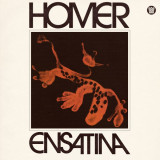
Homer Steinweiss has an incredibly storied career in music that started when he was just a teenager. He's drummed for nearly every "retro soul" group that mattered and his distinctive stickwork helped blend the raw-but-receptive soul sound back into the mainstream via the likes of Amy Winehouse & Sharon Jones. He's now one of the most in demand drummers in the world, playing with Jonas Brothers, Clairo, Solange, Adele, and Bruno Mars to name a few. With his debut solo release Ensatina, Homer is stepping to the forefront as both musician and producer. His new record is a reection of who he is now and a testament to how struggle often brings about a needed change. In 2020 Homer had to reckon with considerable emotional turbulence; at the same time that his band Holy Hive broke up, a personal relationship of 20+ years fell apart putting Homer in an uncertain place mentally. The fallout was signi‑cant enough for him to seek professional help. "I was going through these super manic highs and then very depressive lows," Homer describes. "And being in all that, it's just so tough to imagine that the other side is there, that it'll be ok." But, with time, professional help, and support from friends and family, Homer made it through and has been forever changed. This album is a product of that period of his life. The ‑rst song from these sessions, "Now That It's Over" perfectly sums up Homer's triumph through those tough times. It's a song of changing perspective and contemplation with haunting vocals from Hether and Flikka. "Paul (Castelluzzo_ aka, Hether), as a friend, saw me through these highs and lows," Homer points out. "I only had the one line, 'Now that it's over, I'm alright,' but he felt that lyric so much that he wrote all these sections and lyrics and basically completed the song. It was like he was writing to me." Hether also features on album standouts "Deep Sea", a modern love song, "Start Select", a juxtaposition of inspiration and melancholy, and "Forever and Ever and Ever and Ever" which is an incredible contemporary take on the B side soul ballad. Homer uses his innate gift for bringing seemingly opposing energies together on "Racecar Driver", pairing the vocals of Hether & long time friend and collaborator KIRBY to make a genre challenging banger. KIRBY also graces the album opener "Rollin'", an airy, warm-weather invoking song that her raspy voice perfectly compliments. He puts his drumming front and center on "So Get Up!", a bottom heavy infectious track that MINOVA's vocals turn into an instant hit that is sure to smash speakers. On "Wishing Well" & "Hide It Behind the Light I'm Shining Through" Homer is joined by girl named GOLDEN, who's unique voice effortlessly ‑nds the pocket in each tune. The man on trumpet, and fellow Big Crown label mate Dave Guy, puts his incomparable playing on the album closer "Goldie" which Homer says is the part of the movie where the credits roll. Making this album was a refuge for Homer and it put him back on track. Ensatina is a glimpse into the different energies and inuences that make Homer tick. To say he was always much more than a drummer would be an understatement, and this ‑rst solo offering is just the beginning of his next chapter.
- Rollin' Feat. Kirby
- Camera Feat. Girl Named Golden
- Deep Sea Feat. Hether
- Now That It's Over Feat. Hether & Flikka
- Racecar Driver Feat. Kirby, Hether, And Girl Named Golden
- So Get Up! Feat. Minova & Michael Rault
- Wishing Well Feat. Girl Named Golden
- Hide It Behind The Light I'm Shining Through Feat. Girl Named Golden
- Start Select Feat. Hether
- Forever And Ever And Ever And Ever Feat. Hether
- Goldie Feat. Dave Guy
Homer Steinweiss has an incredibly storied career in music that started when he was just a teenager. He's drummed for nearly every "retro soul" group that mattered and his distinctive stickwork helped blend the raw-but-receptive soul sound back into the mainstream via the likes of Amy Winehouse & Sharon Jones. He's now one of the most in demand drummers in the world, playing with Jonas Brothers, Clairo, Solange, Adele, and Bruno Mars to name a few. With his debut solo release Ensatina, Homer is stepping to the forefront as both musician and producer. His new record is a reection of who he is now and a testament to how struggle often brings about a needed change. In 2020 Homer had to reckon with considerable emotional turbulence; at the same time that his band Holy Hive broke up, a personal relationship of 20+ years fell apart putting Homer in an uncertain place mentally. The fallout was signi‑cant enough for him to seek professional help. "I was going through these super manic highs and then very depressive lows," Homer describes. "And being in all that, it's just so tough to imagine that the other side is there, that it'll be ok." But, with time, professional help, and support from friends and family, Homer made it through and has been forever changed. This album is a product of that period of his life. The ‑rst song from these sessions, "Now That It's Over" perfectly sums up Homer's triumph through those tough times. It's a song of changing perspective and contemplation with haunting vocals from Hether and Flikka. "Paul (Castelluzzo_ aka, Hether), as a friend, saw me through these highs and lows," Homer points out. "I only had the one line, 'Now that it's over, I'm alright,' but he felt that lyric so much that he wrote all these sections and lyrics and basically completed the song. It was like he was writing to me." Hether also features on album standouts "Deep Sea", a modern love song, "Start Select", a juxtaposition of inspiration and melancholy, and "Forever and Ever and Ever and Ever" which is an incredible contemporary take on the B side soul ballad. Homer uses his innate gift for bringing seemingly opposing energies together on "Racecar Driver", pairing the vocals of Hether & long time friend and collaborator KIRBY to make a genre challenging banger. KIRBY also graces the album opener "Rollin'", an airy, warm-weather invoking song that her raspy voice perfectly compliments. He puts his drumming front and center on "So Get Up!", a bottom heavy infectious track that MINOVA's vocals turn into an instant hit that is sure to smash speakers. On "Wishing Well" & "Hide It Behind the Light I'm Shining Through" Homer is joined by girl named GOLDEN, who's unique voice effortlessly ‑nds the pocket in each tune. The man on trumpet, and fellow Big Crown label mate Dave Guy, puts his incomparable playing on the album closer "Goldie" which Homer says is the part of the movie where the credits roll. Making this album was a refuge for Homer and it put him back on track. Ensatina is a glimpse into the different energies and inuences that make Homer tick. To say he was always much more than a drummer would be an understatement, and this ‑rst solo offering is just the beginning of his next chapter.
This re-issue faithfully replicates the original 1971 Island Records UK release in gatefold sleeve and is pressed onto high quality 180g vinyl. Released in June 1971, Angel Delight was the first of two albums of Fairport Convention as a four-piece, after the departure of founder member Richard Thompson that January. The band were living in a converted pub, The Angel, in Hertfordshire where they worked up the material for the album, another blend of the traditional and the original. The title track a pun on the time they were having at the pub, and a nod to the popular British dessert of the same name was a jolly catalogue of their life at the moment, referring to producer John Wood as 'John The Wood' and drummer Dave Mattacks as 'Dave The Drum.' It also mentions the day a lorry crashed into the pub, which, had Dave Swarbrick been in his room at the time could well have killed him. The album Fairport's only Top 10 album in the UK chart is also known for its traditional medley of jigs and reels, The Cuckoo's Nest, the beautiful ballad Wizard Of The Worldly Game and the group's version of the salty English song The Bonny Black Hare
- 1: Crazy - Patsy Cline
- 2: Behind Closed Doors - Charlie Rich
- 3: Sea Of Heartbreak - Don Gibson
- 4: Walk On By - Leroy Van Dyke
- 5: Big Bad John - Jimmy Dean
- 6: I'm A Honky Tonk Girl - Loretta Lynn
- 7: Rawhide - Frankie Laine
- 8: Funny How Time Slips Away - Willie Nelson
- 1: Welcome To My World - Jim Reeves
- 2: It's Four In The Morning - Faron Young
- 3: I Walk The Line - Johnny Cash
- 4: Single Girl - Sandy Posey
- 5: Sixteen Tons - Tennessee Ernie Ford
- 6: Hey Good Lookin' - Hank Williams
- 7: Alabam - Cowboy Copas
- 8: It Wasn't God Who Made Honky Tonk Angels - Kitty Wells
- 1: Rose Garden - Lynn Anderson
- 2: My Special Angel - Bobby Helms
- 3: I'm Sorry - Brenda Lee
- 4: Oh Lonesome Me - Don Gibson
- 5: He'll Have To Go - Jim Reeves
- 6: Dark Moon - Bonnie Guitar
- 7: Big Iron - Marty Robbins
- 8: Your Cheatin' Heart - Hank Williams
- 3: Six Days On The Road - Dave Dudley
- 4: I Fall To Pieces - Patsy Cline
- 5: Crazy - Willie Nelson
- 6: Don't Take Your Guns To Town - Johnny Cash
- 7: Singing The Blues - Marty Robbins
- 8: I Can't Stop Loving You - Ray Charles
- Haper Valley P.t.a. - Jeannie C. Riley
- 2: From A Jack To A King - Ned Miller
The songs that grace this comprehensive double vinyl package all come from the golden age of country music. For nearly a century now, country music has been captured on cylinder, vinyl, tape and compact disc. In America during the 1950s, while rock & roll battled calypso as the nation’s favourite sound, meanwhile in the background, these classic country songs could be heard across the land - all the way from the Gulf of Mexico, right up to the frozen wastes of Minnesota. After the golden age of what might be called pure country, came country-rock, alt-country and Americana. But the century of songs gathered together here is plain and simple country music - at its best
- 1: Rock Billy Boogie
- 2: Love My Baby
- 3: I Just Found Out
- 4: All By Myself
- 5: Black Slacks
- 6: The Catman
- 7: It's Only Make Believe
- 8: Wheel Of Fortune
- 1: Am I Blue
- 2: Walk On By
- 3: I Just Met A Memory
- 4: Blue Christmas
- 5: Red Cadillac And A Black Moustache
- (With Link Wray)
- 6: Lonesome Train (On A Lonesome Track)
- (With Link Wray)
- 7: Summertime Blues (With Link Wray)
- 8: A Picture Of You
Robert Gordon entered New York City’s Plaza Sound Studio in April 1977 to record his first album. Four months later, Elvis Presley was found dead in his Memphis mansion, Graceland, at the age of 42. The media was anxious to anoint a successor to the late King of Rock and Roll, and Gordon–twelve years Presley’s junior–was high atop many lists. Gordon’s vocal resemblance to Elvis Presley was hard to ignore, although the singer never crossed the line into impersonation. He retained his originality and an attitude honed in New York’s vibrant punk scene. In late 1978, Gordon was signed to Presley’s longtime home of RCA Records. He inaugurated his label tenure with the early 1979 release of his third and perhaps finest album, Rock Billy Boogie. The power-packed LP would become a cornerstone of the so-called rockabilly revival. Four additional recordings round out this deluxe, expanded edition of Rock Billy Boogie: Gordon’s 1980 cover of John Beveridge and Peter Oakman’s “A Picture of You,” a # 1 U.K. hit for entertainer Joe Brown in 1962; and three tracks looking back to his seminal partnership with Link Wray from the Private Stock years: “Lonesome Train (On a Lonesome Track),” “Summertime Blues,” and “Red Cadillac and a Black Moustache.
"We could go so far as to say that it is the human condition to be grotesque, since the human animal is the one that does not fit in, the freak of nature who has no place in the natural order and is capable of re-combining nature's products into hideous new forms." So reckoned Mark Fisher in 'The Weird And The Eerie', which chronicled the means by which the uncanny can enter the everyday. Mwg Drwg, the second album from South Wales psychic seers Obey Cobra, is an album that dwells in exactly this kind of headspace, where the otherworldly meets the kitchen sink. Always a band who've sought out new dimensions to explore via their trademark warped post-punk, electronic and industrial influences, Obey Cobra have crafted surreal new shapes here. Taking influences as diverse as Diane Arbus, David Lynch and Sonic Youth, they balance out heaviosity and grace on the likes of the majestically discordant 'Ten Of Wands' Elsewhere, on the title track, the band sculpt a Jesus Lizard-esque rhythmic pulse, eerie vocal abstraction and the crepuscular downtempo atmosphere of Massive Attack's Mezzanine into a uniquely haunting dreamscape. Mwg Drwg is where the weird and eerie are amplified to intimidating proportions It's where grotesquely and beauty happily cohabit. It's an aural exorcism of William Friedkin proportions that demands your immediate attention.
- A1: New Hook - Lebenskonzept Perfektion
- A2: Innere Tueren & Map Ache - Xxii (The Goodbye)
- A3: Curses - In Disarray
- A4: Mano Le Tough - Keep Noddin’
- B1: Skelesys - Synesthetic Serenade
- B2: Rebolledo - Alright Pingüino Rodriguez
- B3: Moderna Y Theus Mago - Amor De Verano
- C1: Massimiliano Pagliara - Get Moving
- C2: Man Power - Unbekannt
- C3: Dj Oyster - House Of Bookla (Gerd Janson Remix)
- D1: Lydia Eisenblätter - It Doesn’t Stop
- D2: Alinka - Light Tunnel 8
- D3: Dc Salas - A Journey
- E1: Llewellyn - High5, Twenty5
- E2: Benjamin Fröhlich - Perfectly (Version Pour Offenbach)
- E3: Peter Invasion & Gregor Habicht - Kasalina
- F1: Kalexis - Pulsar Radio Star
- F2: Adana Twins - Neue Realitä
- F3: Oskar Offermann - Live Forever
- G1: Robert Dietz - Deny The Flaw
- G2: Cromby - Lost Tool
- G3: Odopt - Gristlecut
- H1: Kadosh Feat Tony Y Not & Common Occupation - Wake Up
- H2: Ali Schwarz - Tougana
- J1: Ludwig A F. - Sky
- J2: Shubostar - First Children
- J3: Jennifer Touch - Shiver (Robert Johnson)
- H3: Current Location - Terrace Dub Tool
- I1: Hcl - Riv
- I2: Irakli - Infinite Errors
- I2: Rkjvk - Memory Lane
In the heart of Offenbach, where the city's pulse synchronizes with the beat of the night, stands the illustrious Robert Johnson Club. For a quarter of a century, it has stood as a bastion of sonic exploration, a sanctuary for those who seek solace in the rhythm, and a beacon of inspiration for the global electronic music community. As it proudly raises its glass to toast 25 years of unrivaled musical excellence, the echoes of countless memories reverberate through its storied halls. To honor this landmark anniversary, „Live at Robert Johnson“ presents a kinda like masters blueprint of sound: "Tell Me Something Good - 25 Years of Famous When Dead!" This compilation, aptly named after the club's mantra, serves not only as a celebration of its rich history but also as a testament to the enduring legacy of the artists who have graced its stage. Crafted with meticulous attention to detail, each track on the compilation is a sonic journey unto itself—a symphony of beats and melodies that weave together to tell the story of Robert Johnson's evolution over the past quarter-century. From the pulsating rhythms of underground techno to the ethereal melodies of deep house, the compilation encapsulates the club's eclectic spirit and unwavering commitment to pushing the boundaries of electronic music. But beyond the music lies something deeper—an intangible energy that permeates every aspect of Robert Johnson's existence. It's the sense of camaraderie that binds together the club's patrons and artists alike, the shared experience of losing oneself in the music, and the profound sense of belonging that transcends language and culture. As the compilation reverberates through the speakers, it serves as a rallying cry—a call to arms for all who have ever felt the transformative power of music. It's a reminder that, even in the darkest of times, there is beauty to be found in the simple act of coming together and losing oneself in the rhythm of the night. So let us raise our voices in celebration of Robert Johnson Club and the indelible mark it has left on the world of electronic music. Here's to 25 years of passion, of creativity, and of "something good" that will echo through the ages for generations to come.
The seeds of composer Rafael Anton Irisarri’s latest LP were first planted during his 2016 tour in Italy, months before that Autumn’s unexpected presidential election. The linguistic glitch of an innocuous diner in Milan named “il Mito Americano” – meant as “The American Dream” but translated literally to English as “The American Myth” – sparked a series of ideas, both conceptual and musical.
Amid the chaos of 2020, while exploring the stark world of brutalist architecture and inspired by the false fronts of Potemkin villages, a vision started to take shape: FAÇADISMS. Composed over three years, it’s a late capitalist lament of simmering electric despondency.
Irisarri’s obsession with repeating motifs mirrors the cyclical nature of our tumultuous political history. The album’s eight tracks heave and storm like a tempest being drained of its rage. This is the sound of majestic dissipation, of morning afters, fashioned from a mournful haze with cavernous guitars and granular twilight. A euphony of a receding tide as one sifts through the remnants of what remains: dust, delusion, and memory.
Opening with the somber gauze of “Broken Intensification," FAÇADISMS moves fluidly between moments of absence and abandon. Ashen swaths of electronics billow above smoldering embers of melody, guitar, and scattered streaks of processed strings and voice, as on the rapturous doom of “Control Your Soul's Desire for Freedom,” featuring Julia Kent on cello and Hannah Elizabeth Cox on vocals. "The impoverished peoples of the Americas have known all along that 'freedom' is a cruel illusion crafted by the elites, akin to Potemkin's fake villages designed to impress Catherine the Great," Irisarri indicates. "FAÇADISMS illustrates a twisted inversion where the rulers deceive their subjects with illusions of safety, democracy, and free speech to create a grotesque mirage of control over their own lives.”
Elsewhere, Irisarri leans into passages of hushed oblivion (“Hollow,” “Dispersion of Belief”), while ragged drones rumble and disintegrate into wind-battered ambient wreckage. One has the sense that it’s all too late. The hour of fury has passed. The beauty has come and gone. Irisarri’s muse has become the crack in the façade of the unraveling myth.
The record closes with a climax of grand departure. Co-written with Kenyan sound artist KMRU, “Red Moon Tide” surges from flickering elegy to celestial disquiet, roiling waves of hymnal descent, and bristling noise. The effect is unsettling and unmooring: a soundtrack for the soul leaving the body, only to discover a void. It’s the sound of the center not holding, of shared illusions being dissolved in a tunnel of white light.
The cover photograph captures a profound sense of desolation. Taken in the historic shanty town of La Perla, Puerto Rico, where Irisarri spent his childhood, brutal colonial mysteries are lost to time. A skeletal concrete structure decays against an expansive blue horizon. Only the shadow of its shell ripples on the empty sea.
Has the American myth finally run its course?
The seeds of composer Rafael Anton Irisarri’s latest LP were first planted during his 2016 tour in Italy, months before that Autumn’s unexpected presidential election. The linguistic glitch of an innocuous diner in Milan named “il Mito Americano” – meant as “The American Dream” but translated literally to English as “The American Myth” – sparked a series of ideas, both conceptual and musical.
Amid the chaos of 2020, while exploring the stark world of brutalist architecture and inspired by the false fronts of Potemkin villages, a vision started to take shape: FAÇADISMS. Composed over three years, it’s a late capitalist lament of simmering electric despondency.
Irisarri’s obsession with repeating motifs mirrors the cyclical nature of our tumultuous political history. The album’s eight tracks heave and storm like a tempest being drained of its rage. This is the sound of majestic dissipation, of morning afters, fashioned from a mournful haze with cavernous guitars and granular twilight. A euphony of a receding tide as one sifts through the remnants of what remains: dust, delusion, and memory.
Opening with the somber gauze of “Broken Intensification," FAÇADISMS moves fluidly between moments of absence and abandon. Ashen swaths of electronics billow above smoldering embers of melody, guitar, and scattered streaks of processed strings and voice, as on the rapturous doom of “Control Your Soul's Desire for Freedom,” featuring Julia Kent on cello and Hannah Elizabeth Cox on vocals. "The impoverished peoples of the Americas have known all along that 'freedom' is a cruel illusion crafted by the elites, akin to Potemkin's fake villages designed to impress Catherine the Great," Irisarri indicates. "FAÇADISMS illustrates a twisted inversion where the rulers deceive their subjects with illusions of safety, democracy, and free speech to create a grotesque mirage of control over their own lives.”
Elsewhere, Irisarri leans into passages of hushed oblivion (“Hollow,” “Dispersion of Belief”), while ragged drones rumble and disintegrate into wind-battered ambient wreckage. One has the sense that it’s all too late. The hour of fury has passed. The beauty has come and gone. Irisarri’s muse has become the crack in the façade of the unraveling myth.
The record closes with a climax of grand departure. Co-written with Kenyan sound artist KMRU, “Red Moon Tide” surges from flickering elegy to celestial disquiet, roiling waves of hymnal descent, and bristling noise. The effect is unsettling and unmooring: a soundtrack for the soul leaving the body, only to discover a void. It’s the sound of the center not holding, of shared illusions being dissolved in a tunnel of white light.
The cover photograph captures a profound sense of desolation. Taken in the historic shanty town of La Perla, Puerto Rico, where Irisarri spent his childhood, brutal colonial mysteries are lost to time. A skeletal concrete structure decays against an expansive blue horizon. Only the shadow of its shell ripples on the empty sea.
Has the American myth finally run its course?
The seeds of composer Rafael Anton Irisarri’s latest LP were first planted during his 2016 tour in Italy, months before that Autumn’s unexpected presidential election. The linguistic glitch of an innocuous diner in Milan named “il Mito Americano” – meant as “The American Dream” but translated literally to English as “The American Myth” – sparked a series of ideas, both conceptual and musical.
Amid the chaos of 2020, while exploring the stark world of brutalist architecture and inspired by the false fronts of Potemkin villages, a vision started to take shape: FAÇADISMS. Composed over three years, it’s a late capitalist lament of simmering electric despondency.
Irisarri’s obsession with repeating motifs mirrors the cyclical nature of our tumultuous political history. The album’s eight tracks heave and storm like a tempest being drained of its rage. This is the sound of majestic dissipation, of morning afters, fashioned from a mournful haze with cavernous guitars and granular twilight. A euphony of a receding tide as one sifts through the remnants of what remains: dust, delusion, and memory.
Opening with the somber gauze of “Broken Intensification," FAÇADISMS moves fluidly between moments of absence and abandon. Ashen swaths of electronics billow above smoldering embers of melody, guitar, and scattered streaks of processed strings and voice, as on the rapturous doom of “Control Your Soul's Desire for Freedom,” featuring Julia Kent on cello and Hannah Elizabeth Cox on vocals. "The impoverished peoples of the Americas have known all along that 'freedom' is a cruel illusion crafted by the elites, akin to Potemkin's fake villages designed to impress Catherine the Great," Irisarri indicates. "FAÇADISMS illustrates a twisted inversion where the rulers deceive their subjects with illusions of safety, democracy, and free speech to create a grotesque mirage of control over their own lives.”
Elsewhere, Irisarri leans into passages of hushed oblivion (“Hollow,” “Dispersion of Belief”), while ragged drones rumble and disintegrate into wind-battered ambient wreckage. One has the sense that it’s all too late. The hour of fury has passed. The beauty has come and gone. Irisarri’s muse has become the crack in the façade of the unraveling myth.
The record closes with a climax of grand departure. Co-written with Kenyan sound artist KMRU, “Red Moon Tide” surges from flickering elegy to celestial disquiet, roiling waves of hymnal descent, and bristling noise. The effect is unsettling and unmooring: a soundtrack for the soul leaving the body, only to discover a void. It’s the sound of the center not holding, of shared illusions being dissolved in a tunnel of white light.
The cover photograph captures a profound sense of desolation. Taken in the historic shanty town of La Perla, Puerto Rico, where Irisarri spent his childhood, brutal colonial mysteries are lost to time. A skeletal concrete structure decays against an expansive blue horizon. Only the shadow of its shell ripples on the empty sea.
Has the American myth finally run its course?
Belgian independent label De:tuned, founded by Ruben Boons and Bert Hermans, celebrates its 50th release with the long-awaited 10-track studio album 'Analog Days' by Swedish electronic music pioneer Robert Leiner. During the first years of De:tuned, Robert Leiner (aka The Source Experience) played a vital part in kick-starting the label. He also graced the De:tuned parties with his outstanding dj sets and captivating live acts.
Continuing the label's 15th anniversary celebrations, De:tuned and Robert Leiner mark the occasion with an extraordinary collection of mostly hardware productions recorded between 2005 and 2015. These diverse jams have now been mixed and completed for this momentous milestone. On offer a unique interplay of rhythmic movement and soothing sounds, each presenting Robert's distinct characteristics. Enjoy the trip. It has always been there, you just have to discover it!
Kevin Foakes (Openmind, DJ Food, Ninja Tune) created all the graphic work. Mastered by Matt Colton at Metropolis. A separate digital release will also be available at the usual digital shops. Stay tuned!
Belgian independent label De:tuned, founded by Ruben Boons and Bert Hermans, celebrates its 50th release with the long-awaited 10-track studio album 'Analog Days' by Swedish electronic music pioneer Robert Leiner. During the first years of De:tuned, Robert Leiner (aka The Source Experience) played a vital part in kick-starting the label. He also graced the De:tuned parties with his outstanding dj sets and captivating live acts.
Continuing the label's 15th anniversary celebrations, De:tuned and Robert Leiner mark the occasion with an extraordinary collection of mostly hardware productions recorded between 2005 and 2015. These diverse jams have now been mixed and completed for this momentous milestone. On offer a unique interplay of rhythmic movement and soothing sounds, each presenting Robert's distinct characteristics. Enjoy the trip. It has always been there, you just have to discover it!
Kevin Foakes (Openmind, DJ Food, Ninja Tune) created all the graphic work. Mastered by Matt Colton at Metropolis. A separate digital release will also be available at the usual digital shops. Stay tuned!
Inspired by Dua’s own self-discovery, Radical Optimism is an album that taps into the pure joy and happiness of having clarity in situations that once seemed impossible to face. The hard goodbyes and vulnerable beginnings that previously threatened to crush your soul, become milestones as you choose optimism and start to move with grace through the chaos.
Infused with the energy of Dua’s hometown, London, the attitude of the album embodies the rawness, honesty, confidence and freedom of ‘90s Britpop. Radical Optimism transports its listener to a dreamy pop world rich in musicality, lyrically unapologetic and sonically liberating.
The 3x GRAMMY and 7x Brit Award-winning global pop powerhouse worked with a team of core collaborators throughout the project including Caroline Ailin, Danny L. Harle, Tobias Jesso Jr. and Kevin Parker.
Pique is the sensational debut solo album from Dora Morelenbaum, one of the key talents spearheading Brazil’s new musical wave. A member of the Latin Grammy award-winning band, Bala Desejo, Dora showcases a new side to her solo productions on this special LP. Whereas Dora’s first solo EP, Vento de Beirada, was a leap of faith, Pique sees her soaring as one of Brazil’s standout stars, emboldened, emphatic but ever elegant. Building bridges between past and present, it’s a funkier, more groove-based affair, weaved together with those signature, slower, celestial tracks. Touching on disco, MPB, soul, R&B and jazz, the album is enriched with an indie pop aesthetic courtesy of fellow Brazilian star and co-producer, Ana Frango Elétrico.
With an ethereal, enveloping air few can match, Dora’s gift shines through both the serene and the spirited songs contained within. The blissful, sun-soaked ‘Não Vou Te Esquecer’ opens, before the funk-fuelled, feel-good ‘Venha Comigo’ and ‘Sim, Não.’ give a glimpse of the creativity bursting from the production partnership between Dora and Ana Frango Elétrico. Elsewhere, the album reclines into hazy lean-back realms via ‘A Melhor Saída’ and ‘Petricor’, virtuoso jazz funk in the form of ‘VW Blue’ and radiant MPB through the album’s title track ‘Pique’.
The drumming is tight, fresh and swung, the horns and strings deftly arranged, as funk-driven basslines and strutting guitars mesh with playful production touches that give an added vibrancy to the record. It is an album that exhibits every side of Dora and one she has been involved in from the ground up, from the songwriting, singing, arrangement and production to booking the studio time and sourcing the artwork designer, Maria Cau Levy.
An exchange of musical ideas powers every great scene and Rio’s contemporary landscape is no different - a family of interconnected musicians and friends that collaborate on each other’s productions. Pique is graced by a wealth of these leading Brazilian lights including her Bala Desejo bandmates Lucas Nunes, Julia Mestre and Zé Ibarra, as well as Guilherme Lirio, Alberto Continentino and Tom Veloso to name just a handful. This exchange crosses generations merging tradition with modernity. In a full circle moment, Dora’s parents Paula and Jaques Morelenbaum, who featured in countless recordings from Tom Jobim's Nova Banda and Ryuichi Sakamoto to Gal Costa and Gilberto Gil, join on the album through backing vocals and arrangement.
Pique sees Dora embrace a freedom through fresh forms, showcasing the depth and diversity of her creative artistry. An infinitely listenable release that nods to Brazilian greats like Gal Costa, Banda Black Rio and Lincoln Olivetti, fused with the indie pop edge of Ana’s production. The result is truly unique and sure to be a future Brazilian classic.
Blue vinyl repress
With a voice of pure gold and a startling sensitivity for heartfelt pop songwriting, on No Reino Dos Afetos (In the Realm of Affections), Berle firmly embraces earnestness, through starry-eyed Brazilian love songs, ambient vignettes, warm, home-cooked beats and gentle strokes of MPB genius.
Maceió, the capital of Brazil’s Alagoas state on its sprawling east-coast, is home to pastel coloured colonial houses, white sand beaches and a brilliant young composer, poet and multi-instrumentalist named Bruno Berle.
With a voice of pure gold and a startling sensitivity for heartfelt pop songwriting, on No Reino Dos Afetos (In the Realm of Affections), Berle firmly embraces earnestness, through starry-eyed Brazilian love songs, ambient vignettes, warm, home-cooked beats and gentle strokes of MPB genius.
“It’s an album that was built from my desire to find beauty”, Berle explains - his simple, graceful words mirroring the graceful simplicity in his music. But amongst the simplicity, the compositions, arrangements and productions on No Reino Dos Afetos tingle with nuance and detail.
On the contemporary R&B inspired lead single “Quero Dizer” - produced by Berle and longtime friend and collaborator Batata Boy - the swirling, lo-fi, kalimba and guitar-fronted beat is turned into a feel-good hit by the ingenuity of Berle’s honey-soaked vocal melody.
Powerfully intimate, “O Nome Do Meu Amor” (My Love’s Name) is a guaranteed tearjerker, with Berle’s stunning voice soaring over gently plucked acoustic guitar and the textural flutter of soft movement, as if we hear him writing the song in the moment.
Drawing upon a close-knit, collaborative scene of Maceió artists and musicians, (of which Berle and Batata Boy are vital members), Berle also recorded some of his friends songs on the album, including João Menezes’ “Até Meu Violao”, the album’s beautifully laid back sunshine soul opener, which has all the charm of early-70s João Donato.
Having cut his teeth in soft-rock group Troco em Bala, and more recently finding himself embedded in both Rio and Sao Paulo’s contemporary music scenes - collaborating with the likes of Ana Frango Eletrico, who took the photo for the album cover - No Reino Dos Afetos is as musically diverse as Bruno himself. It’s hazy indie rock (“É Preciso Ter Amor”), calming ambient and field recording (“Virginia Talk”) as well as Berle’s own take on West African High Life (“Som Nyame”).
Instantly recognisable as a truly special artist, Berle’s character fills every corner of the sound, which is unsurprising considering he played most of the instruments.
"Five years since her debut album Delivery, Mikaela Davis has moved away from her hometown of Rochester, shared the stage with the likes of Bob Weir, Phil Lesh, Christian McBride, Bon Iver, Lake Street Dive and Circles Around the Sun and entered a new decade. But it’s the ever-evolving relationships between her closest friends and bandmates that has propelled the Hudson Valley-based artist onto her latest album And Southern Star––a truly collaborative effort that ruminates on the choices we make, and the people we always come back to.
The band, made up of Davis (harp/vocals), Alex Coté (drums), Cian McCarthy (guitars/vocals), Shane McCarthy (bass/vocals) and Kurt Johnson (steel guitar), have been playing together for over a decade and it’s the first time they’ve appeared on a full length record together. Weaving 60s pop-soaked melodies, psychedelia and driving folk rock, And Southern Star picks apart the reflection we used to recognise, while trying to build a new one. It navigates the periphery of past selves, the coexistence of isolation and excitement in a new environment and the tension of growing away from what we thought we wanted, tackling it with a luscious, kaleidoscopic grace. “I finally feel like this album is more me than anything else that’s been released,” Davis says, adding that producing the album along with her four bandmates allowed them to carve out their own ideas, rather than someone else’s. It’s the band’s collective step into adulthood that has informed much of And Southern Star’s thematic landscape."
* Classic heavyweight speaker-distressing digital roots `n’ dub business from The Disciples with vocals courtesy of the late great Jamaican singer Creation Stepper aka Willy Stepper, whose voice graced many a 70’s roots reggae classic such as `Kill Nebuchadnezzar’ and `Homeward Bound’.
* Mixed and produced by Russ D in the Disciples studio in 1991 but only getting a release in 2013 on the Disciples Vintage label, which promptly sold out
Diving deeper into the story of Japanese reggae pop, Tokyo Riddim Vol. 2 explores an electronic, new wave and often experimental sound unlike anything Japan or Jamaica had ever heard before.
The first time Ryuichi Sakamoto left Japan, he did not go to the United States or Europe - he went to Jamaica. It was 1978, YMO were about to release their debut album, but Sakamoto was in Kingston, invited to play synths for Japanese idol singer Teresa Noda at Dynamic Sound Studios in a band alongside Neville Hinds and none other than Rita Marley. It’s not a story many know, but one which would spark Sakamoto’s fascination with dub and mark a new chapter in the ongoing Japanese love affair with reggae.
The Teresa Noda tracks they cut - ‘Tropical Love’ and ‘Yellow Moon’ - bookend this second volume of Time Capsule’s Tokyo Riddim compilation, which tells the wider story of how a fascination with Jamrock swept Japan, adding a dash of lime to that sweet city pop sound, embracing a globalised musical palette and creating a whole new genre in the process.
For some, like Sakamoto, a diversion into reggae was part of broader fascination with new sounds and styles, tipped into the global disco of homage and appropriation that made Japanese music of the late ‘70s and early ‘80s some of the most creative and undefinable in the world.
You had iconic shape-shifter Yosui Inoue, who toyed with reggae, afro-beat and electro-Balearic, (and whose For Life Records released several tracks on this comp), and Kay Ishiguro, who enlisted J-reggae originator Pecker on the ambitious Stevie Wonder-esque ‘Red Drip’.
Then there were the Compass Point devotees - producers and musicians alike who were enthralled by the sound of the Bahamas studio and drew on the detached cool of Grace Jones - as heard in the music of Juicy Fruits, and the disco noir of Casablanca-signed femme fatale Yuki Nakayamate. Sometimes, as was the case with Risa Minami, the J-reggae influence said more about Japan than it did about Jamaica.
But where Tokyo Riddim Vol. 1 focused on the city pop sound, this compilation goes further, digging out the more experimental collaborations and hybrids exemplified by Tomoko Aran, who in working with Yusuaki Shimizu and Mariah emphasised just how far reggae had travelled to be recast into something entirely new on the other side of the world.
Perhaps more than anything, in connecting the dots between Tokyo and Kingston, between Jamaica and Japan, the Japanese reggae was building a musical language that existed outside of the paradigms of US and European cultural hegemony - an encounter shaped by commerce, capital and creativity that is now being recognised more broadly for the first time.
Mint Green Vinyl.[22,27 €]
Since first bonding over Slowdive at a Texas karaoke bar six years ago, musicians Uriel Avila and Jonathan Perez have grown trauma ray into Fort Worth's foremost flag bearer of crushing shoegaze. A five-piece rounded out by bassist Darren Baun, drummer Nicholas Bobotas, and guitarist Coleman Pruitt, the band's debut album, Chameleon, captures their evolving sound at an apex of majestic devastation. A fusion of downer hooks, gauzy melancholia, and bulldozer riffs, the album heaves and crashes across 50 minutes of stacked amplifier alchemy. Lyrically the songs trace similarly lofty and brooding terrain; Avila says "The theme is death. And a chameleon, like death, can shape-shift in and out our lives in different forms." Chameleon opens with "Ember," dreamy and distant, alternately anthemic and apocalyptic, defeated and deafening. Lead single "Bishop" perfectly encapsulates trauma ray's depth and dimension, ripping out of the gate with "the biggest, baddest, saddest wall of sound." Lyrics about being burnt at the stake and "tossed in the flame" float above a stop-start assault of precision distortion, eventually expanding into a lush, heavy, sorrowful end coda. "Spectre" is a mysterious, introspective dirge, envisioned as a "mellow, slowcore, Duster-thing," all feeling and heavy fuzz chords (with no lead guitar). Avila wrote it, "to be a hymnal" from the perspective of someone who won't let go - a ghost, an ex, a shadow self. Although the album is rich with subtleties, graceful lulls, and "breaths of air," the band's three guitar attack is its defining force, a power flexed to its peak on "Bardo." Perez's intentions were blunt: "I wanted to write a riff that was hard as fuck." The result is alternately mean and eerie, veering between noisy one string bends and surging headbang, mapping a middle ground between Unwound and early-Deftones. One of trauma ray's greatest gifts is their ability to make doomy, sledgehammer heaviness sound like an earworm, without production tricks or gimmicks: "Riff, verse, chorus, three guitar parts - that's all you need." This quality is particularly apparent on the title track, a churning slab of amplifier worship, swirling chords, and heavenly, defeated vocals about not belonging, shape-shifting, and death ("A twisted face / Void of attention / An empty space / In your reflection"). "U.S.D.D.O.S" closes the album, swaying across seven minutes of grey skied guitar and haunted voice, subtly thickening as it deepens. Feedback and shrapnel gradually begin raining down, like a satellite disintegrating in the atmosphere. Titled as an acronym after a poem by Chilean writer Roberto Bolaño that loosely translates to "a dream within a dream," the melody softens, smears, and then disappears, slowly swallowed by the gravity of eternal descent. Chameleon is a masterpiece of craft, balance, melody, lyricism, and gravity, flexing a fresh vision of loud-quiet-loud architectures and the vertigo depths of blasted harmonics. From Slowdive to Nothing, to Hum and beyond, the band absorb and expand on their influences into a rare and dedicated alchemy. trauma ray's cinematic tempest is a gathering storm only just taking flight.
Black Vinyl[21,22 €]
Since first bonding over Slowdive at a Texas karaoke bar six years ago, musicians Uriel Avila and Jonathan Perez have grown trauma ray into Fort Worth's foremost flag bearer of crushing shoegaze. A five-piece rounded out by bassist Darren Baun, drummer Nicholas Bobotas, and guitarist Coleman Pruitt, the band's debut album, Chameleon, captures their evolving sound at an apex of majestic devastation. A fusion of downer hooks, gauzy melancholia, and bulldozer riffs, the album heaves and crashes across 50 minutes of stacked amplifier alchemy. Lyrically the songs trace similarly lofty and brooding terrain; Avila says "The theme is death. And a chameleon, like death, can shape-shift in and out our lives in different forms." Chameleon opens with "Ember," dreamy and distant, alternately anthemic and apocalyptic, defeated and deafening. Lead single "Bishop" perfectly encapsulates trauma ray's depth and dimension, ripping out of the gate with "the biggest, baddest, saddest wall of sound." Lyrics about being burnt at the stake and "tossed in the flame" float above a stop-start assault of precision distortion, eventually expanding into a lush, heavy, sorrowful end coda. "Spectre" is a mysterious, introspective dirge, envisioned as a "mellow, slowcore, Duster-thing," all feeling and heavy fuzz chords (with no lead guitar). Avila wrote it, "to be a hymnal" from the perspective of someone who won't let go - a ghost, an ex, a shadow self. Although the album is rich with subtleties, graceful lulls, and "breaths of air," the band's three guitar attack is its defining force, a power flexed to its peak on "Bardo." Perez's intentions were blunt: "I wanted to write a riff that was hard as fuck." The result is alternately mean and eerie, veering between noisy one string bends and surging headbang, mapping a middle ground between Unwound and early-Deftones. One of trauma ray's greatest gifts is their ability to make doomy, sledgehammer heaviness sound like an earworm, without production tricks or gimmicks: "Riff, verse, chorus, three guitar parts - that's all you need." This quality is particularly apparent on the title track, a churning slab of amplifier worship, swirling chords, and heavenly, defeated vocals about not belonging, shape-shifting, and death ("A twisted face / Void of attention / An empty space / In your reflection"). "U.S.D.D.O.S" closes the album, swaying across seven minutes of grey skied guitar and haunted voice, subtly thickening as it deepens. Feedback and shrapnel gradually begin raining down, like a satellite disintegrating in the atmosphere. Titled as an acronym after a poem by Chilean writer Roberto Bolaño that loosely translates to "a dream within a dream," the melody softens, smears, and then disappears, slowly swallowed by the gravity of eternal descent. Chameleon is a masterpiece of craft, balance, melody, lyricism, and gravity, flexing a fresh vision of loud-quiet-loud architectures and the vertigo depths of blasted harmonics. From Slowdive to Nothing, to Hum and beyond, the band absorb and expand on their influences into a rare and dedicated alchemy. trauma ray's cinematic tempest is a gathering storm only just taking flight.
Moon White Vinyl. All her life, Emma Hardyman has wrestled with contradictions. After all, she was practically rendered a living, breathing contradiction the moment she was born into her half-Peruvian, half-white working-class Mormon family. In young adulthood, Hardyman became increasingly disillusioned with Mormonism's righteous black-and-white thinking, as well as its exclusionary elitism, and decided to leave the church. But she also acknowledged that the institution's all-or-nothing philosophy had become a part of her, resulting in a considerable test of grace and unlearning. As the singer-songwriter behind Little Moon, the Tiny Desk Contest-winning, Utah-based avant-folk project, Hardyman uses music as an outlet to illuminate contradictions of all kinds. Following the release of her 2020 debut LP Unphased, Hardyman set out to write a romantic album about her newlywed husband Nathan (who also sings and plays guitar in Little Moon), but the universe had other plans. After Nathan's mother tragically passed away, Hardyman recalibrated her vision and started work on a love-as-grief, grief-as-love album titled Dear Divine. The record serves as a mirror for the darkest parts of ourselves, allowing us to examine our ego_not to dismantle it, but to better understand how we love, process adversity and move through the world. Centering the classical music, folk, video game soundtracks and Tabernacle Choir hymns she grew up with, as well as ephemeral snapshots of personal significance, Dear Divine is an abundant tapestry of Hardyman's life. As enlivening melodies radiate from a string trio, you can envision the classical music that thrums from her parents' radio 24/7, as Hardyman sings in an otherworldly coo, you can imagine her younger self swooning over the tranquil records of Vashti Bunyan and Joan Baez, and as arpeggiated synths twinkle, you can visualize the enchanting kingdom of Hyrule from The Legend of Zelda: Ocarina of Time that she still adores. Songs like "now" and "messy love" embrace the gloriously jumbled stew of life, with the former chronicling Hardyman's arduous quest for love and trust and the latter patiently navigating the ways romantic partners can mirror each other's shortcomings. As Dear Divine attests, Emma Hardyman may not have it all figured out, but that's kind of the point. Through grief, faith crises and all-encompassing love, she's found the most wisdom in life's maddeningly consistent inconsistencies, as well as the subtle ways one can cultivate a feeling of home. Dear Divine doesn't take a red pen to life, it brings an open heart, an open mind and achingly beautiful, opulently weird folk songs.
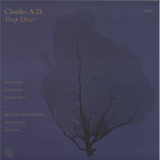
The sea has long been central to Japanese culture, symbolizing both sustenance and spiritual depth. Charles A.D.'s Deep Diver draws inspiration from this, channeling the ancient traditions of diving and fishing into his music. Historically, the sea has influenced everything from Shinto rituals to the livelihoods of coastal communities. In Deep Diver, this reverence flows through aquatic soundscapes, where rhythmic waves of 90s house and Detroit techno meet Japanese minimal production techniques, New Age and Pacific Jazz. Like the tides, the album ebbs and flows, creating a serene yet dynamic homage to the timeless connection between Japan and the sea.
The opening track 'Deep Diver' plunges into the depths, its abstract sound design capturing the sensation of deep-sea propulsion. Rhythmic bubbles pulse gently alongside slow-moving chords, creating an otherworldly atmosphere. The textures are lush yet restrained, setting a tranquil stage that pulls the listener into a submerged world. 'Underwater Ruins' builds on this aquatic theme, introducing rhythmic layers and bass-heavy notes reminiscent of mid-90s Japanese ambient techno. The smooth, melodic flow nods to pioneers like Mr.YT and Susumu Yokota, while subtly incorporating the Detroit techno influence through soulful, deep basslines.
The track feels like a fusion of ambient and techno, balancing serene tones with a rolling groove, emblematic of Japanese techno soul. As the album progresses into 'Bubble Ring', it becomes clear that Charles A.D. is a master of minimalism. The production is timeless, leaning
on analog techniques where echo-drenched chords and carefully layered soundscapes take on an addictive, hypnotic quality. The simplicity of the composition is deceptive, as each element carries weight, drawing the listener deeper into the rhythm and space between the notes.
'Merperson' is where organic rhythms truly come into play. Charles A.D. gently evolves the patterns, allowing each percussive hit to flow naturally into the next. Soothing melodies emerge from within the track’s structure, eventually reaching an emotional peak without ever feeling forced. The organic nature of the arrangement creates an effortless progression that feels deeply connected to the natural movement of water.Starting the second half with 'Deep Exploration', the theme of underwater excursions becomes even more pronounced. Light, steady drumming anchors the track, allowing the melodic layers
to develop gradually. It unfolds with a calm, measured pace, before ending softly, almost as if the sounds are drifting off into the oceanic depths. 'Diffuse Reflection' stands out as the most dub house-influenced on the album, with rolling rhythms and hypnotic elements reminiscent of Maurizio's deep, pulsing sound. Yet here, the production feels submerged, with aquatic effects swirling around the rhythmic core, blending dub house with a fluid, oceanic touch. 'Traitors' delves even deeper into dub-inspired territory. Deep, resonant bass hits combine with wooden drums, while static-like sounds evoke the image of a radio tuning through static to find clarity.
Chords shimmer briefly before fading back into the liquid depths, evoking the ebb and flow of the tide. The final track on Deep Diver 'Levitation', is a fitting conclusion, as the rhythms merge and overlap like waves gently lapping the shore. The minimalistic arrangement allows each element to blend effortlessly into the next, creating a sense of unity and closure. The sounds move with the gentle grace of water, ending the album in a way that feels both complete and
open-ended, like the infinite motion of the sea.
***
Mord.
Morderstwo.
Rotterdam.
Herdersmat.
***
Limited amount of part 17 of the Herdersmat series available now. This vinyl was previously available only by purchasing the full MORDH003. Generic black sleeve.
Discover 4 Exceptional Remixes and Edits, Intricately Crafted by the Esteemed Floorfillers. 'Sexy' Has Already Graced the Decks and Garnered Significant Support From Numerous DJs, Including Bradley Zero, and Has Even Made Its Mark at Berghain! Essential Item Limited Edition No Re-Press...
Pique is the sensational debut solo album from Dora Morelenbaum, one of the key talents spearheading Brazil’s new musical wave. A member of the Latin Grammy award-winning band, Bala Desejo, Dora showcases a new side to her solo productions on this special LP. Whereas Dora’s first solo EP, Vento de Beirada, was a leap of faith, Pique sees her soaring as one of Brazil’s standout stars, emboldened, emphatic but ever elegant. Building bridges between past and present, it’s a funkier, more groove-based affair, weaved together with those signature, slower, celestial tracks. Touching on disco, MPB, soul, R&B and jazz, the album is enriched with an indie pop aesthetic courtesy of fellow Brazilian star and co-producer, Ana Frango Elétrico.
With an ethereal, enveloping air few can match, Dora’s gift shines through both the serene and the spirited songs contained within. The blissful, sun-soaked ‘Não Vou Te Esquecer’ opens, before the funk-fuelled, feel-good ‘Venha Comigo’ and ‘Sim, Não.’ give a glimpse of the creativity bursting from the production partnership between Dora and Ana Frango Elétrico. Elsewhere, the album reclines into hazy lean-back realms via ‘A Melhor Saída’ and ‘Petricor’, virtuoso jazz funk in the form of ‘VW Blue’ and radiant MPB through the album’s title track ‘Pique’.
The drumming is tight, fresh and swung, the horns and strings deftly arranged, as funk-driven basslines and strutting guitars mesh with playful production touches that give an added vibrancy to the record. It is an album that exhibits every side of Dora and one she has been involved in from the ground up, from the songwriting, singing, arrangement and production to booking the studio time and sourcing the artwork designer, Maria Cau Levy.
An exchange of musical ideas powers every great scene and Rio’s contemporary landscape is no different - a family of interconnected musicians and friends that collaborate on each other’s productions. Pique is graced by a wealth of these leading Brazilian lights including her Bala Desejo bandmates Lucas Nunes, Julia Mestre and Zé Ibarra, as well as Guilherme Lirio, Alberto Continentino and Tom Veloso to name just a handful. This exchange crosses generations merging tradition with modernity. In a full circle moment, Dora’s parents Paula and Jaques Morelenbaum, who featured in countless recordings from Tom Jobim's Nova Banda and Ryuichi Sakamoto to Gal Costa and Gilberto Gil, join on the album through backing vocals and arrangement.
Pique sees Dora embrace a freedom through fresh forms, showcasing the depth and diversity of her creative artistry. An infinitely listenable release that nods to Brazilian greats like Gal Costa, Banda Black Rio and Lincoln Olivetti, fused with the indie pop edge of Ana’s production. The result is truly unique and sure to be a future Brazilian classic.
Distance as a measure of time and place informs Kelly Finnigan's, A Lover Was Born with a grit and grace that turns passion into virtue. The latest solo release from The Monophonics frontman roots itself in the best traditions of midwest soul labels like King, Curtom, Dakar, and the Bodie Recording Company. A Lover Was Born is a testimony that these deep cut grooves are not resigned to nostalgia, instead, they are at the burning heart of longing and hope. The journey Finnigan takes listeners on over Lover's eleven tracks echo the state of motion and growth since his solo debut, The Tales People Tell (2019). These two records bookend a prolific period of output, including a pair of Monophonics albums, a Christmas album, a mixtape, and a full slate of producing other artists (The Ironsides, Alanna Royale, the Sextones). "There's nothing like making records," says Finnigan. "It feels like that's my purpose _ the reason I was put on this earth." Written in California, Ohio, and Staten Island, Kelly Finnigan collaborated with old friends in and outside the studio. "I enjoy working alone but it's not how you want to make a record_almost everybody I brought in for this album I've worked with, toured with or spent a great deal of time with." Max and Joe Ramey (The Ironsides), Jimmy James (Parlor Greens), Sergio Rios (Orgone), Joey Crispiano (Dap Kings) and Jay Mumford (aka J-Zone) all contribute to the overall sound of A Lover Was Born. Dramatic influences like Isaac Hayes (check out the piano on "Be Your Own Shelter") and Jerry Ragovoy are chopped and folded into Northern Soul uptempo numbers to create stompers like "Get a Hold of Yourself" or "Chosen Few". Finnigan's take on Deep Soul is captured brilliantly on "Walk Away from Me" and "Love (Your Pain Goes Deep)", while Boom Bap pervades on hard hitters "His Love Ain't Real" & "Cold World". Slower songs such as "Let Me Count the Reasons", the emotional "All That's Left", and the soul-stirring album closer "Count Me Out" show the honest and tender side that has become Finnigan's calling card. All the while, the voice is raw and earthy _ in the best tradition of R&B shouters like Otis Redding, Lee Moses, and David Ruffin. The songs on A Lover Was Born reconfigure the spliced and sampled DNA of hip hop (extracted by crate diggers like Dilla and RZA) to create something new, underscoring both the spectrum and depth of soul while making a case to the timelessness of Finnigan's sound.
Bloodshot celebrates the 10th anniversary of No-Hit Wonder with this Barrel Select edition!
Barrel Select exists to highlight the best of Bloodshot’s cask-strength catalog and there’s no doubt that the No-Hit Wonder sits proudly on the top shelf.
“Your favorite songwriter’s favorite songwriter” according to Vice Magazine, Cory Branan, with songs covered by Frank Turner and Dashboard Confessional and a circle of friends and collaborators that includes Jason Isbell and the Hold Steady’s Craig Finn (who also grace this album’s credits as guest vocalists).
When it came out in 2014, all the people whose taste are worth a damn were raving about it, with Rolling Stone putting it on their list of that year’s best country albums.
With ten more years of aging, it’s only gotten better. It hasn’t mellowed, but it makes more sense now that the country mainstream has started to catch up to the level of outlaw cowpunk soul Cory was packing.
Our Branan-approved, Barrel Select edition stamps the sound onto Bloodshot Red vinyl and includes a full-size reproduction of the album’s 2014 promo poster with full lyrics and a new note from Cory on its backside.
Drink it in. It packs a punch.
Featuring appearances from Jason Isbell, Caitlin Rose, Craig Finn, and Tim Easton
10th Anniversary Barrel Select edition on Bloodshot Red vinyl
Includes a reproduction of the original promo poster, full lyrics
“Cory Branan is your favorite songwriter’s favorite songwriter” —Chicago Tribune
“He radiates talent” —Vice
“If you’re gazing slunk shouldered at your Jason Isbell and Sturgill Simpson records as so loved that you’re tired of listening to them, The No-Hit Wonder may just be the project to point your nose toward next. . . This is old school country rock at its finest” —Saving Country Music-
- Heart Of Tin
- Aberfan
- Movement
- Richard E Grant
- Salvation Xl
- Taking Stones To Joe’s House
- Double Island
- At The Lake Ft. The Golden Dregs
- Flight
- Bluff
In Cornish slang it is said that things get done ‘dreckly’; that is, not now, not necessarily tomorrow, but, at some indefinite point...in the future...soon...
Fitting then that when Bristol’s Langkamer decamped to their de facto home-from-home in the picturesque south-west seaside town of Falmouth to record their third album in as many years (with an EP thrown in there too) - there was no particular need to rush things: “The process was much slower and more considered for Langzamer.”, drummer/vocalist Josh Jarman explains: “The first two albums felt pretty urgent, and each was finished in about 6 months, but this one feels a lot more deliberate. It’s taken us two years to get this done.”
Equally fitting too that Langzamer kicks off proceedings with ‘Heart of Tin’: the first bars are languidly lugubrious, so deliciously plucked-out and scuzzed-up that they linger in the air like passing smoke, magically, slowing time down to their own assured and steady will. And in so much time, that also feels like no time at all, comes an opening line of such stark, disarming confessionalism as might be found in the David Berman/Silver Jews songbook: “Do you want the good news or the bad news first? // They’re both bad news, but the bad is worse” It’s Langkamer in a nutshell: embattled, heart-on-sleeve Slacker Rock slaked with twinges of fret-sliding Americana, yet deeply embedded in the folk mythologies, colloquialisms and experiences of the band’s West Country roots.
Throughout Langzamer, confronting the listener again and again is this conflict between the band’s breezy, melodic charm, and the threat of something more sinister lurking in the undergrowth. While those more familiar with Langkamer’s oeuvre to date will have already come to know and love their often self-deprecating yet witty lyricism, the songs on Langzamer take this trademark ebullient gloominess to more challenging plains: “Principally this is an album about grief, and everything that entails...” explains Jarman. “in a sense death brought these songs to life.”
This thread is felt no more so than on ‘Salvation XL’. Inspired by a “particularly bad batch of food poisoning I had in Morocco”, Jarman explains, and beginning with the memorable opening line, “Jesus came to me a Burger King in Marrakech”, the band wind their way through the ‘big topics’: death and God.
“This trip was shortly after a few of my friends had passed away, and I think a lot of my thoughts and actions at that time were being influenced by my grief without me realising it.”, he explains, “Whenever I dwell on grief, and how death has given my life a new context, I come back to that. The ongoing battle between agnosticism and atheism. I wasn’t raised in a very strict religious home, but I come from a long line of methodists, and it’s interesting to think about the way theism and religion have shaped my life without me knowing it. I think that’s being channelled on this album a lot. The uncertainty that comes with disbelief.”
Our collective mortal frailties are also felt on lead single ‘Richard E Grant’. With a trademark bittersweetness, a track that begins as an appreciation of the actor’s humorous social media presence unfolds as a study on “finding healthy coping strategies to deal with loss.”. Elsewhere, ‘At The Lake’ - to the tune of mournful, folk-like balladry - explores binge-drinking culture and the troubled association between unhealthy behaviour and creativity. The listener is left in no mind as to the meaning behind the references to James Joyce and Janis Jopin as “souvenirs stolen from the dark”.
With themes as weighty as these strewn across the album’s 10 tracks, It seemed like a particularly astute move then for the band to personally approach Ben Woods, founder of the Golden Dregs, to assist on production duties. Not only would the delicate intimacies of Woods’ main project - see 2023’s On Grace & Dignity for reference - add an appropriate moodiness, but Woods was also born and raised in Cornwall, where the album was recorded; amidst “eating pasties” and breaks by the sea, Woods and the band transformed the vaults underneath iconic Falmouth venue The Cornish Bank into a makeshift studio for a weeks’ worth of recording. Occasionally friends would drop by to lighten the load; Zander Sharp tracking violin on ’Double Island’ and ‘Flight’; Josh Law and Ben Sadler of Breakfast Records labelmates Getdown Services, both of whom contribute to the soul-stirring ‘mountain’ chorus on ‘Aberfan’.
When compared to the brightness of 2023’s The Noon and Midnight Manual, Woods’ influence on the record seems indisputable. On the aforementioned ‘At The Lake’, for instance, which features backing vocals from Woods. Or, most acutely, on the piano strains of harrowing closer ‘Bluff’, a track with such chilling, spectral severity as to effect the band’s most heartbreaking effort to date. While it’s particularly sombre note on which end proceedings, it's also an appropriate one: Langzamer bravely stands tall as their most restrained, matured, and sincere collection to date. And almost by virtue of its impeccable honesty, those moments of sunshine-joy that creep through the cracks feel that much more golden.
erste Vinylveröffentlichung eines Metalklassikers der 2000er
Jahre
-remasterte Doppel LP im Gatefold mit 4-Seiten-Booklet
-enthält eine Manilla Road Coverversion und weitere rare
Bonustracks
-einige Mitglieder spielten später bei u.a. Manilla Road,
Savage Grace und Trance
Aus den Überresten des True Metal-Projektes SEDUCTION,
welches von einem Management initiiert wurde, entstand
2004 eine richtige Band: VIRON. Im Gegensatz zu SEDUCTION
klangen VIRON direkt erwachsener und bodenständiger.
Einflüsse des US-Metal und der NWOBHM mischten sich mit
Europäischem Metal, was 2004 durchaus etwas Besonderes
für eine deutsche Gruppe war. Der traditionelle Heavy Metal
kam nach Grunge, Crossover und Gothic langsam wieder auf
die Füße und VIRON waren bei dieser Entwicklung früh dabei.
Die erste, von der Band veröffentlichte EP, die auch schon
den Namen NWOGHM (New Wave Of German Heavy Metal)
trug, schlug im Underground ein wie eine Bombe und man
spielte noch ohne Plattenvertrag einige Shows, u.a. beim
Headbangers Open Air in der Nähe von Hamburg. Das rief
die Labels auf den Plan und man entschied sich 2006 für die
griechische Firma Sonic Age (aka. Cult Metal Classics). Die EP
wurde um weitere Songs, die im gleichen Studio (Kohlekeller
Studio) aufgenommen wurden, aufgestockt und zum Album.
Nach durchweg traumhaften Albumreviews folgten Auftritte
beim Sworbrothers Festival, United Metalheads und mit Bands
wie Sabaton, Custard oder Solemnity.
VIRON wechselten 2007 zu Metal Heaven Records und
veröffentlichten 2008 den erfolgreichen Nachfolger „Ferrum
Gravis“. Der damalige Slogan „Underground Metal für die
Massen“ passt wie die Faust aufs Auge, denn das druckvoll
aber natürlich produzierte Album schlägt den Spagat zwischen
der Undergroundszene und, nennen wir es „gängigem Heavy
Metal“. Insider würden vielleicht sagen „zwischen LaudaKönigshofen und Wacken“. Das zeigt auch die gekonnte
Coverversion des Manilla Road Klassikers „Dreams Of
Eschaton“. Leider zerfielen Viron einige Monate nach dem
Release von Ferrum Gravis, aber die Band wurde zu einem
Sprungbrett für drei Mitglieder von Viron, die später u.a. bei
Manilla Road, Trance, Savage Grace, Roxxcalibur, Bonfire und
Jameson Raid auftauchten.
This vibrant and soulful album is a tribute to the German composer Kurt Weill who was born in 1900. The accomplished and award-winning singer, lyricist, arranger and composer Lina Nyberg has assembled a Scandinavian all-star band that interprets her music and arrangements with grace and commitment. Together they create unique versions of Weill's works as well as the new ones. With inspiration from Lenya and Fitzgerald as well as Toneff and Faithfull, Lina takes these hundred-year-old immortal songs on a new journey.