
Zareb, Rootsamala
Heart Of Mankind / Keep Up The Faith
pre-order now15 Oct
expected to be published on 15 Oct
6,09 €
expected to be published on 15 Oct

Cultivated Electronics celebrates two decades at the forefront of electro with its landmark 50th release on the main label, returning to the very beginning with a new release from Signal Type - the collaborative project of label head Sync 24 and Matt Whitehead. The anniversary EP pays homage to the sound that launched Cultivated Electronics back on CE001 A1, with Signal Type delivering "Break Through", a snappy, driving and psychedelic electro workout built firmly for the dancefloor. Funky, spacey and packed with the restless energy that has defined the label since its inception, the track feels both like a nod to CE's roots and a statement of where the label stands today. The celebrations continue with three remixes from long-standing Cultivated Electronics collaborators and influential figures within the electro scene. Keith Tenniswood, aka Radioactive Man, brings an old-school, Mad Mike-esque Underground Resistance flavour to his rework, injecting the original with raw Detroit-inspired energy and machine-driven propulsion. Carl A. Finlow, operating under his Silicon Scally moniker, takes things deeper, delivering a heady after-hours interpretation built around immersive, late-night club sonics. Rounding out the EP, Finnish electro pioneers Morphology deliver a hypnotic, 90s-inspired roller, bringing their distinctive analogue sensibility and futuristic groove to the original. The vinyl edition arrives on blue marbled translucent coloured vinyl, housed in a full-sleeve package featuring artwork from Geometric Love. From its first release to its 50th, Cultivated Electronics has remained dedicated to forward-thinking electro, connecting classic machine funk with contemporary club sounds. CE050 marks both a celebration of the label's history and a salute to the artists and sounds that continue to shape its future. Here's to another 50 releases.
Last delivered 3 days ago
available to reorder, subject to availability

Coil’s 17-minute soundtrack for »How to Destroy Angels«, performed on January 19, 1984: ritual music ›for the accumulation of male sexual energy‹, structured around magickal and numerological concepts.
Throughout history man has made and used music for two distinct and separate purposes. In recent years, particularly since the advent of sound recording, the most popular use of music has been for entertainment - the temporary amusement and distraction of as large a number as possible. As a consequence, many people tend to overlook its more fundamental and ancient use as a tool for affecting man's body and spirit. The many varieties of religious music from around the world contain a vast quantity of clues to the way in which sound can affect the physical and mental state of the serious listener, yet many find their associations with religion itself too difficult a stigma to overlook in their appreciation of the sound and its potential, for its own sake.
On this record, hopefully the first in a series, we have tried to produce sound which has a real, practical and beneficial power in this modern Era. Specifically, it is intended as an accumulator of male sexual energy. Although we make neither claims nor rules for its use, we do suggest that for maximum potency it should only be played in circumstances that exclusively male and/or onanistic in nature. What these are is entirely up to you.
The execution of the piece was structured around concepts we felt would work for us - in this case magickal and numerological rather than conventionally musical in form. One image or symbol which we drew upon that may be useful to bear in mind is that of Mars, often indicated by the male symbol.
Should this music have any power, over and above the banal and transitory titillation achieved by most records available now, it is a positive and beneficial power to be used and controlled by the listener, as he desires.
Last delivered 3 days ago
available to reorder, subject to availability

Coil’s 17-minute soundtrack for »How to Destroy Angels«, performed on January 19, 1984: ritual music ›for the accumulation of male sexual energy‹, structured around magickal and numerological concepts.
Throughout history man has made and used music for two distinct and separate purposes. In recent years, particularly since the advent of sound recording, the most popular use of music has been for entertainment - the temporary amusement and distraction of as large a number as possible. As a consequence, many people tend to overlook its more fundamental and ancient use as a tool for affecting man's body and spirit. The many varieties of religious music from around the world contain a vast quantity of clues to the way in which sound can affect the physical and mental state of the serious listener, yet many find their associations with religion itself too difficult a stigma to overlook in their appreciation of the sound and its potential, for its own sake.
On this record, hopefully the first in a series, we have tried to produce sound which has a real, practical and beneficial power in this modern Era. Specifically, it is intended as an accumulator of male sexual energy. Although we make neither claims nor rules for its use, we do suggest that for maximum potency it should only be played in circumstances that exclusively male and/or onanistic in nature. What these are is entirely up to you.
The execution of the piece was structured around concepts we felt would work for us - in this case magickal and numerological rather than conventionally musical in form. One image or symbol which we drew upon that may be useful to bear in mind is that of Mars, often indicated by the male symbol.
Should this music have any power, over and above the banal and transitory titillation achieved by most records available now, it is a positive and beneficial power to be used and controlled by the listener, as he desires.
Last delivered 3 days ago
available to reorder, subject to availability
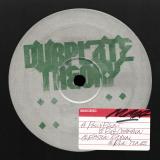
Numa Crew are back with a full release at 140 bpm. A journey through the crew’s diverse range of styles, each with its own unmistakable character. It kicks off with ‘Philly Blunt’, a track conceived and created for the dancefloor, pure dubstep, with a wobble bass that cuts through a driving groove and carries with it many nuances of dub. Track number two, ‘Big Champion’, is produced by Lapo with contributions from the crew’s two MCs, XL Mad and Ninjaz MC. The riddim blends old-school jungle and grime and features vocals in both Jamaican patois and Italian. There are no boundaries of any kind within Numa Crew! Nor are there any boundaries to be seen on track 3, ‘Easton Riddim’, produced by Lapo and Ago, which seamlessly blends two styles very dear to the crew: UKG and reggae. It will be the perfect platform for many MCs to showcase their skills. To round things off, undoubtedly the craziest track on the EP, ‘Run Tune’ – produced by Ago and Leon P. A frenzied arpeggiator and dark atmospheres take us on a journey through sub-lines and distorted vocals.
Last delivered 3 days ago
available to reorder, subject to availability

On My Way is a forthcoming photo memoir that follows Larry Heard to over 30 countries across 40 years, performing in Fingers Inc, The It, Mr. Fingers, and Larry Heard Live. Published independently by Alleviated Records, this 380 page book draws from Mr. Heard's extensive archive of thousands of photographs, event flyers, and historical documents, many of which have never been seen before. On My Way contains excerpts from over 8 hours of interviews, but the journey is primarily visual: the photographs taken by Mr. Heard and his collaborators serve as a personal and artistic odyssey, documenting almost every single one of the over 350 gigs Mr. Heard has performed in his career. On My Way also presents a history of technology in the arts. We see music equipment evolve, become sleeker, sexier, the studios housing the gear more grandiose. Personal cameras transition from 35mm to digital, first declining in quality as the world embraced the freedom of lightweight yet low resolution lenses, eventually arriving at the contemporary DSLR. The designs of rave flyers begin with photocopied images and hand drawn text, evolving with the genre through the 90s and 00s to take on a futuristic, utopian quality. We watch trends in fashion and art become referential as the 21st century embraces nostalgia. Institutions rise up to support this scene, most notably Red Bull Music Academy, a significant patron of electronic music in the 2010s that sought to connect new musicians to their roots by hosting visionary global festivals and panel discussions. Along this journey we see familiar faces: singers, DJs, club kids, and music industry professionals, as well as the enigmatic gaze of the man whose work has inspired millions.
Order now and we will order the item for you at our supplier.

4/5 REVIEW IN MOJO: “HEARTBEAT TONES DISSOLVE INTO BEAUTEOUS SHIMMER AND STELLAR SYNTH MEDITATIONS GIVE WAY TO CAREFULLY ORCHESTRATED ELECTRONICA.”
4/5 REVIEW IN UNCUT: “IT'S MASTERFUL, THOUGH IT WILL LEAVE YOU FEELING LIKE A SPECK OF GRAVEL IN A SELF-DESTRUCTING WORLD.”
NME - 8/10 review (w/c 14 October) "He’s mastered this stylistic skittishness and you’ll do well to find much dispute about his talent."
NARC - 5/5 review (October issue) "An immersive soundtrack to your own personal psychodrama."
WIRE - ONE PAGE REVIEW (October issue) "The sentiments it stirs to life are shadowed and ambiguous, simultaneously personal and impersonal. It is also fantastically immersive, dragging the listener into its turbulent undertows, then washing them back on dry land, intact but changed.’’
Virgins was recorded during three periods in 2012, mostly in Reykjavik, Montreal and Seattle, using ensembles in live performance.
While this album remains committed to a painterly form of musical abstraction, it is also a record of restrained composition recorded live primarily in intimate studio rooms. This record employs woodwinds, piano and synthesizers towards an effort at doing what digital music does not do naturally—making music that is out of time, out of tune and out of phase.
Some pieces go off the rails before forming into anything, others eschew crescendo
compositional structures or bombastic density while going sideways instead. It points to the ongoing development of Hecker's work. It suggests illusory memories of drug- hazed jams or communal music performance that may have never been performed or been heard.
It is an offering of music into the void, a gift of digital filler between distractions. Yet hopefully it also stands as a document of the enduring faith in the narcotic, enigmatic function of music as long-form expression.
Mixed by Valgeir Sigurðsson and Tim Hecker. Additional assistance by Randall Dunn and Ben Frost. Mastered by Mandy Parnell at Black Saloon Studios in London, UK.
Last delivered 3 days ago
available to reorder, subject to availability

HouseBreaksBeatsBreak-BeatUk GarageBass
Following hot on the heels of the Frequency Damage EP, DJ Quest returns to Cyberfunk with Squeaks / Snake Style— a two-track release that dives deep into the unmistakable sound that made Quest’s productions stand out during the early 2000s.
Rather than simply recreating the past, both tracks tap directly into the DNA of the original Cyberfunk sound: rolling breakbeats, huge basslines, twisted analogue synths and the kind of distinctive production that became synonymous with DJ Quest at the height of the Bassline Breaks era.
Built around original analogue synth work throughout, Squeaks / Snake Style is a deliberate throwback to the raw, futuristic sound of the early 2000s, produced with the weight and clarity needed for today’s sound systems.
It’s classic Quest, strange noises, big bass, rolling drums and plenty of attitude.
A. Squeaks
Everything DJ Quest became known for rolled into one track. Squeaks is an unapologetic throwback to the classic Quest sound of the early 2000s, driven by heavyweight breaks, deep bass and original analogue synth work throughout.
Twisted electronic squeaks and evolving analogue sounds weave their way around the drums, giving the track that instantly recognisable combination of funk, darkness and futuristic weirdness that characterised so many of Quest’s early productions.
Raw, energetic and built firmly for the dancefloor, Squeaks takes the spirit of the original Bassline Breaks era and brings it straight back onto a modern sound system.
AA. Snake Style
On the flip, Snake Style takes the same analogue-driven approach but moves into deeper rolling territory.
A more hypnotic, heads-down breaks roller, the track develops around a heavyweight bass groove, rolling drums and constantly shifting analogue synth lines. There’s less emphasis on the immediate impact of the A-side and more on building a groove that locks into a DJ set and keeps moving.
Still unmistakably Quest, Snake Style combines the rawness and character of early-2000s breakbeat with modern low-end weight and production, proper rolling Cyberfunk business.
Special Vinyl Edition
Making this release particularly special for collectors, the 12” vinyl comes with an exclusive book showcasing the artwork from some of DJ Quest’s biggest and most memorable releases.
The book looks back through Quest’s extensive catalogue and the visual identity that accompanied the records, bringing together a selection of classic release artwork from across his career plus photo collages of memories made across his journey.
It turns Squeaks / Snake Style into more than just a new DJ Quest 12”, it’s also a celebration of the music, artwork and history surrounding one of the original pioneers of the Bassline Breaks sound.
For long-time followers it offers a piece of Quest history alongside two brand-new productions, while newer listeners get an introduction to the catalogue and imagery behind the sound
Last delivered 3 days ago
available to reorder, subject to availability
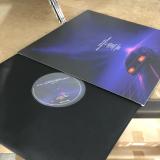
V Don and Da$h are not strangers to each other. Connecting in the past for memorable tracks like “Glad Bag”, “Redrum”, and “Now or Never”. They picked right up where they left off with a menacing five track EP back in July. “5 Deadly Venoms” put V Don’s expert production and the many flows of Da$h on front street. A duo that has always held themselves to high standards.
Last delivered 3 days ago
available to reorder, subject to availability

Black Vinyl[17,86 €]
Back in November 2015, after years of collaborations with such as Ghostface Killah, Raekwon, Obie Trice, Sean Price, Kool G Rap, Eternia and countless others, Toronto-based producer MoSS released his debut producer album entitled "Marching To The Sound Of My Own Drum". Since the beginning of his career, the Canadian beatsmith, record digger and music connoisseur has been making a name for himself with his signature sound and on this record he gives an amazing display of what he's capable of doing being backed up by an all stars team that features AZ, Havoc, Slum Village, Onyx, Inspectah Deck, Ill Bill, Skyzoo, Guilty Simpson and 20+ other legendary MC's. A few years after its original release, we've decided to team up with MoSS to bring you this masterpiece on wax and, for the occasion, he's also added an unreleased bonus track called "We Here" that features Smif-N-Wessun that, together with "Emotional Redux", we've put on a 7" together with its instrumental. Limited edition of 500 hand-numbered copies, with the first 200 pressed on orange/black A-side B-side vinyl, and 300 on black vinyl.
BONUS 7”
A1. Emotional Redux (feat. Big Gov, Guilty Simpson, Jon Connor, Vstylez, Willie The Kid)
B1. We Here (feat. Smif-N-Wessun) UNRELEASED
B2. We Here (Instrumental)
Last delivered 3 days ago
available to reorder, subject to availability

Originally released by Umor Rex on cassette in 2018, Rafael Anton Irisarri’s Sirimiri is now available on vinyl for the first time, newly remastered for this edition. This LP marks the fourth and final installment in a series of four reissues released throughout 2026 to celebrate the 20th anniversary of Umor Rex.
It is a fitting way to close such a special anniversary year. Rafael is not only an artist who has released three albums on Umor Rex, but someone who has been part of the label’s history for more than a decade. His sensibility and way of listening have complemented and nourished the label throughout the years, while his mastering work has helped shape the sound of many of our releases. A close friend, and an essential part of what Umor Rex is today.
Sirimiri roughly translates as “drizzle” in Basque, and we can’t think of a better word to describe its content. The album consists of four long-form pieces, each shaped through different processes and with its own distinct identity, in which Irisarri seeks to blend subjective time with the listening experience through loops, repetition, and subsequence-based sound. Following Eno, nothing happens in quite the same way twice: perception is constantly shifting, and nothing stays in one place for long. The desolation and despair—in a strangely positive way—that we heard in The Shameless Years (Umor Rex, 2017) and later in FAÇADISMS (Black Knoll, 2024) are present here, but the impression is more concrete, unfolding through rawer, less rhetorical landscapes. If The Shameless Years existed somewhere between beauty and active tragedy, this record travels through the beauty and melancholy of an observing eye—a quiet, rebellious insurrection.
Written, produced, mixed & mastered by Rafael Anton Irisarri at Black Knoll Studio, NY. Carl Hultgren: Guitars on “Sonder”, Taylor Jordan: Electric Piano on “Mountain Stream”. Design by Daniel Castrejón.
Last delivered 3 days ago
available to reorder, subject to availability
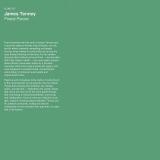
Blume returns to James Tenney's Postal Pieces with a second volume: the three Swell Pieces and Koan, written for Alison Knowles, Pauline Oliveros, La Monte Young and Malcolm Goldstein, on vinyl for the first time from one of the key suites of 20th Century avant-garde music.
In 1970, James Tenney (1934-2006) reversed the entropy of his own life and went west. After spending the majority of the post-war years at the centre of cultural ferment in New York, he accepted a position at the newly inaugurated California Institute of the Arts (CalArts), alongside Allan Kaprow, Simone Forti, John Baldessari, Nam June Paik, Alison Knowles, Morton Subotnick, Harold Budd and Charlemagne Palestine. While the move began an enduring period of relative obscurity, Tenney quietly remained one of the most distinct and groundbreaking composers of his generation, producing a remarkably focused body of work inquiring after the elemental character and perception of sound.
Among the most celebrated of his efforts are the Postal Pieces, a suite of eleven compositions completed in 1971. Citing his strong dislike of writing letters, Tenney sent his friends short scores on the back of postcards. The eleven pieces are composed around three themes: his concept of swell form (utilizing repetition and progressing through a structurally symmetrical arch), intonation, and the desire to produce "meditative perceptual states."
Composed for a group of friends - the visual artist Alison Knowles, the composers Pauline Oliveros and La Monte Young, and the composer and violinist Malcolm Goldstein - the four works on this second volume are intimate, poetic and discreet. They were written roughly contemporaneously with the formation of minimalism by many of Tenney's closest friends, and share its elements of chance, durational tone, repetition and constraint, but they approach them on different terms, anticipating the more complex forms of post-minimalism. Rooted in gestalt theory, they are music in which the composer almost entirely disappears, offering greater attention to the artists to whom they were sent and to the subjective experience of the listener.
A student of Carl Ruggles, John Cage, Harry Partch and Edgard Varèse, an active member of Fluxus, a pioneer of computer music at Bell Labs and a collaborator of Carolee Schneemann, Tenney represents a winding thread connecting the entire history of American avant-garde and experimental music. The second collection by Blume attending to the Postal Pieces, recorded by The Barton Workshop under the direction of James Fulkerson, follows the long sold-out first volume (BLUME 022). It comes with exact replicas of the original postcard graphic scores and newly commissioned liner notes by Bradford Bailey.
Last delivered 3 days ago
available to reorder, subject to availability

For over 25 years, David Madson (aka Odd Nosdam) has been stationed away from the light of the mainstream, diligently working the nightshift. Every so often, we awake to find another of his bleary and beautiful missives slung into the waking world – albums whose assemblages of sampled grooves, atmospheres and voices are unified by a hallucinatory sense of melody, like disparate visions strung together through ribbons of sleep-talk. From his earliest days as a member of the seminal group cLOUDDEAD, through his remixes for artists such as Boards of Canada and Black Moth Super Rainbow, Nosdam has been reporting back from his rounds upon the perimeters of culture and consciousness, forging a musical language all of his own.
On Patrol is the second Odd Nosdam LP to be released on The Notwist’s imprint Alien Transistor – following on from the 2019 album Mirrors – and continues a collaborative history that begun with a 2008 remix of The Notwist song, “Sleep”. It’s a love letter to the vinyl format, produced with the aim of optimizing for a single LP. This objective permeated every aspect of the album’s production, from the duration of each side through to the vinyl mastering (Jessica Thompson) and lacquer-cutting (Dubplates & Mastering, Berlin). As we've come to expect, the album is built almost entirely from found sounds, many of which were taken from obscure and second-hand vinyl gathered during Nosdam’s ceaseless crate-digging escapades. Other sources include field recordings made in 2022 at the Catalonia summer home of artist Salvador Dalí, which are baked into the swirling sci-fi glide of “Here to Know (Adéu Mix)”, and a sumptuous clunking bass line courtesy of Organi’s Mike Walti, which runs like an infinite highway through the fuzzy, sunbaked sprawl of “Deepsimple”.
Odd Nosdam’s work has always swept the entire atmospheric spectrum, from rhythmic vigour to levitational beauty. On Patrol is perhaps his finest assimilation of these extremes. “Sgt. Pepsi” is the perfect case in point: a formidable slow groove capsizes into vinyl crackle after a mere minute, before the song resurrects itself through sweeping strings and vocal harmonies, sliding against each other like the overlain romantic denouements to a dozen Hollywood films from the 1940s. Elsewhere, “Get You In (Belong Mix)” drapes shoegaze guitar over a trundling funk backbeat, straddling the physical world and the outer realms, while hushed voices point toward the song's implied themes of cultural cliques, critical consensus and the plight of the eternal outsider: “Sure, I can get you in... these people are my friends, I’m one of them - I belong.”
This is music that both endures and disappears. Odd Nosdam has always wielded a strange relationship with time, scrambling association with any specific era, weaving together numerous tempos simultaneously. There is no master clock. Each track could happily hold up as an infinite loop, yet Nosdam clearly favours the potency of the gone-too-soon, applying the fadeout just as hypnosis starts to crest. Indeed, the songs are both the product of meticulous long-term construction and spontaneity. While the foundations of On Patrol have come together over several years, the recording process involved channeling vibes through a vintage Roland Space Echo and bouncing song fragments back and forth from hard disk to cassette 8-track, gifting a phased permanence to creative decisions made on the fly – a hat-tip to the production processes of Nosdam's longtime hero, Lee ‘Scratch’ Perry. Like a recurring dream, On Patrol appeals to both the plains of momentary ephemera and the long-established backchannels of the unconscious, equal parts revelation and deja vu.
Text by Jack Chuter
Artwork by Ian Ferguson
Last delivered 3 days ago
available to reorder, subject to availability
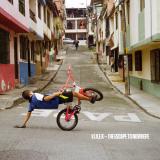
Hip-HopReggaeReggae-DubBeatsDubstep
Not many can match V.I.V.E.K when it comes to pushing sound system culture.
With over two decades worth of releases, dances and low-end pressure, the Southall-born, System Music label owner announces the imminent arrival of his debut album, ‘The Escape To Nowhere’.
Spanning eight deep and meditative tracks, ‘The Escape To Nowhere’ is a fully realised exploration of dubwise tradition, reimagined through V.I.V.E.K’s unmistakable expert approach and unbound from one specific genre
Drawing from a lifetime immersed in bassweight heritage and club-ready experimentation, the record distils his musical journey into a fully formed and immersive statement, featuring the haunting vocals of Dandelion and Dego Ranking, experimental percussion and a meticulously sculpted low-end design.
‘The Escape To Nowhere’ will mark the 50th release on System Music, a landmark that underscores both the label and artist’s enduring commitment to forward-thinking bass music firmly rooted in culture and craft.
Last delivered 3 days ago
available to reorder, subject to availability
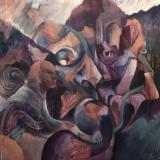
For the 10 year anniversary of La Luna, we are excited to share with you this special 007 from Akasha Chronicles, an alias of Silat Beksi.
Akasha Chronicles released his first EP on the Wex sub-label, AHAAD, back in 2018.
After 8 years, he returns with this sentimental mini LP dedicated to his home country, Ukraine.
This release holds a special place in his heart, as he transformed his pain and dealings with the ongoing war into these six tracks which make up History of Great People.
He also wrote a manifesto about the album, his feelings, and the process behind the creation of the album.
Berlin-based artist Memo, who also did the artwork on the first La Luna, returns after 10 years to gift us with another one of his trippy and complex paintings, filled with different worlds the more you observe.
A portion of the sales will be donated to the Ukrainian NGO Repair Together, which focuses on dancing and raving to electronic music while they repair houses destroyed by the war in Ukraine.
Written and produced by: Anatolii Antipin
Artwork by Memo
Mastered & Cut by Analogcut, Berlin
Limited 200 copy press.
Pre-order now
Man of the moment Tino makes a big splash landing on M.A.D Records.
Fun, playful and deadly this EP has it all and without a doubt our most requested ID’s every time we play. A 4 tracker of tried and tested weapons already picking up huge support from the likes of Eris Drew, Dr Banana and Moxie.
Last delivered 3 days ago
available to reorder, subject to availability
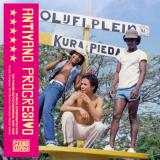
Between the late 1960s and the mid-1980s, musicians across the Dutch Caribbean islands of Aruba, Curaçao, and Sint Maarten created music that crossed stylistic boundaries, forming a close-knit network shaped by common histories and identities, while rarely receiving wider recognition.
From the psychedelic funk of local stars Sugar Ice Tea and Cryptus Confession to the Latin influences of visiting musicians like Puerto Rican star Mon Rivera via Surinamese-influenced soul and the garage rock of Los Honda, the islands nourished a huge array of styles and talent.
Antiyano Progresivo unfolds against the backdrop of a rapidly transforming Caribbean. During the twentieth century, oil industries, migration and tourism reshaped the islands, creating unparalleled cultural exchange while deepening social divisions. African, Latin American, North American and European musical traditions intertwined with local forms, producing a rich and distinctive musical landscape. Tambú, tumba, calypso and Caribbean dance music coexisted alongside soul, funk, psychedelic rock, reggae, Latin music and American and British pop. Musicians moved fluidly between these styles, developing sounds that were unmistakably local while remaining connected to wider currents across the Caribbean and beyond.
The period also coincided with growing movements for cultural and political self-determination. Events such as Curaçao's Trinta di Mei uprising in 1969, the emergence of Black Power movements and increasing calls for greater autonomy fostered renewed pride in African heritage, local languages and cultural expression. These ideas resonated through music, inspiring artists to challenge conventions and create work that reflected changing identities.
Last delivered 4 days ago
available to reorder, subject to availability

Part 2[28,78 €]
"Spiritual Jazz 19" besteht aus zwei Doppel-LP-Sets, die den Einfluss und die Ausdrucksformen jenes Underground-Jazz beleuchten, der sich in der zweiten Hälfte des 20. Jahrhunderts in Kalifornien und den angrenzenden Bundesstaaten entwickelte. Die insgesamt 24 Titel erscheinen in Gatefolds und enthalten Liner Notes, Fotos und Download-Codes.
Die US-Westküste wird oft mit dem Boom des Cool Jazz in den 1950er Jahren in Verbindung gebracht; doch überall dort, wo Jazz gespielt wurde, florierten auch modale, afrozentrische und spirituell geprägte Strömungen – und die Westküste bildete da keine Ausnahme. In der Nachkriegszeit rangierte die Central Avenue in L.A. als bedeutendstes Jazz-Viertel Amerikas direkt hinter Manhattan. Auch wenn Manhattan in jenen Jahren das faktische Zentrum des Jazz-Universums war, übte Kalifornien eine stärkere Anziehungskraft auf die Kultur im Allgemeinen aus und zog Menschen aus dem ganzen Land in den Bann seiner aufkeimenden Gegenkultur der 1960er Jahre.
Hier untersuchen wir die Auswirkungen dieser Gegenkultur auf den Jazz. Wir beleuchten den Einfluss der Black Panthers – der prägendsten Kraft innerhalb der schwarzen politischen Bewegung nach der Ära der Bürgerrechte – und widmen uns den neuartigen spirituellen Praktiken und Religionen des aufkommenden New Age. In Kalifornien waren zahlreiche eigenwillige Independent-Labels wie Arhoolie, Theresa und Nimbus sowie viele weitere private Unternehmungen ansässig; wir präsentieren die Ergebnisse ihres Strebens nach musikalischer Freiheit. All diese Faktoren beeinflussten die Entwicklung und Blütezeit des Jazz und der Jazzmusiker an der Westküste – und die Evolution des Spiritual Jazz in dieser Region wird hier eingehend betrachtet.
Last delivered 5 days ago
available to reorder, subject to availability

Part 1[28,78 €]
Spiritual Jazz 19" besteht aus zwei Doppel-LP-Sets, die den Einfluss und die Ausdrucksformen jenes Underground-Jazz beleuchten, der sich in der zweiten Hälfte des 20. Jahrhunderts in Kalifornien und den angrenzenden Bundesstaaten entwickelte. Die insgesamt 24 Titel erscheinen in Gatefolds und enthalten Liner Notes, Fotos und Download-Codes.
Die US-Westküste wird oft mit dem Boom des Cool Jazz in den 1950er Jahren in Verbindung gebracht; doch überall dort, wo Jazz gespielt wurde, florierten auch modale, afrozentrische und spirituell geprägte Strömungen – und die Westküste bildete da keine Ausnahme. In der Nachkriegszeit rangierte die Central Avenue in L.A. als bedeutendstes Jazz-Viertel Amerikas direkt hinter Manhattan. Auch wenn Manhattan in jenen Jahren das faktische Zentrum des Jazz-Universums war, übte Kalifornien eine stärkere Anziehungskraft auf die Kultur im Allgemeinen aus und zog Menschen aus dem ganzen Land in den Bann seiner aufkeimenden Gegenkultur der 1960er Jahre.
Hier untersuchen wir die Auswirkungen dieser Gegenkultur auf den Jazz. Wir beleuchten den Einfluss der Black Panthers – der prägendsten Kraft innerhalb der schwarzen politischen Bewegung nach der Ära der Bürgerrechte – und widmen uns den neuartigen spirituellen Praktiken und Religionen des aufkommenden New Age. In Kalifornien waren zahlreiche eigenwillige Independent-Labels wie Arhoolie, Theresa und Nimbus sowie viele weitere private Unternehmungen ansässig; wir präsentieren die Ergebnisse ihres Strebens nach musikalischer Freiheit. All diese Faktoren beeinflussten die Entwicklung und Blütezeit des Jazz und der Jazzmusiker an der Westküste – und die Evolution des Spiritual Jazz in dieser Region wird hier eingehend betrachtet.
Last delivered 5 days ago
available to reorder, subject to availability
Blue vinyl[27,31 €]
Brazilian artist Rubel isn’t one to be pigeonholed and typecast into staying in one sound. Casas, the follow-up to his debut album Pearl from 2015, brought a bigger, more epic, and richer production quality to the table. Fusing the worlds of MPB and hip hop, Rubel’s sophomore LP built on the momentum of its predecessor, gaining a Latin-Grammy nomination along the way. Mr Bongo is proud to be giving Casas its first worldwide release on vinyl and CD outside of Brazil and Japan.
The cliché they say is that the second album is always the trickiest; however, Rubel doesn’t seem to have had any problems on Casas. It’s a fountain of creativity and originality, marking an artist in full flow.
Conceived after Rubel spent six months living in Los Angeles, Casas is MPB-leaning at its core but is also driven by a hip hop inspired pulse. There is a clear influence from hip hop’s aesthetic across the 2010s woven subtly but fundamentally throughout. Nods to Frank Ocean, Kendrick Lamar and Tyler, The Creator can be heard across an album full of playful edge and personality. Luscious string-led arrangements and tracks that explore the rich folkloric rhythms of Brazil, sit next to songs with low-fi drum machines and features from acclaimed Brazilian rappers.
One of the highlights of the album, ‘Mantra’, starts with a traditional Brazilian rhythm that morphs into a hazy hip hop beat. A sublime song with a hooky call and response chorus, it features a guest appearance and verse by the Brazilian MC Emicida. Another highlight is the epic ‘Colégio’ (College) which further showcases the melding of stripped back drum machine beats with cinematic, sweeping arrangements. Elsewhere, ‘Partilhar’ is a swaying, heartwarming hug. A tale of longing and love that has become a singalong fan favourite at Rubel’s concerts.
Casas also shines a light on a string of key players in Brazil’s new vanguard, such as Pedro Fonte, Gus Levy, and Brazilian rapper / poet Rincon Sapiência to name a handful. The record has pop sensibilities yet also feels underground. It beats with the heart of a singer-songwriter, a feeling that was felt so strongly on Pearl, yet this time is bolstered by a level of arrangement and richness of sound that take it to another dimension - soaring horn and string sections elevating the songs from home recording to stadium-ready anthems. Keeping that intrinsic beauty and simplicity of a well-constructed song yet reframing it within a pop context is the true gift of this album.
Casas cemented Rubel’s status as one of Brazil’s leading contemporary talents and a key figure enriching the country’s already effervescent scene.
Last delivered 19 days ago
available to reorder, subject to availability

Beatrice M. just dropped a standout album on Techntonic and now shows they are just as adept at the A&R game by signing up Tokyo-born, Bristol-based Manami to their Bait label. Across four cuts, the DJ, producer and pianist blends crackly lo-fi ambience with bright, broad synth smears on opener 'Unsaid'. 'Treading Dub' completely flips the script with a punishing and weighty low end that is fast and urgent beneath rattling dub techno chords. 'Moonlight' (feat Eklipse) is pure subterranean immersion with spoken word consciousness and crashing hits and closer 'Loosen' is a speedy techno rhythm with a sprinkling of percussion. Four atmospheric and experimental sounds from a unique mind.
Last delivered 6 days ago
available to reorder, subject to availability
Last delivered 6 days ago
available to reorder, subject to availability
black 2x12"[47,35 €]
Last delivered 6 days ago
available to reorder, subject to availability
Modern Hypnosis is proud to introduce Babaka, the new alias of esteemed German producer Jörg Müller.
Reigniting his passion for physical, visceral sound system music, Jörg uses classic analog gear and a few self-built instruments to create a unique, potent dub sound. While reminiscent of Jörg’s earlier ambient and dub techno styles on his 2019 album Drawn From Memory and 2022’s Groundworks LP on The Moth Club, his new direction has evolved those techniques and primed them for sound system use. His debut release as Babaka showcases four masterful tracks that differ widely from one another while remaining within his new realm.
The opening track, "Exterminating Angel," is a pulsating, supernatural dub experiment featuring a deeply infectious bassline, ghostly key stabs, tight percussive delays and an oddly dramatic vocal sample creating a profound sonic climax before tapering off, allowing you to escape its vacuum and recalibrate. The most skank'n track of the EP, "A Bug in the dark" with its murky half-time swagger feel, bouncy hats, dub saturation and mega sub-driven riff has become an all-time favourite at Modern Hypnosis HQ.
Featuring precise production with decorative atmospherics and swung drums, "Woodsman Blues" has an almost Boxcutter feel to its intro before plunging off the deep end, hitting the dub floorboards, and revealing its true self as a reincarnated, stoned dubstep track. Closing out the release is "Hysteria," a perfectly executed, dark, chugging techno steppa that remains a popular track for many early-access DJs and selectors around the globe.
In the words of Jörg Müller himself:
After my first Album "Heavy Heart”, I tried to push my music more into abstract territory, especially sound-wise, ignoring mixing and mastering rules... this culminated in the eerie, roomy, off-atmosphere on "ground works" on The Moth Club.
After that, my focus shifted further towards freeform electro-acoustic ambient music. I built a couple of instruments myself and released two albums on Shimmering Mood as Kaleidophon. This was during the pandemic as nightlife came to a stop.
In 2023 and 2024, I started to go to dances again. I saw The Bug on his Pressure System, Al Wootton at Meaksuma Festival, Channel One and Iration Steppas on Young Veteran Hifi Soundsystem. Especially impressive were Mark Ernestus, Mark Ainley and Aba Shanti on the infamous sound system at Open Ground in Wuppertal.
This reignited my passion for dub/sound system music; I wanted to make tracks with the physical, visceral quality of sound systems.
Last delivered 6 days ago
available to reorder, subject to availability
Leroy "Heptone" Sibbles
Garden Of Life (Horns cut)
This raw, deep roots grail by Heptones and Studio One legend Leroy Sibbles has been near impossible to find, until now.
Most reggae fans will be familiar with the Heptones’ Lee Perry sessions including their outstanding “Garden Of Life” from 1979.
Few but the most grizzled collector knew that Sibbles had recorded a deep roots cut in Toronto several years earlier in 1975 while living in Canada.
Urgent, soulful and raucous with its killer horns section and bubbling organ, this version of Garden Of Life is actually Leroy’s favourite.
The dub version transports us right into the converted garage/studio in 1975 as snatches of conversation between musicians are immortalized on wax.
One of 3 official releases showcasing Sid Lovejoy's Toronto productions including the long out of print “Rebel” by Rothadam and the roots missile “King Kong Man” by Sid Lovejoy.
Last delivered 6 days ago
available to reorder, subject to availability

140 gramms black vinyl edition
“Origen: Una Exploración por el Jazz Modal de los Trópicos” is a celebration of the human bonds that transcend cultural differences to create a shared language beneath the same sky. Asia, the Middle East, Africa, Europe, and the Americas are the protagonists of this sonic diaspora, where Modal Jazz, Spiritual Jazz, Egyptian Jazz, Ethiopian Jazz, Cape Verdean Kriolu, Brazilian Jazz, Latin Jazz, Caribbean Rhythms, and Flamenco Jazz come together, among many other influences, to shape a journey toward healing and a reconnection with our shared origin.
Credits
Anthonius — Composition, piano, keyboards, arrangements, production, and mixing.
Edu Pons — Saxophones, clarinets, and flutes.
Joana Morais — Vocals (B1).
Situasound — Vocals and guitar (A2).
Last delivered 6 days ago
available to reorder, subject to availability

Die legendäre „The Italo Disco Collection“ geht in die vierte Runde! Vol. 4 präsentiert erneut eine exklusive Auswahl großer Italo-Disco-Klassiker der 80er Jahre – zeitlose SynthesizerSounds, treibende Beats und unverwechselbare Melodien, die das einzigartige Lebensgefühl einer ganzen Ära verkörpern.
Auf 4 LPs versammelt die Box zahlreiche Highlights der ItaloDisco-Geschichte. Mit dabei sind unter anderem Ken Laszlo, Valerie Dore, Radiorama und Koto – echte Kultnamen und unverzichtbare Vertreter des legendären Genres.
Als besonderes Extra wartet auf alle Italo-Disco-Fans neben der hochwertigen Vinylbox ein exklusiver „Italo Disco“-Fischerhut. Damit wird die Collection nicht nur zum musikalischen Highlight, sondern auch zum echten Sammlerstück.
Last delivered 6 days ago
available to reorder, subject to availability
Duality makes his debut on Up Ya Archives with a single rooted in the foundations of 90s jungle but shaped distinctly by contemporary sound design, epitomising his unique take on modern junglism. Intricate breakbeats and classic jungle textures are anchored by weighty 808s that guide the flow of the track, while influences from footwork, hardcore and drum & bass sets the track firmly into the space of progressive junglism. When asked on the single, Duality said
“R U Mine is the lead single from my latest project, Brainstorm. It balances luscious pads and playful synth lines with relentless drum breaks and 808s. Topped with ethereal vocals, this is one to open a set with or close out the night”.
A rising star in Bristol’s underground dance scene, Duality is staking a claim within the new wave of jungle.
“‘Brainstorm’ is exactly what the name suggests. A glimpse into the ideas that occur in my brain as a producer. Each track is a different element of my jungle inspirations, from raregroove sample-based production to 4x4 rave stabs. Ready and waiting for the dancefloor!”
Aside from his own productions, he also runs Bristol-based record label and events crew Intaception, which has hosted parties across the UK with iconic figures including Source Direct, Tim Reaper, Double O, and many more. Moving fluidly across production, promotion and musical direction, Duality continues to push the sound and culture of contemporary junglism forward.
Last delivered 6 days ago
available to reorder, subject to availability
Last delivered 2 days ago
available to reorder, subject to availability

180 Gramm schweres, schwarzes 3-fach-Vinyl im Klappcover mit 20-seitigem Booklet und Download-Karte
Last delivered 6 days ago
available to reorder, subject to availability
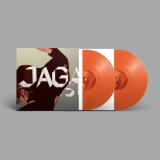
We are celebrating 25 years since the release of Jaga Jazzists “A Livingroom Hush” with a reissue in 140g orange vinyl as a 2LP!
Originally released in Norway in 2001, with Ninja Tune coming on board to release it internationally the following year, Jaga Jazzist are a true musical one off.
Formed in the mid-Nineties around the nucleus of percussionist Martin Horntveth, his multi-instrumentalist brother Lars (who was 14 at the time), tuba-playing sister Line and an expanding coterie of musicians, they were determined to make a big, joyful sound that knew no boundaries of genre. 'We wanted to have a big, big band, but not one playing big band jazz,' as Lars Horntveth once put it.
Comparisons reached for by the press at the time were as broad - from Talk Talk, Soft Machine, Eric Satie, John Coltrane and Don Cherry to acts like Aphex Twin, Stereolab, Squarepusher and Tortoise. This range summed up the breadth and originality of the group's sound. Combining trumpets, trombone, electric guitar, bass, tuba, two bass clarinets, fender rhodes and vibraphone, and it is the mixture of these instruments with an electronic edge that really made it stand out.
The album is a journey that manages to sound both classic and contemporary and an oasis to anyone interested in music which combines iconoclasm with beauty, melody with avant gardism and, in general, a complete lack of interest in anything other than good music.
Product Specs:
Limited edition 2xLP on 140g orange vinyl in gatefold sleeve.
Last delivered 6 days ago
available to reorder, subject to availability

Die Heavenly Remixes-Reihe präsentiert weiterhin die besten Remixe, Versionen, Meditationen, Re-Rubs und Dubs von Künstlern aus der ganzen Welt, die auf der Liste des aufregendsten Plattenlabels des Landes stehen. In den meisten Fällen handelt es sich bei den Alben um die erste physische Veröffentlichung eines Remixes, die sie von den Streaming-Playlisten in ihr rechtmäßiges, spirituelles Zuhause auf superschwerem Vinyl (oder glänzender, supergepackter Compact Disc) befördert.
Heavenly Remixes Volume 8 beginnt mit Space Afrikas üppiger, ambienter Neuinterpretation von BEAM/S der Orielles, bevor Justin Robertson Amber Arcades' Turning Light zu acht Minuten elektronischem Dub dehnt.
Last delivered 6 days ago
available to reorder, subject to availability
TechnoElectroTechnoProgressive
The third expedition is archived to wax...and what are its actual findings?
Why do we keep dancing in dark basements and out between the trees? Is it genetics?
Can we see what hides before our eyes? Or can we see better with them closed?
This expedition brings as many questions as definitive answers, and we will keep on searching.
Pre-order now

2026 Repress
Celebrating 50 years since the release of the iconic Cathedrals album, U.S. disco legend D.C. LaRue returns with never-before-released remixes of all four original classics—pressed on strictly limited vinyl.
Top contemporary disco producers The Reflex, Dr. Packer, and Mannix breathe new life into LaRue’s 1976 masterpiece:
The Reflex (Stevie Wonder, Cerrone) delivers dancefloor-driven edits using digitized analog multitracks.
Dr. Packer (First Choice, Loleatta Holloway) reinvents one of LaRue’s biggest hits with fresh, soulful energy.
Mannix, head of Dafia Records, adds deep, dubby textures to complete this dynamic remix package.
Each track is respectfully reimagined—maintaining the emotional depth of the originals while enhancing clarity, rhythm, and relevance with modern production.
Bonus: Includes two standout remixes from LaRue’s second LP The Tea Dance—"Overture" (The Reflex) and "O Ba Ba" (Mannix).
These remixes aren’t just nostalgic—they’re timeless. Essential for collectors, DJs, and anyone who lives for disco.
Grab your copy before it’s gone.
Last delivered 12 months ago
available to reorder, subject to availability
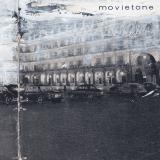
World Of Echo are proud to announce the long-awaited reissue of the self-titled debut album by Bristol’s Movietone. Originally released in 1995 by Planet Records and reissued on CD in 2003 by The Pastels’ Geographic Music imprint, this is the first time Movietone has been reissued on vinyl. An expanded double-LP edition, it includes the extra tracks from the 2003 CD (their first two singles, and an unreleased demo of “Chance Is Her Opera”), and adds three more unearthed gems: demos of “Alkaline Eye” and “She Smiled Mandarine Like”, and an early take of “Late July”, recorded in a garden by Dave Pearce (Flying Saucer Attack) in 1993.
Taken together, this is the definitive collection of music from the first phase of one of Bristol’s most remarkable groups. Movietone was the cumulation of a series of events, explorations, and discoveries, starting at secondary school – the group’s core membership of Kate Wright, Rachel Brook, Matt Elliott and Matt Jones met at Cotham School in Bristol. As for many other groups, their early years were all about experimenting, and finding ways to ‘make do’, a DIY sensibility that would inform Movietone through their decade-long lifespan. From formative rehearsals in a shed in the garden of Brook’s family home, to recording early material to four-track in Redland Library, and on into the Whitehouse and Mr Grin’s studio sessions for their debut album, Movietone’s music fell together in a creatively unpredictable, yet conceptually rigorous manner.
By the time they released Movietone, they’d found a home with Bristol’s Planet, run by author Richard King and James Webster, who had both released their first two singles, “She Smiled Mandarine Like” and “Mono Valley”. There was other music happening around them in Bristol, too, from the Jones brothers’ avant-rock outfit Crescent (who were Movietone’s closest conspirators), through Elliott’s jungle/electronica project Third Eye Foundation, and Brook and Elliott’s membership of Flying Saucer Attack. A closely knit community, Movietone are the centre of this nestling architecture of groups. The vision in the music, mostly, belongs to Wright, but Movietone ran in democratic creative consort. Listening back to Movietone, you can hear this democracy in action through the wildness of the music, which is balanced by the poetics of Wright’s lyrics and melodies.
Full of half-captured memories and entangled abstractions, there’s an elliptical, ruminative quality to much of the writing here that shows the deep influence of the Beat Generation writers, along with a twilight environment captured in the songs that’s pure third-album Velvets, Galaxie 500, early Tindersticks, Codeine. Unpredictable interventions – the crashing glass in “Mono Valley”, the sudden explosions of “Orange Zero” point towards the noise blowouts of My Bloody Valentine, the unpredictability of Sonic Youth; Wright’s understated vocal cadence suggest a deep, embodied understanding of John Cage’s Indeterminacy.
Movietone would go on to make 3 fantastic albums for Domino: Night & Day (1997), The Blossom Filled Streets (2000) and The Sand & The Stars (2003) and their Peel Sessions were released earlier this year on Textile. Still held in high regard by artists like Steven R. Smith, and The Pastels, whose Stephen McRobbie once described them as “one of the great unknown English groups,” it’s an absolute thrill to listen to Movietone anew – still inspired, still seductive, still magic, still mysterious.
expected to be published on 09 Oct
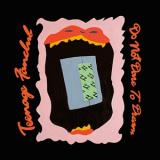
Norman Blake und Raymond McGinley machen seit 37 Jahren gemeinsam Musik bei Teenage Fanclub, und auch wenn manche Aspekte des Bandlebens mit der Zeit einfacher geworden sind, können ihnen die einfachsten Dinge immer noch einen Strich durch die Rechnung machen. Blake sagt dazu: "Es ist schwierig, wenn es darum geht, sich einen Namen für ein Album auszudenken. Vor allem, wenn man schon 12 davon gemacht hat." Der Titel ,Do Not Dare To Dream" leitet sich ab von Blakes ,I Do Not Dare To Dream", einem mitreißenden, hymnischen Song, der von klangvollen Akustikgitarren getragen und am Ende von einem Duell elektrischer Gitarren begleitet wird, die sich wie eine beruhigende Umarmung umeinander schlingen. Blake erklärt, dass der Titel jene Memes verspotten soll, die die Menschen dazu auffordern, zu träumen, was für ihn irgendwie lächerlich ist. "Ich glaube nicht, dass die Welt so funktioniert." Das 13. Album von Teenage Fanclub ist voller Songs, die ruhig und entschlossen sind und eine Bestandsaufnahme des angespannten Zustands der Welt vornehmen, ohne der Verzweiflung zu verfallen. Blakes warme, von Orgelklängen untermalte Midtempo-Ballade ,Day In The Sun" und Raymond McGinleys ,Over And Over" sprechen beide davon, wie jeder einen neuen Sinn im Leben finden kann, indem er sein Herz öffnet. "Wir können immer noch fröhlich und optimistisch sein, auch wenn die Lage nicht gerade rosig ist", sagt McGinley. Blake und McGinley werden auf ,Do Not Dare To Dream" von ihren Bandkollegen Euros Childs (Keyboards und Gesang), Francis Macdonald (Schlagzeug) und David McGowan (Bass) begleitet. Dieses Quintett spielt nun schon so lange zusammen, dass keiner der beiden Hauptsongwriter und Gitarristen von Teenage Fanclub das Bedürfnis verspürt, sich vor dem Gang ins Studio über ihre Songs den Kopf zu zerbrechen oder Arrangements auszuarbeiten. Sie warten lieber auf die Beiträge der übrigen Bandmitglieder. Die Aufnahmen fanden im Black Bay Studio in der Ortschaft Kirkibost auf der schottischen Insel Great Bernera in den Äußeren Hebriden statt. Wie langjährige Fans wahrscheinlich wissen, nimmt Teenage Fanclub jedes Album an einem neuen Ort auf, damit die einzigartige Atmosphäre dieses Ortes die Musik beeinflussen kann. Great Bernera war ihr bislang abgelegenster Aufnahmeort, was der Band half, sich auf die Arbeit zu konzentrieren, sie aber auch in einen Zustand der Ehrfurcht versetzte, da sie von der tosenden See und antiken Ruinen umgeben waren. Das Ergebnis ist eine Sammlung von Liedern, die von der richtigen Perspektive von Musikern durchdrungen ist, die schon eine Weile im Geschäft sind, aufgenommen an einem Ort, der schon noch länger existiert. Wie Blake es ausdrückt: ,Ich glaube, es läuft einfach so ab, dass man von einer Sache zur nächsten übergeht, und ehe man sich versieht, sind 30 Jahre vergangen." McGinley fügt hinzu: ,Ja, es ist schon eine ganze Weile her, seit wir mit dem angefangen haben, was wir tun, aber für uns kommt es uns vor, als wäre überhaupt keine Zeit vergangen. An dem Ort, an dem wir das Album aufgenommen haben, wurde schon vor Tausenden von Jahren gesungen. Das Leben ist kurz, aber die Musik ist ewig."
expected to be published on 09 Oct
Norman Blake und Raymond McGinley machen seit 37 Jahren gemeinsam Musik bei Teenage Fanclub, und auch wenn manche Aspekte des Bandlebens mit der Zeit einfacher geworden sind, können ihnen die einfachsten Dinge immer noch einen Strich durch die Rechnung machen. Blake sagt dazu: "Es ist schwierig, wenn es darum geht, sich einen Namen für ein Album auszudenken. Vor allem, wenn man schon 12 davon gemacht hat." Der Titel ,Do Not Dare To Dream" leitet sich ab von Blakes ,I Do Not Dare To Dream", einem mitreißenden, hymnischen Song, der von klangvollen Akustikgitarren getragen und am Ende von einem Duell elektrischer Gitarren begleitet wird, die sich wie eine beruhigende Umarmung umeinander schlingen. Blake erklärt, dass der Titel jene Memes verspotten soll, die die Menschen dazu auffordern, zu träumen, was für ihn irgendwie lächerlich ist. "Ich glaube nicht, dass die Welt so funktioniert." Das 13. Album von Teenage Fanclub ist voller Songs, die ruhig und entschlossen sind und eine Bestandsaufnahme des angespannten Zustands der Welt vornehmen, ohne der Verzweiflung zu verfallen. Blakes warme, von Orgelklängen untermalte Midtempo-Ballade ,Day In The Sun" und Raymond McGinleys ,Over And Over" sprechen beide davon, wie jeder einen neuen Sinn im Leben finden kann, indem er sein Herz öffnet. "Wir können immer noch fröhlich und optimistisch sein, auch wenn die Lage nicht gerade rosig ist", sagt McGinley. Blake und McGinley werden auf ,Do Not Dare To Dream" von ihren Bandkollegen Euros Childs (Keyboards und Gesang), Francis Macdonald (Schlagzeug) und David McGowan (Bass) begleitet. Dieses Quintett spielt nun schon so lange zusammen, dass keiner der beiden Hauptsongwriter und Gitarristen von Teenage Fanclub das Bedürfnis verspürt, sich vor dem Gang ins Studio über ihre Songs den Kopf zu zerbrechen oder Arrangements auszuarbeiten. Sie warten lieber auf die Beiträge der übrigen Bandmitglieder. Die Aufnahmen fanden im Black Bay Studio in der Ortschaft Kirkibost auf der schottischen Insel Great Bernera in den Äußeren Hebriden statt. Wie langjährige Fans wahrscheinlich wissen, nimmt Teenage Fanclub jedes Album an einem neuen Ort auf, damit die einzigartige Atmosphäre dieses Ortes die Musik beeinflussen kann. Great Bernera war ihr bislang abgelegenster Aufnahmeort, was der Band half, sich auf die Arbeit zu konzentrieren, sie aber auch in einen Zustand der Ehrfurcht versetzte, da sie von der tosenden See und antiken Ruinen umgeben waren. Das Ergebnis ist eine Sammlung von Liedern, die von der richtigen Perspektive von Musikern durchdrungen ist, die schon eine Weile im Geschäft sind, aufgenommen an einem Ort, der schon noch länger existiert. Wie Blake es ausdrückt: ,Ich glaube, es läuft einfach so ab, dass man von einer Sache zur nächsten übergeht, und ehe man sich versieht, sind 30 Jahre vergangen." McGinley fügt hinzu: ,Ja, es ist schon eine ganze Weile her, seit wir mit dem angefangen haben, was wir tun, aber für uns kommt es uns vor, als wäre überhaupt keine Zeit vergangen. An dem Ort, an dem wir das Album aufgenommen haben, wurde schon vor Tausenden von Jahren gesungen. Das Leben ist kurz, aber die Musik ist ewig."
expected to be published on 09 Oct

VOL 1[25,00 €]
Two decades have passed in the land of Gnod, yet the psychic travelogue only becomes more enthralling as it goes on. And whilst this band has flourished via dauntless conviction, hive-mind magic and a fierce and uncompromising spirit, one ingredient has served as a crucial fuel for the fire – the monolithic singularity of the riff.
This second chapter of Gnod’s sort-of-anniversary trilogy also originates in the same six day sessions as the first, at Hellfire Studios near Dublin with producer Spud Murphy (Lankum, Black Midi etc). Yet the focus this time is on the transcendental heaviness and repetition that the band have often used as a primary fulcrum of their approach. This volume captures the sound of strings flayed, throats shredded, skins punished by the organic chemistry of this formidably powerful band in a room.
The results are amongst the most fearsome and kinetic material that Gnod have summoned to date. As has often been the case for a band heavily driven by serendipity and intuition, the best plan is no plan at all. “We find quite regularly that spontaneity and the no thought approach works better than over analysis and detailed planning” clarifies the band's Chris Haslam
Maximal yet minimal, claustrophobic yet expansive, free in approach yet mercilessly disciplined in their intensity – Gnod like every truly great band are a mass of contradictions. On Chronicles Of Gnowt (Vol 2), this thunderous paradox has never sounded fiercer. To paraphrase Nietzsche: “Is man merely a mistake of Gnod's? Or Gnod merely a mistake of man?”
expected to be published on 09 Oct
Black Vinyl[16,18 €]
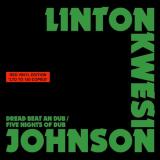
On his brand new studio effort Styles P proves his key to success has always been consistency. The born in Corona, raised in Yonkers, NY native has really worked harder than most to earn the name GOAT, and by naming his album “S.P. The GOAT: Ghost Of All Time” you know he’s not bragging about it, in fact he’s getting his flowers while he’s alive from Hip Hop connoisseurs who know fire bars when they hear them. With productions by Vinny Idol, Termanology, Dayzel the Machine, and Noah Idol among others and guest appearances by Sheek Louch, Jadakiss, Nino Man, Fame of M.O.P, Whispers and Cris Streetz, the legendary LOX and D-Block member proves once again he’s aging like fine wine.
expected to be published on 09 Oct
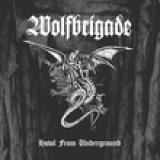
Red & Black Marbled Vinyl[27,94 €]
With the amps still warm from 2024's coruscating comeback Life Knife Death, veteran Swedish punk-metal masters Wolfbrigade strike back like a wounded cobra with their loudest, fullest, thickest-sounding record yet. And that's no happy accident. On their twelfth LP (the first three released under the Wolfpack monicker, 1996–99), the quintet concertedly resolved to shake up their habitual processes and interrogate their customary methodology. "As the songs started to fall into place, we decided to do something we hadn't done in many years," explains the band. "For the last decade we've recorded, produced and mixed our albums ourselves. This time we wanted to work with someone from outside the band whose work we respect and who we felt would understand what Wolfbrigade is about."
expected to be published on 09 Oct