quête:head high break away

Genres
Tout
  • 1
KETTAMA - Archangel LP 2x12"

One of electronic music’s most sought-after names, producer and DJ KETTAMA today announces the release of his long-awaited debut album, Archangel, out 3rd of October. The announcement arrives in tandem with new single “Sort It Out” featuring Clouds, and a landmark moment in his career: his biggest ever London headline show, taking over Brixton Academy on Saturday, October 4th, followed by an expansive tour across Europe, North America, and Australia.


A decade in the making, Archangel is the definitive statement from KETTAMA (Evan Cambell), the Galway-born, London-based artist. The 15-track project is a powerful blend of hard-house energy, trance-inflected euphoria, hip-hop sample-based attitude, and unmistakable emotional depth—sonic signatures that have placed KETTAMA at the cutting edge of contemporary dance music.


The album showcases a curated roster of collaborators who reflect KETTAMA’s reach and relevance across today’s underground and mainstream scenes, including Interplanetary Criminal, Fred again.., Clouds, Prospa, DJ HEARTSTRING, Shady Nasty, SØLV and seantommy. Their contributions amplify the project's scope, offering a multi-sided view into KETTAMA’s musical universe.


Among its early singles, the Interplanetary Criminal collaboration “Yosemite” is a high-velocity anthem marrying speed-garage grit with ecstatic rave melodies, while his track “Air Maxes” with Fred again.. And Shady Nasty blends introspective vocal sampling with wide-eyed club emotion. On “If U Want My Heart” with DJ HEARTSTRING featuring KLP, the ensemble channels high-energy trance, breakbeats, and vocal euphoria into a soaring anthem that fuses emotional intensity with peak-time club energy. Meanwhile, his collaboration with Clouds, released today, “Sort It Out” dives headfirst into industrial-techno territory, conjuring a dark, cathartic energy destined for warehouse euphoria. And reigning as one of the undeniable anthems of the summer so far, “It Get’s Better (Forever Mix)” delivers euphoric waves of uplifting synths and relentless rhythm, bringing an irresistible surge of energy that’s become synonymous with this summer’s club moments.


Archangel has already found a home on the world’s biggest stages and radio airwaves, with early support from key tastemakers including Jack Saunders, Danny Howard, Sarah Story, and Tim Sweeney. Simultaneously, a grassroots groundswell continues to bloom across social platforms—where viral snippets and show footage capture the visceral reaction of a fast-growing, global fanbase.


This year, KETTAMA has elevated his status to a full-blown festival phenomenon, performing at major stages including Coachella, Glastonbury, Creamfields, Portola, Seismic, and ARC Festival, to name a few. In June, he played to 20,000 people in Belfast for a b2b with Chris Stussy—one of the UK’s largest DJ events in recent memory—and is currently mid-way through a 16-week Ibiza residency at Amnesia, playing every Monday night throughout summer. Full list of upcoming live dates can be found below.


Perhaps the clearest signal of his surging popularity is the jaw-dropping response to his upcoming Boiler Room live set, with over 15,000 fans signing up to attend— the set’s release is now highly anticipated as a time capsule moment in a breakout year for the artist.


KETTAMA’s rise to prominence has been anything but conventional. Eschewing the traditional gatekeepers of the industry, KETTAMA cultivated an underground following through the likes of SoundCloud and TikTok, where raw uploads, bootlegs, and viral edits generated a tidal wave of grassroots momentum. Over the years, these platforms became launching pads for a fiercely loyal global community, drawn to his unfiltered energy and boundary-pushing sound. This subversive path to recognition has made him not just a fixture of the scene but a symbol of how new-generation artists can forge success on their own terms.


From his humble roots in the Irish underground to the world stage KETTAMA is now pushing the limits of what a next-gen DJ-producer can achieve. With Archangel, he fuses the sound of his native ‘G-Town’ with a futuristic vision that’s unapologetically global—marking a creative milestone that cements his place among electronic music’s most compelling voices.

En stock

Disponible en stock et prêt pour l'expédition

33,19
Thought Leadership - IV Of Cups (LP)

The breakout underground star of the past year, the deservedly hyped Thought Leadership returns with another X ideas: the deck this time chooses the suit of Cups. This new collection is closer to the Post-Punk tonality of Pentacles, than the breezy Balearic Jazz of Swords. Gone are the brushed drum samples and airy synths and in their place are BIG guitars, 808 thumps and a decidedly more prominent use of bass as a melodic device.

As the suit of Cups reflects the emotional heart of the Tarot, presented within are a further X pieces, this time displaying the full range and fervour of Thought Leadership.

You know the drill by now. Originally out on cassette only, we present the first ever vinyl issue. It's a hideously limited pressing of 300 for the world, so don't sleep on this.

Side A explores the emotional levels of consciousness; angst, joy, love, sorrow, relief, regret – they are all represented across the first seven tracks, and often within the same piece. XXI kicks us off with a huge tumbling D minor passage, layers and layers of guitar front and centre, whilst the drums pound away in the distance. Release is provided with a gorgeous G Dorian section, where we hear the bass take flight with a high melodic line.

We’re still in familiar Durutti Column meets Dif Juz territory here, but things switch up with XXII. This piece showcases a darker, more angular palette of guitars; think Alan Rankine (The Associates), or Deb Demure (Drab Majesty) in the unexpected harmonic shifts, knotty arpeggiated patterns and heavy, goth-adjacent modulation. A real love letter to 45+ years of darkly inclined guitar heritage.

XXIII enters the fray with tight, thumping 808s and Marr-esque guitar figures; and again, the bass providing heavy melodic counterpoint to the guitars. Enter chiming, lyrical lead phrasing, reminiscent of the eternal opening to "Everybody Wants To Rule The World". Another accidental perfect pop moment from the Thought Leader. Whilst on the topic of Tears For Fears, XXIV comes swinging out of the gate with some serious Sophisti-chug; we’re reminded of "Shout" in the A section, before being beautifully juxtaposed in the B section with more Vini-eqsue patterns, reminiscent of his timeless classic, Another Setting.

XXV gives us welcome pause to take stock midway through the A side. No drums this time, but instead a heartbreaking conversation between two guitars; think Kevin McCormick and David Horridge’s masterful Light Patterns, or perhaps even the early solo-Bill Connors mid-70s cuts for ECM. The moment of quiet reflection passes, and is quickly shattered by the thudding march of XXVI – this piece comes across like The Associates playing "Wicked Game"; heavy, moody, and utterly compelling. XXVII ends our journey across Side A with more Marr-inspired playing; one for the heads and already featured on mixes, this one is real testament to the vision of Thought Leadership.

Side B again takes us on a trip through three long-form semi-improvised pieces. XXVIII is like those classic Jonny Nash, early Melody As Truth releases, slowly unfurling, additional details introduced deliberately piece by piece, this idea builds across 7+ minutes culminating in some utterly joyous ebow fireworks at the end – well Balearic.

XXIX again, like XXV before it, dispatches the drums with a focus purely on melody and mood. The piece feels like a lost Save Room Theme from the Resident Evil series, pure golden age Capcom Sound Team vibes. Unadulterated aural nostalgia for hours spent with a PS1 in haze of hash.

XXX completes this majestic voyage with another Modal exercise; this time the Thought Leader has opted for the Lydian Mode. Beautifully dreamy, undeniably Soundtrack-y, and arguably the most concise distillation so far of everything this project stands for; drum machines, guitars, pedals, one-take improvised solos – XXX has the lot, and is surely destined for greatness.

So, another X epic statements for guitar, homespun with the humblest of means, for all the dreamers out there. The first ever vinyl release of IV Of Cups has been carefully remastered by Be With's engineer Simon Francis to ensure it sounds better than ever after its initial tape release. Cicely Balston's expert skills have made sure nothing is lost in the cut at Abbey Road Studios whilst the records have been pressed to the highest possible standard at Record Industry, in Holland. The original tape cover artwork, so crucial to Thought Leadership's striking visual aesthetic, has been rejigged for vinyl issue here at Be With.

The last 2 LPs flew. You have been warned.

En stock

Disponible en stock et prêt pour l'expédition

26,01
Tom Trago - Hidden Heart Of Gold

2025 Repress

In 2013 Voyage Direct released Tom Trago’s ‘Hidden Heart of Gold’, an expansive trip into intergalactic deep house territory that ranks as one of his most emotionally charged moments to date.

Hidden Heart Of Gold is undeniably special. A typically spacey and quietly soulful dancefloor epic that stretches out majestically over 13 spellbinding minutes. It was a highlight in many of Trago’s club sets for the best part of 12 months prior to release..

Virtual waves of ambient chords shimmer between the speakers, rising and falling as if drifting through time and space. Meanwhile, eyes-closed melodies reminiscent of classic stargazing techno and disembodied vocal samples ride a tough but unfussy machine drum rhythm and addictive bassline. There are well-timed breakdowns and a gradual, enveloping build towards a heart-breaking climax. Many listeners may feel contrasting emotions; a sense of undiluted joy while dancing, perhaps, but also the odd pang of melancholy when listening on headphones. It's that kind of record.

The tracks intergalactic, emotion-rich inspirations are explored further on the flipside Ambient Mix, a winding, beatless excursion brimming with hazy, late night beauty. Gentle and immersive, it offers a grandiose, never-ending world in which to shed your inhibitions. Shorn of the originals dancefloor paraphernalia, Tom's emotive, wide-eyed vision comes to the fore ¿ all sensual chords, far-sighted pads and gentle, outer-space melodies. Like the A-side club version, it may just take your breath away.

En stock

Disponible en stock et prêt pour l'expédition

14,71
Puddle Of Mudd - Come Clean

Puddle Of Mudd

Come Clean

12inchMOVLP1894
Music On Vinyl
29.10.2025

Come Clean is the the highly succesfull major-label debut and second studio album by the American rock band Puddle of Mudd. Originally released in 2001, the album's music was responsible for breaking Puddle of Mudd into the mainstream music scene. The album reached the Billboard 200 Albums chart peaking at #9. It has sold over 5,000,000 copies and was certified 3 times platinum by the RIAA.

The lead single Control' was also the theme song for WWE's Survivor Series 2001, which was critically acclaimed. The second single off the album, Blurry' turned out to be Puddle of Mudd's most successful single, reaching No. 5 on the Billboard Hot 100 and No. 8 in the UK Singles Chart, and also winning an ASCAP song of the year award. Drift & Die' was also released as a single spending six weeks at the No. 1 on the Mainstream Rock Chart. The fourth single, She Hates Me' reached the No. 1 spot on the Mainstream Rock Tracks chart and won the ASCAP award for most played rock song of the year.

In support of the album the band embarked on a European and American tour as the opening act for Godsmack and Deftones, and were also a part of the Family Values 2001 tour, alongside Linkin Park, Stone Temple Pilots, and Staind.

Available on vinyl for the very first time, Come Clean is pressed on clear vinyl, limited to 1.000 numbered copies!

En stock

Disponible en stock et prêt pour l'expédition

28,99
NATION OF LANGUAGE - DANCE CALLED MEMORY

Synthpop, minimal wave, post-punk, goth, new romantic - fans and critics alike have dug deeply into their vintage thesauruses to describe the beguiling work of Nation of Language. And if you can't precisely define the band, that's the point. Frontman Ian Richard Devaney has become prodigious in expanding what synthesizer-driven music can evoke, such that his output is as much an extrasensory journey as it is an all-too-human destination. With that experience in mind, he wrote the band's fourth album - the spectral, spacious Dance Called Memory - in the most humble of ways: chipping away at melancholia by sitting around and strumming his guitar. Nation of Language's first two albums, Introduction, Presence (2020), and A Way Forward (2021), came as pandemic godsends: gorgeous, relatable soundtracks to our collective doldrums. But it was their last LP, Strange Disciple (2023), that catapulted the group from cultural standouts to critical darlings, with the album being named Rough Trade's Album of the Year. With that release, Pitchfork wrote that the band "are learning what it means to get bigger and better." This is Devaney's calling: soulfully translating individual despair into a comforting, collective mourning. The single "Now That You're Gone," which radiates and reverberates with a devastating wistfulness, was inspired by witnessing his godfather's tragic death from ALS, and his parents' role as caretakers for this ailing friend. At its heart, the song is a reflection of how friends can be there for each other, and also highlights a theme throughout the record: the pain and lost promise of friendships that fall apart. On Dance Called Memory, the band once again collaborated with friend and Strange Disciple producer Nick Millhiser (LCD Soundsystem, Holy Ghost!). "What's so great about Nick is his ability to make us feel like we don't need to do what might be expected of us," says synth player Aidan Noell, who, along with bassist Alex MacKay, rounds out the Nation of Language lineup. They imbued Dance Called Memory with a shifted palette - sampling chopped-up drum breaks on "I'm Not Ready for the Change" for a touch of Loveless-era My Bloody Valentine or smashing all of the percussion of "In Another Life" through a synthesizer to cast a shade of early-2000s electronic music. Ultimately, the hope was to weave raw vulnerability and humanity into a synth-heavy album. "There is a dichotomy between the Kraftwerk school of thought and the Brian Eno school of thought, each of which I've been drawn to at different points. I've read about how Kraftwerk wanted to remove all the humanity from their music, but Eno often spoke about wanting to make synthesized music that felt distinctly human," Devaney says. "As much as Kraftwerk is a sonically foundational influence, with this record I leaned much more towards the Eno school of thought. In this era quickly being defined by the rise of AI supplanting human creators I'm focusing more on the human condition, and I need the underlying music to support that_ Instead of hopelessness, I want to leave the listener with a feeling of us really seeing one another, that our individual struggles can actually unite us in empathy."

pas en stock

Commandez maintenant et nous commanderons l'article pour vous chez notre fournisseur.

32,14

Last In: 3 months ago
John Talabot - ƒin LP

John Talabot

ƒin LP

12inchPERMVAC089-1
Permanent Vacation
19.09.2025

If there is one person, who has been causing a stir on the international club circuit recently, it is Barcelona's John Talabot. Already his debut “My Old School“ (which is meant literally by the way) on Permanent Vacation in 2009 and shortly after that the single “ Sunshine”, which he put out on his own Hivern Disc imprint, made him one of the most promising musicians of the Spanish electronic scene. And those two releases also already set the mark for John Talabot’s unparalleled music: raw, loopy, heavy on the kick drum, sample based, moderate on the tempo, distorted on the drums and light years away from the clean and ever revolving house sound of today. This unique style which also blends influences from afro beat, Detroit techno, Chicago house and cosmic disco, but also northern soul or the energy of Flamenco, immediately turned some heads around. James Murphy, Âme and Aeroplane started including Talabot music in their sets like it was the most natural thing. However - and this is quite rare - he not only gained legions of fans in the house and disco community, but also amongst the leftfield pop and indie rock followers. NME and Resident Advisor both had “Breakthrough“ features on John Talabot and he can be proud of a “Best New Music“ dubbing on
Pitchfork. (Being rather elusive on showing his face in magazines or the web it also came to some funny rumors that John Talabot was the alter ego of a well-known techno producer from Detroit).
At the same time he drew the attention of like-minded artists like James Holden and Luke Abott from Border Community, Blondes or Delorean, which lead to a bunch of fertile collaborations: Luke Abbott and Blondes remixed Talabot’s “Sunshine“ single , John Talabot remixed a track by Delorean and vice versa Delorean’s Ekhi contributed vocals to the track “Journeys “ on John’s album). Another example is the Young Turks Label (home of Jamie XX, Holy Fuck, El Guincho or SBTRKT ) on which he released the “Families“ EP in 2010. It was praised beyond limits. Pitchfork for
instance hailed: “… where pop and house influences sweetly buffer up against one another to provide an unyielding sense of elation“ and even brought Talabot a comparison with artists like Four Tet or Caribou.
While staying true to his sound, John Talabot has nevertheless shown a constant evolution as a producer since his first release. He has traced a solid musical path that has turned him into one of the big references of European House and has made him also a highly in demand Remixer (for the likes of The XX, Francesco Tristano’s “Aufgang” project, Shit Robot on DFA, Thaiti 80, Joakim or Teengirl Fantasy to name just a few ).
A progression that now crystallizes in “ƒin”, his first full-length album for Permanent Vacation. A record, in which the Barcelona mastermind sets aside the danceable immediacy to expand his stylistic palette more than ever. For that purpose, Talabot melts all the elements that have constructed his distinctive sound until now and makes them emerge from a new perspective, in which the construction of complex song structures, intricate rhythms and superpositions of ever-evolving melodies and atmospheres pick up the baton of the “a kick-drum and a sampler” philosophy of his initial productions. The result brings us 11 tracks (we should call them songs really!) dominated by dark ambiances, gaseous textures and bittersweet moods that, above all, reveal a kind of vivacity that’s really hard to find in contemporary electronics. “Fin” is far from being a track collection. From the majestic opener “Depak Ine“ to it’s solemn ending with
“So Will Be Now“ , one of the two tracks that features Talabot’s soul and label mate Pional, each song traces an overall dialogue with the rest, culminating a highly emotional journey through Talabot’s always compelling and unique musical vision.

pas en stock

Commandez maintenant et nous commanderons l'article pour vous chez notre fournisseur.

19,12

Derniere entrée: 56 jours
Various - Colleen ‘Cosmo’ Murphy presents ‘Balearic Breakfast’ Volume 4 LP 2x12"

Colleen ‘Cosmo’ Murphy presents ‘Balearic Breakfast’ Volume 4
Heavenly Recordings, limited edition 9 track double 12” vinyl

Released 29th August 2025
“There are curators, and then there's Colleen 'Cosmo' Murphy.” Resident Advisor

The sun has finally come out. It’s the first time something like this has happened for months and months; the first glow of an approaching summer, whatever date the calendar is currently saying it is. The whole thing acts as a curative meditation, miraculously wiping away all the greyness of the past few months. Right now, optimism abounds, outlooks change and your daily soundtrack has shifted from spiky and uptight into a kind of cosmic space where songs ebb and flow and drift on like rivers run on forever towards the glimmering sea. Bliss, right?

If you’re reading this, we’re assuming that you’re the kind of person who views summer as a state of mind rather than a good looking day on the BBC Weather app. With that in mind, we reckon you already know all about Heavenly Recordings’ series of untouchable, utterly essential Balearic Breakfast compilations, each one lovingly compiled by visionary DJ, producer and broadcaster Colleen ‘Cosmo’ Murphy - the genius club legend whose radio show of the same name (broadcast 10am to high noon every Tuesday via Mixcloud) began as an escape route from the pandemic before rapidly building a global community of dedicated Balearican listeners.

Each Balearic Breakfast album has provided a spiritual getaway from the greyness of the everyday through a handpicked selection of glorious, psychedelically coloured, expansive music. It doesn’t matter where on the planet the music hails from, or when it was made, it just matters that it fits like a jigsaw piece into the musical whole. Be it off world jazz music or vocoder led robo-disco music; whether decades old or pressed to vinyl for the first time, everything on these flawless Balearic Breakfast collections just needs to flow together and bring the listener into the sunshine, whatever time of year they’re listening.

Due for release this August, the fourth Balearic Breakfast compilation sees Cosmo take this head trip further than ever before. From the opening track’s swoop and glide that nods to Vangelis’ Blade Runner soundtrack before gliding into it’s own expansive voyage to the stars (Kandeen Love Song) to Cosmo’s own glorious Parisienne stroll through Saint Etienne’s recent Alone Together to Ilya Santana’s Spanish space disco anthem Cosmovision - a track that rolls through like a turbo powered Supernature - and the phenomenal 2015 disco version of Gloria Ann Taylor’s early ’70s classic Love Is A Hurtin’ Thing, this Balearic Breakfast offers the perfect soundtrack to the summer, whether it’s actually happening outside or just taking place in your head. After all, they don’t call breakfast the most important meal of the day for nothing.

pas en stock

Commandez maintenant et nous commanderons l'article pour vous chez notre fournisseur.

32,14

Last In: 8 months ago
Djrum - Under Tangled Silence lp 2X12"

“We go through life. We shed our skins. We become ourselves.”

This line from Patti Smith was going round and round Felix Manuel’s head as he gradually constructed Under Tangled Silence, his first album in six years and a record of a literal creative rebirth. Felix originally began it in earnest in 2020 Covid lockdown, but a catastrophic hard-drive meltdown destroyed almost all his work and sent him close to psychic collapse himself. However, ultimately this pushed him to rebuild from scratch and in so doing to confront and reassess every part of his musical and psychological processes.

The result is utterly extraordinary. Felix was a child prodigy as an instrumentalist and his advanced musicality has always been prominent in his music, but here he has put himself front and centre as pianist, harpist and more. And this sense of exposure as a performer interweaves with an unflinching emotional openness too. Where sometimes electronic production as advanced as this can use intellect and techniques as shields from soul-baring, this is the sound of someone who can boldly say “I feel things, I cry all the time, and I'm not afraid to say it or show it in the music.”

But this doesn’t mean there’s a move away from the soundsystems and dancefloors where Felix made his name as a uniquely innovative vinyl DJ. Even just in the opening track “A Tune for Us”, minimalist piano ripples and jazz drumming flow into the breaks of vintage jungle – and as the structure of the LP unfolds, a deep ambient meditation like “Hold” can sit very naturally in between the futurist dancehall of “L’Ancienne” and the high-definition acid house mind movie of “Galaxy in Silence”. In fact, as with the hands-on musicianship, that gutsy big-speaker electronic impact is delivered with more certainty, more expertise, more personal flourishes than ever. And all of those elements are more integrated than ever too: the sound of a total musical personality emerging afresh is truly something to behold. An already remarkable talent has been refreshed, reborn and is making the music of his life.

pas en stock

Commandez maintenant et nous commanderons l'article pour vous chez notre fournisseur.

23,74

Derniere entrée: 16 jours
The Original Rudeboys - This Life LP
  • Stars In My Eyes
  • Travelling Man
  • Sunny Days
  • Me And My Mind
  • Live Your Life
  • Bringing Me Down
  • Blue Eyes
  • Complicated
  • In Too Deep
  • Written Songs
  • Running

Twelve years on from the release of their debut album This Life, Dublin indierap trio The Original Rudeboys are back to play a sold-out show in the 3Olympia Theatre in April 2025, coupled with a limited edition run of first time vinyl pressings of debut album "This Life" One could say that indie- rap trio "The Original Rudeboys" were ahead of their time. Once sniffed upon, a strong Irish accent is prominent in most breakout Irish acts at the moment (Fontaines DC, Kneecap, Gurriers, LYRA, Curtisy). The Original Rudeboys were doing this 15 years ago, and their stand-out hit 'Stars In My Eyes' was met by thousands of fans across Europe when they supported The Script, or headlined their own arena tours. The Original Rudeboys: Reunion Show in the 3Olympia this April sold out straight away which is a testament to the staying power their music still has in Ireland.

Speaking on the incredible feat, the band said; "We never thought a show was ever going to happen for us again nevermind at somewhere as prestigious as the Olympia theatre. We have played 5 of our own headline shows there but to add 1 more to the history books over 10 years on is truly a blessing and we are very grateful to everyone who made it happen, we can't wait to do it again." With the reunion show being in such high demand that it was an instant sellout, the band also wanted to give back to the fans another way. They are releasing a limited vinyl pressing of their debut album "This Life". This album was never released on vinyl before and will contain one extra bonus track - a new release from the band, hinting at what's to come. "We started in the music industry on the backend of the physical media decline but to see it come full circle and the rise in fans buying vinyl records is very promising. The magic of having something tangible as fans ourselves is not lost on us and to be able to listen back to this album with the crackle of the needle gives it an extra bit of magic we didn't know it needed.

pré-commande23.05.2025

il devrait être publié sur 23.05.2025

30,88
Oi Va Voi - The Water's Edge (LP)
 
2

Oi Va Voi verbinden Dance-Grooves, Singer/Songwriter-Sensibilitäten und kosmopolitische Rhythmen aus Osteuropa und Nahost. Trotz (oder gerade wegen) der zerrissenen Zeiten strahlt ihr neues Album "The Water's Edge" Optimismus aus und weckt Erinnerungen an ihr bahnbrechendes Debüt "Laughter Through Tears" (BBC World Music Award, NYT Top 10 Alben 2003). Oi Va Voi sind bekannt für prominente Kollaborationen wie mit KT Tunstall, Bridgette Amofah (Rudimental) oder der Violinistin Anna Phoebe. "The Water's Edge" wurde zum Teil von Mike Spencer (Rudimental, Tom Walker, Ellie Goulding) produziert und erscheint auf dem eigenen Label Parallel Skies. Es ignoriert Kategorisierungen zugunsten dauerhafter musikalischer und sozialer Werte und ist ein Ausdruck der Notwendigkeit, Spaltungen hinter sich zu lassen und eine gemeinsame Menschlichkeit zu finden.

Oi Va Voi fuse dance grooves, singer-songwriter sensitivity and a rock’n’roll sensibility with the group’s Jewish cultural heritage and a cosmopolitan rhythmic inspiration drawn from Eastern Europe, the Middle East and beyond. Despite the fractured times we are living in, a theme of optimism through pain is there throughout Oi Va Voi’s new album ‘The Waters Edge’.

We’re reminded of the title of the breakthrough first album, Laughter Through Tears. The Bacon & Quarmby-produced debut won a BBC World Music Award, was listed as a New York Times Top Ten Album Of The Year, and launched the career of a young KT Tunstall. The tradition of world-class musicianship continued with Bridgette Amofah (Rudimental) as the featured vocalist on Travelling the Face of The Globe, and noted violinist Anna Phoebe, who recorded and performed with the band for over a decade.

Every member evolves the Oi Va Voi sound; but through each change, the core themes and vision have remained constant. 2018’s album, Memory Drop, introduced the unique voice of Zohara Niddam, and it’s Zohara who returns here on The Water’s Edge, featuring on ‘Shine A Light’, ‘Lay Your Head’ and ‘Wave’. Also featuring across the new album is composer, violinist and singer Sarah Anderson, who co-wrote seven tracks on the album, with her emotionally poignant lyrics, evocative layered vocals and uplifting violin parts. Guitarist John Matts and Trumpeter David Orchant also return, with Orchant bringing deep colour and expression to the stirring waltz ‘Oceans’.

The album opener ‘Sad Dance’ was written after the devastating earthquake that struck Turkey and Syria in early 2023 impacting many of the band’s friends, fans and colleagues. Finding themselves in the studio the day after the tragedy, the band searched for ways to respond. Sarah’’s mournful, pulsating violins create an ever evolving soundscape on top of which her own vocal, and Steve’s earthy clarinet express sorrow and hope. Says Sarah - “It’s about human connection - a metaphorical hand held through trauma, and the preservation of ‘old worlds’ through relics, reminding us of where we came from”.

‘Shine a Light’ was also a chance to welcome back producer Mike Spencer (Rudimental, Tom Walker, Ellie Goulding), who produced their second album. Here his Pop experience can be felt in the hooky dance loop, which you can hear becoming one of Oi Va Voi’s trademark live encores. Along with the melodic pop sheen of ‘Lay Your Head’, this song shows the band in an uplifting mood, pointing at the years of high-energy tours which have become their signature. These tracks, and the poignant ‘Josephine’, offer a release - a more escapist mood and a sign of the hope underneath everything.

Oi Va Voi have never been easy to categorise, and they’ve made a point of ignoring genre in favour of more enduring musical and social values. The Water’s Edge is the first album to be released on the band’s own Parallel Skies label, which will sign artists from a diversity of cultures, nations and musics in the coming years. The album title refers to an old custom from the Jewish New Year of going down to the waterside - casting off the baggage of the past, and letting it wash away on the tide. As the first release on this label it’s an expression of the need to put divisions behind us, and find a shared humanity.

pré-commande02.05.2025

il devrait être publié sur 02.05.2025

28,36
Various - Cut-Line VA001

Various

Cut-Line VA001

12inchCUTLINE001
CUT-LINE RECORDS
18.03.2025

Cut-Line Records proudly unveils its inaugural release, featuring a collection of euphoric, minimal, and
breaky tracks that resonate deeply within the realm of house music. Launched by lifelong mates and
production partners Maják and Diego Knows, this label aims to capture the essence of dancefloor
energy while pushing creative boundaries across an endless soundscape of alien vibes.
Setting the stage, Pedro Goya’s “Celeste” opens the EP with a euphoric minimal groove that perfectly
encapsulates the magic of house, taking you on an emotional journey that sweeps you away into
sound. Next, we dive headfirst into "Alien Vision" by Francula & St. Xose—a gritty, breaky banger
loaded with gnarly vocals and a tight groove, punctuated by an uplifting euphoric break that keeps the
energy flowing on the dancefloor.

At the heart of this release lies the highly anticipated "Warning Bells" from Digital Pimps, which opens
the B-side. This classic '90s break track, once long lost and now reborn, roars back to life thanks to a
brilliant remaster that is sure to evoke nostalgia. Collaborating with the original artist, New York local
Fonseca 72, we’ve breathed new life into this beloved classic, ensuring it grooves on vinyl for a whole
new generation of listeners.

To round off this sonic journey, our label heads deliver their own signature flavor on B2. Expect pure
pumping grooves with a dash of funk, wrapped in their iconic psychedelic minimal vibe that will keep
you hooked. With this debut, Cut-Line Records invites you to embark on a journey filled with rich
textures, infectious rhythms, and the vibrant spirit of house music. This EP is an absolute must-have!
Grab it before it's gone!

pas en stock

Commandez maintenant et nous commanderons l'article pour vous chez notre fournisseur.

14,71

Last In: 6 months ago
MARINERO - LA LA LA LP

Marinero

LA LA LA LP

12inchHARLP175
Hardly Art
12.02.2025
  • La La La
  • Cruz
  • Lost Angel
  • Taquero
  • Dream Suite
  • The Mystery Of Miss Mari Jane
  • Cha Cha Cha
  • Sea Changes
  • Cinema Lover
  • Die Again, Yesterday
  • Hollywood Ten

As Jess Sylvester finished his Hardly Art debut as Marinero in the fall of 2020, he realized it was time for a change. Sylvester grew up in Marin County, on the doorstep of San Francisco. It was a nurturing community for a high-school punk with a pompadour and, later, for a sober songwriter with a proclivity for moody psychedelia. But he wanted to be challenged and inspired by a new setting and scenario around strangers who prompted him to approach his music in unexpected ways. So in September 2020, as the world continued to reel in lockdown, Sylvester headed several hours south to Los Angeles, a city that, despite the relative proximity, the film buff knew largely from classic and cult films situated there. When he arrived, he kept digging into that cinematic past-Robert Altman's The Long Goodbye, with John Williams' classic theme, or classic 90s movies about East LA, many featuring Edward James Olmos. They shaped his understanding of his new town just as it began to open. This is one pillar of the multivalent and endlessly lush La La La, Marinero's new album about sobriety, identity, and fantasy that is playfully named both for the city that helped shape it and the sophisticated pop it contains. Sylvester wrote about characters outside of himself, whether considering the heroine reckoning with her own version of keeping clean or the screenwriters whose work was deemed communist simply as a political convenience. He linked those songs with motivational anthems about self-acceptance and playful numbers about flirting through food, shaping a 12-song set rich with humor, empathy, and encouragement. Sure, La La La is a continuation of the slippery genre play Sylvester started with 2021's Hella Love, 2019's Trópico de Cáncer, or even before that. But it also feels like a fresh beginning for Marinero, as Sylvester realizes how boundless this project can be. He began to think about the music of his childhood, how his mother is from San Francisco with Mexican roots, and how he'd heard so much salsa growing up as an impetuous teenager. So he wrote "Taquero," a red-hot salsa tune that uses tacos and their trappings as a source of endless metaphors for come-ons. And then there was the Ray Barreto or Santana-inspired "Pocha Pachanga," with organ gliding and percussion pulsing beneath his yearning vocals, warped as if by desert winds. In Los Angeles, he found a wealth of players who spoke this music like language itself (including Chicano Batman's Eduardo Arenas), all ready to play with and push these familiar forms. Sylvester has also been sober for 21 years, since a cross-country sojourn to attend college in Boston ended in a chemical haze. Today, he sees friends facing the same decisions he made two decades ago, and he brings bits of that experience to bear in songs that feel like self-help anthems. Recorded with a musical hero (and labelmate) of his, Chris Cohen, "Sea Changes" feels like sunshine breaking through dark clouds, as Sylvester acknowledges the newfound confidence and clarity in a friend who has stepped away from destructive habits. In the past, Sylvester has been intractably linked to his identity as a Mexican-American, born to parents from Mexico and Irish- American descent who settled in San Francisco. That can be limiting, of course, tying him to notions of sound and style that aren't always correct. On La La La, he simultaneously steps into and out of those preconceptions, singing tracks above salsa in joyous Spanish or pondering the dynamics of the Hollywood Ten and blacklists above mysterious lap steel and teasing trumpet. His identity, then, should now be clear: He is a Californian, making music shaped by the diversity of encounters and experiences that are a central part of that state's fabric. Never before has he presented himself so fully and unabashedly on tape as with La La La, an album Sylvester built with new inspirations to deliver new charms.

pré-commande12.02.2025

il devrait être publié sur 12.02.2025

24,79
April Art - Rodeo LP

April Art

Rodeo LP

12inch4255698500790
Reaper Entertainment Europe
04.10.2024

"Once more with attitude: April Art have set out to do nothing less than change the world. That may seem bold, true, but you know what: They have the songs to back this attitude. It’s a modern metal sensation like no other, emerging from the underground and led by sparkling frontwoman Lisa-Marie Watz. In, fact, April Art have risen so rapidly in recent years that it could make you feel dizzy just by watching them. Now, however, the time has come for the big leap, for their breakthrough: their third album “Rodeo” unapologetically changes into the fast lane, speeding away from everyone else with huge hits, a brutal bite and peerless power.

Trigger warning: a German band hasn’t sounded this explosive, this hungry, this insatiable for a very long time. “Our music stands for hope,” says the German band. “We want to give strength and courage to believe in yourself and in life. The more people realise that they can take their lives into their own hands, the less room there is for hatred and envy.”


April Art deliver this important message in the best possible way – with uplifting, electrifying, euphoric music somewhere between modern metal and alternative rock. The band are just as averse to blinkers as they are to racism, homophobia or division, spicing up their energising brew with flavours ranging from pop to rap and electro. “Rodeo” gives us all wings. Let’s soar together. In 2022 and 2023 alone, April Art earned two million streams on Spotify, appeared on WDR Rockpalast and will be on stage at the legendary Wacken Open Air this year. "

pré-commande04.10.2024

il devrait être publié sur 04.10.2024

27,61
Jade Hairpins - GET ME THE GOOD STUFF LP

Jade Hairpins waste no time fulfilling their second album's titular demand. From its harmony-drenched opening note to its baroque-anthemic conclusion, Get Me the Good Stuff is positively loaded with musical ideas, an absurdist buffet of sound and aesthetic that comes with one hell of a floorshow as the Hairpins stack those ideas higher and higher, almost daring them to crash to the floor. Instead, those elements - punksploitation, power pop, baggy, funk, and Italo disco are just some touchstones - are not only held aloft, they defy gravity and convention. These pyrotechnics are, in true Jade Hairpins fashion, something of a sleight of hand. While the music swaggers and gallops, Get Me the Good Stuff grapples with anxiety and self-doubt, obfuscating pain and alienation with sparkling wit and some straight-up ravers. Get Me the Good Stuff opens with one of those, "Let It Be Me," in which Jonah Falco shouts lyrics about being alone with one's shortcomings against guitars, synths, and harmonized vocals that are on the verge of closing in. The song is just over 90 seconds long, hitting with the gnarled-barb ferocity of punk and the gleeful insanity of theatrical art rock. It is, in other words, overwhelming. Or it would be if Jade Hairpins - Jonah Falco and Mike Haliechuk - weren't remarkably nimble in their ability to bring unity to sounds by placing them in competition against each other. When those sounds are adjacent, like the glam and disco that saturate "Drifting Superstition," the thrill of those universes colliding in the heat of an absolutely filthy clavichord line turns its lyrics, about the habit of solving personal problems by ignoring them, into a winner's anthem on the order of Bowie or Hot Chocolate. Get Me the Good Stuff arcs towards unequivocal joy as Falco, Jade Hairpins' primary lyricist, breaks these cycles and attempts to run away with his dreams. The arc is roughly analogous to how the album came to fruition. Four years removed from Harmony Avenue, an album of material that proved too strong to be contained within the narrative universe of Fucked Up's Dose Your Dreams, Jade Hairpins have gelled as a live act - with Tamsin M. Leach and Jack Goldstein centering them on stage - and planted their flag in the UK punk scene in which Falco has embedded himself. Working out new material live, Falco noticed that crowds were digging into his unfinished lyrics, and the album tightened around the anxieties of being in the spotlight, of being worthy of attention. At times, those songs are eager to please, like the album's title track in which a winking self-deprecation rubs up against the self-congratulatory bombast of Freddie Mercury, Falco simultaneously turning heads as a shooting star and a burning car. Elsewhere, as in "Better Here Than in Love," Jade Hairpins pitch themselves towards creating gorgeous soundscapes that exist nowhere else, channeling postpunk through the glimmering haze of '80s Japanese electronic music. Theatrical and personal, absurd and true-to-life, playful and serious, Get Me the Good Stuff is album of tremendous personal and artistic growth that signposts towards dozens of potential futures to come. It's not only worth the attention, it continuously rewards it.

pré-commande13.09.2024

il devrait être publié sur 13.09.2024

23,49
Jade Hairpins - GET ME THE GOOD STUFF LP

Jade Hairpins waste no time fulfilling their second album's titular demand. From its harmony-drenched opening note to its baroque-anthemic conclusion, Get Me the Good Stuff is positively loaded with musical ideas, an absurdist buffet of sound and aesthetic that comes with one hell of a floorshow as the Hairpins stack those ideas higher and higher, almost daring them to crash to the floor. Instead, those elements_punksploitation, power pop, baggy, funk, and Italo disco are just some touchstones_are not only held aloft, they defy gravity and convention. These pyrotechnics are, in true Jade Hairpins fashion, something of a sleight of hand. While the music swaggers and gallops, Get Me the Good Stuff grapples with anxiety and self-doubt, obfuscating pain and alienation with sparkling wit and some straight-up ravers. Get Me the Good Stuff opens with one of those, "Let It Be Me," in which Jonah Falco shouts lyrics about being alone with one's shortcomings against guitars, synths, and harmonized vocals that are on the verge of closing in. The song is just over 90 seconds long, hitting with the gnarled-barb ferocity of punk and the gleeful insanity of theatrical art rock. It is, in other words, overwhelming. Or it would be if Jade Hairpins_Jonah Falco and Mike Haliechuk_weren't remarkably nimble in their ability to bring unity to sounds by placing them in competition against each other. When those sounds are adjacent, like the glam and disco that saturate "Drifting Superstition," the thrill of those universes colliding in the heat of an absolutely filthy clavichord line turns its lyrics, about the habit of solving personal problems by ignoring them, into a winner's anthem on the order of Bowie or Hot Chocolate. Get Me the Good Stuff arcs towards unequivocal joy as Falco, Jade Hairpins' primary lyricist, breaks these cycles and attempts to run away with his dreams. The arc is roughly analogous to how the album came to fruition. Four years removed from Harmony Avenue, an album of material that proved too strong to be contained within the narrative universe of Fucked Up's Dose Your Dreams, Jade Hairpins have gelled as a live act_with Tamsin M. Leach and Jack Goldstein centering them on stage_and planted their flag in the UK punk scene in which Falco has embedded himself. Working out new material live, Falco noticed that crowds were digging into his unfinished lyrics, and the album tightened around the anxieties of being in the spotlight, of being worthy of attention. At times, those songs are eager to please, like the album's title track in which a winking self-deprecation rubs up against the self-congratulatory bombast of Freddie Mercury, Falco simultaneously turning heads as a shooting star and a burning car. Elsewhere, as in "Better Here Than in Love," Jade Hairpins pitch themselves towards creating gorgeous soundscapes that exist nowhere else, channeling postpunk through the glimmering haze of '80s Japanese electronic music. Theatrical and personal, absurd and true-to-life, playful and serious, Get Me the Good Stuff is album of tremendous personal and artistic growth that signposts towards dozens of potential futures to come. It's not only worth the attention, it continuously rewards it.

pré-commande13.09.2024

il devrait être publié sur 13.09.2024

23,49
Jefferson Airplane - Woodstock Sunday August 17, 1969 LP 3x12"

At the muddy miracle that was Woodstock, the most miraculous performance just might have been Jefferson Airplane’s. The band had been one of the first to sign on for the festival, their imprimatur prompting many other acts to hop on board, and their stature had landed them a coveted headlining slot closing Saturday night’s schedule. But, as the torrential downpours and the unexpected crush of half a million people kept on delaying their set, the chances of putting on anything approaching a quality performance seemed to diminish.

According to Paul Kantner, “We were supposed to go on at 10:30 at night and we’d been up and down about four or five times on acid that night, getting ready to go on, and then everything was delayed for whatever reasons. So, we didn’t get on until like 7:00 the next morning and everybody was pretty much burned out.” Kantner’s protestations to the contrary, the Airplane (with guest pianist Nicky Hopkins in tow) played a scorching two-hour set that defied the elements and the circumstances. Grace Slick led the charge as the band plunged into a frenetic version of Fred Neil’s “The Other Side of This Life”: “Alright, friends, you have seen the heavy groups. Now you will see morning maniac music. Believe me, yeah. It’s a new dawn!” What followed was an adventuresome (and surprisingly tight) set that not only featured the band’s big hits like “White Rabbit” and “Somebody to Love” but also premiered songs from the Volunteers album that was still three months away from being released, including a 21-minute version of “Wooden Ships!” Indeed, about the only members of the crew who weren’t up to snuff were the ones filming the concert documentary, which explains why the Airplane is not one of the acts that commonly come to mind when thinking about Woodstock; they didn’t appear in the film due to subpar footage, and only one of their songs (“Volunteers”) was included the chart-topping 3-LP Woodstock release.

Now, Real Gone Music is proud to present Jefferson Airplane’s complete Woodstock performance. The 3-LP set comes inside a gorgeous, double-gatefold jacket sporting photos of the band at Woodstock, most of them taken by the legendary Henry Diltz; liner notes by folk-rock guru Richie Unterberger complete the package. Pressed in iridescent, “clouds breaking” blue for its 55th anniversary, this release makes a convincing claim that Jefferson Airplane’s Woodstock performance ranks right up there with those of Jimi, Sly, and Santana as a festival highlight. Limited to 1000 copies!

pré-commande09.08.2024

il devrait être publié sur 09.08.2024

90,55
Chelsea Wolfe - Birth Of Violence LP

Chelsea Wolfe has always been a conduit for a powerful energy, and while she has demonstrated a capacity to channel that somber beauty into a variety of forms, her gift as a songwriter is never more apparent than when she strips her songs down to a few key components. As a result, her solemn majesty and ominous elegance are more potent than ever on Birth of Violence.

There is a core element to Chelsea Wolfe’s music—a kind of urgent spin on America’s desolation blues—that’s existed throughout the entirety of her career. At the center, there has always been Wolfe’s woeful longing and beguiling gravity, though the framework for compositions has continuously evolved based on whatever resources were available. Her austere beginnings were gradually bolstered by electronics and filled out with full-band arrangements. The music became increasingly dense and more centered around live performances. Her latest album, Birth of Violence, is a return to the reclusive nature of her earlier recordings

“I’ve been in a state of constant motion for the past eight years or so; touring, moving, playing new stages, exploring new places and meeting new people—an incredible time of learning and growing as a musician and performer,” Wolfe says of the era leading up to Birth of Violence. “But after awhile, I was beginning to lose a part of myself. I needed to take some time away from the road to get my head straight, to learn to take better care of myself, and to write and record as much as I can while I have ‘Mercury in my hands,’ as a wise friend put it.“ Birth of Violence is the result of this step out of the limelight. The songs stem from humble beginnings—little more than Wolfe’s voice and her Taylor acoustic guitar. Her longtime musical collaborator Ben Chisholm recorded the songs on a makeshift studio and helped fill them out with his modern production treatments and the occasional auxiliary flourish from ongoing contributors Jess Gowrie (drums) and Ezra Buchla (viola).

The album opens with “The Mother Road,” a harrowing ode to Route 66 that immediately addresses Wolfe’s metaphoric white line fever. It explains the nature of the record—the impact of countless miles and perpetual exhaustion—and the desire to find the road back home, back to one’s roots. Songs like “Deranged for Rock & Roll” and “Highway” offers parallel examinations on the trials and tribulations of her journeys while the ghostly “When Anger Turns to Honey” serves as a rebuttal to self-appointed judges.

While the record touches upon tradition, it also exists in the present, addressing modern tragedies such as school shootings in the minor-key lullaby “Little Grave” and the poisoning of the planet on the dark wind-swept ballad “Erde.” But the record is at its most poignant when Wolfe withdraws into her own world of enigmatic and elusive autobiography. Much like Alan Ginsberg’s hallucinatory long-form poem Howl, the tracks “Dirt Universe” and “Birth of Violence” weave together specific references from her past into an esoteric overview of the state of mankind. Though the lyrical minutiae remain secret, the overall power of the language and delivery is bound to haunt the listener with both its grace and tension.

“These songs came to me in a whirlwind and I knew I needed to record them soon, and also really needed a break from the road,” Wolfe says. “I’ve spent the past few years looking for the feeling of home; looking for places that felt like home. The result of that humble approach yields Wolfe’s most devastating work to date.

European Headline tour confirming now for 2020. UK/EU Publicity handled by Lauren Barley at Rarely Unable. Immense support from Press, including coverage with NPR, Pitchfork, FADER, Vice, Revolver, Decibel, Under The Radar.

pré-commande21.05.2024

il devrait être publié sur 21.05.2024

28,15
The Jazz Defenders - Memory in Motion LP

UK jazz ensemble The Jazz Defenders release their third album "Memory In Motion" in April on Haggis Records (home of The Haggis Horns and Malcolm Strachan). The Bristol jazz boppers deliver another quality release of original material that takes in their usual diverse mix of influences and genres, from timeless acoustic jazz referencing the classic sounds of Blue Note Records, to a more contemporary fusion where jazz meets soul, funk and hip-hop.

Although they love to mix things up, their roots are in the classic acoustic jazz quintet sound of the late 1950s/early 1960s, back when hard bop and modal jazz ruled. They have already explored this musical path well on their previous albums but they still deliver a couple of classic inspired jazz cuts here. "Chasing Fantasies" and "Fuffle Kerfuffle" both give the band some space to cut loose on solos over swing jazz beats that will keep their original jazz audience happy. The latter bubbles away with a jazz shuffle beat that would make drum legend Art Blakey smile.

"Meanderthal" and "Snakebite Playfight" bring soul to this jazz party. Exactly like jazz legends Lee Morgan/Herbie Hancock/Freddie Hubbard etc did back in the early-mid 1960s. The first is a feel-good, toe-tapping gem that's heavy on the backbeat and short and snappy on the solos, the exact reasons that made it the perfect opening single from the album. "Snakebite Playfight" comes with a jaunty New Orleans shuffle before transforming into a heavy psychedelic soul jazz burner, flipping back with ease to the NOLA shuffle for the Mardi Gras meets bebop piano solo by band leader George Cooper.

"Rolling On A High" is a hip-hop/jazz banger that sees the band continue their collaborations with UK rapper Doc Brown, a perfect combination that began on their second album "King Phoenix''. This time, the Doc spits some old-school block party-style bars over a bouncy uptempo funky beat with the band cooking up some soul stew behind him. Definitely dancefloor material.

Another uptempo jam is the heavy jazz fusion jam "Net Zero". It kicks off with some live broken beat kit playing and piano/bass staccato vamping before taking off into Headhunters territory on the solos, sounding both contemporary and classic at the same time. This is The Jazz Defenders at their fiercest and toughest and delivering a track that will have jazz dancers worldwide in an utter frenzy.

It's not all uptempo numbers or dancefloor-oriented compositions on this album. Two tracks take the musical dynamics right down to give a temporary break from the high-energy numbers. "Take A Minute" has a rolling double bass line locked into the groove while the horns play a lazy and laid-back theme with vibes embellishment, sounding like some trippy independent film soundtrack. Another recurring musical reference point for this band over the years.

The album finishes on a poignant and introspective note with a beautiful piano and double bass feature for George Cooper and bassist Will Harris. It's called "Enigma", it was recorded live in Paris and it closes the album on a peaceful note evoking the music and playing of Bill Evans. The perfect way to close this brilliant third album from The Jazz Defenders.

With Memory In Motion, pianist George Cooper and his band undoubtedly pay great homage to a golden era of jazz music that they love, but also elaborate on this influence with a wealth of modern musical experience, to create their own raw and vibrant compositions. The result is an enthrallingly unique sound that is as danceable as it is listenable.

pas en stock

Commandez maintenant et nous commanderons l'article pour vous chez notre fournisseur.

24,16

Last In: 2 years ago
ASC - Reflections 2x12"

Asc

Reflections 2x12"

2x12inchSPTLP001
Spatial
10.05.2024

Fast approaching the label's two year anniversary, what better way to celebrate than with a double header of LP's from the stalwarts of the modern atmospheric scene. Fresh from his incredible album on Over/Shadow, ASC continues to find a new lease of life rekindling the atmospheric drum & bass scene of the 90's, slowing down the pace to reveal a depth that's just not achievable with higher tempos. Reflections is the culmination of ASC's work in the genre, picking up where others jumped off, and breathing new life into music with old school breaks and sensibilities at its core.

A1 - Still Motion
Opening the album with the airy sounds of a lively coastline, Still Motion is a glorious, unique throwback gem which takes inspiration from elysian points in time in the history of atmospheric drum & bass. Snappy beats and eager kick drums contrast perfectly to the serenity of the keys and a warm, soothing bassline which rumbles along below, unleashing a deep three note melody which will be in your head all day from the first listen.

A2 - Glaciers
Delicate beat work and timid bells introduce Glaciers, before jungly breaks take over and the depth of the piece takes shape with long, mournful strings punctuated by an emotive melody, boring its way into your soul. The track displays a dense, contemplative vibe that must be heard to comprehend, heavy with impact as you are compelled to release your own inner thoughts to slowly dance with ASC's intense production.

B1 - Mirage
Another slice of intense atmospherics awaits with Mirage, beginning with crisp breaks and the sounds of water droplets plunging into the abyss. A cacophony of effects are splashed around the mix while melancholic pad work surrounds the ever-changing breaks, patient melodies waiting their turn to seize the moment. The distinctive ''feel my soul'' vocal sample delivers a simple message - this is a track from within.

B2 - Constellations
Switching up the vibe is Constellations, opening with ASC serving up a barrage of detailed breakbeats that frolic merrily before soothing pads rise in the backdrop, joined by a serene female vocal sample and calming echoed effects. Mild intrigues its atop as our breaks are gradually and subtly layered with intricate detail towards a laid-back conclusion, offering a perfect mid-point breather to the LP.

C1 - Diffusion
An eerie, continuous melody - slightly reminiscent of Tubular Bells - opens and punctuates Diffusion, leading into a typically punchy and energetic masterclass of edited breaks. Tense pad work provides a haunting backdrop to the track, while understated sub bass hides beneath a quadruple hit of low, tuneful tones. The distinctively pitched vocal sample complements the composition to create a truly unique slice of atmospheric drum & bass.

C2 - Dreams
Utilising a detailed, zestful break previously heard in certain classics from the old Progression Sessions days, ASC showcases his superb editing skills to chop the break into something quite scintillating and new. Dreams is one of those tracks which has something fresh to offer the ear each time you listen, riddled with complexity yet also dancefloor friendly with some sumptuous pad work and whispered samples in the backdrop.

D1 - Frozen in Time
A deeply atmospheric piece, Frozen in Time delivers a weighty break pattern which thumps its way into the foreground while a tense, endless melody reflexively grips your attention - and holds it. Building a dramatic, thoughtful vibe with long, washing synths and rising notes, ASC's aural storytelling prowess works in parallel to the nervous energy of the melody, creating a memorable slice of ethereal drum & bass.

D2 - Prototype
Closing out the LP we have something suitably special with Prototype, taking inspiration from far & wide with an experimental feel, showcasing ASC's versatility and command of the apache break. Beats are edited and scattered like dense confetti in the mix, as a varied array of effects mingle around clouds of synths and deep basslines. A signature female vocal yearns ''take me away'' - Prototype, like the rest of the album before it, fulfills that desire in style.
Words by Chris Hayes (Spatial / Red Mist)

pas en stock

Commandez maintenant et nous commanderons l'article pour vous chez notre fournisseur.

23,95

Last In: 9 months ago
Van Halen - Van Halen LP

Van Halen did more than announce to the world the earthshaking arrival of a revolutionary guitarist. Performed by an enterprising California quartet that took its name from two of its principal members, the 1978 debut ripped headlines away from punk, injected fresh energy into a then-moribund rock 'n' roll scene, reimagined how heavy music and throwback pop could coexist, and invited everyone to experience the top-down pleasures of a beach-front Saturday night every day of the week no matter where they lived. Painstakingly restored by Mobile Fidelity Sound Lab, and the first of a multi-album series in an exciting partnership between the famous reissue label and Van Halen, Van Halen delivers feel-good thrills and hormonally charged desires like never before.

Limited to 12,000 numbered copies, pressed on dead-quiet MoFi SuperVinyl at RTI, and mastered from the original analogue master tapes, Mobile Fidelity's ultra-hi-fi UltraDisc One-Step 180g 45RPM 2LP collector's edition pays tribute to the record's merit and allows fans to experience Van Halen's original blend of raw power, Hollywood flair, and vaudeville fun for generations to come. Playing with reference-setting sonics that elevate a 10-times-platinum landmark whose importance cannot be quantitatively measured, this definitive version provides a clear, clean, transparent, balanced, and turn-the-volume-up-to-11 view of an album that birthed entirely new styles. Since MoFi's unique SuperVinyl compound allows you to crank the decibels to your wildest desires without risking noise-floor interference, prepare to not only hear but feel Van Halen in your chest, no fifth-row concert seat necessary.

The premium packaging and gorgeous presentation of the UD1S Van Halen pressing befit its extremely select status. Housed in a deluxe box, it features special foil-stamped jackets and faithful-to-the-original graphics that illuminate the splendor of the recording. No expense has been spared. Aurally and visually, this UD1S reissue exists as a curatorial artefact meant to be preserved, touched, and examined. It is made for discerning listeners that prize sound quality and production, and who desire to fully immerse themselves in the art – and everything involved with the album, from the iconic cover art to the meticulous finishes and, yes, of course, Eddie Van Halen's pioneering fretwork and his brother Alex's double-bass percussion.

Indeed, could a piece of music that transformed how countless guitarists approached their instrument be more fittingly named than "Eruption"? Likely not, and in just 102 seconds, Eddie Van Halen rewrote, reimagined, and reconfigured a vocabulary last significantly updated a decade earlier by fellow six-string wizard Jimi Hendrix. Akin to the Washington State legend, Eddie Van Halen developed his own techniques and tones all the while making his seismic accomplishments seem effortless. Devoid of the pretence, ego, and showiness that infected many of his imitators, the Dutch native sticks to a straightforward approach that underlines the authority, prowess, and visionary scope of his playing and then-unheard-of finger-tapping skills. Throughout Van Halen, he establishes himself as an instant idol – a savant whose otherworldly combination of breadth, poise, feel, speed, force, and melody seems beamed in from another galaxy.

As does nearly every song on the record, whose cohesiveness and dynamic put into perspective the advanced chemistry and one-for-all spirit the youthful band had out of the gates. Having paid its dues for years in bars and clubs – going as far as recording a 24-track demo for Kiss bassist Gene Simmons at Village Recorders only to be spurned by management companies that felt its music wouldn't go anywhere – Van Halen finally got a deserved break when Warner Bros. executives signed the group in 1977. The subsequent recording sessions further testify on behalf of the band's synergy and alignment. Completed in just a few weeks with producer Ted Templeman, Van Halen was primarily cut live in the studio with minimal overdubs and edits. The explosiveness, energy, and electricity remain definitive, and as heard on this UD1S set, put the group on a private stage – humming amplifiers, Frankenstrat guitar, bright spotlights, sweaty headbands, and then some.

Van Halen yielded just one hit in the form of a Top 40 single (a breathless cover of the Kinks' "You Really Got Me") but practically every song on the revered LP has become a staple. Named the 202nd Greatest Album of All Time by Rolling Stone and considered by countless experts as one of the best debuts in history, the record displays what can happen with four distinct talents gel and strive for the same purposes. In Van Halen's case, the latter almost always involved partying, freedom, sex, and, in the immortal words of singer David Lee Roth, living "life like there's no tomorrow." The celebration manifests from the opening notes of the strutting "Runnin' with the Devil" – announced with the blare of droning car horns, Michael Anthony's robust bass line, and Alex Van Halen's thumping drumming – and continues through the conclusion of the white-hot "On Fire," goosed by Eddie Van Halen's race-track-ready lines, Roth's flamboyant deliveries, and the rhythm section's cat-like pounce.

Picking out individual highlights on Van Halen is akin to trying to count all the stars in a clear nighttime desert sky: There are far too many to identify, once you see one you notice another dozen you didn't spot before, and the cluster is best enjoyed as a whole. What's evident over repeat listens is the sheer diversity, a fact that's often overlooked: The high harmonies and background funk of "Jamie's Cryin'"; the insistent cane-and-a-tophat shuffle and doo-wop shoo-bop vocal break on "I'm the One"; the throwback acoustic blues that spreads into fast-paced, single-entendre wildfire on the Roth-led standout interpretation of John Brim's "Ice Cream Man." Like the man says, on Van Halen, all the flavours are guaranteed to satisfy.

More About Mobile Fidelity UltraDisc One-Step and Why It Is Superior


Instead of utilizing the industry-standard three-step lacquer process, Mobile Fidelity Sound Lab's new UltraDisc One-Step (UD1S) uses only one step, bypassing two processes of generational loss. While three-step processing is designed for optimum yield and efficiency, UD1S is created for the ultimate in sound quality. Just as Mobile Fidelity pioneered the UHQR (Ultra High-Quality Record) with JVC in the 1980s, UD1S again represents another state-of-the-art advance in the record-manufacturing process. MFSL engineers begin with the original master recordings, painstakingly transfer them to DSD 256, and meticulously cut a set of lacquers. These lacquers are used to create a very fragile, pristine UD1S stamper called a "convert." Delicate "converts" are then formed into the actual record stampers, producing a final product that literally and figuratively brings you closer to the music. By skipping the additional steps of pulling another positive and an additional negative, as done in the three-step process used in standard pressings, UD1S produces a final LP with the lowest noise floor possible today. The removal of the additional two steps of generational loss in the plating process reveals tremendous amounts of extra musical detail and dynamics, which are otherwise lost due to the standard copying process. Every conceivable aspect of vinyl production is optimized to produce the most perfect record album available today.

MoFi SuperVinyl


Developed by NEOTECH and RTI, MoFi SuperVinyl is the most exacting-to-specification vinyl compound ever devised. Analogue lovers have never seen (or heard) anything like it. Extraordinarily expensive and extremely painstaking to produce, the special proprietary compound addresses two specific areas of improvement: noise floor reduction and enhanced groove definition. The vinyl composition features a new carbonless dye (hold the disc up to the light and see) and produces the world's quietest surfaces. This high-definition formula also allows for the creation of cleaner grooves that are indistinguishable from the original lacquer. MoFi SuperVinyl provides the closest approximation of what the label's engineers hear in the mastering lab.

pré-commande22.12.2023

il devrait être publié sur 22.12.2023

201,64
Lone - Always Inside Your Head 2x12"

Repress!

On 22nd October, the Nottingham-raised and highly-praised musician/DJ/producer Matt Cutler, AKA Lone, presents his 8th album – and first in 5 years – ‘Always Inside Your Head’. It marks two major changes, with both a new label and new approach – featuring vocalists for the first time.

This deeply textural and ethereal artwork is situated high above the clouds, amidst the heavens, occupying a stratospheric state where swathes of synthesized vapour and azure rays sound like a literal breath of fresh air.

A varied selection of music influenced the record, but two main influences were Cocteau Twins and My Bloody Valentine. “I wanted to approach a range of different styles, but attack them from their angle in a way, so for example on 'Inlove2' I tried to imagine what a Balearic / acid house tune might sound like if it were produced by Kevin Shields”, comments Lone.

Another key example of Cutler’s strange but successful combination of elements is the halcyon bliss of ‘Echo Paths’, where his trademark fat drums and love for hip hop meet double-time pan pipes, dub effects and dream pop, mixed into a wonderfully lysergic concoction.

This rarefied auditory stratus was previously evident in tracks like ‘Alpha Wheel 4 (Ambient Mix)’ from ‘DJ Kicks’, ‘Under Cherry Blossoms (Minds Eye Reprise)’ from ‘Ambivert Tools, Vol. 2’, ‘Pulsar’ (from ‘Ambivert 4’), and ‘How Can You Tell’ (from ‘Abraxas’), but is now more fully-fledged, broader in scope and even more celestial.

In addition to the above, the LP exists somewhere between trip hop on Mo' Wax, 90s Warp, intelligent drum & bass and ambient house. There are heavier forays too, like ‘Mouth Of God’, where darker clouds emerge, but are pierced like acid lightning with fierce, tearing tech-step bass.

Although still firmly rooted in club culture – here Lone shows a definite leaning towards a song-based sound, with several tracks edging towards the same crossover space as the nineties hits which also inspired him – particularly William Orbit’s production on Madonna's 'Frozen', and Olive's 'You're Not Alone'. This is especially evident on the bright, spacious brilliance of 'Hidden By Horizons', where vocals and synths swirl around one another, with crisp breakbeats and reggae rolls pushing purposefully through the ether.

Despite initially seeming almost entirely sunny of disposition, upon deeper immersion there’s lot more beneath the album’s surface, both in its deep pools of immiscible layered elements, and also thematically. When recording Cutler kept in mind a loose narrative based on birth, death, and our existence in-between.

He then extended this idea to reach what may happen after death, which is reflected in the sequencing: By penultimate track ‘Undaunted’ the life reflected in this longplayer has come to an end, which is then followed by 'Coming In To Being And Passing Away' – an afterlife epilogue, which evokes a transition from this world to the next.

pas en stock

Commandez maintenant et nous commanderons l'article pour vous chez notre fournisseur.

24,33

Derniere entrée: 34 jours
ROBERT HOOD & FEMI KUTI - VARIATIONS LP

Robert Hood's techno and Femi Kuti's Afrobeat intertwine in a new form where jazz-grooves reign supreme. For the fourth season of La Compagnie des Indes & Sourdoreille "Variations" live series of creations for France TV, the duo were united around the singer and producer James Brown, performing a tribute to the legendary Godfather of Soul who passed away in 2006. This "Variations" album is the live recording of this unique collaboration and performance, capturing a very special moment in time.

The evening witnessed a meeting of two icons in their own genres: one with synths and drum machines, the other on saxophone: Robert Hood and Femi Kuti embody excellence in their respective fields and the pair combined to make something truly unique, soulful, funky and spontaneous. Recorded in one 30+ minute take, "Variations" is embellished by Femi's exquisitely free-flowing yet restrained saxophone, whilst Hood anchors the groove with layers of pads and kicks with the long-time mastery of a true DJ.

Alongside Jeff Mills and Mad Mike, Hood is one of the original members of Detroit techno group Underground Resistance. His style is characterised by minimalist and experimental tones with an assertive groove. Throughout the '90s, he helped pave the way for techno to flourish - giving birth to minimal techno with his seminal album "Minimal Nation". Since then, he has been consistently forwarding electronic music culture with ground-breaking productions, sensational performances and his M-Plant label.

Alongside him, Femi Kuti takes on every musical style with his saxophone, which he plays with a virtuoso touch: pop, soul, electronic music and Afrobeat, of which he is one of the leading exponents. The son of Afrobeat singer and political activist Fela Kuti, he has inherited his father's zeal for both music and activism, where he continues to highlight the plight of most Nigerians living conditions in the oil rich state.

With "Variations" the duo capture an explosive combination on a special night in Paris 4 years ago, November 2019, filmed at the ADP Group headquarters (Paris Aéroport - Charles de Gaulle (CDG) - Roissy).

"It is so amazing when a vision comes to fruition. I enjoyed collaborating with the legendary Femi Kuti for this special project." Robert Hood

pas en stock

Commandez maintenant et nous commanderons l'article pour vous chez notre fournisseur.

25,42

Derniere entrée: 29 jours
Ciel - Homesick 2x12"

Ciel

Homesick 2x12"

2x12inchPM005
Parallel Minds
27.11.2023

Parallel Minds’ fifth label release is a major landmark for the Toronto-based label. Not only is it their first full length LP, it is also the debut album from co-founder Ciel, who is also making her first solo appearance on the label since its inception.

In 2021, spurred on by a productive creative streak and the economic austerity of pandemic lockdowns, the Xi’an-born and Toronto-based DJ Ciel (real name Cindy Li) applied for grant funding from the government of Canada to write her debut album. Self-proclaimed “DJ first, producer second”, Ciel never thought she would have the self-confidence and desire to write an album. It wasn’t until after spending prolonged time away from clubs & festivals whilst dedicating herself to daily sessions in her studio that she gained the motivation and aspiration to make a musical statement that only an album could express.

Since the start of the covid19 outbreak, Ciel, like many other Chinese diaspora people in the West, had felt a great deal of anxiety and pain at the rise of anti-Chinese sentiment and racism in the media — even in her corner of the dance music industry. Tired of expressing her frustrations fruitlessly online, she felt inspired to channel that into her music, to turn something that was filled with hate into a thing of joy and beauty. It was within this context that Homesick began to take shape.

After researching the rich history of Chinese instruments, a concept began to form around the album in which she could marry her love of sampling and analogue instruments. Using the eight types of traditional Chinese instruments (silk, bamboo, wood, stone, metal, clay, gourd, and hide) as a guideline, Li began writing each track with a focus on one of the eight. She hired traditional Chinese instrumentalists to play the guzheng and the xiao, whilst purchasing and teaching herself the smaller hand drum instruments like the kuaiban (bamboo clappers), and muyu (temple blocks). With the news that she had successfully been granted funding from Canada Arts Council, she wrote, recorded, arranged, and mixed all nine tracks of her album over the first three months of 2022. More than just highlighting Chinese instruments, the music on this album encapsulates so many musical influences from Ciel’s childhood when she began her lifelong love affair with music. True to her style as a DJ, the LP incorporates a diversity of genres she loves, from drum & bass to house, electro to breaks - even downtempo.

What has come out of these sessions is a deeply personal dancefloor record, a true expression of love for Cindy’s culture that came out of a time of relentless chaos, negativity, and uncertainty. Ciel sees her compositions as a distillation of herself — her life experiences, her wide interests and passions, and her often-turbulent emotions. Immersing oneself in the LP feels like listening to the musical confessions of an artist heading towards the peak of their career, who is finally starting to make sense of her artistic identity. What a joy to witness it.
credits

pas en stock

Commandez maintenant et nous commanderons l'article pour vous chez notre fournisseur.

22,65

Last In: 2 years ago
Rampue - Bubblebath Trance LP

A long-in-the-works project of ours, here comes A Tribe Called Kotori's first foray into full-length territories, as the immensely talented Rampue takes us on a melancholy-riddled ride across his phantasmatic mindscapes. A true sound explorer, deftly steering his ship down the junction of electronica, abstract and balearic-infused prog house, the Berlin-based vibist has us transfixed and elevated throughout the twelve cuts that form the backbone to this lushly textured promenade in sound - at times understatedly euphoric, at others rivetingly exotic.

Of the creative process that lead to 'Bubblebath Trance', Rampue explains "It all started and ended in the same moment: my cherished feline companion, my laptop awash with an unintended bath, and alas, a dearth of backups. The resultant calamity, an echo of chaotic tranquility." Under the generous layer of irony lies some unaltered truth about Rampue's debut long-player for A Tribe Called Kotori: this sense of serenity that goes with stepping into this warm and bubbling primitive chaos of sorts infuses the listening experience far and wide. Distantly emulating the "euphonious strains" of iconic PS1 video games soundtracks from his youth days, the album has us surfing a constant paradox of emotions, wistful but not abandoning itself to sorrow, dynamic yet suspended in some sort of mind-expanding stasis. As if you were looking at the world beneath you in exploded view, conscious of all thing, slowly moving up the many layers of our atmosphere towards uncharted skies.

A paragon of Rampue's most poignant take on classic electronica tropes, 'Harmonie' blazes with a poetic fire that engulfs about everything in its wake. Just figure yourself riding a chocobo across the sand-covered expanse of North Corel (toasting to the FFVII nerds here) as this blasts out in the distance. From this trancey bubblebath emerge lots of musical shades and nuances, from the nicely dubbed-out, brass-heavy coastal jazz of 'Schattenschranz' to the choppy, trip-hop-adjacent future electronics of 'Inside', via the exuberantly joyous mess of faux-organic number 'Tripomatic' and cinematic charisma of 'Ich hasse Sonne' high-flying orchestrations.

Connecting the dots between that trance-indebted ebullience and further downtempo-friendly attraction, 'Verfahren' perhaps encompasses best what 'Bubblebath Trance' is about: gracefully walking the tightrope in-limbo nostalgia-soaked inner movements and a powerful outward thrust, burning to let the feelings ooze out from the shell that holds them.Clad in purely 90s-compatible breaksy motion, 'Salz' is another attempt to reconcile emotional and physical dissonance, like kneading all states - solid, liquid and vaporous - into an impossible mega-vibe of its own; malleable, strong and enveloping in equal measure. Borrowing from two-step and UK garage, 'Take Away' is a definite high in Rampue's master unfolding of musical twists and turns, summoning a Boarder Community-esque atmosphere and clashing it alongside floor-ready footwork motifs to fascinating effect.

An ode to his studio companion, 'Buchla Trip' finds Rampue's exploring his machinic friend's quirky yet soulful array of electronic potentialities - making it sound like a conversation you'd have with R2-D2 in the heart of a Sandcrawler, whereas 'Kajal' beams us up to a fragmented headspace, halfway altered PC-Pop and arps-loaded electronica on amphetamines. Effusive and transporting, the title-track 'Bubblebath Trance' could well figure as the album's no.1 medley in essence: a bountiful lucid dream of dancing forms, colours and sentiments to wrap your head around, confidently drifting from a liminal state of consciousness down the rapids of one's troubled inner workings.

Rounding off the package, the languid ambient finale of 'Die Leiden des hungrigen Fruehstuecks' rubber-stamps the feeling that 'Bubblebath Trance' belongs to that rare category of albums. The ones that mint their own alphabet aside from typical norms and expectations, teaching you the ropes of their new language as it unreels between your ears - real and unreal, elusive to any other meaning than the one your guts and brains will be inclined to give it to, in real time. A crystal-pure object if you will, that shall not reveal its secrets, even after a thousand listens and just as many wowing moments.

pas en stock

Commandez maintenant et nous commanderons l'article pour vous chez notre fournisseur.

18,45

Last In: 2 years ago
Paul Jackson - Black Octopus LP

Rare Jazz-Funk album from 1978 by Headhunters founder.
Featuring an all-star line-up including Herbie Hancock.
Originally released in 1978 on Tobisha EMI Japan.
First vinyl reissue outside of Japan released in collab w/Totown Records. Comes with double side insert.

Paul Jackson (born in Oakland, California in 1947) needs little introduction. Paul began playing bass at the age of nine and was considered by many of his teachers to be a musical prodigy. Jackson was known as a “Musician’s Musician” and shaped a sound that launched a new direction in contemporary music: the so-called ‘Pulse Playing’, a trademark sound of close-meshed funk grooves combined with sensational rhythms. With this innovative approach, he influenced entire generations of jazz and funk musicians to come. Paul’s compositions were sampled by big acts from the likes of Prince, TLC, Mobb Deep and NWA…just to name a few.

Paul Jackson was a founding member of the Headhunters under Herbie Hancock (THE group responsible for their ground-breaking fusion and jazz-funk compositions that took the world by storm in the 70’s). The solid union between Hancock and Jackson has been especially evident in the many international tours they have made together…not to mention that he participated on most of the Headhunters albums and Herbie’s solo albums.

Paul has also worked as a producer and as a studio/live musician alongside acts such as Santana, Sonny Rollins and The Pointer Sisters. He was a frequent guest performer at renowned international festivals such as the Montreux and Newport events. Jackson’s composing has not gone without recognition and was nominated for Grammy Awards in 1974, 1975 and 1976. Like other highly talented, creatively motivated engineers of music, Paul has expanded his career to other mediums such as playing on blockbuster movie soundtracks such as “Death wish” and “Dirty Harry”.

Paul Jackson also wrote five solo albums worth listening to – including the monster of an album that is known as “Black Octopus” which is considered to be a kind of lost Headhunters album.

His debut album “Black Octopus” saw the light of day in 1978 and is a total piece of art filled with abstract sticky funky grooves, floating electric piano playing, strong thumping bass lines, raw heavy drums and amazing vocal acrobatics (Jackson himself takes vocals in 3 out of 5 songs, and his soulful singing voice strikes an emotional chord that does not go unnoticed).

On “Black Octopus” you’ll also find some of the best all-star musicians from the likes of Alphonse Mouzon (Roy Ayers, Betty Davis, Azar Lawrence)…and last but not least fellow Headhunters Bennie Maupin and Herbie Hancock himself.

With “Black Octopus” Paul Jackson wrote the book on how a jazz-funk-fusion album should sound like. The fact that the album was only distributed in Japan at the time (Jackson resided in Tokyo since the late 70’s, where he passed away in 2021) continues to increase its reputation as an album that is VERY hard to find. This is a must-have gem…not only for fans of jazz, funk and rare grooves, but also for DJs and collectors around the globe.

pré-commande31.08.2023

il devrait être publié sur 31.08.2023

40,29
Kool Keith & We Are The Horsemen - London Is the Place

The legendary Ultramagnetic MC touches down in London for a one-away collab with We Are The Horsemen, featuring the one and only Kaidi Tatham.


What you sayin’, Kool Keith...? Enter your spaceship for a transatlantic meeting of minds as the legendary Kool Keith links up with We Are The Horsemen (Outernational Sounds head honcho Harvinder Singh Nagi and producer Sub One) and the great Kaidi Tatham for a future-jazz flavoured trip through the great MC’s London adventures.

Kool Keith needs no introduction to hip-hop heads worldwide. As one of the greatest MCs ever to touch the mic, Keith has never stopped innovating and progressing. From his days in the seminal 1980s Bronx unit Ultramagnetic MCs, through his pioneering development of new conceptual characters and styles in the 1990s (Big Willie Smith, Dr. Octagon, Dr. Dooom, Black Elvis), to his continuous run of radically independent recordings in the 2000s and beyond, Kool Keith defines rap longevity and artistic originality. No one else in hip hop has a comparable record of continuous reinvention, conceptual boldness, and stylistic panache.

And after four decades in rap, Keith is still one of the hardest working rappers in the game, perpetually seeking new sounds to spit on and new collaborators from across the musical spectrum. Fresh off the acclaim for his new Black Elvis 2 release, the protean MC has touched down on Outernational Sounds for a unique collab with We Are The Horsemen and Kaidi Tatham. ‘London Is The Place’ finds Keith riding the Horsemen’s atmospheric, break-toughened riddim and reaching back in time to drop kaleidoscopic, stream-of-consciousness impressions of the Ultramagnetic MCs infamous 1989 tour, before flashing forward to the present in order to namecheck Honest Jons Records, saxophone star Nubiya Garcia and master keyboardist and broken beat pioneer Kaidi Tatham, who contributes trademark jazz keys and bruk steez to the AA side remix. The 12” is closed out by a third version, the Horsemen’s own Kool Jazz Mix, bringing see- sawing organ stabs and a neck-snapping Ultra-sampling hook.

Kool Keith, Kaidi Tatham and We Are The Horsemen, taking it higher and overcoming the pressure with ‘music so progressive’, to quote Keith himself! Limited press – don’t sleep on this one!!

pas en stock

Commandez maintenant et nous commanderons l'article pour vous chez notre fournisseur.

18,91

Last In: 21 months ago
De La Soul - Buhloone Mindstate LP

De La Soul is never far away from the conversation about great music but as of late, they have been back in the headlines more than ever as their music finally got added to digital streaming sites. Buhloone Mindstate is a lesser-known but just as good album as the most famous Three Feet High and Rising and was a critical success at the time. The lead single has samples of Michael Jackson's 'I Can't Help It' and Smokey Robinson's 'Quiet Storm', there is a collab with Biz Markie on 'Stone Age' and MC Shortie No Mas appears on many tracks including the particularly standout 'In The Woods'.

pas en stock

Commandez maintenant et nous commanderons l'article pour vous chez notre fournisseur.

29,83

Derniere entrée: 29 jours
VARIOUS - SSR RECORDS: IN RETROSPECT LP 2x12"

Hi Scores is beyond excited to present SSR Records: In Retrospect. This 2LP compilation album presented in a beautiful gatefold sleeve and through all digital platforms, wishes to highlight the immense and hard to grasp legacy of the Brussels based label. SSR Records was founded in 1988 by Marc Hollander as a sub label of his Crammed Discs and spanned the nascent years of house, acid, rave, trance, new beat, hip-hop, future jazz and broken beat, collaborating internationally and racking up close to 200 releases until it was put to sleep in 2002. Far ahead of their time, SSR Records released music of both European and North American artists that hadn’t broken through yet, such as those collected on this compilation: Move D, Nu Era, Gemini, Bjørn Torske, Glenn Underground or Matthew Herbert.

SSR Records was run by Crammed Discs chief Marc Hollander and Minimal Compact singer Samy Birnbach aka DJ Morpheus. SSR Records: In Retrospect comes with extended liner notes, exploring the pivotal milestones in the history of the adventurous label and zooming in on the origins of all records featured on the compilation.

All nine tracks on SSR Records: In Retrospect were selected by Hi Scores’s head honcho Kong DJ and have been remastered. Created between 1990 and 1996 and in the at the time pioneering spheres of house, breakbeat, electro and trance music, these treasures from the vast SSR catalog today stand as a stunning testimony to a truly remarkable and timeless musical legacy. Kong DJ: ‘While collaborating with Crammed Discs on the releases of Aksak Maboul in 2016 and Zazou / Bikaye in 2018 on Ensemble, I began to grasp the impressive catalog of the label and its sub labels, including SSR. Surprised by the tiny footprint SSR had left on the world wide web - often the case for labels ceased before the internet revolution - I wrote an article for British website The Vinyl Factory.

This would later prove to be the first step towards this compilation album, collecting favorites from the label as a kid in a giant candy store.’

pas en stock

Commandez maintenant et nous commanderons l'article pour vous chez notre fournisseur.

30,21

Last In: 3 months ago
Lewis Taylor - Numb 2x12"

Lewis Taylor

Numb 2x12"

2x12inchBEWITH138LP
Be With Records
16.06.2023

Lost soul phenomenon Lewis Taylor's Numb finally arrives on double vinyl! One of UK soul’s most fascinating artists, most enigmatic figures and most under-appreciated talents, Andrew Lewis Taylor is a prodigious multi-instrumentalist and eclectic polymath. He enjoys a fiercely loyal following which, over the years, has included celebrity champions like Bowie, Elton and D'Angelo. Numb is Taylor's sixth album, initially released on his own label Slow Reality (an anagram of his name) and licensed to Be With for this long-awaited physical edition. It captures Taylor's wholly unique, intoxicating take on lush, late-night psychedelic soul music.

Lewis wrote and recorded these 10 brand new tracks after a 17 year break from making music, although the album came together over a two-year period. The years away have done nothing to dull Taylor's unique musical vision. He still astounds. The lyrical themes, however, have shifted. Understandably, more than a decade and a half of soul searching and unflinching self-examination cannot fail to influence this most honest of songwriters, and boy does it show. Numb marks a return to the darker, more mysterious side of his output: "Brian Wilson-channels-Smokey Robinson atmospheres", as Mojo put it recently.

After playing a rapturously received gig at the Bowery Ballroom in NYC in 2006, Lewis unceremoniously walked away from music and disappeared completely. An interview in 2016 shed light on some of the reasons for Taylor’s withdrawal from the business, but there was no hint of a return anytime soon. Then in June 2021, news emerged out of the blue that he was readying new music alongside Sabina Smyth with whom he had worked first time around.

On Numb, Lewis deftly balances stark, soul-bearing lyrics with moody mid-tempo pop-soul sheen. He deals candidly with depression, mental turmoil, even thoughts of suicide - clearly more personal than Taylor's earlier songs. The music is rich, warm and layered, with infectious melodies and hooks that stick with you. A true grower of an LP, it really does reward repeated listens. As Jim Irvin in Mojo reflected, "despite the depths these plumb, it's a curiously uplifting experience, unfurling like a concept album about life's challenges with an optimistic beauty at its heart."

Triumphant dubwise horns ring out yet, almost instantly, “Final Hour” takes on a dark, downbeat vibe. With lyrics that confront (and, seemingly, confound) death head-on, Lewis ensures the groove is still there, the beats still swing and your head still nods, strings glissade. Woven around delicate yet insistent piano and subtle strings over a killer bassline, the title track “Numb” is a good example of the lyrical themes throughout the album. As Taylor reflects, "So removed I feel no pain / And for all I know I could be having the time of my life" with a coda that feels very much in conversation with Brian Wilson's finest harmonies. "Feels So Good" is sophisticated 90s-sounding soul of the highest order. The music and vocals feel simultaneously optimistic and despondent. Downlifting. A neat trick, and one Lewis has been so adept at over the years. "Apathy" is a mini-epic, a symphonic-soul gem which builds and glides and, eventually, soars. “Worried Mind" is another slow-builder, creeping out the gate in a sketchy, discordant fashion before climbing to half-crescendo but never quite breaking free of its disorientating restraint.

The brighter "Please" presents a more hopeful mood, with the refrain "I still believe" ringing out as Lewis harmonises with himself. "Brave Heart" quietly struts from step one, as Lewis's falsetto swaggers over a downtempo backdrop with ace echoey drums, beautiful strings and serene electric guitar. Closing out Side C, "Is It Cool" answers its own (non-) question with a spellbinding five and a half minutes of swoonsome deep soul that oscillates between a restrained, barely-there backdrop and a lushly full musical accompaniment of acoustic and electric guitar and organ over bass and slick drums. The penultimate track "Nearer" is a magical, soul-stirring ballad in which Lewis sings of reaching a sweet salvation and achieving a peace of mind. If the hairs on the back of your neck aren't standing up by the midway point, you might need to check your pulse. Album closer and true tear-jerker "Being Broken" places Lewis's gorgeous voice high in the mix and the wordless falsetto and melodies invite you to ponder what Pet Sounds might sound like if it were refashioned as a dubby 21st Century electronic soul album. Astonishing.

Simon Francis’s vinyl mastering spreads out the ten tracks over a double LP so, as ever, nothing is compromised. And as usual, the records have been cut by Cicely Balston at Air Studios and pressed at Record Industry. Turn it up and let the Lewis Taylor sound envelop you.

pas en stock

Commandez maintenant et nous commanderons l'article pour vous chez notre fournisseur.

29,71

Last In: 2 years ago
Dijit - The Room LP

Dijit

The Room LP

12inchY17TH
Youth
15.06.2023

Clear Vinyl

Cairo’s trip hop, illbient and club producer Hashem L Kelesh aka Dijit documents a decade of sprawling productions at his home studio, fuelled by the energies of his friends and collaborators.

Populated with the vocal presences of vocal spars Deedz, 7aleeb, and Lella, ‘The Room’ is a metaphoric synecdoche for Kelesh’s studio output between 2008-2019, featuring 9 tracks of lo-slung but levitating trip hop and illbient that overlaps his productions on the long sold-out ‘Hyperattention: Selected Digital Works Vol.1’ album, and augmented by a number of fiery percussive pieces and future folk works that give a wider frame of reference to his style.

While the album follows the smoke curl dynamic of his previous work, the glorious mesh of electro-chaabi breaks and Eno-esque ambient guitar licks on ‘Dreak’, and the heat-seeking street rave scenes of ‘Saga’ will no doubt disrupt your preconceptions, while his folk prayer-like ‘Loli’ reaffirms a knack for captivating downbeats. ‘Leban’ brings a chopped ’n screwed trip hop temporality, deploying laminar layers of male/female vocals that inevitably call to mind Tricky via Leila Arab, while ‘Hasheesh’ trades in red-seal levels of heads-down pressure shades away from Portishead or even Pessimist’s snapped productions.

Dijit smartly manages to keep it all just the right side of gloomy though, with the shatterproof tension between screwed vox and ascendant hyaline electronics on ‘Hamhama’, or likewise in the high-register piquancy and celestial chorales of ‘Dream of a bee’, while the upfront burst of drums in ‘Saga’ will bring heads to their feet.

pas en stock

Commandez maintenant et nous commanderons l'article pour vous chez notre fournisseur.

29,37

Last In: 2 years ago
De La Soul - Buhloone Mindstate MC

De La Soul is never far away from the conversation about great music but as of late, they have been back in the headlines more than ever as their music finally got added to digital streaming sites. Buhloone Mindstate is a lesser-known but just as good album as the most famous Three Feet High and Rising and was a critical success at the time. The lead single has samples of Michael Jackson's 'I Can't Help It' and Smokey Robinson's 'Quiet Storm', there is a collab with Biz Markie on 'Stone Age' and MC Shortie No Mas appears on many tracks including the particularly standout 'In The Woods'.

pré-commande06.06.2023

il devrait être publié sur 06.06.2023

18,91
NXXXXXS - SHORT TERM AGREEMENT LP

The name NxxxxxS (pronounced "N-Five X-S”) sounds like it could be an equation, or a mystery. But to begin to unravel the identity of the French producer who just signed to Because Music and Mad Decent (the label founded by Diplo), you first have to look for clues on YouTube and Soundcloud, where so many underground artists have found a place to hone their craft. In the ten years preceding the release of his second album Short Term Agreement in 2023, NxxxxxS built up a solid reputation for himself in the international vaporwave, vaportrap & phonk scenes. This is no small feat considering he didn’t have any real knowledge of production or composition before deciding to take on these classic genres of “Internet music”.
The Paris native first gained exposure when he started making beats on YouTube, taking his inspiration from American rappers of the blog era - when artists, especially in hip hop, used digital technology to break away from traditional distribution models - like Mac Miller or Odd Future. Building on this initial success, NxxxxxS turned to Soundcloud, an essential platform for music enthusiasts, tastemakers or anyone on the lookout for the sounds of tomorrow.
Following in the footsteps of The Alchemist and other producers of the same ilk, NxxxxxS soon became one of the pioneers of vaporwave and vaportrap music. Featured prominently in modern productions, these styles originated on social media platforms such as Reddit or Tumbler in the 2010’s and are recognisable by their frequent use of commercial samples ranging from the 70’s to the 2000’s (taken from jingles, lounge, jazz or elevator music). Altered, chopped up and slowed down to around 60 to 70 BPM to match hip-hop standards, the music offered a critique or satire of capitalism, consumer society and any culture that grew out of it, most notably yuppies from the 80’s.
NxxxxxS put his own spin on the recipe by creating a new world filled with soaring melodies and countless references to movies and horror scenes, and eventually released his debut album Fujita Scale (a scale used to measure the damage inflicted by tornadoes) in 2014. The album reached a worldwide audience because of its composer’s story and of the secrecy around his French nationality, and even won over unexpected fanbases such as the highly closed off Chinese market. Fujita Scale landed on one of China's streaming platforms, making NxxxxxS an identifiable artist in Asia who went on to tour his album three times across the continent.

NxxxxxS kept the ball rolling, collaborating on a new series of more accessible projects, which aimed to be less niche in terms of the references or sub-genres they tapped into, so he could find a new audience. This led to his first hits, “Synthetic Corporation” - which would also become the name of his label - “Remember Last Summer” and “Formatted Excess”, as well as his most popular track to date, “Playa Shit”, with over 11M streams on Spotify. The upcoming album’s title, Short Term Agreement, is a playful reference to his unyielding desire for independence and productivity, and his eagerness to preserve the personal freedom he turned into strength.
Yet NxxxxxS is never one to refuse support, and he has now joined forces with Because Music & Mad Decent to further establish himself as a producer at the international level - alongside Diplo especially, who is a case in point - so that this understated and ever prolific artist can meet his ambitions of widening his audience and have his name known by all.
And so the tracks on Short Term Agreement serve as the foundation for NxxxxxS' new identity, featuring a rich and diverse array of sounds thanks to the numerous guests involved: London rapper Jeshi - a new British rap phenomenon also freshly signed to Because Music, French rappers 8ruki & Bitsu, Canadian Freddie Dredd and American underground talents Pollari . Avoiding the pitfalls of a compilation-like producer album, NxxxxxS has once again carved out his own style from the modern hip hop rule book.

In other words, NxxxxxS’ constant evolution has brought us this much closer to solving the mystery that is his name.

pas en stock

Commandez maintenant et nous commanderons l'article pour vous chez notre fournisseur.

22,65

Last In: 3 years ago
Hidden Empire - Momentum

Hidden Empire

Momentum

12inchSVT327EP
Stil vor Talent
06.04.2023

Following in the footsteps of "Mind Palace" and "Lost Spirits", respectively issued in 2018 and 2021, Hidden Empire return to Stil vor Talent with their eagerly anticipated third studio full-length, "Momentum". Going the same route that came to define their sound throughout the years, Branko Novakovic and Niklas Schäfers cook a savvy mix of deep electroid flavours and prog techno magnitude which flourishes in the long-playing format. Orbiting the frontier between proper no-nonsense, floor-focussed effectiveness and a trademark exploratory take on electronics, Hidden Empire here delivers one of their most accomplished slices to date, which not only spans the largest span of their many-faceted influences, from tribal anchorage to hypermodern escapology, but breathes a truly epic wind into it.

Draped in luscious, silken envelopes and easternmost ambiences, "Dawn" gets the ball rolling on a mystique-imbued note, halfway meditation-friendly material and square-shouldered club busting wares. Moving into Afro-infused house grounds, "Modesty" finds Branko and Niklas heading for the deeper end of the spectrum, as they pull out a clinically precise blender of rattling percussions, opaque incantations, lush synth swashes and verbed-out machine talk, tailored for nightly boogie rituals in the forest. "Avalanche" opts for a more brooding, deadlier approach. Cutting its path away from prying eyes, this one finds Hidden Empire pulling the stealth weaponry to absolute hypnotic effect - perfect for serious in-between peak time business with its thick, thriller-like tension, mist-shrouded atmosphere and surgical focus. Featuring Felix Raphael on vocals, "Who We Are", is a pop-influenced chugger that perhaps best defines Hidden Empire's ambivalent style, both hi-NRG and innervated with a melancholy that infuses down to the bass and most functional elements. Geared up for big-room traction with its seesawing synths and clinical drumwork, Raphael's moving timbre does more than offer a sensible counterpoint to the track's overall sturdy backbone, it takes it to a whole other dimension completely.

"Repeat The Good" ft. Wolfson balances out a fast-ticking groove with those subtle melodic lines Hidden Empire champion to astounding vibrancy, offering a particularly satisfying glimpse into their vortical imaginarium, whereas "Last Call" has us journeying to straight out Moroder-esque territories, flush with the aptly configured palette of fuzzy space disco bass, fast-paced Italo churn and vocodized talk for good measure. All in breaks and chopped-up euphoria, "Vivid" runs the hoodoo down in muscular fashion and with impressive levels of energy throughout, all set at cranking up the heat one notch further, while "Rebel" provides us with the kind of rough-around-the-edges EBM horsepower and neon-clad synth engineering that'll get the basement in a state of alert. Encompassing all of the pair's idiosyncratic merger of styles - from pop-laced Italo to spaced-out techno wares, through jagged motorik and heavily mecched-out jacking house, "Alright" shows off Hidden Empire's wide arsenal of pyrotechnics under the most compelling of lights. A more openly jagged and quirky weapon that hatches into a full-fledged solar number around the half, "Momentum" roars up the club's highway at full throttle, proving a formidable asset when it comes to plunging dancers into a state of weird, left-of-centre euphoria.

A stroboscopic eclipse is predicted as "Dark Sun" enters the room, deploying its obscure wingspan over the ravers, not quite a bad omen as it lets more light in with every bar, its brittle piano lines and heart-wrenching vocals cutting a path into the crowd's pulsating hearts. Graceful as Hidden Empire's music can be, a moment of utter exhilarating beauty. "Savasana" wraps up the voyage with a pure slab of cyphered 4x4 seduction, as an ASMR-like voice guides us across the soul-questioning haze that blankets our pathway onto a luminous finale. A piece of elusive nature, clearly designed for the club and yet telling a tale of off-piste initiation through twelve fascinating movements, "Momentum" will undoubtedly etch on the listeners' mind as one of the German pair's most strikingly powerful emanations.

Download:
1. Hidden Empire - Dawn Interlude
2. Hidden Empire - Modesty
3. Hidden Empire - Avalanche
4. Hidden Empire & Felix Raphael - Who We Are
5. Hidden Empire & Wolfson - Repeat the Good
6. Hidden Empire - Last Call
7. Hidden Empire - Vivid
8. Hidden Empire - Rebel
9. Hidden Empire - Alright
10. Hidden Empire - Momentum
11. Hidden Empire - Dark Sun
12. Hidden Empire - Savasana
13. Hidden Empire & Felix Raphael - Who We Are (Instrumental)

pas en stock

Commandez maintenant et nous commanderons l'article pour vous chez notre fournisseur.

11,73

Last In: 16 months ago
Bennett Wilson Poole - I Saw A Star Behind Your Eyes, Don’t Let It Die Away'

Nearly five years on from their acclaimed debut, Bennett Wilson Poole reveal the follow up. It's been a long time coming, but...

That eponymous first album was only ever intended as a one-off collaborative project — a serendipitous series of events which began with a late evening session where the trio wrote ‘Hate Won't Win’. A response to the murder of MP Jo Cox, it was something of a fresh take on Crosby Stills Nash and Young’s classic protest song ‘Ohio’. The release saw Bennett Wilson Poole embraced by the Americana community, playing live on the Andrew Marr show and crowned as ‘UK Artist of the Year’ at the 2019 UK Americana Awards, in front of a watching crowd including Graham Nash himself.

The new album came together in similar fashion; Robin (Bennett) and Danny (Wilson) started writing new songs late into the night whilst on tour to promote the first record — a tour which unfolded from a three-night residency in a London pub into a year-long odyssey culminating in a headline show in Hall One at King’s Place — and before they knew it, there were enough songs to begin recording an unplanned second album.

Where the first record drank deep from 70s US west coast folk-rock, the second has been heavily spiked with 1960s British psychedelia, even featuring a cover by legendary counterculture artist John Hurford (whose credits include 60s artwork for Oz Magazine and International Times).*

Tony Poole’s meticulous and inspired production has spun Robin and Danny’s fresh batch of songs into a delicate web of musical delight. Fans of the ‘spot the reference’ game Tony started on the first record won’t be disappointed this time either, as there are plenty more to be found here.


As with the first album, the lyrics don’t shy away from current affairs – by the end of that year of touring, the band were already playing “I Wanna Love You (But I Can’t Right Now)”, reflecting on the state of US politics, yet optimistic that the problems are only temporary.

Many of the tracks on the new album feature live rhythm section Fin Kenny (drums) and Joe Bennett (bass) for the first time on a BWP record.

The title of the album comes from the lyrics of ‘Help Me See My Way’, the first single, a prayer for strength in difficult times, the trippy animated video for which was originally issued during lockdown. The dreamy positivity of the line "I saw a star behind your eyes" is tempered with the plea "don't let it die away", a message which feels as important as ever two years on.

All three collaborators have had critical acclaim in their own right. Danny Wilson’s credentials go back to his days in Grand Drive with brother Julian, and his consistent high calibre output with his Champions of the World led them to sweeping the board at the first UK Americana Awards with Album, Artist and Song of the year awards richly deserved; Tony Poole’s Starry Eyed and Laughing were hailed as “the English Byrds” on the back of their two CBS-released albums in the mid-seventies and he has since built an enviable reputation as producer and engineer; Robin Bennett has been relentlessly turning out timeless songs from his Oxfordshire base in bands from Goldrush to The Dreaming Spires

pré-commande31.03.2023

il devrait être publié sur 31.03.2023

18,45
ELECTRIC LIGHT ORCHESTRA - Eldorado 2x12"

Electric Light Orchestra leader Jeff Lynne did more than figuratively reach for the sky on Eldorado. Daring to be bold, and creating imaginative worlds that invite the listener to escape the mundane, the visionary composer-musician achieved a multidisciplinary fantasia and, in the process, a prog-rock landmark. Nearly 50 years later, the concept album's brilliance can be experienced like never before in cinematic, IMAX-worthy fashion.

Sourced from the original analogue master tapes, pressed on MoFi SuperVinyl vinyl at RTI, housed in a keepsake box, and limited to 10,000 numbered copies, Mobile Fidelity's UltraDisc One-Step 180g 45RPM 2LP set of Eldorado allows the long-time audiophile staple to resonate with reference-setting dynamics, tones, and colours. Conjuring the feeling of journeying to different horizons, the record's songs teem with layer upon layer of details, which can now be heard as the producers intended. This very special release both pays tribute to the record's merit and enhances the spectacular program for generations to come.

Presenting the album with breathtaking clarity yet retaining the warmth, texture, and emotion that differentiate live music from reproduced sounds, the collectible reissue features beguiling levels of in-the-moment presence, grand-scale sound-staging, and instrumental balance. Bursting with a veritable cornucopia of stimuli, MoFi's Eldorado package also benefits from superb separation and immersive atmospherics that stem from the meticulous remastering process – as well as an ultra-low noise floor, industry-leading groove definition, and dead-quiet surfaces courtesy of the MoFi SuperVinyl properties.

The premium packaging and gorgeous presentation of the UD1S Eldorado pressing befit its extremely select status. Housed in a deluxe box, it features special foil-stamped jackets and faithful-to-the-original graphics that illuminate the splendour of the recording. No expense has been spared. Aurally and visually, the reissue exists as a curatorial artefact meant to be preserved, touched, and examined. It is made for discerning listeners that prize sound quality and production, and who desire to fully immerse themselves in everything involved with the album.

An artistic breakthrough that established Electric Light Orchestra as a pioneering band (and confirmed Lynne as the leading practising Beatles disciple), the 1974 effort remains notable for its involvement of a full orchestra and choral section, the range of which are captured with exquisite results on this LP. Eldorado distinguished itself from the band's first two works not only via Lynne's sharpened songwriting but due to the hiring of an orchestra that augmented the group's three string players. Co-arranged by Lynne and conductor Louis Clark, the symphonic movements bolster the contagious fare without ever drowning it. The accents also act as transports into the varied narrative universes.

Finished as a story before Lynne put notes down on paper, Eldorado ironically owes its inspiration to Lynne's father. In response to his dad's criticisms about the band, Lynne conceived a melodic tour de force that, like The Wizard of Oz, which informs the cover art, emphasizes the power of everyday dreams and everyman heroism. It's no coincidence that the sonic journey begins with an overture punctuated by the words of a cynic who condemns "the dreamer, the un-woken fool."

Beautiful yet fun, ambitious yet consistent, Eldorado proceeds to celebrate such romantics and escapists. A Technicolour escapade marked by lush melodies, fluid crescendos, and an intoxicating blend of energetic rock and sweeping orchestral elements, the album weds rich imagery and sweeping sounds in manners that make the two inseparable. In Lynne and company's hands, reality and fantasy collide, and dissolve any dividing lines. The proof is not just in the epic production, but in the timeless (and catchy) nature of songs such as the balladic "Boy Blue," power-pop packed "Illusions in G Major," and, of course, the aptly titled hit, "Can't Get It Out of My Head."

Decades later, Eldorado doubles as an invitation to break away from monotony whether you're listening to your Mobile Fidelity reissue on a large system or an excellent pair of headphones.

MoFi SuperVinyl


Developed by NEOTECH and RTI, MoFi SuperVinyl is the most exacting-to-specification vinyl compound ever devised. Analogue lovers have never seen (or heard) anything like it. Extraordinarily expensive and extremely painstaking to produce, the special proprietary compound addresses two specific areas of improvement: noise floor reduction and enhanced groove definition. The vinyl composition features a new carbonless dye (hold the disc up to the light and see) and produces the world's quietest surfaces. This high-definition formula also allows for the creation of cleaner grooves that are indistinguishable from the original lacquer. MoFi SuperVinyl provides the closest approximation of what the label's engineers hear in the mastering lab.

More About Mobile Fidelity UltraDisc One-Step and Why It Is Superior

Mobile Fidelity Sound Lab's UltraDisc One-Step (UD1S) technique bypasses generational losses inherent to the traditional three-step plating process by removing two steps: the production of father and mother plates, which are created to yield numerous stampers from each lacquer that is cut. For UD1S plating, stampers (also called "converts") are made directly from the lacquers. Since each lacquer yields only one stamper, multiple lacquers need to be cut. Mobile Fidelity's UD1S process produces a final LP with the lowest-possible noise floor. The removal of two steps of the plating process also reveals musical details and dynamics that would otherwise be lost due to the standard multi-step process. With UD1S, every aspect of vinyl production is optimized to produce the best-sounding vinyl album available today.

pré-commande24.02.2023

il devrait être publié sur 24.02.2023

195,17
Hardy’s Jet Band / Orchestra Klaus Wuesthoff / Jan Troysen Band / Orchestra Gary Pacific - Blue Butterfly

Behold! Yes, Blue Butterfly, one of the absolute stunners on the revered Selected Sound, is finally available for all the beat-heads. Heavyweight library funk with a psychedelic touch, the super in-demand Blue Butterfly from *deep breath* Hardy's Jet Band, Orchestra Klaus Wuesthoff, Jan Troysen Band and Orchestra Gary Pacific - was originally released in 1971. Incredibly ahead of its time, it's been rare and sought-after for decades.

For many aficionados, this is the best Selected Sound release. Loaded with fuzzy wah-wah guitar, deep flute-lines atop soulful psych-rock breakbeats and huge organ action, its uncompromising funk will blow you away. Sampled for many hip hop beats and dropped by well known rare groove DJs around the world, one jewel in particular from this glorious German vault needs little introduction. The intro to Orchestra Gary Pacific's mesmeric "Soft Wind" rides the illest, crispest drum break you've perhaps never heard - like, the drum break to end them all - alongside a smooth, deep bass line from the heavens. It featured notoriously on the beloved Dusty Fingers comps of the 90s and was brilliantly sampled by Pacewon for his eternal "Sunroof Top". Just listen and be dazzled.

Beyond this mini-masterpiece, the other killer tracks offer brilliance in abundance. Hardy's Jet Band take control of the full A side, and it's full of dynamic psych-funk bombs. Hard, "big city" industrial groovers. In particular, the initial one-two of "Sorry, Doc!" and "Wind It Up" provide thrilling funky-blues rock instrumentals showcasing relentless guitars, flutes, sax and organ, the latter containing gorgeous, hypnotic breakdowns; these tracks just slay. The title track, "Blue Butterfly" is a real deep strut of a track with fantastic soloing from guitar and flute over crisp drums whilst the highway banger "What You Call To Be Free" certainly sounds a lot like unbridled, rhythmical liberty.

On the flip, the ghost-riding "Lady In Space" is a string-drenched acid-western foxtrot. Yep. “Pop Happening” by Jan Troysen Band is a heavy, druggy psych-fuzz organ groover whilst their slow beat-organ-flute gem "A Blue Message" is a gorgeous psych floater conjuring deeply strange frontier lands. Preceding their monster "Soft Wind", the soulful, uptempo groover “Ghetto Gap” by Orchestra Gary Pacific contains solo piano and flute whilst closing out the set is the free-and-easy samba beat of "So Far".

Founded in the late 60s by German composer and musician Klaus Netzle (who recorded under the alias Claude Larson for Sonoton) Selected Sound began as a production music company specialising in jazz, orchestral and electronic recordings. You can’t miss those early LPs in their iconic glossy metallic copper sleeves with minimal German typography. Serious, classy stuff.

The audio for Blue Butterfly has been remastered for vinyl by Be With regular Simon Francis whilst Richard Robinson has handled reproducing the glossy metallic (iconic) original Selected Sound sleeve. Essential.

pas en stock

Commandez maintenant et nous commanderons l'article pour vous chez notre fournisseur.

23,40

Last In: 3 years ago
Sven Väth - What I Used To Play (12x12" boxset)
 
36

For this uniquely personal retrospective spread over twelve vinyl discs, Sven Väth takes us back to the early days of his DJ career. On What I Used To Play we meet great pioneers of electronic music, gifted percussionists, obscure wave bands, and innovative producers of a bygone 'new electronic' era. Rough beats and irresistible grooves from the identification stage of house, techno, and acid remind us not just how far electronic music has evolved over the past four decades, but how great it was to dance to EBM, techno, and house for the very first time.

If there is one protagonist of the electronic music scene who has remained curious, innovative and at the very cutting edge of music for over four decades, it's Sven Väth. His multi-layered artist albums and Sound of the Season mix compilations have been defining the genre for over two decades, and even today, he is constantly on the lookout for the next top tune to add to the highlights of his next set. At least, that's the case when he's not producing them himself as an artist or remixer. "Actually, it's always been part of my DNA to think ahead," and nothing had been further from his mind than looking back at his past, but when in spring of 2020 the international DJ circuit had to be scaled down to virtually zero, the 'restless traveler' suddenly had time. Time to stop and reflect on "how it actually was back then, at the very beginning of my career..."

"It was a great trip and with every track, beautiful memories came flooding back".
In the London apartment, he had just moved into, Sven has set up a "little music room", where he cocooned himself for several days, "to look way back for the first time and review my musical journey through the eighties, so to speak."

The interim result was six thematically oriented playlists with a grand total of 120 tracks from 'early 80s' to 'Balearic late 80s', together with excursions into afrobeat, European new wave, and EBM sounds and a few epochal techno/house tracks from the USA in between. From these 'Best of Sven Väth's favorites', the project What I Used To Play crystallized. Sven remembers how the Cocoon team reacted to his proposal: "They found the idea of making a compilation out of it MEGA from the beginning and everyone said 'Sven, go for it', but then, of course, the work really started, namely, to clear the rights and to get clean sounding masters of the up to 40-year-old tracks. There was also disappointment, of course. We couldn't clear certain titles because the rights holders in the USA had fallen out with each other or simply disappeared from the scene. In short, it wasn't easy, but now I can safely say we got the most important tracks."

Finally, after two years of research, curation, design, and administrative fine-tuning, the "little retrospective" from 1981 to 1990 is available. The exquisitely packaged, and three-kilo heavy box set is not only physically impressive, WIUTP is also the definitive record of Sven Väth's musical development. On each of the twenty-four sides of vinyl, you can trace track by track, what influenced him during which phase, and how he took off as a DJ from his parents' Queen's Pub straight into the spotlight at Dorian Gray. There and at Vogue (later OMEN), Sven became the style-defining player in the DJ booth that he still is today.


1981 - 1990: Future Sounds of Now

In the early eighties, the crowd in clubs like Vogue and Dorian Gray danced to what nowadays we call 'dance classics' - mainly disco, funk, soul, and chart pop. It was up to a new generation of DJs, including Sven Väth, the youngest protagonist in the Rhine-Main area at the time, to create their own club-ready music mix. Good new tracks and potential floor-fillers were rarities that had to be sought out and found, in order to prove oneself worthy.
Without MP3s, internet streaming, or other digital download possibilities, music didn't just gravitate to the DJ, instead, it had to be tracked down. In well-stocked record stores in Frankfurt and Wiesbaden or even in Amsterdam, London, or New York, Sven and friends sourced the material for countless magical nights. On WIUTP we can follow Sven's very personal journey through this wild, innovative era in which synth-pop, funk, hip-hop, and disco were successively replaced as 'club music' by house, techno, acid, and breakbeat. By the end of the decade, it was clear to see that these once exotic 'fringe' phenomena would soon become 'mass' phenomena.


Early 80s

Dirty Talk by the Italian-American duo Klein & M.B.O. represents the most innovative phase of the Italo-disco genre in the early eighties like no other track. Mario Boncaldo (I) and Tony Carrasco relied entirely on the original synthetic drum and percussion sounds of the Roland TR-808, coupled with the raunchy vocals of Rossana Casale and guitar accents of Davide Piatto. Of course, other tracks from this period were also influential in style, most notably Unit by Logic System, which worked as the perfect soundtrack to the laser lighting system at the legendary Dorian Gray club. With stomping beats and robotic rap interludes, Bostich by Yello also belongs on Sven's eternal playlist - after all, it caught the attention of Afrikaa Bambaataa, who invited the Swiss duo to perform at the Roxy in New York in 1983.


EBM Wave - Mid 80s

From today's point of view, the almost ten-minute-long, downtempo track Giant by Matt Johnson's band project The The, would probably not be considered an obvious club classic. However, a closer (re)listen reveals the rhythmic intricacies of the percussion overdubs by JG Thirlwell (aka Foetus) on Johnson's composition, and it becomes clear why this exceptional piece of music is one of Sven's absolute favorites. Other classics from this phase include Kaw-Liga by the mysterious The Residents, the hypnotic-synthetic Our Darkness by Anne Clark (and David Harrow), and last but not least, the somber, monotonous anthem Where Are You? by 16Bit, one of Sven Väth's projects together with Michael Münzing, Luca Anzilotti from 1986.


US House - Late 80s

You certainly can't talk about Chicago house without mentioning Frankie Knuckles. The resident DJ at the Warehouse not only gave the name to an entire genre, but also produced epochal floor fillers on the Trax label like the timeless Your Love, sung (and moaned) by Jamie Principle. Acid house protagonists Phuture also hail from Chicago, and on We Are Phuture (also released on Trax) we hear the chirping acid sounds of the legendary Roland TB-303 in full effect. Another featured classic is No UFO's by Detroit's Model 500 aka Juan Atkins, who is rightly considered the 'Godfather of Techno' even if the genre-defining track from 1985 still breathes with the spirit of hip-hop and electro from the first breakdance era.


Afrobeat

Le Serpent, by Algerian-born Abdelmadjid Guemguem, is a track that sounds completely different from everything else on WIUTP. Made in 1978, it's a monumental, rousing groove created without bass or synths, just with five congas! Even though Guem sadly passed away in 2021, his immortal, acoustic beats are understood all over the world and will continue to enrich many thousands of DJ sets for years to come. Another classic that not only Sven appreciates beyond measure is Hugh Masekela's Don't Go Lose it, Baby. In addition to being one of the most important jazz pioneers, the trumpeter and freedom fighter from Johannesburg was very experimental, integrating electronic sounds into his music in later years, in a similar vein to Miles Davis and Herbie Hancock. Dutch jazz pianist Jasper van't Hof's afrobeat project Pili Pili has also aged well. The trance-like, almost sixteen-minute-long track of the same name, manages to fill a whole side on the seventh of twelve vinyl discs in the WIUTP box.


UK-US-Euro - Late 80s

Time for a change of scene, in the truest sense of the word, and from a musical perspective, this section is like landing on another planet. First up is Andrew Weatherall's classic remix of Primal Scream's Loaded, featuring the iconic Peter Fonda sample (lifted from the 1966 biker film Wild Angels) that came to personify the mood triggered by the British Second Summer of Love in the late eighties: "We wanna be free to do what we wanna do, and we wanna get loaded...". This period also saw the emergence of M/A/R/R/S whose only single, 1987's Pump Up The Volume, became a club classic with support from DJ legend CJ Mackintosh. In this most eclectic of sections, we also encounter New York house and reggae producer Bobby Konders and his seminal Nervous Acid.


Balearic - Late 80s

Those who know him, know that Sven had already lost his heart to the 'magic island' of Ibiza as a teenager, so with that in mind, the WIUTP project couldn't end without a Balearic chapter. Inspired by Manuel Göttsching's E2-E4, the immortal, eponymously titled Sueño Latino belongs in there without question. Equally popular on the island was, and still is Break 4 Love by Raze, which thinking about it, would also fit perfectly into the house chapter. Last, but not least, there's an overdue reunion with Sven Väth himself, in his role as frontman of the successful Frankfurt trio OFF. Together with Michael Münzing and Luca Anzilotti (later of Snap!) this 'Organization For Fun' created the off-the-wall club hit Electric Salsa in 1986 which incidentally turned into an international chart smash, putting Sven in the enviable position of having to decide between pop stardom and a DJ career. Well, we all know how that decision turned out and the rest, as they say, is history. A not insignificant part of his story is What I Used To Play. Enjoy!

pas en stock

Commandez maintenant et nous commanderons l'article pour vous chez notre fournisseur.

184,83

Last In: 10 months ago
Lee Tracy & Isaac Manning - Is it What You Want

As the sun sets on a quaint East Nashville house, a young man bares a piece of his soul. Facing the camera, sporting a silky suit jacket/shirt/slacks/fingerless gloves ensemble that announces "singer" before he's even opened his mouth, Lee Tracy Johnson settles onto his stage, the front yard. He sways to the dirge-like drum machine pulse of a synth-soaked slow jam, extends his arms as if gaining his balance, and croons in affecting, fragile earnest, "I need your love… oh baby…"

Dogs in the yard next door begin barking. A mysterious cardboard robot figure, beamed in from galaxies unknown and affixed to a tree, is less vocal. Lee doesn't acknowledge either's presence. He's busy feeling it, arms and hands gesticulating. His voice rises in falsetto over the now-quiet dogs, over the ambient noise from the street that seeps into the handheld camcorder's microphone, over the recording of his own voice played back from a boombox off-camera. After six minutes the single, continuous shot ends. In this intimate creative universe there are no re-takes. There are many more music videos to shoot, and as Lee later puts it, "The first time you do it is actually the best. Because you can never get that again. You expressing yourself from within."

"I Need Your Love" dates from a lost heyday. From some time in the '80s or early '90s, when Lee Tracy (as he was known in performance) and his music partner/producer/manager Isaac Manning committed hours upon hours of their sonic and visual ideas to tape. Embracing drum machines and synthesizers – electronics that made their personal futurism palpable – they recorded exclusively at home, live in a room into a simple cassette deck. Soul, funk, electro and new wave informed their songs, yet Lee and Isaac eschewed the confinement of conventional categories and genres, preferring to let experimentation guide them.

"Anytime somebody put out a new record they had the same instruments or the same sound," explains Isaac. "So I basically wanted to find something that's really gonna stand out away from all of the rest of 'em." Their ethos meant that every idea they came up with was at least worth trying: echoed out half-rapped exhortations over frantic techno-style beats, gospel synth soul, modal electro-funk, oddball pop reinterpretations, emo AOR balladry, nods to Prince and the Fat Boys, or arrangements that might collapse mid-song into a mess of arcade game-ish blips before rallying to reach the finish line. All of it conjoined by consistent tape hiss, and most vitally, Lee's chameleonic voice, which managed to wildly shape shift and still evoke something sincere – whether toggling between falsetto and tenor exalting Jesus's return, or punctuating a melismatic romantic adlib with a succinct, "We all know how it feels to be alone."

"People think we went to a studio," says Isaac derisively. "We never went to no studio. We didn't have the money to go to no studio! We did this stuff at home. I shot videos in my front yard with whatever we could to get things together." Sometimes Isaac would just put on an instrumental record, be it "Planet Rock" or "Don't Cry For Me Argentina" (from Evita), press "record," and let Lee improvise over it, yielding peculiar love songs, would-be patriotic anthems, or Elvis Presley or Marilyn Monroe tributes. Technical limitations and a lack of professional polish never dissuaded them. They believed they were onto something.

"That struggle," Isaac says, "made that sound sound good to me."

In the parlance of modern music criticism Lee and Isaac's dizzying DIY efforts would inevitably be described as "outsider." But "outsider" carries the burden of untold additional layers of meaning if you're Black and from the South, creating on a budget, and trying to get someone, anyone within the country music capital of the world to take your vision seriously. "What category should we put it in?" Isaac asks rhetorically. "I don't know. All I know is feeling. I ain't gonna name it nothing. It's music. If it grabs your soul and touch your heart that's what it basically is supposed to do."

=

Born in 1963, the baby boy of nine siblings, Lee Tracy spent his earliest years living amidst the shotgun houses on Nashville's south side. "We was poor, man!" he says, recalling the outhouse his family used for a bathroom and the blocks of ice they kept in the kitchen to chill perishables. "But I actually don't think I really realized I was in poverty until I got grown and started thinking about it." Lee's mom worked at the Holiday Inn; his dad did whatever he had to do, from selling fruit from a horse drawn cart to bootlegging. "We didn't have much," Lee continues, "but my mother and my father got us the things we needed, the clothes on our back." By the end of the decade with the city's urban renewal programs razing entire neighborhoods to accommodate construction of the Interstate, the family moved to Edgehill Projects. Lee remembers music and art as a constant source of inspiration for he and his brothers and sisters – especially after seeing the Jackson 5 perform on Ed Sullivan. "As a small child I just knew that was what I wanted to do."

His older brother Don began musically mentoring him, introducing Lee to a variety of instruments and sounds. "He would never play one particular type of music, like R&B," says Lee. "I was surrounded by jazz, hard rock and roll, easy listening, gospel, reggae, country music; I mean I was a sponge absorbing all of that." Lee taught himself to play drums by beating on cardboard boxes, gaining a rep around the way for his timekeeping, and his singing voice. Emulating his favorites, Earth Wind & Fire and Cameo, he formed groups with other kids with era-evocative band names like Concept and TNT Connection, and emerged as the leader of disciplined rehearsals. "I made them practice," says Lee. "We practiced and practiced and practiced. Because I wanted that perfection." By high school the most accomplished of these bands would take top prize in a prominent local talent show. It was a big moment for Lee, and he felt ready to take things to the next level. But his band-mates had other ideas.

"I don't know what happened," he says, still miffed at the memory. "It must have blew they mind after we won and people started showing notice, because it's like everybody quit! I was like, where the hell did everybody go?" Lee had always made a point of interrogating prospective musicians about their intentions before joining his groups: were they really serious or just looking for a way to pick up girls? Now he understood even more the importance of finding a collaborator just as committed to the music as he was.

=

Isaac Manning had spent much of his life immersed in music and the arts – singing in the church choir with his family on Nashville's north side, writing, painting, dancing, and working various gigs within the entertainment industry. After serving in the armed forces, in the early '70s he ran The Teenage Place, a music and performance venue that catered to the local youth. But he was forced out of town when word of one of his recreational routines created a stir beyond the safe haven of his bohemian circles.

"I was growing marijuana," Isaac explains. "It wasn't no business, I was smoking it myself… I would put marijuana in scrambled eggs, cornbread and stuff." His weed use originated as a form of self-medication to combat severe tooth pain. But when he began sharing it with some of the other young people he hung out with, some of who just so happened to be the kids of Nashville politicians, the cops came calling. "When I got busted," he remembers, "they were talking about how they were gonna get rid of me because they didn't want me saying nothing about they children because of the politics and stuff. So I got my family, took two raggedy cars, and left Nashville and went to Vegas."

Out in the desert, Isaac happened to meet Chubby Checker of "The Twist" fame while the singer was gigging at The Flamingo. Impressed by Isaac's zeal, Checker invited him to go on the road with him as his tour manager/roadie/valet. The experience gave Isaac a window into a part of the entertainment world he'd never encountered – a glimpse of what a true pop act's audience looked like. "Chubby Checker, none of his shows were played for Black folks," he remembers. "All his gigs were done at high-class white people areas." Returning home after a few years with Chubby, Isaac was properly motivated to make it in Music City. He began writing songs and scouting around Nashville for local talent anywhere he could find it with an expressed goal: "Find someone who can deliver your songs the way you want 'em delivered and make people feel what you want them to feel."

One day while walking through Edgehill Projects Isaac heard someone playing the drums in a way that made him stop and take notice. "The music was so tight, just the drums made me feel like, oh I'm-a find this person," he recalls. "So I circled through the projects until I found who it was.

"That's how I met him – Lee Tracy. When I found him and he started singing and stuff, I said, ohhh, this is somebody different."

=

Theirs was a true complementary partnership: young Lee possessed the raw talent, the older Isaac the belief. "He's really the only one besides my brother and my family that really seen the potential in me," says Lee. "He made me see that I could do it."

Isaac long being a night owl, his house also made for a fertile collaborative environment – a space where there always seemed to be a new piece of his visual art on display: paintings, illustrations, and dolls and figures (including an enigmatic cardboard robot). Lee and Issac would hang out together and talk, listen to music, conjure ideas, and smoke the herb Isaac had resumed growing in his yard. "It got to where I could trust him, he could trust me," Isaac says of their bond. They also worked together for hours on drawings, spreading larges rolls of paper on the walls and sketching faces with abstract patterns and imagery: alien-like beings, tri-horned horse heads, inverted Janus-like characters where one visage blurred into the other.

Soon it became apparent that they didn't need other collaborators; self-sufficiency was the natural way forward. At Isaac's behest Lee, already fed up with dealing with band musicians, began playing around with a poly-sonic Yamaha keyboard at the local music store. "It had everything on it – trumpet, bass, drums, organ," remembers Lee. "And that's when I started recording my own stuff."

The technology afforded Lee the flexibility and independence he craved, setting him on a path other bedroom musicians and producers around the world were simultaneously following through the '80s into the early '90s. Saving up money from day jobs, he eventually supplemented the Yamaha Isaac had gotten him with Roland and Casio drum machines and a Moog. Lee was living in an apartment in Hillside at that point caring for his dad, who'd been partially paralyzed since early in life. In the evenings up in his second floor room, the music put him in a zone where he could tune out everything and lose himself in his ideas.

"Oh I loved it," he recalls. "I would really experiment with the instruments and use a lot of different sound effects. I was looking for something nobody else had. I wanted something totally different. And once I found the sound I was looking for, I would just smoke me a good joint and just let it go, hit the record button." More potent a creative stimulant than even Isaac's weed was the holistic flow and spontaneity of recording. Between sessions at Isaac's place and Lee's apartment, their volume of output quickly ballooned.

"We was always recording," says Lee. "That's why we have so much music. Even when I went to Isaac's and we start creating, I get home, my mind is racing, I gotta start creating, creating, creating. I remember there were times when I took a 90-minute tape from front to back and just filled it up."

"We never practiced," says Isaac. "See, that was just so odd about the whole thing. I could relate to him, and tell him about the songs I had ideas for and everything and stuff. And then he would bring it back or whatever, and we'd get together and put it down." Once the taskmaster hell bent on rehearsing, Lee had flipped a full 180. Perfection was no longer an aspiration, but the enemy of inspiration.

"I seen where practicing and practicing got me," says Lee. "A lot of musicians you get to playing and they gotta stop, they have to analyze the music. But while you analyzing you losing a lot of the greatness of what you creating. Stop analyzing what you play, just play! And it'll all take shape."

=

"I hope you understood the beginning of the record because this was invented from a dream I had today… (You tell me, I'll tell you, we'll figure it out together)" – Lee Tracy and Isaac Manning, "Hope You Understand"

Lee lets loose a maniacal cackle when he acknowledges that the material that he and Isaac recorded was by anyone's estimation pretty out there. It's the same laugh that commences "Hope You Understand" – a chaotic transmission that encapsulates the duality at the heart of their music: a stated desire to reach people and a compulsion to go as leftfield as they saw fit.

"We just did it," says Lee. "We cut the music on and cut loose. I don't sit around and write. I do it by listening, get a feeling, play the music, and the lyrics and stuff just come out of me."

The approach proved adaptable to interpreting other artists' material. While recording a cover of Whitney Houston's pop ballad "Saving All My Love For You," Lee played Whitney's version in his headphones as he laid down his own vocals – partially following the lyrics, partially using them as a departure point. The end result is barely recognizable compared with the original, Lee and Isaac having switched up the time signature and reinvented the melody along the way towards morphing a slick mainstream radio standard into something that sounds solely their own.

"I really used that song to get me started," says Lee. "Then I said, well I need something else, something is missing. Something just came over me. That's when I came up with 'Is It What You Want.'"

The song would become the centerpiece of Lee and Isaac's repertoire. Pushed along by a percolating metronomic Rhythm King style beat somewhere between a military march and a samba, "Is It What You Want" finds Lee pleading the sincerity of his commitment to a potential love interest embellished by vocal tics and hiccups subtlely reminiscent of his childhood hero MJ. Absent chord changes, only synth riffs gliding in and out like apparitions, the song achieves a lingering lo-fi power that leaves you feeling like it's still playing, somewhere, even after the fade out.

"I don't know, it's like a real spiritual song," Lee reflects. "But it's not just spiritual. To me the more I listen to it it's like about everything that you do in your everyday life, period. Is it what you want? Do you want a car or you don't want a car? Do you want Jesus or do you want the Devil? It's basically asking you the question. Can't nobody answer the question but you yourself."

In 1989 Lee won a lawsuit stemming from injuries sustained from a fight he'd gotten into. He took part of the settlement money and with Isaac pressed up "Saving All My Love For You" b/w "Is It What You Want" as a 45 single. Isaac christened the label One Chance Records. "Because that's all we wanted," he says with a laugh, "one chance."

Isaac sent the record out to radio stations and major labels, hoping for it to make enough noise to get picked up nationally. But the response he and Lee were hoping for never materialized. According to Isaac the closest the single got to getting played on the radio is when a disk jock from a local station made a highly unusual announcement on air: "The dude said on the radio, 107.5 – 'We are not gonna play 'Is It What You Want.' We cracked up! Wow, that's deep.

"It was a whole racist thing that was going on," he reflects. "So we just looked over and kept on going. That was it. That was about the way it goes… If you were Black and you were living in Nashville and stuff, that's the way you got treated." Isaac already knew as much from all the times he'd brought he and Lee's tapes (even their cache of country music tunes) over to Music Row to try to drum up interest to no avail.

"Isaac, he really worked his ass off," says Lee. "He probably been to every record place down on Music Row." Nashville's famed recording and music business corridor wasn't but a few blocks from where Lee grew up. Close enough, he remembers, for him to ride his bike along its back alleys and stumble upon the occasional random treasure, like a discarded box of harmonicas. Getting in through the front door, however, still felt a world away.

"I just don't think at the time our music fell into a category for them," he concedes. "It was before its time."

=

Lee stopped making music some time in the latter part of the '90s, around the time his mom passed away and life became increasingly tough to manage. "When my mother died I had a nervous breakdown," he says, "So I shut down for a long time. I was in such a sadness frame of mind. That's why nobody seen me. I had just disappeared off the map." He fell out of touch with Isaac, and in an indication of just how bad things had gotten for him, lost track of all the recordings they'd made together. Music became a distant memory.

Fortunately, Isaac kept the faith. In a self-published collection of his poetry – paeans to some of his favorite entertainment and public figures entitled Friends and Dick Clark – he'd written that he believed "music has a life of its own." But his prescience and presence of mind were truly manifested in the fact that he kept an archive of he and Lee's work. As perfectly imperfect as "Is It What You Want" now sounds in a post-Personal Space world, Lee and Isaac's lone official release was in fact just a taste. The bulk of the Is It What You Want album is culled from the pair's essentially unheard home recordings – complete songs, half-realized experiments, Isaac's blue monologues and pronouncements et al – compiled, mixed and programmed in the loose and impulsive creative spirit of their regular get-togethers from decades ago. The rest of us, it seems, may have finally caught up to them.

On the prospect of at long last reaching a wider audience, Isaac says simply, "I been trying for a long time, it feels good." Ever the survivor, he adds, "The only way I know how to make it to the top is to keep climbing. If one leg break on the ladder, hey, you gotta fix it and keep on going… That's where I be at. I'll kill death to make it out there."

For Lee it all feels akin to a personal resurrection: "It's like I was in a tomb and the tomb was opened and I'm back… Man, it feels so great. I feel like I'm gonna jump out of my skin." Success at this stage of his life, he realizes, probably means something different than what it did back when he was singing and dancing in Isaac's front yard. "What I really mean by 'making it,'" he explains isn't just the music being heard but, "the story being told."

Occasionally Lee will pull up "Is It What You Want" on YouTube on his phone, put on his headphones, and listen. He remembers the first time he heard his recorded voice. How surreal it was, how he thought to himself, "Is that really me?" What would he say to that younger version of himself now?

"I would probably tell myself, hang in there, don't give up. Keep striving for the goal. And everything will work out."

Despite what's printed on the record label, sometimes you do get more than one chance.
pas en stock

Commandez maintenant et nous commanderons l'article pour vous chez notre fournisseur.

11,72

Last In: 3 years ago
Lee Tracy & Isaac Manning - Is it What You Want LP

As the sun sets on a quaint East Nashville house, a young man bares a piece of his soul. Facing the camera, sporting a silky suit jacket/shirt/slacks/fingerless gloves ensemble that announces "singer" before he's even opened his mouth, Lee Tracy Johnson settles onto his stage, the front yard. He sways to the dirge-like drum machine pulse of a synth-soaked slow jam, extends his arms as if gaining his balance, and croons in affecting, fragile earnest, "I need your love… oh baby…"

Dogs in the yard next door begin barking. A mysterious cardboard robot figure, beamed in from galaxies unknown and affixed to a tree, is less vocal. Lee doesn't acknowledge either's presence. He's busy feeling it, arms and hands gesticulating. His voice rises in falsetto over the now-quiet dogs, over the ambient noise from the street that seeps into the handheld camcorder's microphone, over the recording of his own voice played back from a boombox off-camera. After six minutes the single, continuous shot ends. In this intimate creative universe there are no re-takes. There are many more music videos to shoot, and as Lee later puts it, "The first time you do it is actually the best. Because you can never get that again. You expressing yourself from within."

"I Need Your Love" dates from a lost heyday. From some time in the '80s or early '90s, when Lee Tracy (as he was known in performance) and his music partner/producer/manager Isaac Manning committed hours upon hours of their sonic and visual ideas to tape. Embracing drum machines and synthesizers – electronics that made their personal futurism palpable – they recorded exclusively at home, live in a room into a simple cassette deck. Soul, funk, electro and new wave informed their songs, yet Lee and Isaac eschewed the confinement of conventional categories and genres, preferring to let experimentation guide them.

"Anytime somebody put out a new record they had the same instruments or the same sound," explains Isaac. "So I basically wanted to find something that's really gonna stand out away from all of the rest of 'em." Their ethos meant that every idea they came up with was at least worth trying: echoed out half-rapped exhortations over frantic techno-style beats, gospel synth soul, modal electro-funk, oddball pop reinterpretations, emo AOR balladry, nods to Prince and the Fat Boys, or arrangements that might collapse mid-song into a mess of arcade game-ish blips before rallying to reach the finish line. All of it conjoined by consistent tape hiss, and most vitally, Lee's chameleonic voice, which managed to wildly shape shift and still evoke something sincere – whether toggling between falsetto and tenor exalting Jesus's return, or punctuating a melismatic romantic adlib with a succinct, "We all know how it feels to be alone."

"People think we went to a studio," says Isaac derisively. "We never went to no studio. We didn't have the money to go to no studio! We did this stuff at home. I shot videos in my front yard with whatever we could to get things together." Sometimes Isaac would just put on an instrumental record, be it "Planet Rock" or "Don't Cry For Me Argentina" (from Evita), press "record," and let Lee improvise over it, yielding peculiar love songs, would-be patriotic anthems, or Elvis Presley or Marilyn Monroe tributes. Technical limitations and a lack of professional polish never dissuaded them. They believed they were onto something.

"That struggle," Isaac says, "made that sound sound good to me."

In the parlance of modern music criticism Lee and Isaac's dizzying DIY efforts would inevitably be described as "outsider." But "outsider" carries the burden of untold additional layers of meaning if you're Black and from the South, creating on a budget, and trying to get someone, anyone within the country music capital of the world to take your vision seriously. "What category should we put it in?" Isaac asks rhetorically. "I don't know. All I know is feeling. I ain't gonna name it nothing. It's music. If it grabs your soul and touch your heart that's what it basically is supposed to do."

=

Born in 1963, the baby boy of nine siblings, Lee Tracy spent his earliest years living amidst the shotgun houses on Nashville's south side. "We was poor, man!" he says, recalling the outhouse his family used for a bathroom and the blocks of ice they kept in the kitchen to chill perishables. "But I actually don't think I really realized I was in poverty until I got grown and started thinking about it." Lee's mom worked at the Holiday Inn; his dad did whatever he had to do, from selling fruit from a horse drawn cart to bootlegging. "We didn't have much," Lee continues, "but my mother and my father got us the things we needed, the clothes on our back." By the end of the decade with the city's urban renewal programs razing entire neighborhoods to accommodate construction of the Interstate, the family moved to Edgehill Projects. Lee remembers music and art as a constant source of inspiration for he and his brothers and sisters – especially after seeing the Jackson 5 perform on Ed Sullivan. "As a small child I just knew that was what I wanted to do."

His older brother Don began musically mentoring him, introducing Lee to a variety of instruments and sounds. "He would never play one particular type of music, like R&B," says Lee. "I was surrounded by jazz, hard rock and roll, easy listening, gospel, reggae, country music; I mean I was a sponge absorbing all of that." Lee taught himself to play drums by beating on cardboard boxes, gaining a rep around the way for his timekeeping, and his singing voice. Emulating his favorites, Earth Wind & Fire and Cameo, he formed groups with other kids with era-evocative band names like Concept and TNT Connection, and emerged as the leader of disciplined rehearsals. "I made them practice," says Lee. "We practiced and practiced and practiced. Because I wanted that perfection." By high school the most accomplished of these bands would take top prize in a prominent local talent show. It was a big moment for Lee, and he felt ready to take things to the next level. But his band-mates had other ideas.

"I don't know what happened," he says, still miffed at the memory. "It must have blew they mind after we won and people started showing notice, because it's like everybody quit! I was like, where the hell did everybody go?" Lee had always made a point of interrogating prospective musicians about their intentions before joining his groups: were they really serious or just looking for a way to pick up girls? Now he understood even more the importance of finding a collaborator just as committed to the music as he was.

=

Isaac Manning had spent much of his life immersed in music and the arts – singing in the church choir with his family on Nashville's north side, writing, painting, dancing, and working various gigs within the entertainment industry. After serving in the armed forces, in the early '70s he ran The Teenage Place, a music and performance venue that catered to the local youth. But he was forced out of town when word of one of his recreational routines created a stir beyond the safe haven of his bohemian circles.

"I was growing marijuana," Isaac explains. "It wasn't no business, I was smoking it myself… I would put marijuana in scrambled eggs, cornbread and stuff." His weed use originated as a form of self-medication to combat severe tooth pain. But when he began sharing it with some of the other young people he hung out with, some of who just so happened to be the kids of Nashville politicians, the cops came calling. "When I got busted," he remembers, "they were talking about how they were gonna get rid of me because they didn't want me saying nothing about they children because of the politics and stuff. So I got my family, took two raggedy cars, and left Nashville and went to Vegas."

Out in the desert, Isaac happened to meet Chubby Checker of "The Twist" fame while the singer was gigging at The Flamingo. Impressed by Isaac's zeal, Checker invited him to go on the road with him as his tour manager/roadie/valet. The experience gave Isaac a window into a part of the entertainment world he'd never encountered – a glimpse of what a true pop act's audience looked like. "Chubby Checker, none of his shows were played for Black folks," he remembers. "All his gigs were done at high-class white people areas." Returning home after a few years with Chubby, Isaac was properly motivated to make it in Music City. He began writing songs and scouting around Nashville for local talent anywhere he could find it with an expressed goal: "Find someone who can deliver your songs the way you want 'em delivered and make people feel what you want them to feel."

One day while walking through Edgehill Projects Isaac heard someone playing the drums in a way that made him stop and take notice. "The music was so tight, just the drums made me feel like, oh I'm-a find this person," he recalls. "So I circled through the projects until I found who it was.

"That's how I met him – Lee Tracy. When I found him and he started singing and stuff, I said, ohhh, this is somebody different."

=

Theirs was a true complementary partnership: young Lee possessed the raw talent, the older Isaac the belief. "He's really the only one besides my brother and my family that really seen the potential in me," says Lee. "He made me see that I could do it."

Isaac long being a night owl, his house also made for a fertile collaborative environment – a space where there always seemed to be a new piece of his visual art on display: paintings, illustrations, and dolls and figures (including an enigmatic cardboard robot). Lee and Issac would hang out together and talk, listen to music, conjure ideas, and smoke the herb Isaac had resumed growing in his yard. "It got to where I could trust him, he could trust me," Isaac says of their bond. They also worked together for hours on drawings, spreading larges rolls of paper on the walls and sketching faces with abstract patterns and imagery: alien-like beings, tri-horned horse heads, inverted Janus-like characters where one visage blurred into the other.

Soon it became apparent that they didn't need other collaborators; self-sufficiency was the natural way forward. At Isaac's behest Lee, already fed up with dealing with band musicians, began playing around with a poly-sonic Yamaha keyboard at the local music store. "It had everything on it – trumpet, bass, drums, organ," remembers Lee. "And that's when I started recording my own stuff."

The technology afforded Lee the flexibility and independence he craved, setting him on a path other bedroom musicians and producers around the world were simultaneously following through the '80s into the early '90s. Saving up money from day jobs, he eventually supplemented the Yamaha Isaac had gotten him with Roland and Casio drum machines and a Moog. Lee was living in an apartment in Hillside at that point caring for his dad, who'd been partially paralyzed since early in life. In the evenings up in his second floor room, the music put him in a zone where he could tune out everything and lose himself in his ideas.

"Oh I loved it," he recalls. "I would really experiment with the instruments and use a lot of different sound effects. I was looking for something nobody else had. I wanted something totally different. And once I found the sound I was looking for, I would just smoke me a good joint and just let it go, hit the record button." More potent a creative stimulant than even Isaac's weed was the holistic flow and spontaneity of recording. Between sessions at Isaac's place and Lee's apartment, their volume of output quickly ballooned.

"We was always recording," says Lee. "That's why we have so much music. Even when I went to Isaac's and we start creating, I get home, my mind is racing, I gotta start creating, creating, creating. I remember there were times when I took a 90-minute tape from front to back and just filled it up."

"We never practiced," says Isaac. "See, that was just so odd about the whole thing. I could relate to him, and tell him about the songs I had ideas for and everything and stuff. And then he would bring it back or whatever, and we'd get together and put it down." Once the taskmaster hell bent on rehearsing, Lee had flipped a full 180. Perfection was no longer an aspiration, but the enemy of inspiration.

"I seen where practicing and practicing got me," says Lee. "A lot of musicians you get to playing and they gotta stop, they have to analyze the music. But while you analyzing you losing a lot of the greatness of what you creating. Stop analyzing what you play, just play! And it'll all take shape."

=

"I hope you understood the beginning of the record because this was invented from a dream I had today… (You tell me, I'll tell you, we'll figure it out together)" – Lee Tracy and Isaac Manning, "Hope You Understand"

Lee lets loose a maniacal cackle when he acknowledges that the material that he and Isaac recorded was by anyone's estimation pretty out there. It's the same laugh that commences "Hope You Understand" – a chaotic transmission that encapsulates the duality at the heart of their music: a stated desire to reach people and a compulsion to go as leftfield as they saw fit.

"We just did it," says Lee. "We cut the music on and cut loose. I don't sit around and write. I do it by listening, get a feeling, play the music, and the lyrics and stuff just come out of me."

The approach proved adaptable to interpreting other artists' material. While recording a cover of Whitney Houston's pop ballad "Saving All My Love For You," Lee played Whitney's version in his headphones as he laid down his own vocals – partially following the lyrics, partially using them as a departure point. The end result is barely recognizable compared with the original, Lee and Isaac having switched up the time signature and reinvented the melody along the way towards morphing a slick mainstream radio standard into something that sounds solely their own.

"I really used that song to get me started," says Lee. "Then I said, well I need something else, something is missing. Something just came over me. That's when I came up with 'Is It What You Want.'"

The song would become the centerpiece of Lee and Isaac's repertoire. Pushed along by a percolating metronomic Rhythm King style beat somewhere between a military march and a samba, "Is It What You Want" finds Lee pleading the sincerity of his commitment to a potential love interest embellished by vocal tics and hiccups subtlely reminiscent of his childhood hero MJ. Absent chord changes, only synth riffs gliding in and out like apparitions, the song achieves a lingering lo-fi power that leaves you feeling like it's still playing, somewhere, even after the fade out.

"I don't know, it's like a real spiritual song," Lee reflects. "But it's not just spiritual. To me the more I listen to it it's like about everything that you do in your everyday life, period. Is it what you want? Do you want a car or you don't want a car? Do you want Jesus or do you want the Devil? It's basically asking you the question. Can't nobody answer the question but you yourself."

In 1989 Lee won a lawsuit stemming from injuries sustained from a fight he'd gotten into. He took part of the settlement money and with Isaac pressed up "Saving All My Love For You" b/w "Is It What You Want" as a 45 single. Isaac christened the label One Chance Records. "Because that's all we wanted," he says with a laugh, "one chance."

Isaac sent the record out to radio stations and major labels, hoping for it to make enough noise to get picked up nationally. But the response he and Lee were hoping for never materialized. According to Isaac the closest the single got to getting played on the radio is when a disk jock from a local station made a highly unusual announcement on air: "The dude said on the radio, 107.5 – 'We are not gonna play 'Is It What You Want.' We cracked up! Wow, that's deep.

"It was a whole racist thing that was going on," he reflects. "So we just looked over and kept on going. That was it. That was about the way it goes… If you were Black and you were living in Nashville and stuff, that's the way you got treated." Isaac already knew as much from all the times he'd brought he and Lee's tapes (even their cache of country music tunes) over to Music Row to try to drum up interest to no avail.

"Isaac, he really worked his ass off," says Lee. "He probably been to every record place down on Music Row." Nashville's famed recording and music business corridor wasn't but a few blocks from where Lee grew up. Close enough, he remembers, for him to ride his bike along its back alleys and stumble upon the occasional random treasure, like a discarded box of harmonicas. Getting in through the front door, however, still felt a world away.

"I just don't think at the time our music fell into a category for them," he concedes. "It was before its time."

=

Lee stopped making music some time in the latter part of the '90s, around the time his mom passed away and life became increasingly tough to manage. "When my mother died I had a nervous breakdown," he says, "So I shut down for a long time. I was in such a sadness frame of mind. That's why nobody seen me. I had just disappeared off the map." He fell out of touch with Isaac, and in an indication of just how bad things had gotten for him, lost track of all the recordings they'd made together. Music became a distant memory.

Fortunately, Isaac kept the faith. In a self-published collection of his poetry – paeans to some of his favorite entertainment and public figures entitled Friends and Dick Clark – he'd written that he believed "music has a life of its own." But his prescience and presence of mind were truly manifested in the fact that he kept an archive of he and Lee's work. As perfectly imperfect as "Is It What You Want" now sounds in a post-Personal Space world, Lee and Isaac's lone official release was in fact just a taste. The bulk of the Is It What You Want album is culled from the pair's essentially unheard home recordings – complete songs, half-realized experiments, Isaac's blue monologues and pronouncements et al – compiled, mixed and programmed in the loose and impulsive creative spirit of their regular get-togethers from decades ago. The rest of us, it seems, may have finally caught up to them.

On the prospect of at long last reaching a wider audience, Isaac says simply, "I been trying for a long time, it feels good." Ever the survivor, he adds, "The only way I know how to make it to the top is to keep climbing. If one leg break on the ladder, hey, you gotta fix it and keep on going… That's where I be at. I'll kill death to make it out there."

For Lee it all feels akin to a personal resurrection: "It's like I was in a tomb and the tomb was opened and I'm back… Man, it feels so great. I feel like I'm gonna jump out of my skin." Success at this stage of his life, he realizes, probably means something different than what it did back when he was singing and dancing in Isaac's front yard. "What I really mean by 'making it,'" he explains isn't just the music being heard but, "the story being told."

Occasionally Lee will pull up "Is It What You Want" on YouTube on his phone, put on his headphones, and listen. He remembers the first time he heard his recorded voice. How surreal it was, how he thought to himself, "Is that really me?" What would he say to that younger version of himself now?

"I would probably tell myself, hang in there, don't give up. Keep striving for the goal. And everything will work out."

Despite what's printed on the record label, sometimes you do get more than one chance.
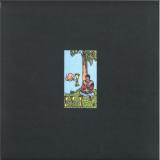
pas en stock

Commandez maintenant et nous commanderons l'article pour vous chez notre fournisseur.

23,49

Last In: 3 years ago
The Berries - High Flying Man

On High Flying Man, the third LP by Matt Berry’s pseudo-eponymous project The Berries, loss and desire take center stage. Berry delves deep into 21st century malaise, crafting densely layered songs which project an unshakable yearning for deliverance from the world’s shortcomings. Each track extends an outstretched palm towards universal connection, blending a complex of mix of pop hooks, rock swagger, and psychedelia into dejected populist anthems. Faced with the perils of an isolating world, High Flying Man reignites the tradition of great American songwriting, speaking in the voice of the longing masses. At heart, Berry demands more life, rejecting both arty cynicism and nostalgic escapism.

Berry cut his teeth at a young age playing in the bands Happy Diving (Topshelf Records) and Big Bite (Pop Wig), and has since regularly served as a touring member for bands like Angel Dust and Dark Tea. His early work with Happy Diving and Big Bite solidified his position as an upcoming star in the world of fuzzed-out indie rock, earning him tours and opening slots with the likes of Turnstile, Dinosaur Jr., Nothing, The Swirlies, and The Coathangers. With The Berries, however, Berry turns the Big Muffs down (although not off), creating sonic space to stretch his wings as a burgeoning pop songwriter. The psychedelic-surrealist textures of his earlier output are not gone, per say, but rather find themselves folded into more expansive, rock-oriented arrangements, becoming accoutrements as opposed to the driving force of each song itself.

High Flying Man follows The Berries’ previous releases, 2018’s Start All Over Again and 2019’s Berryland. While longtime listeners will undoubtedly recognize Berry’s disaffected drawl and melodic sensibility, High Flying Man’s complex arrangements and expansive sonic landscape place it well apart from its predecessors. Berry enlisted live band members Danny Paul (drums), Emma Danner (backing vocals), and Lance Umble (bass) during the recording of High Flying Man, as well as the mixing talents of Rob Schnapf (Elliott Smith, Beck, Guided by Voices), breaking from the self-produced home recording ethos of the previous Berries LPs. The collaborative nature of High Flying Man’s recording process is reflected in the quality of each song’s arrangement. Freed from the pressure of being individually responsible for every detail committed to tape, Berry was able to focus his attention more fully on the creative demands of constructing a dynamic and cohesive record. High Flying Man pivots away from any sort of obvious nod to Americana tropes, baggy British attitude, or Neil Young-esque riffing, leaning head on into a lush, idiosyncratic grandeur.

Each track evokes the irreverent and flashy style of a songwriting voice finding itself for the first time. Berry’s guitar heroics extend towards new heights, channeling the simple pop mastery of Lindsay Buckingham (“Prime”) and the wicked emotion of a 21st century “November Rain” (“High Flying Man”). Unusual stylistic juxtapositions give certain songs an almost timeless quality: Bert Jansch-esque crooning finds its counterpoint in sweeping, distortion-soaked riffs (“A Drop of Rain”), the primitive rhythms of Amon Duul are given an arena-sized, Britpop facelift (“Life’s Blood”). On High Flying Man, however, the ballad reigns supreme. “Down That Road Again” drips with sentimentality, powered by soft, undeniable pop melodies and pared-down chord progressions. Album-centerpiece “Eagle Eye” teeters between pure grace and extreme sorrow, unfolding into a massive, immediately memorable tide of melancholic beauty.

Lyrically, High Flying Man is both simple and direct. Although often bitter about the state of the world, Berry has no overtly political axe to grind. In some instances, he takes jabs at the moral laziness of aging millennials, expressing his yearning for a return to vitality and conviction (“Prime”). In other instances, Berry turns his criticism inwards, examining his longing for a better life and his repeated tendency to self-sabotage (“Down That Road Again”). These two poles balance each other out, creating a thematic tenor which is more so self-implicating and empathetic than critical. If anyone is to blame, it is the world we have been saddled with, not the people left to pick up its pieces. Although often personal, Berry’s words evoke a universal experience of continued belief in the face of loss. “High Flying Man” chronicles the growing distance between Berry and an old friend who has been shipwrecked by the weight of trauma, evoking the sorrow of trying to love someone who is no longer able to keep up with reality. Even the most somber passages of “Eagle Eye” (“long before I become aware of it, my friend/it’s 6 AM and I’m gonna die”) find their redemption in a burning devotion towards something worth living for (“If there’s one thing I can depend on/it’s my old friend/my shining light/my eagle eye”).

With High Flying Man, Matt Berry embraces undying love in the face of isolation. Daring to want more life becomes a spiritual rallying cry against a world that has failed to make life either meaningful or beautiful. At their core, these songs are not about revolution, but they are about the faith that gives something like revolution a purpose in the first place.

pré-commande19.08.2022

il devrait être publié sur 19.08.2022

27,69
Carlos Fire Aguasvivas - Eclipse of The City LP

First ever repress of the sought after psychedelic tinged funk rock private press album 'Eclipse of the City' from 1980 New York. Originally recorded between 1975 and 1977 in Manhattan's garment district. Eclipse of the City lay dormant on a reel to reel player whilst frontman Carlos Fire Aguasvivas muddled through life working as a data entry clerk away from his fellow band members. It wasn't till he rediscovered the tapes that a sudden life affirming moment drove him to get the music pressed. Putting pen to paper Carlos created the artwork as a homage to his love of comic art and brought the band to life on the reverse with his spindly characters engrossed in the jam. Only 300 copies were pressed at the time leading to eye-watering prices for a copy. with a recent digital re-release from Indian Summer's Anthology Records, Sticky Buttons stepped up to repress the record with a limited run of 500, lovingly manufactured in the UK in all its vinyl glory.

Arriving in the Bronx from the civil unrest of Santo Domingo in the early 60's Aguasvivas was surrounded by the raucous sounds of rock, jazz and prog. Absorbing the humdrum atmosphere of life in New York, Eclipse of the City came from the minds of close friends Carlos Aguasvivas, Steve Garcia and Eddy Garcia. Meeting at Monroe High School the three of them quickly formed a strong bond over their shared interest in music. It wasn't long after that they began rehearsing in a basement under a neighbourhood cleaners and in the attic of Steve and Eddy's family home piecing together their extended sessions of tripped out cinematic psychedelia.

Recording got off to a rocky start as a car accident left the three band members in A&E after taking an early morning cab ride through Manhattan to watch the sunrise on their way into the studio (a theatrical artistic statement of intent conceived by Steve Garcia) - as Eddy mentioned "Eclipse was forged from a lot of pain". Their recording sessions were postponed but a few weeks later they were back and with the added energy of John Ortega on Bass and Vincent Anderson on electric piano and organ - with just a few microphones and a reel to reel recorder, Eclipse of the City was laid down as the stark bold homage to New York's downtown.

Influences ranged from the cinematic behemoth Jaws to the UK prog rock bands of Genesis, Yes and Emerson Lake & Palmer but only could Eclipse of the City take its unique form in the attics and basements of New York with the full band adding their Puerto Rican and Dominican slanted New York energy. Side one includes 3 fully formed tracks breaking out into eerie moments of calm before diving into well timed jolts of reprise as each element weaves over the top of one another whilst side two presents a 30 minute narrative work following the night adventures of a young group of friends exploring the vibrant nightlife of downtown New York. A rumbling half hour of wobbling guitar, tight drumming and synth organ licks jutting out from the glistening lights of the night before the sun rises down Manhattan's East-West axis as the lilt changes and the organ lulls the friends back home. A truly idiosyncratic take on the heady world of New York in the 70's and one that still resonates with our urban landscapes and love for the nights they bring today.

a 01: Think Positive (Live) feat. Steve Garcia, Edward Garcia & John Ortega
b 02: Jennifer (Live) feat. Steve Garcia, Edward Garcia, Vincent Anderson & John Ortega
c 03: Try It All Again (Live) [feat. Vincent Anderson, John Ortega, Edward Garcia & Steve Garcia]
[d] 04: Eclipse A (Beginnings) [Live] [feat. Vincent Anderson, John Ortega, Edward Garcia & Steve Garcia]
[e] 05: Eclipse B (First Movement) [Live] [feat. John Ortega, Steve Garcia & Edward Garcia]
[f] 06: Eclipse C (Hustle Bustle) [Live] [feat. Vincent Anderson, John Ortega, Steve Garcia & Edward Garcia]
[g] 07: Eclipse D (Funky Side of Town) [Live] [feat. Vincent Anderson, John Ortega, Steve Garcia & Edward Garcia]
[h] 08: Eclipse E (Midnight) [Live] [feat. John Ortega, Steve Garcia & Edward Garcia]
[i] 09: Eclipse F (First Movement Continued) [Live] [feat. Vincent Anderson, John Ortega, Steve Garcia & Edward Garcia]
[j] 10: Eclipse G (Home) [Live] [feat. Vincent Anderson, John Ortega, Steve Garcia & Edward Garcia]

pas en stock

Commandez maintenant et nous commanderons l'article pour vous chez notre fournisseur.

22,06

Last In: 3 years ago
ELECTRIC LIGHT ORCHESTRA - Eldorado

MASTERED FROM THE ORIGINAL ANALOGUE MASTER TAPES AND PRESSED ON MOFI SUPERVINYL

· A Bold Celebration of Romantics, Escapists, and Dreamers: Electric Light Orchestra’s Eldorado Marries

Rock and Symphonic Elements, Includes the Aptly Titled Hit “Can’t Get It Out of My Head”

· Mastered from the Original Analog Master Tapes for Audiophile Quality: Mobile Fidelity 180g Vinyl LP and

· Melodic, Beatles-Inspired Tour de Force Features Full Orchestra and Choral Section: Arrangements and Lyrics

Transport the Listener to Faraway Horizons


Electric Light Orchestra leader Jeff Lynne did more than figuratively reach for the sky on Eldorado. Daring to be bold, and creating imaginative worlds that invite the listener to escape the mundane, the visionary composer-musician achieved a multidisciplinary fantasia and, in the process, a prog-rock landmark. Nearly 50 years later, the concept album's brilliance can be experienced like never before in cinematic fashion.


Mastered from the original analogue master tapes, pressed on MoFi SuperVinyl vinyl at RTI, and housed in a tip-on jacket, Mobile Fidelity's numbered-edition 180g LP of Eldorado allows the long-time audiophile staple to resonate with previously unheard dynamics, tones, and colours. Conjuring the feeling of journeying to different horizons, the record's songs teem with layer upon layer of details, which can now be heard as the producers intended.


Presenting the album with breath-taking clarity yet retaining the warmth, texture, and emotion that differentiate live music from reproduced sounds, this collectible reissue features reference-quality levels of in-the-moment presence, grand-scale sound-staging, and instrumental balance. Bursting with a veritable cornucopia of stimuli, MoFi's Eldorado LP also benefits from superb separation and immersive atmospherics that stem from the meticulous remastering process – as well as an ultra-low noise floor, industry-leading groove definition, and dead-quiet surfaces courtesy of the MoFi SuperVinyl properties.

An artistic breakthrough that established Electric Light Orchestra as a pioneering band (and confirmed Lynne as the leading practicing Beatles disciple), the 1974 effort remains notable for its involvement of a full orchestra and choral section, the range of which are captured with exquisite results on this LP. Eldorado distinguished itself from the band's first two works not only via Lynne's sharpened songwriting but due to the hiring of an orchestra that augmented the group's three string players. Co-arranged by Lynne and conductor Louis Clark, the symphonic movements bolster the contagious fare without ever drowning it. The accents also act as transports into the varied narrative universes.


Finished as a story before Lynne put notes down on paper, Eldorado ironically owes its inspiration to Lynne's father. In response to his dad's criticisms about the band, Lynne conceived a melodic tour de force that, like The Wizard of Oz, which informs the cover art, emphasizes the power of everyday dreams and everyman heroism. It's no coincidence that the sonic journey begins with an overture punctuated by the words of a cynic who condemns "the dreamer, the unwoken fool."


Beautiful yet fun, ambitious yet consistent, Eldorado proceeds to celebrate such romantics and escapists. A Technicolor escapade marked by lush melodies, fluid crescendos, and an intoxicating blend of energetic rock and sweeping orchestral elements, the album weds rich imagery and sweeping sounds in manners that make the two inseparable. In Lynne and company's hands, reality and fantasy collide, and dissolve any dividing lines. The proof is not just in the epic production, but in the timeless (and catchy) nature of songs such as the balladic "Boy Blue," power-pop packed "Illusions in G Major," and, of course, the aptly titled hit, "Can't Get It Out of My Head."


Decades later, Eldorado doubles as the equivalent of an out of body experience, an invitation to break away from monotony whether you're listening to your Mobile Fidelity reissue on a large system or an excellent pair of headphones.


MoFi SuperVinyl

Developed by NEOTECH and RTI, MoFi SuperVinyl is the most exacting-to-specification vinyl compound ever devised. Analog lovers have never seen (or heard) anything like it. Extraordinarily expensive and extremely painstaking to produce, the special proprietary compound addresses two specific areas of improvement: noise floor reduction and enhanced groove definition. The vinyl composition features a new carbonless dye (hold the disc up to the light and see) and produces the world's quietest surfaces. This high-definition formula also allows for the creation of cleaner grooves that are indistinguishable from the original lacquer. MoFi SuperVinyl provides the closest approximation of what the label's engineers hear in the mastering lab.

pré-commande30.06.2022

il devrait être publié sur 30.06.2022

91,39
Electribe 101 - Electribal Soul

Recorded in 1991 by the quintet of vocalist Billie Ray Martin and Birmingham-based electronic musicians Brian Nordhoff, Joe Stevens, Les Fleming and Roberto Cimarosti, Electribal Soul was conceived as the sequel to the band’s 1990 debut album, Electribal Memories.
Electribal Memories had yielded the hits ‘Talking With Myself’ and ‘Tell Me When The Fever Ended’ and pushed Electribe 101 to the forefront of a crossover electronic scene that fused dance music with pop savvy. They were snapped up by Phonogram, managed by Tom Watkins and hailed as “the next band to meet the Queen” by i-D. The band took the coveted support slot for Depeche Mode on their epochal World Violation tour and supported Erasure at Milton Keynes Bowl. Seen as the next big thing, everything pointed toward enduring critical success for Electribe 101, and the band settled into putting their second album together.
“There was a degree of confidence among us when we came to write the second album,” recalls Billie Ray Martin. “To me, the songs we put down sound like some of our finest moments.” More immediately lush and warm than the dancefloor-friendly structures of Electribal Memories, the clue to the sound of Electribal Soul lies in the second word in its title: soul. Songs like the aching sensuality of opening track ‘Insatiable Love’ or the emboldened defiance of ‘Moving Downtown’ showcase Billie Ray Martin’s distinctive vocal range as it moves from haunting quiet to dramatic, euphoric rapture. Lyrics from ‘Moving Downtown’ had found their way into ‘Pimps, Pushers, Prostitutes’ by S’Express, and the song would appear as ‘Running Around Town’ on Martin’s 1996 solo album. The strikingproduction on the version of the song presented on Electribal Soul suggests classic late sixties soul influences, such as those of legendary Motown producer Norman Whitfield, with the long shadow cast by Kraftwerk never being far away.
‘Deadline For My Memories’, the song that provided the title for Martin’s first solo album, was originally intended for the second Electribe 101 album. Its lyrics document a sense of freedom and liberation from the darkness of a bad relationship, accompanied by jazzy piano and organ sounds over a quiet rhythm and discrete electronics. In contrast, ‘A Sigh Won’t Do’ finds Martin in soothing vocal mode, despite its devastating message about the final ending of a strained relationship, her lyrics framed by restrained and subtle beats and sounds.
To spend time with Martin’s voice on Electribal Soul is to find yourself moved deep into the ordinarily impenetrable emotional corners of your own psyche. “I was into big ballads at the time and listening to all kinds of US and UK singers, and I was also young enough to want to prove myself as a belter of ballads,” explains Martin of the classic soul edge the album showcased.
Electribal Soul heads into darker territory with ‘Hands Up And Amen’. Originally written by Martin in Berlin in the period before moving to London and forming Electribe 101, the song was then perfected and enhanced by the band’s production nous. ‘Hands Up And Amen’ savagely documents the mugging of a woman in Queens, NY at gunpoint, only to resolve itself with a middle section that nods reverently toward gospel tradition. The song coalesces around a regimented break and burbling synths, finally ending with layers of urgent synth sounds.
Meanwhile, a cover of Throbbing Gristle’s ‘Persuasion’ takes us into a seedy world of sexual coercion and creepy infatuation, predating Martin’s chilling version of the track with progressive house unit Spooky two years later. Supported by a minimal, nagging rhythm and barely-fluctuating sounds, Electribe 101’s take on ‘Persuasion’ makes for uneasy listening, even though Martin manages to inject a sort of twisted sympathy for the protagonist as the song progresses.
That Electribe 101 were as comfortable offering complicated, nuanced tracks like ‘Persuasion’ alongside pop house bangers like ‘Space Oasis’ – written by Billie Ray Martin with Martin King before Electribe 101 was formed – is testament to the way the band wove their way effortlessly through electronic music reference points. Framed by light, jazzy piano melodies and string sounds, the energy of ‘Space Oasis’ soars so high that it could easily reach the moon, while highlighting how well-suited Martin’s voice has always been to club music. We hear the same reminder of her dance music credentials on ‘True Memories Of My World’, finding her describing a Hollywood actress who reflects on being used by directors to sell her ‘tears’.
Hooking up with the Birmingham-based Nordhoff, Stevens, Fleming and Cimarosti after placing a Melody Maker ad in 1988 (“Soul rebel seeks musicians – genius only”), it was clear that Martin had found a group that recognised the unique power and importance of her voice. Having worked with genres as diverse as reggae, rock and R&B, the four producers proved to be perfect collaborators, presenting carefully-sculpted backdrops that emphasised the towering emotional dexterity of her voice.
“Listening back to these tracks now, I was reminded of what a bunch of great musicians they were,” says Martin. “They had a rule that if a part still sounded good after a day or two then it could stay. If it bothered the vocals, it would go.” Even more so than on Electribal Memories, Electribal Soul places Martin at the captivating centre of these pieces, surrounding her voice with everything from dubby rhythms to chunky R&B beats to nascent trip hop breaks; wiry, acid-hued synths uncoil gently without ever dominating, while horn samples and lush, disco-inflected strings provide a rich, naturalistic accompaniment for Martin’s emotional outpourings.
The band finished mixing the album at London’s Olympic Studios in 1991. They were assisted by Apollo 440’s Howard Gray on production duties for ‘Deadline For My Memories’, ‘Insatiable Love’ and ‘Space Oasis’, with Gray supported by talented engineer Al Stone. Pre-release promo tapes were issued and an enthusiastic energy started to build around the band’s anticipated second album.
It was not meant to be. Against a backdrop of a worsening relationship with Tom Watkins, and a disinterested Phonogram, instead of receiving a positive reaction to the new tracks, Electribe 101 were swiftly dropped by their label. Electribal Soul languished, unreleased, and the band yielded to pressures that had been building and split up. After collaborating with Spooky and The Grid, Billie Ray Martin went on to release her seminal debut solo album in 1996, with it securing the era-defining hit ‘Your Loving Arms’, while the other group members continued to work together as The Groove Corporation.
Thirty years after the songs were recorded, we’re now finally able to hear what the second and final chapter of Electribe 101’s story sounded like. Electribal Soul shows that the band had really only just got started when they dropped their first album in 1990. Heard only by a select and privileged few, what followed elevated the band’s music to a completely new level, making Electribal Soul musical buried treasure of the most precious and rare variety.
Electribal Soul will be released on LP, CD and digital formats on 18th February 2022 through Electribal Records. The physical formats include extensive liner notes from Billie Ray Martin, and the album sleeve features unseen archive photographs by Lewis Mulatero from the original 1990 sessions with the band that were never used in the sleeve designs for Electribal Memories.

pas en stock

Commandez maintenant et nous commanderons l'article pour vous chez notre fournisseur.

20,63

Last In: 4 years ago
The Shivas - Feels So Good // Feels So Bad

"The core of confusion and upheaval that drove some of the band's most fiery earlier work, however, is replaced by a more stabilized undercurrent, a mentality that's reflected in songs not afraid to try new things and honestly explore uncomfortable feelings. When combined with exciting production and songwriting choices, that mindset helps make Feels So Good // Feels So Bad one of the Shivas' best albums.” - AllMusic "Portland, Oregon-hailing psych-surf band The Shivas accomplish another time-traveling, reverb-ridden sound that refuses to get boring. Jared Molyneux’s guitar work knows when to be bright or bashful at the right times, breaking into guitar solos that possess a late-’60s groove… The Shivas seem to blissfully flourish” - Paste "a consistent treat for the ears” - The Vinyl District "Though the psych-tinged guitar riff that drives 'Feels So Bad' was written while The Shivas were still on the road, its lyrics didn’t fall into place until the band was well into lockdown, unsure of when they’d be able to return to their most imperative true love: Live shows... Accordingly, 'Feels So Bad' permeates with a sense of urgent desperation, building off a chugging prog-rock instrumental.” - Consequence (on “Feels So Bad”) "They hooked the audience with their throwback rock sounds. The guitar strums and rhythmic drum beats were layered atop smooth and hallucinogenic vocals. The eyes can tell the take at times and there was a sparkle there that said that the band members just love doing live performances." - California Rocker "This single layers on the fuzz but keeps it dreamy, with an especially sticky guitar riff sure to lodge itself in your brain with minimal effort." - Portland Monthly (on “If I Could Choose”) “'My Baby Don’t' translates the genuine vibrant joy


of the live experience into the studio, bringing the band’s ‘60s garage rock roots, sharp pop vocal harmonies, and fervent performances along for the ride." - Under The Radar "Perfectly straddling the line between a solid-head bopping track and an introspective deep cut, The Shivas’ 'Undone' is a rock & roll gem. The track sounds straight out of the late 60s and fits seamlessly in the Portland band’s electrifying catalog." - The Luna Collective "The first time I clicked play on this track, I knew it was a yes for me." - Ear To The Ground Music (on “If I Could Choose”) "The harmonies would make the “Happy Together” Turtles blush, but the unsettling guitar doesn’t shy away from the woollier implications of the ’60s." - Willamette Week (on “If I Could Choose”) "'Undone' is just the perfect song for the good days and the bad ones." - GlamGlare "another hit" - Austin Town Hall (on “Undone”) "one of the best forthcoming albums of the year" - Austin Town Hall RADIO: #3 Most Added @ NACC - 50 official adds BIO Every working musician has had their life turned upside down by Covid-19. For The Shivas, who had recently released a new LP and normally keep a rigorous touring schedule, it was a particularly screeching halt. “We were about to go to SXSW, the following weekend was Treefort in Boise, and then we were going to open for our friends’ band on tour in the US before going to Europe,” Jared Molyneux remembers. Then everything just stopped. They were faced with a dilemma. “It forced us to adapt or just quit,” Molyneux says. “The reality is that shows are our job.” In truth, live shows aren’t just The Shivas job: they are the band’s greatest love. Shivas shows are bombastic, explosive and thoroughly communal live rock and roll experiences where barriers between the performers and their audience seem to dissolve into the sweat and sound. The stage—or the basement, or the living room—that’s The Shivas’ true element. It’s their raison d’etre. It’s their religion. The band’s live urgency may have been born in 2006, when the band’s young members—who began booking West Coast tours while still in high school—waited without fanfare on sidewalks or in parking lots, before being rushed onstage for their sets at 21-and-up clubs. Maybe it developed a little later, as The Shivas blasted their way through Portland’s storied and unsanctioned mid-aughts house show scene. Whatever the origin of their famously kinetic live experience, it’s the show that keeps them coming back after over 1,000 performances spread over 25 countries in 15 years. In those 15 years, The Shivas have grown tight-knit as a group. Guitarist/singer Jared Molyneux, bassist Eric Shanafelt and drummer/singer Kristin Leonard have all been with the band since its earliest days; guitarist Jeff City, another high school friend, joined in 2017. Together they’ve learned to thread a seemingly impossible needle: They’ve honed and tightened their performances without sacrificing the element of surprise that makes each show special. And despite touring and recording for most of their lives, they speak about their project with humility, in the DIY vernacular of their Pacific Northwest upbringing. They talk up their own favorite bands, play all-ages shows as much as possible, and bring a sort of blue-collar humanism to the live performances they relish so much. “We just want to make people feel good,” Molyneux says. “We want them to forget they have to work tomorrow.” Kristin Leonard elaborates, “The live show is all about that feeling of catharsis—in ourselves and in everyone who comes out. We’re creating this safe space where we can all let go. Where we can exhale. And it feels really good when we are able to facilitate that.” So when Covid hit, the band knew it was time for transformation. After a settling realization that live music would be grounded for the foreseeable future, The Shivas booked significant studio time with Cameron Spies, who also produced the 2019 Dark Thoughts LP. They also transformed their lives: three of the band’s four members found work with a local nonprofit serving unhoused Portland residents. They became engaged in protests and fundraisers for social justice. They spent a whole summer actually living in Portland, settling into the city they had always called home, but that sometimes felt like a temporary stop between tours. “We got into a more community-minded headspace,” Leonard says. “And that did give us some purpose. It felt cool to see everybody come together to stick up for what they believe in. It feels like an incredibly formative last twelve months.” The album that emerged from this new moment finds The Shivas reborn as a band that seems seasoned and perfectly at home with itself. There is a calm, even a hopefulness, to Feels So Good // Feels So Bad that sounds new. The Shivas didn’t write or record the album with a particular theme in mind, but one seems to have emerged: where Dark Thoughts was about confronting your demons with fearless self-examination, much of Feels So Good // Feels So Bad is about what happens once you find that peace: how being honest with yourself changes your relationships and your priorities. “I do think it’s about acceptance,” Leonard says. “There’s a weird relaxation that comes with being at peace with things you can’t control or have regrets about.” Maybe that’s why the squealing, riff-laden break-up song opener, “Feels So Bad,” is such a shock to the system. But it’s more of an exorcism than a melodrama: more a song about not being able to do the thing you love (in


this case, playing live shows) than splitting with a partner. “It’s like part of you goes to sleep,” Leonard says. As bandmates who are also in a long-term relationship, Molyneux and Leonard know that their songs might be seen as glimpses into their personal lives, but their songwriting is rarely autobiography. Leonard compares their process to something more akin to screenwriting. “There’s bound to be some autobiographical material in there,” she says. “But the common denominator is the exploration of universal feelings: ones that everyone experiences or can relate to.” The goal is to use the music to drill down into something genuine and sincere, beyond genre or stylistic affectation. That’s where The Shivas have arrived. Whatever growth led the band to Feels So Good // Feels So Bad, plenty of their fascinations remain. They’re still turning love songs into psychedelic, transcendent epics. “Tell Me That You Love Me” subverts doo-wop extravagance and dabbles in Flamenco rhythms. “Rock Me Baby” is a bubblegum anthem soaked in so much reverb that we might just be hearing it from the stadium nosebleeds. “Sometimes” is almost impossibly huge, like a witchy outtake from the Brill Building era. Those songs feel like logical expansions from a band that has always excelled at a timeless sort of rock and roll that tinkers with and explodes elements from every era. But on the towering and mournful “You Wanna Be My Man,” a slow-burning six-minute shoegaze prayer for a higher sort of love, there is a level of emotional nuance that feels like something altogether revolutionary. It’s there again in the stripped-down vulnerability of the album-closing elegy “Please Don’t Go.” Yes, Feels So Good // Feels So Bad is an album about acceptance. Sometimes that acceptance feels enlightened and sometimes it feels like the end result of a lot of kicking and screaming. The Shivas have adapted in both of those ways. With new tours scheduled and a new album on the way, they’re still hoping--like all of us--for a new era of vibrant, cathartic live music. The lessons they learned from having their normal upended, though, have only helped them grow

pré-commande18.02.2022

il devrait être publié sur 18.02.2022

23,91
Various - Heavenly remixes 4 -  Andrew Weatherall volume 2 LP 2x12"

Heavenly Recordings announce the release of ‘Heavenly remixes 3&4 - Andrew Weatherall volume 1&2’, a brace of compilation albums collecting together some of the finest remixes from the label’s long-time friend, collaborator and go-to remixer. These compilations follow ‘Heavenly remixes 1 & 2’, which showcases some of the label’s other great remixes.

 By the time Heavenly was born in the spring of 1990, Andrew Weatherall was already an inspirational sounding board, as well as a fellow traveller on the bright new road that stretched out ahead, thanks to the massive cultural liberation of acid house. Back then every energised meeting could be turned into a fortuitous opportunity in this burgeoning new underground economy. Bored of your job? Start playing records out! Start a club night! Get in the studio!
Start a label! Just don’t stand still. Commandments Andrew would follow for the rest of his life.

 At the start of things, Andrew was a regular visitor to Capersville - the pre-Heavenly press office run by label founder Jeff Barrett (soon to become Andrew’s manager). It was there that he famously picked up a copy of Primal Scream’s unloved second album and singled out a
track that would later become ‘Loaded’, after being given an instruction to “fucking destroy” it by the band’s Andrew Innes; it was there too that the idea to remix the first Heavenly release
came about.

 Andrew’s mix of that first Heavenly record is very much a product of its time. ‘The World According To Sly and Lovechild’ is a swirling bass punch topped with a hypnotic marimba line and the kind of ecstatic diva vocal that you’d hear coming out of the speakers all night at postShoom clubs like Yellow Book.

 His take on the label’s next release - Saint Etienne’s ‘Only Love Can Break Your Heart (A Mix of Two Halves’) - would set the template for his next three decades of audio exploration. A drawn-out imperial dub, the track builds and builds with a moody intensity (partly down to the
melodica played by Weather Prophets legend Pete Astor) that’s far more Kingston JA at dusk than Kingston-upon-Thames at kicking out time. It’s both a dancefloor record to get lost in and
headphone psychedelia of the highest order - a perfect example of what he did better than anyone else.

 Between 1990 and his untimely death in 2020, Andrew fed more Heavenly bands through the mixing desk than those of any other label. Consistently, he returned visionary music to the
office, often in person for (at least) one ceremonial playback - a ritual that would involve the volume cranked up high and Andrew rocking back on his heels, eyes closed, lost in the alchemy of it all.

 Each time, he would warp and twist originals into beautiful new shapes - elasticated club records that might evoke Detroit techno one second and Throbbing Gristle the next, before wheel-spinning into something akin to The Fall produced by King Tubby.

 Andrew’s studio adventures would always be guided by that early advice to destroy the source material. It’s why he was the first name that came up when remixes were discussed; the first number on the speed dial. Listening back to these remixes now - to thirty years of glorious outsider sounds - it bangs home again just how fucking good Andrew was.

pas en stock

Commandez maintenant et nous commanderons l'article pour vous chez notre fournisseur.

29,79

Last In: 3 years ago
NORAH JONES - I DREAM OF CHRISTMAS

Norah Jones has been a steady voice of warmth and reassurance for nearly 20 years since her cozy 2002 debut album Come Away With Me became a familiar musical companion for millions of people around the world. Now the 9-time GRAMMY-winning singer, songwriter, and pianist has made her first-ever holiday album with I Dream Of Christmas, a delightful and comforting collection of timeless seasonal favorites and affecting new originals that explore the complicated emotions of our times and our hopes that this holiday season will be full of joy and togetherness. I Dream Of Christmas will be released October 15 on Blue Note Records and can be pre-ordered now on vinyl, CD, and digital download.

“I’ve always loved Christmas music but never had the inclination to make a holiday album until now,” Norah says. “Last year I found myself listening to James Brown’s Funky Christmas and Elvis’s Christmas Album on Sunday’s during lockdown for a sense of comfort. In January 2021, I started thinking about making a Christmas album of my own. It gave me something fun to work on and look forward to.”

The album’s opening track, Norah’s original “Christmas Calling (Jolly Jones)” is available to stream or download today. Over chiming piano chords, Norah expresses a deep desire for holiday cheer and companionship. “I wanna hear the music play / I wanna dance and laugh and sway / I wanna happy holiday for Christmas.”

“When I was trying to figure out which direction to take, the original songs started popping in my head,” Norah explains. “They were all about trying to find the joys of Christmas, catching that spark, that feeling of love and inclusion that I was longing for during the rest of the year. Then there are all the classics that have that special nostalgia that can hit you no matter who or where you are in life. It was hard to narrow down, but I picked favorite classics that I knew I could make my own.”

Among the album’s many pleasures are Norah’s playful reinvention of The Chipmunk’s “Christmas Don’t Be Late” by David Seville (aka Ross Bagdasarian), which is given a languid beat and swaggering horns. Other highlights include sublime versions of “White Christmas,” “Blue Christmas,” “Winter Wonderland,” and “Christmas Time Is Here.”

I Dream Of Christmas was produced by Leon Michels, and features an excellent cast of musicians including Brian Blade on drums, Tony Scherr and Nick Movshon on bass, Russ Pahl on pedal steel guitar, Marika Hughes on cello, Dave Guy on trumpet, Raymond Mason on trombone, and Michels on saxophone, flute, percussion, and more.

Norah Jones first emerged on the world stage with the February 2002 release of Come Away With Me, her self-described “moody little record” that introduced a singular new voice and grew into a global phenomenon, sweeping the 2003 GRAMMY Awards. Since then, Jones has become a nine-time GRAMMY-winner. She has sold 50 million albums and her songs have been streamed six billion times worldwide. She has released a series of critically acclaimed and commercially successful solo albums—Feels Like Home (2004), Not Too Late (2007), The Fall (2009), Little Broken Hearts (2012), Day Breaks (2016), Pick Me Up Off The Floor (2020), and her first-ever live album ‘Til We Meet Again (2021)—as well as albums with her collective bands The Little Willies, El Madmo, and Puss N Boots featuring Sasha Dobson and Catherine Popper who released their second LP Sister in 2020. The 2010 compilation …Featuring Norah Jones showcased her incredible versatility by collecting her collaborations with artists as diverse as Willie Nelson, Outkast, Herbie Hancock, and Foo Fighters. Since 2018 Jones has been releasing a series of singles including collaborations with artists and friends such as Mavis Staples, Jeff Tweedy, Thomas Bartlett, Tarriona Tank Ball, Rodrigo Amarante, and Brian Blade, some of which were compiled on the 2019 singles collection Begin Again.

pré-commande15.10.2021

il devrait être publié sur 15.10.2021

23,32
Sonae - Summer

Sonae

Summer

12inchLAAPS014LP
LAAPS
08.10.2021

Summer was conceived as an entry point for Sonae to access and wrestle with difficult themes, to engage with them authentically, artfully, personally. It was also the starting point for a collaborative audio-visual project with video artist Jennifer Trees (the confronting multimedia installation that premiers in September 2021 at Stadtgarten, Cologne).

Summer articulates these ideas using the unique musical and sonic language that Sonae has been developing across previous releases. The expressive textures and tender melodics of 2015’s Far Away is Right Around the Corner; the atmospheric noise and brute unease of 2018’s I Started Wearing Black; the vicious edges of her 2019 remix-tape Music For People Who Shave Their Heads. Summer is haunted by blistered cellos and spectral string drones, the elegant and emotive movement around diatonic harmonies that echo the classicism and bucolic themes of Vivaldi’s The Four Seasons (1775). Like Vivaldi, Sonae’s work is programmatic, presenting a progressive, intensifying narrative and suggesting aural phenomena of the natural world - buzzing insects, breaking rocks, waves crashing, dust and heat rising - and characterising the seasonal spirit as capricious, volatile and punishing. In these ways, Summer is related to pastoral traditions of European classicism, evoking the aura of doomed and dust-blown gothic grandiosity. It also has feet firmly planted within the lean, sound worlds of underground techno - pulsating four-on-the-floor beats with deep, vibrational sine-wave sub kicks; elegantly bleak, distorted atmospherics that straddle the uncanny space between corrosion and euphoria. The result is a visceral and poetic listening experience. Original, highly affecting, fully engaging body, mind and soul. (…)
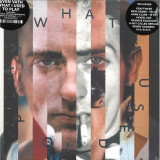
Sonae’s music evokes imagination, provokes emotion, and disrupts and defies expectations. She explores the edges and intensities of experience, creating audible and embodied sensations that suggest the physical, atmospheric, and psychological effects of global warming on a living organism. We feel the fatigue, the slowness, sweatiness, dizziness, the sensations of uncomfortable warmth and burning; the atmospheres are hazy, dark and heavy, articulations are brutish and tactile, crunchy and sharp; there is restlessness and resignation, desolation and awe.

Summer is not a warning. It is not an explanation or an argument. It offers no answers. Summer simply holds up a mirror and asks us to experience and behold both the beauty and the brutality of our present reality. It is a work of protest, grief and hope, and it functions as a space for the listener to reckon with these truths and sensations for themselves. (Leah Kardos, London, June 2021)

Sonae (Sonia Güttler) is a German electronic producer and DJ, based in Cologne. Her acclaimed debut album was released in 2015 with Monika Enterprise (Berlin) followed on the same label with her second album in 2018 : ‘’I Started Wearing Black’’. Her Third album ‘’Music For People Who Shave Their Heads’’ has been released in 2019 with bit-phalanx (London).
Sonae plays live solo and with the label collective Monika Werkstatt at places like Institut Für Zukunft (Leipzig), Meakusma Festival (Eupen), Ausland (Berlin), Pop Kultur Festival (Berlin), Fusion Festival (Germany), Uh-Fest (Budapest), Cafe Oto (London), 23rpm Festival (London) The Cube (Bristol) and more on the same bill with Squarepusher, Plaid, Darkstar, Kyoka, Frank Bretschneider, Tim Exile.

pré-commande08.10.2021

il devrait être publié sur 08.10.2021

20,97
Roll Dann - Oppression Dance EP

Madrid's Roll Dann keeps up the high quality of his first few releases with a new EP on his Opera 2000 label that offers four fine cuts.

Roll Dann has already impressed with outings on Modularz, Soma and PoleGroup. It is the direct nature of his floor facing techno that appeals, and it comes infused with the inspirations he has picked up from a stint living in Berlin, as well as with the legacy of his teenage love of hardtechno-schranz. The start of Roll Dann & _asstnt's Opera 2000 marks a shift Roll Dann's creative direction where he focuses on an aggressive yet beautifully emotive style which is displayed wonderfully in his first solo release on the imprint entitled "Oppression Dance".

Big opener "When The Hate Goes Away" is a frazzled, over driven techno monster with slamming kick drums and fizzing synths that will rewire any dance floor. The brilliant "Break The Dance" then hammers you over the head with its brutal drums and big synth walls, but a more thoughtful pad also smears over the groove to bring some tenderness. "Oppression" is quick and slick, with a kinetic sense of techno funk getting you on your toes. Last of all "The Club" is another winner, this time with its eerie pads, acerbic textures and rusty hits all racing along on powerful drum programming as a distorted voice is trapped in its midst.

pas en stock

Commandez maintenant et nous commanderons l'article pour vous chez notre fournisseur.

10,04

Derniere entrée: 72 jours
Groovy D - Afterworldgroove EP

Shall Not Fade's Time Is Now series continues to showcase the cutting edge of breaks and bass oriented club music. This time they introduce Groovy D; this new solo project of one third of Sheffield-based trio Denham Audio curates a totally fresh take on garage which is soulful, unique and genre-defying.

Afterworld Groove EP features female vocalists and a collaboration with Time Is Now regular Interplanetary Criminal; vocal heavy tracks are a highlight of the record, taking the garage sound away from the confines of the club. "Outta Control" is one of these tracks; Emma Cannon's vocals walk the edge between soulful and mournful, contrasting the wild breakbeats and deep, dirty bass. The title track uses housey intoned keys; this is daytime garage, made for summer parties. Taking influence from his Sheffield home, "Keep Movin' On" has a classic bassline sound palette, cheeky stabbing synths and hyperactive breaks.

"Project Zeus" opens the B-side: stutters of snare and punching bass are broken through with a classic, uncontrollable bassline; the tongue-in-cheek sample that forms the drop will undoubtedly bring a smile to British fans. More minimalist B2 "Timeless" is a chorus of bubbling ear candy until the rolling sub bass looms into a deep, headsy climax. Manchester's Interplanetary Criminal joins to close the EP; with vocals from Anna Straker, "Higher" takes a genre-spanning approach in hazey garage percs and soaring pads. The tempo is down, and misty, romantic sax forms the backbone.

pas en stock

Commandez maintenant et nous commanderons l'article pour vous chez notre fournisseur.

9,71

Last In: 4 years ago
Henry Greenleaf - Patent

Following on from the release of a spilt EP from rising stars Gramrcy and Gaunt late last year, GlassTalk Records returns in 2019 with the sophomore EP from Bristol's Henry Greenleaf, "Patent".

The unassuming producer has been making waves with his bassy 130bpm productions which seem almost custom-made for the later hours of dark club settings.

Since his debut release on Par Avion last November, Greenleaf has been focused on increasing the sonic scale and clarity of his work; something that's apparent on the whole of "Patent" but especially on the opener, "Inch". A true 'creeper' of a track, the groove and harmonic arrangement of the 3-minute build-up is somewhat

entrancing but then gives way to a head-wringing breakdown.

True to his previous output, Henry doesn't sit still stylistically on "Patent". The EP's second track, "Tare", moves away from the 4x4 structures of "Inch" and into more syncopated territory previously occupied by producers like Mickey Peace or Paleman. "Tare" is a masterclass in polyrhythms with all manner of kicks, claps and vox samples skittering over each other. This deft use of drum programming is complemented by serene and uplifting synth sections, cleansing the tonal pallet before the beat forcefully drops back in.

On the B-Side, "Caved" keeps the energy and the tempos high with supremely processed high hats and a rumbling low-end landscape. Here Henry Greenleaf's adoration of Paula Temple's music shines through more than ever. Much like her output, it's kind of hard to know which way is up in "Caved" with its ever-shifting

palette of sounds and grooves.

Closer and EP title track "Patent" is probably the vastest song Greenleaf has created during his recent mission to grow his productions in scale. It's a mammoth techno track with a pulsing low-end juxtaposed against some sporadic & icey synth pads.

This release solidifies Henry Greenleaf's already hard-to-dispute status as one of the leading lights of the 'Bristol sound'. Almost impossible to define; his work sits in that amorphous sweet spot where techno, dubstep, garage and a load of other UK influences bleed into each other to form something unique. Put your headphones on and let the grooves swallow you up.

pas en stock

Commandez maintenant et nous commanderons l'article pour vous chez notre fournisseur.

9,20

Last In: 4 years ago
Hannah Williams & The Affirmations - 50 Foot Woman

The highly anticipated album by Jay-Z's 4:44 soul hurricane Hannah Williams & the Affirmations produced by award-winning composer and multi-instrumentalist Shawn Lee.

Hannah Williams, the British soul hurricane who sensationally became part of Jay-Z's chart-topping 4:44 album, is primed and ready for her own national and international breakthrough.

Williams turned heads worldwide when the hip-hop superstar sampled her heart-stopping vocals on 'Late Nights & Heartbreak' for the title track, '4.44' on his 2017 album. Now Hannah and her exemplary, Bristol-based band the Affirmations deliver a definitive career statement with the drop-dead soulful new album 50 Foot Woman which will be released October 18th on the Milan based imprint Record Kicks.

The album captures all of the visceral power of the band's increasingly legendary live performances. Shades of classic Soul and Psychedelic Funk blend uniquely with modern-day flavours on a record destined to set the soul agenda for 2019 and far beyond. "I've never been as proud of anything in my entire career" says Hannah.

Born in High Wycombe in Buckinghamshire, Williams'father was a musically gifted minister, and her mother let her join the church choir at the age of six. Hannah could read music before she could properly read words, and when she discovered soul by listening with her mum to Motown and Bill Withers, there was no turning back.

After a 2012 debut with her previous band the Tastemakers, it was 2016's Late Nights & Heartbreak that announced the arrival of Hannah Williams and the Affirmations. But little did she know that Jay-Z was listening. One day, at her then-day job running the music department at the University of Winchester, he sent her a text.

Once she'd established that it wasn't a wind-up, and summoned the courage to call him back, she learned that JayZ's producer, No I.D., had played him Hannah's track to inspire his response to Beyoncé's Lemonade, on which she sang of his infidelities.

Williams was as in the dark about how 'Late Nights & Heartbreak' would be used until 4:44 dropped. But the substantial sample of her voice opened doors she never dreamed of. "It was an incredible catalyst," she says, "as a change in our collective career, and getting a global audience. Suddenly, there were millions of predominantly American hip-hop fans listening to my voice, going 'Is this from the '60s? Is she dead?'"

What followed was a year of the band's widest-ever touring including an invitation to perform at Central Park Summer Stage NY, Toronto Jazz Festival and Brooklyn Bowl NY and expanded audiences in continental Europe where she and the Affirmations had already made a mark. Then came the burning determination to make the record of their lives. The captivating 50 Foot Woman is that album, produced by Shawn Lee, a respected presence on the funk/soul scene whose credits include Amy Winehouse, Lana Del Rey and Alicia Keys. Lee has released five solo albums as Shawn Lee's Ping Pong Orchestra on San Francisco label Ubiquity Records and is also one half of the cool melodic pop duo Young Gun Silver Fox.

Now the world will hear what the cognoscenti have known for a while: that Hannah Williams is the real deal, and sings from her very soul. "I feel like my performance comes from my solar plexus," she says. "The emotional side of it is so intrinsic; I can't take it away from what I do."

pas en stock

Commandez maintenant et nous commanderons l'article pour vous chez notre fournisseur.

15,92

Last In: 6 years ago
Teffa - Illegal EP

Teffa

Illegal EP

12inchOVD004
Overdue
12.07.2019

Onward and upwards - the Belgian dubstep imprint Overdue maintains its super-heated release schedule with full force. With a meticulously curated artist roster and continued support by the likes of Mixmag and other vital institutions, this release yet again perfectly aligns with their vision of subculture sound system music. Spearheaded by a positively prolific artist, their fourth record features Teffa on the controls. Following up on some massive 12" releases on crucial labels such as White Peach Records and Foundation Audio, the up and coming artist furthers his status as a versatile and highly capable producer with three tracks of unadulterated sound system pressure - including a weighty collaboration with Chad Dubz.

Arming the record, "Shell It" heads straight into the matter at hand, precision engineered weaponry clocking in at 140 BPM. Drums like mountains, effortlessly heaving immense amounts of low-end, smoothly embedded on silky pad swells. Fusing old-school elements with the present like few others, the lively arrangement does the rest to keep the crowd aflame without end. Music with an attitude - rewinds assured.

Fasten your seatbelts as the record kicks into overdrive once again with "Sludge" as faint police sirens and reverberate into oblivion only for it to implode into an instant dubstep classic. Driven by its ridiculously effective and minimal instrumentation, the underground unravels itself in sonic form. Spacious pressure wave emissions, especially primed for the dance.

Stepping up to the title track, "Illegal" tops off the 12" most beautifully - packed with Grime and Breaks influences and mesmeric melodies. As unshackled 808's pound away alongside a murderous set of percussions, the electronic soundscape treads through hypnotic harmonies and dance-inducing groove - Teffa signature style at it's finest.

pas en stock

Commandez maintenant et nous commanderons l'article pour vous chez notre fournisseur.

10,88

Last In: 6 years ago
Kylie Minogue - Golden

Kylie Minogue

Golden

12inch4050538360806
BMG Rights Management
09.04.2018

Limited Edition Clear Vinyl

Includes 12' Vinyl and Deluxe CD album, 30 page hard back book

Now that I've been to Nashville,' Kylie Minogue says with audible affection, I understand. It's like some sort of musical ley-line...'

Golden, Kylie's fourteenth studio album, is the result of an intensive working trip to the home of Country music, a city whose influence lingered on long after the pop legend and her team returned to London to finish the record: We definitely brought a bit of Nashville back with us,' she states. The album is a vibrant hybrid, blending Kylie's familiar pop-dance sound with an unmistakeable Tennessee twang. It was Jamie Nelson, Kylie's long-serving A&R man, who first came up with the concept of incorporating a Country element' into Kylie's tried-and-trusted style. That idea sat there for a little while, with Minogue and her team initially unsure about how to bring it to life. Then, when Grammy-winning songwriter Amy Wadge's publisher suggested Kylie should come over to collaborate in Nashville, a city Kylie had previously never visited, something clicked. You know when you're so excited about something,' she recalls, that you repeat it an octave higher and double the decibels I was like that. 'Nashville! Yes! Of course I would!'. I hoped it would help the album to reveal itself. I thought 'If I don't get it in Nashville, I'm not going to get it anywhere.''

Kylie's Nashville trip involved working alongside two key writers, both with homes in the city. One was British-born songwriter Steve McEwan (whose credits include huge Country hits for Keith Urban, Kenny Chesney and Carrie Underwood), and the other was the aforementioned Amy Wadge, another Brit (best known for her mega-selling work with Ed Sheeran). It was then a truly international project: Golden was mainly created with African-German producer Sky Adams and a list of contributors including Jesse Frasure, Eg White, Jon Green, Biff Stannard, Samuel Dixon, Danny Shah and Lindsay Rimes, and there's a duet with English singer Jack Savoretti.

However, the album's agenda-setting lead single Dancing was, significantly, first demoed with Nathan Chapman, the man who guided Taylor Swift's transition from Country starlet to Pop megastar. If anyone knows how to mix those two genres, Chapman does. Nathan was the only actual Nashvillean I worked with. He's got a huge studio in his house, which is probably due to his success with Taylor... there's plenty of platinum discs of her, and others on his walls.' There's something of the spirit of Peggy Lee's Is That All There Is, of Dylan Thomas' Do Not Go Gentle Into That Good Night, even of Liza Minnelli's Cabaret about Dancing, a song which not only opens the album but sets out its stall, providing a microcosm of what is to come. You've got the lyrical edge, that Country feel, mixed with some sampling of the voice and electronic elements, so it does what it says on the label. And I love that it's called 'Dancing', it's immediately accessible and seemingly so obvious, but there's depth within the song.'

The experience of simply being in Nashville was an overwhelming one, before Kylie had even arrived. Once I knew I was going to Nashville, people talked about the place with such enthusiasm. They said without doubt I would love it and, I would come back with songs. They were sending lists of restaurants, coffee shops and bars. It really was a beautiful and genuine response and it felt like I was about to have a life changing experience and in a way, I did.' The reality came as something of a surprise, when she found a far more modern metropolis than the vintage one she'd envisaged. I thought it would be like New Orleans: little houses and bars, with music spilling out onto the street. It reminded me more of Melbourne: apartment blocks going up everywhere! The main strip, Broadway, where the honky tonk bars are, that's where the street was filled with music and it was just amazing.' Mainly, Minogue remembers the heat and humidity. It was 100 degrees. It was like it was raining with no rain.' She also relished the chance to wander around unrecognised, visit a few venerable music bars and soak in the atmosphere. I didn't get to the Grand Ole Opry or the music museums but I managed to go to a couple of the institutions there like The Bluebird Cafe and The Listening Room, and just by being there, through some kind of osmosis, you get this rejuvenated respect for The Song, and the writing of The Song. There's no hoo-hah around it. There's a singer-songwriter there, talking about the song and singing the song, to an audience who are there to listen. Although, I have to confess I was guilty of starting to clap too soon during a long pause at the end of one of the songs. The guy made a bit of a joke out of it and got a laugh from it, but I thought 'Of all people in the audience, no...''

It's probably no coincidence, therefore, that every track on Golden is a Kylie co-write, making it arguably her most personal album to date. The end of 2016 was not a good time for me,' she says, referring to well-documented personal upheavals, so when I started working on the album in 2017, it was, in many ways, a great escape. Making this album was a kind of saviour. I'd been through some turmoil and was quite fragile when I started work on it, but being able to express myself in the studio made quick work of regaining my sense of self. Writing about various aspects of my life, the highs and lows, with a real sense of knowing and of truth. And irony. And joy!'

The songwriting process allowed Kylie to get a few things out of her system. Initially, she admits, it was cathartic, but it also wasn't very good. I think I was writing too literally. But I reached a point where I was writing about the bigger-picture, and that was a breakthrough. It made way for songs like Stop Me From Falling and One Last Kiss. It also meant I had enough distance to write an autobiographical song, like A Lifetime To Repair, with a certain amount of humour. The countdown in that song: 'Six-five-four-three, too many times...'. I don't know if that will be a single, but I can just imagine a girl with framed pictures of past boyfriends, and kind of going 'Oh god, when am I going to get this right'' When she listens back to Golden, Kylie can vividly hear the Nashville in it. It is, she'll agree, probably the first time that a Kylie album has sounded like the place it was made. You wouldn't normally relate my songs to the cities. Can't Get You Out Of My Head sounds more like Outer Space than London. But Shelby '68, for example, was written in London but it was done with Nashville in mind. It's about my Dad's car, and my brother recorded Dad driving it! I don't think I'd have written a number of the songs, including Shelby '68 and Radio On without having had that Nashville experience.'

The latter, she says, is about music being the one to save you.' Throwing herself into the making of the record, she says, crystallised that idea. If there's one love that will always be there for you, it's music. Well, it is for me, anyway.' That song, in particular, carries nostalgic echoes of the golden age of Country, as heard through Medium Wave transistors and tinny home stereos in the distant past. Like any child of the Seventies, Kylie had a basic grounding in Country music, mainly absorbed from older family members. My Step-Grandfather was born in Kentucky and though he lived most of his adult life in Australia, he never stopped listening to his beloved Country artists.' If there's any classic Country singer whose imprint can be heard on Golden, it's Dolly Parton.

Kylie saw Dolly live for the first time at the end of 2016, at the Hollywood Bowl. It was like seeing the light,' she beams. It was incredible. Everyone, whether they know it or not, is a Dolly Parton fan. When I was in Nashville, I did pick up a T-shirt that said 'What Would Dolly Do' Maybe that should be my mantra.' And, whether consciously or otherwise, there's a timbre and trill to Kylie's vocals on Radio On that is distinctly Parton-esque. My delivery is quite different on this album,' she says. A lot of things are 'sung' less. The first time I did that was with Where The Wild Roses Grow. On the day I met Nick Cave, when I recorded my vocals, he said 'Just sing it less. Talk it through, tell the story.' This album wasn't quite to that extreme, but a lot of the songs were done in fewer takes, to just capture the moment and keep imperfections that add to the song. I remember on my last album, a lot of producers were trying to take out literally every vibrato they heard. And that's not natural to my voice. I mean, I can make myself sound like a robot, but it's nice to sound like a human!' Working within the Country genre also gave Kylie permission to write in the Nashville vernacular. Because we were going there, I wasn't afraid to have lines like 'When he's fallen off the wagon we'd still dance to our favourite slow song', 'Ten sheets to the wind, I was all confused', 'I'll take the ride if it's your rodeo'. The challenge of bringing a Country element to the album made the process feel very fresh to me, kind of like starting over. I started to look at writing a different way, singing a different way.'

If ever Kylie lost confidence in the Country-Pop concept, and found herself pondering This is great, but back in the real world - my real world - how will this work', Jamie Nelson was there to badger her into sticking to the path. We found a way to make it a hybrid with what we'll call my 'usual' sound. It had to stay 'pop' enough to stay authentic to me, but country enough to be a new sound for this album. The closer we zoomed in, and the more we honed it, I knew Jamie was right. We sacrificed good songs that weren't right for this album, because we wanted it to be as cohesive as possible. The songs that were hitting the mark were these ones, so we decided to be strong, and that's how we wrapped up the album. What he said, that stuck with me, was that 'I'd hate to get to the end of this and really wish we'd gone for it.'' Having worked with Kylie for so long, Nelson was able to put this latest shift of direction into perspective. He said 'You've traditionally done it throughout your career. You had your PWL time, then you did a complete turn when you went to deConstruction, then another complete turn with Spinning Around, and R&B dance-pop, and then another turn with Can't Get You Out Of My Head, icy synth-pop, and this is another one.' He was right. It felt like the right time to have a change sonically. New label, new stories to tell, and a new decade almost upon me.'

Kylie Minogue will, it's scarcely believable, turn 50 this year. This looming milestone is partly behind the album's title, and title track. I had this line that I wanted to use: 'We're not young, we're not old, we're golden' because I'm asked so often about being my age in this industry. This year, I'll be 50. And I get it, I get the interest, but I don't know how to answer it. And that line, for my personal satisfaction, says it as succinctly as possible. We can't be anyone else, we can't be younger or older than we are, we can only be ourselves. We're golden. And the album title, Golden, reflects all of this. I liked the idea of everyone being golden, shining in their own way. The sun shines in daylight, the moon shines in darkness. Wherever we are in life, we are still golden.' One of the album's shiniest moments is Raining Glitter, an exuberant banger which ventures closest to Kylie's traditional dance-pop comfort zone. Eg White, who is one of the producers and writers and a great character, was talking about disco one day. I said 'I love disco, but you know the brief.' We needed to be going down the Country lane, so to speak. But we managed to bring them both together. When I wrote it, I was thinking about the Jacksons video for Can You Feel It where they're sprinkling glitter over everyone. And I think there's a Donna Summer record that's got that feel to it. I think that's my job: I basically leave a trail of glitter after every show I do anyway.'

Kylie is looking forward to the challenge of incorporating the Golden material into her live shows. Mixing these songs in with my existing catalogue is going to be fun. And it could be fun to do some of those songs with just a guitar. It'll make my acoustic set interesting...'Her incredibly loyal fans - to whom one Golden song, Sincerely Yours, is intended as a love letter' - will, she believes, have no problem with her latest stylistic shift. My audience have been with me on the journey, so I shouldn't be afraid that they won't come with me on this part. I've had fun with it, and I'm sure they will too.'

The time spent making Golden has, Kylie says, been a time of creative and personal renewal. I've met some amazing people, truly inspiring writers and musicians. My passion for music has never gone away, but it's got bigger and stronger.' And if there's an overriding theme to the record, it is one of acceptance. We're all human and it's OK to make mistakes, get it wrong, to want to run, to want to belong, to love, to dream. To be ourselves.'

I was able to both lose and find myself whilst making this album.'

pas en stock

Commandez maintenant et nous commanderons l'article pour vous chez notre fournisseur.

26,01

Last In: 8 years ago
Various - Kern Vol.3, The Exclusives

Various

Kern Vol.3, The Exclusives

12inchKERN003EP1
Tresor
15.07.2016

Following contributions by DJ Deep and DJ Hell, Tresor Records are proud to present the third instalment in their Kern mix-series, this time headed by Berlin based producer Objekt, his first release following his 2014 debut album Flatland for PAN. In keeping with the series mission of showcasing a more personal approach to mixing Hertz describes his process as such;

Kern Vol. 3 is made up of tracks that I know I will play and love for years to come. Some of these records have been in my bag for years; others are almost as new to me as they are to you. A handful are by lesser known artists whom I admire and who I think deserve wider recognition. Planned, recorded, embellished, reworked, tweaked and chiselled away at over a period of 6 months, the mix was gradually carved out in a way that makes use of new and old techniques alike, presenting itself primarily as a DJ mix but settling in a sweet spot between live recording and studio trickery. The tracklist spans styles, decades and BPMs in an attempt to craft a mix that's unpredictable and compelling in equal measure - one that draws from the more adventurous corners of my club sets, but above all, one that's a pleasure to listen to.

Clocking in at 75min across 36 tracks, Kern Vol. 3 delivers on Objekt's promise, stitching together everything from the playful breakbeats of Beatrice Dillon's "Halfway" to Kirk DiGiorgio's classic techno "Nebula Variation" and the lightspeed IDM of Aleksi Perälä and Ueno Masaaki without missing a beat. A descent through ambient bliss, thundering cello drones and vocal contortions (courtesy of Anna Caragnano, Yair Elazar Glotman and Senyawa's Rully Shabara respectively) give way to the stoned haze of Sensational vs Sotofett and metalwork of Machine Woman and Skarn, rounding up a highly eclectic and adventurous mix which also includes previously unreleased tracks by Bristol's Shanti Celeste, rising Brooklyn producer Via App and accomplished electro technicians Clatterbox and Polzer.

pas en stock

Commandez maintenant et nous commanderons l'article pour vous chez notre fournisseur.

7,52

Last In: 7 years ago
  • 1
Articles par page:
N/ABPM
Vinyl