Search:him

Styles
All
JENSEN MCRAE - I DON'T KNOW HOW BUT THEY FOUND ME!
  • 01: The Rearranger
  • 02: I Can Change Him
  • 03: Savannah
  • 04: Daffodils
  • 05: Let Me Be Wrong
  • 06: Novelty
  • 07: I Don't Do Drugs
  • 08: Tuesday
  • 09: Mother Wound
  • 10: Praying For Your Downfall
  • 11: Massachusetts
also available

Violet[25,17 €]


Die Modern Folk-Künstlerin Jensen McRae hat das Veröffentlichungsdatum ihres mit Spannung erwarteten zweiten Albums „I Don't Know How But They Found Me!“ bekannt gegeben, das am 25. April über Dead Oceans erscheinen wird. Zusammen mit der Ankündigung hat sie auch ihre neueste Single und das Video „Praying For Your Downfall“ veröffentlicht, ein Meisterwerk der Offenheit, das Witz und Charme verbindet, während McRae darüber nachdenkt, wie sie den Drang nach Rache an jemandem, der ihr das Herz gebrochen hat, loslassen kann.


Jensen McRae - Praying For Your Downfall (Official Video)


Vor dem Hintergrund von Herzschmerz, Selbstfindung und der Komplexität der Liebe ist „I Don't Know How But They Found Me!“ eine mutige Entwicklung für die junge Künstlerin. Das elf Titel umfassende Album, das in North Carolina mit Brad Cook (Waxahatchee, Bon Iver) aufgenommen wurde und an dem Nathan Stocker (Hippo Campus), Matthew McCaughan (Bon Iver) und ihr Bruder Holden McRae mitgewirkt haben, ist eine lebendige Sammlung von Songs, die von messerscharfen Texten und zeitlosen Pop-Melodien getragen werden. McRaes Stimme ist so vielseitig wie ihr Songwriting - mal flüsternd und strukturiert, dann wieder klar und hell. Es ist eine Stimme, die sowohl den Herzschmerz des Verlassenwerdens als auch die Stärke des Verlassens verkörpert.


Von Anfang an haben sich die Fans in Jensen McRae verliebt, für ihre scharfsinnigen, aufrüttelnden und klarsichtigen Songs. Ihr Songwriting ist verletzlich, ja, aber es ist auch stark, weil es sich nicht zurückhält. „I Don't Know How But They Found Me!“ zeigt McRaes Entwicklung von einer vielversprechenden jungen Künstlerin zu einer echten Songwriterin und Star. „Die tiefgreifendsten Entscheidungen meines Lebens“, sagt McRae, “haben sich oft wie Dinge angefühlt, die ich getan habe, bevor ich dazu bereit war, und in die ich hineinwachsen musste.“ „I Don't Know How But They Found Me!“ handelt davon, was folgt, wenn man dem widerstanden hat, von dem man dachte, dass es einen vernichten würde. Es geht darum, seine Grenzen kennenzulernen und zu erfahren, wozu man fähig ist. „Ich verband mich mit dem Gedanken, dass ich leicht unter dem Gewicht dessen, was mir widerfahren ist, hätte zusammenbrechen können, aber ich tat es nicht. Ich wusste es nicht einmal“, sagt sie, ‚aber ich war die ganze Zeit kugelsicher“. Jensen McRae ist in L.A. geboren und aufgewachsen und hat fast ihr ganzes Leben lang Musik studiert und gemacht. In der High School nahm sie am Grammy Camp teil und schloss ihr Studium an der USC Thornton School of Music mit einem Abschluss in Popular Music ab. McRaes Debütalbum „Are You Happy Now?“ schrieb sie größtenteils im Alter von 21 Jahren und war der erste Schritt zum Aufbau einer treuen Fangemeinde. „Are You Happy Now?“ navigiert die Identität von ihren tiefsten Grundlagen - dem Leben als junge, gemischtrassige schwarze und jüdische Frau - bis hin zu ihren persönlichsten Überlegungen - vertraue ich dir, vertraue ich mir selbst. McRaes Vertrauen in sich selbst hat sich mehrfach bestätigt, zuletzt und vielleicht am bekanntesten in Form des Songs „Massachusetts“. McRae postete eine Solo-Strophe und einen Refrain, kaum mehr als ein Stück eines Demos, und es fing Feuer im Internet. Covers, Duette und eine Lawine neuer Fans folgten, und McRae krönte den Moment mit einer fertigen Version und einer sommerlangen Tournee als Support von Noah Kahan. „I Don't Know How But They Found Me!“ nimmt McRaes mittlerweile beachtliche Fähigkeiten auf und macht sie massentauglich. „Savannah“ ist ein Song für alle, die schon lange dabei sind. Der pulsierende, an Country angelehnte Song erinnert sofort an das Beste von Phoebe Bridgers, wobei McRae in einem akrobatischen Flüsterton über einer federleichten akustischen Gitarre singt. Wenn „Savannah“ sein Crescendo erreicht, wird klar, dass McRae eine Künstlerin mit einer ganz eigenen Kraft ist, wenn sich Klavier und Gitarre überlagern und McRae eine Reihe bissiger Anklagen mit Schärfe und Überzeugung vorträgt: "You swore you'd raise our kids to end up just like you / well you're a false prophet / and that's a goddamn promise." Währenddessen ist „Let Me Be Wrong“ eine echte Hymne, eine beschwingte Ode an die Ablehnung von Perfektionismus. Wiederum auf einem einfachen Gesang und einer Akustikgitarre aufbauend, steigert sich „Let Me Be Wrong“ Schritt für Schritt in seinem Trotz; die Gitarren schichten sich, das Schlagzeug nimmt das Tempo auf, und McRae macht Platz für die Fehler aller. Wenn McRae knurrt „fuck those girls got everything“, ist das ein Schlag voller Kraft und Verletzlichkeit, der darum bettelt, unisono so laut wie möglich gebrüllt zu werden. Der ungewöhnliche Titel ihres zweiten Albums? Er stammt aus einer Zeile in McRaes Lieblingsfilm „Zurück in die Zukunft“. Ein Hauptdarsteller überlebt einen Kugelhagel, und dieses Bild hat McRae sehr beeindruckt. „Ich habe mich mit dem Gedanken angefreundet, dass ich leicht unter dem Gewicht dessen, was mir passiert ist, hätte zusammenbrechen können, aber das habe ich nicht. Ich wusste es nicht einmal“, sagt McRae, “aber ich war die ganze Zeit über kugelsicher.“

pre-order now25.04.2025

expected to be published on 25.04.2025

23,95
ESINAM & SIBUSILE XABA - HEALING VOICES

LP + insert. A cosmically poetic duo playing Afro-Roots-Electro with a clear nod to spiritual jazz. Esinam Dogbatse (flute, synths, vocals, fx, percussion) | Sibusile Xaba (guitar, vocals, percussion).


ESINAM & Sibusile Xaba is a meeting of nomadic, wandering and kindred spirits in music. Both artists draw upon their ancestry: Belgian-Ghanaian(ESINAM) and Kwazulu Natal-South Africa (Sibusile Xaba) through a unique connection, a deep artistic and spiritual level, they use rhythms and grooves to translate stories to the audience. Their vocal chanting enhances trance to rhythmic patterns that grace us by melodies of the future and past.

On April 25th 2025, ESINAM & Sibsile Xaba will release their first joint album entitled 'Healing Voices'.

This album is a reflection of the kaleidoscopic multitude of musical inspirations running through the veins of two very talented solo artists. Both multi-instrumentalists, they provide many different layers to their music. Each track is a reflection of their cross-pollination. Musically inspired by Ghanaian Highlife and traditional songs from Zulu and Ewe culture, but with a distinct contemporary interpretation where their acoustic sound is enhanced by electronic gadgets.

As multi-instrumentalists, the two artists translate messages from their ancestors through rhythms and grooves. Their vocal chanting enhances trance to rhythmic patterns that grace us by melodies of the future and past.

Thanks to their Belgian-Ghanaian and South-African roots, they are unique in their being, strong in their union and connected on deep artistic and spiritual levels. The collaboration between ESINAM and Sibusile Xaba is bringing healing to body and soul.

In 2018 Esinam discovered Sibusile Xaba during his European (solo)tour. She was enchanted by his musical energy and craftsmanship and invited him as a vocal guest feature on the track 'Flowing River', from her debut album 'Shapes in Twilights of infinity'. When she was asked at the first edition of WOMAD Festival in South Africa if she wanted to collaborate with a 'local artist', she didn't have to think twice.

So in October 2022, Esinam and Sibusile seized this opportunity to dive into the rehearsal and recording studio, and discover and combine each other's musical universes to shape up new music together.

In May 2023 this collaboration continued with rehearsals, recordings and a first European tour with performances in Belgium, The Netherlands, France, Germany and Slovenia.

In March 2024 they released the first single 'Africa Wola' out of the fothcoming album. In November 2024, they released a remix of their first single by South-African DJ and producer DaCapo and played at Visa for Music in Morocco.

pre-order now25.04.2025

expected to be published on 25.04.2025

22,65
Hermon Mehari & Tony Tixier - Soul Song

Hermon Mehari&Tony Tixier

Soul Song

12inchKOS042LP
Komos
25.04.2025

Hermon Mehari and Tony Tixier first met in 2010, in their early twenties, in a club on Paris's Rue des Lombards for a concert with saxophonist Rodolphe Lauretta. Over the next decade, the two musicians took opposite paths, while continuing to collaborate on two continents. The American trumpeter moved to France to discover European culture and the world cultures that coexist there, while the Parisian pianist of Martinican origin spent several years in the USA, immersing himself in the roots of jazz and Afro-American music.


In June 2024, the two musicians, who had been working for fifteen years on numerous albums and collaborations, and whose musical understanding had continued to be forged in clubs, festivals, and on recordings, met again for a duet at the TOC-TOC festival in the Puisaye region, where Antoine Rajon was a collaborator. Enthusiastic about the idea, the artistic director of the KOMOS label invited them back to his home in this corner of Burgundy to record this Fender Rhodes/trumpet formula. He called on sound engineer Christian Hierro, who traveled with his mobile studio for the album recording, then mixed and produced the master in his studio in Lyon, using the best analog equipment and his expert ear.


At dusk on November 12, 2024, the duo played eight tracks in a single, direct take on a 33-minute magnetic tape.


Four unusual cover versions were carefully chosen. "Maimoun" is a composition emblematic of pianist Stanley Cowell's style, also recorded by Marion Brown. George Duke's "The Black Messiah" was captured live by Cannonball Adderley's band on an album of the same name but has never been released as a studio version. "Hello To The Wind" was created by Bobby Hutcherson in 1969, sung by Eugene McDaniels. Finally, "Laini," dedicated by the great Martinican pianist Marius Cultier to one of his daughters, is a mazurka dear to Tony's heart.


Each of the musicians also contributed a composition: Hermon with "This Is Our Fantasy," written especially for the session, and Tony with "Poem For The Oppressed," a moving composition with an explicit title. Lastly, the duo improvised two tracks, without repetition, in mutual symbiosis and echo.

SOUL SONG captures a moment without enhancement, transformation, or additives, far removed from contemporary virtual technologies.

pre-order now25.04.2025

expected to be published on 25.04.2025

23,11
Westberg, Udupa & Mazurkiewicz - Everyday Life Activities

Norman Westberg (guitar), Giridhar Udupa (ghatam, konnakol, khanjira, percussion) and Jacek Mazurkiewicz (double bass, electronics)An extraordinary meeting of three artists from three different musical worlds and three different continents. Norman Westberg (ex-Swans) and Jacek Mazurkiewicz have already released one album together "First Man In The Moon" in 2021 (published by the Swiss label Hallow Ground).In the new project, they are accompanied by Giridhar Udupa, an Indian master of ghatam (a clay percussion instrument that looks like a jug). The album will feature 3 long trance compositions, referring to ambient, krautrock, free jazz and Indian music.Jacek Mazurkiewicz describes the creation of this album as follows:"I met Norman Westberg while supporting the Swans tour in Poland as 3FoNIA. A few years later, during Norman's tour with Gira, we recorded a duet.The trio session took place similarly to the previous duet session during Norman's solo concert in Warsaw on the Swans tour.Recorded with Adam Toczko, a quick meeting on a day off from work.I invited Giridhar Udupa to the trio, whom I had met earlier during the period when I co-founded the band Limboski. I once invited Wacek Zimpel to play a few concerts with Giridhar. Wacek later created Saagara and I was wondering about some unusual musical context in which I would find myself with Giridhar. I was looking for an interesting sound configuration, but also a cultural one, with a different approach to creating music. I got the impression that for both Norman and Giridhar it was a fairly fresh meeting, not obvious. And on the other hand, ordinary - everyone did their own thing."Detroit guitarist Norman Westberg moved to New York in 1980 and became a part of the experimental music scene that was experiencing its golden age. Westberg himself became a permanent fixture when he joined the iconic avant-rock band Swans in 1983, and was the only member other than frontman Michael Gira to play with them for most of the band's run, both until their 1997 disbandment and his return in 2010. Westberg has also been involved with other legendary New York noise-rock acts, including Jim Thirlwell's Foetus and the post-Swans Heroine Sheiks, in which he played with Cows frontman Shannon Selberg; and in 2014, he joined the noise-rock supergroup Hidden Rifles, whose members included Mike Watt of Minutemen and Mark Shippy of U.S. Maple. Westberg's solo compositions, most often for solo guitar and a set of effects, draw on drone and post-minimalism, bringing to mind dark ambient passages from Swans albums.Giridhar Udupa is an extremely valued teacher and world-renowned artist, an Indian master of ghatam (a clay percussion instrument that looks like a jug). He was born into a family with long musical traditions. He began learning to play at the age of four, guided by his father. At the age of twelve, he already had his first performances behind him. He currently gives concerts alongside the greatest masters. He has received many prestigious awards. He performs in the USA, Spain, Canada, France, Switzerland, Germany, Oman and Kuwait. Giridhar Udupa is a member of the band of the Indian vocalist Bombay Jayashri, nominated for an Oscar for the best song for the film Life of Pi. He is one of the founders of the Layatharanga band. He also plays virtuoso other traditional instruments of South India, such as mridangam and kanjira, and is excellent at using the konnakol technique (a type of rhythmic vocalization).For three decades, the artist has been a global ambassador and icon of Carnatic music. He is the founder of The Udupa Foundation, a charity organization established in 2015 to promote Indian music, performing arts and culture. He has participated in recording dozens of albums. He is also well-known in our country thanks to his cooperation with Polish performers, which resulted in excellent artistic effects, such as the famous Indialucia - Michał Czachowski's group / project or the Saagara formation, led by Wacław Zimpel. Udupa also played on the album Lechoechoplexita, released by Leszek Hefi Wiśniewski, and on the album of the band Layatharanga, released in our country.Jacek Mazurkiewicz is interested in music in the broad sense. He puts his sounds together based on emotional impressions and pulse. Combining acoustics with electronics, he is constantly looking for a new sound. Solo as 3FoNIA, in a duet with Mikołaj Trzaska or Tomek Dąbrowski, the JMB trio with Wojtek Jachna and Jacek Buhl, in the Modular String Trio quartet, the Afrobeat quintet Faso Tamala are just some of his musical incarnations. With Patryk Zakrocki, as part of an audio mission, he massaged hundreds of pairs of ears in the Inner Ear Massage Office. He also deals with sound design, composing and producing music for films and theatre performances. He collaborated with many Polish and foreign artists.

pre-order now25.04.2025

expected to be published on 25.04.2025

21,43
John Barry - Dances With Wolves
  • Main Title Looks Like A Suicide
  • The John Dunbar Theme
  • Journey To Fort Sedgewick
  • Ride To Fort Hays
  • The Death Of Timmons
  • Two Socks The Wolf Theme
  • Pawnee Attack
  • Kicking Bird S Gift
  • Journey To The Buffalo Killing Ground
  • The Buffalo Hunt
  • Stands With A Fist Remembers
  • The Love Theme
  • The John Dunbar Theme
  • Two Socks At Play
  • The Death Of Cisco
  • Rescue Of Dances With Wolves
  • The Loss Of The Journal And The Return To Winter Camp
  • Farewell And End Title

"Dances With Wolves is the original soundtrack to the 1990 seven-time Academy Award and three-time Golden Globe Award-winning film of the same name. It is produced and directed by Kevin Costner, who also stars in the film himself. The original score and songs were composed and conducted by John Barry. Barry won the 1991 Academy Award for Best Original Score and the 1992 Grammy Award for ""Best Instrumental Composition Written for a Motion Picture or for Television."" John Barry's fifth Oscar-winning score is a profoundly moving body of music. Dances With Wolves is available as a 35th anniversary edition of 1000 individually numbered copies on translucent yellow coloured vinyl and comes in a deluxe sleeve finished with linen laminate."

pre-order now25.04.2025

expected to be published on 25.04.2025

33,19
Bromander, Vilhelm - Jorden Vi Arvde

"Vilhelm Bromander Unfolding Orchestra returns with Jorden vi ärvde (""The Earth We Inherited""), the follow-up to their acclaimed 2023 debut, In This Forever Unfolding Moment. Set for release on April 25, 2025, the album deepens Bromander’s unique fusion of cosmic jazz, free jazz, folk music and Indian classical traditions while carrying a powerful message about environmental and social responsibility.

Bromander composed this work as both a dedication to his children and a reflection on humanity’s role as caretakers of the planet. “The album is an attempt to spread light, beauty, hope, and resistance while acknowledging the gravity of our times,” he explains. “Right-wing forces are rising, wars continue, and climate disasters escalate. How do we find the strength and hope to change?”

The music balances urgency with a deep trust in humanity. Bromander’s meticulous arrangements, performed by an all-star ensemble, offer moments of both fiery resistance and serene contemplation. Tracks like “Jorden vi ärvde, den skall oss också ärvas” unfold patiently, blending vibrant improvisations with lush orchestration. The evocative ballad “Erde”, with stunning solos by pianist Alex Zethson and the bass-player himself, nods to Charlie Haden’s Liberation Music Orchestra, while “For Dewey” pays tribute to the elastic interplay of Keith Jarrett’s legendary quartet, high-lighting the fire-y saxophone playing of Elin Forkelid. The closing piece, “Calliope,” channels Indian classical influences, with harp evoking a swarmandal’s shimmering resonance.

With Jorden vi ärvde, Bromander expands his artistic vision, weaving together intricate compositions with a passionate call to action. The result is an album that doesn’t just demand to be heard—it invites listeners to reflect, feel, and, ultimately, act."

pre-order now25.04.2025

expected to be published on 25.04.2025

32,98
Little Walter - Hate To See You Go

Marion Walter Jacobs (May 1, 1930 – February 15, 1968), known as Little Walter, was an American blues musician, singer, and songwriter, whose revolutionary approach to the harmonica and impact on succeeding generations earned comparisons for him to such seminal artists as Django Reinhardt, Charlie Parker and Jimi Hendrix. His virtuosity and musical innovations fundamentally altered many listeners’ expectations of what was possible on blues harmonica. He was inducted into the Rock and Roll Hall of Fame in 2008 in the category Sideman, the only artist to be inducted specifically as a harmonica player.

This album consists of a combination of hits from Little Walter such as “Mellow Down Easy”, “Nobody But You” and “My Babe”.

pre-order now25.04.2025

expected to be published on 25.04.2025
19,96
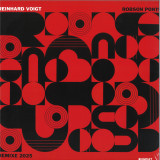
Reinhard Voigt - Robson Ponte Remixe 2025

Robson Ponte isn't just anybody. He is the namesake of Reinhard Voigt's first Kompakt 12", one of the label's first big hits. Timeless, cool and unforgettable, the way this snotty, dry football field beat pushes you forward, over it, this constant, almost stoic, mantra-like rap repetition - Robson Ponte, Robson Ponte,...

That was a good 25 years ago. So it's high time to celebrate a bicycle kick with a fitting run to the goal. None other than FC Kompakt centre-forward Juergen Paape has been hired for the remix return match. In the first few minutes of the match, Paape scores with two straight disco-techno crosses! Team captain Reinhard Voigt himself seamlessly follows in the footsteps of the original - dressed in a new, stylish black, white and red sound jersey, he keeps the ball in play with aplomb. From the stands, guest of honour Thore Pfeiffer comments on a hymn-like, sacred ambient lament with an appropriate timbre.

Including art print of the sleeve artwork by Mareena von Cube

Robson Ponte ist ja nicht irgendwer. Und schon gar nicht nur irgendein ehemaliger Spitzenspieler von Bayer Leverkusen, sondern der Namensgeber der ersten Kompakt-Maxi von Reinhard Voigt - einer der frühen, großen Hits des Labels. Zeitlos, cool und unvergesslich, wie dieser rotzig-trockene Bolzplatz-Beat nach vorne schiebt - darüber diese stete, fast stoisch mantrahaft gerappte Wiederholung - Robson Ponte, Robson Ponte,...

Gut 25 Jahre ist das nun her. Höchste Zeit also für einen Jubiläums-Fallrückzieher mit angemessenem Zug zum Tor. Kein Geringerer als FC-Kompakt-Mittelstürmer Jürgen Paape wurde für das Remix-Rückspiel verpflichtet. Der wirft sich gleich voll rein und versenkt schon in den ersten paar Minuten zwei geradlinige Disko-Techno- und eine gedribbelte Schaffel-Flanke aus 25 Metern ins Tor. Mannschaftskapitän Reinhard Voigt selbst knüpft nahtlos an das Original an - verpackt in ein neues, schickes Sound-Trikot in schwarz-weiss-rot, hält er mit souveräner Sicherheit den Ball im Spiel. Von der Tribüne aus kommentiert Ehrengast Thore Pfeiffer mit passendem Timbre ein hymnisch-sakrales Ambient-Lamento.

out of Stock

Order now and we will order the item for you at our supplier.

12,56

Last In: 13 months ago
Conner Youngblood - Cascades, Cascading, Cascadingly 2x12"
  • 1: From An Ocean, To A Lake
  • 2: All They Want Is Violence
  • 3: Reveille!
  • 4: Blue Gatorade
  • 5: Sårbare
  • 6: Running Through The Tøyen Arboretum In The Spring
  • 1: Misundelig
  • 2: Closer – Demo
  • 3: Solo Yo Y Tú
  • 4: Lampi
  • 5: スイセン
  • 6: Oh, When I Was In Love With You
  • 7: Cascades (葉月君へ)
  • 8: Attar

Hailed by Pitchfork for his “ambient, intimate…songs that blossom gently with intricate musical details and enigmatic lyrics,” Conner Youngblood gained early acclaim with a series of self-released singles and EPs before breaking out internationally with his 2018 full-length debut, Cheyenne, which fused electronic and analog elements into a lush mix of bedroom pop and chamber folk. Youngblood toured the record heavily until 2020, when the pandemic forced him off the road and, hungry for fresh inspiration, he began enrolling in Russian, Danish, Spanish, and Japanese language lessons. He didn’t realize it at the time, but those classes weren’t just expanding his vocabulary, they were laying the groundwork for his most ambitious, experimental album yet: Cascades, Cascading, Cascadingly.
 
Written and recorded at home in Nashville, the collection is a dreamy series of meditations steeped in desire and yearning, loneliness and loss, exhilaration and escape. The lyrics blur the lines between fact and fiction, toying with magical realism and outright abstraction in various languages, and the arrangements are surreal and cinematic to match, hinting at everything from Cocteau Twins to Atoms For Peace. In addition to producing and engineering, Youngblood played every instrument on the album himself, and the result is a pure, unfiltered journey deep into the subconscious of a relentlessly curious artist, one with a boundless imagination and an insatiable appetite for sonic exploration. 

pre-order now25.04.2025

expected to be published on 25.04.2025

34,03
David Murray - Birdly Serenade LP 2x12"

Mit verschiedenen Ensembles wie seinem World Saxophone Quartet hat US-Saxofonist David Murray Jazz
und Avantgarde zusammengebracht und das Genre über Jahrzehnte hinweg immer wieder maßgeblich
geprägt. Letztes Jahr hat er mit Pianistin Marta Sanchez, Bassist Luke Stewart und Schlagzeuger Russell Carter ein neues Quartett gegründet und einen Vertrag mit dem legendären Coltrane-Label Impulse!
Records abgeschlossen.
Für sein dortiges Label-Debüt hat er sich von Musik inspirieren lassen, die älter als die Menschheit ist:
dem Vogelgesang. “Birdly Serenade” ist Teil des Grammy-ausgezeichneten “Birdsong Project”, sechs der
acht Originale komponierte Murray in einem Künstler-Retreat in den Adirondack Mountains, inmitten
von Seen, Wäldern und endlosem Himmel. Am Anfang des Schreibprozesses standen drei Gedichte von
Francesca Cinelli, die auf dem Album auch mit einer Spoken-Word-Performance zu hören ist. Weiterer
Gaststar ist Sängerin Ekep Nkwelle.
Wer zartes Flötenspiel und “Jazz-Gezwitscher” erwartet, den wird der kraftvolle Saxofon-Sound des im
berühmten Van Gelder Studio aufgenommenen Albums eines Besseren belehen.

pre-order now25.04.2025

expected to be published on 25.04.2025

34,03
Jef Mertens - Orchid Alto

Belgian musician and filmmaker Jef Mertens has been an active force in the experimental music and film scene for nearly two decades. Known for his documentaries on artists like Sonic Youth and Borbetomagus, as well as his work with the now-defunct Dadaist Tapes label, Mertens continues to push the boundaries of sound exploration. His previous solo works include NO MATHEMATICS, released on KRAAK/Feeding Tube Records.

With Orchid Alto, Mertens dedicates himself to the taishogoto, a Japanese stringed instrument that became a new focal point in his sonic explorations. Initially drawn to its unique tonal qualities, he approached the instrument with an open-ended curiosity, using it as a means to reshape his musical language. The transition to taishogoto marked a shift away from guitar-based compositions, offering a fresh perspective on texture and resonance. Through these explorations, Orchid Alto serves as a blueprint for new sonic possibilities.

A bold and immersive sonic journey, Orchid Alto merges traditional resonance with modern experimentalism, further shaping Mertens' artistic voice—one influenced by artists like Michael Flowers, Turner Williams Jr., and Bill Nace.

pre-order now25.04.2025

expected to be published on 25.04.2025

25,42
BRAIN DAMAGE X EMIKO OTA X MAD PROFESSOR - OïDE OïDE
  • Katsura Otoko
  • Tenome
  • Isogashi
  • Azuki Arai
  • Baku
  • Katsura Otoko Dub
  • Tenome Dub
  • Isogashi Dub
  • Azuki Arai Dub

In a decidedly experimental approach, Brain Damage and Emiko Ota unveil a new vision of dub, reinventing the unexpected. While the sound treatment techniques inherent to the genre remain-evolving mixes, echoes, reverbs, and bass frequencies that are almost palpable-the Anglo-Jamaican roots of the style have indeed been replaced, re-conceptualized, recomposed, and rewritten. The duo seems to engage in a musical dialogue using a novel language, tinged with Japanese spoken word, creating moments of rare intensity, as unpredictable as they are hypnotic. By allowing for controlled improvisation, Brain Damage and Emiko Ota recreate the tracks of their latest album at each performance, oscillating between introspection and exaltation. With post-dub as the pretext, they once again explore, captivate, and surprise. For fans of: Massive Attack, Björk, Lee Scratch Perry... POST-DUB. With 16 soon 17 albums and nearly 900 concerts since 1999, French dub pioneer Brain Damage collaborates with artists like Horace Andy, Big Youth, Groundation and more recently with Mad Professor and Emiko Ota. Alongside his many productions showcasing his incredible vitality and unbridled creativity, the intensity of his live performances has earned him a strong international reputation.

pre-order now25.04.2025

expected to be published on 25.04.2025

27,31
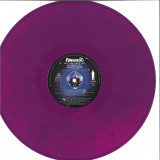
Funkadelic Feat. Louie Vega - Ain't That Funkin' Kind Of Hard On You? (Louie Vega Remixes) (Purple Vinyl Repress)

Purple Vinyl

House music, nightlife entertainment and DJ/Producer virtuoso Louie Vega has proven over and over again that he's a master chemist in the studio. His latest release is an uptempo and speaker-knocking remix of Funkadelic's 'Ain't That Funkin' Kind of Hard on You' (produced by George Clinton and & G Koop) from the album 'First Ya Gotta Shake the Gate'.
The original version is nothing short of a classic, but it's as if the song had never been invited to a Louie Vega post-midnight global extravaganza. Was the song not aware that spellbound dancing and high BPMs were the standard for House Music Normally, such a blaring disregard for nightlife decorum would relegate a song to the pits of sonic hell, but we're talking about George Clinton here!The original opens up with a G-funk groove that screams Westside and lowriders. The listener is then blessed with Clinton as he adds his sage, soulful and pimpadelic vocals, complemented by Funkadelic singers asking him about the pains of the funk. The semblance of a beat that could drive the dancefloor into the morning hours is there, but in no way has it blossomed into its full glory. Enter Louie Vega.
His remix immediately greets listeners with a decadent spread of instrumentation and chutzpah. The original song's DNA populates the first thirty seconds of the remix but then an explosion takes place and the song assumes a new identity. The transcendent experience is akin to taking the elevator to a rooftop party and once the doors open- boom! The remix begs you to dance, the G-funk groove is now in your face instead of being laidback and percussion takes a front seat to take you away. The song is alive, there's no other way to describe it.
Be sure to buy your vinyl at an outlet near you! the Louie Vega remix of Funkadelic's 'Ain't That Funkin' Kind of Hard on You' on Vega Records!

out of Stock

Order now and we will order the item for you at our supplier.

11,72

Last In: 10 months ago
Nektar Agu - Leviosa

Nektar Agu

Leviosa

12inchRU003
Raru Movement
23.04.2025

Incl. huge Barac remix. Welcome to an odyssey that only those with a unique understanding can embark on. We have gathered these artists to transport you to a world of fantasy, where anything is possible. Join us on this journey of sensations.

Argentine artist Nektar Agu unlocks this enigmatic path, where you may come face to face with your deepest fears. Are you ready? By grasping the essence of Leviosa, you will come to appreciate the magnificent masterpiece created by Barac. It is an honor for us to present this historic sound on our label—we still can’t quite believe it ourselves. The Romanian artist continues this journey with his signature sound, leaving us speechless as we follow him into the unknown. Closing the experience, Forty Eyes—a collaboration between our label owner, Lucas Moss, and Nektar Agu—immerses us in a pure atmosphere of grace, offering a breath of clarity after this bewildering passage through auditory flavors.

out of Stock

Order now and we will order the item for you at our supplier.

11,72

Last In: 15 days ago
Magari / Ilija Rudman - M.A.D RECORDS 012

MAD012 has arrived! or as we’ve been referring to it the ‘M.A.D Garage’ EP. (as in Paradise Garage)

After receiving Magari and Ilija Rudman’s tracks within a short time of each other it felt like a perfect fit to pair them together. Both productions give a nod to the 80s House sound whilst expertly bringing the aesthetic up to date.

Magari has provided us with an eyes closed dub’d out groover and Rudman supplies a winding and weaving synthesised journey, giving a sonic glimpse in to his fully stocked studio.

It’s always been top of our list to work with the inimitable Mark Seven. His music is a staple of our sets and as many of you know, is somewhat of guiding light of our scene. Any fan of Parkway Records knows it’s always an exciting day when they announce something new, needless to say we are proud to present a Parkway Powermix on M.A.D.

Finally, our good friend, the extremely versatile Producer/DJ Manuel Darquart finishes off the record with a sublime rolling take on ‘Danceteria’. If somehow you didn’t know him already consider yourself informed.

out of Stock

Order now and we will order the item for you at our supplier.

14,24

Last In: 30 days ago
Nektar Agu - Leviosa

Nektar Agu

Leviosa

12inchRU003_NOCOVER
Raru Movement
23.04.2025

Incl. huge Barac remix. Welcome to an odyssey that only those with a unique understanding can embark on. We have gathered these artists to transport you to a world of fantasy, where anything is possible. Join us on this journey of sensations.

Argentine artist Nektar Agu unlocks this enigmatic path, where you may come face to face with your deepest fears. Are you ready? By grasping the essence of Leviosa, you will come to appreciate the magnificent masterpiece created by Barac. It is an honor for us to present this historic sound on our label—we still can’t quite believe it ourselves. The Romanian artist continues this journey with his signature sound, leaving us speechless as we follow him into the unknown. Closing the experience, Forty Eyes—a collaboration between our label owner, Lucas Moss, and Nektar Agu—immerses us in a pure atmosphere of grace, offering a breath of clarity after this bewildering passage through auditory flavors.

out of Stock

Order now and we will order the item for you at our supplier.

11,35

Last In: 15 days ago
SOICHI TERADA - APE ESCAPE ORIGINAPE SOUNDTRACKS IN A BOX (Boxset 4x12")
 
44

4XLP. Hardcover slipcase box. Liner notes from Soichi Terada, Colour: translucent red, clear, blue, and yellow vinyl

It has been 25 years since the release of Saru Get You (サルゲッチュ), known stateside and in the UK as Ape Escape. Ape Escape marked a significant milestone for the PlayStation, as it was the first game to require use of the PlayStation's DualShock (analog) controller. In Ape Escape, the use of the analogue sticks goes beyond camera rotation and acts as an extension of Kakeru's (Spike's) own character, controlling his many gadgets like the stun club, time net, and sky flyer. It's a unique form of control that, really, didn't become popularized until the release of the Nintendo Wii. It feels like a distinctly Japanese design, the sort of off-the-wall design that is either embraced or rejected on a global scale. In Ape Escape's case, the mechanic caught on.

Ape Escape is fast, frantic, and—at times—downright frustrating. Pipo monkeys dash, taunt, and swim away from your advances. They ride water monsters, fly UFOs, and even shoot uzis! Whether it's Kakeru, his friends, or the monkeys themselves, the characters are always running across the levels. This mad dash is enhanced by the game's soundtrack, composed by legendary composer Soichi Terada. As he recalls, the director of the production said, "Spike and his friends always have the image of running." In response, Terada happily produced fast songs with an average speed of over 170bpm. The resulting gameplay and audio is a match made in heaven.

Ape Escape is the first game soundtrack Mr. Terada ever created. The producers of the game heard one of his singles, "Sumo Jungle," and thought his frenetic drum-and-bass (Jungle) would be perfect for the game. The marriage of Ape Escape's charming overworld and Soichi's upbeat compositions is nothing short
of sublime. Especially now, it is difficult to separate the mischievous Pipos and fast-paced action from Soichi Terada's silky smooth synthesizer and heart-pounding bass. Earlier this year (2024), Soichi Terada's Ape Escape work was celebrated by the six-track EP Apes in the Net, which includes music from Ape Escape 1 and 3 (Terada did not compose the series' second installment). The label, Rush Hour Music, has prestigiously championed almost all of Soichi Terada's music, especially his (specifically non-VGM) house, jungle, and drum and bass releases (Sounds from the Far East, Asakusa Light, and more).
Before Apes in the Net, Terada's Ape Escape music was only available on CD, released in Japan around 2010. This release featured reconstructed tracks created by Mr. Terada himself, identical to the music arrangements featured in the game. The biggest difference, of course, was that they were of higher fidelity than was originally available on the PS1 disk format. Completing all of the aforementioned releases is this box set, released by Far East Recording in partnership with Cartridge Thunder and officially licensed by Sony Computer Entertainment. This box set release includes four LPs, housed individually by a hardcover slipcase. This box set includes every song from Ape Escape 1, except those available on Apes in the Net. This box set release also includes one bonus song, previously unreleased anywhere else (including the game itself!).

The music on this box set was meticulously mastered by Justin Perkins of Mystery Room Mastering. Using Mr. Terada's premastered source files, the music was completely and specifically mastered for vinyl. Rounding out the audio is absolutely stunning artwork created by Gobo3D. CT worked with Gobo to recreate some of Ape Escape's most iconic characters, referencing the original Japanese guidebook and other promotional materials. The result is visually delicious 300dpi artwork that takes you straight back to 1999. As uber-fans of the original PlayStation game, Cartridge Thunder and Far East Recording are proud to celebrate Soichi Terada's music and pay our respects to such a legendary PlayStation franchise—on the original hardware's 30th anniversary no less! It's with a happy heart, then, that Far East Recording and CT present to you Soichi Terada's Ape Escape Originape Soundtracks in a Box.

Please note: due to licensing exclusivity, this release does not include tracks previously released on Apes in the Net

out of Stock

Order now and we will order the item for you at our supplier.

106,68

Last In: 12 months ago
PLOY - IT'S LATER THAN YOU THINK LP 2x12"

Percussion mastermind Ploy arrives on Dekmantel with a double-pack of unbridled dancefloor heat that sees him reconnecting with his house roots.

Before he made a striking breakthrough as Ploy with wayward broken techno for Hessle Audio and Timedance, Samuel Smith's first releases as Samuel were leftfield house excursions. On this release for Dekmantel he wanted to reflect on a decade of releasing music and the many high-impact dancefloors he's shared with the label, from Selectors to De School, over the years.

The common denominator across these eight tracks is no-nonsense house, offering up grooves that will serve a DJ exactly what they want in the mix. At the same time, Ploy doesn't dilute the distinctive edge of his sound, from the abundance of perfectly balanced percussion to the nagging hooks of an off-key synth line dropped at just the right moment. Wry samples inject the mischievous humour he's always creeping into his craft. This is where dancefloor magic is nurtured, hitting the sweet spot between rock solid reliability and the wild card energy that brings a heads-down set to life.

From 'Admirer's big room peaks to 'It's Later Than You Think's cosmic incantations, this is the sound of Ploy showing exactly what it takes to make laser-focused club bombs without losing one iota of his inimitable style.

out of Stock

Order now and we will order the item for you at our supplier.

23,11

Last In: 9 months ago
Molen - Plastic Emotions

Molen

Plastic Emotions

12inchXRD028
Exarde
22.04.2025

For the first time we are welcoming Molen to the label. The man is a true gem from the exquisite country Uruguay and has produced four unique cuts specially for the hub of Exarde. Each track shows vast and profound level of skill of the artist and are guaranteed to make the sound systems shake from inside to the outside. The emotions are plastic and have been captured bit by bit on this 12” vinyl disc for our sonic pleasure. Molen has been a close friend of the label for quite long time so it is a true honour to welcome him with a full EP which oozes the dark flavour that is so close and warming to the labels sound&vision. Having said all that, I think it is time to indulge into “Plastic Emotions” and give these four audio trips a spin they truly deserve.

out of Stock

Order now and we will order the item for you at our supplier.

12,82

Last In: 57 days ago
Ibex Band - Stereo Instrumental Music LP 2x12"

The Ibex Band, with Giovanni Rico and Selam Woldemariam at the creative helm, provided the musical backbone for legends like Aster Aweke, Girma Beyene, Tilahun Gessesse, Mulatu Astatke, and Mahmoud Ahmed, including the iconic album Ere Mela Mela, shaping modern Ethiopian music as we know it today. This 1976 album (Ge’ez Year 1968) played a pivotal role in that legacy and has now resurfaced to set the record straight.

There’s a tendency to talk about the seventies as a golden age of Ethiopian music. There are good reasons for that, and just as good reasons against it. However, the notion of a golden past privileges the role of Western explorers and suggests that the pinnacle of Ethiopia’s musical culture is something only a foreigner can appreciate and unearth. It downplays the complexities of Ethiopia’s culture and history, creating an artificial divide between then and now. And it underestimates the constantly evolving sound that has followed.

The legendary musical outfit The Ibex Band, later metamorphosed into The Roha Band, has played a central role in defining the sound of many of the greatest stars on the music scene of Ethiopia from the mid-seventies onwards–but their golden output has never really waned. The story of the origins of the band that provided the musical backbone for greats such as Aster Aweke, Girma Beyene, Tilahun Gessesse, backing the solo career of group member Mahmoud Ahmed as well as backing Mulatu Astatke and many others has yet to be properly told.

Two misconceptions plague the image of Ethiopian music, one is that the music is pure because it is, by some notion, unexploited, the other is that it is all traditional. To begin with, a combination of political changes between the late sixties and the mid-nineties created an environment where only the most dedicated and skilled musicians struggled on and pursued a musical career against fierce odds. The whole Ibex Band, with Giovanni Rico and Selam “Selamino” Seyoum Woldermarian at the creative helm, are arguably the origo of the vibrant scene in the mid-seventies, and the said pair are foremost responsible for not only navigating the band through troubled times, but also modernizing the 6/8 chickchicka rhythm to a contemporary form. Giovanni laid the rhythmic foundation with heavy looped basslines that reinvented traditional melodies as dance music, and with Selamino’s innovative guitar work they influenced scores of musicians from Abegaz Kibrework Shiota to Henock Temesgen. Even Giovanni’s Fender bass and Selamino’s Gibson guitar inspired younger musicians in their choice of instruments. Not only in choice of instruments but also in sound–even as the digital revolution hit Ethiopian music, a lot of popular music still took its cue from the masters from Ibex and Roha.

Ibex emerged out of the ashes of the sixties group the Soul Echos band, adding Giovanni and Selamino to their ranks and taking their cues from a slew of influences, such as Motown and The Beatles, fused with traditional music. A tighter-knit unit than most bands at the time – Ibex has remained six to seven members throughout their whole career, compared to many bands that were as large as fifteen or sixteen men strong when Ibex set out. Their playing has been viciously focused, economical yet heavy. Just a year before the recording sessions of the album in your hands, Giovanni and Selamino made a contribution to the popular musical lexicon of Ethiopia that was simply defining the popular sound: their arrangement and recording of bandmate Mahmoud Ahmed’s solo effort and real commercial breakthrough tune and eponymous album, Ere Mela Mela, from 1975.

Selamino has never limited himself to being an adroit lead guitarist, but has always been a scholar of history, and as such he has probably contributed as much to modern Ethiopian music with his guitar playing and compositions as with a deepened understanding of modern or contemporary – Zemenawi – Ethiopian music. Selamino’s contributions serve as a metaphor for those of the whole band, at one and the same time creating and defining a new, danceable and updated sound anchored in Giovanni’s bass, whilst also elevating the broader scene through their support for others on the scene and on top of that, increasing the understanding of the music.

There is an understandable desire to romanticize the musical heyday Ibex and Roha were at the forefront of, because so much of the output is sorrowfully hard to come by. Ibex creativity was nothing short of ridiculously fierce compared to many of their Western contemporaries. Based on their sheer recorded output alone they could have usurped the title “hardest working in show business” from James Brown, recording more than 250 albums or 2500 songs in the seventies and eighties. Some only surface as cassettes today, others were never given full LP release, and some are simply impossible to find today. In the light of that, it’s nothing short of a miracle that the recording Stereo Instrumental Music from 1976 (Ge’ez Year 1968) has resurfaced. Unearthed in perfect condition on a chrome cassette, this is musical history comes alive–to set the future straight. Stereo Instrumental Music was recorded in collaboration with Karl-Gustav Lundgren, a Swedish national working for the Radio Voice of the Gospel. It took two sessions at the Ras Hotel ballroom in Addis Ababa. The Ibex Band was the first band in Ethiopia to employ a four-track recorder for their recording (the first available in the country, lent by Karl-Gustav). Later the same week, Giovanni and Selamino realized that, lengthwise, the recorded material fell short of what they wished for, so they recorded four more tracks in one more session on a single-track recorder. The Ras Hotel and Ghion Hotel, where the Ibex Band held musical residencies were to Ethiopia in general and Addis Ababa in particular what Motown was to the USA and Detroit a few years earlier – a hotbed of musical creativity and showmanship.

The most astonishing thing about Ethiopian music of the last half century is how tradition and modernity are intertwined. Because of this feature, it’s kind of hard to tell when there ever was or when we are in a “golden age”. So much of music from the past has been criminally neglected, but because of the hardships in the past, it would be an oversimplification to say that said past was a golden age. Probably, the golden age is what we are approaching, because for the first time both the past and future are accessible, and the monumental contributions from before can lay a firm foundation for a thriving music scene today. The Ibex Band stands firmly in the past, present and the future. That, if anything, is golden.

The detailed history of Stereo Instrumental Music is in many ways unique. To begin with, it couldn’t have been recorded earlier (there were no four-track recorders available) and it really couldn’t have been recorded afterwards either, at least not in the years directly following, because of the toll the musical scene took from the unfavorable political climate that followed when the nascent Derg regime and rival groups tried to assert themselves, the musical equipment lent from The Voice of Gospel Radio simply disappeared from Ethiopia when the radio station folded in 1977. Karl-Gustav Lundgren,
the Swedish foreign national who assisted during the recording, worked with the Ethiopian Evangelical Church Mekane Yesus at the time, recalls how they only had about fifteen minutes to get the microphones in place for the recording as to not alert neither the management at Ras Hotel nor the authorities and most importantly, to complete the recording before the curfew came into effect at midnight. In leaping to the opportunity to use previously unavailable equipment to push their sound forward and improvising to meet the logistical challenges, the Ibex Band displayed the very avant-gardism and adaptability that explains their longevity as a band through the years. The recording of Stereo Instrumental Music is from a given time in history, but it sounds as beyond time.
Much of the energy that burst out of the scene that Stereo Instrumental Music came out of dissipated or got sidetracked during the societal changes Ethiopia went through in the 1970s and 80s. Whilst leaders might have professed to be revolutionary, the work ethic of the Ibex Band can truly be described as that. They never called it quits, but adapted, toured extensively abroad in Africa, Europe, and the Middle East, and found ways to work even in the face of the curfew that curtailed a lot of musical life. They even played major arenas in the nineteen eighties, despite said curfew and restrictions. The whole extent of their legacy has never been told, but their music speaks louder than words, so therefore… tune in to the Ibex Band’s Stereo Instrumental Music.

out of Stock

Order now and we will order the item for you at our supplier.

24,33

Last In: 10 months ago
Items per Page:
N/ABPM
Vinyl