This album is a masterpiece in which the three core pillars of Akira Ishikawa’s musical vision—jazz, rock, and African music—are fused in a sublime and thrilling balance. One arresting track follows another: the solemn and majestic “Prayer”, evoking the eternal land; the clear yet subtly psychedelic “Dawn”; the serene and beautiful “Love”; and the highly dynamic, explosive “Jumbo”.
The brilliance of Hirmasa Suzuki’s arrangements deserves special mention—simple yet profoundly deep, they give vivid clarity to the album’s overall concept and imagery. Among Ishikawa’s serious, non–instrumental-cover works, this album stands shoulder to shoulder with Electrum, Bakishinba, and Uganda, and should be regarded as one of his definitive achievements.
Der ganz offizielle Soundtrack (sowie Fat Mikes zusätzliche Filmmusik auf CD-Format) zum aktuellen NOFX-Doku-Feature "40 Years Of Fuckin' Up"! Vier Jahrzehnte zählten NOFX zu den lautesten, chaotischsten und am hartnäckigsten unabhängigen Bands der Punkszene. Nun bringen sie ihre ganze Geschichte - jede Fehlentscheidung, jeden großartigen Song und jede unglaubliche Anekdote - mit "40 YEARS OF FUCKIN' UP" in die Kinos. Es ist eine rohe, ungefilterte Dokumentation, die genau so genossen werden sollte, wie es sich gehört: laut, gemeinsam und auf der großen Leinwand (idealerweise im örtlichen Kino). Dies ist keine weichgespülte Rock-Doku, das hier ist das echte Punkrock-Leben. Die Drogen, der Alkohol, die Katastrophen auf und abseits der Bühne - und ja, mindestens eine Geschichte, die eine wahrhaft unglückliche medizinische Situation beinhaltet. Der 15 Songs umfassende Soundtrack enthält die brandneuen, bisher unveröffentlichten Singles "40 Years of Fucking Up" und "We Did It Our Way" (geschrieben als der allerletzte NOFX-Song, der jemals live gespielt werden soll). Des Weiteren sind sechs seltene und unveröffentlichte Tracks enthalten - wie etwa "Secret Society (Demo)", "On The Road (Demo)" und "La Bamba (Cover)" - sowie Live-Versionen der Hit-Singles "Linoleum" und "NOFX". Die zusätzliche Original-Filmmusik besteht aus 11 brandneuen Tracks, welche von Fat Mike komponiert und gemeinsam mit einem Orchester eingespielt wurden. Pinkfarbene Einzel-LP mit Soundtrack sowie CD mit Soundtrack & Filmmusik - das Cover-Artwork wurde von Illustrator Tokyo Hiro entworfen.
Der ganz offizielle Soundtrack (sowie Fat Mikes zusätzliche Filmmusik auf CD-Format) zum aktuellen NOFX-Doku-Feature "40 Years Of Fuckin' Up"! Vier Jahrzehnte zählten NOFX zu den lautesten, chaotischsten und am hartnäckigsten unabhängigen Bands der Punkszene. Nun bringen sie ihre ganze Geschichte - jede Fehlentscheidung, jeden großartigen Song und jede unglaubliche Anekdote - mit "40 YEARS OF FUCKIN' UP" in die Kinos. Es ist eine rohe, ungefilterte Dokumentation, die genau so genossen werden sollte, wie es sich gehört: laut, gemeinsam und auf der großen Leinwand (idealerweise im örtlichen Kino). Dies ist keine weichgespülte Rock-Doku, das hier ist das echte Punkrock-Leben. Die Drogen, der Alkohol, die Katastrophen auf und abseits der Bühne - und ja, mindestens eine Geschichte, die eine wahrhaft unglückliche medizinische Situation beinhaltet. Der 15 Songs umfassende Soundtrack enthält die brandneuen, bisher unveröffentlichten Singles "40 Years of Fucking Up" und "We Did It Our Way" (geschrieben als der allerletzte NOFX-Song, der jemals live gespielt werden soll). Des Weiteren sind sechs seltene und unveröffentlichte Tracks enthalten - wie etwa "Secret Society (Demo)", "On The Road (Demo)" und "La Bamba (Cover)" - sowie Live-Versionen der Hit-Singles "Linoleum" und "NOFX". Die zusätzliche Original-Filmmusik besteht aus 11 brandneuen Tracks, welche von Fat Mike komponiert und gemeinsam mit einem Orchester eingespielt wurden. Pinkfarbene Einzel-LP mit Soundtrack sowie CD mit Soundtrack & Filmmusik - das Cover-Artwork wurde von Illustrator Tokyo Hiro entworfen.
Im Vorfeld des Pelagic Fest 2026 feiert das Label den Meilenstein uder 300. Veröffentlichung mit ,The Dungeon Tapes" - einer Zusammenstellung neuen und ubveröffentlichem Materials verschiedener Pelagic-Künstler, darunter The Ocean, Psychonaut, Lost In Kyiv, Pothamus, Gösta Berling's Saga, Telepathy, Spook The Horses, Arms and Sleepers, Johan G Winther, Thot, Barrens und The Answer Lies In The Black Void. Der Eröffnungstrack von Pelagic United and Friends verkörpert den Geist der Zusammenarbeit: Das Projekt vereint Mitglieder von Spotlights, Rosetta, Failure, Shy Low und Hiroe, die gemeinsam eine Version von My Bloody Valentines ,Soon" aufgenommen haben. Dieser Klassiker erfährt hier eine bemerkenswert direkte, düstere und emotional rohe Interpretation, bei der die Shoegaze-Ästhetik in weite Klangräume und ätherische Klänge in brutale Wucht verwandelt werden. Und danach gibt's noch 12 weitere, düstere Post Metal, Postrock, Post-Hardcore-Goodies! CD oder Doppel-Vinyl (schwarz oder farbig) mit Etching auf Seite D. Gatefold Sleeve mit Glanzlack-Coverart.
Im Vorfeld des Pelagic Fest 2026 feiert das Label den Meilenstein uder 300. Veröffentlichung mit ,The Dungeon Tapes" - einer Zusammenstellung neuen und ubveröffentlichem Materials verschiedener Pelagic-Künstler, darunter The Ocean, Psychonaut, Lost In Kyiv, Pothamus, Gösta Berling's Saga, Telepathy, Spook The Horses, Arms and Sleepers, Johan G Winther, Thot, Barrens und The Answer Lies In The Black Void. Der Eröffnungstrack von Pelagic United and Friends verkörpert den Geist der Zusammenarbeit: Das Projekt vereint Mitglieder von Spotlights, Rosetta, Failure, Shy Low und Hiroe, die gemeinsam eine Version von My Bloody Valentines ,Soon" aufgenommen haben. Dieser Klassiker erfährt hier eine bemerkenswert direkte, düstere und emotional rohe Interpretation, bei der die Shoegaze-Ästhetik in weite Klangräume und ätherische Klänge in brutale Wucht verwandelt werden. Und danach gibt's noch 12 weitere, düstere Post Metal, Postrock, Post-Hardcore-Goodies! CD oder Doppel-Vinyl (schwarz oder farbig) mit Etching auf Seite D. Gatefold Sleeve mit Glanzlack-Coverart.
Big Crown Records is proud to present the debut full length offering from Les Imprimés, Rêverie. The stirring and ethereal sounds of Les Imprimés have been making fans of anyone who hears them since their first 7" single hit the speakers. Morten Martens is the man behind the band. Born, raised, and working in Kristiansand, Norway, he keeps a low prole while making his heart felt, highly infectious, and unique music. This album is a long time coming for Martens and it is sure to make him a name to be reckoned with. The first thing you notice listening to Les Imprimés is the high level of musician-ship. Martens plays nearly every instrument on the recordings and handles the production and arranging. He has been making records for decades, winning a Spellemann Award (aka, the Norwegian Grammy) in 2006 for producing a HipHop album as well as getting nominations across three other genres. While awards and accolades speak to the level of his talent, this new album really shows who he is an artist on his own terms. Moving away from being a hired gun on the touring scene naturally led him to start doing more studio work. Slowly collecting gear and getting more experi-ence behind the boards he built his own studio on the island of Odderoya and was making a living playing with and recording other people's music. As the story goes, after those sessions would end he would work on his own project into the wee hours of the night. From these late night sessions, Les Imprimés was born and Rêverie began to take shape. However, "it wasn't until COVID, when things locked down, that I was really able to nd the time to focus on Les Imprimés" Morten says about creating and leading his own solo project. "It was a scary time. But I knew I had to do something with it." He took the sum of his inuences, combined them with his own vibe and got busy writing the music, playing the instruments, and singing the songs. "It's soul music, but I don't exactly have the soul voice," Morten explains humbly. "But I do it my own way, in a way that's mine. "It is his sound, his fingerprint, his sensibility, that makes his music hard to put in a box. The album showcases both Martens' range and his ability to make a cohesive album. The lead single "Falling Away" starts with a raw drum break and turns into a lushly arranged tune that paints the picture of love when it slips away. On "Still Here" he professes his resilience through life's twists and turns over a thundering track that puts a new spin on the B side ballad genre. Songs like "You" and "Our Love" mix tones from 60s and 70s Soul with arrangement nods to Doo Wop records while Martens' lyrics and delivery leave you singing the melodies long after they finish. "Love & Flowers" finds Martens in a moment of clarity with a song that ts the niche sub genre of happy break up tunes, the four on the floor track will move the dancefloor or while the message will resonate with anyone who put too much effort into the wrong situation in their lives. However, it is songs like "Muse" and "Chess" that really encapsulate the uniqueness of Les Imprimés as they push the boundaries of genre, one a profession of love for music and the other a cover of an electronic record respectively. Martens' lyrics, emotion, and delivery truly make the whole thing come together and stand out from any of his peers. There's an infectiousness and a pop sensibility in the writing that is done with the utmost class and taste giving Les Imprimés the rare quality of immediate attraction that only deepens the more you listen.
A ferocious beat struck out by Takeo Moriyama, a treasure of the Japanese jazz world and one of its most powerful drummers.
This important work, recorded in April 1994 and serving as the catalyst for Takeo Moriyama’s revival, is being released on analog for the first time.
Together with a rock-solid lineup of players including Fumio Itabashi (P), Yoshihiko Inoue (S.Sax & T.Sax), Eiichi Hayashi (A.Sax), and Hiroshi Yoshino (B), Moriyama delivers an overwhelming performance that condenses the entire universe of his fighting spirit into what became “Moriyama’s body.”
The original liner notes by Kazutomi Aoki from the album’s first release in 1994 are also reprinted for this LP edition.
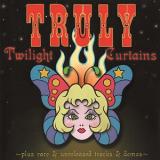
Featuring Robert Roth, the visionary songwriter and frontman behind Truly, alongside Hiro Yamamoto, co-founder of Soundgarden, and Mark Pickerel, founding drummer of Screaming Trees, Twilight Curtains captures the collaboration of three influential figures from Seattle's underground music scene. Gathering rare, unreleased and alternate recordings from 1991-1997, this long-overlooked collection documents the band's most creative years and is available on vinyl for the first time ever. Originally released in 2000 as a CD-only collection, Twilight Curtains gathers rare, unreleased and alternate recordings captured between 1991 and 1997, documenting the band during its most creative and exploratory period. More than simply another Seattle group, Truly forged a singular sound that blended heavy psychedelic rock, grunge-era intensity, damaged pop and expansive melodic textures. Featuring the contributions of three key figures from the Pacific Northwest underground, this collection offers a fascinating glimpse into the band's evolution through alternate versions, lost recordings and previously unavailable material. An essential companion to Fast Stories_ From Kid Coma and Feeling You Up, Twilight Curtains finally makes this missing piece of the Truly catalogue available on vinyl.
For more than two decades, SOJA have elated audiences with their fresh yet timeless take on roots reggae, a sound born from their shared passion for making music that transports and inspires. On 'Without Surrender' -their first new album since the Grammy Award winning 'Beauty in the Silence' (2021) - the band deepens that communal spirit by collaborating with artists from all corners of the world, including The Elovaters, Brazilian Superstar Di Ferrero, Kolohe Kai, 311's Nick Hexum and more.
In the wake of the release of Swedish post-rock luminaries OH HIROSHIMA's 6th studio album And The Dead Tree Gives no Shelter, Pelagic is reissueing OH's Oscillation (2019) and Myriad (2022) on vinyl. Myriad captures OH HIROSHIMA at their most focused and ambitious. The album moves between crushing despair and fleeting moments of catharsis weaving heart-wrenching melodies into towering walls of noise and explosive crescendos. The incorporation of trumpet, cello and trombone adds new dimensions to the band's sound, resulting in a record that resonates far beyond the post-rock scene and highlights the band's continued artistic evolution. Following the departure of bassist Simon Forsberg in early 2021, OH HIROSHIMA were reduced to a duo _ a shift that challenged the band to rethink and expand their creative approach. While Myriad remains firmly rooted in post-rock, brothers Jakob Hemström and Oskar Nilsson use the album as an opportunity to push beyond the genre's familiar boundaries, drawing from a far broader musical palette than ever before. To get a sense of what the album has to offer, watch the music video for "Humane". Guitarist & vocalist Jakob Hemström comments: "Humane might be the most direct and intense song we've created as a band. For us it marks a somewhat new direction that we wanted to explore and we're very proud of how it turned out. We felt right away that this was the first song of the new album we wanted our listeners to hear. The lyrics revolve around themes of human hubris and the video was filmed, directed and edited by our drummer, Oskar." Recorded by Kristian Karlsson (pg.lost, Cult of Luna) and once again mixed and mastered by Magnus Lindberg of Cult of Luna, Myriad blends soaring melodies with immense emotional weight and dynamic intensity and stands as a compelling testament to the band's continued evolution. Classic black or rosé (Dead Flamingo) vinyl available. FOR FANS OF Alcest Mogwai God Is an Astronaut Karnivool pg.lost
In the wake of the release of Swedish post-rock luminaries OH HIROSHIMA's 6th studio album And The Dead Tree Gives no Shelter, Pelagic is reissueing OH's Oscillation (2019) and Myriad (2022) on vinyl. Myriad captures OH HIROSHIMA at their most focused and ambitious. The album moves between crushing despair and fleeting moments of catharsis weaving heart-wrenching melodies into towering walls of noise and explosive crescendos. The incorporation of trumpet, cello and trombone adds new dimensions to the band's sound, resulting in a record that resonates far beyond the post-rock scene and highlights the band's continued artistic evolution. Following the departure of bassist Simon Forsberg in early 2021, OH HIROSHIMA were reduced to a duo _ a shift that challenged the band to rethink and expand their creative approach. While Myriad remains firmly rooted in post-rock, brothers Jakob Hemström and Oskar Nilsson use the album as an opportunity to push beyond the genre's familiar boundaries, drawing from a far broader musical palette than ever before. To get a sense of what the album has to offer, watch the music video for "Humane". Guitarist & vocalist Jakob Hemström comments: "Humane might be the most direct and intense song we've created as a band. For us it marks a somewhat new direction that we wanted to explore and we're very proud of how it turned out. We felt right away that this was the first song of the new album we wanted our listeners to hear. The lyrics revolve around themes of human hubris and the video was filmed, directed and edited by our drummer, Oskar." Recorded by Kristian Karlsson (pg.lost, Cult of Luna) and once again mixed and mastered by Magnus Lindberg of Cult of Luna, Myriad blends soaring melodies with immense emotional weight and dynamic intensity and stands as a compelling testament to the band's continued evolution. Classic black or rosé (Dead Flamingo) vinyl available. FOR FANS OF Alcest Mogwai God Is an Astronaut Karnivool pg.lost
In the wake of the release of Swedish post-rock luminaries OH HIROSHIMA's 6th studio album And The Dead Tree Gives no Shelter, Pelagic is reissueing OH's Oscillation (2019) and Myriad (2022) on vinyl. Oscillation marks a significant step forward for OH HIROSHIMA. On their third studio album, the Swedish band further refines its distinctive blend of atmospheric post-rock, weaving together shimmering guitar lines, weightless vocals and understated electronic elements into seven richly textured soundscapes. Balancing intimacy with grandeur, Oscillation unfolds like a lucid dream_at once delicate, expansive and quietly captivating. OH HIROSHIMA began with Resistance Is Futile, a largely instrumental post-rock debut that already hinted at their atmospheric sensibilities, with only subtle early traces of vocals. On In Silence We Yearn, the band's identity became more defined, with vocals taking on a more central role and their sound expanding into emotionally driven, shoegaze-tinged post-rock. With Oscillation, they refined this approach into more complex, denser song structures, balancing clarity and abstraction while deepening their cinematic atmosphere. To get a sense of what the album has to offer, watch the music video for "Darkroom Aesthetics". Recorded by Kristian Karlsson (pg.lost, Cult of Luna) and mixed and mastered by Magnus Lindberg of Cult of Luna, Oscillation unfolds in vast, immersive soundscapes where fragile melodies drift through reverb-drenched space before building into powerful, cathartic waves of sound. FOR FANS OF Alcest Mogwai God Is an Astronaut Karnivool pg.lost Classic black or white 2LP available!
In the wake of the release of Swedish post-rock luminaries OH HIROSHIMA's 6th studio album And The Dead Tree Gives no Shelter, Pelagic is reissueing OH's Oscillation (2019) and Myriad (2022) on vinyl. Oscillation marks a significant step forward for OH HIROSHIMA. On their third studio album, the Swedish band further refines its distinctive blend of atmospheric post-rock, weaving together shimmering guitar lines, weightless vocals and understated electronic elements into seven richly textured soundscapes. Balancing intimacy with grandeur, Oscillation unfolds like a lucid dream_at once delicate, expansive and quietly captivating. OH HIROSHIMA began with Resistance Is Futile, a largely instrumental post-rock debut that already hinted at their atmospheric sensibilities, with only subtle early traces of vocals. On In Silence We Yearn, the band's identity became more defined, with vocals taking on a more central role and their sound expanding into emotionally driven, shoegaze-tinged post-rock. With Oscillation, they refined this approach into more complex, denser song structures, balancing clarity and abstraction while deepening their cinematic atmosphere. To get a sense of what the album has to offer, watch the music video for "Darkroom Aesthetics". Recorded by Kristian Karlsson (pg.lost, Cult of Luna) and mixed and mastered by Magnus Lindberg of Cult of Luna, Oscillation unfolds in vast, immersive soundscapes where fragile melodies drift through reverb-drenched space before building into powerful, cathartic waves of sound. FOR FANS OF Alcest Mogwai God Is an Astronaut Karnivool pg.lost Classic black or white 2LP available!
John Edwards’ early releases, mainly at Aware Records under the tutelage of Floyd Smith, thrilled soul lovers with his consummate vocals and impressed the multi-million selling Spinners enough to hire him to replace their revered vocalist Philippe Wynne.
Edwards’ first Aware hits, such as ‘Stop This Merry-Go-Round’ and ‘Careful Man’, led to his eponymous debut LP. As the label’s major male artist, the company followed up by recording a second album and were probably anticipating a further hit. But Aware collapsed thanks to the label owner’s criminal activities, putting paid to that proposed disc.
When the master tapes were uncovered in the ’90s, the tracks were issued on the 1996 Kent CD ‘Careful Man’ and handful of singles were issued to great acclaim.
At last, we have collected the tracks on vinyl and the beauty of ‘Tin Man’, ‘How Can I Go On Without You’ and ‘Cold Hearted Woman’ can be enjoyed as they were originally intended. Modern soul fans will be able to sleep easily again.
"The LP featuring the opening theme “Makafushigi Adventure!” (performed by Hiroki Takahashi) and the ending theme “Romantic Ageru yo” (performed by Ushio Hashimoto) from the TV anime Dragon Ball, which began airing in 1986, along with the original background score composed by Shunsuke Kikuchi, is being reissued on clear orange vinyl.
Not only were Derek Cannon and Hardy Thrower a music /songwriting duo from San Diego in California, they were also cousins. Its not often our paths come across such a duo that didnt sing on their own compositions.
Derek Cannon a prolific Trumpet player and Hardy a lyricist put these tracks together circa 1981 with a view to getting them a record deal. They paid for the sessions themselves and went into Golden track studio's located in Santee East San Deigo with a host of singers and musicians.
What came out was just two stunning mid temp hanuting ballad songs with exquisite playing and vocals. From the opening west coast waves crashing on the into of "Think It Over" you are already closing your eye's and painting a picture of the unfolding love story. James Higgins was hired for the vocals on this track and delivers such subtle tone's that are complimited by keyboards by Bill Santos.
Then wait until the flute solo by Ken Abady. Boy i fucking love this song. Its what soul music should be about. Love it stuff like this got recorded in 1982 when their heads could have easily been turned by what was happening in the music world.
"Im In Love With You" is slightly more uptmepo but not by a whole heal. Cannon And Thrower were far too soulful to just throw a 4/4 drum beat on the hope of a top ten winner. They cut way more deeper and soulful than that. Roosevelt Carter was hired for this vocal performance and not letting the duo down performs a beautiful take of the duo's love song. I think special shout out must go the female backing singers of Julie Reyes, Cynthia Hammond and Jamice Garcia.
The two songs were sent to none other than Lou Rawls in hope he may sign them to his record company. This never happened and the tape was later sold on an estate sale of Lou's. The buyer was Christian Peintner who was so kind to lend us the tapes and make this 45 happen. So thanks to him for allowing us to preserve the Cannon And Thrower legacy.
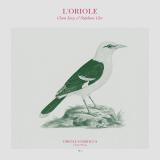
L'Oriole is the meeting point between violinist and composer Clara Lévy and sound artist Stéphane Clor. Combining violin, violoncello piccolo and a unique orchestra of resonators and transducers, the duo explores birdsong, resonance and the transformative power of sound. Acoustic instruments are projected into cymbals, drum skins, aluminium cans and other resonant objects, creating rich layers of colour, texture and spatial depth. Inspired by the work of Olivier Messiaen and his fascination with birds, L'Oriole unfolds as a journey through imagined birdsongs, suspended sonic landscapes and raw bursts of acoustic energy.
Shiverstruck, the latest album from IAN SWEET, finds songwriter and multi-instrumentalist Jilian Medford at her absolute best. Produced and mixed by Ben Allen (Deerhunter, Washed Out, Belle and Sebastian), the record centers a deliberate return to analog instrumentation, with acoustic guitars, piano, strings, and live drums at the forefront. Medford’s writing is more confident, direct, and emotionally exposed than ever, with soaring, melodic tracks like “Criminal Kissing” and “Jilian” revealing a striking new dimension of IAN SWEET.
IAN SWEET’s music has amassed millions of streams worldwide and earned praise from FADER, The New York Times, Stereogum, The New Yorker, Rolling Stone, and Pitchfork, which named Show Me How You Disappear one of the Best Rock Albums of 2021 and profiled Medford as a Rising artist that same year.
This is the fifth album overall and the second release from MOON RECORDS, originally issued in 1983.
The artist had previously shot to fame amidst the global City Pop boom thanks to the track "Machi no Dolphin" (Dolphin in the City), featured on the 1982 album *Midnight Cruisin’*.
Participating musicians include Hiroshi Sato (Key), Hidetoshi Yamada (Key), Makoto Matsushita (G), Yuji Toriyama (G), Mitchie Nagaoka (B), and Koki Ito (B), among others.
LP / Standard Edition (Black Vinyl) / E-style single jacket with wraparound obi strip.
DJ NOTOYA, who was among the first in Japan to spotlight Japanese music and gained international attention with his mix CD “Tokyo 1980s”—which became an
instant classic upon release. Now, his compilation “Tokyo 1980s Victor Edition,” which focuses on Victor Records’catalog and showcases his deep understanding of
the essence of 1980s Japanese music—blending elements of disco, boogie, and modern soul—is finally being reissued as a long-awaited color vinyl edition!
This release features a carefully curated selection of gems—tracks that received high praise internationally in previous digital releases—specially compiled for vinyl.
Notably, Reiko Takahashi’s “Sunset Road” is included on vinyl for the first time, a long-awaited treat for fans as the original 7-inch is now extremely hard to find.
This must-have collection for fans of Japanese music and city pop is now complete, featuring cover artwork by Hiroshi Nagai. It’s the definitive album, perfect for
everything from club nights to casual listening!
DJ NOTOYA, whose mix "Tokyo 1980s" has garnered attention from listeners around the world. His previous release, “Tokyo 1980s Victor Edition”—a compilation
of selected tracks from the Victor archives—was a massive hit on streaming platforms and in vinyl format! Now, the long-awaited vinyl release of the second
installment has been confirmed.
As the subtitle suggests, this release features a diverse lineup showcasing DJ NOTOYA’s signature taste, ranging from Japanese boogie to AOR and slow,
mellow tracks. The album features eight tracks, including the popular “I'M IN LOVE” by Aru Takamura—a Japanese track with an unusually thick bassline and
a swaying beat—as well as “YOU'RE THE ONLY ONE” by ONE LINE BAND (the predecessor to SHOGUN, led by Fujimaru Yoshino), and the refreshingly mellow
dance track “ADIOS” by Sadistics, which included YMO’s Yukihiro Takahashi and Masayoshi Takanaka, who is currently making a big splash overseas.
The cover artwork is by Hiroshi Nagai.
A favorite among Japanese jazz collectors, the album features a standout cover of Herbie Hancock’s “Watermelon Man,” and continues to gain renewed attention amid the global resurgence of fusion music. This is a must-have piece for fans of Japanese jazz and rare groove alike.
American hard rock band Alcatrazz once featured legendary musicians like singer Graham Bonnet as well as guitarists Yngwie Malmsteen and Steve Vai. With their current line-up of guitarist Joe Stump, keyboard player Jimmy Waldo, bassist Gary Shea, drummer Mark Benquechea and new singer Giles Lavery, Alcatrazz re-recorded nine songs of their back catalogue. In addition to well-known numbers like “Hiroshima Mon Amour”, “Island In The Sun” and their biggest hit “God Blessed Video”, »Prior Convictions« also features two brand-new numbers, “Transylvanian Requiem” and “Stand And Wait Your Turn”. The release embodies how Alcatrazz sound today. Guitarist extraordinaire Joe Stump can barely hide his excitement: “Something old is something new and these new versions of some of the old Alcatrazz classics are killer and 100% metal.” “The new line-up is firing on all cylinders,” enthuses keyboardist Jimmy Waldo, while his colleague on bass, Gary Shea”, adds: “My prior convictions have always remained true, step up and rock hard. »Prior Convictions« continues the Alcatrazz saga with a 21st century twist of classic songs and new music.“ Although »Prior Convictions« is not a new studio album, it’s a clear sign that Alcatrazz are continuing the legacy, giving new fans the chance to get familiar with a whole bunch of bona fide hard rock classics from the eighties. Old fans, on the other hand, will quickly learn that the new line-up is every bit as potent as past incarnations of the band. »Prior Convictions« was originally issued exclusively on CD in 2025 via Brave Words Records. Thanks to High Roller Records, it’s now also out on high-quality vinyl.
Between her elaborately conceptual Drag City singer-songwriter albums and celebrated soundtracks for Ryusuke Hamaguchi, in recent years Eiko Ishibashi has quietly self-released a significant body of solo and collaborative work on her Bandcamp page. At times resembling her solo live performances in their organic interweaving of instrumental, electronic, and concrete sounds, each of these less feted online releases offers a snapshot of the experiments always underway at Atelier Eiko. Some Fine Legacy is pleased to announce a vinyl edition of one of the most intriguing of these works, Gasping_Sighing_Sobbing, made in collaboration with Hiroshi Minami and first released in 2021.
Active since the 1980s, Hiroshi Minami is a key figure in the Tokyo jazz scene, as well as a respected memoirist. Devoted to the great standards, which he explores with an Evans-ish delicacy of touch and Impressionist harmonic extensions, he is equally at home working up variations on tunes by Ryuichi Sakomoto and The Beatles or experimenting with ambient electronics. A single note from his piano is the first thing we hear on Gasping_Sighing_Sobbing, the space left by its decay unexpectedly filled by a synth arpeggio that quickly fades away as the piano returns with a balladic chord sequence.
Like her frequent collaborator Jim O’Rourke, Ishibashi possesses the virtue of patience, recognising the beauty of lingering at length in a single musical environment. Throughout its 40-minute duration, Gasping_Sighing_Sobbing remains lost in this maze of obstructed and fragmented piano balladry. The musical surface is in one respect placid, but close listening reveals dynamics and processes that are deeply strange: the resonance of a chord dying away is frozen, expanding to become a cloud that suddenly makes way for the piano’s return; or the piano is looped into a ticking glitch or a time-stretched shudder, momentarily sinking under lapping waves, distant bells, and snatches of conversation. Ishibashi’s subtle vocals and synths colour the piano passages like views through distorted glass. The metaphor of cinéma pour l’oreille is perhaps overused in discussions of the musique concrète tradition, but here the visual associations are almost unavoidable: especially when Daisuke Ijichi joins on upright bass, it’s hard to shake the cinematic image of a smoky jazz bar—shown in a sequence, perhaps, that cuts repeatedly to the musicians’ and audience’s thoughts and dreams. Like much of Ishibashi’s work, this collaboration with Hiroshi Minami is inconspicuously radical, shaped at the deepest level by electro-acoustic procedures even as it luxuriates in melancholic beauty.
Riff-driven and immediate, MALIST's style is rooted in the best Atmospheric Black Metal imprint, although experimenting with Post-Metal passages and modern-oriented melodic approaches Often epic and fierce, "Eternal Echo of the Fall" allows the listener to experience the perfect balance between anger and melancholy, as well as a raw, suggestive quality, thanks to mutable sections that float between slow, magical atmospheres and more fiery, aggressive ones. A particular attention to arrangements and a certain amount of ideas seal this album as an intriguing musical journey, in which each song has distinctive traits when compared to the others.
Ever since the late 1950s bossa-nova revolution, Brazil’s influence on French music has been undeniable. Pierre Barouh, Georges Moustaki and a vast array of lesser known artists, all made the Musica Popular Brasileira (MPB) an axis of promotion at the service of a cool and metaphysical, modern and mixed Brazilian lifestyle. Some were seduced by the poetic languors of the bossa, some were looking for fun, and others just loved the American hybridization of jazz-bossa, jazz-samba.
What is bossa nova? One of its creators, Joao Gilberto said: "Its style, cadence, everything is samba. At the very start, we didn't call it bossa nova, we sang a little samba made up of a single note - Samba de uma nota so .... The discussion around the origins of bossa nova is therefore useless”. It is nevertheless useful to remember that these magnificent Brazilian songs, which the guitarist describes as samba, were shifted and balanced around improbable chords. "I like things that lean, the in-betweens that limp with grace," said Pierre Barrouh, quoting Jean Cocteau.
With emotion, arrangements for violin and supple guitar licks, bossa nova rapidly changed. A transformation that can be heard in the Tchic, tchic, French Bossa Nova 1963-1974 compilation, the result of a cultural reappropriation, which traveled through the United States and supplemented itself in France.
A musical revolution that has remained significant, bossa nova was born in Rio. From 1956 to 1961, Brazil lived through its golden years. In five years, the country had invented its modernist style. Elected president in 1956, Juscelino Kubitschek de Oliveira, an elegant man with a broad forehead, brandished a promising slogan: "Fifty years of progress in five years". He quickly got to work. Not worried about increasing debt, he launched the project for a new federal capital, Brasilia, designed by the communist architect Oscar Niemeyer. Volkswagen opened state-of-the-art factories and created the “fusquinha”, the Beetle. In Rio, the Vespa made its first appearance. The Arpoador Surf Club crew run into the “girl” from Ipanema, Helô Pinheiro - the tanned garota ("chick"), between a flower and mermaid, who at 17 walked by the Veloso bar, where the fiery author and composer, Tom Jobim and Vinicius de Moraes, were getting drunk on whiskey. From then on, bossa symbolized cool.
In 1958, Joao Gilberto recorded Chega de Saudade, which the directors of Philips denied, calling it "music for fagots". The marketing director, who believed in it, secretly pressed 3000 78-inch vinyls and distributed them at schools around Rio, creating a tidal wave.
American jazzmen then took over. In particular, trumpeter Dizzy Gillespie and guitarist Charlie Byrd. In November 1962, the Brazilian Ministry of Foreign Affairs funded a "Bossa-Nova" concert at Carnegie Hall in New York, inviting the genre’s pioneers. Unprepared, the show soon turned to disaster. But the troupe was invited to the White House by Jackie Kennedy. The first lady loved "the new beat" and in particular Maria Ninguem, a song by Carlos Lyra, later covered by Brigitte Bardot.
In Brazil, the 1964 military coup quickly ended this euphoria. The destructive atmosphere that ensued pushed many Brazilian musicians to leave, if not to exile. Thus, Tom Jobim, Sergio Mendes and Joao Gilberto arrived to the United States. In New York, Joao Gilberto met saxophonist Stan Getz. At the time, he was married to the Bahianese Astrud Weinert Gilberto, who had a German father. She had never sung before, but she knew how to speak English. Getz therefore asked her to replace her husband on The Girl From Ipanema. The Getz/Gilberto record with Tom Jobim on piano, was released in March 1964. Phil Ramone, the "pope of pop" was in charge of sound.
Bossa nova arrived in Paris through the classic “guitar-voice” channel (Pierre Barouh, Baden Powell, Moustaki…) But France loved jazz and Paris had already welcomed its American contributors. All these good people were to pass through Saint-Germain-des-Prés. The cabaret l'Escale became the Mecca of Latin American sound where one could find Pierre Barrouh and his friends, such as the Camara Trio, samba-jazz aces, whose only record was published by the Saravah label. With a band strangely called Les Masques (a band that included Nicole Croisille and Pierre Vassiliu, among others), the Camara Trio recorded an interesting Brazilian Sound, including the track Il faut tenir which is present on this tasty compilation of rarities.
Other enlightened musicians can also be found on the compilation, such as Jean-Pierre Sabar (songwriter for Hardy, Auffray, Leforestier ...) and the French pop rock organist Balthazar. In 1975, Sabar recorded Aurinkoinen Musiikkimatka on a Finnish label, which featured the crazy Vai, Vai, included on this record. We are now following the footsteps of Brazilian electronic musicians such as Sergio Mendes, Eumir Deodato or Marcos Valle who created funk and disco sounds on their keyboards and synthesizers. A style that influenced Véronique Sanson when she wrote Jusqu’à la Tombée de la nuit in 1969 for Isabelle de Funès, the niece of Louis and a great friend of Michel Berger - Sanson did end up singing this track on her 1992 Sans Regret record.
The pinnacle of exoticism and travel, Sylvia Fels’ Corto Maltese includes bongos, sea mist and ocean sounds. The title was taken from Jacky Chalard’s concept album written in 1974, Je suis vivant, mais j’ai peur (I am alive, but I am scared), based on Gilbert Deflez’s science fiction novel.
However, bossa nova extended the scope of popularity. "In the 1970s, I was a fan of Sergio Mendes, Getz / Gilberto. I fell in love with this music that I knew because I had been an orchestral singer, " explained Isabelle Aubret, who in 1971 delivered a composite record of covers by the very funky Jorge Ben, Orfeu Negro, Tom Jobim, Vinicius de Morais and Jean Ferrat. "I recorded this album for Meys Records in Paris, far from Brazil, with wonderful musicians, François Raubert, Roland Vincent, Alain Goraguer...". The latter wrote the arrangements for Casa Forte, a very percussive title borrowed from Edu Lobo, one of the initiators of the bossa who spent time in California. "Jazz and bossa came together and produced very rhythmic music. I love singing, it allows me to dream, to have fun, to feel a high on stage, and these songs brought me joy, made me swing, my singing felt like a dance.”
The world tours of French singers and their desire for the tropics, often brought them to Rio with its hills, forests, caipirinhas and tanned bodies. There are surprises though, like this Iemenja (Iemenja is the goddess of the sea in the Afro-Brazilian candomblé religion). Not unlike the composer and musician Jean-Pierre Lang, based in Sao Paulo, Claire Chevalier taught Brazil to Brazil. In 1970, the singer and painter published a 45-inch vinyl, Mon mari et mes amants (My husband and my lovers), under the improbable pseudonym of Clarinha (little Claire). She was then living in Rio, with her husband, Joël Leibovitz, who founded a band called Azimuth, and who owned a record label specialized in "sambas enredos" songs for samba school parades.
For its B side, she asked Pierre Perret to come up with lyrics for a song composed by Carlos Imperial: "Oh goddess of the sea, o goddess Iemenja, I bring a white rose to adorn your long hair ..." . "Perret came to see us, and we had fun, remembers Joël Leibovitz. We wrote Lemenja for fun, we recorded it at the Havaí studio, behind the Central do Brasil the central station. Erlon Chaves, the arranger who worked with Elis Regina, joined us" adding his share of Afro-Brazilian percussions and funky brass to the mix.
There is a common misunderstanding in Franco-Brazilian history: that bossa, admittedly hedonistic, is perceived as funny, even though the poets who wrote the texts are often philosophizing on the human condition. Its French interpreters pull it towards a carnival inspired universe, far removed from its fundamental essence. Thus, Jean Constantin covered the famous Samba da minha terra, an ode to the art of samba written by the classic Bahian composer Dorival Caymmi, renaming it with the enticing title of Pas tant de tchi tchi pompon: "On your pier there is no tchi tchi / when you arch your back, you know everything is alright ”(lyrics by Gérard Calvi). This expedited bossa aims for the absurd, but retains a certain elegance.
Indeed, Jean Constantin was not an idiot, the rather large man had a huge mustache and liked fantasy, (Les pantoufles à papa, Le pacha, inspired by cha-cha-cha-cha, salsa and jazz) but he was also the lyricist of Mon manège à moi interpreted by Edith Piaf, the composer of Mon Truc en plume by Zizi Jeanmaire and the soundtrack of François Truffaut’s 400 Blows. Le Poulpe, published in 1970, from which this bossa is extract, was arranged by Jean-Claude Vannier, an accomplice of Serge Gainsbourg’s Melody Nelson. In short: "There is enough of samba / By looking at the parasol / Because my poor cabeza / Is going to die in the sun".
Even the American actress Marpessa Down, who was at the heart of the bossa nova revolution with her role as Euridyce in Marcel Camus’ film Orfeu Negro, winner of the 1959 Cannes Palme d'or, fed the clichée with Je voudrais parler au petit cuica - "Tell me how you manage to always make people want to dance / It's true, I must admit that I cannot resist your magic" - in consequence, once can hear the cuica, a little drum inherited from the Bantu.
But bossa nova had many angles. Societal, of course, pushing actresses who were symbols of women's liberation like Brigitte Bardot, Jeanne Moreau, or Sophia Loren to engage in the exercise of accelerated bossa. In February of 1963, Sophia Loren made a record in French in Rome, Je ne t'aime plus, featuring the song De jour en jour, a bossa written by two Italians, Armando Trovajoli and Tino Fornai, which was released a little later by Barclay. Bossa accompanied the 1960s, a decade of moral liberation. Ann Sorel, who interpreted La Poupée des favellas, caused a sensation with L’amour à plusieurs, a provocative song written by Frédéric Bottom and Jean-Claude Vannier. As for the actress Andrea Parisy, she displayed her bourgeois cheekiness in Marcel Carné's Les Tricheurs before interpreting Les mains qui font du bien. And Magalie Noël, the friend of Boris Vian, who sung Johnny fais-moi mal, was hired to sing Une énorme Samba, composed by Alain Goraguer (arranger to Gainsbourg, Bobby Lapointe and Jean Ferrat) with lyrics by Frédéric Botton.
But in the end, of what wood is bossa nova made of? The answer is given by Christianne Legrand, daughter of Raymond the conductor, and sister to Michel the composer: "With me, with jà" - jà means "immediately" in Portuguese. In 1972, the singer, an expert in vocal jazz and a member of the Double Six, published Le Brésil de Christianne Legrand. Two songs included on the Tchic Tchic compilation that demonstrate how bossa, jazz, funk, rock, etc. work like a swiss army knife: the music is used to denounce broken systems, or miracles, HLM et ciné roman, Cent mille poissons dans ton filet, two songs from the O Cafona soundtrack, a successful telenovela broadcast, at the time in black and white, on TV Globo. The first was adapted in French by the fighter and friend of the Legrand tribe, Agnès Varda. The second is content with a play on words, jostling them into a summer fun.
Véronique Mortaigne
out of Stock
Last delivered 3 months ago available to reorder, subject to availability
Capturing the full scope of the Straw Hat Crew’s journey into the Grand Line, this collection brings together the massive, high energy score by award winning composers Sonya Belousova and Giona Ostinelli. From the shores of Loguetown to the snowy peaks of Drum Island, every moment of the voyage is brought to life through soaring orchestral arrangements and unforgettable pirate anthems.
2LP Audiophile Black Vinyl: Two 12 inch records pressed on high quality black vinyl for a classic look and superior sound fidelity, delivering every orchestral swell with crystal clear precision.
Double CD Set: Two discs featuring the complete original score and songs, presented in a premium compact format.
Premium Packaging: A double gatefold jacket for the vinyl edition and a three fold digipack for the CD, both showcasing vibrant cinematic artwork of Luffy and the Straw Hat Crew.
Complete Soundtrack: Over 40 tracks spanning the entire second season, including character themes, emotional moments and epic battle motifs.
Whether at home or on your own journey, this release is the perfect way to keep the spirit of adventure alive, immersing you fully in the world of One Piece.
Netflix’s epic high seas pirate adventure, ONE PIECE, returns for Season 2, unleashing fiercer adversaries and the most perilous quests yet. Luffy and the Straw Hats set sail for the extraordinary Grand Line, a legendary stretch of sea where danger and wonder await at every turn. As they journey through this unpredictable realm in search of the world’s greatest treasure, they will encounter bizarre islands and a host of formidable new enemies
The recordings were made in a single day in New York City with a team of extraordinary musicians. He'd already established a firm creative partnership with bass legend Cameron Brown and award-winning pianist Russ Lossing over the past year during their time as recording artists in NYC, and he renewed his fruitful association with outstanding drummer Billy Mintz (Lee Konitz, Charles Lloyd, Alan Broadbent) to complete the quartet. These three have been vital to Kazuki's compositions that tell the story of his enforced absence from the scene during the pandemic and how he sought to centre himself in the midst of the disruption through contemplation and the development of an inward strength. Each track complements the next, alternately celebrating the deep jazz tradition and pushing hard at its boundaries, allowing each member of the quartet to display their extraordinary musicianship while creating a harmonious whole.
Japan-born, London-based composer-producer Hiro Ama releases his new EP Booster Pack, out now via PRAH Recordings. Where his previous record Music For Peace & Harmony explored spacious, meditative soundscapes, Booster Pack is an energetic, groove-driven statement, a deliberate move toward music designed to get the body moving while retaining the textural detail that defines his work.
Opening track “Booster” sets the tone: a percussive, rhythm-first piece that builds into propulsive, rave-leaning momentum. It was the seed that shaped the rest of the EP, establishing a new direction rooted in groove, movement and physicality.
On the EP, Hiro explains that “After releasing ‘Music for Peace and Harmony’ I wanted to create something completely opposite. Something dancy, something intense. A total 180-degree flip. The album was all about stillness, subtlety, and emotional resonance. This time I wanted to lean fully into energy, fast paced songs, and groove. Create something that I never created and something that could shake you awake rather than calm you down.
“Instead of beginning with piano or harmonic ideas which is usually my starting point. I focused purely on beats and rhythms in the beginning. I didn't add any chords or melodies until I felt happy with the drums and groove layers. It was a new approach for me and it pushed me to think about music more physically and less emotionally.”
The EP features earlier single “Lava”, a rave-inspired, rhythmically intense track built from pulsing bass and a siren-like synth, designed to create tension, energy and movement while keeping the groove at the forefront.
Across the rest of the Booster Pack EP, Hiro leans into percussion, deceptive rhythmic patterns and taut bass to create forward drive; each track begins with groove before melodic elements arrive, resulting in a record that trades reflective stillness for kinetic urgency while maintaining his compositional precision.
out of Stock
Last delivered 4 months ago available to reorder, subject to availability
The mighty Channel One Studios,Kingston, Jamaica, has its place set in Reggae's Musical History.Its distinctive sound the studio created on opening its doors in 1972 to its closure in the early 1980's made it the Producers, Singers and Musicians studio of choice during this furtive period. Achieving that vibe and clarity, separated it from the other Kingston establishments.
Run by the Hookim Family's four sons, Jo Jo the eldest followed by Paulie, Ernest and Kenneth. Their father originally came from China and married a Chinese Jamaican lady and settled in the St Andrews district before moving to Kingston Town itself. The family business was built on jukeboxes and one armed bandit machines in and around Kingston. A lucrative venture until the gaming laws changed in 1970, outlawing the gaming machines. So the music side of the business would have to be expanded. So it was decided to open a studio to make the music to supply their already established Jukebox enterprise. The four brothers opened Channel One Recording Studios in 1972 at 29 Maxfield Avenue, Kingston 13. Initially as we stated the purpose of the studio was for the brothers use only, but this would soon change when the various Producers all looking for that Channel One sound came asking for studio time.
The brothers had used the services of Bill Garnet a renowned and well respected technical engineer on setting up the studio. They spent a lot of time laying out the space to get the right acoustics and picking the right quipment. They went with a four track API desk and the best quality microphones such as Neuman, Sony and AKG, vital in obtaining the quality sound and track separation that would prove so worthwhile after the music was recorded to give the best flexibility on the final mix downs. Jo Jo would take over the production duties after the initial hiring of Syd Bucknor a producer who had worked closely with Coxonne Dodds Studio 1 stable. The first release on the Channel One label would be 'Don't Give Up The Fight' by Stranger Cole and Gladstone 'Gladdy' Anderson.The initial two thousand run being swallowed up by their Jukebox interests and so the steady flow of hits would run up to the brake through hit of 1975 'Right Time' by the Mighty Diamonds.
1977 saw Jo Jo extending his stays in New York to a semipermanent status, returning mainly to oversee recording sessions and then taking the results back to America for worldwide distribution. His brother Paulies senseless killing in that year also added to Jo Jo's decision to spend more time with his Hit Bound Manufacturing set up in New York. The Channel One studio would be upgraded in 1979 to sixteen tracks and although Jo Jo and Ernest still covered the mixing and engineering duties Kenneth would now supervise sessions. An often untold part of Channel Ones history is the involvement of Producer Niney The Observer. The mid to late 1970's were heavy times both musically and politically and Maxfield Avenue was in the heart of this crossfire. Some artists and musicians were weary of using the establishment especially when sessions ended late at night and exiting the studio at these times could be somewhat dangerous. But Niney’s fearlessness seen him over running and in many cases running the all night sessions with his trusted set of musicians loosely called The Soul Syndicate. Having the run of the mighty Channel One studio's allowed Niney to build up and work on a stockpile of rhythms that he still has yet to unleash on the world. We have been lucky to select a bunch of material from Niney's vaults for this release. Some great unreleased rhythms and some different cuts to some tracks you might already know. Niney's work with Dennis Brown and his own distinctive heavy roots style productions have been documented and indeed his work on Channel Ones Yellowman releases stand tall also. We hope this fine set of Niney Productions set inside the hollowed walls of Channel One will sit beside them as they so richly deserve.
out of Stock
Last delivered 5 years ago available to reorder, subject to availability
Hiroshi Sato’s landmark solo debut album, recorded at Electra Studios in California with the support of local musicians including Amos Garrett and Joe Carrello.
The album features a self-cover of “Rainbow Sealine”, originally written for Minako Yoshida, as well as “F.W.Y.”, later covered by Chu Kosaka.
Original Release: LQ-7008 (May 25, 1976)
out of Stock
Last delivered 4 months ago available to reorder, subject to availability
Diles Que No Me Maten sind eine fünfköpfige Band aus Mexiko-Stadt, deren vom Krautrock beeinflusster Art-Rock sich zu etwas wirklich Einzigartigem entwickelt hat - drahtig, poetisch und voller Improvisationslust. Ihr viertes Album ,Escrito en Agua" (Geschrieben im Wasser), ist ihr bisher fokussiertestes und zugänglichstes Werk, aufgenommen in einem provisorischen Studio in Santa María La Ribera mit Produzent Sebastián Rojas. Aufgebaut um zurückhaltendes Schlagzeugspiel, bewusste Pausen und die spirituelle Schwere der Begräbnismusik aus Oaxaca, bewegt sich das Album mit einer gemächlichen Selbstsicherheit, die sich hart erkämpft anfühlt. Thematisch ist ,Escrito en Agua" ein Album über Präsenz, Umherirren und Widerstandskraft - Songs, die mit Mehrdeutigkeit leben, anstatt sie aufzulösen. Die Lead-Single ,Hiriku" gibt den Ton an und verbindet frenetischen Krautrock mit Zeilen aus José Vicente Anayas visionärem Gedicht ,Híkuri", während der herausragende Track ,No me" ein Mantra der Selbstsicherheit in etwas weitaus emotional Komplexeres verwandelt. Gewidmet sowohl dem indigenen Morgenstern Tunuwame als auch dem palästinensischen Dichter Mahmoud Darwish, endet das Album so, wie es beginnt: still und transzendent, mit achtsamer Aufmerksamkeit für die kleinsten Details dessen, was es bedeutet, lebendig zu sein.
50 years ago, Nancy Spungeon reviewed the Heartbreakers relaunch gig for New York Rocker. They"d hired bassist Billy Rath to replace Richard Hell and written new songs. This was the genesis of the L.A.M.F. story. FOUND IN AN ATTIC - a copy master of the original 1977 Track Records tape, without "mud"! This classic punk album, recorded in London by the band featuring New York Dolls Johnny Thunders and Jerry Nolan, along was universally condemned in the music press for having a "muddy mix" - later found to be a mastering fault. When Track went bust the following year, manager Leee Black Childers burgled the Track Records" Carnaby Street 3rd floor office and liberated the tapes that belonged to him and the band. He found everything - except for the master-tape, which remained undiscovered until last year. Other releases had been from outtakes or remixes. First released for RSD in 2021 with not enough copies, and has been unavailable for three years. Now reissued to satisfy the demand for this latterly discovered, acclaimed recording.
Ambient Library Music for Woodwind and Synthesiser. A 9 track album inspired by a birthday card Greg's 4 year old son Leo drew for his mum earlier this year. This album is an aural delight of unusual sounds. Kind of like a mix of Satoshi & Makoto, Hiroshi Yoshimura, Hiroki Kikuta and the Karl Jenkins and Mike Ratledge soundtrack to 80's children's Television show 'Button Moon'.
out of Stock
Last delivered 73 days ago available to reorder, subject to availability
Aus der fruchtbaren skandinavischen Post-Rock-Landschaft hervorgegangen, haben sich Oh Hiroshima einen Ruf dafür erarbeitet, Introspektion in einen weiten, cineastischen Klang zu verwandeln. Mit ,And the Dead Tree Gives No Shelter" setzen Oh Hiroshima ihr Streben fort, das Gleichgewicht zwischen Verletzlichkeit und Kraft zu verfeinern. Im Kern des Sounds von Oh Hiroshima liegt ein filigranes Wechselspiel zwischen Zurückhaltung und Entladung. Ihre Kompositionen bauen behutsam Spannung auf und lassen jede Ebene organisch entfalten: Klingende Gitarren, ferne Nachklänge und minimale rhythmische Impulse - die scheinbar schwerelos in der Luft schweben - bilden einen Kontrast zu jener wuchtigen Kraft, die sie entfesseln können. Klare, schimmernde Gitarrentöne breiten sich wellenartig durch dichten Hall und subtile Delays aus, während sich einzelne Linien oft in sanftem Kontrapunkt miteinander verflechten. Während sich diese Ebenen schichten, intensivieren sie sich allmählich und steuern auf jene Momente zu, in denen Verzerrung und Lautstärke die einst fragile Atmosphäre in etwas Immenses und Kathartisches verwandeln.Wenn die Musik ihre emotionalen Höhepunkte erreicht, tritt die Perkussion zwar bestimmender hervor, bleibt dabei jedoch behutsam in die Gesamtatmosphäre eingebettet. Oh Hiroshima beweisen beständig ein wachsendes Selbstvertrauen darin, die Grenzen ihres Sounds auszuloten. Durch die Verschmelzung von Harmonien, einer immersiven Produktion und einem tief intuitiven Gespür für das richtige Tempo haben Oh Hiroshima ein Album geschaffen, das von Intimität durchwoben ist und sich zugleich weit und raumgreifend anfühlt. Für Freunde von Alcest, Mogwai, God Is an Astronaut. CD, klassisch schwarzes und farbiges (limitiertes) Vinyl erhältlich.
Aus der fruchtbaren skandinavischen Post-Rock-Landschaft hervorgegangen, haben sich Oh Hiroshima einen Ruf dafür erarbeitet, Introspektion in einen weiten, cineastischen Klang zu verwandeln. Mit ,And the Dead Tree Gives No Shelter" setzen Oh Hiroshima ihr Streben fort, das Gleichgewicht zwischen Verletzlichkeit und Kraft zu verfeinern. Im Kern des Sounds von Oh Hiroshima liegt ein filigranes Wechselspiel zwischen Zurückhaltung und Entladung. Ihre Kompositionen bauen behutsam Spannung auf und lassen jede Ebene organisch entfalten: Klingende Gitarren, ferne Nachklänge und minimale rhythmische Impulse - die scheinbar schwerelos in der Luft schweben - bilden einen Kontrast zu jener wuchtigen Kraft, die sie entfesseln können. Klare, schimmernde Gitarrentöne breiten sich wellenartig durch dichten Hall und subtile Delays aus, während sich einzelne Linien oft in sanftem Kontrapunkt miteinander verflechten. Während sich diese Ebenen schichten, intensivieren sie sich allmählich und steuern auf jene Momente zu, in denen Verzerrung und Lautstärke die einst fragile Atmosphäre in etwas Immenses und Kathartisches verwandeln.Wenn die Musik ihre emotionalen Höhepunkte erreicht, tritt die Perkussion zwar bestimmender hervor, bleibt dabei jedoch behutsam in die Gesamtatmosphäre eingebettet. Oh Hiroshima beweisen beständig ein wachsendes Selbstvertrauen darin, die Grenzen ihres Sounds auszuloten. Durch die Verschmelzung von Harmonien, einer immersiven Produktion und einem tief intuitiven Gespür für das richtige Tempo haben Oh Hiroshima ein Album geschaffen, das von Intimität durchwoben ist und sich zugleich weit und raumgreifend anfühlt. Für Freunde von Alcest, Mogwai, God Is an Astronaut. CD, klassisch schwarzes und farbiges (limitiertes) Vinyl erhältlich.
■ Human is a deeply “human” cover album by Gota Nishidera (NONA REEVES), focusing on the world of 80s–90s Japanese kayokyoku and new music.
Following his well received 2023 solo cover album Sunset Rain, this new release features an unprecedentedly wide ranging selection of songs spanning works
by Kyohei Tsutsumi, Reiko Yugawa, and Eiichi Ohtaki, all of whom Nishidera either learned from directly or profoundly respects for their devotion to the study and
practice of pop music.
■ After experiencing major success across Asia including two China tours with NONA REEVES and solo performances in Taiwan Gota Nishidera revisited the essence
of Japanese pop music from a renewed perspective. The result is a meticulously crafted collection of eight ultimate tracks, tightly packed with the charm of Japanese
pop. Born in 1973, Nishidera absorbed the new wave of Japanese music that began in 1980 in real time, and here he updates that experience for the present day.
With arrangements and vocals filled with deep affection for the originals, he offers a modern and fresh reinterpretation of these classics.
■ The album is produced by long time collaborators Yuzuru Tomita, Tomoya Yamagata, and rising talent Yudai Ohi. On the track “Woman (from W’s Tragedy)”,
Nishidera performs a duet with Megumi Mashiro of Hicksville, a vocalist he has worked with for many years on NONA REEVES recordings and live shows.
■ Mastering is handled by ambient/balearic maestro Calm, delivering a stunning final sound.
■ The jacket design is created by Keita Fukumi, producer of the YouTube channel Gota Nishidera Channel NGC. Shot at Nishidera’s local barbershop in Sangenjaya
during his usual haircut, the artwork vividly captures the “human” essence at the heart of this project."
■ The latest installment in the popular ocean themed compilation series “SALT... meets ISLAND CAFE”, curated by the beach life magazine/media SALT...,
is DEEP BLUE the series’ first ever ambient music compilation. Centered around the title concept inspired by the deep, tranquil blue of the ocean, the album
presents soothing music tailored to modern lifestyles, spanning chillout, Balearic, meditation, and healing sounds.
■ Ten artists each highly trusted by discerning listeners across the ambient, chillout, Balearic, and surf‑music scenes have created brand‑new, original ambient
tracks inspired by the theme. From pioneers active since the ’90s to cutting‑edge trackmakers, this compilation brings together a stunning collection of
ocean‑themed ambient music.
■ Mastering is handled by ambient/Balearic maestro Calm, who is also featured as one of the contributing artists, delivering an exceptional sonic experience.
Enjoy all ten tracks, each expressing its own unique interpretation of DEEP BLUE.
■ The artwork features an artistic photograph by Pedro Gomes, a Brazil born, Japan based surf photographer, with design by Masato Maekawa (tAnkers inc.),
known for his work across apparel and outdoor brands. Under the supervision of SALT..., the visuals perfectly capture the compilation’s immersive world.
Church Andrews and Matt Davies return with Tilt, a pinpoint collection of skewed microtonal and discordant compositions for percussion and digital synth.
Tones ascend but don’t resolve, rhythms loop, collapse and reassemble, patterns wriggle with geometric precision, sounds tilt, the edges fray.
Kinetic, elastic, wonky without being obtuse, Church Andrews (aka Kirk Barley) and Matt Davies new LP Tilt is the culmination of six years of creative collaboration, refining and redrawing the relationship between Davies’ virtuoso percussive practice and Barley’s off-kilter synthesis.
Where their 2024 release Yucca, took rhythmic cues from the Fibonacci sequence, Tilt explores a more intuitive approach, returning the duo to a minimal sound interrogating the interplay of chance and control, system and body, freedom and mechanisation. Featuring prepared guitar, finely resonant muted percussion and a crisp palette of digital synths, it draws on the pair's long-standing interest in alternate time signatures.
Here, a tripped-up 11/8 beat gives ‘Yokai’ a disorientating quality, threading unusual paths through the playful, mysterious 5-note Hirajoshi scale - a pentatonic scale from Japan hinted at in the track’s playful reference to a supernatural spirit in the country’s folklore.
Using a simple on-off system between drum and synth to trigger a Shepard tone - an auditory illusion of a sound that ascends or descends in pitch without actually changing - ‘Shepherd’ revels in the stripped-back simplicity of its sonic palette, where the nuance lies in what Barley calls “subtleties in the timbre of the sounds” as they dialogue with Davies’ warped loops.
It’s these finely tuned melodic drum tones and an eerily abstracted prepared guitar that give ‘Debris’ its uncanny feel, yet never feeling overly controlled. Like the album’s meticulous, graphic artwork, Tilt seeks the shifting ground between the physical and the digital, as acoustic tones are tweaked and disambiguated into new and unexpected forms.
Tilt represents Church Andrews and Matt Davies’ ongoing collaboration in its purest form - a hyper-defined evocation of gravitational potential in their live sound.