High Altitude 002 brings together three rising forces from three different corners of the world. Stckman, Simone Rossari, and Goosebumps represent a new generation of producers with a shared futuristic vision and a highly distinctive musical identity.
The EP features three forward-thinking tracks, each shaped by the unique taste and cultural background of its creator, yet unified by a powerful, modern sound aesthetic. From deep afterhours mornings to the most crucial peak-time moments of the night, High Altitude 002 is designed to fit seamlessly into any part of a DJ set.
A global collaboration, a futuristic attitude, and a fresh perspective on underground dance music — this is High Altitude 002.
Search:i sound
With Hyperbola, Laima Adelaide frames speed as a condition of softness rather than impact. The fan- tasy of flying through the air with effortless move- ment forms its emotional core, as tracks move fast, yet nothing collides: rhythms skim the surface, tex- tures hover, and motion unfolds through glide inste- ad of strike. Energy is continuous and diffused, pro- ducing propulsion without aggression, momentum without weight.
The hyperbola operates as both image and method. Sounds trace curved trajectories, drawing close only to diverge again, suspended in a state of gentle tension. Elements never resolve into force, they re- main airborne, elastic, and permeable, as if shaped by an invisible geometry. Across the EP, velocity becomes a tool for lightness, revealing an ethereal space where motion is elegant, friction dissolves, and intensity is carried through grace rather than pressure.
Credits:
Mastering by HWA
Artwork and Graphic Design by Enrico Caldini
Distributed by One Eye Witness
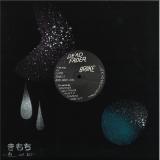
The label suggests these sounds are something akin to if Tim Hecker met Hudson Mohawke "in a 16-bit video arcade," and we're not going to disagree. Dead Fader is now based in Berlin, but his sound remains out of this world with vapourware trails, glossy synth textures and skeletal rhythms all drenched in trippy colours and low-key melancholy. Ambient, minimal and suspensory synthscapes all drift by with far-sighted reverie encouraged before more weighty rhythms like 'Clowning' and 'fade Out' driving things with extra momentum.
- A1: Adventure / Unlimited - Rainy Day Blues
- A2: Jeanette Baker - Vacation From My Mind
- A3: Naz Jazz - Each Moment We Survive
- A4: David Buckland - Celia
- A5: Mary Haynes - We Can Love
- A6: Manzanno - Why Must It End This Way
- B1: The Care Package - The Storm
- B2: Sunshine Earth Band - If I Had Loved You
- B3: Roger Allan Hughes - The Cosmic Fool
- B4: Utopia - Lejos De Mi
- B5: Aoh - The Answer Lies In Love
- B6: Kerry - Not So Long Ago
2026 Repress
A gift to the overthinkers and overworked. Those who are over-concerned and always preoccupied. This is an invitation to hang up the bootstraps, take a load off, and visit a place in the mind where the sun is shining, the breeze is soft and the waves lap softly at your feet. Vacation From My Mind is a sonic realignment of melancholic soul, breezy soft rock, & mellow jazz-funk.
This album is a thoughtfully curated collection of 12 rare and obscure tracks from 1973 to 1981. From Jeanette Baker’s hypnotic 70’s soul title track “Vacation From My Mind” to the Latin rhythms of David Buckland’s jazz-funk “Celia”, this compilation was lovingly crafted to ease the stresses and worries of modern life. The Care Package’s song “The Storm” is a larger-than-life production of dreamy harmonies not often found on privately released 45s. Utopia’s “Lejos De Mi” is a slow-burning slice of Bolivian psych that will have you searching for similar sounds. Whatever your preference, we hope that this album will give you a vacation from your mind.
Lucas Santtana’s tenth album celebrates the vitality and musicality of the Romance languages.
The heir to Brazilian tropicalism, Santtana marks 25 years of his career with Brasiliano, a true collective celebration that brings together prestigious collaborators: Gilberto Gil, Oxmo Puccino, Flavia Coelho, Piers Faccini, Chico César, Paralamas do Sucesso, Cocanha, Dimartino, Karyna Gomes, Tainara Takua, Rachel Reis and Maria Lado.
Sung in eight different languages, Brasiliano is both an ode to linguistic diversity and a testament to its symbolic power. Carried by luminous and layered arrangements where voices intertwine like a polyphonic conversation, the album treats language as a musical instrument in its own right, but also as a political tool. Santtana questions cultural heritage, identity, colonial memory, and the possibility of a shared language. With his singular approach—blending popular rhythms, contemporary soundscapes and vibrant melodies—he celebrates the love and exchange embodied in Romance languages, where music becomes fertile ground for encounters and reinvention.
Nail has been an important voice in the UK underground ever since his DiY Sound System days in the East Midlands in the 90s. After many years away, he returned, much to the delight of many heads, about a decade ago and has continued to roll out essential jams ever since. This one on his In The Dance label embodies his style - loopy, disco tinged house that's rough around the edges and burning with soul. 'Lick The Bag' is a cheeky title for a cheeky tune, 'The Price Is Wrong' shimmers with muted jazzy chords that are always held back, but the delight is in the promise and 'Medicine Stick' rolls on sweet grooves and knotted bass. 'Swing By' shuts down with plunging kicks and hints of MAW. Superb.
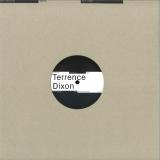
Detroit original, Terrence Dixon, returns to Tresor Records to kick off 2026 with ‘When Stars Remember’. Despite his thirty-year career, Terrence has always managed to keep a lower profile than his peers; he has given few interviews, preferring instead to speak through his music, with cryptic song titles hinting at the thoughts swirling around their creation.
However, ‘When Stars Remember’ finds him stepping forward. “I wanted to get closer to the dancefloor. I consciously made this one feel louder…made with Tresor specifically in mind.” And the EP does just that: whilst many of the hall marks of a Terrence Dixon production are present, the drums are more forward; the synth arpeggios so bold that ‘monumental’ seems a better descriptor than ‘minimal’.
“I put three or four sounds together on the same track, layering to make something bigger”, he says of opening track ‘Mono Collapse’, though the statement could apply to any of the music appearing on the release as all four pieces fold in sonics to create something hypnotic; more than the individual parts: “If you stick with the same layered tones, and repeat it over, after a while your brain changes it on its own; you hear a lot of things: things that you didn’t notice at first, things that maybe aren’t even there.”
The absence of things is another main theme of the EP, especially what Dixon sees as ‘The Forgotten’, a group of fundamental principles like common sense, trust, loyalty, honesty and respect that are missing from modern life. “This world is different…the love is gone. But I love everybody, man. I think, secretly, everybody love everybody, but they just don’t know it.”
The breakout underground star of the past year, the deservedly hyped Thought Leadership returns with another X ideas: the deck this time chooses the suit of Cups. This new collection is closer to the Post-Punk tonality of Pentacles, than the breezy Balearic Jazz of Swords. Gone are the brushed drum samples and airy synths and in their place are BIG guitars, 808 thumps and a decidedly more prominent use of bass as a melodic device.
As the suit of Cups reflects the emotional heart of the Tarot, presented within are a further X pieces, this time displaying the full range and fervour of Thought Leadership.
You know the drill by now. Originally out on cassette only, we present the first ever vinyl issue. It's a hideously limited pressing of 300 for the world, so don't sleep on this.
Side A explores the emotional levels of consciousness; angst, joy, love, sorrow, relief, regret – they are all represented across the first seven tracks, and often within the same piece. XXI kicks us off with a huge tumbling D minor passage, layers and layers of guitar front and centre, whilst the drums pound away in the distance. Release is provided with a gorgeous G Dorian section, where we hear the bass take flight with a high melodic line.
We’re still in familiar Durutti Column meets Dif Juz territory here, but things switch up with XXII. This piece showcases a darker, more angular palette of guitars; think Alan Rankine (The Associates), or Deb Demure (Drab Majesty) in the unexpected harmonic shifts, knotty arpeggiated patterns and heavy, goth-adjacent modulation. A real love letter to 45+ years of darkly inclined guitar heritage.
XXIII enters the fray with tight, thumping 808s and Marr-esque guitar figures; and again, the bass providing heavy melodic counterpoint to the guitars. Enter chiming, lyrical lead phrasing, reminiscent of the eternal opening to "Everybody Wants To Rule The World". Another accidental perfect pop moment from the Thought Leader. Whilst on the topic of Tears For Fears, XXIV comes swinging out of the gate with some serious Sophisti-chug; we’re reminded of "Shout" in the A section, before being beautifully juxtaposed in the B section with more Vini-eqsue patterns, reminiscent of his timeless classic, Another Setting.
XXV gives us welcome pause to take stock midway through the A side. No drums this time, but instead a heartbreaking conversation between two guitars; think Kevin McCormick and David Horridge’s masterful Light Patterns, or perhaps even the early solo-Bill Connors mid-70s cuts for ECM. The moment of quiet reflection passes, and is quickly shattered by the thudding march of XXVI – this piece comes across like The Associates playing "Wicked Game"; heavy, moody, and utterly compelling. XXVII ends our journey across Side A with more Marr-inspired playing; one for the heads and already featured on mixes, this one is real testament to the vision of Thought Leadership.
Side B again takes us on a trip through three long-form semi-improvised pieces. XXVIII is like those classic Jonny Nash, early Melody As Truth releases, slowly unfurling, additional details introduced deliberately piece by piece, this idea builds across 7+ minutes culminating in some utterly joyous ebow fireworks at the end – well Balearic.
XXIX again, like XXV before it, dispatches the drums with a focus purely on melody and mood. The piece feels like a lost Save Room Theme from the Resident Evil series, pure golden age Capcom Sound Team vibes. Unadulterated aural nostalgia for hours spent with a PS1 in haze of hash.
XXX completes this majestic voyage with another Modal exercise; this time the Thought Leader has opted for the Lydian Mode. Beautifully dreamy, undeniably Soundtrack-y, and arguably the most concise distillation so far of everything this project stands for; drum machines, guitars, pedals, one-take improvised solos – XXX has the lot, and is surely destined for greatness.
So, another X epic statements for guitar, homespun with the humblest of means, for all the dreamers out there. The first ever vinyl release of IV Of Cups has been carefully remastered by Be With's engineer Simon Francis to ensure it sounds better than ever after its initial tape release. Cicely Balston's expert skills have made sure nothing is lost in the cut at Abbey Road Studios whilst the records have been pressed to the highest possible standard at Record Industry, in Holland. The original tape cover artwork, so crucial to Thought Leadership's striking visual aesthetic, has been rejigged for vinyl issue here at Be With.
The last 2 LPs flew. You have been warned.
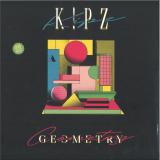
The blueprint for a night of futuristic dancing in 1985; It resides not in the stars, but in the crystalline echo of Geometry’s synthesizers.
K!pz enters the grid with Geometry, a 12-inch Maxi Single that strips the Italo sound down to its most essential, pulsating core: Pure Shapes and Catchy hooks, filled with musicality.
A1 – Circular: Hypnotic and fluid: a rounded bass sequence and celestial arpeggios that draw you straight to the center of the floor. Tight, gated drums and bright leads deliver the unmistakable Hi-NRG feel.
A2 – Triangular: Sharp and dynamic: angular lead lines guide a bed of arpeggiated bass, punchy synth stabs, and impactful breaks. A precise, energy-building melodic core.
B – Square: Solid and deep: a driving, grounded bassline supported by a slapping Drumulator groove. Dub-like reverbs and a classic lead synths carve out a strong, steady, and foremost euphoric atmosphere.
GEOMETRY imagines the future as envisioned in 1985—a vibrant collision of abstract design and intoxicating pulse.
- 1: Birdcage
- 2: Conception
- 3: Radon
- 4: Natality - Stage 1
- 5: Raptor
- 6: Fission - Stage 2
- 7: Cradle - Stage 3
- 8: Ascent - Stage 4
- 9: Raptor
- 10: Ceyx - Stage 5
- 11: Ingress
- 12: Arboreality 1.0 // Grace Bid - Stage 6
- 13: Arboreality 2.0 // Aged Crib
- 14: Arboreality _ // Boxing Day
- 15: Dryad ~Dormir Ou Se Réveiller
- 16: Halcyon
- 17: Dreamstate
- 18: Nest
Black vinyl with Starlight Sparkle effect. Barry "Epoch" Topping returns with the long-awaited soundtrack to BIRDCAGE. The widely celebrated game is the debut release of POLYGON BIRD Games. BIRDCAGE is a fast-paced, vertical scrolling shoot 'em up that blends the explosive action of 90s arcade classics, with modern gameplay and storytelling. What is the value of a bullet, when you wield a sword? While players have been praising BIRDCAGE for transferring retro aesthetics into modern times, the incomparable soundtrack is always pointed out for the same reasons. Entering Barry Topping, who gained recognition for the famous Paradise Killer game soundtrack and lately continued to spread those funky city pop vibes with his very own project The Needs. But for BIRDCAGE it was time to stray from his "trademark sound" and explore a different sonic space he had always been passionate for as well.
[e] 5RAPTOR [FLEDGLING]
[i] 9RAPTOR [MOTHER]
- 1: Nayar
- 2: Diga Me
- 3: Vera En Paraty
- 4: Coco Makako
- 5: Pura Vida
- 6: Do Da Soca
- 7: Afro Disco
- 8: Conga
Vier Jahre nach ihrem gefeierten Debüt ,International Love Affair" kehrt Tigerbalm (Rose Robinson) mit dem aufregend kaleidoskopischen Album ,Bubblegum Discos" zu Ubiquity Records zurück. Als mutige Weiterentwicklung ihres global geprägten Nu-Disco-Sounds spiegelt das Album ein neu gewonnenes Selbstbewusstsein wider sowie den Wunsch, mit handverlesenen Musikern und Sängern aus aller Welt zusammenzuarbeiten. In lebhaften Klangfarben gehalten, präsentiert ,Bubblegum Discos" Tigerbalms zwei große musikalische Leidenschaften: die brasilianische Musikkultur und Vintage-Dancefloor-Hits vom afrikanischen Kontinent, angereichert mit Anspielungen auf Italo-Disco, Proto-House und Soca. Die erste Hälfte des Albums ist stark von südamerikanischen Einflüssen geprägt. ,Nayar", entstanden in Zusammenarbeit mit Giorgio Lopez aus Neapel, macht den Anfang mit leicht vom Reggaeton inspiriertem Nu-Disco, gefolgt vom brasilianischen Disco-Rausch von ,Diga Me" und dem luftigen Samba-Disco von ,Vera En Paraty". Robinson liefert ihren allerersten Leadgesang auf dem teilweise improvisierten Neo-Boogie-Track ,Coco Makoko". Das Album wendet sich dann Afrika zu, mit herausragenden Beiträgen von Andre Espeut, der in Montreal lebenden haitianischen Sängerin Waahli auf dem hornlastigen ,Do Da Soca" und dem Afrobeats-Sänger Idd Aziz auf dem körperbetonten ,Afro-Disco". Der Abschluss ,Conga" rundet das Ganze mit schweren, afrozentrischen Disco-Rhythmen und tiefem Dub-Bass ab. Actiongeladen und makellos produziert: ,Bubblegum Discos" ist der Sound einer Künstlerin, die ihr frühes Versprechen mehr als nur einhält.
- A1: Wonderland
- A2: Changan City
- A3: The Last Frost
- A4: Jasmine Flower (Lofi)
- A5: Homesick
- A6: New Beginnings
- B1: Spring Lake
- B2: Sunrise
- B3: Tears Of Love
- B4: Givre Blanc
- B5: Winter Heart
- B6: Silk Road
- C1: Bamboo Horse
- C2: The Vast Sky
- C3: Guilin Landscape
- C4: Jianghu
- C5: Moon's Reflection
- C6: Tea Leaves
- D1: Dancing Under The Lanterns
- D2: Mountains Mist
- D3: Yu Garden
- D4: End Of Snow
- D5: Warmth In Tradition
- D6: Songbird
Inspired by the Lunar New Year, "Ancient China" is a timeless auditory journey blending traditional Chinese musical elements with contemporary lofi beats. Across 24 tracks, live instruments like the pipa and xiao intertwine with modern production to create a soundscape designed specifically for focus and reflection. Presented as a limited "Jade Mist" double vinyl edition housed in a panoramic gatefold jacket, this compilation serves as the perfect peaceful companion to welcome the Year of the Horse.
- A1: We Are Torn Wide Open
- A2: Mirror Deep
- A3: First Red Rays
- B1: Blind
- B2: Seething And Scattered
- C1: Untethered
- C2: In The Waiting Hours
- D1: Last Light
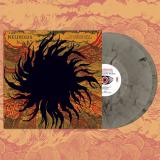
Evolution can be ugly and beautiful, painful and euphoric. An Undying Love For A Burning World is the first new release from Neurosis in a decade, and a potent statement of intent and rebirth - one that marks the first new steps of resolve and resilience.
An Undying Love For A Burning World is an epic album of colossal hypnotism - beautiful, fearsome and utterly compelling in a way that only Neurosis can be. Aaron Turner (Sumac, Isis) joins the band on vocals and guitar, a name whose legacy is intertwined with the band’s own and a true kindred spirit.
“From the moment I first heard Neurosis over 30 years ago, I felt this was the music my heart and mind had been seeking but not yet heard. Now after many years travelling along various musical paths of my own, the singular sound and spirit embodied by Neurosis continues to speak to the depths of my being. It is an honor and a true pleasure to have been welcomed so warmly into a band that not only shaped my perspective on the limitless possibilities of music - but has lived and exemplified the necessity of upholding creative integrity and camaraderie above all else.” - AARON TURNER
Neurosis have never been afraid of change, and here they embrace endless regeneration, surrendering to the emotional exorcism through heaviness and distortion that their music incites. Just as the universe tends towards balance, Neurosis’cacophony of noise, rhythm and dissonance always resolves towards moments of beauty. The addition of Turner's powerful vocals and wildly creative and unhinged approach to guitar proves to be a vital force as Neurosis find themselves again at the mercy of evolution and expression.
On every song in the band’s history, Neurosis shifts restlessly between tension and relief, invoking a feeling both feral and transcendent in listeners. The band describe their songwriting process as an inescapable impulse to create with each other - a need rather than a choice. Indeed, the band insist that their return is “not a reunion - we never broke up.”
The album was recorded by Scott Evans (Kowloon Walled City, Sumac, and Great Falls) at Studio Litho in Seattle during three weekends this winter, and mixed in three days just six weeks before release at Evan's Antisleep Audio in Oakland.
Neurosis will play their first show in seven years on the traditional lands of the Blackfeet Nation in Montana as part of Fire in the Mountains festival by special invitation of Firekeeper Alliance, a non-profit dedicated to reducing youth suicide in Indian Country.
FITM, is a unique festival known for bringing epic music to epic landscapes with the intent of reconnecting and immersing oneself with the natural world, and strengthening our ancestral roots as human beings - an aim which aligns directly with Neurosis’ deep-rooted power.
- 1: Porchside Prologue (2026 Remaster) 0:2
- 2: Broken Marching Band (06 Remaster) 05:06
- 3: A Brief Visual Pattern (2026 Remaster) 05:08
- 4: Seaside Pastures Part 2 (2026 Remaster) 05:59
- 5: Displacement (2026 Remaster) 03:37
- 6: Porchside Economics (202 Remaster) 05:32
- 7: Material Instrument 1 (2026 Remaster) 05:26
- 8: Material Instrument 2 (2026 Remaster) 04:26
- 9: Past Tense Kitchen Movement (2026 Remaster) 04:43
- 10: Epilogue (2026 Remaster) 03:29
Originally released in 2008 on Ezekiel Honig’s own Anticipate Recordings, Surfaces of a Broken Marching Band finds the artist refining a compositional language rooted in the methodologies of musique concrete, ambient, and beat research. Working from a palette of environmental recordings, instrumental fragments, and soft electronic treatments, Honig pushes the source material into an array of sympathetic forms ranging from pillow-soft, lowercase ambient to diffuse downtempo and minimal house. For its reissue on Keplar, the album has been remastered by Kassian Troyer (D&M), bringing a new clarity to its intricate, low-lit architectures.
Throughout the record, serving almost as audiographic guideposts, are faint but insistent gestures toward propulsion, an abiding and recurrent 4/4 pulse that guides the music laterally and instantiates a slow negotiation between its various elements. This music invites close listening precisely by not revealing itself all at once, allowing small collisions of timbre and subtle shifts in emphasis to carry the weight. The traces of lived environments that remain embedded in the mix - distant crowds, sounds of transit, the indistinct acoustics of interiors in flux - expand the frame without breaking its intimacy, creating a potent dislocation between the nearness of the sound and the scale of its sources.
Rather than foregrounding any single voice, this is music that distributes attention equally across its materials, allowing background details to assert their presence as much as melody or rhythm. Honig presents listeners with an astute practice that’s concerned less with building from the ground up than with uncovering what happens when disparate textures and structures are brought into close contact with one another. (Alex Cobb, 2026)
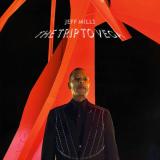
The Trip To Vega is about deep outer space odyssey that occurs in the process of traveling from Earth through the Cosmos to another "favorable" star system 25.3 light-years away.
The time is year 2097, Sept 23rd.
To this day, Earthlings have managed to dodge some of nature's more dangerous extremities, massive volcanic eruptions, Earthquakes, solar burst that knocked out the Planet's entire electrical grid for 3 years, numerous plagues of disease, food and fresh water shortages, domestic and International Wars and many other life-changing operas, but for this event, what remains is a realization that has no remedy. The cause: Earth's physicality has changed. It is no longer favorable for living things.
It is the constant shifting of the planet's internal tectonic plates which has unfortunately produced an unexpected and impassable dilemma.
Because of the collisions, deep within the planet's core, the planet is now producing an extraordinary amount of sound that includes a specific harmonic frequency that erodes the natural senses of all life on Earth.
It is intensifying. It is intolerable and it is unlivable.
Yet, some humans prefer to stay, to "ride it out" like the Titanic captain going down with his ship. Some, in total disbelief as some have concluded it is the second coming of Jesus Christ. But for most, the decision is clear. Tolive another day, leaving is the only rational choice.
At an increasing rate, scientific research data shows that humans and most animals, excluding the Jellyfish will eventually lose the usage of hearing and are to greatly suffer from an array of other neurological and psychological effects. The sense of touch and taste, sleep depreciation, severe nerve damage, constant hallucinations. Everyone will lose many of their cognitive abilities within an estimated 12 months from now.
On this day and every 7 days afterwards until all registered passengers have departed, the first of a fleet of large number of massive size spacecraft carrying approximately 1 million humans per vessel will permanently leave Earth to begin the long and adventurous trek across outer space to a new home: Vega.
This is not a precautionary tale as there is nothing to learn. Instead, a decision has been made and a Trip To Vega is the consequence.
- Jeff Mills
- 1: Cauldron
- 2: Ground Loop
- 3: Eclipse
- 4: Solar Flare
- 5: Locris
- 6: Petrichor
- 7: Mantra
Gary Bartz und das neue Londoner Ensemble Your Brother’s Keeper präsentieren mit "Where Rivers Meet" ein tiefgründiges und intuitives Studioalbum, das die seltene Begegnung zweier Generationen von Jazzmusikern einfängt. Das Album, das pünktlich zum 20-jährigen Jubiläum von Brownswood erscheint, vereint Bartz' Tradition mit der jungen, pulsierenden Szene Londons. Das Ergebnis ist Musik, die sich mit Offenheit und Intensität entfaltet, getragen von tiefem Zuhören und gemeinsamer Improvisation.
Im Zentrum des Projekts steht Bartz, eine der einflussreichsten Vertreter des modernen Jazz. Der Saxophonist, dessen Karriere sich über mehr als fünf Jahrzehnte erstreckt, machte sich einen Namen durch Auftritte mit Charles Mingus, Max Roach und Art Blakey, bevor er sich Miles Davis in dessen elektrisierender Phase der frühen 1970er-Jahre anschloss. Mit seinen gefeierten Aufnahmen mit der NTU Troop wurde er schnell zu einer prägenden Figur des Spiritual Jazz und schuf ein Werk, das Generationen von Musikern und Zuhörern gleichermaßen begeistert. Sein Spiel – lyrisch, tiefgründig und unverkennbar gefühlvoll – zählt nach wie vor zu den markantesten Stimmen des Jazz.
Das Album markiert zudem die Gründung von Your Brother’s Keeper, einem neuen Kollektiv um Schlagzeuger und Produzent Jake Long (Maisha), dessen musikalischer Dialog und die Improvisation tief in der Musik verwurzelt sind. Mit Ali MacSween (Piano, Synthesizer, modulare Effekte), Axel Kaner-Lidstrom (Trompete), Twm Dylan (Kontrabass), Tim Doyle (Percussion) und Chelsea Carmichael (Tenorsaxophon) sowie Long am Schlagzeug spiegelt die Gruppe eine Szene wider, die den Sound des zeitgenössischen Jazz im letzten Jahrzehnt maßgeblich geprägt hat.
Dewa Alit, master of radical Balinese gamelan, returns to Black Truffle with Baur Bentur. Genetic (2020, BT063) introduced international listeners to the magical sound-world of Alit’s Gamelan Salukat, who perform on instruments tuned to a unique scale derived from modified versions of two traditional Balinese scales. The two pieces heard on Chasing the Phantom (2022, BT093) further demonstrated his radical fusion of tradition and experimentation, with passages where unorthodox techniques make the acoustic ensemble resemble glitching electronics. Baur Bentur now highlights another aspect of Alit’s work, presenting pieces composed in 2024 and 2025 where Gamelan Salukat performs alongside virtuoso pianist Sri Hanuraga. Alit’s music is grounded in deep reflection on the tradition of Balinese gamelan and its place in the contemporary world. His title, ‘Baur Bentur’, which translates as ‘mixing and smashing’, points to his embrace of the intercultural mixture of Eastern and Western elements in the search for innovation. Against the calcification of Balinese music into tourist entertainment, Alit poses his searching, experimental work, which celebrates the communal values and performance practices of traditional gamelan while pushing into startling new directions.
‘Sukat Tacara’ is a study in layered tempos, meters, and polyrhythms, a constantly shifting dialogue between piano and the instruments of Gamelan Salukat. It begins close to a traditional concerto, pairing a brisk sequence of melodic variations from the piano with a spare but propulsive accompaniment of drums and hanging metallophone tones, punctuated by low gong strikes. The piano builds in volume and density across a rapid succession of fragments, at points recalling George Antheil’s ticking wind-up machinery, though Hanuraga’s jazz background shines through in the fluidity with which he navigates the complexities of the score, where chromatic movement co-exists with bluesy phrases. An abrupt change in the piano to patterns of dense clusters introduces a new episode, during which the metallic instruments of the gamelan enter the foreground. The piece dazzles with its inventive rhythms and dynamics, building to a stunning passage featuring the signature heavy muting technique of the Gamelan Salukat metallophones in kinetic patterns that would be at home on a Príncipe release.
The title piece begins at high intensity and rarely lets up, working through bracing unison ensemble melodies and punctuation points where piano and gamelan together seem to become a single, thudding drum. For much of the piece the piano is tightly integrated into the ensemble, the harmonic extensions of the melodic line subsumed into a moving cloud of complex overtones generated by the gamelan instruments. Wildly kinetic on the rhythmic level, the piece swarms with microscopic movements of beating patterns generated by the ‘blend and crush’ of three simultaneous tuning systems: the equal temperament of the piano and the saih cenik (small scale) and saih gede (big scale) used by the gamelan instruments. Accompanied by the composer’s thoughtful liner notes and images of the musicians, Baur Bentur is a stunning next step in Alit’s radical combination of tradition and innovation.
For more than two decades, Eamon Harkin has helped shape New York’s communal pulse. As a founder of Mister Saturday Night, Mister Sunday, Planetarium, and Nowadays, he’s created and DJed in spaces where dance, listening, and connection blur into something deeper — places where people come together to make sense of the world through sound.
On his new album, The Place Where We Live, Harkin turns that lens inward. Drawing on 25 years as a DJ and curator, he moves between house, techno, and ambient currents with a sense of stillness and searching. The result is a record that feels both physical and introspective — the sound of the dance floor seen through memory.
The title comes from psychoanalyst D.W. Winnicott’s idea of “the place where we live,” the psychic space between the inner and outer world — where play, art, and culture help us build meaning. For Harkin, an Irish immigrant long settled in another land, that idea resonates both philosophically and personally. The Place Where We Live captures the tension and beauty of the pulse of the club and the quiet of reflection — an album about belonging, transition, and the quiet resonance of finding home somewhere in between.
Galcher Lustwerk is a Cleveland-born, New York-based producer who has become one of the underground's most respected and unique voices. His deep tracks fuse hypnotic grooves with subtle, late-80s hip-house–inspired vocals, creating a detached yet energising take on the famous Midwest style. He's a member of the White Material collective, first gained attention with the 100% Galcher podcast mix, and has since dropped many choice Eps on the best labels in the scene, including Ghostly International, all of which have cemented his reputation as a visionary.
Shorty Out' is a dreamy late-night sound with spoken words pulling you in as balmy pads swirl without purpose, but plenty of sass. The drums are understated but poignant, inviting you to sink into the vibe and give yourself over to Reflection.
'Vestibule' is another smoky, candle-lit sound, with hunched, dusty drums that make you move without ever being the focal point. More vocal musings bring tender feels and evocative imagery as the synths speak of cosmic escape.
Closer, 'Wet Bulb' is more club-ready with techno-leaning synths and mid-tempo but purposeful drums.
Analogue textures and heady, wispy synths add plenty of human soul, making this another considered cut.
- A1: Black Line - Myele
- A2: Mbamina - Nzoumba I-Robots 1975 Unreleased Edit-44100
- A3: Mbamina - Watchiwara
- B1: Oxid - Bright Heron
- B2: Oxid - Oxid Trail
- C1: Stratosferic Band - Nowhere - Reverberated Unreleased Version
- C3: The Boston Garden - Lady Pick-Up
- D1: Mbamina - Nzoumba Unreleased-44100
- D2: Oxid - Oxid Trail Unreleased Extended Version
Daniele Baldelli
"A pleasant surprise to find in this release various atmospheres and sounds that have always been part of my DJing. It even made me rediscover M’Bamina, whom I used to play back in 1974 at the Tabù Club in Cattolica.
There are afro vibes as well, with Black Line – Myele, which is featured on one of my Cosmic tapes, and Nowhere by the Stratosferic Band recalls a track I used to play at the Baia degli Angeli…
Excellent work!"
Voom Voom Music was an independent Italian record label based in Turin, founded and managed by record producer Ivo Lunardi (Turin, December 6, 1940 – December 9, 2010). A pivotal figure in the Piedmont music scene, Lunardi was active both as a DJ and as the owner of several disco clubs.
The label operated for several years in the latter half of the 1970s, releasing mainly productions connected to the Italian dance and pop scene.
Since 2016, the original master tapes from the Voom Voom Music catalog have been owned by Gianluca Pandullo (I-Robots), a close friend of Ivo and Luca Lunardi. Through his labels Opilec Music and Turin Dancefloor Express, Pandullo oversees their preservation and historical enhancement.
The artistic direction of Voom Voom Music was marked by a distinct sonic identity — eclectic yet visionary. The Turin-based label founded by Ivo Lunardi embraced a sound that blended disco, pop, and rock influences, interwoven with African American grooves in a pioneering, international perspective.
Voom Voom Music was among the first Italian labels to introduce this kind of musical language in the country. A prime example is the Italian edition of the debut album by B.T. Express, Do It ('Til You're Satisfied), released in LP, 8-Track Cartridge, cassette, and 7" single formats.
The label’s productions clearly reflected the influence of black and funk music, as evidenced by the references and inspirations running through its catalogue. The track “Lady Pick-Up”, for instance, includes direct nods to “Do It Good” by KC & The Sunshine Band and Manu Dibango’s iconic “Soul Makossa”, revealing a musically refined and contemporary sensibility.
Among the label’s most representative works is Splash (1977) by the Stratosferic Band, a project conceived by Luigi Venegoni — producer, songwriter, and guitarist of Arti e Mestieri. Venegoni’s artistic journey spanned from progressive rock to space and Italo disco. The album artwork was designed by Piero D’Amore (1944 - 2022), a charismatic and multifaceted figure of Turin’s art scene (one of his works was even acquired by the MoMA in New York).
The record includes a disco reinterpretation of Van Morrison’s classic “Gloria”, and “Splashdown”, a track fusing the disco-rock energy of Rockets and Space. In contrast, “Nowhere” revisits the 1975 single by Hokis Pokis, a soul/disco band from Nassau County (New York), transforming it into a vibrant disco-funk number.
Another significant expression of the label’s catalogue is the afro-rock sound of M’Bamina, an Italo-Congolese group whose rhythmic energy and dialogue between African percussion and Western funk evoke the style of international formations such as Osibisa — themselves linked to a rich artistic history in Italy.