
- A1: Things Aren't Going Well
- A2: If I Were A Hammerbomb
- A3: Invasion
- A4: Phases

VOLUMES: ONE startet eine neue Archivreihe mit Live-Shows, Demos, unveröffentlichten Aufnahmen und anderem bisher unbekannten Material, das die vielen Epochen und Facetten von Bon Iver zeigt. VOLUMES: ONE "SELECTIONS FROM MUSIC CONCERTS 2019-2023 BON IVER 6 PIECE BAND" ist die erste Folge und vereint 10 Auftritte, die Bon Iver von ihrer wildesten, wärmsten und kraftvollsten Seite zeigen. "Diese 10 Songs sind so etwas wie ,Hier, wenn du Bon Iver noch nie gehört hast oder wenn du es gehört hast und es dir nicht gefallen hat, könnte das hier was für dich sein.' Das ist das, was wir geworden sind. Das ist wirklich unser Bestes. Das ist es", sagt Justin Vernon, der 2020 mit der Arbeit an VOLUMES: ONE begann und Dutzende von Stunden Live-Aufnahmen durchforstete, um die ultimative Trackliste zusammenzustellen. VOLUMES: ONE "SELECTIONS FROM MUSIC CONCERTS 2019-2023 BON IVER 6 PIECE BAND" ist das erste Nicht-Studioalbum von Bon Iver, aber es ist mehr als nur eine Compilation oder ein Live-Album. Die Bandmitglieder Andrew Fitzpatrick, Jenn Wasner, Justin Vernon, Matthew McCaughan, Michael Lewis und Sean Carey sind eine eigene Einheit. Gemeinsam liefern sie sowohl für Neulinge als auch für eingefleischte Fans die definitiven Versionen dieser Songs und lassen die Tracks durch die essentielle Live-Technik von Xandy Whitesel in ihrer reichhaltigsten Form explodieren. Aufgenommen zwischen 2019 und 2023, als Bon Iver ihr bisher letztes Live-Konzert gaben, hebt VOLUMES: ONE die Musik von "22, A Million" aus dem Jahr 2016 und "i,i" aus dem Jahr 2019 hervor, ergänzt durch drei wichtige Stücke. Der COVID-Hymnus "P.D.L.I.F." steht für eine neue Phase von Bon Iver; ein Cover von Mahalia Jacksons "A SATISFIED MIND" erinnert an die frühen Tage von DeYarmond Edison, als Vernon während privater Bandproben sein Falsett entdeckte; und nun endlich kehrt mit "HEAVENLY FATHER" ein beliebter Fan-Favorit zurück. Die berauschende, introvertierte und innovative Seite von Bon Iver, die die Studioalben ausmacht, kann ohne die Live-Band nicht existieren, und VOLUMES: ONE ist wie eine Zeitkapsel - ein prismatischer Blick auf einen alten Freund, der zeigt, wer sie waren und wer sie sind, all das Gute, zu dem sie fähig sind, aber manchmal vielleicht zu schüchtern sind, um es zu zeigen.

Chez Damier and Ralph Lawson had a fruitful transatlantic hook-up decades ago in a famous farmhouse studio in West Yorkshire. The fruits of that session gave rise to some timeless jams - most notably on 2015's full length collaborative album Lost In Time - including the ones appearing here, though two have come in all-new forms. 'A Dedication to Jos', named in honour of Lawson's friend and late Back to Basics resident, is a mid-tempo sound with phased vocals pacing about the mix and a classic bassline that gets a slight Wulf Lost Tape edit. 'Thank You' then comes as a Ralph Lawson dub and has a darker energy rising from the moody bassline. Closer 'The Moment' then brings some soul with warm chord injections, supple spoken words and a cool as you like groove. An evergreen EP for sure.

Following our well received "Prince Philip Presents..." 2LP compilation, here's a lovely overview of the second phase of Philip's career, as engineer & producer at his own studio, HC&F. These ten tracks comprise our favorites from his production catalog, spanning the mid '80s when the studio really got going, right up until 1996 and his last set of proper productions. The album holds a mix of well known classics like the Garnett Silk, lesser known album only cuts like the Frankie Paul, NY dancehall 12" staples like the Scion Success or Shelene, as well as some lesser known gems. We'd be remiss in not mentioning that this album also contains two previously unreleased cuts - a wicked mid '80s Tony Tuff, and the wild vocoder laden 1985 theme song for Philip's "Get Smart" radio show, which ran for many many years on New York University's WNYU radio station.

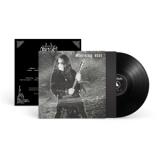
"Morning Star" zeigt Kekht Aräkh auf dem Weg zu einer authentischeren, verfeinerten Version seiner selbst. Das Album wurde in Berlin und Stockholm aufgenommen und entstand in einer Phase intensiven persönlichen und künstlerischen Wachstums. Es verbindet aggressive Black-Metal-Passagen mit immersiven, strukturierten Klanglandschaften, die sowohl intim als auch weitläufig wirken. Seit seinen Anfängen in Mykolajiw, Ukraine, hat Dmitry (alias Crying Orc), der alleinige Kopf hinter dem Projekt, einen unverwechselbaren Weg innerhalb des Black Metal gesucht. Diese Vision entfaltete sich durch sein Debütalbum "Through the Branches to Eternity EP" (2018) und die Alben "Night & Love" (2018) und "Pale Swordsman" (2021), die eine charakteristische Spannung zwischen wildem, viszeralem Black Metal und zarten, introspektiven Balladen etablierten. Auf "Morning Star" erreicht diese Dynamik eine neue Tiefe. Das Album entstand in einer Phase künstlerischer Klarheit und erkundet eine rauere, persönlichere Gefühlspalette, geprägt von Stress, Angst und langen Phasen der Schreibblockade, was ihm eine seltene Unmittelbarkeit und Verletzlichkeit verleiht. Dmitry nahm fast alle Instrumente selbst auf, das Schlagzeug stammt von Jonathan (Spira Me, Vanskapth, Olycka). Bladee steuerte den Gesang bei und war Co-Autor der Texte zu "Eternal Martyr", eine unerwartete Zusammenarbeit, die eine intuitive Chemie offenbart. VS--55 und Varg2Ö fügen abstrakte Samples und subtile Texturdesigns hinzu, die "Morning Star" seine unverwechselbare Körnigkeit und analoge Wärme verleihen, während James Ginzburg (Emptyset, Osmium) sich um das finale Mastering kümmerte und die dynamische Tiefe und atmosphärische Fülle verstärkte. Mehrere Tracks greifen früheres Material mit neuen Perspektiven wieder auf. ,Wänderer" und ,Drömsang" wurden teilweise neu aufgenommen oder komplett neu interpretiert. Intensive, treibende Passagen kollidieren mit spärlichen, kontemplativen Zwischenspielen und erzeugen eine Landschaft, die sowohl viszeral als auch eindringlich ist. Themen wie Isolation und Wanderschaft tauchen in "Wänderer" auf, traumhafte Melancholie in ,Drömsang", existenzielle Kämpfe in "Angest" und Reflexionen über Zeit und Transformation in "Three winters away". Mit "Morning Star" verbindet Kekht Aräkh vergangene Erkundungen mit neuer kollaborativer Energie und produziert ein Album, das die Black-Metal-Tradition der 90er Jahre würdigt und gleichzeitig Lo-Fi-Wärme, melancholische Melodien, klangliche Experimente und emotionale Offenheit umfasst. Das Ergebnis ist ein zutiefst persönliches Statement - ein Album, das sowohl eine Ankunft als auch eine Fortsetzung seiner künstlerischen Reise darstellt.
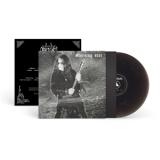
"Morning Star" zeigt Kekht Aräkh auf dem Weg zu einer authentischeren, verfeinerten Version seiner selbst. Das Album wurde in Berlin und Stockholm aufgenommen und entstand in einer Phase intensiven persönlichen und künstlerischen Wachstums. Es verbindet aggressive Black-Metal-Passagen mit immersiven, strukturierten Klanglandschaften, die sowohl intim als auch weitläufig wirken. Seit seinen Anfängen in Mykolajiw, Ukraine, hat Dmitry (alias Crying Orc), der alleinige Kopf hinter dem Projekt, einen unverwechselbaren Weg innerhalb des Black Metal gesucht. Diese Vision entfaltete sich durch sein Debütalbum "Through the Branches to Eternity EP" (2018) und die Alben "Night & Love" (2018) und "Pale Swordsman" (2021), die eine charakteristische Spannung zwischen wildem, viszeralem Black Metal und zarten, introspektiven Balladen etablierten. Auf "Morning Star" erreicht diese Dynamik eine neue Tiefe. Das Album entstand in einer Phase künstlerischer Klarheit und erkundet eine rauere, persönlichere Gefühlspalette, geprägt von Stress, Angst und langen Phasen der Schreibblockade, was ihm eine seltene Unmittelbarkeit und Verletzlichkeit verleiht. Dmitry nahm fast alle Instrumente selbst auf, das Schlagzeug stammt von Jonathan (Spira Me, Vanskapth, Olycka). Bladee steuerte den Gesang bei und war Co-Autor der Texte zu "Eternal Martyr", eine unerwartete Zusammenarbeit, die eine intuitive Chemie offenbart. VS--55 und Varg2Ö fügen abstrakte Samples und subtile Texturdesigns hinzu, die "Morning Star" seine unverwechselbare Körnigkeit und analoge Wärme verleihen, während James Ginzburg (Emptyset, Osmium) sich um das finale Mastering kümmerte und die dynamische Tiefe und atmosphärische Fülle verstärkte. Mehrere Tracks greifen früheres Material mit neuen Perspektiven wieder auf. ,Wänderer" und ,Drömsang" wurden teilweise neu aufgenommen oder komplett neu interpretiert. Intensive, treibende Passagen kollidieren mit spärlichen, kontemplativen Zwischenspielen und erzeugen eine Landschaft, die sowohl viszeral als auch eindringlich ist. Themen wie Isolation und Wanderschaft tauchen in "Wänderer" auf, traumhafte Melancholie in ,Drömsang", existenzielle Kämpfe in "Angest" und Reflexionen über Zeit und Transformation in "Three winters away". Mit "Morning Star" verbindet Kekht Aräkh vergangene Erkundungen mit neuer kollaborativer Energie und produziert ein Album, das die Black-Metal-Tradition der 90er Jahre würdigt und gleichzeitig Lo-Fi-Wärme, melancholische Melodien, klangliche Experimente und emotionale Offenheit umfasst. Das Ergebnis ist ein zutiefst persönliches Statement - ein Album, das sowohl eine Ankunft als auch eine Fortsetzung seiner künstlerischen Reise darstellt.
Vinyl[22,65 €]
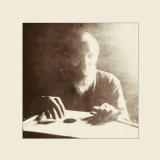
Death Is Not The End present a further volume of Arja Kastinen's eerie amalgamations of 110 year old wax cylinders with her own meticulously transcribed takes, this time focussing in on Armas Otto Väisänen's field recordings of kantele player Iivana Mišukka (b. 1861 d.1919).
"Ivana Mišukka (1861–1919) was one of the Karelian kantele players recorded by the folk music researcher Armas Otto Väisänen on wax cylinders in 1916 and 1917. In the early 20th century, the remote areas of Border Karelia were undergoing the final phase of a transformation in musical culture, with the ancient runo song tradition giving way to newer forms of music. This transition is reflected in Mišukka's repertoire and choice of instrument. The ancient small kantele, hollowed out of a single piece of wood, was already rare at the turn of the century. Mišukka's kantele was a new type of instrument with 26 strings, constructed of several parts, but he played it using the traditional plucking technique. Like other Border Karelian kantele players, his repertoire consisted of music rooted in runosong culture, as well as newer dances and songs from the east and west. Most of the recorded material falls into the latter category.
Ivan Bogdanov Mišukka was born out of wedlock in Suursara village, Suistamo, on 1 May 1861. He began playing the kantele at the age of five or six, quickly mastering the instrument. In adulthood, he was considered one of the area's best master players. Mišukka was landless for most of his life and lived in different parts of the Suistamo parish. His first wife, Tekla Markintytär, died in 1897 at the age of 40, and his second wife, Jevdokia Filipintytär Jeminen, died in 1907 at the age of 50. Seven children were born from the first marriage, two of whom died young. The third wife, Maria Ignatintytär Gurnan (Kuurnanen), was a well-known master of lamentations. Together with Maria, Iivana Mišukka worked as a tenant farmer in the village of Suursara. Mišukka suffered from rheumatism, which prevented him from participating in physical work like Maria. This was apparently partly the reason why Iivana Mišukka went to earn extra money by playing the kantele on gig trips. He often had other traditional artists from Suistamo as his travelling companions, such as the runosingers Konstantin Kuokka and Iivana Onoila. Iivana Mišukka died in Leppäsyrjä village, Suistamo, on 18 May 1919 at the age of 58, and his kantele was donated to Teppana Jänis.
Mišukka only used 14 of the 26 strings on his kantele, playing the same tunes either a fourth higher or lower. He tuned his kantele to the major scale using fifths, except for a low seventh scale degree on the upper strings, but not below the fundamental. Since he did not use the seventh note of the scale on the upper strings at all, he could use the major scale both lower and a fourth higher with this tuning. According to Mišukka, the sound of higher, or 'finer', strings is 'more beautiful', while that of lower ones is 'greater'. Among runosingers, the size of the thirds varied, ranging from major to minor to neutral. A similar phenomenon can be observed in kantele tunings, where the third, sixth and seventh scale degrees vary in a comparable way.
During a meeting, Väisänen suggested that Mišukka play the smaller kantele belonging to Konstantin Kuokka. The idea was to bring it closer to the horn to improve the recording quality. However, the kantele was completely out of tune, and now Mišukka tuned it to the Lydian scale (track 18).
Using the old plucking technique, Mišukka placed his right middle finger on the fundamental tone, his right index finger on the second scale degree, his left middle finger on the third scale degree and his left index finger on the fourth scale degree, and his right thumb on the fifth. The thumb also played the notes above the fifth note of the scale. As Mišukka remarked to Väisänen: 'Peigaloll' tuloo enemb ruadoa' (the thumb has to do more work). However, he did not use the seventh note of the scale on the upper strings at all. Below the fundamental note, he played the seventh and sixth notes of the scale with his right middle finger of and the fifth note of the scale with his right ring finger. This fifth scale degree below the fundamental is almost always used as a drone. Sometimes, when the melody required it, Mišukka, like other players, also varied the fingering. He would also occasionally strike the same string with the side of his fingernail after plucking it.
The wax cylinder recordings of Karelian kantele players are kept in the archives of the Finnish Literature Society in Helsinki, Finland. Copies were made of them onto reel-to-reel tapes in both the 1960s and 1980s. The 1960s copies are mono and the 1980s copies are stereo. However, not all kantele recordings from these decades have survived.
The sound of the kantele is difficult to hear in wax cylinder recordings due to its low volume, and it occasionally becomes completely obscured by noise. During the copying process, the cylinder sometimes rotates unevenly, resulting in breaks or jumps in the music. Additionally, the rotation speed of the cylinder in the copies does not correspond to the performance speed of the original music, which alters the pitch. However, since Väisänen's precise notes are available in the archive, it is possible to deduce the melodies, their speed, and the tuning level of the kantele in the recordings. Of the copies of the original recordings from the 1960s and 1980s, I have selected the one that best met the requirements of this publication and adjusted the speed of the recording to align with Väisänen's notes. To enhance the listening experience, I have replayed the songs, which now partly overlap the old recordings on this release."
— Arja Kastinen
Tape[16,39 €]
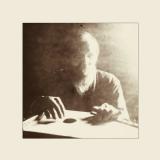
Death Is Not The End present a further volume of Arja Kastinen's eerie amalgamations of 110 year old wax cylinders with her own meticulously transcribed takes, this time focussing in on Armas Otto Väisänen's field recordings of kantele player Iivana Mišukka (b. 1861 d.1919).
"Ivana Mišukka (1861–1919) was one of the Karelian kantele players recorded by the folk music researcher Armas Otto Väisänen on wax cylinders in 1916 and 1917. In the early 20th century, the remote areas of Border Karelia were undergoing the final phase of a transformation in musical culture, with the ancient runo song tradition giving way to newer forms of music. This transition is reflected in Mišukka's repertoire and choice of instrument. The ancient small kantele, hollowed out of a single piece of wood, was already rare at the turn of the century. Mišukka's kantele was a new type of instrument with 26 strings, constructed of several parts, but he played it using the traditional plucking technique. Like other Border Karelian kantele players, his repertoire consisted of music rooted in runosong culture, as well as newer dances and songs from the east and west. Most of the recorded material falls into the latter category.
Ivan Bogdanov Mišukka was born out of wedlock in Suursara village, Suistamo, on 1 May 1861. He began playing the kantele at the age of five or six, quickly mastering the instrument. In adulthood, he was considered one of the area's best master players. Mišukka was landless for most of his life and lived in different parts of the Suistamo parish. His first wife, Tekla Markintytär, died in 1897 at the age of 40, and his second wife, Jevdokia Filipintytär Jeminen, died in 1907 at the age of 50. Seven children were born from the first marriage, two of whom died young. The third wife, Maria Ignatintytär Gurnan (Kuurnanen), was a well-known master of lamentations. Together with Maria, Iivana Mišukka worked as a tenant farmer in the village of Suursara. Mišukka suffered from rheumatism, which prevented him from participating in physical work like Maria. This was apparently partly the reason why Iivana Mišukka went to earn extra money by playing the kantele on gig trips. He often had other traditional artists from Suistamo as his travelling companions, such as the runosingers Konstantin Kuokka and Iivana Onoila. Iivana Mišukka died in Leppäsyrjä village, Suistamo, on 18 May 1919 at the age of 58, and his kantele was donated to Teppana Jänis.
Mišukka only used 14 of the 26 strings on his kantele, playing the same tunes either a fourth higher or lower. He tuned his kantele to the major scale using fifths, except for a low seventh scale degree on the upper strings, but not below the fundamental. Since he did not use the seventh note of the scale on the upper strings at all, he could use the major scale both lower and a fourth higher with this tuning. According to Mišukka, the sound of higher, or 'finer', strings is 'more beautiful', while that of lower ones is 'greater'. Among runosingers, the size of the thirds varied, ranging from major to minor to neutral. A similar phenomenon can be observed in kantele tunings, where the third, sixth and seventh scale degrees vary in a comparable way.
During a meeting, Väisänen suggested that Mišukka play the smaller kantele belonging to Konstantin Kuokka. The idea was to bring it closer to the horn to improve the recording quality. However, the kantele was completely out of tune, and now Mišukka tuned it to the Lydian scale (track 18).
Using the old plucking technique, Mišukka placed his right middle finger on the fundamental tone, his right index finger on the second scale degree, his left middle finger on the third scale degree and his left index finger on the fourth scale degree, and his right thumb on the fifth. The thumb also played the notes above the fifth note of the scale. As Mišukka remarked to Väisänen: 'Peigaloll' tuloo enemb ruadoa' (the thumb has to do more work). However, he did not use the seventh note of the scale on the upper strings at all. Below the fundamental note, he played the seventh and sixth notes of the scale with his right middle finger of and the fifth note of the scale with his right ring finger. This fifth scale degree below the fundamental is almost always used as a drone. Sometimes, when the melody required it, Mišukka, like other players, also varied the fingering. He would also occasionally strike the same string with the side of his fingernail after plucking it.
The wax cylinder recordings of Karelian kantele players are kept in the archives of the Finnish Literature Society in Helsinki, Finland. Copies were made of them onto reel-to-reel tapes in both the 1960s and 1980s. The 1960s copies are mono and the 1980s copies are stereo. However, not all kantele recordings from these decades have survived.
The sound of the kantele is difficult to hear in wax cylinder recordings due to its low volume, and it occasionally becomes completely obscured by noise. During the copying process, the cylinder sometimes rotates unevenly, resulting in breaks or jumps in the music. Additionally, the rotation speed of the cylinder in the copies does not correspond to the performance speed of the original music, which alters the pitch. However, since Väisänen's precise notes are available in the archive, it is possible to deduce the melodies, their speed, and the tuning level of the kantele in the recordings. Of the copies of the original recordings from the 1960s and 1980s, I have selected the one that best met the requirements of this publication and adjusted the speed of the recording to align with Väisänen's notes. To enhance the listening experience, I have replayed the songs, which now partly overlap the old recordings on this release."
— Arja Kastinen

Maui Blue & Orchid Vinyl. Nachdem wir American Don mit (Steve) Albini fertiggestellt hatten, waren wir kurz davor, dass die Spannungen zwischen uns so groß wurden, dass wir uns trennen mussten. Ich (Eric) war überzeugt, dass wir bei den Aufnahmen die wahre Essenz der Songs verloren hatten. Es war keine einstimmige Entscheidung, mit Steve aufzunehmen. Wir haben das Album komplett mit Gitarrenloops geschrieben, und Team Storm & Stress wollte im Studio mit Pro Tools weitermachen, was sowohl zu dem passte, was wir machten, als auch zu dem, was wir erreichen wollten. Steve hatte gerade den großartigen A-Raum bei Electrical fertiggestellt, und Damon bestand darauf, dass wir dort die Drums aufnehmen würden. Er gab in dieser Frage nicht nach. Sobald wir dort ankamen, wurde uns klar, dass alle Songs, die wir mit unseren Pedalen in mehreren Overdubs geschrieben hatten, nur Mono-Gitarrenaufnahmen zuließen. Wir haben das Problem gelöst, indem wir die Songs zu einem einzigen Loop gespielt und alle Gitarren später überlagert haben, sodass ein volles Stereofeld entstand, das zu den grandiosen Drum-Aufnahmen von Steve passte. Dieser Ansatz hat unsere Spielweise total verändert. Das hat zwar magische Momente der Improvisation ermöglicht (Peter Criss Intro), aber als das Album fertig war, klang es aufgebläht und die Darbietungen waren träge. Ich war mir immer sicherer, dass der Sound des Akai Headrush und die Tempi, die er für Damon vorgab, das Herzstück dieser Songs waren. Ian stimmte mir zu. In einem gewagten letzten Versuch hatte ich die Idee, Greg Norman (der für Steve arbeitete!) anzurufen und ihn zu fragen, ob wir nach unseren nächsten Shows heimlich in sein Studio in S. Chicago kommen und das Album LIVE neu aufnehmen könnten. Es war ein riesiger Schritt, der niemals hätte funktionieren können, aber wie durch ein Wunder waren alle einverstanden, und wir versuchten es. Greg hat uns persönlich und professionell in unserer heißesten Phase eingefangen. Die Tempi sind schneller, und niemand hält sich zurück. Diese echten Live-Bänder zeigen die Songs genau so, wie wir sie auf Tour gespielt haben, wo sie zwischen Juni 1999 und Juli 2000 entstanden sind. Jetzt, 25 Jahre später, wurden die Greg-Norman-Aufnahmen entstaubt und digitalisiert. Mit Hilfe moderner Restaurierungswerkzeuge und dem Fachwissen von Sir Bob Weston konnten wir diese Aufnahmen zum ersten Mal neu abmischen und mastern. - Eric Emm, Bassist

Magma, is a French cross-genre, jazz-rock rooted, progressive rock and fusion band founded in 1969 by drummer Christian Vander. Magma have existed in two phases, the first was formed in the summer of 1969 and debuted on LP in 1970, continuing through to 1983. Kobaia was released spring 1970 and 1001 Centigrades was released April of 71.

Magma, is a French cross-genre, jazz-rock rooted, progressive rock and fusion band founded in 1969 by drummer Christian Vander. Magma have existed in two phases, the first was formed in the summer of 1969 and debuted on LP in 1970, continuing through to 1983. Kobaia was released spring 1970 and 1001 Centigrades was released April of 71.

Magma, is a French cross-genre, jazz-rock rooted, progressive rock and fusion band founded in 1969 by drummer Christian Vander. Magma have existed in two phases, the first was formed in the summer of 1969 and debuted on LP in 1970, continuing through to 1983. Kobaia was released spring 1970 and 1001 Centigrades was released April of 71.

CLEAR VINYL[27,94 €]
Anfang 1996 veröffentlichte The Wedding Present "Mini" über Cooking Vinyl Records, eine EP mit sechs Titeln, deren Songs alle einen Bezug zum motorisierten Fahren hatten. Fast dreißig Jahre später hat David Gedge dieses Konzept wieder aufgegriffen! "Maxi" enthält sechs weitere Stücke, deren Titel/Inhalte sich alle auf diese Thema beziehen. Maxi erscheint über Clue Records und folgt kurz nach der Veröffentlichung von 40 - der Zusammenstellung, die den komplexen und faszinierenden Katalog von The Wedding Present in einem Box-Set mit vier Vinyl- und/oder vier CDs widerspiegelt. Der letzte Titel der Compilation ist "Hot Wheels" - ein Song, der nun auch auf Maxi zu finden ist, zusammen mit fünf weiteren Stücken. Obwohl Maxi dem gleichen Konzept wie Mini (1996) folgt, klingt The Wedding Present 2025 deutlich größer. Dies ist wirklich eine Band in ihrer kreativsten Phase, die sowohl die Grenzen ihres eigenen Stils/Sounds als auch die Erwartungen der Zuhörer erweitert, während die Texte auf provokative Weise Bilder zeichnen, wie es nur David Gedge kann. "Wie ich in meinen Sleeve Notes zu 40 gesagt habe, wurden die Songs, die wir für Maxi aufgenommen haben, relativ schnell geschrieben, weil ich mich besonders inspiriert fühlte, sowohl textlich - durch Situationen in meinem Leben - als auch musikalisch - durch das Schreiben mit der damals neu hinzugekommenen Rachael. Die daraus resultierenden Tracks wirken größer angelegt und stimmungsvoller als alles, was wir seit langem gemacht haben ... und sie sind dank der neuen Rockqueen von The Wedding Present und ihrem Arsenal an Gitarren und Pedalen auf jeden Fall temperamentvoller!" (David Gedge). Transparente Vinyl-10" oder CD im Digipak.

Aurora-Glow-Vinyl, limitiert auf 700 Exemplare. Lange war es ruhig um Sound Of Smoke aus Freiburg im Breisgau. Nachdem das Psychedelic Soulrock Quartett ihre letzte Platte PHASES im Frühjahr 2023 über Tonzonen Records veröffentlicht hatte, gab es viel Zuspruch innerhalb der deutschen und teils auch internationalen Szene. Aufgrund anschließender diverser privater Umstände, unter anderem ein Baby und der Umzug in eine andere Stadt, hatte sich die Band darauf geeinigt, sich mehr dem Songwriting zu widmen und das Touren zu reduzieren. Nun freuen sich die Freiburger*innen im März 2026 ein neues Album zu präsentieren! MIRAGE, so wird die 3. Langspielplatte der Band heißen und knüpft an das bewährte Konzept von Sound Of Smoke an: Johannes Braunsteins vorantreibende Schlagzeugbeats, Florian Kiefers donnernder Bass, welcher teilweise schon als Rhythmusgitarre interpretiert werden kann, Jens Stövers elektrische, twangy Gitarre ergänzt mit sphärischen Echo- & Fuzz-Sounds, sowie oszillierende Synthesizer. Zu guter Letzt gibt Isabelle Bapté mit ihrer souligen Stimme und Flöteneinsätzen dem Sound Of Smoke den famosen, individuellen Touch, welcher die Band so einzigartig macht.

Christian Fetish - Aura Nera
DE
Mit "Aura Nera" kehrt Christian Fuchs zu seinen düsteren musikalischen Wurzeln zurück. Inspiriert von Dantes Inferno und dem kosmischen Pessimismus des Philosophen Eugene Thacker steht die "schwarze Luft" als Metapher für eine spürbare gesellschaftliche, politische und persönliche Verdunkelung.
Nach Jahren mit Projekten wie Fetish 69, Bunny Lake, Die Buben im Pelz und dem Black Palms Orchestra reaktiviert Fuchs sein Alter Ego CHRISTIAN FETISH. Aus einer Phase persönlicher Krisen heraus entsteht ein Album, das harte Gitarren wieder mit Elektronik verbindet - jedoch ohne Nostalgie, sondern mit neuen Perspektiven, dekonstruierten Haltungen und existenzieller Dringlichkeit.
Gemeinsam mit langjährigen Weggefährt:innen und markanten Stimmen der österreichischen Musikszene entsteht ein intensives Werk zwischen Industrial, Postpunk und düsterem Pop. "Aura Nera" thematisiert Nihilismus, Schlaflosigkeit, Untergangsängste und fiebrige Leidenschaften - ein kompromissloses Statement in dunklen Zeiten.
feat. Members of Fetish 69, Bunny Lake, Sofa Surfers, Baits, While Miles, BZFOS, Der kleine Tod

POD & Edward Richards return with their second release on Kinetic Vision, the ‘Polar Phase’ EP, following their much lauded ‘SQZR’ EP. A landmark release for the label, ‘Polar Phase’ marks the first of a series of records to come. Set at a tempo of 100 BPM, the duo mix minimalism, broken beats, world music percussion and psychedelic synths to weave a tapestry of darkness, albeit more zen than melancholy.
The opening track ‘Mind Machine’ is propelled by a broken beat and flurry of hard hitting snares. A swirl of synths abound while a tribal incantation is whispered in the dark. The title track ‘Polar Phase’ takes us on a pulsing journey of techno hypnotism, with icy synths threatening deep underwater immersion. The B side ‘Flux Growth’ elicits an obscure playfulness with its punctuated kick and slowly building chaos. Finally the Sub Basics remix of ‘ Polar Phase’ lifts the tempo and we find ourselves in a bliss of pure dancefloor hedonism.
POD & Edward Richards have crafted a rich textural sound with slow paced hypnotic grooves, creating deep absorption for both DJ and listener alike.

Originally released in 1993 on Full Motion Records, Tranvision by Optical Phase is a cult Italian progressive house / trance record from the early ’90s underground.
Produced during the golden era of Italian progressive, the track captures the hypnotic and melodic sound that defined many European dancefloors of the time, driven by atmospheric pads, rolling rhythms and uplifting synth progressions.
Long sought-after by DJs and collectors, the record has become increasingly hard to find in its original pressing.
Now finally back on vinyl, making this early ’90s Italian progressive gem available again for a new generation of DJs and collectors.
"Ed DMX has been part of Shipwrec since the label's inception. Under his DMX Krew moniker, this analogue wizard has released four Eps and one LP on the Nijmegen imprint. DMX Krew returns to Shipwrec for a brand new album, a collection that displays yet another side of this sculptor's sound. Brutal and cold, shadows are long and shades dark from the outset. Drum patterns twist in tempo and intent, from hard and punishing to gentle and fragile. Elements of breaks and industrial are also present in the percussion, this fragmenting allowing deep and soulful melodies to counter the battery. In fact, echoes of electronica permeate the harmonies across the LP such as deep and divergent "Interrupt." No single style is adhered to. Instead, the full palette of machine music is employed. From the squelchy Tudor electrofunk of "I Wonder Why" to the melancholic braindance of "Rephlections in Time", genre boundaries are given little credence. Instead, Ed DMX draws on his decades of experience to create sounds that are both familiar and completely one of a kind. The deep-sea dive of "Final Comedown" is juxtaposed with the ambling calypso of "Dinosaur Reaction", styles reimagined and reshaped to the creator's evolving purpose. Echoes of the halcyon days of Rephlex permeate the 2LP. The harshness and softness of the Cornwall imprint being present throughout, those more subtle tones coming to the fore in the delicate beauty of the "Phaser Level 2." A transcendent album and a certified future classic. To accompany this very special release, there will be a limited edition run with full cover art by Ruwedata. An artist very close to Shipwrec's heart, Ruwedata was responsible for the sleeve work on DMX Krew's Cosmic Awakening."

We’re proud to welcome Francisco to GNC Records for our third vinyl release. Catch It sits right at the intersection between New Beat and Proto House, delivering an effortless fusion of styles. From serious old-school attitude to modern dancefloor energy, this record is a versatile essential for any bag – perfect for a club setting or an open-air festival. To round off the release, Phase O’Matic delivers his futurism reorder, injecting a fresh, forward-thinking aesthetic into the EP.
