AYA Records presents: Humazapas' debut with 'Sara Mama', homage to the land and Kichwa tradition. The concept of "getting back to your roots" rarely has such a literal meaning, or at the same time such an ancestral meaning, as in the case of the Ecuadorian group Humazapas. Usually in the music industry this concept is used when an artist returns to a past sound, going back to that moment of newness, exploration and ingenuity, perhaps. But not Humazapas. These natives of the Kichwa communities of the Ecuadorian Andes, who have been working on this project for a decade, see "getting back to your roots" as a profound connection with their cultures, language, dance, the rituals that connect them to their deities and, of course, music.
Suche:ingen
The Secret Sun rises once again, this time shining its light on the treasures stored in Dan Piu’s incredibly vast production archive, which dates back to the early ’90s. Selecting the music for this EP was a long but inspiring quest, a deeply rewarding dive into Dan’s artistic journey. It offers an insight into the studio universe of one of the producers we respect the most, and with whom we share the same vision and love for music.
We are grateful to once again bring to light four forgotten and unreleased productions from the ’90s, this time by Dan, infused with the novelty and ingenuity of that era, under the moniker Sensefinite.
- Dexter Main Title
- Tonight S The Night
- Conoci La Paz
- Uruapan Breaks
- Flores Para Ti
- Blood
- Con Mi Guaguanco
- Perfidia
- Sometimes I Wonder
- Born Free
- Dexter Main Title
- Escalation
- Shipyard
- Deborah Loves Rudy/The House
- I Can T Kill
- Voodoo Jailtime
- New Legs
- Photo Albums
- Courting The Night
- Hide Your Tears
- Wink
- Astor S Birthday Party
- Epilogue/Bloodroom
- Blood Theme
- Die This Way
How did Dexter make a TV audience sympathize with a serial killer? No question, it took an ingenious premise, great writing, great direction…and a stellar ensemble cast headed by lead actor Michael C. Hall. But long-time viewers of the show know there was another “character” that played a huge role in the series: the soundtrack. From Rolfe Kent’s unforgettable title theme to the well-chosen Latin-tinged tunes that fit the Miami setting to composer Daniel Licht’s brilliant themes, the score of Dexter commented on the action even as it amplified its emotional power. Special mention must be made of the late Licht’s work, which employed Latin and electronic elements to portray Dexter’s warm and cold sides; among the favorites here are “Astor’s Birthday Party” and the haunting “Blood Theme” that played over the credits in every episode. In 2007, the Milan label put out a CD and a truncated single-LP soundtrack album containing music from the first season; now, for the first time, we at Real Gone Music are offering all of the music that appeared on the CD in an expanded double-LP edition, pressed on blood with white swirl vinyl and housed inside an appropriately gory gatefold. Don’t miss Michael C. Hall’s spoken word pieces, either…perversely pleasurable listening, limited to 1500 copies!
- A1: Mine Damer Og Herrer
- A2: Tårer
- A3: En Gammel Sang
- A4: Jeg Står Her
- A5: Lille Venn
- A6: Jeg Så Et Ansikt
- A7: Hva Kjærlighet Er
- A8: Fredstanker
- A9: Åhhhh
- A10: Jeg Har Aldri
- A11: Ser Det Skinne
- A12: Å Ikke Kunne Høre
- A13: Synet
- A14: Sval Vind
- B1: Jeg Forstod Ingenting
- B2: Det Var I Går
- B3: Til En Venn
- B4: Ubeskrivelig
- B5: Tida Endra Alt
- B6: Steg For Steg
- B7: Noen Av Oss
- B8: Selvforsvar
- B9: Livet Ble Så Riktig
- B10: Helt Alene
- B11: Regnet På Ruta
- A1: Keele 77 Eins
- A2: Keele 77 Zwei
- B1: Keele 77 Drei
- B2: Keele 77 Vier
- C1: Keele 77 Fünf
- D1: Etching On D-Side (No Music)
'Can Live in Keele 1977' ist die neueste Veröffentlichung in einer Reihe von Live-Alben, die aus den Tresoren von Spoon Records und aus Fanaufnahmen ausgegraben und dann von Gründungsmitglied Irmin Schmidt und Produzent/Ingenieur René Tinner sorgfältig zusammengestellt wurden.
Live in Keele 1977 ist ein dynamisches Dokument der Spätzeit von Can. Die im März 1977 aufgenommene Kernbesetzung bestehend aus Irmin Schmidt, Jaki Liebezeit, Michael Karoli und Holger Czukay wird durch Rosko Gee (Traffic) am Bass ergänzt. Gees kürzliche Ergänzung des Line-Ups bedeutete, dass Holger Czukay von seinen Bassaufgaben entbunden wurde, um „Waveform Radio und Spec“ zu spielen. Sounds“, die sich hier als jenseitige Klänge, Samples und das manifestieren, was ein Rezensent einer späteren Show als „Mondgespräch mit einem weißen Kontinentaltelefon“ beschrieb.
Das neue Album ist die letzte Veröffentlichung in der aktuellen Reihe von Live-Dokumenten, die 1975 mit „Can Live in Stuttgart“ starteten (Uncuts Reissues of the Year, Platz 2 in MOJOs Reissues of the Year, Platz 7 in The Wire's Archive Reissues of the Year und mehr). ), gefolgt von „Can Live in Cuxhaven 1976“ (das erneut eine große Rolle in den Neuauflagen des Jahres spielte); „Can Live in Brighton 1975“ („Pure Dynamit… Keep They Coming“ – MOJO); „Can Live in Paris 1973“, das erste der Reihe mit dem verstorbenen Damo Suzuki („eine lebhafte Hommage an eine der besten Improvisationsgruppen des Rock“ – Financial Times), und „Can live in Aston 1977“ (The Quietus's Reissue of the Week – „ Es ist zweifellos Musik zur Erweiterung des Geistes, aber sie dehnt das Gehirn auf eine Weise, die einzigartig bleibt – „Can waren schon immer Anbieter von Inner-Space-Rock, und jede Reise ins Unbekannte war so anders wie ihre Shows“).
„Brighter days are up ahead“, verkündet Dwight Yoakam im Titeltrack seines neuen Albums Brighter Days, seiner ersten Veröffentlichung von neuem
Originalmaterial seit neun Jahren. Brighter Days wurde in den letzten drei Jahren geschrieben und aufgenommen und enthält 12 brandneue Songs,
die von Yoakam geschrieben bzw. mitgeschrieben wurden, sowie zwei scheinbar ungleiche Coverversionen von „Keep On The Sunny Side“ von der
Carter Family und „Bound Away“ von Cake, die kunstvoll und in dem unverwechselbaren Stil, der nur von Dwight Yoakam stammen kann, zu einem
Gesamtwerk verwoben wurden. Die mitreißende Leadsingle „I Don't Know How To Say Goodbye (Bang Bang Boom Boom)“ wurde von Yoakam
speziell für eine Zusammenarbeit mit dem selbsternannten Dwight Yoakam-Superfan Post Malone geschrieben.
Yoakam hat Brighter Days selbst produziert und dabei eine moderne Reverenz an die Geschichte der Country-Musik mit dem Pioniergeist des
kalifornischen Rock'n'Roll verbunden. Das Ergebnis ist eine Mischung aus handwerklichem Können und Unmittelbarkeit, die den typischen Dwight
Yoakam-Cool“ einfängt, der den zweifachen Grammy-Gewinner seit Beginn seiner legendären Karriere von seinen Country-Kollegen unterscheidet.
Wie üblich sind Yoakams Texte auf dem gesamten Album sowohl täuschend mühelos als auch ergreifend. Brighter Days wurde von dem
Weltklasse-Ingenieur Chris Lord-Alge abgemischt.
Blue vinyl repress
With a voice of pure gold and a startling sensitivity for heartfelt pop songwriting, on No Reino Dos Afetos (In the Realm of Affections), Berle firmly embraces earnestness, through starry-eyed Brazilian love songs, ambient vignettes, warm, home-cooked beats and gentle strokes of MPB genius.
Maceió, the capital of Brazil’s Alagoas state on its sprawling east-coast, is home to pastel coloured colonial houses, white sand beaches and a brilliant young composer, poet and multi-instrumentalist named Bruno Berle.
With a voice of pure gold and a startling sensitivity for heartfelt pop songwriting, on No Reino Dos Afetos (In the Realm of Affections), Berle firmly embraces earnestness, through starry-eyed Brazilian love songs, ambient vignettes, warm, home-cooked beats and gentle strokes of MPB genius.
“It’s an album that was built from my desire to find beauty”, Berle explains - his simple, graceful words mirroring the graceful simplicity in his music. But amongst the simplicity, the compositions, arrangements and productions on No Reino Dos Afetos tingle with nuance and detail.
On the contemporary R&B inspired lead single “Quero Dizer” - produced by Berle and longtime friend and collaborator Batata Boy - the swirling, lo-fi, kalimba and guitar-fronted beat is turned into a feel-good hit by the ingenuity of Berle’s honey-soaked vocal melody.
Powerfully intimate, “O Nome Do Meu Amor” (My Love’s Name) is a guaranteed tearjerker, with Berle’s stunning voice soaring over gently plucked acoustic guitar and the textural flutter of soft movement, as if we hear him writing the song in the moment.
Drawing upon a close-knit, collaborative scene of Maceió artists and musicians, (of which Berle and Batata Boy are vital members), Berle also recorded some of his friends songs on the album, including João Menezes’ “Até Meu Violao”, the album’s beautifully laid back sunshine soul opener, which has all the charm of early-70s João Donato.
Having cut his teeth in soft-rock group Troco em Bala, and more recently finding himself embedded in both Rio and Sao Paulo’s contemporary music scenes - collaborating with the likes of Ana Frango Eletrico, who took the photo for the album cover - No Reino Dos Afetos is as musically diverse as Bruno himself. It’s hazy indie rock (“É Preciso Ter Amor”), calming ambient and field recording (“Virginia Talk”) as well as Berle’s own take on West African High Life (“Som Nyame”).
Instantly recognisable as a truly special artist, Berle’s character fills every corner of the sound, which is unsurprising considering he played most of the instruments.
Limited ORANGE Vinyl Edition[43,91 €]
Nicknamed "the Hendrix of the Kora", Seckou Keita has been celebrated for his ingenious tunings and virtuosity and praised as "one of the finest exponents of the kora". Performing all over the globe, he has captivated audiences at WOMAD, Hay, Glastonbury, Tokyo Jazz, Chicago World Music Festival, Sydney International, Montreal Jazz Festivals and many more collaborating with the likes of Damon Albarn & the Africa Express; Catrin Finch; Omar Sosa; AKA trio; Paul Weller and The Lost Words, Spell Songs. 'Homeland' heralds a bold new direction for the kora virtuoso, who invites his audience to explore his Mandinka roots and the ancestral culture of the griots. A journey between past and present, tradition and modernity, in words and music, infused with traditional rhythms embracing Afro-pop, urban and hip-hop. Homeland features collaborations with the Daar J Family, poet Zina Edwards and Costa winning poet Hannah Lowe.
Black Vinyl[43,91 €]
Nicknamed "the Hendrix of the Kora", Seckou Keita has been celebrated for his ingenious tunings and virtuosity and praised as "one of the finest exponents of the kora". Performing all over the globe, he has captivated audiences at WOMAD, Hay, Glastonbury, Tokyo Jazz, Chicago World Music Festival, Sydney International, Montreal Jazz Festivals and many more collaborating with the likes of Damon Albarn & the Africa Express; Catrin Finch; Omar Sosa; AKA trio; Paul Weller and The Lost Words, Spell Songs. 'Homeland' heralds a bold new direction for the kora virtuoso, who invites his audience to explore his Mandinka roots and the ancestral culture of the griots. A journey between past and present, tradition and modernity, in words and music, infused with traditional rhythms embracing Afro-pop, urban and hip-hop. Homeland features collaborations with the Daar J Family, poet Zina Edwards and Costa winning poet Hannah Lowe.
- A1: Anemona
- A2: Pandancer Feat Cosima Olu
- A3: Mega-Zapper
- A4: Leyli Feat Arnau Obiols
- B1: Milo Feat Kamohelo
- B2: Xummiemu
- B3: Wild Child Meadows Feat Oliver Grimball
- B4: Uh-Oh!
- C1: Utado Feat Nah Eeto
- C2: Curry Wurst Collab Feat Janne Tavi
- C3: ?Sally Está Loca!
- C4: Heavenly Pills
- D1: Dolphin Lundgren Feat Kamohelo
- D2: Soul Ego Spacesuit
- D3: Perroflautas
- D4: Higher, Better, Faster, Slower
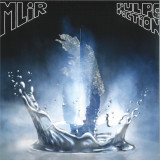
MLiR is one of those rare creative partnerships where personalities and talents perfectly match, an exquisite balance of similarity and polarity leading to ingenuity. In the case of MLiR, this dynamic has resulted in the form of consistently vibrant takes on current, past and future global dance music, an artistic expression
fuelled by equal parts tireless record digging and masterful studio wizardry.
Their two previous EPs on Studio Barnhus count among the label's most played and loved, and the forthcoming debut album Pulpo Fiction, released this October on the Stockholm label, takes it to the next level with a staggering tracklist of 16 new recordings featuring vocal talent as diverse as Kenyan rapper Nah Eeto, American
poet Oliver Grimball and Swedish soul singer Cosima Olu.
The music is as wild a ride as ever with MLiR at the controls – ranging from the nostalgic to the futuristic, the deep to the poptastic – with a firm base in the kind of high-powered, light-footed dancefloor material the duo is so beloved for.
WHITE VINYL[24,79 €]
Kaum zu glauben: Harald Grosskopf gibt es jetzt schon ein Dreivierteljahrhundert. Anlässlich seines 75. Geburtstags erscheint nicht nur im Ventil Verlag seine Autobiographie "Monsieur Séquenceu" - sondern auch endlich wieder ein neues Album vom Elektronik-Altmeister. Man muss zu diesem Mann eigentlich nicht viel sagen: Mitbegründer von "Wallenstein", ergo Drummer auf mindestens zwei der wunderbarsten Krautrockalben (nämlich "Mother Universe" und "Cosmic Century"), Mitglied der legendären "Kosmischen Kuriere", Platten mit Ash Ra Temple und Klaus Schulze. Schließlich wechselt Harald Grosskopf dann von den Drums zu den Sequencern und schafft Atemberaubendes. Und nun: "Strom". Die Evokation der Elektrizität, der Virtuosität der Schaltung, die Mensch und Maschine kunstvoll verschraubt und der über ihrem Triumphzug verödeten musikalischen Digitalität entgegengestellt wird. Wer genau hinhört, der erkennt den Ingenieur hinter den Klanggebilden sogleich.
Black Vinyl[23,49 €]
Kaum zu glauben: Harald Grosskopf gibt es jetzt schon ein Dreivierteljahrhundert. Anlässlich seines 75. Geburtstags erscheint nicht nur im Ventil Verlag seine Autobiographie "Monsieur Séquenceu" - sondern auch endlich wieder ein neues Album vom Elektronik-Altmeister. Man muss zu diesem Mann eigentlich nicht viel sagen: Mitbegründer von "Wallenstein", ergo Drummer auf mindestens zwei der wunderbarsten Krautrockalben (nämlich "Mother Universe" und "Cosmic Century"), Mitglied der legendären "Kosmischen Kuriere", Platten mit Ash Ra Temple und Klaus Schulze. Schließlich wechselt Harald Grosskopf dann von den Drums zu den Sequencern und schafft Atemberaubendes. Und nun: "Strom". Die Evokation der Elektrizität, der Virtuosität der Schaltung, die Mensch und Maschine kunstvoll verschraubt und der über ihrem Triumphzug verödeten musikalischen Digitalität entgegengestellt wird. Wer genau hinhört, der erkennt den Ingenieur hinter den Klanggebilden sogleich.
“The Coup’s second album, 1994’s Genocide & Juice, was an emboldened level-up from their first full length. While early Coup material had moments that blossomed on later efforts, Genocide & Juice was where those ideas deepened, becoming more pronounced as their catalog grew. Production wise, it’s replete with colorful samples, thorough skits and big bass, a perfect intersection of ’90s sample-based ingenuity and West Coast funk.
Genocide & Juice is mainly two things: neighborhood tales and unapologetic worldviews bound with fisted activism — made by the group’s core members at the time — Riley, Pam the Funkstress and E-Roc. But there are voices and sound effects woven throughout that give it more texture. Killer production that was able to sound both clearly professional while retaining its edge. At a concise 14 tracks, this album is one of the best sophomore efforts by any group, in any genre.”
- The Ostrich
- Cycle Annie
- I'm Gonna Fight
- Soul City
- Oh No Don't Do It
- Love Can Make You Cry
- Teardrop In The Sand
- You're Driving Me Insane
- Sneaky Pete
- Wild One
- Really - Really - Really - Really - Really - Really Love
- Soul City
- Ya Running But I'll Getcha
- We Got Trouble
- Why Don't You Smile
- Johnny Won't Surf No More
- Tell Mamma Not To Cry
- Maybe Tomorrow
- Flowers For The Lady
- This Rose
- Surfin
- Little Deuce Coupe
- Sad Lonely Orphan Boy
- I've Got A Tiger In My Tank
- What About Me
Black Vinyl[50,38 €]
Oxblood & Gold Vinyl. Light In The Attic präsentiert in Zusammenarbeit mit Laurie Anderson und dem Lou Reed Archive die erste offizielle Anthologie von Lou Reeds Arbeiten für Pickwick Records 1964-1965. "Why Don't You Smile Now: Lou Reed At Pickwick Records 1964-65"enthält Raritäten, Kultklassiker (The Primitives' "The Ostrich") und bisher unveröffentlichtes Material (The Beachnuts' "Sad, Lonely Orphan Boy") und ist eine Zusammenstellung von Popsongs aus Reeds Feder, die er Mitte der 60er Jahre als angestellter Songwriter für das längst untergegangene Label Pickwick Records schrieb. Die Zusammenstellung ist der neueste Teil der Lou Reed Archive Serie und folgt auf Lou Reeds "Words & Music, May 1965" (2022) und die Wiederveröffentlichung von "Hudson River Wind Meditations" (2023). Als eine der originellsten und innovativsten Persönlichkeiten der Musikgeschichte erlangte Reed (1942-2013) zunächst als Mitbegründer und Frontmann der einflussreichen Band Velvet Underground Anerkennung. Im Laufe seiner fünf Jahrzehnte währenden Karriere brachte der zweifache Rock & Roll Hall of Famer seine einzigartige Vision in eine eklektische Bandbreite musikalischer Unternehmungen ein, darunter epochale Alben wie "Transformer" (1972) und wild experimentelle Werke wie der avantgardistische Noise-Klassiker "Metal Machine Music" (1975). Doch bevor er sich als Sänger, Songschreiber, Musiker und Dichter etablierte, begann Reed als interner Songschreiber (und gelegentlicher Session-Gitarrist/Sänger) bei Pickwick Records, einem Label, das sich auf Sound-ähnliche Aufnahmen spezialisierte, die die großen Pop-Hits der damaligen Zeit nachahmten. Von Garage-Rock und Girl-Group-Pop bis hin zu Blue-Eyed-Soul und Teenie-Idol-Balladen bietet Reeds Schaffen für Pickwick einen faszinierenden frühen Einblick in sein sich ständig weiterentwickelndes und wahrhaft grenzenloses künstlerisches Schaffen, das vom GRAMMYr-nominierten Mastering-Ingenieur John Baldwin restauriert und remastered wurde. Sowohl die 2xLP- als auch die CD-Editionen enthalten ausführliche Booklets mit ungesehenen Fotos, Linernotes von Richie Unterberger (renommierter Musikjournalist und Autor von "White Light/White Heat: The Velvet Underground day-by-day") und ein Essay von Lenny Kaye (dem legendären Gitarristen, Mitbegründer der Patti Smith Group, Autor, Produzent und Kurator der bahnbrechenden Garage-Rock-Anthologie "Nuggets"). Die Doppel-LP-Verpackung wurde von dem mehrfach mit dem GRAMMYr ausgezeichneten Künstler Masaki Koike gestaltet. Eine spezielle farbige Vinyl-Edition wird auf "Oxblood"-Wachs (A/B-Seite) und "Gold"-Wachs (C/D-Seite) gepresst.
- The Ostrich
- Cycle Annie
- I'm Gonna Fight
- Soul City
- Oh No Don't Do It
- Love Can Make You Cry
- Teardrop In The Sand
- You're Driving Me Insane
- Sneaky Pete
- Wild One
- Really - Really - Really - Really - Really - Really Love
- Soul City
- Ya Running But I'll Getcha
- We Got Trouble
- Why Don't You Smile
- Johnny Won't Surf No More
- Tell Mamma Not To Cry
- Maybe Tomorrow
- Flowers For The Lady
- This Rose
- Surfin
- Little Deuce Coupe
- Sad Lonely Orphan Boy
- I've Got A Tiger In My Tank
- What About Me
Oxblood & Gold Vinyl[54,58 €]
Light In The Attic präsentiert in Zusammenarbeit mit Laurie Anderson und dem Lou Reed Archive die erste offizielle Anthologie von Lou Reeds Arbeiten für Pickwick Records 1964-1965. "Why Don't You Smile Now: Lou Reed At Pickwick Records 1964-65"enthält Raritäten, Kultklassiker (The Primitives' "The Ostrich") und bisher unveröffentlichtes Material (The Beachnuts' "Sad, Lonely Orphan Boy") und ist eine Zusammenstellung von Popsongs aus Reeds Feder, die er Mitte der 60er Jahre als angestellter Songwriter für das längst untergegangene Label Pickwick Records schrieb. Die Zusammenstellung ist der neueste Teil der Lou Reed Archive Serie und folgt auf Lou Reeds "Words & Music, May 1965" (2022) und die Wiederveröffentlichung von "Hudson River Wind Meditations" (2023). Als eine der originellsten und innovativsten Persönlichkeiten der Musikgeschichte erlangte Reed (1942-2013) zunächst als Mitbegründer und Frontmann der einflussreichen Band Velvet Underground Anerkennung. Im Laufe seiner fünf Jahrzehnte währenden Karriere brachte der zweifache Rock & Roll Hall of Famer seine einzigartige Vision in eine eklektische Bandbreite musikalischer Unternehmungen ein, darunter epochale Alben wie "Transformer" (1972) und wild experimentelle Werke wie der avantgardistische Noise-Klassiker "Metal Machine Music" (1975). Doch bevor er sich als Sänger, Songschreiber, Musiker und Dichter etablierte, begann Reed als interner Songschreiber (und gelegentlicher Session-Gitarrist/Sänger) bei Pickwick Records, einem Label, das sich auf Sound-ähnliche Aufnahmen spezialisierte, die die großen Pop-Hits der damaligen Zeit nachahmten. Von Garage-Rock und Girl-Group-Pop bis hin zu Blue-Eyed-Soul und Teenie-Idol-Balladen bietet Reeds Schaffen für Pickwick einen faszinierenden frühen Einblick in sein sich ständig weiterentwickelndes und wahrhaft grenzenloses künstlerisches Schaffen, das vom GRAMMYr-nominierten Mastering-Ingenieur John Baldwin restauriert und remastered wurde. Sowohl die 2xLP- als auch die CD-Editionen enthalten ausführliche Booklets mit ungesehenen Fotos, Linernotes von Richie Unterberger (renommierter Musikjournalist und Autor von "White Light/White Heat: The Velvet Underground day-by-day") und ein Essay von Lenny Kaye (dem legendären Gitarristen, Mitbegründer der Patti Smith Group, Autor, Produzent und Kurator der bahnbrechenden Garage-Rock-Anthologie "Nuggets"). Die Doppel-LP-Verpackung wurde von dem mehrfach mit dem GRAMMYr ausgezeichneten Künstler Masaki Koike gestaltet.
The single features a collaboration between Studio Kosmische from UK and Cloud Canyons from Italy. Side A is a rework by Studio Kosmische of “Under Neon Stars”, a track from Cloud Canyon’s 2023 debut album “Dreaming Of Horses Running In Circles”: by adding a few parts and alchemically blending the original elements of the song - the relentless motorik pulse, the ethereal female vocals, the multilayers of monophonic analogue synths - Studio Kosmische’s version moulds a shrouding and lilting veil on the 9-minutes long original track. Side B features a brand new track, “Black Fruit”, also sprung from the creative dialogue between the two bands and clocking at about 9 minutes side-long. Born as an instrumental piece by Studio Kosmische, “Black Fruit” developed in a full song thanks to the vocal additions by Michelle Cristofori, Laura Storchi and Stella Baraldi (Cloud Canyons’ singers) and a rich yet minimalistic array of instrumental parts by Studio Kosmische’s Dom Keen, who ingeniously shaped the keys harmonies and rhythmic textures around the vocal lines. Accomplished by some subtle electronics treatment by Cloud Canyons’ Nicola Caleffi, “Black Fruit” ideally complements “Under Neon Stars” as a two-sided creature, hanging somewhere between krautrock and electronica.
DDS presents the debut EP from unknown entity NZO, whomever she may be, dancing in the gaps between amapiano, Afrobeats, broken beat and R&B with a rare guile and flavour.
The 4th in the DDS 12” series, NZO helps stake the label’s 15th year of operations with a typically Janus-faced approach to classic >< contemporary club ruffage. Tune to tune, she decimates and distills familiar tropes in singular, whirring syncopations designed to prompt bodies to move in fresh new ways. It’s all primed for proper animist magick, bound to snag rhythm fiends with its shape-cutting manoeuvres.
Working deep in the hardcore ’nuum’s 30 odd year tradition of concrète sampler chicanery, the four tracks find fractured vocals and echoes of club classics revitalised and reset with advanced drum ingenuity. 160BPM opener ‘Concentrate’ appears like Hessle Audio’s Joe stripped for parts, whilst ‘Mallet’ swivels like SND remodelling Afrobeats’ palette of tuned percussions, next to what could almost be a lost Various Production edit in the sublime tension of syrupy R&B and frothing drums on ‘Come Alive’.
The EP ends with its standout, ‘Body & Soul’, an undulating ama simmer punctuated by dub chords like some lost Basic Channel production re-cast for the lovers.
For over three decades Toby Marks, aka Banco de Gaia, has been redefining world electronica, leaving an indelible footprint on the global music scene, rousing many a dancefloor, and inspiring countless musicians to follow. At the forefront of blending acoustic and electronic sounds, integrating themes and techniques from cultures and traditions the world over, Toby has worked with musicians and producers as ingenious and diverse as Pink Floyd's Dick Parry, Natacha Atlas, Tim Wheater and Hawkwind– to name just a few.
Ranging from cinematic ambience to pounding dancefloor-fillers, his music defies genres, and borrows from a wealth of musical sources and styles. Toby's background in jazz and rock combine with his love of dance and world music to produce a glorious, uplifting and, at times, mesmerizing sound.
The music of Brigitte Calls Me Baby is equal parts elegant time warp and up-close exploration of our modern-day neuroses. The Chicago-based five-piece emerged in early 2023 and soon scored a breakout hit with “Impressively Average”—a sublimely shimmering anthem, setting the band on a swift rise that’s recently included embarking on a headline tour with sold-out dates across the US. Having opened for The Strokes, Last Dinner Party and Muse, the band has been featured in the Sunday Times “Breaking Act” and NME’s Radar Spotlight series. Now, with their debut LP The Future Is Our Way Out, Brigitte Calls Me Baby share a body of work that ingeniously spans genres and eras, merging the lavish romanticism of mid-century pop with the frenetic energy and spiky intensity of early-millennium indie-rock. Centered on lead singer Wes Leavins’ hypnotically crooning vocal work, the result is a rare convergence of sophistication and style and unabashed sincerity.