“Man has such a predilection for systems and abstract deductions that he is ready to distort the truth intentionally, he is ready to deny the evidence of his senses only to justify his logic”
Fyodor Dostoevsky - Notes from Underground (1864)
The Intermittent Signal is the sound of resistance.
In the year since The Sick Man Of Europe’s debut album was released, the world has moved on. Steady hands have slipped from the levers of power, logic has shifted underground and the message grows more urgent with every passing day.
Repetition has been relearned and the machine rhythms repurposed, this time with increased intensity. Arrangements have moved beyond the bare bones economy of the first record and there’s a newfound melodicism in places. Clarity and conviction ring true through the static and noise, while utopian ideas to remodel a broken system gain traction. This is a rejection of the attention economy and a call to reconnect through community and organisation. Those simple acts that were once commonplace have become increasingly radical as new fractures emerge.
“Through repetition the message has gained weight and become something more urgent,” The Sick Man Of Europe explains. “The vehicle for this message needed to evolve, grow to gain the strength to carry it. We’ve landed on something more expansive, immediate and immersive. Less is more. Until it isn't.”
Pressure is the medium of wind players. Wind instruments all sound thanks to pressure differentials, whether that’s the rush of wind over a lip plate or a steady, buzzing exhalation through pursed lips. Ka Baird and Chris Ryan Williams (HxH) are wind players well- schooled in the power of using pressure and movement to amplify the mystery of an invisible force animating a metal tube. They augment their instruments, flute and trumpet respectively, with electronics, sometimes obscuring the acoustic sound source, sometimes making it hyperreal. Flutters of lip and tongue slither over the listener’s ear, and sustained tones become a dense fog, pushing on other kinds of visceral, emotional pressure points.
On Enthalpy, Baird and Williams’ first album as a duo, the energy they conjure feels barely contained, the pressure built up to a breaking point before spilling out in multiple directions at various speeds. They borrow the title from thermodynamics, referring to the total energy of a system based on its pressure and volume. The music flies out in bursts; it seeps and oozes, flows with intention. It is an incredibly rhythmic work without any hint of meter, full of sounds that punctuate with the thud of a dart hitting a bullseye. Williams’ capability to conjure swirling atmospherics, as well as his remarkable ability to pull fragments of melody from the haze, fit puzzle-like into Baird’s exclamations and the eruption of electronics that often dovetail them. The duo draws on tones from nearly the entire range of human hearing, from nimble but bulbous throbs of sub-bass to pinprick flickers of ultra-high end.
The sessions that produced Enthalpy were completely improvised, showcasing a degree of mind-meld that belies each participant’s thrill at approaching the unknown. This isn’t a casual conversation, but an omnidirectional tangle that ties and reties itself into new knots as the album progresses. Williams and Baird have both become ubiquitous presences throughout the New York City experimental music communities, collaborating with innumerable others and learning how their unique approaches work in tandem with similarly expansive thinkers and players. Even in the album’s most spacious moments, there’s a tension between the feeling of being unmoored and yet completely locked in, like the abyss is just one more river to cross. They ford it together before moving on to the next idea in lock step.
For the listener, Enthalpy is often felt in the body as much as it reverberates within the ears. We’re tossed from side to side, made to shoulder the impact of detonating electronics, absorbing these sounds with the feet, gut, and crown. Baird reaches into the back of their throat for guttural growls, and we can almost feel the scratch. As we tread the border of the synthesthetic, it's a reminder of the physical nature of sound, that the space between our ears and the speakers is its own enthalpic system of energy conduction. Move with it, let it move you, and see how it feels.
Weezer founding member and original bassist, Matt Sharp, while working on a series of “lost-albums” from the cutting room floor of his creative-life, stumbled upon a curious multi-track reel of analog tape. This mysterious reel found at the bottom of a treasure chest of other master recordings just happened to contain Weezer's very first studio sessions. These were the very same recordings that were responsible for earning the band a record contract for their iconic debut “Blue” album. These newly discovered sessions feature raw, vividly emotional and ecstatic versions of the band's timeless hit songs Say It Ain’t So and Undone (The Sweater Song.) Sharp and legendary music producer Joe Chicarrelli took these recordings to Los Angeles’ famed East/West Studios to take a deeper look into this mythic reel of 1-inch Ampex tape. What the two men quickly discovered was the original lineup (with guitarist Jason Cropper) in an infectious, explosively joyful, feral form. Making the decision to honor the original intention of the music and the traditional technology of the era, the songs were remixed from top to bottom, from tape to vinyl, in a 100% analog process.With Sharp as producer and Chicarrelli on the mix, the result of these sessions makes up the entirety of “1192” (named after the month and year it was originally recorded.) The illuminating spirit of the performances on 1192 are guaranteed to turn the world upside down for blue album fans everywhere. This album stands on its own as an essential entry into the band’s discography and is crucial to understanding the first chapter in Weezer's storied history.
“Music for me, is rarely complete,” says GODFLESH mastermind Justin Broadrick, “but it has to reach a point where enough is enough. Creatively, there has to be self-discipline. One has to end it.” Broadrick is primarily referring to the nebulous process of writing and arranging songs into their various potential shapes, but he could just as easily be describing GODFLESH’s imminent conclusion. Just three years after the hypnotic crunch of Purge, 25 years after an uncertain hiatus that nearly scuttled the band, and 38 years since GODFLESH’s inception, Broadrick and bassist-at-arms Ben Green set out to mercilessly crush this cold world with their tenth and penultimate album, this year’s Decay. “Decay was born from the same sessions as Purge,” Broadrick declares of the new record’s six tracks. “It was one huge pool of songs. I picked what I felt was appropriate for what I wanted to achieve with Purge, with the intention of releasing the songs that didn't fit as a new album within a year of Purge being released. Unfortunately, two years passed whilst considering external labels, so that I didn't have to self-release GODFLESH anymore, but it took an awful lot of time to establish a comfortable home for me. The recordings were done, but as usual for me, I did change a lot of stuff once I came back to it.” Now, GODFLESH is ready to unleash an even bolder, bleaker series of sounds in Decay. These songs arrive shortly after Broadrick released a public statement about major abdominal surgery he underwent earlier this year.
‘The Art Of Loving’ is a tender, intentional deep dive into the many dimensions of love – romantic, platonic, self, and everything in between. The album features the singles, ‘Nice To Each Other’, 'Man I Need' and ' Baby Steps'
For the second release on Diskclaimer* Records, we are committed to serve as a channel where driven and devoted artists such as Reformed Society can share their craft with complete honesty and freedom. Pluck & Growl EP is the result of an extensive selective process through the vast library of unreleased material from such a prolific artist, produced both in London and Barcelona between 2021 and 2025.
The final selection comes together as a well-rounded EP, flowing through different shades of house, from big room prog and tech house-leaning cuts to more laid-back, dreamy grooves. Guided by a deep intention throughout the four tracks that unfolds as a cohesive journey across both sides.
Limited to 300 copies.
Shaped in the shadows and sounds of the legendary Topanga Canyon, California. The debut album from Biita Houdei is buoyed by a magic that feels wildly and beautifully untamed; wild-hearted sentiments that are shaped by the world around it, fascinated by the enchantment of it all, and delivered via a collective (harmony layered) voice that understands the complex nature of what it means to be alive in the here and now.
Produced by Haley Heynderickx, 'This Bed Was Made For Me' is a striking collection of stirring, signature folk songs animated by subtle instrumentation and orchestral flourishes. It feels lived in: vocals weave together in a beautiful harmonic dance, seasons shift, sunshine appears and bold psychedelic colours warm the horizon.
In the early stages of making her debut album, Biita Houdei knew two things: that she wanted the recordings to feel distinctly and palpably warm, and that she would sew a unique patch for every song on the album. The first of those things is subjective, though brightness pours in from all corners of This Bed Was Made For Me. The second became a laborious task she undertook throughout the process, the completion of which is testament to the slow process of it all, to the physical commitment and patience required to make a full work of art.
The patches she crafted during the making of This Bed Was Made For Me became a full quilt, one that now adorns the album’s front cover. Beneath it sits a striking collection of Houdei’s stirring, signature folk songs, brought into fruition with the help of fellow songwriter Haley Heynderickx, in her first lead production role, and the album’s producer/engineer Sahil Ansari. It’s also the first release Biita (pronounced “bee-tah”) is releasing under her newly-taken name, one that was gifted to her by her auntie and means "unique" in the Farsi language. “I proudly take this name,” Biita says of the change. “It makes me feel that much closer to my Persian heritage.”
Recorded across ten back-to-back and full days, the album touches on themes of love and heritage, of taking chances, the preciousness of time and the impact we all have on the world around us. A number of the songs were written in Topanga, California, while Biita settled into a new home as wild fires raged, and as she adjusted to a life which no longer held distinct seasonal changes, far from the Ozark Mountain home she felt so attached to. Such themes reveal themselves in a variety of ways across the album’s fourteen songs, that key sense of warmth retained in the bones of the album whether they are stepping into darkness or seeking out light.
The album feels lived in and alive; dust swirls, seasons shift, sunshine appears and is held. Biita calls it ‘psychedelic’ and there is indeed a sense of that in the world building, in the way the bold colours are always shifting. Formed of fourteen songs, and filling nearly forty-five minutes, This Bed Was Made For Me not only builds a whole world for listeners to inhabit but also implores you to stay a while. This was deliberate, indeed it’s Biita’s wish that listeners give the album dedicated time; to learn its shape, to explore it fully, away from the instant grab of playlists and skewed algorithms.
“Many of my favourite albums didn’t reveal themselves instantly to me,” Biita, now based in the Catskill Mountains of New York, explains. “Some did, of course, but I had to work to understand the full scope of the piece as a whole. I encourage people to dive deeper into everything that they choose to consume. It is not my intention to sound pretentious, but instead, I am trying harder to explain the gratitude I have for being able to craft every part of this album— using my hands, my brain, my voice, my visions. To me, it is an all encompassing work of art,” she continues. “Making the quilt was laborious. Taking the cover photo was laborious. No shortcuts, but rather a manual and tangible approach. I am thankful for the time it took.”
From Berlin to Lagos: Jembaa Groove expand their sound on "Be A Lover"
Berlin-based outfit Jembaa Groove return with "Be A Lover", a four-track EP set for full release on 18 September via global soul imprint Agogo Records. Following two critically acclaimed albums and an intensive period of touring across Europe and the US — including a SXSW showcase and a widely acclaimed KEXP session — this latest release marks a new chapter in the band’s trajectory. Built around highlife rhythms and shaped by Afro-jazz and the more organic edges of Afrobeats, "Be A Lover" unfolds with a warm, languid and deeply soulful feel, capturing different strands of today’s multifaceted Afrofusion scene.
Here, the band strips back from a seven-piece ensemble to its two founding members, while at the same time opening outward into a deeply collaborative space. At its centre is a close creative partnership with celebrated Nigerian highlife revivalists The Cavemen., alongside contributions from London-based, Nigerian born soul artist Azekel, Lagos vocalist Tim Lyre, and Malian icon Fatoumata Diawara.
“This record has a different flavour,” says Owusu. “It’s really about collaboration — different feelings, different thoughts, different energies coming together.” While centred around the Lagos contemporary scene, the record is shaped by a wider diasporic network stretching across London, Lagos, Berlin and Amsterdam, cities producer and bass player Yannick Nolting describes as “the pillars where everything that is happening in today’s highlife and Afro-fusion scene.”
Formed in Berlin in 2020, Jembaa Groove began after a chance meeting between bassist, producer and composer Yannick Nolting and percussionist, vocalist and songwriter Eric Owusu. Drawing on their respective musical journeys — Nolting’s years working with Lusophone artists in Lisbon and Owusu’s deep roots in Ghana’s highlife tradition, including work with Pat Thomas and late highlife legend Ebo Taylor — the project quickly took shape: their debut album Susuma established a powerful, poly-rhythmic sound grounded in highlife, jazz and soul, while 2024’s "Ye Ankasa | We Ourselves" expanded that vision through collaborations with artists across Ghana and its diaspora, including UK based Ghanaian singer, rapper, percussionist, and arranger K.O.G and legendary Ghanaian highlife musician Gyedu-Blay Ambolley.
The collaborative spirit continues on "Be A Lover", most of which grew out of a meeting with sibling duo The Cavemen. at Supersonic Jazz Festival in Amsterdam in 2023, leading to a sustained exchange of ideas between Berlin and Lagos. With two acclaimed albums behind them, The Cavemen. have emerged as central figures in both Lagos’ alternative music scene and the wider contemporary highlife revival, bringing the genre to a new generation through a stripped-back, melody-driven sound. “There was some kind of magnetism towards Lagos,” says Nolting; for Owusu, who is Ghanaian but spent much of his life in Nigeria, the connection runs even deeper. “I feel lucky to be able to bring different cultures together and make something really beautiful,” he says. A key part of that process was a close working exchange between Nolting and The Cavemen.’s Kingsley Okorie, who effectively stepped into a co-producing role on three out of four of the tracks.
The one exception is opener No Pain No Gain, which features Nigerian-born, East London-based Azekel, whose smooth, R&B-leaning vocal moves through a slow-burning arrangement of bright keys, gently rising horns and atmospheric synths, anchored by Owusu’s organic percussion.
The title track Be A Lover, featuring Afro-fusion Lagos artist Tim Lyre, distills the EP’s central message into its most immediate form. Backed by syncopated percussion and a gently smouldering arrangement, Lyre’s voice moves with a laid-back, melodic ease, delivering a simple refrain: “be a lover, not a fighter.” “It’s a very simple message,” says Nolting, “It’s about showing more love, on a personal level but also more broadly… just show love.” That same sense of warmth runs throughout the record, reflecting its core idea.
On Obi, The Cavemen. take centre stage, with Kingsley Okorie leading through melancholic, plaintive vocals rooted in classic highlife. In contrast, his brother Benjamin James punctuates the track with high-pitched vocal interjections, heightening the emotional tension against a backdrop of slow, restrained instrumentation.
Waka follows with a more melodic, hook-led refrain from Eric Owusu, whose loose, almost conversational delivery creates a striking contrast with Fatoumata Diawara’s unmistakably powerful, raspy vocal. The collaboration grew out of a chance meeting while Owusu was on tour, with ideas exchanged quickly and Diawara returning a finished vocal within days. “We are so proud to have her. It’s a privilege” says Owusu. "Be A Lover" is a record shaped by connections like these — between people, scenes, and cities. “It was partly intention, partly destiny,” says Nolting. “We met these people along the way, and somehow Lagos was meant to come into our path.”
Moving between lo-fi experimental songwriting, sparse post-punk textures and intimate recordings; Ukrainian artist Regina Collage’s new album ‘Horizont’ is a personal and honest document of rebuilding a life and creative voice in Bristol. The record holds space for themes of burnout, quiet shame, tenderness and the courage of staying emotionally open when the world feels unstable. Sung entirely in Ukrainian, ‘Horizont’ does not ask the listener to understand every word. Feeling carries the songs forward. Across bedroom recordings and borrowed studios, Regina moves between cloudy dissonance and stark minimal arrangements built around bass, fragments of guitar, and an exposed voice. The recordings hold onto their rough edges. Mistakes remain and imperfection becomes part of the story. “Music for me is about not being scared to be vulnerable,” Regina says. “Almost every song I have is about what it means to be open and emotional. I really do not think it is a weakness. I hope people can listen and feel welcome to take a break and just let their emotions exist.” The album takes its name from the Ukrainian word for “horizon,” that unreachable line where sky meets earth. For Regina, the horizon became a quiet metaphor for living with distance and uncertainty. Inspired by one of her collage artworks showing a figure lying in grass and staring toward that far line, the title track reflects a feeling of moving toward something that never quite comes closer. Even without understanding the lyrics, the song carries a slow sense of longing and suspended arrival. m‘Vpiznavaty’, by contrast, initially feels almost light. Beneath that surface is a candid portrait of burnout and depressive exhaustion. The song looks at those moments when even greeting friends feels overwhelming. It captures the quiet embarrassment of withdrawing from people you care about, and the slow recognition that sometimes stepping away is simply how you survive. Other songs reveal different sides of the same emotional landscape. ‘Weak’ strips everything back to bass, a hint of guitar, and a bare vocal. Written and recorded in a single instinctive session, the track circles around the idea that softness might be its own kind of strength. Repetitive and intentionally unpolished, it quietly sets the tone for the whole record. Running through ‘Horizont’ is the reality of Regina’s life between Ukraine and the UK. Her hometown Kharkiv continues to face attacks, and many of her friends remain on the front line.
Oscar Later is the solo project of one half of Once Twice, formerly known as Parallels. The EP takes its premise from the 1967 Outer Space Treaty, which ruled that no nation could claim ownership of the Moon or any other celestial body. Across six tracks, that idea of ownership, distance and free imagination runs through the record, which combines breakbeat and shimmering synths with processed vocals and clips from vintage ads and obscure films.
"I wanted the record to feel like public-domain myths, commercial promises and space-age optimism all colliding," Oscar says, "blurring the line between memory and fantasy."
Opener 'Air Time for Andre' channels chopped-up breaks reminiscent of Skee Mask, combined with processed found audio. 'Wenlocked', named after the East London street where it was written, develops from a downtempo sketch into a heavier club track as the bassline builds, inspired by releases on Voam and Floating Points' live sets. 'It Never Made Sense' steps away from the dancefloor, built around a granulated Orion Sun vocal that, as Oscar puts it, "ties the track into quite a surreal space," leaning towards Burial, Overmono and Radiohead.
The title track, 'The Moon Belongs to You', runs a vocoded 90s ad through a detuned one-note synth. It's the track Oscar says "best encapsulates the intention of the EP as a whole: surreal, wacky and clubby." 'Yaya' keeps the energy up as a straight techno cut, its gated bassline locking in around a chopped vocal and pitched samples. Closer 'That's Quite A Lot Of Zeroes!' expands from a stripped-back Buchla line into something huge, driven by chopped samples and inspired by sci-fi scores like Dune and Annihilation.
The cover is designed by art director Will Millner with designer Josh Lowe, a homage to space food and 80s industrial design geared to survive life on the moon. It's available as a limited vacuum-packed 12" record.
The EP launches alongside a music video for 'It Never Made Sense', directed by Louis Mackay, telling the story of a group of kids who steal the moon for themselves.
out of Stock
Last delivered 30 days ago available to reorder, subject to availability
British composer Simon Goff interprets space, both within ourselves and the objects that surround us with Interior Realms - vol.1; a wondrous, contemplative work of electronic chamber music.
The idea first came from the philosophical idea underpinning the book Interior Realms, published by Theatrum Mundi in 2021. In it, a collection of essays reflects upon architecture’s influence on the human spirit. It challenges us to think not only about music as space, but also about how architecture can shape our ideas of composition. It also asks us to think about how space can make us experience music internally differently.
Interior Realms, the album, inhabits this idea and creates a dreamlike, atmospheric arch between its outer and inner parts. Joyous, immense and light-filled compositions sits side by side with the almost pure silence and introspect of its inner core. Goff wanted to create parallel compositional voices, performing them in various locations, each offering its own sonic character, unique spatial sounds, and reverb. Together with his long-time collaborator, Lynn Wright, the album was recorded in the Großer Wasserspeicher, Berlin's oldest water tower, and at the Grunewaldkirche, a location known amongst others from being the birthplace of many great works by artists such as Nils Frahm, Dustin O´Halloran and more. Cellist Anne Müller appears alongside Goff’s violin and viola on several pieces as they improvised and interacted with each other in the resonance of the space.
In addition to his own endeavors, Simon composes primarily for film and has collaborated with Hildur Guðnadóttir, Jóhann Jóhannsson and Peter Broderick among others. His collaborators has left an inspiring mark on him, all while standing firmly on his own feet with grand intention and results as heard on this absolutely brilliant atmospheric work.
London based duo Curbside Lambsear have announced their debut EP Put Rings On All My Fingers To Weigh Down My Hands out 11 September via Scenic Route. The duo comprised of Magdalena McLean and Annabelle Mödlinger have also shared new song ‘No Ordinary Word’.
Mödlinger and McLean met performing in The Umlauts and McLean is also a member of caroline. Curbside Lambsear is their outlet to explore rough textures and soft intentions, a space that combines the meticulous and the improvised. The announcement follows their debut single ‘Man The Door’ and was first revealed in their interview with The Quietus.
Curbside Lambsear say, “This EP came from experimentation and is composed of all the sounds we felt drawn towards while making music together, all the noise and melodies we came to be in agreement about, all that emerged while testing and probing what felt right. Some of it was found, some of it was built, some of it happened by accident while cycling down a narrow lane. Like the hands in the EP title, extremely adorned, weighing down on the keys of a keyboard, these songs are precious to us and needed to be spurred on by the mutual curiosity of what could be done if we started trying. We had a lot of fun making these songs and we hope you enjoy them.”
Time Heals Everything is the fifth studio album from Blu and Exile, a duo that first connected in 2007 and has spent nearly two decades refining a chemistry that continues to evolve. The ten-track LP follows 2024’s Love (the) Ominous World and leans deeper into their core strengths: soul-forward production, incisive writing, and left-field choices that feel instinctive rather than experimental.
The album opens with “Soul Unusual,” a mission statement that builds on the lineage of “Soul Provider” and “Soul Amazing,” reframed through Blu’s present-day perspective. “The word special comes to mind,” Blu explains. “This is my perspective of those songs now.” Exile adds that the record went through multiple iterations before landing in its final form. “Once I changed the beat, it really came together for me, and his words hit differently,” he says, setting the tone for a project rooted in refinement and intention.
“Crumbs” pairs Blu with Rome Streetz and ICECOLDBISHOP on a golden era-inspired backdrop, taking aim at the ‘crumbs’ people are expected to accept from corrupt systems of power. The track underscores one of the album’s central themes: clarity through experience, and the perspective that comes with time.
Time Heals Everything finds Blu and Exile honoring their foundation while continuing to push forward, proving once again that soul and risk-taking can coexist without compromise. “We took a different approach with the direction while still staying true to the culture our music has built with our fan base,” Blu says. In 2026, that culture remains alive, evolving, and resonant as ever.
Inhibitions are to be checked at the door with the arrival of Farsa on Step Ball Chain. The inconspicuous (for now) Beirut based producer steps up for number 19 with an EP of intentional, timeless club music; deeply intimate, dynamic and understatedly sexy. Promiscuous Dubz is laced with an infectious bounce; that pure unadulterated groove which starts ground up and doesn’t stop til it hits you in the face and leaves you gathering your jaw. The 4 track record (+ exclusive bonus digital) features a bratty breakneck remix from label head(less) Roza T herself, rounding off a chic&freaky collection of introspective, stylish tracks for headphones or heads down in equal measures.
All tracks written, produced & mixed by Farsa in Beirut, Lebanon.
Mastered by Anne Taegert at Dubplates & Mastering.
Distributed by One Eye Witness.
Artwork by Dylan Batelic.
out of Stock
Last delivered 13 days ago available to reorder, subject to availability
Others take years to reveal why they belong together.
PLNK008 is the first solo release by Natural Goofy on Planka Records. Following a series of appearances across various labels and collaborations, this record offers a deeper look into the sound he has been quietly shaping over the years.
A collection of recordings gathered over time, connected less by genre than by a shared sense of mood and movement.
Rather than chasing functionality, the record follows instinct. Loops are allowed to breathe. Details appear slowly. Tension builds almost unnoticed. Elements drift in and out of focus. The intention was never to arrive somewhere quickly, but to stay inside a feeling for as long as it remains interesting.
The release also includes a special reinterpretation of one of the EP's tracks by dear friend and talented Italian producer Shkedul.
The original version of the track will be available exclusively as a digital bonus on Planka's Bandcamp.
These tracks were not designed to demand attention. They reward it.
Comes with liner notes and interview on the back of the sleeve.
Dennis & Christy Soares are a husband-and-wife duo whose prolific output - over 100 albums and nearly 2,000 songs recorded across CD, cassette, vinyl, and streaming - stands as one of the most quietly remarkable self-made catalogs in contemporary music. Based for two decades on the Big Island of Hawai'i before recently relocating to Centralia, Washington, the pair have been making music together since meeting at San Joaquin Delta College in 1986, channeling a DIY spirit rooted in sincerity, spirituality, and an unshakeable belief in the power of a song. Their work spans platforms most listeners have never heard of, distributed through sheer determination and an infectious enthusiasm for reaching new ears.
Free At Last is an 11-track anthology compiled by AGS founder Roger Bong, representing less than 1% of Dennis & Christy's total recorded output. Drawing from more than 600 songs considered over the course of 12 years, the collection makes no claim to being definitive - instead, it offers what Bong calls "simply an invitation": a way in for new listeners, and a distillation of the warmth and pure intention that runs through everything this duo creates. From their earliest recordings to the present day, Dennis & Christy have never stopped making music on their own terms. Free At Last is an introduction long in the making, and very much overdue.
MY BLOOD AS THE INK marks Night Lovell’s first full-length release in 2.5 years and feels like a natural evolution of his catalog while pushing his world into darker, more refined territory. Motivated by pain, betrayal, loyalty, and the emotional weight that comes with success, the album sharpens Lovell’s signature atmosphere into something more nuanced, mature, and complex. It still carries the cold, cinematic darkness fans expect from him, but there is a deeper sense of reflection here, with Lovell sounding more focused, more intentional, and more aware of the cost of the life he has built.
Recorded in Waterloo, Iowa and produced by Michael Cutsforth , the album blends iconic blues storytelling with soulful, lived- in delivery, performed with clarity, conviction, and heart. Burt - long celebrated for his ability to captivate audiences with a raw, acoustic roots style and winner of the International Blues Challenge for solo artist - returns to the core of what makes his music resonate so deeply. After releasing three studio albums with full- band arraignments, This Trip marks a conscious shift toward intimacy and honesty. Burt brings the immediacy of his live performances into the studio, stripping back instrumentation to place the listener directly in the room with the storyteller. The result is a warm, immersive listening experience where every lyric lands with intention and every pause carries meaning - an album that invites you to slow down, lean in, and truly listen. Lyrically, This Trip reflects on life in all its chapters, exploring love, loss, hurt, fear, joy, and the moments that define who we become. These are songs shaped by experience and delivered with empathy, offering comfort as much as truth. Listening to Kevin Burt feels less like consuming music and more like sharing space- it's reflective, grounding, and quietly transformative. This Trip isn't just an album you hear; it's one you feel, and one you'll want to return to again and again.
Orange County"s Social Distortion returns with its first album in 15 years with Born to Kill. Armed with 11 urgent songs, Mike Ness continues to build on the mystique that Social Distortion is more than just a punk band. Throughout the collection, Ness revisits the sounds of the 1970s, his formative adolescent years. Born to Kill is a continuation of the bar of excellence that Social Distortion and, in turn, Ness has long been praised for. Born to Kill is a body of work that will live long in the Social Distortion catalog. Songs like the hard-charging title track that serves as the album"s mission statement, along with the riff-laden "Partners in Crime," the nostalgic "The Way Things Were," and rollicking "Tonight" are songs that fit in across any of Social Distortion"s various eras. Now nearly five decades into its career and with a remarkable catalog spanning nearly three generations, Social Distortion has no intention of slowing down any time soon.
out of Stock
Last delivered 51 days ago available to reorder, subject to availability
Introducing Fuse Imprint - The New Record Label from Fuse Club, Brussels
Fuse Club, the beating heart of Brussels' techno scene, is thrilled to announce the launch of its new record label, Fuse Imprint. Known for its cutting-edge music and unforgettable nights, Fuse is extending its influence beyond the dancefloor and into the realm of music production. The label aims to be a platform for both emerging and established artists, showcasing the best in techno and electronic music.
The inaugural release is a dancefloor-focused EP by Altinbas, aptly titled "Reshape". As a resident DJ at Fuse Club, Altinbas has been instrumental in shaping the club's sonic landscape. His new EP encapsulates the essence of a Fuse night - intense, immersive, and irresistibly danceable.
out of Stock
Last delivered 6 days ago available to reorder, subject to availability
Spectral death metal conjurations will grasp you with their doom-tinged tendrils from the onset of this record. The gritty, booming riffs open a chasm of darkness for the punishing drums to cast skulls into. Met by otherworldly vocals, this is certain to grip any fan of sepulchral music with its enchanting and intense abyssal atmosphere. Do not be fooled by the slower lumbering moments into thinking this will be an easy listen. Stampeding ferocity and wild madness soon erupt from the charnel openings to give a burst of frantic psychopathy to the experience. Churning doomed violence and convulsive bestial onslaughts entwine around each other to project forth arcane death metal violence with huge dynamics and an utterly savage feeling to every second. With a natural, organic production to convey the filthy nature of the music perfectly; this is not a record that will hold your hand rather drop you into a void of souls with malicious intentions.
From the devastating drum work and monstrous riffing to the wickedly contorting bass lines; each instrument complements the others in this storm of triumphant vitriol while the commanding vocals spew malice to superb effect. The low end murmurings and rusted blades of the leads are an idyllic balance of inhospitable sounds that will surely satisfy any real underground lunatic seeking dark music. These five pieces clock in at 35 minutes and the sheer intensity is upheld for every second. Crypt-lurking doomed despair and utter ferocity become companions while the groove of the more mid tempo sections tie everything together. There is certainly nothing missing for an impactful and memorable experience. Allowing itself to decay and reform throughout; you will see, hear, feel, smell and maybe even taste the stages of cranial decay and the anguish of the brain matter breaking down into nothingness. This is a record which doesn’t follow predictable patterns nor rules but wildly possesses you with the malignant spirits from death metal’s darkest corners…
The recordings on Volume II were captured in Copenhagen, Denmark on January 18, 2020. Guided as much by human instinct as by musical intention, the ensemble moved through the evening with a shared sensitivity…listening, responding, and trusting the moment as it unfolded. Though Morten McCoy admits to having felt quite ill that evening, nothing in the music suggests restraint. Instead, what remains is a vivid, playful exchange, where McCoy and Johannes Wamberg carry both Part I and Part II as a flowing conversation, speaking through sound rather than words.
Part I begins abruptly, almost throwing the listener back in time to the exact moment the improvisation was born. Jonathan Bremer steps to the forefront, providing a solid, melodic bassline as Kristoffer and Eliel, perfectly in sync, lay down a steady foundation for whichever voice chooses to rise above the rhythm.
This is also one of the few I Am An Instrument recordings to feature two guitarists. Johannes Wamberg leads the way, shaping the harmonic direction, while Steven Jess Borth II adds subtle rhythmic textures through muted palm work, deepening the groove without ever stepping into the foreground.
Part II unfolds with Morten McCoy on his Moog One, delivering a beautiful, expansive solo. Using a carefully chosen patch, the sound pulses through the rhythm, moving with the groove rather than above it, riding the beat like a wave through the ocean.
Shaped by trust, presence, and collective improvisation, Volume II captures a group deeply attuned to one another, allowing intuition and momentum to guide the unfolding form.
——
Volume III was recorded in Copenhagen on March 5, 2020. Little did anyone know that only days later, the world would be placed on pause for years. Captured just before that moment of global stillness, this session carries a heightened sense of presence, a final gathering before silence reshaped everything. Recorded in a space more commonly associated with a club atmosphere, the music draws on a different kind of energy and immediacy. With Eliel Lazo unable to attend, the group invited Victor Dybbroe of Girls In Airports to join on percussion, subtly reshaping the ensemble while preserving its core spirit. Part I opens with Steven Jess Borth II calling out on tenor saxophone, answered by Morten McCoy on Wurlitzer electric piano. The piece gradually unfolds into a meditative groove, patient and expansive, carrying the listener through an eight-minute journey of layered rhythm and restraint.
Part II begins with Jonathan Bremer on stand up bass, slowly joined by the rest of the ensemble as each voice enters with intention. Midway through, an unexpected vocal melody from Borth emerges, drenched in reverb and delay, later reappearing as a melodic line on the tenor saxophone.
Part III is led by Morten McCoy on Wurlitzer electric piano. His signature melodic language sets the direction, guiding the ensemble while leaving ample space for the music to breathe and evolve through collective improvisation. Reprise returns to the closing moments of Part II, its title reflecting its origin. The familiar groove reappears, transformed into a distinctly Jamaican-influenced rhythm, over which Borth delivers a final tenor saxophone solo, bringing the conversation to rest.
Any questions about any of these products feel free to get in touch and we'll help you out!
a a1. Part I [Vol.2]
[b] a2. Part II [Vol.2]
[c] a3. Part I [Vol.3]
[d] b1. Part II [Vol.3]
[e] b2. Part III [Vol.3]
[f] b3. Reprise [Vol.3]
out of Stock
Last delivered 76 days ago available to reorder, subject to availability
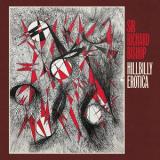
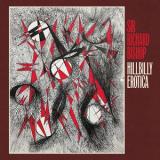
Sir Richard Bishop returns for a new sponítaneous six-string meshing of people"s music, recollections and psychic intentions. Are y"all ready for some Hillbilly Erotica? Migration from last album"s Ragas to this new Erotica is another chapter in Bishop"s progress, drifting via songs into the further frontiers of his pappy"s hometown sounds, trancing over and out in their hand-me-down clothes. As with the ragas, the "rotica"s hung round the neck of John Fahey"s infamous dubbing of certain tradiítional American folk sounds as "American Primitive." A perfectly good thought, but Sir Richard picks his own axe and chose a separate path. Rushing through gutters & picking pickled brains in the saucy head waters of the down-low & literal American primitive, his hillbilly music is a mash of brined cultural inheritance, mini-ragas and moonshine-drunk savagery breaking out on the frets. As a conception for Sir Rick"s acoustic guitar music, it"s a dynamite means and frame, centering his improvisations in a place overflown with pagan desire and unbound in deliverance. Here he flies up and down the neck, his manner less pristine, yet more exquisite, a flailing, flowing-on-the-river medley through stubborn whitewater turbulence, post-grass and folk"s classical gas. Anybody who takes a snort of this here Hillbilly Erotica will find a frankly spellbinding richness of intent and execution in their ear-mouths. And may thereafter find brain and blightness. It"s fine!
Sir Richard Bishop returns for a new sponítaneous six-string meshing of people"s music, recollections and psychic intentions. Are y"all ready for some Hillbilly Erotica? Migration from last album"s Ragas to this new Erotica is another chapter in Bishop"s progress, drifting via songs into the further frontiers of his pappy"s hometown sounds, trancing over and out in their hand-me-down clothes. As with the ragas, the "rotica"s hung round the neck of John Fahey"s infamous dubbing of certain tradiítional American folk sounds as "American Primitive." A perfectly good thought, but Sir Richard picks his own axe and chose a separate path. Rushing through gutters & picking pickled brains in the saucy head waters of the down-low & literal American primitive, his hillbilly music is a mash of brined cultural inheritance, mini-ragas and moonshine-drunk savagery breaking out on the frets. As a conception for Sir Rick"s acoustic guitar music, it"s a dynamite means and frame, centering his improvisations in a place overflown with pagan desire and unbound in deliverance. Here he flies up and down the neck, his manner less pristine, yet more exquisite, a flailing, flowing-on-the-river medley through stubborn whitewater turbulence, post-grass and folk"s classical gas. Anybody who takes a snort of this here Hillbilly Erotica will find a frankly spellbinding richness of intent and execution in their ear-mouths. And may thereafter find brain and blightness. It"s fine!
For nearly a decade, Lucia has been carving out her place as an artist in the UK indie scene. Her latest record, Picking Petals, is the culmination of that hard graft and bold vision — an album rooted in her Scottish upbringing and shaped by the creative community she has built around her in Glasgow and beyond, featuring collaborations with Lauren Mayberry of CHVRCHES and Abigail Morris of The Last Dinner Party. Lucia’s debut, Burning Castles, was streamlined and statuesque, built on metronomic beats and synth-led pop. The intention behind Picking Petals sharpened into focus in the face of this. This time, it was crucial to capture the essence of Lucia & The Best Boys’ live shows— loud and electric. In recent years, Fairfull has shared bills with a new wave of women in alternative music: joining Wolf Alice on their Blue Weekend tour in 2022 and, more recently, opening for the aforementioned The Last Dinner Party. In summer 2024, she toured alongside fellow Scottish icon Shirley Manson on the UK and European leg of Garbage’s live shows. The Scottish synchronicity feels poignant. This rich and historical landscape is where Picking Petals came to be, Lucia heading north to write in weather-beaten bothies alongside the band or in solitude. Likewise, the songwriter was insistent that acclaimed alt-pop producer Yves Rothman experience her stomping ground rather than sun-drenched LA, hunkering down in Mogwai’s Castle of Doom studios, a Glasgow townhouse transformed into a citadel of sound. For some people, Picking Petals will be a coming-of-age album. For Lucia & The Best Boys, it’s just coming home.
"Time's Up"! Die australischen Streetpunker von "The Clinch" kommen endlich über den großen Teich mit ihrem brandneuem, dritten Album und ihrer ersten Europa-Tournee! 2018 erschien ihr Debut "Our Path is gone" und die 5 köpfige Band aus Melbourne avancierte schnell zum Geheimtipp: Schnörkelloser rough'n'tough Aussie-Streetpunk mit dirty RnR-Kante a la Rose Tattoo und einer Prise Brickwall-American Oi! Dazu Texte fernab der üblichen ausgetretenen Pfade und dezent eingesetzte aber stets mitreißende Gang-Vocals. Schnell machten Vergleiche mit Bonecrusher oder Bishops Green die Runde. Mit dem 2 Jahre später erschienenen Nachfolger "Basecamp" zementierte The Clinch ihren Ruf und die weltweiten Kritiken von Maximum RocknRoll bis Ox-Fanzine waren sich einig: Diese Band hat das gewisse Etwas und startet durch! Die erste Tour in Europa wurde geplant um aus dem Schatten des Outbacks heraus zu treten_dann kam die Pandemie und eine Krise folgte der Nächsten_aber aufgeschoben ist nicht aufgehoben: Im Fühjahr 2026 veröffentlichen "The Clinch" mit "Melbourne" und "Journeyman" digital die ersten Single-Auskoppelungen und kündigen mit "Time's up" ihr neues Album auf Sunny Bastards an! Musikstil und Sound als bewährtes Rezept sind gleich geblieben auch wenn The Clinch thematisch noch persönlicher den Finger in die Wunde der Gesellschaft legen_ Streetpunk, authentisch, ergreifend, ehrlich und ungeschönt ohne Pathos: 10 harte Volltreffer, die Spuren hinterlassen! "Man's not fed on good intention. No Safe Spaces left to mention" Songs wie "Stray Dogs" oder "FED" sind unter die Haut gehende Underdog-Anthems über Kampf, Verzweiflung, Zuversicht und sich nicht unterkriegen zu lassen. "Another day, another try"! Das Leben ist halt eine Reise und endet für Alle gleich! Mit Deinen Freunden im Rücken, einem Kämpferherz und "Seelenfutter" wie diese Platte ist es jeden verdammten Tag ertragbar. Also genieß es bevor "Time's Up!"! Oder um es mit "The Clinch zu sagen" It's my chosen way of life"!
"Time's Up"! Die australischen Streetpunker von "The Clinch" kommen endlich über den großen Teich mit ihrem brandneuem, dritten Album und ihrer ersten Europa-Tournee! 2018 erschien ihr Debut "Our Path is gone" und die 5 köpfige Band aus Melbourne avancierte schnell zum Geheimtipp: Schnörkelloser rough'n'tough Aussie-Streetpunk mit dirty RnR-Kante a la Rose Tattoo und einer Prise Brickwall-American Oi! Dazu Texte fernab der üblichen ausgetretenen Pfade und dezent eingesetzte aber stets mitreißende Gang-Vocals. Schnell machten Vergleiche mit Bonecrusher oder Bishops Green die Runde. Mit dem 2 Jahre später erschienenen Nachfolger "Basecamp" zementierte The Clinch ihren Ruf und die weltweiten Kritiken von Maximum RocknRoll bis Ox-Fanzine waren sich einig: Diese Band hat das gewisse Etwas und startet durch! Die erste Tour in Europa wurde geplant um aus dem Schatten des Outbacks heraus zu treten_dann kam die Pandemie und eine Krise folgte der Nächsten_aber aufgeschoben ist nicht aufgehoben: Im Fühjahr 2026 veröffentlichen "The Clinch" mit "Melbourne" und "Journeyman" digital die ersten Single-Auskoppelungen und kündigen mit "Time's up" ihr neues Album auf Sunny Bastards an! Musikstil und Sound als bewährtes Rezept sind gleich geblieben auch wenn The Clinch thematisch noch persönlicher den Finger in die Wunde der Gesellschaft legen_ Streetpunk, authentisch, ergreifend, ehrlich und ungeschönt ohne Pathos: 10 harte Volltreffer, die Spuren hinterlassen! "Man's not fed on good intention. No Safe Spaces left to mention" Songs wie "Stray Dogs" oder "FED" sind unter die Haut gehende Underdog-Anthems über Kampf, Verzweiflung, Zuversicht und sich nicht unterkriegen zu lassen. "Another day, another try"! Das Leben ist halt eine Reise und endet für Alle gleich! Mit Deinen Freunden im Rücken, einem Kämpferherz und "Seelenfutter" wie diese Platte ist es jeden verdammten Tag ertragbar. Also genieß es bevor "Time's Up!"! Oder um es mit "The Clinch zu sagen" It's my chosen way of life"!
Not all tropical escapes are meant to soothe. Some are meant to seduce… and unsettle.
On Haunted Bossa Nova, Creepxotica reimagines the language of classic exotica through a darker, more cinematic lens—where swaying rhythms and lush melodies drift through shadows instead of sunlight. This isn’t background music for a carefree afternoon. It’s a late-night transmission from a hidden lounge at the edge of a dream.
Built on the bones of traditional bossa nova and mid-century exotica, the album pulses with nylon-string guitars, vibraphone shimmer, and hypnotic percussion—but everything feels just slightly off-center, like a memory slipping out of reach. There’s a tension beneath the beauty, a sense that something unseen is moving just beyond the music. Each track unfolds like a scene, contributing to a larger atmosphere that’s immersive, cohesive, and quietly haunting.
What sets Haunted Bossa Nova apart is its intention. This is not nostalgia for nostalgia’s sake—it’s a deliberate evolution. Creepxotica honors the lineage of the genre while pushing it into more mysterious territory, blending tropical warmth with ambient unease and cinematic depth. The result feels less like a throwback and more like a lost soundtrack—discovered, not created.
Sonically rich and meticulously arranged, the album invites deep listening. Every tone, every pause, every echo has purpose. It’s exotica for those who crave mood over kitsch, atmosphere over imitation.
For listeners drawn to the edges of jazz, lounge, and ambient soundscapes, Haunted Bossa Nova offers something rare: a fully realized world that lingers long after the final note fades.
Ancient Infinity Orchestra return with their third album, It’s Always About Liberation, a new record that deepens the vision of their acclaimed recent work while moving into darker, more searching emotional territory.
Conceived as a partner to It’s Always About Love, this new body of work shares its predecessor’s generosity and spiritual openness, but carries a different charge. Where the previous album focused on healing and warmth, It’s Always About Liberation is largely animated by struggle, perseverance and the desire for transformation while still offering a path to betterment. It is music made in full awareness of a fractured world, yet unwilling to surrender to it.
Like It’s Always About Love the album title draws inspiration from words spoken by Moor Mother during their 2024 We Out Here festival performance that deeply affected bandleader Ozzy Moysey: “It’s always about love / It’s always about liberation.” Those twin ideas became a framework for the two albums Ancient Infinity Orchestra were creating. If one album explored love as repair, this one explores liberation as movement, continually striving toward freedom, clarity and deeper connection.
The 16-member ensemble is led by double bassist and composer Ozzy, with a distinctive line-up that explains their sound better than any artificial genre divisions: two double basses, harp, saxophones, clarinets, violin, viola, cello, oboe, flutes, mandolin, congas, piano, drum kit, with bells, shakers and other percussion instruments scattered on the floor of live sets and recording sessions, ready for members to use whenever the spirit takes them.
This orchestration, and the overlap between membership and friendship, gives Ancient Infinity Orchestra a sound that is at once expansive and intimate, earthy, and cosmic, constantly shifting yet grounded in shared intention. The attention to intention and the inviting sonic world connects the music to artists ranging from Alabaster dePlume to Gondwana label boss Matthew Halsall.
Gradually, the Orchestra became a grounding force in the emerging jazz scene in Leeds, bringing together individuals from different musical backgrounds co-founding the Café Oto-inspired Limpet Club or co-hosting the monthly Sonic Plunge (‘a platform for adventurous experimentation’) and co-founding the Leeds Improvisers Orchestra. Additionally, the ensemble acted as a bridge between musicians in Brighton and Leeds, after Ozzy spent a stint back on the south coast between 2020 and 2022.
Their debut, River of Light, was a vibrant celebration of togetherness recorded in three days and released on Gondwana in 2023. A Maida Vale session for Jamie Cullum’s BBC Radio 2 show brought them to a broader audience, as did bookings at North Sea Jazz Festival and Gretchen, Berlin. Since then, Ancient Infinity Orchestra has become a by-word for music that could be framed as ‘spiritual jazz’. Whilst Ozzy avoids the phrase when describing his music, he’s crystal clear that his heroes are associated with those words – citing Art Ensemble of Chicago, Pharoah Saunders, Coltrane (Alice and John), and Don Cherry as major influences.
Across trance-like meditations, rising grooves, moments of grief and collective uplift, It’s Always About Liberation speaks to the battle within the mind as much as the inequalities of the wider world. It acknowledges the darkness but lets connection and creativity have the last word Ancient Infinity Orchestra is a gathering of voices, traditions, and energies converging into something timeless. Their music is a journey inward and outward, always reaching toward the universal.
out of Stock
Last delivered 77 days ago available to reorder, subject to availability
Emerging from the shadows, Audio-Unknown is a vinyl-only imprint built on anonymity, intention, and pure sound. No names, no faces, no algorithms — just carefully crafted records designed to be discovered without preconceptions. Every release strips away identity to refocus attention on what matters: the music, the texture, the moment.
This is not a label driven by hype or visibility. It exists outside the cycle — no digital platforms, no previews, no tracklists. Each record is a closed object until the needle drops.
AUDIO-UNKNOWN 001
The first transmission.
An unnamed artist.
Untitled tracks.
Uncompromising direction.
AUDIO-UNKNOWN 001 delivers a tightly curated selection of cuts that move between tension and release, precision and rawness. Built for deep systems and attentive listeners, this debut sets the tone: functional yet elusive, minimal yet charged with intent.
Second Skin is Nene H's declaration of liberated identity. Across nine tracks, Nene traces the metamorphosis from conformity to authenticity that unfolds after a breakup. They trace a step-by-step transformation: the shedding of imposed narratives and the layering of a new, liberated self. The result is a sonic diary of emancipation, where musical ideas move through noise, South West Asian modalities, trap, future bass, house, trance, minimal and deconstructed club music fusing and mutating freely. With their second album, Second Skin, Berlin-based artist Nene H deepens their commitment to radical honesty through sound. Where their debut was a tribute to their late father and a processing of personal grief, the second album turns inward toward identity, the fracturing and reassembling of the self that follows the dissolution of a long-term relationship. They carefully infuse shattered Southwest Asian motifs with their vocals. Vocals appear and disappear like traces of memory. The opening track, Where Was I, continues the story of their previous album Ali. From there, the question "where was I?" transforms into an existential inquiry. The starting point of both their personal journey and the journey of this album. After stepping through that door, the album unfolds into a deliberate balance: four deconstructed pieces and four more straightforward 4/4-driven tracks. The sibling tracks on A2-A3 and B3-B4 share the same DNA, though their destinies are not the same. Every element is placed with intention; every sound carries its own narrative thread. Each track gestures toward a different genre, a different world, yet together they form a coherent, flowing story. It's the story of closure and liberation.
FLO are leading the modern revival of the British girl group — and doing so at a scale not seen in over two decades. With over half a billion global streams, the trio have delivered the highest-selling tour by a British girl group in more than 20 years, becoming the first since the Spice Girls to reach that milestone. They are also the first British girl group to receive a Grammy nomination in two decades, alongside three MOBO nominations in 2026, cementing their status as both a commercial and cultural force. Rather than simply revisiting the past, FLO are reshaping the possibilities for what a contemporary girl group can be.
Comprised of Renée Downer, Stella Quaresma and Jorja Douglas, FLO’s story is one of intention, craft and deep-rooted connection. The trio had long been aware of one another through theatre school circles, social media and shared creative worlds before coming together as a group in 2019. That early familiarity quickly grew into a sisterhood, shaped behind the scenes through years of studio work, vocal development and trust. Raised by strong single mothers and immersed in performance from a young age, each member brings resilience, emotional intelligence and discipline into the group — qualities that underpin both their sound and their dynamic.
Individually, FLO’s balance comes from contrast. Renée is the group’s compass: composed, business-minded and creatively precise, grounding the trio with clarity and vision. Stella is the spark and the glue — sociable, emotionally intuitive and collaborative — shaped by a childhood between England and Mozambique where music was communal, expressive and felt. Jorja is the fire: outspoken, instinctive and vocally commanding, with a natural ear for harmony and arrangement. Their roles shift and evolve, but together they form a unit built on mutual respect, honesty and shared authorship.
That chemistry is central to FLO’s music. Drawing from classic R&B and soul while pushing it forward through modern production, their sound centres vocal harmony, emotional nuance and storytelling that reflects the realities of young womanhood. FLO reject the idea that strength requires emotional distance; instead, they explore power through vulnerability, confidence and control. From independence and self-worth to intimacy and desire, their writing is direct and unapologetically theirs. As Jorja puts it, FLO are “the brains, the heart and the soul” behind everything they do.
The success of their debut album marked a defining moment — not only for FLO, but for British pop more broadly. It confirmed the appetite for harmony-led, female-fronted groups operating with creative agency, and propelled FLO onto global stages, from sold-out headline tours to major festivals and international television. Along the way they have earned respect from R&B legends and peers alike, performing during Grammy Week for icons including Mariah Carey, Brandy and Chaka Khan, and showcasing their vocal chemistry on NPR’s Tiny Desk — a moment that further underlined the trio’s technical precision and emotional depth.
With their next chapter, Therapy At The Club, FLO expand this emotional honesty into a fully realised creative universe. The concept reimagines the club not just as a place of nightlife, but as a site of release, confession and self-possession — encompassing the moments before, during and after the night out. From mirror affirmations and pre-game chaos, to late-night Uber conversations, dance-floor catharsis and the clarity of the morning after, Therapy At The Club captures how women process desire, heartbreak, confidence and healing in real time, together. It is both fantasy and reality: cinematic, fashion-led and emotionally raw, grounded in sisterhood as a form of survival.
Sonically, the new music leans into dark, euphoric R&B and pop with sharper edges, built on vocal mastery and diaristic storytelling. Lead single “Leak It” sets the tone for the era — playful, charged and unapologetically self-aware — exploring what happens when desire spills over, secrets surface and control is reclaimed. Across the new songs, FLO move fluidly between intimacy and euphoria, turning the club into a space where vulnerability is power and feeling everything is the point.
As a trio built on discipline, joy and deep creative trust, FLO represent a new model for the British girl group: one rooted in authorship, harmony and cultural impact. Balancing softness with strength and ambition with authenticity, they are shaping the future of R&B and pop on their own terms. FLO are not looking backwards — they are setting the standard for what comes next.
Gold & Black Yolk Vinyl. 11 bit studios and Black Screen Records are teaming up for the soundtrack release of the iconic game success Frostpunk 2 on vinyl. For the first time the award-winning score by Piotr Musial can be enjoyed in its entirety on LP and for the occasion a luxurious set was created with the music on gold and black "yolk" vinyl, packed in a gold embossed gatefold sleeve. Develop, expand, and advance your city in a society survival game set 30 years after an apocalyptic blizzard ravaged Earth. In Frostpunk 2, you face not only the perils of never-ending winter, but also the powerful factions that watch your every step inside the Council Hall. "Frostpunk 2 isn't all about the change. It's about respecting the legacy so you may expect the return of your favourite motifs." - Piotr Musia? The atmosphere of the Frostpunk series (11 million players worldwide) would not be the same without the epic music by Piotr Musia? in which desperation mixes with poignant melancholy. Without question the same composer had to return to create the OST for the sequel. The music of Frostpunk 2 still evokes the same feelings of hopelessness and despair, yet has much more space to it. As the city in the frozen wastes grows so does the music that surrounds it matures in an exceptional way. Dive once more into the post-apocalypse with this orchestral masterpiece and_keep warm.
Mit ihrem neuesten Album "Cycles In The Infinite Dream" bündeln REZN die erdrückende Wucht ihres gesamten klanglichen Arsenals mit himmlischen Melodien und einer synästhetisch aufgeladenen, geradezu erhabenen Atmosphäre - und zwar so nahtlos, dass es beinahe jenseitig wirkt, als befände man sich in einem Grenzbereich zwischen zwei Realitäten. Während sich REZN in den ungezügelten Sphären des Metal und den grenzenlosen Weiten der Psychedelia bewegen, zeigt ihr neues Album eine Band, die mit Disziplin und klarer Intention arbeitet - selbst dann, wenn diese Absichten bewusst kryptisch gehalten sind. Wie der Albumtitel andeutet, erkundet "Cycles In The Infinite Dream" die Schnittstelle zwischen Wachzustand und nächtlicher Welt. Ähnlich wie das vom Unterbewusstsein geleitete Werk von David Lynch existiert das Album als eine Art Parallaxe zwischen Künstler und Publikum: Es erschafft einen verschleierten, verzerrten Raum, der zugleich vertraut und fremd wirkt - wie ein Korridor in die eigene Vergangenheit, in dem man die Umgebung wiedererkennt und sich dennoch in ihrer verschobenen Geometrie verliert. REZN bewegen sich seit jeher - und äußerst erfolgreich - im unterirdischen Kosmos jener Musikfans, die nach dem klanglichen Äquivalent veränderter Bewusstseinszustände suchen. Mit "Cycles In The Infinite Dream" haben sie nun ihr bislang wohl psychedelischstes Werk geschaffen. Die Vinyl-Erstpressung kommt mit einem 20seitigem Booklet (Deluxe Ed.).
Mit ihrem neuesten Album "Cycles In The Infinite Dream" bündeln REZN die erdrückende Wucht ihres gesamten klanglichen Arsenals mit himmlischen Melodien und einer synästhetisch aufgeladenen, geradezu erhabenen Atmosphäre - und zwar so nahtlos, dass es beinahe jenseitig wirkt, als befände man sich in einem Grenzbereich zwischen zwei Realitäten. Während sich REZN in den ungezügelten Sphären des Metal und den grenzenlosen Weiten der Psychedelia bewegen, zeigt ihr neues Album eine Band, die mit Disziplin und klarer Intention arbeitet - selbst dann, wenn diese Absichten bewusst kryptisch gehalten sind. Wie der Albumtitel andeutet, erkundet "Cycles In The Infinite Dream" die Schnittstelle zwischen Wachzustand und nächtlicher Welt. Ähnlich wie das vom Unterbewusstsein geleitete Werk von David Lynch existiert das Album als eine Art Parallaxe zwischen Künstler und Publikum: Es erschafft einen verschleierten, verzerrten Raum, der zugleich vertraut und fremd wirkt - wie ein Korridor in die eigene Vergangenheit, in dem man die Umgebung wiedererkennt und sich dennoch in ihrer verschobenen Geometrie verliert. REZN bewegen sich seit jeher - und äußerst erfolgreich - im unterirdischen Kosmos jener Musikfans, die nach dem klanglichen Äquivalent veränderter Bewusstseinszustände suchen. Mit "Cycles In The Infinite Dream" haben sie nun ihr bislang wohl psychedelischstes Werk geschaffen. Die Vinyl-Erstpressung kommt mit einem 20seitigem Booklet (Deluxe Ed.).
´Salva´ unfolds as a slow-moving sonic passage, suspended between stillness and transformation. Rooted in a deeply personal lineage, the album reimagines a long-standing family wound through the lens of myth, with the intention of altering its direction. Rather than recounting events, DIMA constructs a parallel narrative, one where sound becomes a means of reconfiguring what was once haunted.
Emerging from an intuitive and studio-centered process, Salva is shaped through experimentation, co-creation, and temporal patience. Working primarily with the computer as her main instrument, DIMA assembles fragments of sound, plugins, sampled material, improvised gestures, and stems drawn from cinematic sources into a porous and evolving sonic architecture. Composition here is accumulative, guided by sensation. Within this framework, certain tracks introduce restrained pop sensibilities, glimpses of melody, song structure, and tonal clarity that surface briefly before dissolving back into the broader sonic language.
´Salva´ is a passage. A listening experience that invites the audience to inhabit uncertainty, to stay with sensation, and to consider how sound can hold stories that language alone can´t resolve.
Words by Costanza Acernese
MOVING PRESSURE 04 / Obscur
With its fourth release, Moving Pressure welcomes its first external artist: young Slovenian producer Obscur. With a signature sound that is driving and subtly psychedelic, his debut on the label doesn't stray from the core tenets of its sonic ethos. Obscur delivers minimalism with purpose-dynamic, intentional, and wholly physical.
'F135' opens the A-side with a sinister tilt-rubbery squeaks stretch and coil around a flickering, synthetic voice. It's tactile and strange, without losing movement. 'Soul Eater' follows with a slow-burn crescendo, nestling psychedelic inflections into a warm low-end. On the flip, 'Stockholm Syndrome' pares things back. Dry, stripped rhythms carry an atmospheric tension-it's austere yet playful, leaving space for darker hues to linger without fully settling. A precise, heads-down statement. 'Blasphemy' follows with a tighter percussive grip and Feral-esque, panning modulations. Highs slice through a foundation of finely textured grooves-functional at its core, but laced with enough detail to give the track a sharper, more intricate edge. The digital bonus, 'Diamond City', stretches the sonic palette even further. Not through layers, but through tone: steel blues and deep violets bounce off metallic bleeps with cinematic restraint, closing the EP on a reflective note.
out of Stock
Last delivered 3 days ago available to reorder, subject to availability
Butter Side Up’s 15th release comes from a familiar face. DANCE PROTOCOL (FKA Midge Thompson), responsible for the label’s second release some 7 years ago, returns to the label with The Shop Floor EP, another chapter in a relationship that stretches back to the party’s earliest years.
A self professed audio nerd, Midge has been operating quietly but consistently for well over a decade in Leeds and more recently London, honing an intentional studio-craft which draws inspiration from quite literally anything he can get his hands on, from 12-bit samplers and vintage synths to YouTube interviews and iPhone field recordings.
If his productions have earned their place through character and an unmistakable sense of groove, The Shop Floor EP is a culmination, presenting perhaps his strongest work to date.
Across four tracks, subtle textures and repeated vocal samples are stretched and twisted over broken beat rhythms and heavy sub-bass. A fine balance of UK-rave tropes and European minimal sensibilities that glide patiently, building and dissipating tension. From the driving, acid-tinged The Shop Floor to the bouncy, breaksy Riding Up Front and deeper Perry Lane, there’s a breadth of moods across the EP, which peaks with the celestial The Back Bench, surely one of the BSU’s most sunrise coded tunes, an softly inviting ‘Give Me Some More’ vocal refrain accompanied with woozy chords, pads and a chunky slap baseline.
French-born, Berlin-based DJ and producer Benabou returns with 'Rise & Merge', her second solo EP and first standalone project since 2018's 'Hottan'. She now presents a body of work that reaches beyond the familiar contours of techno while retaining the rhythmic precision of her core sound. The six-track EP emerged from a period of creative recalibration. Benabou found herself drawn towards exploratory forms, embracing movement via dub structures, broken rhythms and ambient atmospheres alongside more direct dancefloor energy.
Benabou's position as a mastering/cutting engineer at Berlin's Manmade Mastering studio is a central element of the record. Conceived as a vinyl release and brought to life with the assistance of Mike Grinser, the run time is deliberately contained to 15 minutes per side to preserve the EP's warmth and fidelity.
The inky opening track 'Projet G' slinks through cosmic textures and prowling sub-bass, built around layered Korg Mono/Poly and rich analogue components. Kliche's remix follows with a spacious, kinetic dub techno interpretation that teases out the original's deeper currents. 'Interlude' then offers a fleeting bridge between worlds. Conceived during a flight back to Berlin, its unfinished quality is entirely intentional, allowing the listener to imagine where it might lead.
The B-side flows towards club territory with 'Rise' and 'Shift'. Both tracks favour broken beats and fluid arrangements that lend them an organic, elemental quality. 'Merge' provides the EP's emotional resolution. Its experimental/ambient resonance unfolds through wispy melodies and porous textures; the state of separate elements finding their way back to a common origin.
"I’m really happy to present something this eclectic and to go where people might not expect me", Benabou explains. "To step slightly outside the techno world I know, and reach for something more open and luminous."
NDYUKA RHYTHMS is a label founded by MARRON and built on the foundation of rhythm. Rhythm is the first language, passed down through bodies and gatherings. The emblem of the label is inspired by an African chair. A form that carries both function and symbolism, found across the continent for generations. I view it as a gesture of return, a way of honoring my roots while creating space for others. The chair extends an invitation: to sit, to be seen. It is a symbol of generosity by inviting, and creating a space where voices can be heard. NDYUKA RHYTHMS carries this same intention into sound. Music here is offered as energy and presence, a means to move the body and uplift the soul. It is about joy, release, and continuity - rhythm as a living thread between people.
out of Stock
Last delivered 45 days ago available to reorder, subject to availability