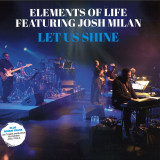
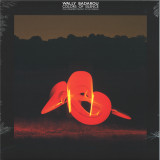
Japan has produced some exceptionally talented jazz drummers and among them is Tatsuya Nakamura, who joins the BBE Music J Jazz Masterclass Series with his album ‘Locus’ from 1984, a session covering several bases, from heavy percussive samba to meditative avant-ambient. This is the album’s first ever reissue, although a track from ‘Locus’, ‘¼ Samba’, was included on J Jazz vol. 3. Nakamura began his drumming career as a teenager, inspired after seeing the documentary film “Jazz on A Summer’s Day” and listening to his idols Art Blakey and Miles Davis. By his early twenties, Nakamura was working with such luminaries as free jazz guitarist Masayuki Takayanagi, pianist Masaru Imada and band leader & composer Mitsuaki Kanno. In the mid-70s, like several other Japanese jazz players, Nakamura decided to make the move to New York where he studied drumming with Roy Haynes, and performed with members of the AACM and players from the loft and free jazz scenes including Richard Davis, George Adams, John Hicks, and Pharaoh Sanders. Returning to Japan, Nakamura continued playing as leader of his Japanese band The Jazz Fellows and in 1979, he went into the studio as leader for the classic “Where Is The Quarter” session featuring Masaru Imada, Hideto Kanai and Kenji Mori. This session includes the original percussion heavy version of ‘¼ Samba’ and was followed by a period back in NYC during which he recorded the funky/free session ‘Rip Off’ in 1980. 1984 saw Nakamura working as leader of a heavy-duty fusion septet and in February of that year he led them in a performance at Audio Technica Hall. The album ‘Locus’ on Sea Horse Records is the label’s one and only release. On ‘Locus’, Nakamura is joined by a stellar line-up. On trumpet is Shinobu Fujimoto and he’s joined by seasoned bass player Hideto Kanai (1931 -2011) who began playing in the mid-1950s, appearing on King Recs All-Star Jazz Series before going on to be a regular fixture on the legendary Three Blind Mice (TBM) label, backing many of its leading artists. He even released his own album on TBM, ‘Ode to Birds’ in 1975. On guitar is Kazumasa Akiyama. Born in Tokyo in 1955, he taught himself guitar at 10 years old and was influenced initially by The Beatles and Ray Charles, and later Jimi Hendrix, Cream, Chicago Blues, and jazz. When he was a student, he got a chance to appear on Sadao Watanabe's radio program ‘My Dear Life’, which led him to join the Isao Suzuki Group and Mikio Masuda Group. Akiyama released his first leader album ‘Dig My Style’ in 1978 and is still an active musician. On keys is the incredible Jun Fukamachi (1946-2010). Born in Harajuku, Tokyo, Fukamachi started playing the piano at the age of three, showing an extraordinary talent, recognised as a child prodigy. He became a professional musician while still in school and released his first album ‘Portrait of a Young Man’ on Polydor in 1971.
Cerca:isa
At the end of the 60s and early 70s Brazil was a dream. It was fashionable everywhere in Europe and therefore in France too. One thinks of 'Samba Saravah' from the Un homme et une femme OST, Françoise Hardy and her record produced by Tuca, Isabelle Aubret and her 'Casa Forte' or France Gall with 'Zozoi'. Three Brazilian musicians exiled in France, Edson Lobo (bass), Fernando Martins (piano) and Nelson Serra (drums) form the Trio Camara. They met a group of friends who loved Brazilian music, all professional musicians, but who wanted to remain anonymous, hence the name of the band : Les Masques (The Masks)…
Claude Germain (Les double six), José Bartel, Marie Vassiliu, Pierre Vassiliu … Indeed the singers forming Les Masques are from being unknown. In 1969 they entered Studio Davout with le Trio Camara to record "Brasilian Sound". Composed of 11 tracks, it is a superb album, masterfully produced and recorded, a gripping record to listen in one go and transports us in atmospheres both dreamy and naïve which belong to that period. Produced in 500 copies on CBS, 'Brazilian Sound' was not, unfortunately, a success and it is today impossible to find the original French pressing (which sounds much better than the Canadian pressing released at the same time). This reissue on Le Très Groove Club is welcome, so that 50 years after its release, a larger audience can discover this beautiful record, echo of a once and for all past era.
Under the alias 4E, producer Can Oral created his own unique sound of raw, futuristic acid-electro. The A-Side tracks "Ask Isadora" and "Conga Banana" first appeared on the album, Blue Note, released on Home Entertainment in 1996. On the flip are two unreleased tracks picked from his extensive archive and edited by FIT Siegel. These were also recorded during this era, which Can describes below:
"In the 90s I moved to NYC to start a band with Jimi Tenor. I had a small flat in the East Village with the apartment number 4E and that became my artist name for the downtempo and electro material I was working on. The style I called Futuristic Electro because I didn't want to relate to the old school with this. I had my studio on the kitchen floor and pretty much only used EMU SP-1200, TB-303, TR-808 and SH-101 by good ol’ Roland. In a way NYC was still developing because it was all about house music. In 1995, I opened Temple Records in Manhattan with Dr Walker from Air Liquide and DJ DB from Smile Communications. The record shop was inside the Liquid Sky clothing store. After a fire in the shop, along with a falling out with the owner I decided to talk to a fortune teller to find out what the future held. Her name was Isadora, and she had a TV show called "Ask Isadora." She told me on live television to move out, have my own shop and be independent, so I did. Thanks Isadora!"
First Word Records is very proud to welcome Ruby Wood to the label, with her debut solo EP 'Sincerely'.
Ruby is a vocalist & songwriter hailing from Huddersfield, West Yorkshire. Her soulful yet distinctive voice has enabled her to front numerous projects; perhaps best known as lead vocalist of the critically acclaimed Submotion Orchestra, since 2009.
She also toured as lead vocalist for Bonobo's live band, for Nubiyan Twist, and with hugely successful 1940's-esque vocal trio, The Sugar Sisters. There have also been features for dance outfits such as GLXY & Franky Wah, additionally to writing & recording for the likes of Krept & Konan, Alfa Mist, Roska, Hemai, Barney Artist and XOA, to name just a few.
In 2021, Ruby was awarded a DYCP Arts Council grant to fund her own creative project, which was taken as an opportunity to go back to the drawing board creatively, spending time working out how her own music would sound and what messages she wanted to convey.
After initial sketches on her Native Instruments Maschine, she began to work with fellow Submotion Orchestra member, Chris 'Fatty' Hargreaves; a long time friend and collaborator, and a revered musician in his own right, with his low-end theory science triumphantly stamped across his other projects, such as Pengshui and Outlook Orchestra. Ruby and Chris began bouncing ideas back and forth, and gradually this solo project started to take shape and form the bulk of this debut EP.
In Ruby's words "After years of working in big projects with lots of people, I often struggled to feel like my voice was being heard. Branching out on my own is an opportunity for me to make music that I would actually listen to myself! This process has been healing for me, and I'm so proud of myself for continuing to learn and develop my craft, whilst learning how to produce songs from scratch.
Becoming a mother also changed me for the better, and provided me with a wealth of experiences and challenges that have gone on to fuel my lyrics. I've grown a lot, and this EP gives a snippet of my life thus far".
'Sincerely' is comprised of five tracks, firmly based in the realms of hip hop soul and neo soul sonically, with an unashamedly '90s R&B vibe throughout. Throughout the EP, Ruby's story tells tales of motherhood, relationships, commitment, independence and inspirations. Further collaborations on the set come from vocalist Isaac Malibu (on 'Mr. Unavailable'), wind player Arran Kent (on 'My Favourite Song'), and assistance on a couple of beats from acclaimed hip hop producer, Pitch 92 and San Diego's Martel Howard, along with more Submotion alumni, Danny Templeman, Dom Howard and Bobby Beddoe and the debut performance from Ruby's daughter, Amber!
A truly triumphant body of work, this is just the start of a new chapter for Ruby Wood.
- A1: Kentucky Skank - The Upsetters
- A2: Double Six – U Roy
- A3: Just Enough To Keep Me Hanging On - David Isaacs
- A4: In The Iaah - The Upsetters
- A5: Jungle Lion - The Upsetters
- A6: We Are The Neighbours - David Isaacs
- B1: Soul Man - The Upsetters
- B2: Stick Together - U Roy
- B3: High Fashion - I Roy
- B4: Long Sentence - The Upsetters
- B5: Hail Stones - The Upsetters
- B6: Ironside - The Upsetters
- B7: Cold Weather - The Upsetters
- B8: Waap You Waa - The Upsetters
This classic album from 1973 saw its creator, Lee ‘Scratch’ Perry exploring synths and starting to develop his Black Ark sound - the enigmatic producer was at the time in the process of building his famous studio and honing his ideas about dub as a musical form.
The LP opens with the eerie “Kentucky Skank”, Perry’s ode to KFC, complete with frying chicken sounds, spliced between winding tapes, a ghostly trumpet, and futuristic moog synthesizer, overdubbed at London’s Chalk Farm studios.
U Roy’s “Double Six” and I Roy’s “High Fashion” & “Hail Stones” illustrate just how strong The Upsetter’s deejay material had become, while versions of the Chi-Lites’ “We Are Neighbours”, Sam & Dave’s “Soul Man” and a re-working of Al Green’s “Love and Happiness” (retitled “Jungle Lion”) all betray the funky soul influence that was increasingly shaping his work.
The backing tracks illustrate the producer at his best; the audio spectrum is fully differentiated while spatial placement an important component - something it would take years for him to achieve at the Black Ark.
Double Seven is available as a limited edition of 750 individually numbered copies on silver coloured vinyl
Svitlana Okhrimenko (artist name: Svitlana Nianio) is a Ukrainian artist, musician, and signer. She is one of the most prominent representatives of the independent music scene of Kyiv in the late 1980s — early 90s. She has repeatedly recorded and performed in collaboration with other musicians and bands, such as Oleksandr Yurchenko, Sugar White Death (Cukor Bila Smert’), Ivanov Down, GeeNerve & Taran, and Blemish. Svitlana still performs and publishes new recordings today.
“Transilvania Smile” is one of the first solo works recorded in 1994. During this time, Svitlana repeatedly visited Germany, where she had the experience of playing in parks and on the streets, gathering contacts of the local art scene. Her cooperation with the international choreographic group Pentamonia, based in Cologne and consisting of several girls who performed in theaters, took part in various performances, and were engaged in music. They met in the 1990s during joint performances with "Sugar-White Death." After that, they corresponded, and the idea of doing something together arose. Svitlana attended several of their performances, which inspired her to write music for a new project, and the band members helped to realize their creative ideas. Later, they started rehearsing together.
The name “Transilvania Smile” was invented by the project participants, and it symbolized the mold on the mirror and the reflection of a smiling vampire. However, shortly before the premiere, they changed it to “Firefox”, as the participants actively used flashlights and the play of light and shadows in the scenography.
The premiere occurred in the local Urania theater, previously a gallery. Isabel Bartensein directed the choreography, and Svitlana played, sang, and improvised. She said it was an excellent experience for her and the band. Besides Cologne, they also performed in Aachen.
Later, Michael Springer offered Svitlana to record this material in his "Phantom" studio. They had already worked together and recorded music for their project (Svitlana Okhrimenko / Phanton). Michael was also interested in the Ukrainian independent scene and participated in the creation of several compilations that featured bands from Kyiv and Kharkiv. Svetlana played the piano and harmonium in the studio and also sang. After the recording, the material was never released in its entirety. Two compositions appeared on the cassette compilation “Shovaisia” (Hide) in 1995, some episodes were re-recorded for the “Kytytsi” album in 1999, but for a long time, the full version of this recording remained practically unknown to listeners and was kept in Svitlana's and Michael’s archives.
This album is one of the most personal and insightful works of Svitlana Nianio from the 90s, which you can now get to know in its original form and sound.
Subterranean Odyssey returns with SO004, a release from the 2nd Slovenian producer on the label – Janko. His Zhutoklunac EP takes you on a journey through his style, with the A side kicking things off with Defnas – an ambient intro with dreamy vocals and a breakbeat which is very pleasing to the ears. Cleqtru carries you through to the B side with its sweeping pads and groovy bassline. The B side lightens the tone gradually with Massi which has a vocal that very appropriately asks you to “prepare for cyborg-isation” and Yecro ends the well thought-out release on a lighter note.
Arrangement- wise, the impulse to keep things simple was a pendulum swing
away from his Grammy-nominated 2018 album, 'Evening Machines'. "I set out to
make a record that was really bare bones," Isakov says. "I wanted to go backward
a little bit, because 'Evening Machines' was such a deep dive into arrangements. I
wanted to have more of a raw experience with this one."Isakov played many of
the instruments on 'Appaloosa Bones' himself. He recorded in a studio tucked
away in a barn on his property outside of Boulder, Colorado, where he helps grow
produce for CSA members, local restaurants, and an area food bank. The
resulting album is intimate and hushed, but maybe not as spare as what Isakov
initially had in mind. The eleven songs on the album are full of lush vocal
harmonies and layers of instrumental textures that blend guitar, banjo, piano, and
various other keyboards.
Amanaz were serious, and they made a serious stab at an album. They titled their album Africa, according to original band member Keith Kabwe, “because of how it was shared and how its inhabitants were butchered and enslaved, its resources stolen… all the atrocities slave drivers committed. “ Thus, their “Kale,” a blues sung in Nyanja, that traced the continent’s arc from slavery to Zambia’s independence closes the album. Kabwe and rhythm guitarist John Kanyepa have a winsome softness to their vocals, which sit politely aside the feral growl of drummer Watson Baldwin Lungu, bassist Jerry Mausala and bandleader/lead guitarist Isaac Mpofu. Africa’s vibe ranges from anxious (“Amanaz”) to escapist (“Easy Street”) to straight-up pissed-off. On the “History of Man,” his voice whiskeyburned, his distorted guitar buzzing like swarming hornets, Mpofu indicts his species.
There’s a darkness to Africa not found on any other Zamrock records, and a melancholy drifts throughout, specifically on Mpofu’s more restrained “Khala My Friend,” which stands as an effective, bleak situation for the Zambian everyman, the average citizen of a struggling, new nation, who might have had relatives in conflict-torn countries on the horizon, who might have been struggling to find his next meal, who might have seen a bleaker future than his president promised. Then there’s the clear Velvet Underground-influence on the nostalgic “Sunday Morning,” which, as Kabwe
recalls, was the first song written for the album, back in 1968, when Velvet Undergound and Nico was a new release - and the underground funk of “Making The Scene.” The album also tackles traditional Zambian music and early-‘60s rock – punctuated, of course by Kanyepa’s wah-wah and Mpofu’s fuzz guitars. But every time Amanaz get too deep, too violent, they come back with an accessible song and woo their listener back to the groove. “Green Apple” is a civil song, featuring Kanyepa’s sighing guitar. It is a perfectly arranged album, from the dichotomy of Mpofu’s and Kanyepa’s lead and rhythm guitars, to the vocal harmonies, to the rhythm section’s sense of space and time, which allows Africa’s funk to build. Inexplicably, Africa was given two separate mixes and two separate presses: one version is dry, with the vocals and drums mixed loud, the other slathered in reverb, with the vocals and drums disappearing into the mix, and with the guitar solos mixed much louder. We’ve presented them both here as they each have their appeal: it’s up to the listener to pick the one he or she prefers. This is a highpoint of the Zamrock scene and we hope that this can be seen as its definitive reissue.
3 Elements was a trio of UK producers who self-released 'Somewhere Else' in 1996. Their small discography shines amongst peers such as B12, Stasis and Nuron in '90s electronica. One of the members, Andy Jaggers, has continued to release on Touchin' Bass (Andrea Parker), For Those That Knoe (Derek Car, Carl Finlow) and his own label Pyramid Transmissions. Tevatron released 'Nu-Tronik' in 1998 on legendary Belgian label Re-load Records (Acid Kirk, Cold/Isar Logi Arnarsson) and has continued to release on Metrohm. Eternal electronics selected by A Colourful Storm. Edition of 250 with hand-stamped reverse-card sleeve.
- A1: Track 1
- A2: Track 2
- A3: Track 3
- A4: Track 4
- A5: Track 5
- A6: Track 6
- A7: Track 7
- A8: Track 8
- A9: Track 9
- A10: Track 10
- A11: Track 11
- A12: Track 12
- A13: Track 13
- A14: Track 14
- A15: Track 15
- A16: Track 16
- A17: Track 17
- A18: Track 18
- B1: Track 19
- B2: Track 20
- B3: Track 21
- B4: Track 22
- B5: Track 23
- B5: Track 24
- B6: Track 25
Imagine a world in which you are permitted, by a warlock, to go back in time to use an advanced yet primitive submarine to investigate the deepest waters in and around Japan, for the first time in human history. You are not permitted, but two Japanese scientists were allowed on such an aquatic adventure!
Here we have an underwater in-submarine field recording of their adventures, intermixed with a slippery-watery score, that surely represents the lurking fresh surroundings of the deep as they retreat further and further to the bottom of the ocean. The cameras, the retracting mechanical sea tentacle, their communication devices, are all audible now for you, as Deep Sea Animals is played out as a fresh digital radio play. All the audio has been preserved at Studio Isabellalei, by Milan W. from the original laserdisc, which was a part of the cinematic curatorial program at the opening for Spencer Clark’s album Avatar Blue, in Antwerp, Belgium.
With a purchase of the vinyl album of Deep Sea Animals on Pacific City Discs, you not only return to the prehistoric times of 1986, when two brave Japanese submarine pilots were to record deep underwater creatures, but you are also thus thrust back in time to Antwerp 2018, to a romantically titled, Event Horizon Cactus Cooler Laserdisc Theater. Just as well, the proceeds of this disk, tirelessly edited by Spencer Clark, will be donated to the preservation of the ocean, via the inspiring Sylvia A. Earle’s foundation, Mission Blue. Its not that you may or may not believe what I am now discussing with you, its that you can believe, because this disk is real, and thanks to Pacific City and Discrepant we will ride further into the super-natural realms of real life.
- A1: Cheryl Glasgow - Glued To The Spot (7" Version) 03 25
- A2: Dianne Mower - The Secret Sign 03 56
- A3: Isabelle Antena - Naughty Naughty 04 33
- A4: Nika Rejto - More Than Just A Dream (Edit) 06 49
- A5: Crow Johnson - You Got Me 02 02
- B1: Terry Garthwaite - Me To You 03 41
- B2: Suse Millemann - Patterns 04 21
- B3: Vazz - Breath 05 31
- B4: Elisa Waut - Being Strong 03 24
- B5: Jeff Phelps (Ft. Antoinette) - Hear My Heart 05 00
- B6: Demonica Flye - Someday You'll See 04 54
The tenth volume of Numero's elaborately packaged Cabinet of Curiosities series, L80s finds the group exploring the far-flung corners of the global downtempo underground. This 12-song mix tape weaves icy hot coldwave, Sausalito seafood jazz, Glaswegian goth, makeshift Madonna, Sade spoofs, and Brat Pack balearic into a high-waisted, party-ready pair of danceable denim.
Imperial f.f.r.r. was Unrest’s breakthrough album in 1992. It has withstood the test of time and is now considered an indie-rock classic and one of the best albums of the 1990s. Formed in 1984, at Wakefield High School in Arlington, Virginia, the band started releasing homemade cassettes on their own Teenbeat label. Imperial f.f.r.r. is their sixth album and marked the arrival of original Velocity Girl vocalist Bridget Cross joining drummer Phil Krauth and singer/guitarist Mark Robinson. It was recorded by Wharton Tiers (Sonic Youth) at his home studio in Manhattan. After the release of Imperial f.f.r.r., the band released singles on Sub Pop and K and soon thereafter signed to legendary U.K. indie 4AD, releasing their final studio album Perfect Teeth in 1993. This limited edition features the original design and layout of the very first pressing from 1992. All the details have been recreated including the lyric sheet, the blue box around the amplifier on the front, the label art, and even the Ajax and No.6 Records logos. The original didn't have a barcode, so we've created a spiffy new removeable OBI card for that featuring a photograph by Mike Galinsky (The Decline of Mall Civilization) of the band playing at New York's Spiral club in 1991.
Wildfire was a household name in Tropical Island music circles due to their excellent albums and performances throughout Trinidad, Tobago, the Caribbean & US Virgin Islands and French Guadeloupe. In 1962 they started off as ‘The Sparks’ (a well-respected Calypso outfit who released a bunch of successful singles) but with the release of their hit single ‘Come On Down’ from 1975, they exploded into Wildfire.
Wildfire had a very fruitful career and released four top full-length albums and a vast amount of singles before calling it quits. Led by bandleader Oliver Chapman (bass & guitar player, vocalist, arranger, producer and co-writer for the majority of the bands’ songs) and comprised out of high talented musicians, Wildfire was out there with the big boys in the niche they carved out for themselves.
On the album we are presenting you today (Time Is The Answer from 1980) you’ll find the perfect mix of funk, soul and disco, basically the popular sounds of the day, and all tracks are originals. The album is FUNKY and the production quality can rival with any of their peers and records produced/recorded in the US. The performance of Wildfire on this album is beyond excellent. This release was also the first time the group took control over production and getting their album out in the world. Also included is the hit single ‘Say A Little Prayer For The Children’ which is just one of those songs that will be stuck in your head forever.
Besides virtuoso Oliver Chapman: the talent that was featured on ‘Time Is The Answer’ is exceptional. Anstey Hamilton carries around a rich noticeable tenor voice. Arthur Byron who also did vocals on the album, has a beautiful rasping tone that can knock you out anytime he gets into his act. Fitzroy Isaac on keyboards and Donald Leid on drums are the guys that were responsible for keeping the groove tight. Clifford Wilson like Oliver had been with band since the start. He is calm in his approach, he played the bass guitar and sung background vocals, he also chipped in with Oliver whenever they wrote songs together. Finally we have Cyllan Charles, who was known as the Wildfire voice. Cyllan had been doing most of the lead vocals since he joined the group in 1972, he was the most experienced of all the members, and can really take you to higher heights anytime he gets into doing his thing both on stage and on wax.
“Time is the Answer" by Wildfire is a scarce and increasingly sought-after LP. Filled with hit-bound songs it comes as no surprise that the album has now become a much-wanted item due to its addictive and original-sounding nature. This is a must-have for any self-respecting record digger!
- A1: Curtis Mayfield - Move On Up
- A2: Marlena Shaw - California Soul
- A3: James Brown - The Payback Pt. 1
- A4: Bill Withers - Use Me
- A5: Minnie Riperton - Inside My Love
- A6: Sly & The Family Stone - Stand!
- A7: Bobby Womack - I’m A Midnight Mover
- A8: The Delfonics - Ready Or Not Here I Come (Can’t Hide From Love)
- A9: Gil Scott-Heron - The Revolution Will Not Be Televised
- B1: Marvin Gaye - What’s Going On
- B2: Wilson Pickett - In The Midnight Hour
- B3: Ike & Tina Turner - Workin’ Together
- B4: Clarence Carter - Patches
- B5: Jerry Butler - Never Give You Up
- B6: Irma Thomas - Anyone Who Knows What Love Is (Will Understand)
- B7: Willie Hightower - Walk A Mile In My Shoes
- B8: The Isley Brothers - That Lady Pt. 1
- C1: Fontella Bass - Rescue Me
- C2: Otis Redding - Fa-Fa-Fa-Fa-Fa (Sad Song)
- C3: Donny Hathaway - The Ghetto Pt. 1
- C4: Smokey Robinson & The Miracles - I Second That Emotion
- C5: Aretha Franklin - Chain Of Fools
- C6: The Impressions - People Get Ready
- C7: Odetta - Hit Or Miss
- C8: The Brothers Johnson - Strawberry Letter 23
- D1: Isaac Hayes - Walk On By
- D2: Solomon Burke - Everbody Needs Somebody To Love
- D3: The Staple Singers - The Weight
- D4: The Temptations - War
- D5: Freda Payne - Band Of Gold
- D6: James Carr - The Dark End Of The Street
- D7: Etta James - I’d Rather Go Blind
- D8: Lamont Dozier - Fish Ain’t Bitin
Soul music originated in the African American community throughout the United States in the late 50s and 60s. Having its roots in African American gospel music and rhythm & blues, it became popular for dancing and listening with prominent record labels as Motown, Atlantic and Stax.
On this 2LP compilation classic soul songs by Curtis Mayfield, Marlene Shaw, Bill Withers, and Aretha Franklin are paired with funky soul stompers by James Brown, Sly & The Family Stone, The Isley Brothers, and poetic soul by Gil Scott-Heron, Marvin Gaye, The Impressions and many more influential artists and groups.
Soul Collected is available as a limited edition of 2000 individually numbered copies on yellow (LP2) and orange (LP2) coloured vinyl and includes an insert.
- A1: Mozart - Theme (Twelve Variations On "Ah Vous Dirai-Je, Maman" K.265/300E)
- A2: Dohnanyi - Variation 1
- A3: Debussy - Variation 2
- A4: Schumann - Variation 3
- A5: Variation 4
- A6: Variation 5
- A7: Variation 6
- A8: Variation 7
- A9: Variation 8
- A10: Variation 9
- A11: Variation 10
- A12: Variation 11: Adagio
- A13: Variation 12: Adagio
- A14: Introduction. Maestoso (Variations On A Nursery Song For Piano & Orchestra Op 25)
- A15: Theme. Allegro
- A16: Variation I. Poco Piu Mosso
- A17: Variation Ii. Risoluto
- A18: Variation Iii. L'istesso Tempo
- A19: Variation Iv. Molto Meno Mosso (Allegretto Moderato) (Allegretto Moderato)A20 . Variation V. Piu Mosso
- A21: Variation Vi. Ancora Piu Mosso (Allegro) (Allegro)
- A22: Variation Vii. Walzer (Tempo Giusto) (Tempo Giusto)
- A23: Variation Viii. Alla Marcia (Allegro Moderato) (Allegro Moderato)
- A24: Variation Ix. Presto
- A25: Variation X. Passacaglia (Adagio Non Troppo) (Adagio Non Troppo)
- A28: Doctor Gradus Ad Parnassum (Children's Corner L 113)
- A29: Jimbo's Lullabya30 . Serenade For The Doll
- A31: The Snow Is Dancing
- A32: The Little Shepherd
- A33: Cakewalk
- A34: Von Fremden Landern Und Menschen (Kinderszenen Op 15)
- A35: Kuriose Geschichte
- A36: Hasche-Mann
- A37: Bittendes Kind
- A38: Gluckes Genug
- A39: Wichtige Begebenheit
- A40: Traumerei
- A41: Am Kamin
- A42: Ritter Vom Steckenpferd
- A43: Fast Zu Ernst
- A44: Furchtenmachen
- A45: Kind Im Einschlummern
- A46: Der Dichter Spricht
- A26: Variation Xi. Choral (Maestoso) (Maestoso)
- A27: Finale Fugato (Allegro Vivace) (Allegro Vivace)
Isata Kanneh-Mason erweckt in dieser bezaubernden Sammlung den Zauber der Kindheit: klassische – und nostalgische – Musik über Kinder, komponiert von Wolfgang Amadeus Mozart, Claude Debussy, Robert Schumann und Ernst von Dohnányi. Begleitet vom Royal Liverpool Philharmonic Orchestra erinnert sich die Pianistin daran, wie sie als Kind Dohnanyis Variationen über ein Kinderlied hörte, aber auch daran, wie sie Mozarts Variationen über dieselbe Melodie lernte. Zu hören auf „Childhood Tales“ sind außerdem Debussys „Children’s Corner“, das der Komponist für seine 6-jährige Tochter geschrieben hat, und Robert Schumanns schlichte Kinderszenen.
Gordon Haskell gained recognition as bass player for the Fleur de Lys in 1966, and subsequently spent a short period in King Crimson at the time of the recordings of In The Wake Of Poseidon. He released his second solo album It IsAnd It Isn’t in 1971, which features King Crimson-bassist John Wetton.
The album has guest appearances from various top session musicians (Dave Spinoza, Alan Barry & Bill Atkinson a.o.) and it was produced by Arif Mardin, who, at the time, was moving into some much more profitable and visible projects with the Bee Gees that went in a completely different direction.
On this album, Mardin melts Haskell’s pop-progressive sound with the clean, sharp mixes that King Crimson of that era were known for.
It Is And It Isn’t is available as a limited edition of 750 individually numbered copies on green coloured vinyl.
Celebrating the debut release of a talented musician Super JV on the new record label DISCO.VERY. Four dreamy balearic dance floor heaters are perfect for your summer parties.
"Secret Dream" is a groovy track that combines Chicago house vibes with dreamy piano riffs. The killer bass line and the rhythm pays tribute to 80s music culture. Opening chords evoke love and good vibes, the piano chords and melodic lines on flute and vibraphone infuse the track with captivating shades of that era.
“Caribbean queen” emerged spontaneously blending 707 rhythm and DX7's kalimbas and JX-3P’s violin added the necessary lightness to the track. A story of love for nature, or rather its melodic image. Lipelis’s «Dance in your dream» remix of the first track is a stunning sunrise banger made in collaboration with James Isaacs from Donald’s House duo.
"Eastward" embraces the roots of late 80s dance music and captures the warmth and vibrant aesthetics of dream house.
Support from
Alex Egan, Kiko Navarro, Red Rack’em, Alex Barck (Jazzanova), Nascii, Pete Herbert, Hunee, Felix Dickinson, Severino, JKriv, Hunee, Aroop Roy, Luke Bestrom and others.
- Moanin’ (Bobby Timmons)
- Superstition (Stevie Wonder)
- Iko Iko (James Crawford)
- Señor Blues (Horace Silver)
- When A Man Loves A Woman
- (C. Lewis & A. Wright)
- Freedom Jazz Dance (Eddie
- Harris)
- Sidewinder (Lee Morgan)
- Brother Where Are You?
- (Oscar Brown)
- Wade In The Water (Traditional)
- Work Song (Nat Adderley)
- Land Of 1.000 Dancers (Chris
- Kenner)
- Gimme Some Lovin’ (S
- Winwood & S. Davis)
- Motherless Child (Traditional)
- New Orleans Strutt (Jack
- Dejohnette)
- La Place Street (Stanley
- Turrentine)
- Amen (Traditional, Arr. By Bob
- Belden)
- Jubilation (Junior Mance)
- Joshua (Traditional)
- Mr. Magic (Ralph Macdonald &
- William Salter)
- Theme From Shaft (Isaac
- Hayes)
- Nobody Knows The Trouble
- I’ve Seen (Traditional)
Who did Aretha Franklin not want to miss out on when she recorded
her most inspiring albums in the early Seventies? Who gave Steely
Dan the beat? Who did Isaac Hayes, Donny Hathaway, BB King,
‘Sweet’ Lou Donaldson and Joe Cocker give the chair behind the
drums? No drummer has seen the inside of a studio as often as
Bernard ‘Pretty’ Purdie.
Not for nothing do colleagues attribute the ‘funkiest soul beat on the
scene’ to the drummer, and consequently, Purdie has never relied on
the genre of jazz alone, but rather curiously looked beyond the
borders. Sessions with The Rolling Stones, James Brown, Jimi
Hendrix or Tom Jones are no problem for him, whose precise and
sensitive playing is synonymous with drive and groove. This is
probably one of the reasons why his rhythms are still sampled by
many DJs today.
Released on CD back in 1996 and 1997 (and now out of print), the
two ‘Soul to Jazz’ recordings have a cult factor today and sound as
fresh as they did back then. Now both albums are released together
for the first time as a 3LP set.
These recordings are peppered with lots of prominent star guests
from jazz and soul, from Eddie Harris, Michael Brecker and Nils
Landgren to Hank Crawford, Stanley Turrentine and Cornell Dupree.
Purdie’s ‘Soul to Jazz’ project takes two different approaches: The
first part focuses on the renowned WDR Big Band led by Gil
Goldstein. Soul classics such as Stevie Wonder’s ‘Superstition’,
‘When a Man Loves a Woman’, Eddie Harris’s ‘Freedom Jazz Dance’
and Lee Morgan’s famous groove tune, ‘Sidewinder’, are interpreted
in large scale sound. One discovery of these recordings amidst all the
renowned guest soloists is the New York-born singer, Martin Moss.
The great success of this first album, released under ‘Soul to Jazz’,
led to ‘Soul to Jazz II’, a more intimate record, but one that picks up
where the first recording left off, by exploring similar themes. Again,
Purdie has called together a notable band of kindred spirits, including
saxophonists Hank Crawford (BB King, Ike and Tina Turner, Ray
Charles), Stanley Turrentine (Jimmy Smith, Shirley Scott) and Vincent
Herring, as well as guitarist Cornell Dupree (King Curtis) to pianists
Benny Green and Junior Mance.
Bernard Purdie’s ‘Soul to Jazz’ is a timeless classic and a blueprint of
the soul jazz genre in all its facets. Above all, it is a portrait of one of
the most influential and best drummers in the world, who made jazz
groove with his inimitable funky soul beat
He made his recording debut in 1961 and the following year joined Dizzy Gillespie's band which firmly established the pianist in jazz circles. Though Barron might be best known for his association with the sections of Gillespie (1962-66), Freddie Hubbard (1970-75), and Ron Carter (1976- 80), remarkably, Barron has played with virtually every leading figure in his journeyman career. This includes George Benson, Booker Ervin, Ella Fitzgerald, Chico Freeman, Stan Getz, Dizzy Gillespie, Elvin Jones, Abbey Lincoln, Buddy Rich, and Clark Terry, just to name a few. This album originally released in 1991 showcases the warm, undiluted lyricism of Barron's playing, with stellar performances from Ray Drummond on bass and Ben Riley on drums
First Ever Vinyl Reissue (released in collaboration with the Numero Group)
180g BLACK vinyl limited to 500 copies (w/obi strip). Non-Returnable.
Little is known about the mythical band ‘Heart-Soul & Inspiration’ and their band leader, L.A. drummer and producer Vince Howard…The crooning Howard got his start in 1957 on Herb Newman’s Era label where he released a bunch of excellent Doo Wop, Funk & Soul singles. Over the ensuing decade Howard slowly began piecing together his “Orchestra” consisting of bassist Jimmy Soul, guitarist Ron Carr, and pianist John True.
Howard’s Heart-Soul & Inspiration Orchestra cut their self-titled (and only) album in 1974 for John Spriggs’ Los Angeles-based Viscojon concern under the watchful eye of R&B godfather Johnny Otis.
The result was the birth of an astonishing piece of art filled with playful sexy moans, climaxing grooves and soulful hooks. One of the many highlights on the album (and clocking in at an epic eleven minutes), Vince Howard’s “I’m Gonna Love You More” is a tantric reimagining of Barry White’s 1973 sexually charged classic. Where White was content delivering a subtle and syrupy innuendo, Howard transformed the break-heavy track into a meandering funk workout.
Sadly, after their Barry White/Isaac Hayes facsimile LP failed to gain traction, the group released their final recordings—“Funk on Down” b/w “Fallen Angel”—for Viscojon in 1975 which became a hit among prominent DJ’s in the nightclub circuit. This ushered in the end for Howard’s Heart-Soul & Inspiration project.
Heart-Soul & Inspiration was a true example of a bright light burning out way too quickly. Thankfully we are left with the unique (and very rare) document that is their self-titled album. Almost impossible to get ahold of…a well-deserved reissue has been long overdue. This is an album that deserves a prominent place in every serious Funk & Soul enthusiast’s record collection!
A wild and funky collection of Afro grooves that was ahead of its time in 1977 and has become a collector’s item in recent years, especially due to the growing international interest in Colombian picó sound system culture. Fruko and his studio bands Wganda Kenya and Kammpala Grupo treat us to a diverse set of African and Caribbean styles, laced with crazy synths, psychedelic guitar and infectious pan-African polyrhythms. By the time Discos Fuentes released the album “Wganda Kenya Kammpala Grupo” in 1977, Wganda Kenya’s discography was expanding with many 45 singles and appearances in various artists collections. The group’s 1975 debut record “África 5.000” was a full length LP in the U.S. and a various artists compilation in Colombia, which was followed by the self-titled long player the following year. However, Kammpala Grupo, which shared the album’s title and was credited to three songs on the record, had never appeared before, yet was basically the same studio group as Wganda Kenya. Most likely the creation of this short-lived studio band was just a ploy by the label to make it seem like there were more groups playing the type of exotic afro tracks favored by the picotero DJs of Colombia’s Caribbean coast (especially in Barranquilla and Cartagena). 1974 Discos Fuentes’ management had sent musician, band leader and producer Julio Ernesto “Fruko” Estrada to the coast on an A&R mission to discover what people were dancing to in the verbenas (communal open air neighborhood parties) run by the owners of picó sound systems (decorated mobile DJ rigs). Always game for an adventure, Fruko was tasked with bringing some popular examples of these esoteric, hard-to-find African, French and Dutch Antillean records back to Medellín to serve as inspiration (or to outright copy) so that the label could enter into the growing regional market and spread its popularity to the interior of Colombia and other Latin American countries via its own studio creation, Wganda Kenya. Fuentes was always returning to exploit the rich African-rooted culture of the coast as it had with the cumbia and other regional genres before, so in a way it was not surprising that they were attuned to this particular niche phenomenon from a marginalized sector of the population. The most popular genres with the champeta dancers in the 70’s and 80’s were styles like Congolese rumba, highlife, afrobeat, juju, mbaqanga and soukous as well as the music of Haiti, Guadeloupe, Martinique, Curaçao and Dominica, all of which were fiercely guarded by the DJs who had managed to acquire them often through extreme means of travel, barter and intense digging. The record kicks off with the joyful ‘El Gallo Africano’ which features exquisite interplay between Sepúlveda’s highlife style guitar and an authentic-sounding African style saxophone, perhaps played by Carlos Piña. In reality it was ‘Go Call Police Chief’ by prolific Nigerian highlife guitarist Chief Oliver Sunday Akanite, aka Oliver De Coque. Next up is Kammpala Grupo’s ‘La Yuca Rayá’ (‘Grated Yuca’), written by Isaac Villanueva in a style he termed son haitiano which sounds much more like Zimbabwe Shona mbira music. Wganda Kenya’s ‘Caimito’ (star apple, a type of tropical fruit), on the other hand, is actually a cover of a relatively well-known Haitian merengue song. Kammpala Grupo then takes us from the French Antilles to the multi-cultural discotheques of Paris, where a cover version of Black Soul’s Afro-boogie anthem ‘Black Soul Music’ is retooled and renamed ‘King Kong’, perhaps in a nod to the 1976 remake of the monster flick of the same name. Side two introduces us to the infectious merengue rebita of Angola via ‘La riphyta’ with “Paparí”, aka Mariano Sepúlveda, doing the vocals and faithfully replicating the Angolan guitar style. ‘La Trompeta Loca’ (‘The Crazy Trumpet’), probably the nuttiest track on the album, is an ingenious cover of ‘Ye Gbawa Oo Baba (Tribute To Nigeria)’ by Joe Mensah of Ghana. As with all their covers of African tunes, this rendition tightens up the original with some pop sheen, more consistent drumming and higher production values, remaking it into a powerful slow-burning dance floor filler. This is followed by one of the most powerfully original songs to come out of the entire Wganda Kenya project, Mike Char’s reggae anthem ‘El Nativo’ with Joe Arroyo on vocals. The record ends on a more authentically Caribbean sounding note with the instrumental ‘El testamento’, a cheerful islands banger with bright brass, syncopated calypso beats and chunky cuatro guitar (or ukulele). The original was in the mento genre and titled ‘Sweet meat’, written and recorded by Jamaican trumpeter Bobby Ellis. First time reissue. 180g vinyl.
Label head J.Wiltshire returns to Super Hexagon with eight tracks of ambient techno-inspired music paying homage to some of the collective's early influences.
‘sun link' is laced with tensile rhythms, tinged with sun-washed melodies and plots a winding path through warm, Ultra Panavision soundscapes and icy dub techno sonics.
Mastered by Andy Miles
Design by Joe Gilmore
About J. Wiltshire:
Jacob Wiltshire has been releasing music and spearheading the Super Hexagon label and event series since 2015 - starting with the collective’s early showcases in Leeds and through to recent releases from Christoph de Babalon and Isabassi. ’sun link’ marks his return to the label for his third solo endeavor into the long play format.
Repress!
‘Shapes,’ the third album from London-based multi-instrumentalist, Robohands, fuses elements of jazz, krautrock, hip hop and ambient music. For fans of Khruangbin, Yusef Dayes, CAN, Coltrane and 70s library music moods.
Shapes is the solo project of London based composer, instrumentalist and producer Andy Baxter. His debut LP Green was released on Village Live Records in 2018 and was received with much love and acclaim in the UK Jazz, hip hop and surrounding scenes.
His follow up full-length, 'Dusk’, dropped in 2019, combining soul, funk, Latin & experimental moods. It featured vocalists & musicians from around the world including legendary New York French horn player, John Clark, who has worked with Isaac Hayes, Gil Evans Orchestra, McCoy Tyner, Jaco Pastorius, Ornette Coleman and many more greats.
'Shapes' is inspired by 1970s library music and their legendary composers including Piero Umiliani, David Axelrod, Brian Bennett and co. The album builds on these influences and incorporates modern motifs, contemporary jazz/hip hop drumming styles with a nod to 1990s Mo Wax artists such as DJ Shadow. The theme for the record is future/nostalgia, mixing vintage & modern instruments and production techniques.
Much of ‘Shapes’ was recorded with JB Pilon at Buffalo Studios in Limehouse, London. Due to the COVID restrictions that changed everything in 2020, the remaining parts were recorded in Andy’s flat using a collection of old mixing desk preamps and instruments.
For the heads – ‘Shapes’ features an array of vintage snares, including a 1960's Ludwig Pioneer and a mono, overhead ribbon mic on the drum kit provided extra old school points! The kick drum was re-amped through a huge vintage bass amplifier on a couple of tracks to give it some real character: “My favourite guitar sound achieved on this LP project is a Sontronics Sigma ribbon microphone in front of a WEM Dominator amp, which you can hear on the track 'Odysea'. The bass sound for all the tracks is a 1973 Fender Precision into an old Altec valve preamp, the one used on most Motown recordings."
Freestyle Records are proud to reissue Ambiance II Fusion's mid-80s fusion rarity "Come Touch Tomorrow" - originally recorded in Hollywood CA October/November 1984 and released in 1985.
Following a yearly run of 4 albums self-released between 1979 and 1982, Nigerian-born saxophonist, flutist, and clarinettist Daoud Abubakar Balewa then took a few years off before returning with 1985's "Come Touch Tomorrow", the first of two albums issued under the updated name of Ambiance II Fusion. Combining the afro-spiritual jazz & be-bop inflected fusion of his earlier work as Ambiance, this record took the project into more modern & distinctly cosmic planes with the introduction of spacey pads and drum machines working alongside somewhat tighter arrangements and solid rhythm sectons. Of particular note here is the B1 track "Boy What a Joy" on which a sublimely funky synth & drum machine throwdown is presented in prophetically lo-fi fashion - recalling recent stylistic approaches from the likes of Dâm-Funk among others.
Participating Musicians:
"AMBIANCE II FUSION"
Stanley Dominguez - Guitars
Dr. Isacc Ford - Drums/Electric Drums
Ralph Rodriguez - Percussion
Juliian Breeton - Bass
Jardin Wilson - Bass
Lee Williams - Keyboards/Syntheziers
Daoud Abubakar Balewa - Alto & Tenor Saxophone/Percussion
Larry Dominguez - Alto Saxophone
Suzanne Daniels - Vocal Sounds
"AMBIANCE II FUSION ENSEMBLE"
James "Kino" Cornwell - Keyboards
Randy Landis - Basses
Rick Smith - Percussion
Jim Lum - Guitars
Arnold Ramsey - Drums
Daoud Abubakar Balewa - Soprano Saxophone/Percussion
Recorded at Sound Images Recording Studios - Sound Images Entertainment Complex - North Hollywood, CA & Classic Sound Studios - Hollywood, CA. October/November 1984.
Robin Saville - one half of the influential duo ISAN - returns to Morr Music with »Lore«, his fourth solo album to date. After 2020’s »Build A Diorama«, the British musician takes his love for field recordings, whirring pads, hovering bells and subtle electronics further, adding extra depth to both his sonic palette and his storytelling, focussing on biological diversity and its implications for human life.
For many years now, ›look and listen‹ has been Robin Saville's motto on his regular environmental explorations. The avid ambler does not just enjoy being out and about in nature; it is an important inspiration for his creative work as well. Sounds, smells, colours and even soil properties add to the experience. Equipped with a microphone and a recording device, Saville documents his strolls, using these recordings as a base for his compositions. »The field recordings on the album were made very locally this time, for obvious reasons,« he says. Welcome to the sonic landscape of the UK's East Anglia.
»Judith Avenue«, the opening track, is a great example of how Saville evolved his perspective on the sounds of nature: »It is a residential street, fading into a scrubby, wild landscape. There, I made a recording of nightingales at dusk. Such romantic birds! The males fly here from Africa a couple of weeks ahead of the females. They find a good territory, and at dusk, when all the other birds are going quiet, they start to sing to tempt the females down from their migratory flight paths. This has happened for thousands of years. However, the patch of ground where I made the recordings is earmarked for development and I don't suppose it'll happen there again. The recordings therefore become part of the history of that place, the lore.«
Recording the sounds of nature and enriching them with electronic sorcery, Saville is not only a documenting preservationist; he also translates these recordings into meaningful musical miniatures. Building on the soundscapes that marked his previous LP »Build A Diorama«, »Lore« is dominated by both open-hearted melancholy and more upbeat rhythms. But even when the music sounds quirky and loose, there is always deeper meaning. The album is characterised by an ever present melancholy about the threatening loss of living spaces, and a celebration of their beauty. This simultaneity turns the tracks into existential meditations about our human habitat. Saville enriches our lives musically by addressing the very issues we often ignore. At the same time, he becomes an agent of hope and change. Moving between light and dark, »Lore« is a musical allegory of where we stand today.
»The album is a document of places and times and while it is certainly a celebration of those things, it is also a record of things we are losing. That's how interaction with nature feels to me nowadays: something precious and amazing, but with an underlying sadness about the destructive relationship that humanity seems inevitably to have with the world around it.«
Let's not lose any more things.
Monkey is the second single by The Rellies since releasing 'Isabella is Annoying/ Brainwaves' in 2020. Ryan, guitarist and dual singer and songwriter for the band describes the making of 'Monkey' during lockdown with his brother Riley. "During covid we got very bored. Originally, we wanted to get our Monkeys and run them over with our dad's car, but we settled for filming them falling down the stairs and writing a song about it. When the other members of band finally heard the song, they liked the Monkey and then we made a clip with our friends and some TV monkeys. Everyone sang 'I like the Monkey' and soon everyone liked the Monkey!" Helicopter is Ryan's sonic representation of "hunks of steel flying through the sky. I'm an aviation nerd." He doesn't disappoint. Helicopter's opening riff is catchy and travels. Ryan's vocal powers through the song and the background vocals from kid brother Riley kicks it up a notch as he improvises his way through the chorus begging for a ride. The Rellies ages range from 13-16 and developed at Kings Cross Conservatorium. The brothers began writing and recording at age 9 and 11 respectively and doing shows as The Rellies in 2018 with Jarlath Kiernan on drums. In 2021, the band replaced guitarist Aiden Burke with Lachlan Knight when Aiden decided rehearsal was too loud. Ryan: "We love the Beatles but lately we've got more of a punk energy in our songs. Also, Riley likes a lot of different stuff like Tyler the Creator... his lyrics are inspiring us to be creative with humour."
- A1: Wishbone
- A2: Complete Me (Feat. Self Esteem)
- A3: Osaka
- A4: Hands High (Feat. Refound)
- A5: Lunar Vibrations (Feat. Isabelle Woodhouse)
- B1: Don't Touch That Dial (Feat. Yuuko)
- B2: Back 2 Back (Feat. Patience)
- B3: Squid Inc
- B4: Come Down
- B5: Golden Cross
- C1: No Time (Feat. Jack Penate)
- C2: A New Way Through
- C3: Galaxy Mood (Feat. Toya Delazy)
- C4: The Oh Zone
- C5: Dead Machine (Feat. Stealing Sheep)
- C6: Dumdrum
- D1: Fluxus
- D2: Slipstream
- D3: Who You Know (Feat Bernardo)
- D4: Black Cadillac
- D5: Gazelle
Black Vinyl[34,24 €]
Das 5. Studioalbum von Django Django trägt den Titel ”Off Planet” und besteht aus 21 Titeln, die in vier Teile aufgeteilt sind. Ursprünglich sollten es vier experimentelle EPs werden, die aber schnell in ein richtiges Album verwandelt wurden, als die Band das Potenzial der Aufnahmesession erkannte. ”Off Planet” enthält einige der aufregendsten und dynamischsten Stücke, die Django Django je produziert haben. Das Album ist eine Rückbesinnung auf ihre experimentellen und elektronischen Wurzeln und enthält außerdem spannende Gastauftritte von Self Esteem, Jack Penate und vielen anderen.
Jeder Teil des Albums wird digital veröffentlicht und am Tag der Veröffentlichung des vierten Teils wird das gesamte Album auf Doppel-Vinyl und Doppel-CD erscheinen.
- A1: Wishbone
- A2: Complete Me (Feat. Self Esteem)
- A3: Osaka
- A4: Hands High (Feat. Refound)
- A5: Lunar Vibrations (Feat. Isabelle Woodhouse)
- B1: Don't Touch That Dial (Feat. Yuuko)
- B2: Back 2 Back (Feat. Patience)
- B3: Squid Inc
- B4: Come Down
- B5: Golden Cross
- C1: No Time (Feat. Jack Penate)
- C2: A New Way Through
- C3: Galaxy Mood (Feat. Toya Delazy)
- C4: The Oh Zone
- C5: Dead Machine (Feat. Stealing Sheep)
- C6: Dumdrum
- D1: Fluxus
- D2: Slipstream
- D3: Who You Know (Feat Bernardo)
- D4: Black Cadillac
- D5: Gazelle
White Vinyl[34,24 €]
Das 5. Studioalbum von Django Django trägt den Titel ”Off Planet” und besteht aus 21 Titeln, die in vier Teile aufgeteilt sind. Ursprünglich sollten es vier experimentelle EPs werden, die aber schnell in ein richtiges Album verwandelt wurden, als die Band das Potenzial der Aufnahmesession erkannte. ”Off Planet” enthält einige der aufregendsten und dynamischsten Stücke, die Django Django je produziert haben. Das Album ist eine Rückbesinnung auf ihre experimentellen und elektronischen Wurzeln und enthält außerdem spannende Gastauftritte von Self Esteem, Jack Penate und vielen anderen.
Jeder Teil des Albums wird digital veröffentlicht und am Tag der Veröffentlichung des vierten Teils wird das gesamte Album auf Doppel-Vinyl und Doppel-CD erscheinen.
Stimela were a popular and successful South African Afro-fusion outfit led by guitarist, vocalist, songwriter, producer and arranger Ray Phiri. The band was formed under the name ‘The Cannibals’ during the 1970s when Phiri got together with drummer Isaac Mtshali, keyboard player Thabo Lloyd Lelosa and bass player Jabu Sibumbe. They initially started out as instrumentalists, but later evolved to Afro-fusion when they joined forces with vocalist Jacob “Mparanyana” Radebe in 1975. The story of ‘The Cannibals’ ends when Radebe died in 1978 but the ‘Stimela’ story was only just beginning.
In 1979, after a life-changing experience in Mozambique (where they were stranded for three months) the band members had to sell all their belongings to take a train home. This trip was a watershed moment as it was here where they conceived the new name for the band: The Zulu word for “locomotive-train” STIMELA.
Stimela would soon become little short of an institution in their home country of South Africa. With soulful tunes and gripping lyrics, the band has recorded platinum-winning albums such as Fire, Passion and Ecstasy, Shadows, Fear and Pain & Look Listen and Decide. In addition to recording their own material, the group supplied instrumental accompaniment on albums by a lengthy list of legendary artists. Stimela would go on to gain global fame after being featured on Paul Simon’s iconic 1986 ‘Graceland’ album and the mega tour that followed.
Ray Phiri would enter into many successful collaborations with major acts and artists such as Harari, Joan Baez, Willie Nelson and Manu Dibango. In 2017 he was diagnosed with lung cancer and died at the age of 70. Phiri has received many awards in recognition for his contribution in the music industry, one of these is the Order of Ikhamanga awarded to him by the South African president. This was to honor his sterling contribution to the South African music industry and the successful use of arts as an instrument of social transformation.
Stimela is the tale of a South African band who have battled their way through dark days to take their rightful place in the forefront of the South African apartheid-era music invasion. One of their most memorable tracks “Whispers in the Deep” was even restricted from being broadcasted by the old South African Broadcasting Corporation.
On the album we are presenting you today (Fire, Passion and Ecstasy from 1984) the unique sounds of Ray Phiri’s Stimela are fully showcased. Expect infectious hypnotic build-up grooves, cinematic lowdown jazz-funk, Afro-soul, delightful reggae, gospel influences and funky synth-boogie sounds…all with a touch of early eighties new wave and hints of Island disco mixed with sensual bubblegum pop. It comes as no surprise that the album has now become a sought-after item due to its addictive and original-sounding nature, a must-have for any self-respecting record digger!
These recordings completely encapsulate Stimela’s fusion style. They managed to craft a modern South African sound that continues to influence SA musicians to this day. Never in a rush, yet always with a sense of purpose and direction – like the steam train after which they took their name.
Tidal Waves Music now proudly presents the first reissue of this fantastic Afro-fusion classic since 1990 (originally released in 1984 on Gallo Records) & this is also the first time the album is getting a release outside of the African continent. This rare record (original copies tend to go for large amounts on the secondary market) is now finally back available as a limited 180g vinyl edition (limited to 500 copies) complete with the original artwork. Also included is a double-sided insert containing rare pictures of the band.
- A1: Centuras - Tokyo
- A2: Bandulu & Amaranth - Love Lies Beneath
- B1: Strontium 90 - Rave On The Congo
- B2: Orr-Some - We Can Make It
- C1: Biff'um Baff'um Boys - Bombing
- C2: Epoch 90 - Vlsi Heaven (Zone Mix)
- C3: Mind Over Rhythm - Kubital Footstorm (Global Beatmix)
- D1: Dream Frequency - Dream The Dream
- D2: As One - Isatai
- D3: Uvx - Elevator (Trancefloor Transporter) (Trancefloor Transporter)
From 1989 onwards, Richard was an obsessive collector of house and techno music, frequenting legendary London record shops such as Fat Cat, Silverfish, Trax and Red Records. He took record buying trips to NewYork to find second-hand disco, house and techno 12”s, which were lying around in bargain bins. The selection for this compilation are his own personal favourites from that era.
Back then, electronic dance music was young, innocent and fun; it hadn’t been analysed, theorised and fragmented into the multi-genre industry it is today.
What you hear on this compilation reflects what he was playing at that time; joining the dots between ambient, techno, tribal house, breakbeat and early trance productions from the UK.
Much house and techno from the US, Belgium, Germany and Holland has been well documented, but some of the more obscure British productions are lesser known and need to be showcased.
Hopefully, these tracks will inspire and educate a new generation of electronic music fans who weren’t born then and also trigger some acid flashbacks for the older,ravers as they take a trip down memory lane.
- 1: Colombus
- 2: Oiseau Du Matin
- 3: Les Amis De Poin
- 4: No California
- 5: Valparaiso
- 6: Cambodia
- 7: Autoroute
- 8: Pluie
The sun is shining, the heat is enveloping the body, something is still wrong. « L’Ete Suivant » (The Following Summer), the fourth album of the French quartet Limousine still maintains, as its predecessors, this mystery around indolent music difficult to circumscribe, between jazz, pop, easy-listening.
Limousine is a parallel project but essential for the musicians who participate. It is a recreation, a group without a singer, who over the years has become a ritual for these four boys trained in jazz, who have since drifted to many different shores, and who also follow varied careers - within well-known formations and with famous artists (Poni Hoax, Jeanne Added, Thomas de Pourquery, Joakim).
"The following summer ..." is today the fourth Limousine album after "Siam Roads" in 2014, already published at Ekleroshock. Where this previous project revolved around a trip to Thailand, an initiatory meeting with a traditional musician from the region of Isaan, this new record follows no path except that of fantasy and loitering. It is the result of a simple working method: the quartet met during the last three summers, between the end of July and the beginning of August, in the same studio of the 18th arrondissement of Paris.
In general, it is at this time of the season that Paris begins to empty and the atmosphere of the capital oscillates between lightness, spleen, impatience and serenity. It is among others what resonates in this disc: a form of graceful detachment, an exhilarating nonchalance.
A pivotal record for contemporary times; bright, free, adamant, optimistic. Brain Worms is RVG's fullest, most pristine album yet. All throughout Brain Worms, it's apparent that this is a band in very fine form. Album opener 'Common Ground' sets the tone for what's to come; a shiny, thrilling, punch of an album, with all the beloved RVG hallmarks. Vager's voice is unfiltered and commanding as ever when delivering her clever, not-quite-ironic lyrics. Here, though, those lyrics feel so much less resigned to yearning, and so much more defiant and joyous. 'Tambourine' is the only Covid song Vager wrote when "trying not to write Covid songs", and it's a painfully honest portrait of grieving mid-isolation. 'Brain Worms' tells the all-too-familiar story of a person falling down the internet rabbit hole and finding comfort in conspiracies. 'Nothing Really Changes' is a keys-heavy new wave-ish thing, while closer 'Tropic of Cancer' sparkles with Vager's self-assured new manifesto: I know what I'm like, and I know how I get. If you think I'm strange, you ain't seen nothin' yet. Bloxham, Nolte, and Wallace are flawlessly adept in bringing Vager's songwriting to life. Recorded in London at Snap Studios with James Trevascus (Nick Cave & Warren Ellis, PJ Harvey), all ten tracks surge with lush sounds and clear intentions and the magic of an acoustic guitar once owned by Kate Bush, given to her by Tears for Fears (who, legend has it, wrote 'Everybody Wants to Rule the World' on it). Between the four bandmates lead singer and guitarist Vager, guitarist Reuben Bloxham, drummer Marc Nolte and bassist Isabele Wallace this is the most confident they've ever felt in RVG. They've moved past their influences, pushed themselves, and tried new things. And they have made a record they can, by all accounts, call their best. "Brain Worms feels like the antithesis to what a post-pandemic record could easily be. For a band who were already writing music about being reclusive "we were depressed and not going outside on our first two albums" the enforced isolation and time to think gave Vager space to write about anything she wanted. And, it turned out, she was ready to write about acceptance. "If we could only make one more album, it would be this one," says Vager. "Easily one of the most vital bands on the Aussie scene today" Rolling Stone "A calling card for outsiders... dynamic and vital post-punk" The Guardian
Ein zentrales Album für die heutige Zeit: hell, frei, unnachgiebig, optimistisch. Brain Worms ist das bisher vollste und makelloseste Album von RVG. Auf "Brain Worms" wird deutlich, dass die Band in bester Form ist. Der Album-Opener 'Common Ground' gibt den Ton an für das, was kommen wird; ein glänzendes, mitreißendes, schlagkräftiges Album mit allen geliebten RVG-Merkmalen. Vagers Stimme ist ungefiltert und souverän wie immer, wenn sie ihre cleveren, nicht ganz ironischen Texte vorträgt. Hier fühlen sich diese Texte jedoch viel weniger resigniert und sehnsüchtig an, sondern viel mehr trotzig und fröhlich. Tambourine" ist der einzige Covid-Song, den Vager schrieb, als sie "versuchte, keine Covid-Songs zu schreiben", und es ist ein schmerzhaft ehrliches Porträt der Trauer inmitten der Isolation. Brain Worms" erzählt die nur allzu bekannte Geschichte eines Menschen, der in den Kaninchenbau des Internets fällt und Trost in Verschwörungen findet. Nothing Really Changes" ist ein Keyboarder-lastiges New-Wave-Ding, während das abschließende "Tropic of Cancer" mit Vagers selbstbewusstem neuen Manifest glänzt: Ich weiß, wie ich bin, und ich weiß, wie ich werde. Wenn du denkst, ich bin seltsam, hast du noch nichts gesehen. Bloxham, Nolte und Wallace erwecken Vagers Songwriting mit Bravour zum Leben. Aufgenommen in den Londoner Snap Studios mit James Trevascus (Nick Cave & Warren Ellis, PJ Harvey), strotzen alle zehn Tracks vor üppigen Klängen, klaren Absichten und der Magie einer Akustikgitarre, die einst Kate Bush gehörte und die ihr von Tears for Fears geschenkt wurde (die, so die Legende, "Everybody Wants to Rule the World" darauf geschrieben hat). Die vier Bandmitglieder - Leadsänger und Gitarrist Vager, Gitarrist Reuben Bloxham, Schlagzeuger Marc Nolte und Bassist Isabele Wallace - sind so selbstbewusst wie noch nie bei RVG. Sie haben ihre Einflüsse hinter sich gelassen, sich selbst vorangetrieben und neue Dinge ausprobiert. Und sie haben ein Album gemacht, das sie nach allem, was sie sagen, als ihr bestes bezeichnen können. Brain Worms" fühlt sich an wie die Antithese zu dem, was eine Post-Pandemic-Platte leicht sein könnte. Für eine Band, die bereits Musik über das Zurückgezogensein schrieb, "wir waren deprimiert und gingen auf unseren ersten beiden Alben nicht nach draußen", gab die erzwungene Isolation und die Zeit zum Nachdenken Vager Raum, über alles zu schreiben, was sie wollte. Und es stellte sich heraus, dass sie bereit war, über Akzeptanz zu schreiben. "Wenn wir nur ein weiteres Album machen könnten, wäre es dieses", sagt Vager. Rolling Stone: "Eine Visitenkarte für Außenseiter... dynamischer und vitaler Post-Punk" The Guardian: "Eine der vitalsten Bands der australischen Szene von heute.