Clock, featuring two extraordinary songs written and performed by Arden herself. A vinyl-only edition of 250 copies, with fold-out poster and insert containing sleevenotes by Jack Bond, Sam Dunn, Charlotte Procter and Sebastian Saville. Arden and Bond’s collaborative career gave Britain some of the most extraordinary films it ever produced. Their filmography is woefully short - but it’s full to the brim of incredible, daring ideas and completely unfettered imagination. It’s packed, too, with pain and a disconcerting honesty about the human condition; challenging commonly-held ideas about madness and positing ideas which are far less easy to categorise or control. Anti-Clock, their final work together - Arden took her own life three years after its release - is a complex, contemplative piece, and Arden’s apparently comforting delivery of her self-penned songs and the see-saw flow of Mihai Dragutescu’s delicate instrumentation act only as a means to lure us in; to begin the de-programming. In Arden's book You Don’t Know What You Want, Do You?, the basis for the network of ideas at play in Anti-Clock – the motif of the rat is used as a metaphor for the rational mind. The lyrics to ‘Sleepwalking’ (living in a daze, wandering in a maze) also conjure up images of lab rats, of unthinking beings adhering to rules and systems, never questioning what is beyond what they think they know to be true. At the close of Anti-Clock, the central character, Sapha, simply says, ‘It has been my whole life's will to decode this puzzle, as though inside the answer to this equation was the insurance of that peace of mind that had eluded me. But there is no puzzle. And the mind is never peaceful. And dawn’s already here as the stars appear.’
Cerca:jack bond
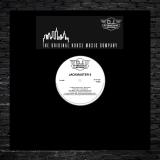
- A1: Dick Morrissey Quartet - Bang!
- A2: Emcee Five - Mike's Dilemma
- A3: Michael Garrick Quintet - Vishnu
- A4: Vic Lewis & His Bossa Nova All Stars - Last Minute Bossa Nova
- A5: Johnny Burch Octet - Early In The Morning
- B1: Pony Poindexter - 4-11-44
- B2: Terrell Prude - Princess
- B3: Johnny Hartsman - Soppin
- B4: Eddie Kochak & Hakki Obadia - Jazz In Port Said
- B5: Charles Kynard With Clifford Scott - Where's It At
- B6: Gene Ammons - Jungle Soul
Compare the best of British jazz circa 1963 with American sounds from labels such as Prestige, Tangerine and World Pacific. This album captures the period when rhythm and blues is emerging as the dominant club sound, forcing Soho jazz clubs to change their music policy in order to survive. On the British side, you’ve got Ronnie Scott’s arrangement of Last Minute Bossa Nova; Bang!, taken from Dick Morrissey Quartet’s first session for the BBC’s World Service, recorded around the time of the release of their first album Have You Heard? The version here is take two. You can hear take one along with the rest of the eleven-track session on R&B18 Jazz For Moderns.
Early In The Morning is a Ginger Baker/Jack Bruce arrangement of the traditional work song realized as a repeated blues riff, and is the first ever recording that is recognizably British Blues. Graham Bond features on alto sax along with Bruce and Baker together as members of the Johnny Burch Octet heard playing live at a BBC staff party from March 1963. Side Two features Jazz Stateside, such as West Coast guitarist Johnny Hartsman, Gene Ammons veering into proto jazz-funk on Jungle Soul, aka Ca' Purange plus a couple of top notch Hammond workouts from Terrell Prude and Charles Kynard.
J.E. Movement's groundbreaking ‘Ma Dea Luv’,
Toward the end of the 1980s South Africa's recording industry was booming. Searching for a sound that could cross over to all in the country's segregated society while also eyeing international success, a new duo emerged that quickly rendered its 'bubblegum' predecessors obsolete. Drawing on international trends and crafting lyrics for local ears, J.E. MOVEMENT — a duo made up of James Nyingwa and Elliot Faku — exploded onto the local scene with their debut album, 'Ma Dea Luv'. The future had arrived.
A talented bassist and composer, Nyingwa was at the time employed as an in-house producer at TRS Studios in Plein Street in downtown Johannesburg, run by two Greek immigrants, George Vardas and Chris Ghelakis. Together they formed a close bond as friends and musical partners at what would become CSR Records, recording original hits with acts like the NEW AGE KIDS and SIDNEY, while also cashing in on cover versions as BLACK BOX.
The six tracks on J.E. Movement’s 1988 debut give firm nods to UK Street Soul, New Jack Swing and Stock Aitken Waterman's 'Hit Factory' sound and infuse them with an African rhythmic flair and homegrown lyrical sentiment. Though not expressly political, the title track was received by many as a play on words referencing then-jailed and banned Nelson Mandela (coming after the similarly styled 'I'm Winning My Dear Love' by Yvonne Chaka Chaka in 1986 and 'We Miss You Manelow' by Chicco in 1987), giving it an added potency for those in the know. 'Jack I'm Sorry' was an underground hit in the townships, while 'Marco', 'Friends', 'Funkytown' and the eponymous closer are similarly bass and drum-driven, with hiphop-styled vocals.
- A1: Black Detroit Intro
- A2: The Dark Streets
- A3: Funeral Biz / Welcome To Detroit (Interlude)
- A4: From Home To Work, And Back (Reprise)
- A5: Mon Amie De`troit (7&Quot; Version)
- B1: Running The Motor (Reprise)
- B2: The Motor Is Running
- B3: There`s No More Soul (Feat Diggs Duke)
- B4: Rain Into The Nite (Outro)
- B5: Floating
First Word Records is very proud to bring you the 10th anniversary edition of Tall Black Guy's debut LP '8 Miles to Moenart'!
It includes two brand new jazz interpretations ('From Home To Work, And Back' and 'Running The Motor'), recorded with a live band, as well as a new intro cut ('Black Detroit'), and an alternative mix of the single 'Mon Amie De'troit', previously only available on 7" vinyl.
The original vinyl LP release was a one-time limited edition pressing; this being the first time this project has been available on wax since then, and also includes entirely new artwork and photography.
From humble origins in Detroit, raised on a healthy diet of Motown, jazz and hip hop, Terrel Wallace (aka Tall Black Guy) has become a standard bearer for the hip hop beats scene. Through a steady stream of soulful productions filled with incredibly clever sample flips and deft production chops, he has won fans across the world, including Gilles Peterson, Benji B, Don Letts, Lefto, Tom Ravenscroft, Lord Finesse, Huey Morgan, Anthony Valadez and countless others, along with sessions for Boiler Room and more.
'8 Miles To Moenart' literally brought Tall Black Guy full circle, and proceeds to do so once again. Detroit was where he started making music, and it's to his hometown he took inspiration for this debut album. Taking in low-slung hip hop, downtempo house and jazz-tinged street soul, it's a record of rare focus. It encapsulated the musical heritage of Detroit, through the looking glass of Tall Black Guy's own signature sound.
Follow up releases included his sophomore First Word album 'Let's Take A Trip' (which also featured the likes of Masego, Daniel Crawford, Miles Bonny and Moonchild), and records on Ubiquity, Bastard Jazz and Street Corner Music, to name a few, along with a steady slew of limited self-released edits amd productions, most recently with his #7DayVaults series.
He's worked with a number of formidable artists worldwide, including recent extensive work with Zo! (Little Brother), Ozay Moore, Deborah Bond and Dee Jackson (80's Babies), as well as collaborations with 14KT and First Word label-mate Allysha Joy, to name just a few. He is also an integral player for DJ Jazzy Jeff's infamous PLAYlist Retreat sessions, along with more First Word family, Kaidi Tatham and Eric Lau, as well as artists like James Poyser, Ali Shaheed Muhammad and Questlove, and he was a core contributor to First Word's 'Nothing Leaves The House' series, along with Eric, Mr Thing and kidkanevil.
Tall Black Guy has firmly established himself to be one of the most influential producers working today.
Terrel says "I made the bulk of this album back in Detroit around 2012/2013, before I relocated to the UK. I've been back living and working in the States for a while now, and it's great to look back on this project. But while it's nice to reminisce, it's important to look forwards, so I wanted to include something new here to represent my progression as an artist, so there's some new versions included, that I created with the help of some jazz musician friends of mine."
'8 Miles to Moenart' (10th Anniversary Edition) will be released on digital & vinyl on October 18th 2024.
c 03: Funeral Biz / Welcome to Detroit (Interlude) feat. Malice & Mario Sweet
e 05: Mon Amie De`troit (7" Version) feat. Ozay Moore
2024 Repress
After 7 years and countless requests, Sneaker Social Club finally deliver a repress of Dream Cycle - Part One.
After a chance meeting at Gottwood in 2016 a bond was established between Dream Cycle (Robin Clarke) and label owner Jamie Russell over a shared love of 2 Bad Mice and Moving Shadow. It wasn't long before Clarke began channeling elements of that influence to produce his Dream Cycle Part.1 EP. Unfolding over 4 steppy tracks and an ambient closer, Clarke melds sharp snares, summery motifs, dense atmospheres and thick subs whilst keeping things suffused with a distinctly UK quality that marries his work perfectly with the Sneaker catalogue.
DJ Support: Ryan Elliott, DJ Die, The Blessed Madonna, Octo Octa, Bwana, Altered Natives, Noodles (Groove Chronicles), Liem (Lehult), Deejay Astral, LA4A, 2 Bad Mice, Fred P, Matt Karmil, Flori, Marco Zenker, J.Rocc (lol at comment!), Ajukaja, Gnork, William Djoko, Till Von Sein, Fold, ASOK, Gene Farris, DJ bwin, Seven Davis Jr, TRP, DJ Octopus, DJ Normal 4, Gerd, Dean Man s Chest, Poté, Doc Scott, Violet, James Welsh (Kamera), Konx-om-Pax, Etch, Raresh, Hrdvsion, Michael Serafini (Gramaphone), Frazer Ray, DJ Guy, Mak & Pasteman, Shenoda, Urulu, Mark Archer & James Zabiela, Zinc, Lehult, Jackie House, Mosca, Noodles (Groove Chronicles) & DJ Die.
Jackie Mittoo is one of the most important artists in the history of Jamaican music. As founding member of the legendary Skatalites, as in-house arranger/producer at Studio One and as a solo artist in his own right leading groups such as The Soul Brothers, Sound Dimension and Soul Vendors.
These classic and rare recordings were made in the mid 1960's at Studio One. The Soul Brothers bridged the gap between Ska and the arrival of Rocksteady mixing it all up with Funk, Jazz and Latin styles. The Soul Brothers recorded at Studio One between 1965-1967. This was the transitionary period between Ska and Rocksteady where the music was a mixture of Funk, Latin and Jazz sometimes with a reminder of Ska and the hint of Rocksteady.
The previous era of Ska had been dominated by the Skatalites, the first in-house band at Studio One who created classic hits such as "Guns of Navaronne", "Man in the Street", "El Pussy Cat" and many more. Unfortunately the strong personalities in the group meant that The Skatalites stayed together for less than two years. It was also around this time that the mentally unwell Don Drummond was arrested for the murder of his girlfriend, the dancer Margerita.
In August 1965, barely a week after the demise of the original Skatalites, The Soul Brothers (featuring ex-Skatalites members Jackie Mittoo, Roland Alphonso, Johnny Moore and Lloyd Brevitt) were up and running as the new house band at Studio One.
The Soul Brothers were essentially a collective, releasing material under their own name or under a nominal leader (usually Jackie Mittoo or Rolando Alphonso). The group line-up changed over time with Bobby Ellis (trumpet), Bryan Atkinson (bass), Dennis Campbell (Sax), Harry Haughton (guitarist) and Joe Isaacs (drummer) replacing various members alongside the ever present Jackie Mittoo.
REVIEWS
"Jackie Mittoo was a true star of Jamaican music; a founder member of The Skatalites, a prolific composer and the keyboard powerhouse behind many a classic tune. His simple, often hypnotic approach, to ska, rocksteady and reggae made him one of the most distinctive sounding musicians of the era." BBC.
"Jackie Mittoo was one of the great names in Jamaican music, manning the keyboards for the Skatalites, the Soul Vendors, and Sound Dimension-- three of the greatest house bands of the 60's
(and I mean anywhere, not just in Jamaica)." PITCHFORK.
Clear Vinyl
Tacit Group is an audio-visual group founded in 2008 with a vision of creating new art for the 21st century. Based in Seoul but working globally, the group comprises composer Jaeho Chang and electronic musician Gazaebal(Lee Jinwon).
With audio-visual art as its core content, Tacit Group has expanded in a contemporary and experimental way in multimedia performances, interactive installations, and music installations. Representative works such as ‘Hun-Min-Jeong-Ak,’ ‘Game Over,’ ‘Morse ㅋung ㅋung,’ combine a systematic worldview weaved through intuitive materials and technology inspired by normal everyday activities such as games and text chatting. In particular, works that utilize the beauty and communica- tion power of characters are among their most striking.
“It’s like wind chimes,” says Tacit Group’s Jeaho Chang. “The creator makes the pipes, but the wind makes the music.” He’s talking about the algorithmic music that Tacit Group creates. Jaeho and Gazaebal create audio/visual systems using code that the pair work within to unleash their utterly compelling AV performances, each show, each track, as unique as a snowflake. The pair met at Korea National University of Arts in 2006. Jaeho Chang was a media installation artist and composer who’d studied classical composition in Korea and electronic music at Den Haag’s Conservatoire. Gazaebal, who’d moved to the US as a teen, had worked at the renowned Quad group studios as a sound engineer, recording acts including Rage Against The Machine, Wu Tang and Janet Jackson. Returning to Korea, he had found success as a K-Pop producer, (founding the act Banana Girl, and writing their No.1 Korean hit ‘Shake Your Ass’) and DJing under the moniker Gazaebal, before deciding to go ‘back to school’ to learn to create more challenging music.
The quiet and reserved Jae and the more outgoing Gazaebal bonded over a shared vision, forming Tacit Group in 2008. And until recently, everything they have done has been through the medium of their globally acclaimed live shows, playing all over the world from Lincoln Center in NY, the Museum of Contemporary Art in Chicago, MMCA (National Museum of Modern and Contemporary Art) and Nam June Paik Art Center in Korea, Aarhus Festival in Denmark, Stereolux in France and NYU Abu Dhabi.
Each show an utterly unique and compelling event, a synthesis of music and visual art that has echoes of the concept of synesthesia: “we love the idea that the audience can ‘see’ the music.” says Gazaebal, “the way that you can hear a painting like Edvard Munch’s ‘The Scream’.” The frameworks and systems are created in advance using code such as C++ and max/M- SP(sometimes combined with analog and modular synthesizers), often growing out a of a simple idea (one of their first composi- tions, ‘Game Over’ explored the idea of a Tetris gameplay as a musical score) while on stage the pair react to the audience, creating new inputs and variables that can lead the performance in ways that are unexpected and even self sustaining - some of their installations could in theory continue to evolve and run on into infinity.
For Tacit Group, the process is as important as the outcome, and every bit as fascinating for the audience, who’ve been known to react like the crowd at a rock band gig to tracks / installations like ‘Hun-Min-Jeong-Ak’ which sees abstract geometric shapes based on the Korean alphabet evolve (through the process of live text interchanges between the pair) to become almost an immersive call and response.With that in mind, the duo have long been reluctant to commit to the idea of releasing via a ‘fixed medium’ it was actually the release of an acclaimed (and beautifully designed) book Tacit.print0_Anthology that convinced them to share their work more widely through an album.
Tropical Disco Records have once again delivered four scintillating feel good summer disco jams courtesy of the latest edition of their well loved vinyl series. Perfect for those gloriously sunny outdoor events, BBQ’s and beach parties alike their latest EP is another must have slice of black gold.
Scouring the globe for the freshest cuts Volume 22 is another multinational affair combining the skills of Colombian duo Vagabundo Club Social, Mexico’s Monsieur Van Pratt, Italy’s Infradisco and New York’s Roland & Brother Rich.
Opening affairs are the hugely exciting duo Vagabundo Club Social with their track ‘Costero’. They are producers who nimbly fuse dusty Latin grooves with cutting edge production techniques and dancefloor know-how and here have delivered yet another feel good dancefloor smash. ‘Costero’ is quite simply a DJ’s dream track which will do the business at any end of the set whether you need to get the crowd on the floor or tear the proverbial roof off.
Mexico is currently at the leading tip of the disco charge and Monsieur Van Pratt is one of the stand-out producers from a country bursting with talent. ‘Jazz Player’ pulls absolutely no punches combining jazz cool with disco know-how for a track which wins on all counts. Sublime brass solos sit atop a huge funky gem of a bassline. ‘Jazz Player’ will tear dance-floors up worldwide as the world starts to rediscover its long since packed away dancing shoes.
Italy’s Infradisco is up next with ‘Aungasana’ and it’s the perfect track to follow on combining many of the traits that both Vagabundo Social Club and Monsieur Van Pratt utilised on their tracks. Expect huge jazzy horns, funky bass and tribal vocals building up to a monstrous organ groove which raises proceedings to fever pitch. Infectious and energetic, it’s another seriously classy dancefloor moment.
Closing out the EP are New Yorkers Roland & Brother Rich with the exquisitely titled ‘Roger Moore’s Living Room’. Paying homage to the James Bond legend it’s the ideal track to sip brandy and toast the characters of yesteryear in that velvet smoking jacket you have always wanted. Deep and Jazzy with the essence of the 70s flowing through it’s DNA ‘Roger Moore’s Living Room’ is a track so effortlessly cool that even Blofeld would be throwing some shapes.
Tropical Disco’s Volume 22 is a sublime selection of timeless and wonderfully cool tracks which will be the perfect accompaniment to sun soaked events this summer and well beyond.
Support across Mi Soul & House FM.
- A1: Herb Alpert & The Tijuana Brass - Casino Royale (Main Title)
- A2: Dusty Springfield - The Look Of Love
- A3: Moneypenny Goes For Broke
- A4: Le Chiffre's Torture Of Mind
- A5: Home James, Don't Spare The Horses
- A6: Sir James' Trip To Find Mata
- B1: The Look Of Love (Instrumental)
- B2: Hi There Miss Goodthighs
- B3: Little French Boy
- B4: Flying Saucer/First Stop Berlin
- B5: The Venerable Sir James Bond
- B6: Dream On James, You're Winning
- B7: Herb Alpert & The Tijuana Brass - The Big Cowboys & Indians Fight At Casino Royale/Casino Royale Theme (Reprise)
- C1: Herb Alpert & The Tijuana Brass - Casino Royale (Main Title)
- C2: Opening Cars Converging/To The Bond Chateau
- C3: The Black Rose/James Bond In Scotland
- C4: The Widow Duty Of Lady Fiona/Wassail
- C5: The Grouse Shoot/Mimi's Lament
- C6: Gymnasium Training
- C7: Proposals, Super 8 & Costumes
- C8: Sir James' Trip To Find Mata/Temple Dance
- C9: Mike Redway - Have No Fear Bond Is Here (Single Version)
- D1: Dusty Springfield - The Look Of Love (Film Version)
- D2: Sitar Background/Old Berlin House/Mata Hari School For Spies
- D5: Vesper's Kidnapping/End Of Torture Sequence
- D6: Fight In Casino Manager's Office/Dr Noah's Headquarters/The Lsd Room
- D7: Mike Redway - The Big Fight At Casino Royale/Even Bond In Heaven/End Title (Have No Fear Bond Is Here)
- D3: Bond Arrival In France/Vesper In The Shower
- D4: Le Chiffre's Magic Act
Quartet Records and MGM present the re-issue of the first official complete vinyl edition of Burt Bacharach’s timeless classic soundtrack for the 1967 James Bond spoof Casino Royale.
The infectious main theme performed by Herb Alpert and the Tijuana Brass is just the starting point of an epic comedy ride that includes such highlights as the unforgettable “The Look of Love,” sung by Dusty Springfield, or the epic fight music at the end of the film. Produced by record industry legend Phil Ramone, the original soundtrack LP offered selected highlights, expertly edited to showcase the best parts of the entire score. Thanks to the legendary sound quality of the stereo copies, this record became one of the most highly sought-after collectibles in the industry.
This straight re-issue of our 2019 vinyl edition was produced, restored and mastered by Chris Malone, rebuilding the score from the ground up. The soundtrack album has long been considered a cornerstone of an audiophile’s collection. Lauded by The Absolute Sound, the original Colgems release continues to remain in pole position as the best sounding “popular” LP vinyl disc of all time.
Malone’s work was focused on addressing unintended technical anomalies (such as filling dropouts and covering analogue splices) rather than broadly applying a modern sound palette. He has eschewed dynamic range compression and retained the brilliance of the original recording. The first LP is a fully remastered reissue of the iconic original stereo vinyl, playing in all its splendor. The second LP contains all the unreleased material, in mono, which are still the only available source to date.
This special 2xlp is a limited edition pressed on 180-gram black vinyl, all of it housed in a gatefold jacket, retaining the iconic original cover art by Robert McGinnis
Originally released as an edition of 50 lathe-cut LPs housed in silk-screened jackets in 2020 (fast on the heels of What's Tonight To Eternity), Cat O' Nine Tails has long intrigued die-hard Cindy Lee fans with its combination of the classic songwriting that would dominate Diamond Jubilee a few years later and an actual suite of classical songs under the title itself.
Opening with the gothic soap opera theme of "Our Lady Of Sorrows" into the manic exploration of "Cat O' Nine Tails," onto the dusty western walk through Patrick Flegel's lovely guitar work on "Faith Restored," the album seems to soundtrack the coolest movie the late '60s ever produced. All of this builds to the lush and sweeping ballad of bruised hearts that introduces that beautiful voice via "Love Remains."
Side Two sees 2024 live show closer "Cat O' Nine Tails III" complete the suite to epic effect, before introducing the absolute showstopper that is "I Don't Want To Fall In Love Again." It is tender and fragile in that way that only Flegel can make both familiar and unique. Closing with the ethereal soul shuffle stomp of "Bondage Of The Mind," the album showcases nine songs from an essential time in the Cindy Lee evolution.
W.25TH / Superior Viaduct bring this collection to the larger audience as it deserves.
"Across eleven cinematic tracks — each a melodic treasure and short film — Dienel probes: What does freedom look like when rooted in presence, not escape? “Joy, especially queer joy, is revolutionary,” they muse. “Even in the face of everything else, I wanted to show that happiness is still possible — and necessary.”
The record was brought to life with an impressive ensemble of collaborators: producer Adam Schatz (Japanese Breakfast, Neko Case), bassist Spencer Zahn, guitarists Carly Bond (Meernaa) and meg duffy (Hand Habits), drummer Max Jaffe, mixing engineer Jake Aron (Solange, Snail Mail), and mastering engineer Heba Kadry (Björk, Sade). Breaking from their usual DIY approach, Dienel embraced the power of the collective — an experiment in trust, connection, and openness.
Tonally influenced by My Own Private Idaho and widescreen pop, such as Born in the U.S.A., My Heart Is An Outlaw is a warm-hearted exploration. Can we love fully without being domesticated? Can we resist cultural scripts by choosing presence and community over self-erasure? As they put it, “The heart has a mind of its own…It’s the thing holding you back that you have to set free on your own time, in your own way.”
From the early days of White Hinterland to the lush orchestral pop of her solo work, Dienel has consistently bent and challenged the boundaries of independent music. My Heart Is An Outlaw continues that legacy — an unapologetic, joyous declaration of queer love and creative agency."
Dave Davis, a legendary name in Belgian electronic music, made his mark with classics on Bonzai Records, including the iconic "Transfiguration." Known worldwide for his DJ sets and as a vocalist under the alias JD Davis (Chab’s "Closer to Me," David Guetta’s "The World Is Mine"), he now teams up with ID10-T, a Swiss producer making waves with his raw, no-compromise techno style.
This release features two tracks crafted for peak-time dancefloors:
• "Insane": A dark, powerful underground techno bomb with deep basslines, sharp textures, and relentless energy. Built to shake the walls and ignite the crowd.
• "RDH": A groovy jackin’ techno weapon, combining bouncy bass, funky patterns, and infectious rhythms. A fresh yet respectful nod to classic techno foundations.
With this electrifying collaboration, Vibes Addikt continues to push boundaries, showcasing a cross-generational vision that fuses rave culture heritage with modern sound design.
Français
Vibes Addikt, le label de N.O.B.A reconnu pour sa ligne artistique mêlant techno et trance de manière percutante et novatrice, présente sa nouvelle sortie : un single explosif signé Dave Davis & ID10-T.
Dave Davis, figure incontournable de la scène électronique belge, connu pour ses classiques sur Bonzai Records — notamment l’intemporel "Transfiguration" — et pour ses prestations aux quatre coins du globe, s’associe ici au producteur suisse ID10-T, talent émergent dont le style se distingue par une techno brute, percutante et sans concession. Dave Davis est également connu sous son alias JD Davis, voix emblématique de titres cultes tels que "Closer to Me" de Chab ou "The World Is Mine" de David Guetta.
Ce single comprend deux titres taillés pour les dancefloors les plus exigeants :
• "Insane" : Un banger techno underground, sombre et puissant, construit pour retourner les clubs à coups de basses profondes, de textures métalliques et d'une tension hypnotique. Ce morceau capte l’essence même de la rave moderne : brut, direct, sans artifice.
• "RDH" : Une véritable arme jackin’ techno, groovy et irrésistible, mêlant rythmiques incisives, bassline bondissante et arrangements funky, qui captiveront autant les puristes que les amateurs de sonorités plus organiques. Un hommage contemporain aux racines du genre, avec une touche résolument actuelle.
Cette sortie marque une nouvelle étape dans l'évolution de Vibes Addikt, toujours en quête de projets audacieux et authentiques. Avec cette collaboration intergénérationnelle, le label affirme une fois de plus son engagement envers une techno de caractère, entre héritage rave et innovation sonore.
- 1: Family Dinner
- 2: Clear The Clutter
- 3: Tired
- 4: Guilt And Blame
- 5: Caffeine Od
- 6: Flyblown
- 7: Sydney Sizzles
- 8: Over The Bridge
- 9: Government Flu
- 10: I Still Call This Punk Scene My Home
- 11: Bond Clean
- 12: Explosives In The Headlights
- 13: Chemical Solution
- 14: Cabanossi
- 15: The Scene Expands
- 16: Opinionated Fuck
- 17: Nothing Ever Goes Your Way
- 18: 4 Fatal Collision
- 19: Circular Motion
- 20: Beyond The Pale
- 21: The Executioner
- 22: West Side Story
- 23: S-O-S 75
Red Vinyl[25,00 €]
Howdy punkè rocke fans, welcome to FORCED COMMUNAL EXISTENCE - the wonderful and frightening world of ALIEN NOSEJOB’s EP’s & singles. Anti Fade and Agitated Records are teaming together to bring you a paint stripping, mind altering, rare collection of EP and compilation tracks recorded in various Australian bedrooms and garages between 2017 and 2022. The sound of goofy obnoxiousness will soon be permeating your bedroom airwaves and perforating your eardrums. Kicking off this long player is an EP that was recorded by Billy from Anti Fade in his childhood bedroom in July 2017. The songs came to fruition while AUSMUTEANTS were on tour in Japan 2016.
There was a lot of ‘WALLABY BEAT’ / ‘MURDER PUNK’ being played in the background while seeing the sites of Mount Fuji and ‘Bar Fuck Yeah’. In between shows Jake was organising the release of DANNY GRAHAM and PLASTIC AND THE EP’S records on the label he co-ran XEROX MUSIC. Both artists played parts in the sound and ethos of the PANEL BEAT EP. The goal was to make the songs sound unapologetically Australian without pretending to be something they’re not. There’s no fake accents or songs about VB and mullets. Instead, there’s songs about every day struggles, like dealing with fickle fashion followers, having too many fucking records, playing PlayStation, resentment and manipulation.
500 copies were pressed and self released, with a photo slipped inside each copy at random. Next is THE DEATH OF THE VINYL BOOM which was self recorded in a shed in November 2017. This is the only Alien Nosejob release (besides this comp, smartarse) to feature a cover - Flyblown by Adelaidean arty weirdo band JACKSON ZUMDISH. The idea behind this EP was to incorporate the simplicity and scrappiness of the late 70’s DIY Australian sound, but give them the complicated structures of prog songs. Scum stats - 500 copies, self released. Several copies were smeared with Jake’s blood and had smashed pieces of vinyl glued to the front cover.
Now we have a cover of the DEAD KENNEDYS. The conspiracy theorist wet dream Government Flu. Recorded September 2020 during lockdown in one-man-band with a tape recorder fashion for a 20 minute unedited ‘live set’ video where all instruments were played one by one, sung and mixed in the space of a couple of hours. The HC45 7” was recorded at the same time as a disco 12” maxi, which I hear were originally meant to come out on the same day. Shit happens I guess? This EP came out in Feb 2020 and sounds somewhere between early GANG GREEN, DIE KREUZEN and the BEASTIE BOYS old bullshit. Self recorded on a 4 track with a broken pinch roller. Lyrically this thing is cynical and choc-a-bloc full of satire and hate. A year later a sequel was recorded the same way, on the same machine.
No fucking disco this time though. Cold Bare Facts is the most recent recording on this comp. Self recorded in Jake‘s bedroom 2022 It has the same mid paced tempo as DYS or SSD when they’re at their slowest (pre-Boston Curse, of course!). Both songs take a stinky shit on the Australian state police. 300 copies. Finishing the record is a cover by THE AINTS. Originally written by ED KUEPPER for THE SAINTS Eternally Yours album, but it sounded too similar to Lost and Found. Originally released on ‘ALTA’ cassette compilation during the lockdown. FORCED COMMUNAL EXISTENCE binds this mouthful of releases into one neat package from June 6th, 2025. Catch the ALIEN NOSEJOB band on tour in Europe & UK from June 13 - July 2nd, 2025.
- 1: Family Dinner
- 2: Clear The Clutter
- 3: Tired
- 4: Guilt And Blame
- 5: Caffeine Od
- 6: Flyblown
- 7: Sydney Sizzles
- 8: Over The Bridge
- 9: Government Flu
- 10: I Still Call This Punk Scene My Home
- 11: Bond Clean
- 12: Explosives In The Headlights
- 13: Chemical Solution
- 14: Cabanossi
- 15: The Scene Expands
- 16: Opinionated Fuck
- 17: Nothing Ever Goes Your Way
- 18: 4 Fatal Collision
- 19: Circular Motion
- 20: Beyond The Pale
- 21: The Executioner
- 22: West Side Story
- 23: S-O-S 75
Black[25,00 €]
Howdy punkè rocke fans, welcome to FORCED COMMUNAL EXISTENCE - the wonderful and frightening world of ALIEN NOSEJOB’s EP’s & singles. Anti Fade and Agitated Records are teaming together to bring you a paint stripping, mind altering, rare collection of EP and compilation tracks recorded in various Australian bedrooms and garages between 2017 and 2022. The sound of goofy obnoxiousness will soon be permeating your bedroom airwaves and perforating your eardrums. Kicking off this long player is an EP that was recorded by Billy from Anti Fade in his childhood bedroom in July 2017. The songs came to fruition while AUSMUTEANTS were on tour in Japan 2016.
There was a lot of ‘WALLABY BEAT’ / ‘MURDER PUNK’ being played in the background while seeing the sites of Mount Fuji and ‘Bar Fuck Yeah’. In between shows Jake was organising the release of DANNY GRAHAM and PLASTIC AND THE EP’S records on the label he co-ran XEROX MUSIC. Both artists played parts in the sound and ethos of the PANEL BEAT EP. The goal was to make the songs sound unapologetically Australian without pretending to be something they’re not. There’s no fake accents or songs about VB and mullets. Instead, there’s songs about every day struggles, like dealing with fickle fashion followers, having too many fucking records, playing PlayStation, resentment and manipulation.
500 copies were pressed and self released, with a photo slipped inside each copy at random. Next is THE DEATH OF THE VINYL BOOM which was self recorded in a shed in November 2017. This is the only Alien Nosejob release (besides this comp, smartarse) to feature a cover - Flyblown by Adelaidean arty weirdo band JACKSON ZUMDISH. The idea behind this EP was to incorporate the simplicity and scrappiness of the late 70’s DIY Australian sound, but give them the complicated structures of prog songs. Scum stats - 500 copies, self released. Several copies were smeared with Jake’s blood and had smashed pieces of vinyl glued to the front cover.
Now we have a cover of the DEAD KENNEDYS. The conspiracy theorist wet dream Government Flu. Recorded September 2020 during lockdown in one-man-band with a tape recorder fashion for a 20 minute unedited ‘live set’ video where all instruments were played one by one, sung and mixed in the space of a couple of hours. The HC45 7” was recorded at the same time as a disco 12” maxi, which I hear were originally meant to come out on the same day. Shit happens I guess? This EP came out in Feb 2020 and sounds somewhere between early GANG GREEN, DIE KREUZEN and the BEASTIE BOYS old bullshit. Self recorded on a 4 track with a broken pinch roller. Lyrically this thing is cynical and choc-a-bloc full of satire and hate. A year later a sequel was recorded the same way, on the same machine.
No fucking disco this time though. Cold Bare Facts is the most recent recording on this comp. Self recorded in Jake‘s bedroom 2022 It has the same mid paced tempo as DYS or SSD when they’re at their slowest (pre-Boston Curse, of course!). Both songs take a stinky shit on the Australian state police. 300 copies. Finishing the record is a cover by THE AINTS. Originally written by ED KUEPPER for THE SAINTS Eternally Yours album, but it sounded too similar to Lost and Found. Originally released on ‘ALTA’ cassette compilation during the lockdown. FORCED COMMUNAL EXISTENCE binds this mouthful of releases into one neat package from June 6th, 2025. Catch the ALIEN NOSEJOB band on tour in Europe & UK from June 13 - July 2nd, 2025.
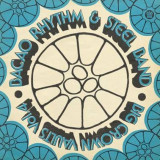
- Nautilus
- Maria También
- Let's Grow
- Pimp (Version)
- Look Out (Here I Come)
- Great To Be Here
- Juicy Fruit
- 8: Th Wonder
- Murkit Gem
- All For The Cash
- Kaiso Noir
- Guess Who's Back
- Giana Sisters
Bacao Rhythm & Steel Band, das mysteriöse Steel-Pan-Outfit aus Hamburg, machte 2024 von sich reden, als der französische Film „Anatomy of a Fall“ einen Oscar für das beste Originaldrehbuch gewann. Bacaos Cover von 50 Cents „PIMP“ war prominent in dem Film vertreten und spielte eine so große Rolle in der Handlung, dass es zum Synonym für den Erfolg des Films wurde. Später sorgten sie dafür, dass bei der Oscar-Verleihung zum ersten Mal Steel Pans im Orchestergraben auftauchten, um die Melodie zu spielen, als die Regisseurin Justine Triet die Bühne betrat, um den Preis entgegenzunehmen. All dies brachte Bacao eine Menge neuer Fans und ließ die Streaming-Zahlen von „PIMP“ auf weit über 40 Millionen steigen. Der Song erschien erstmals 2008 auf dem eigenen Mocambo-Imprint von Bandleader Bjorn Wagner und wird oft mit dem Original-Sample verwechselt, aus dem 50 Cent seinen Hit gemacht hat. Abgesehen von den Auszeichnungen und internationalem Ruhm ist „PIMP“ buchstäblich nur die Spitze des Eisbergs von Bacao. Mit vier Alben und einem großen Stapel 7"-Singles, die zu Grundnahrungsmitteln für DJs auf der ganzen Welt geworden sind, sind sie, seit sie bei Big Crown unter Vertrag stehen, sehr produktiv gewesen. Trotz der ständigen Veröffentlichungen und des umfangreichen Katalogs hat jede Aufnahmesession mehr Früchte getragen, als auf ein Album passen, so dass mehr als nur eine Handvoll Songs im Tresor lagert. „Big Crown Vaults Vol. 4“ gibt den meisten dieser Stücke eine angemessene Pressung und Veröffentlichung. Das Album beginnt mit ihrer Coverversion des Bob James Klassikers „Nautilus“, ein „Must Have“ für alle Hip-Hop- und Breakbeat-Fans. Sie bleiben auf dem Gaspedal und geben dem Khruangbin-Klassiker „Maria También“ die BRSB-Behandlung mit ihren charakteristischen basslastigen Drums, die die Energie des Stücks in eine völlig neue Dimension bringen. Berühmt dafür, bei der Neuinterpretation von Material tief in den Kisten zu wühlen, nehmen sie sich als nächstes den von J Dilla produzierten Royce Da 5'9"' Track ‚Let's Grow‘ vor. Dann gibt es „PIMP (Version)“, ursprünglich die B-Seite der Erstpressung von „PIMP“, auf der sie ihrer Originalaufnahme eine ordentliche Dub-Behandlung mit Melodica und Bandecho verpassen. Sie erhöhen das Tempo und den Funk mit „Great To Be Here“ von den Jackson 5 und tauchen mit dem Billy-Jones-Tanzflächenbrenner „Lookout Baby (Here I Come)“ wieder tief in die Dunkelheit ein. Während ein Teil des Reizes eines neuen Bacao Rhythm & Steel Band-Albums darin besteht, herauszufinden, welche Coversongs sie aufnehmen werden, ist es ebenso faszinierend zu sehen, welche originellen Melodien sie ausgearbeitet haben. „BCR Vaults Vol. 4“ enthält zwar nur ein einziges Original, „Kaiso Noir“, aber es ist ein Up-Tempo-Kracher, der wie eine Mischung aus einem B-Boy-Break und einem James-Bond-Score klingt. Diese Sammlung von Songs umfasst den Zeitraum von 2008 bis 2023 und lässt eine Vielzahl von Genres von Hip-Hop über Jazz bis hin zu Soul und Pop durch die Bacao-Linse laufen. Die Band arbeitet bereits an ihrem 5. Studioalbum, und diese Zusammenstellung dürfte die perfekte Überbrückung für die Fans sein, bis es erscheint.
- A1: Live For The Music
- A2: Simple Man
- A3: Honey Child
- B1: Love Me Somebody
- B2: Run With The Pack
- C1: Silver, Blue & Gold
- C2: Young Blood
- D1: Do Right By Your Woman
- D2: Sweet Lil' Sister
- D3: Fade Away
Released in early 1976, the title track of Bad Company's third album Run With The Pack is, what one critic described as, "a male-bonding type of song" that frontman Paul Rodgers was inspired to write about the group's non-stop touring adventures.
"Run With The Pack" is notable for its string arrangement, which Rodgers said he had in mind from the outset. "I wrote that song on the piano, and when I played it to the guys they fell right in. In my head, strings were always part of the song."
The album was recorded in France using the Rolling Stones Mobile Truck in September 1975 with engineer Ron Nevison, and mixed in Los Angeles by Eddie Kramer.
The Run With The Pack album reached No. 5 on the Billboard 200 and No. 4 on the U.K. chart. It was also Bad Company's third consecutive platinum-selling album.
Rolling Stone, in its review, calls Run With The Pack Bad Company's third and best album, reiterating the raw, rowdy style of their debut, Bad Company.
Cut at 45 RPM, pressed on 180-gram vinyl at Quality Record Pressings, and housed in a tip-on old style gatefold double pocket jacket by Stoughton Printing.
- The Geek
- M.j.s. Funk
- That's It
- Freedom Sound
- From Exodus
- Coon
Freedom Sound, the 1961 debut by The Jazz Crusaders, began a prolific and successful decade-long association with Pacific Jazz. The Houston, Texas founded band featuring Stix Hooper, Joe Sample, Wayne Henderson, Wilton Felder, and Jimmy Bond blended jazz aspirations with R&B roots to create an enticing sound. This stereo Tone Poet Vinyl Edition was produced by Joe Harley, mastered by Kevin Gray from the original analog master tapes, pressed on 180g vinyl at RTI, and packaged in a deluxe tip-on jacket.
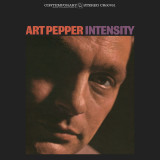
- A1: I Can't Believe That You're In Love With Me
- A2: I Love You
- A3: Come Rain Or Come Shine
- A4: Long Ago (And Far Away)
- B1: Gone With The Wind
- B2: I Wished On The Moon
- B3: Too Close For Comfort
Recorded in 1960, Art Pepper’s 5th album release on Contemporary Records, “Intensity”, was released in 1963. A collection of 7 jazz standards the album features Dolo Coker (piano) along with Jimmy Bond (bass), and Frank Butler (drums). This new edition, released as part of the Acoustic Sounds Series, features (AAA) lacquers cut from the original master tapes by Bernie Grundman and is pressed on 180-gram vinyl at QRP, and presented in a tip-on jacket.
- It's Such A Pretty World Today
- Get While The Gettin's Good
- Walk Through This World With Me
- Jackson
- When It's Over
- Lay Some Happiness On Me
- Lonely Again
- By The Way (I Still Love You)
- Oh Lonesome Me
- End Of The World
- Help Stamp Out Loneliness
- Love Eyes (Bonus Track)
- You Only Live Twice (Bonus Track)
- Lightning's Girl (Bonus Track)
- Until It's Time For You To Go (Bonus Track)
- Tony Rome (Bonus Track)
Blue Vinyl[42,82 €]
1967 setzte Nancy Sinatra ihren künstlerischen Aufstieg in die Pop-Stratosphäre fort: mit dem James-Bond-Titelsong ,You Only Live Twice", dem groovigen Farbfernsehspecial ,Movin' With Nancy", der Aufnahme eines der beliebtesten Duette aller Zeiten, ,Some Velvet Morning", und einer Pilgerreise quer durch das Land ins Zentrum der Country-Musikszene. Nancy reiste nach Nashville, um ihr fünftes Album in den RCA Studios aufzunehmen, wo viele der größten Country-Songs aller Zeiten entstanden sind. Auf ,Country, My Way" verschmilzt Nancy ihren persönlichen Stil mit der Country-Musik, was zu einem neuen hybriden Sound führt. Der Produzent Lee Hazlewood nannte es ,Hippie-Billy". Zwar wird der zeitgenössische Country-Sound vielen zugeschrieben, doch wie bei vielen Meilensteinen der 1960er Jahre war Nancy eine der Ersten. Nancy Sinatra war gleichermaßen stark, schwül und klug und war ihrer Zeit lange Zeit voraus - sowohl in ihren Entscheidungen als Künstlerin als auch als Geschäftsfrau. Unbeirrt schlug sie schon früh ihren eigenen Weg ein und ebnete den Weg für jahrzehntelang nachfolgende Künstlerinnen - und behielt dabei stets die Kontrolle über ihre Karriere, ihr Image und ihre Musik. Im Jahr 1965 veränderte Nancy Sinatra das Gesicht der Musik, der Mode und der Kultur. Die endgültige Vinyl-Neuauflage von Nancys kultigem Album von 1967 ist eine wunderschön verpackte und erweiterte Gatefold-LP mit 20-seitigem Booklet, enthält die Singles "Jackson" und "Oh Lonesome Me", wurde neu gemastert von den analogen Originalbändern vom GRAMMYr-nominierten Toningenieur John Baldwin und kommt in dieser Auflage mit fünf Bonustracks: den Non-Album-Singles von 1967: "Love Eyes", "You Only Live Twice", "Lightning's Girl", "Until It's Time for You to Go" und "Tony Rome".
- It's Such A Pretty World Today
- Get While The Gettin's Good
- Walk Through This World With Me
- Jackson
- When It's Over
- Lay Some Happiness On Me
- Lonely Again
- By The Way (I Still Love You)
- Oh Lonesome Me
- End Of The World
- Help Stamp Out Loneliness
- Love Eyes (Bonus Track)
- You Only Live Twice (Bonus Track)
- Lightning's Girl (Bonus Track)
- Until It's Time For You To Go (Bonus Track)
- Tony Rome (Bonus Track)
Black Vinyl[36,77 €]
1967 setzte Nancy Sinatra ihren künstlerischen Aufstieg in die Pop-Stratosphäre fort: mit dem James-Bond-Titelsong ,You Only Live Twice", dem groovigen Farbfernsehspecial ,Movin' With Nancy", der Aufnahme eines der beliebtesten Duette aller Zeiten, ,Some Velvet Morning", und einer Pilgerreise quer durch das Land ins Zentrum der Country-Musikszene. Nancy reiste nach Nashville, um ihr fünftes Album in den RCA Studios aufzunehmen, wo viele der größten Country-Songs aller Zeiten entstanden sind. Auf ,Country, My Way" verschmilzt Nancy ihren persönlichen Stil mit der Country-Musik, was zu einem neuen hybriden Sound führt. Der Produzent Lee Hazlewood nannte es ,Hippie-Billy". Zwar wird der zeitgenössische Country-Sound vielen zugeschrieben, doch wie bei vielen Meilensteinen der 1960er Jahre war Nancy eine der Ersten. Nancy Sinatra war gleichermaßen stark, schwül und klug und war ihrer Zeit lange Zeit voraus - sowohl in ihren Entscheidungen als Künstlerin als auch als Geschäftsfrau. Unbeirrt schlug sie schon früh ihren eigenen Weg ein und ebnete den Weg für jahrzehntelang nachfolgende Künstlerinnen - und behielt dabei stets die Kontrolle über ihre Karriere, ihr Image und ihre Musik. Im Jahr 1965 veränderte Nancy Sinatra das Gesicht der Musik, der Mode und der Kultur. Die endgültige Vinyl-Neuauflage von Nancys kultigem Album von 1967 ist eine wunderschön verpackte und erweiterte Gatefold-LP mit 20-seitigem Booklet, enthält die Singles "Jackson" und "Oh Lonesome Me", wurde neu gemastert von den analogen Originalbändern vom GRAMMYr-nominierten Toningenieur John Baldwin und kommt in dieser Auflage mit fünf Bonustracks: den Non-Album-Singles von 1967: "Love Eyes", "You Only Live Twice", "Lightning's Girl", "Until It's Time for You to Go" und "Tony Rome".
- A1: The Look - Thrupence, Jack Vanzent
- A2: Solitude - Koji
- A3: Aperol - Houis Feat. Foreignlocal. & Inq
- A4: Lost & Found - Moirésun
- A5: Decompress - Tambala, Makzo, Falcxne, Seb Zillner
- A6: U & I - Den Brooks Feat. Hari & Noé
- B1: Sticks & Stones - Lovesome Feat Swoo
- B2: Save You - Tambala Feat. Dhan
- B3: Splash - Lucid Green
- B4: Equinox (Feat. Erica Tucceri) - Alexander Flood
- B5: Cape Town - Cabu
- B6: Baby Slow Down - Mxxwll
The multifaceted Perth-based record label 823, founded by Australian producer and creative powerhouse Ta-ku, is gearing up for "All Things Considered Vol. 3." Committed to detail and a celebration of life's simple pleasures, this LP refuses to be confined to any single genre. Noteworthy releases from 823 include Cabu's "So Far To Go" EP, Ta-ku and Matt McWaters's collaboration "Black and White," featuring the Masego collaboration "Flight 99," and their debut project with Australian producer and instrumentalist Kuzich.
This time, The guest list includes Jakarta Records beat-veterans Alexander Flood, Lucid Green, and Cabu, bringing RnB with a soulful twist that's sure to warm the heart. Playfully melodic artists Makzo, falcxne & Seb Zellner blend jazz, soul, and sweetness creating a natural and playful sound for the LP. Den Brooks, Lovesome, and Tambala all contribute to the rhythmic neo-soul zest on the iconic 808 beat.
On the whole, "All Things Considered Vol. 3" embarks on a forward-thinking rhythmic journey into the creative minds behind the LP. It's as diverse and eclectic as those minds themselves and proudly follows up on its first and second volumes. Natural sounds blend seamlessly with electronic elements, from lush melodies to wintery vibes. Playful vocals adorn this 12-track gem, from Lucid Green's ethereal journey "Splash" twisted in UK garage vibes to the jazz-pop infused "Lost & Found" by Makzo & friends, echoing Jamiroquai-esque beats. The first single, "Babyslowdown" by MXXWLL, takes center stage with its strings, while Alexander Flood's James Bond-inspired melody receives a funky update.
Ollie Spalding and Jack Watts were friends first, and songwriting partners second, and this quality sets them apart. They're marked by that peculiar alchemy when two voices become one, a special sense of human connection wrought through harmony and emboldened with experience.
New album 'Redsetter' is their coming- of- age moment - gilded indie- folk with an optimistic sense of maturity, it dares to look towards the light. "We had literally no idea what was gonna happen!" Ollie gasps when looking back on the pair's self-titled debut album. Sculpted over the pandemic and released on Real Kind Records - the boutique Communion imprint chaired by Lucy Rose - the record displayed their core values. "The emotion has to be right," says Oliver.
"When we record songs, we want to stay true to the emotion - as though those songs had just been written seconds before they were recorded." The success of their debut brought fresh experiences - writing with Flyte, collaborating with everyone from Matthew & The Atlas and Victoria Canal to Talos and Olafur Arnalds - but also new challenges.
New LP 'Redsetter' takes them from their base in Brighton to a remote part of Texas (and back again); it's a record that's driven by a special kind of determination, dealing with intimate bonds, familial connections, and a quiet sense of renewal. Looking for perfect moments within our imperfect lives, Memorial have displayed extraordinary sense of character to drive themselves forwards. "We've let go of trying to make everything sound perfect," says Jack. "Being vulnerable in that way means that the end product is truer to you than it ever could be. There's a realness to it." Memorial have taken true ownership of their lives, pushing through enormous challenges to unlock new aspects of their artistry, and actualise their dreams.
"Stepmom is a 1998 comedy-drama film directed by Chris Columbus and stars Julia Roberts, Susan Sarandon, Ed Harris and Jena Malone. The story follows a terminally ill woman dealing with her ex-husband's new lover, who soon will become their children's stepmother. Susan Sarandon was nominated for a Golden Globe Award for Best Actress in a Motion Picture - Drama for performance. The music was composed and conducted by the legendary John Williams, who already worked together with Columbus on Home Alone and Home Alone 2: Lost in New York. They would also continue to work together on the first two movies of the Harry Potter franchise. For the soundtrack of Stepmom, Williams received a BMI Film Music Award in 1999. Stepmom is available on vinyl for the very first time as a limited edition of 500 individually numbered copies on translucent green coloured vinyl and includes an insert with liner notes by Chris Columbus."
Stepmom by John Williams, released 9 May 2024, includes the following tracks: "Time Spins Its Web", "A Christmas Quilt", "Taking Pictures" and more.
This version of Stepmom comes as a 2xLP. This release comes with (a) Insert(s).
The vinyl is pressed as a translucent, green disc. Another vinyl is pressed as a translucent, green disc.
Acoustic Sounds and Contemporary Records present this new reissue of Art Pepper’s 1960 album “Smack Up”. Recorded by legendary engineer Roy DuNann the album also features Jack Sheldon (trumpet), Pete Jolly (piano), Jimmy Bond (bass), and Frank Butler (drums). This new edition is pressed on 180-gram vinyl pressed at QRP with (AAA) lacquers cut from the original tapes by Bernie Grundman and is presented in a tip-on jacket.
Amazing floaty modern soul / disco goodness out of late 70s Queens, NY. 'Love Is The Same' two brilliant and different versions, both dancefloor fire…
Mark Beiner met Ben Iverson in 1976 when I was 17 years old, at the time he was a junior at Newtown High School in Elmhurst, Queens. Mark had taken a part time job as a Produce Clerk at Walbaum's Supermarket on Northern Boulevard in Jackson Heights, Queens, where I met Ben Iverson, the "Frozen Food Manager."
Back then Mark remembers, 'I was going to work early just to talk to him about his musical background and his time spent in the 50's and 60's with the Ohio Doo Wop Group, "The Hornets", or better known as, "Ben Iverson and The Hornets."'
In 1978 after Ben and I discussed getting together and composing music, I started writing poetry and expressing in writing my break-up with my college girlfriend, Paula. Ben and Mark went on to writing two albums worth of material, which in turn gave us a lot of time and presence on stage at our live gigs.
The regular Coast to Coast Band members consisted of Ben Iverson on Lead Vocals, Rhythm Guitarist and Co-Executive Producer, Joe Crowley, who is known today as "New York Congressman Joe Crowley." Carl (Woody Wood) Morton on Bass Guitar, Jimmy Johnson on Keyboards. Lead Guitarist, Lou Jimenez, currently owns his own recording studio, Music Labs in Elmont, Long Island. On Drums, Eddie Byam, on Alto Sax, Jay Cohen, who in the 70's used to record for "Gary U.S. Bonds." Gary Pevols on Trumpet. On Bone, Scott Burrows, Trumpet player, Steve Becker, along side Neil Levine, Stan Stockley, Tom Russo.
- A1: Giorgio Moroder - Chase (From "Midnight Express")
- A2: Paul Mccartney & Wings - Live And Let Die (From "James Bond Live And Let Die")
- A3: Mick Jagger - Memo From Turner (From "Performance")
- A4: Willie Nelson - Midnight Rider (From "The Electric Horseman")
- A5: Tom Pierson, Galt Macdermot & Original Cast "Hair" - Aquarius (From "Hair")
- A6: Jimmy Cliff - The Harder They Come (From "The Harder They Come")
- A7: Bob Dylan - Knockin' On Heaven's Door (From "Pat Garrett And Billy The Kid")
- A8: Paul Williams - The Hell Of It (From "Phantom Of The Paradise")
- B1: Mike Oldfield - Tubular Bells (From "The Exorcist")
- B2: Isaac Hayes - Theme From "Shaft" (From "Shaft")
- B3: Olivia Newton-John - Hopelessly Devoted To You (From "Grease")
- B4: Jerry Reed - East Bound And Down (From "Smokey And The Bandit")
- B5: Jimmy Helms - Black Joy (From "Black Joy")
- B6: Sylvia Kristel & Orkest Ruud Bos - Hey, A Letter Came Today (From "Naakt Over De Schutting" A.k.a. "Naked Over The Fence")
- B7: Donny Hathaway - Little Ghetto Boy (From "Come Back Charleston Blue")
- B8: Roy Ayers Feat. Dee Dee Bridgewater & Wayne Garfield - Coffy Is The Color (From "Coffy")
- C1: Frankie Valli - Grease (From "Grease")
- C2: Diana Ross - Strange Fruit (From "Lady Sings The Blues")
- C3: Elton John - Pinball Wizard (From "Tommy")
- C4: James Brown Feat. The J.b.'s - The Boss (From "Black Ceasar")
- C5: Pierre Bachelet - Emanuelle (From "Emanuelle")
- C6: Willie Hutch - Theme Of Foxy Brown (From "Foxy Brown")
- C7: Chris Bennett - (Theme From) Midnight Express (From "Midnight Express")
- D1: John Williams & The London Symphony Orchestra - Main Title (From "Star Wars A New Hope")
- D4: Yvonne Elliman - If I Can't Have You (From "Saturday Night Fever")
- D5: Gene Clark - American Dreamer (From "The American Dreamer")
- D6: Rose Royce - Car Wash (From "Car Wash"")
- D7: Michael Jackson - Ben (From "Ben")
- D8: Ramones - Rock 'N' Roll High School (From "Rock 'N' Roll High School")
- D2: Cat Stevens - If You Want To Sing Out, Sing Out (From "Harold And Maude")
- D3: Marvin Gaye - Trouble Man (From "Trouble Man")
70's Movie Hits Collected is a compilation of Coloured Vinyl, High Quality, Insert 33 pop tracks released as 2-LP on 15 Dec 2023. 70's Movie Hits Collected includes a.o. the following tracks: “Giorgio Moroder - Chase (from "midnight Express")”, “Mick Jagger - Memo From Turner (from "performance")”, “Mike Oldfield - Tubular Bells (from "the Exorcist")”, “Isaac Hayes - Theme From "shaft" (from "shaft")” and more.
Emerging from the depths of Cardiff’s burgeoning music scene, heirs to their country’s lineage of storytellers, are Slate. Formed by frontman Jack Shephard and drummer Raychi Bryant, the four-piece band are barely touching their twenties, but together, they have command of post-punk which rings with the gravitas of a death knell; a grasp of atmosphere and melody which touches on the ethereal.
With the addition of bassist Lauren Edwards and guitarist Elis Penri who completed the band at the end of 2021, the four bonded over the written word playing poetry games over pints. Together, they found an affinity with the surreal works of Arthur Rimbaud and the Welsh poets R. S. Thomas and Dylan Thomas, whose reverence for their country and its people bleeds into Slate’s own lyrics.
The 7" collects Slate's stunning 1-2 of debut singles 'Tabernacl' and 'St Agatha', which were both produced by Buzzard Buzzard Buzzard's Tom Rees. Both songs come loaded with frontman Jack Shephard's distinctive, poetic drawl, blistering yet gothic and ornate guitars and rollicking, road-ready drums. Together they offer a snapshot of a band born fully-formed and prove a statement of intent that's hard to ignore.
Of the track, Shephard explains: "'St Agatha' is the first song we wrote about being Welsh. Though, living in in the south, we each converge at the forefront of anglicisation. At the time of writing, we were indulging in literature, landscapes as well as each another, in an attempt to re-connect with much of our disregarded national identity. So much was left unrevealed to us in school. We read about a churchyard on the border, where some people are buried with their heads in Wales and their feet in England. It was the perfect place to tell the story of a conflicted protagonist. Severed at St Agatha’s, between there and the homeland
- Migration Is Human 04:32
- I Love My Hut 04:04
- July 5Th 06:08
- Down In The Valley 04:13
- Hymn 06:25
- 2-4: 6-8 03:31
- Skylake 04:59
- Bow Wow Wow 04:09
Kenny Wollesen and Dalius Naujo, the two rhythm kings in question, are rounded out in the lineup by bari/ alto sax veteran Jonathon Haffner and guitarist Tony Scherr and the sound the four create is strangely hypnotic and immensely accessible, leaving the listener with infectious themes and melodies ricocheting around the brain.
Creating these sounds comes naturally to these gentlemen as one glance at each of their impressive and lengthy big-name resumes will attest (Snarky Puppy, Jack DeJohnette, Tom Waits, John Zorn, Sean Lennon, Bill Frisell, Norah Jones, John Lurie, Laurie Anderson...etc).
But the issue here is not glory-by-association, it's the creation of glorious music in and of itself, and Rocket Sci have an incredible head start on that. Their album "Bond Riviera," to be released by Nublu Records later this year after a sequence of pre- album singles, will be all the proof anyone needs.
RIYL: Sigur Ros, Explosions in the Sky, Bark Psychosis, Caspian, Mogwai, This Will Destroy You. Exclusive vinyl colour (Opaque Mix Hellfire), limited to 1000 copies, and features a gatefold jacket, printed two-sided Euro sleeves, four art prints, and download code. Breaking from the strange monotony and abnormal norms that took hold during two years of pandemic life, Hammock returns with Love in the Void, an album that looks to the future, seizes the present, and unabashedly relishes the experiences and bonds that bring meaning to our days. Known for crafting orchestral works of stirring cinematic ambience, on Love in the Void the Nashville-based duo of Marc Byrd and Andrew Thompson bring guitar-forward, heart-pounding urgency to songs that shout through and shatter the static of complacency. Since forming as Hammock in 2003, Byrd and Thompson have released 14 critically-acclaimed albums and are renowned for their unique talent for bringing inexpressible emotion to life. The Covid-19 pandemic followed closely after one of Hammock’s career-defining works, the Mysterium, Universalis, and Silencia trilogy that chronicled the incomprehensible loss of Byrd’s 20-year old nephew. At their homes and apart, Byrd and Thompson then recorded Elsewhere, an album of shimmering ambience that channelled alienated longing and displacement into avenues that gave way to worlds and possibilities yet realized. Shaken awake and needing to break free of frustrations and longings, Love in the Void pulses with an unbridled spirit for action and experience and a burning desire for connection. Across songs that hammer home the keenly felt emotions of life’s highs and lows, Byrd and Thompson crest soaring crescendos awash in reverb and delve to keenly felt moments of quiet introspection, with unflinching lyrics on tracks like “Undoing” and “Denial of Endings’’ that weigh choices made and circumstances that can’t be changed. Lush and dramatic string orchestration from Matt Kidd (Slow Meadow) and emphatic drumming from Jake Finch heighten the stakes in play, and Christine Byrd’s (Lumenette) ethereal vocals leave mysteries lingering in the haze. Love in the Void is Hammock’s loudest album to date, embracing daring and vulnerability with palpable vitality at its core, and moving into an unknown future without fear.
ULTRADISC ONE-STEP BOX SET OF BRUCE SPRINGSTEEN'S 1973 DEBUT PLAYS WITH AUDIOPHILE SOUND: LIMITED TO 7,500 NUMBERED COPIES.
1/4" / 15 IPS analogue master to DSD 256 to analogue console to lathe
Teeming with identifiable characters, youthful romanticism, vivid narratives, and sophisticated arrangements, Greetings from Asbury Park, N.J. is a personal postcard from the heart, soul, and mind of a rock ’n’ roll lifer bent on discovering his world and what lays beyond it. The 1973 album establishes many of the signature themes and sounds Bruce Springsteen would embrace throughout his unparalleled career. No wonder a majority of the songs — “Blinded by the Light,” “Lost in the Flood,” “Spirit in the Night” included — remain staples of the New Jersey native’s fabled concerts.
Sourced from the original analog master tapes, pressed at RTI on MoFi SuperVinyl, and strictly limited to 7,500 numbered copies, Mobile Fidelity's UltraDisc One-Step 180g 33RPM LP set is the definitive-sounding version of Springsteen’s daring debut. Afforded the benefits of SuperVinyl’s nearly non-existent noise floor, Greetings from Asbury Park, N.J. plays with a clarity, directness, and emotionalism that practically whisks you into the New York office in which Springsteen — accompanied by then-manager Mike Appel — played a few originals for legendary Columbia Records executive John Hammond and earned a record deal.
That solo-centric aspect of Greetings from Asbury Park, N.J. — credited only to Springsteen and featuring only a handful of accompanying musicians — helps make it unique in his catalogue. So do the acoustic-based frameworks, revealed on this pressing with newly exposed detail, nuance, and immediacy. The music emerges with an openness that gives flight to the Boss’ storytelling. His words flow with unbridled, stream-of-conscious pacing and vibrant imagery; they pay homage to and update a tradition established by Bob Dylan, Woody Guthrie, and Jack Kerouac. Equally important, Springsteen’s still-underrated vocal performances can now be appreciated in full-range fidelity. Earnest, transparent, and sincere, his singing comes across with an urgency that distinguishes him from the era’s singer-songwriter mold and a raw energy that underlines his unflinching belief in rock ’n’ roll.
Recorded in just three weeks, Greetings from Asbury Park, N.J. also stands out by way of its insightful artwork. Designed by Grammy winner John Berg, the inviting cover is appointed with images of the local landmarks, beachfronts, and geography that provide the backdrops for some of the songs. Those graphics are complemented by the beautiful packaging of Mobile Fidelity’s UD1S edition. Tucked in a sleek slipcase, the LP is housed in a special foil-stamped jacket with faithful-to-the-original graphics. In every way, this reissue is made for listeners who prize sound quality and who want to engage themselves in everything involved with this invigorating album.
An aspirational declaration by a then-23-year-old musician who was already a seasoned veteran of the Jersey Shore bar-band scene, Greetings from Asbury Park, N.J. can in many ways be seen as a semi-fictional autobiography released more than four decades before Springsteen penned his official tome. Elaborate, descriptive, and absorbing, Springsteen’s lyrics spark with the enthusiasm and exuberance of a wide-eyed adventurer ready for possibility, excitement, and fun — but who is also mindful of loss, pain, and disappointment. Words often tumble and collide like dice spilling from a jar; shaken and fully intact, they pour forth with purpose and without self-conscious concern.
One of two songs composed after label president Clive Davis cited the need for a radio-friendly single, the opening “Blinded by the Light” provides an unforgettable introduction. It flares with a blend of confidence, fun, and poetry that helps define Greetings from Asbury Park, N.J. Crackling with wiry guitars, funky chords, Clarence Clemons’ cool-toned saxophone, and action-packed lyrics, the shuffle simultaneously expands and contracts — and establishes Springsteen as a master of rhyme, alliteration, and breathless expression. The thread continues on “Growin’ Up.” Steered by ascending piano lines, soulful grooves, and frisky rhythms, the coming-of-age confessional is at once rebellious and controlled, fearless and vulnerable, honest and boastful. It is a tale to which multiple generations still relate.
Such universality has always been a Springsteen trademark. It surfaces throughout Greetings from Asbury Park, N.J., as does another Boss hallmark: the importance of friendship and tight bonds. These concepts relate to the fact many of the songs — see the feverish “Does This Bus Stop at 82nd Street?,” strutting “It’s So Hard to Be a Saint in the City,” and tender “For You,” the latter complete with brilliant Hammond organ shading — are directly tied to the friends, acquaintances, places, and happenings he knew. “Lost in the Flood,” whose cinematic drama and epic scope hint at the directions Springsteen would pursue on his next LP, extends that familiarity while addressing the kind of socially conscious issues with which he’s forever been associated.
Balancing the label’s vision of him as a folk-based singer-songwriter and his own desire to play rock ‘n’ roll with a full band, Springsteen never again made a record like Greetings from Asbury Park, N.J. One of the most captivating debuts in history, it heralds the start of a legacy whose import Springsteen seemingly foretells on “Blinded by the Light”: “He’s gonna make it tonight.” And how.
- A1: Bang Bang
- A2: These Boots Are Made For Walkin
- A3: Sugar Town
- A4: So Long Babe
- A5: How Does That Grab You, Darlin'?
- A6: Friday's Child
- A7: You Only Live Twice
- B1: Summer Wine
- B2: Some Velvet Morning
- B3: Lightning's Girl
- B4: Sand
- B5: Lady Bird
- C1: Jackson
- C2: Happy
- C3: How Are Things In California
- C4: Hook & Ladder
- C5: Hello La, Bye Bye Birmingham
- C6: Paris Summer
- D1: Arkansas Coal
- D2: Down From Dover
- D3: Kind Of A Woman
- D4: Machine Gun Kelly
- D5: (L'ete Indien) Indian Summer (L'ete Indien)
LTD. COL. VINYL
Definitive compilation spans solo recordings, rarities and duets with Lee Hazlewood Newly remastered from the original analog tapes by GRAMMYr-nominated engineer John Baldwin New interviews with the legendary singer, actress, and activist, Nancy Sinatra Extensive essay by Amanda Petrusich Q&A interview with Nancy & GRAMMYr-nominated reissue co-producer Hunter Lea Never-before-seen photos from Nancy Sinatra's personal archive Deluxe CD housed in 7"x7" hardcover book w/ 64-pg booklet Beautifully packaged Double LP featuring a 24-pg book 2xLP available on Standard Black Wax plus Summer Wine Sunburst Orange Release coincides with Nancy Sinatra's 80th birthday celebration Release to be supported by international press campaign in cooperation with Nancy Sinatra // Light In The Attic Records is proud to present Nancy Sinatra: Start Walkin' 1965-1976. The definitive new collection surveys Sinatra's most prolific period over 1965-1976, including her revered collaborations with Lee Hazlewood, over 23 tracks. Remastered from the original analog tapes by GRAMMYr-nominated engineer John Baldwin, the collection is complemented by liner notes penned by Amanda Petrusich (author and music critic at The New Yorker), featuring insightful new interviews with Sinatra, as well as a Q&A with archivist and GRAMMYr-nominated reissue co-producer Hunter Lea. The CD edition comes housed in a 7"x7" hardcover book (featuring 64-pages) and the two-disc vinyl set is presented in a gatefold jacket (featuring a 24-page booklet), with special color editions available exclusively at and independent record stores. Nancy's performance of the Lee Hazlewood-penned song "These Boots Are Made for Walkin'" was a huge hit in 1966 and became her signature tune. The pair began a three year run of successful albums, duets and singles including "Sugar Town," "Some Velvet Morning," "Summer Wine," "Sand," "Jackson," and the title track to the 1967 James Bond film "You Only Live Twice." Start Walkin' explores Nancy's recordings with Lee, her inspired collaborations with songwriter Mac Davis ("Hello L.A., Bye Bye Birmingham"), producer Lenny Waronker ("Hook and Ladder") and the "should've been hit" song with arranger/producer Billy Strange ("How Are Things In California.") Over the years, she has been cited as an influence by countless artists, including Sonic Youth, Morrissey, Calexico, U2, and Lana Del Rey. Her haunting song "Bang, Bang" gained a new legion of fans when it appeared in the opening credits of Quentin Tarantino's 2003 film, Kill Bill Volume 1.
One of These Nights occupies an important, unique place in the Eagles' discography given it represents the final album the group made before releasing the bajillion-selling Their Greatest Hits (1971-1975) compilation. The timing is telling. A coming-out party for Glenn Frey and Don Henley's songwriting skills, the studio record – the band's fourth, and its first to hit #1 on the charts – signifies the group's ascent to superstar status. Home to three massive singles (the title track, "Lyin' Eyes," and "Take It to the Limit") and nominated for four Grammy Awards, the quadruple-platinum 1975 effort solidified the Eagles' Southern California-reared sound and made the band a household name.
Mastered from the original analog tapes, pressed on MoFi SuperVinyl, and limited to 10,000 copies, Mobile Fidelity's UltraDisc One-Step 180g 45RPM 2LP vinyl box set takes One of These Nights to the limit. And then some. Playing with reference sonics and a practically indiscernible noise floor thanks to MoFi SuperVinyl's special formula, it provides a rich, dynamic, transparent, and three-dimensional view into a release that moved country-rock ahead by leaps and bounds – and paved the way for the Eagles' ascendancy to global superstardom. The opportunity to zero in on the particulars of the Eagles' golden harmonies, distinct vocal timbres, and cohesive interplay has never been better.
Visually, the premium packaging and presentation of the UD1S One of These Nights pressing befit its esteemed status. Housed in a deluxe box, it features beautiful foil-stamped jackets and faithful-to-the-original graphics that illuminate the splendour of the recording. From every angle, this UD1S reissue exists as a curatorial artefact meant to be preserved, touched, and examined. It is made for discerning listeners that prize sound quality and production, and who desire to fully immerse themselves in the art – and everything involved with the album, from the renowned cover art to the meticulous finishes. As much as any Eagles LP, the connection between the imagery and the music and the band on One of These Nights runs deep. No wonder it led to a Grammy Nomination for Best Album Package.
Devised by West Texas artist Boyd Elder, the striking skull-and-feathers themed piece gracing the front of One of These Nights represents where the Eagles have been and where they were headed. Album art director Gary Burden explained: "The cow skull is pure cowboy, folk, the decorations are American Indian-inspired, and the future is represented by the more polished reflective glass beaded surfaces covering the skull." Moreover, Elder had met the group years earlier when Henley and company performed at one of his gallery openings in California. MoFi's UD1S box set allows Elder's vision (and Burden's debossed treatment of the image) to pop and appear as if it was a stand-alone object.
Of course, what's inside the sleeves, and in the grooves, proves equally compelling. Though One of These Nights marks the final appearance of band co-founder Bernie Leadon on an Eagles LP and contains three of his tunes, the record's tremendous success owes to Frey and Henley's timeless contributions. Taking the next step in their maturation and evolution, the pair crafted several songs while living together as roommates in a rented house in which they converted a music room into a recording studio.
The duo's bond and chemistry pulse throughout the record – particularly in the tight arrangements, tasteful instrumental flourishes, and seamless blending of the folk, country, and rock elements. The musical combinations and partnership not only produced the Eagles' first million-selling single (the slow-dancing "Take It to the Limit," co-written with bassist-vocalist Randy Meisner) and the Frey-led cheating classic "Lyin' Eyes," but the famed title track, which nods to the era's nascent disco scene as well as Kenneth Gamble and Leon Huff's Philly soul platters.
Frey named "One of These Nights" as his favorite Eagles composition of all-time; Meisner's high harmonies alone send the track into a galaxy of its own. Speaking of the latter, Leadon's instrumental "Journey of the Sorcerer" ventures into another universe and was soon used by Douglas Adams as the theme to his "The Hitch-hiker's Guide to the Galaxy" radio series. Inspiration and creative experimentation also dragged the Eagles into the blues. Another Frey-Henley gem, the self-probing "After the Thrill Is Gone" serves as a response song to B.B. King's signature track and more evidence the band was turning the lens inward for lyrical narratives. Like everything on One of These Nights, the song confirms the Eagles were breathing rare musical air.
More About Mobile Fidelity UltraDisc One-Step and Why It Is Superior
Instead of utilizing the industry-standard three-step lacquer process, Mobile Fidelity Sound Lab's new UltraDisc One-Step (UD1S) uses only one step, bypassing two processes of generational loss. While three-step processing is designed for optimum yield and efficiency, UD1S is created for the ultimate in sound quality. Just as Mobile Fidelity pioneered the UHQR (Ultra High-Quality Record) with JVC in the 1980s, UD1S again represents another state-of-the-art advance in the record-manufacturing process. MFSL engineers begin with the original master recordings, painstakingly transfer them to DSD 256, and meticulously cut a set of lacquers. These lacquers are used to create a very fragile, pristine UD1S stamper called a "convert." Delicate "converts" are then formed into the actual record stampers, producing a final product that literally and figuratively brings you closer to the music. By skipping the additional steps of pulling another positive and an additional negative, as done in the three-step process used in standard pressings, UD1S produces a final LP with the lowest noise floor possible today. The removal of the additional two steps of generational loss in the plating process reveals tremendous amounts of extra musical detail and dynamics, which are otherwise lost due to the standard copying process. Every conceivable aspect of vinyl production is optimized to produce the most perfect record album available today.
MoFi SuperVinyl
Developed by NEOTECH and RTI, MoFi SuperVinyl is the most exacting-to-specification vinyl compound ever devised. Analogue lovers have never seen (or heard) anything like it. Extraordinarily expensive and extremely painstaking to produce, the special proprietary compound addresses two specific areas of improvement: noise floor reduction and enhanced groove definition. The vinyl composition features a new carbonless dye (hold the disc up to the light and see) and produces the world's quietest surfaces. This high-definition formula also allows for the creation of cleaner grooves that are indistinguishable from the original lacquer. MoFi SuperVinyl provides the closest approximation of what the label's engineers hear in the mastering lab.
- A1: Rock This Mother
- A2: Talk To Me Girl
- A3: You Can Find Me
- A4: Check This Out
- A5: Jesus Going To Clean House
- A6: Hope You Understood
- A7: Is It What You Want
- A8: Love Is Everlasting
- A9: This Is Hip-Hop Art
- A10: Opposite Of Love
- A11: Do You Know What I Mean
- B1: Saving All My Love For You
- B2: Look Out Here I Come
- B3: Girl You Always Talking
- B4: Have A Great Day
- B5: Take My Hand
- B6: I Need Your Love
- B7: Your Town
- B8: Talk Around Town
- B9: Booty Head/Take A Little Walk
- B10: I Love My Mama
- B11: I Never Found Anyone Like You
Vinyl LP[23,49 €]
As the sun sets on a quaint East Nashville house, a young man bares a piece of his soul. Facing the camera, sporting a silky suit jacket/shirt/slacks/fingerless gloves ensemble that announces "singer" before he's even opened his mouth, Lee Tracy Johnson settles onto his stage, the front yard. He sways to the dirge-like drum machine pulse of a synth-soaked slow jam, extends his arms as if gaining his balance, and croons in affecting, fragile earnest, "I need your love… oh baby…"
Dogs in the yard next door begin barking. A mysterious cardboard robot figure, beamed in from galaxies unknown and affixed to a tree, is less vocal. Lee doesn't acknowledge either's presence. He's busy feeling it, arms and hands gesticulating. His voice rises in falsetto over the now-quiet dogs, over the ambient noise from the street that seeps into the handheld camcorder's microphone, over the recording of his own voice played back from a boombox off-camera. After six minutes the single, continuous shot ends. In this intimate creative universe there are no re-takes. There are many more music videos to shoot, and as Lee later puts it, "The first time you do it is actually the best. Because you can never get that again. You expressing yourself from within."
"I Need Your Love" dates from a lost heyday. From some time in the '80s or early '90s, when Lee Tracy (as he was known in performance) and his music partner/producer/manager Isaac Manning committed hours upon hours of their sonic and visual ideas to tape. Embracing drum machines and synthesizers – electronics that made their personal futurism palpable – they recorded exclusively at home, live in a room into a simple cassette deck. Soul, funk, electro and new wave informed their songs, yet Lee and Isaac eschewed the confinement of conventional categories and genres, preferring to let experimentation guide them.
"Anytime somebody put out a new record they had the same instruments or the same sound," explains Isaac. "So I basically wanted to find something that's really gonna stand out away from all of the rest of 'em." Their ethos meant that every idea they came up with was at least worth trying: echoed out half-rapped exhortations over frantic techno-style beats, gospel synth soul, modal electro-funk, oddball pop reinterpretations, emo AOR balladry, nods to Prince and the Fat Boys, or arrangements that might collapse mid-song into a mess of arcade game-ish blips before rallying to reach the finish line. All of it conjoined by consistent tape hiss, and most vitally, Lee's chameleonic voice, which managed to wildly shape shift and still evoke something sincere – whether toggling between falsetto and tenor exalting Jesus's return, or punctuating a melismatic romantic adlib with a succinct, "We all know how it feels to be alone."
"People think we went to a studio," says Isaac derisively. "We never went to no studio. We didn't have the money to go to no studio! We did this stuff at home. I shot videos in my front yard with whatever we could to get things together." Sometimes Isaac would just put on an instrumental record, be it "Planet Rock" or "Don't Cry For Me Argentina" (from Evita), press "record," and let Lee improvise over it, yielding peculiar love songs, would-be patriotic anthems, or Elvis Presley or Marilyn Monroe tributes. Technical limitations and a lack of professional polish never dissuaded them. They believed they were onto something.
"That struggle," Isaac says, "made that sound sound good to me."
In the parlance of modern music criticism Lee and Isaac's dizzying DIY efforts would inevitably be described as "outsider." But "outsider" carries the burden of untold additional layers of meaning if you're Black and from the South, creating on a budget, and trying to get someone, anyone within the country music capital of the world to take your vision seriously. "What category should we put it in?" Isaac asks rhetorically. "I don't know. All I know is feeling. I ain't gonna name it nothing. It's music. If it grabs your soul and touch your heart that's what it basically is supposed to do."
=
Born in 1963, the baby boy of nine siblings, Lee Tracy spent his earliest years living amidst the shotgun houses on Nashville's south side. "We was poor, man!" he says, recalling the outhouse his family used for a bathroom and the blocks of ice they kept in the kitchen to chill perishables. "But I actually don't think I really realized I was in poverty until I got grown and started thinking about it." Lee's mom worked at the Holiday Inn; his dad did whatever he had to do, from selling fruit from a horse drawn cart to bootlegging. "We didn't have much," Lee continues, "but my mother and my father got us the things we needed, the clothes on our back." By the end of the decade with the city's urban renewal programs razing entire neighborhoods to accommodate construction of the Interstate, the family moved to Edgehill Projects. Lee remembers music and art as a constant source of inspiration for he and his brothers and sisters – especially after seeing the Jackson 5 perform on Ed Sullivan. "As a small child I just knew that was what I wanted to do."
His older brother Don began musically mentoring him, introducing Lee to a variety of instruments and sounds. "He would never play one particular type of music, like R&B," says Lee. "I was surrounded by jazz, hard rock and roll, easy listening, gospel, reggae, country music; I mean I was a sponge absorbing all of that." Lee taught himself to play drums by beating on cardboard boxes, gaining a rep around the way for his timekeeping, and his singing voice. Emulating his favorites, Earth Wind & Fire and Cameo, he formed groups with other kids with era-evocative band names like Concept and TNT Connection, and emerged as the leader of disciplined rehearsals. "I made them practice," says Lee. "We practiced and practiced and practiced. Because I wanted that perfection." By high school the most accomplished of these bands would take top prize in a prominent local talent show. It was a big moment for Lee, and he felt ready to take things to the next level. But his band-mates had other ideas.
"I don't know what happened," he says, still miffed at the memory. "It must have blew they mind after we won and people started showing notice, because it's like everybody quit! I was like, where the hell did everybody go?" Lee had always made a point of interrogating prospective musicians about their intentions before joining his groups: were they really serious or just looking for a way to pick up girls? Now he understood even more the importance of finding a collaborator just as committed to the music as he was.
=
Isaac Manning had spent much of his life immersed in music and the arts – singing in the church choir with his family on Nashville's north side, writing, painting, dancing, and working various gigs within the entertainment industry. After serving in the armed forces, in the early '70s he ran The Teenage Place, a music and performance venue that catered to the local youth. But he was forced out of town when word of one of his recreational routines created a stir beyond the safe haven of his bohemian circles.
"I was growing marijuana," Isaac explains. "It wasn't no business, I was smoking it myself… I would put marijuana in scrambled eggs, cornbread and stuff." His weed use originated as a form of self-medication to combat severe tooth pain. But when he began sharing it with some of the other young people he hung out with, some of who just so happened to be the kids of Nashville politicians, the cops came calling. "When I got busted," he remembers, "they were talking about how they were gonna get rid of me because they didn't want me saying nothing about they children because of the politics and stuff. So I got my family, took two raggedy cars, and left Nashville and went to Vegas."
Out in the desert, Isaac happened to meet Chubby Checker of "The Twist" fame while the singer was gigging at The Flamingo. Impressed by Isaac's zeal, Checker invited him to go on the road with him as his tour manager/roadie/valet. The experience gave Isaac a window into a part of the entertainment world he'd never encountered – a glimpse of what a true pop act's audience looked like. "Chubby Checker, none of his shows were played for Black folks," he remembers. "All his gigs were done at high-class white people areas." Returning home after a few years with Chubby, Isaac was properly motivated to make it in Music City. He began writing songs and scouting around Nashville for local talent anywhere he could find it with an expressed goal: "Find someone who can deliver your songs the way you want 'em delivered and make people feel what you want them to feel."
One day while walking through Edgehill Projects Isaac heard someone playing the drums in a way that made him stop and take notice. "The music was so tight, just the drums made me feel like, oh I'm-a find this person," he recalls. "So I circled through the projects until I found who it was.
"That's how I met him – Lee Tracy. When I found him and he started singing and stuff, I said, ohhh, this is somebody different."
=
Theirs was a true complementary partnership: young Lee possessed the raw talent, the older Isaac the belief. "He's really the only one besides my brother and my family that really seen the potential in me," says Lee. "He made me see that I could do it."
Isaac long being a night owl, his house also made for a fertile collaborative environment – a space where there always seemed to be a new piece of his visual art on display: paintings, illustrations, and dolls and figures (including an enigmatic cardboard robot). Lee and Issac would hang out together and talk, listen to music, conjure ideas, and smoke the herb Isaac had resumed growing in his yard. "It got to where I could trust him, he could trust me," Isaac says of their bond. They also worked together for hours on drawings, spreading larges rolls of paper on the walls and sketching faces with abstract patterns and imagery: alien-like beings, tri-horned horse heads, inverted Janus-like characters where one visage blurred into the other.
Soon it became apparent that they didn't need other collaborators; self-sufficiency was the natural way forward. At Isaac's behest Lee, already fed up with dealing with band musicians, began playing around with a poly-sonic Yamaha keyboard at the local music store. "It had everything on it – trumpet, bass, drums, organ," remembers Lee. "And that's when I started recording my own stuff."
The technology afforded Lee the flexibility and independence he craved, setting him on a path other bedroom musicians and producers around the world were simultaneously following through the '80s into the early '90s. Saving up money from day jobs, he eventually supplemented the Yamaha Isaac had gotten him with Roland and Casio drum machines and a Moog. Lee was living in an apartment in Hillside at that point caring for his dad, who'd been partially paralyzed since early in life. In the evenings up in his second floor room, the music put him in a zone where he could tune out everything and lose himself in his ideas.
"Oh I loved it," he recalls. "I would really experiment with the instruments and use a lot of different sound effects. I was looking for something nobody else had. I wanted something totally different. And once I found the sound I was looking for, I would just smoke me a good joint and just let it go, hit the record button." More potent a creative stimulant than even Isaac's weed was the holistic flow and spontaneity of recording. Between sessions at Isaac's place and Lee's apartment, their volume of output quickly ballooned.
"We was always recording," says Lee. "That's why we have so much music. Even when I went to Isaac's and we start creating, I get home, my mind is racing, I gotta start creating, creating, creating. I remember there were times when I took a 90-minute tape from front to back and just filled it up."
"We never practiced," says Isaac. "See, that was just so odd about the whole thing. I could relate to him, and tell him about the songs I had ideas for and everything and stuff. And then he would bring it back or whatever, and we'd get together and put it down." Once the taskmaster hell bent on rehearsing, Lee had flipped a full 180. Perfection was no longer an aspiration, but the enemy of inspiration.
"I seen where practicing and practicing got me," says Lee. "A lot of musicians you get to playing and they gotta stop, they have to analyze the music. But while you analyzing you losing a lot of the greatness of what you creating. Stop analyzing what you play, just play! And it'll all take shape."
=
"I hope you understood the beginning of the record because this was invented from a dream I had today… (You tell me, I'll tell you, we'll figure it out together)" – Lee Tracy and Isaac Manning, "Hope You Understand"
Lee lets loose a maniacal cackle when he acknowledges that the material that he and Isaac recorded was by anyone's estimation pretty out there. It's the same laugh that commences "Hope You Understand" – a chaotic transmission that encapsulates the duality at the heart of their music: a stated desire to reach people and a compulsion to go as leftfield as they saw fit.
"We just did it," says Lee. "We cut the music on and cut loose. I don't sit around and write. I do it by listening, get a feeling, play the music, and the lyrics and stuff just come out of me."
The approach proved adaptable to interpreting other artists' material. While recording a cover of Whitney Houston's pop ballad "Saving All My Love For You," Lee played Whitney's version in his headphones as he laid down his own vocals – partially following the lyrics, partially using them as a departure point. The end result is barely recognizable compared with the original, Lee and Isaac having switched up the time signature and reinvented the melody along the way towards morphing a slick mainstream radio standard into something that sounds solely their own.
"I really used that song to get me started," says Lee. "Then I said, well I need something else, something is missing. Something just came over me. That's when I came up with 'Is It What You Want.'"
The song would become the centerpiece of Lee and Isaac's repertoire. Pushed along by a percolating metronomic Rhythm King style beat somewhere between a military march and a samba, "Is It What You Want" finds Lee pleading the sincerity of his commitment to a potential love interest embellished by vocal tics and hiccups subtlely reminiscent of his childhood hero MJ. Absent chord changes, only synth riffs gliding in and out like apparitions, the song achieves a lingering lo-fi power that leaves you feeling like it's still playing, somewhere, even after the fade out.
"I don't know, it's like a real spiritual song," Lee reflects. "But it's not just spiritual. To me the more I listen to it it's like about everything that you do in your everyday life, period. Is it what you want? Do you want a car or you don't want a car? Do you want Jesus or do you want the Devil? It's basically asking you the question. Can't nobody answer the question but you yourself."
In 1989 Lee won a lawsuit stemming from injuries sustained from a fight he'd gotten into. He took part of the settlement money and with Isaac pressed up "Saving All My Love For You" b/w "Is It What You Want" as a 45 single. Isaac christened the label One Chance Records. "Because that's all we wanted," he says with a laugh, "one chance."
Isaac sent the record out to radio stations and major labels, hoping for it to make enough noise to get picked up nationally. But the response he and Lee were hoping for never materialized. According to Isaac the closest the single got to getting played on the radio is when a disk jock from a local station made a highly unusual announcement on air: "The dude said on the radio, 107.5 – 'We are not gonna play 'Is It What You Want.' We cracked up! Wow, that's deep.
"It was a whole racist thing that was going on," he reflects. "So we just looked over and kept on going. That was it. That was about the way it goes… If you were Black and you were living in Nashville and stuff, that's the way you got treated." Isaac already knew as much from all the times he'd brought he and Lee's tapes (even their cache of country music tunes) over to Music Row to try to drum up interest to no avail.
"Isaac, he really worked his ass off," says Lee. "He probably been to every record place down on Music Row." Nashville's famed recording and music business corridor wasn't but a few blocks from where Lee grew up. Close enough, he remembers, for him to ride his bike along its back alleys and stumble upon the occasional random treasure, like a discarded box of harmonicas. Getting in through the front door, however, still felt a world away.
"I just don't think at the time our music fell into a category for them," he concedes. "It was before its time."
=
Lee stopped making music some time in the latter part of the '90s, around the time his mom passed away and life became increasingly tough to manage. "When my mother died I had a nervous breakdown," he says, "So I shut down for a long time. I was in such a sadness frame of mind. That's why nobody seen me. I had just disappeared off the map." He fell out of touch with Isaac, and in an indication of just how bad things had gotten for him, lost track of all the recordings they'd made together. Music became a distant memory.
Fortunately, Isaac kept the faith. In a self-published collection of his poetry – paeans to some of his favorite entertainment and public figures entitled Friends and Dick Clark – he'd written that he believed "music has a life of its own." But his prescience and presence of mind were truly manifested in the fact that he kept an archive of he and Lee's work. As perfectly imperfect as "Is It What You Want" now sounds in a post-Personal Space world, Lee and Isaac's lone official release was in fact just a taste. The bulk of the Is It What You Want album is culled from the pair's essentially unheard home recordings – complete songs, half-realized experiments, Isaac's blue monologues and pronouncements et al – compiled, mixed and programmed in the loose and impulsive creative spirit of their regular get-togethers from decades ago. The rest of us, it seems, may have finally caught up to them.
On the prospect of at long last reaching a wider audience, Isaac says simply, "I been trying for a long time, it feels good." Ever the survivor, he adds, "The only way I know how to make it to the top is to keep climbing. If one leg break on the ladder, hey, you gotta fix it and keep on going… That's where I be at. I'll kill death to make it out there."
For Lee it all feels akin to a personal resurrection: "It's like I was in a tomb and the tomb was opened and I'm back… Man, it feels so great. I feel like I'm gonna jump out of my skin." Success at this stage of his life, he realizes, probably means something different than what it did back when he was singing and dancing in Isaac's front yard. "What I really mean by 'making it,'" he explains isn't just the music being heard but, "the story being told."
Occasionally Lee will pull up "Is It What You Want" on YouTube on his phone, put on his headphones, and listen. He remembers the first time he heard his recorded voice. How surreal it was, how he thought to himself, "Is that really me?" What would he say to that younger version of himself now?
"I would probably tell myself, hang in there, don't give up. Keep striving for the goal. And everything will work out."
Despite what's printed on the record label, sometimes you do get more than one chance.
Repress in soon. For the third installment of his PeteStrumentals series, producer Pete Rock takes a departure from the sample-heavy style that has earned him recognition as a living Hip-Hop legend. This twelve-track project is instead a collection of beats crafted by the producer, then reimagined by his stellar band, The Soul Brothers - drummer Daru Jones (Jack White), keyboardist BigYuki, bassist MonoNeon (Prince), guitarist Marcus Machado and vocalist Jermaine Holmes (D'Angelo); all critically acclaimed musicians in their own rights. After performing together across Manhattan, cementing their creative bond, Pete Rock & The Soul Brothers combined their individual musical influences and experiences to craft a smooth sonic experience that is truly the sum of all of its stylistic and instrumental parts. PeteStrumentals 3 is a masterful blend of Funk, Jazz, Hip-Hop and Soul, a mellow soundtrack for any occasion.
- A1: Rock This Mother
- A2: Talk To Me Girl
- A3: You Can Find Me
- A4: Check This Out
- A5: Jesus Going To Clean House
- A6: Hope You Understood
- A7: Is It What You Want
- A8: Love Is Everlasting
- A9: This Is Hip-Hop Art
- A10: Opposite Of Love
- A11: Do You Know What I Mean
- B1: Saving All My Love For You
- B2: Look Out Here I Come
- B3: Girl You Always Talking
- B4: Have A Great Day
- B5: Take My Hand
- B6: I Need Your Love
- B7: Your Town
- B8: Talk Around Town
- B9: Booty Head/Take A Little Walk
- B10: I Love My Mama
- B11: I Never Found Anyone Like You
Cassette[11,72 €]
As the sun sets on a quaint East Nashville house, a young man bares a piece of his soul. Facing the camera, sporting a silky suit jacket/shirt/slacks/fingerless gloves ensemble that announces "singer" before he's even opened his mouth, Lee Tracy Johnson settles onto his stage, the front yard. He sways to the dirge-like drum machine pulse of a synth-soaked slow jam, extends his arms as if gaining his balance, and croons in affecting, fragile earnest, "I need your love… oh baby…"
Dogs in the yard next door begin barking. A mysterious cardboard robot figure, beamed in from galaxies unknown and affixed to a tree, is less vocal. Lee doesn't acknowledge either's presence. He's busy feeling it, arms and hands gesticulating. His voice rises in falsetto over the now-quiet dogs, over the ambient noise from the street that seeps into the handheld camcorder's microphone, over the recording of his own voice played back from a boombox off-camera. After six minutes the single, continuous shot ends. In this intimate creative universe there are no re-takes. There are many more music videos to shoot, and as Lee later puts it, "The first time you do it is actually the best. Because you can never get that again. You expressing yourself from within."
"I Need Your Love" dates from a lost heyday. From some time in the '80s or early '90s, when Lee Tracy (as he was known in performance) and his music partner/producer/manager Isaac Manning committed hours upon hours of their sonic and visual ideas to tape. Embracing drum machines and synthesizers – electronics that made their personal futurism palpable – they recorded exclusively at home, live in a room into a simple cassette deck. Soul, funk, electro and new wave informed their songs, yet Lee and Isaac eschewed the confinement of conventional categories and genres, preferring to let experimentation guide them.
"Anytime somebody put out a new record they had the same instruments or the same sound," explains Isaac. "So I basically wanted to find something that's really gonna stand out away from all of the rest of 'em." Their ethos meant that every idea they came up with was at least worth trying: echoed out half-rapped exhortations over frantic techno-style beats, gospel synth soul, modal electro-funk, oddball pop reinterpretations, emo AOR balladry, nods to Prince and the Fat Boys, or arrangements that might collapse mid-song into a mess of arcade game-ish blips before rallying to reach the finish line. All of it conjoined by consistent tape hiss, and most vitally, Lee's chameleonic voice, which managed to wildly shape shift and still evoke something sincere – whether toggling between falsetto and tenor exalting Jesus's return, or punctuating a melismatic romantic adlib with a succinct, "We all know how it feels to be alone."
"People think we went to a studio," says Isaac derisively. "We never went to no studio. We didn't have the money to go to no studio! We did this stuff at home. I shot videos in my front yard with whatever we could to get things together." Sometimes Isaac would just put on an instrumental record, be it "Planet Rock" or "Don't Cry For Me Argentina" (from Evita), press "record," and let Lee improvise over it, yielding peculiar love songs, would-be patriotic anthems, or Elvis Presley or Marilyn Monroe tributes. Technical limitations and a lack of professional polish never dissuaded them. They believed they were onto something.
"That struggle," Isaac says, "made that sound sound good to me."
In the parlance of modern music criticism Lee and Isaac's dizzying DIY efforts would inevitably be described as "outsider." But "outsider" carries the burden of untold additional layers of meaning if you're Black and from the South, creating on a budget, and trying to get someone, anyone within the country music capital of the world to take your vision seriously. "What category should we put it in?" Isaac asks rhetorically. "I don't know. All I know is feeling. I ain't gonna name it nothing. It's music. If it grabs your soul and touch your heart that's what it basically is supposed to do."
=
Born in 1963, the baby boy of nine siblings, Lee Tracy spent his earliest years living amidst the shotgun houses on Nashville's south side. "We was poor, man!" he says, recalling the outhouse his family used for a bathroom and the blocks of ice they kept in the kitchen to chill perishables. "But I actually don't think I really realized I was in poverty until I got grown and started thinking about it." Lee's mom worked at the Holiday Inn; his dad did whatever he had to do, from selling fruit from a horse drawn cart to bootlegging. "We didn't have much," Lee continues, "but my mother and my father got us the things we needed, the clothes on our back." By the end of the decade with the city's urban renewal programs razing entire neighborhoods to accommodate construction of the Interstate, the family moved to Edgehill Projects. Lee remembers music and art as a constant source of inspiration for he and his brothers and sisters – especially after seeing the Jackson 5 perform on Ed Sullivan. "As a small child I just knew that was what I wanted to do."
His older brother Don began musically mentoring him, introducing Lee to a variety of instruments and sounds. "He would never play one particular type of music, like R&B," says Lee. "I was surrounded by jazz, hard rock and roll, easy listening, gospel, reggae, country music; I mean I was a sponge absorbing all of that." Lee taught himself to play drums by beating on cardboard boxes, gaining a rep around the way for his timekeeping, and his singing voice. Emulating his favorites, Earth Wind & Fire and Cameo, he formed groups with other kids with era-evocative band names like Concept and TNT Connection, and emerged as the leader of disciplined rehearsals. "I made them practice," says Lee. "We practiced and practiced and practiced. Because I wanted that perfection." By high school the most accomplished of these bands would take top prize in a prominent local talent show. It was a big moment for Lee, and he felt ready to take things to the next level. But his band-mates had other ideas.
"I don't know what happened," he says, still miffed at the memory. "It must have blew they mind after we won and people started showing notice, because it's like everybody quit! I was like, where the hell did everybody go?" Lee had always made a point of interrogating prospective musicians about their intentions before joining his groups: were they really serious or just looking for a way to pick up girls? Now he understood even more the importance of finding a collaborator just as committed to the music as he was.
=
Isaac Manning had spent much of his life immersed in music and the arts – singing in the church choir with his family on Nashville's north side, writing, painting, dancing, and working various gigs within the entertainment industry. After serving in the armed forces, in the early '70s he ran The Teenage Place, a music and performance venue that catered to the local youth. But he was forced out of town when word of one of his recreational routines created a stir beyond the safe haven of his bohemian circles.
"I was growing marijuana," Isaac explains. "It wasn't no business, I was smoking it myself… I would put marijuana in scrambled eggs, cornbread and stuff." His weed use originated as a form of self-medication to combat severe tooth pain. But when he began sharing it with some of the other young people he hung out with, some of who just so happened to be the kids of Nashville politicians, the cops came calling. "When I got busted," he remembers, "they were talking about how they were gonna get rid of me because they didn't want me saying nothing about they children because of the politics and stuff. So I got my family, took two raggedy cars, and left Nashville and went to Vegas."
Out in the desert, Isaac happened to meet Chubby Checker of "The Twist" fame while the singer was gigging at The Flamingo. Impressed by Isaac's zeal, Checker invited him to go on the road with him as his tour manager/roadie/valet. The experience gave Isaac a window into a part of the entertainment world he'd never encountered – a glimpse of what a true pop act's audience looked like. "Chubby Checker, none of his shows were played for Black folks," he remembers. "All his gigs were done at high-class white people areas." Returning home after a few years with Chubby, Isaac was properly motivated to make it in Music City. He began writing songs and scouting around Nashville for local talent anywhere he could find it with an expressed goal: "Find someone who can deliver your songs the way you want 'em delivered and make people feel what you want them to feel."
One day while walking through Edgehill Projects Isaac heard someone playing the drums in a way that made him stop and take notice. "The music was so tight, just the drums made me feel like, oh I'm-a find this person," he recalls. "So I circled through the projects until I found who it was.
"That's how I met him – Lee Tracy. When I found him and he started singing and stuff, I said, ohhh, this is somebody different."
=
Theirs was a true complementary partnership: young Lee possessed the raw talent, the older Isaac the belief. "He's really the only one besides my brother and my family that really seen the potential in me," says Lee. "He made me see that I could do it."
Isaac long being a night owl, his house also made for a fertile collaborative environment – a space where there always seemed to be a new piece of his visual art on display: paintings, illustrations, and dolls and figures (including an enigmatic cardboard robot). Lee and Issac would hang out together and talk, listen to music, conjure ideas, and smoke the herb Isaac had resumed growing in his yard. "It got to where I could trust him, he could trust me," Isaac says of their bond. They also worked together for hours on drawings, spreading larges rolls of paper on the walls and sketching faces with abstract patterns and imagery: alien-like beings, tri-horned horse heads, inverted Janus-like characters where one visage blurred into the other.
Soon it became apparent that they didn't need other collaborators; self-sufficiency was the natural way forward. At Isaac's behest Lee, already fed up with dealing with band musicians, began playing around with a poly-sonic Yamaha keyboard at the local music store. "It had everything on it – trumpet, bass, drums, organ," remembers Lee. "And that's when I started recording my own stuff."
The technology afforded Lee the flexibility and independence he craved, setting him on a path other bedroom musicians and producers around the world were simultaneously following through the '80s into the early '90s. Saving up money from day jobs, he eventually supplemented the Yamaha Isaac had gotten him with Roland and Casio drum machines and a Moog. Lee was living in an apartment in Hillside at that point caring for his dad, who'd been partially paralyzed since early in life. In the evenings up in his second floor room, the music put him in a zone where he could tune out everything and lose himself in his ideas.
"Oh I loved it," he recalls. "I would really experiment with the instruments and use a lot of different sound effects. I was looking for something nobody else had. I wanted something totally different. And once I found the sound I was looking for, I would just smoke me a good joint and just let it go, hit the record button." More potent a creative stimulant than even Isaac's weed was the holistic flow and spontaneity of recording. Between sessions at Isaac's place and Lee's apartment, their volume of output quickly ballooned.
"We was always recording," says Lee. "That's why we have so much music. Even when I went to Isaac's and we start creating, I get home, my mind is racing, I gotta start creating, creating, creating. I remember there were times when I took a 90-minute tape from front to back and just filled it up."
"We never practiced," says Isaac. "See, that was just so odd about the whole thing. I could relate to him, and tell him about the songs I had ideas for and everything and stuff. And then he would bring it back or whatever, and we'd get together and put it down." Once the taskmaster hell bent on rehearsing, Lee had flipped a full 180. Perfection was no longer an aspiration, but the enemy of inspiration.
"I seen where practicing and practicing got me," says Lee. "A lot of musicians you get to playing and they gotta stop, they have to analyze the music. But while you analyzing you losing a lot of the greatness of what you creating. Stop analyzing what you play, just play! And it'll all take shape."
=
"I hope you understood the beginning of the record because this was invented from a dream I had today… (You tell me, I'll tell you, we'll figure it out together)" – Lee Tracy and Isaac Manning, "Hope You Understand"
Lee lets loose a maniacal cackle when he acknowledges that the material that he and Isaac recorded was by anyone's estimation pretty out there. It's the same laugh that commences "Hope You Understand" – a chaotic transmission that encapsulates the duality at the heart of their music: a stated desire to reach people and a compulsion to go as leftfield as they saw fit.
"We just did it," says Lee. "We cut the music on and cut loose. I don't sit around and write. I do it by listening, get a feeling, play the music, and the lyrics and stuff just come out of me."
The approach proved adaptable to interpreting other artists' material. While recording a cover of Whitney Houston's pop ballad "Saving All My Love For You," Lee played Whitney's version in his headphones as he laid down his own vocals – partially following the lyrics, partially using them as a departure point. The end result is barely recognizable compared with the original, Lee and Isaac having switched up the time signature and reinvented the melody along the way towards morphing a slick mainstream radio standard into something that sounds solely their own.
"I really used that song to get me started," says Lee. "Then I said, well I need something else, something is missing. Something just came over me. That's when I came up with 'Is It What You Want.'"
The song would become the centerpiece of Lee and Isaac's repertoire. Pushed along by a percolating metronomic Rhythm King style beat somewhere between a military march and a samba, "Is It What You Want" finds Lee pleading the sincerity of his commitment to a potential love interest embellished by vocal tics and hiccups subtlely reminiscent of his childhood hero MJ. Absent chord changes, only synth riffs gliding in and out like apparitions, the song achieves a lingering lo-fi power that leaves you feeling like it's still playing, somewhere, even after the fade out.
"I don't know, it's like a real spiritual song," Lee reflects. "But it's not just spiritual. To me the more I listen to it it's like about everything that you do in your everyday life, period. Is it what you want? Do you want a car or you don't want a car? Do you want Jesus or do you want the Devil? It's basically asking you the question. Can't nobody answer the question but you yourself."
In 1989 Lee won a lawsuit stemming from injuries sustained from a fight he'd gotten into. He took part of the settlement money and with Isaac pressed up "Saving All My Love For You" b/w "Is It What You Want" as a 45 single. Isaac christened the label One Chance Records. "Because that's all we wanted," he says with a laugh, "one chance."
Isaac sent the record out to radio stations and major labels, hoping for it to make enough noise to get picked up nationally. But the response he and Lee were hoping for never materialized. According to Isaac the closest the single got to getting played on the radio is when a disk jock from a local station made a highly unusual announcement on air: "The dude said on the radio, 107.5 – 'We are not gonna play 'Is It What You Want.' We cracked up! Wow, that's deep.
"It was a whole racist thing that was going on," he reflects. "So we just looked over and kept on going. That was it. That was about the way it goes… If you were Black and you were living in Nashville and stuff, that's the way you got treated." Isaac already knew as much from all the times he'd brought he and Lee's tapes (even their cache of country music tunes) over to Music Row to try to drum up interest to no avail.
"Isaac, he really worked his ass off," says Lee. "He probably been to every record place down on Music Row." Nashville's famed recording and music business corridor wasn't but a few blocks from where Lee grew up. Close enough, he remembers, for him to ride his bike along its back alleys and stumble upon the occasional random treasure, like a discarded box of harmonicas. Getting in through the front door, however, still felt a world away.
"I just don't think at the time our music fell into a category for them," he concedes. "It was before its time."
=
Lee stopped making music some time in the latter part of the '90s, around the time his mom passed away and life became increasingly tough to manage. "When my mother died I had a nervous breakdown," he says, "So I shut down for a long time. I was in such a sadness frame of mind. That's why nobody seen me. I had just disappeared off the map." He fell out of touch with Isaac, and in an indication of just how bad things had gotten for him, lost track of all the recordings they'd made together. Music became a distant memory.
Fortunately, Isaac kept the faith. In a self-published collection of his poetry – paeans to some of his favorite entertainment and public figures entitled Friends and Dick Clark – he'd written that he believed "music has a life of its own." But his prescience and presence of mind were truly manifested in the fact that he kept an archive of he and Lee's work. As perfectly imperfect as "Is It What You Want" now sounds in a post-Personal Space world, Lee and Isaac's lone official release was in fact just a taste. The bulk of the Is It What You Want album is culled from the pair's essentially unheard home recordings – complete songs, half-realized experiments, Isaac's blue monologues and pronouncements et al – compiled, mixed and programmed in the loose and impulsive creative spirit of their regular get-togethers from decades ago. The rest of us, it seems, may have finally caught up to them.
On the prospect of at long last reaching a wider audience, Isaac says simply, "I been trying for a long time, it feels good." Ever the survivor, he adds, "The only way I know how to make it to the top is to keep climbing. If one leg break on the ladder, hey, you gotta fix it and keep on going… That's where I be at. I'll kill death to make it out there."
For Lee it all feels akin to a personal resurrection: "It's like I was in a tomb and the tomb was opened and I'm back… Man, it feels so great. I feel like I'm gonna jump out of my skin." Success at this stage of his life, he realizes, probably means something different than what it did back when he was singing and dancing in Isaac's front yard. "What I really mean by 'making it,'" he explains isn't just the music being heard but, "the story being told."
Occasionally Lee will pull up "Is It What You Want" on YouTube on his phone, put on his headphones, and listen. He remembers the first time he heard his recorded voice. How surreal it was, how he thought to himself, "Is that really me?" What would he say to that younger version of himself now?
"I would probably tell myself, hang in there, don't give up. Keep striving for the goal. And everything will work out."
Despite what's printed on the record label, sometimes you do get more than one chance.
Described as a ’60s garage rock band performing as a mini-orchestra stuck within a Tarantino film, Los Angeles-based Spindrift is a cinematically inspired rock band that has also been described as “Heavy Western” or “psychedelic spaghetti-western rocknroll.” Led by songwriter-producer-composer Kirpatrick Thomas on guitar and lead vocals, along with Portland-based guitarist Becca Davidson, bass / baritone guitarist, producer, and vocalist Riley Bray, and aerospace engineer Joe Zabielski on drums and electronics, Spindrift creates a cinematic scope that has been heard on their compilation albums like Classic Soundtracks Vol 1, 2, and The West (released by Xemu Records), HBO’s Eastbound & Down (Seasons 1 & 2), the Quentin Tarantino-produced biker exploitation film Hell Ride, the film Diablo (featuring Scott Eastwood), and “The Ballad of Darrell Lemaire” from Season 1 Episode 9 of Hamilton’s Pharmacopeia (Viceland). Classic Soundracks Vol. 3 is their tenth studio soundtrack compilation album, co-produced by Riley Bray and Jello Biafra. Released by Jello’s own Alternative Tentacles Records, it completes a trilogy of themes from various feature films, documentaries, and TV mini-series. This final installment reveals a new level of maturity from the band, opening doors to new genres including espionage-esque Bond themes, upbeat guitar duets, “Italian Polizia” car chase electronica, hard rock from the Middle East, psychedelic disco, and progressive “kung fu” rock." "Los Angeles-based cinematically inspired rock band’s third in a trilogy of themes from various features. Songs have been heard on HBO’s Eastbound & Down, the Tarantino-produced Hell Ride, Diablo and Hamilton’s Pharmacopeia on Viceland.
The second and, as later would turn out, also the last release in Heinrich Tillack's critically acclaimed Tick Trax-series. The first Tick Trax-release by this talented producer from Braunschweig (Germany) was released as Volume 1 on U-TRAX in 1994 (cat. no.: 13 UTR SYS 1). It was a very successful record, however a bit too 'rough' for U-TRAX. Therefore, Volume II is launched on the U-TRAX sublabel Phoq U Phonogrammen, that has a more raw approach to techno, acid and electro.
Heinrich is a bit of an enigma. Having released some 12"s on Detroit's Plus 8 Records (as Sysex), Force Inc. Music Works (as Absolute) and Disko B (as Festival) and his own label Jakpot (both as Festival, as well as Co-Jack, together with Olivier Bondzio aka Hardfloor), he more or less disappeared from the face of the earth. It is said that he is a developer of children's apps for mobile phones nowadays.
This second Tick Trax release has 6 tracks, all in the distinctive raw Chicago-style that Heinrich uses only in his Tick Trax-identity. For minimalists, the CR-78 orientated beats on 'Samba Track' (from '93!) will be the track to go for. For heavy pounding floor fillers you can rely on 'Heavy Weight Track' and 'Super Heavy Weight Track'. Our personal favorite is 'Rush Track', another minimal track, but heavy and dark at the same time. The power is the drive in this one!
Original release date: October 1995.
So you thought U-TRAX was all about fancy, state-of-the-art, absolutely undanceable, hard-to-understand, semi-intelligent techno Well, you're absolutely right, but this U-TRAX-release is just not!
Produced by German Heinrich Tillack, these TICK TRAX VOLUME 1 are just the good old way of making techno. Raw & uncomplicated, in the tradition of the Chicago underground.
Heinrich is a bit of an enigma. Having released some 12"s on Detroit's Plus 8 Records (as Sysex), Force Inc. Music Works (as Absolute) and Disko B (as Festival) and his own label Jakpot (both as Festival, as well as Co-Jack, together with Olivier Bondzio aka Hardfloor), he more or less disappeared from the face of the earth. It is said that he is a developer of children's apps for mobile phones nowadays.
The 5 tracks on this 12" are centered mostly around the 909 drum machine and the 303 bassline synthesizer. While two bulky techno tracks feature on side A, the flipside is completely dominated by acid tracks, most of them receiving high praise when they hit the dance floors in the mid 90s.
More recent techno heroes also know how to appreciate these vintage tracks, like Dutchman Danny Wolfers, aka Legowelt, who had this to say about 'Pump Track' on his Facebook page: "Such a fun track, how it stops and starts, almost falls apart. It's mentally challenged simplicity with a giant hall rave vibe... total dance floor control track. On the super cult U-TRAX, one of the coolest Dutch labels from the 90s!"
Original release date: Fall 1994.