Die größten Hits der 90er – jetzt auf hochwertigem Vinyl.
Mit der Compilation „BoomBox 90s“ holst du dir das unverwechselbare Lebensgefühl der 90er Jahre direkt auf deinen Plattenteller. Diese exklusive Vinyl-Sammlung vereint legendäre Chart-Hits und unvergessene Klassiker – perfekt für nostalgische Musikabende und echte Sammler.
Freue dich auf zeitlose Songs wie:
„What’s Up?“ – 4 Non Blondes
„Zombie“ – The Cranberries
„Old Pop in an Oak“ – Rednex
Von Alternative Rock über Grunge bis Eurodance – „BoomBox 90s“ bringt die musikalische Vielfalt eines ganzen Jahrzehnts authentisch zurück. Der warme, satte Klang der VinylPressung sorgt für ein intensives Hörerlebnis, das digitale Formate kaum erreichen
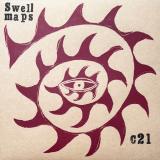
One of the first punk bands to set up an "indie" label, they were also pioneers of "alternative" music, mixing punk with experimental sounds. Swell Maps released four singles and two albums in a brief but eventful career, in partnership with Rough Trade, topping UK indie charts and influencing acts including Sonic Youth, Nirvana, Stereolab, and Blur. The original line-up split in 1980, but still their studio albums, A Trip to Marineville and Jane From Occupied Europe, attract new generations of enthusiasts. In 2021, Jowe organised performances
with ten musicians to play a diverse selection of Maps material over two consecutive nights at London's Cafe Oto, and did it again at the Rough Trade launch for Jowe's book on Swell Maps in 2022. Concerts followed across the UK and Europe, with more planned. This ongoing project has resulted in a new studio album, C21, released through Tiny Global Productions. The material was composed at various times between 1979 and the present, including older songs never recorded professionally, a remake of Soundtracks' astonishing Jelly Babies and plenty of surprises. C21 offers memorable melodies, wild riffs with super hooks, yet never veers from their adventurous spirit, radical ideas and eccentric musical shapes. The current collective of musicians features: Jowe Head, David Callahan of Wolfhounds / Moonshake / solo fame, Jeff Bloom out from Television Personalities, Alternative TV's Lee McFadden, Lucie Rejchrtova (Crazy World Of Arthur Brown), Chloe Herington from chamber rock faves Chrome Hoof, and Luke Haines, who led Auteurs and Black Box Recorder and plays with REM's Peter Buck. SWELL MAPS will be performing throughout 2026 across the UK and Europe and are proud to present this stellar document, which maintains the group's devotion to D-I-Y ideals and impulses. The vinyl album covers were hand-screened and stamped by a feminist cooperative in Valencia, Spain and are offered in three randomly picked variants. The Guardian is going to run a 1400-word piece on the release.
Johnny Cash (1932–2003) was a legendary singer-songwriter whose deep voice and storytelling made him one of the most influential figures in American music. Blending country, rock, folk, and gospel, he created timeless songs like “I Walk the Line,” “Ring of Fire,” “Folsom Prison Blues.”, “I Got Stripes,” and “Oh Lonesome Me.” Known as The Man in Black, Cash’s music spoke to themes of love, faith, and redemption, leaving an enduring mark on generations of artists.
Great Day is one of the very best albums on the Music De Wolfe label and certainly one of the most sought after library records, full stop. It's been sampled by such heavyweights as Madlib, LTJ Bukem, El-P and The Alchemist (among many others). You likely already know all this. If you don't, get to know. One listen through and the £350 asking price for a VG copy starts to all make sense...
Originally released in 1972, it's credited to Music De Wolfe legends Simon Haseley (real name Simon Park) and "Peter Reno" (a collaborative alias used by composers Clifford "Cliff" Twemlow and Peter Taylor) Confused? No matter. It's one of the most consistent libraries you'll ever hear, packed with heavy blaxploitation-esque drama-funk break themes.
It opens with the feel-good, breezy piano beat number "Little Big John" before switching up to modern sweeping orchestral with heavy drums on the warm, deeply emotive "Summer Friend". Total highlight "Hammerhead" is as heavy as you'd want, from a track so-titled. It's a driving, imposing, orchestral funk-rock monster, famously used by The High & Mighty for their classic "Dirty Decibels" and, also, it was used as the backing for Beyonce's ace "Woman Like Me".
Up next, "Crimson" is melodic, plaintive and moodily introspective; a soft, oboe-enhanced instrumental of delicate beauty. Again, ace beats and breaks abound. The expansive title track, "Great Day" is melodic and bold; a horn-fuelled, mid-tempo rhythmic workout which builds to rather big end. Rounding out this first side, "Hard Crust" ups the ante with thrilling wah-wah funk-rock, a dramatic, pounding and aggressive thriller. Killer!
Side B opens with the steady, stealthy crime-funk of "Highball" before segueing brilliantly into the Hammond-laced relentless flute-funk of the driving "Bora". The powerful wah-wah wonderful "Hold Back" is haunting orchestral funk-rock, sampled by Madlib, El-P, Rakim, Sean Price and The Alchemist. It's easy to see why. Swaggering and staggering.
The cop show funk of "Silver Thrust" is fast, purposeful and persistent. Is it a cover version of the godlike "Stepping Stones" from Johnny Harris's Movements album? Either way, with up-tempo drums, bongos and flute you're going to be thrusting all night. The dynamic "Convoy" is a brassy, organ-fuelled sports-soundtrack b-boy breaks monster. Super Bowl Soul! Essential. To close out this quite extraordinary set, the insistent "Barracuda" presents dramatic rock feels over a persistent funky flute beat. It was sampled by LTJ Bukem for his classic "Sunrain" from 2000.
The audio for Great Day has been meticulously remastered by Be With regular Simon Francis, ensuring this release sounds better than ever. Cicely Balston's expert skills have made sure nothing is lost in the cut whilst the records have been pressed to the highest possible standard at Record Industry in Holland. The original, iconic sleeve has been restored here at Be With HQ as the finishing touch to this long overdue re-issue.
out of Stock
Last delivered 7 months ago available to reorder, subject to availability
With their two previous albums, Hoarse (2019) and New World Blues (2022), the band delivered uncompromising rock rooted in an international guitar-rock tradition (think The Rolling Stones, The Replacements, The Saints, and Flamin’ Groovies), while a few sleek mid-tempo ballads added dynamics and variety. The new 1st Impression #2 completes the trilogy and is also the band’s first release on Beluga Records.
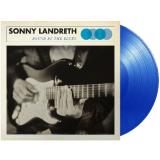
Sonny Landreths Album „Bound By The Blues“ markiert eine Rückkehr zu den musikalischen Wurzeln des Slide-Gitarristen. Es präsentiert eine kühne, großartig klingende Sammlung von Aufnahmen. Dieser Album prägte die Improvisation des Jazz und das Beste des klassischen Rock, und bleibt unweigerlich tief mit den elementaren emotionalen und kompositorischen Strukturen verbunden, die den historischen Kern des Blues ausmachen. Bound by the Blues ist eine kraftvolle Hommage an die Beständigkeit und Flexibilität des Genres und an seine eigene kreative Vision.
Sonny zitiert Jimi Hendrix, Muddy Waters und einige seiner andere musikalische Helden. Mit dem Instrumentalstück „Firebird Blues“ würdigt er auch seinen Kollegen, den Slide-Gitarristen Johnny Winter. Er interpretiert einige erstaunliche Coverversionen neu, darunter „Walkin’ Blues“ von Robert Johnson und „Dust My Broom“ von Elmore James.
Landreth entwickelt seine Vision und seine musikalische Stimme weiter und wird dabei immer origineller und vielfältiger, wobei er sich von Blues, Zydeco, Folk, Country und Jazz ausgehend immer weiter entfaltet, was Bound By The Blues zu einem seiner bisher ambitioniertesten Alben machte.
A Consummate Fusion of Wit, Humor, Satire, Honesty, and Chaos: Warren Zevon’s Excitable Boy Captures Dark Elements of American Culture with Uncanny Insight
• Sourced from the Original Analog Tapes for Definitive Sound: Mobile Fidelity’s Numbered-Edition 180g 45RPM 2LP Set and Hybrid SACD Play with Explosive Dynamics and Airy Openness
• Jackson Browne-Produced Album Includes “Werewolves of London,” “Lawyers, Guns, and Money,” and “Roland the Headless Thompson Gunner”
Excitable Boy established Warren Zevon as rock’s gonzo figurehead — or, as Jackson Browne aptly called him, “the first and foremost proponent of song noir.” A supreme collision of over-caffeinated energy, acerbic wit, dark humor, irreverent reporting, bittersweet romance, swept-under-the-rug truth, and illicit desire sent up with booze, pills, and therapist confessions, the breakthrough album zeroes in on frightening aspects of American culture with an incisiveness that’s even sharper today than upon the effort’s release in 1978. Its hard-boiled narratives owe to a tradition established by Raymond Chandler, continued by Hunter S. Thompson, and carried into the 21st century by Breaking Bad and Better Call Saul creator Vince Gilligan. And the music has never sounded so excitable. Sourced from the original analog master tapes, Mobile Fidelity’s numbered-edition 180g 45RPM 2LP set and hybrid SACD elevate the best-selling album of Zevon’s career to audiophile status.
Co-produced by Browne and Waddy Wachtel — and featuring contributions by members of Fleetwood Mac plus Linda Rondstadt, J.D. Souther, and Browne — the platinum-certified record now plays with a verve and explosivity that match its subject matter. Listeners will experience wide separation between the instruments; full-range dynamics; sterling transparency that draws a through- line to the original sessions at the Sound Factory; and a presence that enhances the body and tenor of Zevon’s vocals. Like the hairy creatures in “Werewolves of London” and the ghosts wandering the corridors of Excitable Boy, Zevon’s legacy still runs amok via the grooves of his finest studio work. Draw blood, indeed.
out of Stock
Last delivered 7 months ago available to reorder, subject to availability
600% Dynamite is the critically acclaimed Soul Jazz Records compilation series of Jamaican music, praised for its eclectic selection of upbeat reggae, ska, soul, rocksteady, dancehall, funk and dub satisfying both connoisseurs and newcomers alike.Originally released in 2003 this album has been out of print for nearly 20 years making it one of the most-collectible of Soul Jazz Records" Dynamite! Series. This is the first ever Color Vinyl edition of this classic album.Party classics and non-stop reggae anthems such as Tenor Saw"s "Golden Hen", The Uniques "Queen Majesty", Johnny Osbourne"s "Buddy Bye" and many more, 600% Dynamite is an addictive mix of well-known classics and rarities.Classic artists such as Dennis Brown, Johnny Osbourne, I Roy, Yabby You and Tenor Saw which feature alongside classic and rare tracks by lesser known artists such as Tall T and The Touchers, Prince Mohammed and more.
Inspired by the soundtrack from the motion picture American Graffiti, this 3LP collection captures the sound of late night cruising, jukebox romance and early rock ’n’ roll rebellion. Spanning doo wop, rockabilly and classic pop, the set brings together era defining hits from the mid 1950s to early 1960s, featuring timeless favourites by Chuck Berry, The Beach Boys, Dion, Little Richard, Sam Cooke, The Platters and many more. Pressed across three vividly coloured vinyl records, red, blue and yellow, this set is both a nostalgic listening experience and a striking collector’s piece, celebrating the golden age of American rock and pop in authentic style.
out of Stock
Last delivered 7 months ago available to reorder, subject to availability
Jackie Mittoo, organ and piano maestro, was also one of the founding members of Jamaica's top session band The Skatalites. Musical arranger for Studio One he provided the backbone to so many of Jamaica's finest tunes. The invention of Ska music and the sounds that rode through the Rocksteady and Reggae period all carry his stamp. Whether it be in his various incarnations, the aforementioned Skatalites, The Soul Brothers, Soul Vendors and the Sound Dimension or under his own name, his distinctive organ and piano sound and musical arrangements have all played a major part in Jamaica's musical history.
Jackie Mittoo (born 1948, Kingston, Jamaica) began playing musical instruments at a very early age. Taught piano by his grandmother he was performing live by the age of 10 and recording by the age of 15. Two Kingston bands that he played with the Rivals and the Sheiks brought him to the attention of Studio One's founder Coxsone Dodd. Who at the time was putting a group of musicians together to be his studio band. Impressed by his skills on both the organ and the piano, Jackie was asked to join in what would become Jamaica's foremost band The Skatalites. The fellow band members were Lloyd Brevett (bass), Lloyd Knibbs (drums), Don Drummond (trombone), Tommy McCook, Roland Alphonso and Lester Sterling (Sax), Johnny Moore (trumpet), Jah Jerry (guitar) and Mr Mittoo (piano). This line up ruled the Jamaican scene between 1964 - 1965 as well as inventing the Ska sound, they also performed the backing duties for the other top labels of the time including Duke Reid's Treasure Isle and Justin Yap's Top Deck label.
1965 saw The Skatalites disband and Jackie Mittoo move on to his next musical project The Soul Brothers. Formed with fellow Skatalite Roland Alphonso, this band would back all the hits coming out of Studio One for the next three years with Jackie Mittoo working as band leader and musical arranger. Around this time Jackie also had his own single released, a Ska underground classic called 'Got My Bugaloo'. Rare, as it also features Jackie in the unusual role for him, as lead singer!!!!.
1966 saw the Ska sound evolve into Rocksteady, again with Jackie's band at the helm, and his first hit single the Rocksteady cut 'Ram Jam'. The success of which would lead to a solo career and album releases under his own name such as 'Now', 'Macka Fat', 'Evening Time', 'In London' and 'Keep on Dancing', to name but a few. In1967 the hits at Studio One were still flowing when The Soul Brothers morphed into The Soul Venders and began backing such luminaries as Ken Boothe, Alton Ellis, Delroy Wilson, The Heptones, The Cables, The Wailers and many other of the labels solo artists.
By 1968 Jamaican music was ready for another change and Rocksteady rolled into a slower groove soon to be called Reggae. Jackie Mittoo would be at the forefront with his latest band The Sound Dimension. A line up that included Leroy Sibbles (bass), Roland Alphonso and Cedric Brooks (saxophone), Eric Frater and Ernest Ranglin (guitar) and Bunny Williams (drums). Being the house band at Studio One they backed all the leading names of the time, John Holt, Horace Andy and Alton Ellis, all of Studio One's output carried his sound.
Jackie Mittoo emigrated in the late 60's to Canada, but travelled to Jamaica and London to record with many of the big new names, who were trying to redress Studio One's supremacy and needed his magic touch. Such Producers as Bunny Lee used Jackie Mittoo on many of his sessions, Sugar Minott among others were always glad of his services.
We have captured some fine 1970's cuts that feature Jackies numerous talents, showing his ability to embellish tracks with a feel that few could better, Musical arranger, band leader all round studio ace. We hope you enjoy the set and I'm sure you'll agree with us Jackie Mittoo does indeed Ride On.........
This remastered vinyl reissue of Blind Ear reintroduces The Celibate Rifles' urgent, socially aware punk-rock energy, cementing its place as a cornerstone of Australian alternative rock. 1989 is where The Celibate Rifles take their punk instincts to the next level-garage muscle, surgical precision, and a rock'n'roll pulse that sounds more urgent than ever today. Formed in Sydney ten years ago, the band appears here in full flight: two guitars in constant dialogue, a rhythm section with newfound dynamic range, and a razor-edged vocal that bites without losing melody. The remaster opens up the stereo image, sharpens the six-string detail, and restores to the turntable the physical punch this record demanded from day one; it's the definitive way to (re)discover a key title from the Australian school. The tracklist is pure traction: "Some Kind of Feeling" hits the ground running with speed and focus; "Wonderful Life '88" nails an instant hook and a clear-eyed critique of yuppie culture; and the closer, "O Salvation," lands as an expansive, cathartic statement of intent. Two tracks unusual in Australian rock for their subject matter-"Sean O'Farrell" and "Belfast"-tackle the Northern Ireland conflict head-on and underscore the band's social gaze, while the rest of the album maintains a no-filler intensity. This edition preserves the original LP sequence (the two bonus tracks existed only on the period CD) and stands as an essential piece for collectors and front racks alike: ideal for in-stores, listening bars, and classic alternative rock playlists. If your audience connects with BORED!, Radio Birdman, The New Christs, or The Saints, Blind Ear is an unequivocal yes.
Rock 'n' roll would not exist without Chuck Berry and his musical brilliance, as documented in this incredible concert recorded and broadcast live in New York City at the Palladium on New Year's Eve 1988. It features 17 of his most famous songs, including “Nadine”, “Reelin and Rockin'”, “Roll Over Beethoven” and all the other Chuck Berry standards you know and love
The journey through French-speaking pop archives continues with this fifth volume, packed with fuzz, gimmicks, and dissent. Far from the charts, the selected tracks display a great creative freedom, often backed by corrosive humor. Welcome to the surprising, kaleidoscopic, and colorful world of the late sixties and early seventies, Wizzz!
Born in Montauban, Robert Pico stumbled into music by chance when he met René Vaneste, then artistic director at Pathé-Marconi. René brought him to Paris to record his first 45 RPM EP in 1964. A year later, Pierre Perret introduced him to Vogue, where he recorded his second album with Claude Nougaro’s orchestra. Sylvie Vartan then introduced him to RCA, where he recorded four singles, including the astonishing "Chien Fidèle," a track backed by a hair-rising fuzz guitar. Alongside his solo career, he also composed for other artists like Alain Delon (the song was recorded but remains unreleased), Magali Noël, Bourvil, and Georges Guétary. In the Paris of the sixties, he mingled with Mireille Darc, Elsa Martinelli, Marie Laforêt, France Gall, Françoise Hardy, Petula Clark, Régine, Dani, Serge Gainsbourg, Joe Dassin, Franck Fernandel, Charles Level, and Roland Vincent. Despite his efforts and winning a Grand Prix Sacem for his final record, Robert Pico didn’t achieve the expected success in show business and decided to leave Paris and return to the Southwest, where he devoted himself to writing. He is the author of 23 books (including Delon et Compagnie, Jean-Marc Savary Editions 2025, a memoir about his youth and his many encounters). Today, he is relieved to never have become a celebrity and devotes himself to his work with passion.
In 1969, the Franco-Italian movie Erotissimo was released, directed by Gérard Pirès (who later directed Taxi in 1998, written and produced by Luc Besson). This pop comedy features Annie Girardot, Jean Yanne, Francis Blanche, Serge Gainsbourg, Nicole Croisille, Jacques Martin, and Patrick Topaloff. The soundtrack was written by Michel Polnareff and William Sheller, with lyrics by Jean-Lou Dabadie. "La Femme Faux-cils," performed by Annie Girardot. It recounts the feelings of a rich CEO's wife who seeks to develop her sex appeal under the influence of advertisement and magazines. Groovy, sparkling and light, this track, with ITS lush arrangements humorously critiques consumer society and feminine beauty standards.
“Je suis l’Etat” (1967) is the flagship track of the first EP by singer-songwriter Spauv Georges, aka Georges Larriaga, better known as Jim Larriaga (1941-2022). Born into a family of bakers, the young man was initially planning to become a hairdresser when he discovered English-speaking music through Elvis Presley and the Beatles. After this revelation, he decided he would become a songwriter and gave himself five years to succeed. He recorded his first two EP’s independently for RCA under the pseudonym Spauv Georges; meaning “that poor George”, a nickname given to him by the mother of her friend Jean-Pierre Prévotat (future drummer of the Players, Triangle, or Johnny Hallyday). Portraying a depressed and eccentric young man, Spauv Georges created corrosive and amusing songs that didn’t reach a wide audience, despite a TV appearance with Jean-Christophe Averty.
Supported by his loyal friend and fellow songwriter Jean-Max Rivière, Georges Larriaga met the future singer Carlos in the early '70s, then Sylvie Vartan’s assistant. He wrote songs for Carlos, including the popular "La vie est belle," "Y’a des indiens partout," and "La cantine", which went onto become a huge hit in 1972. He also composed for Claude François (“Anne-Marie”, 1971), Charlotte Julian (“Fleur de province”, 1972), helped launch child singer Roméo (who sold 4 million records), and later wrote the hit "Pas besoin d’éducation sexuelle" (1975) for the young Julie Bataille. In 1971, Jim recorded an album for Disc'Az: “L’univers étrange et fou de Jim Larriaga”, which featured pop gems like “La maison de mon père”.
The story of the song "Zoé" began when Pierre Dorsay, artistic director at Vogue Records, asked Swiss singer and musician Pierre Alain to write a song for a new female singer. The inspiration came when he realized that Zoé (the artist's name) was also the name of France's first atomic battery, created in 1948, which consisted of uranium oxide immersed in heavy water! The lyrics reflect a bubbling energy that must be handled with caution, while the instrumentation echoes this atomic theme, notably with the use of a theremin.
Zoé’s career lasted only as long as a single 45 RPM, but it seems Christine Fontane was the vocalist behind this pseudonym, who is known for several EPs, a good "popcorn" album in 1964, and a handful of children’s singles in the '70s. Regardless, the photograph on the cover is of a different girl entirely.
Later, Pierre Alain continued his career, writing songs for himself, Marie Laforêt, Danièle Licari, Alice Dona, Arlette Zola (3rd place in Eurovision 1982), and achieving multiple gold and platinum records in Canada. Also an inventor with several patents, president of the Romande Academy, and head of the French Alliance in Geneva, he now composes atonal music, books, and poetry. Moreover, he is also the host of "Les Mardis de Pierre Alain" at "Le P'tit Music'Hohl" in Geneva.
Filled with oriental choruses and fuzz guitar, "Fou" is from Jacques Da Sylva's only EP released by Vogue in 1967. Despite the quality of this recording, all traces of this singer disappear after this first effort.
Valentin is a baroque pop singer born in Belgium. He is the songwriter and composer of most of the tracks on his three singles released in the late 60s in Canada. A legend says that he reincarnated himself as Jacky Valentin during the 1970s for a rock'n'roll revival career in Belgium, but his older brother sadly debunked this story. Valentin's first two singles were arranged by Claude Rogen, a Parisian session pianist who had come to Canada to promote the song “Mister A Gogo”, a cover of David Bowie’s “Laughing Gnome”, adapted by singer Delphine, his wife at the time. Far from his usual network, Claude Rogen arranged music for Polydor, including the arrangements for “Je suis un vagabond” in 1969, a jerk tune with string arrangements and a furious optimism.
Jacques Malia wrote, composed, and recorded his only 45 EP for Festival in 1966. “Histoire de gitan” is an incredible beat track with bohemian scat that tells the story of a gypsy musician who came to Paris to make it in the Music-Hall, to no avail. The hero of the song and its author probably shared a similar fate, as Jacques Malia faded into anonymity after this remarkable attempt.
Bernard Jamet recorded two EPs for Barclay in the late sixties and co-wrote several songs with Christine Pilzer, Pascal Danel, and prolific songwriters Michel Delancray and Mya Simile. The track “Raison Légale” (1968), his masterpiece, immerses the listener in a courtroom right when a murderer is being judged, with jerk rhythm and free arrangements. A unique, paranoid, judicial, and psychedelic oddity.
Jean-Pierre Lebrot-Millers started his career in show business in 1967 as a singer and songwriter for the Philips label. After three singles, he wrote several songs of a new kind with his friend Pierre Halioche, in the midst of the sexual liberation movement and the democratization of drugs. With provocative lyrics, “Les filles du hasard” and “Barbara au Chapeau Rose” were released on a Philips singles in 1968. The character of Barbara was inspired by a queen of Parisian nightlife during the psychedelic years: model Charlotte Martin, who dated Eric Clapton from 1965 to 1968, then Jimmy Page from 1970 to 1983. Jean-Claude Petit’s arrangements, with a table-filled intro, soul brass, and Hendrixian guitar, emphasize the flamboyance of a hedonistic and sexy character, whose dog is named Junkie because “Junkie est un nom exquis”! The track was recorded live in three takes with a full orchestra.
Upon its release, the record was censored by Europe 1 and RTL due to its references to drug use. Jean-Pierre Lebrot was then banned from the airwaves and later dismissed by his record label. He changed his artist name to Jean-Pierre Millers, while his companion Pierre Halioche became D. Dolby for a new dreamy composition, “Chilla”, which Jean-Pierre produced himself with arrangements by Jean Musy. Once again, the song was immediately censored everywhere. After this setback, he decided to stop singing and started taking on odd jobs to support his Swedish wife and their son until the day he met Jean-Pierre Martin, then production manager at Decca, who had worked with Manu Dibango. Martin offered Jean-Pierre Lebrot-Millers, then employed at Rank Xerox, the position of artistic director at Decca. He accepted and became, a year later, promotion director (radio, press, TV). He worked on Julio Iglesias’s first album for Decca, which became a massive hit and allowed him to meet Claude Carrère. The latter asked him to write new songs and find their performers, much like a “talent scout.” It’s through him that Jean-Pierre discovered Julie Pietri and Corinne Hermès. He composed “Ma Pompadour” for Ringo, Sheila’s husband, and took the microphone again for the syncope hit “Rendez-Vous” in 1982.
That same year, Jean-Pierre Lebrot-Millers tried to release a track for which he had heavily gone into debt: “Si la vie est un cadeau”. Having recorded it in London, he presented it to numerous professionals, all of whom refused to get involved. The same thing happened with Antenne 2 and the Sacem when he proposed the song as France’s entry for Eurovision. He then met Haïm Saban, who was producing cartoon soundtracks and had just launched the Goldorak theme song. Saban, having listened to the song, declared it had the potential to become a hit. He sent Jean-Pierre and Corinne Hermès to meet the CEO of the Luxembourg radio and television network. The latter received them, asked to hear a verse and chorus a cappella in his office, and immediately hired them to represent Luxembourg at Eurovision 1983. They reworked the arrangements and recorded a new version with Haïm Saban as co-producer. The song ended up winning Eurovision 1983, a great comeback for our hero. He continued producing and hung out with the band Nacash in Belgium when a couple came to introduce their daughter for an impromptu audition in a hotel room. The girl sang “Les démons de minuit” while dancing to a radio cassette. Impressed, he had her take singing lessons for a year and composed a song for her (for which he had the melody and title, but no lyrics). This required him to go on the hunt for a lyricist, who ended up being Guy Carlier. They recorded the song, which was initially a ballad, at Bernard Estardy’s CBE studio, and gave the singer a new name: Melody. They showed the song around their industry network without success. Later, Estardy called Jean-Pierre to suggest changing the rhythm and making it pop-rock. Orlando, Dalida’s brother, liked the result and decided to co-produce the track. “Y’a pas que les grands qui rêvent » became a classic hit. The song has since been covered by Juliette Armanet (as a ballad, like the original) and Valentina.
Born into an aristocratic Breton family, Hervé Mettais-Cartier worked as a DJ at Queen Kiss, a nightclub in Poitiers, where he formed the band Les Concentrés with Michel (an actor) and Christian (a radio technician). Together, they created a repertoire of whimsical songs (“Ma bique est morte”, “J’suis un salaud”, “Fils de dégénéré”...) that they performed on stage dressed in white (in homage to “concentrated milk”). They performed at Bliboquet and Olympia in 1968 for the 10th edition of the “Relais de la chanson Française” organized by L’Humanité-Dimanche and Nous les Garçons et les Filles, sponsored by Pepsi Cola. Winners in the author-composer category, alongside Danish singer Dorte, their visibility allowed them to record a 45, and appear on television in Jean-Christophe Averty’s show. The A-side of the disc features Bruno le ravageur, a casatchok dedicated to Bruno Caquatrix, the director of Olympia, nicknamed in the song “Coq Atroce” or “croque-actrices”. The B-side is dedicated to “Fils de dégénéré”, a quirky tribute to Hervé's aristocratic roots, mixing absurdity with sophisticated vocal harmonies.
After Les Concentrés, Hervé Mettais-Cartier formed the duo La Paire et sa Bêtise with his friend Olivier Robert. They performed in Parisian cabarets and toured with Pierre Vassiliu. In the late 1970s, Hervé began a solo career. He recorded two albums for the Motors label in 1978 and 1979, which did not achieve their anticipated success due to lack of promotion. In 1980, he met Bernadette, with whom he started a family and created a “Chansons à voir” (songs to see) show that he performed until his death at the end of 2024.
Publicité comes from the final EP by the Missiles (Ducretet Thomson, 1966), a disc that also includes “La (nouvelle) guerre de cent ans”, featured on Volume 4 of our Wizzz! series. Please refer to the booklet for the story of the band.
“He’s 1.82 meters tall, 28 years old, weighs 135 kg, is black and Belgian”: this is the description of singer Hegesippe on the back of his sole single (Decca, 1967). He appears on the album cover wearing a Greek toga, like a hippie gag – we are at the end of the year 1967. In “Le crédo d’Hegesippe”, this former bodyguard of Antoine and the Charlots plays the delightful card of the thick brute converted to Flower-Power and non-violence, with arrangements by Jean-Daniel Mercier, aka Paul Mille.
“Ethéro-disco” was released on a promotional record for clients of the Maréchal company (Liège, Belgium) for the New Year 1979. Over a funky rhythm, celebrity impersonations (Brigitte Bardot, Jacques Dutronc, Fernandel…) deliver an enigmatic text about pharmaceutical products like ether, bismuth, and aspartate. The track was composed by Dan Sarravah (responsible for Joanna's “Hold-up inusité” featured on Wizzz! Volume 3) and Tony Talado, who was also a singer (one 45 in 1967), songwriter (with over a dozen credits between 1964 and 1985 in various styles from surf music to disco), author (Devenez Végétarien, Dricot Editions, 1985), ad designer, and psychologist.
Décollez-les is on the A-side of Mamlouk's only single, a pseudonym for Marsel Hurten, who is known for his work on several EPs in the late sixties, as well as composing music for Hervé Vilard’s “Capri, c’est fini”, Claude Channes' “La Haine”, Annie Philippe’s “On m’a toujours dit”, and Nancy Holloway’s “Panne de Cœur”.
This strange song, with Afrobeat horns and absurd dialogues between a chef and his kitchen staff, is the result of a collaboration between Marsel Hurten and one of his neighbors, a photographer from Pavillon-sous-Bois (93), where the musician settled after returning from the Algerian War. A music video was shot to promote the record.
Marsel Hurten was born in Tourcoing (59) into a musical family. At a young age, he joined the brass band founded by his grandfather, playing the piston before studying trumpet at the conservatory, as well as teaching himself how to play the guitar. As an orchestra musician, he toured in France, Belgium, Germany, and England. He released a series of solo 45’s between 1965 and 1968 for the DMF and Az labels before stopping recording to focus on working for other artists (Gilles Olivier, Noëlle Cordier…).
“L’amour nu” (Vogue, 1971) is the work of the short-lived Belgian band Mozaïque. The track, written by singer Jacques Albin, closely resembles another of his compositions, “Carré Blanc”, which he recorded in 1969 for Disc’AZ.
Represented by the Lumi Son micro-label based in Marignane (Côte d'Azur), Jean-Marc Garrigues released two 45 RPMs in the late sixties, defending the French jerk sound. The song “Je dis Non” is a short, joyful ode to youth, pop music, and rebellion.
Songwriter and performer Jacques Penuel released three singles. The first one, “Astronef 328” (Fontana, 1969), features a dizzying series of chords punctuated by sound effects, a sci-fi story, and arrangements by Jean-Claude Vannier.
We would like to sincerely thank Pierre Alain, Moon Blaha, Marsel Hurten, Bastien Larriaga, Jean-Pierre Lebrot-Millers, Bernadette Mettais-Cartier, Robert Pico, Olivier Robert, Claude Rogen, Micky Segura.
out of Stock
Last delivered 8 months ago available to reorder, subject to availability
Another excellent find here, an unreleased dub/instrumental album compiled by Lloydie Slim at the end of the 70s, featuring exclusive dubwise & instrumental cuts to many of his rhythms from earlier in the decade. As a bonus we've added 2 more tracks to the original 10 track album tape - the vocal & dub cuts to Johnny Clarke's "I'll Never Fall in Love Again", one of Slim's personal favorites of his productions. This single was originally released in 1975 in JA on his Don One label, and again in New York a few years later on his namesake Ivanhoe the Conqueror label. This album is a great listen which reminds us of the classic Channel 1 Revolutionaries instrumentals of the mid/late 70s.
A box of this limited 7” showed up in the post, The Dahlmanns’ new single.. Norwegian power pop masterminds scoring dues from their whole rock and roll journey, Suzi Quattro, Dictators, Stooges, and all the great Scandinavian power pop / garage rock scene. Its been 15 year ssince their debut, and they still have a knack for perfect pop tunes wit ha hard edge. The A-side is a classic power pop, clap along to this… Line says ”the lyrics are inspired by the images of Finland’s Touko Laaksonen. It’s about a ”Tom of Finland” type character meeting up with his gang to attend shows at Max’s Kansas City in New York”. And on the flip, the Dahlmanns have turned a Prince classic into one of their own, Line explains, ”In my early teens, around the time of the release of his ”Sign O’ The Times” album I was obsessed with Prince. I never cared much for the over-the-top, experimental funk stuff but I liked ”Controversy” and ”Dirty Mind”, the latter includes another pop gem, ”When You were Mine”. ”Dirty Mind” was released on October 8th 1980, Johnny Ramone’s birthday and also mine. Such coincidence in life makes me happy”. A new album is pending, but jump in quick to get ahold of one of these 7”s.
Seit 35 Jahren sind Deepack ein treibender Motor in der Hardstyle-Szene. Was in den frühen Pioniertagen des Genres begann, entwickelte sich zu einer Karriere voller Meilensteine und unvergesslicher Momente. In diesem Jahr feierten sie ihr Jubiläum mit speziellen »35 Years of Madness«-Sets auf Festivals wie »Defqon. 1«, »Decibel Outdoor« und »Mysteryland«.
out of Stock
Last delivered 9 months ago available to reorder, subject to availability
Entdecken Sie eine Auswahl der kultigsten Songs aus Quentin Tarantinos Kultfilmen auf einer atemberaubenden Picture Disc Vinyl. Diese exklusive Zusammenstellung umfasst legendäre Künstler wie Dick Dale, Johnny Cash, The Coasters, The 5.6.7.8"s und viele mehr - und deckt Tarantinos gesamtes filmisches Universum von Pulp Fiction bis Once Upon a Time in Hollywood ab. Ein Sammlerstück voller Surf-Rock, Soul, Rockabilly und Retro-Vibes - genau so, wie Tarantino es liebt.
out of Stock
Last delivered 9 months ago available to reorder, subject to availability
Brixton Heights Records proudly presents the brand new single ‘Am I the Same Man?’, a soulful roots-reggae gem featuring a heavyweight all-star lineup including: Mafia & Fluxy on drum and bass respectively, the Ital Horns on brass, Gussie Clarke on mastering and Gaudi on falsetto vocals + BVs, dub mixing, piano and co-production alongside The Brixton Heights Orchestra.
Drawing inspiration from the timeless instrumental groove ‘Soulful Strut’ by Young-Holt Unlimited, the track channels vintage soul through a deep lovers-rock lens. A fresh and earnest reinterpretation of Barbara Acklin’s 1968 classic ‘Am I the Same Girl?’, this version flips the narrative with an adaptation on the lyrics voiced by none other than Gaudi singing in falsetto, resulting with a smooth, dub-infused love song that combines classic soul and international reggae into a modern masterpiece.
Gaudi is not stranger to falsetto-singing and backing vocals, in fact he has lent his distinctive vocal talent to albums by reggae giants such as Steel Pulse, Horace Andy, Lee “Scratch” Perry, Don Letts, Johnny Clarke, Mad Professor, Hollie Cook, Michael Rose, Creation Rebel, Africa Unite, Awa Fall, African Head Charge, Lion D & Capleton.
Mixed and co-produced by Gaudi at his Metatron Studio in London UK and mastered by Gussie Clarke at Anchor Studios in Kingston Jamaica, ‘Am I the Same Man?’ is more than a cover version, it’s a heartfelt transformation that captures the emotional core of the original song while creating a whole new vibe that speaks to today’s lovers and soul seekers alike.
The B-side presents a meticulously crafted dub version by Gaudi, produced exclusively with analogue equipment and vintage studio hardware. The mix brings forward the intricacies of the original instrumentation and enhances the lyrical elements through spacious delays and warm, analogue textures. Last but not least, in order to maintain the highest level of authenticity and an organic sonic texture, all recordings were done at 432Hz, tuned to resonate naturally.
From 1968 through to the mid 1970’s the reggae beat began to slow down,some say due to the extreme heat hitting down onto Kingston Town and its surrounding enclaves. People needed something less strenuous to dance to. The Ska and Rocksteady Sounds (see 101 Orange Street KS007) that rocked Jamaica previously, had now found a slower tempo and become more ‘Dread’ lyrically to suit the times. Reggae music has always moved within the social climate it found itself in and this set here, as we ‘Return To Orange Street’ was ROOTS ROCK REGGAE TIME....
The Rastafarian message that runs through this collection of ‘Reality’, sometimes labelled ‘Sufferers’ music,is strong and works on many levels. It can come across on a heavy rhythm and vocal cut. Its example represented here by Prince Jazzbo’s ‘Dread in a Earth’ and ‘I Roy’s ‘Roots Man Time’, moving through to the popular new sounds of the DJ’s working over an old rhythm and alongside its existing vocal. As with Busty Brown working with Delroy Wilson's ‘Know Your Friend’ and Mr Jah Stitch working over Johnny Clarke’s ‘Roots Natty Roots’ to produce an even more dreader ‘True Born African’. The heartfelt lyric can also convey this message as we can see when Horace Andy laments ‘Where is the Love’ and Delroy Wilson again shows us on his ‘Who Cares’ cut. The great Twinkle Brothers also put the message across on their two cuts we have here, ’Too Late’ one of their lost classics if ever there was one and the thoughtful ‘It’s Not Who You Know’,being another prime example.
Orange Street itself is always at the heart of all reggae's musical changes and some singers also ride these waves as Mr Cornell Campbell shows us here with two cuts. The mournful ‘Too Be Loved’ and his uplifting ‘Girl of My Dreams’, which uses the same rhythm as our previously mentioned Prince Jazzbo’s 'Dread in a Earth’. Showing us that firstly you can’t keep a good rhythm down and secondly that two if not more great songs can work from the same source point. The light hearted ‘Vengeful’ lyric also worked in this period when artists spared off to each other on records to vent their frustrations. As we can hear here with Mr Lee Perry’s ‘You Funny Boy’. The song snipping back at a previous employer over what he felt were his misdoings to an under appreciated Mr Perry. We have culled these tracks together to show that the Dread Roots feel of the 1970’s came across in many guises and even in earlier songs these sentiments were also prevalent. As represented in Slim Smith’s almost bluesy feel in ‘Trying To Find a Home’, never a truer statement in Kingston's ghetto areas.
Well we hope you enjoy this musical journey and make a connection with messages portrayed here, as Mr Monty Morris points out on his contribution to this collection ‘Times Are Dread’.... Dread indeed.....
In 1979, Johnny Thunders, renowned Heartbreakers and New York Dolls guitarist, teamed up with Wayne Kramer, the legendary guitarist of Detroit"s seminal MC5, to form "GANG WAR" - an alliance that lasted the best part of a year. Johnny had just released his So Alone album, and Wayne was not long out of jail after serving two of four years for a coke bust. Although Gang War released no records and were without a label - at the time they were an underground act - in retrospect the collaboration is looked on as a "rock fantasy" supergroup. These live Toronto, Boston & New York recordings bear testimony to this unique partnership between two celebrated rock guitar icons.
SEX PISTOL"s Sid Vicious has come to symbolise the band since his untimely death. Always courting controversy, he out-did his old college mate Johnny Rotten in the attitude stakes. With only 3 memorable solo singles to his name, this 2xLP blood-splattered vinyl in gatefold sleeve shows where his music may have gone, had Nancy not died 12 days later. Detailed 8,000-word articles tell the life-story of Sid, firstly in an eyewitness account by guitarist Steve Dior, and secondly in a SID, NANCY & SEX PISTOLS day-by-day timeline from Sid"s early days to his demise. Following media furore over Sid"s death and numerous films documenting his life and death, this is the definitive Sid Vicious release for all fans and students of Sex Pistols and the punk-rock scene.
Die Musik aus Quentin Tarantinos Filmen ist längst Kult - und mit der neuen farbigen Vinyl-Edition von Tarantino Sounds wird diese legendäre Soundwelt jetzt noch einmal besonders zelebriert. Die Compilation vereint ikonische Tracks aus Tarantinos gesamtem filmischen Werk: von Pulp Fiction über Kill Bill bis Once Upon a Time in Hollywood. Mit dabei sind musikalische Größen wie Dick Dale, Johnny Cash, Joe Tex, The Coasters, The 5.6.7.8"s, Dee Clark, Keith Mansfield und viele mehr. Tarantino Sounds entführt in eine Welt aus Surf-Rock, Soul, Rockabilly und Retro-Vibes - genau wie Tarantino sie liebt und inszeniert. Nach der erfolgreichen Veröffentlichung der Standard-CD und der schwarzen Vinyl-Ausgabe folgt nun die farbige Sammleredition - exklusiv für den deutschen Markt und streng limitiert. Ein besonderes Highlight: Die Farbe des Vinyls ist eine Überraschung! Erst beim Auflegen auf den Plattenspieler zeigt sich, welche Farbe du erwischt hast - jede Edition ist ein Unikat und macht das Sammlerlebnis noch spannender.
out of Stock
Last delivered 6 months ago available to reorder, subject to availability
Rufus Wainwright's I'm a Stranger Here Myself - Wainwright Does Weill is a compelling tribute album that delves into the rich and complex songbook of German-American composer Kurt Weill. Known for his theatrical flair and vocal prowess, Wainwright brings a unique interpretation to Weill's compositions, which are celebrated for their fusion of classical, cabaret, and jazz elements. Premiering in May 2023 at New York City's Café Carlyle, "Wainwright Does Weill" marked Wainwright's first extensive exploration of Weill's repertoire. Rufus Wainwright’s fascination with Kurt Weill’s music goes back for decades — in his early twenties he wore out the vinyl grooves of Teresa Stratas’ famous Weill album. While Weill‘s musical influence can be heard in Wainwright‘s own songs, he had never dedicated an entire evening to singing the German musician’s songs, until now. With the Pacific Jazz Orchestra under the baton of Chris Walden, he has expanded the orchestral palette for his approach to Kurt Weill.
"Die unangefochtenen Könige des Garage Rock" sind wieder da! Zwei Jahre nach ihrem Album "Irregularis (The Great Hiatus)" aus dem Jahr 2023 melden sich Thee Headcoats mit einer neuen Platte zurück, die sich nahtlos in die Reihe ihrer besten Alben aus den 1990er Jahren einreiht. Wir präsentieren Ihnen stolz "The Sherlock Holmes Rhythm ,n` Beat Vernacular". Mit 12 fantastischen Stücken (oder Liedchen, wenn Sie so wollen), die letztes Jahr in den Ranscombe Studios in Rochester aufgenommen wurden. "The Sherlock Holmes Rhythm 'n' Beat Vernacular" erscheint am selben Tag wie "Man-Trap", das brandneue Album von Thee Headcoatees, auf dem die Jungs als Backing-Band fungieren. Thee Headcoats ist eine der vielen Musikgruppen unter der Leitung von Billy Childish und (soweit wir wissen) seine bislang produktivste. Kein Wunder, wenn man Billys unermüdliche Kreativität und seinen vollen Veröffentlichungsplan bedenkt. Thee Headcoats spielen harten R&B, Rock 'n' Roll und Punk Rock, beeinflusst von den frühen Kinks, Pretty Things und vor allem The Downliners Sect, mit einem zusätzlichen Sinn für Humor, der durch Bruce, die Vorliebe des Schlagzeugers für Deerstalker-Hüte, geprägt ist. Thee Headcoats etablierten ihren Stil auf ihrer ersten LP "Headcoats Down" Hangman, 1988 und setzten ihn mit "The Earls of Suavedom" [Crypt, 1989] und "Heavens to Murgatroyd, Even! It's Thee Headcoats! (Already)" [SubPop, 1990] fort. Auf späteren Alben wie "The Messerschmitt Pilot's Severed Hand" aus dem Jahr 1998 kam ein schlankerer, punkigerer Sound zum Vorschein, doch die Jungs blieben ihrem rauen, von den 60ern inspirierten R'n'B treu und klangen auf ihrem Comeback-Meisterwerk "Irregularis (The Great Hiatus)" aus dem Jahr 2023 im Wesentlichen unverändert. "The Sherlock Holmes Rhythm 'n' Beat Vernacular" setzt da noch einen drauf und ist beeindruckenderweise eines der absolut besten Billy Childish Alben der letzten 25 Jahre. Das glauben Sie nicht? Dann kaufen und hören Sie es und lassen sich eines Besseren belehren_
Hailing from the southwest of France, The Deweys is a flexible trio, evolving through encounters and invitations. Influenced by American folk, blues, and country music, the group has built its own identity and etched the names of its heroes, from Johnny Cash to Nick Cave, from Calexico to R.L. Burnside. On Windwalker, The Deweys have expanded the cinematic side of their universe by inviting a string quartet and a percussionist to form a temporary orchestra, The Black Cat Orchestra, dedicated entirely to the album"s songs. The result is a unique atmosphere, with an opening that pays homage to Ennio Morricone (El Camino Del Rey) and a conclusion that feels like something straight out of a musical (the duet The Gaslamp Memories). In between, you"ll find minimalist folk, psychedelic, Floydian blues, or a heartbreaking ballad... If you needed a soundtrack for a journey, inner or otherwise, Windwalker would be the right companion.
“Tubby did three original dub albums, ‘Dub From The Roots’. ‘The Roots of Dub’ and the third is ‘Brass Rockers’ with Tommy McCook ‘pon the flying cymbals. Where he mixed it with the horn going in and out in a dub way and one named ‘Shalom Dub’ you can call Tubby’s too because he mixed the versions as they were off forty fives’’
Bunny ‘Striker‘ Lee
King Tubby and Producer Bunny ‘Striker’ Lee are intertwined in the birth of Dub Music. After discovering a mistake that made a ‘serious joke’ ( more of which later...) they went on to release the first pressings of this new musical genre namely ‘Dub Music’. Tubby’s vast knowledge of electronics and Bunny’s vast catalogue of rhythms would lay the foundations of what today is taken as a standard... the Remix / Version cuts to an existing vocal tune.
Osbourne ‘King Tubby’ Ruddock was born in Kingston, Jamaica on 28th January 1941 and grew up in the High Holborn Street area of downtown Kingston. He studied electronics at Kingston’s National Technical College and also on two correspondence courses from the U.S.A... When he had qualified Tubby began repairing radios and other electrical appliances in a shack in the back yard of his mother’s home. His work in the early days included winding transformers and building amplifiers for Kingston’s Sound Systems. Tubby built his first Sound System in 1957 playing jazz and Rhythm & Blues at local weddings and birthday parties. His reputation as a man who knew and understood both electronics and music grew steadily and as the sixties drew to a close. Tubby purchased his own basic two track equipment. He installed this alongside his dub cutting machine, a home made mixing console and his impressive collection of Jazz albums in the back bedroom of his home at 18 Dromilly Avenue which he christened his music room.
Tubby and Striker were at Treasure Isle Studio’s one day while Ruddy from Spanish Town was working with the engineer Byron Smith....
“Tubby and myself was talking when Ruddy was cutting some dub but Smithy (engineer) made a mistake through we were talking and forgot to put in the voice. It was two track recording in those days. Ruddy said ‘No Man! Make it stay! and so they cut the rhythm. When I went over to Ruddy’s that Saturday night a dance was in progress and when they played the vocal to the tune... then he said we’re going to play ‘Part Two’. They never called it ‘Version’..and then he played the rhythm track. The song was a catchy song and everybody started to sing along and the deejay started to toast so everything went down well. On Monday morning I went up and I said ‘Tubbs the mistake we made was a serious joke.It mash up Spanish Town! The people went wild. So you have to start to do that now ‘cause when the man put on the ‘Part Two’ everyone start singing this song. It played about twenty times. I said you try Tubbs!’...Well the next Saturday night now when Tubby strung up down the farm U Roy said he’s going to play ‘Part Two’ but Tubby did it different now. He started with the voice then dropped it out and let the rhythm run and then he brought in the voice in the middle and from there Tubby started to get really popular.’’
Bunny ‘Striker’ Lee
Dynamic Sounds upgraded to sixteen track recording in 1972 and Tubby purchased, again with the help of a deal brokered by Bunny Lee. The old four track equipment and the MCI console from their Studio B. The four tracks now gave him far wider scope to work with and he began to create a new musical form where the bass and drum parts were brought up while the faders allowed Tubby to ease the vocal and rhythm in and out of the mix. It was only a matter of time before Tubby’s dub plate experiments began to make it on to vinyl and the first ever long playing King Tubby releases would feature a collection of his mixes to a selection of Strikers rhythms. So please sit back and enjoy this historic set of sounds. Lovingly restored and with a few extra gems added to the CD Editions. These releases were the first to carry the name of King Tubby and the first to credit the great musicians that contributed so much to the rhythms that made these albums possible.
out of Stock
Last delivered 11 months ago available to reorder, subject to availability
MANU LANVIN, der wohl angesagteste Sänger und Gitarrist der französischen Blues-Szene, veröffentlicht am 24.10.2025 sein neues Album „Man On A Mission“ (GEL Productions/PIAS).
Der Franzose, der es in seiner Karriere mittlerweile auf über 900 Liveshows in ganz Europa und in den USA gebracht, bereits mit Kollegen mit Taj Mahal, Beverly Jo Scott, Johnny Gallagher, Popa Chubby, Paul Personne und Calvin Russell zusammengearbeitet hat und dessen bisherige Album-Releases allesamt den 1. Platz der französischen Blues Charts erreicht haben, präsentiert auf seinem neuen Album „Man On A Mission“ 13 Songs, die den Blues mit Einflüssen aus Rock, Soul und Pop auf moderne Weise interpretieren und die Vielseitigkeit des Musikers und Produzenten MANU LANVIN aufzeigen. Aufgenommen wurde „Man On A Mission“ in Paris, Nashville, Montreal, Fort Lauderdale und Sheffield.
"Rumah Sakit 25" vereint das Debütalbum von Rumah Sakit und ihre lange vergriffene EP Travels In Constants in einem außergewöhnlichen Paket. Die Band hat sich erneut mit Bob Weston zusammengetan, um die Original-Masterbänder sorgfältig zu remastern. "Rumah Sakit 25" enthält neues Cover-Artwork von alten Freunden und Mitarbeitern, Jeremiah Maddock und Marty Anderson. Die umfangreiche 180-Gramm-Gatefold-2xLP in Audiophile-Qualität enthält vollfarbige Innenhüllen mit Hunderten von bisher unveröffentlichten Fotos, die die inspirierte Anfangszeit der Band dokumentieren, sowie ein massives 24-seitiges Kunstbuch im Format mit bisher unveröffentlichten Kunstwerken von Maddock. Es ist ein exquisites Werk, das eine Band meisterhaft einfängt, die letztendlich die nachfolgenden Künstler inspirierte und deren spätere Zusammenarbeit mit Foals, Pinback, Sweep the Leg Johnny, Sleeping People und HEY!TONAL unterstreicht, wie einzigartig vielfältig und produktiv Rumah Sakit wirklich waren. Rumah Sakit war eine vierköpfige Rockband aus San Francisco, Kalifornien. Die Gruppe begann 1998 Gestalt anzunehmen, nachdem Gitarrist John Baez, Bassist Kenseth Thibideau und Schlagzeuger Jeff Shannon alle von Redlands nach San Francisco gezogen waren. Nachdem Gitarrist Mitch Cheney schnell hinzukam, war die Band komplett und entschied sich für den Namen Rumah Sakit - eine wörtliche indonesische Übersetzung von ,Krankenzimmer" (alias Krankenhaus) - und einen Sound, der die frenetische Energie von King Crimson aus der "Red"-Ära mit einer meditativen Melodik verband, die in starkem Kontrast zu den meisten ,Math-Rock"-Bands dieser Zeit stand. Bald darauf betrat Rumah Sakit zum ersten Mal das Studio, um ihr gleichnamiges Debütalbum aufzunehmen. "Rumah Sakit" wurde 1999 im ehrwürdigen Music Annex Studio in zwei etwas geheimen Nachtsessions mit den Studio Praktikanten/guten Freunden/angehenden Toningenieuren Jay & Ian Pellicci aufgenommen. Das Album entstand nach einer ,No Tricks"-Philosophie, die den Ansatz der Band beim Spielen und Aufnehmen ihrer Musik prägen sollte. Aufgenommen vollständig live ohne Overdubs in nur wenigen Takes, nutzte die Band die Kunst, die natürliche Präsenz des Raumes und die strategische Platzierung der Geräte, um die reinste und genaueste Darstellung dieser Songs in diesen Momenten einzufangen. In einer Zeit, die schnell durch die aufkommende Popularität von ProTools und akribisch manikürten, maximalistischen Mixes verändert wurde, war die Welt von Rumah Sakit eine erfrischende Atempause. Ein Jahr später, im Herbst 2000, flog Rumah Sakit den renommierten Chicagoer Toningenieur und Shellac-Bassist Bob Weston nach San Francisco, um zwei kurze Tage lang eine neue EP im schäbigen Tiny Telephone Recording aufzunehmen. Diese EP wurde Teil der Abonnement-CD-Reihe ,Travels In Constants" von Temporary Residence (neben Veröfffentlichungen von Mogwai, Low, Explosions In The Sky, Eluvium und MONO). Abgesehen von der Originalauflage von 1.000 CDs, die für Abonnenten reserviert waren, waren die Studioaufnahmen auf Travels In Constants bis jetzt nie wieder erhältlich.
First time on vinyl reissue of this indiepop classic, 15 years after its original release.
Living & Growing was the debut album from The Felt Tips, a Glasgow-based indiepop band that gloriously combined gritty lyrics with sublime jangly guitars. Set For October 17th Vinyl-Only Reissue On Unspun Heroes.
• A band synonymous with the 2010’s indiepop renaissance
• Ten melodious, infectious and utterly unforgettable songs
• Reissued for the first time on EcoVin™ Bio Vinyl
October might not appear to be the ideal time to release a bright and sunny set of songs, but autumnal days bring a mix of dark and light that perfectly matches the overall vibe of the debut album by the jangly indiepop band, The Felt Tips.
The Felt Tips debut album was originally released by Peruvian label Plastilina Records in 2010 to much acclaim in the international indiepop scene. The ten songs are crammed full of catchy melodies and chiming guitar riffs, with memorable lyrics covering everything from religious hypocrisy (Boyfriend Devoted) to what teenagers get up to in the park after dark (Lifeskills).
It’s clear that these four lads grew up listening to The Smiths – not only name-checking the 80’s indie darling’s frontman and his ever-expanding girth but also deftly leaning into similar unconventional lyrical themes. And while there’s an obvious Belle and Sebastian comparison being Scottish, musically the enigmatic and skillful guitar playing from Miguel Navarro owes more to Bernard Butler and Johnny Marr – and his talents learning flamenco guitar in his native Spain. The weaving of the guitar’s melodic musical backdrop, alongside the pulse of Kevin Carroll’s inventive drumming and Neil Masson’s intricate bass playing, is what truly elevates The Felt Tips.
And it’s this juxtaposition of bright melodic tunes from the band and the exploration of the darker side of human nature conjured by Andrew Paterson’s lyrics makes The Felt Tips such a noteworthy addition to the indiepop scene.
Originally recorded at CaVa Sound in Glasgow, the album has been remastered and cut for vinyl by Guy Davie at Electric Mastering, and pressed on INEOS EcoVin™ Bio Vinyl at Press On Vinyl in Middlesbrough. New liner notes have been written by Roque Ruiz, the owner of legendary US-based indiepop label, Cloudberry Records. An extremely limited selection of the reissued albums will ship alongside a make-your-own cardboard rose sculpture created by London-based indie illustrator and maker, Hey Kids Rock ‘n Roll.
Mit "Cotton Crown" erweitert die Band ihre Klangpalette um eine kaleidoskopische Bandbreite an Einflüssen: Von gefühlvollem Pub-Rock über HÜSKER DÜ-Aggression bis hin zu melancholischem Sophisto-Pop ist alles dabei. Wie Pitchfork feststellte, sehen THE TUBS den Jangle als eine "riesige Welt der Stimmungen und Musen" und "Cotton Crown" zeigt, wie sie diese Welt weiter erforschen und dabei einen unverwechselbaren Tub-ular-Sound kreieren. Das liegt nicht zuletzt an der Gesangsleistung von Owen 'O' Williams, der oft mit einem jungen RICHARD THOMPSON verglichen wird, und an seinen offenen, düster-komischen Texten. In "Cotton Crown" widmet er sich weiter seinen Lieblingsthemen: Liebespsychose, unsympathisches, psychisch krankes Verhalten und die Demütigungen des Musikerdaseins in London. Dieses Mal ist jedoch ein Gefühl des Risikos in seinen Selbsteinschätzungen und Bekenntnissen spürbar. Im Mittelpunkt steht das Leben in der Zeit nach dem Selbstmord seiner Mutter (der Folksängerin Charlotte Greig), und Williams singt über die unbeholfenen, aufdringlichen und gut gemeinten sozialen Interaktionen, die darauf folgten. Das Albumcover zeigt ein Bild von Williams als Säugling, der von Greig auf einem Friedhof gestillt wird - ein Werbefoto, das um die Veröffentlichung des Debütalbums von Charlotte Greig herum aufgenommen wurde. Der wesentliche Trick von "Cotton Crown" besteht darin, die lyrische Düsternis von Williams durch fröhliche, hakengeladene Pop-Perfektion zu kompensieren. Das liegt vor allem an der Gitarrenarbeit von George Nicholls, der auf dem Album mühelos zwischen dem virtuosen Jangle von JOHNNY MARR, dem treibenden Folk-Rock von PENTANGLE und den Refrain-lastigen Hi-Fi-Grooves zeitgenössischer Bands wie TOPS oder THE 1975 hin- und herwechselt. Dazu kommt die halsbrecherische Rhythmusgruppe von Taylor Stewart (Schlagzeug) und Max Warren (Bass) - die jeden Song mit einer Power-Pop-Wut angreifen, die an GUIDED BY VOICES in ihren besten Zeiten erinnert - und schon hat man ein Rezept für großartigen Indie-Rock. Das Debütalbum der Band, "Dead Meat", wurde durch Mundpropaganda zu einer Sensation, die der Band Auszeichnungen von Pitchfork, The Guardian, MOJO, Uncut, SPIN und anderen einbrachte. Sie gewannen sogar einige prominente Fans: der unnachahmliche Mark Proksch (The Office, Better Call Saul, What We Do in the Shadows) spielte die Hauptrolle im Video zu ihrer Single "Round The Bend" und die Punk-Legende IGGY POP lobte sie in seiner BBC 6Music Radiosendung. Owen Williams, Max Warren und George Nicholls waren zuvor Mitglied von JOANNA GRUESOME - eine Band, die den Welsh Music Prize gewann, ausgiebig durch Großbritannien und die USA tourte und von Pitchfork, Rolling Stone, The New York Times, The Guardian und anderen gelobt wurde. Sängerin Lan McCardle, mit der Williams sowohl bei JOANNA GRUESOME als auch bei EX VOID zusammen musizierte, steuert bei einigen Stücken auf "Cotton Crown" Backing Vocals bei.
Zelienople frontman Matt Christensen returns to Miasmah with Constant Green - a record of reverberant country inspired songs that puts the weight somewhere between Johnny Cash and Slowdive. Matt pours out his soul through flashes of life - small and large. His voice roaming over the guitars in a way which feels like a floating poetic deluge.
Appearing fresh from last years Zelienople album Hold You Up, Matt has made a very personal record that arrives as perfectly as it could be. It is full of beautiful sparse moments that capture the feeling of time standing still while simultaneously flashing in front of your eyes. As a child of the 70ies, growing up with country influenced AM rock on the radio, riding around in cars without seatbelts, Matt creates this nostalgic feeling of free riding through the city streets at dusk : a dream world where one can see green as a symbol for humanity and optimism. Not to say the album doesn't have it's share of darkness. Christensen always lingers deep in melancholy, driving his fears and anxieties out through music.
Visions of being able to move anywhere, picking his mother up from jail, family matters, change, the small things in life - all outtakes from what he sings about. Although it's hard to pick up on unless you really listen, as his ramblings can at one moment be fully clear while in the next drowned or muffled - becoming a mere meditative element to the music. Steady collaborators Brian Harding and Eric Eleazer from Zelienople accompanies on pedal steel and keys to further fill the sound into a warm dream, following in the footsteps of Matt ́s previous Miasmah album Honeymoons (2016). That said, while Honeymoons used drum machines and vast open spaces, Constant Green is another step closer towards the classic singer-songwriter folklore. Timeless gold from an artist that never stops creating.
out of Stock
Last delivered 12 months ago available to reorder, subject to availability
Anlässlich des 50-jährigen Jubiläums freut sich Ace Records, eine limitierte 3-LP-Compilation anzubieten, die dort beginnt, wo alles begann – bei Chiswick Records. Im November 1975 verwirklichte Ted Carroll endlich seinen Traum von einem eigenen Independent-Label, als Chiswick seine erste Single veröffentlichte – die EP 'Speedball' von The Count Bishops. Mit Roger Armstrong und Trevor Churchill an seiner Seite war Chiswick zur richtigen Zeit am richtigen Ort. Bald darauf veröffentlichten sie Singles, die sich in den Bereichen Pub Rock, Punk, Metal, Pop und Rockabilly etablierten, darunter 101’ers, Motörhead, The Gorillas, The Radio Stars, The Radiators, The Stukas und viele mehr. Auch gabe es Artists die später groß werden sollten:. Joe Strummer war der Frontmann der 101’ers. Johnny & the Self Abusers verwandelten sich später in Simple Minds, während Riff Raff einen jungen Billy Bragg in ihren Reihen hatte. Der Solokünstler Jakko wurde zu einer tragenden Säule einer späteren Inkarnation von King Crimson. Über sieben Jahre hinweg verkauften sich die Singles von Chiswick nicht nur gut, sondern das Label schaffte es sogar, mit so unterschiedlichen Künstlern wie den Radio Stars, Sniff ‘n’ the Tears, Rocky Sharpe & The Replays und den Damned Chart-Singles zu landen.Das von Roger Armstrong persönlich zusammengestellte 3-LP-Set vereint einige der besten 45-rpm-Veröffentlichungen von Chiswick aus den Jahren 1975 bis 1982. Von bekannten bis hin zu weniger bekannten Klassikern. Roger Armstrong und Ted Carroll haben auch die informativen Begleittexte verfasst, mit Geschichten aus der spannenden Historie von Chiswick Records. Ja, natürlich auch jene um das Motörhead-Debüt. Mit einer sehr limitierten Auflage wird diese Veröffentlichung sicherlich zu einem Sammlerstück werden. 3LPs, 36 Tracks
Auf 500 Stück limitierte 2025er Nachpressung vom 2013er La Luz Debütalbum auf rotem Vinyl. LA LUZ aus Seattle sind cool. Doch ihre Art der Coolness hat nichts mit Distanz oder Arroganz zu tun; es ist eine Laune und irgendetwas in ihrer Musik passt zum düsteren, unwirklichen Duft sterbender Monde und Schatten. Diese Art von Coolness. Was LA LUZ da besonders macht, ist die Verkörperung des am wenigsten definierten Eckchens des menschlichen Daseins: Sehnsucht und die flüchtige Erleichterung, die mit tiefster Sehnsucht einhergeht. Auf Spanisch steht LA LUZ für ,Licht" und das ist der perfekte Ausblick, wenn die Songs der Band eigentlich in die gegenteilige Richtung streben. Doch wenn man die Texte ausblendet - eine gute Entschuldigung, den vierteiligen Harmonien noch mehr Gehör zu schenken - findet man die Unwegbarkeiten und Schmerzen von Liebe und Verlust und die Gewissheit, dass nichts im Leben für immer ist, vorgetragen mit einer perfekt ausbalancierten Heiterkeit, die fast den Eindruck entstehen lässt, dass am Ende doch alles Sinn macht. Im letzten Frühjahr begaben sich LA LUZ in einen dunstigen Trailerpark, um ,It's Alive" mit ihrem Freund und Toningenieur Johnny Goss aufzunehmen. Vom ersten Drumroll und den unheimlichen Akkorden von ,Sure A Spring" an - einem angekratzten Popjuwel, das das Album einläutet - bewegt sich das Album wie eine langsame Fahrt auf schwieriger Strecke, die sich schlängelt und abfällt, während sich das Terrain verändert. ,What Good Am I?" erinnert mit dem Leadgesang und den dazu passenden Harmonien an den Superhit von MAZZY STAR. Mittendrin findet sich der Titeltrack. ,It's Alive" ist ein klingender Rocker mit unheimlichem Refrain, einem großen Batzen ,ooohs" und einer umschweifigen Geschichte, die die vernebelte Logik vom Rest des Albums aufgreift. Zwei Instrumentalstrücke, ,Sunstroke" und ,Phantom Feeling" zeigen, dass die Band über den echten Surf Sound Bescheid weiß und passen perfekt zum unterkühlten Herzschmerz um sie herum.
Jackie Mittoo’s ‘Reggae Magic’ is a new collection from the great Jackie Mittoo. The album features a mixture of classic tunes and rarities from the period 1967-74, when Mittoo was at the height of his musical powers. Mittoo’s solo career began after the end of The Skatalites in 1965. He began pushing new musical boundaries, creating a uniquely identifiable organ-led funky reggae sound that owed as much to Booker T and The MGs, Jimmy Smith, Stax and Motown as to the post-ska and emergent rocksteady island rhythms of Kingston, Jamaica. His solo work at the legendary Studio One spanned seven albums and hundreds of singles.
Aside from producer and founder Clement ‘Sir Coxsone’ Dodd, it’s hard to think of anyone more central to the sound and success of Studio One than Mittoo; keyboard player extraordinaire, songwriter, arranger, musician, truly the Keyboard King at Studio One. Jackie Mittoo had been the youngest founding member of The Skatalites (at age 16), probably the most important group in Jamaican music. After they split, he became leader of the three pivotal groups at Studio One – The Soul Brothers, The Soul Vendors and Sound Dimension. He also became musical director for Studio One, helping create countless hits for singers Ken Boothe, Bob Andy, The Wailers, John Holt, Delroy Wilson and more – unforgettable tunes like Alton Ellis’ ‘I’m Still in Love with You’, Marcia Griffiths’ ‘Feel Like Jumping’, The Heptones’ ‘Baby Why’ and others. Between 1965 and 1968, many of the tunes created at Studio One can be attributed to Mittoo – timeless instrumental tracks, recorded either under his own name or those of The Soul Brothers, Soul Vendors and Sound Dimension, that have become the basis for literally 1000s and 1000s of Jamaican songs over many decades, giving the music an unsurpassed longevity.
The endurance of his music was as a direct result of significant developments in Jamaican music in the 1970s, namely the creation of three important new styles: Dub, Deejay and Dancehall. In the early 1970s Mittoo’s instrumental tracks were used as the musical source for a series of classic Studio One dub albums. At the same time Deejays at Studio One, including Dillinger, Prince Jazzbo and Dennis Alcapone, began toasting over these same popular rhythms to create their own new songs. In the mid-70s, a new generation of Studio One singers and deejays, including Sugar Minott, Freddie McGregor, Johnny Osbourne, Michigan & Smiley and others, began once again creating new melodies over these original instrumentals, signalling the birth of a new Jamaican style that became known as ‘dancehall’.
As dancehall swept across the island, rival producers copied these now classic rhythms. These original Jackie Mittoo-driven tunes spread like a virus throughout Jamaican music; be they the instrumental cuts to tunes such as Alton Ellis’ ‘Mad Mad’ , ‘I’m Just A Guy’, Larry Marshall’s ‘Mean Girl’, Slim Smith’s ‘Rougher Yet’, and instrumentals such as Mittoo’s classic ‘Hot Milk’ or ‘One Step Beyond’, The Sound Dimension’s ‘Real Rock’, ‘Heavy Rock’, ‘Full Up’, ‘Drum Song’, ‘Rockfort Rock’ … and the list goes on. These tracks became a constant soundtrack to the island, emitting from the ever-present sound of speaker boxes strung up around dancehalls. This recycling travelled even farther afield; The Sound Dimension’s instrumental ‘Real Rock’, updated by Willie Williams on his classic ‘Armageddon Time’ was in turn covered by The Clash. Lily Allen sampled Mittoo’s debut solo single ‘Free Soul’ for number one hit ‘Smile’; Dawn Penn’s ‘You Don’t Love Me (No, No, No)’, accompanied by The Soul Vendors, was revived by Penn and producers Steely & Cleevie in 1994, since covered by Rihanna, Ghostface Killah, Stephen Marley, Damian Marley and Beyonce. And so it goes; an endless time-leaping, continent-hopping diasporic musical map of the world with all roads essentially leading back to one man – Jackie Mittoo.
out of Stock
Last delivered 12 months ago available to reorder, subject to availability
All Things Must Pass wurde im November 1970 von Apple Records veröffentlicht. An dem von Harrison
und Phil Spector koproduzierten Album wirkten viele Musiker mit, darunter Eric Clapton, Ringo Starr,
Billy Preston, Pete Drake, Gary Wright, Klaus Voormann, Mitglieder von Badfinger, Musiker der Delaney
and Bonnie Band und John Barham. Die Dreifach-LP stürmte die Charts auf der ganzen Welt und wurde
allgemein als Rock-Meisterwerk gefeiert. George war der erste Beatle, der sowohl in Großbritannien als
auch in den USA eine Solo-Nummer-eins-Single hatte, und zwar mit der ersten Single des Albums, „My
Sweet Lord“, auf der er sein charakteristisches Slide-Gitarrenspiel vorstellte. George schrieb den Opener
des Albums, „I’d Have You Anytime“, zusammen mit seinem Freund Bob Dylan, der auch einen weiteren
Song auf diesem bahnbrechenden Album schrieb: „If Not For You“. Die Vinylplatte enthält einen neuen
Remix des Originalalbums und ein Originalposter, auf dessen Rückseite Notizen von Dhani Harrison und
Paul Hicks zum Remixen des Albums zu finden sind.
Musikrichtung: Pop international
out of Stock
Last delivered 12 months ago available to reorder, subject to availability
Was hat es mit dieser ,Augendisko" auf sich? Man hat sofort ein Bild vor seinem geistigen Auge: funkelnd, glänzend, leuchtend, irgendwie speziell. Das passt auch ganz wunderbar. Dabei war der Auslöser für die ,Augendisko" vergleichsweise banal. Marcus Heider (als sein Alter Ego ,John Krempl" Kopf der Band) war nach dem letzten Album gezwungen, sich mehreren Augenoperationen auszusetzen. An sich eine natürlich unangenehme, aber letztlich auch seltsame und fast überirdische Erfahrung. Wie beschreibt man das Flimmern und die Farben, die vor einem tanzen, wenn man im Dämmerzustand auf dem OP-Tisch liegt? Richtig, ,Augendisko" trifft es am besten. Die ,Augendisko", die dem Album seinen Titel gibt, ist ein Sehnsuchtsort - bizarr, bunt, vielfältig wie die Musik. Und das Geheimnis rund um die Augenklappe von John Krempl haben wir nun auch gelüftet. Es ist kein modisches Accessoire, sondern eine Notwendigkeit bei der Real Life Bildschirmarbeit und somit willkommener Teil des Bühnenoufits. Songs: Wir treffen uns in der ,Augendisko", eine ungestüme und hymnische Rocknummer, die auf ein furioses Bass-Schlagzeugfinale zusteuert. ,Johnny gegen den Rest der Welt" ist ein Streifzug durch das Leben von Johnny, dem Protagonisten vieler Love God Chaos-Songs. Der bisher längste Love God Chaos-Song ist aufbereitet wie eine üppige, ungewöhnliche und überraschende Netflix-Serie, getragen vom Czech Film Orchestra. Der wohl bisher thematisch ungewöhnlichste Song in der Karriere der Grazer Band ist ,Im Kopf von Lisa Eckhart". Ein dunkles und groovendes Lied, das weniger Hommage sein will, sondern eher eine Unterstellung ist. Wer weiß schon, was in den Köpfen anderer vor sich geht? Egal, Hauptsache es ist ,alles wunderbar". ,Bistro d'Amour" ist eine schelmische Abrechnung mit den Ex-Freunden von Johnnys Liebster. Was tun, wenn gar nichts mehr hilft? Love God Chaos empfehlen ,Mach dein Voodoo". Nach der lässigen und zugänglichen Nummer geht es weiter mit ,Muss das so laut sein". Ein Satz, den wohl jede Musikerin und jeder Musiker schon mal gehört hat. ,Hoffentlich Henri" ist ein opulentes Weltraumepos, das abhebt und sich mit einem Textzitat vor den Größten verbeugt. Der Schluss hat es nochmal in sich. ,Alle gehen, keiner bleibt" beginnt folkig und mit luftigen Harmonies, ufert aber letztlich aus. Ein Song wie eine Matrjoschka, überraschend bis zum Schluß
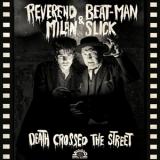
Zwei Garagen-Generationen treffen aufeinander! Reverend Beat-Man, das Schweizer Ein-Mann-Orchester und der König des Blues Trash, trifft auf Milan Slick, eine echt dunkle Seele und vielleicht Reinkarnation von Nick Cave (ach, noch zugegen)/Johnny Thunders, um Rock'n'Roll zu spielen, der so frisch und lebendig, wild und düster ist wie nie zuvor. Reverend Beat-Man und Milan Slick lernten sich 2020 inmitten der Pandemie kennen, als sie einen Soundtrack für den Vampirfilm "A Girl Walks Home Alone at Night" von Ana Lily Amirpour schrieben. Zusammen spielten sie Gigs bei Super Sonic Records oder im legendären SO36 in Berlin, um dann gemeinsam mit Beatrice Graf und Benjamin Glaus ein Album unter dem Namen "Reverend Beat-Man & The Underground" zu produzieren (im Rahmen des Rocklette PALP Festivals), eine makabre Tanzparty zum Untergang der Menschheit. Als Nächstes nahmen der superprimitive Rock 'n` Roll-Trash-Hi-Energy-Lo-Fi Reverend Beat-Man und der raffinierte, clevere, verspielte und düstere Milan Slick ihr erstes gemeinsames Album im ehemaligen Züri West Studio mit Sebastian Zwahlen und dem einzigartigen Robert Butler von Miracle Workers auf. Reverend Beat-Man ist eigentlich eine Ein-Mann-Band mit einer Mission: Blues-Trash und wilden Rock'n'Roll. Geboren 1967 in Bern, Schweiz, im Sommer der Liebe und des Hasses, ist er seit 1992 auf Tour, zuerst als Lightning Beat-Man, dann als Reverend Beat-Man One-Man-Band und mit seiner Band The Monsters. Er spielte in ganz Europa, Nord- und Südamerika, Japan, Vietnam, Neuseeland, Australien, Afrika, CBGBs, Montreux Jazz, Muddy Roots usw. Er ist der Gründer von Voodoo Rhythm Records (1992). Wäre er Politiker, würden ihn sogar seine Feinde respektieren (die Regierung). Er wurde 2014 für den Schweizer Musikpreis nominiert, gewann den lokalen Musikpreis als einflussreichster Musiker in Bern (Hauptstadt der Schweiz) und betreibt dort einen Platten- und Souvenirladen. Der Singer-Songwriter Milan Slick (Jahrgang 2004) steht noch ganz am Anfang seiner Karriere, hat aber bereits mit namhaften Künstlern wie Mario Batkovic oder Birdman Jäggi oder seiner eigenen Band Fatigues zusammengearbeitet. In seiner Musik sind Einflüsse von u.a. Nick Cave bis David Bowie zu hören, aber auch, dass sich eine eigenwillige junge Stimme herauskristallisiert, von der wir in Zukunft hoffentlich noch viel hören werden. Als Classic Black or limitiertes Glow In The Dark Vinyl, jeweils mit vierseitigem A4-Insert & DLC, Digisleeve-CD, Kassette sowie Tonband mit Extras erhältlich!
Zwei Garagen-Generationen treffen aufeinander! Reverend Beat-Man, das Schweizer Ein-Mann-Orchester und der König des Blues Trash, trifft auf Milan Slick, eine echt dunkle Seele und vielleicht Reinkarnation von Nick Cave (ach, noch zugegen)/Johnny Thunders, um Rock'n'Roll zu spielen, der so frisch und lebendig, wild und düster ist wie nie zuvor. Reverend Beat-Man und Milan Slick lernten sich 2020 inmitten der Pandemie kennen, als sie einen Soundtrack für den Vampirfilm "A Girl Walks Home Alone at Night" von Ana Lily Amirpour schrieben. Zusammen spielten sie Gigs bei Super Sonic Records oder im legendären SO36 in Berlin, um dann gemeinsam mit Beatrice Graf und Benjamin Glaus ein Album unter dem Namen "Reverend Beat-Man & The Underground" zu produzieren (im Rahmen des Rocklette PALP Festivals), eine makabre Tanzparty zum Untergang der Menschheit. Als Nächstes nahmen der superprimitive Rock 'n` Roll-Trash-Hi-Energy-Lo-Fi Reverend Beat-Man und der raffinierte, clevere, verspielte und düstere Milan Slick ihr erstes gemeinsames Album im ehemaligen Züri West Studio mit Sebastian Zwahlen und dem einzigartigen Robert Butler von Miracle Workers auf. Reverend Beat-Man ist eigentlich eine Ein-Mann-Band mit einer Mission: Blues-Trash und wilden Rock'n'Roll. Geboren 1967 in Bern, Schweiz, im Sommer der Liebe und des Hasses, ist er seit 1992 auf Tour, zuerst als Lightning Beat-Man, dann als Reverend Beat-Man One-Man-Band und mit seiner Band The Monsters. Er spielte in ganz Europa, Nord- und Südamerika, Japan, Vietnam, Neuseeland, Australien, Afrika, CBGBs, Montreux Jazz, Muddy Roots usw. Er ist der Gründer von Voodoo Rhythm Records (1992). Wäre er Politiker, würden ihn sogar seine Feinde respektieren (die Regierung). Er wurde 2014 für den Schweizer Musikpreis nominiert, gewann den lokalen Musikpreis als einflussreichster Musiker in Bern (Hauptstadt der Schweiz) und betreibt dort einen Platten- und Souvenirladen. Der Singer-Songwriter Milan Slick (Jahrgang 2004) steht noch ganz am Anfang seiner Karriere, hat aber bereits mit namhaften Künstlern wie Mario Batkovic oder Birdman Jäggi oder seiner eigenen Band Fatigues zusammengearbeitet. In seiner Musik sind Einflüsse von u.a. Nick Cave bis David Bowie zu hören, aber auch, dass sich eine eigenwillige junge Stimme herauskristallisiert, von der wir in Zukunft hoffentlich noch viel hören werden. Als Classic Black or limitiertes Glow In The Dark Vinyl, jeweils mit vierseitigem A4-Insert & DLC, Digisleeve-CD, Kassette sowie Tonband mit Extras erhältlich!
Zwei Garagen-Generationen treffen aufeinander! Reverend Beat-Man, das Schweizer Ein-Mann-Orchester und der König des Blues Trash, trifft auf Milan Slick, eine echt dunkle Seele und vielleicht Reinkarnation von Nick Cave (ach, noch zugegen)/Johnny Thunders, um Rock'n'Roll zu spielen, der so frisch und lebendig, wild und düster ist wie nie zuvor. Reverend Beat-Man und Milan Slick lernten sich 2020 inmitten der Pandemie kennen, als sie einen Soundtrack für den Vampirfilm "A Girl Walks Home Alone at Night" von Ana Lily Amirpour schrieben. Zusammen spielten sie Gigs bei Super Sonic Records oder im legendären SO36 in Berlin, um dann gemeinsam mit Beatrice Graf und Benjamin Glaus ein Album unter dem Namen "Reverend Beat-Man & The Underground" zu produzieren (im Rahmen des Rocklette PALP Festivals), eine makabre Tanzparty zum Untergang der Menschheit. Als Nächstes nahmen der superprimitive Rock 'n` Roll-Trash-Hi-Energy-Lo-Fi Reverend Beat-Man und der raffinierte, clevere, verspielte und düstere Milan Slick ihr erstes gemeinsames Album im ehemaligen Züri West Studio mit Sebastian Zwahlen und dem einzigartigen Robert Butler von Miracle Workers auf. Reverend Beat-Man ist eigentlich eine Ein-Mann-Band mit einer Mission: Blues-Trash und wilden Rock'n'Roll. Geboren 1967 in Bern, Schweiz, im Sommer der Liebe und des Hasses, ist er seit 1992 auf Tour, zuerst als Lightning Beat-Man, dann als Reverend Beat-Man One-Man-Band und mit seiner Band The Monsters. Er spielte in ganz Europa, Nord- und Südamerika, Japan, Vietnam, Neuseeland, Australien, Afrika, CBGBs, Montreux Jazz, Muddy Roots usw. Er ist der Gründer von Voodoo Rhythm Records (1992). Wäre er Politiker, würden ihn sogar seine Feinde respektieren (die Regierung). Er wurde 2014 für den Schweizer Musikpreis nominiert, gewann den lokalen Musikpreis als einflussreichster Musiker in Bern (Hauptstadt der Schweiz) und betreibt dort einen Platten- und Souvenirladen. Der Singer-Songwriter Milan Slick (Jahrgang 2004) steht noch ganz am Anfang seiner Karriere, hat aber bereits mit namhaften Künstlern wie Mario Batkovic oder Birdman Jäggi oder seiner eigenen Band Fatigues zusammengearbeitet. In seiner Musik sind Einflüsse von u.a. Nick Cave bis David Bowie zu hören, aber auch, dass sich eine eigenwillige junge Stimme herauskristallisiert, von der wir in Zukunft hoffentlich noch viel hören werden. Als Classic Black or limitiertes Glow In The Dark Vinyl, jeweils mit vierseitigem A4-Insert & DLC, Digisleeve-CD, Kassette sowie Tonband mit Extras erhältlich!