The debut album from Mexican duo Destino Sonido, namely electronic music veteran Juan Soto and rising vocal talent Labibe, mixes up disco swagger, upright funk attitude, synthpop flavours and just the tastiest smidge of pop instinct. 'Seduccion Galactica' has more than a touch of Vince Clarke's magic but rich simplicity about it, while closing tune 'Oscuridad' (You Man remix) adds an epic feel to proceedings, while simultaneously keeping them shiny and approachable. Dan Solo makes two appearances, Krofon pops in to lend a hand on 'Amandote' and Monsieur Von Pratt remixes 'Playa, Sol Y Amor' into a robo-disco banger. Following nobody's rules, it's an awful lots of fun from start to finish.
Suche:juan
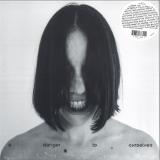
„A Danger to Ourselves“, das neue Album von Lucrecia Dalt, erscheint am 5. September 2025 bei RVNG Intl. und ist eine gewagte und doch intime Reflexion über die ungefilterten Komplexitäten menschlicher Beziehungen. Ohne die fiktiven Erzählungen der letzten Alben der Künstlerin kommt „A Danger to Ourselves“ von einem Ort der emotionalen Aufrichtigkeit. Dalts Stimme steht im Mittelpunkt und wird von einer üppigen akustischen Orchestrierung, perkussiven Instrumenten und einer Reihe hochkarätiger Mitstreiter unterstützt, die sich wie ein tiefes persönliches Gespräch entwickeln.
Die in Pereira, Kolumbien, geborene Dalt wuchs in einer musikbegeisterten Familie auf, die sie im Alter von neun Jahren dazu ermutigte, eine Gitarre in die Hand zu nehmen. Dalt folgte diesem kreativen Impuls, war fasziniert von computergestützter Produktion und verließ eine aufkeimende Karriere als Bauingenieurin, zog von Medellín nach Barcelona und schließlich nach Berlin, wo sie ihren unverwechselbaren, abenteuerlichen Sound entwickelte. Mit „Anticlines“ (2018) und „No era sólida“ (2020) und vor allem mit „¡Ay!“, Dalts bahnbrechendem Sci-Fi-Bolero-Album von 2022, hat sich ihre Arbeit auf immer anspruchsvolleres Terrain begeben. Auf dem Weg dorthin hat Dalt ihre Praxis auf die Vertonung von Filmen wie „On Becoming a Guinea Fowl“ (2024), die HBO-Serie „The Baby“ (2022) und den bevorstehenden psychologischen Horrorfilm „Rabbit Trap“ ausgeweitet, während sie Klanginstallationen und Performances kreiert, die ihre leuchtenden Modulationen und ihren unverwechselbaren, sich entwickelnden stimmlichen Ansatz zur Schau stellen. „A Danger to Ourselves“ entstand aus fragmentarischen Erklärungen, die Dalt aufschrieb, während sie das Leben auf der Tournee von „¡Ay!“ und die prägenden Momente einer neuen Beziehung meisterte. Im Januar 2024 begann sie, diese intimen Fragmente zu musikalischen Kompositionen zu kristallisieren, die allmählich zu einer zielgerichteten Konstellation von Songs wurden. Die Klangarchitektur des Albums basiert auf dynamischen Drum-Loops, die von Alex Lázaro beigesteuert werden, dessen perkussives Rückgrat wie bei „¡Ay!“ zur Leinwand für Dalts vielschichtigen Gesang wurde. Anstatt konventionellen melodischen Strukturen zu folgen, erzeugt das Album Musikalität durch das Zusammenspiel von Basslinien, Rhythmen und kompositorischem Design. „A Danger to Ourselves“ offenbart Dalts kompromissloses Streben nach klanglicher Klarheit, bei dem kühne Produktionsentscheidungen und sorgfältige Aufnahmetechniken Stimme und Instrument mit neuer Tiefe und Strahlkraft harmonieren lassen. „A Danger to Ourselves“ ist eindeutig anti-konzeptionell und ein poetischer Instinkt, mit dem Dalt den Fokus auf die Musik selbst lenkt, indem er Stimmen verwendet, die über die Parameter der Songs hinaus schwingen, und die perlenden Echos der ursprünglichen, romantischen Erregung beobachtet. Dalts klare Aufmerksamkeit für Details ist in jedem Takt spürbar, eine Hingabe, die sich in konzentrischen Kreisen dreht und ein Feld bildet, das das Persönliche und das Ätherische vereint. Das Album basiert auf intuitiven Experimenten und nutzt einfache Gesten und komplexe Kompositionen, um wandernde Linien zu weben, wie in „Divina“, das sich zwischen Spanisch und Englisch durch elastische Klanglandschaften bewegt. Der Titel des Albums geht auf David Sylvians Text „cosa rara“ zurück, der die Zerbrechlichkeit des Lebens, die Schwingungen der Liebe und die treibende Sehnsucht nach dem Wundersamen symbolisiert. „A Danger to Ourselves“ spiegelt diese transzendenten Zustände wider, indem es die Komplexität menschlicher Verstrickungen und den Wunsch nach Befreiung von Dopaminspiralen und gewöhnlichen Pfaden hin zu einer offeneren inneren Welt widerspiegelt. Sylvian selbst hat auf „A Danger to Ourselves“ eine Doppelrolle als Co-Produzent und Musiker gespielt. Es ist eine kollaborative Collage mit Beiträgen zahlreicher gefeierter Künstler. Weitere Kollaborationen ziehen sich durch das gesamte Album: Juana Molina ist Co-Autorin und Interpretin von „The Common Reader“, Camille Mandoki singt bei „Caes“, Cyrus Campbell spielt den grundlegenden Elektro- und Kontrabass, und Eliana Joy steuert bei mehreren Stücken Hintergrundgesang und Streicherarrangements bei. In den leuchtenden Tiefen von „A Danger to Ourselves“ inszeniert Dalt eine tiefgreifende Metamorphose, bei der das Persönliche durch klangliche Alchemie zum Universellen wird. Dieses Album ist sowohl Höhepunkt als auch Aufbruch - ein Portal, an dem ihre früheren experimentellen Reisen zu etwas verblüffend Intimem und doch Expansivem zusammenlaufen. Das Album ist ein Netz emotionaler Offenbarungen, jede Komposition ein präziser Indikator für Verletzlichkeit, in der Dalts Stimme eine Offenbarung in neuen harmonischen Gefilden verkörpert. Dalt hat ein lebendiges Dokument der Intuition jenseits konventioneller Grenzen geschaffen, das den Weg in Bereiche eröffnet, in denen die Musik sowohl Spiegel als auch Fenster ist.
Für Fans von PJ Harvey, Broadcast, St. Vincent, ML Buch, Stereolab, Cate LeBon, Aldous Harding, Mabe Fratti, Dry Cleaning, Juana Molina
- A1: Damian Lazarus Ft. Mathew Jonson - R U Dreaming? (Harry Romero 'Raw Dog' Remix)
- A2: Damian Lazarus Ft. Teed & A-Trak - Falling Down (Jonathan Kaspar Sunrise Remix)
- B1: Damian Lazarus Ft. Jem Cooke - Searchin (Themba's Club Remix)
- B2: Damian Lazarus Ft. Mëstiza - La Hija De Juan Simon (Mëstiza Remix)
Part II[13,24 €]
Following the release of his fifth studio album ‘Magickal’ at the start of the year, Damian Lazarus now opens a new chapter in the project’s evolution with ‘Magickal Remixed (Part I)’, this first instalment of the two-part series features bold reimagining’s from Harry Romero, Jonathan Kaspar, THEMBA and Mëstiza, offering four fresh takes on standout cuts from the acclaimed long-player.
The package opens with Harry Romero’s ‘Raw Dog’ remix of ‘R U Dreaming?’, originally a deeply introspective cut featuring Canadian maestro Mathew Jonson. Here, the New York favourite dials up the low-end pressure and rhythmic weight, bringing raw tribal energy and heavyweight swing to the original’s dreamlike tones. Jonathan Kaspar’s ‘Sunrise Remix’ of ‘Falling Down’, Lazarus’ collaboration with TEED and A-Trak, comes next. Channelling radiant euphoria through rising pads and sweeping melodic phrasing, it leans into the emotional intensity of the original while transforming it into a full-blown moment of sunrise transcendence.
On the B Side THEMBA delivers striking remix of Damian Lazarus and Jem Cooke’s ‘Searchin’.
THEMBA’s remix builds on that foundation and takes it into expansive, Afro-infused club territory, layering hypnotic percussion, deep rolling grooves, and subtle atmospheric shifts that heighten the emotion and push the track into new late-night spaces. Closing out the release, Spanish duo Mëstiza return to reinterpret their collaboration with the Crosstown head honcho, ‘La Hija De Juan Simón’. Expanding on the track’s flamenco-inspired roots, they layer hand-played percussion, haunting vocal flourishes, and dense atmospheres into a hypnotic, slow-burning groove, bridging folklore and futurism in their unmistakable style.
A stone-cold Detroit classic returns: Reel By Real’s ‘Surkit’ is back, remixed, remastered, and ready for a new generation of dancers.
Originally dropped in 1990 on Juan Atkins’ Interface imprint, it’s since become a cult touchstone far beyond techno.
Now, over 30 years on, Surkit – Remixed & Remastered
- Copa, Raya, Paliza
- Es Un Buen Da
Valencia-based band Wau y Los Arrrghs!!! is made up of five punk rock hooligans as raw and real as chaos itself _ led by one of the wildest frontmen around, Juanito Wau. Yes, there's garage rock here, no doubt _ but you'll also find blasts of punk, rock 'n' roll, pop, and even a splash of surf. This joint release with Slovenly Records brings back two anthemic tracks from Spain's undisputed kings of garage punk! Originally produced by Jorge Explosion over a decade ago, "Copa, raya, paliza" and "Es un buen día" are guaranteed party-starters no garage DJ should be without. Pressed on neon pink vinyl.
- A1: Malavoi - Te Traigo Guajira
- A2: Los Caraibes - Donde
- A3: Tropicana - Amor En Chachacha
- A4: Ryco Jazz - Wachi Wara
- A5: Eugene Balthazar - Dap Pignan
- A6: Roger Jaffort - Oye Mi Consejo
- A7: Les Kings - Oriza
- B1: Les Supers Jaguars - Tatalibaba
- B2: Super Combo De Pointe A Pitre - Serrana
- B3: L'ensemble Abricot - Se Quedo Boogaloo
- B4: Henri Guedon - Bilonga
- B5: Les Aiglons - Pensando En Ti
- B6: Los Martiniquenos - Caterate
In Guadeloupe, many people think that jazz and ka music are like a ring and a finger. To some extent, the same could be said about so called Latin music and the music played in the French West Indies.
Both aesthetics were born in the Caribbean and bear so many connections that they can easily be considered cousins. In constant dialogue, there are lots of examples of their fruitful alliance and have been for a while. The English country dance that used to be practiced in European lounges came to be called kadrille in Martinique and contradanza in Cuba. They both featured additional percussion instruments inherited from the transatlantic deportation. Drawing from shared feelings about the same traumatized identity – later to be creolized – it would be hard not to assume that they were meant to inspire each other. The golden age of the orchestras that graced the Pigalle nights during the interwar period further proves the point. As soon as the 1930s, Havana-born Don Barreto naturally mixed danzón and biguine music in a combo based at Melody's Bar. In the following decade, Félix Valvert, a conductor who was born and raised in Basse-Terre in Guadelupe, also worked wonders in Montparnasse with La Coupole, which was an orchestra made up of eclectic musicians. Afro- Caribbean performers of various origins were often hired on rhythm and brass sections in jazz bands, which used to enliven the typical French balls of the capital. In the 1930s and onwards, Rico’s Creole Band was one of them.
Martinican violinist-clarinettist Ernest Léardée, who would become the king of biguine music as well as the main figure of French Uncle Ben's TV commercials (a dark stigma of post-colonial stereotypes), had musicians from the whole Caribbean sphere play at his Bal Blomet – and they all enchanted "ces Zazous-là" (according the words of Léardée's biguine-calypso piece). In les Antilles (French for French West Indies), music history started to speed up in the 1950s, when trade expanded and radio stations grew bigger. The Guadelupean and Martiniquais youth tuned in their old galena radio sets to South American and Caribbean music. As for the women traders, les pacotilleuses, they bought and sold goods across different islands (the "passing of items through various hands" was thought to be most pleasurable) and brought back countless sounds in their luggage. Such was the case of Madame Balthazar, who once returned from Puerto Rico with the first 45rpm and 33rpm to ever enter Martinique.
Out of this adventure was created the famous Martinican label La Maison des Merengues, a music business she opened and undertook with her husband and which proved to be a major landmark. At the end of the 1950s, in Puerto Rico, Marius Cultier competed in the Piano International Contest playing a version of Monk's Round 'Midnight. He won the first prize and this distinction foreshadowed everything that was to come. Cultier, the heretic Monk of jazz, was quickly praised for writing superb melodies, always tinged with a twist that conferred a unique sound to his music. It didn't take long for the gifted self-taught musician to get to play with Los Cubanos, making a name for himself thanks to his impressive maestria on merengues.
The rest is history. Besides, in the late 1950s, Frantz Charles-Denis, born into the upper middle class in Saint-Pierre and better known by his first name Francisco, went back home after working at La Cabane Cubaine – a club located rue Fontaine where he had caught the Latin fever. Francisco's music was therefore heavily marked by his Cuban cousins' influence, which gave the combos he led a specific style and also led to renewal. Things were swinging hard in La Savane, located in the main square in Fort-de-France. He set up the Shango club close by and tested out the biguine lélé there, a new music formula spiced up with Latin rhythms. Soon afterwards, fate had him fly to Puerto Rico and Venezuela.
As for percussionist Henri Guédon (percussions were only a part of his many talents), he was born in Fort-de-France in May 22nd 1944, the day marking the celebration of the abolition of slavery. As an old man, he could remember that in " his father's Teppaz, a lot of hectic 6/8 music was constantly playing...". In the opening lines of his Lettre à Dizzy, a small illustrated collection of writings published by Del Arco, he highlighted the huge impact that cubop had on him as a teenage boy, around 1960. He eventually turned out to be the lider maximo in La Contesta, a big band steeped in Latin jazz. He was also the one who originated the word zouk to describe music which brought the sound of the New York barrio to Paris. It was the culmination of a journey that started in Sainte-Marie: "a mythical place for bélé, the equivalent of Cuban guaguancó". In the early 1960s, the tertiary economy developed to the detriment of agriculture. Yet rural life was where roots music emerged in Martinique and in Guadeloupe.
Record companies played a major part in the process of Latin versions sweeping across the islands – before reaching everywhere else. Producer Célini, boss of the great Aux Ondes label, and Marcel Mavounzy, both the head of Émeraude records - a firm which was founded in 1953 - as well as the brother of famous saxophonist Robert Mavounzy, were big names to bear in mind. Although there were many of them - all of whom are featured on this record - Henri Debs was definitely the major figure in the recording adventure. He proved to be so influential that he even got compared to Berry Gordy. In the mid 1950s, when he acquired his first Teppaz, he worked on his first compositions: a bolero and a chachacha. Then, he became the one man who made people discover Caribbean music, from calypso to merengue. He was among the first ones to rush out to San Juan, Puerto Rico, to buy records and distribute them through a store run by one of his brothers in Fort-de-France. He had members of the Fania All Star come and perform there, which he was madly proud about. He was also the first one to pay attention to Haitian music, such as compas direct and various other rhythms which would soon flood the market. As a result, many of the combos hitting his legendary studio would end up boosted by widespread "Afro-Latin" rhythms. However, he never denied his identity: gwo ka drums were given a major role, although they were instruments which had long been banned from the "official" music spheres. The present selection bears witness to such a creative swarming. Here are fourteen tracks of untimely yet unprecedented cross-fertilization: all types of music rooted in the Creole archipelago have found their way, whatsoever, to the tracklisting. Whether originating from the city or being more rural, they all go back to what Edouard Glissant, in an interview about the place of West Indian music in the Afro-American scope, called "the trace of singing, the one which got erased by slavery." "It is so in jazz, but also in reggae, calypso, biguine, salsa... This trace also manifests through the drums, whether Guadelupean, Dominican, Jamaican or Cuban... None of them being quite the same. They all point to the idea of a trace, seeking it out and connecting to each other through it. This is the hallmark of the African diaspora: its ability to create something new, in relation to itself, out of a trace. It may be the memory of a rhythm, the crafting of a drum, a means of expression which doesn't resort to an old language but to the modalities of it." The opening track features one of the emblematic orchestras of this aesthetic identity, criscrossing many music types from the archipelago. The 1974 Ray Barretto guajira – Ray Barretto was a major New York drummer influenced by Charlie Parker and Chano Pozzo – is magnificently performed by Malavoi, a legendary Fayolais group (i.e from Fort-de-France). Additionally, the compilation ends on a piece by Los Martiniqueños de Francisco. It symbolically closes the circle as it is a genuine potomitan of Martinique culture which also functions as a tireless campaigner for Afro-Caribbean music. Practicing the danmyé rounds (a kind of capoeiria) to the rhythm of the bèlè drum, it delivers a terrific Caterete, a kind of champeta of Afro- Colombian obedience which was originally composed by Colombian Fabián Ramón Veloz Fernández for the group Wgenda Kenya. The icing on the cake is Brazilian Marku Ribas, who found refuge in Martinique in the early 1970s, bringing his singing to the last trance-inducing track. These two "versions" convey the whole tone of a selection composed of rarities and classics of the tropicalized genre, swarming with tonic accents and convoluted rhythms. It is the sort of cocktail that the West Indians never failed to spice up with their own ingredients. For instance, the Los Caraïbes cover of Dónde, a famous Cuban theme composed by producer Ernesto Duarte Brito, has a typical violin and features renowned Martinique singer Joby Valente and his piquant voice.
The track used to be – or so we think – their only existing 45rpm. The meaningful Amor en chachachá by L'Ensemble Tropicana, a band which included Haitian musicians among whom was composer and leader Michel Desgrotte, also recalls how Latin music was pervasive in the tropics in the mid-1960s. They were the ones keeping people dancing at Le Cocoteraie in Guadelupe and La Bananeraie in Martinique. Around the same time, another "foreign" band, Congolese Freddy Mars N'Kounkou's Ryco Jazz, achieved some success on both islands by covering Latin jazz classics – such as their adaptation of Wachi Wara, a "soul sauce" by Dizzy Gillespie and Chano Pozo whose interweaving of strings and percussions can have anyone hit the dancefloor. How can you resist Dap Pinian indeed, a powerful guaguancó by Eugene Balthazar, performed by the Tropicana Orchestra and published by the Martinique-founded La Maison des Merengues? It also acts as a symbol of the maelstrom at work. Going by the name Paco et L'orchestre Cachunga, Roger Jaffory used to play guaguancó too: his Fania-inspired Oye mi consejo is one example of his style. Baila!!!!! Dancing was also one of the Kings' focus points. Oriza is a Puerto Rican bomba and a "classic" originally composed by Nuevayorquino trumpeter Ernie Agosto, which reserves major space for brasses, giving it a special sheen.
Emerging from the New York barrios crucible was also La Perfecta, a Martinique group originating from Trinidad, whose name directly references the totemic Eddie Palmieri figure as well as his own band, also called La Perfecta. Here they borrow Toumbadora from Colombian producer and composer Efraín Lancheros and interpret it by emphasizing percussions, which set fire to the track even more than the wind instruments. The same goes for Martinique's Super Jaguars, who use Tatalibaba – a composition by Cuban guitarist Florencio "Picolo" Santana which was made famous by Celia Cruz & La Sonora Matencera – as a pretext for sending their cadences into a frenzy. In a more typically salsa vein, the Super Combo, a famous Guadelupean orchestra from Pointe-Noire that was formed around the Desplan family and had Roger Plonquitte and Elie Bianay on board, adapt Serana, a theme by Roberto Angleró Pepín, a Puerto Rican composer, singer and musician also known for his song Soy Boricua. Here again, their vision comes close to surpassing the original. In the 1970s, L'Ensemble Abricot provided a handful of tracks of different syles, hence reaching the pinnacle of the art of achieving variety and giving pleasure. They played boleros, biguines, compas direct, guaguancó and even a good old boogaloo - the type they wanted to keep close to their hearts for ever, "pour toujours", as they sang along together in one of their songs. Léon Bertide's Martinican ensemble excelled at the boogaloo which had been composed by Puerto Rican saxophonist Hector Santos for the legendary El Gran Combo.
Three years later, in 1972, Henri Guédon, with the help of Paul Rosine on the vibraphone, tackled the Bilongo made famous by Eddie Palmieri. Such a classic!!!!! And so were the Aiglons, the band from Guadelupe: choosing to execute Pensando en tí, a composition by Dominican Aniceto Batista, on a cooler tempo than the original, they noticeably used a wonderfully (un)tuned keyboard in place of the accordion. On the high-value collectible single – the first one released by Les Aiglons under the Duli Disc label – there is a sticker classifying the track under the generic name "Afro". Now that is what we call a symbol. Jacques Denis
„A Danger to Ourselves“, das neue Album von Lucrecia Dalt, erscheint am 5. September 2025 bei RVNG Intl. und ist eine gewagte und doch intime Reflexion über die ungefilterten Komplexitäten menschlicher Beziehungen. Ohne die fiktiven Erzählungen der letzten Alben der Künstlerin kommt „A Danger to Ourselves“ von einem Ort der emotionalen Aufrichtigkeit. Dalts Stimme steht im Mittelpunkt und wird von einer üppigen akustischen Orchestrierung, perkussiven Instrumenten und einer Reihe hochkarätiger Mitstreiter unterstützt, die sich wie ein tiefes persönliches Gespräch entwickeln.
Die in Pereira, Kolumbien, geborene Dalt wuchs in einer musikbegeisterten Familie auf, die sie im Alter von neun Jahren dazu ermutigte, eine Gitarre in die Hand zu nehmen. Dalt folgte diesem kreativen Impuls, war fasziniert von computergestützter Produktion und verließ eine aufkeimende Karriere als Bauingenieurin, zog von Medellín nach Barcelona und schließlich nach Berlin, wo sie ihren unverwechselbaren, abenteuerlichen Sound entwickelte. Mit „Anticlines“ (2018) und „No era sólida“ (2020) und vor allem mit „¡Ay!“, Dalts bahnbrechendem Sci-Fi-Bolero-Album von 2022, hat sich ihre Arbeit auf immer anspruchsvolleres Terrain begeben. Auf dem Weg dorthin hat Dalt ihre Praxis auf die Vertonung von Filmen wie „On Becoming a Guinea Fowl“ (2024), die HBO-Serie „The Baby“ (2022) und den bevorstehenden psychologischen Horrorfilm „Rabbit Trap“ ausgeweitet, während sie Klanginstallationen und Performances kreiert, die ihre leuchtenden Modulationen und ihren unverwechselbaren, sich entwickelnden stimmlichen Ansatz zur Schau stellen. „A Danger to Ourselves“ entstand aus fragmentarischen Erklärungen, die Dalt aufschrieb, während sie das Leben auf der Tournee von „¡Ay!“ und die prägenden Momente einer neuen Beziehung meisterte. Im Januar 2024 begann sie, diese intimen Fragmente zu musikalischen Kompositionen zu kristallisieren, die allmählich zu einer zielgerichteten Konstellation von Songs wurden. Die Klangarchitektur des Albums basiert auf dynamischen Drum-Loops, die von Alex Lázaro beigesteuert werden, dessen perkussives Rückgrat wie bei „¡Ay!“ zur Leinwand für Dalts vielschichtigen Gesang wurde. Anstatt konventionellen melodischen Strukturen zu folgen, erzeugt das Album Musikalität durch das Zusammenspiel von Basslinien, Rhythmen und kompositorischem Design. „A Danger to Ourselves“ offenbart Dalts kompromissloses Streben nach klanglicher Klarheit, bei dem kühne Produktionsentscheidungen und sorgfältige Aufnahmetechniken Stimme und Instrument mit neuer Tiefe und Strahlkraft harmonieren lassen. „A Danger to Ourselves“ ist eindeutig anti-konzeptionell und ein poetischer Instinkt, mit dem Dalt den Fokus auf die Musik selbst lenkt, indem er Stimmen verwendet, die über die Parameter der Songs hinaus schwingen, und die perlenden Echos der ursprünglichen, romantischen Erregung beobachtet. Dalts klare Aufmerksamkeit für Details ist in jedem Takt spürbar, eine Hingabe, die sich in konzentrischen Kreisen dreht und ein Feld bildet, das das Persönliche und das Ätherische vereint. Das Album basiert auf intuitiven Experimenten und nutzt einfache Gesten und komplexe Kompositionen, um wandernde Linien zu weben, wie in „Divina“, das sich zwischen Spanisch und Englisch durch elastische Klanglandschaften bewegt. Der Titel des Albums geht auf David Sylvians Text „cosa rara“ zurück, der die Zerbrechlichkeit des Lebens, die Schwingungen der Liebe und die treibende Sehnsucht nach dem Wundersamen symbolisiert. „A Danger to Ourselves“ spiegelt diese transzendenten Zustände wider, indem es die Komplexität menschlicher Verstrickungen und den Wunsch nach Befreiung von Dopaminspiralen und gewöhnlichen Pfaden hin zu einer offeneren inneren Welt widerspiegelt. Sylvian selbst hat auf „A Danger to Ourselves“ eine Doppelrolle als Co-Produzent und Musiker gespielt. Es ist eine kollaborative Collage mit Beiträgen zahlreicher gefeierter Künstler. Weitere Kollaborationen ziehen sich durch das gesamte Album: Juana Molina ist Co-Autorin und Interpretin von „The Common Reader“, Camille Mandoki singt bei „Caes“, Cyrus Campbell spielt den grundlegenden Elektro- und Kontrabass, und Eliana Joy steuert bei mehreren Stücken Hintergrundgesang und Streicherarrangements bei. In den leuchtenden Tiefen von „A Danger to Ourselves“ inszeniert Dalt eine tiefgreifende Metamorphose, bei der das Persönliche durch klangliche Alchemie zum Universellen wird. Dieses Album ist sowohl Höhepunkt als auch Aufbruch - ein Portal, an dem ihre früheren experimentellen Reisen zu etwas verblüffend Intimem und doch Expansivem zusammenlaufen. Das Album ist ein Netz emotionaler Offenbarungen, jede Komposition ein präziser Indikator für Verletzlichkeit, in der Dalts Stimme eine Offenbarung in neuen harmonischen Gefilden verkörpert. Dalt hat ein lebendiges Dokument der Intuition jenseits konventioneller Grenzen geschaffen, das den Weg in Bereiche eröffnet, in denen die Musik sowohl Spiegel als auch Fenster ist.
Für Fans von PJ Harvey, Broadcast, St. Vincent, ML Buch, Stereolab, Cate LeBon, Aldous Harding, Mabe Fratti, Dry Cleaning, Juana Molina
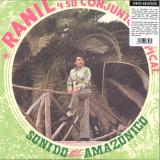
Ranil is undoubtedly the most unconventional figure among the greats of Amazonian cumbia, earning a well-deserved place alongside iconic bands like Los Mirlos, Los Wembler's, and Juaneco y su Combo. This compilation offers a glimpse into the vast musical output Ranil created in the late 1970s and early 1980s. Psychedelia, rock fusion, cumbia, salsa, mambo, Amazonian folk_ you'll find all these flavors blended into the vibrant, jungle-rich sound Ranil crafted. DESCRIPTION Ranil is undoubtedly the most unconventional figure among the greats of Amazonian cumbia, earning a well-deserved place alongside all the better-known iconic bands. He worked as a teacher, criollo guitarist, radio host, TV entrepreneur, and politician, but gained lasting fame as the founder of Ranil y Su Conjunto Tropical in the 1970s. By 1968, around the same time Los Destellos were making waves in Lima, groups like Los Wembler's de Iquitos and Juaneco y su Combo began electrifying cumbia in Iquitos. This new genre, dubbed Amazonian cumbia, exploded nationwide in 1973, thanks to hits by Juaneco y su Combo, Los Mirlos, and Los Wembler's. The success these bands achieved spawned dozens of other groups from the Amazon. Ranil, always a visionary, recognized the movement's potential and joined forces through his first single recorded on the Dinsa label in 1974. Unhappy with the contractual terms, he went on to found Producciones Llerena, the label on which he would release the rest of his discography. Over the years, Ranil y su Conjunto Tropical featured guitarists like Límber Zumba and Luis Nigro, while Ranil remained the lead vocalist and bassist for group. Zumba and Nigro had already played with other regional bands and written songs for groups like Los Destellos and Los Mirlos. This compilation offers a glimpse into the vast musical output Ranil created in the late 1970s and early 1980s, bringing together 14 tracks from the band's 10 LPs. These records have always been hard to come by as, despite being recorded in Lima, they were distributed by Ranil from Iquitos. Psychedelia, rock fusion, cumbia, salsa, mambo, Amazonian folk_ you'll find all these flavors blended into the vibrant, jungle-rich sound Ranil crafted.
- As I Watch My Life Online
- She Came For A Sweet Time
- Day 2
- Opening A Door
- American Church
- Modern Entertainment
- Uncensored On The Internet
- If I Fall (Would You Crawl Under My Skin)
- Deadstar
- If I Knew I Was Dying (I Would Stare At The Sun)
- Last Seen Online
- Terabyte
- She'll Sleep It Off
late night drive home have never known a world without Wifi - without access to the endless stream of joy, sorrow, heartbreak, and hope that we all tune in and tune out to on the daily. In many ways, the guys can"t really extricate themselves from that reality - even their band name comes from a random Wikipedia page - but they"re trying to at least grapple with it. "Most of us grew up on the internet with unsupervised access at a very young age," says singer Andre Portillo. "As we started foreseeing all the outcomes - both good and bad - of this kind of access and advancement, we started writing... forming a sound and message that would become our next record." The culmination of that, then, is the buoyant yet ominous as I watch my life online, the band"s debut album. late night drive home was born in El Paso, Texas, and Chaparral, New Mexico, hardworking communities where folks built their houses by hand and collars were mostly blue. Comprising guitarist Juan "Ockz" Vargas, singer Andre Portillo, drummer Brian Dolan, and bassist Freddy Baca, the entirely self-taught quartet released their first digital EP as a full band, 2021"s Am I sinking or Am I swimming?, and blew up with the single "Stress Relief," a blast of early-Aughts indie that racked in tens of millions of streams. After they signed with Epitaph Records in 2023 - and releasing 2024"s grunge-inspired 3 song EP i"ll remember you for the same feeling you gave me as i slept - they found themselves playing stages their indie idols previously shredded: Coachella, Shaky Knees, Austin City Limits, and Kilby Block Party. Since the end of the pandemic, though, the band had been dreaming up as i watch my life online. "I started thinking about the time after the pandemic and how much things were changing," says Vargas. "So the whole album is a critique of social media and the way we use the internet to distance ourselves from each other." The resulting suite of tracks is a series of online vignettes that hammers home the band"s message: the photos on your phone shouldn"t be your identity; your posts aren"t your inner monologue. A bigger life is lived where there"s no service - in your hometown on a late night road with your friends, and on stage, where the band finally found their destination after that long drive.
Originally released in 1996, Kerosene 454’s sophomore album 'Came By To Kill Me’, is back in print after 28 years. These were the first recordings written exclusively with drummer Darren Zentek (formerly of the band, Glendale) and came at a time when the band felt like they were moving at 100 miles per hour. The album was recorded in the summer of 1996 with J. Robbins (Jawbox, Magpie Cage Studio) and Don Zientara at Inner Ear Studios with help from Juan Carrera (Warmers, Slowdime Records).
Always one to command your attention with his multi layered grooves, this EP features an old Juan Atkins sample ''Buy some shit from Detroit'' that has been part of Beroshima's live sets for years. Excellent opener 'Encounter' reflects a recent idea Jeff Mills and Muller had to produce tracks together for a not yet produced sci-fi movie. It is an eight-minute astral techno trip with smooth, driving drums and plenty of intergalactic synth lines. 'The Passion of Lovers' transfers the organic Beroshima style into 2018 and shows off Frank's passion for spaced out electronica. It's a brilliantly bumping cut with lithe synths and melodies adding that soul and colour as it races through the galaxies. Limited quantities!
- A1: Proud Sorrow
- A2: A Hope
- A3: The Death Of Juan Diaz
- A4: The Truth
- B1: In The Wilderness
- B2: Worthless Pleasures
- B3: Returning Home
- B4: Song Of The Pirate
Dig deep in to the released output of famed producer David Axelrod and you’ll discover this gem, Pride. The single self-titled release is the pairing of Axelrod with his son Michael. The father-son duo deliver psychedelic pop with what many may call a Baroque folk-rock twist. Issued in 1970, the project is somewhat in the realm of the output from groups such as Love or The Byrds – but indelibly David Axelrod through and through.
- Bloodrush
- Longpig
- Soldiers
- Sinner
- Salt In Your Wounds
- New World Order
- Blind By Prophecy
- Chaos Is My Name
- Sickness Of Life / Kill
Final Error is a death- thrash metal band from Lippstadt, North Rhine- Westphalia
(Germany), founded in 2014. The original lineup included Jens "Hammer"
Schillhammer (bass), Chris Krause (guitar), Achim Kietz (vocals), and Michael "Mieke"
Joachimsmeier (drums).
In 2016, they released their frst EP, "Sick of Your Lies". After several lineup changes -
Krause and Kietz both left - the band evolved further toward a pure metal sound,
moving away from their early hardcore punk infuences. New members like Fabian
Sendfeld, Juan Manuel Fuentes, Nico Paiva, and Andreas Kramer shaped this new
direction.
Their debut album "The Blind Lead the Blind" was released in 2019 via Dedication
Records, followed by the EP "Dead Man Walking" (2021) on KKR Records, both
accompanied by professional music videos directed by Matthias Kollek. In 2022, they
released their second full- length album, "Necromantic Rituals". After Kramer's
departure in 2023, the band welcomed seasoned drummer Burkhard "Borgy" Fabian
40th Anniversary Edition
"RATT exploded on to the national scene in 1984 with the release of ‘Out Of The Cellar.’ Featuring an undeniable hook and legendary music video, lead single “Round And Round” hit #12 on the Billboard Hot 100, while ‘Out Of The Cellar’ reached #7 on the Billboard Top 200 and was certified triple platinum. Two more charting singles followed with “Back For More” and “Wanted Man”. RATT started the tour as an opening act, but by the end of the tour had climbed to arena headliner.
The album features the classic line up of Stephen Pearcy (vocals), Warren DeMartini (guitars), Robbin Crosby (guitars), Juan Croucier (bass/vocals), and Bobby Blotzer (drums), and is now available on CD with Lenticular Cover, and Limited Edition Red and Black Splatter vinyl with Lenticular cover with a Neon Orange 7"" single"
Metroplex Records welcomes Pascal Hetzel to the label. The Berlin-based producer and DJ (who is also half of the duo CYRK) delivers something a little different for Juan Atkins' label institution. The EP serves four slices of funky, dub-infused and chord-driven techno, aimed squarely at the dance floor that pay tribute to the Motor City legacy while carving out their own euphoric permutation of classic Detroit techno tropes. Four tracks to heat up dance floors worldwide!
Sleeve Records is back with the reissue of a rare and iconic Cuban album by Los Chikichaka aka "Los Caneyes".
All tracks are composed by "Maestro" Juan Pablo Torres. Get ready to enjoy latin psychedelic rhythms that intersect with afrocuban, jazz-funk, psychedelic, latin jazz and bolero.
Yes Amigos!
The Debut Album "Latin Freaks" by Funkool Orchestra is finally out!
Get ready for another dose of Neapolitan Funky Disco Boogie madness with a Latin touch and a glorious featuring by the one and only Latin soul King : JOE BATAAN.
The Long Playing is a mixture of Rare Grooves, Napoli Sound, Disco Boogie, Latin Soul and Boogaloo, ideal for a trip to Nueva York and back to Naples just to say hello to your Puertorican uncle Manolito "Gennaro" Marròn.
A gozar!
- A1: Minor Swing
- A2: Main Titles
- A3: The Story Of Grandmere
- A4: Vianne Sets Up Shop
- A5: Three Women
- A6: Vianne Confronts The Comte
- A7: Other Possibilities
- A8: Guillaume’s Confession
- A9: Passage Of Time
- B1: Boycott Immorality
- B2: Party Preparations
- B3: Chocolate Sauce
- B4: Fire
- B5: Vianne Gazes At The River
- B6: Mayan Bowl Breaks
- B7: Taste Of Chocolate
- B8: Ashes To The Wind/Roux Returns
- B9: Caravan
Chocolat is the 2000 British-American romantic comedy-drama film directed by Lasse Hallström (The Cider House Rules) starring Juliette Binoche, Judi Dench and Johnny Depp. The film’s enchanting atmosphere is brought to life by the original score from Academy Award-winning composer Rachel Portman. The soundtrack features “Minor Swing” by Django Reinhardt and Stéphane Grappelli, and “Caravan”, the 1936 jazz standard by Duke Ellington and Juan Tizol. The soundtrack was nominated for an Academy Award, next to the four other Oscar nominations.
Chocolat is available as a 25th anniversary edition of 750 numbered copies on mint chocolate marbled vinyl and includes an insert.
Peach Discs’ first EP of 2025 comes from DJ, producer, curator and all-round doer of great things James Priestley aka Secretsundaze.
The Mordisco EP accumulates inspiration from James' past and present, whether it be echoes of his time as a drum & bass DJ in the late 90s on "Closer," the UK Bass-referencing percussive drive of "Treat That Doll" or the title track's vocal contributions from partner Paula Juana, the result is a personal and true record that always retains the laser-focused dancefloor energy that James is so good at dishing up.
Lead single "Mordisco" serves to highlight both the UK x Colombia connection found in James' relationship to Paula, as well as his love for Latin American music in general. Paula's sultry vocals wrap themselves around tumbling drum fills, arcing synths and an insistent rhodes riff, creating something unclassifiably groovy, riding the line between house and techno while never settling into either. Sansibar takes the baton and runs further into propulsive, progged-out, dubbed-out territory on his remix – the first officially released remix on Peach Discs.
James founded Secretsundaze as a party series in 2002, and since then it's established itself as one of the most reliable names in electronic music, encompassing a record label, festival (Multi Multi), live band (Spirit of Sundaze Ensemble) and production outfit. The four tracks that make up this EP fit neatly into the lineage that James has cultivated over the past 23 years – paying tribute to history while not being beholden to it. Mordisco continues the deep, rhythmically ambiguous approach to house music that Secretsundaze championed since the first EP for Phonica Records in 2018, and continued with stand-out releases for Mule Muziq, Live At Robert Johnson and more recently Warning.
As long-time fans and affiliates of Secretsundaze (Shanti released her Alma EP on the label back in 2015), we're thrilled to be working together again and releasing this record into the world.
- 01: Lucrecia Dalt - Cosa Rara (Ft. David Sylvian)
- 02: Mabe Fratti - Cosa Rara (En La Playa)
- 03: Lucrecia Dalt - Cosa Rara (Matias Aguayo's Dopamine Dub)
New Artwork. Lucrecia Dalt ist eine produktive und grenzenlose Musikerin, Performerin, Komponistin und Klangkünstlerin, die sowohl Genre als auch Form herausfordert, indem sie vertraute Elemente der Pop- und experimentellen Musik auseinander nimmt und sie auf unerwartete Weise neu zusammensetzt. Mit ihrem hochgelobten Album "¡Ay!" aus dem Jahr 2022 gelang ihr der Durchbruch bei einem breiteren Publikum. Dalt hat sich auch als Komponistin für Film und Fernsehen einen Namen gemacht, unter anderem mit ihrer originellen Filmmusik für die HBO-Serie "The Baby" und den in Cannes 2024 ausgezeichneten Spielfilm "On Becoming a Guinea Fowl". Mit ,cosa rara", ihrer neuen Single, die von Kultmusiklegende David Sylvian gemischt, produziert und mit einem seltenen Gastbeitrag versehen wurde, wird das Thema des eigenen Ichs zu einer unwahrscheinlichen Verliebtheit. "cosa rara" ist eine kühne Rückkehr von Dalt, die die Höhen der Liebe destilliert und mit Produktionspräzision und hyperfokussierter Klarheit klanglich umsetzt und den Hörer auf eine aufregende Eskapade aus Sound und Psychologie einlädt. Die B-Seite der 7" enthält Mabe Frattis "cosa rara (en la playa)"-Version, eine geisterhafte, von Fratti produzierte und gesungene Version desselben Songs, sowie eine 7" exklusive, erweiterte Version von Matias Aguayos, "cosa rara (dopamine dub)". Abgemischt von Sylvian und gemastert von Heba Kedry, ist die 7" eine einmalige, auf 500 Exemplare limitierte Pressung. RIYL: PJ Harvey, Broadcast, St. Vincent, ML Buch, Stereolab, Cate LeBon, Aldous Harding, Mabe Fratti, Dry Cleaning, Juana Molina.