Brooklyn-based artists Leslie Graves and Toby Goodshank have joined creative forces on their album Between Worlds (BB*ISLAND), Toby Goodshank (The Moldy Peaches, The Pizza Underground) of the OG New York Antifolk scene, is known for his precise and acrobatic vocals over nuanced acoustic guitar in songs that have been described as "a zesty thumb of the nose at domesticated bullshit." (Myles Manley) Leslie Graves (GOLD, Endless Arrows) is a performing songwriter and recording artist who takes folk subgenres into evocative and intriguing directions, including "sounding like something you could hear Donna Hayward dancing to at the Bang Bang Bar." (Ronan Conroy, "Hidden In the Days" album review) Her voice has been described as "darkwave-meets-folk" with comparisons to Lana Del Rey, Cat Powers, Mazzy Star and Julee Cruise. Acoustic guitar and vocal harmonies make up the core of their music. a slightly psychedelic, at times dream pop-like folkrock. It just draws from a variety of folk and rock. You might hear hints of Sybil Baer, Judee Sill, REM, Linda Perhacs, and Jessica Pratt, but the intersection of Toby and Leslie is truly a place of its own, warm and enchanting, or perhaps a glimmer from the spaces in between worlds. Many instrumental threads are interwoven throughout with the invaluable skills of Jake Nicoll (The Burning Hell) who lovingly engineered and embellished the recordings. Ariel Sharrat of The Burning Hell assisted him and is also featured on saxophone or bass or on some songs here. Speaking to their process, Leslie writes, "Toby is great at composing song structures quickly. It was fun to feel into the emotion of the chords and write from there. The process was like chiseling away at a stone to reveal the sculpture underneath. I like when songs come like that - when it feels that they are teaching us as they are revealed."
Gothenburg/Malmö-based post rock power trio Barrens return with Corpse Lights, the band's second full-length release following their critically-acclaimed 2020 debut Penumbra. Five years in the making, Corpse Lights sees Barrens strike a breathtaking balance between light and dark, beauty and brutality. Corpse Lights, Barrens' sophomore album, is somehow deeper, richer and headier; imbued with an alluring compositional patience that serves as unspoken testament to the combined creativity of the trio in their element, as something so much greater than the sum of its parts. Recorded and produced by Kristofer Jönson, who also helmed Penumbra, and mixed and mastered once again by Cult of Luna's Magnus Lindberg, shimmering synthesizers and sprawling guitars lead the charge propelled by exhilarating drums and percussion but Corpse Lights also finds Barrens using space, silence and atmosphere as another instrument if not as another band member entirely. `Corpse Lights' is the name given to the folk belief that small coloured lights often appear near the home of someone about to die, leading them along the path to their eventual resting place. Often considered to be evidence of the soul leaving the body, the concept of corpse lights embodies Barrens' approach to creating music as a cathartic release; not just writing music because they want to but because they have to. Their writing process is one of joy, light and release as much as it is dark, heavy and tense. The result is Corpse Lights, a collection of nine pieces that guide us through five tumultuous years of highs and lows, of loves and losses and victories and defeats without ever needing to say a word. FOR FANS OF Mono, PG.LOST, Caspian, Mogwai, This Will Destroy You, Russian Circles, Pelican, Scraps Of Tape, God Is An Astronaut. Vinyl is a gatefold, the sleeve comes with metalic ink
Gothenburg/Malmö-based post rock power trio Barrens return with Corpse Lights, the band's second full-length release following their critically-acclaimed 2020 debut Penumbra. Five years in the making, Corpse Lights sees Barrens strike a breathtaking balance between light and dark, beauty and brutality. Corpse Lights, Barrens' sophomore album, is somehow deeper, richer and headier; imbued with an alluring compositional patience that serves as unspoken testament to the combined creativity of the trio in their element, as something so much greater than the sum of its parts. Recorded and produced by Kristofer Jönson, who also helmed Penumbra, and mixed and mastered once again by Cult of Luna's Magnus Lindberg, shimmering synthesizers and sprawling guitars lead the charge propelled by exhilarating drums and percussion but Corpse Lights also finds Barrens using space, silence and atmosphere as another instrument if not as another band member entirely. `Corpse Lights' is the name given to the folk belief that small coloured lights often appear near the home of someone about to die, leading them along the path to their eventual resting place. Often considered to be evidence of the soul leaving the body, the concept of corpse lights embodies Barrens' approach to creating music as a cathartic release; not just writing music because they want to but because they have to. Their writing process is one of joy, light and release as much as it is dark, heavy and tense. The result is Corpse Lights, a collection of nine pieces that guide us through five tumultuous years of highs and lows, of loves and losses and victories and defeats without ever needing to say a word. FOR FANS OF Mono, PG.LOST, Caspian, Mogwai, This Will Destroy You, Russian Circles, Pelican, Scraps Of Tape, God Is An Astronaut. Vinyl is a gatefold, the sleeve comes with metalic ink, the Periastron edition is transparent "white" Vinyl
Black Truffle is thrilled to present the first ever solo Donso n’goni recording from octogenarian Swedish multi-instrumentalist Christer Bothén. Active in the Swedish jazz and improvisation scene since the 1970s, often heard on bass clarinet, Bothén travelled to Mali in 1971, eventually making his way to the Wassoulou region in the country’s south where he encountered the Donso n’goni, the sacred harp of the hunter caste of Wassoulou society. Though playing the instrument has traditionally been restricted to those who belong to the hunters’ brotherhood, Bothén found an enthusiastic teacher in Brouema Dobia, who, after many months of intensive one-on-one lessons, gave Bothén his blessing to play the instrument both traditionally and in his own style. Returning to Sweden, he would go on to pass on what he had learned to Don Cherry and play the Donso n’goni in a wide variety of inventive settings, including the driving Afro-jazz-fusion of his Trancedance (reissued as BT118).
The seven pieces of Christer Bothén Donso n’goni offer up a stunning showcase of Bothén’s work on this remarkable instrument, heard entirely unaccompanied, except for the final piece where he is joined on a second Donso n’goni by his student and collaborator, the virtuoso bassist Kansan/Torbjorn Zetterberg, and Marianne N’Lemvo Linden on the metal Karanjang scraper. Recorded in three sessions in Stockholm between 2019 and 2023 in richly detailed high fidelity, the instrument’s buzzing, sonorous bass strings make an immediate, overwhelming sonic impression. Hyper-focused on hypnotically repeating pentatonic patterns, the seven pieces are at once relentlessly single-minded and endlessly rich in subtle variations. The concentrated listening environment turns small details, such as the deployment of the instrument’s segesege rattle on two of the pieces, into major events. Six of the seven pieces are traditional, with Bothén contributing the remaining ‘La Baraka’, but the line between tradition and the individual talent is imaginary here: as Bothén explained in a recent interview with The Wire’s Clive Bell, ‘I play traditional and untraditional, and I play the music forward and backward’. While the traditional Wassoulou pieces provide the rhythmic and harmonic elements, Bothén’s individuality as a performer is alive in every moment, felt acutely in boundless variations of attack, improvisational flourishes, and unexpected accelerations and decelerations. Captured entirely live and bristling with spontaneity, this music is undeniably the product of almost half a decade of Bothén’s devotion to the Donso n’goni and its traditional music.
Accompanied by detailed new liner notes by Bothén and stunning colour photos from his time in Mali, Christer Bothén Donso n’goni is a stunning document of a remarkable instrument, played with an almost spiritual intensity by one of contemporary music’s great explorers.
out of Stock
Last delivered 13 months ago available to reorder, subject to availability
Artist and multi-instrumentalist Flaer embraces the search for quiet miracles on first full-length LP Translations.
In 2023, Realf Heygate - who makes music as Flaer - released his debut mini-album Preludes, composed on his mother’s piano and his childhood cello.Returning to ODDA for his debut full-length album, Heygate is now looking in another direction. A record that embraces transition and movement, Translations is in many ways more internal, less rooted to a single place and reflective of the process of laying new foundations in Cornwall.
Like Preludes, Translations is coloured with found sounds and field recordings, from the starlings which can be heard singing through the open window of his studio, to the brittle recordings of his mother, who was a linguist, learning Spanish on a set of language tapes. In both cases, Heygate embraced the translations and memories inherent to the sounds.
“When I digitised my mother’s tapes, they warped and stuttered in a very similar way to the starling’s song,” he explains. “They had this uncanny rhythm and pulse that I couldn’t quite decode, but was saying something." These decayed transmissions hint at loss, resisting clarity in favour of the ineffable.
Translations is also a record of ambiguities and in-betweens, suggested by the double meaning of the album’s opening track ‘Entre’. At once intricate and expansive, threaded with birdsong and acoustic guitar motifs, this and ‘Starling Descends’ (a reference to Vaughan Williams’ ‘The Lark Ascending’) act as a bridge away from the pastoral themes of Preludes towards a more assertive sound. At times intimate in its textured instrumentation and at others more overtly grand in orchestration, reflecting awider palette of influences.
“Flaer began in many ways when I picked up my mother’s instruments, seeking a form of reconnection. Where words evaded me, they became the tools through which I found a language for grief – and above all, for love.”
Recorded between 2023 and 2025 – what Heygate calls “A gradual process of sowing and harvesting ideas rather than a single intense creative period” - each track follows a rhythm similar to the small maquettes and sculptures he has been working on in his visual practice, whereby structures and melodies form intuitively in moments that are as rare as they are fleeting.
“It's that feeling of searching that I really enjoy,” Heygate continues. “I never know what the destination of the composition is going to be, and I never really find what it is."
Translations is released on limited edition off-white vinyl LP (500 copies worldwide) with one of five signed and numbered handmade risograph prints. It's also available as standard black vinyl LP and digitally.
Tender / Wading zeigt Matthew Sage, alias M. Sage, in den Ausläufern und Weiden Colorados, wo er schreibt, aufnimmt und zu einem Stück seiner Heimat und Identität zurückkehrt, wobei ein Akt der Fürsorge den nächsten nach sich zieht. Das Album, das hauptsächlich auf Klavier und Klarinette aufgebaut ist und dann mit Gitarre, modularem Synthesizer, Percussion und Feldaufnahmen aus der Umgebung seines Zuhauses verziert wurde, ist eine weitreichende, ruhige Vision von Vitalität, radikaler Sanftheit und dem beruhigenden Gefühl, nach Hause zu kommen, auch wenn sich das Zuhause verändert hat. Seit den frühen 2010er Jahren hat Sage ein eigenwilliges Musikrepertoire zusammengestellt, das sich in verschiedene Klangrichtungen erstreckt, sich in Veröffentlichungen auf Geographic North, Orange Milk und Moon Glyph manifestiert und sowohl kritische Aufmerksamkeit als auch eine treue Zuhörerschaft für jede neue Wendung erlangt hat. 2023 debütierte Sage bei RVNG Intl. mit Paradise Crick, das zeitgleich mit seiner laufenden Arbeit im improvisierten Ambient-Jazz-Quartett Fuubutsushi erschien. Nun präsentiert er sein nächstes Soloalbum und seine neue Richtung. Tender / Wading folgt auf Sages Rückkehr nach Colorado nach fast einem Jahrzehnt in Chicago, wo er nun mit seiner jungen Familie dreißig Meilen außerhalb seiner Heimatstadt ein paar Hektar verwildertes Land bewirtschaftet. In einem ganzheitlichen Kontrast zu Cricks synthetischer Klangwelt schafft Sage Kunst aus dem Akt des Pflegens neuen Wachstums, hinterfragt Konstrukte des häuslichen Lebens und versteht die Spuren seines früheren Selbst durch die schmutzverschmierte, schweißvernebelte Linse der Gegenwart. Das Ergebnis ist sein bisher autobiografischstes Material, geprägt von Zeit und Veränderungen in der Wahrnehmung sowie bedeutungsvollen Details aus Sages psychischer Suche. Sage vergleicht das Gefühl, verschiedene Versionen von sich selbst zu sehen, mit der berühmten Hase-Ente-Theorie des Philosophen Ludwig Wittgenstein. ,Es ist dieselbe Zeichnung, aber je nachdem, wer man ist, wo man ist und wann man ist, sehen manche Menschen einen Hasen und manche eine Ente oder beides", erklärt Sage. Hier sind das Subjekt und der Betrachter, zurück in vertrauten Landschaften, als Partner und Elternteil, der Gestrüpp zurückschneidet, gedemütigt von invasiven Pflanzen, Schädlingsbefall und verdichtetem Lehmboden, seine Prioritäten haben sich grundlegend geändert. Und doch ist auch dieses andere Ich da: ein gewiefter Akademiker, der oft in Memes denkt und das Ziehen seines Handys in der Hosentasche spürt. ,In diesem Album geht es darum, diese Wahrnehmungsverschiebungen zu ergründen und ihnen Raum zu geben, beides zu tun: hüpfen und quaken." Es ist ein inneres Kind, das Sages intermediale Praxis in seinem Atelier leitet, einer Scheune, die nach dem großen Umzug im Jahr 2022 im Rahmen einer hausweiten DIY-Renovierung umgebaut wurde. Im Inneren werden Gedichte zu Zeichnungen, zu Skulpturen im Hinterhof und darüber hinaus, und alberne Ausflüge in den Vogelgesang oder die Freude an der Herausforderung, Klarinette zu lernen, weichen ernsthafter Musik. ,Ich glaube, ich habe entdeckt, dass es diese Linien gibt, die alles miteinander verbinden", sagt er. ,Und dieses Album ist voller hartnäckigem Optimismus und Hoffnung, aber auch der Bewusstheit, dass wir uns in einer späten Phase befinden, und dem Versuch, mit der Rhetorik dieser Phase umzugehen." Für Tender / Wading setzt Sage einen unverwechselbaren Sound ein: eine pastorale Art von Folk Kosmiche, kontemplativer elektroakustischer Barn Jazz für die Front Range, voller blasser Puddle Blues und rostigen Oil Drum Reds. Die meisten Songs entstanden auf einem 1910er Hamilton-Klavier, das kurioserweise in Chicago gebaut, von den Vorbesitzern zurückgelassen und von Mäusen bewohnt worden war. Die zufällige Begegnung mit dem Instrument fühlte sich kosmisch an, nicht nur wegen seiner Verbindung zur Windy City, sondern auch wegen Sages sich weiterentwickelnder Herangehensweise an das Songwriting nach Fuubutsushi. Er fühlt sich hinter den Tasten wohler und kehrt zurück zum Schlagzeug (seiner Jugendliebe). In einem passenden Raum für Holzblasinstrumente umarmt er das Elementare und Absichtliche und verleiht der Musik von Anfang an mehr strukturelles Gewicht und Wärme. Tender's M. Sage verbindet die Studioexperimente und Improvisationen seiner Vergangenheit mit einem geschärften Ohr für melodische Phrasierungen und Akkordwechsel und hat seine übliche Fülle an Demos auf neun finale Stücke reduziert. Seine charakteristischen Weltbilder bleiben erhalten, von Holzhauskröten, die in statischer Elektrizität schwimmen, über raschelndes Gras und Regen, der in die Dachrinnen plätschert, bis hin zu walzenden Sternbildern im Mondlicht. Während Cricks Universum aus magischem Realismus und digitaler Fantasie entstanden ist, greift Tender / Wading direkter auf menschliche Erfahrungen zurück. Er weist schnell Vorwürfe zurück, es handele sich um ein hochkonzeptionelles Album: ,Ich mache einfach die Musik, die ich selbst gerne in meinen Kopfhörern hören würde, während ich Unkraut jäte oder so." Es könnte beides sein, wie der Hase und die Ente behaupten würden: zutiefst persönlich und abstrakt, eine faszinierende und natürliche Wendung eines experimentellen Künstlers des 21. Jahrhunderts, dessen Vermächtnis sich in Echtzeit weiterentwickelt und wächst.
Mit "Smile" liefern Rong Kong Koma ihr drittes Album, und es ist ihr kompromisslosestes. Wo die Vorgänger noch verspielte Umwege nahmen, geht es jetzt direkt durch die Wand. Der Sound ist rau, kantig und voll auf die Fresse. Mit mehr Schmutz als Glanz. Die Band stampft mal wie ein zorniges Metronom, schaltet dann in Reggaeton-Grooves oder fällt in sich zusammen, wenn sich plötzlich eine zerbrechliche Ballade in den Raum stellt. Was glauben die eigentlich, wer sie sind? Die Produktion ist trocken und aggressiv, das Songwriting unberechenbar und bissig. Auch textlich bleibt es unbequem: Absurder Humor trifft auf präzise Alltagsbeobachtungen und wütende Spitzen gegen den Rechtsruck, toxische Männlichkeit und die gepflegte Lethargie der Mitte. "Smile" ist keine einfache Platte. Aber eine zwingende. Zwischen Punk, Indie und einer gesunden Portion Wahnsinn, der große Gefühle kennt, aber keine Pose braucht.
After delighting fans of all ages with the surprise children's hit "Long Legged Larry," underground hip-hop icon Aesop Rock returns with "Roadwork Rappin'," a joyful ode to construction vehicles and the kids who love them. Inspired by the fascination many children have with bulldozers, front loaders, and cranes, the track delivers clever rhymes and vivid descriptions in classic Aesop fashion_this time with a whimsical twist. Over a minimal beat with a bouncing bass line that evokes the lumbering roll of oversized construction tires, Aesop celebrates the sights and sounds of work zones, bringing dump trucks and backhoes to life with vivid wordplay. The song is part educational, part imaginative world-building, capturing the wonder of watching giant machines reshape our surroundings. What makes it shine is Aesop's funny and wildly specific wit, packaged in a format that's approachable for younger listeners but still rewarding for longtime fans. With "Roadwork Rappin'," Aesop continues to expand his creative universe in unexpected ways, proving once again that his pen knows no bounds. Whether it's blaring from a car seat playlist or sparking nostalgia in adults who once chased garbage trucks down the block, this track is a joyful celebration of curiosity, machinery, and the poetry hiding in plain sight.
Belgian drummer and composer Jelle Van Giel presents All I Hear, the first full-length album of his new band, Close Distance.
All I Hear unfolds in ten chapters - nine on vinyl, with an additional track on CD. Each track depicts its own world. Some burst to life, driven by energy that draws you in and melodies that linger. Others take their time, emerging like landscapes through morning mist, shaped by shifting textures and quiet detail.
Subtle soundscapes and cinematic colors blend with improvisation and groove, creating an immersive listening experience that speaks to both head and heart. This is music that paints with sound, drawing the listener deep into the world of Close Distance: a quartet in which Jelle invites his fellow musicians Roeland Celis (guitar), Ewout Pierreux (piano/rhodes) and Yannick Peeters (double bass) to join him on his journey and sometimes lead the way.
Wenn du ASHEN noch nicht kennst, wird sich das mit ihrem Debütalbum “Chimera” ändern „Chimera“ klingt wie ein Ich, das in zwei Hälften zerbricht. Aus dem Pariser Underground bringt die moderne Metalcore-Band Ashen frischen Wind ins Genre der harten Musik. Mit ihrem ersten Album stellen sie sich nicht einfach nur vor, sie reißen ein ganzes Universum auf. Eines, das aus Schmerz, Ekstase, Wahn und Klarheit zusammengenäht ist. Dieses Album ist alles, nur nicht vorhersehbar. Metalcore wie durch ein Kaleidoskop gesehen: filmisch, instabil, wunderschön verstört. „Chimera“ ist ein brutaler, aber zugleich schöner Abstieg in verdrängte Emotionen - eine Suche nach etwas Echtem unter all dem Lärm. Eine langsame Verwandlung, wie das eigene Spiegelbild, das sich verändert, in etwas Fremdes, vielleicht Wahreres. Trotz seiner Komplexität verliert das Album nie seine Seele. Der Sound ist modern und maximalistisch – jeder Glitch, jeder Drop, jeder Sound wirkt durchdacht. Man hört, dass hier eine Band am Werk ist, die jedes Detail liebt, nicht nur musikalisch, sondern auch textlich. „Chimera“ ist eine Auseinandersetzung mit dem eigenen Werden: damit, was passiert, wenn man sich der verzerrten Version seiner selbst stellen muss - der Version, die durch Schmerz entstanden ist.
Everything Is Recorded, the collaborative music project centred around producer Richard Russell, returns with a brand new single, “Porcupine Tattoo” - a stripped-back lament featuring two American musical icons - Noah Cyrus and Bill Callahan - who appear on record together for the very first time. The collaboration came together while Russell was hosting sessions for a forthcoming Everything Is Recorded album, one set to build on previous acclaimed releases including 2018’s eponymous, Mercury Prize-nominated debut album. Reaching out to Callahan - an artist he’s long admired and whose song “I’m New Here” was covered by, and provided the title for, Gil Scott-Heron’s final, Russell-produced studio album - Russell asked the simple question “who would you like to write a song for?”. “Noah Cyrus” was Callahan’s reply. The final single features Callahan’s original demo vocal, pitched down and resting on layers of sub bass and complemented by Cyrus’ crystalline counterpoint vocal. It was recorded during a rainy week of sessions in a bungalow at Los Angeles’ Chateau Marmont, which Russell described as “comfortable but haunted”. The song continues a lineage of Russell productions – from “I’m New Here” to Bobby Womack’s “Deep River” and Damon Albarn’s “History of a Cheating Heart” – that explore a sparser, more acoustic side of his sound. The limited edition 7” vinyl single is released on XL Recordings in partnership with Drag City, Bill Callahan’s long term label home. The 7” exclusively features a second collaboration between Everything Is Recorded and Callahan in the form of “Norm”, a tribute to the Austin-based singer songwriter’s favourite comedian Norm MacDonald”
out of Stock
Last delivered 13 months ago available to reorder, subject to availability
Leon Michels ist still und leise zu einem der gefragtesten Produzenten der Musikszene geworden.Sein unverwechselbarer Sound hat die Aufmerksamkeit des Mainstreams auf sich gezogen und inspiriert gleichzeitig weiterhin die Underground-Szene. Seit dem 2023 erschienenen Album Glorious Game von El Michels Affair & Black Thought war Michels als Produzent für andere Künstler aktiv - darunter Norah Jones' Grammy-prämiertes Visions, Clairos Grammy-nominiertes Charm, Kali Uchis' ,Moonlight" sowie Alben für seine Labelkollegen Brainstory, Derya Yildirim & Grup Simsek, Thee Heart Tones und Liam Bailey. Sein neues Album 24 Hr Sports markiert die langersehnte Rückkehr unter seinem eigenen Namen: El Michels Affair.24 Hr Sports wurde inspiriert von Mode und Grafikdesign der Sports-Illustrated-Magazine der 80er- und 90er-Jahre, MF DOOMs Special Herbs-Alben, den dort verwendeten Sample-Quellen und Gospelmusik à la Pastor T.L. Barrett. Die Summe dieser Einflüsse, gepaart mit Michels' unfehlbarem kreativen Gespür, ergibt ein Rezept für einen Instant-Klassiker - ein Werk, das zweifellos zu den meistgefeierten Veröffentlichungen des Jahres 2025 zählen wird.Der Album-Opener ,Drum Line" ist ein hymnischer, mitreißender Track mit Marschband-Schlagzeug und donnernden Bläserarrangements, die sofort alle Aufmerksamkeit auf sich ziehen und den Ton für das folgende Album setzen. 24 Hr Sports bedeutet eine deutliche Abkehr von der bisher überwiegend instrumentalen Musik im Katalog von El Michels Affair. Mit einer Vielzahl von Gesangsfeatures spiegelt das Album das schwer einzuordnende Genre seiner Musik wider.Das erste dieser Features ist ,Mágica" mit dem brasilianischen Künstler Rogê, der die ohnehin energiegeladene Nummer mit seinen fußballinspirierten Lyrics auf ein neues Level hebt. Weiter geht es von Brasilien nach Ghana: In ,Say Goodbye" feiert Florence Adooni ihre Individualität mit lässigem Selbstbewusstsein und wechselt mühelos zwischen Frafra und Englisch, besonders eingängig im Refrain: ,never gonna find a girl like me_".Labelkollege und weltbekannter Trompeter von The Roots, Dave Guy, veredelt den 70er-Jahre-Groove von ,Oakley's Car Wash" mit seinen charakteristischen Bläserlinien, bevor der Track in ein Dub-artiges Outro übergeht. Vom wilden zum sanften Klang: ,Anticipate" mit Clairo knüpft an die musikalische Chemie an, die das 2024er-Album Charm hervorgebracht hat. Clairo gleitet über die typischen EMA-Arrangements, während sie sich nach unerreichbarer Liebe sehnt - getragen von einer perfekt eingespielten Band.,Eastside" ist ein Stück, das einen Sonnenaufgang am Meer vertonen könnte - Leon Michels' Sinn für Raum und Arrangement wird hier besonders deutlich. Aus Japan ist der Suginami Children's Choir auf dem üppigen Track ,Clean The Line" zu hören - sie singen ein Lied über den Mond, die Sonne und Vögel. Danach reißt ,Cortex" mit verzerrten Gitarren und donnernden Drums die Tür auf - ein Moment purer, filmreifer Intensität in der Mitte des Albums.Leon Michels übernimmt selbst den Lead-Gesang auf ,Shining", einem Song über die Suche nach einem Freund, mit dem man die Freude eines sonnigen Tages teilen kann. Der international gefeierte Shintaro Sakamoto ist auf ,Indifference" zu hören - ein lässiger Song mit federnden Basslinien und gefühlvollen Flöten, in dem Sakamoto zwischen Gesang und gesprochener Poesie über eine vergängliche Liebe reflektiert.Das Grammy-prämierte Duo Norah Jones und Michels kommt auf ,Carry Me Away" erneut zusammen: Jones' honigsüße Stimme schwebt über einem schwer einzuordnenden, aber sofort liebenswerten Track. Michels lehnt sich hier wieder mehr in Richtung El Michels Affair-Stil, der sich klar von seinen bisherigen Produktionen für Norah Jones abhebt. ,Take My Hand" stellt den Gospel-Einfluss in den Vordergrund - mit dem Fabulous Rainbow Singers Choir im Refrain und einem Saxophon-Solo der verstorbenen Jazzlegende Rahsaan Roland Kirk.,Open Season", ein Piano-getriebener Midtempo-Track mit Gruppenrufen wie ,we want the gold, we want the gold_", könnte den perfekten Soundtrack für eine Slow-Motion-Highlight-Reel liefern. Der treffend betitelte Albumabschluss ,Victory Lap" schließlich ist ein traumhafter, euphorischer Ausklang, der dem gesamten Werk würdig ist.Am Ende spricht die Trophäe auf dem Albumcover Bände: El Michels Affair ist Champion Sound - und 24 Hr Sports macht das unmissverständlich klar.
out of Stock
Last delivered 13 months ago available to reorder, subject to availability
In Guadeloupe, many people think that jazz and ka music are like a ring and a finger. To some extent, the same could be said about so called Latin music and the music played in the French West Indies.
Both aesthetics were born in the Caribbean and bear so many connections that they can easily be considered cousins. In constant dialogue, there are lots of examples of their fruitful alliance and have been for a while. The English country dance that used to be practiced in European lounges came to be called kadrille in Martinique and contradanza in Cuba. They both featured additional percussion instruments inherited from the transatlantic deportation. Drawing from shared feelings about the same traumatized identity – later to be creolized – it would be hard not to assume that they were meant to inspire each other. The golden age of the orchestras that graced the Pigalle nights during the interwar period further proves the point. As soon as the 1930s, Havana-born Don Barreto naturally mixed danzón and biguine music in a combo based at Melody's Bar. In the following decade, Félix Valvert, a conductor who was born and raised in Basse-Terre in Guadelupe, also worked wonders in Montparnasse with La Coupole, which was an orchestra made up of eclectic musicians. Afro- Caribbean performers of various origins were often hired on rhythm and brass sections in jazz bands, which used to enliven the typical French balls of the capital. In the 1930s and onwards, Rico’s Creole Band was one of them.
Martinican violinist-clarinettist Ernest Léardée, who would become the king of biguine music as well as the main figure of French Uncle Ben's TV commercials (a dark stigma of post-colonial stereotypes), had musicians from the whole Caribbean sphere play at his Bal Blomet – and they all enchanted "ces Zazous-là" (according the words of Léardée's biguine-calypso piece). In les Antilles (French for French West Indies), music history started to speed up in the 1950s, when trade expanded and radio stations grew bigger. The Guadelupean and Martiniquais youth tuned in their old galena radio sets to South American and Caribbean music. As for the women traders, les pacotilleuses, they bought and sold goods across different islands (the "passing of items through various hands" was thought to be most pleasurable) and brought back countless sounds in their luggage. Such was the case of Madame Balthazar, who once returned from Puerto Rico with the first 45rpm and 33rpm to ever enter Martinique.
Out of this adventure was created the famous Martinican label La Maison des Merengues, a music business she opened and undertook with her husband and which proved to be a major landmark. At the end of the 1950s, in Puerto Rico, Marius Cultier competed in the Piano International Contest playing a version of Monk's Round 'Midnight. He won the first prize and this distinction foreshadowed everything that was to come. Cultier, the heretic Monk of jazz, was quickly praised for writing superb melodies, always tinged with a twist that conferred a unique sound to his music. It didn't take long for the gifted self-taught musician to get to play with Los Cubanos, making a name for himself thanks to his impressive maestria on merengues.
The rest is history. Besides, in the late 1950s, Frantz Charles-Denis, born into the upper middle class in Saint-Pierre and better known by his first name Francisco, went back home after working at La Cabane Cubaine – a club located rue Fontaine where he had caught the Latin fever. Francisco's music was therefore heavily marked by his Cuban cousins' influence, which gave the combos he led a specific style and also led to renewal. Things were swinging hard in La Savane, located in the main square in Fort-de-France. He set up the Shango club close by and tested out the biguine lélé there, a new music formula spiced up with Latin rhythms. Soon afterwards, fate had him fly to Puerto Rico and Venezuela.
As for percussionist Henri Guédon (percussions were only a part of his many talents), he was born in Fort-de-France in May 22nd 1944, the day marking the celebration of the abolition of slavery. As an old man, he could remember that in " his father's Teppaz, a lot of hectic 6/8 music was constantly playing...". In the opening lines of his Lettre à Dizzy, a small illustrated collection of writings published by Del Arco, he highlighted the huge impact that cubop had on him as a teenage boy, around 1960. He eventually turned out to be the lider maximo in La Contesta, a big band steeped in Latin jazz. He was also the one who originated the word zouk to describe music which brought the sound of the New York barrio to Paris. It was the culmination of a journey that started in Sainte-Marie: "a mythical place for bélé, the equivalent of Cuban guaguancó". In the early 1960s, the tertiary economy developed to the detriment of agriculture. Yet rural life was where roots music emerged in Martinique and in Guadeloupe.
Record companies played a major part in the process of Latin versions sweeping across the islands – before reaching everywhere else. Producer Célini, boss of the great Aux Ondes label, and Marcel Mavounzy, both the head of Émeraude records - a firm which was founded in 1953 - as well as the brother of famous saxophonist Robert Mavounzy, were big names to bear in mind. Although there were many of them - all of whom are featured on this record - Henri Debs was definitely the major figure in the recording adventure. He proved to be so influential that he even got compared to Berry Gordy. In the mid 1950s, when he acquired his first Teppaz, he worked on his first compositions: a bolero and a chachacha. Then, he became the one man who made people discover Caribbean music, from calypso to merengue. He was among the first ones to rush out to San Juan, Puerto Rico, to buy records and distribute them through a store run by one of his brothers in Fort-de-France. He had members of the Fania All Star come and perform there, which he was madly proud about. He was also the first one to pay attention to Haitian music, such as compas direct and various other rhythms which would soon flood the market. As a result, many of the combos hitting his legendary studio would end up boosted by widespread "Afro-Latin" rhythms. However, he never denied his identity: gwo ka drums were given a major role, although they were instruments which had long been banned from the "official" music spheres. The present selection bears witness to such a creative swarming. Here are fourteen tracks of untimely yet unprecedented cross-fertilization: all types of music rooted in the Creole archipelago have found their way, whatsoever, to the tracklisting. Whether originating from the city or being more rural, they all go back to what Edouard Glissant, in an interview about the place of West Indian music in the Afro-American scope, called "the trace of singing, the one which got erased by slavery." "It is so in jazz, but also in reggae, calypso, biguine, salsa... This trace also manifests through the drums, whether Guadelupean, Dominican, Jamaican or Cuban... None of them being quite the same. They all point to the idea of a trace, seeking it out and connecting to each other through it. This is the hallmark of the African diaspora: its ability to create something new, in relation to itself, out of a trace. It may be the memory of a rhythm, the crafting of a drum, a means of expression which doesn't resort to an old language but to the modalities of it." The opening track features one of the emblematic orchestras of this aesthetic identity, criscrossing many music types from the archipelago. The 1974 Ray Barretto guajira – Ray Barretto was a major New York drummer influenced by Charlie Parker and Chano Pozzo – is magnificently performed by Malavoi, a legendary Fayolais group (i.e from Fort-de-France). Additionally, the compilation ends on a piece by Los Martiniqueños de Francisco. It symbolically closes the circle as it is a genuine potomitan of Martinique culture which also functions as a tireless campaigner for Afro-Caribbean music. Practicing the danmyé rounds (a kind of capoeiria) to the rhythm of the bèlè drum, it delivers a terrific Caterete, a kind of champeta of Afro- Colombian obedience which was originally composed by Colombian Fabián Ramón Veloz Fernández for the group Wgenda Kenya. The icing on the cake is Brazilian Marku Ribas, who found refuge in Martinique in the early 1970s, bringing his singing to the last trance-inducing track. These two "versions" convey the whole tone of a selection composed of rarities and classics of the tropicalized genre, swarming with tonic accents and convoluted rhythms. It is the sort of cocktail that the West Indians never failed to spice up with their own ingredients. For instance, the Los Caraïbes cover of Dónde, a famous Cuban theme composed by producer Ernesto Duarte Brito, has a typical violin and features renowned Martinique singer Joby Valente and his piquant voice.
The track used to be – or so we think – their only existing 45rpm. The meaningful Amor en chachachá by L'Ensemble Tropicana, a band which included Haitian musicians among whom was composer and leader Michel Desgrotte, also recalls how Latin music was pervasive in the tropics in the mid-1960s. They were the ones keeping people dancing at Le Cocoteraie in Guadelupe and La Bananeraie in Martinique. Around the same time, another "foreign" band, Congolese Freddy Mars N'Kounkou's Ryco Jazz, achieved some success on both islands by covering Latin jazz classics – such as their adaptation of Wachi Wara, a "soul sauce" by Dizzy Gillespie and Chano Pozo whose interweaving of strings and percussions can have anyone hit the dancefloor. How can you resist Dap Pinian indeed, a powerful guaguancó by Eugene Balthazar, performed by the Tropicana Orchestra and published by the Martinique-founded La Maison des Merengues? It also acts as a symbol of the maelstrom at work. Going by the name Paco et L'orchestre Cachunga, Roger Jaffory used to play guaguancó too: his Fania-inspired Oye mi consejo is one example of his style. Baila!!!!! Dancing was also one of the Kings' focus points. Oriza is a Puerto Rican bomba and a "classic" originally composed by Nuevayorquino trumpeter Ernie Agosto, which reserves major space for brasses, giving it a special sheen.
Emerging from the New York barrios crucible was also La Perfecta, a Martinique group originating from Trinidad, whose name directly references the totemic Eddie Palmieri figure as well as his own band, also called La Perfecta. Here they borrow Toumbadora from Colombian producer and composer Efraín Lancheros and interpret it by emphasizing percussions, which set fire to the track even more than the wind instruments. The same goes for Martinique's Super Jaguars, who use Tatalibaba – a composition by Cuban guitarist Florencio "Picolo" Santana which was made famous by Celia Cruz & La Sonora Matencera – as a pretext for sending their cadences into a frenzy. In a more typically salsa vein, the Super Combo, a famous Guadelupean orchestra from Pointe-Noire that was formed around the Desplan family and had Roger Plonquitte and Elie Bianay on board, adapt Serana, a theme by Roberto Angleró Pepín, a Puerto Rican composer, singer and musician also known for his song Soy Boricua. Here again, their vision comes close to surpassing the original. In the 1970s, L'Ensemble Abricot provided a handful of tracks of different syles, hence reaching the pinnacle of the art of achieving variety and giving pleasure. They played boleros, biguines, compas direct, guaguancó and even a good old boogaloo - the type they wanted to keep close to their hearts for ever, "pour toujours", as they sang along together in one of their songs. Léon Bertide's Martinican ensemble excelled at the boogaloo which had been composed by Puerto Rican saxophonist Hector Santos for the legendary El Gran Combo.
Three years later, in 1972, Henri Guédon, with the help of Paul Rosine on the vibraphone, tackled the Bilongo made famous by Eddie Palmieri. Such a classic!!!!! And so were the Aiglons, the band from Guadelupe: choosing to execute Pensando en tí, a composition by Dominican Aniceto Batista, on a cooler tempo than the original, they noticeably used a wonderfully (un)tuned keyboard in place of the accordion. On the high-value collectible single – the first one released by Les Aiglons under the Duli Disc label – there is a sticker classifying the track under the generic name "Afro". Now that is what we call a symbol. Jacques Denis
out of Stock
Last delivered 6 months ago available to reorder, subject to availability
Mythical soul/boogie record recorded in Louisiana by Nigerian multi instrumentalist Rick Asikpo when he was studying in Houston. Layers of synths wash over drawn out, Earth, Wind and Fire inspired grooves, moving from the uptempo “Disco Life” and “Jam” to the languid boogie and two step soul of “Love” and Donny Hathaway-esque “Let’s Get High”. The album is shot through a Texan/Nigerian filter that stands as a missing link between the dancefloor experiments of Houston and Lagos. As featured on Soundway’s seminal “Doing It In Lagos” compilation.
out of Stock
Last delivered 13 months ago available to reorder, subject to availability
Occasionally, one experiences serendipitous events in life. On the 13th of July this year, I received a message from Tim Trapnell, who had discovered an unknown 60’s track on YouTube and expressed his admiration for its exceptional quality. Intrigued by the message, I clicked on the link and was immediately captivated by the musical composition. Within minutes, I embarked on a quest to uncover more information about the band and the particular track. On the 16th of July, only three days after, I’ve received a message from Jim Bojorquez (aka JC), the lead vocalist of the Baron of Soul, “Hello Yann, I was delighted to hear that you have discovered and enjoyed my original composition, ‘Time or vs Tide.’ It was written by myself and Clark Baldwin. that the recording was performed live and this song was never released in any format back in the day. I have reached out to Jim Bojorquez the next day and we spent a considerable amount of time conversing via video chat about his illustrious 60-year music career as an artist in San Jose, California.
I proposed to Jim that I could release two songs from The Barons of Soul through Epsilon Record Co. I re-mastered both songs and made a deal with Jimmie that same day. So today, I am so pleased to present these two previously unissued tracks. "Time or Tide" is a powerful uptempo piece featuring an exceptional brass section and a Hammond B3. The vocals are exceptionally punchy and catchy, ensuring an unforgettable listening experience. "I Loved and I Lost” is a remarkable take of the Impressions classic written by Curtis Mayfield’s If you are an enthusiast of 60s uptempo music like Tim and myself, then this new and exceptional 45 is an absolute must-listen and must have!
Following a sold-out UK tour, Factory Floor return to Phantasy with a new single, ‘Tell Me’.
As propulsive and direct as anything the cult UK electronic group has ever released, ‘Tell Me’ continues to perfect the dynamic in the band’s current lineup of Gabe Gurnsey, Nik Colk Void, and Joe Ward, with additional drum tracking by Stephen Morris of New Order. Situated between the sonic promise of enduring indie culture, yet naturally imbued with the band’s relentless forward-thinking ethos. Throughout, Colk Void’s inquisitive vocal guides the listener through an elastic square-wave bass groove that forms the rhythmic backbone to Tell Me, before Gurnsey and Ward's frenetic drumming breakdown rains with pure abandon, exemplifying the band’s personal alchemy between genre, scenes, human, and machine.
‘Tell Me’ arrives digitally and on limited 12” vinyl, housed in a riso-print sleeve, backed with an extended mix for dance floor play. There will also be a limited Rough Trade exclusive vinyl edition featuring an alternate sleeve.
out of Stock
Last delivered 12 months ago available to reorder, subject to availability
Leon Michels ist still und leise zu einem der gefragtesten Produzenten der Musikszene geworden.Sein unverwechselbarer Sound hat die Aufmerksamkeit des Mainstreams auf sich gezogen und inspiriert gleichzeitig weiterhin die Underground-Szene. Seit dem 2023 erschienenen Album Glorious Game von El Michels Affair & Black Thought war Michels als Produzent für andere Künstler aktiv - darunter Norah Jones' Grammy-prämiertes Visions, Clairos Grammy-nominiertes Charm, Kali Uchis' ,Moonlight" sowie Alben für seine Labelkollegen Brainstory, Derya Yildirim & Grup Simsek, Thee Heart Tones und Liam Bailey. Sein neues Album 24 Hr Sports markiert die langersehnte Rückkehr unter seinem eigenen Namen: El Michels Affair.24 Hr Sports wurde inspiriert von Mode und Grafikdesign der Sports-Illustrated-Magazine der 80er- und 90er-Jahre, MF DOOMs Special Herbs-Alben, den dort verwendeten Sample-Quellen und Gospelmusik à la Pastor T.L. Barrett. Die Summe dieser Einflüsse, gepaart mit Michels' unfehlbarem kreativen Gespür, ergibt ein Rezept für einen Instant-Klassiker - ein Werk, das zweifellos zu den meistgefeierten Veröffentlichungen des Jahres 2025 zählen wird.Der Album-Opener ,Drum Line" ist ein hymnischer, mitreißender Track mit Marschband-Schlagzeug und donnernden Bläserarrangements, die sofort alle Aufmerksamkeit auf sich ziehen und den Ton für das folgende Album setzen. 24 Hr Sports bedeutet eine deutliche Abkehr von der bisher überwiegend instrumentalen Musik im Katalog von El Michels Affair. Mit einer Vielzahl von Gesangsfeatures spiegelt das Album das schwer einzuordnende Genre seiner Musik wider.Das erste dieser Features ist ,Mágica" mit dem brasilianischen Künstler Rogê, der die ohnehin energiegeladene Nummer mit seinen fußballinspirierten Lyrics auf ein neues Level hebt. Weiter geht es von Brasilien nach Ghana: In ,Say Goodbye" feiert Florence Adooni ihre Individualität mit lässigem Selbstbewusstsein und wechselt mühelos zwischen Frafra und Englisch, besonders eingängig im Refrain: ,never gonna find a girl like me_".Labelkollege und weltbekannter Trompeter von The Roots, Dave Guy, veredelt den 70er-Jahre-Groove von ,Oakley's Car Wash" mit seinen charakteristischen Bläserlinien, bevor der Track in ein Dub-artiges Outro übergeht. Vom wilden zum sanften Klang: ,Anticipate" mit Clairo knüpft an die musikalische Chemie an, die das 2024er-Album Charm hervorgebracht hat. Clairo gleitet über die typischen EMA-Arrangements, während sie sich nach unerreichbarer Liebe sehnt - getragen von einer perfekt eingespielten Band.,Eastside" ist ein Stück, das einen Sonnenaufgang am Meer vertonen könnte - Leon Michels' Sinn für Raum und Arrangement wird hier besonders deutlich. Aus Japan ist der Suginami Children's Choir auf dem üppigen Track ,Clean The Line" zu hören - sie singen ein Lied über den Mond, die Sonne und Vögel. Danach reißt ,Cortex" mit verzerrten Gitarren und donnernden Drums die Tür auf - ein Moment purer, filmreifer Intensität in der Mitte des Albums.Leon Michels übernimmt selbst den Lead-Gesang auf ,Shining", einem Song über die Suche nach einem Freund, mit dem man die Freude eines sonnigen Tages teilen kann. Der international gefeierte Shintaro Sakamoto ist auf ,Indifference" zu hören - ein lässiger Song mit federnden Basslinien und gefühlvollen Flöten, in dem Sakamoto zwischen Gesang und gesprochener Poesie über eine vergängliche Liebe reflektiert.Das Grammy-prämierte Duo Norah Jones und Michels kommt auf ,Carry Me Away" erneut zusammen: Jones' honigsüße Stimme schwebt über einem schwer einzuordnenden, aber sofort liebenswerten Track. Michels lehnt sich hier wieder mehr in Richtung El Michels Affair-Stil, der sich klar von seinen bisherigen Produktionen für Norah Jones abhebt. ,Take My Hand" stellt den Gospel-Einfluss in den Vordergrund - mit dem Fabulous Rainbow Singers Choir im Refrain und einem Saxophon-Solo der verstorbenen Jazzlegende Rahsaan Roland Kirk.,Open Season", ein Piano-getriebener Midtempo-Track mit Gruppenrufen wie ,we want the gold, we want the gold_", könnte den perfekten Soundtrack für eine Slow-Motion-Highlight-Reel liefern. Der treffend betitelte Albumabschluss ,Victory Lap" schließlich ist ein traumhafter, euphorischer Ausklang, der dem gesamten Werk würdig ist.Am Ende spricht die Trophäe auf dem Albumcover Bände: El Michels Affair ist Champion Sound - und 24 Hr Sports macht das unmissverständlich klar.
out of Stock
Last delivered 13 months ago available to reorder, subject to availability
Leon Michels ist still und leise zu einem der gefragtesten Produzenten der Musikszene geworden.Sein unverwechselbarer Sound hat die Aufmerksamkeit des Mainstreams auf sich gezogen und inspiriert gleichzeitig weiterhin die Underground-Szene. Seit dem 2023 erschienenen Album Glorious Game von El Michels Affair & Black Thought war Michels als Produzent für andere Künstler aktiv - darunter Norah Jones' Grammy-prämiertes Visions, Clairos Grammy-nominiertes Charm, Kali Uchis' ,Moonlight" sowie Alben für seine Labelkollegen Brainstory, Derya Yildirim & Grup Simsek, Thee Heart Tones und Liam Bailey. Sein neues Album 24 Hr Sports markiert die langersehnte Rückkehr unter seinem eigenen Namen: El Michels Affair.24 Hr Sports wurde inspiriert von Mode und Grafikdesign der Sports-Illustrated-Magazine der 80er- und 90er-Jahre, MF DOOMs Special Herbs-Alben, den dort verwendeten Sample-Quellen und Gospelmusik à la Pastor T.L. Barrett. Die Summe dieser Einflüsse, gepaart mit Michels' unfehlbarem kreativen Gespür, ergibt ein Rezept für einen Instant-Klassiker - ein Werk, das zweifellos zu den meistgefeierten Veröffentlichungen des Jahres 2025 zählen wird.Der Album-Opener ,Drum Line" ist ein hymnischer, mitreißender Track mit Marschband-Schlagzeug und donnernden Bläserarrangements, die sofort alle Aufmerksamkeit auf sich ziehen und den Ton für das folgende Album setzen. 24 Hr Sports bedeutet eine deutliche Abkehr von der bisher überwiegend instrumentalen Musik im Katalog von El Michels Affair. Mit einer Vielzahl von Gesangsfeatures spiegelt das Album das schwer einzuordnende Genre seiner Musik wider.Das erste dieser Features ist ,Mágica" mit dem brasilianischen Künstler Rogê, der die ohnehin energiegeladene Nummer mit seinen fußballinspirierten Lyrics auf ein neues Level hebt. Weiter geht es von Brasilien nach Ghana: In ,Say Goodbye" feiert Florence Adooni ihre Individualität mit lässigem Selbstbewusstsein und wechselt mühelos zwischen Frafra und Englisch, besonders eingängig im Refrain: ,never gonna find a girl like me_".Labelkollege und weltbekannter Trompeter von The Roots, Dave Guy, veredelt den 70er-Jahre-Groove von ,Oakley's Car Wash" mit seinen charakteristischen Bläserlinien, bevor der Track in ein Dub-artiges Outro übergeht. Vom wilden zum sanften Klang: ,Anticipate" mit Clairo knüpft an die musikalische Chemie an, die das 2024er-Album Charm hervorgebracht hat. Clairo gleitet über die typischen EMA-Arrangements, während sie sich nach unerreichbarer Liebe sehnt - getragen von einer perfekt eingespielten Band.,Eastside" ist ein Stück, das einen Sonnenaufgang am Meer vertonen könnte - Leon Michels' Sinn für Raum und Arrangement wird hier besonders deutlich. Aus Japan ist der Suginami Children's Choir auf dem üppigen Track ,Clean The Line" zu hören - sie singen ein Lied über den Mond, die Sonne und Vögel. Danach reißt ,Cortex" mit verzerrten Gitarren und donnernden Drums die Tür auf - ein Moment purer, filmreifer Intensität in der Mitte des Albums.Leon Michels übernimmt selbst den Lead-Gesang auf ,Shining", einem Song über die Suche nach einem Freund, mit dem man die Freude eines sonnigen Tages teilen kann. Der international gefeierte Shintaro Sakamoto ist auf ,Indifference" zu hören - ein lässiger Song mit federnden Basslinien und gefühlvollen Flöten, in dem Sakamoto zwischen Gesang und gesprochener Poesie über eine vergängliche Liebe reflektiert.Das Grammy-prämierte Duo Norah Jones und Michels kommt auf ,Carry Me Away" erneut zusammen: Jones' honigsüße Stimme schwebt über einem schwer einzuordnenden, aber sofort liebenswerten Track. Michels lehnt sich hier wieder mehr in Richtung El Michels Affair-Stil, der sich klar von seinen bisherigen Produktionen für Norah Jones abhebt. ,Take My Hand" stellt den Gospel-Einfluss in den Vordergrund - mit dem Fabulous Rainbow Singers Choir im Refrain und einem Saxophon-Solo der verstorbenen Jazzlegende Rahsaan Roland Kirk.,Open Season", ein Piano-getriebener Midtempo-Track mit Gruppenrufen wie ,we want the gold, we want the gold_", könnte den perfekten Soundtrack für eine Slow-Motion-Highlight-Reel liefern. Der treffend betitelte Albumabschluss ,Victory Lap" schließlich ist ein traumhafter, euphorischer Ausklang, der dem gesamten Werk würdig ist.Am Ende spricht die Trophäe auf dem Albumcover Bände: El Michels Affair ist Champion Sound - und 24 Hr Sports macht das unmissverständlich klar.
Johnny Cash "With His Hot and Blue Guitar" is the debut album from the Man in Black, featuring hits like "I Walk The Line" and "Folsom Prison Blues". Released in 1957, it was the first LP ever issued on Sam Phillips' Sun Records label. Pressed on black vinyl.
Leon Michels ist still und leise zu einem der gefragtesten Produzenten der Musikszene geworden. Sein unverwechselbarer Sound hat die Aufmerksamkeit des Mainstreams auf sich gezogen und inspiriert gleichzeitig weiterhin die Underground-Szene. Seit dem 2023 erschienenen Album Glorious Game von El Michels Affair & Black Thought war Michels als Produzent für andere Künstler aktiv - darunter Norah Jones' Grammy-prämiertes Visions, Clairos Grammy-nominiertes Charm, Kali Uchis' ,Moonlight" sowie Alben für seine Labelkollegen Brainstory, Derya Yildirim & Grup Simsek, Thee Heart Tones und Liam Bailey. Sein neues Album 24 Hr Sports markiert die langersehnte Rückkehr unter seinem eigenen Namen: El Michels Affair.24 Hr Sports wurde inspiriert von Mode und Grafikdesign der Sports-Illustrated-Magazine der 80er- und 90er-Jahre, MF DOOMs Special Herbs-Alben, den dort verwendeten Sample-Quellen und Gospelmusik à la Pastor T.L. Barrett. Die Summe dieser Einflüsse, gepaart mit Michels' unfehlbarem kreativen Gespür, ergibt ein Rezept für einen Instant-Klassiker - ein Werk, das zweifellos zu den meistgefeierten Veröffentlichungen des Jahres 2025 zählen wird.Der Album-Opener ,Drum Line" ist ein hymnischer, mitreißender Track mit Marschband-Schlagzeug und donnernden Bläserarrangements, die sofort alle Aufmerksamkeit auf sich ziehen und den Ton für das folgende Album setzen. 24 Hr Sports bedeutet eine deutliche Abkehr von der bisher überwiegend instrumentalen Musik im Katalog von El Michels Affair. Mit einer Vielzahl von Gesangsfeatures spiegelt das Album das schwer einzuordnende Genre seiner Musik wider.Das erste dieser Features ist ,Mágica" mit dem brasilianischen Künstler Rogê, der die ohnehin energiegeladene Nummer mit seinen fußballinspirierten Lyrics auf ein neues Level hebt. Weiter geht es von Brasilien nach Ghana: In ,Say Goodbye" feiert Florence Adooni ihre Individualität mit lässigem Selbstbewusstsein und wechselt mühelos zwischen Frafra und Englisch, besonders eingängig im Refrain: ,never gonna find a girl like me_".Labelkollege und weltbekannter Trompeter von The Roots, Dave Guy, veredelt den 70er-Jahre-Groove von ,Oakley's Car Wash" mit seinen charakteristischen Bläserlinien, bevor der Track in ein Dub-artiges Outro übergeht. Vom wilden zum sanften Klang: ,Anticipate" mit Clairo knüpft an die musikalische Chemie an, die das 2024er-Album Charm hervorgebracht hat. Clairo gleitet über die typischen EMA-Arrangements, während sie sich nach unerreichbarer Liebe sehnt - getragen von einer perfekt eingespielten Band.,Eastside" ist ein Stück, das einen Sonnenaufgang am Meer vertonen könnte - Leon Michels' Sinn für Raum und Arrangement wird hier besonders deutlich. Aus Japan ist der Suginami Children's Choir auf dem üppigen Track ,Clean The Line" zu hören - sie singen ein Lied über den Mond, die Sonne und Vögel. Danach reißt ,Cortex" mit verzerrten Gitarren und donnernden Drums die Tür auf - ein Moment purer, filmreifer Intensität in der Mitte des Albums.Leon Michels übernimmt selbst den Lead-Gesang auf ,Shining", einem Song über die Suche nach einem Freund, mit dem man die Freude eines sonnigen Tages teilen kann. Der international gefeierte Shintaro Sakamoto ist auf ,Indifference" zu hören - ein lässiger Song mit federnden Basslinien und gefühlvollen Flöten, in dem Sakamoto zwischen Gesang und gesprochener Poesie über eine vergängliche Liebe reflektiert.Das Grammy-prämierte Duo Norah Jones und Michels kommt auf ,Carry Me Away" erneut zusammen: Jones' honigsüße Stimme schwebt über einem schwer einzuordnenden, aber sofort liebenswerten Track. Michels lehnt sich hier wieder mehr in Richtung El Michels Affair-Stil, der sich klar von seinen bisherigen Produktionen für Norah Jones abhebt. ,Take My Hand" stellt den Gospel-Einfluss in den Vordergrund - mit dem Fabulous Rainbow Singers Choir im Refrain und einem Saxophon-Solo der verstorbenen Jazzlegende Rahsaan Roland Kirk.,Open Season", ein Piano-getriebener Midtempo-Track mit Gruppenrufen wie ,we want the gold, we want the gold_", könnte den perfekten Soundtrack für eine Slow-Motion-Highlight-Reel liefern. Der treffend betitelte Albumabschluss ,Victory Lap" schließlich ist ein traumhafter, euphorischer Ausklang, der dem gesamten Werk würdig ist.Am Ende spricht die Trophäe auf dem Albumcover Bände: El Michels Affair ist Champion Sound - und 24 Hr Sports macht das unmissverständlich klar.
I H8 Camera is the improvisation collective of ‘Master of Ceremonies’ Rudy Trouvé who, for more than 15 years now, has been leading an ever-changing line-up of absolute top-notch musicians through an insane adventure across rock, jazz, folk, krautrock, no wave, post-punk...boundless improvisation starting from a few brief pointers...innovative, contrary, abrasive and often very brilliant.
This double album was recorded during a 5 day residency at the famous club L’Archiduc in Brussels with a killer line up of Rudy Trouvé (Guitar, vocals) Stef Kamil Carlens (Bass, vocals), the late and dearly missed Matt Watts (Vocals), Teun Verbruggen (Drums), Teuk Henri (Guitar) and Jef Mercelis (Korg MS 10). Guest appearances by a.o. Roland Van Campenhout (Guitar) and Catherine Graindorge (Violin).
An intense and adventurous album, super hot CBGB’s vibes in Brussels!
ADRIAN YOUNGE PRESENTS ANGELAMUÑOZ ist das Debütalbum der 18-jährigen Angela Muñoz, das die zeitlose Stimme der gebürtigen Los Angelenerin mit Unschuld und Verletzlichkeit unterstreicht. Unterstützt von der gefühlvollen Produktion von Adrian Younge offenbart Muñoz' fesselnde Stimme die alte Seele einer Legende in spe. Aufgenommen und gemischt von Adrian Younge im Linear Labs, dem renommierten Analogstudio in Los Angeles, Kalifornien.
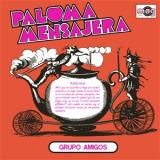
"Paloma mensajera" (featuring members of New Juggler Sound / Laghonia) shows the shift that was taking place within Peruvian rock away from psych and hard rock which had predominated during the early 70s. The style adopted by Grupo Amigos (and other bands and artists during this period) highlights the influence of soft rock, UK, US and Latin American folk rock and, above all, the desire to keep the melodic greatness of The Beatles alive. This reissue includes bonus tracks and extensive liner notes. DESCRIPTION "Paloma mensajera" (featuring members of New Juggler Sound / Laghonia) shows the shift that was taking place within Peruvian rock away from psych and hard rock which had predominated during the early 70s. The style adopted by Grupo Amigos (and other bands and artists during this period) highlights the influence of soft rock, UK, US and Latin American folk rock and, above all, the desire to keep the melodic greatness of The Beatles alive. The positive reception albums by artists such as We All Together, Telegraph Avenue and Zulu garnered between 1972 and 1975, marked a change of paradigm and in preferences within the Peruvian rock scene. Eclecticism gained new ground, to the detriment of the sectarian and orthodox, while melody grew more present and visible, moving away from the progressive experimentation that typified underground Peruvian rock up to the beginning of the 70s. For their first single on MAG, included on this reissue, the band adopted a formula in which Beatles harmonies converged symmetrically with folk motifs. 'Dirty Girl' was a hit on the radio. A full album followed but only a fairly small number of copies of the album were pressed, which seems to have been the main reason for omitting it from the historical accounts of Peruvian rock music from the late 90s onwards. In "Paloma mensajera" all compositions were penned by the group, after several years during which cover versions were a staple. Some of the musical resources that the band had at their disposal in terms of composition and arrangements are striking and even surprising, considering that they were a debut band, whose members were under the age of 20. The arrangements included the clever use of a Moog synthesizer which had just arrived at the MAG studio. The success achieved by the Beatles tribute performances played by the members of Grupo Amigos for decades have eclipsed the songs that Edmundo, Andrés Da Ros and Simón Ames composed with youthful enthusiasm and energy between 1972 and 1973 to the point where they have almost been forgotten. This re-release of "Paloma mensajera" should help rectify this major injustice. It includes bonus tracks and extensive liner notes.
Second part of second album! Originating from Normandy, France, psychedelic noise-pop quartet You Said Strange presents a unique blend of indie rock that incorporates elements of psych pop-rock, shoegaze, and proto-grunge. Thousand Shadows volume 2, a second chapter was needed to highlight the many shadows that still linger everywhere. The shadows that linger on the borders, hiding the violence of the fights for them. The shadows that time has on the relationships and their persistence, because the shadows move. Plato's cave, modern version, would be the one of toxic relationships, antidepressants and the acceptance of the regression of freedom and/or the vision of a dying world... Between shoegaze, noise pop and psychedelic rock, You Said Strange absorbs its time to incant a music in which melancholy, love and the search for plenitude meet. The band recorded their first album, Salvation Prayer, in 2018 in Portland (USA), with Peter G. Holmstrom from The Dandy Warhols, which saw release via Fuzz Club Recirds. In 2022, the band shared their LP Thousand Shadows Vol. 1. Mythomaniac kings, the Mediterranean, the colors of mourning _ these are the detailed subjects, described against a backdrop of psychedelic pop, proto grunge, and shoegaze. The first part of a powerful, reverberant, melodious second album, drawing its inspiration and production stem from encounters during their 2022 European and North American tours, between Normandy, New York, and Oregon. Most recently, You Said Strange shared the second part of their sophomore release, a follow-up to Vol. 1 entitled Thousand Shadows Vol. 2.
*2025 RE-PRINT - Originally issued in 2013 ** ** No advertisements **
Wax Poetics takes you on a voyage through the music cosmos — from disco’s heyday to the underground scenes that gave birth to house, techno, and hip-hop.
We explore the rise, fall, and rebirth of disco, the backlash that tried to bury it, and the resilient Black and queer communities who kept the scene alive. From Nile Rodgers and Gino Soccio to De La Soul, Slum Village, J Dilla, and Teddy Riley’s genre-blurring New Jack Swing — this issue maps the interstellar lineage of dance music.
„A Danger to Ourselves“, das neue Album von Lucrecia Dalt, erscheint am 5. September 2025 bei RVNG Intl. und ist eine gewagte und doch intime Reflexion über die ungefilterten Komplexitäten menschlicher Beziehungen. Ohne die fiktiven Erzählungen der letzten Alben der Künstlerin kommt „A Danger to Ourselves“ von einem Ort der emotionalen Aufrichtigkeit. Dalts Stimme steht im Mittelpunkt und wird von einer üppigen akustischen Orchestrierung, perkussiven Instrumenten und einer Reihe hochkarätiger Mitstreiter unterstützt, die sich wie ein tiefes persönliches Gespräch entwickeln.
Die in Pereira, Kolumbien, geborene Dalt wuchs in einer musikbegeisterten Familie auf, die sie im Alter von neun Jahren dazu ermutigte, eine Gitarre in die Hand zu nehmen. Dalt folgte diesem kreativen Impuls, war fasziniert von computergestützter Produktion und verließ eine aufkeimende Karriere als Bauingenieurin, zog von Medellín nach Barcelona und schließlich nach Berlin, wo sie ihren unverwechselbaren, abenteuerlichen Sound entwickelte. Mit „Anticlines“ (2018) und „No era sólida“ (2020) und vor allem mit „¡Ay!“, Dalts bahnbrechendem Sci-Fi-Bolero-Album von 2022, hat sich ihre Arbeit auf immer anspruchsvolleres Terrain begeben. Auf dem Weg dorthin hat Dalt ihre Praxis auf die Vertonung von Filmen wie „On Becoming a Guinea Fowl“ (2024), die HBO-Serie „The Baby“ (2022) und den bevorstehenden psychologischen Horrorfilm „Rabbit Trap“ ausgeweitet, während sie Klanginstallationen und Performances kreiert, die ihre leuchtenden Modulationen und ihren unverwechselbaren, sich entwickelnden stimmlichen Ansatz zur Schau stellen. „A Danger to Ourselves“ entstand aus fragmentarischen Erklärungen, die Dalt aufschrieb, während sie das Leben auf der Tournee von „¡Ay!“ und die prägenden Momente einer neuen Beziehung meisterte. Im Januar 2024 begann sie, diese intimen Fragmente zu musikalischen Kompositionen zu kristallisieren, die allmählich zu einer zielgerichteten Konstellation von Songs wurden. Die Klangarchitektur des Albums basiert auf dynamischen Drum-Loops, die von Alex Lázaro beigesteuert werden, dessen perkussives Rückgrat wie bei „¡Ay!“ zur Leinwand für Dalts vielschichtigen Gesang wurde. Anstatt konventionellen melodischen Strukturen zu folgen, erzeugt das Album Musikalität durch das Zusammenspiel von Basslinien, Rhythmen und kompositorischem Design. „A Danger to Ourselves“ offenbart Dalts kompromissloses Streben nach klanglicher Klarheit, bei dem kühne Produktionsentscheidungen und sorgfältige Aufnahmetechniken Stimme und Instrument mit neuer Tiefe und Strahlkraft harmonieren lassen. „A Danger to Ourselves“ ist eindeutig anti-konzeptionell und ein poetischer Instinkt, mit dem Dalt den Fokus auf die Musik selbst lenkt, indem er Stimmen verwendet, die über die Parameter der Songs hinaus schwingen, und die perlenden Echos der ursprünglichen, romantischen Erregung beobachtet. Dalts klare Aufmerksamkeit für Details ist in jedem Takt spürbar, eine Hingabe, die sich in konzentrischen Kreisen dreht und ein Feld bildet, das das Persönliche und das Ätherische vereint. Das Album basiert auf intuitiven Experimenten und nutzt einfache Gesten und komplexe Kompositionen, um wandernde Linien zu weben, wie in „Divina“, das sich zwischen Spanisch und Englisch durch elastische Klanglandschaften bewegt. Der Titel des Albums geht auf David Sylvians Text „cosa rara“ zurück, der die Zerbrechlichkeit des Lebens, die Schwingungen der Liebe und die treibende Sehnsucht nach dem Wundersamen symbolisiert. „A Danger to Ourselves“ spiegelt diese transzendenten Zustände wider, indem es die Komplexität menschlicher Verstrickungen und den Wunsch nach Befreiung von Dopaminspiralen und gewöhnlichen Pfaden hin zu einer offeneren inneren Welt widerspiegelt. Sylvian selbst hat auf „A Danger to Ourselves“ eine Doppelrolle als Co-Produzent und Musiker gespielt. Es ist eine kollaborative Collage mit Beiträgen zahlreicher gefeierter Künstler. Weitere Kollaborationen ziehen sich durch das gesamte Album: Juana Molina ist Co-Autorin und Interpretin von „The Common Reader“, Camille Mandoki singt bei „Caes“, Cyrus Campbell spielt den grundlegenden Elektro- und Kontrabass, und Eliana Joy steuert bei mehreren Stücken Hintergrundgesang und Streicherarrangements bei. In den leuchtenden Tiefen von „A Danger to Ourselves“ inszeniert Dalt eine tiefgreifende Metamorphose, bei der das Persönliche durch klangliche Alchemie zum Universellen wird. Dieses Album ist sowohl Höhepunkt als auch Aufbruch - ein Portal, an dem ihre früheren experimentellen Reisen zu etwas verblüffend Intimem und doch Expansivem zusammenlaufen. Das Album ist ein Netz emotionaler Offenbarungen, jede Komposition ein präziser Indikator für Verletzlichkeit, in der Dalts Stimme eine Offenbarung in neuen harmonischen Gefilden verkörpert. Dalt hat ein lebendiges Dokument der Intuition jenseits konventioneller Grenzen geschaffen, das den Weg in Bereiche eröffnet, in denen die Musik sowohl Spiegel als auch Fenster ist.
Für Fans von PJ Harvey, Broadcast, St. Vincent, ML Buch, Stereolab, Cate LeBon, Aldous Harding, Mabe Fratti, Dry Cleaning, Juana Molina
out of Stock
Last delivered 11 months ago available to reorder, subject to availability
Kneecap sind aktuell die aufregendste Hip-Hop-Gruppe der Welt – laut, provokant und revolutionär. Mit ihrem BAFTA-prämierten Film, einer Oscar-Nominierung und dem gefeierten Debütalbum „Fine Art“ sprengen sie Genre- und Sprachgrenzen. Jetzt erscheint die Gold Edition des Albums mit irischem und englischem Rap, bissiger Satire und politischen Statements – ein Meilenstein moderner Musikkultur. Unterstützt von Größen wie Elton John, Paul Weller und Massive Attack – diese Band ist mehr als Musik: sie ist eine Bewegung.
out of Stock
Last delivered 12 months ago available to reorder, subject to availability
Spiritual Soul ist das nächste Ziel auf der Reise der Eccentric Soul Serie und bietet einen seltenen Groove mit einem transzendenten, introspektiven Flair. Gespickt mit üppigen Bläserarrangements und verankert durch warme, reflektierende Rhythmen, kanalisiert diese Compilation den meditativen Puls einer spirituellen Seele. Ein solider Begleiter für die stille Kontemplation - ob Sie nun in eine Sonntagslektüre vertieft sind oder durch die stillen Predigten der Natur wandern.
12-song PINOT NOIR RED VINYL LP, limited to 500 Copies! Not many people realise that The Damned have produced a fine array of songs with melodic, harmonic and rhythmic sophistication; with a depth of imagination and atmosphere. They spearheaded British punk, and yet diverse musical influences went into the crucible: UK and US psychedelia, Canterbury prog rock, and even classical and filmic musical influences abound. Now, with the return of drummer Rat Scabies the line-up is the same as that which produced many of these songs - with Monty on keys. Monty Oxymoron has played keyboards with The Damned since 1996, has written songs for the band, and played with Captain Sensible and Dr Space Toad before that. He is a retired psychiatric nurse and trained in art psychotherapy. Monty is keen on "free improvisation" and plays in and around Brighton where he lives. Monty has an almost impossibly eclectic collation of his music on Bandcamp, his YouTube channel, and shares ideas on various subjects on his Substack page (under his "real" name: Laurence Burrow.)
Ben Pest and ARA-U unite for the next release on No Static / Automatic. Kaos Sympatic EP started life with the pair recording jams of various vintage studio kit, including an EMS VCS3, Roland VP330 and an Orgon Systems prototype known only as the “Silver Box”, which developed into full tracks over subsequent sessions. Ben Pest has been busy releasing high grade club tracks including collabs with Radioactive Man and Kursa for Asking For Trouble and Love Love Records last year, and with solo EPs dropping on Cultivated Electronics and Posh End music. Here he links with NS/A boss ARA-U, turning out some of their headiest material to date.
The EP kicks off with ‘Err Hello’, it’s wholly discordant, lairy, and unapologetically weird. ‘‘Get A Grip’ drifts in with hallucinatory wafts of sound over a warped riff, building into a granular, distorted headfuck of a hoover-bass moment. This one will make the subs rattle on the right side of distortion. On the B Side title track ‘Kaos Sympatic’ gets stuck in with a big broken beat and guttural sub that transforms into a techno drop to drive this track home. Finishing up, ‘Slapback’ serves up a cut of high energy electro funk, coming off like classic ERP on heat. Limited edition purple vinyl.
out of Stock
Last delivered 12 months ago available to reorder, subject to availability
Makhunik Records Presents: "Withdrawals" - A Bold New Vinyl Release by RAKANS Withdrawals, the highly anticipated follow-up to Emergence EP and Deep State (Midnight Stallion) EP, marks a bold new chapter in RAKANS's ever-evolving sonic journey.
Set for release on I Makhunik Records, Withdrawals explores the tension between desire and detachment, featuring five tracks that blur the lines between electronic, experimental, and club sounds. Available on vinyl, Withdrawals invites listeners to experience the raw and intimate emotions that inspired its creation. Following the success of Emergence EP (Gently Leftfield Techno from a Core Dresden Artist - Resident Advisor/Single Review by Andrew Ryce) and Deep State (Midnight Stallion) EP on Boudica, which gained recognition for their atmospheric intricacies and deep, immersive textures, Withdrawals delves deeper into personal and societal themes, paired with the artist's signature ethereal soundscapes and captivating beats. Each track carries a narrative, from late-night reflection to hedonistic encounters, with a pulsating intensity that mirrors the artist's own process of creative and emotional release. With Withdrawals, RAKANS continues to push boundaries, creating a profound listening experience that resonates both in its melancholy and its intensity.
Description of the Title: The title Withdrawals reflects a state of emotional and mental transition, where one is caught between the craving for connection and the unsettling effects of isolation. It symbolizes the artist's inner turmoil and process of reclaiming personal agency after experiences of burnout and separation. The tracks are an expression of that journey-tracking the highs and lows of life in a world that constantly demands more. Through these melodies, RAKANS has captured the intensity of longing and the aftermath of desire, inviting listeners to confront their own internal conflicts. The narrative is personal yet universally relatable, and the title speaks to the often painful but necessary process of letting go, detoxifying from past habits, and learning to be at peace with oneself. "With Withdrawals, He wanted to channel the emotions that often come from the struggle between desire and self-preservation, between the drive to connect and the need to retreat. he's journey, both as an artist and as an individual, has been filled with moments of intense reflection, self-discovery, and sometimes, disconnection.
These tracks are the culmination of that inner conflict, a raw exploration of what it means to both lose oneself and find a deeper, often painful, form of clarity. Like the music he's created before, the sound of Withdrawals speaks to the space between tension and release, the liminal space where truth is often revealed in its most vulnerable form. He's always believed that music is a mirror to the soul, and in this EP, He's tried to reflect that feeling of being both pulled in and out of something greater. It's a raw and intimate look at the way we navigate modern life, often feeling like we're running toward something that we can't quite reach, yet constantly pulled back into our own personal truths.
This EP is personal, but it's also for anyone who's ever felt caught between two worlds, the one they want and the one they need. I hope it resonates with listeners who are experiencing their own form of withdrawal, whether it's from people, places, or even from themselves.
out of Stock
Last delivered 13 months ago available to reorder, subject to availability