Search:k step

Styles
All
Grady Tate - Lady Love / Moondance 7"

7 Inch Vinyl in Picture Sleeve

Jazz legend Grady Tate steps into silky soul territory on this essential two-sider. Both tracks — long sought-after by collectors and selling for over £300. The tracks showcase Tate’s smooth vocals and tight production, blending jazz sophistication with soul warmth. The A Side is a hyper rare version of Jon Lucien’s Lady Love, where the B Side is his version of Van Morrison’s Moondance - essential soul. Remastered and Redesigned labels and sleeve.

stock from25.04.2026

13,87

Last In: 9 days ago
Mallavora - What If Better Never Comes? LP

Since emerging in 2020, the band has carved out a reputation as one of the most exciting rising acts in heavy music, with support from BBC Radio 1, Kerrang! Radio and acclaimed rock and metal press such as Metal Hammer, Kerrang! and Alt Press. 2024 saw the band make their Download Festival debut, undertake their first UK headline tour, and secure huge support slots with powerhouse bands such as Skindred. Following the release of their EP "Echoes", the band has enjoyed a busy schedule in 2025 - with appearances at 2000trees (main stage) and Alyx Holcombe's MANTRA showcase.

In recent months, Mallavora have been popping up everywhere, from the stages of Boomtown and Burn It Down Festivals, to the catwalk at London Fashion Week where they provided the soundtrack to Unhidden's latest clothing range. Most recently, you may have heard vocalist Jessica's incredible vocal abilities in an episode of BBC 1's The Celebrity Traitors, a star- studded game show that features household names such as Stephen Fry, Alan Carr and Claudia Winkleman. Jess was called upon by the producers of the show to produce 'banshee-like' wails, demonstrating her vocal range which stretches from beautiful high octave singing to the extremes of fry screaming. All of Mallavora's achievements have been leading to this moment: the announcement of their debut album ' What If Better Never Comes ?'. Set for release on March 27th 2026 via Church Road Records , this record showcases the band's growth as songwriters and highlights their constant hunger to push the envelope.

out of Stock

Order now and we will order the item for you at our supplier.

30,67

Last In: 9 days ago
Fez The Kid & BRUK - Rum Runna LP

Fez The Kid & BRUK

Rum Runna LP

12inchRUPLDN032
Rupture LDN
14.04.2026

When we were thinking about making an EP for Rupture, the first few tracks happened to already be finished, and fit together really nicely - but getting that final track done ended up being a bit more of a challenge!

The vision was to convey our individual styles in collaboration as best as we could - with dance ready tracks that also carry emotion. Rum Runna, as the A1 of the EP, all started from a break we found that had one of the loudest subs cutting through. Instead of looking for something else, we decided to lean into this and maximise the energy, before finally breaking through with the 808s. Drifting Through The Mist is more of a rolling vibe, focussed on vocals and funk to lift spirits in the dance, all the while teasing an amen drop that leans into a ragga fusion.

Northwest Passage is one of the earliest tunes we got finished - being made quite soon into our first meeting I believe. The result is a darker tip that focusses on dissonance and sub pressure that really thrives in the bassbins. Our final tune on the EP, Original Secret, is the most emotionally charged on the EP, again utilising our love for unique percussion and bongo hits along with rolling breaks, carefully chopped snares, atmospheric pads and emotional vox samples.

We are more than proud to release this body of work on one of our all time favourite labels, and have had the utmost pleasure to work with the team every step of the way.

out of Stock

Order now and we will order the item for you at our supplier.

18,91

Last In: 9 days ago
Nicolas Remondino - Hìeratico LP
  • A1: Hìeratico
  • A2: Litho Non-Danse
  • A3: Blue Hymne (Feat Limpe Fuchs)
  • A4: Cuerda De Piedra
  • A5: Aranha
  • A6: Tombal (Feat Pierre Bastien, Massimo Silverio &Amp; Marco Baldini)
  • B1: Boku Ga (Feat Adele Altro)
  • B2: Meridiana (Feat Giuseppe Ielasi)
  • B3: Lode (Feat Natalia Rogantini &Amp; Jonas Torstensen)
  • B4: Sospire (Feat Roberto Musci)
  • B5: Muracetra (Feat Vipera &Amp; Dròlo Ensemble)
  • B6: Vessel (Digital Bonus Track)

Like its cover, Nicolas Remondino's Hìeratico plays in the rich shades of crepuscular spaces. A night-tuned, percussion led album where prepared drums are accompanied by flickers of spoken word, acoustic instruments and muted electronics,

The title translates to 'hieratic', for Remondino a "black and gold" term laden with dualities and complex connotations. A sense of teetering between sparkling light and richly coloured darkness imbues the music, the compositions simulating a sense of heightened acuity as they convey us through a spooky elemental soundworld. The opening title track begins with a metallic shimmer, a drum skin activated in a way that sounds like it's being smelted. A cushioned rhythm enters, a smothered timbre akin to hearing something lurking around the garden. On "litho non-danse", percussion cracks like branches and dried foliage under foot.

Remondino recorded initial outlines for the pieces at Giuseppe Ielasi's studio in Milan, before fleshing out these ideas with his own additional instrumentation and contributions from a globe-spanning network of collaborators. On "blue hymne", chiming percussion equal parts jubilant and sinister heralds spoken word from Limpe Fuchs. "Tombal" opens with Massimo Silverio whispering in the Carnic dialect, a minority language from the Carnic Alps. Around, Marco Baldini, Pierre Bastien and Remondino construct a somber soundscape that cranks and sighs in the crevices.

Hìeratico is an album of hybrids. Diverse voices, accents and dialects deliver its lyrics, the instrumentation underpinning it crosses idioms. The drumkit at its core is modified to amplify its resonant tones and harmonics. Inspired by natural substances and phenomena: stone, wood, wind, earth, metal, grass, rain, clouds and bark, Remondino explores how percussion could evoke their materiality, treating drums as lucid textural instruments as much as rhythmic timekeepers. It gives the album a finely shaded depth and clarity as it conjures the vibrancies that reside in darkened corners. Hìeratico dwells in a sensation that crosses borders, the speckles of light in the oblique night sky. Listening is an aural equivalent to stepping into a pitch black forest and waiting for your eyes to adjust, a lightless void turning into a spectacular tableau of shadows and glows. Daryl Worthington

out of Stock

Order now and we will order the item for you at our supplier.

25,17

Last In: 9 days ago
Plumbing - Get The Hose

Plumbing

Get The Hose

12inchPLMB001
PLMB001
13.04.2026

Get The Hose is the fabled, long awaited debut release from Montreal duo Plumbing, featuring Martyn Bootyspoon aka Jason Voltaire (Fractal Fantasy/LuckyMe/Fool’s Gold Records) and Stephen Ramsay of Young Galaxy (Paper Bag Records/Smalltown Supersound).

Born in 2018 as a live, analog hardware-based studio project, the duo worked quietly on the periphery of the left-field electro scene, only venturing out to do occasional, legendary winter warehouse DJ sets and a still-vaunted live set at MUTEK in 2021, which was so visceral that it knocked every person present into their seats simultaneously.

As cheeky and playful as it is gritty, relentless and overdriven, Plumbing’s new EP showcases their love of the raw and grimy, bare-bulbed basement aesthetic of underground dance music, where Paranoid London, Drexciya, MMM and Blawan meet to steal your drink and ignite the dancefloor.

It’s getting hot in here, it’s time to Get The Hose…

out of Stock

Order now and we will order the item for you at our supplier.

13,87

Last In: 10 days ago
Mauritzio / Luber - Love For Love Vol.1

Love For Love Vol.1 is a sumptuous two-tracker that takes you into both the unknown and the familiar.

On Side A, Mauritzio’s mesmerising, swirling ‘Sympathy’ (Gamma Reshape Boot) acts like a sonic shower that hits your body wherever it aches. The track kicks off with a subtle beat and acid-tinged backbone, spreading out into a deep, bass-laden symphony of sounds, detached vocals and warm synth chords. One for the late-night crowd searching for the darker corners of the dance floor for inspiration.

Flip over to Side B and Luber's ‘Somebody’ is waiting in the alley for you. At 124 bpm, ‘Somebody’ chugs along from the off with a curiously swingy beat, complete with perfectly trimmed hi-hats and a heavy double bassline. The familiar vocal acts as the track’s calling card – melancholic yet soaringly beautiful. ‘Somebody’ hits your nostalgia nodes with the flick of an ethereal finger, delivering low-end shuffle and hypnotic rhythms to lose yourself in.

Love For Love Vol.1 feels like the start of something special – and it would be wise to have these first steps in your record bag.

stock from30.04.2026

13,24

Last In: 10 days ago
Stephan Eicher - Spielt Noise Boys

2025 Reissue.


Münchenbuchsee, a suburb of Bern, Switzerland. Stephan Eicher is the youngest of three children. His father, a radio and TV repairman, is also a jazz violinist and a sound tinkerer in his spare time. In the family home's converted fallout shelter turned studio, Mr. Eicher experiments with homemade sequencers, tortures handcrafted drum machines, and abuses reel-to-reel tape recorders—all under the fascinated gaze of young Stephan.

The boy quickly develops a musical curiosity, exploring sound through various experiments and wanderings. Alongside his younger brother Martin, Stephan crafts audio plays on a homemade multi-track recorder (essentially several cassette decks hooked together!), which they write, record, add sound effects to, and perform for family and friends. Just a couple of nice kids, really...

Then comes 1972, and Lou Reed's Transformer album changes everything for the Eicher kids. For 13-year-old Stephan, it's a revelation—especially "Vicious", the opening track, which he plays on repeat for months. He convinces his father to buy him an electric guitar. Not stopping there, his father also builds him a tube amp using an old radio.

Then comes adolescence. A rough one. Stephan leaves home at 16 and moves to Zurich. With obvious artistic talent, he persuades his art teacher to help him get into F+F, a radical, alternative art school—despite his young age. Accepted, he starts learning video techniques, determined to become a filmmaker.

At F+F, Stephan organizes Dada-style happenings and concerts with a group of friends known as the Noise Boys. Among them: one of his teachers on bass, Veit Stauffer on drums (who would later found ReR/Recommended Records), his girlfriend Sacha on vocals, and Stephan on guitar. In one of their early performances, they release a remote-controlled mouse covered in dull razor blades into the audience to create panic and chaos. Keeping with this aggressive, confrontational spirit, they once played a concert while wearing headphones blasting Tristan and Isolde, trying to perform their own songs simultaneously—to maximize the cacophony. The goal was always the same: clear the room.

Their “songs,” if you can call them that, followed suit. Take "Hungeriges Afrika", for instance—performed entirely with power drills and some drum feedback.

To make ends meet, Stephan returns to Bern on weekends to work as a waiter at the Spex Club, the city’s main punk venue. On September 16, 1980, during a show by proto-electro group Starter, the police raid the club and arrest everyone. Stephan, who manages to avoid arrest, seizes the opportunity to “borrow” Starter’s gear left behind. He suddenly finds himself in possession of a Roland Promars synth, a Korg MS20, and a gorgeous CR78 drum machine, which he runs through a Big Muff distortion pedal to get that perfect gritty sound.

He then sets out to reinterpret some Noise Boys tracks, reworking them during impromptu sessions recorded on a dictaphone (yes, a dictaphone—now the lo-fi sound makes more sense, doesn’t it?). He ironically titles the resulting cassette "Stephan Eicher spielt Noise Boys" ("Stephan Eicher plays Noise Boys"). This gem features seven tracks, which are the ones reissued here.

Back in Zurich, he visits his friends Andrew Moore and Robert Vogel, who have a DIY cassette duplication setup. They make 25 copies of Stephan Eicher spielt Noise Boys for Stephan and his friends. Robert encourages him to visit Urs Steiger of Off Course Records and play him the tape.

Without much hope, Stephan shows up at Urs’s office. But Urs is instantly hooked and suggests releasing a 7” single. Due to space constraints, they reluctantly drop two of the seven tracks ("Hungeriges Afrika" and "One Second"). As for the musical score featured on the cover—it was randomly chosen and remains a mystery to this day. Calling all music theory nerds!

The 7-inch is pressed in 750 copies and released in the first week of December 1980—a date Stephan remembers well, as it’s the same week John Lennon was killed. Smartly, Urs sends a promo copy to François Murner, Switzerland’s answer to John Peel, who hosts a show on alternative station Sounds. Murner falls in love with the record and starts giving it airtime. To Stephan’s surprise, sales follow—and people actually seem interested in his music.

Even this modest underground success scares Stephan a bit. He stops making music for a year and moves to Bologna, where he works as a programmer at Radio Città, a feminist radio station.

Meanwhile, Stephan’s younger brother Martin, who’s also involved in the punk scene, joins the band Glueams as a singer and guitarist. Glueams, named after the fanzine run by two of its members (drummer Marco Repetto and bassist GT), eventually rebrands as Grauzone. Stephan is invited to their shows to project hacked Super 8 visuals live on stage.

Urs Steiger, now working on a compilation titled Swiss Wave – The Album, asks Grauzone to contribute alongside bands like Liliput, Jack and the Rippers, The Sick, and Ladyshave (Fall 1980).

For the album, Martin tasks Stephan with producing their recording sessions. Under Stephan's artistic direction, two tracks emerge: "Raum" and "Eisbär". During "Eisbär", Martin plays a minimalist bass line borrowed from post-punk band The Feelies (just an open string). Drummer Marco Repetto struggles to keep time. Later that evening, unhappy with the takes, Stephan builds a four-bar drum loop from a ¼-inch tape and uses it instead of the flawed original. He then adds bleepy synths and wind sounds to complete the track’s icy vibe before handing it over to Urs.

The Swiss Wave – The Album compilation is released quietly at first, but things snowball thanks to "Eisbär", which eventually becomes a smash hit—selling over 600,000 singles.

Meanwhile, Stephan plays in a rockabilly band called SMUV (named after Switzerland’s social security agency) and begins producing artists, including the debut album of Starter (1981), which includes a more pop-oriented version of "Minijupe".

By early 1982, Stephan starts spending time with the post-punk girl band Liliput (formerly Kleenex). They’re older than him, and he happily drives them around in his Renault Major, acting as their roadie.

By 1983, Grauzone—signed to the major label EMI, which turned out to be a misstep—is falling apart. Stephan begins to pivot toward a more mainstream pop sound with his debut solo album Les Chansons Bleues.

But that... is already another story.

out of Stock

Order now and we will order the item for you at our supplier.

23,11

Last In: 13 days ago
AJATE AND STEPAK TAKRAW - Takenowa 10"
  • A1: Ajate-Babasse Feat. Toshihito Tsushima
  • A2: Ajate-Waya Yawa(Akio Nagase Skacid Remix)
  • B1: Stepak Takraw-Ogogorogo
  • B2: Stepak Takraw-Moa

AJATE from the East and STEPAK TAKRAW from the West. A historic encounter between Afro-groove bands from East and West!!!
A powerful split album born from the clash of diverse cultures.
The A-side features two tracks by AJATE, a group hugely popular not only domestically but also in Europe and America, who create a unique atmosphere using
Japanese festival music instruments, handmade bamboo guitars, and balafons.
The B-side features two tracks by STEPAK TAKRAW, whose hard-hitting technique rivals authentic Afrobeat bands, breakbeat-inspired approach, and original
sound effects will leave you spellbound.

pre-order now10.04.2026

expected to be published on 10.04.2026

38,87
Jack Savoretti - We Will Always Be the Way We Were LP
  • A1: The Making Of You
  • A2: Can Hurt Sometimes
  • A3: We Will Always Be The Way We Were
  • A4: Tick Tock
  • A5: Only Gonna Cry For You Feat. Steph Fraser
  • A6: Time Will Tell
  • A7: Do It For Love
  • A8: Anything But A Fool
  • A9: Tempting Fate Feat. Kt Tunstall
  • A10: I Hear You Calling
  • A11: Step By Step
  • A12: The One
  • A13: If I Get The Chance
also available

Turquoise Vinyl[32,35 €]


pre-order now10.04.2026

expected to be published on 10.04.2026

25,42
Guilty Razors - Complete Recordings 1977 - 1978

UILTY RAZORS, BONA FIDE PUNKS.


Writings on the topic that go off in all directions, mind-numbing lectures given by academics, and testimonies, most of them heavily doctored, from those who “lived through that era”: so many people today fantasize about the early days of punk in our country… This blessed moment when no one had yet thought of flaunting a ridiculous green mohawk, taking Sid Vicious as a hero, or – even worse – making the so-called alternative scene both festive and boorish. There was no such thing in 1976 or 1977, when it wasn’t easy to get hold of the first 45s by the Pistols or the Clash. Few people were aware of what was happening on the fringes of the fringes at the time. Malcolm McLaren was virtually unknown, and having short hair made you seem strange. Who knew then that rock music, which had taken a very bad turn since the early 1970s, would once again become an essential element of liberation? That, thanks to short and fast songs, it would once again rediscover that primitive, social side that was so hated by older generations? Who knew that, besides a few loners who read the music press (it was even better if they read it in English) and frequented the right record stores? Many of these formed bands, because it was impossible to do otherwise. We quickly went from listening to the Velvet Underground to trying to play the Stooges’ intros. It’s a somewhat collective story, even though there weren’t many people to start it.
The Guilty Razors were among those who took part in this initial upheaval in Paris. They were far from being the worst. They had something special and even released a single that was well above the national average. They also had enough songs to fill an album, the one you’re holding. In everyone’s opinion, they were definitely not among the punk impostors that followed in their wake. They were, at least, genuine and credible.

Guilty Razors, Parisian punk band (1975-1978). To understand something about their somewhat linear but very energetic sound, we might need to talk about the context in which it was born and, more broadly, recall the boredom (a theme that would become capital in punk songs) coupled with the desire to blow everything off, which were the basis for the formation of bands playing a rejuvenated rock music ; about the passion for a few records by the Kinks or the early Who, by the Stooges, by the Velvet mostly, which set you apart from the crowd.
And of course, we should remember this new wave, which was promoted by a few articles in the specialized press and some cutting-edge record stores, coming from New York or London, whose small but powerful influence could be felt in Paris and in a handful of isolated places in the provinces, lulled to sleep by so many appalling things, from Tangerine Dream to President Giscard d’Estaing...
In 1975-76, French music was, as almost always, in a sorry state ; it was still dominated by Johnny Hallyday and Sylvie Vartan. Local rock music was also rather bleak, apart from Bijou and Little Bob who tried to revive this small scene with poorly sound-engineered gigs played to almost no one.
In the working class suburbs at the time, it was mainly hard rock music played to 11 that helped people forget about their gruelling shifts at the factory. Here and there, on the outskirts of major cities, you still could find a few rockers with sideburns wearing black armbands since the death of Gene Vincent, but it wasn’t a proper mass movement, just a source of real danger to anyone they came across who wasn't like them. In August 1976, a festival unlike any other took place in Mont-de-Marsan – the First European Punk Festival as the poster said – with almost as many people on stage as in the audience. Yet, on that day, a quasi historical event happened, when, under the blazing afternoon sun, a band of unknowns called The Damned made an unprecedented noise in the arena, reminiscent of the chaotic Stooges in their early adolescence. They were the first genuine punk band to perform in our country: from then on, anything was possible, almost anything seemed permissible.

It makes sense that the four+1 members of Guilty Razors, who initially amplified acoustic guitars with crappy tape recorder microphones, would adopt punk music (pronounced paink in French) naturally and instinctively, since it combines liberating noise with speed of execution and – crucially – a very healthy sense of rebellion (the protesters of May 1968 proclaimed, and it was even a slogan, that they weren’t against old people, but against what had made them grow old. In the mid-1970s, it seemed normal and obvious that old people should now ALSO be targeted!!!).
At the time, the desire to fight back, and break down authority and apathy, was either red or black, often taking the form of leafleting, tumultuous general assemblies in the schoolyard, and massive or shabby demonstrations, most of the time overflowing with an exciting vitality that sometimes turned into fights with the riot police. Indeed, soon after the end of the Vietnam War and following Pinochet’s coup in Chile, all over France, Trotskyist and anarcho-libertarian fervour was firmly entrenched among parts of the educated youth population, who were equally rebellious and troublemakers whenever they had the chance. It should also be noted that when the single "Anarchy in the UK" was first heard, even though not many of us had access to it, both the title and its explosive sound immediately resonated with some of those troublemakers crying out for ANARCHY!!! Meanwhile, the left-wing majority still equated punks with reckless young neo-Nazis. Of course, the widely circulated photos in the mainstream press of Siouxsie Sioux with her swastikas didn’t necessarily help to win over the theorists of the Great Revolution. It took Joe Strummer to introduce The Clash as an anti-racist, anti-fascist and anti-ignorance band for the rejection of old-school revolutionaries to fade a little.

The Lycée Jean-Baptiste Say at Porte d’Auteuil, despite being located in the very posh and very exclusive 16th arrondissement of Paris, didn’t escape these "committed" upheavals, which doubled as the perfect outlet for the less timid members of this generation.
“Back then, politics were fun,” says Tristam Nada, who studied there and went on to become Guilty Razors’ frontman. “Jean-Baptiste was the leftist high-school in the neighbourhood. When the far right guys from the GUD came down there, the Communist League guys from elsewhere helped us fight them off.”
Anything that could challenge authority was fair game and of course, strikes for just about any reason would lead to increasingly frequent truancy (with a definitive farewell to education that would soon follow). Tristam Nada spent his 10th and 11th unfinished grades with José Perez, who had come from Spain, where his father, a janitor, had been sentenced to death by Franco. “José steered my tastes towards solid acts such as The Who. Like most teenagers, I had previously absorbed just about everything that came my way, from Yes to Led Zeppelin to Genesis. I was exploring… And then one day, he told me that he and his brother Carlos wanted to start a rock band.” The Perez brothers already played guitar. “Of course, they were Spanish!”, jokes their singer. “Then, somewhat reluctantly, José took up the bass and we were soon joined by Jano – who called himself Jano Homicid – who took up the rhythm guitar.” Several drummers would later join this core of not easily intimidated young guys who didn’t let adversity get the better of them.

The first rehearsals of the newly named Guilty Razors took place in the bedroom of a Perez aunt. There, the three rookies tried to cover a few standards, songs that often were an integral part of their lives. During a first, short gig, in front of a bewildered audience of tough old-school rockers, they launched into a clunky version of the Velvet Underground's “Heroin”. Challenge or recklessness? A bit of both, probably… And then, step by step, their limited repertoire expanded as they decided to write their own songs, sung in a not always very accurate or academic English, but who cared about proper grammar or the right vocabulary, since what truly mattered was to make the words sound as good as possible while playing very, very fast music? And spitting out those words in a language that left no doubt as to what it conveyed mattered as well.
Trying their hand a the kind of rock music disliked by most of the neighbourhood, making noise, being fiercely provocative: they still belonged to a tiny clique who, at this very moment, had chosen to impose this difference. And there were very few places in France or elsewhere, where one could witness the first stirrings of something that wasn’t a trend yet, let alone a movement.

In the provinces, in late 1976 or early 1977, there couldn’t be more than thirty record stores that were a bit more discerning than average, where you could hear this new kind of short-haired rock music called “punk”. The old clientele, who previously had no problem coming in to buy the latest McCartney or Aerosmith LP, now felt a little less comfortable there…
In Paris, these enlightened places were quite rare and often located nex to what would become the Forum des Halles, a big shopping mall. Between three aging sex workers, a couple of second-hand clothes shops, sellers of hippie paraphernalia and small fashion designers, the good word was loudly spread in two pioneering places – propagators of what was still only a new underground movement. Historically, the first one was the Open Market, a kind of poorly, but tastefully stocked cave. Speakers blasted out the sound of sixties garage bands from the Nuggets compilation (a crucial reference for José Perez) or the badly dressed English kids of Eddie and the Hot Rods. This black-painted den was opened a few years earlier by Marc Zermati, a character who wasn’t always in a sunny disposition, but always quite radical in his (good) choices and his opinions. He founded the independent label Skydog and was one of the promoters of the Mont-de-Marsan punk festivals. Not far from there was Harry Cover, another store more in tune with the new New York scene, which was amply covered in the house fanzine, Rock News (even though it was in it that the photos of the Sex Pistols were first published in France).
It was a favorite hang-out of the Perez brothers and Tristam Nada, as the latter explained. “It’s at Harry Cover’s that we first heard the Pistols and Clash’s 45s, and after that, we decided to start writing our first songs. If they could do it, so could we!”
The sonic shocks that were “Anarchy in the UK”, “White Riot” or the Buzzcocks’s EP, “Spiral Scratch” – which Guilty Razors' sound is reminiscent of – were soon to be amplified by an unparalleled visual shock. In April 1977, right after the release of their first LP, The Clash performed at the Palais des Glaces in Paris, during a punk night organised by Marc Zermati. For many who were there, it was the gig of a lifetime…
Of course, Guilty Razors and Tristam were in the audience: “That concert was fabulous… We Parisian punks were almost all dressed in black and white, with white shirts, skinny leather ties, bikers jackets or light jackets, etc. The Clash, on the other hand, wore colourful clothes. Well, the next day, at the Gibus, you’d spot everyone who had been at this concert, but they weren’t wearing anything black, they were all wearing colours.”

It makes sense to mention the Gibus club, as Guilty Razors often played there (sometimes in front of a hostile audience). It was also the only place in Paris that regularly scheduled new Parisian or Anglo-Saxon acts, such as Generation X, Siouxsie and the Banshees, the Slits, and Johnny Thunders who would become a kind of messed-up mascot for the venue. A little later, in 1978, the Rose Bonbon – formerly the Nashville – also attracted nightly owls in search of electric thrills… In 1977, the iconic but not necessarily excellent Asphalt Jungle often played at the Gibus, sometimes sharing the bill with Metal Urbain, the only band whose aura would later transcend the French borders (“I saw them as the French Sex Pistols,” said Geoff Travis, head of their British label Rough Trade). Already established in this small scene, Metal Urbain helped the young and restless Guilty Razors who had just arrived. Guitarist for Metal Urbain Hermann Schwartz remembers it: “They were younger than us, we were a bit like their mentors even if it’s too strong a word… At least they were credible. We thought they were good, and they had good songs which reminded of the Buzzcocks that I liked a lot. But at some point, they started hanging out with the Hells Angels. That’s when we stopped following them.”

The break-up was mutual, since, Guilty Razors, for their part, were shocked when they saw a fringe element of the audience at Metal Urbain concerts who repeatedly shouted “Sieg Heil” and gave Nazi salutes. These provocations, even still minor (the bulk of the skinhead crowd would later make their presence felt during concerts), weren’t really to the liking of the Perez brothers, whose anti-fascist convictions were firmly rooted. Some things are non-negotiable.
A few months earlier (in July 1978), Guilty Razors had nevertheless opened very successfully for Metal Urbain at the Bus Palladium, a more traditonally old-school rock night-club. But, as was sometimes the case back then, the night turned into a mass brawl when suburban rockers came to “beat up punks”.

Back then, Parisian nights weren’t always sweet and serene.

So, after opening as best as they could for The Jam (their sound having been ruined by the PA system), our local heroes were – once again – met outside by a horde of greasers out to get them. “Thankfully,” says Tristam, “we were with our roadies, motorless bikers who acted as a protective barrier. We were chased in the neighbouring streets and the whole thing ended in front of a bar, with the owner coming out with a rifle…”
Although Tristam and the Perez brothers narrowly escaped various, potentially bloody, incidents, they weren’t completely innocent of wrongdoing either. They still find amusing their mugging of two strangers in the street for example (“We were broke and we simply wanted to buy tickets for the Heartbreakers concert that night,” says Tristam). It so happened that their victims were two key figures in the rock business at the time: radio presenter Alain Manneval and music publisher Philippe Constantin. They filed a complaint and sought monetary compensation, but somehow the band’s manager, the skilful but very controversial Alexis, managed to get the complaint withdrawn and Guilty Razors ended up signing with Constantin with a substantial advance.

They also signed with Polydor and the label released in 1978 their only three-track 45, featuring “I Don't Wanna be A Rich”, “Hurts and Noises” and “Provocate” (songs that exuded perpetual rebellion and an unquenchable desire for “class” confrontation). It was a very good record, but due to a lack of promotion (radio stations didn’t play French artists singing in English), it didn’t sell very well. Only 800 copies were allegedly sold and the rest of the stock was pulped… Initially, the three tracks were to be included on a LP that never came to be, since they were dropped by Polydor (“Let’s say we sometimes caused a ruckus in their offices!” laughs Tristam.) In order to perfect the long-awaited LP, the band recorded demos of other tracks. There was a cover of Pink Floyd's “Lucifer Sam” from the Syd Barrett era – proof of an enduring love for the sixties’ greats –, “Wake Up” a hangover tale and “Bad Heart” about the Baader-Meinhof gang, whose actions had a profound impact on the era and on a generation seeking extreme dissent... On the album you’re now discovering, you can also hear five previously unreleased tracks recorded a bit later during an extended and freezing stay in Madrid, in a makeshift studio with the invaluable help of a drummer also acting as sound engineer. He was both an enthusiastic old hippie and a proper whizz at sound engineering. Here too, certain influences from the fifties and sixties (Link Wray, the Troggs) are more than obvious in the band’s music.

Shortly after a final stormy and rather barbaric (on the audience’s side) “Punk night” at the Olympia in June 1978, Tristam left the band ; his bandmates continued without him for a short while.

But like most pioneering punk bands of the era, Guilty Razors eventually split up for good after three years (besides once in Spain, they’d only played in Paris). The reason for ceasing business activities were more or less the same for everyone: there were no venues outside one’s small circuit to play this kind of rock music, which was still frightening, unknown, or of little interest to most people. The chances of recording an LP were virtually null, since major labels were only signing unoriginal but reassuring sub-Téléphone clones, and the smaller ones were only interested in progressive rock or French chanson for youth clubs. And what about self-production? No one in our small safety-pinned world had thought about it yet. There wasn’t enough money to embark on that sort of venture anyway.

So yes, the early days of punk in France were truly No Future!

out of Stock

Order now and we will order the item for you at our supplier.

21,43

Last In: 13 days ago
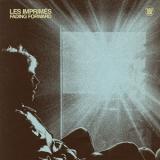
LES IMPRIMES - FADING FORWARD

Big Crown Records freut sich, das zweite Album von Les Imprimes, ,Fading Forward", zu präsentieren. Unter der Leitung des autodidaktischen Multi-Instrumentalisten und Produzenten Morten Martens beschäftigt sich dieses Album mit Sterblichkeit, Realitätsflucht und einer Vielzahl von Erfahrungen, die mit Liebe verbunden sind. Martens hinterließ mit seinem hochgelobten Debütalbum ,Rêverie" aus dem Jahr 2023 einen bleibenden Eindruck Rêverie einen enormen Eindruck und hat sich seitdem eine treue Fangemeinde aufgebaut, deren Demografie ebenso vielfältig ist wie die Einflüsse, die seine Musik prägen. Er mischt Klänge aus dem Soul der 60er und 70er Jahre mit Anspielungen auf Doo-Wop-Platten, übernimmt die Energie der Hip-Hop-Drums und überzieht das Ganze mit Gesangsstilen aus den 90ern und 2000ern . Aber es sind Martens' Texte, Emotionen und Darbietung, die wirklich alles zusammenbringen und ihm helfen, sich von seinen Kollegen abzuheben. Seine Texte sind ansteckend und poppig und werden mit höchster Klasse und Geschmack umgesetzt, was Les Imprimés die seltene Eigenschaft verleiht, sofort anzusprechen und mit jedem Hören noch besser zu werden. Der aus Kristiansand, Norwegen, stammende Martens spielt fast alle Instrumente auf Fading Forward, produziert und arrangiert das Album und singt natürlich auch. ,Es ist Soulmusik, aber ich habe nicht gerade eine Soulstimme", erklärt Morten bescheiden. ,Aber ich mache es auf meine eigene Art und Weise, auf eine Art, die mir eigen ist." Der Album-Opener ,You & I" ist Mortens Hommage an seine Partnerin, die ,durch das Chaos und die Fehler" mit ihm durchhält. Kraftvolle Drums und kaskadenartige Klaviere machen diesen Song zu einem richtigen Two-Stepper und einer Hymne für diejenigen, die das Glück haben, jemanden zu finden, der sie versteht und ihnen in den Bereichen des Lebens hilft, in denen sie es brauchen. ,Again & Again" verlangsamt das Tempo und beschäftigt sich mit der schwereren Seite der Liebe und des Lebens, während Martens seine Widerstandsfähigkeit angesichts der Missgeschicke, des Herzschmerzes und der Enttäuschungen gescheiterter Liebesbeziehungen bekundet. ,Untainted Love" rückt die süße Seite der neuen Liebe in den Mittelpunkt, mit einer Melodie, die auf den Titel des Klassikers von Gloria Jones anspielt. ,Get Lost" neigt zum Metaphysischen mit der Einladung, die Realität hinter sich zu lassen und Zeit mit Les Imprimés zu verbringen, wo es Raum zum Träumen gibt. ,Only Love" baut auf einem kraftvollen Drum-Break auf, mit einem Refrain, der einfach, aber tiefgründig ist, und das Arrangement verleiht ihm die Energie eines Mantras. Sie wenden sich dem Tanz ,Only Love" baut auf einem kraftvollen Drum-Break auf, mit einem Refrain, der einfach, aber tiefgründig ist, und das Arrangement verleiht ihm die Energie eines Mantras. Sie wenden sich dem Tanz zu in ,With You", einem schnellen, beschwingten Song über eine zufällige Begegnung, die Lust auf mehr macht. Martens sehnt sich nach ihr, aber freudig, als ob allein die Erinnerung daran, dass eine solche Verbindung möglich ist, genau das ist, was er wirklich braucht. ,Fading Forward" endet mit einer völlig düsteren Note mit ,Miss The Days", einer langsam brennenden Ballade, die an einfachere Zeiten erinnert, als die Liebe noch besser war. Martens wird von der Gastsängerin Ama Li in ,Miss The Days" begleitet, einer langsam brennenden Ballade , die an einfachere Zeiten erinnert, als die Liebe noch an einem besseren Ort war. Fading Forward endet mit einer ganz und gar düsteren Note mit ,Paradise", einem Lied, das einem verstorbenen Freund Freiheit und Frieden wünscht. In der kleinen Stadt Kristanland in Norwegen lebt ein großes Talent, das den größten Teil seines Lebens damit verbracht hat, sich zurückzuhalten und im Hintergrund zu bleiben. Der Vertrag mit dem New Yorker Label Big Crown Records inspirierte Morten Martens dazu, seine eigene Musik zu veröffentlichen. Die Reaktionen auf sein Debütalbum ,Rêverie" veranlassten ihn, das Studio zu verlassen und auf die Bühne zu gehen, und all dies diente ihm als Inspiration, um seine Kunstfertigkeit auf ein neues Niveau zu heben. Neue Höhen, die auf Fading Forward voll zur Geltung kommen.

pre-order now10.04.2026

expected to be published on 10.04.2026

22,27
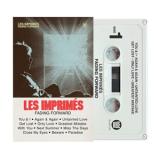
LES IMPRIMES - FADING FORWARD (TAPE)

Big Crown Records freut sich, das zweite Album von Les Imprimes, ,Fading Forward", zu präsentieren. Unter der Leitung des autodidaktischen Multi-Instrumentalisten und Produzenten Morten Martens beschäftigt sich dieses Album mit Sterblichkeit, Realitätsflucht und einer Vielzahl von Erfahrungen, die mit Liebe verbunden sind. Martens hinterließ mit seinem hochgelobten Debütalbum ,Rêverie" aus dem Jahr 2023 einen bleibenden Eindruck Rêverie einen enormen Eindruck und hat sich seitdem eine treue Fangemeinde aufgebaut, deren Demografie ebenso vielfältig ist wie die Einflüsse, die seine Musik prägen. Er mischt Klänge aus dem Soul der 60er und 70er Jahre mit Anspielungen auf Doo-Wop-Platten, übernimmt die Energie der Hip-Hop-Drums und überzieht das Ganze mit Gesangsstilen aus den 90ern und 2000ern . Aber es sind Martens' Texte, Emotionen und Darbietung, die wirklich alles zusammenbringen und ihm helfen, sich von seinen Kollegen abzuheben. Seine Texte sind ansteckend und poppig und werden mit höchster Klasse und Geschmack umgesetzt, was Les Imprimés die seltene Eigenschaft verleiht, sofort anzusprechen und mit jedem Hören noch besser zu werden. Der aus Kristiansand, Norwegen, stammende Martens spielt fast alle Instrumente auf Fading Forward, produziert und arrangiert das Album und singt natürlich auch. ,Es ist Soulmusik, aber ich habe nicht gerade eine Soulstimme", erklärt Morten bescheiden. ,Aber ich mache es auf meine eigene Art und Weise, auf eine Art, die mir eigen ist." Der Album-Opener ,You & I" ist Mortens Hommage an seine Partnerin, die ,durch das Chaos und die Fehler" mit ihm durchhält. Kraftvolle Drums und kaskadenartige Klaviere machen diesen Song zu einem richtigen Two-Stepper und einer Hymne für diejenigen, die das Glück haben, jemanden zu finden, der sie versteht und ihnen in den Bereichen des Lebens hilft, in denen sie es brauchen. ,Again & Again" verlangsamt das Tempo und beschäftigt sich mit der schwereren Seite der Liebe und des Lebens, während Martens seine Widerstandsfähigkeit angesichts der Missgeschicke, des Herzschmerzes und der Enttäuschungen gescheiterter Liebesbeziehungen bekundet. ,Untainted Love" rückt die süße Seite der neuen Liebe in den Mittelpunkt, mit einer Melodie, die auf den Titel des Klassikers von Gloria Jones anspielt. ,Get Lost" neigt zum Metaphysischen mit der Einladung, die Realität hinter sich zu lassen und Zeit mit Les Imprimés zu verbringen, wo es Raum zum Träumen gibt. ,Only Love" baut auf einem kraftvollen Drum-Break auf, mit einem Refrain, der einfach, aber tiefgründig ist, und das Arrangement verleiht ihm die Energie eines Mantras. Sie wenden sich dem Tanz ,Only Love" baut auf einem kraftvollen Drum-Break auf, mit einem Refrain, der einfach, aber tiefgründig ist, und das Arrangement verleiht ihm die Energie eines Mantras. Sie wenden sich dem Tanz zu in ,With You", einem schnellen, beschwingten Song über eine zufällige Begegnung, die Lust auf mehr macht. Martens sehnt sich nach ihr, aber freudig, als ob allein die Erinnerung daran, dass eine solche Verbindung möglich ist, genau das ist, was er wirklich braucht. ,Fading Forward" endet mit einer völlig düsteren Note mit ,Miss The Days", einer langsam brennenden Ballade, die an einfachere Zeiten erinnert, als die Liebe noch besser war. Martens wird von der Gastsängerin Ama Li in ,Miss The Days" begleitet, einer langsam brennenden Ballade , die an einfachere Zeiten erinnert, als die Liebe noch an einem besseren Ort war. Fading Forward endet mit einer ganz und gar düsteren Note mit ,Paradise", einem Lied, das einem verstorbenen Freund Freiheit und Frieden wünscht. In der kleinen Stadt Kristanland in Norwegen lebt ein großes Talent, das den größten Teil seines Lebens damit verbracht hat, sich zurückzuhalten und im Hintergrund zu bleiben. Der Vertrag mit dem New Yorker Label Big Crown Records inspirierte Morten Martens dazu, seine eigene Musik zu veröffentlichen. Die Reaktionen auf sein Debütalbum ,Rêverie" veranlassten ihn, das Studio zu verlassen und auf die Bühne zu gehen, und all dies diente ihm als Inspiration, um seine Kunstfertigkeit auf ein neues Niveau zu heben. Neue Höhen, die auf Fading Forward voll zur Geltung kommen.

pre-order now10.04.2026

expected to be published on 10.04.2026

10,71
LES IMPRIMES - FADING FORWARD
  • 1: You & I
  • 2: Again & Again
  • 3: Untainted Love
  • 4: Get Lost
  • 5: Only Love
  • 6: Greatest Mistake
  • 7: With You
  • 8: Next Summer
  • 9: Miss The Days
  • 10: Close My Eyes
  • 11: Beware
  • 12: Paradise
also available

COKE BOTTLE CLEAR VINYL[22,27 €]

Cassettee[10,71 €]


Big Crown Records freut sich, das zweite Album von Les Imprimes, ,Fading Forward", zu präsentieren. Unter der Leitung des autodidaktischen Multi-Instrumentalisten und Produzenten Morten Martens beschäftigt sich dieses Album mit Sterblichkeit, Realitätsflucht und einer Vielzahl von Erfahrungen, die mit Liebe verbunden sind. Martens hinterließ mit seinem hochgelobten Debütalbum ,Rêverie" aus dem Jahr 2023 einen bleibenden Eindruck Rêverie einen enormen Eindruck und hat sich seitdem eine treue Fangemeinde aufgebaut, deren Demografie ebenso vielfältig ist wie die Einflüsse, die seine Musik prägen. Er mischt Klänge aus dem Soul der 60er und 70er Jahre mit Anspielungen auf Doo-Wop-Platten, übernimmt die Energie der Hip-Hop-Drums und überzieht das Ganze mit Gesangsstilen aus den 90ern und 2000ern . Aber es sind Martens' Texte, Emotionen und Darbietung, die wirklich alles zusammenbringen und ihm helfen, sich von seinen Kollegen abzuheben. Seine Texte sind ansteckend und poppig und werden mit höchster Klasse und Geschmack umgesetzt, was Les Imprimés die seltene Eigenschaft verleiht, sofort anzusprechen und mit jedem Hören noch besser zu werden. Der aus Kristiansand, Norwegen, stammende Martens spielt fast alle Instrumente auf Fading Forward, produziert und arrangiert das Album und singt natürlich auch. ,Es ist Soulmusik, aber ich habe nicht gerade eine Soulstimme", erklärt Morten bescheiden. ,Aber ich mache es auf meine eigene Art und Weise, auf eine Art, die mir eigen ist." Der Album-Opener ,You & I" ist Mortens Hommage an seine Partnerin, die ,durch das Chaos und die Fehler" mit ihm durchhält. Kraftvolle Drums und kaskadenartige Klaviere machen diesen Song zu einem richtigen Two-Stepper und einer Hymne für diejenigen, die das Glück haben, jemanden zu finden, der sie versteht und ihnen in den Bereichen des Lebens hilft, in denen sie es brauchen. ,Again & Again" verlangsamt das Tempo und beschäftigt sich mit der schwereren Seite der Liebe und des Lebens, während Martens seine Widerstandsfähigkeit angesichts der Missgeschicke, des Herzschmerzes und der Enttäuschungen gescheiterter Liebesbeziehungen bekundet. ,Untainted Love" rückt die süße Seite der neuen Liebe in den Mittelpunkt, mit einer Melodie, die auf den Titel des Klassikers von Gloria Jones anspielt. ,Get Lost" neigt zum Metaphysischen mit der Einladung, die Realität hinter sich zu lassen und Zeit mit Les Imprimés zu verbringen, wo es Raum zum Träumen gibt. ,Only Love" baut auf einem kraftvollen Drum-Break auf, mit einem Refrain, der einfach, aber tiefgründig ist, und das Arrangement verleiht ihm die Energie eines Mantras. Sie wenden sich dem Tanz ,Only Love" baut auf einem kraftvollen Drum-Break auf, mit einem Refrain, der einfach, aber tiefgründig ist, und das Arrangement verleiht ihm die Energie eines Mantras. Sie wenden sich dem Tanz zu in ,With You", einem schnellen, beschwingten Song über eine zufällige Begegnung, die Lust auf mehr macht. Martens sehnt sich nach ihr, aber freudig, als ob allein die Erinnerung daran, dass eine solche Verbindung möglich ist, genau das ist, was er wirklich braucht. ,Fading Forward" endet mit einer völlig düsteren Note mit ,Miss The Days", einer langsam brennenden Ballade, die an einfachere Zeiten erinnert, als die Liebe noch besser war. Martens wird von der Gastsängerin Ama Li in ,Miss The Days" begleitet, einer langsam brennenden Ballade , die an einfachere Zeiten erinnert, als die Liebe noch an einem besseren Ort war. Fading Forward endet mit einer ganz und gar düsteren Note mit ,Paradise", einem Lied, das einem verstorbenen Freund Freiheit und Frieden wünscht. In der kleinen Stadt Kristanland in Norwegen lebt ein großes Talent, das den größten Teil seines Lebens damit verbracht hat, sich zurückzuhalten und im Hintergrund zu bleiben. Der Vertrag mit dem New Yorker Label Big Crown Records inspirierte Morten Martens dazu, seine eigene Musik zu veröffentlichen. Die Reaktionen auf sein Debütalbum ,Rêverie" veranlassten ihn, das Studio zu verlassen und auf die Bühne zu gehen, und all dies diente ihm als Inspiration, um seine Kunstfertigkeit auf ein neues Niveau zu heben. Neue Höhen, die auf Fading Forward voll zur Geltung kommen.

pre-order now10.04.2026

expected to be published on 10.04.2026

22,65
Gregory Hutchinson - Kind of Now - The Pulse of Miles Davis LP

Gregory Hutchinsons "Kind of Now - The Pulse of Miles Davis" ist eine innovative wie neue All-Star-Hommage an Miles und seine Musik entstand unter der Leitung von Gregory Hutchinson, „dem Schlagzeuger seiner Generation“ laut Jazz Magazine. Jetzt erscheint das Album pünktlich zum 100. Geburtstag der Ikone.
Es ist ein faszinierendes und äußerst lohnendes Album, das einigen unsterblichen Klassikern aus Miles Davis’ Repertoire neues Leben einhaucht, wie etwa Charlie Parkers „Ah-Leu-Cha“ oder Miles’ eigenem „Seven Steps To Heaven“, wobei stets das Offensichtliche außer Acht gelassen und stattdessen die „deep cuts“ hervorgehoben werden. Die Schlagzeug-Interludes des Bandleaders verweben dieses über einstündige Programm eng und verleihen ihm eine futuristische Neuheit, ganz in Hutchs Sinn von Zeit. Kind of Now.
Mit Ambrose Akinmusire, Ron Blake, Jakub Bro, Emmanuel Michael, Gerald Clayton & Joe Sanders

pre-order now10.04.2026

expected to be published on 10.04.2026

30,21
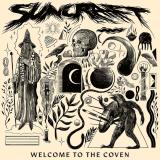
SUNCRAFT - WELCOME TO THE COVEN
  • 1: Ragebait
  • 2: Love's Underrated
  • 3: Greed Battalion
  • 4: Welcome To The Coven
  • 5: Wizards Of The Anger Magic
  • 6: Charlatan Killer
  • 7: High On Silence
  • 8: Forgotten Goddess
also available

RED VINYL[23,11 €]


Suncraft is an underground rock band from Oslo, Norway. After appearing on the scene with their debut in 2021, they"ve ratcheted up their sound a notch in every conceivable way with their furious and fun new album Welcome To The Coven. Formed in Oslo in 2017, Suncraft built their early identity on mid-tempo stoner rock, but Welcome to the Coven shows the band has broadened their foundation significantly. The album channels classic rock swagger, punk urgency, and flashes of blackened intensity without settling into pastiche or genre collage - think Turbonegro meets Venom with the odd helping of blast beats thrown in and you"re on your way. The album"s eight tracks move fluidly between heavy riffing, hook-forward choruses and sudden shifts in mood, giving the record a restless, forward thinking character that keeps its 40-minute runtime lean and engaging. Welcome To The Coven is a confident step forward for a promising band which emphasizes their sharpened songwriting and willingness to push beyond scene expectations. The album is available on red or black vinyl from Norwegian purveyors of heavy rock label All Good Clean Records.

pre-order now10.04.2026

expected to be published on 10.04.2026

23,32
SUNCRAFT - WELCOME TO THE COVEN

Suncraft is an underground rock band from Oslo, Norway. After appearing on the scene with their debut in 2021, they"ve ratcheted up their sound a notch in every conceivable way with their furious and fun new album Welcome To The Coven. Formed in Oslo in 2017, Suncraft built their early identity on mid-tempo stoner rock, but Welcome to the Coven shows the band has broadened their foundation significantly. The album channels classic rock swagger, punk urgency, and flashes of blackened intensity without settling into pastiche or genre collage - think Turbonegro meets Venom with the odd helping of blast beats thrown in and you"re on your way. The album"s eight tracks move fluidly between heavy riffing, hook-forward choruses and sudden shifts in mood, giving the record a restless, forward thinking character that keeps its 40-minute runtime lean and engaging. Welcome To The Coven is a confident step forward for a promising band which emphasizes their sharpened songwriting and willingness to push beyond scene expectations. The album is available on red or black vinyl from Norwegian purveyors of heavy rock label All Good Clean Records.

pre-order now10.04.2026

expected to be published on 10.04.2026

23,11
WILD NOTHING - LIFE OF PAUSE (LENTICULAR SLEEVE) [SIGNED PRINT ED]
  • 1: Reichpop
  • 2: Lady Blue
  • 3: A Woman's Wisdom
  • 4: Japanese Alice
  • 5: Life Of Pause
  • 6: Alien
  • 7: To Know You
  • 8: Adore
  • 9: Tv Queen
  • 10: Whenever I
  • 11: Love Underneath My Thumb

White vinyl. Signed Print Edition. When Jack Tatum began work on Life of Pause, his third full-length to date, he had lofty ambitions: Don't just write another album; create another world. One with enough detail and texture and dimension that a listener could step inside, explore, and inhabit it as they see fit. "I desperately wanted for this to be the kind of record that would displace me," he says. "I'm terrified by the idea of being any one thing, or being of any one genre. And whether or not I accomplish that, I know that my only hope of getting there is to constantly reinvent. That reinvention doesn't need to be drastic, but every new record has to have its own identity, and it has to have a separate set of goals from what came before." What came before: a rightfully acclaimed, much beloved display of singular pop craftsmanship. Tatum's dreamy, unexpected 2010 debut, Gemini, was written while he was still a student at Virginia Tech University. Its equally disarming follow-up, 2012's Nocturne, marked the first time he'd been able to bring his bedroom recordings into a studio, to be performed and fully realized with the help of other musicians. There has been a set of wonderfully expansive EPs in between_each hinting at new directions and punctuating previous ideas_but with Life of Pause, Tatum delivers what he describes as his most "honest" and "mature" work yet, an exquisitely arranged and beautifully recorded collection of songs that marry the immediate with the indefinable. "I allowed myself to go down every route I could imagine even if it ended up not working for me," he says. "I owe it to myself to take as many risks as possible. Songs are songs and you have to allow yourself to be open to everything." After a prolonged period of writing and experimentation, recording took place over several weeks in both Los Angeles and Stockholm, with producer Thom Monahan (Devendra Banhart, Beachwood Sparks) helping Tatum in his search for a more natural and organically textured sound. In Sweden, in a studio once owned by ABBA, they enlisted Peter, Bjorn and John drummer John Ericsson and fellow Swedish Radio Symphony Orchestra veteran Pelle Jacobsson, to contribute drums and marimba. In California, at Monahan's home, Tatum collaborated with Medicine guitarist Brad Laner and a crew of saxophonists. From the hypnotic polyrhythms of "Reichpop" to the sugary howl of "Japanese Alice" to the hallucinogenic R&B of "A Woman's Wisdom," the result is a complete, fully immersive listening environment. "I just kept things really simple, writing as ideas came to me," he says. "There's definitely a different kind of `self' in the picture this time around. There's no real love lost, it's much more a record of coming to terms and defining what it is that you have_your place, your relationships. I view every record as an opportunity to write better songs. At the end of the day it still sounds like me, just new."

pre-order now10.04.2026

expected to be published on 10.04.2026

26,01
Items per Page:
N/ABPM
Vinyl