Ende der 1990er Jahre lernte der österreichische Musiker und Schriftsteller Hans Platzgumer den halbjapanischen Sänger Carl Tokujirô Mirwald auf einer Aftershow-Party in München kennen. Bei seinem spontanen Auftritt hatte Carl den unwiderstehlichen Sound eines japanischen Tom Waits, der traditionelle Gesangstechniken des Nô-Theaters mit westlichen Einflüssen mischte. Die beiden gründeten das Elektro-Duo Shinto und brachten mehrere Platten heraus, mit denen sie eine eingefleischte Fangemeinde anzogen und mehrfach durch Japan und Europa tourten. Als jedoch die Fukushima-Katastrophe 2011 nicht nur ihre japanischen Labelbüros zerstörte, sondern sie auch zwang, anstehende Tourneen abzusagen, legten sie die Band auf Eis. Dennoch blieb ihre euro-asiatische Zusammenarbeit bestehen. 2015 begann das Duo, sich mit der Taishô-Ära zu beschäftigen, einer Periode in der japanischen Geschichte vor genau hundert Jahren, die eine Fülle von neuen demokratischen und anarchischen Bewegungen mit zahlreichen gegensätzlichen Protagonisten hervorbrachte. Jetzt, 8 Jahre später, ist Hans' Roman Großes Spiel über diese historischen Kämpfe erschienen (Zsolnay/Hanser), gleichzeitig mit einer Sammlung von 10 neuen Liedern. Taishô Romantica vertont japanische Texte aus dem frühen 20. Jahrhundert, die die Nähe von Leben, Tod und ideologischem Glauben in den dramatischen Taishô-Jahren schildern, mit einer extravaganten Partitur, die Muzak und Electronica mit theatralischen Elementen und Kammermusik mischt. Die aktuelle CD/LP/digital "Taishô Romantica" wird am 1. September 2023 über Noise Appeal Records veröffentlicht.
Buscar:ka§par
Audiophile reviews rave about saxophone master John Coltrane's immortal Impulse! records, A Love Supreme (1964) and Ballads (1963). In fact, jazz critics have lauded A Love Supreme as Coltrane's most important recording. The rave reviews which appeared in the magazines Downbeat, Jazz Hot, Jazz Podium and Swing-journal reflected this: critics all over the world, in America, Europe and Japan recognized that Coltrane's deep religious belief had influenced both his approach to life and his music-making.
You're about to experience A Love Supreme at its peak of vinyl perfection — in UHQR format on Clarity Vinyl, with the added bonus of a double 45 RPM cut by Ryan K. Smith at Sterling Sound. Ryan's cut has his characteristic clarity and transparency all set against Quality Record Pressing's usual noiseless backgrounds on 200-gram flawless records. Each UHQR will be packaged in a deluxe box and will include a booklet detailing the entire process of making a UHQR along with a hand-signed certificate of inspection. This will be a truly deluxe, collectible product.
For this 45 RPM 2LP edition you'll also receive a 12" x 12" 12-page booklet featuring liner notes by Ashley Kahn and images from the Coltrane home.
The original master tape is available but it's not in the best shape. This LP was cut from a flat tape copy made by Rudy Van Gelder and used for cutting in the UK in April of 1965. Of course, the original recording was in December '64, so only a handful of months later. This tape was discovered at Abbey Road and had been untouched between 1965 and 2002. So while the original tape is available and while we would always opt for the original whenever we can, in this case this copy was the better choice as the tape has incurred less overall wear and sounds much better than the original.
A Love Supreme was Coltrane's pinnacle studio outing that at once compiled all of his innovations from his past, spoke of his current deep spirituality, and also gave a glimpse into the next two and a half years (sadly, those would be his last). Recorded at the end of 1964, Trane's classic quartet of Elvin Jones, McCoy Tyner, and Jimmy Garrison stepped in and created one of the most thought-provoking albums of their relationship.
The album not only enabled Coltrane to express himself with great intensity but also lent him the necessary inner peace to conceive a work of almost 40 minutes in length and to lead his quartet along the same path as himself.
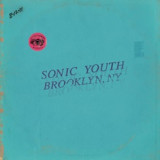
The final U.S. show, a triumphant and blistering bookend to the storied career of one of the most influential bands in rock music, featuring a unique and expansive eighty-five minute set list that spans Sonic Youth’s nearly three decade catalog. Mixed from multitrack by longtime live engineer Aaron Mullan and mastered and cut by Carl Saff. On August 12, 2011 Sonic Youth played their final US show on an outdoor stage overlooking the East River at the Williamsburg Waterfront in Brooklyn. Fitting that their storied career would bookend with a panoramic view of New York City where it all began 30 years before, having left in their wake one of one of the most powerfully influential careers in rock music. Following incredible sets from Kurt Vile and Wild Flag, the band took the stage. As the sun went down over the city, Sonic Youth ripped through a 17 song set that spanned from deep cuts off their first studio album and highlighting many other albums all the way through to their last, like a band with everything to prove. Or as Brooklyn Vegan’s Andrew Sacher said at the time: “While most bands who are thirty years into their career are either fading away or living off of the nostalgia of their older material, Sonic Youth continue to sound and perform as fresh as ever.” Steve Shelley explains the uniquely career spanning set list of Live in Brooklyn 2011 and how it came to be, as well as the importance of outdoor NYC summer shows in Sonic Youth’s legacy: “This show was a culmination of a run of really special outdoor summertime shows in New York City for us, starting in ’92 with Summerstage in Central Park when we played with Sun Ra. For the Williamsburg Waterfront show I wrote out the set list to present to the band and it was a lot of material we hadn’t played in a while, a lot of deep cuts, so I wasn’t sure if everybody would feel like doing it. After worrying about which songs the band might say yes or no to, I threw those concerns out the window and I just made a list of songs that I thought would be a great set. We practiced the week of the show at our space in Hoboken and put the set together. First we’d try and make sure we had a guitar in the song’s tuning, then we’d try to remember the arrangement and try and put it together, sometimes re-learning bar by bar. In the end I think the whole song list made it through. Even as early as ’86 and ’87 we stopped playing ‘Death Valley 69’ and ‘Brave Men Run’ with any regularity. We’d just get excited about new material coming into the set and songs would get ‘retired’ and wouldn’t get played again for years. So on this particular night in Brooklyn a lot of those retired songs and deep cuts got dusted off and played for this show. It turned out to be a pretty special event with a really special song list.” The band would go on to fulfill a contracted festival run in South America a few months later but, by then, the group’s center was severed beyond repair and the festival appearances didn’t hold the same kind of weight. “The stage was facing the East River from the Williamsburg, Brooklyn waterfront, and I recall the sun going down in the west during our set. It was a pretty magical, if kinda weird day. Fitting, somehow, that our ‘last show’ should be in New York City, our home and where it all began…” Lee Ranaldo The Williamsburg Waterfront show would fondly become referred to as ‘The Last Show’ by fans and band alike, equally for its triumphant high energy performance, its unique and expansive set list and locale. Newly remixed and remastered, Live in Brooklyn 2011 is presented for the first time on 2xLP, 2Xcd, August 18, 2023.
- Theres A Fish On Top Of Shandon Swears Hes Elvis
- The Glee Club
- Lorry Across The Lee
- Na- The Woodcutter Song
- Fishing For Compliments
- What Happened Your Leg
- Another Spark
- Beethoven - Day Tripper
- Knocknaheeny Shuffle
- The Glee Club - Jumping Joley
- Nun Attax - White Cortina
- Often
- Aunt Nelly
- Are You A Horse
- Elephants For Fun Anf Profit
Next on Allchival is a compilation tracing the musical pursuits of Cork’s (via Belfast) Finbarr Donnelly and his trilogy of bands – Nun Attax, Five Go Down To The Sea? and Beethoven - before his untimely death by drowning in London’s Hyde Park in 1989. From the post punk of the first band via the discordant indie of the second to the chaos of Beethoven’s short lived existence this compilation shines some light on one of Irelands most enigmatic frontmen over a ten year period. Released on 18th April Record Store Day on a 15 track LP and an expanded CD version with 24 tracks. Featuring tracks released on Setanta, Creation, Kabuki & Abstract plus previously unreleased Fanning Sessions, the LP also comes with a fanzine with detailed liner notes and ephemera.
Nun Attax, formed in the late 70s, are synonymous with the Downtown Kampus at Cork’s Arcadia Ballroom, the lynchpin of the city’s post-punk music scene. Their live performances being the stuff of Southern legend - unforgettable, incendiary events, examples of which can be heard on the tracks here White Cortina, Reekus Sunfare. In the early-80s the band changed its name to Five Go Down To the Sea? and recorded the Knot A Fish EP 7’’ for London–Irish label Kabuki Records and soon after the band left recession-ridden Cork for the UK capital.
Squatting south of the River, working on building sites and collecting welfare under several aliases recording and gigs were sporadic but by 1984 they had hooked into the early Creation scene, and played gigs at Alan McGee’s Living Room club. Working with The Mekons Jon Langford they release The Glee Club on Edward Christie’s Abstract Sounds label. Following it up with the last of their three releases as Five..on Creation itself the band’s chaotic existence led to its demise only re-emerging in 1988 as Beethoven. Down to two original members – Donnelly and guitarist Ricky Dineen – plus two new additions their only release – a 12” on the fledgling Setanta records – features a cover of “Day Tripper” backed with original tracks and was NME’s Single of the Week in the summer of ‘89 when such things carried weight. The planned second single doesn’t go ahead after Donnelly’s death.
Featuring contributions from Brittany Howard, Daniel Tashian (Kacey Musgraves, Demi Lovato), Julien Baker + more. Since moving to Nashville to start their music career in 2012, Becca Mancari has been lauded for their dextrous songwriting and prodigious guitar playing. Their sophomore album The Greatest Part, released in 2020, was an indie rock opus that garnered acclaim from The New York Times, NPR, and more. After its release, however, Mancari was despairing. An illness in their family, coupled with a realization that their alcohol dependency had become untenable, led Mancari to begin the hard work of taking ownership of their existence by mending broken relationships and investing in their mental health. "I didn't realize it then, but looking back, I was a passenger in my own life," Mancari says. The transformative period of self-reckoning was the catalyst that ultimately steered Mancari to write and produce their triumphant new album, Left Hand. After a disheartening studio session with an outside producer, Becca became convinced that they were capable of rendering their vision independently. Close friend and musical ally Juan Solorzano, who has played on all of Mancari's albums since the debut of Good Woman in 2017, joined them in the studio to co-produce the majority of the record. In addition, Daniel Tashian (Kacey Musgraves, Demi Lovato) co-wrote and co-produced the song "Don't Close Your Eyes," encouraging Mancari to track every instrument on the initial demos. As much as self-producing this album was an act of resilience and growth in one's own craft, Mancari brought trusted friends like Brittany Howard, who they play with in Bermuda Triangle, Julien Baker and Zac Farro into the process. Insecurities that had dogged Mancari since childhood couldn't weather the force of energy in that studio, where they executed decisions with newfound certainty. The title track, "Left Hand," is named for the Mancari family crest. After a lifetime spent feeling like they didn't belong, Mancari unlocked a perfect metaphor in the crest: "In many cultures children born with a dominant left hand were taught not to use that hand, and were told that using the right hand was `normal' and `correct.' Similarly, queer children are often times told that it's not `normal' for them to love who they love and that they need to `change.'" On Left Hand, Mancari offers the listener a collection of songs that should be played in moments when we are in need of reassurance and encouragement. No song exemplifies this better than the ebullient track "Over and Over," which is a reminder to friends that happiness doesn't need to be fleeting. "I wanted to write a queer pop song that has meat on its bones," they say. Inspired by one of many reckless and joyful hangs with dear friends in Nashville, the enlivening pop song makes a promise to them, and to the greater community Mancari embraces on this album. "There is something to the feeling/ Head hanging out of the window/ Being ok that we don't know," sung on the chorus over a beat replete with congas and shakers. What follows is a promise to anyone who ever feels like the greatest moments of their life are disappearing in the rearview: "We can have it like we used to, over and over and over and over again." For Fans of boygenius, Phoebe Bridgers, Julien Baker, Julia Jacklin, Caroline Rose, Miya Folick, Molly Burch, Widowspeak.
The free folk/jazz sound of modern Los Angeles. Featuring a heavy bunch of musicians and vocalists including Moor Mother.
"Fearlessly Accessing the Divine Spirit From Here on Out" is the vinyl debut from pianist, composer, and producer Diego Gaeta. He has previously released projects as Club Diego and with the trio Human Error Club (whose members Mekala Session and Jesse Justice helped produce this record). He has quickly become a fixture in a number of Los Angeles musical environments, working with Lionmilk, The Pan Afrikan Peoples Arkestra, Carlos Niño, Black Nile among others. This album is a synthesis of these many LA environments, and carries chamber, jazz, ambient, and folk influences, ultimately giving it an uncategorizable feel similar to works by Arthur Verocai or David Axelrod.
Gaeta recorded the initial ideas for the album by himself after experiencing a burst of creativity during the lockdown of 2020, in the aftermath of a season of protests in Los Angeles, on a piano at his home in El Sereno. "I was constantly not in tune with myself, always awaiting outrage and tragedy in a very unstable world. However, hitting the streets in support of various ongoing pandemic community actions felt necessary and it marked a point in time that ushered in large societal changes. The weight of that era made me feel allergic to making art at the time. All of these ideas came after that period, expressing my reflections subconsciously. I remember that the ideas came in a short amount of time, and then they developed."
Once he had created the tracks as Ableton sessions, he realized the gravity and context of how he was processing his ideas so he, as he puts it, "felt like taking them outside the hands of midi and into the hands of friends." Gaeta was able to assemble his dream band, which ended up being a 9-piece ensemble, or a nonet. "I felt that at some point I was channeling the geometrical balance of that nonet...it's almost as if I had a sextet and then the three of the sextet that's not the rhythm section were doubled. It's a really dense sextet, that's how I see it."
The recording process began the following summer in June 2021 as the musicians were all adjusting to the newfound dynamic of getting tested for COVID, waiting a few days, and then meeting up to record. "We were eating Indian food, some of us were smoking, it was a nice memory, but I felt a little stressed, because I was the bandleader, and I felt the emotional weight of my music."
The title track and single, featuring vocals by Jimetta Rose, begins with a speech by Gaeta delivered when playing with Black Nile in 2019 at the Levitt Amphitheatre in MacArthur park. Gaeta provides the following account: "Even though it was in 2019, socio-political tensions and issues were at the forefront for me at that time. I wrote a speech that was intended to be critical of the US but it ended up becoming a collage inspired by different women that had messages of freedom that spoke to me the most. I quoted Nina Simone and Georgia Anne Muldrow, it wasn't something that I read but something that she said "kicking it with consciousness and style" that phrase stuck with me, so I used it in that speech. Although critical, the speech had a positive feeling to it, and it was hopeful. I gave that speech while fireworks were going off."
Moor Mother & Zeroh are found on their respective tracks, Memory Screen & Eccolo - both delivering a distinct, commanding vocal performance. Low Leaf colors the track Soft Spot with harp, a beautiful ballad nestled in the center of the album. Other players include Gregory Uhlmann on guitar, Jon Kaye on violin, Devin Daniels on alto saxophone, Caleb Buchanan on bass, Dante Luna on vibraphone, Patrick Behnke on viola, Bryan Baker on tenor saxophone/flute, and Mekala Session on drums.
"I’d like for us tonight to embody a freedom oriented life. Freedom isn’t just a dream, it’s a place we must all arrive at together, as one by one the people of the Earth help each other to be Free of power, hate, and insecurities. Let’s kick it with consciousness and style. Can y’all dig that? YEAH. I can too. So now we’d like to present to you a spiritual transmission I like to call: 'Fearlessly Accessing the Divine Spirit of Freedom From Here On Out.' YEAH" - Diego Gaeta
Green in Blue Vinyl[20,80 €]
The latest EP from Drab Majesty marks the start of a stirring new chapter in the band's majestic legacy. Written during a 2021 retreat to the remote coastal Oregon town of Yachats, Deb Demure leaned into the neo- psychedelic resonance of a uniquely bowl - shaped 12 -string Ovation acoustic/electric guitar. After early morning hikes in the rain, Deb would record ambient guitar experiments the rest of the day, tapping into "flow states," letting the sound lead the way. These sessions were then refined or recreated, and later elevated further with key collaborations by Rachel Goswell (Slowdive), Justin Meldal Johnson (Beck, M83, Air), and Ben Greenberg (Uniform, Circular Ruin Studio). An Object In Motion is true to its title, capturing the chrysalis moment of an artist evolving, reborn and untet hered, silhouetted against an open horizon. "Cape Perpetua" kicks off the collection's divergent palette: sparkling acoustic fingerpicking refracted through delay, equal parts raga and reverie. Melodies and moods congeal and dissipate, at the threshold of rustic American primitivism, brooding neo-folk, and pastoral melancholia. "The Skin And The Glove" deploys jangle to different effect baggy, soaring, grey skied kaleidoscopic pop in the spirit of Stone Roses, Primal Scream, and The Glove. Rachel Goswell lends her iconic freefall voice to The Cure - esque ballad, "Vanity," infusing poetic gravity to the doomed refrain: "If the valve breaks / then the earth quakes / and history finds a way / to put you in your place." "Yield To Force", the closing track of the EP, may be the most anomalous offering of the set. A 15 minute instrumental odyssey of cyclical strings, ominous slide guitar, and simmering synthesizer, the piece sways and spirals like a long zoom into distant storm clouds. Demure finesses the guitar with a restless but regal grandeur, unfolding a panorama of peaks, shadows, and plateaus. It's music both intuitive and prophetic, tracing the slow swing of pendulums across an endless plain. Taken as a whole, An Object In Motion presents a showcase of potential futures from Drab's evolving domain, their sound poised to bloom at the precipice of transformation.
In dem Moment, als die Nadel auf die neue A Giant Dog-Platte fällt, krümmt sich die eigene Vorstellung davon, wie eine A Giant Dog-Platte klingen soll, wie Raum und Zeit um ein Raumschiff, das mit Lichtgeschwindigkeit fliegt. Bite ist ein Konzeptalbum, in dem es um Charaktere geht, die sich in einer virtuellen Realität namens Avalonia bewegen und zugleich ist es das erste Album von A Giant Dog mit eigenen Songs seit Toy von 2017.
Sabrina Ellis, Andrew Cashen, Danny Blanchard, Graham Low und Andy Bauer - auf ihrem Höhepunkt als Musiker, fordern sie sich mit komplexeren Arrangements heraus und versetzten sich hinein in die Köpfe der Figuren, die dieses vermeintliche Paradies Avalonia bewohnen. "Wir mussten uns in den Hauptfiguren wiederfinden oder uns in die Hauptfiguren hineinversetzen. Wir entwickelten sie, lernten ihre Gedanken, Emotionen und Motivationen kennen und brachten diese dann in neun Songs zum Ausdruck", erklärt Ellis. Themen wie Sucht, Geschlechterfluidität, ethisches Leben in einer kapitalistischen Gesellschaft, körperliche Autonomie, Geiz, Trauer und Zustimmung sprudeln unter dem versprochenen Glück von Avalonia.
Dies wird in Songs wie "Different Than" deutlich, in dem Ellis singt: "My body can't explain the things my mind don't comprehend", als ob der gesellschaftliche Geschlechterdruck seine Protagonistin aus ihrer Haut herausquetscht. Die Songs auf Bite sind voller Bombast und erinnern abwechselnd an den raumfahrenden Opernrock des Electric Light Orchestra und die hohe Dramatik einer Ennio Morricone Filmmusik. Der erzählerische Bogen des Albums ist von epischer Tragweite, seine Charaktere stehen vor unmöglichen Unwahrscheinlichkeiten und sind mit dem sicheren Untergang konfrontiert, und ist so bequem vergleichbar mit der Sci-Fi-Grandezza von Thin Lizzy's Jailbreak wie auch mit der High Fantasy von Dio und Iron Maiden. Passenderweise sind A Giant Dog bis an die Zähne bewaffnet mit neuen Ideen zu dieser Erzählung gekommen, mit Synthesizern und Streichern, um das zu schaffen, was Ellis als orchestral beschreibt: symphonischen, futuristischen Punk. Um dies zu erreichen, verließen sie ihre Heimat Austin, Texas, in das La Cuve Studio in der Nähe von Angers, Frankreich.
Auf dem französischen Land legten A Giant Dog ihre Zukunftsvision vor einer ausgesprochen pastoralen Kulisse nieder. Auf den Wanderungen von Angers nach La Cuve, so Ellis, sahen sie "viele Dinge, und auch gar nichts. Schwäne auf dem Fluss. Romani, die in kleinen Anhängern leben, mit einer Hütte für ihren Hund an der Seite Ein Jongleur auf einem Einrad - ich verarsche dich nicht. Wir dachten, wir dürften nach dieser Reise nicht mehr nach Frankreich zurück, um ehrlich zu sein", fährt sie fort. "Fünf laute, stampfende, klatschende, randalierende Amerikaner, die im November 2022 drei Wochen lang durch die Straßen von Angers gelaufen sind." Diese Erfahrung war der Höhepunkt von zwei Jahren Planung und Schreiben, in denen das Universum von Avalonia Gestalt annahm. Die daraus resultierenden neun Songs besetzen nicht nur diesen Raum: Sie haben darin gelebt und sie wollen raus.
In dem Moment, als die Nadel auf die neue A Giant Dog-Platte fällt, krümmt sich die eigene Vorstellung davon, wie eine A Giant Dog-Platte klingen soll, wie Raum und Zeit um ein Raumschiff, das mit Lichtgeschwindigkeit fliegt. Bite ist ein Konzeptalbum, in dem es um Charaktere geht, die sich in einer virtuellen Realität namens Avalonia bewegen und zugleich ist es das erste Album von A Giant Dog mit eigenen Songs seit Toy von 2017.
Sabrina Ellis, Andrew Cashen, Danny Blanchard, Graham Low und Andy Bauer - auf ihrem Höhepunkt als Musiker, fordern sie sich mit komplexeren Arrangements heraus und versetzten sich hinein in die Köpfe der Figuren, die dieses vermeintliche Paradies Avalonia bewohnen. "Wir mussten uns in den Hauptfiguren wiederfinden oder uns in die Hauptfiguren hineinversetzen. Wir entwickelten sie, lernten ihre Gedanken, Emotionen und Motivationen kennen und brachten diese dann in neun Songs zum Ausdruck", erklärt Ellis. Themen wie Sucht, Geschlechterfluidität, ethisches Leben in einer kapitalistischen Gesellschaft, körperliche Autonomie, Geiz, Trauer und Zustimmung sprudeln unter dem versprochenen Glück von Avalonia.
Dies wird in Songs wie "Different Than" deutlich, in dem Ellis singt: "My body can't explain the things my mind don't comprehend", als ob der gesellschaftliche Geschlechterdruck seine Protagonistin aus ihrer Haut herausquetscht. Die Songs auf Bite sind voller Bombast und erinnern abwechselnd an den raumfahrenden Opernrock des Electric Light Orchestra und die hohe Dramatik einer Ennio Morricone Filmmusik. Der erzählerische Bogen des Albums ist von epischer Tragweite, seine Charaktere stehen vor unmöglichen Unwahrscheinlichkeiten und sind mit dem sicheren Untergang konfrontiert, und ist so bequem vergleichbar mit der Sci-Fi-Grandezza von Thin Lizzy's Jailbreak wie auch mit der High Fantasy von Dio und Iron Maiden. Passenderweise sind A Giant Dog bis an die Zähne bewaffnet mit neuen Ideen zu dieser Erzählung gekommen, mit Synthesizern und Streichern, um das zu schaffen, was Ellis als orchestral beschreibt: symphonischen, futuristischen Punk. Um dies zu erreichen, verließen sie ihre Heimat Austin, Texas, in das La Cuve Studio in der Nähe von Angers, Frankreich.
Auf dem französischen Land legten A Giant Dog ihre Zukunftsvision vor einer ausgesprochen pastoralen Kulisse nieder. Auf den Wanderungen von Angers nach La Cuve, so Ellis, sahen sie "viele Dinge, und auch gar nichts. Schwäne auf dem Fluss. Romani, die in kleinen Anhängern leben, mit einer Hütte für ihren Hund an der Seite Ein Jongleur auf einem Einrad - ich verarsche dich nicht. Wir dachten, wir dürften nach dieser Reise nicht mehr nach Frankreich zurück, um ehrlich zu sein", fährt sie fort. "Fünf laute, stampfende, klatschende, randalierende Amerikaner, die im November 2022 drei Wochen lang durch die Straßen von Angers gelaufen sind." Diese Erfahrung war der Höhepunkt von zwei Jahren Planung und Schreiben, in denen das Universum von Avalonia Gestalt annahm. Die daraus resultierenden neun Songs besetzen nicht nur diesen Raum: Sie haben darin gelebt und sie wollen raus.
"Die Dunkelheit wimmelte immer von unerklärlichen Geräuschen..." (HPL)
Mit "Nahab" - dem zweiten Teil des Disharmonium-Zyklus - kehren BLUT AUS NORD wie getrieben in die unheimlichen, alptraumhaften Jenseitswelten von H.P. Lovecraft zurück, um sie in einem Spiegel erschreckenden Black Metal-Wahnsinns zu reflektieren.
Ähnlich wie die beiden dunklen Kammern des 2022 erschienenen Erstlings "Disharmonium - Undreamable Abysses" und der dazugehörigen Kompilation "Lovecraftian Echoes" ist diese neueste Emanation ähnlich gebärmutterartig, detailreich, verstört und transformativ.
Musikalisch nur durch das umfangreiche Oeuvre der Band beeinflusst, hat "Nahab" im Vergleich zu BANs jüngsten Lovecraft'schen Erkundungen einen erhöhten Anteil an derangierter Vokalmanie, die unheimliche Dynamik ist besser umgesetzt, die unverwechselbare melodische Kraft der Band verstärkt, die Gitarren - tiefer gestimmt für zusätzliche Resonanz - fließen im Tandem mit taumelnden Grooves wie ein stygianischer Tsunami.
In der totäugigen Trance eines dämonisch Beschworenen haben BLUT AUS NORD einmal mehr esoterische Folklore und moderne Gewalt in ein weiteres phänomenales Stück Außenseiterkunst kanalisiert, das ihrem eigenen Mythos und ihrer Monstrosität mehr als gerecht wird. In der Tat ein krönender Abschluss des Grauens.
The Madlib Invazion Music Library Series Entry #1: JJ Whiteeld (Poets of Rhythm/Whiteeld Brothers/Karl Hector) takes on Ethiopian Jazz and Psychedelic Funk. This is the first in a series of music library releases, with future volumes produced by DJ Muggs, J-Zone, and Karriem Riggins, among others. The series starts here, with JJ Whitefield’s Ethio Meditations/Drama Al Dente. The Madlib Invazion Music Library Series was created by Madlib and Egon to give their creative friends a chance to stretch out and indulge in whatever type of music they wanted. This music was created for easy, one-stop clearance in film and television synchronization usage and for sampling. You can also enjoy these albums in the way that many do with the best of the best vintage library catalogs – listen, ponder, repeat.
Zumindest äußerlich scheint The Grape in Ventura, Kalifornien, nur ein weiteres anonymes Gebäude in einer Reihe von Restaurants und Geschäften zu sein. Doch im Sommer 2022 sollte dieser einnehmende Veranstaltungsort das lang erwartete Live-Debüt einer der beeindruckendsten Partnerschaften in der Welt des progressiven Metals und der Jazz-Fusion beherbergen. Auf der rechten Seite der Bühne stand Derek Sherinian, der seine betörenden Keyboard-Parts mit eleganter Souveränität vortrug und dabei in gefühlvoller Konzentration versunken war. Links auf der Bühne, fast verloren hinter seinem Schlagzeug, saß der renommierte Schlagzeuger Simon Phillips, dessen hypnotisierende, fliegende Drumsticks gelegentlich zwischen Becken und Toms zu sehen waren. Diese tadellose Partnerschaft wurde durch den ausgefeilten Bass von Ric Fierabracci unterstützt, wobei die unerbittliche, verspielte Double-Neck-Gitarre von Ron 'Bumblefoot' Thal ein weiteres melodisches Furnier hinzufügte. Vor 500 dankbaren Fans aufgeführt, hätte der Uneingeweihte, der am Veranstaltungsort vorbeikommt, nicht ahnen können, dass dies eine musikalische Live-Vereinigung war, die zwei Jahrzehnte lang in der Entwicklung war. Sherinian hatte seinen Ruf durch Auftritte mit Bands wie Kiss und Alice Cooper sowie durch seine Zeit bei den Progressive-Metal-Giganten Dream Theater gefestigt. Phillips' Liste der Credits war immens und umfasste die Zusammenarbeit mit Jeff Beck, Gary Moore, Joe Satriani und The Who. Das Live-Album ist erhältlich als schwarzes 180g schweres Vinyl inklusive 2-seitigem Einleger sowie als Ltd. CD Digipak mit 26-seitigem Booklet.
- 1: Fur And Metal
- 2: Sharing A Smoke
- 3: A New Wound
- 4: Perverse Technology
- 5: Body As Machine
- 6: Shattered Glass
- Side B - Automaton
- 7: Initialize
- 8: Next Subject
- 9: Endoscopy
- 10: Examination
- 11: Acceptance
- 12: You Belong To The Machine
- 13: Observation
- 14: Stretching / Invading
- 15: Who Is In Control
- 16: Subdue Yourself
Augustus Muller (Boy Harsher) hat sich erneut mit Four Chambers zusammengetan, um CELLULOSED BODIES zu veröffentlichen, das die beiden Scores Crash und Automation enthält und über das Label Nude Club Records erscheint. Four Chambers ist das "Projekt" der experimentellen Pornografin Vex Ashley, Filmemacher, Fotograf und kulturelles Phänomen, wie er selbst sagt.
Beide Partituren dienen als Begleitmusik zu Filmen, die Ashley letztes Jahr über Four Chambers veröffentlicht hat.
Crash und Automation demonstrieren Mullers Beherrschung strenger, industrieller Klangwelten. Muller geht jedoch noch einen Schritt weiter, indem er Club-Elemente wie Nu-Disco-Tendenzen und Vocal-Samples einführt. Auf diese Weise greift er das Thema Körper und Maschine auf, das auch in den visuellen Inhalten der Filme behandelt wird. Crash ist eine Hommage an David Cronenbergs gleichnamigen Film von 1996. Sowohl Ashley als auch Cronenberg erforschen die Erotik von Autounfällen, ein Fetisch, der sowohl mechanisch als auch blutig wirkt. Diese gewalttätige Gegenüberstellung ist die eigentliche Inspiration für Muller. Body and Machine" aus Crash ist eine pulsierende Synthie-Hymne, die sowohl synthetische Echos als auch verspielte Highlights enthält. "Perverse Technology" ist eine groovige und disharmonische Nummer, während "Sharing a Smoke" eine düstere Strenge hat, man kann fast sehen, wie die Hände über Ledersitze gleiten, Glasscherben auf verschwitzte Körper prallen und Küsse mit offenem Mund im Scheinwerferlicht.
new music in nearly 30 years Includes 11 brand new songs written by the band The Cowsills will be on the road through 2023 supporting the new record Some of the best music made in the last 60 years has been delivered by musical families. Think about it . . . The Everly Brothers, The Beach Boys, Bee Gees, The Jackson 5, The Staple Singers, Pointer Sisters, Kings Of Leon, Oasis . . . and The Cowsills! Starting in 1965, The Cowsills was composed of six siblings, performing their instruments and singing those glorious harmonies as only families can. Originally starting as a regional act (from Newport, Rhode Island), the group was “founded” by Joda Records owners Danny Sims and reggae/pop singer Johnny Nash (“I Can See Clearly Now”) in the mid-’60s for whom they recorded a handful of singles before turning towards more national recognition when they were signed to MGM Records in 1967. At this point, the group’s mother Barbara and young sister Susan joined the act and they were awarded a Gold record for over one million copies sold of their very first single for MGM, the sublime, “The Rain, The Park & Other Things.” This began a series of chart records that dominated the Top 40 for the next three years. Among the classic Cowsills recordings are “We Can Fly,” “Indian Lake,” “Hair” (from the rock musical Hair), and “Love American Style” (the theme song from the popular ABC-TV show of the same name). The group also recorded and charted with five successful albums during this time period. The band and their story were even the inspiration for the popular 1970s sitcom The Partridge Family. The group was also a prosperous touring attraction up through 1972, spreading their harmonious hope and love to an adoring fan base. They even had their own comic book published in 1968. As all families do, the group went through a series of changes, disbanding in 1972. But music never left the soul of this tuneful and melodic kin. Over the years, the group, as individuals, continued to make music and even reunited in 1978 and 1993 to make historic records that are woefully out of print. Now, nearly 30 years after their last recordings as a group, The Cowsills are returning with new music for the new world! Omnivore Recordings is proud to announce the release of Rhythm Of The World. Eleven brand new songs written by the band. The ambassadors of goodwill and love will be on the road through 2023 thrilling fans with their classic hits and soon to be new favorites!
Katie Munshaw really needed to finish the fucking quilt, and find a way to
sew herself into it
The lead singer of Ontario four-piece Dizzy has been thinking a lot about the way
things look and the way you can find comfort in disappearing into it all. She
describes the album, a bright indie-pop beast continuing the legacy built from two
previous shimmering records, as a "patchwork quilt" with each song a square, or a
sliver, of her life. "None of them have all that much to do with each other and yet
they wouldn't exist without one another," she says.
It makes for a colourful record that's intrinsically Dizzy - one that swerves
comparison, instead reflecting the shapeshifting and imperfect nature of its
musicians. Avoiding the spotlight yet more confidently themselves than ever.
Munshaw is satisfied with where this record finds Dizzy. The band's first record,
she says, was "formative" to what kind of musician she became, even though "I
was young and had no business making a record. The Sun and Her Scorch was
our rebellious teenage phase where we thought we could do it all ourselves, this
new chapter is about throwing our hands up saying 'we don't have all the
answers. I'm open to having somebody help me. Help us.'"
Listeners will find that Dizzy have made what sounds like their most confident
work to date; embracing the best parts of what has made fans fall in love with
them in the past while confidently stepping into the future and trying new things;
ready to show the world exactly who they are as artists - mask or no mask.
Heavily supported across DSPs, with prime playlist placements across Spotify,
Apple Music, Amazon, YouTube, Deezer and Tidal.
Plays on BBC Radio 1, Radio 2, Radio X.
Coverage on The Independent, Clash, Line of Best Fit, DIY, Dork, Brooklyn Vegan,
Gigwise, She Makes Music, Scientists of Sound, Cool Music & Things, Mystic
Sons and many more.
Recorded over the course of a 4,000-mile cross-country roadtrip,
Canadian Taylor Ashton's new album is a sonic odyssey through the heart
of America, one that works its way geographically from coast to coast as
it meditates on the meaning of closeness and connection
The performances are warm and inviting, anchored by Ashton's deft guitar and
banjo work and rich, easygoing melodicism, and the recordings-- helmed by
producer Jacob Blumberg and captured with a broad range of collaborators
including Courtney Hartman, Big Thief's Buck Meek, Lake Street Dive's Rachael
Price, Vulfpeck's Theo Katzman, and Late Show bandleader Louis Cato-- are
alternately sparse and lush. From a blanket in Brooklyn's Prospect Park to a
spiritual vortex in Sedona, AZ, the settings are inextricable from the songs, and
the result is a moving collection that evokes both the gentle virtuosity of Nick
Drake and the buoyant wit of Paul Simon.
- A1: Silvi's Dream (Damiano Von Erckert Remix)
- A2: What I Used To Play (Roman Flügel Remix)
- B1: The Worm (Robag Wruhme Remix)
- B2: We Are (Jonathan Kaspar Remix)
- C1: Feiern (Krystal Klear Remix)
- C2: Mystic Voices (Benjamin Damage Remix)
- D1: Sven | Väth – Nyx (Pas Deep Heet Remix)
- D2: Butoh (Robert Hood Remix)
- E1: Nyx (Planetary Assault Systems Remix)
- E2: Being In Love (Harald Björk Remix)
- F1: Catharsis (Mano Le Tough Remix)
- F2: Silvi‘s Dream (Florian Hollerith Remix)
The life-affirming energy at the heart of Sven Väth‘s recent album Catharsis is revisited, reanimated, and remixed by some of the most exciting names around, closing the circle on a superlative burst of
recent work that has not only given us the epic original LP, but also the extraordinary compilation What I Used To Play.
Roman Flügel, Benjamin Damage, Robert Hood, Planetary Assault Systems, Mano Le Tough… do we need to go on? This hand-picked list of luminaries have answered the call and certainly don’t disappoint, each fusing their signature sound with Sven‘s DNA to create a wild, uncompromising companion piece to the original album.
True to form, the running order is very much rooted on the dance floor, Silvi‘s Dream, revisited by Damiano von Erckert, explodes like a Balearic sunrise. Dreamy strings with a touch of Detroit create a lovely atmosphere while the beautiful piano sound goes right into your heart and appears as if you could feel the warm sun on your skin. Roman Flügel’s acidic rework of What I Used To Play is a homage to the 80s and the early sound of electronic music which creates nostalgic feelings and offers a greatly produced retro soundscape à la Kraftwerk. Staying close to the original, but with the perfect amount of spin, it’s a symbiotic interplay of synthetic bass pads, and a tiny bell melody. Robag Wruhme’s cranking minimal funk takes us down The Worm-hole. A concise interference sound builds
up sustained tension, tangled but structured, deep and yet driving. Robag took over the deep and dirty rhythms of the original perfectly and delivers a versatile piece. This opening salvo oozes quality and
sets things up perfectly for the electrified celebration of hi-octane technology come.
Jonathan Kaspar‘s growling interpretation of We Are provides a melancholic atmosphere with fascinating percussion parts. Zaps shoot through the air like small laser pistols while we let ourselves
be carried away by the bass, the frisky vocal stutter effect is the icing on the cake. Speeding things up, the euphoric trance that engulfs Krystal Klear’s epic version of Feiern. Expansive strings increase up
to ecstasy and guide us to a love-filled unity. This remix is sure to be an excellent peak-time smasher for the open-air season. On to a wild ride of pure techno with Benjamin Damage, who delivers a dry and uncompromising Berlin Techno version of Mystic Voices. Harder pace but the string synthesizer harmony brings light to an otherwise gloomy environment. Next up is Luke Slater’s PAS Deep Heet Mix to add a retro nineties vibe to proceedings on Nyx. Entering a rough space with gigantic clap impacts, we are blessed with straightforward Techno. Shimmering and spooling, this groove hits the
mark. Then, as if it was ever in doubt, Sven‘s lofty place in the techno firmament is underlined by a peak-time contribution by non-less than Detroit legend Robert Hood. Unmistakable, you must recognize the signature Robert Hood drive on Butoh. Chord stabs fulfill the Detroit feeling with offtaking string elements and high-energy vocal transformations. It’s a warm embrace that triggers emotions. Planetary Assault Systems then blasts things ever deeper into the cosmos on a second outing of Nyx. Reduced and to the point but of course, true to form, with powerful tribal percussion parts and intensive cutting hi-hats.
From there on in, the collection gradually re-enters the atmosphere, burning with a phosphorescent, melancholy glow. Harald Björk extrapolates Being In Love into a hypnotic groove for the early hours. A playful and atmospheric electronica interpretation to soothe our souls due to disharmonious synth pads and a dreamy deformation of the original melody. Mano Le Tough harnesses the ethno-rhythms
and brooding energy of Catharsis into a low-slung, tribal stomper. Anomalous organ parts ring out and link up with a trance-like sequence, summer feelings arouse as you feel like you can almost smell Ibizan air. The collection comes full circle with a second equally seductive interpretation of Silvi‘s Dream by Florian Hollerith. Stripped-down and hypnotic, the homage to Sven's girlfriend Silvi is extended as a reverence to Sven himself. Sven's profound vocal clearly infuse time and space and leave a forever-lasting memory of love.
By accident or design, it somehow leaves us with the reassuring sense that, although this specific part of the journey may be drawing to a close, the mission of the man behind it all most definitely isn't.
written & produced by: Sven Väth & Gregor Tresher
Sechs Jahre nach "Legends Of The Shires" kehrt Progmeister Richard West an diese Gestade zurück, um uns die lang erwartete Fortsetzung zu erzählen mit seiner brandneuen Supergroup: Oblivion Protocol
Im besten Fall kann Prog ein sicherer Hafen vor dem Sturm da draußen sein, ein heilsamer Ruhepol, purer Eskapismus. Echte Musikalität, pure Emotionen und eine Vorliebe für überragende Melodien machen diese Musik zu einer Reise, einer Erfahrung, für die Platten und Kopfhörer überhaupt erst erfunden wurden. Ein ganz
besonderer Prog-Aficionado ist Richard West, seit über 30 Jahren renommierter Keyboard-Wizard und Songwriter der britischen Prog-Metal-Pioniere Threshold. Sechs Jahre nach deren epischem Meisterwerk "Legends Of The Shires" kehrt West an diese Gestade zurück, um uns die lang erwartete Fortsetzung zu erzählen. Nicht unter dem Namen Threshold, wohlgemerkt. Sondern mit einer brandneuen Supergroup. Prog-Fans weit und breit, jauchzet und jubilieret: Oblivion Protocol sind da. Und sie bringen uns "The Fall Of The Shires".
Attarazat Addahabia & Faradjallah's album came to us as quite a mystery. Our friends from Radio Martiko got access to the studio archive of the Boussiphone label and a reel labeled “Faradjallah” was among the items they had found there. After listening to the selection of reels they borrowed, Radio Martiko felt it was not a fit for their label and helped us licensing it from Mr. Boussiphone instead. We knew nothing about the band. We just had the reel with the music but very little information. What we knew was that the music was incredible and very unique. Gnawa sounds were combined with funky electronic guitars, very dense layers of percussions and female backing vocals more reminiscent of musical styles further south than Morocco. We started asking around whether anyone knew the band with no immediate success until we asked Tony Day, a musician from Morocco who helped us during our search for Fadoul’s family. His sharp memory came through once again, remembering all the names of the Attarazat Addahabia band members and even how to contact the bands singer and leader Abdelakabir Faradjallah. After visiting him at his home in Casablanca with our Moroccan colleague Sabrina multiple times, he shared his personal story. His father arrived in Casablanca from Aqqa at the age of six and his mother came from Essaouira. Abdelakabir was born in the neighbourhood of Benjdia in 1942. Abdelakabir Faradjallah studied fine arts in Casablanca, graduating in 1962. He also played soccer in the second team of "Jeunesse Societe One". His brother-in-law Ibrahim Sadr worked for one of the biggest football teams of the time in Morocco called "Moroco Sportive Union", which allowed him to travel to France occasionally. While Ibrahim was never part of the band he brought along a few instruments from trips.
Yet the majority of the instruments they could not afford to buy were build by Faradjallah and Abderrazak, Faradjallah's brother who passed away early. For instance they had built a Spanish guitar and a drum made of wood barrel and sheepskin by themselves.During the 1950s Faradjallah was booked as a singer for surprise parties with friends. He started to write his first songs including "L’gnawi" in 1967 and wanted to make people discover Gnawa culture, or maybe rather his take on the culture to be more exact. Faradjallah recalls his first interaction with the genre in the streets of the Dern neighbourhood, where he used to go to elementary school. Gnawa is one of the essential musical genres of Morocco. It combines ritual poetry with traditional dances and music linked with a spiritual foundation. Musically a lot of influences originated from West Africa as well as Sudan. Gnawa is usually played by a selection of specific instruments such as the qaraqab (large iron castanets centrally associated with the music), the hajhouj (a three string lute), guembri loudaâ (a three stringed bass instrument) and the tbel (large drums). People would put shells on their clothes and instruments and use incense at their parties. "Sidi darbo lalla - lala derbo khadem..." came from Gnawa verses Faradjallah used to sing when he was 14. The lyrics tackle a global (im)balance of power and the question of social status in this course. The band Attarazat Addahabia was formed in 1968. The original line-up included 14 members, all from the same family. They played their first small concerts here and there starting in 1969. Later in 1973 they performed bigger shows for instance at the Municipal Theatre followed by the "Al Massira Show" at Velodrome Stadium in downtown Casablanca. Their first album "Al Hadaoui" (the one you are listening to) was recorded at Boussiphone studios in 1972 and was never released before. Nobody seems to remember the exact reason why Boussiphone ended up deciding not to put the album out. The album's title track also served as the basis for Fadoul's "Maktoub Lah", who frequented the same circles as the band for some time.
Their shows sometimes could go as long as 12 hours, starting at 5pm in the afternoon, with an occasional break here and there. In the 1980s the band took a brief break. Faradjallah recalled the reason for that break like this: "Zaki, the bands drummer, had fallen in love with a young girl from Mohammedia. Soon after, he fell very ill. The group members were convinced that the girl had given him ‘s'hor’ (a kind of local Moroccan version of "black magic"). For four years, the whole group stopped playing. It was unthinkable to find another drummer to replace Zaki, even temporarily." So they waited four years for Zaki to "get back on his feet" before going back on stage. Apart from very few gigs here and there Faradjallah stopped playing music in the mid 1990s. Some members from the younger generations formed a new band and still play frequently to this day. Faradjallah runs a television repair shop coupled offerings beverages and snacks in the Belevedere /Ains Sbaa district of Casablanca. While Faradjallah was primarily a musician, he would work for the local cinema and paint their posters for new movies by hand and he designed all artworks and cover posters of the band.
And this eventually led to him participating actively in our first exhibition dealing with Habibi Funk’s work in Dubai 2018. He helped us by creating calligraphic complementations on large photo prints for that show.
- 1: We Can Look Up
- 1: 2 Morning
- 1: 3 Feel The Light
- 1: 4 Breathe
- 1: 5 The Lake
- 1: 6 Dusty Road, So Kind
- 1: 7 As Long As I Can Go
- 1: 8 Right Down There In Your Tributary
- 1: 9 The Orient
- 2: 1 Lift
- 2: Silent Signs
- 2: 3 Heroin(E)
- 2: 4 Love Long Gone
- 2: 5 First Impression
- 2: 6 Bones
- 2: 7 Heart For Hire
- 2: 8 Dead Anchor
- 2: 9 Ragstock
- 2: 10 We
- 2: 11 Dash
- 2: 1 Time To Know
- 3: 1 What Are They Doing In Heaven Today?
- 3: 2 Step It Up And Go
- 3: Phil's Instrumental
- 3: 4 Louis Collins
- 3: 5 Old Dollar Mamie
- 3: 6 Two Scenes
- 3: 7 Sea Legs
- 3: 8 Abel + Cain
- 3: 9 Half Life
- 3: 10 Afro Blue
- 4: 1 Four Keyboard Phase In A
- 4: 2 Cybernetic Meadow
- 4: 3 Paul's Park
- 4: Justin's Phase Piece
- 4: 5 Exercise In Abandonment
- 4: 6 Bones
- 4: 7 I Live The Life I Love (I Love The Life I Live)
- 4: 8 My Beautiful Reward
- 4: 9 A Satisfied Mind
- 4: 10 Come And Go With Me (To That Land)
- 5: 1 Intro
- 5: 2 I Been Drinking
- 5: 3 Down On The Banks Of The Ohio
- 5: 4 Silent Signs
- 5: Please Find Me Here
- 5: 6 Abel + Cain
- 5: 7 We
- 5: 8 Will The Circle Be Unbroken?
- 5: 9 Afro Blue
- 6: 1 Intro
- 6: 2 The Longest Train
- 6: 3 No Depression In Heaven
- 6: 4 Red Shoes
- 6: 5 Song For A Lover (Of Long Ago)
- 6: Ain't No More Cane
- 6: 7 Easy
- 6: 8 All Tomorrow's Parties
- 6: 9 A Satisfied Mind
- 6: 10 Come And Go With Me (To That Land)
- 7: 1 Song For A Love (Of Long Ago)
- 7: 2 Epoch
- 7: 3 Baby Done Got Your Number
- 7: 4 Brief Scene
- 7: 5 Where We Belong
- 7: 6 Red Shoes
- 7: Heroin(E)
- 8: 1 Hazelton
- 8: 2 Frail Sail
- 8: 3 Game Night
- 8: 4 Easy
- 8: 5 Liner
- 8: 6 Song For A Lover (Of Long Ago)
- 8: 7 Hannah, My Ophelia
- 9: 1 Look Down That Long, Lonesome Road
- 9: 2 Handwriting On The Wall
- 9: 3 Hands Up
- 9: 4 Funeral Lights
- 9: 5 Lazy Suicide (Edit)
- 9: 6 Carolina Days
- 9: 7 Trials, Troubles, Tribulations
- 9: 8 Worried Mind
- 9: Set Me Free
DeYarmond Edison war der Vorläufer von Bon Iver und Megafaun. Im Sommer 2005 verließen vier Freunde Wisconsin in Richtung North Carolina mit einem einzigen Ziel: der Folk-Rock-Flaute zu entkommen. Während eines Jahres intensiver Konzentration, des Studiums und der Verletzlichkeit taten sie genau das, indem sie an den ekstatischen Rand des New Weird America vordrangen und von allem ein bisschen ausprobierten - Grindcore und Gospel, Free Jazz und Phasenstücke, Bluegrass und Blues - und es in DeYarmond Edison packten. Der Rest ist Geschichte_ Ein Mitglied ging nach Hause, um das zu gründen, was später Bon Iver werden sollte, während drei vor Ort blieben, um Megafaun zu gründen. Epoch ist die Geschichte von DeYarmond Edison: Brad Cook, Phil Cook, Justin Vernon und Joe Westerlund, erzählt wie nie zuvor. Die Sammlung umfasst fünf LPs, vier CDs, Dutzende von ungehörten Aufnahmen und ungesehene Fotos. Begleitet wird sie von einer ausführlichen Biografie des Schriftstellers Grayson Haver Currin, der auch als ausführender Produzent der Sammlung fungiert. Alles in allem fängt Epoch die Zeit ein, bevor aus diesen vier Freunden zwei andere, aufsehenerregende Bands wurden. Es ist eine Geschichte über Gemeinschaft, Visionen, Familie und ein Quartett, das zu gut sein wollte, um zu bestehen. Es gibt Momente des Experimentierens, subtile Wendungen im Fuzz von "Epoch" und eine stampfende Herangehensweise beim Covern von "All Tomorrow's Parties", die den Grundstein dafür legten, wie Bon Iver und Megafaun die akustische Musik ein wenig umkrempeln würden. Aber ein Großteil von Epoch unterstreicht die einzigartige Sichtweise der Gruppe auf amerikanisches Songwriting, auf das Nehmen von Patchworks, das Finden der Akkorde und das Singen aus vollem Herzen. "Trials, Troubles and Tribulations" ist ein Beispiel dafür. Am bekanntesten ist es als Duett von Justin Vernon und Sharon Van Etten, das hier in ausufernder Last-Waltz-Manier wieder zum Leben erweckt wird, mit Vocals von Megafaun, Justin Vernon, Frazy Ford und Fight the Big Bull. Jede Platte ist gleichermaßen ein Crash-Kurs in allem, was dieses spezielle Stück Musikgeschichte ausmacht: Fotos aus Hinterhöfen und Kellern; Essays, die bestimmte Aufnahmen beschreiben; Farbpaletten, die Zeit und Ort widerspiegeln. Mit über sieben Stunden und 55.000 Wörtern ist Epoch eine maximalistische Sammlung. Aber man muss kein Komplettist sein, um zu verstehen, was es bedeutet, sich mit seinen besten Freunden zusammenzukauern und Dinge zu erschaffen, für diese Dinge zu träumen, zu lernen, zu kämpfen und zu wachsen.