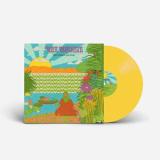
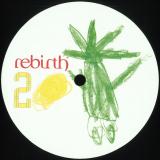
Following on from the highly anticipated Rebirth 20 anniversary project, Rebirth return with the first of two limited-edition bonus 12"s, digging deeper into the label’s catalogue with four killer remixes and previously overlooked gems.
Kicking things off with Leon Feat. Corrina Joseph – I Follow You (Darryl Baalki Remix), a soulful and deeply grooving house cut with Corrina Joseph’s beautiful vocals riding over a warm, hypnotic groove. Darryl Baalki adds his signature touch, making this one a serious late-night house weapon.
Next up is Gianluca Pegoiani Feat. Ann Saunderson – Numero 5 (Rough Ride) (Nick Holder Trackheadz Remix). Nick Holder’s Trackheadz take the original into deeper territory, delivering a classy, rolling slice of deep house with that unmistakable Detroit/Chicago-inspired feel.
On the flip we have Mata Jones & Mikey V – Funky (Elado Remix), bringing a more energetic and playful edge to proceedings with a seriously infectious groove, chunky drums and plenty of dancefloor funk.
Finishing off the EP is Psycho Radio Vs LC Anderson – Bad Reputation (Red Axes Remix). Red Axes work their magic on this one, twisting it into a dark, psychedelic indie-dance workout packed with attitude and hypnotic momentum.
Another essential selection from Rebirth as they continue celebrating 20 years of the label with some seriously choice cuts.
Limited Press — act fast!
Search:ki mi
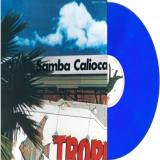
- A1: Prelude Of Batacuda ~ Here Comes Samba
- A2: Ahill
- A3: Berimbau
- A4: Dream Away
- B1: We And The Sea
- B2: Kalimba
- B3: A Tonga Da Mironga Do Kabulete
- B4: Samba In The Morning ~ Sunny Place Carniva
Japanese crossover and fusion are hot again now. As either an outgrowth of, or a spin-off phenomenon from, the global reappraisal
of city pop, Japanese fusion has been rapidly rising since around last year.
This is the 1978 debut album by Carioca, one of Japan’s leading Brazilian fusion units of the 1970s and 1980s.
The group began as the backing band for Kiyoshi Hasegawa, and on this debut release they used the name "Samba Calioca." True to that
band name, they were quite unusual at the time for presenting samba and bossa nova with a resort-flavored sound, and they also
produced specialists such as drummer Antonio Ishida and guitarist Masami Sato. This highly club-popular first album also features a
diverse lineup of guest musicians including Masayoshi Takanaka, Ryuichi Sakamoto, Shuichi "Ponta" Murakami, and Shigeharu Mukai.
expected to be published on 25.09.2026
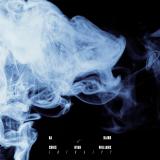
- A1: Elusive (Vinyl Edit)
- A2: Danceteria
- A3: The Space Inside (Vinyl Edit)
- A4: Times Square (Vinyl Edit)
- A5: Two Of A Kind
- A6: The Rainbow Room (Vinyl Edit)
- A7: In Heaven (When I Dance With You)
- B1: Decadence Is Hard Work
- B2: Losing Yourself
- B3: After Hours
- B4: Wave To America
- B5: Out Come The Freaks
Transparent Red Vinyl[36,93 €]
Die Legenden der elektronischen Musik, Soft Cell, bestehend aus Sänger & Frontmann Marc Almond und Multiinstrumentalist & Produzent Dave Ball, veröffentlichen mit "Danceteria" ihr sechstes und letztes Studioalbum - zugleich ein Liebesbrief an das New York der frühen 80er Jahre, wo Soft Cell ihre ersten drei Alben aufnahmen. "Danceteria" ist ein großartiger, stilvoller und verspielter Abschied von 47 Jahren gemeinsamer Musikgeschichte von Marc & Dave als Soft Cell und präsentiert Darbietungen, die für die Karriere dieser Electro-Pop-Legenden prägend sind. Mit Anklängen an Sparks und die Pet Shop Boys sowie Texten, für die Lady Gaga töten würde, nimmt das Album den Hörer mit auf eine lebendige Reise durch einen Tag im New York der frühen 80er Jahre – eine Reise, die rund um die Uhr von der Nacht über den verschwommenen Tagesanbruch bis zum direkten Wiedereintritt in den Club führt.
"Danceteria" ist gleichermaßen eine Hommage an den verstorbenen, großartigen Dave Ball. Dieses letzte Album gehört zu den letzten Werken, an denen Ball als Co-Autor und Produzent mitwirkte, bevor er am 22. Oktober 2025 auf tragische Weise viel zu früh verstarb. Marc Almond führte die Reihe der Nachrufe an und bezeichnete Dave als "geniales musikalisches Genie". Die weltweiten Medien und Musikstars wie Neil Tennant & Chris Lowe (Pet Shop Boys), Daniel Miller (Mute Records), Cabaret Voltaire sowie Richard Norris aus Daves Techno-Duo The Grid würdigten ihn voller Anerkennung und Wehmut als Pionier der elektronischen Musik. Dave stellte "Danceteria" zwei Tage vor seinem Tod fertig, und ganz in seinem Sinne wurde die Veröffentlichung des Albums wie geplant durchgeführt. Auch aufgrund von Daves Tod muss "Danceteria" zwangsläufig das letzte Soft Cell-Album sein, wie Marc erklärt: "Ohne Dave kann es keine weiteren Aufnahmen von Soft Cell geben; das wäre schlichtweg unmöglich. Die traurige Realität ist, dass Dave Ball die eine Hälfte von Soft Cell war, und abgesehen von Live-Auftritten kann ich ohne ihn keine Soft-Cell-Songs schreiben."
expected to be published on 25.09.2026
"Ich möchte lieben und geliebt werden, aber ich will mich auch frei fühlen. Die Spannung zwischen diesen beiden Dingen ist die zentrale Frage meines Lebens", sagt Julia Jacklin - und genau diese Ambivalenz durchzieht ihr viertes Album The Gem. Nach ihrem Umzug nach Melbourne 2017 fand Jacklin in einer kleinen Bar namens The Gem einen Ort der Selbstfindung - ein Sinnbild, das dem neuen Album seinen Namen gibt. Acht Jahre später, nach den hochgelobten Erfolgen ihrer ersten drei Platten - Don"t Let the Kids Win (2016), Crushing (2019) und PRE PLEASURE (2022) - schlägt sie ein neues Kapitel auf: Erstmals veröffentlicht sie bei dem renommierten, stilprägenden Label 4AD, das seit Jahrzehnten für künstlerische Vision und ikonische Indie-Veröffentlichungen steht. Ohne äußeren Druck und frei von Erwartungen schuf Jacklin in Melbourne ihr bislang persönlichstes Werk. The Gem entstand im engen Kreis vertrauter Musiker:innen und entwickelte sich über Monate hinweg - ein intensiver Prozess, geprägt von Selbstreflexion, Zweifel und dem Mut, eigene Entscheidungen kompromisslos zu vertreten. Songs wie "Brand New" oder "Real Life" wurden dabei grundlegend neu gestaltet, bis sie sich ehrlich und richtig anfühlten. Der eröffnende Track "Brand New" setzt ein elektrisches Statement zwischen Aufbruch und Selbsttäuschung, während Stücke wie "God Sometimes" oder "The Hardest Thing" von Selbstbestimmung, Verlust und innerem Wachstum erzählen. Klanglich erweitert Jacklin ihre bisherigen Indie- und Folk-Ansätze um kraftvollere, teils nahezu hymnische Momente. Auch die besondere Aufnahmeumgebung - ein Studio über einer lebhaften Kneipe - prägt den Sound: roh, direkt und atmosphärisch dicht. Mit The Gem gelingt Julia Jacklin eine eindringliche Rückkehr zu sich selbst. Zugleich knüpft sie an die Stärke ihrer bisherigen Alben an und entwickelt ihren Sound konsequent weiter - ein weiterer Beweis dafür, warum sie zu den prägendsten Stimmen des modernen Indies zählt.
expected to be published on 25.09.2026
"Ich möchte lieben und geliebt werden, aber ich will mich auch frei fühlen. Die Spannung zwischen diesen beiden Dingen ist die zentrale Frage meines Lebens", sagt Julia Jacklin - und genau diese Ambivalenz durchzieht ihr viertes Album The Gem. Nach ihrem Umzug nach Melbourne 2017 fand Jacklin in einer kleinen Bar namens The Gem einen Ort der Selbstfindung - ein Sinnbild, das dem neuen Album seinen Namen gibt. Acht Jahre später, nach den hochgelobten Erfolgen ihrer ersten drei Platten - Don"t Let the Kids Win (2016), Crushing (2019) und PRE PLEASURE (2022) - schlägt sie ein neues Kapitel auf: Erstmals veröffentlicht sie bei dem renommierten, stilprägenden Label 4AD, das seit Jahrzehnten für künstlerische Vision und ikonische Indie-Veröffentlichungen steht. Ohne äußeren Druck und frei von Erwartungen schuf Jacklin in Melbourne ihr bislang persönlichstes Werk. The Gem entstand im engen Kreis vertrauter Musiker:innen und entwickelte sich über Monate hinweg - ein intensiver Prozess, geprägt von Selbstreflexion, Zweifel und dem Mut, eigene Entscheidungen kompromisslos zu vertreten. Songs wie "Brand New" oder "Real Life" wurden dabei grundlegend neu gestaltet, bis sie sich ehrlich und richtig anfühlten. Der eröffnende Track "Brand New" setzt ein elektrisches Statement zwischen Aufbruch und Selbsttäuschung, während Stücke wie "God Sometimes" oder "The Hardest Thing" von Selbstbestimmung, Verlust und innerem Wachstum erzählen. Klanglich erweitert Jacklin ihre bisherigen Indie- und Folk-Ansätze um kraftvollere, teils nahezu hymnische Momente. Auch die besondere Aufnahmeumgebung - ein Studio über einer lebhaften Kneipe - prägt den Sound: roh, direkt und atmosphärisch dicht. Mit The Gem gelingt Julia Jacklin eine eindringliche Rückkehr zu sich selbst. Zugleich knüpft sie an die Stärke ihrer bisherigen Alben an und entwickelt ihren Sound konsequent weiter - ein weiterer Beweis dafür, warum sie zu den prägendsten Stimmen des modernen Indies zählt.
expected to be published on 25.09.2026
Kosuke Mine’s electric album, with a strong rock and funk flavor, is set for reissue as part of "Spin This Now!" Vol. 9. This classic album shines with the outstanding combination of Mine’s saxophone with a wah-wah pedal and Mikio Masuda’s psychedelic keyboards.
East Wind was a groundbreaking jazz label established in 1974 through the full cooperation of Ai Music, as it was then known, and Nippon Phonogram, as it was then known. Over a period of about five years, the label produced albums not only by Japanese musicians such as Masabumi Kikuchi, Sadao Watanabe, and Terumasa Hino, but also by musicians who were engaged in creative activity on the global jazz scene at the time. In addition to the quality of the performances, the artwork, created with leading designers and photographers, brought a fresh new image to jazz albums and had a major influence on later record production.
expected to be published on 25.09.2026
- A1: Cogs
- A2: Unity Over Europe
- A3: Wanda
- A4: Semolina Ballerina
- A5: Blue Sunshine
- B1: Everybody Talks About The Weather
- B2: My Lasagne
- B3: Headphones
- B4: King of Nothing
- B5: Say Hello
The Yummy Fur’s first album of new material in over 25 years is seductive and ambiguous; a fast-paced flip through scenes from art, myth, life and fantasy; a witty whole made from glittering scraps. The band’s original incarnation – fronted by singer, songwriter and guitarist John McKeown from 1992 to 1999 – morphed from making quick-hit cartoon-art songs to Eno and Cale-influenced creepers, populated by characters from McKeown’s life in Glasgow and the films, books and poetry that he lived a parallel life through. Everybody Talks About The Weather delights in using every past iteration of the band as potent collage material: a melee of sounds and ideas existing at once, revealing themselves then dipping back into hiding.
Recorded by the original core trio of McKeown, Brian MacDougall (guitar) and Paul Thomson (drums), Everybody Talks About The Weather comes 17 years after the band reformed for sporadic live shows, and seven years after the release of their sorta-greatest hits compilation Piggy Wings (Rock Action). Ten tracks long with nothing to spare, it is as condensed and vital as their best songs, with a new clarity of sound that allows their ambiguities to come into the light.
The album begins with “Cogs”, a taunting inquisition from within. As McKeown stages a fight between his id and ego, the tension heats up between conversational guitar lines and minimalist repetition; threatening sing-song melody and real, palpable menace. The band members are forced in tandem only to break apart, sustaining a genuine sense of just-hidden danger throughout the whole record – except, arguably, “Headphones”, a looser moment which sees McKeown make an existential something out of nothing while waiting for someone in the car (“I should have brought a book.../My ears are bleeding from the compression on your album”)
The songs are riots of reference: “Unity Over Europe” is a slyly complex two act play about the Mitford sisters – Diana, Unity, and Nancy, in a wink to the YF canon – smashing tragic biographical detail together with allusions to Thomas Pynchon and Francis Bacon. Pynchon is also lifted to serve “Blue Sunshine”, a collision of school shooters, serial killers and fictional fuck-ups (“Fast forward to Compton/Fast forward to Pynchon/Fast forward to Columbine'”) whose buzzy guitar lines are taunting and confrontational like a smarmy teenager. The innocuous title of “My Lasagne” belies a song that exists in several time periods at once: a visit to see Guernica, 50 people with their backs to the portrait of Dora Maar; the time that Picasso painted from; the Reina Sofia and the dirty streets of the Malasaña; myth-making musicians and the myths they’re riffing off overlapping and leering at each other.
All this could be laboured in lesser hands, but cultural verbosity is second nature to The Yummy Fur, who transform all this source material into songs that are weird, sexy, funny and absurd. Meaning is not happily understood or flattened. Susan Sontag's essay Against Interpretation accompanied McKeown as he wrote this album, and she’s paraphrased in “Semolina Ballerina”, the album’s justification of artistic ambiguity. Thomson’s motorik beat leads a gathering of back-and-forth instrumental phrases – including a wiry contribution on saxophone – embodying the futility of trying to parse something definitive from repeated action. “Listen to the very first thing that’s in your head,” Sontag-via-McKeown commands directly, then slinks sideways: “Interpretation is a conversation in an unmade bed”
The album features two more focused portraits, or at least The Yummy Fur’s version of such a thing. “Wanda” merges the life of filmmaker Barbara Loden and the title character of her semi-autobiographical 1970 feature film, with Loden’s then-husband Elia Kazan joining the fray of no-good men in her film. It’s a mix of adaptation and avant-criticism, with McKeown’s wordplay and mannered pronunciation mirroring the way that non-fiction and fiction twist around each other in the song. The title track is a series of vignettes and impressions from the lives of the band’s ‘90s inner circle, positing painter Mac McNaughton as a kind of Falstaffian ringleader. As with Piggy Wings and the recent single “New T-Shirt”, McNaughton painted the cover of Everybody Talks About The Weather – like the album’s music, the image of a coy girl in a white dress is an uncanny amalgamation of styles, suggestions and references just out of reach, as though seen in an art museum in a dream.
The album ends with two reads of the same frustration. “King of Nothing” is the closest The Yummy Fur will ever get to sludge-rock: the band melts together into a dusty, dreary haze as McKeown drowns in a drudgery of personal struggle (“Two jumpers on in Babylon/And only cats to talk to”) and the rhythmic toppling of heroes (Rowlands, Duvall, Munro). The majority of visible dirt is cleaned off for “Say Hello”, an uncharacteristic depiction of throwing the windows open after a dark night of the soul. Here, the situation is still cold and hard (“When the sun burns gold, but the heat never reaches your fingertips”) but it feels surmountable. Everybody Talks About The Weather is an unpredictable album from an unpredictable group, but ending on a moment of almost uncomplicated light is maybe its biggest surprise. - Claire Biddles (2026)
expected to be published on 25.09.2026
- A1: Cogs
- A2: Unity Over Europe
- A3: Wanda
- A4: Semolina Ballerina
- A5: Blue Sunshine
- B1: Everybody Talks About The Weather
- B2: My Lasagne
- B3: Headphones
- B4: King of Nothing
- B5: Say Hello
Black Vinyl[15,55 €]
The Yummy Fur’s first album of new material in over 25 years is seductive and ambiguous; a fast-paced flip through scenes from art, myth, life and fantasy; a witty whole made from glittering scraps. The band’s original incarnation – fronted by singer, songwriter and guitarist John McKeown from 1992 to 1999 – morphed from making quick-hit cartoon-art songs to Eno and Cale-influenced creepers, populated by characters from McKeown’s life in Glasgow and the films, books and poetry that he lived a parallel life through. Everybody Talks About The Weather delights in using every past iteration of the band as potent collage material: a melee of sounds and ideas existing at once, revealing themselves then dipping back into hiding.
Recorded by the original core trio of McKeown, Brian MacDougall (guitar) and Paul Thomson (drums), Everybody Talks About The Weather comes 17 years after the band reformed for sporadic live shows, and seven years after the release of their sorta-greatest hits compilation Piggy Wings (Rock Action). Ten tracks long with nothing to spare, it is as condensed and vital as their best songs, with a new clarity of sound that allows their ambiguities to come into the light.
The album begins with “Cogs”, a taunting inquisition from within. As McKeown stages a fight between his id and ego, the tension heats up between conversational guitar lines and minimalist repetition; threatening sing-song melody and real, palpable menace. The band members are forced in tandem only to break apart, sustaining a genuine sense of just-hidden danger throughout the whole record – except, arguably, “Headphones”, a looser moment which sees McKeown make an existential something out of nothing while waiting for someone in the car (“I should have brought a book.../My ears are bleeding from the compression on your album”)
The songs are riots of reference: “Unity Over Europe” is a slyly complex two act play about the Mitford sisters – Diana, Unity, and Nancy, in a wink to the YF canon – smashing tragic biographical detail together with allusions to Thomas Pynchon and Francis Bacon. Pynchon is also lifted to serve “Blue Sunshine”, a collision of school shooters, serial killers and fictional fuck-ups (“Fast forward to Compton/Fast forward to Pynchon/Fast forward to Columbine'”) whose buzzy guitar lines are taunting and confrontational like a smarmy teenager. The innocuous title of “My Lasagne” belies a song that exists in several time periods at once: a visit to see Guernica, 50 people with their backs to the portrait of Dora Maar; the time that Picasso painted from; the Reina Sofia and the dirty streets of the Malasaña; myth-making musicians and the myths they’re riffing off overlapping and leering at each other.
All this could be laboured in lesser hands, but cultural verbosity is second nature to The Yummy Fur, who transform all this source material into songs that are weird, sexy, funny and absurd. Meaning is not happily understood or flattened. Susan Sontag's essay Against Interpretation accompanied McKeown as he wrote this album, and she’s paraphrased in “Semolina Ballerina”, the album’s justification of artistic ambiguity. Thomson’s motorik beat leads a gathering of back-and-forth instrumental phrases – including a wiry contribution on saxophone – embodying the futility of trying to parse something definitive from repeated action. “Listen to the very first thing that’s in your head,” Sontag-via-McKeown commands directly, then slinks sideways: “Interpretation is a conversation in an unmade bed”
The album features two more focused portraits, or at least The Yummy Fur’s version of such a thing. “Wanda” merges the life of filmmaker Barbara Loden and the title character of her semi-autobiographical 1970 feature film, with Loden’s then-husband Elia Kazan joining the fray of no-good men in her film. It’s a mix of adaptation and avant-criticism, with McKeown’s wordplay and mannered pronunciation mirroring the way that non-fiction and fiction twist around each other in the song. The title track is a series of vignettes and impressions from the lives of the band’s ‘90s inner circle, positing painter Mac McNaughton as a kind of Falstaffian ringleader. As with Piggy Wings and the recent single “New T-Shirt”, McNaughton painted the cover of Everybody Talks About The Weather – like the album’s music, the image of a coy girl in a white dress is an uncanny amalgamation of styles, suggestions and references just out of reach, as though seen in an art museum in a dream.
The album ends with two reads of the same frustration. “King of Nothing” is the closest The Yummy Fur will ever get to sludge-rock: the band melts together into a dusty, dreary haze as McKeown drowns in a drudgery of personal struggle (“Two jumpers on in Babylon/And only cats to talk to”) and the rhythmic toppling of heroes (Rowlands, Duvall, Munro). The majority of visible dirt is cleaned off for “Say Hello”, an uncharacteristic depiction of throwing the windows open after a dark night of the soul. Here, the situation is still cold and hard (“When the sun burns gold, but the heat never reaches your fingertips”) but it feels surmountable. Everybody Talks About The Weather is an unpredictable album from an unpredictable group, but ending on a moment of almost uncomplicated light is maybe its biggest surprise. - Claire Biddles (2026)
expected to be published on 25.09.2026
- 1: Gone Girl
- 2: Elvis Queen
- 3: Roadkill
- 4: Dreams
- 5: Are You Out There (crimson and clover)
- 6: Instant Validation
- 7: Miss Queen Know It All
- 8: Andromeda
- 9: Monumental
- 10: Time Thief
- 11: Formation (of me)
- 12: Bluebird
Meg Lui is a Northern California-born singer-songwriter, based in the Hudson Valley since 2015. In her songs, vivid lyrics and poignant melodies intertwine with a voice that feels both intimate and lasting. Through reflections on love, resilience, and the human experience, she offers listeners a window into her world.
A Californian by birth, Boston-educated at Berklee College of Music, musically raised in Brooklyn, and now settled in the Catskills, Meg has released music under the names M. Lui, Grover, and as part of the trio Ember Isles.
Her influences-ranging from Freddie Mercury, The
Cranberries, No Doubt, Sheryl Crow, and Bonnie Raitt-reflect her love for artists whose fearless individuality continues to shape her dynamic songwriting and performance.
Over the past two years, Meg has lent her voice to records including Sufjan Stevens' Javelin (2023), Sam Evian's Plunge, Denison Witmer's Anything At All, John Legend's My Favorite Dream, Keenan O'Meara's forthcoming record Bathe In The Everlasting Light, and Liam Kazar's Pilot Light. She performs regularly with Keenan O'Meara and Hannah Cohen and occasionally when the stars align, with the Hudson Valley country band Critter Bonus.
expected to be published on 25.09.2026
Pressure is the medium of wind players. Wind instruments all sound thanks to pressure differentials, whether that’s the rush of wind over a lip plate or a steady, buzzing exhalation through pursed lips. Ka Baird and Chris Ryan Williams (HxH) are wind players well- schooled in the power of using pressure and movement to amplify the mystery of an invisible force animating a metal tube. They augment their instruments, flute and trumpet respectively, with electronics, sometimes obscuring the acoustic sound source, sometimes making it hyperreal. Flutters of lip and tongue slither over the listener’s ear, and sustained tones become a dense fog, pushing on other kinds of visceral, emotional pressure points.
On Enthalpy, Baird and Williams’ first album as a duo, the energy they conjure feels barely contained, the pressure built up to a breaking point before spilling out in multiple directions at various speeds. They borrow the title from thermodynamics, referring to the total energy of a system based on its pressure and volume. The music flies out in bursts; it seeps and oozes, flows with intention. It is an incredibly rhythmic work without any hint of meter, full of sounds that punctuate with the thud of a dart hitting a bullseye. Williams’ capability to conjure swirling atmospherics, as well as his remarkable ability to pull fragments of melody from the haze, fit puzzle-like into Baird’s exclamations and the eruption of electronics that often dovetail them. The duo draws on tones from nearly the entire range of human hearing, from nimble but bulbous throbs of sub-bass to pinprick flickers of ultra-high end.
The sessions that produced Enthalpy were completely improvised, showcasing a degree of mind-meld that belies each participant’s thrill at approaching the unknown. This isn’t a casual conversation, but an omnidirectional tangle that ties and reties itself into new knots as the album progresses. Williams and Baird have both become ubiquitous presences throughout the New York City experimental music communities, collaborating with innumerable others and learning how their unique approaches work in tandem with similarly expansive thinkers and players. Even in the album’s most spacious moments, there’s a tension between the feeling of being unmoored and yet completely locked in, like the abyss is just one more river to cross. They ford it together before moving on to the next idea in lock step.
For the listener, Enthalpy is often felt in the body as much as it reverberates within the ears. We’re tossed from side to side, made to shoulder the impact of detonating electronics, absorbing these sounds with the feet, gut, and crown. Baird reaches into the back of their throat for guttural growls, and we can almost feel the scratch. As we tread the border of the synthesthetic, it's a reminder of the physical nature of sound, that the space between our ears and the speakers is its own enthalpic system of energy conduction. Move with it, let it move you, and see how it feels.
expected to be published on 25.09.2026
- 1: PORTAL
- 2: BITE!
- 3: BLOOD MOON ECLIPSE
- 4: POPPERS N LIMERANCE
- 5: ATITLN
- 6: RISKY TEXT!
- 7: RUNNING FROM ME (FT. KAMBABA JASPER)
- 8: UNDERWURLD!
- 9: TWISTED TITTY JUMPIN W TAIL!
- 10: BITCH!
- 11: BOOTINGUP
- 12: THE VOICES
- 13: TUDO BEM!
- 14: OCEAN HEAT (FT. RADIA)
- 15: MEOW!
- 16: VERUCA SALT
- 17: SEE!
- 18: THAT'S RIGHT! EXACTLY
- 19: WE GOTTA GO!
- 201: S N 0S
Semiratruth ist ständig in Bewegung. Der in Brooklyn lebende, in Chicago geborene Elektronik-Künstler reist von Bühne zu Bühne und pendelt zwischen unterschiedlichen Underground-Musikszenen - von den USA über Guatemala bis in die Niederlande -, Synthesizer und Sampler im Gepäck, als wären sie ein Teleportationsgerät. Auf der Bühne lenkt er intuitiv die Energie im Raum und scheint den kollektiven Herzschlag des Publikums mit einem universellen Metronom zu synchronisieren. Mit einem Tisch voller Elektronik-Geräte klopft er ganz beiläufig klangliche Portale in eine andere Welt auf. Semiras sich ständig wandelndes Umfeld und ihr eigener gelebter Schwung sind auf ihrer neuen LP ,S!M" zu hören, die am 25. September über das vielseitige Chicagoer Label Sooper Records erscheint. ,S!M" schafft eine einzigartige Balance: Der kompositorische Minimalismus von Acid, Juke und Baile Funk schlängelt sich in industrielle Klanglandschaften, um dann durch experimentelle und melodische Improvisationen ins Licht gerückt zu werden, die an Cosmic Synth und Spiritual Jazz der 1970er Jahre erinnern. Das Selbstbewusstsein, mit dem Semiratruth diese klangliche Dualität nutzt, spiegelt sich in den Themen ihres schwindelerregenden instrumentalen Multiversums mit 20 Tracks wider. Disharmonische Stimmen von Gedanken und Gefühlen, Sehnsucht und Hingabe, Hinterfragen und Träumen - all das findet Harmonie in Semiras Welt, in der unterschiedliche Realitäten gleichzeitig existieren. Jeder Track ist ein Universum, das sich in einem Existentialismus ergeht, der zu gleichen Teilen aus Freude und Schmerz besteht - eine Aufforderung, den Kosmos mit Kopfhörern zu ergründen oder ihn auf der Tanzfläche auszuleben. Semiratruths bisheriges Werk und vergangene Live-Auftritte haben dem Künstler einen Ruf für seine lyrische Gewandtheit eingebracht, doch ihre Leidenschaft für instrumentale Arrangements ist in all ihren bisherigen selbstproduzierten Werken zu hören. Auf ,S!M" richtet Semira den Fokus ganz einfach auf die Sounddesign-Aspekte ihrer Kunst. Tracks wie ,Atitlán", benannt nach Guatemalas großem See, zeigen Semiratruths disziplinierte kompositorische Stärke. In seiner Mikrotonalität sehr intim, breitet sich ein sich langsam wandelndes Synth-Pad aus, während Spritzer maschineller Töne die Mehrdeutigkeiten des Lebens zwischen den Noten melodisch zum Leben erwecken. Diese Zurückhaltung steht in krassem Kontrast zu Tracks wie ,Blood Moon Eclipse" und ,we gotta GO!", in denen dröhnende Kick-Drums den Hörer in den Rhythmus des Stadtlebens katapultieren. In jedem Moment könnte Semiratruth überall sein. Wo auch immer Semira nicht ist, füllt ihr Geheimnis die Leere. Ihr Schatten-Ich stürzt sich in ein pulsierendes Publikum von NYC-Fans, während sie die Lautsprecher mit einem Fingertipp zum Beben bringen. Im selben Moment wird ihre Geschichte zum Mythos in den Chicagoer DIY-Szenen, aus denen sie hervorgegangen sind. Genau in derselben Sekunde schwärmen Farm-Core-Songwriter hinter der Bühne eines Folk-Festivals von ihrer neu entdeckten musikalischen Obsession und rufen aus: ,Semira ist die WAHRHEIT!" Wie Semira es ausdrückt: ,All diese S!Mulationen und Zeitachsen finden S!Multan statt. Je tiefer du eintauchst, desto seltsamer wird es."
This item has not yet been released. You can pre-order the product now.
- Dreamthief
- The Moonbeam Path
- Desert Moons
- Skeleton Key
- Crawlspace
- Re-enchantment
- Strange Aeons
- Sorceries
- The Goblin's Dilemma
- Night's Dark Agents
- Sleep Spell
- Story of the Week
At the outset of the project, Jupp assembled a palette of instruments and sounds which evoke a moment in musical history when digital studio technology just started to take over from analogue. Eschewing Belbury Poly’s earlier mid 70s obsessions, to focus on that period around 1983, when artists who could afford it started to experiment with samplers. It was a musical moment dominated by the sounds of Prophet 5, DX7 & PPG synthesizers, Fairlight & Synclavier music computers, TR808 drum machine & Simmons Drums (those ubiquitous hexagonal drum pads) and of course the much-maligned fretless bass.
It’s also an era that’s now seen as something of a golden age for fantasy, sci-fi, comics, book, TV, movies and games (particularly in Britain where it was often fuelled by a post punk reaction to Thatcher’s regime). In Jupp’s memory these things go hand in hand; as a child his nerdy fandom was soundtracked not as it was for most by Heavy Metal, but by the electronic pop of Bill Nelson, Yellow Magic Orchestra, Japan, and Frank Chickens. Also, by otherworldly TV soundtracks & production music of the era: Elizabeth Parker and Paddy Kingsland at the BBC, The Parry Music Library, Rod Argent’s new age library albums and even Clannad’s Robin of Sherwood score.
expected to be published on 25.09.2026
- Flowers At The Border
- The Long Dead King
- Bowed Clusters
- I Learned To Swim Under Water
- Building Better Worlds
- Harmonic Runout
- Kendrick Road
- Sailing Day (Wintergreen Remix)
- Versatile Clouds
- Bells and Thread
- No Memories, No Plans
- Everyone I Met Today
- Tired Ghost In Orbit
Following the much-loved Library Music: Volume One (2022), and hot on the heels of this year’s critically acclaimed ‘After The Rain, Strange Seeds’ (9/10 - Uncut) , London group The Leaf Library return with a second journey through the margins of their catalogue. Gathering together rare recordings, compilation tracks, limited edition releases, collaborations and hidden gems from their ever-expanding musical world, Library Music: Volume Two is another vibrant and varied collection of electronic indie pop, in all its guises.
Far from a conventional odds and ends collection, the double LP compilation reveals another side of a band who have always treated the spaces between albums as places to explore. These are the moments where ideas stretch out; there are hypnotic drones, motorik rhythms, glowing analogue textures, pastoral electronics and the warm, melodic melancholy that has become unmistakably The Leaf Library. There is the electro-pop of Flowers At The Border, the psych rock-adjacent Building Better Worlds, and the gentle chamber shuffle of Kendrick Road. Tracks range from the 22 minute folk kosmiche epic Versatile Clouds to the 59 seconds, record skip punctuation mark of Harmonic Runout, with a whole array of trips, ideas and experiments in between.
Since forming in a pre-Ghost Box, Castles in Space and Clay Pipe world, The Leaf Library have carved out a unique place somewhere between dream pop, kosmische repetition and experimental songcraft — drawing comparisons to Stereolab, Broadcast, Yo La Tengo and the outer edges of library music, while creating a sound entirely their own.
“We’ve always loved making things outside the pressure of a ‘proper’ album,” says singer/guitarist Matt Ashton. “Singles, collaborations and compilation tracks give you permission to follow an idea wherever it wants to go. Looking back, those pieces tell their own story.”
Where their studio albums have shown the group carefully building immersive worlds, the Library Music series maps the pathways between them — the sketches, diversions and unexpected discoveries that often reveal the most about a band.
Across a lucky thirteen tracks, Library Music: volume two is a reminder that some of the best discoveries are found on the shelves you forgot to check.
[a] Flowers At The Border [4.21]
[b] The Long Dead King [7.16]
[c] Bowed Clusters [4.00]
[d] I Learned To Swim Under Water [4.32]
[e] Building Better Worlds [11.59]
[f] Harmonic Runout [0.59]
[g] Kendrick Road [3.36]
[h] Sailing Day (Wintergreen Remix) [3.59]
[i] Versatile Clouds [22.00]
[j] Bells and Thread [2.54]
[k] No Memories, No Plans [4.33]
[l] Everyone I Met Today [1.00]
[m] Tired Ghost In Orbit [9.19]
expected to be published on 25.09.2026
Repress
Released in August 2020 to much acclaim, as well as receiving many accolades as one of the best albums of 2020, Duval Timothy present Help (2021 edition).
This new and limited edition will be released independently by Duval Timothy’s Carrying Colour label, fashion brand and shop. It comes on 2 x 140g milky clear vinyl, with new 2 x 12" square posters and shrink-wrapped.
Help was recorded in London and Los Angeles, and reveals the artists' experience traversing the meshes of the music industry, mental health, YouTube self-help videos, and the healing he discovered through friendship and collaboration. Co-produced by Rodaidh McDonald (King Krule, The XX) and Marta Salogni (Bjork), with collaborations from Lil Silva, Melanie Faye, Vegyn, Desta Haile, Mr Mitch, Dave Okumo, and Twin Shadow amongst others.
Duval Timothy is a multidisciplinary artist, whose practise is centred around colour and involves the use of music, photography, textiles, painting, sculpture, design, cooking and video. In between delivering a celebrated cookbook for Penguin Books, and an interactive installation at Tate Modern Turbine Hall, Duval makes music, which is sampled by the likes of Solange and Loyle Carner and collaborates frequetly with cktrl, Vegyn, Kwes, and Mr Mitch.
Order now and we will order the item for you at our supplier.
- 1: Pink pink pink pink…pink pink
- 2: Green as a ghost
- 3: Battles and sieges and street trees
- 4: Waste, songs of the world
- 5: Easier sad than done
- 6: Mountain scene
- 7: Swiss apartment layouts
- 8: Decades of river widths
- 9: Disaster loans
- 10: Corporate activity, ancient shipwrecks
- 11: Lettre d’amour à Fly Pan Am
- 12: Swamps and factories
Montréal-based sound artist Steve Bates expands his strategies and stylistic influences on An Infinite Antenna, his second solo album for Constellation, giving freer reign to melodic components and textural dynamics: leftfield synth work, deconstructed drum machine, pointillist electric guitar, and radiostatic blur are all part of the new brew swirling around his bruitist signal-bending and field-recording sensibility. Arguably a more ambient album than his acclaimed 2022 Constellation debut, An Infinite Antenna is at the same time more densely packed with ideas, dynamics, evocations and earworms. Coming out of the anarcho-punk scene of the Canadian Prairies in the 1990s, Bates founded Winnipeg’s experimental sound festival Send + Receive in 1998 before moving to Montréal to become Sound Coordinator at Hexagram (Concordia University), delving further into sonic research and theory, tape-based composition, and installation work. Alongside the curatorial arc of his own sound art label The Dim Coast, Bates released several solo and collaborative albums on ORAL_records leading up to All The Things That Happen, the 2022 Constellation debut praised by Boomkat for its “grittily iridescent ambient billow rendering maximalist panoramas” and by Backseat Mafia as “extraordinary soundscapes of unstable, destructive cacophony and tender calm, echoes of the threat of power.” Where that album was noisier and single-minded, made with the self-imposed limit of a Casio SK-1, Bates plays more widely with instrumentation and atmospheres on An Infinite Antenna, also drawing on his post-hardcore roots in seeking a sort of track-by-track concision nonetheless driven by the album’s coherence as a seamless work. “I was trying to set durations I associate with punk rather than the longer, sprawling music coming from more ambient styles (that I very much love), and while I wasn’t able to quite pare it down to Minutemen durations, I had that reduction to essential elements as a sort of whisper over my shoulder.” Incorporating source recordings made throughout 2023-2025, including at artist residencies and site-specific sound installation visits in Bosnia and Herzegovina (the album’s cover photo was taken in Sarajevo), Austria, Greece, and Saskatchewan, An Infinite Antenna combines Bates’ “idea of slowly scanning a radio dial” with a soundworld of recurring timbral and textural touchstones that forge an integrated whole.
The album’s 12 tracks work effectively as stand-alone pieces, replete with shifting undercurrents, buried melody, and stuttering kinetics, and as a sequential flow where the brief interstitial silences between them are like short pauses to flip the next page in a sketchbook of perspectival studies of a wide but singular tableau. The glistening atonal synth expressionism of opener “Pink pink pink pink…pink pink” drifts gently toward submerged ambience, darkened by the noised rumble and static interference of “Green as a ghost”, which introduces broken beats and piano chords in its denouement. Tracks like “Battles and sieges and street trees” and “Easier sad than done” work the foundations of low-end field-recording resonance, but dappled with lovely melodic droplets of treated guitar and synth. “Waste, songs of the world” and “Disaster loans” are among the album’s most explicit stylistic references to posthardcore, with distorted ambient bass and gently abrasive drum sampling. Closing track “Swamps and factories”, the album’s longest piece, is perhaps most reminiscent of Bates’ previous record with its sustained dissonant glimmer-drone, but the journey An Infinite Antenna traces to get there is Bates at his most dynamic, diverse, distinctive, and engaging. Thanks for listening.
expected to be published on 25.09.2026
- 1: CARNE PICADA
- 2: INTERROGATORIO
- 3: NI HABLAR
- 4: TE QUIERO
- 5: CREO QUE VOY A POTAR
- 6: BRONCA EN CALLAO
- 7: LA SENDA DE LOS ELEFANTES (HARA KIRI)
- 8: TIENES MIEDO
- 9: NADIE EN CONCRETO
- 10: BOCA CERRADA (CALLATE)
- 11: ¿QUE ES ESTE TEMBLOR
- 12: R.I.P
- 13: PIENSO EN TI
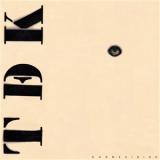
Reissue of the second album by the almighty TDeK, an absolute classic and one of the very best and most important Spanish Hardcore Punk records ever, originally released in 1986. An even more focused and destructive effort than their legendary debut, "Esto es Una Empresa Capitalista" (1984), with the band in top, killer shape ripping through 13 nasty, explosive and unforgettable songs. A memorable, ugly and fierce milestone of Spanish Punk and Hardcore created by an infamous band, absolutely essential! Includes two inserts.
expected to be published on 25.09.2026
- 1: PINK PINK PINK PINKPINK PINK
- 2: GREEN AS A GHOST
- 3: BATTLES AND SIEGES AND STREET TREES
- 4: WASTE, SONGS OF THE WORLD
- 5: EASIER SAD THAN DONE
- 6: MOUNTAIN SCENE
- 7: SWISS APARTMENT LAYOUTS
- 8: DECADES OF RIVER WIDTHS
- 9: DISASTER LOANS
- 10: CORPORATE ACTIVITY, ANCIENT SHIPWRECKS
- 11: LETTRE D'AMOUR FLY PAN AM
- 12: SWAMPS AND FACTORIES
Montréal-based sound artist Steve Bates expands his strategies and stylistic influences on An Infinite Antenna, his second solo album for Constellation, giving freer reign to melodic components and textural dynamics: leftfield synth work, deconstructed drum machine, pointillist electric guitar, and radiostatic blur are all part of the new brew swirling around his bruitist signal-bending and field-recording sensibility. Arguably a more ambient album than his acclaimed 2022 Constellation debut, An Infinite Antenna is at the same time more densely packed with ideas, dynamics, evocations and earworms. Coming out of the anarcho-punk scene of the Canadian Prairies in the 1990s, Bates founded Winnipeg's experimental sound festival Send + Receive in 1998 before moving to Montréal to become Sound Coordinator at Hexagram (Concordia University), delving further into sonic research and theory, tape-based composition, and installation work. Alongside the curatorial arc of his own sound art label The Dim Coast, Bates released several solo and collaborative albums on ORAL_records leading up to All The Things That Happen, the 2022 Constellation debut praised by Boomkat for its "grittily iridescent ambient billow rendering maximalist panoramas" and by Backseat Mafia as "extraordinary soundscapes of unstable, destructive cacophony and tender calm, echoes of the threat of power." Where that album was noisier and single-minded, made with the self-imposed limit of a Casio SK-1, Bates plays more widely with instrumentation and atmospheres on An Infinite Antenna, also drawing on his post-hardcore roots in seeking a sort of track-by-track concision nonetheless driven by the album's coherence as a seamless work. "I was trying to set durations I associate with punk rather than the longer, sprawling music coming from more ambient styles (that I very much love), and while I wasn't able to quite pare it down to Minutemen durations, I had that reduction to essential elements as a sort of whisper over my shoulder." Incorporating source recordings made throughout 2023-2025, including at artist residencies and site-specific sound installation visits in Bosnia and Herzegovina (the album's cover photo was taken in Sarajevo), Austria, Greece, and Saskatchewan, An Infinite Antenna combines Bates' "idea of slowly scanning a radio dial" with a soundworld of recurring timbral and textural touchstones that forge an integrated whole. The album's 12 tracks work effectively as stand-alone pieces, replete with shifting undercurrents, buried melody, and stuttering kinetics, and as a sequential flow where the brief interstitial silences between them are like short pauses to flip the next page in a sketchbook of perspectival studies of a wide but singular tableau. The glistening atonal synth expressionism of opener 'Pink pink pink pink_pink pink' drifts gently toward submerged ambience, darkened by the noised rumble and static interference of 'Green as a ghost', which introduces broken beats and piano chords in its denouement. Tracks like 'Battles and sieges and street trees' and 'Easier sad than done' work the foundations of low-end field-recording resonance, but dappled with lovely melodic droplets of treated guitar and synth. 'Waste, songs of the world' and 'Disaster loans' are among the album's most explicit stylistic references to posthardcore, with distorted ambient bass and gently abrasive drum sampling. Closing track 'Swamps and factories,' the album's longest piece, is perhaps most reminiscent of Bates' previous record with its sustained dissonant glimmer-drone, but the journey An Infinite Antenna traces to get there is Bates at his most dynamic, diverse, distinctive, and engaging. Thanks for listening
expected to be published on 25.09.2026
- 1: Dementia
- 2: K.A.P
- 3: Vision
- 4: Fucktoy
- 5: Jemenez Cricket
- 6: Soft Mind
- 7: Average People
- 8: Blue World
- 9: Callous
- 10: Fisting
- 11: Die Laughing
- 12: Dead Smart
- 13: Sympathy Kiss
- 14: Pork Farm
- 15: Promise
- 16: Foolish Bastard
- 17: Postulate Then Liberate
- 18: It's After The End Of The World
- 19: Machine Parts
- 20: 4
- 21: Unbaptized
- 22: Prey
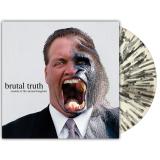
BRUTAL TRUTH's defining 1997 album is one of Grindcore's most essential releases! Now fully remastered by Brad Boatright and available on vinyl for the first time in more than 20 years! "From startling exercises in savage brevity to disorientating psych-rock squalls, it’s grind with no brakes, no safety net and absolutely no fear." - Metal Hammer
expected to be published on 25.09.2026
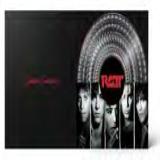
„Dancing Undercover“ war das dritte Studioalbum von Ratt; es erschien 1986 und feiert 2026 sein 40-
jähriges Jubiläum. Das Album wurde mit Platin ausgezeichnet, enthält Hits wie „Dance“ (der in einer
Folge von *Miami Vice* zu hören war), „Body Talk“ (verwendet im Eddie-Murphy-Film *Auf der Suche
nach dem goldenen Kind*) sowie „Slip of the Lip“ und erreichte Platz 26 der Billboard-200-Charts.
expected to be published on 25.09.2026
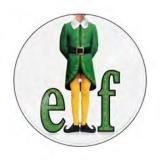
Der Soundtrack des von Jon Favreau inszenierten Weihnachtsklassikers „Elf“ mit Will Ferrell in der Rolle
des Buddy, eines Menschen, der am Nordpol als Elf aufgewachsen ist, kommt in einer brandneuen, festlichen
Picture-Disc Vinyl und Deluxe Edition CD wieder! Nachdem Buddy entdeckt, dass er in Wirklichkeit ein
Mensch ist, macht er sich auf den Weg nach New York City, um seinen Platz in der Welt und seinen Vater
zu finden. Dabei findet er nicht nur seine Familie wieder, sondern schafft es auch, den Weihnachtsgeist in
der Stadt wieder aufleben zu lassen. Die mitreißende Originalmusik stammt vom legendären Komponisten
John Debney, der auch an Familienklassikern wie „Hocus Pocus“, „Spy Kids“, „Das Dschungelbuch“ und
vielen anderen mitgewirkt hat.
expected to be published on 25.09.2026
- 1: Guardians Of Eden
- 2: Tears From The Skies
- 3: Springtime
- 4: Canto De Lemanja
- 5: All I Can Do
- 6: Face Of All
- 7: Gaian Dream
Surfing on a sun-drenched wave of psychedelia comes Brighton's very own Merry Pranksters, Wax Machine. Primarily recorded and mixed in a closet room directly above a mortuary, their self-produced album Hermit's Groove is a heady trip through progressive psychedelia, kitsch Italian library music and Brazilian tropicalia.
expected to be published on 25.09.2026
Order now and we will order the item for you at our supplier.
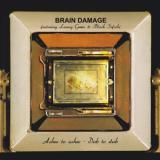
By 2004, dub had a history stretching back more than thirty years. This remarkable longevity can easily be explained by the evolving nature of this musical genre, which is constantly changing both artistically and technically, from Kingston to London, New York, and more recently Berlin, Paris, Lyon and Saint-Étienne. For example, it is worth noting that for some years now, in France and elsewhere, a good number of artists have been thinking in terms of dub from the outset, breaking free from the original Jamaican model, which involved drawing inspiration almost systematically from an existing vocal track. Thirty years on, with the release of their second album, Brain Damage aim to reconnect with this tradition. Recent collaborations with the two vocalists, Learoy Green and Black Sifichi, have indeed provided the ideal source material for the creation of five tracks, each rendered in their respective dub versions, thus forming an album with a symmetrical, even geometric character - from its very structure right down to its title: 'Ashes to ashes / Dub to dub'. At the heart of the project lies the astute choice of two guests, each operating in diametrically opposed spheres yet brought together for the occasion, thereby emphasising a certain 'unity of the circle': 'the unity of the circle'. Born of a genuine artistic vision, this geometric, symmetrical aesthetic-omnipresent in every detail of the album, both auditory and visual-complements Brain Damage's 'square' and robotic side, with its three-dimensional evocations. Always working in close collaboration with the very latest digital technologies. This brings to mind 'the balance of the cube'. Finally, the title itself, 'Ashes to ashes / Dub to dub', should be understood as a reference to the transience of all things in this world, against a backdrop of widespread, globalised, international, national and local crises_
expected to be published on 25.09.2026
- 1: BONSOIR PARIS
- 2: BEAUCOUP
- 3: CAPITALE
- 4: OUI C'EST MOI
- 5: JE NE DANSE PAS
- 6: STRIP TEASE
- 7: BOUNCE
- 8: WON EURO DOLLAR
- 9: XMEN
- 10: PLUS FORT
- 11: ARTIFICIEL
- 12: POPSTAR FT. KALIKA
Bilal Hassani, aged 25, a singer-songwriter, actor and producer, shares his daily life with over 3 million loyal fans around the world. He is the symbol of a new generation and champions the values of tolerance, acceptance, self-love and respect for all. Bilal is ranked among the world's 20 most influential LGBTQ+ figures by Vanity Fair. Regarded as a pop icon by Les Inrockuptibles magazine, Bilal Hassani has three albums and one mixtape to his name. With *Bonsoir Paris*, Bilal Hassani has released a twelve-track album entirely dedicated to partying, nightlife and the freedom to be oneself. Produced by himself and Sutus, the record revives the unapologetic pop and French Touch of the likes of David Guetta, Bob Sinclar, Daft Punk and Martin Solveig - that 90s house music that shaped his childhood - which he blends with bolder electro sounds and even a touch of Romanian pop. The album is mainly mixed by Nathan Boddy, whose work features on tracks by New Jeans, Mura Masa, Oklou, Olivia Dean and Shygirl, guaranteeing a production that is both pop and resolutely contemporary. In 2019, after representing France at Eurovision with his song "ROI" - a powerful message of self-acceptance - he released his debut album, KINGDOM, and won the NRJ Music Award for "Francophone Breakthrough Artist of the Year". In 2022, his third album, *Théorème*, was released, produced by the king of French pop, GrandMarnier of the group Yelle. With an average tempo of 124 BPM, the new album is made for dancing, conceived as a breath of fresh air for himself and his audience.
expected to be published on 25.09.2026
- A1: Smile
- B1: Nature Boy
UK Dub - Post Punk legend Ghetto Priest releases Nat King Cole's Lovers from his latest album Big People Music ('22) on 7" in a delusional jacket! Mixed down by UK dub pioneer Adrian Sharwood.
expected to be published on 25.09.2026
- 01: la noche más larga del mundo
- 02: i always cry on the plane
- 03: buffering
- 04: emotional baggage allowance
- 05: a little piece of 4ever
- 06: la ola or i miss u
- 07: at the terminal but lost
The method is instability.
— Violeta Garcia & Hora Lunga
Violeta García & Hora Lunga return with 4ever, their second album and the follow-up to I’ll Wait For You In The Car Park. Released in 2025 on -ous, their debut received airplay on BBC and NTS and was selected for Bandcamp’s Best Experimental Music year-end list. 4ever picks up where that record left off: in ordinary moments, small scenes and the strange emotional weight of being somewhere between places. But here, these moments are stretched across a much larger, darker screen. A night flight, a terminal, a bad connection. When too many feelings are carried from one place to another, everyday situations begin to feel epic, empty, or apocalyptic.
Built from García’s cello and Hora Lunga’s synths, samples and field recordings, the album pushes further into emotion, letting fragile melodies, orchestral cello gestures, heavy low-end and compressed noise melt into something both dystopian and strangely familiar. Its warmth is not meant to be an escape from this world, but something that appears within it. Acoustically, the album lives through the closeness of the materials, the way sounds stay with each other, and in the feeling that even the most unstable moments are being carried together. The album presents itself in scenes that fade into each other: quiet melodic fragments that are interrupted and restarted, unpredictable changes of direction, held together by an inevitable melody, a bright synth harmony unfolding into an almost orchestral cello arrangement. Later, a broken organ-like sample turning in circles, cello melodies appearing as if they were trying to remember a song that never belonged to one voice alone. An endless loop that is placed under changing lights, briefly opening into emotional chords, then slipping back into emptiness.
It is this instability that Violeta García and Hora Lunga place at the center of their collaboration. They do not decorate the cello with production, or place electronics around an acoustic centre. They explain: “On 4ever, we become part of the same unstable surface. What holds the record together is not resolution, but the trust in staying together as things distort, overload, disappear and return.”
Violeta García, an Argentinian cellist known for her solo work and for her role in the punk band Blanco Teta, brings the instrument close to the body, as melody, pressure, texture, noise and sudden emotional weight. García has brought her distinct musical voice to KEXP, Rewire, Le Guess Who?, Bad Bonn Kilbi, Silent Green, TransMusicales, Roskilde and more.
Hora Lunga, a Zurich-based producer and composer working across unstable song forms, treats electronics less as a frame than as a weather system: something that can hold a scene together, distort it or make it disappear. In recent years, his compositions have ranged from experimental song forms, sound performances, ensemble compositions and film music. His ensemble WIRREN consists of up to fifteen performers.
expected to be published on 25.09.2026
- A1: Favourite Lover
- A2: Forever Dreaming
- A3: You Don’t Have To Tell Me It’s Over
- A4: Midnight Bounce
- A5: Contraband
- A6: Bad Person
- A7: Love Hurts
- B1: Winning
- B2: Smokey
- B3: All Or Nothing
- B4: Killing It
- B5: The Ghost In Our Hearts
- B6: Post Blue
- B7: Marathon Cry
eee gees Debütalbum „Winning“ erhielt mehrere 5-Sterne-Rezensionen und Album-of-the-Year-Auszeichnungen und etablierte sie als Alt-Pop-Act in ihrer dänischen Heimat. Inhaltlich dreht sich das Album um Herzschmerz, Depression und den Moment, in dem man vergangene Niederlagen akzeptiert – melancholisch, hoffnungsvoll und selbstironisch zugleich.
expected to be published on 25.09.2026
New remix series from the Veteran New York City producer / DJ / keyboardist Scott Wozniak.
2 Killer remixes of well-known artists given a new house music twist for the floors, evoking the golden era of The DFA (Darryl James, Fred McFarlane and Allen George) remixes on Fall Out Records in early to mid 00’s.
Limited Stock act fast!
Order now and we will order the item for you at our supplier.
- A1: Going Back Home
- A2: Forrest On The Mountain
- A3: Vance's Blues
- A4: Inspired
- A5: Restless Feeling
- B1: Wish Me Well
- B2: Mr. Sun
- B3: My Lady
- B4: Changes
- B5: You're The One
Elderberry Jak was and is arguably the finest rock band to come out
West Virginia. It is certainly an arguable case if its single album is an accurate indicator, as the recording reveals a quartet as strong as any number of its more well-known, more commercially successful hard
rock contemporaries--bands such as Free, the James Gang, the
Guess Who, and Three Dog Night--all with which Elderberry Jak shared a variety of sonic attributes. The band came together in the fall of 1969, with bass player Dave Coombs and lead vocalist Joe Cerisano (Silver Condor, Trans-Siberian Orchestra) as its co-founders. The two had previously played together in Coombs' outfit J.B. and the Bonnevilles
. The Bonnevilles formed in 1965 and developed over the next few years into the most outstanding and popular group in the entire state of West Virginia. Upon the demise of J.B. and the Bonnevilles in 1969,
the duo formed a new unit called Kaboose, which lasted seven months. Then, with the addition of Tom Nicholas on guitar and Joe Hartman behind the drum kit, they became Elderberry Jak, named after the elderberry wine made by an uncle of Coombs. The quartet had soon become a powerful unit, mixing hard-driving rock with invigoratingly tight funk. The band traveled throughout their home states, Ohio and Pennsylvania, for performances, eventually earning a record deal with
Kenny's brother Leland Rogers in Memphis. The result was the first-
rate Long Overdue, released in 1970
expected to be published on 25.09.2026
- A1: Intro (1 09)
- A2: Need One (3 41)
- A3: Anything (4 10)
- A4: Soul Food (5 27)
- B1: Lullaby (4 23)
- B2: Too Tough To Die (3 54)
- B3: Sandpaper Kisses (3 52)
- B4: Ragga (3 17)
- C1: Lying (4 14)
- C2: I Wanna Be There (1 55)
- C3: I Still Feel (5 11)
- C4: Ilya (4 31)
- C5: Aaron's (In The Daze Of A Gun) (4 26)
- D1: Too Tough To Die (Hot To Tape mix) (4 18)
- D2: Sandpaper Kisses (alternate mix) (5 33)
- D3: Hours Away (4 31)
- D4: Skyscraper (4 21)
Die britische Singer-Songwriterin und Musikerin Martina Topley-Bird wurde durch ihre Zusammenarbeit mit
den Trip-Hop-Pionieren Tricky und Massive Attack in der Musikbranche bekannt. Besonders hervorzuheben
ist ihr gefühlvoller Gesang auf dem Track ”Teardrop” von Massive Attack aus deren Album ”Mezzanine”,
der zu seiner atmosphärischen Wirkung beiträgt. Auch auf Trickys Debütalbum ”Maxinquaye” (1995)
hat ihre eindringliche Stimme den unverwechselbaren Sound geprägt. Als sie 2003 zu einer Solokarriere
überging, erntete sie mit ihrem für den Mercury Award nominierten Debütalbum ”Quixotic”, das bei Independiente Records erschien, großen Beifall der Kritiker. 2004 erweiterte Topley-Bird ihre Zusammenarbeit
und lieh ihre Stimme den Gorillaz-Tracks ”All Alone” und ”Kids with Guns” von deren Debütalbum ”Demon
Days”. Seitdem hat sie weitere Alben veröffentlicht, darunter ”Anything” (2004), ”The Blue God” (2008)
und ”Some Place Simple” (2010).
Martina Topley-Birds von der Kritik hochgelobtes und für den Mercury Award nominiertes Debütalbum
”Quixotic” wird zum ersten Mal auf Vinyl veröffentlicht. Diese erweiterte Ausgabe enthält das Originalalbum sowie drei B-Seiten und einen unveröffentlichten alternativen Mix der ersten Single ”Sandpaper
Kisses”. Sie wird auf Doppel-Vinyl gepresst und in einem Gatefold-Sleeve verpackt sein.
Order now and we will order the item for you at our supplier.
Deas joins the CROWD family with 'Silent Tension', a refined EP that channels the Polish producer's signature blend of hypnotic groove and hardware driven production. Known for his precise studio craftsmanship and deeply intuitive approach to groovy techno, Deas has steadily built a reputation as one of the standout figures of the contemporary Polish scene. Through years of releases and international touring, he has developed a sound that feels both timeless and unmistakably personal, as proven on the label's 12th record. Opening track 'I Won't Cry' immediately sets the tone with classy vocal sampling from Loleatta Holloway, warm chord progressions and rolling swung percussion anchored by Deas' characteristically rich bass. Following up, 'Waterfall' introduces bleepy modular sequences and chopped vocal fragments, with a sweeping drone synth cutting through the mix above the track's rolling bass. On the flip side, 'Silent Tension' continues deeper into minimal territory, combining crisp clap fills, subtle vocal chops and delayed chord repetitions into a slow burning groove. The vinyl's closing cut 'Where Do They Go' brings dense low end weight and fast dubby chord stabs, accompanied by sharply placed vocal cuts, creating a track that balances restraint and impact. The digital addition 'Here Again' is a classic Deas production, characterised by repetitive synth stabs that gradually transform the cut into a hypnotic hook, while stripped back percussion and a powerful kick give the track a commanding presence. Throughout CROWD012, Deas remains firmly focused on groove and subtlety, while retaining a strong impact. The tracks unfold patiently, with a focus on tension, repetition and gradual escalation, maintaining the hypnotic functionality that has become both Deas' trademark and a defining characteristic of the sound of the label founded by FJAAK and Ellie Acula. The 'Silent Tension' EP stands as a sophisticated and deeply effective club record that further cements Deas as one of the most distinctive voices in contemporary techno.
Order now and we will order the item for you at our supplier.
Tucked in the heart of Koreatown, Los Angeles, lies The Libra Hotel—the titular architecture of Nick Malkin's new album and site of his musical and psychogeographic exploration. Unlike most musical "site-specific" studies, Malkin remains wholly ambivalent to the documentarian approach, instead sharpening an auteur-like focus on the site as a conceptual and highly expressive backdrop. The Libra is musically explored as a space that houses a noir fragmentation of identity—the exhausted trope of a complicated protagonist walking through rain-soaked street corners and fumy neon lights—where an inner monologue is rendered in both miniature and at a cosmic scale. Casting aside stifling tropes around field recording, ambient, and improvised music, Malkin's work finds its own unique fidelity and emotional core through the assembly and reassembly of memory. Nearly every sound on the album—from frayed saxophones, lambent pianos, and dissected jazz drum kits—are multiplied, shattered, and reconstituted into shapes that adorn The Libra in a motion-blurred fog. The narrative of the Hotel suddenly appears as if out of the mist, with intersecting characters interacting within its walls by happenstance. Adminst the languid set pieces, wraith-like sonic grains gravitate around wide subbass beams that give structural form to The Libra, a narrative tension like when a scene is shot from hundreds of different perspectives: an image both luminous and veiled.
Much like Frank Sinatra's own spatial residency immortalized on "Live at The Sands," "At The Libra Hotel" showcases an exuberant view of entertainment, hospitality, and a form of masculinity, one that can quickly detourn into darkness. Knowing this, Malkin extracts a melancholic core out of The Libra locale. The flickering shadows of American decadence are shown in their ephemeral honesty, lines that trace how even in everyday life virtue is tested, sanity is tested, even reality is tested within the confines of desire, within the night. The album is draped in fleeting textures, carefully arranged with a trance-like microtonality, the faint inflections and articulations of a jazz band cascading into dissipated stillness. Voicemails about changed locations and covert eavesdropping on guests' whispered conversations provide an atmosphere of missed connection and voyeurism—a purloined letter of desire receding into a vanishing point. Like the music itself, The Hotel, a chapel perilous at the intersection of desolation row, the center of it all, yet simultaneously at the edge of town, becomes a structure between libidinous virtuality and actuality—our inevitable half-light.
Ultimately, the pensive atmosphere of "At The Libra Hotel," powerfully asserts a plea for the kinds of intimacy only possible in transient spaces. Here, memory cascades into a force that feels like something supernatural, perhaps even religious, yet always subject to the infidelity of our imagination. Here, the album opens into its primary psychodrama, the transient nature of subjectivity itself and how this becomes fractured in the tumult between our commitments and desires. Within this nocturnal space, to quote Louise Bourgeois, "you pile up associations the way you pile up bricks. Memory itself is a form of architecture."
expected to be published on 21.09.2026
- 1: Chichibu - 秩父
- 2: Watatsumi - ワタツミ
- 3: Cuba - キューバ
- 4: 15 Eunomia
- 5: Gandhara - ガンダーラ
- 6: Sora Tobu Tokyo - 空飛ぶ東京
- 7: Ātman - アートマン
- 8: Tradition
- 9: Moon Dance
- 10: Kayohnenka - 花様年華
- 11: Quarantine Mood
- 12: Ryukyu Boogie Woogie - 琉球ブギウギ
Japanese acid pop outfit Cho Co Pa Co Cho Co Quin Quin channel the globe-trotting spirit of Haruomi Hosono’s 1970s tropical boogie on their debut album, Tradition.
Named after one of the basic rhythms of Cuban folk music and drawing on influences from across the globe, Cho Co Pa Co Cho Co Quin Quin are quite simply a world unto itself.
Comprised of three childhood friends, Daido, Yuta and So, who reconnected during the coronavirus pandemic, Cho Co Pa initially emerged as a playful way for the three 23-year-olds to pass the time. Tapping into their youthful connection, they created a sound that exudes confidence and curiosity, a homage to the masterful world of YMO’s and Happy End’s Haruomi Hosono, rooted in the trio’s own idiosyncratic experience of the present.
Recorded at home and promoted on hugely popular DIY TikTok videos, their debut album Tradition is a technicolour exercise in armchair travelling – a kind of lockdown exotica for the housebound whose nostalgic flights of fancy are laced with a sense of whimsical melancholy for the lost freedoms of youth.
Referencing everything from Afro-Cuban percussion to lo-fi beats, Buddhist spirituality to trap, each member of the band brings different musical inspirations to the table. Latin American and Middle Eastern styles sit adjacent to a fascination for the electronic music of Aphex Twin, Dorian Concept, Underworld and Daft Punk. At times, the music verges on acid pop bliss, at others, it grooves with the instrumental funk sensibility of BADBADNOTGOOD.
“In the first place, when I create a song, my goal is to transport the listener to a mysterious place,” vocalist Daido explained in a recent magazine interview. Using lyrics as another sonic texture in the composition of ideas, Cho Co Pa paint beguiling sonic postcards of far-flung moods across 12 highly original tracks.
Marrying the organic and the electronic on rhythmically sophisticated compositions like ‘Chichibu’ and ‘Watatsumi’, it is on the album’s standout track ‘Gandhara’ that the experimental sound of Cho Co Pa comes to the fore. Referencing the ancient city of Gandhara through which Buddhism made its way from India to China, the track is a vocoder-trap-inspired, Udu drum-driven pop jam that lilts with unmistakable Balearic flair. If that’s difficult to imagine, then know simply that ‘Gandhara’ sounds like nothing else on this side of Saturn. Even Daido seemed surprised by the outcome: “I feel like we were able to create something that exceeded our abilities. That was huge!”
Hugely popular in Japan, with festival appearances lined up alongside BADBADNOTGOOD at Asagiri Jam in October, it's safe to say the success of Tradition has taken Cho Co Pa by surprise. You won’t have heard anything like it."
expected to be published on 21.09.2026
In the ever-evolving landscape of the underground music scene, few bands have made an impact quite like Selofan, an immensely talented duo of Joanna Pavlidou and Dimitris Pavlidis, has carved a niche for themselves within the international pantheon of darkwave, post-punk, and '80s synthpop, blending these influences to create a sound uniquely their own. Their journey, marked by a commitment to artistic integrity and evolution, has taken them from the cozy confines of local venues to the grand stages of international festivals, earning them a dedicated following and critical acclaim along the way. Their sixth album, Partners in Hell, released in October 2020, navigated the band through unprecedented times, testing their adaptability and resilience. Despite the hurdles to performing live and the global pandemic's challenges, Selofan emerged stronger, embarking on international tours with a newfound appreciation and connection with their global audience, during this period of introspection and isolation, Joanna Pavlidou embarked on a new venture, GIOVANNA, released under Selofan’s house label, Fabrika Records. GIOVANNA, which places Pavlidou at the helm of vocal and lyrical composition, represents a full on foray into synth-pop. showcasing a different facet of her artistic identity, with lyrics entirely in Greek. In 2023, Selofan hit the circuit hard, lighting up revered festivals with their presence. They stood shoulder to shoulder with heavy hitters like Molchat Doma and Lebanon Hanover at Grey Scale and performed with with the likes of The Sisters of Mercy, VNV Nation, and She Past Away at the Death Disco fest in their hometown of Athens. With each album they have released Selofan made significant strides in their evolution, deepening their engagement with their art. And their forthcoming seventh full length studio release, Animal Mentality, is poised to be their most compelling work yet. Animal Mentality unfolds as a labyrinthine journey through the elemental aspects of human emotion and experience, set against the backdrop of Selofan's signature darkwave sound. Each track on the album delves into different facets of the human condition, from the depths of desire to the pangs of isolation, encapsulating the duo's profound understanding of the intricate spectrum of human emotion and subjective experiences. The album kicks off with "Sticky Fingers," a track that melds cinematic scope with a haunting storyline, reminiscent of Jean-Michel Jarre's icy synths and a lyrical nod to Joy Division. This opening salvo revisits the tragic allure of classic car accident songs, weaving a tale of joy turned to sorrow amidst the snowy Alps. "Love's Secret Game" delves into the depths of forbidden desire, with vocals that echo the melancholy timbre of Xmal Deutschland, Lebanon Hanover, and Nico. It's a tale of passion and ephemeral connection, promising an enduring presence despite the inevitable fracture of time and distance. In "Lucille," sung by Dimitris Pavlidis, the plot is ensnared in the machinations of a tempestuous affair, with gothic undertones evoking the dramatic soundscapes of Ultravox and Clan of Xymox. The lyrics are steeped in danger and desire - a dance with the shadows. "Sacrifice Me" plunges into the abyss of despair, driven by a Bauhaus-esque bassline. It's a plea for release from the chains of alienation, a yearning for a final gesture of solace in the face of overwhelming darkness. "Bluebirds" offers a poignant reflection on solitude, with the fleeting imagery of bluebirds symbolizing the elusive quest for happiness. The song serves as a meditation on the internal struggle to maintain hope in a world shaded by sorrow. The narrative shifts with "Glassplitter," where German lyrics paint a portrait of deceptive allure and toxic entanglement. We are confronted with irresistible danger, masked by a veneer of beauty. "Ignoranz" continues the exploration in German, pondering the universality of misunderstanding. It's a reflection on the subjective nature of truth and the shared human experience of ignorance. "Behind My Eyelids" closes the odyssey, a contemplation on melancholy and metamorphosis. The phoenix rises from the ashes of betrayal to the brighter realm of renewal - a beautiful homage to the resilience of the human spirit amidst the often harrowing cycles of life. More than just an album, Animal Mentality is a milestone in Selofan's career, marking a decade of musical innovation and growth. It's a testament to their enduring spirit and a bold step into new realms of artistic expression. As Selofan continues to evolve, they remain at the forefront of their genre, pushing boundaries and exploring the depths of the human psyche through their haunting melodies and poignant lyrics.
expected to be published on 21.09.2026
A long-lost Japanese acid folk gem, Niningashi’s 1974 private press debut Heavy Way shimmers with originality, deft song writing and a dream-like groove.
Although he was training as a pharmacist, Kazuhisa Okubo was much more interested in prescribing musical medicine.
A coming-of-age album, Heavy Way captured a turning point in Okubo’s life, and Japanese society more widely as a nostalgia for the pastoral calm of the traditional life, met the cosmopolitan thrill of coffee, sex and cigarettes in the big city.
Intoxicated by Tokyo, driven by a passion for music and surrounded by a thriving acid folk scene, the young student filtered his experiences through a psychedelic cocktail of soulful influences from the US and Japan.
Niningashi was his first band, and Heavy Way was their only album. It was honest and raw, deep and strangely funky, in an off-beat kind of way. Across nine tracks, Okubo and the 6-piece band put their own spin on the new folk sound of Japan, combining witty lyrics with electric guitar-driven solos and crisp, understated grooves.
Melancholy and profound, opening track ‘Ameagari’ feels like a synthesis of Harvest-era Neil Young and Haruomi Hosono’s Happy End. Then there’s the whimsical washboard country sound of ‘Semai Boku No Heyade’; the moody, low-lit charm of ‘Restaurant’; and ‘Hitoribotchi’, a sensitive portrayal of childhood, steeped in memories of rainfall that will resonate with fans of Woo and Mac Demarco.
While Okubo would go on to taste success with psychedelic folk bands Neko and Kaze, the latter of which scored three #1 albums, little is known about his mysterious debut with Niningashi.
Self-released by Okubo in 1974, and featuring album artwork by his brother, it has slowly generated a cult following online, intrigued by its soft and enchanting sound. So few records were ultimately pressed that those remaining have fetched up to £1,500 online.
Featured on Time Capsule’s era-spanning collection Nippon Acid Folk, Niningashi’s Heavy Way is a deep-cut grail of a vibrant time in Japan’s musical history, where even the pharmacists were making jams.
Order now and we will order the item for you at our supplier.
For her new and most radical album »Electroacoustic Works for Halldorophone«, Martina Bertoni used the electronic instrument at EMS Stockholm to create four pieces that are massive in scale and incredibly intimate, sonically restrained and emotionally overwhelming—almost ambient and always demanding your full attention.
Martina Bertoni returns to Karlrecords with »Electroacoustic Works for Halldorophone,« her most radical album yet. The foundation for the four electroacoustic pieces was laid during a residency at Stockholm’s legendary Elektronmusikstudion (EMS) that the Berlin-based cellist and composer used to explore the curious instrument, originally designed by Halldór Úlfarsson in 2008, as an algorithmic system in order to examine tunings and the mathematical relationships between Aiming to analyse and understand their interaction beyond the composer’s control, Bertoni sought to engage more deeply with the concepts of time, tuning, and, most importantly, control. Accordingly, her four »Electroacoustic Works for Halldorophone« seem both massive in scale and incredibly intimate, sonically restrained and emotionally overwhelming— almost ambient and always demanding your full attention.
While the halldorophone—famously used by Hildur Guðnadóttir for her »Joker« score—roughly resembles a cello and can be played like one, it is an electronic instrument. The vibration of its strings is being picked up, amplified, and then routed through a speaker. This creates a feedback loop that becomes increasingly complex depending on how much gain is added to individual strings. Úlfarsson gave Bertoni a carte blanche for how to handle the instrument, but she stresses that she relied on »minimal interventions—some string strumming and plucking« that set the interactions of different sounds and frequencies into motion. »I decided to not approach it like a cellist would,« she explains. »Instead I used it as a kind of generative organ by turning it into a feedback machine, with tuned feedback triggering more feedback depending on the tuning, which was based on tetraphonic scales that I could apply on the four main strings as well as the sympathetic group of strings.«
Bertoni recorded the material in the EMS studio, later composing and arranging the four complex pieces in her home in Berlin, after which they were mixed and mastered by Ciaran O’Shea. While this can be considered a compositional abstraction process, traces of her concrete work as a performer are firmly ingrained in the music. »The halldorophone doesn’t have a line output, just a double set of speakers, which is why I recorded all sounds with two microphones in the EMS studio,« she explains. »That’s why there’s plenty of breathing sounds here and there—label owner Thomas Herbst and I jokingly refer to the album as my ›chamber music record‹.« And indeed, there is a striking sense of intimacy to these four pieces throughout which individual sounds, harmonic frequencies, and even subtle rhythmic figures seem to move both on their own accord but also according to a underlying vision that steers their interplay.
Indeed, »Electroacoustic Works for Halldorophone« is an album built on and marked by contrasts. The soothing polylogue of single sounds in the higher register on opener »Omen in G« is counterpointed by massive bass drones, while the second piece, »Nominal in D,« plays a cunning game of repetition and difference by combining thick textures with all kinds of rhythmic elements. »Fades in C«—the longest of the four pieces, clocking in at 17 minutes—unlocks the emotional potentials of the sonic qualities of the halldorophone, sounding at once serene and anthemic, and »Organon in D« closes the album by underscoring how Bertoni’s unconventional approach allows her to seamlessly transform simple, quiet tones into complex, towering walls of sound.
expected to be published on 21.09.2026
Brilliant Experimental album by the Merzbow co-founder, recorded in 1989 - with sticker and insert
The clear vinyl version is only available in the limited 99 copies boxset "artefAKTs from the Early Japanese Experimental Noise Music Scene
expected to be published on 21.09.2026
- Land of eternal delight
- Teleportation
- Black hole in, white hole out
»Cosmogonical Ears« is Amosphère's first album for Hallow Ground. Following her contribution to the Swiss label’s »Epiphanies« compilation and her 2021 full-length debut »More Die of Heartbreak« on 33-33, it features three expansive pieces. The Paris-based composer and multidisciplinary artist delves deeper into themes of time, space, cosmology, human perception, and psycho-physical effects, crafting profound sonic meditations. Drawing on a minimalist approach while blending electronic and acoustic elements, Amosphère’s long-form compositions are living, breathing entities whose sonic richness and evocative power unfold gradually over time, putting »Cosmogonical Ears« in direct kinship with previous Hallow Ground releases by artists such as Kali Malone and FUJI|||||||||||TA.
The album opens with its longest piece, »Land of eternal delight,« composed for the Buddha10 exhibition at the Museo d'Arte Orientale in Turin. Written during three years of isolation—a period in which Amosphère explored meditation practices and diverse belief systems—it merges mythology with personal transcendental experiences, reflecting on a challenging time for humanity. »By blending Buddhist philosophy and sculpture with my own meditation practices, I sought to explore a way for people to transcend the boundaries of space and time—not as a believer, but as an observer,« she explains. Featuring handmade ceramic instruments and recorded by Thomas Lefevre, the piece combines Amosphère’s electronic organ with Marc Lochner’s flute contributions, creating a sound that is simultaneously minimalist and expansive.
The concept of teleportation and how it challenges traditional notions of time and space serves as the foundation for the second piece. »Recent advances in quantum physics suggest that teleportation might be possible through quantum entanglement,« Amosphère notes. »What if science fiction is becoming reality—or has already existed in ancient times?« Drawing inspiration from theories proposed by physicists such as Roger Penrose, Amosphère again worked together with flutist Lochner, this time using her VCS 3 synthesizer. »Teleportation« weaves single notes into intricate, non-linear patterns that defy conventional logic, creating a complex auditory tapestry. The last piece »Black hole in, white hole out« was recorded on Corsica and features Miao Zhao’s bass clarinet drones alongside Amosphère’s church organ. It imagines the possible sound of crossing a black hole while also suggesting the study of its theoretical exit and its potential applications for large-scale time and space travel.
The questions posed by »Cosmogonical Ears« do not yield straightforward answers. Instead, Amosphère’s restrained yet intricately layered compositions require full immersion and concentration from the listener. As expressed by the album’s title—which envisions the birth of a new universe through listening—»Cosmogonical Ears« offers an experimental approach to auditory perception as a tool for seeking truth, freedom, and harmony between the outer world and the inner self.
expected to be published on 21.09.2026
- A1: Intro
- A2: Low Down Nigga
- A3: Robin Harris Shit
- A4: Fuck Compton
- A5: Dj Quick Beat Down
- A6: Step To Me
- B1: Phone Conversation W/ Reporter
- B2: Bronx Nigga
- B3: You Ain’t Shit
- B4: I Ain’t Takin’ No Shorts
- B5: NFL SHIT
- B6: I’ll Wax Anybody
- C1: Michel’le Conversation
- C2: Can’t Fuck Around
- C3: Dog’s Gonna Getcha
- C4: Goin’ Wild In The Penile
- D1: Get Off The Dick
- D2: I Ain’t Havin’ It
- D3: Patriotic Pimp
- D4: Secret Fantasies
The Bronx rapper Tim Dog released his 1991 debut Penicillin on Wax to a hostile audience. Ever a king of controversy, he made a million enemies with his provocative single "Fuck Compton," a shameless attention ploy dissing N.W.A., DJ Quik, and America's entire Pacific Coast. Penicillin on Wax contains more of the same, as Tim trashes everybody from Kwame to Michel'le to Eddie Murphy. The lyrical insults were arguably the opening salvo in what would later become the East Coast versus West Coast hip hop conflict.
There's no doubt that Penicillin On Wax remains one of the true hardcore hip hop classics and one of many landmarks in sounds from the Bronx. Produced by probably the best hip hop producers of the early 90s, the Ultramagnetic MC's, this album contains some of the most energetic tracks you'll ever hear. Guest appearances on the mic from Kool Keith and Ced-Gee also enhance the LP.
Penicillin On Wax is available on black vinyl and includes an insert.
Order now and we will order the item for you at our supplier.