Unfassbar! Cosmic Psychos kehren mit erstaunlichem Geständnis zurück: "I Really Like Beer"! Über 40 Jahre albern-schlauer Punkrock werden mit einem brandneuen "Konzeptalbum" über Bier fortgeführt, obwohl jedes frühere Album der Jungs auch irgendwie ein Konzeptalbum darüber war. Die Bierväter des australischen Punks klingen wie die Ramones mit Crocodile Hunter als Frontmann und schreiben Songs in einem unverkennbaren Down-Under-Stil über's Saufen, Raufen, Roadkill und die beste Zeit des Lebens. Die knallharte Herangehensweise der Jungs an den Punk hat sich als nachhaltig erwiesen und viele andere beeinflusst, von L7 und The Meanies bis hin zu The Chats und Amyl & The Sniffers. Das lärmende Punk-Trio wurde ursprünglich um 1985 von Bill Walsh, Peter Jones und Ross Knight in Melbourne gegründet. Robbie Watts ersetzte Jones 1990/91 an der Gitarre, und nach einer zwischenzeitlichen Pause gingen die Psychos 2005 zurück ins Studio, um ein neues Album aufzunehmen, wobei der neue Schlagzeuger Dean Muller (ex-Voodoo Lust) Bill Walsh ersetzte. Nach dem Schock über den tragischen Verlust von Robbie Watts im Jahr 2006 stand die Option im Raum, "Cosmic Psychos" zu begraben. Aber Knight war überwältigt von der Trauer und der Unterstützung der Fans, sodass er mit voller Unterstützung von Robbies Kindern beschloss, dass doch noch mehr Bier getrunken werden muss. John McKeering (von The Onyas) war bereits seit geraumer Zeit mit der Band befreundet und wurde Ende 2006 ausgewählt, von diesem Zeitpunkt an mit Knight & Muller Gitarre zu spielen. Mit einer legendären Debüt-EP, fast einem Dutzend Studioalben, einer Handvoll Live-Alben und einer von Fans finanzierten Dokumentation mit einer ziemlich prominenten Besetzung aus der Alternativ-Szene, liefern the blokes you can trust, wieder 12 neue Tracks mit geradlinigem, bierdurchnässtem Punkrock für Fans von Celibate Rifles, Radio Birdman, den frühen Saints, den Ramones aus ihrer mittleren Schaffensphase, Hard-Ons, C.O.F.F.I.N. und Stiff Richards. Das neue Album ist Classic Psychos, australischer Punkrock, so roh, laut und herrlich dumm wie eh und je - mit gelegentlichen Lebensweisheiten, die unter einem Haufen Riffs versteckt sind. Als CD (mit Bierschutzhülle aka Jewelcase) oder auf klassisch schwarzem Vinyl oder in farbigen LP-Versionen.
Buscar:kna
- A1: Beginning Again
- A2: Bumpin' On Sunset
- B1: Straight Ahead
- B2: Change
- B3: You'll Stay In My Heart
When Straight Ahead hit the shelves in 1974, it marked another bold chapter for Brian Auger’s Oblivion Express. The band—Steve Ferrone on drums, Barry Dean on bass, Jack Mills on guitar, and Lennox Langton on congas— was firing on all cylinders, pushing jazz fusion into fresh, uncharted territory.
Critics took notice, with Billboard praising the album as “excellent in development and inventiveness, ” and it found its way onto multiple charts at once.
The journey begins with “Beginning Again, ” a lively opener built on Langton’s congas and Ferrone’s muscular groove. Auger’s electric piano sparkles here, immediately setting the album’s adventurous tone. Then comes their take on Wes Montgomery’s “Bumpin’ On Sunset. ” Darker in mood and drenched in atmosphere, Auger stretches out into improvisation while still honoring Montgomery’s spirit. The interpretation struck such a chord that, years later, Wes’s widow wrote to Auger to tell him it was her husband’s favorite version of his much-loved tune.
The title track, “Straight Ahead, ” shifts gears into funk, showcasing the group’s ability to slide effortlessly between genres. “Change” pushes further, blending rock’s raw energy with jazz’s improvisational freedom, driven by Auger’s command of the Hammond organ. To close, “You’ll Stay in My Heart” brings the tempo down with a tender, soulful ballad—an intimate ending to an album full of bold explorations.
At the time, reviewers hailed the record as a gem. One called it “a minor masterpiece of incredibly engaging and melodic keyboard-centric jazz-rock fusion. ” Another singled out “Bumpin’ On Sunset” as “the best reason to own this recording.”
Half a century later, Straight Ahead still resonates. It captures that fertile moment in the 1970s when jazz, rock, and funk were colliding, and artists like Auger were busy redrawing the map. To this day, it stands as proof of Auger’s fearless curiosity and his knack for breaking boundaries—music that looked forward then, and still feels ahead of its time now.
Ich roque! Ich zocke! Ich poppe! Ich stocke! Ich blocke! Ich foppe! Ich koche! Ich bin Burli!
Seit nun 20 Jahren wissen Musikinteressierte Menschen, was genau ein Burli ist. Vielleicht kann es nicht
jeder erklären, aber man weiß seitdem, wie er sich anhört.
Es ist unser drittes Studioalbum und wahrscheinlich ist es unsere Lieblingsproduktion, zumindest würde Flo
so antworten. Schon das Äußere versprüht mit der hellblauen, sonnigen Farbwelt und den verschnörkeltverspielten Schriften eine ästhetische Freude, eine visuelle Dynamik, die uns forsche junge Menschen damals
durchs Leben schmetterte. Wir hatten dermaßen Bock auf Musik und schmissen uns kopfüber in den Rausch
der Songs, die wir im Proberaum entstehen ließen. Vor allem „Siehst du das genauso?“ war sehr früh in
der Auswahl. Es bescherte uns Mut und Zuversicht für die Produktion.
Wir durften im sonnigen Spanien unsere Platten aufnehmen, hatten eine Menge Spaß zwischen Studio,
Pool und Meer und knallten sogar noch vor Ort auf die Schnelle Songs wie „Ich Roque“ aufs Band. Sowas
geht, wenn man frei, ungezwungen und vor allem im Namen der Augenzwinkerei durchs Dasein fährt.
Wir freuen uns noch heute, dass sich diese Selbsteinschätzung auszahlte. Auch für die Plattenfirma übrigens.
Also Achtung, jeder braucht jetzt dieses sportfreundliche Meisterwerk auf Vinyl, für anstehende Tourtermine. Denn: „Wir kommen!“
- A1: Overture
- A2: A Lover’s Theory Of Value
- A3: Hedonist Arc
- A4: Conversation Pit
- A5: Vaseline Lens
- A6: Blue Of Noon
- B1: Could A Wound Be A Window?
- B2: Haunted Hearts
- B3: Self Control
- B4: The Fool
- B5: Encore
Ein inspiriertes Treffen musikalischer Köpfe erzeugt eine mehrdimensionale Noir-Welt auf diesem luftig-intimen, wunderschönen Kooperationsalbum. Zugleich der Höhepunkt seiner Disciples-Trilogie, treibt Ruth Mascelli (Special Interest) zusammen mit Mary Hanson Scott die paranoiden Torch-Songs des Vorgängers "Non-Stop Healing Frequency" in noch liminalere und abgehobenere Gefilde. Die Songseite ist stärker denn je, während die FX-beschallten Rohrblatt-Klänge von Mary Hanson Scott nicht nur Ruths verführerisches Gesäusel perfekt untermalen, sondern auch ein wolkig-ambientes Klangbett für die Instrumentals bilden, die die Sequenzen zusammenhalten und zu einer wahrhaft emotional mitreißenden Reise formen. Mit Gastauftritten von Jae Matthews (Boy Harsher) und Maria Elena (Special Interest). Im Coverdesign von Brett LaBauve von der Queer-Dance-Party-Institution Gimme A Reason, New Orleans. Zu den Höhepunkten zählt die episch-sehnsuchtsvolle Power-Ballade "Haunted Hearts", das hinreißende Zeitlupen-Cover des Hi-NRG-Pop(per)-Knallers "Self Control" und die zerhackten Rhythmen von "A Lover's Theory Of Value" zwischen abgestumpftem Trip-Hop und Julee Cruise, während "Vaseline Lens" an die elegischen Klagelieder über den Niedergang auf Seite 2 des Debütalbums "A Night At The Baths" erinnert.
Ein unverzichtbares Album von Roy Ayers, das soulige Jazz-Wurzeln mit knackigem 1970er-Jahre-Funk verbindet. Mit Ayers' charakteristischen Vibes, präzisen Arrangements und herausragenden Tracks wie "The Boogie Back" (gesampelt von NWA, 2Pac, De La Soul_) und "Change Up the Groove" ist diese LP ein Muss für jeden Fan von Jazz-Funk und Vintage-Grooves, ein etwas verstecktes Juwel aus Roy Ayers Ubiquitys frühen Polygram-Jahren. Dieses soulige Album, das oft zugunsten von Ayers' größeren Hits übersehen wird, ist eine Meisterklasse in Jazz-Funk-Fusion und fängt die Essenz von Ayers' sich entwickelndem Stil ein, als er die Lücke zwischen seinen Jazz-Wurzeln und dem rhythmischen Snap der Funk-Revolution der 70er Jahre überbrückte. Vom ersten Track an steht Ayers' charakteristischer Vibraphon-Sound im Mittelpunkt, der vor Emotionen und Groove nur so sprüht. Das Album besticht durch seine instrumentale Vielfalt, zu der Jazzgrößen wie der legendäre Bernard Purdie am Schlagzeug einen herausragenden Beitrag leisten. Streicher verweben sich subtil und unterstreichen Ayers' ohnehin schon tiefgründige und strukturierte Arrangements. Zu den Höhepunkten gehören der unverkennbare Funk von "The Boogie Back", ein Breakbeat-Favorit für Crate-Digger und DJs (der oft gesampelt wird, um andere Tracks zu garnieren), und eine üppige, elektrifizierte Interpretation von "Feel Like Makin' Love", die vor sanfter Soul-Musik nur so glüht. Der Titeltrack "Change Up the Groove" liefert den typischen, emotional aufgeladenen Funk, der diese Ära geprägt hat. "Change Up the Groove" ist nicht nur ein Album - es ist eine Momentaufnahme von Roy Ayers' künstlerischer Entwicklung, voller Rhythmus, Herz und zeitlosem Groove. Egal, ob Sie ein langjähriger Fan sind oder nun neun entdecken. Essential listening!
SDP melden sich mit ihrem elften Studioalbum „Die Wollen Nur Spielen“ zurück. Der Titel ist Programm:
Ob auf der Bühne vor Tausenden von Konzertbesuchern oder im Studio - Vincent und Dag haben ihre
Spielfreude auch nach 25 Jahren Bandgeschichte behalten und beweisen dies immer wieder - nun auch mit
diesem Album.
„Die Wollen Nur Spielen“ - das wissen auch die knapp 300.000 Konzertbesucher ihrer letzten Open-Air-Tour.
Ihre Musikvideos zählen knapp eine Milliarde Views auf YouTube, SDP spielen unzählige Headliner-Slots
auf allen großen Festivals und halten den Status, als eine der erfolgreichsten deutschen Bands im Streamingbereich. Viele ihrer Alben sind vergoldet und diverse Singles haben Gold- und Platin-Status erreicht.
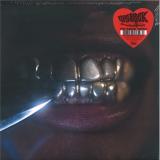
Domino Records haben mit Upchuck eine rohe Punk-Wucht aus Atlanta unter Vertrag genommen. Die fünfköpfige Band um Sängerin KT entstand 2018 aus der lokalen Skater:innen-Szene – laut, wild und kompromisslos.
Mit „Plastic“ legen sie nun ihre erste Single beim neuen Label vor: ein wütender, knapp zweiminütiger Ritt durch schrammelnde Gitarren und aufgeladene Vocals. Produziert wurde der Track von Ty Segall, gemastert von Heba Kadry und visuell in Szene gesetzt von Ian Cone. Inhaltlich dreht sich alles um den verzweifelten Versuch, in einer künstlichen Welt echte Verbindungen zu finden.
Der Rolling Stone brachte ihren Sound nach einem SXSW-Gig auf den Punkt: „Everything explodes.“
Mit Feuerwasser setzte Curse im Jahr 2000 einen Meilenstein im deutschen Hip-Hop. Tiefgründige Lyrics,
packende Storys und ein Sound, der zwischen rauer Straßenpoesie und reflektierter Introspektion balanciert.
Dieses Album gilt bis heute als eines der bedeutendsten Rap-Debüts Deutschlands. Nach seiner Rückkehr
aus den Staaten mit knapp 20 Jahren, bringt Curse Ende der Neunziger neue HipHop-Einflüsse aus New
York nach Deutschland und stellt seine „Zehn Rap Gesetze“ auf. Die ernsten und persönlichen Texte,
unterlegt mit professionell produzierten Beats, werden zu Curse’s persönlicher Signatur in der Deutschen
Rap Szene und Feuerwasser zu einem Album, welches kommende Generationen prägte. Original-produziert
von Tony Dawsey (Jay-Z, Akon, Kid Rock, Nine Inch Nails), gilt dieses Album bis heute als eines der
bedeutendsten Rap-Debüts Deutschlands.
Feuerwasser erscheint passend zum 25-jährigen Jubiläum nun erstmals wieder in seiner originalen Fassung
auf Vinyl – als 2LP in 180 Gramm Pressung, auf rotem und blauem Vinyl und im hochwertigen Gatefold
Sleeve. Enthalten sind alle 14 Original-Tracks von 2000, darunter Klassiker wie ”Zehn Rap Gesetze”,
”Wahre Liebe”, und Entwicklungshilfe”.
Passend zum Release geht Curse ab dem 6. November 2025 auf Deutschlandtour.
Detroit, MI based label Harbonder brings you Strand's latest 12" vinyl release “You Have Been Warned” - a bar-raising blend of classic musical motifs and forward-looking electronic production that dares/invites the listener to embrace the unknown.
A1: “Astral Plainsman” - A 4/4 excursion into a landscape of percussive funk driven by a soulful bassline and elevated by cosmic chordsmanship.
A2: “Quantum Game Engine” - An epic homage to the video games Strand played as kids with an eye towards the future of immersive, seemingly boundless gameplay. Ethereal pads, a soaring topline, precision machine bass, and killer percussion combine to form a driving, yet funky, yet euphoric standout that goes from 8 bits to qubits.
B1: “A Path Forward” - Techno and Jazz Fusion are brought together to create an afro- futuristic trip through space, guided by an otherworldly melody that traverses expansive strings, exemplifying Strand’s knack for exploring unexpected trajectories.
B2: “Quantum Game Engine (Reprise)” - An entangled version that bounces to the essence of the original mix.
- I Know Your Secret
- Cure
- Creases
- Glare Of The Beer Can
- Spell
- Something To Prove
- Favorite
- At The Movies
- Test
- Tell Me
Für Joyer, das Indie-Rock-Duo der Brüder Nick und Shane Sullivan von der Ostküste, ist Distanz in letzter Zeit ein seltsamer roter Faden - Distanz von zu Hause, Distanz zueinander, Distanz von einer stabilen Routine. Ihr aktuelles Album ,On the Other End of the Line_" reflektiert, wie Aufenthalte an weit entfernten Orten sie geprägt haben, Ängste und ein brennendes Verlangen nach Verbindung offenbart haben. Letztendlich ist es jedoch eine hoffnungsvolle Reflexion zweier unterschiedlicher Perspektiven auf wechselnde Kulissen und den Druck der Kreativität, gefiltert durch eingängige Ernsthaftigkeit und knackige Sechs-Saiten-Klänge. Seit ihrem letzten Album ,Night Songs", das 2024 erschien, sind sowohl Nick als auch Shane in andere Städte gezogen - Nick von Brooklyn nach Philadelphia und Shane von Boston nach Brooklyn - und mussten sich an ein neues Leben gewöhnen. Zusammen mit Joyers immer hektischer werdendem Tourplan, bei dem sie mit Horse Jumper of Love, Wishy und villagerrr, um nur einige zu nennen, suchten die Brüder nach gesünderen Ansätzen für ihr Leben auf Tour und zu Hause und kämpften mit der Einsamkeit in einer neuen Stadt. Trotz der Höhen und Tiefen war das Tourleben für Joyer bereichernd - sie trafen Gleichgesinnte und wuchsen als Band zusammen, was den Wunsch nach neuem Material weckte. Eifrig darauf bedacht, die Pop-Melodik von Night Songs noch weiter voranzutreiben, begannen Joyer mit dem Schreiben eines neuen Albums und buchten acht Tage in einem Studio in Chicago mit Henry Stoehr von Slow Pulp, der sie zu einem experimentelleren Aufnahmeprozess ermutigte, der an Joyers Zeit vor der Live-Band erinnerte, als sie ohne Deadlines im Keller ihrer Mutter Demos aufnahmen. Sie reduzierten ihre Shoegaze-Einflüsse zugunsten folkigerer Elemente und weniger konventioneller, ambitionierterer Arrangements. On the Other End of the Line_ zeigt Joyer von ihrer verletzlichsten Seite, weniger auf Bilder und Abstraktionen setzend und einen Blick auf ihr brodelndes Inneres gewährend.
- Kontinuum
- Downsouth Feat. C-Ras
- Taube Ohren Feat. Retrogott
- Rapshit Feat.heliocopta
- Rhymes Droppen
- Kontinuum (Instrumental)
- Downsouth (Instrumental)
- Taube Ohren (Instrumental)
- Rapshit (Instrumental)
- Rhymes Droppen (Instrumental)
Anstatt sich auf ihrem Legendenstatus auszuruhen, liefert die Münchener HipHop-Crew Main Concept zum 35. Jubiläum ihres Bestehens mal wieder Rap auf höchstem Niveau, kurz und knackig in Form einer 5 Track starken EP mit dem tre_¼Çenden Titel "Kontinuum" (Buback Records). Souverän wie gewohnt beweisen MC DavidPe, Beatproducer Glammerlicious und DJ Explizit erneut, wofür sie seit Jahrzehnten stehen: Lyrische Präzision mit Witz und Verstand, lässig pumpende Beats voller Seele und virtuose DJ-Action mit elegant platzierten Cuts. Dafür lieben Rapfans Main Concept und genau das bekommen sie auf "Kontinuum" serviert, obendrein noch garniert mit Featureparts von Retrogott, Heliocopta und C-Ras. 58er Rapshit! Die Kontinuität wird gewahrt.
"Carmina Burana macht Spaß, denn das Werk hat echte Emotionen. Das sind die beiden markanten Punkte, die in dieser lebhaft charakterisierten Aufführung deutlich werden und viele neue Hörer und Genießer gewinnen dürfte.“ Gramophone Magazine. André Previns bahnbrechende Aufnahme der Carmina Burana mit dem London Symphony Orchestra aus dem Jahr 1974 ist nach wie vor eine der elektrisierendsten Darbietungen von Orffs überschwänglicher Kantate. Vom bedeutungsvollen Eröffnungslied O Fortuna bis zum schwärmerischen Schlusschor bringt Previn die rhythmische Vitalität, die Sinnlichkeit und das theatralische Flair dieser hedonistischen Feier des Lebens und der Liebe zur Geltung. Die Solisten – Sheila Armstrong, Gerald English und vor allem Thomas Allen glänzen mit Klarheit und Charakter, während der London Symphony Chorus und der temperamentvolle Knabenchor der St. Clement Danes Grammar School die Aufführung abrunden. Nun erscheint diese Aufnahme auf Vinyl.
,Klassenkampf in der Tonart Oi! Zwölf knallharte Tracks über SHARP, Antifaschismus und die Unterstützung gleicher Rechte für alle! Antifaschistisches Oi! aus Down Under, geschrieben für die Arbeiterklasse." ,Class war in the key of Oi!" ist das zweite Album der SHARP-Skins aus Meanjin/ Brisbane. Bislang nur digital auf Bandcamp zu hören, nun dann endlich auch auf Vinyl. Klare Kante, unverblümt, direkt und knallhart. Ihr Sound ist very british und Anleihen von Blitz sind unüberhörbar, rasiermesserscharfe Riffs, die ebenso in die Fresse hauen wie ihre Texte. limitierte Auflage von 300 Stk. 180 gr. rotes Vinyl mit Einleger
Der Netflix-Erfolgsfilm „K-Pop Demon Hunters“ begleitet Rumi, Mira und Zoey durch das Leben als
K-Pop-Superstars. Wenn sie nicht gerade Stadien ausverkaufen, nutzen sie ihre geheimen Identitäten als
knallharte Dämonenjäger, um ihre Fans vor einer allgegenwärtigen übernatürlichen Bedrohung zu schützen.
Gemeinsam müssen sie sich ihrem bisher größten Feind stellen – einer unwiderstehlichen, rivalisierenden
Boygroup von verkleideten Dämonen.
Der K-Pop Demon Hunters Soundtrack enthält unter anderem den neuen Song ”TAKEDOWN” mit
Jeongyeon, Jihyo und Chaeyoung von der K-Pop-Girlgroup TWICE. Dieses Album hat es sogar auf die
#1 der deutschen Album Charts geschafft!
Das Album ist als LP erhältlich und beinhaltet ein faltbares Poster und eine Fotokarte (1 von 4). Außerdem
ist das Album als CD erhältlich und beinhaltet ein Poster und eine Fotokarte (1 von 3).
STANDFIRST Titanic, the project spearheaded by Mabe Fratti and Hector Tosta (aka I. la Católica), return with a sumptuous and life-affirming new album.
In her sensational 1929 biography Tiger Woman, dancer and socialite Betty May claimed her ‘coster’s eye’ meant she liked to wear as many colours as possible. “Colours to me are like children to a loving mother. Each is my favourite, yet I can never bring myself to deny the others by preferring one.” May’s bold and inclusive strategy is one that manages to transfer itself, almost a century later, to Hagen, the new record by Titanic.
Many will know Titanic as the Mexico City-based brainchild of cellist and singer Mabe Fratti and multiinstrumentalist Hector Tosta who is now operating under the pseudonym, I. la Católica, (taken, rather unusually, from the name of the street the pair live on). With Hagen, and their previous release, Vidrio, (2023), the pair are creating a distinctive signature sound in modern alternative pop music. Nobody else sounds quite like them. Both records have an open hearted nature and simple, winning melodies that play off against a taste for drama, spectacular orchestration and a feeling of otherworldly mystery. Hagen is the more ambitious, sometimes more mystical effort. From the opening handclaps of ‘Lágrima del Sol’, (a wonderfully uptempo playground chant translating as a tear from the sun but, surely, not referencing the brand of pineapple wine?), the record dances its way through various mid-to-late-eighties inspirations, lush and widescreen passages of melancholy and vertiginous contrasts.
Mystery is often found in the simple but slightly odd song titles. English translations of various track titles give, ‘you swallowed the gum’, ‘leak’, ‘a tear from the sun’, ‘raising the trophy’ ‘digging dimensions’, ‘the owner’, ‘the decapitated hen’ and ‘the trap is exposed’. All denote striking images, metaphysical hints and emotional cues or simple, even childlike actions. Though Fratti and Tosta don’t reveal its provenance, the album’s title could even be a crafty play on words: the listener would be forgiven in thinking the moments of brash contrast and eyebrow raising theatricalism in the music constitute a musical nod to German punk chanteuse, Nina Hagen.
On Hagen, singer and cellist Mabe Fratti once again displays her brilliant knack of speaking to us directly. There is never the suspicion of her playing to the gallery, and the directness of many of the lyrics don’t allow it. Parallel to this, Fratti has an almost magical ability to give Hector Tosta’s melodies, and her and Tosta’s lyrics ones imbued with an insight and meaning that feels otherworldly. Tosta admitted it was “pretty wild to hear Mabe take the interpretations to a different place” and the listener can pick up on the delight Fratti takes in (literally) adding a voice to the many narratives.
Two examples can be shown here: ‘Gotera’ (Leak) uses harsh slashes of cello and tough, gunfire-like guitars and drums and multiple vocal lines that could be acting as a Greek chorus. They play off brilliantly against Fratti’s soft, slightly baleful vocal take that delivers lyrics such as: ‘nobody knows where the leak is / but I know where it is / they fight in front of the door and / nobody can go in’. With ‘La Gallina Degollada’ the somewhat blithe melody melody line, sung with what could be sarcastic brio by Fratti, plays against an itchting rhythm and rasping guitar part. The punch comes when you see that the song is about a chicken that has been decapitated and read lyrics such as: ‘I already saw it, it moved, the decapitated chicken’ / ‘could it be that I'm broken’ and ‘Two people hurt each other by thinking that they no longer agree’/ ‘Hours pass and the chicken represents what scares me’.
There may be death and fights to deal with, but there is also a quality of chirpy self-reliance about Hagen that is a key part of its nature. Like Betty May and her colourful outfits, Hagen’s sound often revels in its own sense of richness. Throughout, the record delivers vaulting string sections or glutinous guitar squeals that could, like the powerful, driving ‘Escarbo Dimensiones’ (Digging Dimensions) have come directly from a glossy 1980s TV series. Fratti sees this “glam sound” developed by Tosta on the aforementioned track and ‘Te Tragaste el Chicle’ (You Swallowed The Gum), as moments that were truly “revealing” for the album as a whole during its making.
What else? The thud and thump of ‘La Trampa Sale’ (The Trap is Exposed), and its sudden change of tempo and mood betrays a monstrously ambitious piece of music, the players almost greedily creating the sounds. Other moments are heart wrenching: ‘Libra’ ends on a poppy chord switch that cleverly ramps up the emotion inherent in the music’s notation. You could almost imagine a teenager in a bedroom forty years ago, rewinding the track over and over on a small, cheap cassette player, unable to get enough of that sugarsweet switch. Elsewhere, Oneohtrix Point Never adds stardust and an unearthly sense of space on the changeable, slightly moody meditation, ‘Pájaro de Fuego’ (Firebird). The record ends with ‘Alzando el Trofeo’ (Lifting the Trophy), a track that could soundtrack a state wedding, what with its beautiful cascading piano parts, a sugary vocal and short triumphal guitar riffs that add a rich patina to the overall sound. Fratti: “When I doubled those vocals on ‘Alzando el Trofeo’ I felt there was an epiphany happening, right at that moment.”
Making a good record is a team game. Tosta and Fratti recall seeing Randall from Circular Ruin Studios in NYC “tweak the drums in ‘Libra’ to make that amazing effect of the gated reverb”, or the shaping of ‘Gotera’, “when (recording engineer) Nate Salon added some synths to the track.” Drummer Eli Keszler, “an amazing and versatile player” had the songs down pat in a couple of days” and, according to Tosta, Oneohtrix Point Never “just came to one of the sessions and we hung out, and after all the recordings he and Nate were together in some studio and out of nowhere they sent us some beautiful tracks for ‘Pájaro de Fuego’! Fratti concurs. “He decided that he wanted to record because he was listening to the record (Nate works closely with him) and he really liked it! It was a total honour, indeed!”
Bedazzled by the playing, the skyscraping ambition in the arrangements and the giddy moments of contrast thrown up by Hagen, we could allow ourselves a brief moment of flippancy and state that Titanic’s new record is Yacht Rock meets Aeschylus, full-on. It’s also worth speculating that, in this hyper-sensitive, intemperate age, Titanic’s music has the power, however fleetingly, to heal hurts. Hagen is a brilliant showcase for a fresh and enriching form of pop music: displaying a magpie eye for what glints and plundering what has gone before.
Like Vidrio, Hagen was partially and additionally recorded at Fratti and Tosta’s house, aka Tinho Studios in Mexico City, as well as Golden Girl Studios & Circular Ruin Studios in New York City. Mixing was done by Santiago Parra in Pedro y el Lobo Studios, Mexico City and mastered by Rafael Anton Irisarri at Black Knoll Studios, New York City. The recording engineer was Nate Salon.
Hagen featured Mabe Fratti on cello, vocals & backing vocals, I. la Católica on guitar, keyboards, prepared piano, bass & backing vocals, drums by Eli Keszler and synths in ‘Pájaro de Fuego’ from Daniel Lopatin and Nate Salon.
All compositions on Hagen are written by I. la Católica, except ‘Escarbo Dimensiones’ & ‘Pájaro de Fuego’, which were composed by I. la Católica and Mabe Fratti. The record was produced by I. la Católica and co-produced by Nate Salon & Mabe Fratti. And all lyrics are by I. la Católica except ‘Escarbo Dimensiones’, ‘Gotera’, ‘Gallina degollada’ & ‘Pájaro de Fuego’, which were written by I. la Católica & Mabe Fratti.
STANDFIRST Titanic, the project spearheaded by Mabe Fratti and Hector Tosta (aka I. la Católica), return with a sumptuous and life-affirming new album.
In her sensational 1929 biography Tiger Woman, dancer and socialite Betty May claimed her ‘coster’s eye’ meant she liked to wear as many colours as possible. “Colours to me are like children to a loving mother. Each is my favourite, yet I can never bring myself to deny the others by preferring one.” May’s bold and inclusive strategy is one that manages to transfer itself, almost a century later, to Hagen, the new record by Titanic.
Many will know Titanic as the Mexico City-based brainchild of cellist and singer Mabe Fratti and multiinstrumentalist Hector Tosta who is now operating under the pseudonym, I. la Católica, (taken, rather unusually, from the name of the street the pair live on). With Hagen, and their previous release, Vidrio, (2023), the pair are creating a distinctive signature sound in modern alternative pop music. Nobody else sounds quite like them. Both records have an open hearted nature and simple, winning melodies that play off against a taste for drama, spectacular orchestration and a feeling of otherworldly mystery. Hagen is the more ambitious, sometimes more mystical effort. From the opening handclaps of ‘Lágrima del Sol’, (a wonderfully uptempo playground chant translating as a tear from the sun but, surely, not referencing the brand of pineapple wine?), the record dances its way through various mid-to-late-eighties inspirations, lush and widescreen passages of melancholy and vertiginous contrasts.
Mystery is often found in the simple but slightly odd song titles. English translations of various track titles give, ‘you swallowed the gum’, ‘leak’, ‘a tear from the sun’, ‘raising the trophy’ ‘digging dimensions’, ‘the owner’, ‘the decapitated hen’ and ‘the trap is exposed’. All denote striking images, metaphysical hints and emotional cues or simple, even childlike actions. Though Fratti and Tosta don’t reveal its provenance, the album’s title could even be a crafty play on words: the listener would be forgiven in thinking the moments of brash contrast and eyebrow raising theatricalism in the music constitute a musical nod to German punk chanteuse, Nina Hagen.
On Hagen, singer and cellist Mabe Fratti once again displays her brilliant knack of speaking to us directly. There is never the suspicion of her playing to the gallery, and the directness of many of the lyrics don’t allow it. Parallel to this, Fratti has an almost magical ability to give Hector Tosta’s melodies, and her and Tosta’s lyrics ones imbued with an insight and meaning that feels otherworldly. Tosta admitted it was “pretty wild to hear Mabe take the interpretations to a different place” and the listener can pick up on the delight Fratti takes in (literally) adding a voice to the many narratives.
Two examples can be shown here: ‘Gotera’ (Leak) uses harsh slashes of cello and tough, gunfire-like guitars and drums and multiple vocal lines that could be acting as a Greek chorus. They play off brilliantly against Fratti’s soft, slightly baleful vocal take that delivers lyrics such as: ‘nobody knows where the leak is / but I know where it is / they fight in front of the door and / nobody can go in’. With ‘La Gallina Degollada’ the somewhat blithe melody melody line, sung with what could be sarcastic brio by Fratti, plays against an itchting rhythm and rasping guitar part. The punch comes when you see that the song is about a chicken that has been decapitated and read lyrics such as: ‘I already saw it, it moved, the decapitated chicken’ / ‘could it be that I'm broken’ and ‘Two people hurt each other by thinking that they no longer agree’/ ‘Hours pass and the chicken represents what scares me’.
There may be death and fights to deal with, but there is also a quality of chirpy self-reliance about Hagen that is a key part of its nature. Like Betty May and her colourful outfits, Hagen’s sound often revels in its own sense of richness. Throughout, the record delivers vaulting string sections or glutinous guitar squeals that could, like the powerful, driving ‘Escarbo Dimensiones’ (Digging Dimensions) have come directly from a glossy 1980s TV series. Fratti sees this “glam sound” developed by Tosta on the aforementioned track and ‘Te Tragaste el Chicle’ (You Swallowed The Gum), as moments that were truly “revealing” for the album as a whole during its making.
What else? The thud and thump of ‘La Trampa Sale’ (The Trap is Exposed), and its sudden change of tempo and mood betrays a monstrously ambitious piece of music, the players almost greedily creating the sounds. Other moments are heart wrenching: ‘Libra’ ends on a poppy chord switch that cleverly ramps up the emotion inherent in the music’s notation. You could almost imagine a teenager in a bedroom forty years ago, rewinding the track over and over on a small, cheap cassette player, unable to get enough of that sugarsweet switch. Elsewhere, Oneohtrix Point Never adds stardust and an unearthly sense of space on the changeable, slightly moody meditation, ‘Pájaro de Fuego’ (Firebird). The record ends with ‘Alzando el Trofeo’ (Lifting the Trophy), a track that could soundtrack a state wedding, what with its beautiful cascading piano parts, a sugary vocal and short triumphal guitar riffs that add a rich patina to the overall sound. Fratti: “When I doubled those vocals on ‘Alzando el Trofeo’ I felt there was an epiphany happening, right at that moment.”
Making a good record is a team game. Tosta and Fratti recall seeing Randall from Circular Ruin Studios in NYC “tweak the drums in ‘Libra’ to make that amazing effect of the gated reverb”, or the shaping of ‘Gotera’, “when (recording engineer) Nate Salon added some synths to the track.” Drummer Eli Keszler, “an amazing and versatile player” had the songs down pat in a couple of days” and, according to Tosta, Oneohtrix Point Never “just came to one of the sessions and we hung out, and after all the recordings he and Nate were together in some studio and out of nowhere they sent us some beautiful tracks for ‘Pájaro de Fuego’! Fratti concurs. “He decided that he wanted to record because he was listening to the record (Nate works closely with him) and he really liked it! It was a total honour, indeed!”
Bedazzled by the playing, the skyscraping ambition in the arrangements and the giddy moments of contrast thrown up by Hagen, we could allow ourselves a brief moment of flippancy and state that Titanic’s new record is Yacht Rock meets Aeschylus, full-on. It’s also worth speculating that, in this hyper-sensitive, intemperate age, Titanic’s music has the power, however fleetingly, to heal hurts. Hagen is a brilliant showcase for a fresh and enriching form of pop music: displaying a magpie eye for what glints and plundering what has gone before.
Like Vidrio, Hagen was partially and additionally recorded at Fratti and Tosta’s house, aka Tinho Studios in Mexico City, as well as Golden Girl Studios & Circular Ruin Studios in New York City. Mixing was done by Santiago Parra in Pedro y el Lobo Studios, Mexico City and mastered by Rafael Anton Irisarri at Black Knoll Studios, New York City. The recording engineer was Nate Salon.
Hagen featured Mabe Fratti on cello, vocals & backing vocals, I. la Católica on guitar, keyboards, prepared piano, bass & backing vocals, drums by Eli Keszler and synths in ‘Pájaro de Fuego’ from Daniel Lopatin and Nate Salon.
All compositions on Hagen are written by I. la Católica, except ‘Escarbo Dimensiones’ & ‘Pájaro de Fuego’, which were composed by I. la Católica and Mabe Fratti. The record was produced by I. la Católica and co-produced by Nate Salon & Mabe Fratti. And all lyrics are by I. la Católica except ‘Escarbo Dimensiones’, ‘Gotera’, ‘Gallina degollada’ & ‘Pájaro de Fuego’, which were written by I. la Católica & Mabe Fratti.
- Direct Sunlight
- I Feel Alive
- Pirouette
- Ballads & Sad Movies
- Colder & Closer
- Witching Hour
- Take Down
- Drowning In Paradise
- Ok Fine Whatever
- Looking To Remember
- Too Much
»I Feel Alive« ist das 2020 veröffentlichte vierte Studio-Album der aus der Indie-Szene Kanadas stammenden Tops. Der Tops-Sound mit grandiosen Melodien über federleichten Indie-Grooves und einem Hauch von 80er-Jahre-Sophisti-Pop klingt kühner und weitläufiger denn je und gilt inzwischen als unverkennbar. Neben den hochfliegenden Melodien und der knackigen Inszenierung setzt sich »I Feel Alive« inhaltlich mit der Qual auseinander, alte Dinge hinter sich zu lassen. Es ist eine introspektive Platte, zu der man tanzen kann, Musik die zuschlägt und wie die Erinnerung an eine perfekte und gleichzeitig dem Untergang geweihte Liebesbeziehung, samt all ihrer Freude und Schmerz, für immer ein Teil des Lebens wird. Das Artwork zu »I Feel Alive« gibt den Ton an! Inspiriert von der Arbeit des Fotografen Thomas Ruff, starrt die Tops-Sängerin Jane Penney mit bloßem Gesicht in die Linse - einfach und ungestellt, aber auffallend starr und verletzlich. Attribute die sich auch auf die Musik übertragen lassen.
- A1: Tired
- 01: 58
- A2: Plastic
- A3: New Case
- A4: Fried
- A6: Kept Inside
- B1: Pressure 02:11
- B2: Un Momento
- B3: Forgotten Token 03:28
- B4: Kin 01:40
- B5: Lost One
- B6: Slow Down
- B7: Nowhere 02:28
Ltd Silver Vinyl[23,95 €]
Domino Records haben mit Upchuck eine rohe Punk-Wucht aus Atlanta unter Vertrag genommen. Die fünfköpfige Band um Sängerin KT entstand 2018 aus der lokalen Skater:innen-Szene – laut, wild und kompromisslos.
Mit „Plastic“ legen sie nun ihre erste Single beim neuen Label vor: ein wütender, knapp zweiminütiger Ritt durch schrammelnde Gitarren und aufgeladene Vocals. Produziert wurde der Track von Ty Segall, gemastert von Heba Kadry und visuell in Szene gesetzt von Ian Cone. Inhaltlich dreht sich alles um den verzweifelten Versuch, in einer künstlichen Welt echte Verbindungen zu finden.
Der Rolling Stone brachte ihren Sound nach einem SXSW-Gig auf den Punkt: „Everything explodes.“
[a] a1. Tired
[b] a2. Plastic
[c] a3. New Case
[d] a4. Fried
[e] a5. Homenaje
[f] a6. Kept Inside
[h] b2. Un Momento
[k] b5. Lost One
[l] b6. Slow Down