RIYL: PJ Harvey, Sonic Youth, Dead Can Dance, Black Sabbath, Depeche Mode. In Blood is the group’s 14th album and the follow-up to 2020’s critically acclaimed Dances/Curses (Album Of The Year – The Quietus, Top 10 International Albums – Irish Times). It was typical of a band so well-known for stellar live performances to release their most successful album at a time when they were unable to back it up on the road. As was the case for many, lockdown changed the band’s lives in unexpected ways. Some felt a form of cabin fever at not being able to continue to make music (diverting their energies elsewhere - founding Wrong Speed Records for starters) whereas others relished the peace and quiet, perhaps questioning whether they wanted to return to the life they had before. Gigs (so long the lifeblood of the band) were booked, postponed, and cancelled. Things began to unravel and perhaps for the first time since the band formed in 2003 it was hard to see how it could continue. A plan was hatched to attempt to re-energise and reassemble the band: they would begin work on a new album. They would approach this as though a Somerset version of The Desert Sessions – members old and new and guests would contribute as and when time and restrictions allowed. Lyrically, British folk and ghost mythology provided the starting position for the song themes ranging from mutated stories of grief and loss written in the 14th Century (Perle), spiritual reawakening by ancient apparitions (Avalon) to the growth of nature after devastation (Can’t Feel Around Us, Over Cedar Limb), a metaphor also for spirit and body renewal and rebirth after trauma. The results sound free of any genre shackles and it suits Hey Colossus. They have taken the expansive anything-goes approach that made Dances/Curses so successful and fine-tuned and shaped it into an 8-song single album that never treads water or fills time. The prominent vocals steer the listener through the music, defining it as opposed to punctuating it (or being buried by it). The album is a calling card for the band in their 20th anniversary year. As odd and challenging as long-term fans would expect or hope for, but somehow more accessible and to the point than ever before. It is the closest the group have ever come to a pop record, radiating positivity through the murk like a small ray of light in some very dark and very weird times. Music can never entirely negate these feelings but, like the natural world referenced in the lyrics and sleeve, it invisibly bonds people together, lifting us up if we choose to let it.
Search:know how
New Zealand disco-boogie outfit Flamingo Pier plant some Brooklyn roots with their fresh new ‘Beneath the Neon EP’ on Razor-N-Tape. Known for parties in East London and their massive hometown festival, as well as previous releases on Soundway, the Kiwi collective deliver a trio of new songs that solidify and expand their signature danceable blue-eyed indie-soul sound.
Lead off single 'How 2 Feel' shows a clubbier side of the band, with a pulsating house rhythm track and layers of angular synth stabs, vibey horn lines, and vocal chants. 'Beneath the Neon' and 'Remedy' are more familiar Flamingo Pier territory, upbeat indie disco anthems that boast incendiary vocal hooks, funky guitar work, and crisp production by Luke Walker.
Rounding out the EP are remixes by Chicago house legend Glenn Underground, and RNT co-head JKriv, whose mix features a guest appearance by Afro-boogie royalty Steve Monite.
Oozing with hazy sun, Beneath the Neon is the perfect soundtrack to soak up the dog days of summer.
First Word Records is very proud to welcome Ruby Wood to the label, with her debut solo EP 'Sincerely'.
Ruby is a vocalist & songwriter hailing from Huddersfield, West Yorkshire. Her soulful yet distinctive voice has enabled her to front numerous projects; perhaps best known as lead vocalist of the critically acclaimed Submotion Orchestra, since 2009.
She also toured as lead vocalist for Bonobo's live band, for Nubiyan Twist, and with hugely successful 1940's-esque vocal trio, The Sugar Sisters. There have also been features for dance outfits such as GLXY & Franky Wah, additionally to writing & recording for the likes of Krept & Konan, Alfa Mist, Roska, Hemai, Barney Artist and XOA, to name just a few.
In 2021, Ruby was awarded a DYCP Arts Council grant to fund her own creative project, which was taken as an opportunity to go back to the drawing board creatively, spending time working out how her own music would sound and what messages she wanted to convey.
After initial sketches on her Native Instruments Maschine, she began to work with fellow Submotion Orchestra member, Chris 'Fatty' Hargreaves; a long time friend and collaborator, and a revered musician in his own right, with his low-end theory science triumphantly stamped across his other projects, such as Pengshui and Outlook Orchestra. Ruby and Chris began bouncing ideas back and forth, and gradually this solo project started to take shape and form the bulk of this debut EP.
In Ruby's words "After years of working in big projects with lots of people, I often struggled to feel like my voice was being heard. Branching out on my own is an opportunity for me to make music that I would actually listen to myself! This process has been healing for me, and I'm so proud of myself for continuing to learn and develop my craft, whilst learning how to produce songs from scratch.
Becoming a mother also changed me for the better, and provided me with a wealth of experiences and challenges that have gone on to fuel my lyrics. I've grown a lot, and this EP gives a snippet of my life thus far".
'Sincerely' is comprised of five tracks, firmly based in the realms of hip hop soul and neo soul sonically, with an unashamedly '90s R&B vibe throughout. Throughout the EP, Ruby's story tells tales of motherhood, relationships, commitment, independence and inspirations. Further collaborations on the set come from vocalist Isaac Malibu (on 'Mr. Unavailable'), wind player Arran Kent (on 'My Favourite Song'), and assistance on a couple of beats from acclaimed hip hop producer, Pitch 92 and San Diego's Martel Howard, along with more Submotion alumni, Danny Templeman, Dom Howard and Bobby Beddoe and the debut performance from Ruby's daughter, Amber!
A truly triumphant body of work, this is just the start of a new chapter for Ruby Wood.
Its not always about super rares, we got to cover those LP tracks as well. How this never made it onto a 45 ill never know. Michael Henderson's brilliant 'Let Love Enter' has always been an underground classic and is about to get a fire lit under it once again, simply the finest Brazilian influenced soul Jazz fusion.
Michael's bass playing, Vocals and production are all over modern American black music, having played for Miles Davis. Norman Connors, Marvin Gaye, Stevie Wonder to name just a few, his influence is huge right through the industry as well being a million selling artist himself. You can still here his bass sampled in many a Hip-Hop track to this day.
Made when mono was still king, Bob Dylan's self-titled 1962 debut is as understated of an entrance as any significant musician as ever made. Already well-versed in American roots music, Dylan simultaneously pays homage to tradition and extends it by putting his own stamp on classic material that metaphorically functions as the soil of our contemporary songs and styles. Free of ego, and performed with masterful conviction, Bob Dylan ranks with the debut efforts of similar artistic giants Elvis Presley and the Rolling Stones.
Mastered from the original master tapes, pressed at RTI, and limited to 3,000 copies, Mobile Fidelity's restored 180g mono 45RPM 2LP version brings the contents of this seminal release as closest as they've ever come to master tape-quality in the original mono configuration. Transparent to the source, the simple sounds of Dylan's voice, acoustic guitar, and harmonica take on lifelike perspective and directness – the "husk and bark" to which Robert Shelton referred in his now-legendary New York Times review of a Dylan appearance at Gerde's Folk City. MoFi has made possible an inexpensive time-traveling trip back to the Greenwich Village coffeehouses and folk clubs in which Dylan cut his teeth, albeit in much better fidelity and without any annoying background chatter. Wider grooves mean more information reaches your ears.
As the preferred mix at the time of the recording, the mono version presents Dylan as he and his producers originally intended. Since the separation of the stereo versions isn't as sharp, the mono edition places Dylan's vocals in the heart of the musical action and as one with the accompaniment. It paints listeners an incredibly accurate portrait of the attention-getting, concrete mass of sound that features no artificial panning and straight-ahead immersion into the music. This is how almost everyone first heard this timeless album – making the mono mix all the more historically valuable and truthful.
Much has been made of the commercial indifference that greeted the album upon its low-key release. Yet focusing on sales figures and the reaction of a public not yet hip to Dylan's name or music is to miss the forest for the trees. Distinguished from the era's other folk efforts by way of the determination, brazenness, and lived-through-this worldliness Dylan approaches the material and sings the songs, Dylan lays the groundwork for the path he'd soon trailblaze and everyone else would follow.
By nodding to Woody Guthrie at the same time he completely re-imagines a sobering tune such as Blind Lemon Jefferson's "See That My Grave Is Kept Clean," Dylan straddles the past and future. He also displays, with challenging authority and savant-like expertise, the ability to handle weighty topics such as death, sorrow, and lamentation with the vaudeville flair, bluesy mannerisms, and poignant command of an artist three times his age.
As Dylan scholar and pop-culture critic Greil Marcus observed in 2010, "Everybody knew Joan Baez and the Kingston Trio; if you knew Bob Dylan, you knew something other people didn't, something that soon enough everybody had to know. Within a year, an album could put an adjective in front of the singer's name as if it were already common coin." It all starts here.
Track List
- The Scum Always Rises To The Top
- Morbid Bails
- Les Mufflers Du Mal
- Ride Into The Rot (Everything Lewder Than Everything Else)
- Triple D (Dead, Drunk, Depraved)
- Lucifer?S Bend
- Brain Bucket
- Open Road X Open Casket
- Motortician
- Interquaalude
- Sissy Bar Strut (Nymphony 69)
- Cycling For Satan Part Ii
Cursed to ride forever on this mortal plane after partaking in a satanic drug ritual, the Death Wheelers pledge allegiance to the god of hell and fire. However, in order to prove themselves to their newly anointed leader and for the spell to take effect, the club Will need to engage in a series of lewd acts of sex and violence across the country.Immortality comes at a price and you’re about to pay for it… The beating heart of The Death Wheelers is a rumbling engine. Since their self-titled debut in 2015 and in 2020’s cinematic-storytelling breakout, Divine Filth, the Canadian outfit have tapped into wind-through-hair freedom and careened down open roads of groove, not a cop in sight. Their third record, Chaos and the Art of Motorcycle Madness, more than lives up to its name on all fronts. With songs like “Morbid Bails” and “Lucifer’s Bend,” the in-the-know references abound, and The Death Wheelers draw from classic underground metal, scummer heavy rock and cast themselves into a cauldron of cultish biker devil worship, reveling in any and all post-apocalyptic dystopias with genuine glee at having just seen the world eat itself. You might hear some surf guitar. Crazy things can happen. A sample in “Triple D (Dead, Drunk and Depraved)” underscores the message: “We want to be free to ride our machines without being hassled by the man. And we want to get loaded.” That line, from Roger Corman’s 1966 film The Wild Angels, serves as a mission statement, and as “Lucifer’s Bend” starts by laughing about how you can’t get away from Satan, they might as well carve it into their forearms to be ready when the blast of distortion hits, as much Entombed as Motörhead, galloping and sinister, coated in road dust and blood. The band tells the story like this: “Cursed to ride forever on this mortal plane after partaking in a satanic drug ritual, the Death Wheelers pledge allegiance to the god of hell and fire. However, in order to prove themselves to their newly anointed leader and for the spell to take effect, the club will need to engage in a series of lewd acts of sex and violence across the country. Immortality comes at a price and you’re about to pay for it…” While forging songs adherent more to ideology than style, The Death Wheelers cast their biker cult in their own image, and on Chaos and the Art of Motorcycle Madness, they challenge death head-on as only those with no fear of it could hope to do.
Remastered for its 10th Anniversary, the newly cut vinyl edition of Ripely Pine features the bonus track “Up In The Rafters,” long a live favorite that really should have been on the album in the first place. More than anything, Aly Spaltro has 20,000 second-hand DVDs to thank for her first album. Despite being recorded at a proper studio in her recently adopted home of Brooklyn, Ripely Pine showcases songs conceived during her tenure at Bart’s & Greg’s DVD Explosion in Brunswick, Maine. Little did customers know, the same store they’d drop off their Transformers movies was providing the ideal four-year cocoon for the development of a major musical talent. Spaltro worked the 3:00 PM to 11:00 PM shift. Each night, after locking up, she’d walk past Drama and Horror, pull out her music gear from behind a wall of movies, and write and record songs until morning broke. She did this every day, drawing strength from the monotony of her routine and testing out multiple techniques, approaches and instrumentation. Anger, confusion, love, happiness and sadness reigned, and the songs ran rampant, with little form or structure. Isolated for those many hours, Spaltro let melodies morph together, break apart and pair up. This is how she taught herself to write music and sing. Taking the name Lady Lamb the Beekeeper, Spaltro became one of the most beloved musicians in Portland. Her live shows were unhinged, as melodies followed an internal logic only apparent to Spaltro herself. She sang and played guitar, and the songs offered a vivid yet brief snapshot of her expansive world. At 23, with years of writing and performing music already under her belt, she ventured to the next milestone—recording an album. This would be the first time she did so in a professional studio and the first time she shared the process with anyone else. Luckily, she met Nadim Issa at Let ’Em Music in Brooklyn. He was taken enough by her abilities to dedicate nine full months toward the recording of Ripely Pine, and she with his producing abilities to ease comfortably into making him a part of her recording process. She wrote everything—all the songs, all the arrangements. And the two of them assembled an album that finally fit what existed in Spaltro’s mind. Keeping the songs’ stark rawness, the record is a pure representation of her sound. Ripely Pine shouts the introduction of a new talent from every groove. These recordings come as close as possible to conveying the intense majesty of her live shows, and, much like those performances, a narrative breathes through the record’s progression. The album opens with urgency and anger, settles into reconciliation and reciprocation, and ultimately reaches toward resolution, realizing infatuation leads to a loss of self; instead, embracing one’s own strengths is the most powerful thing of all.
- A1: Anna Gréta - Home (From The Album: Nightjar In The Northern Sky)
- A2: Cécile Verny Quartet - As Soon As They Have All Aligned (From The Album: Fear & Faith)
- A3: Dominique Fils-Aimé - Birds (From The Album: Fear & Faith)
- A4: Jamie Woon - Sharpness (From The Album: Making Time)
- B1: Friends'n Fellow - Time (From The Album: Lady)
- B2: Imaginary Future - Hey Jude (From The Album: Yesterday)
- B3: Josefine Cronholm - Blackbird (From The Album: Ember)
- C1: Martin Lechner - The Masquerade Is Over (From The Album: Somethin' Old & Somethin' New - Somethin' Else)
- C2: Thorsten Goods - Work Song (From The Album: Thank You Baby!)
- C3: Wolfgang Bernreuther - Can't Get Rid Of (From The Album: Still A Fool)
- D1: Vanessa Fernandez - Here But I'm Gone (From The Album: Use Me)
- D2: Julia Werup - The Thrill Is Gone (From The Album: The Thrill Of Loving You)
- D3: Mike Andersen - Over You (From The Album: Echoes)
There are different ways to celebrate an anniversary. We can look back and reflect on where we've been and how far we've come. Or we can look forward towards future possibilities. Alternatively, we can simply pause for a moment and be present - right here, right now. Rather like we are aware and mindful of what is happening at this very moment when we're enjoying superb music, excellently recorded and played.
That's how Clearaudio is celebrating its 45th anniversary. To mark the occasion, Clearaudio are delighted to present an album of music that embodies their passion for perfection, for nuanced and detailed sound, and for an intimate marriage of creativity and technical finesse. In other words, an album that reflects the key principles by Clearaudio.
"Take the best, make it better - only then it is just good enough." This well-known quote is as valid today as it was 45 years ago, and has inspired a host of colleagues and collaborators along the way. Ever since the release of Delta and Sigma speakers in 1978 and the development of the first moving coil cartridges, not a day has passed when Clearaudio didn't strive to set new standards for higher fidelity. This mindset continues to underpin their work to this day.
No matter where you've come from or where you are going, if your heart beats to the drum of truly authentic sound, then you'll find Clearaudio spirit, will and drive in every single one of their products - from the most towering turntable to the smallest cable.
While some creators may be content with merely looking closely, Clearaudio has always looked and listened closely. Very closely - and at both ends of the spectrum, from top-quality record engineering to excellent playback. So the early stages of every Clearaudio musical recording begin with questions like: "Does it sound exactly like in a concert hall?" and "Does the music feel as was intended when it was written and composed?"
In addition to their own recordings, a number of their favourite legendary productions from Deutsche Grammophon have also found their way onto this album. So why not take a pause, "take five," and enjoy these moments of exceptional music, lovingly produced? And join Clearaudio in celebrating 45 years of loving music!
Rare Jazz-Funk album from 1978 by Headhunters founder.
Featuring an all-star line-up including Herbie Hancock.
Originally released in 1978 on Tobisha EMI Japan.
First vinyl reissue outside of Japan released in collab w/Totown Records. Comes with double side insert.
Paul Jackson (born in Oakland, California in 1947) needs little introduction. Paul began playing bass at the age of nine and was considered by many of his teachers to be a musical prodigy. Jackson was known as a “Musician’s Musician” and shaped a sound that launched a new direction in contemporary music: the so-called ‘Pulse Playing’, a trademark sound of close-meshed funk grooves combined with sensational rhythms. With this innovative approach, he influenced entire generations of jazz and funk musicians to come. Paul’s compositions were sampled by big acts from the likes of Prince, TLC, Mobb Deep and NWA…just to name a few.
Paul Jackson was a founding member of the Headhunters under Herbie Hancock (THE group responsible for their ground-breaking fusion and jazz-funk compositions that took the world by storm in the 70’s). The solid union between Hancock and Jackson has been especially evident in the many international tours they have made together…not to mention that he participated on most of the Headhunters albums and Herbie’s solo albums.
Paul has also worked as a producer and as a studio/live musician alongside acts such as Santana, Sonny Rollins and The Pointer Sisters. He was a frequent guest performer at renowned international festivals such as the Montreux and Newport events. Jackson’s composing has not gone without recognition and was nominated for Grammy Awards in 1974, 1975 and 1976. Like other highly talented, creatively motivated engineers of music, Paul has expanded his career to other mediums such as playing on blockbuster movie soundtracks such as “Death wish” and “Dirty Harry”.
Paul Jackson also wrote five solo albums worth listening to – including the monster of an album that is known as “Black Octopus” which is considered to be a kind of lost Headhunters album.
His debut album “Black Octopus” saw the light of day in 1978 and is a total piece of art filled with abstract sticky funky grooves, floating electric piano playing, strong thumping bass lines, raw heavy drums and amazing vocal acrobatics (Jackson himself takes vocals in 3 out of 5 songs, and his soulful singing voice strikes an emotional chord that does not go unnoticed).
On “Black Octopus” you’ll also find some of the best all-star musicians from the likes of Alphonse Mouzon (Roy Ayers, Betty Davis, Azar Lawrence)…and last but not least fellow Headhunters Bennie Maupin and Herbie Hancock himself.
With “Black Octopus” Paul Jackson wrote the book on how a jazz-funk-fusion album should sound like. The fact that the album was only distributed in Japan at the time (Jackson resided in Tokyo since the late 70’s, where he passed away in 2021) continues to increase its reputation as an album that is VERY hard to find. This is a must-have gem…not only for fans of jazz, funk and rare grooves, but also for DJs and collectors around the globe.
- Rainy Day Women #12 & 35
- Pledging My Time
- Visions Of Johanna
- One Of Must Know (Sooner Or Later)
- I Want You
- Stuck Inside Of Mobile With The Memphis Blues Again
- Leopard-Skin Pill-Box Hat
- Just Like A Woman
- Most Likely You Go Your Way (And I'll Go Mine)
- Temporary Like Achilles
- Absolutely Sweet Marie
- 4: Th Time Around
- Obviously 5 Believers
- Sad Eyed Lady Of The Lowlands
Blonde on Blonde: A double album that transcends time, defies space, suspends reality, and looks through the human soul and tells the listener characteristics about themselves they didn't know. Professor Sean Wilentz, historian-in-residence for Bob Dylan's Web site, comes as close to summing up its brilliance in his superb Bob Dylan In America as any who've tried: "The songs are rich meditations on desire, frailty, promises, boredom, hurt, envy, connections, missed connections, paranoia, and transcendent beauty – in short, the lures and snare of love, stock themes of rock and pop music, but written with a powerful literary imagination and played out in a pop netherworld." No lie.
As part of its Bob Dylan catalogue restoration series, we are thoroughly humbled to have the privilege of mastering the iconic LP from the master tapes and pressing it on 45RPM LPs at RTI. We feel that the end result is the very finest, most transparent edition of Blonde on Blonde ever produced. Forever renowned for what the Bard deemed "that thin, that wild mercury sound," the album's famed aural character lives and breathes on this superb version, with wider and deeper grooves affording playback of previously buried information and lifelike presentation of the studio sessions.
Prized for a unique sound that cultural critic Greil Marcus tagged "the most glamorous record imaginable; listening you can see the chequered jester's suit Dylan had worn on stage for the nine previous, furious months," Blonde on Blonde is to music, production, prose, and performance as what hydrogen is to water. The secret to its inimitable aural character partially stems from Dylan's request in Nashville to producer Bob Johnston to remove the baffles from the studio room, allowing the musicians to interact as well as the music to assume a more organic quality that drifts from one microphone to another.
The story of Blonde on Blonde is almost as compelling as the music within. Dylan, frustrated with how initial attempts fared in New York, relocating to Tennessee and pairing with Nashville's top session players as well as members of what would become the Band, feverishly chasing perfectionism while also arriving at an on-the-fly feel that remains a reference point for recorded music. The Bard sweated over lyrics, demanded his band get the exact sounds he heard in his head, and limited most takes to a handful at most. A majority of songs were recorded long after midnight, the post-A.M. vibe reflected in the nocturnal aura, woozy optimism, inversion of intervals, and spiritual soulfulness of the playing.
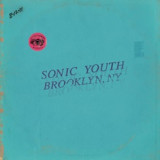
The final U.S. show, a triumphant and blistering bookend to the storied career of one of the most influential bands in rock music, featuring a unique and expansive eighty-five minute set list that spans Sonic Youth’s nearly three decade catalog. Mixed from multitrack by longtime live engineer Aaron Mullan and mastered and cut by Carl Saff. On August 12, 2011 Sonic Youth played their final US show on an outdoor stage overlooking the East River at the Williamsburg Waterfront in Brooklyn. Fitting that their storied career would bookend with a panoramic view of New York City where it all began 30 years before, having left in their wake one of one of the most powerfully influential careers in rock music. Following incredible sets from Kurt Vile and Wild Flag, the band took the stage. As the sun went down over the city, Sonic Youth ripped through a 17 song set that spanned from deep cuts off their first studio album and highlighting many other albums all the way through to their last, like a band with everything to prove. Or as Brooklyn Vegan’s Andrew Sacher said at the time: “While most bands who are thirty years into their career are either fading away or living off of the nostalgia of their older material, Sonic Youth continue to sound and perform as fresh as ever.” Steve Shelley explains the uniquely career spanning set list of Live in Brooklyn 2011 and how it came to be, as well as the importance of outdoor NYC summer shows in Sonic Youth’s legacy: “This show was a culmination of a run of really special outdoor summertime shows in New York City for us, starting in ’92 with Summerstage in Central Park when we played with Sun Ra. For the Williamsburg Waterfront show I wrote out the set list to present to the band and it was a lot of material we hadn’t played in a while, a lot of deep cuts, so I wasn’t sure if everybody would feel like doing it. After worrying about which songs the band might say yes or no to, I threw those concerns out the window and I just made a list of songs that I thought would be a great set. We practiced the week of the show at our space in Hoboken and put the set together. First we’d try and make sure we had a guitar in the song’s tuning, then we’d try to remember the arrangement and try and put it together, sometimes re-learning bar by bar. In the end I think the whole song list made it through. Even as early as ’86 and ’87 we stopped playing ‘Death Valley 69’ and ‘Brave Men Run’ with any regularity. We’d just get excited about new material coming into the set and songs would get ‘retired’ and wouldn’t get played again for years. So on this particular night in Brooklyn a lot of those retired songs and deep cuts got dusted off and played for this show. It turned out to be a pretty special event with a really special song list.” The band would go on to fulfill a contracted festival run in South America a few months later but, by then, the group’s center was severed beyond repair and the festival appearances didn’t hold the same kind of weight. “The stage was facing the East River from the Williamsburg, Brooklyn waterfront, and I recall the sun going down in the west during our set. It was a pretty magical, if kinda weird day. Fitting, somehow, that our ‘last show’ should be in New York City, our home and where it all began…” Lee Ranaldo The Williamsburg Waterfront show would fondly become referred to as ‘The Last Show’ by fans and band alike, equally for its triumphant high energy performance, its unique and expansive set list and locale. Newly remixed and remastered, Live in Brooklyn 2011 is presented for the first time on 2xLP, 2Xcd, August 18, 2023.
Svitlana Okhrimenko (artist name: Svitlana Nianio) is a Ukrainian artist, musician, and signer. She is one of the most prominent representatives of the independent music scene of Kyiv in the late 1980s — early 90s. She has repeatedly recorded and performed in collaboration with other musicians and bands, such as Oleksandr Yurchenko, Sugar White Death (Cukor Bila Smert’), Ivanov Down, GeeNerve & Taran, and Blemish. Svitlana still performs and publishes new recordings today.
“Transilvania Smile” is one of the first solo works recorded in 1994. During this time, Svitlana repeatedly visited Germany, where she had the experience of playing in parks and on the streets, gathering contacts of the local art scene. Her cooperation with the international choreographic group Pentamonia, based in Cologne and consisting of several girls who performed in theaters, took part in various performances, and were engaged in music. They met in the 1990s during joint performances with "Sugar-White Death." After that, they corresponded, and the idea of doing something together arose. Svitlana attended several of their performances, which inspired her to write music for a new project, and the band members helped to realize their creative ideas. Later, they started rehearsing together.
The name “Transilvania Smile” was invented by the project participants, and it symbolized the mold on the mirror and the reflection of a smiling vampire. However, shortly before the premiere, they changed it to “Firefox”, as the participants actively used flashlights and the play of light and shadows in the scenography.
The premiere occurred in the local Urania theater, previously a gallery. Isabel Bartensein directed the choreography, and Svitlana played, sang, and improvised. She said it was an excellent experience for her and the band. Besides Cologne, they also performed in Aachen.
Later, Michael Springer offered Svitlana to record this material in his "Phantom" studio. They had already worked together and recorded music for their project (Svitlana Okhrimenko / Phanton). Michael was also interested in the Ukrainian independent scene and participated in the creation of several compilations that featured bands from Kyiv and Kharkiv. Svetlana played the piano and harmonium in the studio and also sang. After the recording, the material was never released in its entirety. Two compositions appeared on the cassette compilation “Shovaisia” (Hide) in 1995, some episodes were re-recorded for the “Kytytsi” album in 1999, but for a long time, the full version of this recording remained practically unknown to listeners and was kept in Svitlana's and Michael’s archives.
This album is one of the most personal and insightful works of Svitlana Nianio from the 90s, which you can now get to know in its original form and sound.
Odd Nosdam really doesn’t need an introduction, unless you’ve been living under a rock for the last 20 years then undoubtedly you’ll know what’s up, and what an absolute humbling pleasure it is to now introduce Nosdam to the Where To Now? catalogue with two new cuts that flow from ethereal, meditative contemplation through to downtown abstracted machine damage..
The record opens with ‘End is Important’, A looping, spiritual lament which forces observation, or resolution around the concept of ‘Endings.’ Passages from Tsunetomo Yamamoto’s ‘Hagakure’ seep in and out of the mix throughout, where spiraling and glistening arpeggios dance across a glorious choral mantra, intended to elevate minds towards some kind of plume of awakening. This is a heady and deep cut which finds Odd Nosdam in full introspection mode.
‘Here to Know’ recalls the work of Patrick Cowley in his best downtown ultra slow swinging funk suit, or the more obvious nods to John Carpenter’s Assault on Precinct 13 OST. However, this is far from a straight up ode to creeping machine funk - Nosdam’s injection of energetic, pulsing synth stabs move the piece into a more surreal territory, creating a masterful and experimental injection of life and colour into an otherwise smoked out landscape.
“Where I found myself when Where To Now? reached out - asking if I'd consider a vinyl release with the label - was over in Barcelona spending time with loved ones at my family's apartment in the district of Sant Gervasi.
After my initial contact with WTN?, I ventured north to Cadaqués to visit Salvador Dalí's house in Port Lligat, where Gala & Dalí spent some 50 summers. While inspired asf touring the glorious property, I captured recordings from a looping video screening in an open air theater. These recordings became the foundation of Here To Know.
Sometimes there’s a break in the road. End Is Important was realized after re-watching the Jim Jarmusch film, Ghost Dog. Stealthy and evanescent, a familiar voice carries this slow-diver with a message to the world warped cruiser in all of us.” - Odd Nosdam
- Hold The Building Up
- The Prison Within
- Hold ‘Em Up
- Comin’ Down On Me
- Low Hangin’ Disco Ball
- So Alone
- I Always Get What I Want
- Playin’ Pool With The Planets
- Destroy
- Cookin’ With Heat
Downstate[34,41 €]
Straight outta Rockaway Beach, Queens, New York City, USA, THE WORLD, Prison is a state of mind, an experience, a loose collective, a band, a jam band and a bunch of psychedelic dudes who aren"t your average bunch of jambanders. All that, all at once, ALL THE TIME. You get what you"re dealing with here? No...you don"t. The only way to REALLY get it is to go to Prison -- and if you"re not from greater NYC and haven"t showed at any of the shows, here"s your best bet: their breakout album, Upstate. And whatta breakout! So high, you can"t get under it; so wide, you can"t get over it! How wide? Every song has two titles, that"s how wide. And almost everybody sings, like, all the time. That wide. Sure, you can break down the numbers -- five guys, five songs and four sides of vinyl in one gatefold sleeve -- but that won"t get you Upstate, either. Prison is the sound of everybody in the room figuring out where to go, individually and collectively. As they go through it, the meaning changes, the destination changes, the words mean something different. It"s meaning and no meaning, rising and falling, sinking and flying on the back of something massive cacophonized by three guitars, four vocals, a bass and drums. A lot of information bouncing around and enough time to really get you out of yourself! Take a look at the titles: each one a dichotomous inquest that the assembled Prison-ers march upon with fervor, glee, vengeance -- a whole spectrum of feels and perspectives woven into the jam for you to see. The Prison population changes with the seasons, and during the season this album was recorded, Sarim Al-Rawi, Mike Fellows, Sam Jayne, Matt Lilly and Paul Major were in Prison. Sarim you might know from Liquor Store, Mike"s made a bunch of scenes and records as Mighty Flashlight, Sam, who passed away in 2020 (R.I.P., brother) was in Love as Laughter -- and Paul Major you know from Endless Boogie, who Matt had roadied for -- and despite being "just a skateboarder who loves music" with no previous experience on the drums, he and Sarim inaugurated the Prison experience, like, seven years ago. Since then, it just fell together and it keeps doing so. A free thing called Prison.
Featuring contributions from Brittany Howard, Daniel Tashian (Kacey Musgraves, Demi Lovato), Julien Baker + more. Since moving to Nashville to start their music career in 2012, Becca Mancari has been lauded for their dextrous songwriting and prodigious guitar playing. Their sophomore album The Greatest Part, released in 2020, was an indie rock opus that garnered acclaim from The New York Times, NPR, and more. After its release, however, Mancari was despairing. An illness in their family, coupled with a realization that their alcohol dependency had become untenable, led Mancari to begin the hard work of taking ownership of their existence by mending broken relationships and investing in their mental health. "I didn't realize it then, but looking back, I was a passenger in my own life," Mancari says. The transformative period of self-reckoning was the catalyst that ultimately steered Mancari to write and produce their triumphant new album, Left Hand. After a disheartening studio session with an outside producer, Becca became convinced that they were capable of rendering their vision independently. Close friend and musical ally Juan Solorzano, who has played on all of Mancari's albums since the debut of Good Woman in 2017, joined them in the studio to co-produce the majority of the record. In addition, Daniel Tashian (Kacey Musgraves, Demi Lovato) co-wrote and co-produced the song "Don't Close Your Eyes," encouraging Mancari to track every instrument on the initial demos. As much as self-producing this album was an act of resilience and growth in one's own craft, Mancari brought trusted friends like Brittany Howard, who they play with in Bermuda Triangle, Julien Baker and Zac Farro into the process. Insecurities that had dogged Mancari since childhood couldn't weather the force of energy in that studio, where they executed decisions with newfound certainty. The title track, "Left Hand," is named for the Mancari family crest. After a lifetime spent feeling like they didn't belong, Mancari unlocked a perfect metaphor in the crest: "In many cultures children born with a dominant left hand were taught not to use that hand, and were told that using the right hand was `normal' and `correct.' Similarly, queer children are often times told that it's not `normal' for them to love who they love and that they need to `change.'" On Left Hand, Mancari offers the listener a collection of songs that should be played in moments when we are in need of reassurance and encouragement. No song exemplifies this better than the ebullient track "Over and Over," which is a reminder to friends that happiness doesn't need to be fleeting. "I wanted to write a queer pop song that has meat on its bones," they say. Inspired by one of many reckless and joyful hangs with dear friends in Nashville, the enlivening pop song makes a promise to them, and to the greater community Mancari embraces on this album. "There is something to the feeling/ Head hanging out of the window/ Being ok that we don't know," sung on the chorus over a beat replete with congas and shakers. What follows is a promise to anyone who ever feels like the greatest moments of their life are disappearing in the rearview: "We can have it like we used to, over and over and over and over again." For Fans of boygenius, Phoebe Bridgers, Julien Baker, Julia Jacklin, Caroline Rose, Miya Folick, Molly Burch, Widowspeak.
Following two albums and an EP fronting Portland's most beloved "psychedelic doom boogie" bar band TK & The Holy Know-Nothings, Taylor Kingman returns with 'Hollow Sound', his first solo album since 2017’s 'Wannabe'. The album finds Kingman soaking his darker, more ruminative solo material in a starkly expansive, minimalist sound bath. 'Hollow Sound' was recorded in his childhood home, a hundred-year-old Oregon schoolhouse. It was engineered to tape by Ryan Oxford (Y La Bamba) as Kingman, guitarist Jon Neufeld (Martha Scanlan), bassist Jeff Leonard (Fruition), and pedal steel player Jason Montgomery (Barna Howard) performed the songs live in a half-circle.
- 1: Offerings (The Swarm) Iv
- 2: Concordat (The Pact) I
- 3: Chalice (Vessel Consanguineous) Viii
- 4: Homunculus (Spirit Made Flesh) Ix
- 5: Invocation (Chthonic Merge) X
- 6: Megaron (Sunken Chamber) Vi
- 7: Convulse (Words Of Power) Iii
- 8: Altar (Unify In Carnage) V
- 9: Exile (Defy The False) Ii
- 10: Circle (Eye Of Ascension) Vii
Death Metal icons INCANTATION prepare the masses for their new album, Unholy Deification, via Relapse Records. Edified over three-plus decades of experience, Unholy Deification is the group's 13th full-length album. Validated by peers seasoned and new, INCANTATION are more vital than ever - the lineup, featuring founding guitarist/vocalist John McEntee, drummer Kyle Severn, bassist Chuck Sherwood, and guitarist Luke Shively, displays death metal know-how and the power of determination. "I'm not interested in playing it safe," McEntee asserts. "I think other people feel that there are limits to what we do. However, I don't see it that way. If it feels right, then it's Incantation. The songs we write are an honest expression of ourselves. 'Sect of Vile Divinities' was a stressful recording for me and the band. We felt fed up and were just happy to be done with it. When people hear the new album, I hope they think, 'Why are these guys so pissed off?!' Rage gives focus, which is why this album turned out the way it did." Lyrically, Unholy Deification originates with Sherwood. An avid reader and occult logician, the INCANTATION bassist wanted to capture a fully-realized concept of evolution through enlightenment. Expect thought-provoking, historically-derived intellection. That the mortal-to-deity narrative interacts with the merciless musical conflagration of hard-hitting tracks such as "Concordat (The Pact) I," "Homunculus (Spirit Made Flesh) IX," and "Invocation (Chthonic Merge) X". Make no mistake - the ferocious new album, featuring guests Jeff Beccera (Possessed), Henry Veggian (ex-Revenant), and Dan Vadim Von (Morbid Angel), is pure Death Metal. INCANTATION's sepulchral pandemonium is visually enhanced by award-winning artist and longstanding collaborator Eliran Kantor (Immolation, Bloodbath). The end result is an interpretation of Italian Renaissance masters, but thrust into INCANTATION's cauldron of chromatic malice.
My bioluminescent heart is glowing. My post-apocalyptic fae world is here for you to journey into. My wings have been ripped out, but I’ve built them anew using WEEDKILLER machine parts. I am the one sent here to eliminate you, WEEDKILLER.
Debut album WEEDKILLER is a collection of irresistible songs that perfect the bold, genre-blending sound that has defined Ashnikko’s work to date. However, as Ashnikko fans will know, she is known for transporting listeners into her universe and WEEDKILLER is no exception. The WEEDKILLER universe that Ashnikko has created is a dystopian fantasy that tells the story of a fae civilization occupied and destroyed by machines that feed on organic matter where the faerie protagonist seeks revenge by becoming part machine - a poetic commentary on environmental disaster and the rapid evolution of technology. Full of equal parts naked vulnerability and joyful rebellion, WEEDKILLER gives a thundering voice to the oppressed.
"Matasuna Records" journey goes to "South Africa" for the first time to reissue two superb Afro-/Jazzfunk songs by the band "Freeway". Released in 1975 on the South African label "Flame", the album "Abahambi – Balomhlaba" was rediscovered and re-released by the good folks of "Black Pearl Records" from Berlin in 2013. The LP immediately landed on Matasuna Records' album best list and was at the top of the reissue wish list. Now that goal has come true to officially release two songs on 45, making them available as 7inch vinyl singles for the first time. Transferred from the original master tapes and remastered to sound as good as never before. An essential release!
The title track of the album "Abahambi" composed by "Sipho Gumede" and also the album opener is also the A-side of the Matasuna release. The song immediately builds up an incredible groove with the first bar and offers an atmospherically dense, 5-minute funk firework. The musicians master their instruments to perfection: be it in the collective playing as well as in the polished solo passages, where they can fully demonstrate their skills. One of the tunes that could run endlessly without ever getting boring.
On the flip side, the song "Umlazi" composed by "Enoch Mthalane" is another testament to the sophistication of their arrangements & musicality. Although this song is much slower in tempo, it is in no way inferior to the A-side in intensity. Especially the piano generates a hypnotic groove, which is skillfully continued by the guitar. Another musical treat!
The fact that the composers of the songs and musicians of the band are (or were) well-known greats of South African jazz music, but the album respectively the band name "Freeway" does not appear in any bio/discography is more than curious. Apparently it is considered proven that the band was founded by bass player "Sipho Gumede".
Born in "Durban" (South Africa), "Sipho Gumede" learned to play the guitar autodidactically until he received his first introduction to jazz from jazz guitarist "Cyril Magubane" at the age of 16. He switched to bass and then got his first professional music job as a member of the "Jazz Revellers" band. In 1970 he went to "Johannesburg" where he met, worked with and toured with some great musicians of that time. He formed several bands with some of them such as "Roots", "Spirits Rejoice" or "Sakhile". Gumede also recorded collaborative pieces with other jazz legends before recording his first solo album in 1985. In the following years he was involved in tours of North America, Europe, as well as many African countries. In 2000, Sipho moved back to "KwaZulu-Natal", where he taught music and performed for township youth. His artistic productivity did not stop there, however, and he produced a number of other albums. In total, he produced, recorded and contributed to more than 20 albums. He died in July 2004 after a short illness.
London label Mysticisms knows how to dig out some truly lush house grooves whether that's in the form of unreleased house meets IDM, classic reissues or debuts from new school artists. N-GYNN falls into that latter camp having started to make waves on the likes of Hamam House Pleasure Club and his Superlux Records label. He explores a dreamy and cuddly house world here with rolling analogue drums, wispy new-age percussion and whimsical cosmic melodies that all make for otherworldly grooves. 'Journeys' has the feeling of an ancient ritual in the sky, 'Alistera' is a kaleidoscope of colour and 'Kebaya' has a more earthy Afro feel. 'Funk Break Beat' closes with a jumbled groove peppered with dial tones, string loops and bulbous acid.