Generation '22: Chanson mit Seele
Wenn andere Jubiläen begehen, dann schwelgen sie in Erinnerungen. Le Pop ist anders:
Unsere Nummer 10 schaut nach vorn. Sie ist jünger, femininer und souliger als ihre
Vorgänger. Und stellt 16 neue Namen vor, die zuvor auf keiner anderen Ausgabe zu finden
waren. Die neuen Stars heißen Emma Peters, Iliona, UssaR, P.R2B, Ariane Roy und
Clou. Viele dieser Namen stehen am Anfang ihrer Karriere, haben bisher erst eine EP, ein
Album oder ein paar Singles draußen und doch ist spürbar, dass diese neue Generation das
Nouvelle Chanson prägen wird. Nicht alle sind Newcomer, aber Künstlerinnen und Künstler
wie KCIDY, Voyou, Malik Djoudi und Laura Cahen haben in den letzten 4 Jahren (so lange
ist Le Pop 9 schon draußen) eine so fulminante Entwicklung gemacht, dass wir sie diesmal
unbedingt vorstellen wollten. Dazu gesellen sich Schauspielerinnen wie Edwige, Elisa Erka
und Suzanne Lindon, die sich zum ersten Mal als Sängerinnen präsentieren. Ganz
besonders erwähnenswert: Camélia Jordana – einerseits als Musikerin in der Charts-Welt
etabliert, anderseits César-prämierte Schauspielerin, trägt sie in dieser illustren Runde sicher
den glamourösesten Namen.
Doch was macht sie aus, diese neue Generation? Zuerst einmal das Offensichtlichste: Nur
vier der hier vorgestellten Stimmen sind männlich. Das Chanson wird weiblicher und
orientiert sich damit an den Erfahrungen der letzten 20 Jahre. Denn meistens waren es die
Frauen der aktuellen Szene, die sich in der Breite auch im Ausland durchgesetzt haben (man
denke nur an Zaz, Coeur de pirate und Angèle). Le Pop 10 ist nicht nur femininer, die neue
Generation ist auch viel stärker durch die Präsenz von HipHop und R'n'B geprägt. Ein
richtiges Crossover findet zwar nicht statt, dafür merkt man, dass das heutige Chanson
grooviger geworden ist, soul-lastiger auch und punktuell tatsächlich Rap-Anklänge mitliefert.
Besonders deutlich wird das bei P.R2B, die gelegentlich in den Sprechgesang wechselt, bei
Emma Peters, die sogar ein ganzes Album mit Coverversionen von französischen Rap- und
R'n'B-Hits veröffentlichte, bevor sie eigene Songs aufnahm und bei UssaR, der als
Bühnenmusiker auch Rapper wie Kery James und Youssoupha begleitet. Vielleicht nicht
ganz so deutlich, aber wunderschön und subtil binden Iliona aus Belgien (was für eine
Entdeckung!) und Ariane Roy aus Kanada Soul-Elemente in ihre Musik mit ein. Selbst bei
Uptempo-Nummern wie "Le confort" von Voyou ist ein Hauch Motown zu spüren.
Selbstverständlich fehlt auch diesmal nicht der Einfluss von britischem Pop und Americana.
Die Band Palatine etwa ist gitarrenlastig, bringt Folk-Elemente mit und verbindet dies sehr
elegant mit Chanson-Tradition. Bei Laura Cahan finden wir Einflüsse der Cocteau Twins,
Kate Bush aber auch Anklänge an Camille oder Keren Ann. Eine erstaunliche Entwicklung
legte KCIDY hin, die nach einer längeren Phase des Experimentierens mit Elektro und Wave
auf einmal einen mit Vocal-Harmonien, Kraut- und 70ies-Elementen veredelten Gitarrenpop
aus dem Hut zaubert, der nur theoretisch aus der Zeit zu fallen scheint und sich doch ganz
harmonisch in den Gesamtklang der Compilation einfügt.
Und dann ist da auch noch Edwige, eine belgische Schauspielerin, der es nicht mehr
genügte gelegentlich auf Theaterbühnen zu singen. Sie hat ein traumhaftes, in dezenten
Gitarrenarrangements ausgekleidetes Debüt-Album aufgenommen, das im Herbst 2022
erscheinen soll. Ihren Song "Corps & Ame" hat sie uns vorab exklusiv für diese Compilation
überlassen. Den Tipp, uns mit Edwige zu beschäftigen, bekamen wir übrigens von Albin de
la Simone (seit Le Pop 2 immer wieder vorgestellt), der auch schon ein Duett mit ihr
aufgenommen hat.
Mit De La Simone, seit seiner Arbeit für Carla Bruni und das Durchbruch-Album von Pomme
(Le Pop 9) einer der meist gebuchten Produzenten der Szene, sprachen wir anlässlich
seines Konzerts bei der Kölner Reihe "Le Pop La Série" über junge Künstlerinnen wie Iliona,
Clou, Emma Peters und über deren Karrierewege. Dabei machte er uns auch auf Ariane
Roy aufmerksam. Wie sie sind viele der hier vorgestellten Namen Labelmates oder Protegés
etablierter Künstler.
Das sind nicht immer zufällige Beziehungen. In Frankreich erntet das neue Chanson zudem
immer mehr die Früchte des Casting-Show-Booms der letzten 15 Jahre. Hier bekommen
viele Teilnehmer irgendwann die Chance mit renommierten Musikern zusammenzuarbeiten.
Carla de Coignac zum Beispiel flog zwar noch vor dem Finale bei "Nouvelle Star" (2017)
aus dem Wettbewerb, trotzdem nahm Louane (die bei der Konkurrenz-Sendung "L'école des
stars" entdeckt wurde) fünf Songs in ihr Repertoire auf, die die Aussortierte für sie
geschrieben hatte. Teilnehmerin der gleichen Show war auch Camélia Jordana, allerdings
schon 2009. Jordana scheiterte damals im Halbfinale, bekam aber beim Major Sony einen
Vertrag. An ihrem Debüt-Album arbeitete sie mit Jean Felzine (Mustang, auf Le Pop 8
vorgestellt), BabX (Le Pop 8), "L" (Le Pop 7) und Mathieu Boogaerts (seit Le Pop 1 dabei)
zusammen. Inzwischen ist Jordana in der Musik- und Filmwelt etablierter Star und Celebrity.
Wir lernten sie abseits glamouröser Welten bei einer "sièste acoustique" kennen, einem
speziellen Konzertformat in Paris, bei dem das Publikum tatsächlich Siesta hält. Dort trat sie
mit Le Pop-Künstlern wie Armelle Pioline (Holden), BabX und Siesta-Gastgeber Bastien
Lallemant auf. An diesem Beispiel sieht man einmal mehr, wie durchlässig die französische
Szene geworden ist. Jordana ist heute ihre eigene Songwriterin – bei dem hier vorgestellten
Song, dem wunderbar groovenden "Jusqu'au bout des cils" stammen Musik und Text aus
ihrer Feder.
Der Mainstream zeigt sich immer wieder offen für Impulse von Indie-Acts, Kooperationen
zwischen diesen scheinbar gegensätzlichen Szenen sind inzwischen nahezu
selbstverständlich und verschaffen dem Underground zusätzliche Unabhängigkeit.
Le Pop 10 zeigt die Vielfalt dieser Welt auf authentische Weise und formt daraus eine
kohärente Einheit. Wie immer hat auch diese neue Ausgabe keinen Anspruch auf
Vollständigkeit. Wir lassen bewusst Künstler außen vor, die manche Fachleute hier erwarten
würden, die aber nicht "unsere Tasse Tee" sind. Im Vergleich zu ihren Anfängen ist die
Szene heute dynamischer und diverser. In den 50er und 60er Jahren haben Jazz und Brazil
ihre Einflüsse im Chanson der Gegenwart hinterlassen. Zu Beginn der Le-Pop-Reihe waren
es Indie, Electro und Reggae. Heute sind darüber hinaus die Einflüsse von HipHop und R'n'B
zu spüren. Das neue Chanson ist in Bewegung und wird es sicher auch in Zukunft bleiben
quête:kon act
Spencer Miles Abraham Allen, wie er mit vollen Namen heißt, stammt aus Rochester im State New York. Schon mit seinem Mittelnamen Miles, natürlich angelehnt an den großen Miles Davis, gaben seine Eltern ihm eine Musikkarriere gleich mit in die Wiege. Während die künstlerische Laufbahn langsam ins Laufen kam, blieben diese dennoch skeptisch. Als Spencer. das College nämlich für die Musik verließ, um an seiner Karriere zu arbeiten, waren seine Eltern alles andere als glücklich darüber. Er gab ihnen das Versprechen, wenn es mit der Musik nicht klappen sollte, binnen eines Jahres zurück im Hörsaal zu sein. Zu diesem Zeitpunkt hatte er dann aber ein paar Millionen Streams bei Spotify und einen Plattenvertrag bei 4AD in der Tasche - sein Platz im College bleibt wohl vorerst leer und auch seine Eltern können wieder ruhig schlafen. Von Fader und Pitchfork als einer der Acts für 2021 proklamiert, kann Spencer. selbstbewusst vorausschauen. Mit seiner Single "Automatic" hatte er 2019 bereits einen kleinen Underground-Hit gelandet…
Ferocious JP / US free jazz bomb. A rare meeting between the NYC free jazz scene and the Japanese free music scene. Old-style Gatefold LP, with rare photographs & liner notes by Alan Cummings.
Following hot on the heels of the first, mid-sixties generation of Japanese free jazz players like Kaoru Abe, Masayuki Takayanagi, Yōsuke Yamashita, Motoharu Yoshizawa, etc., an exciting second wave of younger players began to emerge in the seventies. Two of its leading members were the saxophonist Kazutoki Umezu and multi-instrumentalist Yoriyuki Harada. Both were post-war babies and immigrants to the city, Umezu from Sendai in the north and Harada from Shimane in the west. They first met as students in the clarinet department at the Kunitachi College of Music, a well-known conservatory in western Tokyo. Harada was already securing sideman gigs on bass with professional jazz groups and was active in student politics, making good use of his connections to set up jazz concerts on campus. It was around this time that the two began to play together in an improvised duo, with Umezu on clarinet and bass clarinet and Harada on piano. They also experimented with graphic scores and prepared piano.
These experiments eventually led to the creation of a trio, with a high-school student called Tetsuya Morimura on drums, that they decided to name Seikatsu Kōjyō Iinkai (Lifestyle Improvement Committee) in joking reference to the Marxist discourse of the student radicals of the time. Around 1973, Umezu and Harada decided to call it a day and go their separate ways. Umezu began playing with the Toshinori Kondo Unit and Harada with the Tadashi Yoshida Quintet. In 1974 Harada formed his own trio and began to play at jazz coffeehouses across Japan.
Then, in September 1974 Umezu travelled alone to New York, where he set about building connections with the loft jazz scene in the city. It was a fortuitous moment to arrive in New York. Rents were cheap in the Lower East Side, possibilities for squatting existed, so many musicians and artists had moved to the area. Umezu soon became known on the scene as Kappo and he started to make connections with some of the young musicians like David Murray, Arthur Blythe, and Oliver Lake. He recalls making the rounds of the lofts every evening, checking out the performances, and getting the chance to sit in with many groups including Juma Sultan’s Aboriginal Music Society and trumpeter Ted Daniel’s orchestra.
Things were going so well that Umezu wrote to Harada and invited him to come to New York. He accepted and arrived in the city in July 1975. Harada and Umezu took the opportunity to resume their artistic collaboration. Their first concert together in over two years took place on July 20th at another loft, Sunrise Studios at 122 2nd Avenue. Umezu remembers Sunrise as an unusually sunny loft with the rarest of things, a grand piano. He invited along Ahmed Abdullah, a trumpeter he had got to know while playing with Ted Daniel. Abdullah led his own group and was a long-term Sun Ra sideman. William Parker, one of the key figures in the loft jazz scene of the period, was on bass. Abdullah also brought along Rashid Sinan on drums. Sinan drummed in Abdullah’s units throughout the seventies, but he had also played on Frank Lowe’s immortal Black Beings album and collaborated with Arthur Doyle, playing on Doyle’s Alabama Feeling album. By all accounts the evening was a huge success, with speed and dynamism of Harada’s piano playing gaining him lots of support.
Since they had managed to save some money from their day jobs, Umezu and Harada decided to set up a recording session with the same line-up on August 11 at Studio We, where there was a well-equipped studio on the third floor. Umezu recalls the session as follows, Of course, we recorded our performances in one take, with zero retakes as far as I remember. On all the tracks we recorded, we moved as one unit, sharp and fast. That was the nature of Lifestyle Improvement Committee, New York Branch.
Umezu and Harada would later become known for the elements of parody and entertainment that they brought to their music, a freewheeling blend of pastiche, humour and on-stage performativity that paralleled the approaches of the Art Ensemble, Sun Ra, and Holland’s ICP. But here, on their first recordings, the humour element is not yet present. Instead, there is a febrile sense of joy in creation and connection. On the Umezu-penned “Kim”, for example, Harada opens the piece with a speedy exploration of the full-range of the keyboard, hitting hard on the bass keys to create a rhythmic bed out of which patterns begin to emerge. Umezu enters at a much slower pace, longer held notes that at first float weightlessly over the urgency of the piano before they begin in splinter and accelerate. When Parker and Sinan kick in, it’s a rollicking tempo with Parker plucking deep and hard and the left-handed Sinan skittering hard across the topside of his kit. Abdullah kicks in a glorious solo twelve minutes in, bright and breathy at once. The piece slows and grows more spacious towards the end, giving Parker a chance to showcase some arco work that shades beautifully into the air against Abdullah’s trumpet.
Die dunklen und dennoch betörenden Bilder, die DARKHER alias Jayn Maiven mit ihrem schwerelosen Gesang, Gitarren und Streichern akustisch malt, beschwören cineastisch schillernde Szenen herauf, in denen Schönheit in der Dunkelheit liegt oder es zugleich vielleicht genau andersherum ist. Mit ihrem zweiten Album "The Buried Storm" gelingt es der Musikerin, Komponistin, Texterin und Produzentin ihre geliebte alchemistische Musikformel noch zu verbessern, die sie auf DARKHERs Debütalbum "Realms" aus dem Jahr 2016 fest etablieren konnte. DARKHER wurden 2012 als Soloprojekt der nordenglischen Sängerin und Gitarristin Jayn Maiven ins Leben gerufen. Der düster-melancholische, aber auch massive Sound auf ihrer selbstbetitelten Debüt-EP "Darkher" (2013) sorgte in Kombination mit der markanten Stimme der schüchternen präraffaelitischen Schönheit vor allem in der Doom-Szene für Aufsehen und führte dazu, dass bereits die folgende EP "The Kingdom Field" (2014) via Prophecy Productions erschien. Sogar ohne ein fertiges Album in der Tasche wurden DARKHER zu renommierten Festivals wie dem Roadburn in Tilburg, Niederlande, und dem Prophecy Fest in der Höhle von Balve eingeladen. Im Jahr 2016 erschien das Debütalbum "Realms", das von Fans und Kritikern gleichermaßen gelobt wurde. Die Musikpresse verglich DARKHERs Musik mit einer Vielzahl von höchst individuellen Acts wie CHELSEA WOLFE, ESBEN AND THE WITCH, SÓLSTAFIR, LOREENA MCKENNITT und PORTISHEAD. Mit "The Buried Storm" geben DARKHER der Dunkelheit eine verführerische Gestalt, die vor den Augen des Betrachters verborgen am Rande des Bewusstseins lauert, um geduldig auf ihre Zeit zu warten und dann direkt das Herz zu ergreifen.
- A1: Main Title
- A3: Activating Mechani-Kong I
- A4: Activating Mechani-Kong Ii
- A5: Mondo Island
- A6: King Kong Appears
- A7: King Kong Vs Gorosaurus I
- A8: King Kong Vs Gorosaurus Ii
- A9: Kong & Susan I
- A10: The Explorer Returns
- A11: Opreration Capture Kong I
- A12: Opreration Capture Kong I
- A13: At The North Pole
- A14: Kong's Chance Encounter
- A15: Hypnosis Machine
- A16: Element X
- A17: Awakening Of Kong
- A18: King Kong Escapes I
- A19: King Kong Escapes Ii
- A2: The Base At The North Pole
- A20: Kong In Tokyo
- A21: Kong & Susan Ii
- A22: Mechani-Kong Appears
- A23: Kong Showdown
- A24: Confrontation At Tower I
- A25: Confrontation At Tower Ii
- A26: King Kong's Triumph
- A27: King Kong Goes To Tokyo Bay
- A28: The End Of Dr Who
- A29: Ending
- The complete 1967 Film Score by Akira Ifukube - "Element X" Radioactive Green Colored Vinyl - New artwork by Ross Murray - 12" x 12" Art Print - Heavyweight Gatefold Packaging with Matte Finish // Prepare to plunge into panic with Waxwork Records' release of KING KONG ESCAPES Original Motion Picture Score by Akira Ifukube (Godzilla, Mothra vs. Godzilla, War of the Gargantuas, & more) Directed by the king of kaiju, Ishiro Honda, KING KONG ESCAPES follows evil genius, Dr. Hu, on his mission to manipulate Kong into retrieving radioactive Element X from the North Pole. The film stars Rhodes Reason, Linda Miller, Mie Hama, & Akira Takarada. Waxwork Records is honored to release the complete original film score by Akira Ifukube (Godzilla 1954, Mothra Vs. Godzilla, Destroy All Monsters, and many others) as a deluxe vinyl album officially for the first time outside of Japan. Enjoy the dynamic orchestrations that range from tranquility to combat as King Kong fights monsters and the wicked influence of Dr. Hu. We are thrilled to present the official King Kong Escapes score with 180 gram "Element X" colored vinyl, deluxe packaging, new artwork by Ross Murray, heavyweight gatefold jackets with matte coating, a 12"x12" art print, and more!
2LP with a 4-page colour insert
As Guadeloupean vocalist and composer Marie-Line Dahomay writes in her liner notes to the compilation, gwoka is more than a style of music, it is “a way of living and thinking.” Rooted in the social, musical and ritual practices of enslaved African people and their descendants on Guadeloupe, gwoka has always sought to express the spirit of independence and resistance authentic to the island.Building on its traditional call-and-response form and the ideas of pivotal figures like Gérard Lockel and Christian Laviso, modern gwoka evolved throughout the second half of the twentieth century to include funk, jazz and electronic influences.
Defined by its propensity for innovation and experimentation, this compilation charts the most radical changes to modern gwoka, capturing a sensory riot of traditional répertoires, rhythms and makè techniques fused with genre-defying experimentation.Whether heard in the deeply cosmic, spiritual music of Dao, Freydy Doressamy and Gaoulé Mizik, or the jazz funk inflections of Gui Konket and Horizon, the music here is united by the feeling of santiman ka, crucial not only to gwoka music but the identity of Guadeloupe at large.
As co-curator Cédric Lassonde (Bueaty & The Beats) writes: “What unifies these selections is the depth of the compositions, the experimentation around the santiman ka, and the spirit of resistance and liberation against slavery, be it modern or ancestral. With a thirst for innovation typical of the island’s creole culture, the ka spirit is deeply rooted in collective history and in a quest for identity.”
Co-curator Brandon Hocura (Séance Centre) continues: “The creative energy of these musicians is powerful and demonstrates a universal pursuit of resistance, freedom and identity. Their voices are distinct, but the chorus rises high and carries their message far across the sea.”
Lèsprit Ka: New Directions in Gwoka Music from Guadeloupe 1981-2010 is the first compilation of its kind to bring the sound of modern gwoka to a wider audience, with many of the featured musicians still active today. Presented as a double LP, the release features a specially commissioned essay by Guadeloupean musician Marie-Line Dahomey, and extensive liner notes from Cédric Lassonde and Séance Centre’s Brandon Hocura.
True to the hybrid nature of the music, the compilation seeks not to provide a definitive sound, but express the variety of contemporary forms that have evolved from gwoka. Just as Guadeloupean trailblazers Kassav fused gwoka with funk and cadence to create zouk, so did the musicians on this collection push gwoka in new directions rarely heard beyond its shores.
In the words of Gérard Lockel, “gwoka is the soul of Guadeloupe”
- A1: Big Thief - Change
- A2: Cassandra Jenkins - Hard Drive
- A3: Riddy Arman - Spirits, Angels, Lies
- A4: Horsegirl - Sea Life Sandwich Boy
- A5: Lunar Vacation - Shrug
- B1: Geese - Low Era
- B2: Vlure - Shattered Faith
- B3: Lande Hekt - Octopussy
- B4: The Muckers - So Far Away
- B5: Yard Act - Dark Days
- C1: Maxwell Farrington - We, Us The Pharaohs
- C2: El Michels Affair - Murkit Gem
- C3: Wu-Lu - South
- C4: Mdou Moctar - Afrique Victime
- C5: Altin Gun - Yuce Dag Basinda
- D1: Charlotte Adigery & Bolis Pupul - Blenda
- D2: Mandy - Indiana Alien
- D3: Marina Allen - Oh Louise
- D4: Hania Rani Buka - Live From Studio
- D5: The Vernon Spring - Mercy Mercy Me
Die Rough Trade Counter Culture Compilation, aller Lieblingssammlung von musikalischem Konfetti ist zurück für eine weitere Zusammenstellung einiger der Highlights des Jahres 2021. Bereit, Musikliebhaber*innen mit einigen der besten Tracks des Jahres zu überschütten, die von den Mitarbeiter*innen der Londoner Rough Trade Shops ausgewählt wurden. Einige werden bekannt sein, andere nicht, aber sie sind alle grossartig. 20-Track-2LP auf umwelltfreundlichem Doppelvinyl.
High Roller Records, Red/Yellow w Orange Splatter vinyl, ltd 300, 425gsm heavy cardboard cover, lyric sheet printed on uncoated paper, A5 photo card, finally available on vinyl, Kanadas Thrash-Metal-Pioniere Razor waren einigermaßen überrascht, als nach der Veröffentlichung der selbstproduzierten Debüt-EP »Armed And Dangerous« aus dem Jahre 1984 auf einmal das Majorlabel Attic Records bei ihnen anklopfte. Die Band unterschrieb wenig später einen Vertrag bei Viper Records, einem neu gegründeten Sublabel von Attic. »Escape The Fire« sollte ursprünglich der Nachfolger von »Armed And Dangerous« werden, aber Attic hatten ihre eigenen Pläne für die Zukunft von Razor und setzten die unerfahrene Band unter Druck. Als Resultat erschien anstatt »Escape The Fire« letztendlich »Executioner?s Song«. Der originale Bassist Mike Campagnolo erklärt, warum dies der Fall war: ?Wenn man der Realität ins Auge blickt, dann zieht eine junge Band doch immer den Kürzeren, wenn sie den ersten Plattenvertrag unterzeichnet. Das war bei Razor nicht anders. Wir sind ins kalte Wasser gesprungen, aber das galt letztendlich für die Plattenfirma genauso, denn Viper Records war ein völlig neues Unterlabel. Am Ende gab es also auf beiden Seiten nur Verlierer. Das grundsätzliche Problem war, dass Attic einfach nur alles auszuschlachten suchten, was wir veröffentlichten. Sie haben schlicht und ergreifend nicht verstanden, dass die damalige Szene sich gerade neu erfand, schneller und härter wurde. Diese Welle hat das Label komplett verpasst. Attic hatten ein festgefahrenes Schema, wie sie Bands vermarkteten, sie konnten nicht verstehen, dass Thrash Metal kein kurzlebiger Trend war, sondern auf Nachhaltigkeit aufbaute. Diese Kurzsichtigkeit zeigte sich darin, dass sie darauf abzielten, ein paar Stücke von »Armed And Dangerous« noch einmal zu verwerten, um diese Songs mit Material von »Escape The Fire« zu kombinieren. Am Ende wurde daraus »Executioner?s Song«. Wir waren einfach noch zu jung und unerfahren, um dem Label in dieser Frage zu widersprechen.? Die jetzt vorliegende Originalversion von »Escape The Fire« wurde am 1. Dezember 1984 in Torontos Future Sound Studios aufgenommen und von Terry Morostega zusammen mit Dave Carlo produziert.
- 1: Run Jump Fight
- 1: 2There Is Hope
- 1: 3The Good Doctor
- 1: 4It Begins
- 1: 5Rushing
- 1: 6The Survivors
- 1: 7The Peace Keepers
- 1: 8We Are Citizens
- 1: 9Empowering Yourself
- 1: 0The Bound
- 1: Choice And Consequences
- 1: 2Wandering In The Wastelands
- 1: 3A Cursed Medicine
- 1: 4The Last Parkour
- 1: 5Monsters We
- 2: 1Start
- 2: The Renegades
- 2: 3The Night Runners
- 2: 4Up The Tower
- 2: 5Urgency
- 2: 6Be At Peace
- 2: 7Inside Their Lair
- 2: 8Mia
- 2: 9The Mark
- 2: 1The Joy Of Parkour
- 2: 13Big Boy
- 2: 14Surrounded By Infected
- 2: 15The Warmongers
- 2: 16The Mission
- 2: 10Breath Of The City
- 2: 11Up The Windmill
Das Game-Soundtrack-Label Black Screen Records aus Köln veröffentlicht in Zusammenarbeit mit dem Komponisten Olivier Derivière und Game-Entwickler Techland den fesselnden Soundtrack zum kommenden Action-Rollen-Videospiel Dying Light 2 Stay Human auf Vinyl und CD. Der Dying Light 2 Stay Human Soundtrack erscheint als limitierte Doppel-LP wobei jede Disc die Merkmale des Spiels, die Geschichte und die Welt von Dying Light 2 Stay Human widerspiegelt. Musikfans können beim Hören also perfekt in die Klänge der dunklen, postapokalyptischen Welt von Dying Light 2 Stay Human eintauchen. "Ich freue mich sehr über die Vinyl-Version meines Dying Light 2 Stay Human-Soundtracks. Auf der ersten Disc verfolgt ihr der Geschichte des Hauptcharakters und seiner persönlichen Reise durch die Stadt Villedor. Wie im Spiel, werdet ihr die verschiedenen Fraktionen und die schwierigen Entscheidungen, die er treffen muss, kennenlernen. Auf der zweiten Disc geht es mehr um die Welt, ihre Umgebungen und Gefahren, aber trotz aller Widrigkeiten gibt es immer auch Zeit für Trost und Freude. Es wird eine großartige Reise für jeden Hörer und jede Hörerin und, wie ich hoffe, ein wahrer Genuss für die Spieler*innen und Fans von Dying Light 2 Stay Human", sagt Komponist Olivier Derivière
Multi-instrumentalist UMUT ÇAĞLAR (KONSTRUKT, KARKHANA), former BABA ZULA-drummer FAHRETTIN AYKUT and the Finnish saxophone player / shakuhachi specialist JONE TAKAMAKI join forces in a stunning improvised live set that blends Free Jazz with East-Asian ZEN-sounds.
The idea for "Myth Of The Drum. Urban Transformation" dates from an art exhibition in Istanbul 2017 where FAHRETTIN AYKUT exhibited an installation called "Urvban Transformation" that combined painting and music, dealing with the relation of humankind and earth which is symbolized through a tree put upside-down.. AYKUT, former drummer in the Turkish group BABA ZULA and these days a well-known architect in Turkey, asked his longtime friend UMUT CAGLAR, multi-instrumentalist in KONSTRUKT and KARKHANA, to join for an actual performance … CAGLAR on his side was in touch with JONE TAKAMAKI who has been a central figure of the Finnish Free Jazz / Avantgarde scene since the 1970s. His album "Universal Mind" (1982) is a sought-after collector's item of European Spiritual Jazz, he was a member of the group ROOMMUSHKLAHN (with RAOUL BJÖRKENHEIM a.o.) and in 1991 he joined the ECM signed Finnish jazz/rock/improv collective KRAKATAU, founded and run by RAOUL BJÖRKENHEIM, and last but not least TAKAMAKI received the first ever Pekka Pöyry Award. Besides being deeply rooted in jazz, he is also a specialist in Japanese shakuhachi and hocchiku flute playing which makes this adhoc-trio so extraordinary: repetitive drumming, shamanistic throat sounds and plenty of string and reed instruments, a constant ebb and flow of sounds and energy … neither pure jazz nor world music but a blend of both, forming a fascinating third! Meditative in its continuously pulsating rhythm, cathartic in the moments of sonic outbursts …
A few months after the Istanbul art fair performance, the trio (augmented to a quartet by ALAN WILKINSON) played 2 showsatLondon's Cafe OTO and gossip has it saying that THURSTON MOORE who attended the show confessed afterwards that he was very touched emotionally.
Credits:
All Music by Fahrettin Aykut/Umut Çağlar/Jone Takamäki.
A Konstrukt Joint.
Jone Takamäki: tenor saxophone, ney, shakuhachi, clarinet.
Umut Çağlar: guimbri, kalimba, gralla, zurna, mey, flutes.
Fahrettin Aykut: electronic percussion; drums, cymbals.
Recorded live at BantMag. Havuz/Bina in Istanbul (October 3rd, 2017) through a Tascam portable recorder.
Produced by Umut Çağlar.
Mastered & cut by Anne Traegert at D&M, Berlin
The Ethiopians were one of Jamaica’s most popular bands during the late ska, rocksteady and early reggae periods. The much loved harmony group began working with the legendary producer Carl ‘Sir J.J.’ Johnson after a series of successful ska and rocksteady hits. This collaboration resulted in some of the biggest reggae hits of the late Sixties and early Seventies. Most notable hits were “Everything Crash”, “What A Fire”, “Feel The Spirit”, “Hong Kong Flu” and “Woman Capture Man”, which are all included on their 1969 debut album Reggae Power. The album cover features a photo of future Carry On Girls-actress Pauline Peart.
It’s January 2022, and therefore time for the third album from the largely Berlin-based band PICTURES. Following “Promise” (2017) and “Hysteria” (2018), the well worth watching documentary film “Könige der Welt ” (We Were Kings), gigs as support act for Paul Weller and the Kaiser Chiefs, performing at Haldern Open Air and on their own tours, “IT’S OK” is their most ambitious and cohesive album to date.
For them, it is also the discovery of a new feel and a new approach, and you can hear it.
These recordings, made in 2001 in the weeks before September 11, constitute a unique historical document. They are spoken-word adaptations of scenes taken from Destroy All Monsters, the first book by acclaimed writer and 'pop culture alchemist' Ken Hollings. A multistranded postmodern epic, Destroy All Monsters offers a radical retelling of Desert Storm, America's military operation targeting Iraq, using imagery derived from MTV videos, CNN news reports, Japanese kaiju movies and anime, Hong Kong action flicks and tales of alien abduction. The book's entire narrative nervously unfolds in an unstable of world of terror monsters, wrecked cities and dangerously tall buildings: where an event like 9/11 is inevitable. The book was officially launched on September 13, but distribution in the United States was delayed when ports on the Eastern Seaboard were closed to shipping post 9/11, leaving copies of the book stranded in the Atlantic. 'Published the very week of the "attacks on America",' Toby Litt wrote at the time, 'Destroy All Monsters is genuinely, spookily prescient…as a progress report on Planet Earth, it seems to have timeslipped onto the front pages.' Lydia Lunch praised it as 'a hallucinogenic spiral into future nightmare', while The Scotsman called it 'mind bending reading.'
In the summer of 2001, Ken Hollings was approached by sound designer and electronic music composer Simon James, who wanted to create an audio adaptation of scenes from the novel to share with subscribers to a spoken word channel launched by totallyradio. The idea was to record Ken reading his own words and then embed them in a soundscape that evoked the fragmented complexity of the original text. Ken concentrated on a small handful of threads from the overall narrative, while Simon directed and engineered the final recording. This resulted in the two sequences of words, sounds and electronic tonalities contained on this audiocassette: an unsettling portrait of people about to be overtaken by events.
In October 2001, having just got married in London, Ken and Rachel Hollings went to New York for their honeymoon, just as they had originally planned. They spent an unforgettable week in a city struggling to recover from the seismic changes that had just taken place while a sudden wave of anthrax attacks on government and media offices filled the news cycles. Rachel took a photograph of Ken at Ground Zero, where crowds of onlookers continued to gather, and the air still smelled of burning.
Ken Hollings is a writer and broadcaster whose main concern is the relationship between culture and technology. He has written and presented numerous critically acclaimed features for BBC Radio 3, BBC Radio 4 and Resonance 104.4 FM His other books include Welcome to Mars, The Bright Labyrinth, The Space Oracle and Inferno all available from Strange Attractor/MIT Press. His latest book, Purgatory, is due from Strange Attractor in Spring 2022.
Simon James is a producer, musician and sound designer based in Brighton, UK, whose work combines electronic sources with field recording techniques and sound treatments, using sound to transport the listener to fantastical audio worlds. Simon's latest release, Electro Smog, collects electromagnetic field recordings from Shenzhen's electronic markets, recorded while he was in China at the invitation of Musicity and The British Council.
The Destroy All Monsters audio adaptations marked the first occasion Ken and Simon worked together – subsequently they collaborated on the 12-part series Welcome to Mars for Resonance 104.4 FM and Connecting, an audio portrait of the original 'phone phreaks', for BBC Radio 3. In 2021 they teamed up again to make Fast Forward, a six-part documentary series for Kasperksy Lab.
- 1: The Legend
- 2: The House On Elm Street
- 3: Girl With No Eyes
- 4: The Psych Ward
- 5: Gibb Meets Freddy
- 6: Will's Story
- 7: French Kiss
- 8: The Control Room
- 9: Jason's Surprise Attack
- 10: Jason's First Dream
- 11: Stoner Creature
- 12: Freddy's Dream World
- 13: Jason Unmasked
- 14: In The Library
- 15: Freddy Gets Young Jason
- 16: Wake Up Lori
- 17: Freddy In The Real World
- 18: Fight On The Dock
- 19: Freddy Expires
- 20: Is It Ever Over?
Freddy vs. Jason hit theaters in 2003—60 years after the release of cinema’s first monumental monster team-up, Frankenstein Meets the Wolfman (1943). Directing this long-anticipated monster mashup was Ronny Yu, a Hong Kong action director,
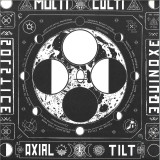
Multi Culti launch a new quarterly 12" series in step with the seasons beginning with SOLSTICE I:
Post-pandemic lockdown inspiration can be found in the great planetary balancing act that has taken place since a cataclysmic impact with an asteroid caused mass extinction and set our earth’s orbit off axis. This AXIAL TILT, or obliquity, is responsible for the seasons, and life as we know it has evolved around these unleashed forces. As our lives and for many, careers, have spun dramatically off axis as of late, we look ahead to the coming seasons, with the hope that we can weather the changes, and maintain inner stability. To aid in this quest, Multi Culti promises to deliver sonic support with utmost regularity at the peak moments of cosmic significance, with each Solstice and Equinox.
Beginning this journey are some of the label’s most beloved artists. Israeli duo RED AXES provide a chakra-elevating soundtrack with their inimitable blend of psych-garage-tronica, a sun-kissed banger that signals a long-awaited return to the togetherness of the dancefloor.
ZILLAS ON ACID turn in a robustly wiggly jam that electrifies, frazzling zaps and frenetic percussion recall the fritzy tension of the past year, a cathartic shock-treatment for traumatized dancers looking to get back to prime spine-shaking shape.
Mexico managed to stay open for the most part, and TYU seems to have not skipped a beat here, still in perfect form after breaking out as one of the hottest young producers to emerge in recent years. Dark disco, Mexi-chug, call it what you want, but the emergent genre is never better represented than here… spooky, phosphorescent tribal dance, Tulumminati-tested and approved.
Finally, the big guy - MANFREDAS - whose remixes and edits have been highlight-reel material the past couple of years, delivers a long awaited original track with his requisite heavy-weight swag. Wonky tunings and a chunky downtempo beat underpin Manny’s trademark masterful arrangement style, building patiently, with breakdowns that managed to wring every last drop of impact out of an odd, other-worldy assortment of sounds.
Lucid Express is five young dreamers who create a stunning airy blend of shoegaze and indie pop amongst the skyscrapers, mountains, and packed alleyways of Hong Kong. The name itself a modest mission statement of the band's intent: lucid in the poetic sense of something bright and radiant. The group formed as teens in the winter of 2014 in the turbulent weeks just prior to the Umbrella Movement. Vocalist/synth player Kim says "at that time it felt like we have a need to hold on to something more beautiful than before. Like close friendships, the band, our creation." Listening to their blissful, dreamy compositions, it may come as no surprise that these songs carry the mood of their times of inception. With all members of the band working late-night shifts, this led to a rehearsal and recording schedule that found the band playing between midnight and 4am and then crashing together on the studio floor before returning to work early in the AM. Debut album Lucid Express was given an extra sparkle thanks to the creative mixing of Max Bloom (Yuck), operates as the service to take the listener on a journey through the band's color-soaked sounds.
Mondo, in conjunction with Konami, are proud to present the premiere US physical release of the soundtrack to 1990's espionage classic METAL GEAR 2: SOLID SNAKE.
Hideo Kojima's direct, chronological sequel to the original MSX2 version of Metal Gear (not to be confused with the NES, ULTRA Games version of Metal Gear, nor is this title to be confused with it's unofficial sequel Snake's Revenge), Solid Snake tells the story of our previously retired hero's infiltration of Zanziberland to rescue a kidnapped Bio-Engineer, and ultimately destroy the latest Metal Gear. Audio-wise it features a step up on audio quality from its predecessor - the soundtrack to Solid Snake is a melodic, and dynamic synth soundtrack album that is heavily inspired by the synth wave soundtracks of 80's action and horror films.
Music by Konami Kukeiha Club
Artwork by Oliver Barrett
Manufactured in the Czech Republic
In 2020 Sunnyboys will celebrate 40 years since their inception (though a mere 12 years of actual existence) via a new release SUNNYBOYS 40 that brings together the first ever re-release of the band’s much loved 1980 eponymous debut 7” - featuring the original version of the classic Alone With You - alongside four new recordings culled from the archives of chief songwriter Jeremy Oxley.
Recorded over two days in October 1980 and released via independent Sydney label Phantom Records on December 31st the same year, the four songs featured on the EP were essentially the first songs Jeremy Oxley had presented to the band on his arrival in Sydney from Kingscliff just a few months earlier. Alongside Alone With You they included Love to Rule, What You Need & The Seeker.
The debut ‘yellow’ ep was an instant underground smash selling out its initial pressing of 1000 copies in just 2.5 weeks. A further pressing of 1000 would follow but then all further attempts of a repress were quashed when the ep master mysteriously disappeared after band signed to Mushroom Records in February 1981. The tapes having never been recovered these masters have been taken from the cleanest vinyl available and appear here for the first time ever outside the 7” ep format and that limited run of 2000.
Fast forward 40 years (as you do) and Sunnyboys are enjoying a renaissance rarely seen for any band from any era. In truth their popularity now eclipses what it did in 1980-1984 with each successive tour selling more tickets and faster than the tour previous. Why not then give the people new music?
Part 2 of Sunnyboys 40 was recorded between touring commitments in 2018 at Airlock Studios, Brisbane. Overdubs were added over the following twelve months at locations in Sydney & Brisbane and the mixing completed in the summer of 2019 by current in-demand producer Konstantine Kerstin. The idea being to tackle some material Jeremy had written for other projects post-1984 and to complete some unfinished business from back in the band’s original lifespan.
Can’t You Stop is a reworking of a song Jeremy recorded as The Fisherman in 1986. The short-lived trio were Jeremy’s immediate post-Sunnyboys band and the original version was released on the Waterfront label the same year. In this guise Can’t You Stop features an all new arrangement plus those trademark Sunnyboys harmonies.
Lovers (On Another Planet’s Hell) meantime, is a reworking of a track from the Sunnyboys third album Get Some Fun. The original version featuring a 4/4 beat often referred to as the “AC/DC beat” which never sat well with the band. The opportunity to readdress that all these years later proving irresistible. The added keyboards of Alister Spence and brass playing of Eamon Dilworth and young Nico Oxley (Peter’s son) also adding a new dimension to the original.
Strange Cohesion was actually written post-Get Some Fun in 1984 and was performed by the band regularly during their final tour. It would feature on the band’s swansong release, 1984’s Real Live but was never recorded in the studio. 40 gives the track its recorded debut and gives some small hint as to what Sunnyboys album no.4 may have sounded like.
Originally released as a solo recording back in 1991 under the banner Jeremy ‘Ponytail’ Oxley Way After Five shares perhaps the strongest relationship to the ‘40’ concept. Jeremy’s voice at times just a croak - a by-product of the life he has lead for much of last 40 years - adding further poignancy to the songs lyric; and it’s another Oxley classic.
And what better way to celebrate both the new release and the milestone anniversary than by doing what Sunnyboys do best - play live! And so Sunnyboys hit the east coast this February including first time ever shows in Torquay and for Sydney’s Twilights @ Taronga. Special guests Painters & Dockers will join Sunnyboys for the shows in Victoria while garage rockers Rocket Science will join the birthday boys in Sydney.
“We really didn’t think we would ever play again as a band. But wow, we have and we sure are having a bloody great time doing it.” - Peter Oxley
- A1: The Dark Night
- A2: King Arthur
- A3: Mission Impossible Ii (Part 1 - Nyah)
- A4: Mission Impossible Ii (Part 2 - Injection)
- B1: Pearl Harbor
- B2: Rush Lost But Won
- B3: Lion King
- C1: The Da Vinci Code (Part 1)
- C2: The Da Vinci Code (Part 2)
- C3: The Da Vinci Code (Part 3)
- C4: The Da Vinci Code (Part 4)
- D1: Madagascar Best Friends
- D2: Spirit
- D3: Kung Fu Panda Oogway Ascends
- D4: The Holiday
- E1: Hannibal To Every Captive Soul
- E2: Pirates Of Caribbean I Don't Think Now Is The Best Time/At Wit's End (Part 1)
- E3: Pirates Of The Caribbean Drink Up Me Hearties Yo Ho (Part 2)
- F1: Gladiator The Wheat/The Battle (Part 1)
- F2: Gladiator Elysium (Part 2)
- F3: Gladiator Now We Are Free (Part 3)
- F4: Inception Time
Sony Classical release - sensational double album by one of the world’s most accomplished film composers. This stunning album sees Hans Zimmer arrange some of his most successful and recognisable compositions into electrifying concert suites for orchestra, choir and an impressive list of soloists. Recorded in the prestigious Wiener Konzerthaus, the album features the renowned Vienna Radio Symphony Orchestra and the Neue Wiener Stimmen choir under the baton of award winning conductor Martin Gellner. Included in the album are some of Zimmer’s most popular hits: The Dark Knight, Inception, Lion King, Pirates Of The Caribbean, The Da Vinci Code and many more. Specialist marketing activity. The double CD format is released March 15th and 3 LP set is released March 29th.