Garçon EP - an enthralling vinyl release from the talented musical explorers Kondo & Mhrrmv. The album demands the attention of minimalist enthusiasts, offering a unique immersion into a hypnotic and groove atmosphere.
"Garçon" and "Gettin' Naughty" transports the listener on a captivating journey through the nuances of housy minimal sound, creating rich and dense sonic textures that feel electrifying.
Two unique remixes of album tracks complement the vinyl experience. Remixes from ckb and lo:za provide a fresh perspective on the already captivating material, adding new layers of sonic depth and emphasizing the deep character of the album.
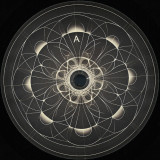
The vinyl cover, designed in a mandala style, reflects the album's aesthetic, where each detail holds significance. High-quality sound, a meticulously curated tracklist, and the vinyl atmosphere make "Garçon EP" a must-have for collectors and enthusiasts of deep minimal sound.
Suche:kondo
Kayama Japan based artist DAISUKE KONDO serves up a hearty dose of Detroit inspired soulful house, with a dash of jazzy broken beat on this 4 tracker from Chicago's JITNEY MUSIC.
This 12" aims straight at the hearts and souls of fans of labels like SOUND SIGNATURE as well as artists like DEGO.
Point of View is a new parallel project by Cognitiva Records.
It is a limited series of 150 hand-signed "7inch" copies.
Each release will compare two artists, different points of view with the same pattern. side A Beraber - Shades Play
Beraber is an Amsterdam based producer and dj that made his debut with this moniker on La Freund Recordings. He has a bi-monthly show on Red Light Radio.
This time he has delivered a special groovy production with deeply roots in 90s italian house. A rich and full sound with few elements; it's his goal. 'Shades Play' is mainly Juno-6, Korg M1 and TR-707.
The latest work of Keita Sano's MAD LOVE Records is a 12 inch split by up-and-coming musicians: Daisuke Kondo and Keita Sano. They hail from Okayama!, the alternative dance music label "MAD LOVE Records, and continue to release good quality music one release after another. The fourth release features Daisuke Kondo who is part of a new generation of producers from the same town as Keita Sano.
Having recently appeared on Bosconi Records and Altzmusica, Daisuke Kondo is a producer on the rise at present. This outing on Vibraphone adds fuel to that particular fire with four distinctive cuts that push to the outer edges of house music without losing sight of the groove. "Hold On To Love" is, on the surface, an upbeat, disco-infused house jam, but there's a certain trippy approach Kondo takes in the processing department that edges the music into a different head space. "Life" meanwhile gets gritty and bass heavy at one end of the frequency range, and airy and melodic at the other. "Feelin Blue" gets even dustier and scratchier with its sample treatment, and then "Fallen Star" lays down some unflinching machine beats with wonky, distant piano licks.
Leyla's 'Parallels & Influences EP' brings together Mondkopf, Positive Centre, Codex Empire & Yuji Kondo for an assaulting 4 tracks of power infused and industrial strength techno.
Mondkopf starts things roling with militaristic snare rolls and off-kilter analog synthesis into a climatic fervor of dystopian scene-scaping. This then is followed upu energetically by the pounding pressure and liquid 303 squelches of Positive Centre's 'Rub'. Crushed out cymbals battle against booming sub bass as a foghorn call rides high above the tempestuous patterns.
Codex Empire's 'Hessdalen' is as slick and detailed as it is ruff and raw. Huge sweeping backgrounds with intense high end percussion lick over a stomping, staggered kick pattern. Yuji Kondo (one half of the excellent Steven Porter project with Katsunori Sawa) brings things to a close with 'Whip Blow'. Bringing his signature refusal for traditional percussion sources - this peaking track pits high level technicality against deeply hypnotic and brooding rhythm.
- Spectral Decay' is a collection of musical reflections about the paradoxical contemporary state of humankind, whereas its own technological, social, cultural and economical development seems to entrench the possible points of a structura downfall. The narrative of - Spectral Decay' starts with heavy, mesmerizing industrial vibes. Due to the notable sound design techniques of Japanese artist Tetsumasa, his hefty piece - Nex' evolves into a harsh but still amazingly cinematical music sculpture.
Subsequent mid-tempo composition - Onzour Shayatini' by Meer dynamically follows the dark, experimental path of drone and noisy structures. Violent accents smoothly lead to the deconstruction of drum & bass patterns and turn into strident 90s metal riffs. The track progressively penetrates obscure subterranean abysses and becomes a perfect introduction to the next theme by Yuji Kondo - - Hades'. In Greek mythology Hades was the ancient god of the underground kingdoms, darkness, death and metals. Therefore, Kondo's music piece turns into an infernal portrayal of the underworld where tenebrous layers of bass frequencies, raw textures and Drexciyan sounds build up an enormous and lasting tension.
Side B begins with the track - Anthropocene' produced by Arboretum co-founder - Mogano. The whole composition refers to the present geological epoch we live in, characterized by environmental pollutions, depletion of fossil fuels and accelerated urbaniza- tion of the world. It is a deeply conceptual soundscape of a powerful system, that incorporates both - the destructive forces of technology and the infinite energy of the whole universe, that interweave in a devilish dance of post-techno, breakbeat and dub tones.
Thereafter, ~Raw in his piece - Poly Bios' pictures the interference of human structures in the nature. Creating a mosaic from indus- trial and tribal, organic sounds, he tells a mystical story of fear, hope, escape and primeval instincts.
The narration concludes with an atmospheric composition of NWRMNTC - solo project of Ana Quiroga from experimental ambient duet LCC. - Beyond' is a boundless, spectral reflection on collective human consciousness, where haunting vocals evoke a recon- dite, ineffable pain, leaving the listeners in a profoundly meditative state.
Laura Polan´ska
ABYSS Recordings debut vinyl release Envisioned Disorder features Rommek, Yuji Kondo, Snitch and Michal Jablonski.
Ekambi Brillant was born in the village of Dibombari in Cameroon in 1948. In 1962 he attended school in Yaounde and learned his musical craft. In 1971 he heads off to the big city lights of Douala. Here he finds himself in a French TV, music competition hosted at "Le Domino" nightclub. It is here where he brushes shoulders with other Cameroonian music legends such Manu Dibango and Francis Bebey.
The music contest win gives him the break he needs and in 1972 and with the support of fellow troubadour JK Mandengue he finds himself with a record deal with Phonogram and his first hits in France.
Its in 1975 where we pick up this merry tale. Because it is in 1975 when things start to get a bit funky. Which is just how we like it here at Africa Seven. In partnership with French producer, guitarist and all around hero, Slim Pezin he creates the "Africa Oumba" album. He goes on in the two subsequent years to record the Soul Castle and Djambo's Djambo's albums also with Slim.
Our compilation focuses on the funkier end of Ekambi's music drawn mainly from the 1975 to 1978 period. Things open up with our theme tune "Africa Africa" (of course). It's tribal twisted psych funk is the perfect start to any album. We then move to "Aboki" possibly Ekambi's finest dance floor filler. Next it's the choppy disco strings and slap bass of "Nyambe" and the swirling African swing of "N'Kondo" and the pulsing chop-funk "Ekila".
The flip side starts off with "Soul Castle" an ordinary day tale for our hero. "Massoma" and its funk boogie get things bopping next up before "Machine Ma Bwindea" gives us some punchy brass and low slung funk grooves. "Mother Africa" shows us the songwriting power of Ekambi while also managing to have one of the funkiest flange basslines we have heard in a good while. Things close off with swing-time of "Lambo Lena".
Ekambi Brillant would go on to become one of the big name legends of Cameroonian music with nearly 20 albums to his name. He has contributed to the emergence of several Cameroonian artists such as Marthe Zambo, Valery Lobe, Aladji Toure and Africans. He now spends his time in Cameroon and Washington DC. Ekambi, we salute you sir.
First time reissue of JP free jazz rarity, pre-Seikatsu Kōjyō Iinkai group.
The single album self-released by the quartet Shūdan Sokai in 1977 is one of the most vital documents of mid-seventies Japanese free jazz, documenting Tokyo’s free scene at the precise moment when it began to shift to a handful of tiny venues on the western fringes of the city. In Free Jazz in Japan, Teruto Soejima identifies the extant venue Aketa no Mise in Nishi-Ogikubo as the pioneer of this decamping from the centre: a cramped basement beneath a rice shop, seating just 20 people. Musician-run, operated on a shoestring, these spaces offered a vital site for community, creativity, and a small measure of financial independence — “even though it was in a basement, in spirit it was a loft.”
Among the most active of the new venues was Alone in Hachiōji, nearly an hour from Shinjuku, in a district shaped by universities, lower rents, and a thriving counterculture. Originally opened in 1973 as a jazu kissa, Alone was unusually spacious and equipped with a stage, grand piano, and drum kit. Around 1974, Junji Mori and Yasuhiro Sakakibara began working there, booking free jazz players on weekends and establishing the venue as a crucial hub. Mori recalls early appearances by figures including Kazutoki Umezu, Toshinori Kondo, and others who would define the scene.
In early 1976, Umezu and pianist Yoriyuki Harada — recently returned from New York’s loft jazz environment, where they had played with musicians such as David Murray and William Parker — formed Shūdan Sokai with Mori and drummer Takashi Kikuchi. The name, meaning “mass evacuation,” pointed to their self-chosen exile in Hachiōji. With Alone as their home base, the quartet developed a music characterized by an infectious sense of enjoyment and a willingness to integrate free jazz with elements of song structure. Harada switched between piano and bass; the group experimented with rap-like vocal pieces, jabbering nursery rhymes over bass rhythms.
They returned to Alone on December 24 to record Sono zen’ya (Eve), releasing it on their own Des Chonboo Records, partially funded by advertisements from local businesses printed on the rear cover. The closing “Ballad for Seshiru,” dedicated to Harada’s newborn son, unfolds over a delicate piano melody that moves into emphatic chords as intertwining alto lines rise and spiral.
Alone closed in September 1977, and Shūdan Sokai soon dissolved, later morphing into the expanded Seikatsu Kōjyō Iinkai Orchestra. What remains is a recording rooted in a specific place and moment: a fiercely independent scene sustained by small rooms, close listening, and collective commitment.
"Reasons" is a compilation by four Japanese artists. It includes the debut track by Tokyo-based Miki — an energetic house tune with a strong sense of momentum, a sublime peak-time cut by Jori, dubby, atmospheric house from Daisuke Kondo, and a driving bass music track by Yomni, the alternate alias of Jomni.
“Tectonic” is a concise portrait of SIMON BERZ’s geological sound explorations across continents over the last 15 years: drums, electronics, and a set of electronically manipulated basalt stones from Iceland.
SIMON BERZ is a transdisciplinary drummer, sound artist, and music educator based in Switzerland and Berlin. Working at the intersection of improvised music, sound art, and performance, and deliberately crossing boundaries between disciplines, his aesthetics are shaped by a sustained engagement with natural materials, particularly stone, and their sonic transformation through electronic manipulation. Beyond his performance work, BERZ founded BADABUM as an art label and a music school.
For the last 30 years, BERZ has been performing in Japan, China, Russia, the USA, Cuba, Iceland, Turkey, and across Europe. He has collaborated with artists including BILL LASWELL,BABY SOMMER, DAMO SUZUKI (CAN), JAMES TURRELL, JIMI TENOR, JOHN SINGLAIR, JOJO MAYER (NERVE), KONDO TOSHINORI, KIDD JORDAN, LAUREN NEWTON, LEE “SCRATCH“ PERRY, MAURO PAWLOWSKI (dEUS), NILS PETTER MOLVÆR, NIKI GLASPIE, NORBERT MÖSLANG, PAUL LOWENS, PFADFINDEREI, ROB MAZUREK, SKÚLI SVERRISSON, and he was the live drummer for APPARAT. As BERZ understands artistic practice as energy emerging from nature and through dialogue with people, his recorded output is intentionally selective, with one highlight being “Beats versus Breath” with KONDO and LASWELL (2023). Alongside a regular drumkit and electronics, he has developed his own instruments such as the “Lithophon” in which resonating stones are turned into amplified sound through water drops, and “Tectonic”, a set of Icelandic basalt stones shaped through electronic manipulation. These self- built instruments form the material basis for his performances, installations, and sound recordings.
“Tectonic” is also the title of BERZ’s latest work: a summary of his geological sound explorations across continents. From Iceland to Indonesia and Bali, from New Orleans to China, in caves and at shores, BERZ carried his millions-of-years-old basalt stones as both instrument and collaborator. On Java, he met Baron, a builder of stone gamelan instruments. At the Pacitan Tabuhan Cave (Indonesia) he performed with MISBACH BILOK and WUKIR SURYADI (SENYAWA) who work with corals as instruments. BERZ brought these encounters and “field recordings” to the Stöðvarfjörður studio in Iceland, where he recorded with his “Tectonic” set-up, drums, and electronics. The music was later mixed in Berlin by DIRK DRESSELHAUS (SCHNEIDER TM). The resulting album moves from club-driven tracks to ambient passages, from gamelan-inspired textures to HipHop-like beat patterns. It resists easy categorization while staying direct and physical in its impact.
- 1: Skull Chamber
- 2: The Venus And The Sorcerer
- 3: Panel Of The Lions
- 4: Hillaire Chamber
- 5: Candle Gallery
- 6: Chamber Of The Bear Hollows (North)
- 7: Chamber Of The Bear Hollows (South) & Brunel Chamber
- 8: Entrance Chamber
Demetrio Castellucci and Massimo Pupillo present the music of Sleep Technique, a performance by Dewey Dell inspired by the Chauvet cave and its ancient cave paintings.
The music comes to life anew on record, an immersion into the depths of sonic particles, moist electroacoustic rhythms, the repeated forms of speleothems, and the electric bass that scrapes the walls, shaping them into concave or convex surfaces. A voice that moves incredibly slowly, yet is in constant motion, like the millennia-old, unceasing erosion of water.
The album’s journey follows the geography of the cave in reverse, moving from its deepest chamber back to the entrance.
Demetrio Castellucci is a composer and sound designer who has been involved in theater productions, choreography, and film since 2004. Around the same time, he began performing as a DJ, favoring an omnitemporal approach geared toward dance that transcends musical genres. Since 2006, he has been a member of the dance company Dewey Dell, and since 2007, he has been active as Black Fanfare, a maximalist electroacoustic project. He has collaborated on performances by Andreco and Enrico Ticconi/Ginevra Panzetti, as well as on films by Ahmed Ben Nessib, Beatrice Pucci, and Ilaria di Carlo. After living in London and Berlin, he settled in Vilnius, where in 2018 he founded Unarcheology, a digital platform that publishes music and radio programs. He is also active as Airport Gad, an ambient project which, together with Unarcheology, launched its own “Airline Company”: concerts in a flight simulator built from cardboard, where the pilots are also the musicians.
Massimo Pupillo is best known as a founding member of the band Zu, with whom he has released 18 albums and performed over 2,000 live shows worldwide. He has maintained a highly open and multidisciplinary approach that has led him to work with some of the most acclaimed figures in the contemporary art world: South African photographer Roger Ballen, actors Malcolm McDowell and Marton Csokas, Romeo Castellucci and Chiara Guidi of Societas Raffaello Sanzio, American choreographer Meg Stuart, poet Anne Waldman, and Italian poet Gabriele Tinti, among others. He has collaborated live and in the studio with avant-garde musicians and composers such as Alvin Curran, piano duo Katia & Marielle Labèque, and classical virtuosos like Viktoria Mullova and Giovanni Sollima. He has also worked with some of the most influential names in the international rock scene, including Mike Patton, Thurston Moore, Jim O’Rourke (Sonic Youth), Guy Picciotto & Joe Lally (Fugazi), Buzz Osborne (Melvins), and Damo Suzuki (CAN).
In the field of improvised music, he has collaborated with Peter Brötzmann, Toshinori Kondo, Mats Gustafsson, Ken Vandermark, and Tony Buck, among others. Within the experimental music scene, his collaborations include Oren Ambarchi, David Tibet (Current 93), Thighpaulsandra (Coil), Stephen O’Malley (Sunn O))), Abul Mogard, Mick Harris (Scorn), Gordon Sharp (This Mortal Coil), FM Einheit (Einstürzende Neubauten), and many more. In cinema, he composed the score for Kirill Serebrennikov’s film LIMONOV, presented at Festival de Cannes in 2024.
- A1: Ocarina Of Time
- A2: Zelda's Lullaby
- A3: Lost Woods
- A4: Sheik's Theme
- A5: Gerudo Valley
- A6: Song Of Storms
- B1: Jabu-Jabu's Interlude
- B2: Zora's Domain
- B3: Great Fairy's Fountain
- B4: Kakariko Lullaby
- B5: Epona's Song
- B6: Gerudo Valley Reprise
Jazz piano, upright bass, and mellow percussion set the stage for the debut release of The Deku Trio. Zelda and Jazz is a 12 track tribute to The Legend of Zelda: Ocarina of Time.
The Deku Trio is a new project from Rob Araujo (Chillhop) and Chris Davidson (GameChops) that elevates video game covers through forward-leaning arrangements for jazz trio.
Highlighting fan favorites like Song of Storms, Zelda’s Lullaby, and Great Fairy Fountain, The Deku Trio's coffeehouse-style reimaginings feature cozy ornamented piano arrangements, interesting reharmonizations, soulful basslines, and delicate drums and percussion. Music composed by Koji Kondo with character designs by award-winning comic author Riana Dorsey
- A3: お花畑にて = In The Flower Garden; Written-By
- A5: 対クッパ戦 = Battling Bowser; Written-By
- A7: Super Pipe House = Super Mario House; Written-By
- B7: ごきげんスター = Irrepressible Star; Written-By
- C5: ねぇねぇジーノごっこしようよ = Play "Save The World" With Me!; Written-By
- D1: 土管からコンニチハ = Greetings From The Pipes; Written-By
- E1: Long Long Ago… = Long, Long Ago...; Written-By
- E2: ちょっとドキドキ = A Little Anxious; Written-By
- F2: 対 クリスタラー戦 = Battling Culex; Written-By
- F3: クリスタラー戦での勝利 = Victory Over Culex; Written-By
- F4: クリスタラーの会話 = Conversation With Culex; Written-By
- G5: オノレンジャー参上 = The Axem Rangers Bust In; Written-By
- G6: クッパ城(其ノ弐) = Bowser's Keep (Second Visit); Written-By
- H5: お・し・ま・い・! = The End!; Written-By
- A1: 楽しい冒険 愉快な冒険 = Fun Adventure, Cheerful Adventure
- A2: Let's Try = Let's Try!; Written-By
- A4: クッパ城(其ノ壱) = Bowser's Keep (First Visit)
- A6: 剣は降り星は散る = The Sword That Scattered The Stars
- A8: どこに行きますか? = Where To?
- A9: 道中は危険がいっぱい = Danger Abounds On The Journey; Kinopio Side
- B1: 対モンスター戦 = Battling Monsters
- B2: 勝利!! = Victory!
- B3: Hello, Happy Kingdom
- B4: 説明しますっ! = Let Me Explain!
- B5: 新しい仲間 = A New Friend
- B6: まだまだ道中は危険がいっぱい = Danger Aplenty On The Journey
- B8: 対 ちょっぴり強いモンスター戦 = Battling Strongish Monsters
- B9: 武器たちがやってきた! = The Weapons Show Up
- B10: 対 武器ボス戦 = Battling A Weapon Boss
- B11: スターピース入手 = Got A Star Piece!
- B12: ダンジョンはモンスターがいっぱい = Monsters Abound In The Dungeon; Mallow Side
- C1: ワイン川を行こう = Let's Take The Midas River
- C2: おじいちゃんと愉快なオタマ達 = Grandpa And The Upbeat Tadpoles
- C3: ショック! = Shock!
- C4: かなしいうた = Elegy
- C6: ジーノの目覚め = Geno's Awakening
- C7: 森のキノコにご用心 = Beware Of The Forest Mushrooms
- C8: Rose Town; Kaeru Sennin Side
- D2: Welcome! Yo'ster Island!! = Welcome To Yo'ster Isle!
- D3: かけっこしようよ = Let's Race
- D4: 働きモグラは良いモグラ = A Working Mole Is A Happy Mole
- D5: Docaty Mountain Railroad = Moleville Mountain Rail
- D6: ここはブッキータワーでございます = This Is Booster Tower
- D7: そしてわたしの名はブッキー = And That Makes Me Booster!; Geno Side
- E3: 坂道 = The Hill
- E4: メリー・マリーの鐘が鳴る = The Bell Rings Out At Marrymore
- E5: 祝いのメロディ = Melody Of Celebration
- E6: 星の光の花咲く丘で = Where Flowers Bloom Under Starlight
- E7: 沈没船 = The Sunken Ship
- E8: お買い物ならリップルタウンへどうぞ = Shopping At Seaside Town; Peach Side
- F1: 僕らの楽園~モンスタウン~ = Monstro Town, Our Paradise
- F5: 貴方と作るキノコフスキー名曲の時間 = A Masterpiece Composed With Toadofsky; Koopa Side
- G1: フカフカしましょ! = Let's Get Fluffy!
- G2: マルガリ・マルガリータ = Valen-Valentina
- G3: ドドが来たっ!! = Dodo Has Arrived!
- G4: バーレル火山 = Barrel Volcano
- G7: 武器工場 = The Factory; Yoshi Side
- H1: 対 カジオー戦 = Battling Smithy
- H2: 対 変身好きのカジオー戦 = Battling Smithy's Many Forms
- H3: さよならジーノ…~星の窓から見る夢は = Farewell, Geno... / The Wishes From The Stars
- H4: 楽しいパレード 愉快なパレード~そしてパレードは行ってしまった… = Fun Parade, Cheerful Parade / There Goes The Parade
b A2 Let's Try = Let's Try!; Written-By [Original Score Written By] – Koji Kondo
[c] A3 お花畑にて = In The Flower Garden; Written-By [Original Score Written By] – Koji Kondo
[e] A5 対クッパ戦 = Battling Bowser; Written-By [Original Score Written By] – Koji Kondo
[g] A7 Super Pipe House = Super Mario House; Written-By [Original Score Written By] – Koji Kondo
[p] B7 ごきげんスター = Irrepressible Star; Written-By [Original Score Written By] – Koji Kondo
[z] C5 ねぇねぇジーノごっこしようよ = Play "Save The World" With Me!; Written-By [Original Score Written By] – Koji Kondo
[xd] D1 土管からコンニチハ = Greetings From The Pipes; Written-By [Original Score Written By] – Koji Kondo
[xk] E1 Long Long Ago… = Long, Long Ago...; Written-By [Original Score Written By] – Koji Kondo
[xl] E2 ちょっとドキドキ = A Little Anxious; Written-By [Original Score Written By] – Koji Kondo
[xt] F2 対 クリスタラー戦 = Battling Culex; Written-By [Original Score Written By] – Nobuo Uematsu
[xu] F3 クリスタラー戦での勝利 = Victory Over Culex; Written-By [Original Score Written By] – Nobuo Uematsu
[xv] F4 クリスタラーの会話 = Conversation With Culex; Written-By [Original Score Written By] – Nobuo Uematsu
[yb] G5 オノレンジャー参上 = The Axem Rangers Bust In; Written-By [Original Score Written By] – Koji Kondo
[yc] G6 クッパ城(其ノ弐) = Bowser's Keep (Second Visit); Written-By [Original Score Written By] – Koji Kondo
[yi] H5 お・し・ま・い・! = The End!; Written-By [Original Score Written By] – Koji Kondo
[b] A2 Let's Try = Let's Try!; Written-By [Original Score Written By] – Koji Kondo
[c] A3 お花畑にて = In The Flower Garden; Written-By [Original Score Written By] – Koji Kondo
[e] A5 対クッパ戦 = Battling Bowser; Written-By [Original Score Written By] – Koji Kondo
[g] A7 Super Pipe House = Super Mario House; Written-By [Original Score Written By] – Koji Kondo
[p] B7 ごきげんスター = Irrepressible Star; Written-By [Original Score Written By] – Koji Kondo
[z] C5 ねぇねぇジーノごっこしようよ = Play "Save The World" With Me!; Written-By [Original Score Written By] – Koji Kondo
[xd] D1 土管からコンニチハ = Greetings From The Pipes; Written-By [Original Score Written By] – Koji Kondo
[xk] E1 Long Long Ago… = Long, Long Ago...; Written-By [Original Score Written By] – Koji Kondo
[xl] E2 ちょっとドキドキ = A Little Anxious; Written-By [Original Score Written By] – Koji Kondo
[xt] F2 対 クリスタラー戦 = Battling Culex; Written-By [Original Score Written By] – Nobuo Uematsu
[xu] F3 クリスタラー戦での勝利 = Victory Over Culex; Written-By [Original Score Written By] – Nobuo Uematsu
[xv] F4 クリスタラーの会話 = Conversation With Culex; Written-By [Original Score Written By] – Nobuo Uematsu
[yb] G5 オノレンジャー参上 = The Axem Rangers Bust In; Written-By [Original Score Written By] – Koji Kondo
[yc] G6 クッパ城(其ノ弐) = Bowser's Keep (Second Visit); Written-By [Original Score Written By] – Koji Kondo
[yi] H5 お・し・ま・い・! = The End!; Written-By [Original Score Written By] – Koji Kondo
Japanese free jazz legend Akira Sakata and Greek avant-garde guitarist Giotis Damianidis present Adyton, their first-ever duo recording. Having collaborated since 2018, the two musicians have developed an intuitive and electrifying musical dialogue, culminating in this live performance at Haekem, Brussels—the final concert of a two-week tour with Entasis in September 2023.
Sakata, who turned 80 on February 21st, 2024, delivers his signature fiery alto saxophone, evocative clarinet, expressive voice, and resonant bells, while Damianidis expands the sonic spectrum with textural guitar and effects, weaving a dynamic interplay between structure and chaos.
Titled after the "Adyton"—the innermost, most sacred part of an ancient temple—this album invites listeners into a raw, unfiltered space of musical exploration, where spontaneous energy and deep-rooted tradition converge. A testament to Sakata’s lifelong commitment to improvisation and Damianidis’ boundary-pushing approach to guitar, Adyton is a powerful, transcendental journey into the unknown.
Mirae Arts proudly presents The Way I Am and The Way You Yawn, the debut album from Katsunori Sawa under his KWARP alias. This six-track release explores the fleeting nature of youth and the weariness of aging, blending Sawa’s experimental roots with fresh, modular synthesizer-driven soundscapes.
From the forward-driving hi-hats and alien voices of "Frog FM" to the mechanical aggression of "Ultra," the album offers an imaginative auditory journey. Highlights include the playful chaos of "PlayStation" and the metallic rhythms of "Metal Gear."
About Katsunori Sawa: First emerging on the scene in 2008 as EOC with his debut on the UK-based Ai Records, Sawa has steadily built a reputation for innovation and collaboration within the underground music community. He co-founded the influential 10 Label and has paired his talents with an array of respected artists, including Yuji Kondo (as Steven Porter), Martsman (under the moniker Bokeh), and DJ Nobu (Nobusawa). These alliances have birthed releases on prestigious labels like Kynant Records, SNTS, and Token.
Creating his sound in a hidden studio set within a striking Tadao Ando-designed building, Sawa crafts a sonic landscape that fuses rhythmic noise with pulsating bottom-end rave abstractions. His work reached new heights with an album on Opal Tapes, making him the label’s first Japanese artist and firmly establishing his place in the global music conversation. His tracks have even been woven into the sets of electronic stalwarts such as Aphex Twin.
* Artwork by Jesse Osborne-Lanthier
Nach zwölf Jahren reich an Instrumental-Alben (von zwei Solo-Piano-Platten über Kammermusik bis hin zu gemeinsamen Alben mit Boys Noize, Jarvis Cocker und Plastikman und sogar einem Weihnachts-Bestseller) hat Chilly Gonzales sich eine Menge von der Seele zu schreiben. Die Notizbücher, die seit dem 2011 erschienenen orchestralen Rap-Opus 'The Unspeakable Chilly Gonzales' leer blieben, füllten sich seit Anfang 2022 wieder mit Worten, nachdem Gonzo ein langes Jahrzehnt der Psychoanalyse beendet hatte. Ein Zufall? Wohl kaum. Hinter all den Wortspielen und dem Namedropping (u.a. Ron Jeremy, Marie Kondo, Dschingis Khan und Philip Glass) offenbaren die Songs, die es auf das neue Album 'Gonzo' geschafft haben, eine anhaltende Spannung zwischen Überzeugung und Bekenntnis, Wahn und Selbsterkenntnis und schließlich Dankbarkeit. Auch das Spannungsfeld zwischen Kreativität und Kommerz ist für Gonzo ein Thema, das ihn schon lange beschäftigt. Ist dies wirklich ein Rap-Album? Instrumentalstücke wie das strawinsky-eske 'Fidelio' oder das tränenreiche 'Eau de Cologne' erinnern den Hörer an Gonzos selbsterklärte Rolle als 'musical genius', während sich die Worte und Reime der vorangegangenen Strophen im Ohr festsetzen.
Rotes 180g-Vinyl mit einem Einleger mit Artwork auf der einen Seite und einer Kurzgeschichte (auf Englisch) von Christian Kracht auf der anderen Seite
An’archives presents the latest album by Japanese free saxophonist and vocalist Harutaka Mochizuki, Doppelgänger ga boku wo. Since the early 2000s, Harutaka has quietly, yet steadily, released a string of solo and collaborative releases that have allowed multiple perspectives on one of the most singular voices in modern music. In collaboration, he seems to prefer the duo format, and digging through his discography, you’ll find releases where he pairs with Tomoyuki Aoki (of Up-Tight), Michel Henritzi, and Hideaki Kondo. But Harutaka’s solo performances, with their lyricism and physicality, are where the magic truly happens.
If earlier albums, like Solo Document 2004 (Bishop, 2005) and Pas (no label, 2014), were raw documentations of solo alto saxophone performances, in recent years, Harutaka’s solo albums have become more complex, more mystifying. Most significantly, they’ve become more personal; there are few musicians extant whose albums feel quite so much like diaristic interventions, and Harutaka’s music now is deeply moving in its intimacy. Developing that thread of revelation, Doppelgänger ga boku wo offers a still richer exploration of many facets of Harutaka’s artistry.
The two double-tracked alto saxophone performances here feel consummate, with Harutaka shadowing himself, exploring the possibilities of the multiple self: Doppelgänger is me, indeed. The playing here is rich with affect, but still exploratory, voiced with rigour and intent. Two short pieces for keyboard and voice (about Giacometti and Genêt, respectively) are fragile miniatures, with clusters of chords, and passing phrases, wrapping around Harutaka’s untutored but lovely singing.
The ‘karaoke’ performance that closes the album, of “Woman ‘W no higeki’ yori”, speaks to the iterative aspects of Harutaka’s music. A cover of the Hiroki Yakushimaru song, the theme to Shinichirō Sawai’s 1984 film W’s Tragedy, he’s returned to this song several times, and here, his delivery perfectly captures the spirit of what Michel Henritzi, in his typically beautiful liner notes, evocatively details as “one of those sad love songs that accompany lonely sake drinkers in smoky night bars, sharing their spleen.”
Gorgeous, human, heartrending - Doppelgänger ga boku wo is Harutaka Mochizuki in element and in spirit.
nehan is a Japanese free improvisation & avant-garde rock quintet formed in August 2022. Their performances are initiated by a 9hz brain wave emitted from a testee who has been brought into a deep meditative state via either hypnosis or acupuncture - a very relaxed but very alert state. nehan doesn"t begin until the testee has gotten into the state of "nothingness." It is only then that the improvisation can begin. The role of improvisation has been key to all the musical projects of Masaki Batoh. In 2010, as Batoh was winding down the activity of his long-standing "heavy chamber folk" group, Ghost, he became involved in the design of a machine to generate sonic data based on brain waves. An acupuncturist as well as a musician by trade, his interest was spurred by the rhythms of the body and the brain, and a desire to access the "pulses" of brain waves to initiate improvisations. Following the release of Brain Pulse Music, Batoh toured Japan, the US and Europe, making demonstrations of his process using a local volunteer and guest performers, when available. Today, nehan arrive at their performance space prepared with a Brain Pulse testee, bringing a wide array of instruments including gongs, timpani, tabla and other drums and percussion, Crumhorn, bagpipes, mellotron, oscillators and additional sound effects. Their performance is a transformative electro-acoustic display that passes through the prism of music styles, from east to west, from traditional folk and classical to rock, jazz, and avant electronic. While nehan"s performance presentation invokes a sense of ritual, they understand their process as being far removed from any type of spiritual endeavor - it has nothing to do with eastern thinking or any kind of religious ceremony - this is an action of improvisation, occurring in reality between the five musicians on stage, in response to the brain waves of an individual. For the personnel of nehan, Masaki Batoh asked players with whom he had good previous experiences in improvisation: Futoshi Okano (Ghost, Acid Mothers Temple, The Silence), Haruo Kondo (Espvall & Batoh) and Junzo Tateiwa (Ghost), along with female Brain Pulse testee Gozen on oscillators. The performance here, recorded live in August of 2022 at GOK SOUND in Tokyo, demonstrates their communal dedication to the improvisation. The players act as listeners and musicians simultaneously, inspired to make extended pieces of music out of the "nothingness" of brain waves. The possibilities of nehans"s chosen approach are almost infinite; an evening with nehan is only the beginning of their journey.
JAPENESE IMPORT! :)
The poetry of the human voice encounters the magic of contemporary electronic musical technology. Heart, mind and spirit, conveyed by the word, are augmented and altered, enhanced and embraced, by electronic sound. Air from Air is a collaboration between Japanese vocalist/producer Dove and American electronic duo Georgia. This singular partnership is a collection of audio poems in which words breathed by Dove are modified and expanded, cradled and celebrated, syllable by syllable and phrase by phrase. Georgia thoughtfully highlight Dove’s voice, transforming breath and air through the ether of circuitry, dismantling meaning, yet paradoxically revealing new meaning, both verbal and musical. Part of the magic here is that Japanese-speaking listeners will find clouds and constellations of meaning in these atmospheres, while those who do not understand Dove’s native language will nevertheless find pure pleasure in these same atmospheres. While some listeners may perceive it as a brand new extension of the attempts of contemporary music pioneers to explore the possibilities of human
voice sound in sound art and electronic music, Air from Air will be rather a foray into the unexplored territory of new music, yet difficult to be named, extended into modern bass music and other fields.
Disc is made of environmentally friendly new material BioVinyl. Cover art by Sakura Kondo.
- Intro At The Piano
- Red, White, And Blue
- Improvisation At Heart Mountain
- Summer Of '42 (Orchestral Edition)
- Improvisation In The Root Cellar
- ? ? ? ? ? (Iga Ueno Castle)
- Improvisation At Jerome, Ar
- Theme For Jerome (Orchestral Edition)
- ? ? ? ?? (Nada Sou Sou)
- ? ? ? ? ? ? ? ? (Ue O Muite Arukou)
- A Safe Place For Animals
- Manchester (Acoustic Edition)
- Removal (With Kara Kondo)
- Violin Tsunami For The Victims Of Tacoma Detention
- Epilogue From Improvisations On Eo9066
- For Every Voice That Never Sang
- War
- Removal
- Arrival At Heart Mountain
- Coldest Of The Camps
- Know Your Enemy:japan
- Improvisation For The Tokyo Firebombing
- Intro To 1853
- 1853: Commodore Perry And His Black Ships
- Bach's Double Violin Concerto In The Key Of Gypsy Swing
- Keiko Ishibashi
- My Name Is Kishi Bashi
- Proud American
- The 442Nd - Go For Broke
- Chicago Meditation
- A New Life
- The Pilgrimage
- Omoiyari And The Model Minority Myth
"Omoiyari" means to have empathy and consideration for others, and act on it. This fall, the American indie-folk multi-instrumentalist and singer-songwriter Kishi Bashi is set to release the companion album to his forthcoming documentary song film, titled Music from the Song Film: Omoiyari. Consisting of two LPs_"The Songs" and "The Score"_the release showcases what is essentially the soundtrack to Omoiyari, the feature-length motion picture co-directed by Kishi Bashi, aka Kaoru Ishibashi or "K," which is being released via MTV Documentary Films in November. Focusing on K's own six-year journey of discovery surrounding his research of the incarceration of 120,000 Japanese Americans that followed the attack on Pearl Harbor in 1941, the film is part social justice documentary and part song-film experiment. The album includes K's live improvisations, which are featured in the documentary, many recorded on the sites where the concentration camps stood. Written during and about the artist's transformational dive into his personal identity and serving as a broad survey of the Japanese American experience as well as the incarceration_Music from the Song Film: Omoiyari serves as an evocative musical accompaniment to the lessons of empathy and compassion portrayed in the film and highlights the process and power of one of modern indie's most talented musicians.
Wewantsounds is delighted to announce the release of Ryuichi Sakamoto's classic LP "Ongaku Zukan", originally issued in Japan on his own School label in 1984.
The reissue will replicate the original Japanese release which offered two versions: a normal edition featuring the LP with a bonus 2-track 7" EP (WWSLP71), and a limited edition which includes a 3-track 12" EP in place of the 7" (WWSLP72)
Remastered by Saidera Mastering in Tokyo the reissue boasts the original gatefold artwork plus an extra 2-page insert with new liner notes by Andy Beta
The early '80s were a turning point for Japanese musician Ryuichi Sakamoto. As a solo artist, the smash hit soundtrack he had composed for 1983's "Merry Christmas Mr. Lawrence" (a film in which he had also acted), had put him on the verge of becoming a global superstar. Meanwhile he had called a halt to his work with Yellow Magic Orchestra; the influential, globally successful pop trio calling it quits after the release of their 1983 album "Naughty Boys".
Against this backdrop, Sakamoto descended on Tokyo's Onkyo Haus Studio to record his fourth solo album, "Ongaku Zukan" ("Musical Encyclopedia") accompanied by a handful of musicians including his ex-YMO partners Haruomi Hosono and Yukihiro Takahashi, and the prolifically talented Yasuaki Shimizu, Tatsuro Yamashita and Toshinori Kondo. Sakamoto began with no particular plan in mind, recording 30 basic tracks over the best part of 1983. It was on his return to the studio the following year that the album truly began to take shape. Accompanied by a newly acquired Fairlight CMI sampler, the musician made extensive use of the revolutionary equipment to create a wide palette of sound textures which he added to the tracks, a creatively fertile process that was captured on film for the French documentary "Tokyo Melody, A Film about Ryuichi Sakamoto".)
Released in August 1984 the album "Ongaku Zukan" proved a huge success, providing Sakamoto with his first top 5 hit in Japan. Filled with inspired melodies that showcase his unique gift as a composer, it offers up a fascinating mix of styles. Asiatic electro pop nuggets ("Tibetan Dance") share space with futuristic ambient pieces ("Hane no Hayashi de"), and brilliantly creative fusions of jazz, funk, techno and reggae ("Etude" and "Tabi no Kyokuhoki.")
Two simultaneous editions of the album were released in Japan: the regular one featuring a bonus 7" EP with two extra tracks: "Replica" and "Ma Mère l'Oye" while a limited edition added a 12" EP (in lieu of the 7") which included a third track, "Tibetan Dance (Version)." An international version was released two years later in 1986 by 10 Records/Virgin under the title "Illustrated Musical Encyclopedia," but with a very different track list. Five tracks from "Ongaku Zukan" were dropped, namely "Self Portrait," "Tabi no kyokuhoku," "Mori no Hito," "A Tribute to N.J.P" and "Tibetan Dance (Version)", to be replaced by two non-album singles from 1985, "Stepping Into Asia" and "Field Work."
This is the very first time that the two 1984 Japanese editions of Ryuichi Sakamoto's classic album have been released internationally in collaboration with the artist's management and Midi Inc., with remastered audio and the original artwork faithfully reproduced, paying tribute to one of contemporary music's undisputed geniuses.
Wewantsounds is delighted to announce the release of Ryuichi Sakamoto's classic LP "Ongaku Zukan", originally issued in Japan on his own School label in 1984.
The reissue will replicate the original Japanese release which offered two versions: a normal edition featuring the LP with a bonus 2-track 7" EP (WWSLP71), and a limited edition which includes a 3-track 12" EP in place of the 7" (WWSLP72)
Remastered by Saidera Mastering in Tokyo the reissue boasts the original gatefold artwork plus an extra 2-page insert with new liner notes by Andy Beta
The early '80s were a turning point for Japanese musician Ryuichi Sakamoto. As a solo artist, the smash hit soundtrack he had composed for 1983's "Merry Christmas Mr. Lawrence" (a film in which he had also acted), had put him on the verge of becoming a global superstar. Meanwhile he had called a halt to his work with Yellow Magic Orchestra; the influential, globally successful pop trio calling it quits after the release of their 1983 album "Naughty Boys".
Against this backdrop, Sakamoto descended on Tokyo's Onkyo Haus Studio to record his fourth solo album, "Ongaku Zukan" ("Musical Encyclopedia") accompanied by a handful of musicians including his ex-YMO partners Haruomi Hosono and Yukihiro Takahashi, and the prolifically talented Yasuaki Shimizu, Tatsuro Yamashita and Toshinori Kondo. Sakamoto began with no particular plan in mind, recording 30 basic tracks over the best part of 1983. It was on his return to the studio the following year that the album truly began to take shape. Accompanied by a newly acquired Fairlight CMI sampler, the musician made extensive use of the revolutionary equipment to create a wide palette of sound textures which he added to the tracks, a creatively fertile process that was captured on film for the French documentary "Tokyo Melody, A Film about Ryuichi Sakamoto".)
Released in August 1984 the album "Ongaku Zukan" proved a huge success, providing Sakamoto with his first top 5 hit in Japan. Filled with inspired melodies that showcase his unique gift as a composer, it offers up a fascinating mix of styles. Asiatic electro pop nuggets ("Tibetan Dance") share space with futuristic ambient pieces ("Hane no Hayashi de"), and brilliantly creative fusions of jazz, funk, techno and reggae ("Etude" and "Tabi no Kyokuhoki.")
Two simultaneous editions of the album were released in Japan: the regular one featuring a bonus 7" EP with two extra tracks: "Replica" and "Ma Mère l'Oye" while a limited edition added a 12" EP (in lieu of the 7") which included a third track, "Tibetan Dance (Version)." An international version was released two years later in 1986 by 10 Records/Virgin under the title "Illustrated Musical Encyclopedia," but with a very different track list. Five tracks from "Ongaku Zukan" were dropped, namely "Self Portrait," "Tabi no kyokuhoku," "Mori no Hito," "A Tribute to N.J.P" and "Tibetan Dance (Version)", to be replaced by two non-album singles from 1985, "Stepping Into Asia" and "Field Work."
This is the very first time that the two 1984 Japanese editions of Ryuichi Sakamoto's classic album have been released internationally in collaboration with the artist's management and Midi Inc., with remastered audio and the original artwork faithfully reproduced, paying tribute to one of contemporary music's undisputed geniuses.
- A1: Soseies - Intro
- A2: Soseies - Diagnose
- A3: Soseies - Ships
- A4: Soseies, Schubidoobie -Letitgo
- A5: Soseies -Skitagain
- A6: Soseies -Putoff
- A7: Soseies -Ausderhand
- A8: Soseies -Katzensprung
- A9: Soseies, Schmero - Kaffeezumeinschlafen
- A10: Soseies - Tiefluftholn
- A11: Soseies - Skitunication
- B1: Soseies, Schubidoobie - Brüderbringens
- B2: Soseies - Kondomgeplatzt
- B3: Soseies, Pucci - Ficknichwithdis
- B4: Soseies - Skitfit
- B5: Soseies, Schubidoobie - Threefour
- B6: Soseies - Deepjungle
- B7: Soseies - Skitfeel
- B8: Soseies, Schubidoobie - Blasswieimrausch
- B9: Soseies - Läuferspringer
- B10: Soseies, Schmero - Kaffeezumaufwachen
- B11: Soseies - Skitpeace
- B12: Soseies, Schubidoobie - Wunschtraum
Neue Sachlichkeit bezeichnet eine Stilrichtung der Kunst,
welche sich nach den Gräueln des ersten Weltkriegs mit der
menschlichen Vergangenheit von Gewalt auseinandersetzte.
Entgegen der Romantisierung des eigenen Weltbezugs trat
eine nüchternere Betrachtungsweise, welche der Darstellung
von Hässlichkeit neben Schönheit einen Platz einräumte.
Neue Sachlichkeit bezeichnet ebenfalls die Platte des
Produzenten und Rappers Soseies. Das Album setzt sich auf
seine Weise ebenfalls mit Vergangenem auseinander und
stellt es in Form von Beats, Skits und Texten fest; gipfelt
ebenfalls in einer neuen Perspektivität. Neue Sachlichkeit
kommt als erste Platte des Magdeburg-based Labels
Hallenbande auf schwarzem Vinyl daher. Wesentliche
Bereicherung erfuhr das Album durch hauseigenes Mixing &
Mastering von Asbeluxt sowie Texte von Schubidoobie,
Schmero und Pucci. Das gesamte Design basiert auf dem
Gemälde der Künstlerin Mundiartis. 14.12.2022 Der Sturz
aus den Festigkeiten wird Schwebenkönnen. Hallen ist die
Bande.
Brilliantly unclassifiable ambient midi-jazz salvo from Brazil’s Gabriel Guerra aka Guerrinha - member of PAN/Future Times' Lifted ensemble and lynchpin of the Rio De Janeiro underground. Very highly recommended noir sleaze x fantasy lounge music somewhere on the spectrum between Gigi Masin, Spencer Clark, 0PN, Flanger and Koji Kondo’s iconic video game soundtracks.
Deployed as the third release on the expertly curated confuso editions, ‘Cidade Grande’ sees Guerra unfurl an immersive and deeply enveloping variant of lounge jazz noir intersecting Japanese city pop, classic video game soundtracks and future-primitive kosmische signatures in a way that defies easy categorisation. Guerrinha colours outside the lines in swirling, exquisitely trippy designs that are as easy on the ears are they are hard to fully fathom over a single sitting.
Mirroring a strain of jazz music’s evolution from sophisticate lounge soundtrack to more psychedelic lustre when musicians found acid and Brazilian styles in the ‘60s, Guerrinha slants the paradigm thru the prism of late ‘80s midi with a c.21st suss that coolly echoes hauntological takes from Spencer Clark & James Ferraro to Leyland Kirby, and Eli Keszler’s electro-acoustic jazz proprioceptions, as much as emotive Kenji Kawai soundtracks. There's a complete lack of cynicism in his approach, and dense, hypnotic tracks like 'Venda Casada Village' and the moving 'Kafta Hoje' sound so completely straight-faced it's impossible not to respect the flex.
It’s a hugely trippy listen, at once calming and eerily evocative, with a wipe-clean palette of deft midi orchestrations that conjure flashbacks to soundtracks for everything from Twin Peaks to Sharky & George or Patlabor, but with more opalescent depth, dancing around motifs in holographic designs that mark the uncanny valley of perception.
"Combining steppy dance music, lush detail and a diaristic tone, Jack Chrysalis’ debut album dials between music that is destined to catch the ear of the club-goer and the heart of the dreamer, his signature propulsive mutations of organic techno and UK garage sounding strongly in tracks like Another Year and Coldharbour.
Between these, Chrysalis threads in more introspective moments. Tracks formed by running a hand along piano keys in improvisation, or made in recollection of Koji Kondo’s clear bright musical palette for Zelda. They lend a sense of atmosphere and a deeper running mood to the album’s overworld, heightening endorphin hits from the garage swing and affording a little more bittersweetness to its textures and secrets.
Whether in rush or retreat, each track on this album emerges with its own emotional resonance. There’s a sense of seasons turning, or a twilight quality that’s hard to fully pin down. “Owl music” became shorthand for Jack’s tunes, a way for Mana to capture a prescient, nocturnal flight within their environment."
Ferocious JP / US free jazz bomb. A rare meeting between the NYC free jazz scene and the Japanese free music scene. Old-style Gatefold LP, with rare photographs & liner notes by Alan Cummings.
Following hot on the heels of the first, mid-sixties generation of Japanese free jazz players like Kaoru Abe, Masayuki Takayanagi, Yōsuke Yamashita, Motoharu Yoshizawa, etc., an exciting second wave of younger players began to emerge in the seventies. Two of its leading members were the saxophonist Kazutoki Umezu and multi-instrumentalist Yoriyuki Harada. Both were post-war babies and immigrants to the city, Umezu from Sendai in the north and Harada from Shimane in the west. They first met as students in the clarinet department at the Kunitachi College of Music, a well-known conservatory in western Tokyo. Harada was already securing sideman gigs on bass with professional jazz groups and was active in student politics, making good use of his connections to set up jazz concerts on campus. It was around this time that the two began to play together in an improvised duo, with Umezu on clarinet and bass clarinet and Harada on piano. They also experimented with graphic scores and prepared piano.
These experiments eventually led to the creation of a trio, with a high-school student called Tetsuya Morimura on drums, that they decided to name Seikatsu Kōjyō Iinkai (Lifestyle Improvement Committee) in joking reference to the Marxist discourse of the student radicals of the time. Around 1973, Umezu and Harada decided to call it a day and go their separate ways. Umezu began playing with the Toshinori Kondo Unit and Harada with the Tadashi Yoshida Quintet. In 1974 Harada formed his own trio and began to play at jazz coffeehouses across Japan.
Then, in September 1974 Umezu travelled alone to New York, where he set about building connections with the loft jazz scene in the city. It was a fortuitous moment to arrive in New York. Rents were cheap in the Lower East Side, possibilities for squatting existed, so many musicians and artists had moved to the area. Umezu soon became known on the scene as Kappo and he started to make connections with some of the young musicians like David Murray, Arthur Blythe, and Oliver Lake. He recalls making the rounds of the lofts every evening, checking out the performances, and getting the chance to sit in with many groups including Juma Sultan’s Aboriginal Music Society and trumpeter Ted Daniel’s orchestra.
Things were going so well that Umezu wrote to Harada and invited him to come to New York. He accepted and arrived in the city in July 1975. Harada and Umezu took the opportunity to resume their artistic collaboration. Their first concert together in over two years took place on July 20th at another loft, Sunrise Studios at 122 2nd Avenue. Umezu remembers Sunrise as an unusually sunny loft with the rarest of things, a grand piano. He invited along Ahmed Abdullah, a trumpeter he had got to know while playing with Ted Daniel. Abdullah led his own group and was a long-term Sun Ra sideman. William Parker, one of the key figures in the loft jazz scene of the period, was on bass. Abdullah also brought along Rashid Sinan on drums. Sinan drummed in Abdullah’s units throughout the seventies, but he had also played on Frank Lowe’s immortal Black Beings album and collaborated with Arthur Doyle, playing on Doyle’s Alabama Feeling album. By all accounts the evening was a huge success, with speed and dynamism of Harada’s piano playing gaining him lots of support.
Since they had managed to save some money from their day jobs, Umezu and Harada decided to set up a recording session with the same line-up on August 11 at Studio We, where there was a well-equipped studio on the third floor. Umezu recalls the session as follows, Of course, we recorded our performances in one take, with zero retakes as far as I remember. On all the tracks we recorded, we moved as one unit, sharp and fast. That was the nature of Lifestyle Improvement Committee, New York Branch.
Umezu and Harada would later become known for the elements of parody and entertainment that they brought to their music, a freewheeling blend of pastiche, humour and on-stage performativity that paralleled the approaches of the Art Ensemble, Sun Ra, and Holland’s ICP. But here, on their first recordings, the humour element is not yet present. Instead, there is a febrile sense of joy in creation and connection. On the Umezu-penned “Kim”, for example, Harada opens the piece with a speedy exploration of the full-range of the keyboard, hitting hard on the bass keys to create a rhythmic bed out of which patterns begin to emerge. Umezu enters at a much slower pace, longer held notes that at first float weightlessly over the urgency of the piano before they begin in splinter and accelerate. When Parker and Sinan kick in, it’s a rollicking tempo with Parker plucking deep and hard and the left-handed Sinan skittering hard across the topside of his kit. Abdullah kicks in a glorious solo twelve minutes in, bright and breathy at once. The piece slows and grows more spacious towards the end, giving Parker a chance to showcase some arco work that shades beautifully into the air against Abdullah’s trumpet.
Fraxinus emerges from temporary suspension with a monolithic 6-track offering on his new self-release label Powerplant. This is his debut EP Position Displacement, carved from a solid block of Devonian granite. After a 4-year dormancy, the Amsterdam-based artist returns with a 30 minute transmission of earth-shaking kick drums, thunderous percussion and razor-sharp sound design. The label’s inaugural release simultaneously marks the first proper outing for the artist, following a run of compilation features & special edition vinyl excursions dating back to 2014. Position Displacement is a journey of divergent moods & cadences, from the wistful flutes of opener Overland to final track Laced’s uncompromising arpeggios. Billowing melodies & piercing stabs run in tandem with a pummelling & steppy rhythm section; Source Code builds steadily, paving the way for Pass One’s warehouse-ready assault. The blooming, fluorescent synths of 115 (Kondo) - named for the mythical Amsterdam club - create a mid-way moment of euphoria, before Larch marches on with its clattering drums. The tracks clearly contain DNA from Fraxinus' foundations with the Her Records cohort – lean, direct & forward-thinking. This time around the aesthetic is more focused, transferred to techno schematics but veering away from 4/4 fare. The sonics have been compacted into dense slabs of energy, primed for soundsystem dispatch. Wholly original, crafted with precision; the EP serves as a powerful statement of intent for both artist & label. Position Displacement will be released 05/11/2021 on 12” vinyl and digital download, presented with full sleeve artwork. The record is followed by a further 2 EPs on Powerplant as we enter 2022.
A boundless creative spirit, Australian artist Paul Schütze has worked for over forty years as a musician, photographer, visual artist and perfumer. He has exhibited at institutions such as the Hayward Gallery, the V&A and Madrid’s Arco, held residencies at the Cité des Arts in Paris and has works in collections worldwide. He has collaborated with musicians from Jah Wobble to Toshinori Kondo, from Bill Laswell to David Toop, and worked both as a filmscore composer and music critic in print.
A new, remastered compilation of key works from Schütze’s catalogue, The Second Law, collates music from various periods and albums. Represented here are tracks from 1990’s The Annihilating Angel, an album of blissed-out fourth-world mystery; from the transcendent homage to traditional Indonesian gamelan music The Rapture of Metals (1993); from the ethereal, spiritual, Nino Rota-esque melancholy of 1991’s Regard: Music by Film. It is occasionally dark, industrial and begrimed; occasionally paradisiacal and breathtakingly elegant. There are works of celestial, astronomic grandeur alongside microscopically detailed miniatures. Empty, deserted spaces of man-made abandonment contrast with studies of ornate natural beauty.
- Opening Demo
- Player Select
- Vs
- Ryu Stage
- Charlie Stage
- Chun-Li Stage
- Adon Stage
- Guy Stage
- Akuma Stage
- Ken Stage
- Side B
- Sodom Stage
- Rose Stage
- Birdie Stage
- Sagat Stage
- M. Bison Stage
- Dan Stage
- Stage End
- Continue?
- Here Comes A New Challenger!
- Staff Roll 1
- Staff Roll 2
- Game Over - Ranking Display
- Ryu Ending
- Adon Ending
- Guy Ending
- Akuma Ending
- Ken Ending
- Sodom Ending
- Rose Ending
- Birdie Ending
- Sagat Ending
- M. Bison Ending
- Dan Ending
- Side B 45Rpm – Sound Fx Collection
- Voice Collection
- Se Collection
- Announcer Collection
- Charlie Ending
- Chun-Li Ending
We return to Capcom’s classic ‘90s output with this double LP for the Street Fighter Alpha: Warriors’ Dreams soundtrack.
Enter jazz-funk fusion heaven with the upbeat arcade OST of the first title in the Alpha/Zero trilogy,
The composition team includes Isao Abe, Syun Nishigaki, Setsuo Yamamoto, Yuko Takehara, Naoaki Iwami, Naoshi Mizuta, Hiroaki Kondo and Ryoji Yamamoto
All music has been specially mastered for vinyl by Joe Caithness, and tracks will be pressed onto audiophile-quality, black 180g discs.
We’ve once again enlisted the brilliant comic book illustrator Andie Tong to create original sleeve artwork, as he did for the Street Fighter III: The Collection vinyl box set.
LPs come in printed inner sleeves, all housed in a widespined outer sleeve.
Previously unreleased recordings by various lineups drawn from Derek Bailey, Tristan Honsinger, Christine Jeffrey, Toshinori Kondo, Charlie Morrow, David Toop, Maarten Altena, Georgie Born, Lindsay Cooper, Steve Lacy, Radu Malfatti and Jamie Muir.
Journalists often make the brief history of Free Improvisation conform to the idea that the history of music is a nice straight line from past to present: Beethoven… Brahms… Boulez. Thus Derek Bailey, Evan Parker and John Stevens — together with Brötzmann and co across the Channel — were the trailblazing ‘first generation’, forging a wholly new language alongside contemporary avant-garde and free jazz. Figures like Toshinori Kondo and David Toop, willing as they were to incorporate snippets of all kinds of music, were the pesky ‘second generation’, happily cocking a snook at the ‘ideological purity’ of Bailey’s non-idiomatic improvisation.
‘Company 1981’ shows up the foolishness — the wrongness — of such storylines. Check the eclectic collection of guests Bailey invited to Company Weeks over the years. He had clear ideas about the music, but he was no ideological purist.
One of the founders of Fluxus, Charlie Morrow injects blasts of Cageian fun into half the recordings here, whether blurting military fanfares from his trumpet, or intoning far-flung scraps of speech. Cellist Tristan Honsinger and vocalist Christine Jeffrey join in the joyful glossolalia, while Bailey, Toop and Kondo contribute delicious, delicate, hooligan arabesques, by turns.
The remainder are performed by a different ensemble: Bailey, bassist Maarten Altena, former Henry Cow members Georgie Born and Lindsay Cooper on cello and bassoon, the insanely inventive Jamie Muir on percussion, and trombonist Radu Malfatti, showing his mastery of extended technique. Were that not enough, there’s the inimitable purity of Steve Lacy’s soprano ringing high and clear above the melee. Glorious!
There’s always been this idea that Free Improvisation is somehow Difficult Listening, but when the doors of perception are thrown open and prejudice cast aside, you realise that it’s not difficult at all. “Is it that easy?” chirps Morrow, at one point. Indeed it is.
Enjoy yourself.
- A1: Kosei Fukuda - ?? - Enso (4 18)
- A2: Uchi - Zro (6 42)
- A3: Ypy - Circulation (6 44)
- B1: Recent Arts - My Default Emotion (5 43)
- B2: Renick Bell - Organize And Unite (4 09)
- B3: Ma + Kosei Fukuda - ????(????)- Enso No Ma (Furutsuki) (1 30)
- B4: Yvesdemey - The Chosen Home (6 11)
- C1: Tobias - He Turned Into Him (5 52)
- C2: Katsunori Sawa - The Stonewall (5 21)
- C3: Yuji Kondo - Zenith (6 09)
- D1: Rabih Beaini - Circle (8 03)
- D2: Ena - 42 1 (4 36)
- D3: Lemna - Moments In Eternal Recurrence (5 00)
Japanese sound artist and producer Kosei Fukuda’s presents a collaborated vision of the first edition of ENSo¯, a two-day audio-visual event collated around the REITEN label. The ENSo¯ Festival invites its artists and audiences alike to appreciate the merging of the improvisational, with the contemplation of rhythmic cycles, based around the conception of enso¯ – ?? – meaning a hand-drawn circle created by one uninterrupted stroke. Now, with an elongated stretch of time in front of us before the next edition of the festival, the compilation stands to provide a sustained glimpse into the world imagined by Fukuda. Blending spontaneity and gravity alike, the record features an array of idiosyncratic artists set to play ENSo¯, all purveyors of their own shaped sound-worlds.
For the A-side, we have Fukada’s own contribution ‘?? – ENSo¯’; a slice of ambient techno dotted somewhere within a faraway galaxy. Venezuelan noise artist UCHI crafts a fourth-world hymn with tribal percussion on the expansive ‘ZRO’, and Osaka based experimentalist YPY aka Korshiro Hino shapes an elusive polyrhythmic ambience on ‘Circulation’. The B-side presents a colossal improvisational track ‘My Default Emotion’ from Berlin based duo Recent Arts. Formed of Chilean artist Valentina Berthelon and German musician Tobias Freund, the duo are masters in audio-visual experimental performances that both surprise and challenge an audience. Renowned artist, programmer and teacher Renick Bell is noted as a pioneer for live coded performance, conducting mutated rhythms that cut across the landscape of electronic sound. His addition to the compilation is a luminescent IDM piece, titled ‘Organize and Unite’. A polished ambient club track from Fukada and MA titled ‘????(????)’ provides a state of organized tranquility, whilst the track ‘The Chosen Home’ from Belgium artist YvesDeMay, whose move from breakbeat to experimental producer has produced gratifying results for all, is a welcome slice of pensive dub- techno.
The C-side brings us a textured and haunting techno track ‘He Turned Into Him’ with revered German artist Tobias, veteran mainstay with an expert hand in shimmering sound design; Kyoto based 10 Label heads Katsunori Sawa and Yuji Kondo brings sample-heavy rushes of sound, the former with ‘The Stonewall’ and the latter with ‘Zenith’, both multi-faceted in their reference points. The D-Side presents the grainy and expansive ‘Circle’ from Lebanese producer Rabih Beaini, who expertly combines club tropes and avant-gardism in his DJing and music. Hypnotic skeletal beats circulate on the pulsating ‘42.1’ by Tokyo artist ENA. Japanese composer Lemna, the alias of Maiko Okimoto rounds it off with a dreamy noise ambience on ‘Moments In Eternal Recurrence’. Released on vinyl July 24th, the compilation stands as a traversable artefact of the festival, rich in spontaneous beauty.
* Packaged in re-sealable polybag with A4 artwork insert. Comes with EOC logo sticker and download code.
* Katsunori Sawa returns to his EOC (Enormous O'Clock) alias for Mirae Arts. Hailing from Kyoto (Japan), Katsunori Sawa is the co-founder of 10 Label with techno producer, Yuji Kondo. Currently producing and performing as a solo artist as well as in collaboration with Yuji Kondo (as Steven Porter), Anthone (as BOKEH), and Chafik Chennouf (founder of Leyla Records). EOC debuted on the legendary UK label Ai Records in 2008 with an album called Information Warfare. Katsunori Sawa has since then developed a catalogue of deep techno escapades for labels such as Weevil Neighbourhood, Opal Tapes, Leyla Records, and 10 Label.
* The Path of Untitled Memories is a project grounded in neon excess and delicate balance of modern conformity. Ceaseless wriggles beyond pleasures. Electro excursions for the curious minded.
* Logo and sticker design by Jason Smith (founder of Ai Records). Artwork by Elbert Choi (founder of Mirae Arts).
* Vinyl pressed at the highly reputable Gotta Groove Records, Cleveland, Ohio.
In line with the release of Blackfilm's new album "Zero One Seven", Denovali release the 2010 collaboration masterpiece "Along the Corridor" with Eraldo Bernocchi for the first time on vinyl.
"(...) From its heavy stone dropping bass to cinematic orchestration, beautiful piano melodies, and progressive dowtempo electronic beats, this collaboration between Eraldo Bernocchi and Blackfilm is an amazing find. Designed as a soundtrack for those lonely nights, walking through abandoned streets and skeleton buildings, Along The Corridors will keep you on the edge of your seat, with your imagination as the only projector for the cinema of your mind.
Italy's heavy dub producer Eraldo Bernocchi is not a new face to the scene. Starting out his career in the 90s, Bernocchi produced under many aliases. ... But it is the works under his real name that deserve the most attention. In 1999 he released Charged recording with Tashinori Kondo and Bill Laswell. In 2005 he appeared alongside Harold Budd in Music For 'Fragments From The Inside' on Sub Rosa. And in 2007 he recorded Manual together with Thomas Fehlmann for 21st Records. There are also numerous EPs with Bill Laswell under Apollo's Re-charged series....
Blackfilm, who continues to remain anonymous, is a Hungarian artist that was first introduced to us through his self-titled debut on the now defunct Spectraliquid Records. Since then, the album has been picked up by Denovali Records and repressed in 2010 on compact disc and vinyl. His dark atmospheric soundscapes and a bricolage of modern classical samples and instrumental hip-hop beats reminded me of my favorite works by Amon Tobin and Future Sound of London, for a brooding soundtrack enveloping your mind with heavy fog of penetrating sound. Since the release, Blackfilm has relocated to London where he has embedded himself with the heavyweights of dub and even darker journeys in the underground ..." Headphone Commute
Japanese sound sculptors Steven Porter (aka Katsunori Sawa and Yuji Kondo) sign two striking productions to Kynant, with a pair of remixes completing the 'Reservoir' EP. 'A Need For Distance' on the A-side is abrasive and hard-hitting but not without moments of melody. Fellow Japanese purveyor of tripped-out techno Iori mines a lean, highly-effective groove on the remix. 'Romance Tip' takes a slower, endlessly-detailed approach with sharp percussion and mindbending atmospherics; Max Durante, who recently released his debut LP on Kynant, contributes a broken-beat workout to finish the record. Mastering by Giuseppe Tillieci aka Neel