The Populists—the alias of Yan Wagner—are about to unleash their latest assault on the dancefloor with the hotly anticipated EP, Extrême Intensité. This drops on Deadbeat Records in July and comes equipped with a dark, dusty, electro-infused remix from Mr. Ho.
When these demos landed in our inbox, we instantly knew that we needed to release it. This couldn’t be more Deadbeat if it tried; ravey, playful, banging. Expect this to be on heavy rotation throughout summer.
Produced in the vibrant heart of Marseilles, France, Extrême Intensité is a raw, unapologetic salute to UK rave, early dubstep, electro, and acid - the sounds that make your head spin and your jaw shake. Yan describes the project as “probably the most heavy and ‘brainless’ (in the best way) bunch of tracks I’ve ever created; the most UK sounding too.”
This new EP was produced in Yan’s home studio in Marseilles in March 2025, amidst a fierce USBJ digging craze and emerged as a most welcome breath of fresh air as he was immersed in the production process of another, more sombre, project. It’s packing hallmark breakbeats, gritty samples, and vintage Roland synths, all wrapped up in a playful, confident package designed to obliterate the dancefloor.
And to cap things off, Mr Ho, one of the current scene’s biggest producers and close friend of the label, has delivered a dark and warehousey remix that’s guaranteed to keep dance floors ablaze. As a big fan of his, we’re buzzing to finally land him on Deadbeat.
c B1. Extrême Intensité vinyl only
out of Stock
Last delivered 13 months ago available to reorder, subject to availability
Alanis Morissette Delivers the Equivalent of a Spiritual Awakening on Supposed Former Infatuation Junkie:
Introspective Themes and Compassionate Emotions on Eastern-Tinged Album Have Grown More Relevant
1998 Smash Plays with Enhanced Detail, Rich Textures, and Sharp Focus on Mobile Fidelity’s 180g 33RPM 2LP Set:
First-Ever Audiophile Edition Strictly Limited to 3,000 Numbered Copies
1/2" / 30 IPS analogue master to DSD 256 to analogue console to lathe
Alanis Morissette refuses to adhere to convention on Supposed Former Infatuation Junkie. While most artists follow-up their breakthrough with an album that closely parallels the approaches that helped make them famous, the maverick singer-songwriter stayed true to herself and drew inspiration from travel to India before she began the recording sessions. As much as the preceding Jagged Little Pill put her on the global radar, Supposed Former Infatuation Junkie confirmed her role as a vital generational voice — and proved her blockbuster success was no fluke. Having set a mark for most sales of an LP in its debut week by a female artist, the 1998 smash remains a pop-rock staple.
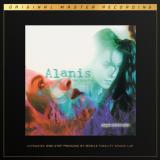
Sourced from the original master tapes, strictly limited to 3,000 numbered copies, housed in a Stoughton jacket, and pressed at Fidelity Record Pressing, Mobile Fidelity’s 180g 33RPM 2LP set of Supposed Former Infatuation Junkie presents the triple-platinum LP in audiophile sound for the first time. Benefitting from defined grooves that befit the album’s nearly 72-minute length, this pressing plays with enhanced detail, refined clarity, sharper focus, and broader dynamics than prior versions.
Those traits are key given Morissette’s use of more textured and atmospheric soundscapes, not to mention her evolution into a more nuanced and controlled singer. Similarly, the scale and reach of David Campbell’s string arrangements come across as orchestrations should. Ditto the synth-based architecture shaped by producer and principal Morissette collaborator Glen Ballard. All in all, Mobile Fidelity’s collectible edition simply delivers more information via transparent means.
Notable for its balance, sophistication, and richness, Supposed Former Infatuation Junkie at heart finds Morissette pausing, taking a breath, and learning how to navigate life in a healthy manner after enduring one of the most exhausting and rocket-to-fame stretches any musician ever experienced. It’s the sonic equivalent of a spiritual awakening, a call to betterment, a brave assessment of the self and humanity as a whole. As such, the tunes on her second international (and fourth Canadian) release teem with gratitude, compassion, love, empathy — emotions that lend themselves to the largely mellow, contoured scope and Eastern-tinged melodies of the songs themselves.
“How ‘bout how good it feels to finally forgive you,” Morissette sings on the lead single “Thank U.” “How ‘bout grieving it all one at a time.” Those sentiments, and the vocalist’s embrace of concepts such as divinity and acceptance, not only provide a foundation on which Supposed Former Infatuation Junkie rests. They also reflect the personal maturation she gained from her embrace of Buddhist culture in India and a mindset bent toward notions of reconciliation, peace, and sensuality that were nearly absent in popular music in the late ‘90s.
Those themes continue on “That I Would Be Good,” a confident reflection that takes stock of one’s mental, physical, and emotional state in the face of both changing and unpleasant circumstances — and concludes with Morissette performing a flute solo, further exposing the raw intimacy of the introspective tune. She channels relatable simplicity and joy on “So Pure,” with her invocations of “dance” and “freestyle” speaking to the freedom of expression that courses throughout Supposed Former Infatuation Junkie. And perhaps no song finds Morissette showcasing her refreshed attitude toward life and opening up more than the relationship-themed “Unsent,” whose unconventional structures and lack of a chorus only add to its directness.
Akin to many albums that were ahead of their time, and despite the critical and commercial accolades afforded it upon release, Supposed Former Infatuation Junkie attracted new appreciation and perspective as it got older. Issued during an era where its ideas of serenity, absolution, tranquility, and contentment seemed largely alien, the record — akin to the ways its predecessor foreshadowed a movement — now functions as a visionary beacon that foretells of way to maintain sanity, dignity, and goodness amid a contemporary landscape filled with constant distractions, polarizing views, and incessant calls to purchase, promote, and produce without questioning the what-for purpose.
Supposed Former Infatuation Junkie dares to ask the questions and, at its best, supplies meaningful answers and alternatives that lead to longed-for enlightenment, healing, and laughter. For these reasons alone, it’s a record that never goes out of style.
Mobile Fidelity's UltraDisc One-Step 180g 45RPM 2LP Set Plays with Authoritative Tonality, Airiness, and Clarity:
Pressed on MoFi SuperVinyl and Strictly Limited to
3,000 Numbered Copies
1/4” / 15 IPS Dolby A analogue master to DSD 256 to analogue console to lathe
Joni Mitchell is the only artist who could’ve made Hejira. The legendary singer-songwriter said as much when discussing the album decades after its release. Yet that fact seemed obvious from the moment the gold-certified effort streeted in fall 1976. An adventurous travelogue, probing narrative, and offbeat homage to freedom, Hejira remains an inimitable entry in the catalog of recorded music — a spare, gorgeous, meditative series of sonic vignettes comprised of floating harmonic pop, cool jazz, soft rock, and sensitive vocal elements that beckon feelings of motion, discovery, and self-examination.
Sourced from the original analog master tapes, pressed at Fidelity Record Pressing on MoFi SuperVinyl, and strictly limited to 3,000 numbered copies, Mobile Fidelity's UltraDisc One-Step 180g 45RPM 2LP set presents the record ranked the 133rd Greatest of All Time by Rolling Stone with definitive detail, richness, accuracy, and directness. Marking the first time the revered LP has received audiophile treatment, it's one of six iconic 1970s Mitchell records Mobile Fidelity is reissuing on vinyl and SACD.
Playing with a virtually nonexistent noise floor, dead-quiet surfaces, and superior groove definition, this collectible reissue reproduces in enveloping fashion the tones, textures, and craftsmanship that help Hejira function as the equivalent of a liberating trip down an open road with nothing but blue sky, natural landscape, and fresh air in the immediate vicinity. Passages bloom, carry, decay as they do amid an acoustically optimized environment. Soundstages extend far, wide, and deep, with black backgrounds and pinpoint images adding to the realism.
The reference-grade immediacy, airiness, and presence put in transparent perspective Mitchell’s dense strings of words, stream-of-conscious-like phrasing, and unhurried albeit forward momentum. Likewise, the instrumental contributions of her A-list support musicians — a cast that includes L.A. Express members John Guerin, Max Bennett and Tom Scott, plus Neil Young, Victor Feldman, and Abe Most — emerges with breathtaking clarity and dimensionality.
While Mitchell, whose intimate vocals and abstract guitar parts center everything, Mobile Fidelity's restoration of Hejira further reveals the visionary breadth of guitarist Larry Carlton and bassist Jaco Pastorius. Though heard on only four tracks, Pastorius' fretless bass epitomizes the fluid, subtle, flexible, roomy, and shape-shifting characteristics of songs that often appear to transpire out of nowhere akin to the formation of a puffy cumulus cloud overhead. In sync with Mitchell’s voice, Pastorius’ fusion hovers and floats, suspended in a fog you want to deeply inhale. The "grace notes" Mitchell desired on Hejira can now be heard in full. Ditto the luxurious tapestries of alinear lines, fills, and supplements unreeled on Carlton’s six-string.
Visually, the packaging of this UD1S set complements its identity as the copy to own. Housed in a deluxe slipcase, the LPs come in foil-stamped jackets with faithful-to-the-original graphics. This version is for listeners who desire to become immersed in everything about Hejira, including the unforgettable album cover — a pastiche of 14 different photos Mitchell used a Camera Lucida to assemble into one image that’s anchored by a portrait of her in a stoic pose — and the interior shots of Mitchell skating on a frozen Wisconsin lake wearing a pair of black skates, black shirt, and fur cape.
The notion of skating, feeling an awakening wind whipping against your face, and losing yourself to the surroundings are extremely apt for Hejira, which Mitchell wrote after a sequence of trips and relationships prompted her to reflect on the complicated conflicts between independence and marriage, success and satisfaction, duty and desire — and, more specifically, “the cost of being a woman.” The Canadian native delved into such themes before. But never as she does on Hejira, whose liberating, running-away aura doubles as another of Mitchell’s rejections of tradition as well as a suggestion of a better alternative.
At once observational and personal, expansive and insular, cheerful and poignant, Hejira spans a sea of human conditions, emotions, and circumstances. It addresses drifting, isolation, pleasure, place, time, and surroundings with strikingly poetic discourse matched with music that, save for the crooned ballad “Blue Motel Room,” forgoes conventional structures and choruses.
The jazz-based arrangements, marked by scaled-down percussion and all manner of bent, rounded, and unsettled notes, hint that Mitchell has no exact destination in mind. Excursions such as the moody “Furry Sings the Blues,” funky “Coyote” and edgy “Black Crow” throw open previously locked doors to possibility and journey. They signal it’s time for a welcome departure from norms and the past, one that leads to a heightened sense of clarity and perspective. Or, as Mitchell said upon choosing the album title, it’s time for “leaving the dream, no blame.”
Berlin-based Colombian DJ, producer, and curator Edna Martinez presents a sonic journey into the electrifying world of Picó—the vibrant and dynamic sound system culture that has defined the streets of Cartagena and Barranquilla for decades. More than just a musical movement, Picó is a way of life, a bold expression of identity, community, and resistance. From its roots in the working-class neighbourhoods of Colombia’s Caribbean coast to its deep connections with Africa and the Caribbean, this compilation captures the pulse of a culture where music is played at full volume, rhythms travel across oceans, and dance is both a form of celebration and storytelling. For those unfamiliar, Picós are hand-painted sound systems, often adorned with dazzling colours and striking imagery, each with its own name and sonic identity. These mobile discos became the heart of neighbourhood bailes, where the sounds of champeta, highlife, soukous, mbaqanga, zouk, soca, and cumbia would turn every street corner, market, and terrace into a dancefloor. Initially built by local craftsmen using modified speaker components, Picós became legendary for their powerful bass and exclusivity, with DJs sourcing rare vinyl from African and Caribbean ports and rebranding them with unique piconemas—new names adapted to local slang, making the tracks instantly recognisable within the community.
This compilation brings together a carefully curated selection of these rare and sought-after tracks, tracing the deep-rooted musical exchanges between Colombia, West and Central Africa, and the Caribbean. Featuring artists like Los Corraleros De Majagual, Peacocks International Highlife Band, Pedro Lima, Zaïko Langa Langa, and more, the album also includes edits by Edna Martinez, reimagining these timeless rhythms for contemporary audiences while staying true to their original spirit.
Strut presents ‘Picó! Sound System Culture From The Colombian Carribbean’ across 2LP Vinyl, 1CD & Digital focusing on a celebration of the raw, undiluted energy of Picó culture. Through Edna Martinez’s curation, and extensive liner notes, this compilation offers a powerful and authentic glimpse into one of the most vibrant musical traditions of the Colombian Caribbean
out of Stock
Last delivered 13 months ago available to reorder, subject to availability
An elusive and quiet figure amidst the Portuguese electronic scene, Timóteo Azevedo aka Random Gods releases his debut album on Discrepant's sub label Souk after his killer appearance in the long sold out 'Antologia de Música Atípica Portuguesa Vol. 2' compilation back in 2019.
With two previous EPs on Danse Noire and ZABRA, Random Gods' futurist visions project themselves through a scavenger-like body music assembled from the hopes and debris of these uncertain and dread-inducing times. Rituals conjured from metal shards, blunted kickdrums, submerged basslines, reverberating textures, cut up vocals and lazer guided melodies.
The orchestral runs of opener 'Abertura' as a glimmer of nervous light into the deep end bass weight meditations on syncopated kicks and grimey synth stabs of 'Somatiga'. Slow burner 'Pneuma' conjures neon synth lines into its halfstep flow, while 'Acervo' complicates the rhythm further with its profusion of crumbling kickdrums, tossed off claps and tonal percussion. 'Prumoo' dwells deeper into post-industrial ardkore nuum with its merciless drum patterns and molten basslines and 'Alvoro' feels like footwork taken into those same wastelands, with a nervous percussive backbone from some ancient future - take that as you will. Closer 'Ex.Tejo' brims with a certain sunrise melancholy among the storm as if there's still some hope after all.
Let's hold on to it.
out of Stock
Last delivered 8 months ago available to reorder, subject to availability
Alice is a vocal harmony trio made up of three persons, joined by a cheap synth and limited virtuosity. Together, they craft a kind of future folklore that’s part funny, part apocalyptic — half-soft, half-harsh, half-sad, half-simple, half-complex, half-controlled, half-Yvonne Harder, half-Sarah André, half-Lisa Harder.
Since their last album L’Oiseau Magnifique, Alice have spent time on the road — in cars, in trains, out in the open. Accustomed to writing outdoors, they slowly stitched together a collection of new songs. After two years of performing in clubs, bars, stairwells, carpentry workshops, activist agricultural fairs and roadside shoulders, they took their Oiseau Magnifique just about everywhere. It felt like time to sew these new pieces together — a quilt of humour and soft words, something we could really use in these half-sweet, half-fascist times.
Les Châteaux Faibles is the name of one of their latest songs, and naturally, the title of their new album. It captures the group’s ethos perfectly — a search for refuge in fragility, in a weakness that’s better when shared. A collective sensitivity to bring us closer, stronger — united in our Châteaux Faibles.
Alice is a vocal harmony trio made up of three persons, joined by a cheap synth and limited virtuosity. Together, they craft a kind of future folklore that"s part funny, part apocalyptic - half-soft, half-harsh, half-sad, half-simple, half-complex, half-controlled, half-Yvonne Harder, half-Sarah André, half-Lisa Harder.
"The nineteenth entry in the Altered Circuits catalog comes courtesy of Alex Neri with a selection of 4 tracks that distill an equal amount of decades in the studio. They are undeniably straightforward yet difficult to pigeonhole. It is clear Neri is aware of current trends and, at times, might even throw them a little nod - but overall, his music escapes easy temporal classification. On the "Club Voyage EP", he aims at the brash and brazen yet keeps the pace lighthearted. When the results come buttressed with the type of technical prowess at hand, it is hard not to get sucked into the adventure. "Teller Mood", charged with a fierce bassline, boisterous drums and jittery arps, is a slab of electroshock production. The track comes complete with extra motivational vocals to drive the point home, and when it arrives at its most stripped parts, instead of toning down, an alarm-like lead emerges. "Schelter's Sounds" features an FM bass and gently modulated, slow-attack synth embellishments. It is a set-up that allows for catching a breath until a grandiosely introduced portamento-heavy patch cranks things up a notch again. On the other side, the delayed and flanged percussion of "Tenax Roots" forms the ideal conditions for ominous synth work and robotized vocals; a theme that could have been lifted from a giallo flick completes its suspenseful, hypnotic ambience. "Move Tokyo Inputs" starts with another salvo of invigorating percussion. Amidst subtly evolving formant basslines and several risers, the tune directs a tweaked deadpan vocal sample to take center stage, showcasing how, in the right hands, the sparsest source material can be turned into a showstopper."
out of Stock
Last delivered 6 months ago available to reorder, subject to availability
Rachika Nayar und Nina Keith veröffentlichen am 18. Juli unter ihrem neuen Projekt Disiniblud ein selbstbetiteltes Album!
Rachika Nayar und Nina Keith, aka Disiniblud, treffen sich in Brooklyn, in einem Park, der so klein ist, dass man nicht aneinander vorbeigehen kann, ohne sich zu bemerken. Sie reden. Erst über Musik, dann über alles. Über das, was war, über das, was nicht mehr sein wird. Post-Lockdown-Liebe auf Distanz, als würde man sich an jemandem festhalten, den es nie ganz gab. Buddhismus, Hinduismus, ein Soundtrack, den sie beide als Teenager geliebt haben. Ein Gespräch ohne Worte. Eine Verbindung, die sich anfühlt wie eine längst vergessene Kindheitserinnerung. "Disiniblud", das selbstbetitetelte Album, das am 18.07.2025 via Smugglers Way erscheint, ist das Echo davon. Rachika Nayar und Nina Keith verfolgen unterschiedliche musikalische Ansätze, die sie im gemeinsamen Projekt Disiniblud zusammenführen. Rachika veränderte mit ihrer 2022er LP "Heaven Come Crashing" ihr Repertoire: Statt Ambient-Gitarren setzt sie nun auf maximalistische Synthesizer, tiefe Sub-Bässe und Amen Breaks. Diese Fusion aus Post-Rock und Elektronika wurde von Pitchfork als Best New Music ausgezeichnet und fand Anerkennung in Medien wie The New York Times, Stereogum, Fader und GQ - zudem eröffnete sie Tourneen mit M83. Nina Keith ist bekannt für ihren autodidaktischen Kompositionsstil. Ihr Debüt "MARANASATI 19111" präsentierte sie mit Instrumenten wie Cello, Klavier, Klarinette und Flöte, um persönliche Erfahrungen und Erlebnisse im Zusammenhang mit Gemeinschaftstraumata und paranormalen Ereignissen musikalisch zu verarbeiten. Mit neuen Veröffentlichungen wie "Come Back Different" featuring Julie Byrne erweitert sie ihr Spektrum durch den Einsatz modularer Synthesizer und komplexer Vokalarrangements.
Bruch once again proves to be a grim and bighearted crooner and multi-layered genre-bender between repetitive pulsating electronic music and brilliant organ minimalism, between destructive rock'n'roll and world-embracing pop. Bruch is Philipp Hanich's alter ego as a music producer. Born and raised in Munich / Germany, he has been living and working in Vienna / Austria as a visual artist and musician for 20 years now. He is equipped with a long pedigree of DIY-counterculture, gathered since the early 2000s whilst touring with different bands, creating off-spaces and co-running the labels Totally Wired Records (2012-2016) and Cut Surface (since 2016). The Harbour of the Broken Hearted (THOTBH) can be a state of mind, ramshackle but transcendent. Oscillating between the repetitive pulses of electronic music and organ-orchestrated minimalism, Bruch throws out comforting loops of sound just like fishing nets, that suck you into his stories unwaveringly. His evocative and unadorned vocal style adds to Bruch's depth, soul and sincerity. Drifting and driven amidst uplifting gloom. At times, solemnly striding against foggy and dogmatic black-and-white-thinking, rearing up in opulent resistance, then again just hopelessly beautiful and achingly wistful. Occasionally, Bruch's laid-back observations can also end in a wild ride. By introducing The Crusher, Bruch enters the harbour with full sails of self-reflexion - and we realize, sometimes it's all just about having to endure yourself. Or_ is it all about love? In the end, each and every of THOTBH's songs turns out to have a cathartic quality. Bruch's THOTBH might not be a safe space, but it accepts us as we are. With our doubts, our own frailties and our shortcomings. No need for embarrassment within the fragile. No need for shame and fear in expression. No need to shy away from creating something beautiful. You better learn to spell ,Sehnsucht" - as it turns out to be the everlasting keyword!
Rooted in acoustic instrumentation, their music features intricate melodies and
soulful vocals that resonate deeply with listeners. The band has toured the US and
Europe and contributed music to the Vikings series on Netfix, further cementing their
connection to Norse mythology.
Larvatus marks a return to the band's earlier, more mystical sound, evoking the
haunting qualities of albums like Uthuling Hyl and Nordlige Runaskog. This album,
which began taking shape during the uncertain years of 2020 and 2021, refects the
emotional turbulence of the pandemic. Despite the chaos surrounding its creation,
Larvatus is a demonstration of resilience and its introspective and contemplative
nature offering a sense of refuge amid a world in fux.
Over the past two years, Larvatus has been carefully revisited, refned, and expanded.
The album has taken on new layers of complexity, enriched with the addition of
Kakophonix's stunning cello work, which adds an ethereal depth to the intimate
soundscapes. The fnal mix, done by Greg Chandler at Priory Recording Studios,
brings out the full emotional resonance of the music, ensuring the band's earthy,
organic style is preserved while allowing every instrument and vocal to shine with
clarity.
At its core, Larvatus explores the passage of time, the fragility of existence, and the
quiet power of nature. It invites listeners to refect on their place in the world and fnd
solace in the timeless tradition of folk music. The fusion of Nordic folk melodies and
Americana storytelling creates a rich listening experience, staying true to the band's
signature blend of ancient sounds and modern sensibilities.
With Larvatus, Osi and the Jupiter offers a soundtrack for those seeking comfort in
difcult times, reminding us that even in the darkest moments, music can provide
solace, connection, and a sense of healing. It is a celebration of the enduring power of
music to unite and inspire, inviting listeners on a deeply personal journey into the
heart of both nature and self.
Following their acclaimed debut Spirits, New Zealand"s boundary-pushing jazz collective The Circling Sun return with their sophomore LP Orbits - a deeply layered fusion of spiritual jazz, analog electronics, and percussive groove. Where Spirits explored 1960s influences, Orbits shifts into the mid-"70s, drawing inspiration from Rahsaan Roland Kirk, Yusef Lateef"s Atlantic era, and the Brazilian jazz of Azymuth and Airto Moreira. The ensemble blends arpeggiating Prophet synths and modular electronics with acoustic instrumentation: saxophone, upright piano, vintage drums, and hand-played percussion. Tracks move seamlessly between danceable Afro-Cubanrhythms and expansive, ambient jazz meditations - with layered vocals and choral textures guiding the listener through an interstellar sonic journey. Lush yet accessible, Orbits appeals to both deep jazz heads and fans of ambient, soulful instrumental music.
out of Stock
Last delivered 10 months ago available to reorder, subject to availability
Motel d'amour - A Lost Electro-Funk Gem from the NDW Era Resurfaces
When we first collaborated with Collage member Markus Kammann on the EP project "Mit den Puppen tanzen" at the end of last year, we never imagined what would follow: Kammann approached us with a completely unreleased full-length album by his former band. Upon receiving the first three preview tracks, we were floored. One of them was "Nachtcafé" - a track that kicks off with a funky bassline layered over the punchy rhythm of a Roland TR-808. Add shimmering synths and Katrin A. Kunze's sharp, distinctive vocals, and we instantly knew we were hearing something special.
For a label dedicated to rediscovering lost treasures, this was exactly what we'd been searching for. The next two tracks - "Rendezvous" and "Casanova" - were just as compelling. When Kammann sent us the full album, we realized we were holding an electro-funk grail from the late golden days of the German Neue Deutsche Welle (NDW). We were listening to "Motel d'amour".
"Motel d'amour" is a concept album, offering a sharp, vibrant perspective from a confident, intelligent, and radiant young woman eager to experience nightlife, love, and music. Kunze's lyrics paint vivid scenes of flirtation ("Nachtcafé", "Rendezvous"), encounters with men ("Casanova"), the pulse of nightlife ("Die Nacht ist noch jung"), love ("Rotes Licht für rote Liebe"), one-night stands ("Motel d'amour"), and more. Rarely has a German album from that era captured emotional nuance and social dynamics so insightfully. Without veering into the overly personal, Kunze's direct, daring lyrical style was groundbreaking at the time - and remains refreshingly bold today.
While German listeners will fully appreciate the lyrical depth, the music speaks volumes on its own. Kunze's words are masterfully complemented by the production of Markus Kammann and Jürgen Grah. As heard on the in-demand "Mit den Puppen tanzen", their creativity seemed boundless. Each track is tightly composed, catchy, and full of character. While many German bands at the time leaned into rock, Kammann drew from the deep grooves of Earth, Wind & Fire, The Isley Brothers, Brothers Johnson, The Commodores, and the electro-futurism of Afrika Bambaataa's "Planet Rock" and "Looking for the Perfect Beat". The result: tracks with unmistakable electro-funk flair, powered by the classic 808 drum sound.
Though primarily rooted in funk and electro, the album retains flashes of NDW aesthetics - "Wir haben getanzt heut' Nacht" being a prime example. The instrumentation is a dream list for vintage gear lovers: Yamaha keyboards, Roland Juno-60, vocoder, Micromoog, Hohner D6 Clavinet, Fender bass, and a Telecaster guitar all feature prominently.
Recorded in 1985 at the high-profile Delta Studio by Richard Rossbach, the album attracted interest from Polydor. However, the label proposed using the compositions for a solo project with singer Inga Humpe (of Neonbabies), who was already signed to their roster. This would have required replacing Kunze as the vocalist, an idea the group firmly rejected. As a result, "Motel d'amour" was shelved, and Kammann, Grah, and Kunze moved on to form Cold End.
The album cover features a rare archival photo of Katrin A. Kunze - rediscovered by Kammann and now finally seeing the light of day, 40 years later.
We believe Motel d'amour deserves recognition alongside cult German classics like P!OFF?, 1. Futurologischer Congress' "Wer spricht?", Ami Marie's "Verrückt nach Glück", the funkier cuts of Cosa Rosa, or Piet Klocke's groove classic "Heute ist nicht sonst". It's a record that fits into adventurous DJ sets but also rewards a full, start-to-finish listen.
A note on audio quality: Sadly, the original master tapes were lost. The tracks were restored from a vintage TDK cassette. Thanks to modern digital tools, we were able to remaster them to a high standard - but in some songs light distortions remain. We appreciate your understanding and hope you enjoy this lost and undiscovered gem.
out of Stock
Last delivered 15 months ago available to reorder, subject to availability
Released for the first time on vinyl - 2002's Can You Do Me Good? saw Del Amitri return after a 48 month hiatus with a new sound and a remarkable, yet almost entirely overlooked album - For the album's debut on LP it has been pressed on high quality 180g vinyl and includes a full-colour 16 page lyric booklet. By 2002, the pop world had turned; four years earlier, Del Amitri had released Hatful Of Rain, their greatest hits collection marking more-or-less a decade of success. Can You Do Me Good? relied on keyboards, samples and drum machines as much as previous albums centered on electric and acoustic guitars. Featuring its soulful lead single Just Before You Leave, Can You Do Me Good? is truly fascinating, and could well have been the groups biggest album ever had it come five years earlier. Ive got cash and prizes, but I don’t know who I am, Currie sings on Cash & Prizes; and the song seems to encapsulate the album.
Over sixty years into a life in music, Amina Claudine Myers revisits old compositions with a quiet force on Solace Of The Mind, her first solo record since receiving an NEA Jazz Master honours. Recorded for Red Hook Records and produced by Sun Chung, it hears Myers at the piano, Hammond B3 organ and mic, reinterpreting personal standards such as 'African Blues', 'Song For Mother E', 'Cairo' and 'Steal Away' with patient, spacious phrasing and the tonal sensitivity she's honed since her days with the AACM. Chung's production renders every harmonic shimmer and pause with startling clarity; a glistening move compared to last year's duo release with Wadada Leo Smith, adding a returnal layer to an otherwise eclectic discography, spanning free jazz and blues-rooted experimentalism. In her words, "I wanted to play (the originals) differently this time."
Some Other Suckers Parade is a fascinating addition to Del Amitri’s catalogue - Originally released on A&M Records in June 1997, the album captures a group secure of their success and gently kicking back against formula. This re-issue faithfully replicates the original 1997 A&M UK release and is pressed onto high quality 180g vinyl. The group, led by bassist-vocalist-writer Justin Currie and writer-guitarist Iain Harvie, had become equally known for their gentle pop and acoustic ballads as their jangling melodic rock. Overseen by Breeders producer Mark Freegard, the album was broadly recorded live and has touches of Crazy Horse and The Faces about it. Acoustic guitars were banned. The harmonious onslaught paid off: Some Other Suckers Parade complete with its much-loved singles Not Where Its At and Some Other Suckers Parade entered the charts at No 6 in the UK. I really love the record, because its probably our least pretentious, Currie said in 1998.
"I Became Birds feels like emo once again flipping the switch on its eternal energy source." - PITCHFORK // "One of the most arresting and interesting rock albums in recent memory." - SPIN // "Composed of self-deprecating wails, crashing guitar riffs, and a flicker of lyrical hope that almost feels naive _ in other words, the perfect foundation for classic emo catharsis." - STEREOGUM //// With I Became Birds, Florida's Home Is Where push their unique blend of whirlwind hardcore aggression and warm, open-hearted folksy melancholy to even further heights. Frontperson Brandon MacDonald's Dylan-esque eccentricities are on full display here, from the occasional blast of harmonica (like on early standout "Long Distance Conjoined Twins" or the disaffected, despondency-soaked closer "The Old Country") to their knack for abstractly evocative neurosis-as-poetry. But far from being a copycat act, Home Is Where's wearily raw-throated aesthetic and dynamically vivid compositions feel idiosyncratic and vital. The bittersweet folk melodies seep deeply into the band's DNA, adding an element of accessibility and immediate nostalgia to otherwise churning and angular song structures and sonic assaults. Vocals range from an intimate, gentle, and disarming croon to a full-bodied expectoration of the soul, oftentimes in the same song (like "Sewn Together from the Membrane of the Great Sea Cucumber," which splits the difference between mournful, gothic post-punk and staccato-heeled screamo with aplomb). A devastating rhythm section and nimble, versatile, yet powerful guitar work assist with the record's genre-bending, which ranges from maniacal chemical mixtures to gymnastic flips, twists, and turns. And yet, even amid the din, Home Is Where find ample time for hooks-- the oddball effervescence of lead single "Scientific Classification of Stingrays" and the shimmering, propulsive, delightfully off-kilter late-album stunner "Assisted Harakiri" are more than proof of that. Ultimately, I Became Birds shows Home Is Where hitting an early high-water mark. A brisk record-- six songs in roughly 17 minutes-- it never takes a dip in enthusiasm and inventiveness. Home Is Where's inexhaustible creativity and restless energy is bound to serve them well, and I Became Birds is all the proof anyone needs.
Hellgrüne Vinyl Version, von Hand nummeriert und mit bedrucktem Inlay. Montreal bewiesen einmal mehr ihr Standing in der deutschsprachigen Punkrock-Szene mit dem 2019 veröffentlichten Album voller Charme, hintergründiger Ernsthaftigkeit und natürlich Spaß.
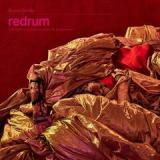
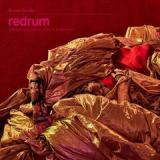
"redrum" (with lowercase r) is the original music written for the homonymous dance show by gruppo nanou (with lowercase g and n) Composed in 2023 and put on stage in 2024, it won the Ubu Prize (Italian theatre awards) as best dance show of the year. The music is almost entirely electronic, with spare guitars, bass and vocal parts. Bruno Dorella plays, produces and mixes everything. As the previous album "Paradiso" (also a soundtrack for gruppo nanou), there is a constant dialogue between the musician and the choreographers Rhuena Bracci and Marco Valerio Amico, and with the dancers' bodies, for a longtime collaboration that will hopefully evolve more and more
"redrum" (with lowercase r) is the original music written for the homonymous dance show by gruppo nanou (with lowercase g and n) Composed in 2023 and put on stage in 2024, it won the Ubu Prize (Italian theatre awards) as best dance show of the year. The music is almost entirely electronic, with spare guitars, bass and vocal parts. Bruno Dorella plays, produces and mixes everything. As the previous album "Paradiso" (also a soundtrack for gruppo nanou), there is a constant dialogue between the musician and the choreographers Rhuena Bracci and Marco Valerio Amico, and with the dancers' bodies, for a longtime collaboration that will hopefully evolve more and more
With two solo CDs and another three with Cahalen Morrison behind him, today he's become the master folk troubadour he was destined to be, and we're all the richer for it. The Pacific Northwest singer- songwriter met his wife, his beloved father has passed away, and his two children now shape his world around him. With age comes wisdom and, for master musicians, clairvoyance. His third album, The Shape of a Sway, reflects just that: A master telling tales of life lived honestly, amid paradox and reason, injected with change and growth, bruises and enlightenment: Life not just worth living, but worth lifting up in song. Gifted as a writer, singer, and instrumentalist (guitar, mandolin, banjo, pedal steel), West gets support from his equally stellar regulars, fiddler Patrick M'Gonigle and bassist Forest Marowitz. All three share intertwining harmony vocals. The Shape of a Sway, he says, "is an honest inventory of my life, possibly all of our lives, presented possibly with enough abstraction that listeners will see something of themselves, of their lives."
Washed Up Color Vinyl is Clear w/ White Splatter! A white ship sailing in a sea of blackness, Codeine's swan song arrived in 1994 amid grunge's ascension to alt radio's godhead status. John Engle's guitar alternates between crystalline and sludge, and Stephen Immerwhar's distorted bass floats on top of punishing drums from newcomer Doug Scharin (Rex, June of 44), resulting in nine perfect meditations on the loneliness and uncertainty of early adulthood. "Codeine's unyielding numbness creates its own kind of warmth _ the feeling of cold water running for so long that it suddenly feels hot." _ Spin
After what seems like an aeon of anticipation, Yugen Blakrok returns bolder than ever with The Illusion of Being, a raw, fearless exploration of emotion and resilience. This album is a call to triumph. Through poetic lyricism and experimental soundscapes, this project offers the listener a journey into the heart of uncertainty and the power of perseverance. Created and recorded in a world in flux, The Illusion of Being reflects the artist's evolution as a storyteller and resonates directly with the era that shaped her. Driven by incisive lyrics andsoundscapes blending grunge, trip-hop, and 90s spirit, this project tests the boundaries of alternative hip-hop. Here, rhythm speaks louder than reason, and the acceptance of "Being" becomes the thread that ties each track together. This album captures a bold new chapter in Yugen Blakrok's discography. While rooted in the lyrical mastery and poetic precision that fans cherish, it marks a departure from the familiar, embracing a more unfiltered and experimental approach. The collaborations seem purposeful, and match this intensity: Sa-Roc delivers combative and sisterly energy,Cambatta brings his visceral urgency, while Hannah Allen offers a touch both delicate and impactful. Instrumentally, the arrangements dare to break new ground: wailing electric guitars,enchanting flutes, and hypnotic beats create a striking sonic alchemy. As described by Yugen in three words: Free. Involved. Anti.Free from convention. Involved in the fight. Anti-establishment. In many ways this album is a sonic manifesto. Each track resonates as a call to rebellion, an anthem for those who refuse to bow down. The Illusion of Being is not just a work of art; it’s a statement: for freedom, for community, against oppression. A mirror of our collectivestruggles and a light for those who keep moving forward. It promises its listeners a deeply personal connection, offering a glimmer of hope amidst despair and a soundtrack for their fight.
out of Stock
Last delivered 15 months ago available to reorder, subject to availability
Back in an unmissable picture disc reissue: THE MOOD MOSAIC
Vol.1 – The Hashish Party, ready to win over collectors and vintage sound lovers. Originally released in 1997 by Yellowstone
Records, this iconic compilation blends jazz-funk, lounge, Latin
jazz, soul-jazz, and psychedelia into a truly unique musical
journey.
The tracklist features legendary artists like Serge Gainsbourg,
Michel Legrand, Gábor Szabó, George Shearing, and Shocking
Blue, delivering an irresistible mix of exotic grooves and retro
atmospheres. The picture disc format enhances the series’ visual
appeal, making every copy a true collector’s item
out of Stock
Last delivered 8 months ago available to reorder, subject to availability
Black Truffle is pleased to announce a new edition of Kassel Jaeger’s Fernweh, returning François J. Bonnet’s electroacoustic project to the label five years after the acclaimed Meith (BT069). Originally released on Giuseppe Ielasi and Jennifer Veillerobe’s impeccably curated Senufo Editions in 2012, Fernweh stands near the beginning of the gradual expansion of Bonnet’s approach after the austere acoustic textures of Aerae and Algae (both released on Senufo), leading to the lush, layered environments of recent solo works on Shelter Press and the epic electronic expeditions undertaken in duo projects with Stephen O’Malley and Jim O’Rourke.
A major work in the Kassel Jaeger oeuvre, stretching over two LP sides, Fernweh draws together synthesized and musique concrète materials into a drifting assemblage. Its title’s meaning is close to the concept of ‘Wanderlust’, fitting for this music that moves freely and unexpectedly between what Bonnet calls ‘climates’. Beginning with fizzing electronics whose rhythm of gradual approach suggests breaking waves, the clinical atmosphere is soon haunted by intangible traces of lived reality. Textures call up wind, water, insects, the crunch of feet on sand or the clinking of glasses, yet they can never be identified with any certainty. At times these concrete elements possess a vivid ‘closeness’; at others, the sounds shade into a formless distance. Though the listener forms no clear picture from the concrete sounds, these elements aerate the music, lending it their space.
Drawing from the rigorous formal language and conceptual apparatus of the French musique concrète tradition—with which Bonnet, as director of the GRM and researcher into its deepest archival recesses, is intimately familiar—the music of Kassel Jaeger is equally informed by how underground experimental music has rethought electroacoustic techniques, with Fernweh at times calling up the grit and grime of para-industrial eccentrics like Maurizio Bianchi or the Toniutti brothers, and at other moments suggesting the slow-moving grandeur of early Olivia Block. Subtle features of dynamics and rhythm act as connective tissue between the numerous ‘scenes’, with wave-like envelopes, rapid pulsations, and short, tape-loop patterns all recurring throughout the piece, shared ambiguously between electronic and concrete sounds. Amid these shifting, often inharmonic textures, the electronic elements sometimes cohere into melodic shapes and chordal patterns, cutting through the fog in distorted arcs or underpinning the layered surface with slow-moving harmonies. Like his friend and collaborator Jim O’Rourke, Bonnet displays a radical openness at odds with academic tradition, allowing unabashed emotion to coexist with rigorous experimentation. As Fernweh dies away with mysterious shudders, listeners are left at once moved and unsure of exactly what they just heard.
out of Stock
Last delivered 14 months ago available to reorder, subject to availability
Back by demand and dirtier than ever, Apollo Brown & CRIMEAPPLE’s new underground classic This, Is Not That returns with the Dirty Money Edition — a fresh press on cream & green vinyl that bleeds grit and opulence. This updated release includes two brand new bonus tracks, adding new weight to an already no-nonsense body of work.
This, Is Not That pairs Detroit producer Apollo Brown’s signature soul-soaked boom-bap with New Jersey emcee CRIMEAPPLE’s razor-sharp wit and bilingual venom. The result is an album steeped in realness — raw, reflective, and resonant, laced with wordplay that sticks and production that slaps.
Whether you're just discovering the project or stacking your collection, this edition is a must-cop — a celebration of bars, beats, and the beautiful grit of hip-hop.
When Alanis Morissette took direct aim at an ex who wronged her on the eviscerating “You Oughta Know” in 1995, everything about the Top 10 song communicated it wasn’t the usual narrative about love gone south. Or the typical wounded singer wallowing in self pity. Morissette, and both the lead single from and her entire American major-label debut — the profoundly personal Jagged Little Pill — represented a sea change. They kickstarted a movement, one whose impact continues to echo throughout the mainstream nearly three decades later.
Ranked the 69th Greatest Album of All Time by Rolling Stone, included on the Rock and Roll Hall of Fame’s list of 200 Definitive Albums, and featured in several books about essential albums, Jagged Little Pill remains more than a blockbuster that has sold more than 17 million copies in the U.S. and 33 million units worldwide. It’s a statement, an attitude, a soundtrack for anyone seeking inspiration, an outlet, or permission to be themselves.
Sourced from the original master tapes, pressed at Fidelity Record Pressing on MoFi SuperVinyl, and strictly limited to 4,000 numbered copies, Mobile Fidelity’s UltraDisc One-Step 180g 45RPM 2LP box set of Jagged Little Pill presents the landmark effort in audiophile-grade sound for the first time. A key part of the record’s appeal and accessibility — Glen Ballard’s smooth production, touches that help Morissette’s exposed-nerve fare seem more accessible and melodic — comes through on this special 30th anniversary edition with an openness, presence, and dynamic explosiveness that make the vocalist’s songs that much more real and visceral.
The singer’s distinctive mezzo-soprano deliveries — the octave-rippling highs, dark-hued lows, dramatic crescendos, belted choruses, wispy reflections, occasional yodels — resonate with full-range ardor and depth. As crucial as anything on the record, Morissette’s confessional words take center stage like never before. Ditto the instrumentation and atmospherics that form the magnetic backgrounds of the songs. Key in on the contributions from Red Hot Chili Peppers Dave Navarro and Flea on “You Oughta Know” to Tom Petty & the Heartbreakers' co-founder Benmont Tench’s organ playing on six tracks.
The deluxe packaging of Mobile Fidelity’s Jagged Little Pill UD1S set underscores the work’s distinguished status. Housed in a slipcase, the LPs come in special foil-stamped jackets with faithful-to-the-original graphics that illuminate the splendor of the recording. Benefitting from an ultra-low noise floor, superior groove definition, and dead-quiet surfaces, this UD1S reissue is for listeners who prize sound quality and desire to engage themselves in everything involved with the album, including the now-iconic cover art that juxtaposes two portraits of the then-21-year-old singer-songwriter and features typewriter font.
That script — which suggests a raw, blood-on-the-floor document created without modern aids like spell check or language correction — hints at the heightened level of unvarnished intimacy, honesty, and catharsis Morissette offers throughout Jagged Little Pill. Named after a phrase uttered on the astute “You Learn,” the album explores the frank emotions, inherent contradictions, and wishful desires people feel everyday but are often too afraid to express. Morissette displays no such fear or shyness.
Akin to a woman reading from a diary, Morissette leaves nothing to the imagination as she skewers hypocrisy during the poignant “Forgiven,” seeks recompense on the vengeful “You Oughta Know,” and spills her guts on the soul-purging “All I Really Want.” For all the anger and bile ascribed to the singer and record, Jagged Little Pill is incredibly healthy and upbeat. Morissette uses the catchy pop-rock frameworks and moody ambience to suss out situations, to learn, to give hope. There’s the clever yearning of “Hand in My Pocket”; wry contrarianism of “Ironic”; kind-heartedness of “Hand over Feet”; the live-and-let-live spirit of “You Learn” – all positive and amiable.
Throughout Jagged Little Pill, the ever-approachable Morissette connects with listeners who recognize themselves in her — and has an intelligent conversation with anyone who wants to participate. It seemed almost everyone did. In addition to the mammoth sales that make the effort the 17th-best-selling album in American history, Jagged Little Pill collected four Grammy Awards, two American Music Awards, three Billboard Music Awards, and eight Juno Awards. In 2018, the record became the basis for a musical that netted 15 Tony nominations on Broadway.
Ironic? Anything but. Jagged Little Pill transcends generations, gender, and trends. As Morissette sings on the opening “All I Really Want,”, the album represents “deliverance” — “a place to find common ground.”
Santana Bridges the Divide Between Live and Studio Material on Moonflower: 1977 Double Album Features Extraordinary Performances, Soulful Vibes, and Dynamic Mix of Latin, Rock, Funk, and Blues
Sourced from the Original Master Tapes and Strictly Limited to 3,000 Numbered Copies: Mobile Fidelity’s 180g 33RPM 2LP Set Plays with Audiophile-Quality Detail, Balance, and Imaging
1/4” / 15 IPS original analogue non-Dolby master to DSD 256 to analogue console to lathe
Though it may seem strange now, Moonflower stood for nearly 15 years as Santana’s first and only live record released in the United States. This despite the fact that roughly half of the double album consists of new studio songs, including a zesty cover of the Zombies classic “She’s Not There” that reached the Top 30 of the singles charts.
However unconventional, the “split” strategy went over like gangbusters. Moonflower reached the Top 10 of the Billboard Top 200 and achieved double-platinum status — feats the group would not again replicate for 22 years. These, and the beautiful quality of the program itself, are among the reasons why the 1977 effort remains viewed by critics and fans alike as must-have Santana.
Sourced from the original master tapes, pressed at Fidelity Record Pressing in California, housed in a Stoughton jacket, and strictly limited to 3,000 numbered copies, Mobile Fidelity’s 180g 33RPM 2LP set of Moonflower presents the record in audiophile sound for the first time on a domestic reissue. Part of the MoFi’s Santana catalog restoration series, this collectible version features quiet surfaces and black backgrounds that expose the critical details, liquid tones, and dynamic interplay central to Santana’s music.
The enhanced sonics extend not only to Carlos Santana’s six-string wizardry, but to the rhythmic, melodic, and vocal elements that course throughout both the studio and live cuts on Moonflower. The grip and depth of the bass lines; the wash of the organ; the scope and carry of the vocals; the extension and weight of the low-end frequencies; the rich textures of the guitars, percussive devices, and keyboards: all appear amid wide, balanced soundstages and image with right-sized dimensionality.
Significantly rooted in the styles and approaches that inform the group’s first three records, Moonflower captures the final appearances of iconic percussionist Jose “Chepito” Areas and go-to keyboardist Tom Coster on a Santana album. As he did during the preceding five-year stretch, Coster inhabits a large role here, sharing songwriting credits on a majority of the new cuts and helping steer the arrangements toward spiritually minded albeit concise directions that encompass vibrant Latin, rock, and blues themes that began to escape the ensemble shortly after his departure.
Close your eyes and feel the warmth of the sun on the R&B-kissed “I’ll Be Waiting,” anchored by Carlos Santana’s gliding fretwork and Greg Walker’s creamy vocals. Enter the cosmic universe of “Zulu,” on which Coster’s nimble phrasing opens the gate to polyrhythmic beats, knotty grooves, and interlocking funk. Grab the album cover and drift off to paradise amid the equally evocative “Flor d’Luna (Moonflower),” a romantic slow dance that Carlos Santana ensures tiptoes en route to its blissful destination. Channeling a different spirit animal, the guitarist later lets loose on the hard-hitting “El Morocco,” on which he seemingly engages in a shootout with himself and wades into the rippling psychedelia that elevated the band’s early material.
Speaking of the past, Moonflower triumphs on that level as well. In more ways than one, the live selections — and the caliber of the performances — chosen for inclusion represent an abbreviated greatest-hits survey of the band up to that point. And, at the very least, a convincing argument about why Santana had progressed into one of the most formidable bands you could hope to see on a stage in the mid ‘70s.
Simultaneously representative and illustrative of the group’s breadth, tracks stem from the collective’s eponymous debut, Abraxas, and Santana III as well as the then-more recent Amigos and Festival. Whether you fall for the sidewinding spell of a spicy rendition of “Black Magic Woman/Gypsy Queen,” lose your head to the positively epic momentum of “Soul Sacrifice/Head, Hands & Feet,” or keep dropping the needle on the savory grace of the brilliant reading of “Europa (Earth’s Cry Heaven’s Smile),” this pressing of Moonflower puts you — and Santana’s first-chapter legacy — in good hands.
Mit seinem siebten Studioalbum kehrt der Musiker und Singer-Songwriter Juan Wauters mit einem Liebesbrief an seine Geburts- und Heimatstadt Montevideo, Uruguay, zurück. "MVD LUV" erscheint am 27. Juni 2025 über Captured Tracks. Mehr als ein Jahrzehnt nach Beginn seiner Solokarriere hat Wauters seine musikalische Identität zu einem charismatischen und charmanten, authentischen und fesselnden Drahtseilakt geformt, der auf dem schmalen Grat zwischen Aufrichtigkeit und Performativität balanciert. Auf seinem neuen Album kommen seine Fähigkeiten als Songwriter voll zur Geltung. Die meisten Songs auf "MVD LUV" sind weniger als zwei Minuten lang und strotzen nur so vor Lebensfreude, aber das Album als Ganzes zeigt Wauters von seiner liebenswertesten Seite, denn er schreibt mit Zuneigung und Mitgefühl über die uruguayische Stadt, die er liebt und sein Zuhause nennt. Die klare Absicht, mit der Wauters Montevideo und seinen Charakter illustriert, zeichnet das Porträt eines Künstlers, der sich seinem Handwerk und seinem Thema mit großer Hingabe widmet. So gesehen ist "MVD LUV" mehr als nur ein Album - es ist eine Heimkehr. Dabei hat er sich die reichen musikalischen Traditionen von Montevideo zu eigen gemacht und gleichzeitig die Grenzen seines unverwechselbaren Songwritings weiter verschoben. "MVD LUV" ist eine Liebeserklärung an seine Wurzeln und seine Gegenwart und bringt uruguayische Klänge auf die Weltbühne, indem es Candombe- und Murga-Rhythmen in Wauters' charakteristische Mischung aus Folk, Pop und Experimenten einbezieht. Da Wauters einen Großteil seiner Karriere in den Vereinigten Staaten verbracht hat, trägt er seit langem die doppelte Identität eines Einwanderers und eines Einheimischen. Mit "MVD LUV" wollte er eine Brücke zwischen diesen beiden Welten schlagen und die Essenz der Straßen, Häuser und des Gemeinschaftsgeistes von Montevideo einfangen. Das Album wurde an verschiedenen Orten in der Stadt aufgenommen, von seinem eigenen Studio bis hin zu Bürgersteigen, Dächern und den Wohnungen der beteiligten Musiker. Dieser Ansatz verleiht dem Projekt eine unverfälschte Authentizität und lässt Montevideo selbst wie eine aktive Präsenz in der Musik erscheinen. Thematisch beschäftigt sich "MVD LUV" mit Identität, Nostalgie und menschlichen Beziehungen. Tracks wie "Manejando por Pando" und "Siempre Vuelven" reflektieren über die Rückkehr nach Hause und den Lauf der Zeit, während "If It's Not Luv" und "Dime Amiga" sich mit Liebe, Kameradschaft und persönlicher Reflexion beschäftigen. "Ando con Miedo" fängt urbane Ängste ein und stellt Introspektion den pulsierenden Rhythmen der Stadt gegenüber. Wauters schafft damit eine zutiefst persönliche und doch universelle Meditation über Zugehörigkeit. Mit "MVD LUV" präsentiert Juan Wauters eine lebendige, tief empfundene Erkundung von Ort und Identität und schafft ein Album, das sich sowohl tief verwurzelt als auch universell anfühlt. Dieses Album führt den Hörer nicht nur in Montevideo ein, sondern lädt ihn ein, sich dort zu Hause zu fühlen.
1976, ein Jahr nach der Gründung der Band, stand die bahnbrechende Besetzung von Motörhead fest. Die „Drei-Amigos“-Ära von Motörhead – Lemmy (Bass/Gesang), Fast Eddie Clarke (Gitarre) und Phil „Philthy Animal“ Taylor – schlossen sich zusammen und begannen ihre außergewöhnliche Reise an die Spitze der Hardrock-Elite. Im August 1976 traf sich die Band im legendären Manticore Studio von Emerson, Lake & Palmer in Fulham, um zu proben und die neue Besetzung zu präsentieren. Dort nahmen sie zum ersten Mal gemeinsam auf. 49 Jahre später wurde das lange verschollene Band entdeckt, entstaubt und in all seiner Pracht restauriert, um das 50-jährige Bandjubiläum zu feiern. Erhältlich als klassische schwarze 1-LP, CD und als Deluxe-2-LP-Bookpack. Alle Formate enthalten zusätzliche alternative Takes und Instrumentalstücke für einen einzigartigen Einblick in die Entstehung dieser legendären Band. Darüber hinaus enthält das Deluxe-Bookpack eine zusätzliche Bonus-LP – den klassischen Bonus „Live: Blitzkrieg on Birmingham ’77“ sowie eine Bonus-7-Zoll-Platte mit zwei bisher unveröffentlichten LiveTracks von Barbarellas Birmingham 1977. Außerdem gibt es ein 24-seitiges Booklet mit Linernotes von Kris Needs, unserem langjährigen Kollaborateur.
1976, ein Jahr nach der Gründung der Band, stand die bahnbrechende Besetzung von Motörhead fest. Die „Drei-Amigos“-Ära von Motörhead – Lemmy (Bass/Gesang), Fast Eddie Clarke (Gitarre) und Phil „Philthy Animal“ Taylor – schlossen sich zusammen und begannen ihre außergewöhnliche Reise an die Spitze der Hardrock-Elite. Im August 1976 traf sich die Band im legendären Manticore Studio von Emerson, Lake & Palmer in Fulham, um zu proben und die neue Besetzung zu präsentieren. Dort nahmen sie zum ersten Mal gemeinsam auf. 49 Jahre später wurde das lange verschollene Band entdeckt, entstaubt und in all seiner Pracht restauriert, um das 50-jährige Bandjubiläum zu feiern. Erhältlich als klassische schwarze 1-LP, CD und als Deluxe-2-LP-Bookpack. Alle Formate enthalten zusätzliche alternative Takes und Instrumentalstücke für einen einzigartigen Einblick in die Entstehung dieser legendären Band. Darüber hinaus enthält das Deluxe-Bookpack eine zusätzliche Bonus-LP – den klassischen Bonus „Live: Blitzkrieg on Birmingham ’77“ sowie eine Bonus-7-Zoll-Platte mit zwei bisher unveröffentlichten LiveTracks von Barbarellas Birmingham 1977. Außerdem gibt es ein 24-seitiges Booklet mit Linernotes von Kris Needs, unserem langjährigen Kollaborateur.
Zunächst nannte Gia Margaret ihr neues Album Romantic Piano, um ein wenig frech zu sein. Denn die sparsamen, sanften Klavierstücke haben mehr mit Erik Satie, Emahoy Tsegué-Maryam Guébrou und den "Marginalia"-Veröffentlichungen von Masakatsu Takagi gemeinsam als mit einem gemütlichen Date-Abend bei Kerzenschein. Doch in dieser Frechheit liegt eine verborgene Absicht: In dem wunderschönen Set wird "Romantik" in einem eher klassischen Sinne suggeriert, was die Deutschen als Waldeinsamkeit bezeichnen. Die Kompositionen beschwören die erhabenen Themen der romantischen Dichter herauf: Einsamkeit in der Natur, die Fähigkeit der Natur zu heilen und zu lehren, ein Gefühl von zufriedener Melancholie. "Ich wollte Musik machen, die nützlich ist", sagt Margaret und untertreibt damit gewaltig die Kraft der Platte. Romantic Piano ist neugierig, beruhigend, geduldig und unglaublich bewegend - aber es verweilt nicht länger als eine Sekunde. Margarets Debütalbum There's Always Glimmer war ein lyrisches Wunderwerk, aber als sie wegen einer Krankheit auf Tournee nicht mehr singen konnte, nahm sie ihr Ambient-Album "Mia Gargaret" (ein weiterer frecher Titel!) auf, das ein feines Gespür für Arrangement und Komposition zeigte, das bei den lyrischen Songs von There's Always Glimmer nicht voll zum Tragen kam. Auch Romantic Piano kommt fast ganz ohne Worte aus. "Das Schreiben von Instrumentalmusik ist im Allgemeinen ein viel freudigerer Prozess als das Schreiben von Lyrics und wirkt sich letztlich auf mein Songwriting aus.", sagt sie. Romantic Piano festigt sie als kompositorische Kraft. Ursprünglich hatte Margaret einen Abschluss in Komposition angestrebt, brach die Musikschule aber auf halbem Weg ab. "Ich wollte wirklich nicht in einem Orchester spielen", sagt sie über ihre Entscheidung, "ich wollte eigentlich nur Filmmusik schreiben. Dann begann ich, mich mehr und mehr darauf zu konzentrieren, eine Songschreiberin zu sein." Romantic Piano berührt in der Tat ein seltenes Gefühl in der Kunst, das oft nur dem Kino vorbehalten ist - die gleichzeitige Ehrfurcht vor dem Dasein mit der großen Linse und der intime innere Monolog nach der Sprache, wenn wir in unseren Schädeln festsitzen. Und das ist sehr romantisch!
REVOLT hits double digits with a special release from Athenian underground veteran Other Reality—aka Alex Psaltakis—a figure deeply rooted in the rave culture of the ’90s. His journey began in the late ’80s via the Amiga demoscene, inspired by the raw energy of acid house and hardcore breakbeat. By the mid-’90s, he was DJing at raves, clubs, and open-air festivals, fueled by a passion for psychedelic trance, ambient, Goa, and experimental acid rock. His dedication to the underground has remained unwavering ever since—fed by records, synthesizers, and a deep love for sound exploration.
Still Thrill EP is a 4-track release shaped by a wide musical range, bringing together elements of Detroit techno, trance, house, Goa, ambient, and progressive. More than just a debut on the REVOLT label, this is Other Reality’s first-ever release on vinyl—a deeply personal milestone shaped by years of dedication to his craft and the support of close friends and peers.
Crafted with a mix of hardware and software, the EP draws from years of studio sketches and archived musical ideas. A hidden detail runs through it: a fragmented sample from a rock track that deeply marked Alex in the past—a line that never fully completes in the track.
Each piece carries emotional weight and narrative depth, blending analog warmth with timeless dancefloor energy. The EP moves effortlessly through moods—nostalgic yet forward-looking, playful yet deeply personal.
Ohm ’95—with a name that subtly hints at the Goa trance soul—delivers acid basslines, trance elements, and dreamy pads. A transcendental, unifying experience. Kinda Free pulses gently like a groovy caress at dawn, with dreamy layers, steady rhythm, and acid touches that feel both tender and elevating. More Than Advice embraces movement, disorder, and acceptance, rolling through intricate percussions, hypnotic loops, and a cosmic atmosphere. Emotional and raw. Still Thrill closes the EP with slow-motion energy, submerged in flowing textures and a fluid, nostalgic groove.
Vinyl only. Limited edition.
out of Stock
Last delivered 7 months ago available to reorder, subject to availability
This is the very first reissue on 7” single of these super rare and gorgeous early Reggae tracks by one of the most underrated voice of Jamaica. Both these tracks were produced by Dandy Livingstone and released in 1969 on the Downtown label, a Trojan sublabel, on two separate singles:
- DT-436: Audrey "You'll Lose A Good Thing" with Desmond Riley "If I Had Wings" on the flip.
- DT-414: Audrey "Love Me Tonight" with Brother Dan All Stars "Shoot Them Amigo" on the B side.
NOTE: Desmond Riley "If I Had Wings" is featured on our companion single also to be released on June 21, 2025.
This reissue brings these two rare gems together for the first time on a 7” single allowing enthusiasts and collectors to experience their gorgeous sound.
The original pressings have become highly collectible, with copies fetching big sums in the collectors' market.
This exceptional release will be available on our website and in select record shops worldwide from June 21, 2025.
Audrey Hall, aka Audrey was born in Kingston in 1948, sister to Pam, Trevor & Raymond Hall, all Reggae artists. She began her career as a duo, Dandy & Audrey with Dandy Livingstone. She recorded two albums with Dandy as a duo in 1968 and 1969.
She also recorded a handful of solo singles on the Down Town label with Livingstone as a producer. Dandy was a key producer shaping Jamaican sounds in Britain at that time. Although these tracks are actually all quite nice, two tracks really standout: “You’ ll Lose A Good Thing” and “Love Me Tonight” both released together for the first time on this single.
After the Skinheads craze subsided in Britain, Audrey moved to New York. During much of the 1970s and early 1980s, she worked as a backing singer alongside her sister Pam Hall. She made a real come-back as a solo artist in 1985 with producer Donovan Germain and scored many hits in the U.K.including “One Dance Won’t Do”, "Smile" and "The Best Thing For Me".
While she gained wider success in the 1980s with lovers rock hits, she did not quite get the recognition her outstanding singing skills deserved and she remains one of the most underrated voice of Jamaica…
Few lovers stay together for life-and beyond. Just as rare are the artists who manage to keep alive the burning flame of their creative desire. Areski Belkacem is one of those who nurtures in his heart a fire that never dies out, a passion that burns just as intensely for music as it does for his beloved. As long as the message eventually reaches its intended recipient, he cares little for how long the journey takes. His new album, Long courrier, is proof of this: twelve unreleased songs that flow like a love letter set to music. In nearly 60 years of career, Areski Belkacem has released only three solo albums-intimate and deeply personal works that feel like whispered confidences to a loved one. In an era where commercial demands shape much of music production, these records exist solely to fulfill his need for expression. The late music lover and producer Jean-Philippe Allard once said, "Areski goes against the tide-he always seems to enjoy taking forbidden paths!" In Long courrier, Areski tenderly expresses love for his homeland and his beloved. He believes in the power of sensuality, the sacredness of pleasure, and the hidden beauty in every person despite life's hardships. He shows a fraternal gaze toward outsiders and sings of inner journeys, doubt, vows, eternal bonds-with a voice as warm and bright as a loving smile. He honors the mystery of the union between music and the French language. Blending his familiar chaabi rhythms and guitar with piano, accordion, bass, and electric guitar, he plays alongside the same musicians who have accompanied him for over two decades on stage-supporting the woman he shares both stage and life with: the incomparable Brigitte Fontaine.
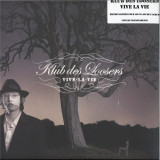
A l’occasion des 20 ans de cet album devenu culte, Record Makers réédite une version spéciale anniversaire limitée (vinyles transparents – 500 exemplaires) qui ravivera la flamme des fans de la première heure, des nouveaux fans et des collectionneurs. "Vive la Vie" est aujourd’hui un album référent pour les amateurs de rap, reconnu par ses pairs lyricistes, c’est un de ses albums qui marquent à jamais une époque, celle des années 2000 et de son rap aux rimes fines et puissantes.
Le 15 novembre 2004 sortait "Vive la Vie" le premier album du Klub des Loosers.
On ne présente plus le Klub des Loosers et son unique membre Fuzati. Pourquoi ? parce qu'on en a un peu honte quand même. Imaginez un jeune versaillais que tout prédestinait à devenir écrivain maudit ou chanteur d'un groupe de pop répétant dans le garage parental le dimanche de 16h à 20h. Le genre de type qui passait ses samedis après-midi à la bibliothèque municipale, ses samedi soir à boire de la bière dans les squats de jeunes où on recense une fille pour dix mecs et où la phrase qui revient le plus souvent est "qui roule un joint ?"
Imaginez maintenant que ce type ait une illumination, au milieu de ces jeunes que tout prédestine à la réussite (HEC, science-po) et qui lorsqu'ils se retrouvent ensemble ne savent pas faire autre chose que de se défoncer. "Nous sommes un klub de loosers".
Comme il n'aime pas trop les gens, Fuzati fondera un klub dont il sera le seul membre. Comme il n'a pas de guitare que le hip hop est son seul ami il se dit qu'il fera ça comme musique. Bah oui c'est sympa le hip hop. Comme on lui a dit qu'il n'avait pas une tête de rappeur et que les casquettes à l'envers lui vont mal il ne montrera jamais son visage et portera un chapeau. S'en suivra un parcours classique de MC underground qui rappe pour la rue (mais aussi les avenues) et représente ses refrés illégalement enfermés derrière les murs des prépas t'as vu. Mixtapes, nombreux freestyles dans l'émission Greckfrite diffusée sur la chaine internet Canalweb, concert à la MJC de Versailles mais aussi dans un entrepôt désinfecté à Dunkerque.
En 2003 Il signe sur le label parisien Record Makers parce qu'on lui a appris qu'il ne fallait pas trop se mélanger avec les gens d'autres milieux. Sortiront deux EP, "Baise les Gens" et "La Femme de Fer" qui sont déjà des classiques pour au moins 32 personnes. La même année sort également l'album de l'atelier "Buffet des Anciens Elèves" auquel il participe avec Tékilatex du groupe TTC, James Delleck, Cyanure et deux producteurs de talent, Tacteel (Lex Records) et ParaOne (Institubes). En juillet 2004 sort le maxi du Klub des Loosers où collaborent MF DOOM, légende hip hop, et Jean-Benoit Dunckel, moitié du groupe AIR.
out of Stock
Last delivered 16 months ago available to reorder, subject to availability