Neues Scheibe - Neue Wut: Nach Ihrem erfolgreichen Debutalbum gleich noch diese EP nachgelegt! Maschine Mensch beschreibt den alltäglichen Wahnsinn eines Individuums gesehen von unserer westlichen Welt. Wir werden geboren um ausgebeutet zu werden, alles zum Wohle des Kapitalistischen Systems. Maschine Mensch ist die Antwort auf die Frage: Was machst du aus deinem Leben? Auch wir müssen uns jeden Tag neu hinterfragen was unser Sinn des Lebens ist. Mit ,Maschine Mensch" schlägt die Berliner Punkband Shell Shocked ein neues Kapitel auf - und zwar laut. Die EP ist eine musikalische Abrissbirne gegen die Entmenschlichung unserer Zeit: gegen Algorithmus-Alltag, gegen soziale Kälte und gegen die leise Resignation im Kopf. Mit voller Wucht aus den Kellern Berlins meldet sich Shell Shocked zurück - roher, lauter und kompromissloser denn je. Auf ihrer neuen EP "Maschine Mensch" prallen schneidende Gitarrenriffs auf treibende Drums und Texte, die wie Faustschläge gegen die graue Realität wirken. Zwischen Großstadtbeton, Systemkritik und persönlichem Aufbegehren liefern Shell Shocked 6 Songs, die aufrütteln, antreiben und aufregen. Ein Soundtrack für alle, die nicht stillhalten können, wenn die Welt im Gleichschritt marschiert. ,Maschine Mensch" ist mehr - es ist ein Aufschrei. Punk aus Berlin. Direkt. Unverfälscht. Keine leeren Phrasen sondern Songs die verbinden und bewegen. Für alle die nicht blind mitlaufen wollen.
A collection of songs and stories with women at the centre, that
I hope everyone can find some resonance, strength and solace with.
credits
released February 28, 2025
Jenn Butterworth: Vocals, Backing Vocals, Guitar, Mandolin & Mandola
Seonaid Aitken: Violin
Kirsty Orton: Violin
Patsy Reid: Viola
Alice Allen: Cello
James Lindsay: Double Bass, Electric Bass & Moog
Louis Abbott: Drums & Percussion
Signy Jakobsdottir: Percussion
Keir Long: Synths & Pianet
Tom Gibbs: Piano (track 5)
Arranged and produced by Jenn Butterworth
All string arrangements by Seonaid Aitken, apart from tracks 3 & 4 which are by Jenn Butterworth and Seonaid Aitken
Un auténtico monstruo si hablamos de discos privados USA de hard–rock 70s. Bolder Damn provenían de Florida y editaron esta barbaridad en 1971. Potente y crudo sonido con devastadora guitarra ultra–distorsionada, apabullante sección rítmica y poderosa voz. En la onda de Sabbath, Blue Cheer, MC5, Pentagram, Sainte Anthony’s Fyre...Descubierto por el legendario sello Rockadelic en los 90, "Mourning" se ha convertido en estos últimos años en un disco de culto para amantes del hard–rock oscuro y proto–doom.
Después de años descatalogado, presentamos la reedición definitiva: arte original, sonido remasterizado e insert de 4 páginas con notas y entrevista a uno de los músicos.
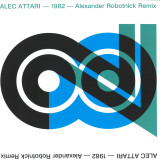
Alec Attari, a Turkish producer with a deep-rooted passion for minimal wave, EBM, and the most underground strains of Italo disco, makes a bold debut on our label with his extraordinary EP, « 1982 ». The title itself gives a knowing nod to the cult classic by Miss Kittin & The Hacker, and the release pays tribute to that landmark era when emerging technologies began producing both mainstream and underground hits later immortalized by pioneers like Ron Hardy at the Music Box and Frankie Knuckles at the Power Plant. The crown jewel of this record is an exceptional remix by Italian legend Alexander Robotnick. This version alone justifies acquiring the record, as it echoes the spirit of his classic "Problèmes d'Amour" with a mysterious, sinuous, and hypnotic vibe. Leading Side A is this striking track, aptly titled "Visage." Following it is "Time Machine," an electrifying nod to EBM and techno in the style of another icon, The Hacker. On A3, the original version of "Visage" brings its own serpentine elegance. Side B opens with "Visage" (Vondkreistan Remix), a track that recalls Ron Hardy's classic sets with a more electro, wave-tinged feel. Then, "Wave" brings to mind the finest era of Grenoble's Goodlife label, while "1982" closes the release with a powerful finale. This record glides between influences, from Legowelt and Alden Tyrell to Dopplereffekt, Random Factor, DMX Krew, and Anthony Rother. A true masterpiece from start to finish.
out of Stock
Last delivered 9 months ago available to reorder, subject to availability
Im März 2015 veröffentlichte Sufjan Stevens Carrie & Lowell - sein bisher persönlichstes Album. Das mit einer unerwartet klaren Vision präsentierte Album war eine Rückkehr zu Sufjans Folk-Wurzeln und zeichnete sich durch eine bewusste, sparsame Instrumentierung aus. Das Album war ein sofortiger Erfolg bei den Kritikern, und in den folgenden Jahren sollte sich die Musik unaufhaltsam in unsere Kultur einweben. Diese Deluxe-Edition enthält ein erweitertes Doppel-LP-Album mit sieben bisher unveröffentlichten Bonustracks, einem 40-seitigen Kunstbuch und einem neuen Essay von Sufjan. Diese Ausgabe bietet außerdem ein alternatives Cover: eine gerahmte Version des Original-Polaroids, das herausgezoomt wurde, um die in Kinderhandschrift geschriebene Bildunterschrift "Carrie & Lowell" zu zeigen, die den Ursprung des Albumtitels verrät (sie wurde von Sufjans Schwester Djamilah geschrieben). Das von Sufjan gestaltete 40-seitige Booklet enthält verschiedene Collagen alter Familienfotos aus vier Generationen, die mit Kunstwerken und Zeichnungen (zu den Themen Tod, Sterben, Trauer und dem Bundesstaat Oregon) sowie mit Landschaftsaufnahmen kombiniert wurden, die Sufjan vor über zehn Jahren auf einer Reise durch den Westen der USA gemacht hat. Das Originalalbum ist auf der ersten Disc, während die zweite Disc 40 Minuten an Extras enthält, darunter Demo-Versionen von "Death With Dignity", "Should Have Known Better", "The Only Thing" und "Eugene". Ausgedehnte Outtakes von 'Fourth of July' und 'Wallowa Lake Monster' sind ebenfalls enthalten, beide mit einer eher filmischen Stimmung. Das letzte Juwel ist das Original-Demo von "Mystery of Love", das von den ursprünglichen Carrie & Lowell-Albumsessions stammt, aber später für Luca Guadagninos Film "Call Me By Your Name" überarbeitet und neu aufgenommen wurde. Die vorliegende Demoversion enthält Sologitarre und Gesang mit leicht verändertem Text. "Carrie & Lowell" war das Ergebnis eines immens schwierigen Prozesses, in dem Sufjans Songwriting ihn nach dem Tod seiner Mutter im Stich ließ. Die seltene Übergabe der Produktionsaufgaben an Thomas Bartlett führte ihn schließlich aus einem Kreislauf kreativer Zweifel heraus. Im Ringen mit Dunkelheit und Verwüstung, Leben und Tod konnte Sufjan schließlich beginnen, der Schönheit und Hässlichkeit der Liebe einen Sinn zu geben. Sufjan ging mit dem Album auf Tournee und brachte seine Erkenntnisse persönlich mit seinen Zuhörern in Verbindung, so dass es zu einer Art Übergabe kam - die Songs wurden zu denen der Zuhörer und deren Leben, Verluste und Komplexität. Nach der Veröffentlichung des Albums wurde die Live-Tournee in ein Live-Album umgewandelt, das so überraschend feierlich und kathartisch ist, dass es zu etwas ganz anderem wird. Outtakes, Remixe und iPhone-Notizen wurden auf Sufjans "The Greatest Gift"-Mixtape veröffentlicht, ebenso wie eine Sammlung von "Fourth of July"-Versionen, die einen Moment des Albums aufgriffen und jede seiner Ecken und Kanten ausloteten. Zehn Jahre später geht diese Jubiläumsausgabe anders vor als diese anderen Schätze. Anstatt das Album zu dekonstruieren oder darauf aufzubauen und sein Vermächtnis fortzuführen, führt diese Ausgabe den Hörer zurück zu den Momenten, die zur Veröffentlichung des Albums führten und diese einschlossen. "Carrie & Lowell" wird noch einmal in seiner vollen Form präsentiert, zusammen mit einem Blick auf die verschiedenen Wege, die es hätte einschlagen können. Es gibt neue Ecken zu erforschen, fotografische Umsetzungen von Momenten, die zuvor nur lyrisch gemalt wurden, direkte Reflexionen des Schöpfers des Albums, eine subtil andere Gewichtung bestimmter Silben, die aus Sufjans Gedanken sprechen, kurz bevor er sie mit der Welt teilte.
Im März 2015 veröffentlichte Sufjan Stevens Carrie & Lowell - sein bisher persönlichstes Album. Das mit einer unerwartet klaren Vision präsentierte Album war eine Rückkehr zu Sufjans Folk-Wurzeln und zeichnete sich durch eine bewusste, sparsame Instrumentierung aus. Das Album war ein sofortiger Erfolg bei den Kritikern, und in den folgenden Jahren sollte sich die Musik unaufhaltsam in unsere Kultur einweben. Diese Deluxe-Edition enthält ein erweitertes Doppel-LP-Album mit sieben bisher unveröffentlichten Bonustracks, einem 40-seitigen Kunstbuch und einem neuen Essay von Sufjan. Diese Ausgabe bietet außerdem ein alternatives Cover: eine gerahmte Version des Original-Polaroids, das herausgezoomt wurde, um die in Kinderhandschrift geschriebene Bildunterschrift "Carrie & Lowell" zu zeigen, die den Ursprung des Albumtitels verrät (sie wurde von Sufjans Schwester Djamilah geschrieben). Das von Sufjan gestaltete 40-seitige Booklet enthält verschiedene Collagen alter Familienfotos aus vier Generationen, die mit Kunstwerken und Zeichnungen (zu den Themen Tod, Sterben, Trauer und dem Bundesstaat Oregon) sowie mit Landschaftsaufnahmen kombiniert wurden, die Sufjan vor über zehn Jahren auf einer Reise durch den Westen der USA gemacht hat. Das Originalalbum ist auf der ersten Disc, während die zweite Disc 40 Minuten an Extras enthält, darunter Demo-Versionen von "Death With Dignity", "Should Have Known Better", "The Only Thing" und "Eugene". Ausgedehnte Outtakes von 'Fourth of July' und 'Wallowa Lake Monster' sind ebenfalls enthalten, beide mit einer eher filmischen Stimmung. Das letzte Juwel ist das Original-Demo von "Mystery of Love", das von den ursprünglichen Carrie & Lowell-Albumsessions stammt, aber später für Luca Guadagninos Film "Call Me By Your Name" überarbeitet und neu aufgenommen wurde. Die vorliegende Demoversion enthält Sologitarre und Gesang mit leicht verändertem Text. "Carrie & Lowell" war das Ergebnis eines immens schwierigen Prozesses, in dem Sufjans Songwriting ihn nach dem Tod seiner Mutter im Stich ließ. Die seltene Übergabe der Produktionsaufgaben an Thomas Bartlett führte ihn schließlich aus einem Kreislauf kreativer Zweifel heraus. Im Ringen mit Dunkelheit und Verwüstung, Leben und Tod konnte Sufjan schließlich beginnen, der Schönheit und Hässlichkeit der Liebe einen Sinn zu geben. Sufjan ging mit dem Album auf Tournee und brachte seine Erkenntnisse persönlich mit seinen Zuhörern in Verbindung, so dass es zu einer Art Übergabe kam - die Songs wurden zu denen der Zuhörer und deren Leben, Verluste und Komplexität. Nach der Veröffentlichung des Albums wurde die Live-Tournee in ein Live-Album umgewandelt, das so überraschend feierlich und kathartisch ist, dass es zu etwas ganz anderem wird. Outtakes, Remixe und iPhone-Notizen wurden auf Sufjans "The Greatest Gift"-Mixtape veröffentlicht, ebenso wie eine Sammlung von "Fourth of July"-Versionen, die einen Moment des Albums aufgriffen und jede seiner Ecken und Kanten ausloteten. Zehn Jahre später geht diese Jubiläumsausgabe anders vor als diese anderen Schätze. Anstatt das Album zu dekonstruieren oder darauf aufzubauen und sein Vermächtnis fortzuführen, führt diese Ausgabe den Hörer zurück zu den Momenten, die zur Veröffentlichung des Albums führten und diese einschlossen. "Carrie & Lowell" wird noch einmal in seiner vollen Form präsentiert, zusammen mit einem Blick auf die verschiedenen Wege, die es hätte einschlagen können. Es gibt neue Ecken zu erforschen, fotografische Umsetzungen von Momenten, die zuvor nur lyrisch gemalt wurden, direkte Reflexionen des Schöpfers des Albums, eine subtil andere Gewichtung bestimmter Silben, die aus Sufjans Gedanken sprechen, kurz bevor er sie mit der Welt teilte.
Das vierte Album von Ellen Arkbro, "Nightclouds", versammelt fünf Improvisationen für Orgel solo, die 2023-24 in Mitteleuropa aufgenommen wurden. "Nightclouds" ist unverhohlener romantisch und introspektiver als ihre früheren Werke, obwohl es fest in der Strenge und Präzision verwurzelt, die Arkbro's Konzept ausmachen. Es ist die Erweiterung ihrer Erkundungen von räumlicher Harmonie, Taktilität und Textur, Arkbro schöpft gleichermaßen aus sakraler Musik, Jazz im ECM-Stil und Minimalismus und beschwört eine kühle Intimität und einen kühlen Ton herauf. Ihre entschleunigten Akkordimprovisationen hüllen den Zuhörer in düsteres verwaschen, während ihre Mikrofonierung die raue haptische Maserung des Rohrblatts offenbart und den Zuhörer sowohl innerhalb als auch außerhalb des Klangs bringt. Sie evoziert Duette von Kjell Johnsen und Jan Garbarek oder La Monte Young und Tony Conrads Bearbeitung von Euringers und Harmer's Cowboy-Song ,Oh Bury Me Not". "Nightclouds" kanalisiert spirituelles Pathos durch eine rigoros zurückhaltende Architektur. Anknüpfend an das letztjährige Album "Sounds While Waiting" (W.25TH, 2024), einer Auswahl von Stereomischungen, die Arkbro's räumliche Orgelinstallationen dokumentieren, ändert Nightclouds die Richtung und konzentriert sich auf unmittelbare Komposition und Improvisation. Elegante, einfache akkordische Gerüste unterstützen reiche, sich ständig verändernde Texturen; genaues Hinhören erfordert die Hingabe an anhaltende Unentschlossenheit. Den Abschluss einer Sammlung von kurzen Stücken bilden zwei Variationen über die titelgebende Komposition ,Nightclouds", eine eine schelmische Anspielung auf den britischen Jazz-Gitarristen Allan Holdsworth: Die erste Aufnahme verlangsamt und dehnt eine kontinuierlich modulierte harmonische Progression, während die kurze Schlussversion einfach drei Akkorde schleift. Zwischen diesen Stücken liegen ,Still Life" und ,Chordalities", zwei kurze Werke, die im Temple de La-Tour-de-Peilz in Vevey, Schweiz, aufgenommen wurden. Die zweite Hälfte des Albums ist folgenden Stücken gewidmet ,Morningclouds", ein weitläufiges Werk, das in der rekonstruierten Gedächtniskirche (Kaiser-Wilhelm-Gedächtniskirche) in Berlin aufgenommen wurde. Arkbro's prägnantes musikalisches Vokabular und formale Architektur evozieren ein Gefühl der emotionalen Ambivalenz, gleichzeitig erhebend und schwermütig und führt den Hörer mit kühler und distanzierter Schönheit. "Nightclouds", das als tiefgründiges Statement in Arkbros sich entwickelndem Werk steht, das zugleich introspektiv und expansiv ist, bestätigt ihre einzigartige Fähigkeit, harmonische Einfachheit in tief berührende Klanglandschaften zu verwandeln, die den Hörer in einen Raum der Kontemplation und emotionalen Tiefe führen.
In an ever-expanding musical universe, Azymuth have long existed as a celestial giant, drawing countless artists, musicians and followers into their orbit. Marking fifty years since their 1975 debut album Azimuth, their new album Marca Passo proves that the band’s alchemic brew of Brazilian jazz-funk and cosmic samba soul remains as vital as ever, as the group honours the profound legacy of their departed founders.
Recorded in Rio de Janeiro, Marca Passo is the first full-length release since the passing of founding drummer Ivan "Mamão" Conti in 2023, following the earlier loss of keyboardist José Roberto Bertrami in 2012. Alex Malheiros, the sole remaining original member, sees his stewardship of the band’s musical legacy as his spiritual duty. He is joined by the equally devoted Kiko Continentino (Milton Nascimento, Djavan) on keyboards, who has been with the group since 2016, and new recruit Renato Massa (Marcos Valle, Ed Motta) on drums.
Yet since their earliest recorded music, Azymuth have always been far greater than the sum of their parts. The "three-man orchestra’s" unmistakable sound is rooted in Brazil's MPB studio scene of the 1970s and early 1980s—a time when artists blended traditional Brazilian rhythms with global jazz, rock, and emerging psychedelic and progressive elements. Marca Passo continues this legacy, seamlessly fusing Brazilian musical traditions with global influences while showcasing the exceptional musicianship that powers Azymuth's distinctive, multi-dimensional sound.
The album is produced by studio mastermind Daniel Maunick, responsible for Azymuth’s two previous studio albums, Fênix in 2016 and Aurora in 2011. Daniel’s credits also include albums by Marcos Valle, Sabrina Malheiros and Terry Callier. Azymuth also invited Daniel’s father, British jazz-funk royalty Jean Paul “Bluey” Maunick, of Incognito, to play guitar on a new version of Azymuth’s eighties classic “Last Summer In Rio”, in tribute to the song’s composer, José Roberto Bertrami. Equally, “Samba Pro Mamao” is a new composition dedicated to Azymuth’s beloved original drummer, Ivan “Mamão” Conti.
Produced, Engineered, Mixed & Arranged by Daniel Maunick
Co-Produced & Arranged by Alex Malheiros
Executive Producer: Joe Davis
Recorded by:
Daniel Maunick & Leonardo Vieira @ Estúdio Nos Trilhos, Santa Teresa, Rio, Brazil
Daniel Maunick & Amadeu Signorelli @ Sigstudio, Niterói, Rio, Brazil
Daniel Maunick & Alex Malheiros @ Estúdio Basslab, Piratininga, Rio, Brazil
Mixed by Daniel Maunick @ The Sugar Shack, Carluke, Scotland
Remedy Entertainment und Laced Records präsentieren die wegweisende, unvergessliche Musik des preisgekrönten Videospiels 'Alan Wake 2' auf Vinyl.
Remedy und sein Creative Director Sam Lake sind wohl unübertroffen in ihrem Engagement für die Musik in ihren Spielen. Für den Soundtrack verfolgten sie vier kreative Hauptstränge: Der langjährige Mitarbeiter Petri Alanko (Alan Wake, Quantum Break, Control) kehrte als leitender Komponist zurück und lieferte einen bissigen und doch gefühlvollen dramatischen Horror-Score sowie die bei den Fans beliebte Hausmeister-Ballade „Yötön Yö“, gesungen von Martti Suosalo (Ahti).
Der Musikkünstler POE und Sam Lake haben sich zusammengetan, um vier Teile des spiralförmigen, melancholischen Epos „This Road“ zu schaffen, das das Ende von Wakes Reise durch den Dark Place darstellt.
Die Poets of the Fall schlüpften erneut in die Rolle der alten Götter von Asgard und schufen mehrere Prog-Opera, darunter das monumentale „Herald of Darkness“ mit dem Gesang von Matthew Porretta (Alan Wake) und David Harewood (Mr. Door).
Schließlich versammelte die Musikproduktionsfirma Fried Music in Zusammenarbeit mit Nordic Music Partners eine kleine Armee außergewöhnlicher Songwriter-Talente, um die vielseitigen, atmosphärischen und im Universum angesiedelten „Chapter Songs“ zu komponieren.
Limited 100 copies pressed on 7” vinyl, featuring a custom stamp & centre label design by Ciaran Birch.
Belinda Zhawi aka MA.MOYO is a Zimbabwean born author and literary & sound artist, based in London, her work explores the African diaspora and deepening the connection between education and art. Also apart of the group BZDB, whose LP on AD93 received critical acclaim last year.
The record is produced by Nova Varnrable, who has frequented on imprints like Escho, 5 Gate Temple, Scenic Route & Kulør. Viva Voce Vol. 1 releases on the UK label Accidental Meetings, who constantly explore a wide variation of sonics.
In his sixth and latest album “New African Orleans”, released by ENJA and Yellow Bird, bass guitarist and composer Alune Wade explores the multiple junctions between his native West African rhythms, the Afrobeat and juju rhythms from Lagos and the brass band repertoire immortalized in New Orleans. “I’m exploring a world that goes from my roots to the lost branches on the other side of the Atlantic,” explains the musician from Senegal. He has whittled down around 50 compositions – both original and standards - to a dozen which Alune recorded in Paris, Dakar, Lagos and New Orleans. “The idea first came to me during the Jazz à Gorée festival I organized back in 2014,” he explains. “It had me reflect on the notion of reversing the musical trip most people take from the United States to the African continent. I wanted to set out westward and begin a musical conversation with the best artists, both in Nigeria and the US.”
To achieve this, Wade has invited top artists from both sides of the Atlantic, including the Nigerian talking drummer Olaore Muyiwa Ayandeji, the percussionist Weedie Braimah and the jazz drummer Herlin Riley from New Orleans. The musical inspirations are equally transatlantic, ranging from Dr. John to Manu Dibango and Charlie Parker. But the 45-year-old also pays homage to his father who was a brass band star in his native Senegal back in the Sixties.
BACKGROUND
We only have a partial idea of the birth and remarkable development of the music born of the transatlantic slave trade. From Malinke ballads to Cuban son, from call-and-response patterns to field hollers and hip-hop, Yoruba rhythms to Argentinian tango, from Angolan percussions to the New Orleans brass band sounds… all have roots in Africa and a shackled migration that lasted four centuries. No more so than Congo Square in the Louisiana capital. In 2024, we mark the 300th anniversary of the implementation of the Code Noir which “gave enslaved Africans Sundays off to dance”. A drop in the ocean, but one which shows the importance of culture as a lifebuoy against this barbaric trade. As the Guadeloupian writer Daniel Maximin once claimed: “Our music guided us from the scream to the song, from dragging our chains to dancing.”
Angelo Debarre's extraordinary guitar technique has long been the tree that hid the forest of his profound musicality and above all, his talent as a composer. Belonging to the family of Django Reinhardt's heirs, Debarre has become a legend among Gypsy Jazz fans, one of those rare musicians, who can enchant a room and make hearts beat in unison.
The New Dictionary of Jazz (Nouveau Dictionnaire du Jazz) describes Angelo Debarre as supersonic, and indeed, he is with mad virtuosity. His left hand moves up and down the fine neck of his gypsy guitar, with speed but always with musicality. But it would be an understatement to speak only of his dexterity; he has a marvellous ability to play with subtlety, and his improvisational possibilities seem endless; all done with great ease and apparent composure. Solos, counterpoint, he's everywhere.
A child from the gypsy community, Angelo started playing guitar with his family at the age of eight. In 1984, he formed the first "Angelo Jazz Quintet". In 1985, he became one of the pillars of the famous Parisian cabaret, "La Roue Fleurie" and participated in numerous tours and recordings, including the famous Gypsy Guitars, a reference album of the genre.
Very comfortable in several gypsy styles, Debarre can be found alongside fellow guitarist Petro Ivanovitch and singer and balalaika player Raya from the group Arbat. As a guest, DeBarre can be heard with the band Bratsch, in dialogue with the pianist Bojan Z, percussionist Xavier Desandre-Navarre, the violinist Florin Niculescu and other leading figures of the gypsy guitar.
Angelo Debarre: guitar
Serge Camps: guitar
Frank Anastasio: bass
For his last solo record ‘Through a Room’, Bill Nace shifted his usual saturated guitar sound and added tapes, hurdy gurdy, doughnut pipe, bird calls and the mysterious Japanese taishōgoto. Setting up for the final night of his three day residency at OTO with only the taishōgoto soundchecked, Nace hoped that Parker would arrive with his small soprano as its opposite. “I’ve been interested in state change, you know, playing until there’s a shift in time.” Known for his development of multiphonics to produce a constantly shifting pattern, Evan Parker has evolved an instantly recognizable sound - his work the soprano most distinct. Happily, it was the soprano Evan brought with him and as soon as the two start to play they entwine - taking off in a double helix of keys and reed primed for endless reconfiguration. Space warps under the velocity of playing, the pitch rising unrelentingly. It felt like unending lift off in the room, sheer energy until the last note makes remember your feet have been on the floor the whole time. Total time bending shredding.
A limited double-LP collection of artists who've been on either Fourth Dimension Records or Lumberton Trading Company (or both). The title, based on the name of a childhood '50s sci-fi film favourite, also not only reflects the bringing together of these two labels but also the fact that most of the artists they are concerned with tend to navigate a wide range of ideas and approaches in their sound. The 2LP also began as a reflection of the two labels coming together on 18 May 2024 at London's Cafe OTO for an event featuring Alternative TV, Splintered, Edward Ka-Spel and Bass Communion.The 2LP, beautifully packaged in a Puppy38 designed sleeve.
Kip Moores sechstes Album 'Solitary Tracks' mit 23 Songs beweist, dass Moores innerer Kompass nach wie vor stark ist. Ein in jeder Hinsicht intensives Album - stimmlich, textlich wie auch klanglich -, auf dem Moore seine prägnante Feder nach innen richtet. Bis auf einen Song hat er alle Songs selbst geschrieben oder an ihnen mitgeschrieben und ein trotziges Gefühl persönlichen Wachstums in ein rohes Roots-and-Soul-Paket gepackt, das gemeinsam mit Jaren Johnston, Oscar Charles und Jay Joyce produziert wurde.
Kurz nachdem True North ihr Debut Album “Out Loud” veröffentlichten, haben sich die Bandmitglieder schon wieder im Studio zusammengefunden und in den folgenden Monaten an gleich mehreren Songs gearbeitet. Mit ihrem ersten veröffentlichten Album, ihrem ersten Record Deal in der Tasche und ihrer ersten Tour im Rücken, war die junge Band voller Energie, Inspiration und neuer Erfahrungen, die True North’s Sound auf ein moderneres, perfektioniertes Level brachten.
Gitarrist Joel Ferber hat auch bei diesem Album die Produktion übernommen, und mit der Zeit hat sich eine Sammlung ihrer besten Arbeiten ganz natürlich zu ihrem zweiten Studioalbum gefügt. Der Titel “Either Way, The Sun’s Exploding” spiegelt eine gewisse, erzwungene Apathie der Bandmitglieder wider, so wie sie in ihren neuen Songs tiefer in ernstere Themen, musikalisch wie
textlich, eintauchen. Diese umfassen Herzschmerz, Angst, Demut, Selbstreflektion und die immer präsente Jagd nach Wachstum.
True North verbinden Elemente des Alt-Rock, Emo und Pop-Punk und kreieren einen einzigartigen Sound, der modern klingt und gleichzeitig nostalgisch werden lässt. Voll von eingängigen Melodien und emotionsgeladenen Texten.
Wenn drei visionäre Köpfe der elektronischen Musik aufeinandertreffen, entsteht ein Sound, der Grenzen sprengt. Demise Of Love ist das Projekt von Daniel Avery, James Greenwoods Ghost Culture und Working Men’s Club – eine Kollaboration, die aus gegenseitiger Wertschätzung und dem Streben nach neuen Klängen entstanden ist. Demise Of Love verbindet rohe Energie mit klanglicher Präzision. Das Ergebnis ist eine Fusion aus industriellen Klanglandschaften, pulsierendem Acid-House und melancholischen Melodien. Ihre Musik fordert heraus, fesselt und bleibt haften. Die EP, abgemischt von Alan Moulder, bringt das Beste der drei Musiker zusammen: Synthesizer, die den Raum aufbrechen, intensive Refrains und eine Soundästhetik, die sich nicht einordnen lässt. „Strange Little Consequence“ wechselt spielerisch zwischen Acid-Groove und monumental anmutendem Rock-Refrain. „Carry The Blame“ fängt die Weite des Detroit-Techno ein, „Be A Man“ verbindet Industrial-Punk mit düsterer Melancholie, und „Like I Loved You“ hebt mit hymnischem Gesang in elektronische Höhen ab. Auch inhaltlich geht die EP tief: Texte über Entfremdung, Kontrollverlust und die Suche nach Verbindung verleihen der Musik zusätzliche Schwere. Zeilen wie „Dead peasants excite you / Rewards of the plight fall / Into your hands“ aus „Strange Little
Consequence“ oder „Your ways are antiquated / And I’m bored now“ aus „Be A Man“ spiegeln das Unbehagen unserer Zeit wider. „Demise Of Love“ ist keine bloße Zusammenarbeit, sondern eine Verschmelzung dreier einzigartiger Klangwelten zu etwas völlig Eigenem. Hier trifft Innovation auf Emotion – kompromisslos, intensiv und von zeitloser Eleganz.
Obwohl ANTROPOMORPHIA für "Devoid of Light" insgesamt zweieinhalb Jahre im Studio verbrachten haben, verloren sie dabei nie ihre Vision aus den Augen: Nämlich eine Vielzahl von harten musikalischen Texturen, einschließlich fanatischer Aggression, misanthropischer und nihilistischer Texte mit dunklen Emotionen wie Wut, Verzweiflung und Schmerz zu dunklen und bedrückenden Klanglandschaften zu kombinieren. ANTROPOMORPHIA wurden 1990 im niederländischen Tilburg aus der Gruft gehoben. Als Pioniere ihres Genres wurden sie schnell zu einem Fundament der Death Metal Szene in den Niederlanden. Trotz gelegentlicher Unterbrechungen konnten ANTROPOMORPHIA ihren Status als Underground-Ikonen mit einer Reihe gefeierter Veröffentlichungen kontinuierlich festigen. Ihre kompromisslose Herangehensweise und der sich ständig erweiternde Malstrom musikalischer Texturen brachte einen stetig wachsenden Einfluss von Black Metal Elementen in die musikalische und visuelle DNA der Niederländer. Jetzt kehren ANTROPOMORPHIA mit "Devoid of Light" zurück und zeigen der Welt, dass sie immer noch danach dürsten, die Grenzen der Death Metal Szene zu überschreiten. Dreht die Regler auf 10 und lasst dieses monströse Album von der Leine!
Wah Wah 45s präsentiert die Debüt-LP eines aufregenden, neuen Signings 2025: Isaac de Martin (IKE) vermischt Jazz und elektronische Einflüsse zu warmen, sanften und oft filmischen Klanglandschaften. Ein gewisser Eklektizismus ist nicht überraschend für einen in Italien in eine Musikerfamilie mit britischen Wurzeln geborenen Komponisten, Produzenten und Gitarristen, der seinen Stil durch kreatives Experimentieren und interdisziplinäre Zusammenarbeit mit Künstlern aus verschiedenen Ländern entwickelte. Ein längerer Aufenthalt in Ägypten dient ihm als Erzählung und Metapher für eine gelassene und befreiende Einstellung zum Leben, die sich in einer Vintage- und dennoch dynamischen Atmosphäre des Albums widerspiegelt.
THE SPEAKER WARS, an American rock band formed by Stan Lynch and Jon Christopher Davis, brings a unique blend of rock, country, and gospel influences to their debut self-titled release, the product of a longstanding collaboration. Stan Lynch, a founding member of Tom Petty and the Heartbreakers and Rock and Roll Hall of Fame drummer, has contributed his talents as a songwriter, producer, and multi-instrumentalist, drawing on his work with Don Henley, Ringo Starr, The Byrds, and many others. Lynch produced, engineered, and mixed the album, lending guitar, keyboard, bass, and vocal skills to the mix. Jon Christopher Davis, a seasoned singer-songwriter from Dallas, honed his craft in Nashville, writing songs for icons like Dolly Parton, Timothy B. Schmit, and Vince Gill. Davis, known for his soulful lead vocals, fronts the band and adds guitar, bass, and keyboard layers to their distinct sound. The band’s live lineup features Lynch on drums, Davis on guitar, and additional musicians Jay Brown, Brian Patterson, Steve Ritter, and Jay Michael Smith, creating a dynamic stage presence.
During the course of his career, the legendary creator of Afrobeat Fela Kuti used his music to lament social injustices and political corruption in his native Nigeria. His music, a compelling blend of American funk and West African highlife, often locked into spellbinding grooves that seemed to go on forever. Yet that was the point: to fall deep into the rhythm and dance away the hardship. While this impacted Nigeria and the entire world, it also affected Fela’s son Femi and his son Made, both of whom carry his legacy as torchbearers for change. On February 5th 2021, Partisan Records, home to Fela’s catalog, will release two albums from Femi and Made — both very much in the tradition of Fela’s music, but with different scopes. Femi’s album, Stop The Hate, radiates the unique Afrobeat sound that he has forged throughout his long career, affirming the sharply political conviction that his father would’ve claimed in the 1960s, ‘70s and ‘80s. Made’s album, For(e)ward, is a modern and progressive freedom manifesto, pushing boundaries of the subgenre even further. Made also performs every instrument on the album. Together they will be packaged into a double album called Legacy + that, when taken as a whole, bolsters the rich musical heritage of the Kuti name. Yet this isn’t just about honoring Fela, it’s also personal for Femi and Made, a father and son with deep creative synergy. Most importantly, the project finds these men coming together in the name of family. “This is probably the most important part of my life right now,” Femi says. “I’m happy because he’s not copying me. He has found his voice. What other joy could a father want than to experience this in his lifetime?”
At Home of The Good Groove Records HQ, we are absolutely delighted to present our second release - a pair of sublime tracks making their long-awaited debut on 7-inch vinyl.
Jamaican music legend Beres Hammond has captivated audiences for over 40 years with his soulful voice and heartfelt lyrics, earning him the title “King of Lovers Rock”, with a loyal global fan base. Influenced by the American soul and jazz records his father collected – featuring icons like Otis Redding and Sam Cooke – as well as the rich sounds of ska and rocksteady, Beres crafted a sound that remains timeless.
For this release, we return to Beres’ 1976 debut album, Soul Reggae – an exceptional record that never quite received the full recognition it deserved. A masterful blend of soulful tones and reggae rhythms, the album is a testament to Beres’ artistry and the genius of his collaborator, Willie Lindo.
Lindo, a legendary reggae guitarist and producer, played a crucial role in shaping the Soul Reggae album. Beyond his impeccable musicianship, he took on multiple roles – writer, arranger, producer, and owner of the Water Lily record label, on which the album was first released. His contribution to these two tracks cannot be overstated.
The Tracks
Side A – “Don’t Wait Too Long”
An upbeat, soulful groove that will appeal to listeners across the black music genres. The track boasts a beautifully arranged melody, with Beres’ warm, feel-good vocals and rich harmonies carrying the song effortlessly. A certainty to get the dance floor vibing.
Side B – “You Don’t Have to Lie”
Lowering the tempo slightly but delivering the same soulful quality, this track brings a heartfelt vocal performance filled with depth and emotion. A timeless piece that speaks to the complexities of love and relationships.
At Home of The Good Groove, we are incredibly honoured to bring these two remarkable tracks to 7-inch vinyl for the very first time.
A huge thank you to Beres Hammond for his incredible music and to Willie Lindo, who has worked closely with us to make this release possible.
Deathchain’s early albums reissued on vinyl for the first time in May via Svart Records Finnish death-thrashing maniacs Deathchain’s debut and sophomore albums will be available on vinyl for the first time ever on May 30th, 2025 via Svart Records. Deathchain, hailing from the city of Kuopio, was formed in 2001 from the remains of Winterwolf when the band’s guitarist Corpse moved from the countryside to the city to kick things off, and they continue their illustrious and wild axe wielding path to this day. DEADMEAT DISCIPLES (2003) and DEATHRASH ASSAULT (2005) were originally released by Dynamic Arts Records only on CD. The debut gained a lot of great reviews in Europe, paving the way for the band’s substantial touring around Central Europe, Netherlands, and Belgium. The sophomore album DEATHRASH ASSAULT, which ended in the 18th place on the Official Finnish Album Chart, unleashed Deathchain on the Hellhoundz of Doom and Thrash -tour with Candlemass and Destruction, playing live shows in thirteen countries across Europe. The Japanese version of the album was later released on CD in 2006, featuring a bonus cover track of Slayer’s Black Magic. Corpse comments the reissues: ”It's been over two decades since we recorded our first two albums, and finally they will be unleashed to haunt in the format that is closest to our hearts. Both of these albums were recorded in Kuopio at Studio Perkele, which was the beating heart of the underground back then. We were young and handsome alcohol fueled bastards aiming to make music that is fast, furious, and riff driven. The legendary Valhalla metal bar scene was our home and starting point, and surely you can hear the echoes of North Sawonian madness within these albums. Those times were full of insanely good times, and we did our best to catch the spirit of the old school within our music. Finally with the help of Svart Records we are proud to present you these buried gems of death thrashing metal.” DEATHRASH ASSAULT is available on Svart exclusive black & white marble vinyl, limited natural vinyl, and classic black vinyl. Includes Slayer's Black Magic cover as a bonus track.
Deathchain’s early albums reissued on vinyl for the first time in May via Svart Records Finnish death-thrashing maniacs Deathchain’s debut and sophomore albums will be available on vinyl for the first time ever on May 30th, 2025 via Svart Records. Deathchain, hailing from the city of Kuopio, was formed in 2001 from the remains of Winterwolf when the band’s guitarist Corpse moved from the countryside to the city to kick things off, and they continue their illustrious and wild axe wielding path to this day. DEADMEAT DISCIPLES (2003) and DEATHRASH ASSAULT (2005) were originally released by Dynamic Arts Records only on CD. The debut gained a lot of great reviews in Europe, paving the way for the band’s substantial touring around Central Europe, Netherlands, and Belgium. The sophomore album DEATHRASH ASSAULT, which ended in the 18th place on the Official Finnish Album Chart, unleashed Deathchain on the Hellhoundz of Doom and Thrash -tour with Candlemass and Destruction, playing live shows in thirteen countries across Europe. The Japanese version of the album was later released on CD in 2006, featuring a bonus cover track of Slayer’s Black Magic. Corpse comments the reissues: ”It's been over two decades since we recorded our first two albums, and finally they will be unleashed to haunt in the format that is closest to our hearts. Both of these albums were recorded in Kuopio at Studio Perkele, which was the beating heart of the underground back then. We were young and handsome alcohol fueled bastards aiming to make music that is fast, furious, and riff driven. The legendary Valhalla metal bar scene was our home and starting point, and surely you can hear the echoes of North Sawonian madness within these albums. Those times were full of insanely good times, and we did our best to catch the spirit of the old school within our music. Finally with the help of Svart Records we are proud to present you these buried gems of death thrashing metal.” DEATHRASH ASSAULT is available on Svart exclusive black & white marble vinyl, limited natural vinyl, and classic black vinyl. Includes Slayer's Black Magic cover as a bonus track.
Foxwarren, the Canadian indie collective fronted by Andy Shauf, returns with their sophomore album "2." Joined by his fellow Canadian childhood friends and close collaborators Dallas Bryson (guitar), Darryl Kissick (bass), Avery Kissick (drums), and Colin Nealis (multi-instrumentalist), the eclectic sound of "2" - weaving genres ranging from folk to psych rock to downtempo - coincides with Shauf"s curiosity and desire to incorporate a Native Instruments Maschine MSK3 sampler into his process. There is something uncanny about the feeling of these songs, the way bits recorded in different rooms amplify your attention, listening for how these layers lock. But their true connective tissue is the generous and gentle ways Shauf and the rest of Foxwarren move with melody.
Mia Zapata was the greatest rock singer of her time. She may have likely been the greatest blues singer in punk rock history, the woman who married the 78 and the '78. Tragedy did not make this true. Mia Zapata made this true, and the ferocious, spring-loaded shrapnel frame that was built around her by Andy Kessler (guitar: metronomic and furious), Matt Dresdner (bass: fluid, punching, beat-addicted and melodic), and Steve Moriarty (drums: martial and explosive) - who, with Mia, combined to form The Gits - made it true. The Gits were formed at Antioch College in Yellow Springs, Ohio in mid-1986, grabbing and swapping pieces of art, thrash, noise, punk rock, classic rock, and all the sorts of magical silly and bookish jingle bells that an old-school liberal arts education handed you; for the next few years they worked on turning it all into something tough, sensitive, both brutal and kind. Andy, Matt, Mia, and Steve moved to Seattle in middish 1989, landing in a house on Capitol Hill where they (and fellow travelers) wood-shedded and rehearsed for the next few years. The Gits put out three EPs in 1990 and '91 before signing with C/Z Records and releasing their first full-length album, Frenching the Bully. Seattle quickly claimed the quartet as their own and embraced the Gits blend of ferocious fangs and soft heart, the slug/slap of the guitars, and the gorgeous, soft underbelly of the poetic emotions. These qualities not only fit in with the doe-eyed/sharp-clawed grunge ethos but earned the Gits the respect of their peers, including Nirvana, who tapped them to open a major local show in 1990. Then other stuff happened, and their frantic, confessional barbed-heart snowball began rolling up hill very, very fast; the Gits "quickly" (hah! After half a decade learning to implode and explode hearts and stomping their boots on manifold beer-softened, Marlboro-weeded wood stages!) inspired rapture, awe, and the levitation that happened when peak emotion meets peak grindage in front of amps spitting out something that sounded like the mad marriage of Bolan swagger and Dischord tension_ all fronted by a genuinely incomparable woman who held her heart in her mouth and shared it, in all its celebration and fear, without hesitation. The Gits were an angry, inflamed slinky fully in tune with and tuned by the Bessie Patti Smith of her time, truly the only singer who could summon Joplin, Poly Styrene, Sam Cooke, Iggy Pop and Ian MacKaye all in the same goddamn song. In 1993, less than four weeks after accepting an offer from Atlantic Records, Mia died. I leave it at that, because this is not about death; it's about an extraordinary life. I do not say, "You should have been there," I say, "We are lucky so many of us were, and I am so glad we have this extraordinary evidence of the power and gifts of Mia and the Gits that you now can hold in your hands." And I note that Frenching the Bully, this extraordinary testament to the soul, shock, fury and feeling of the Gits, has been long out of print on vinyl and CD, and this new edition - remastered by legendary Seattle engineer Jack Endino - joyfully rectifies that. -Tim Sommer
All Demilich demo material plus recordings from 2006 in a snappy double LP package. Compiled together with the band, this is the ultimate Demilich demo compilation. In the late days of the early life of death metal in the early nineties, the death metal "community" had strayed from an appreciation of the majestic possibilities of sound, and were making a mundane product instead. They wanted the most "brutal" sound so the largest crowd could hear it, consider themselves "extreme," and go back to work with a hangover. This made the music escape its tiny audience, but killed off exploration as well. In addition, it was defensive and under-confident, feeling its chops lagged behind the rock, blues and jazz genres. Stagnation struck even as the genre accelerated. Enter the dark horse, Demilich. These inventive Finns reintroduced amazement at the possibilities of music. Where most people look at a forest and see wood for sale, a death metal fan after Demilich sees an intricate organism in itself, with the smallest details corresponding to the broadest concepts. The labyrinthine riffs of Demilich corresponded to a worldview that saw the connection between details as a design, and a design as conferring a purpose to life, cycling between birth and death as it spelled out the cryptic intricacies of ancient mysteries.
All Demilich demo material plus recordings from 2006 in a snappy double LP package. Compiled together with the band, this is the ultimate Demilich demo compilation. In the late days of the early life of death metal in the early nineties, the death metal "community" had strayed from an appreciation of the majestic possibilities of sound, and were making a mundane product instead. They wanted the most "brutal" sound so the largest crowd could hear it, consider themselves "extreme," and go back to work with a hangover. This made the music escape its tiny audience, but killed off exploration as well. In addition, it was defensive and under-confident, feeling its chops lagged behind the rock, blues and jazz genres. Stagnation struck even as the genre accelerated. Enter the dark horse, Demilich. These inventive Finns reintroduced amazement at the possibilities of music. Where most people look at a forest and see wood for sale, a death metal fan after Demilich sees an intricate organism in itself, with the smallest details corresponding to the broadest concepts. The labyrinthine riffs of Demilich corresponded to a worldview that saw the connection between details as a design, and a design as conferring a purpose to life, cycling between birth and death as it spelled out the cryptic intricacies of ancient mysteries.
This authorised vinyl reissue of the ultimate Finnish death metal cult LP comes with the original cover art and all the lyrics. In the late days of the early life of death metal in the early nineties, the death metal "community" had strayed from an appreciation of the majestic possibilities of sound, and were making a mundane product instead. They wanted the most "brutal" sound so the largest crowd could hear it, consider themselves "extreme," and go back to work with a hangover. This made the music escape its tiny audience, but killed off exploration as well. In addition, it was defensive and under-confident, feeling its chops lagged behind the rock, blues and jazz genres. Stagnation struck even as the genre accelerated. Enter the dark horse, Demilich. These inventive Finns reintroduced amazement at the possibilities of music. Where most people look at a forest and see wood for sale, a death metal fan after Demilich sees an intricate organism in itself, with the smallest details corresponding to the broadest concepts. The labyrinthine riffs of Demilich corresponded to a worldview that saw the connection between details as a design, and a design as conferring a purpose to life, cycling between birth and death as it spelled out the cryptic intricacies of ancient mysteries. Demilich was like finding a submerged city, or discovering a new path through the mountains, or even confronting a glowering enemy on the open plain. It brought risk, uncertainty, ambiguity and a sense of sublime beauty back to death metal, pulling it away from the slump in which it treated itself as a hammer and every listener as a nail.
This authorised vinyl reissue of the ultimate Finnish death metal cult LP comes with the original cover art and all the lyrics. In the late days of the early life of death metal in the early nineties, the death metal "community" had strayed from an appreciation of the majestic possibilities of sound, and were making a mundane product instead. They wanted the most "brutal" sound so the largest crowd could hear it, consider themselves "extreme," and go back to work with a hangover. This made the music escape its tiny audience, but killed off exploration as well. In addition, it was defensive and under-confident, feeling its chops lagged behind the rock, blues and jazz genres. Stagnation struck even as the genre accelerated. Enter the dark horse, Demilich. These inventive Finns reintroduced amazement at the possibilities of music. Where most people look at a forest and see wood for sale, a death metal fan after Demilich sees an intricate organism in itself, with the smallest details corresponding to the broadest concepts. The labyrinthine riffs of Demilich corresponded to a worldview that saw the connection between details as a design, and a design as conferring a purpose to life, cycling between birth and death as it spelled out the cryptic intricacies of ancient mysteries. Demilich was like finding a submerged city, or discovering a new path through the mountains, or even confronting a glowering enemy on the open plain. It brought risk, uncertainty, ambiguity and a sense of sublime beauty back to death metal, pulling it away from the slump in which it treated itself as a hammer and every listener as a nail.
»Mother Nature« is the debut solo album by Berend Intelmann, a key figure in the German indie music scene since the late 1980s. Having made his name as a member of groups such as Hallelujah Ding Dong Happy Happy, Guther, and Paula, Intelmann most recently focussed on his work as a producer for artists such as Jens Friebe, MissinCat, or Fotos. »Mother Nature« sees the multi-instrumentalist and singer navigate between pop sentiment and his penchant for classical music on these eight pieces, three of which feature additional contributions by Karaoke Kalk label mate Marla Hansen, synth pop iconoclast Der Assistent, and the versatile Mieke Miami, respectively. »Mother Nature« combines a sense of playfulness with cunning compositional rigour to stunning effect.
Intelmann took full creative licence and worked with the instruments that he feels most comfortable using: the drums, synthesizers, and his voice. While inspired by his life-long passion for pop music in all shades, he also took some cues from his more recent passion for classical music. »The synthesizer melodies are arranged like string quartets, while the songs are presented as musical themes strung together so that they form a coherent story,« he explains. The resulting sound isn’t quite as »krauty« as someone called it, instead the artist prefers to call it »slow-kraut—1980s synth sound with 1970s George Duke-style beats,« though of course he never attempted to fit in one specific genre or replicate a certain sound: This is simply the essence of Berend Intelmann as a composer and storyteller.
The lyrical matter of »Mother Nature« is inspired by life and death. This informs an album that masterfully creates contrasts and utilises the friction generated between them to tell its stories. The album opener and second single »All Gone« greets its audience with the couplet »In the long run / We’re all gone,« but sets this to soothing sounds that form a joyful counterpoint to the fatalism of the words. Also the slowly-unfolding first single »Life Of Another One« sets the stage for a reflection on memories that have become so distant that they feel like belonging to another person altogether with sombre, intertwined melodies. However, these darker tones slowly give way to laid-back grooves, Intelmann’s smooth vocalisations and whirling synthesizer sequences.
The collaborations—a vocal duet with Marla Hansen on »A Focused Mind,« Der Assistent’s subtle theremin contributions to »The Less We Cared« and Mieke Miami flute and saxophone playing on »Mother Nature«—further enrich this album that the artist claims has been »co-produced by friends and family.« Indeed, »Mother Nature« might be Intelmann’s solo debut proper, but he remains a teamplayer at heart.
Als Watchtower im Jahre 1985 ihr Debütalbum "Energetic Disassembly" veröffentlichen, stellen sie die Metal-Welt auf den Kopf. Das Material setzt völlig neue Maßstäbe. Innovativer (und extremer) geht zu dieser Zeit niemand zu Werke. Unbeholfene Stilbeschreibungen wie "Jazz Metal" oder "Techno Thrash" werden kreiert. Ursprünglich werden Watchtower im Mai 1982 in Austin, Texas, aus der Taufe gehoben. In jenem Monat schließt sich Sänger Jason McMaster Bassist Doug Keyser, Schlagzeuger Rick Colaluca sowie Gitarrist Billy White an. In ihrem frühen Stadium zeigen sich Watchtower stark von der NWOBHM inspiriert und spielen Songs von Iron Maiden, Angel Witch und Raven nach - dazu natürlich etliche Nummern der kanadischen Prog-Götter Rush. In der Folge entwickelt die Band sukzessive ihren individuellen Stil und nimmt Demos mit eigenen Stücken auf. Aber die Plattenfirmen wollen nicht anbeißen. Aus diesem Grunde entschließt man sich dazu, auf dem eigenen Label Zombo Records das wegweisende Album "Energetic Disassembly" zu veröffentlichen (gepresst werden 3.500 LPs und 1.000 Kassetten).
"Ich kann mich noch lebhaft daran erinnern, wie ich Demokassetten an Fanzines verschickt habe und nahezu täglich Briefe mit Tapetradern ausgetauscht wurden," erinnert sich Sänger Jason Mc Master heute. "Ich erhielt u.a. Briefe von Gene Hoglan, Mike Portnoy, Jason Newsted und sogar Alan Tecchio Die Reaktionen waren fantastisch, aber wir klangen einfach so andersartig. Die Labels wussten nicht, wie sie uns seinerzeit hätten vermarkten sollen. Waren wir zu extrem? Ich denke schon." Pünktlich zum 40. Jubiläum von "Energetic Disassembly" erscheint über High Roller Records nicht nur eine De-Luxe-Edition des originalen Albums, sondern auch eine neue Abmischung. Die Re-Mixes wurden im Jahre 2009 von Jared Tuten, einem engen Freund von JasonMcMaster, in den Top Hat Studios angefertigt. Als Sahnehäubchen gesellen sich dazu vier Bonus-Stücke: eine Art Drum-Soundcheck namens "Rick On Parade", das kurze Gitarren-Instrumental "BW115" sowie frühe Fassungen von zwei Songs, die später auf dem zweiten Watchtower-Album landen sollten, hier aber noch mit Jason McMaster am Gesang - "Instruments Of Random Murder" und "The Eldritch". Jason McMaster verließ Watchtower im Jahre 1988 in Richtung Dangerous Toys. Sein Nachfolger war Alan Tecchio (von Hades). Zusammen mit ihm wurde 1989 in West-Berlin das zweite Album "Control And Resistance" für Noise Records aufgenommen.
Als Watchtower im Jahre 1985 ihr Debütalbum "Energetic Disassembly" veröffentlichen, stellen sie die Metal-Welt auf den Kopf. Das Material setzt völlig neue Maßstäbe. Innovativer (und extremer) geht zu dieser Zeit niemand zu Werke. Unbeholfene Stilbeschreibungen wie "Jazz Metal" oder "Techno Thrash" werden kreiert. Ursprünglich werden Watchtower im Mai 1982 in Austin, Texas, aus der Taufe gehoben. In jenem Monat schließt sich Sänger Jason McMaster Bassist Doug Keyser, Schlagzeuger Rick Colaluca sowie Gitarrist Billy White an. In ihrem frühen Stadium zeigen sich Watchtower stark von der NWOBHM inspiriert und spielen Songs von Iron Maiden, Angel Witch und Raven nach - dazu natürlich etliche Nummern der kanadischen Prog-Götter Rush. In der Folge entwickelt die Band sukzessive ihren individuellen Stil und nimmt Demos mit eigenen Stücken auf. Aber die Plattenfirmen wollen nicht anbeißen. Aus diesem Grunde entschließt man sich dazu, auf dem eigenen Label Zombo Records das wegweisende Album "Energetic Disassembly" zu veröffentlichen (gepresst werden 3.500 LPs und 1.000 Kassetten).
"Ich kann mich noch lebhaft daran erinnern, wie ich Demokassetten an Fanzines verschickt habe und nahezu täglich Briefe mit Tapetradern ausgetauscht wurden," erinnert sich Sänger Jason Mc Master heute. "Ich erhielt u.a. Briefe von Gene Hoglan, Mike Portnoy, Jason Newsted und sogar Alan Tecchio Die Reaktionen waren fantastisch, aber wir klangen einfach so andersartig. Die Labels wussten nicht, wie sie uns seinerzeit hätten vermarkten sollen. Waren wir zu extrem? Ich denke schon." Pünktlich zum 40. Jubiläum von "Energetic Disassembly" erscheint über High Roller Records nicht nur eine De-Luxe-Edition des originalen Albums, sondern auch eine neue Abmischung. Die Re-Mixes wurden im Jahre 2009 von Jared Tuten, einem engen Freund von JasonMcMaster, in den Top Hat Studios angefertigt. Als Sahnehäubchen gesellen sich dazu vier Bonus-Stücke: eine Art Drum-Soundcheck namens "Rick On Parade", das kurze Gitarren-Instrumental "BW115" sowie frühe Fassungen von zwei Songs, die später auf dem zweiten Watchtower-Album landen sollten, hier aber noch mit Jason McMaster am Gesang - "Instruments Of Random Murder" und "The Eldritch". Jason McMaster verließ Watchtower im Jahre 1988 in Richtung Dangerous Toys. Sein Nachfolger war Alan Tecchio (von Hades). Zusammen mit ihm wurde 1989 in West-Berlin das zweite Album "Control And Resistance" für Noise Records aufgenommen.
Als Watchtower im Jahre 1985 ihr Debütalbum "Energetic Disassembly" veröffentlichen, stellen sie die Metal-Welt auf den Kopf. Das Material setzt völlig neue Maßstäbe. Innovativer (und extremer) geht zu dieser Zeit niemand zu Werke. Unbeholfene Stilbeschreibungen wie "Jazz Metal" oder "Techno Thrash" werden kreiert. Ursprünglich werden Watchtower im Mai 1982 in Austin, Texas, aus der Taufe gehoben. In jenem Monat schließt sich Sänger Jason McMaster Bassist Doug Keyser, Schlagzeuger Rick Colaluca sowie Gitarrist Billy White an. In ihrem frühen Stadium zeigen sich Watchtower stark von der NWOBHM inspiriert und spielen Songs von Iron Maiden, Angel Witch und Raven nach - dazu natürlich etliche Nummern der kanadischen Prog-Götter Rush. In der Folge entwickelt die Band sukzessive ihren individuellen Stil und nimmt Demos mit eigenen Stücken auf. Aber die Plattenfirmen wollen nicht anbeißen. Aus diesem Grunde entschließt man sich dazu, auf dem eigenen Label Zombo Records das wegweisende Album "Energetic Disassembly" zu veröffentlichen (gepresst werden 3.500 LPs und 1.000 Kassetten).
"Ich kann mich noch lebhaft daran erinnern, wie ich Demokassetten an Fanzines verschickt habe und nahezu täglich Briefe mit Tapetradern ausgetauscht wurden," erinnert sich Sänger Jason Mc Master heute. "Ich erhielt u.a. Briefe von Gene Hoglan, Mike Portnoy, Jason Newsted und sogar Alan Tecchio Die Reaktionen waren fantastisch, aber wir klangen einfach so andersartig. Die Labels wussten nicht, wie sie uns seinerzeit hätten vermarkten sollen. Waren wir zu extrem? Ich denke schon." Pünktlich zum 40. Jubiläum von "Energetic Disassembly" erscheint über High Roller Records nicht nur eine De-Luxe-Edition des originalen Albums, sondern auch eine neue Abmischung. Die Re-Mixes wurden im Jahre 2009 von Jared Tuten, einem engen Freund von JasonMcMaster, in den Top Hat Studios angefertigt. Als Sahnehäubchen gesellen sich dazu vier Bonus-Stücke: eine Art Drum-Soundcheck namens "Rick On Parade", das kurze Gitarren-Instrumental "BW115" sowie frühe Fassungen von zwei Songs, die später auf dem zweiten Watchtower-Album landen sollten, hier aber noch mit Jason McMaster am Gesang - "Instruments Of Random Murder" und "The Eldritch". Jason McMaster verließ Watchtower im Jahre 1988 in Richtung Dangerous Toys. Sein Nachfolger war Alan Tecchio (von Hades). Zusammen mit ihm wurde 1989 in West-Berlin das zweite Album "Control And Resistance" für Noise Records aufgenommen.
An endling is the final member of a species. When an endling dies, the species is extinct. Pakistani-American composer Qasim Naqvi returns with Endling. Written as a modular synth prequel to his 2023 BBC Concert Orchestral work, God Docks at Death Harbor, Endling takes the listener on a 43-minute odyssey through an intense and beautiful landscape, set hundreds of years into the future. On the album"s centrepiece "Power Down the Heart," featuring Moor Mother, our character stumbles upon an A.I. being that is in the final moments of its life. As a kind of last rites, this ancient artificial consciousness describes the beauty, sadness and horror it has observed for hundreds of years. Qasim Naqvi is a percussionist, composer and synthesist. Along with being the drummer of lauded cult minimalist trio, Dawn of Midi, Naqvi is an accomplished solo artist and his passion for multidisciplinary work has brought him into the world of film, dance, installation art, and the stage of orchestral and chamber music. His concert music has been commissioned and performed by The London Contemporary Orchestra, The BBC Concert Orchestra, Crash Ensemble, Bang on a Can All Stars, Jennifer Koh, Stargaze, The Cello Octet of Amsterdam, The Helsinki Chamber Choir and others.
Faun Fables, the long-running collaboration between Dawn McCarthy and Nils Frykdahl, have returned with Counterclockwise, the follow-up to 2016"s Born of the Sun. With the longest space between albums in the band"s twenty-seven year history, the nature of time and experience spent raising a family and negotiating life"s changes have much to do with the incredible listening companion Faun Fables have gifted us here. Counterclockwise"s songs and production are the most encompassing, richly lived-in sonic world of their seven full-length albums. From start to finish, it is an exquisitely etched portrait of their aesthetic and worldview: colourfully studded with fine-hewed jewels of song, tinged with the traditional sounds of past and future nations. Their timeless "songtelling" practice is entwined with a holistic view of a life in music - embracing and celebrating the mundane details of home, partnering and family, elevated by a mystical and fantastical perspective. The new discovery here is their creative relationship with time.
Yesterday's Children emerged from the vibrant mid-60s Connecticut music scene, evolving from a garage-based instrumental outfit into one of the era's most compelling proto-heavy rock acts. As they evolved, they embraced the psychedelic and hard rock influences of the late 60s, crafting a heavier, more dynamic style. Under the determined management of brothers Dennis (vocals) & Richard (guitar) Croce's father, Dominic, the band gained regional popularity. Their 1970 self-titled album, recorded in New York with producer Warren Schatz, showcased a mix of ferocious originals like "Hunter's Moon" and "Sad Born Loser" alongside inspired covers. Though the album failed to achieve commercial success at the time, it has since been rediscovered as a cult favorite, celebrated for its raw energy and ahead-of-its-time heaviness. Known for their immersive live shows-complete with custom-built light and sound systems-the band toured the East Coast in vintage hearses, leaving a lasting impression on audiences. Despite their eventual breakup in 1972, Yesterday's Children's legacy endures, with their sole LP standing as a landmark in the transition from garage rock to the heavier sounds of the 70s. A true hidden gem, their music continues to resonate with fans of psychedelic, hard rock, and proto-metal.
Love is a first kiss, a late night call, an ache of longing that can break your heart or a long drive with the top down to anywhere but here. Love can equally be contained, repressed and longed for as much as it can save, nurture and embolden. Love is a measure of our humanity or how lost we have become. In her new album, How Love Bends, Reb Fountain muses on the transformative power of love. Imprinted with our fear, desire, hurt and hope as much as it is an expression of our suffering and joy, love is an ever-evolving shapeshifter that lives in our marrow; magnetic and emergent it is loosed by its archer to ride on the wind. Reb's medium is that of a surrealist, playing with the stories that we tell ourselves she harnesses the sage wisdom of the dream; we embark upon a limitless exploration of love, life and loss within a landscape entirely of Reb's making. Reb's love is the stuff of chaos and oceans, vulnerability and revolution; stirring up the depths of the human condition and dancing with the richness of who we really are. Unapologetic, vulnerable, heartbroken and commanding; this is How Love Bends. How Love Bends is at once haunting and alluring, mystical and triumphant. Reb is a seeker, actively reaching for the expanse. A reverent explorer she traverses the turbulent and tidal with heartbreaking vulnerability and blazon courage. The result is an emergent odyssey; a dynamic dreamscape unfolding and revealing itself mid-evolution. Reb has explored new approaches to songwriting revealing nuanced layers with endless depths.
Love is a first kiss, a late night call, an ache of longing that can break your heart or a long drive with the top down to anywhere but here. Love can equally be contained, repressed and longed for as much as it can save, nurture and embolden. Love is a measure of our humanity or how lost we have become. In her new album, How Love Bends, Reb Fountain muses on the transformative power of love. Imprinted with our fear, desire, hurt and hope as much as it is an expression of our suffering and joy, love is an ever-evolving shapeshifter that lives in our marrow; magnetic and emergent it is loosed by its archer to ride on the wind. Reb's medium is that of a surrealist, playing with the stories that we tell ourselves she harnesses the sage wisdom of the dream; we embark upon a limitless exploration of love, life and loss within a landscape entirely of Reb's making. Reb's love is the stuff of chaos and oceans, vulnerability and revolution; stirring up the depths of the human condition and dancing with the richness of who we really are. Unapologetic, vulnerable, heartbroken and commanding; this is How Love Bends. How Love Bends is at once haunting and alluring, mystical and triumphant. Reb is a seeker, actively reaching for the expanse. A reverent explorer she traverses the turbulent and tidal with heartbreaking vulnerability and blazon courage. The result is an emergent odyssey; a dynamic dreamscape unfolding and revealing itself mid-evolution. Reb has explored new approaches to songwriting revealing nuanced layers with endless depths.
Fit for Consequences: Original Recordings, 1984–1987 is the first ever archival release from Repetition Repetition, the “two-man electric minimalist band” consisting of Ruben Garcia and Steve Caton hailing from Los Angeles in the mid 1980’s. Repetition Repetition’s unique blend of cosmic art-rock minimalism / maximalism was self-released across a series of cassettes produced in micro editions, and while garnering the attention and participation of luminaries such as Harold Budd, remained under the radar during the band’s existence. Fit for Consequences: Original Recordings, 1984–1987 collects select material from across the duo’s catalog.
It was over a plate of Mexican breakfast food when Ruben Garcia and Steve Caton first told Harold Budd of Repetition Repetition and the worlds they intended to explore by respective way of synthesizers and guitars --- a rendezvous instigated by the former’s fan mail to the legendary composer. If the upstarts entered this restaurant from a one-way street of admiration, they would leave with not only Budd’s interest but, sometime later, a blessing in the wake of many hours shared by the three in Garcia’s Los Angeles home recording studio: “This is going to be difficult, but God help them, I think they’re great,” noted Budd in a USC lecture in 1985. Now several degrees removed from prior rock music aspirations, the real game was afoot.
Between 1984 and 1988, Repetition Repetition operated within something akin to the underground of the experimental underground, although even that designation perhaps overstates the case. The duo’s sparse output consisted of three cassettes self-released on Garcia’s Third Stone Music label: Repetition Repetition (1985), Lakeland (1987), and The Machinist (1987). Their songs would also be included during this period on Trance Port Tapes’ vital scene-scanning compilations assembled by A Produce. Live performances occurred with similar infrequency, but Garcia and Caton counted converts in quality over quantity, numbering among them the aforementioned Budd, a Chambers Brother, and, judging by a memorably drop-jawed reaction following a rare Repetition Repetition gig, Jackson Browne.
Likewise, critical support materialized in the form of KCRW deejays Brent Wilcox and Dean Suzuki, whose steady airplay positioned Repetition Repetition’s music amidst fearless company like Jon Hassell, Hiroshi Yoshimura, and Richard Horowitz. Yet, to hear fellow Trance Port featured players like Tom Recchion and Bruce Licher of Savage Republic tell it, Garcia and Caton moved as ghosts --- a notion more vexingly endorsed by the silence of record companies that failed to come knocking --- and therein lies an overarching truth to the work itself.
Journey to the heart of Repetition Repetition and one discovers a collective ear impossibly attuned to the hypnotic possibilities of stylistic convergence, the resulting music possessed of seamless multimodalities which beckon to a glimmering plane of the disembodied. Where Caton sought his artistic fixes at an intersection of popular genres, Garcia zoned in on the sonically spare, drawing from the same wellspring as the Enos and Rileys of his personal avant-garde pantheon, and in their coming together the two tapped into a deeper cosmic source. Synthetic walls of keyboard sound in forever states of reprise met waves of shimmering --- and at times even punishing --- guitar in reply, their soundscapes hovering convincingly between, as suggested in fittingly dualistic fashion in a press kit assembled by Garcia, such disparate sensations as bird flight in one song and oil drilling in the next.
But don’t call it a push-pull dynamic, as this was a creative partnership founded upon fluidity and organicism by way of, naturally, repetition. In contrast to, say, the Bressonian ideal of repetitive motion as a great stripping away, the concept in the hands of Garcia and Caton equated to ascendancy via continuous unfolding, a maximal route to minimalism. To be sure, their recording philosophy morphed over the course of the act’s short history, and what started as a process defined by consistent in-person interplay developed into a more isolated method formulated by Garcia, who eventually took to his own one-man bedroom-studio sessions in order to fully chart any and all potential ostinato-loaded paths which he could travel down, the Tascam-captured resonances subsequently provided to Caton as blueprints from which to take flight himself, adding layer upon layer of steel to the proceedings.
If the practice and execution changed, however, the evidence certainly didn’t rest in the results: The seamlessness remained, and, despite the brevity of their time together, so has Repetition Repetition. With this finely calibrated collection of songs in Fit for Consequences: Original Recordings, 1984–1987, Freedom To Spend sees to it that the private worlds of Garcia and Caton can now be visited by all rather than just the count-‘em-on-both-hands lucky few whose musical endeavors or collector vocations carried them into this once-distant dimension.
Repetition Repetition’s Fit for Consequences: Original Recordings, 1984–1987 will be released on Freedom To Spend in vinyl and digital editions on May 30, 2025. The collection includes extensive liner notes from Bill Perrine, and wil be offered alongside Over & Over, a supplemental collection of music available exclusively as a mail order cassette from Freedom To Spend and RVNG Intl.